
Gold Coast supermarket shopping planning checklist (before you start)
If your supermarket shop starts with, “We’ll just see what we feel like,” it often ends with extra snacks, random ingredients, and nothing that turns into dinner.
This Gold Coast supermarket shopping planning checklist before you start is for real life on the Gold Coast. Busy weeks. Different appetites at home. Tight budgets. And common goals like steadier energy, better digestion, and fewer last-minute takeaways.
This isn’t about buying “healthy food”. It’s about buying food you’ll actually use.
The 10-minute checklist before you leave home
1) Pick one goal for this shop (one sentence)
One clear goal makes decisions faster.
Choose one:
- Weeknight dinners in 20 minutes
- More gut-friendly fibre (without flare-ups)
- Protein at breakfast so I’m not snacky at 3 pm
- A budget shop with minimal waste
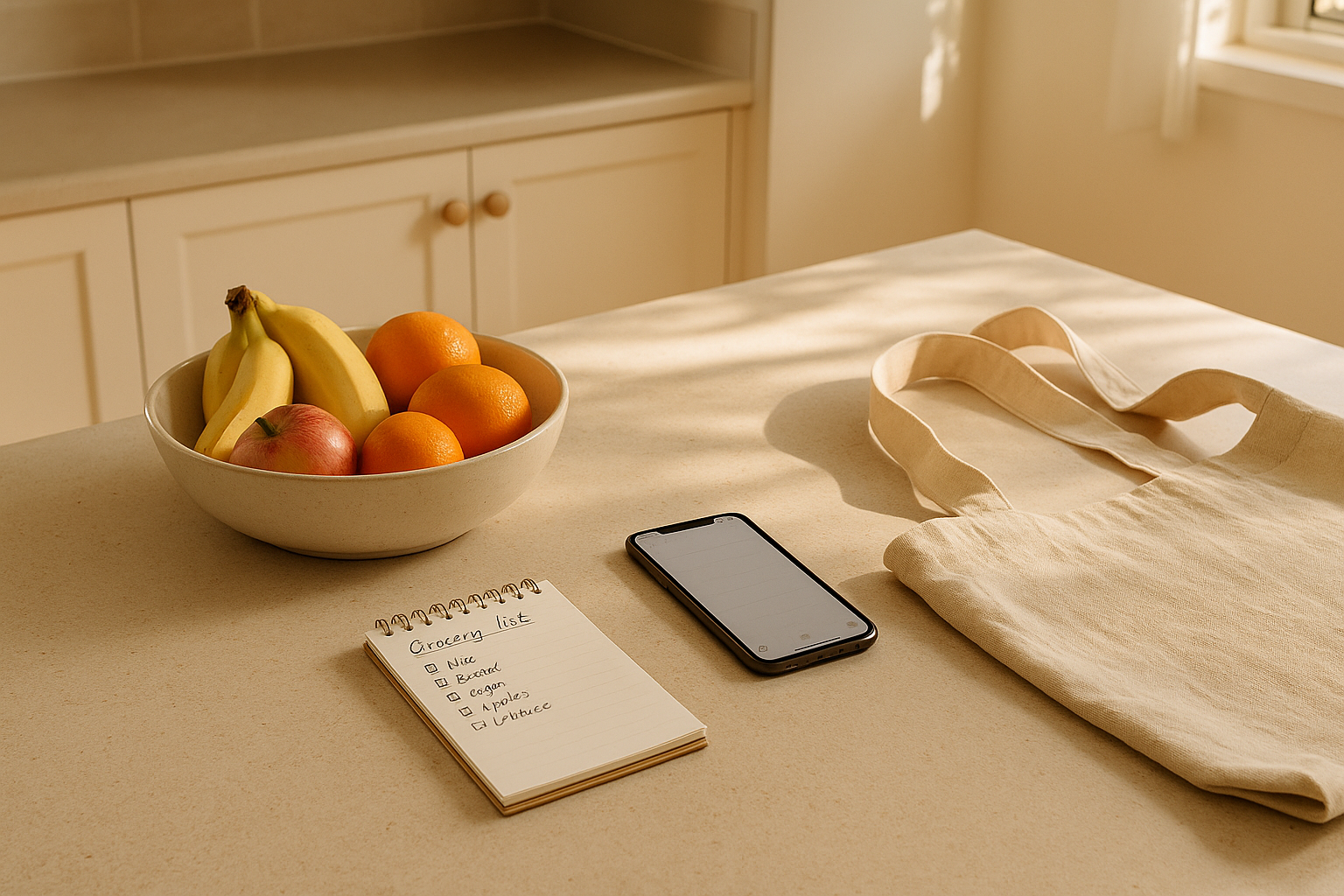
Write it down. Take it with you.
2) Do a quick pantry + fridge audit (3 minutes)
Before you buy more food, check what you already have.
Scan for:
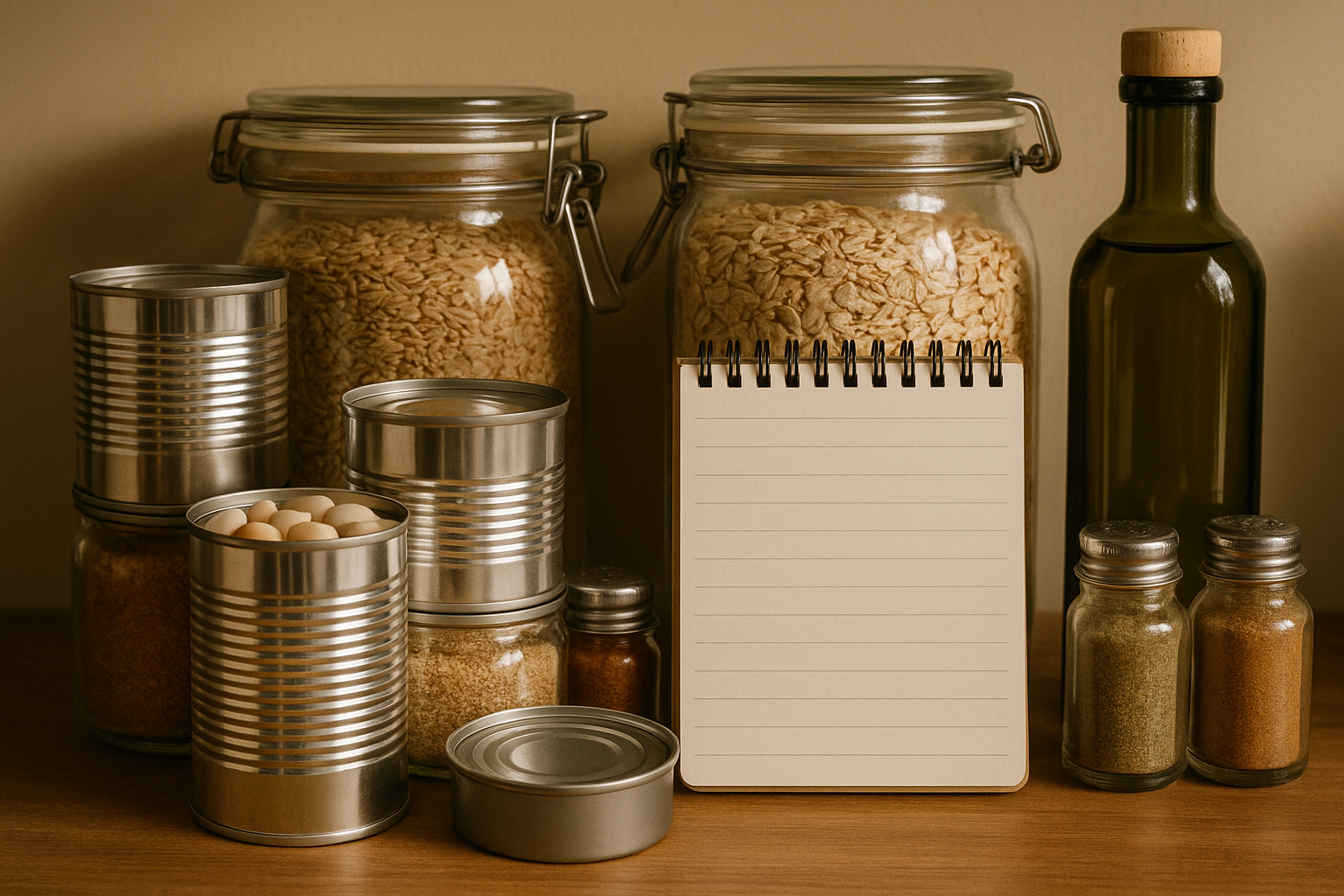
- Proteins: eggs, tinned fish, chicken, tofu, mince, legumes
- Carbs: rice, potatoes, wraps, pasta, oats
- Veg + fruit: what will spoil first
- Flavour: sauces, herbs, spices, stock, lemon/lime
- Lunch options: leftovers, frozen meals, sandwich fillings
Tip: when you get home, put “use first” items at the front of the fridge.
3) Choose 3–5 dinners (then plan lunches from leftovers)
You don’t need a perfect weekly menu. You need a simple pattern.
A realistic mix:
- 2 quick fresh meals (stir-fry, tacos, salads)
- 1 tray bake (veg + protein)
- 1 one-pot meal (curry, chilli, soup)
- 1 flexible night (leftovers or eggs on toast)
To reduce waste, plan two dinners that share ingredients.
Example: roast chicken + salad becomes chicken wraps the next day.
4) Check your week for “risk moments”
Risk moments are when plans fall apart.
Common ones:
- Late work nights
- Kids’ sport afternoons
- Social weekends
- Big meetings (hello, stress snacking)
For each risk moment, add one backup meal:
- Frozen veg + eggs (fast frittata)
- Tinned tuna + microwave rice + salad
- Rotisserie chicken + bagged salad + potatoes
Convenience foods aren’t the enemy. Unplanned hunger is.
5) Write your list in aisle order (not by recipe)
This cuts decision fatigue. It also reduces impulse buys.
Simple order:
- Produce
- Meat/seafood/plant proteins
- Dairy & chilled
- Bakery
- Pantry
- Freezer
- Household
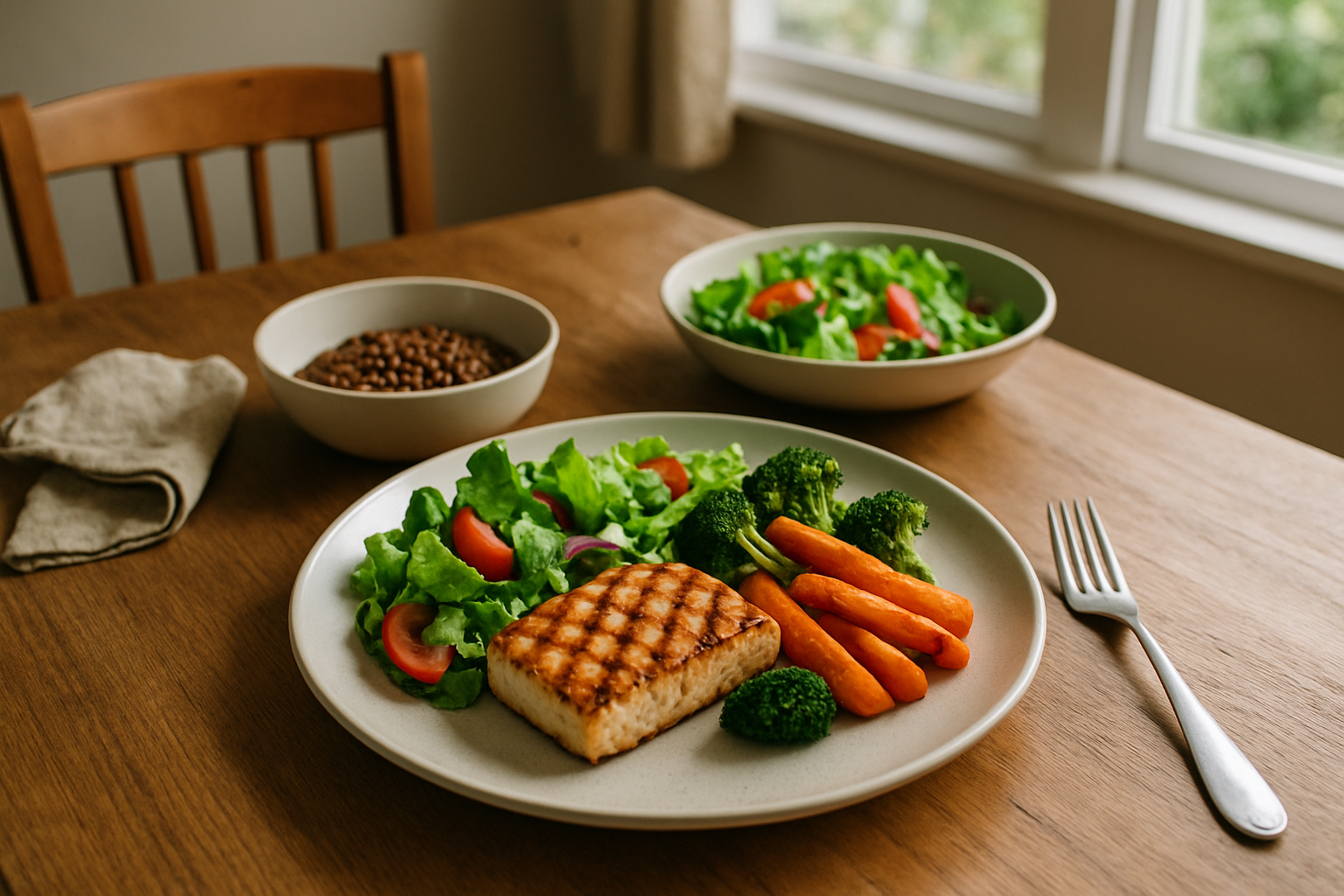
6) Use a simple trolley framework
This keeps your shop balanced without overthinking.
Aim for:
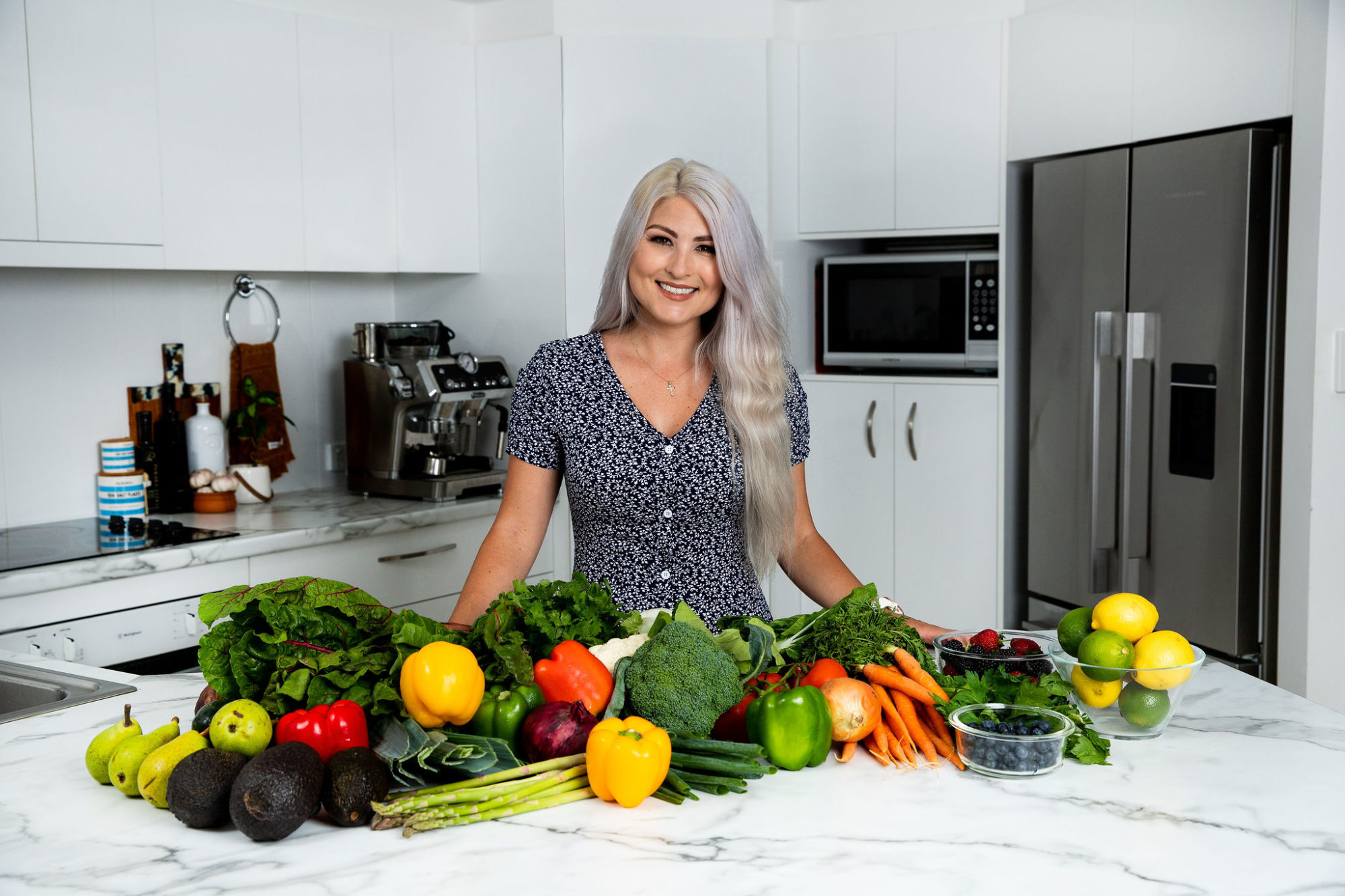
- Half the trolley: veg and fruit
- A quarter: proteins
- A quarter: carbs + fibre foods
- Plus: 2–3 “consistency helpers” you’ll actually use (coffee, sparkling water, yoghurt, easy snacks)
It’s not about perfection. It’s about making the easy choice the normal choice.
In-supermarket checklist: shop faster and smarter
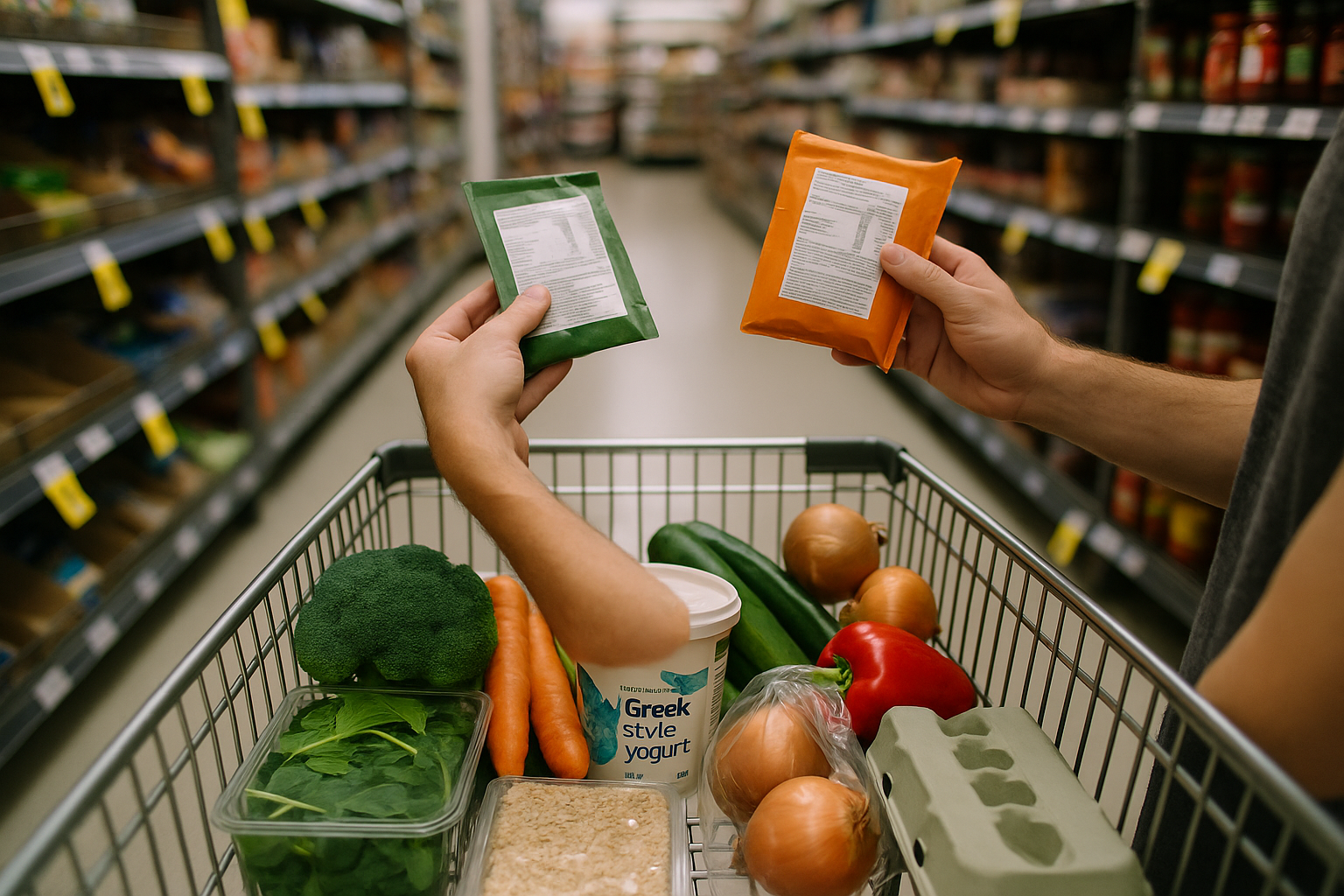
Start with produce (and make it easy to use)
A small structure helps.
Choose:
- 3 salad veg (cucumber, tomatoes, capsicum)
- 3 cooking veg (broccoli, carrot, zucchini)
- 2 fruits you will genuinely eat this week
If fresh veg often goes to waste, buy a mix:
- Fresh for days 1–3
- Frozen for days 4–7
Frozen veg can be budget-friendly. It also reduces waste.
Protein: plan for breakfast and snacks, not just dinner
Many people under-eat protein early. Then they feel snacky later.
Easy options:
- Eggs
- Greek yoghurt
- Tinned tuna/salmon
- Chicken thighs or mince
- Tofu/tempeh
- Beans and lentils
If mornings are rushed, choose one default breakfast for the week:
- Greek yoghurt + berries + nuts, or
- eggs + toast
Carbs: choose the ones that keep you full
Carbs aren’t the issue. Low-fibre, highly snackable carbs often are.
Useful staples:
- Oats
- Basmati or brown rice
- Potatoes/sweet potato
- Wholegrain bread/wraps (if tolerated)
- Quinoa, barley
If you’re working on gut comfort, what suits you is individual.
Some people do best with smaller serves of certain grains. Others need a different fibre mix. This is where support from a gut health dietitian Gold Coast locals rely on can help tailor fibre type, serve size, and timing.
The 20-second label check
You don’t need to read everything.
Use this quick flow:
- Ingredients list: is it mostly recognisable food?
- Added sugars: are they early in the list?
- Fibre: will this keep you satisfied?
- Sodium: compare similar sauces and packaged meals
Simple swaps that still feel normal:
- Flavoured yoghurt → plain yoghurt + fruit
- Sugary cereal → oats + cinnamon + berries
- Snack bars → nuts + fruit + yoghurt
- Creamy sauces → olive oil + lemon + herbs
Plan two snacks (so you don’t “accidentally” snack)
If you don’t plan snacks, the supermarket will plan them for you.
Two examples:
- Snack 1: yoghurt + berries
- Snack 2: hummus + crackers + carrots
For very busy weeks:
- Snack 1: cheese + wholegrain crackers
- Snack 2: tinned tuna + rice cakes
A practical Gold Coast example: the “busy week trolley”
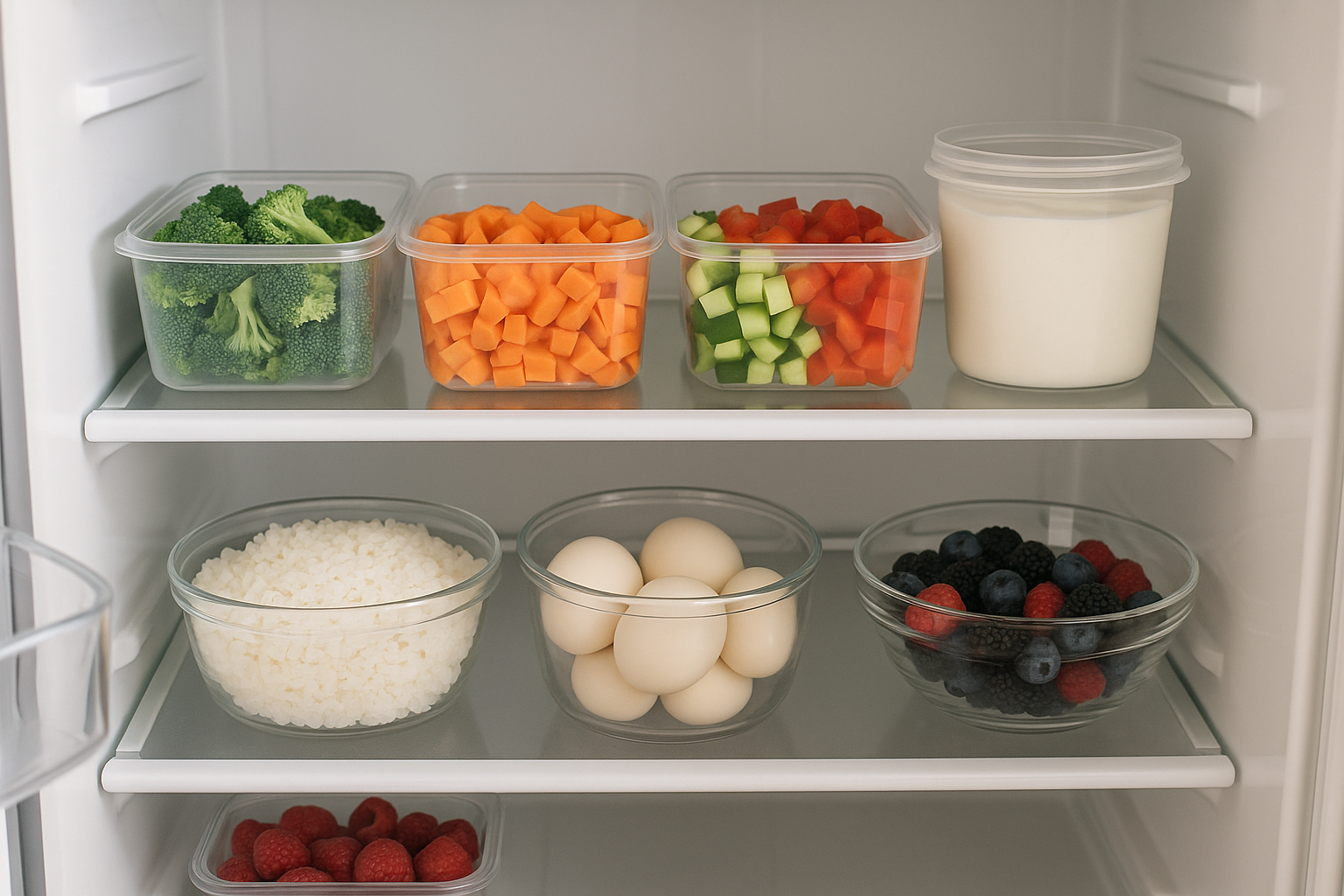
Here’s a realistic plan for quick dinners, better energy, and fewer takeaway nights.
Dinners (5):
- Chicken stir-fry with frozen veg + rice
- Beef (or lentil) bolognese + pasta + side salad
- Tray bake: salmon (or tofu) + potatoes + broccoli
- Tacos: mince/beans + salad + avocado
- Omelette/frittata night + leftover salad
Shopping list (condensed):
- Produce: salad mix, tomatoes, cucumber, capsicum, onions, garlic, potatoes, broccoli, bananas, berries
- Proteins: eggs, chicken thighs, mince (or lentils), salmon (or tofu), tinned tuna
- Dairy: Greek yoghurt, cheese
- Pantry: rice, pasta, tinned tomatoes, beans, olive oil, taco spices, stock
- Freezer: mixed veg, berries
- Convenience: bagged salad, hummus
If you’re shopping for gut health: keep it personal (not trendy)
Many people start searching for a naturopath Gold Coast or Gold Coast naturopath after trying to cut foods and still feeling bloated, tired, or uncomfortable.
You’ll also see searches like best naturopath Gold Coast, highly recommended naturopath Gold Coast, naturopaths Gold Coast, and naturopaths in Gold Coast when people want clear, practical support.
A more helpful approach is usually:
- Identify your most predictable triggers (not every possible trigger)
- Choose steady meals for 2–3 weeks
- Change one variable at a time (fibre type, dairy type, portion size, meal timing)
Depending on your needs, you might look for:
- a holistic nutritionist Gold Coast locals use for practical food strategies
- a nutritionist Gold Coast service for meal planning and habit support
- a practitioner who considers digestion, stress, sleep, and food choices together
If you’re not sure where to start, Beta Me’s Naturopath Gold Coast | Nutritionist Gold Coast services are designed to be practical and realistic.
If anxiety or stress eating is driving the shop
If the hardest part is consistency (not knowledge), stress and anxiety often sit underneath.
Try shopping rules that reduce decision fatigue:
- Buy the same weekday breakfast for a month.
- Choose two repeatable lunches.
- Keep two emergency dinners in the freezer/pantry.
If anxiety affects appetite, digestion, or food choices, explore Beta Me’s naturopathy for anxiety support.
Your printable planning checklist (copy/paste)
Before you go
- My goal for this shop (one sentence): ______
- Pantry/fridge audit done
- 3–5 dinners chosen
- Two snacks chosen
- “Risk moments” covered with backup meals
- List written in aisle order
- Budget limit set (optional): ______
In the shop
- Produce first: 3 salad veg + 3 cooking veg + 2 fruits
- Protein for breakfasts + lunches + dinners
- Fibre staple added (oats/legumes/wholegrains as tolerated)
- Quick label check for packaged foods
- One convenience item that saves real time
After you unpack
- Wash/chop 1–2 veg for easy meals
- Put “use first” items at the front of the fridge
- Cook one component (rice, tray bake, mince, boiled eggs)
Want help turning your trolley into a plan you’ll follow?
If you’re on the Gold Coast and want practical support (not preachy), Beta Me offers guided Supermarket Shopping Tours on the Gold Coast.
You can also explore:
- Mobile consultations on the Gold Coast if you’d prefer support at home
- NDIS nutrition support options if you’re looking for an NDIS dietitian Gold Coast pathway or flexible appointments
If you’d like to get a feel for Beta Me first, visit About Beta Me Nutrition & Naturopathy.