
Small Kitchen, Big Health: Clever Ideas for Your Gold Coast Home

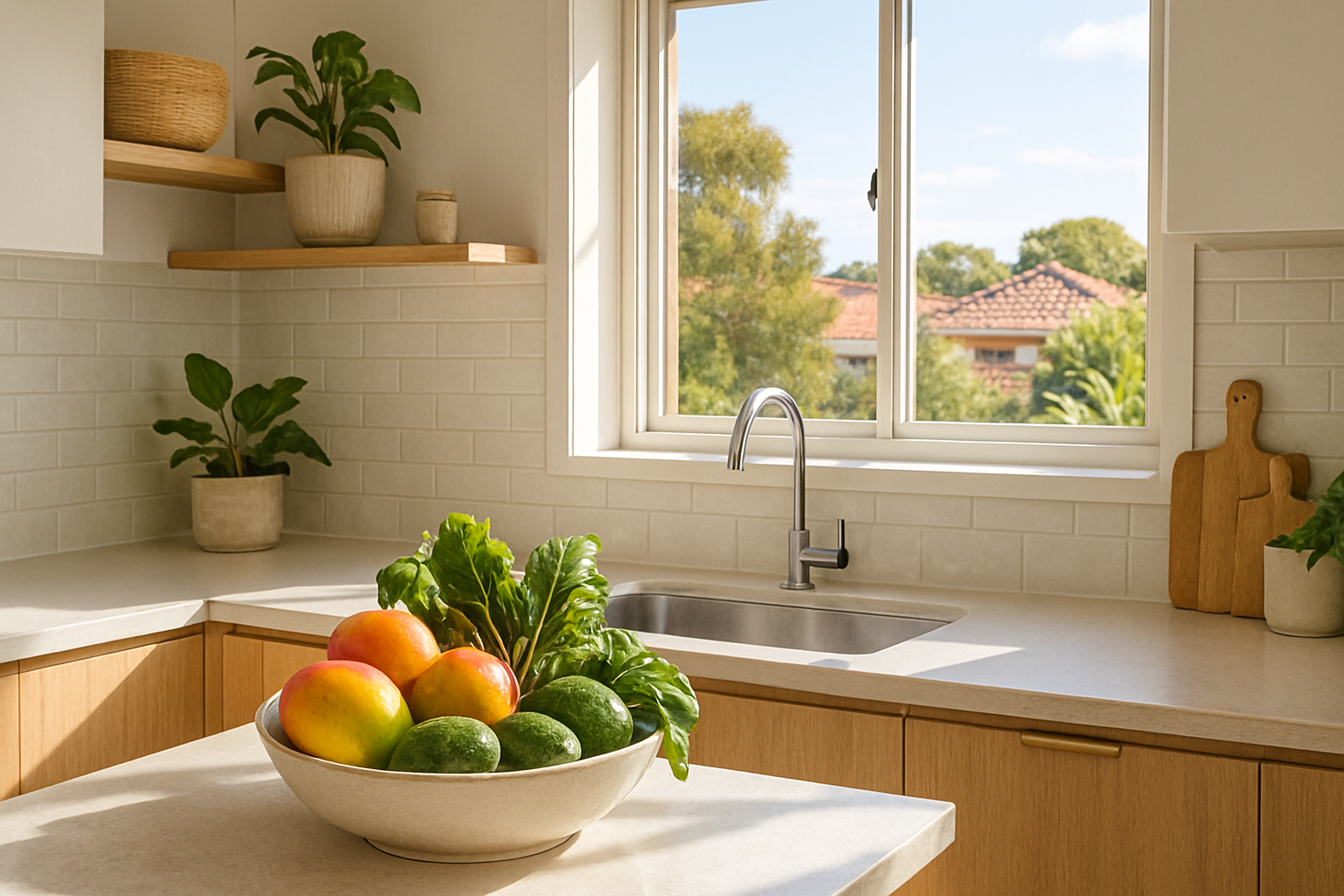
A small, well-organised Gold Coast kitchen optimised for healthy eating.

Small Kitchen, Big Health: Clever Ideas for Your Gold Coast Home

Living on the Gold Coast often means embracing a more streamlined lifestyle, and that can include your kitchen space. From Mermaid Beach apartments to compact townhouses in Robina, a smaller kitchen isn’t a setback—it’s an opportunity to get smart, organised, and focused on your health goals.

A cluttered, chaotic kitchen can make preparing nutritious food feel like a chore. But a well-designed space makes healthy choices feel effortless. As a Naturopath Gold Coast, we know that your environment plays a huge role in your wellness journey. Here are our best practical ideas for turning your small kitchen into a powerhouse of health.

1. Think Vertically: Reclaim Your Bench Space

A neatly organised kitchen drawer with essential utensils.

Bench space is prime real estate in a small kitchen. The less clutter you have, the more room you have to chop, prep, and plate. The key is to draw the eye upward.

  • Magnetic Knife Strips: Ditch the clunky knife block. A wall-mounted magnetic strip keeps your knives accessible and your bench clear.
  • Wall Shelves: Install simple floating shelves for frequently used items like spices, oils, or your favourite mugs. This frees up valuable cupboard space for less-used items.
  • Hanging Baskets: Use tiered hanging baskets for fresh produce like onions, garlic, and avocados. It keeps them off the counter and adds a touch of fresh decor.

An organised kitchen is the first step. Having a clear space makes it so much easier to follow the tailored advice from a professional who provides dedicated nutrition services Gold Coast wide.

2. Master the Pantry Edit

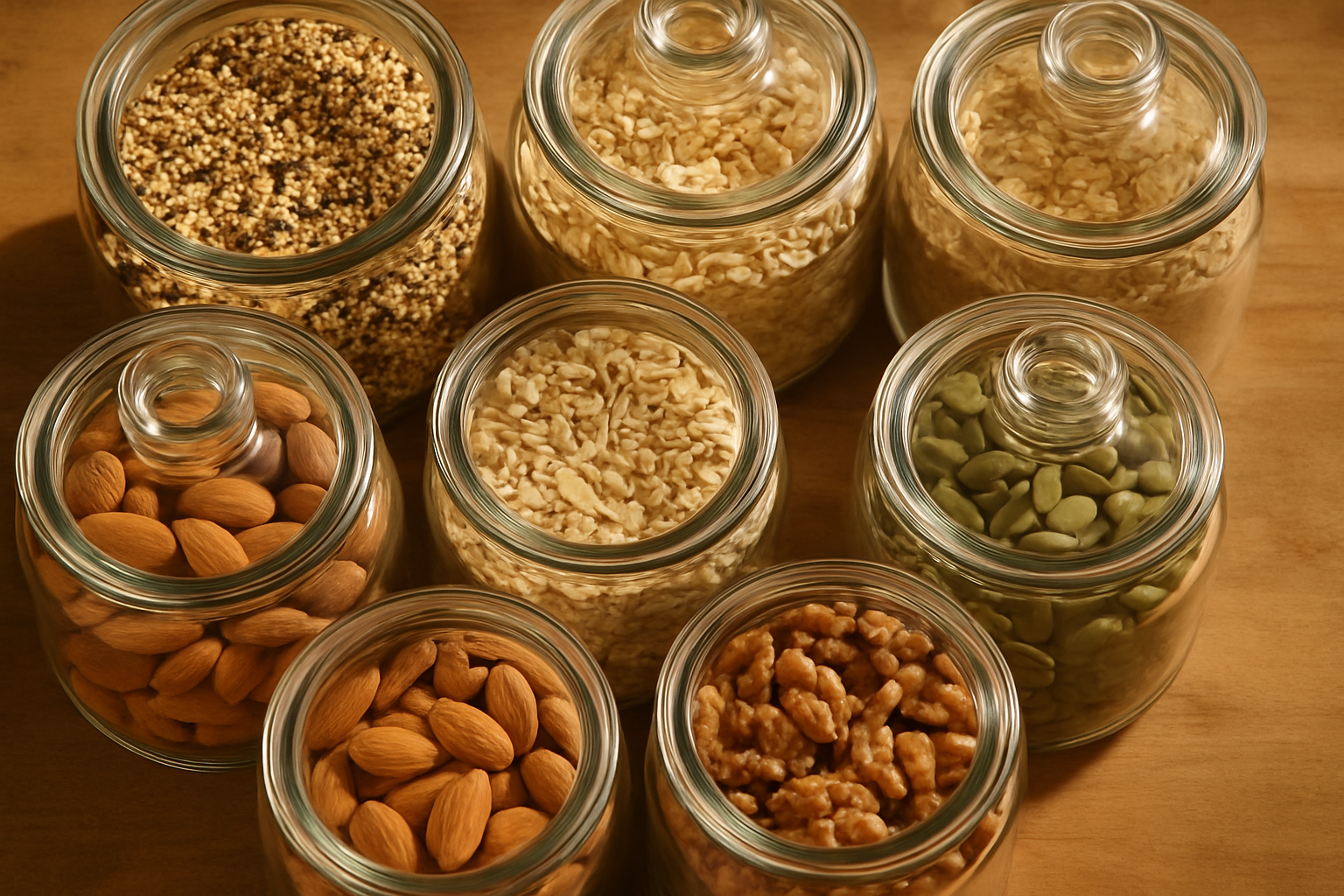
Pantry staples like grains and nuts organised in clear jars.

A disorganised pantry is where good intentions get lost. You can’t eat what you can’t find. A streamlined pantry makes grocery shopping more efficient and cooking much faster.

  • Decant Everything: Remove bulky packaging. Store dry goods like grains, legumes, nuts, and seeds in clear, airtight containers. You’ll see what you have at a glance and keep food fresher for longer.
  • Label Lavishly: Use a simple label maker or chalk pen. Label the container with the contents and even the cooking time (e.g., “Quinoa: 15 mins”).
  • Create Zones: Group like items together. Have a breakfast zone with oats and seeds, a snack zone with nuts and rice crackers, and a section for canned goods. This logic helps you build healthy meals quickly.

If you’re focusing on specific dietary needs, this step is vital. A well-stocked pantry is the foundation for success, whether you’re following advice from a gut health dietitian on the Gold Coast or simply trying to eat more wholefoods.

3. Embrace Minimalist Meal Prep

Colourful chopped vegetables prepped for healthy meals.

Meal prepping in a small kitchen doesn’t have to involve a mountain of containers taking over every surface. It’s about being strategic.

  • Component Prep: Instead of full meals, prep ingredients. Cook a batch of brown rice, roast a tray of vegetables, and boil some eggs. You can then assemble different bowls, salads, and wraps throughout the week.
  • One-Pan Wonders: Sheet-pan dinners are a small kitchen hero. Toss your protein and veggies with some olive oil and spices and roast on a single tray. Minimal mess, maximum flavour.
  • Love Your Slow Cooker: A slow cooker or multi-cooker uses minimal bench space and does the work for you, filling your home with delicious aromas while you’re out enjoying the Gold Coast sunshine.

For those with specific requirements, such as clients seeking an NDIS dietitian on the Gold Coast, having a simple and repeatable meal prep system can be life-changing. It builds routine and removes the daily stress of deciding what to eat.

4. Choose Your Tools Wisely

A space-saving stick blender being used in a small kitchen.

Multi-use tools are your best friend in a compact kitchen.

A small kitchen can’t house every trendy gadget. Focus on quality, multi-functional tools that earn their place.

  • The Essentials: A great chef’s knife, a large non-slip chopping board, one good non-stick frying pan, and one quality saucepan or Dutch oven will handle 90% of your cooking needs.
  • Smart Appliances: A stick blender can replace a bulky countertop blender for smoothies and soups. A small air fryer can roast, bake, and reheat, making it more versatile than a toaster oven.

Before you buy a new appliance, ask yourself: “Does this do the job of something I already own, but better?” A holistic nutritionist will always tell you that the simplest tools are often the most effective for creating healthy, uncomplicated food.

Let’s Make Your Kitchen Work for You

Transforming your kitchen from a source of stress into a space that supports your wellbeing is one of the most practical steps you can take for your health. An organised space simplifies healthy eating, reduces food waste, and makes cooking enjoyable again.

If you’re ready to align your diet with your health goals but aren’t sure where to start, we’re here to help. We can help you plan your pantry, learn what to look for at the grocery store, and create a personalised nutrition plan that works for your lifestyle. Our Mobile services and shopping tours are designed to give you practical skills in your own environment.

Book a consultation with our nutritionist today and take the first step towards a healthier, more organised life on the Gold Coast.

Gold Coast Supermarket Shopping Planning Checklist (Before You Start)

A bowl of fruit, a grocery list, a smartphone, and a tote bag on a kitchen counter.

Gold Coast supermarket shopping planning checklist (before you start)

If your supermarket shop starts with, “We’ll just see what we feel like,” it often ends with extra snacks, random ingredients, and nothing that turns into dinner.

This Gold Coast supermarket shopping planning checklist before you start is for real life on the Gold Coast. Busy weeks. Different appetites at home. Tight budgets. And common goals like steadier energy, better digestion, and fewer last-minute takeaways.

This isn’t about buying “healthy food”. It’s about buying food you’ll actually use.


The 10-minute checklist before you leave home

Simple balanced meal made from planned supermarket shopping ingredients

1) Pick one goal for this shop (one sentence)

One clear goal makes decisions faster.

Choose one:

  • Weeknight dinners in 20 minutes
  • More gut-friendly fibre (without flare-ups)
  • Protein at breakfast so I’m not snacky at 3 pm
  • A budget shop with minimal waste

Write it down. Take it with you.

2) Do a quick pantry + fridge audit (3 minutes)

Before you buy more food, check what you already have.

Scan for:

  • Proteins: eggs, tinned fish, chicken, tofu, mince, legumes
  • Carbs: rice, potatoes, wraps, pasta, oats
  • Veg + fruit: what will spoil first
  • Flavour: sauces, herbs, spices, stock, lemon/lime
  • Lunch options: leftovers, frozen meals, sandwich fillings

Tip: when you get home, put “use first” items at the front of the fridge.

3) Choose 3–5 dinners (then plan lunches from leftovers)

You don’t need a perfect weekly menu. You need a simple pattern.

A realistic mix:

  • 2 quick fresh meals (stir-fry, tacos, salads)
  • 1 tray bake (veg + protein)
  • 1 one-pot meal (curry, chilli, soup)
  • 1 flexible night (leftovers or eggs on toast)

To reduce waste, plan two dinners that share ingredients.

Example: roast chicken + salad becomes chicken wraps the next day.

4) Check your week for “risk moments”

Risk moments are when plans fall apart.

Common ones:

  • Late work nights
  • Kids’ sport afternoons
  • Social weekends
  • Big meetings (hello, stress snacking)

For each risk moment, add one backup meal:

  • Frozen veg + eggs (fast frittata)
  • Tinned tuna + microwave rice + salad
  • Rotisserie chicken + bagged salad + potatoes

Convenience foods aren’t the enemy. Unplanned hunger is.

5) Write your list in aisle order (not by recipe)

This cuts decision fatigue. It also reduces impulse buys.

Simple order:

  1. Produce
  2. Meat/seafood/plant proteins
  3. Dairy & chilled
  4. Bakery
  5. Pantry
  6. Freezer
  7. Household

6) Use a simple trolley framework

This keeps your shop balanced without overthinking.

Aim for:

  • Half the trolley: veg and fruit
  • A quarter: proteins
  • A quarter: carbs + fibre foods
  • Plus: 2–3 “consistency helpers” you’ll actually use (coffee, sparkling water, yoghurt, easy snacks)

It’s not about perfection. It’s about making the easy choice the normal choice.


In-supermarket checklist: shop faster and smarter

Comparing two packaged foods in a supermarket aisle to choose the better option

Start with produce (and make it easy to use)

A small structure helps.

Choose:

  • 3 salad veg (cucumber, tomatoes, capsicum)
  • 3 cooking veg (broccoli, carrot, zucchini)
  • 2 fruits you will genuinely eat this week

If fresh veg often goes to waste, buy a mix:

  • Fresh for days 1–3
  • Frozen for days 4–7

Frozen veg can be budget-friendly. It also reduces waste.

Protein: plan for breakfast and snacks, not just dinner

Many people under-eat protein early. Then they feel snacky later.

Easy options:

  • Eggs
  • Greek yoghurt
  • Tinned tuna/salmon
  • Chicken thighs or mince
  • Tofu/tempeh
  • Beans and lentils

If mornings are rushed, choose one default breakfast for the week:

  • Greek yoghurt + berries + nuts, or
  • eggs + toast

Carbs: choose the ones that keep you full

Carbs aren’t the issue. Low-fibre, highly snackable carbs often are.

Useful staples:

  • Oats
  • Basmati or brown rice
  • Potatoes/sweet potato
  • Wholegrain bread/wraps (if tolerated)
  • Quinoa, barley

If you’re working on gut comfort, what suits you is individual.

Some people do best with smaller serves of certain grains. Others need a different fibre mix. This is where support from a gut health dietitian Gold Coast locals rely on can help tailor fibre type, serve size, and timing.

The 20-second label check

You don’t need to read everything.

Use this quick flow:

  1. Ingredients list: is it mostly recognisable food?
  2. Added sugars: are they early in the list?
  3. Fibre: will this keep you satisfied?
  4. Sodium: compare similar sauces and packaged meals

Simple swaps that still feel normal:

  • Flavoured yoghurt → plain yoghurt + fruit
  • Sugary cereal → oats + cinnamon + berries
  • Snack bars → nuts + fruit + yoghurt
  • Creamy sauces → olive oil + lemon + herbs

Plan two snacks (so you don’t “accidentally” snack)

If you don’t plan snacks, the supermarket will plan them for you.

Two examples:

  • Snack 1: yoghurt + berries
  • Snack 2: hummus + crackers + carrots

For very busy weeks:

  • Snack 1: cheese + wholegrain crackers
  • Snack 2: tinned tuna + rice cakes

A practical Gold Coast example: the “busy week trolley”

Meal prep components in a fridge to make weeknight dinners easier

Here’s a realistic plan for quick dinners, better energy, and fewer takeaway nights.

Dinners (5):

  • Chicken stir-fry with frozen veg + rice
  • Beef (or lentil) bolognese + pasta + side salad
  • Tray bake: salmon (or tofu) + potatoes + broccoli
  • Tacos: mince/beans + salad + avocado
  • Omelette/frittata night + leftover salad

Shopping list (condensed):

  • Produce: salad mix, tomatoes, cucumber, capsicum, onions, garlic, potatoes, broccoli, bananas, berries
  • Proteins: eggs, chicken thighs, mince (or lentils), salmon (or tofu), tinned tuna
  • Dairy: Greek yoghurt, cheese
  • Pantry: rice, pasta, tinned tomatoes, beans, olive oil, taco spices, stock
  • Freezer: mixed veg, berries
  • Convenience: bagged salad, hummus

If you’re shopping for gut health: keep it personal (not trendy)

Many people start searching for a naturopath Gold Coast or Gold Coast naturopath after trying to cut foods and still feeling bloated, tired, or uncomfortable.

You’ll also see searches like best naturopath Gold Coast, highly recommended naturopath Gold Coast, naturopaths Gold Coast, and naturopaths in Gold Coast when people want clear, practical support.

A more helpful approach is usually:

  • Identify your most predictable triggers (not every possible trigger)
  • Choose steady meals for 2–3 weeks
  • Change one variable at a time (fibre type, dairy type, portion size, meal timing)

Depending on your needs, you might look for:

  • a holistic nutritionist Gold Coast locals use for practical food strategies
  • a nutritionist Gold Coast service for meal planning and habit support
  • a practitioner who considers digestion, stress, sleep, and food choices together

If you’re not sure where to start, Beta Me’s Naturopath Gold Coast | Nutritionist Gold Coast services are designed to be practical and realistic.


If anxiety or stress eating is driving the shop

If the hardest part is consistency (not knowledge), stress and anxiety often sit underneath.

Try shopping rules that reduce decision fatigue:

  • Buy the same weekday breakfast for a month.
  • Choose two repeatable lunches.
  • Keep two emergency dinners in the freezer/pantry.

If anxiety affects appetite, digestion, or food choices, explore Beta Me’s naturopathy for anxiety support.


Your printable planning checklist (copy/paste)

Before you go

  • My goal for this shop (one sentence): ______
  • Pantry/fridge audit done
  • 3–5 dinners chosen
  • Two snacks chosen
  • “Risk moments” covered with backup meals
  • List written in aisle order
  • Budget limit set (optional): ______

In the shop

  • Produce first: 3 salad veg + 3 cooking veg + 2 fruits
  • Protein for breakfasts + lunches + dinners
  • Fibre staple added (oats/legumes/wholegrains as tolerated)
  • Quick label check for packaged foods
  • One convenience item that saves real time

After you unpack

  • Wash/chop 1–2 veg for easy meals
  • Put “use first” items at the front of the fridge
  • Cook one component (rice, tray bake, mince, boiled eggs)

Want help turning your trolley into a plan you’ll follow?

If you’re on the Gold Coast and want practical support (not preachy), Beta Me offers guided Supermarket Shopping Tours on the Gold Coast.

You can also explore:

If you’d like to get a feel for Beta Me first, visit About Beta Me Nutrition & Naturopathy.

Pantry staples laid out to help plan meals before supermarket shopping

Gold Coast naturopath nutritionist planning checklist before you start

Planning checklist on a kitchen bench for a naturopath nutritionist appointment

Gold Coast naturopath nutritionist planning checklist before you start

If you’re booking a naturopath nutritionist on the Gold Coast, the fastest way to get real value from your first appointment is to arrive prepared.

Not with perfect eating or a suitcase full of supplements—just the right information. That’s what helps your practitioner connect the dots between what you’re feeling day to day, what you’re eating, what you’ve already tried, and what’s realistic in your household.

This checklist is designed for Australian homeowners and busy families who want practical, no-fuss steps before seeing a naturopath and nutritionist.

The planning checklist (save this and tick it off)

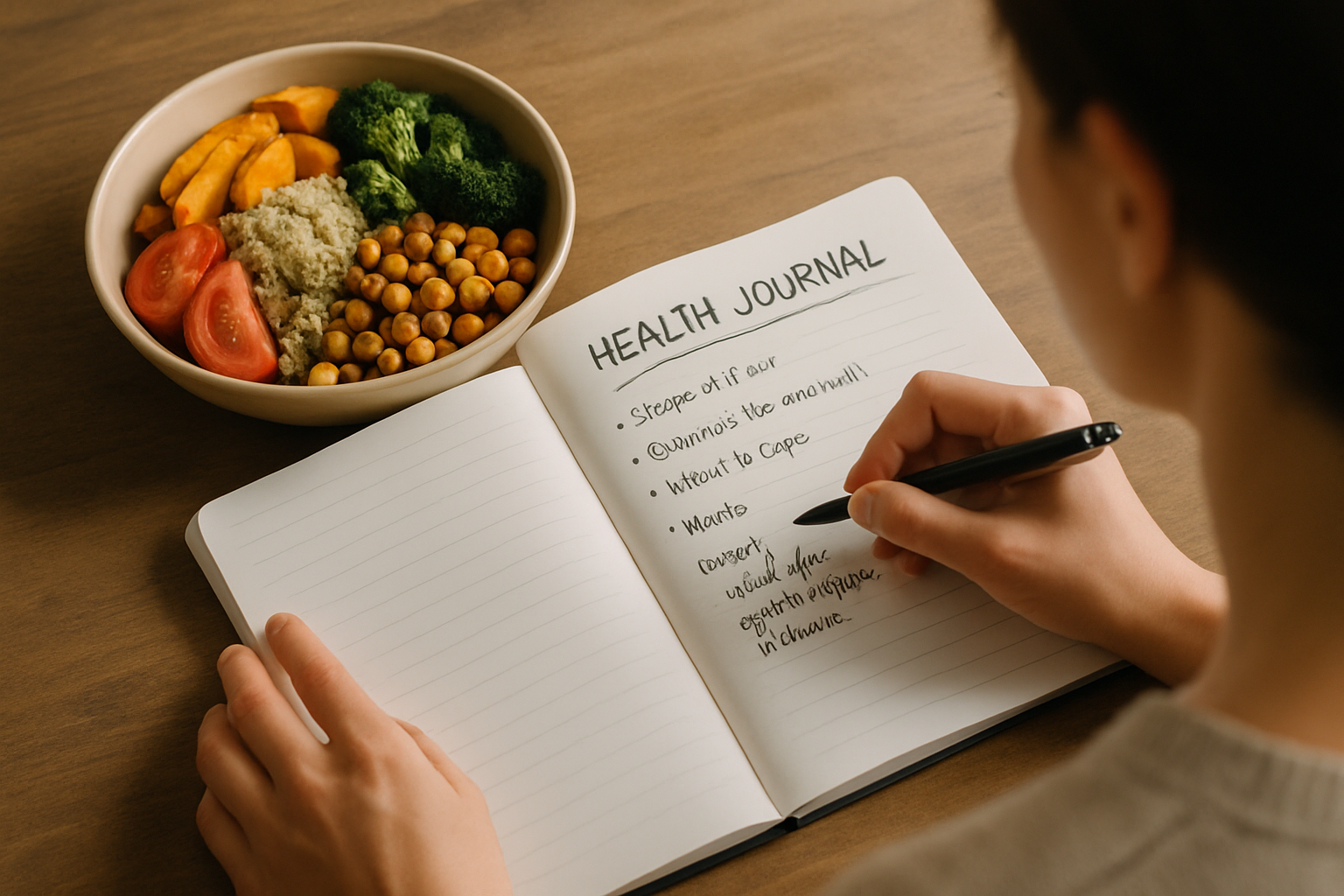
Tracking a food diary before seeing a nutritionist

1) Write your “why now” in one sentence

Examples:

  • “I’m bloated most afternoons and it’s getting in the way of work and family time.”
  • “My energy crashes at 3 pm and I’m relying on coffee and snacks to push through.”
  • “My anxiety feels worse lately and I want a plan that includes food and lifestyle, not just willpower.”

This helps steer the session away from vague goals and towards a plan.

2) Choose 1–3 priorities (not ten)

Many people arrive wanting to fix everything: gut issues, sleep, skin, weight, mood, hormones and cravings.

You’ll get better outcomes by picking a few priorities to start. For example:

  • Gut comfort (bloating, reflux, irregular bowel motions)
  • Energy and cravings (afternoon slump, sweet cravings)
  • Mood and stress support (sleep quality, anxious feelings, overwhelm)

If you were searching for a gut health dietitian Gold Coast, you’re probably looking for structured digestive support. Clear priorities help your practitioner decide what to assess first and what can wait.

3) Create a quick symptom timeline

Use dot points—keep it simple:

  • When did it start?
  • What makes it worse?
  • What makes it better?
  • Is it daily, weekly, or around certain times?

Practical example:

  • “Bloating started after a gastro bug last year. Worse after takeaway and late dinners. Better when I eat earlier and walk after meals.”

This is gold for a Gold Coast naturopath or nutritionist Gold Coast consult because it narrows down likely triggers.

4) Track a 3–7 day food and symptom diary

This is one of the most useful things you can do before you book (or while you’re waiting for your appointment).

What to include:

  • Meals and snacks (rough portions are fine)
  • Drinks (coffee, alcohol, soft drink, sparkling water)
  • Timing (especially late-night eating)
  • Symptoms (bloating, reflux, headaches, bowel changes)
  • Energy (morning, afternoon, evening)
  • Sleep and stress notes

Homeowner-friendly tip: jot it down in your notes app while you’re packing lunches or cleaning up dinner—don’t aim for perfect.

5) List your current medications and supplements (with doses)

Bring:

  • Prescription meds
  • Over-the-counter meds (including reflux meds, antihistamines, pain relief)
  • Supplements (brand + dose if possible)

If you don’t know doses, take a quick photo of labels at home. This helps your practitioner make safe, sensible recommendations and avoid doubling up.

6) Gather recent test results (if you have them)

If you’ve had blood tests in the last 6–12 months, request a copy from your GP clinic and bring them along.

Helpful examples may include:

  • Iron studies
  • B12 and folate
  • Thyroid markers
  • Lipids
  • Blood glucose markers

No need to do extra tests just for the sake of it. The goal is to avoid guessing when you already have useful information.

7) Note your “non-negotiables” at home

This is where advice becomes realistic.

Write down what your week actually looks like:

  • Do you cook most nights or rely on quick meals?
  • Are you feeding kids with different preferences?
  • Are you doing shift work?
  • Are there budget limits?
  • Do you have a pantry stocked with certain staples?

Practical example:

  • “We do two sports nights, so dinners need to be 15 minutes.”

A good holistic nutritionist Gold Coast approach should fit your real life, not fight it.

8) Decide what “success” looks like in 8–12 weeks

Keep it measurable and personal.

Examples:

  • “Bloating reduced to once a week.”
  • “No afternoon energy crash most days.”
  • “I can eat out without regretting it.”
  • “I’m sleeping through the night at least 5 nights a week.”

These targets guide the plan and make progress easier to track.

9) Prepare 5 questions to ask (use these)

If you’re researching how to choose a naturopath, these questions help you quickly work out fit and quality:

  1. What do you think is most likely driving my symptoms?
  2. What are the first 2–3 changes you’d prioritise—and why?
  3. How will we track progress (symptoms, food diary, repeat bloods through my GP)?
  4. What’s your approach to supplements—food-first, minimal effective, or staged?
  5. What would mean I should go back to my GP quickly (red flags)?

10) Know what to avoid before you start (common pitfalls)

  • Changing everything at once. If you overhaul your diet the week before your consult, you lose clues About what’s been triggering symptoms.
  • Starting a supplement stack because TikTok said so. It can muddy the waters and cost money without clear benefit.
  • Cutting out entire food groups “just in case”. This can make meal planning harder and sometimes backfire.

If you’ve already removed foods, write it down so your practitioner understands the baseline.

What to expect from a naturopath nutritionist appointment

People often search “naturopaths Gold Coast” or “best naturopath Gold Coast” hoping for someone who will finally give them a clear plan.

In a well-run consult, you can expect:

  • A detailed case history (symptoms, routines, stress, sleep, medical history)
  • A look at food patterns and likely triggers
  • Practical, staged changes you can actually do at home
  • Clear next steps (including when to loop in your GP)

If anxiety is part of the picture, it’s common to discuss sleep, caffeine, blood sugar swings, gut symptoms and daily stress load. If that’s you, you may also want to read about naturopathy support for anxiety here: https://betame.com.au/anxiety/

Real-life examples: what “practical” can look like

Whole foods in a trolley for practical nutrition planning

Example 1: Busy household + afternoon crashes

Instead of “eat healthier”, a plan might start with:

  • A protein-based breakfast you can repeat (3 options)
  • A 3 pm strategy that isn’t a sugar hit
  • A dinner template for sports nights (protein + veg + easy carb)

Example 2: Bloating after dinner

A first stage might include:

  • Meal timing tweaks (earlier dinner where possible)
  • A short list of likely triggers to test systematically
  • Chewing, pace and portion adjustments (often overlooked)

Example 3: Anxiety and poor sleep

Rather than vague “reduce stress”, you might focus on:

  • Caffeine timing and dose
  • Blood sugar stability across the day
  • A realistic wind-down routine that works in your home

If you’re specifically looking for an anxiety naturopath (or searching naturopath anxiety), it’s worth choosing someone who will make the plan concrete and trackable—not just inspirational.

Extra support options (helpful if getting to a clinic is hard)

If you’d prefer support at home, mobile services can suit families, shift workers, or anyone who wants their kitchen and pantry considered as part of the plan. Beta Me offers options you can explore here: https://betame.com.au/mobile-consultations/

And if you want hands-on help making changes in the real world (labels, swaps, budget-friendly options), a guided shop can be a game-changer: https://betame.com.au/mobile-consultations/supermarket-shopping-tours/

If you’re comparing options like NDIS dietitian Gold Coast support, you may also want to look at remote consult options here: https://betame.com.au/skype-consultations/

Ready to start? Book with Beta Me

Gathering test results and medication list for a naturopath appointment

If you’re looking for a Gold Coast naturopath who also works as a nutritionist, Beta Me provides practical, tailored nutrition and naturopathy support designed for real households.

Explore services and book your next step here: https://betame.com.au/

Prefer to learn more about Danielle and the approach first? Read more here: https://betame.com.au/about/


Home set-up for lifestyle changes supporting stress and anxiety

FAQs

What’s the difference between a naturopath and a nutritionist?

A nutritionist focuses on food and nutrition strategies, while a naturopath often takes a broader whole-body approach that can include nutrition plus lifestyle, herbal and nutraceutical support. Many people look for a practitioner who can work as a naturopath and nutritionist together, so your food plan and your broader health plan line up.

How do I choose a naturopath on the Gold Coast?

Start with your main goal (for example gut symptoms, fatigue, skin, weight changes, mood or anxiety), then check the practitioner’s scope and experience with that goal. Ask what an initial consult includes, how they track progress, whether they can coordinate with your GP, and what their approach is to supplements and testing. A good fit should feel practical and collaborative, not like a one-size-fits-all protocol.

Do I need a referral to see a naturopath or nutritionist?

Usually no referral is required to book privately. If you want input from your GP (for example, recent blood tests or medication considerations), it helps to request copies of results and bring them along.

Should I do a food diary before my first appointment?

Yes—if you can, track 3–7 days. Include weekdays and a weekend day, plus timing, portion estimates, drinks, snacks, symptoms, sleep and stress. This gives your practitioner far better detail than relying on memory, especially for gut symptoms, energy crashes or cravings.

I’m looking for a gut health dietitian on the Gold Coast—can a nutritionist help too?

Many people search “gut health dietitian Gold Coast” when they want structured, evidence-informed support for digestive symptoms. A nutritionist can also provide food-first strategies for gut health, and a naturopath may add broader support where appropriate. The key is choosing someone who can assess your symptoms properly, tailor the plan, and refer back to your GP when medical investigation is needed.

Can a naturopath help with anxiety?

People often search for an “anxiety naturopath” when they want practical support beyond general advice. A naturopath may look at contributing factors such as sleep, blood sugar swings, gut symptoms, nutrient status, caffeine and alcohol, and stress load. If anxiety is severe, worsening, or impacting safety, it’s important to also seek support from your GP or mental health professional.

Do you offer NDIS nutrition support on the Gold Coast?

If you’re searching for an “NDIS dietitian Gold Coast” option, you may be looking for in-home or flexible nutrition support. Beta Me offers nutrition support options including remote consultations, which can suit participants who need appointments from home or prefer telehealth-style sessions.

What should I bring to my first naturopath nutritionist appointment?

Bring a list of current medications and supplements (with doses), any recent blood test results, a brief timeline of symptoms, your typical day of eating and drinking (or a food diary), and 2–3 outcomes you’d like to achieve over the next 8–12 weeks.

Gold Coast planning checklist before you start: a practical health reset for busy households

Home kitchen bench with a health planning checklist and fresh groceries

Gold Coast planning checklist before you start: a practical Health reset for busy households

Living on the Gold Coast makes it easy to want a reset. Walks by the water, weekend markets, and that “back on track Monday” feeling are everywhere.

The problem is most health kicks fail at the same point: people change everything before they plan.

That’s when you end up with half-used supplements, expensive groceries that don’t get eaten, and a routine that disappears the moment work or family life gets hectic.

This Gold Coast planning checklist before you start is a realistic reset plan for busy households. Use it if you want better digestion, steadier energy, a calmer mood, healthier weight support, or simpler food routines.

1) Get specific: what does “better health” mean right now?

Start small. Write down:

  • One main goal
  • Two supporting goals

Make them practical and easy to measure.

Examples

  • Main goal: Less bloating and reflux most days
  • Supporting goal 1: Eat breakfast at least 5 days per week
  • Supporting goal 2: Cook dinner at home 4 nights per week

If you’re searching for a naturopath Gold Coast or nutritionist Gold Coast because “clean eating” didn’t help, this step matters. Without a clear goal, it’s guesswork.

2) Do a 7-day baseline (don’t change anything yet)

Before you overhaul your diet, collect a simple week of data. No judgement. Just patterns.

Track:

  • Meals, snacks and drinks (rough notes are fine)
  • Caffeine and alcohol timing
  • Sleep and wake times
  • Symptoms (bloating, reflux, constipation/diarrhoea, headaches, cravings)
  • Mood and stress points (meetings, school pick-ups, shift work)

Why it works: many issues come from routines, not one “bad” food. Skipped meals, grazing, low fibre, and late-night eating show up fast in a baseline.

If gut symptoms are a priority, these notes can also help a gut health dietitian Gold Coast or Gold Coast naturopath tailor your next steps.

3) Safety first: the “don’t skip this” check

Some symptoms need medical review rather than DIY changes.

See your GP promptly if you have:

  • Blood in stool
  • Unexplained weight loss
  • Persistent vomiting
  • Severe abdominal pain
  • Ongoing iron deficiency
  • Symptoms that wake you at night

Before starting supplements, also consider:

  • Current medications (interactions can matter)
  • Pregnancy or breastfeeding
  • Thyroid conditions
  • Blood pressure or blood sugar concerns

A highly recommended naturopath Gold Coast should ask About these basics first.

4) Choose a starter plan (change less, get better results)

Pick one nutrition lever and one lifestyle lever for the first two weeks.

This is how you build momentum without burning out.

Nutrition levers (choose one)

  • Regular meals: aim for 3 meals per day, or 3 meals plus one planned snack.
  • Protein at breakfast: eggs, Greek yoghurt, a protein smoothie, or leftovers.
  • Fibre upgrade: add one high-fibre food daily (oats, chia, lentils, berries, vegetables).
  • Plate method: ½ veg, ¼ protein, ¼ carbs, plus healthy fats.

Lifestyle levers (choose one)

  • Sleep anchor: keep the same wake time most days.
  • Stress downshift: 10 minutes of walking, stretching, breathing, or journalling.
  • Screen cut-off: switch off 30–60 minutes before bed.

If anxiety is part of your picture, it can affect appetite, reflux, cravings and gut symptoms. You can also read more about our approach to anxiety naturopathy support.

5) Pantry and fridge prep: make the easy choice the default choice

Organised pantry staples for simple meal planning

You don’t need a perfect pantry. You need a pantry that works on a Tuesday night.

A simple Gold Coast household staples list

  • Proteins: eggs, tinned tuna/salmon, chicken, tofu, Greek yoghurt, legumes
  • Carbs: oats, rice, quinoa, wholegrain bread/wraps, potatoes
  • Fats: olive oil, avocado, nuts/seeds
  • Fibre + flavour: frozen veg, salad mix, berries, spices, stock, tomato passata

The 3-dinner “safety net”

Keep ingredients for three default dinners so you don’t end up ordering takeaway when you’re exhausted.

  • Stir-fry veg + protein + microwave rice
  • Tray bake chicken/tofu + pre-cut veg + potatoes
  • Tuna or bean salad + bread or wraps

If grocery shopping is where it falls apart, a hands-on option can help. See Supermarket shopping tours.

6) Plan for your real week (not your ideal week)

Shopping trolley with whole foods for a balanced weekly shop

A plan that ignores time will fail.

Try this:

  • Busy nights: meals that take 10–15 minutes
  • Better nights: one or two cook-ups for leftovers
  • Emergency options: two freezer meals or a reliable backup meal

This matters even more if you’re juggling shift work, kids, caring responsibilities, or disability supports.

7) Gut health: avoid common “healthy eating” traps

People often search for the best naturopath Gold Coast when digestive symptoms won’t settle.

Before you cut out multiple food groups, check these common issues:

  • Too much fibre too fast: sudden increases can worsen bloating. Build slowly.
  • Protein too low: cravings and constant snacking often follow.
  • Stress-driven digestion: symptoms can spike during anxious or busy periods.
  • Inconsistent meals: long gaps followed by big late meals can trigger reflux.

If you’d like a more structured approach, working with a holistic nutritionist Gold Coast, gut health dietitian Gold Coast, or naturopaths Gold Coast may help—especially when the plan is staged, personalised and reviewed.

8) NDIS planning: set goals that translate into weekly wins

If you’re looking for an NDIS dietitian Gold Coast or NDIS nutritionist Gold Coast, set goals that are clear and functional.

Examples:

  • Build independence with simple breakfasts and lunches
  • Improve food variety with sensory-friendly options
  • Create a predictable shopping and cooking routine
  • Support energy and concentration with regular meals

Beta Me offers flexible options, including NDIS nutrition support (including Skype consults).

9) Decide what support you actually need (and what can wait)

Telehealth nutrition consultation setup at home

You don’t have to do it alone. You also don’t need to do everything at once.

You might prefer a dietitian if you want:

  • Medical nutrition therapy
  • Structured plans and measurable outcomes
  • Support alongside medications or complex health needs
  • NDIS-aligned reporting and goal tracking

You might prefer a naturopath if you want:

  • Whole-person support (food, digestion, sleep, stress)
  • A supplement plan when appropriate
  • Step-by-step changes with follow-up and adjustments

If you’re comparing a Gold Coast naturopath or searching nutritionist Gold Coast, look for someone who builds a plan that fits your week.

You can explore Beta Me here: Naturopath Gold Coast and Nutritionist Gold Coast services, and learn more about Beta Me.

10) Book your review point now (so you don’t drift)

Evening wind-down setup to support sleep and stress management

Choose a date in 2–4 weeks to review:

  • What improved?
  • What got harder?
  • What needs simplifying?
  • Do you need more support or a different strategy?

Progress comes from small adjustments repeated, not a perfect two-week sprint.

Quick printable checklist (copy/paste)

  • One main goal + two supporting goals
  • 7-day baseline notes (food, sleep, symptoms)
  • Safety check: red flags, medications, key health conditions
  • Choose 1 nutrition lever + 1 lifestyle lever for 2 weeks
  • Plan 3 default dinners + 2 backup meals
  • Staple grocery list ready
  • Time plan for busy nights
  • Decide support: dietitian, naturopath, or combined
  • Set a review date (2–4 weeks)

Ready for a tailored plan (without the overwhelm)?

If you’d like a practical plan that fits your household, Beta Me can help—whether you’re after a naturopath Gold Coast, a nutritionist Gold Coast, gut-focused support, or NDIS-friendly routines.

To book or ask a question, contact Beta Me.

Loading...