NDIS Nutritionist Gold Coast: An In‑Depth Guide and Key Considerations

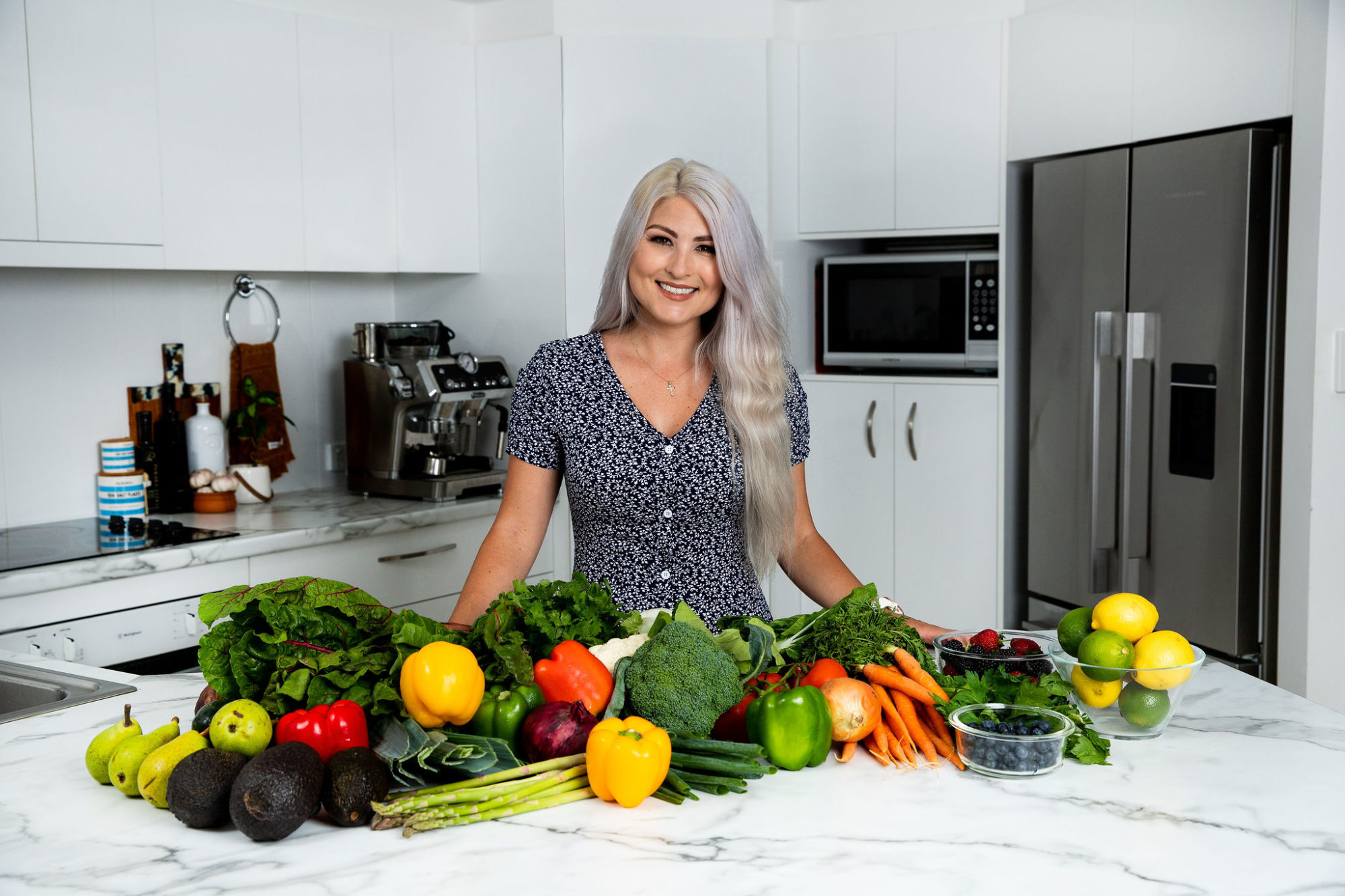
Meal planning set-up for an NDIS nutrition consultation on the Gold Coast

NDIS Nutritionist Gold Coast: An In‑Depth Guide and Key Considerations

Choosing an NDIS nutritionist on the Gold Coast is about more than availability.

It’s about finding support that fits your daily life: energy, routines, sensory preferences, access to food, cooking set‑up, budget, and the goals written into your NDIS plan.

This in-depth guide covers what to look for, what to ask, and how nutrition support can work in real life—at home, online, or a mix.

When nutrition support makes sense under the NDIS

Food routines affect day‑to‑day function. That’s why many participants explore nutrition support when eating and planning impact:

  • Energy and fatigue
  • Regular meals and snacks (especially if appetite cues are unreliable)
  • Gastrointestinal comfort and bowel regularity
  • Sensory preferences and food variety
  • Shopping skills, budgeting, or cooking confidence
  • Medication side effects that affect appetite or digestion
  • Support worker routines in the kitchen

If you’re searching for an NDIS nutritionist Gold Coast service, you’re usually looking for practical strategies you can use at home—not a rigid set of rules.

Nutritionist vs dietitian vs naturopath: what’s the difference?

While researching, you might compare NDIS dietitian Gold Coast options, a holistic nutritionist Gold Coast, or a naturopath Gold Coast service.

Here’s a clear, practical way to think about it.

Dietitian (NDIS dietitian Gold Coast)

A dietitian may be the best fit when you need medical nutrition therapy for complex needs.

Examples include:

  • Significant unintentional weight change
  • Complex chronic conditions that require strict dietary management
  • Swallowing concerns or texture modification
  • Tube feeding support

If you’re searching for a gut health dietitian Gold Coast due to ongoing symptoms, it’s also important to coordinate with your GP.

Nutritionist (nutritionist Gold Coast)

A nutritionist can be a strong choice for practical food education, meal structure, and sustainable habit change.

Common focus areas include:

  • Meal planning that suits your capacity
  • Simple routines for breakfast, snacks and hydration
  • Building variety within sensory preferences
  • Label reading, portions, and balanced plate ideas

Naturopath (gold coast naturopath)

A gold coast naturopath option can suit people who want a broader view across food, lifestyle, and supplements.

If you’re looking for a naturopath and nutritionist approach, choose someone who:

  • Communicates clearly and stays within scope
  • Explains the “why” in plain language
  • Collaborates with your wider healthcare team when needed

If you’re searching for the best naturopath Gold Coast, use reviews as one signal only. Fit matters more. You want a practitioner who understands your goals and can turn ideas into routines.

What to expect in an NDIS nutritionist consultation

A good nutritionist consultation should feel collaborative, specific, and realistic.

Most appointments cover:

  • Your NDIS goals (and what “better” looks like day to day)
  • Current eating patterns, including difficult days
  • Food access: shopping, transport, budget, cooking equipment
  • Sensory preferences, safe foods, and “hard no” foods
  • Energy, sleep, bowel habits, and hydration
  • Medical history and medications/supplements (important for safety)

You should leave with clear next steps. Not a long list. A small plan you can actually do.

Key considerations when choosing an NDIS nutritionist on the Gold Coast

1) Match support to your real-life barriers

If follow‑through is the hard part, look for practical supports like:

  • A simple meal structure and repeatable “default meals”
  • A short shopping list you can reuse
  • Easy snack options that require minimal prep
  • Visual prompts (photos, checklists, fridge notes)

If fatigue or overwhelm is the barrier, the plan should reduce decisions—not add more.

2) Look for clear goal setting (not just education)

NDIS-friendly nutrition support works best when goals are:

  • Specific (what you will do)
  • Measurable (how you’ll know it’s working)
  • Time‑bound (when you’ll review it)
  • Linked to function (daily living, independence, routines)

Examples that often work well:

  • “Eat breakfast 4 days per week using 2 quick options.”
  • “Build a 10‑item shopping list of safe staples and shop with support.”
  • “Add one new fibre food twice a week to support regularity.”

3) Choose the right format: in‑home vs online

Both can work. The best choice depends on what you need help with.

In‑home support may suit you if you want:

  • Pantry, fridge, and kitchen set‑up reviewed
  • Hands‑on support with meal prep routines
  • Carer/support worker involvement in real time

Online sessions can suit you if you want:

  • Education and coaching
  • Meal planning, troubleshooting and check‑ins
  • Flexibility when travel is difficult

You can see how this works at Beta Me here: NDIS Nutritionist Gold Coast | In‑Home Nutrition Support.

4) Ask how progress will be reviewed

A quality service should explain how they track progress in a way that fits you.

This could include:

  • Food tolerance and comfort changes
  • Energy and appetite consistency
  • Skill building (shopping, cooking, planning)
  • Confidence and independence with routines

If you need written notes for your support team, ask upfront.

5) Prioritise “doable”, not “perfect”

If you’ve ever left an appointment thinking, “That sounds good, but I can’t do that,” the plan wasn’t matched to your capacity.

Good support meets you where you are and builds from there.

Practical examples: what an NDIS nutrition plan can look like

Hands organising a weekly meal plan and grocery list

Small, practical steps often make nutrition changes easier to follow.

These examples show the style of strategies many participants find helpful.

Example A: “I skip meals and then snack later”

Try:

  • A two‑option breakfast plan (rotate only two choices)
  • A set snack time with “grab-and-go” snacks
  • A hydration cue linked to an existing routine (e.g., after brushing teeth)

Example B: “Shopping is overwhelming”

Try:

  • A “safe staples” list (10–15 items)
  • A repeatable shop route (same aisles, same products)
  • Shorter shops more often, if capacity allows

For hands‑on support, a shopping tour may help: Supermarket Shopping Guide Gold Coast | Shopping Tour.

Example C: “My gut feels off and I don’t know what to eat”

Try:

  • A simple food-and-symptom check-in (useful, not obsessive)
  • Regular meals and gradual fibre changes
  • Reviewing common triggers like large meals, caffeine timing, or low fluid intake

If symptoms are persistent or severe, coordinate with your GP and consider whether an NDIS dietitian Gold Coast service is more appropriate for your needs.

What to ask before you book

These questions help you quickly check fit and clarity:

  • “Do you offer in‑home appointments or online sessions?”
  • “How do you tailor advice for sensory preferences or limited food variety?”
  • “Can a support worker or carer attend?”
  • “How do you set goals and track progress over time?”
  • “How do you work alongside GPs and other allied health professionals?”

If you’re comparing providers while searching nutritionist Gold Coast or naturopath gold coast, the answers above matter more than broad promises.

How Beta Me supports NDIS participants

Beta Me focuses on practical, participant‑centred support. The goal is to translate nutrition advice into routines that work in real life.

Depending on what suits you, support may include:

  • In‑home support where the changes need to happen
  • Online consultations for flexibility and easier check‑ins
  • Mobile support when you want help implementing plans day to day

Explore services here: Naturopath Gold Coast | Nutritionist Gold Coast | Beta Me.

If stress or anxiety affects appetite, digestion, or food routines, you can also read: Anxiety Naturopath Gold Coast | Naturopathy for Anxiety.

If you’d like to learn more about the clinic, see: About Beta Me.

Next step: make your first appointment count

If you’re looking for an NDIS nutritionist Gold Coast service and you want a clear plan you can follow, the best next step is to book with a few essentials ready.

Bring (or email ahead):

  • Your NDIS goals (or plan summary)
  • Your medications and supplements list
  • A rough “what I ate” snapshot (photos are fine)
  • The 1–2 biggest barriers you want solved first

To see how appointments work and enquire about availability, visit: NDIS Nutritionist Gold Coast | In‑Home Nutrition Support.

If you already know you need hands‑on support at home, view: Mobile Nutritionist Gold Coast | Mobile Naturopath Services.

Grocery shopping support for healthier choices and routines

Shopping support can help translate advice into real-life choices.

FAQs

Can I use NDIS funding to see a nutritionist on the Gold Coast?

It depends on your plan and how nutrition support relates to your disability and goals. Many people use plan funding when nutrition input is considered reasonable and necessary and supports capacity building, daily living, or functional outcomes.

If you’re unsure, check your plan categories and confirm with your Plan Manager or Support Coordinator.

What’s the difference between an NDIS dietitian and an NDIS nutritionist?

Dietitians are university-qualified allied health professionals who can provide medical nutrition therapy for complex clinical needs.

Nutritionists can provide valuable support with food choices, routines, education, and practical strategies, depending on training and scope.

If you have complex medical conditions, swallowing issues, tube feeding, or significant unintentional weight changes, a dietitian may be the most appropriate option.

What happens in an NDIS nutritionist consultation?

A good consultation starts with your goals, daily routine, food preferences, medical history, medications/supplements, sensory considerations, and any barriers (fatigue, executive function, cooking skills, budget, access to shops).

You’ll usually leave with a small set of practical next steps, such as meal structure, snack ideas, shopping list templates, and hydration strategies.

Do you offer in-home nutrition support on the Gold Coast?

Online nutrition appointment set-up at home

Online sessions can be a flexible option when travel is difficult.

Yes. In‑home appointments can help when travel is difficult or when support is most useful in your real environment (kitchen set‑up, pantry staples, meal prep habits). In‑home support can also suit participants who benefit from visual prompts, hands‑on coaching, or carer involvement.

Can sessions be done online if I’m not able to attend in person?

Yes. Online appointments can work well for education, meal planning, supplement reviews, and check‑ins—especially if you want flexibility or reduced travel.

To understand options, visit: https://betame.com.au/skype-consultations/.

Can a nutritionist help with gut health goals under the NDIS?

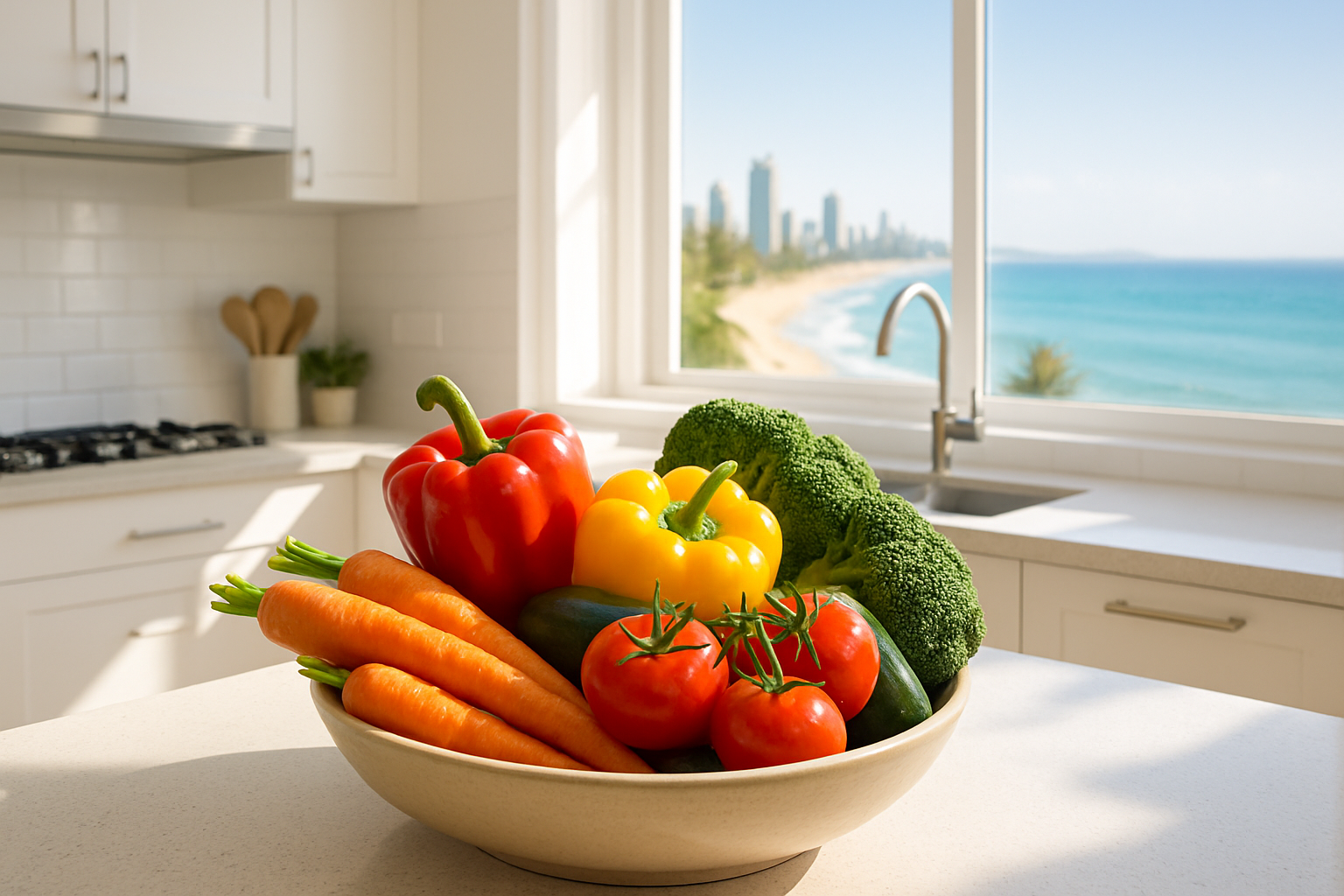
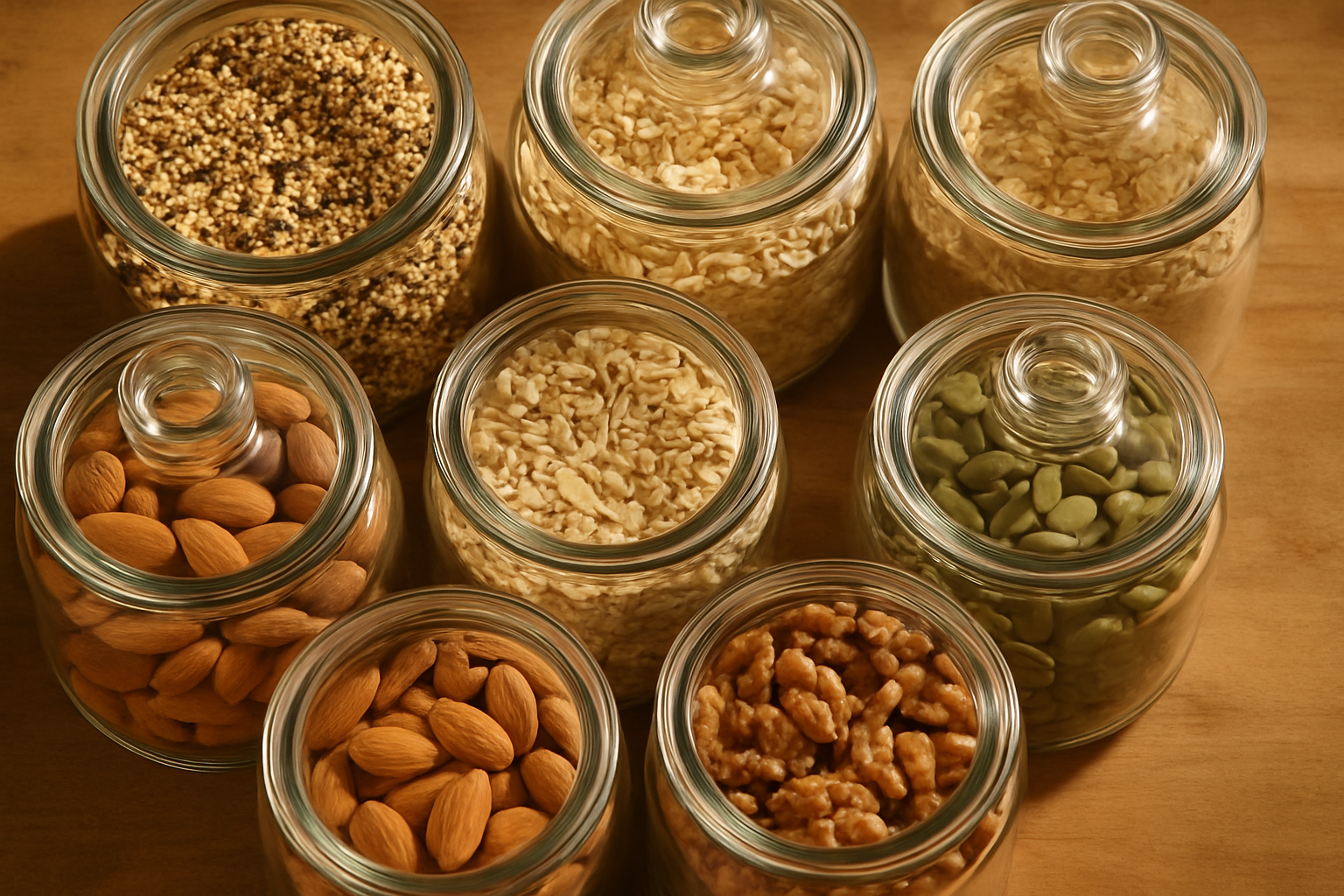
Everyday pantry staples for simple, budget-friendly meals

A supportive pantry can reduce decision fatigue and make meals more consistent.

Gut-related goals often involve routine, food tolerance, fibre and fluid strategies, and stress support.

For persistent or severe symptoms, coordinate with your GP and consider whether a dietitian referral is appropriate.

How do I choose the right practitioner if I’m also considering a naturopath?

Start with your goals and the type of support you want.

A naturopath and nutritionist approach can be helpful if you want a holistic lens on food, lifestyle, and supplements alongside education and behaviour change.

Make sure the practitioner explains their process clearly, stays within scope, and is comfortable collaborating with your GP and allied health team when needed.

What should I prepare before my first appointment?

Bring your NDIS goals (or a brief summary), a list of medications and supplements, any relevant reports, recent blood test results if available, and a typical few days of food and drink (photos are fine).

Also note practical barriers: cooking access, budget, sensory preferences, support workers, and any foods you avoid.

Can carers or support workers attend the appointment?

Yes, and it’s often helpful.

When the people who support shopping, cooking, or routines attend, it’s easier to turn recommendations into real‑world habits. With your consent, clear written action steps can also help your support team stay consistent.

COLLAGEN – The gut and skin wonder nutrient

Collagen

The collagen market has hit the health and wellness industry by storm. Everyone wants a piece of the beauty pie. Claims of increasing skin elasticity, firming up sagging skin, healing damaged skin and on a less vein level, supporting joints and healing the gut have people scrambling at local health food stores, pharmacies and beauty houses for all things collagen. Now I have suggested here that the vanity side of things might be completely separate from the gut, but in reality, the gut and skin are very closely connected.

We all begin life as just one lonely little cell, in the comfy and warm womb of our mothers. From here, we very rapidly divide into many cells and develop until we become a fully grown baby. As we continue this growth some of our original cells and remain linked together. Our gut, skin and brain are connected closely by our original tissues.

This has led research to identify a clear link between the gut, skin and associated skin conditions.

Did you know the skin is our body’s largest organ?

As a structural organ, the skin plays a very important part in maintaining a healthy body from:

  • UV damage (from the sun)
  • Dietary and environmental factors that cause free radical damage
  • Environmental pollutants
  • Physical stress placed on the skin

Other factors may affect the health of our skin including:

  • Hormone imbalances
  • A poor diet
  • Alcohol
  • Dehydration
  • The dysfunction of other organs such as the liver and gut

So, what about collagen then?

Collagen is found naturally in the structural makeup of our skin. It plays a large role in skin elasticity, ensuring that our skin does not sag and wrinkle, which is why the beauty industry has made a fortune out of topical collagen products. Collagen is also found in the gut lining playing a similar healing and protective role, but on a deeper level that we cannot see. Although, those with gut problems such as leaky gut will soon discover the benefits after taking collagen supplements or increasing collagen naturally with food.

PLUS Vitamin C

Collagen is heavily reliant on the incredibly famous antioxidant known as Vitamin C for production in the body. Including several sources of Vitamin C rich foods in the diet daily can boost your chances of producing enough collagen to achieve that beautiful, firm glow you have been searching for, as well as do some fabulous healing work in the gut. Because both organs are so connected and so vital to overall health, it is important to work on both the skin and gut.

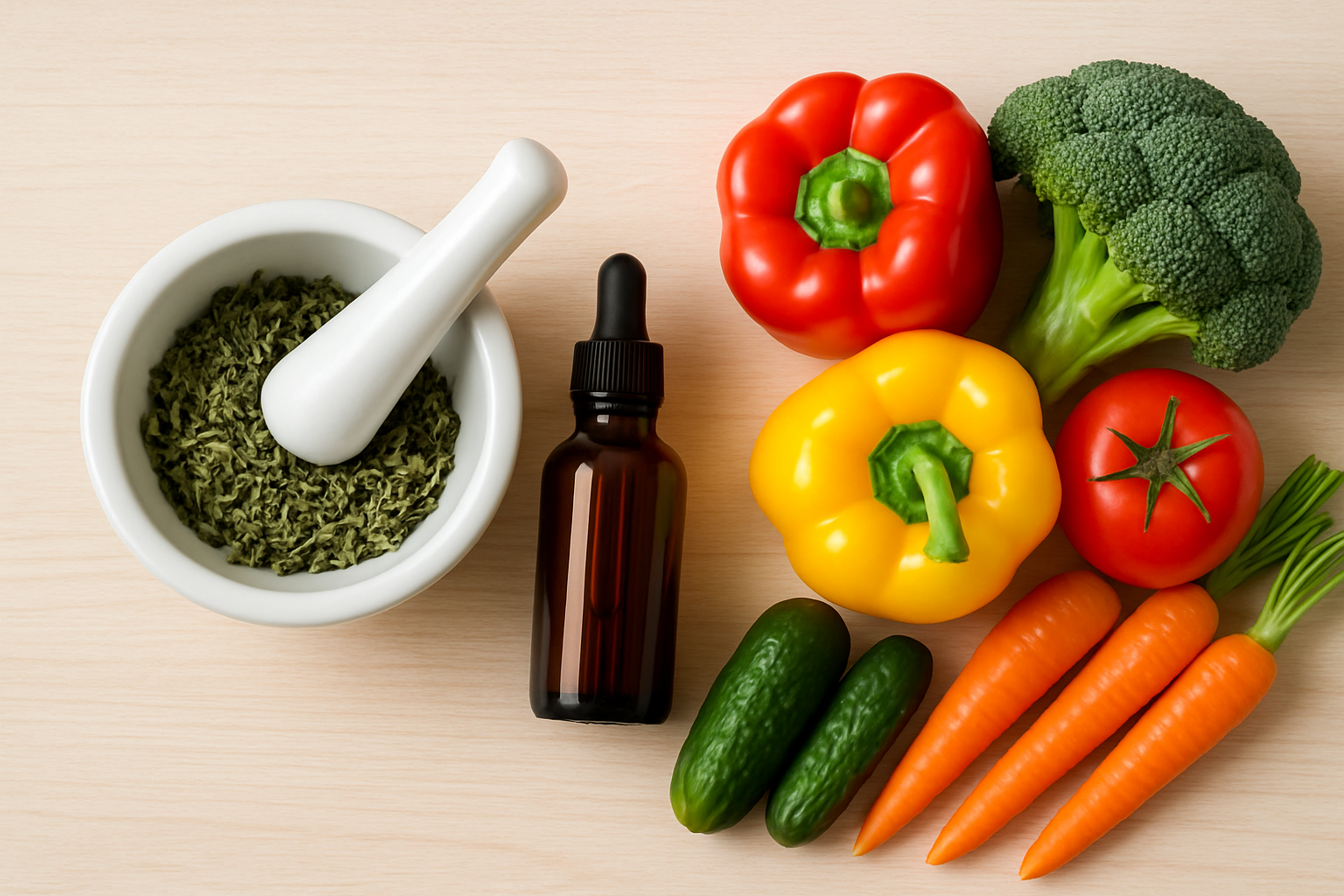
Here are some vitamin C rich food sources:

  • Broccoli, brussels sprouts, cauliflower
  • Capsicums
  • Chillis
  • Leafy greens (spinach, cabbage, kale etc.)
  • Sweet potatoes, pumpkins
  • Kiwi fruit
  • Mango
  • Pineapple
  • Papaya
  • Watermelon
  • All berries
  • Thyme
  • Parsley
  • Lemons, oranges, grapefruit

Sources of Collagen

  • Fish
  • Chicken
  • Turkey
  • Lean beef
  • Citrus fruits
  • Egg white
  • Garlic
  • Berries
  • Cashews
  • Green leafy vegetables
  • Soy products
  • Tomatoes
  • Capsicum

The road to healthy skin

The diet plays a key role in the health of our skin. The skin relies on essential nutrients to preserve its integrity and elasticity. Eating nutrient-rich foods often can ensure we are getting the variety of nutrients require for that all-important glow and youthfulness.

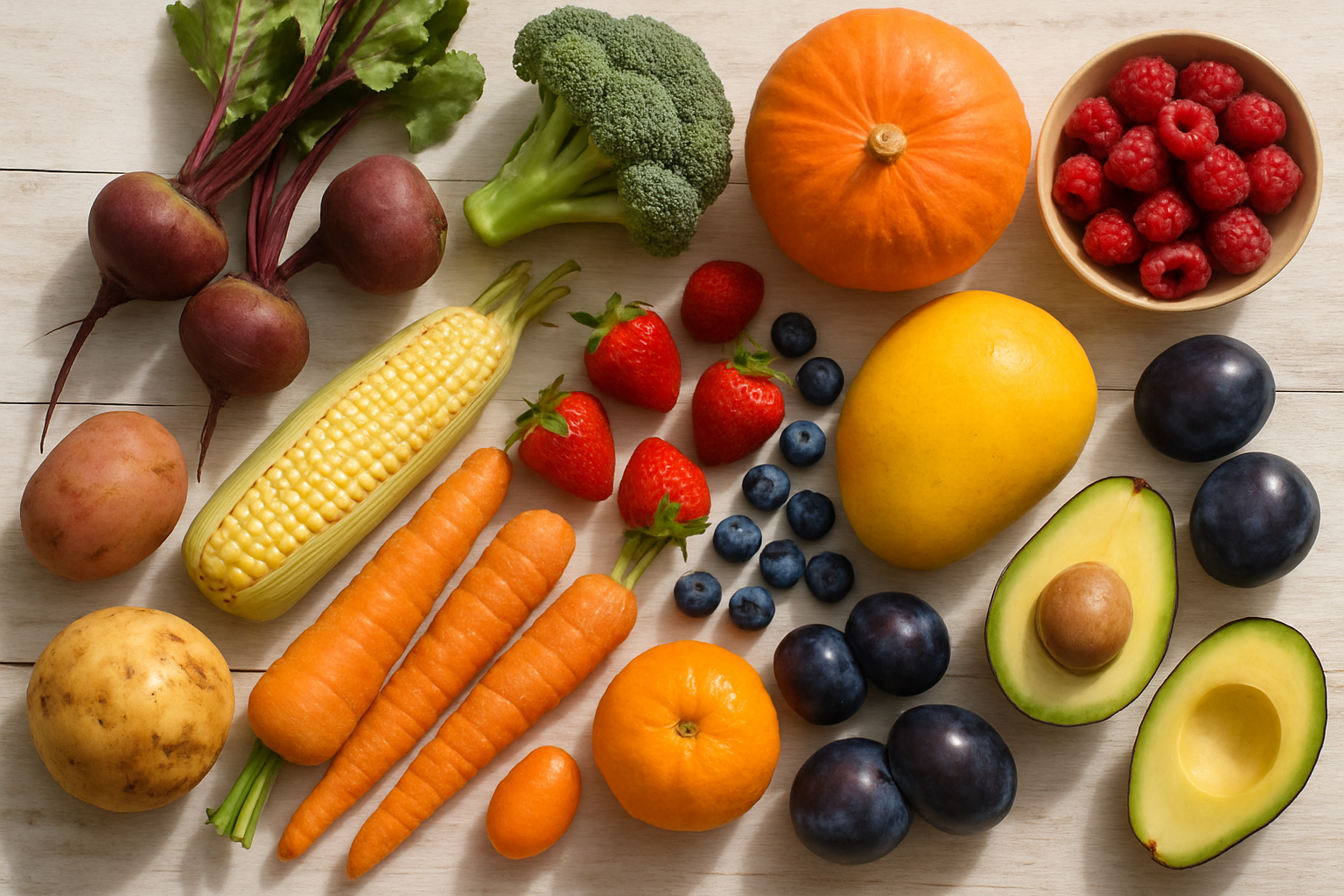
Enjoy Your Fruit & Veggies Plentifully

Fruit and vegetables are a given, we all know it, but we sometimes need to be reminded of this in these times of fast food and time-poor lifestyles. The antioxidants and phytochemicals (plant chemicals and nutrients) found in our fruits and vegetables help to maintain skin elasticity and integrity below the surface of the skin, as well as what we can see in the mirror. Fruit and vegetables also offer the gut the nutrients it requires to produce collagen and stressless hormones.

Eat Seasonally

Eating seasonally increases the nutritional profile of fruits and vegetables meaning you will get the most out of them!

Healthy Fats

Healthy fats are important in helping to build cell membranes and hydrate and plump the skin. Omega-3, omega-6 and monounsaturated fatty acids are the best of the fats.

Sources of healthy fats include:

  • Avocado
  • Nut butters
  • Nuts and seeds
  • Eggs
  • Oily fish (salmon, tuna, cod, sardines)
  • Olive oil
  • Olives

Prebiotics – Improve the health of your friendly gut bacteria

Our colon (the large bowel) has an enormously diverse number of healthy bacteria. Like us, they are living. These very live and operating healthy bacteria require fuel, much the same as we require fuel (food) to live, notably prebiotics.

What do they eat?

The preferred fuel source of our healthy friends are called indigestible carbohydrates known as prebiotic fibres to undertake the vast array and very important roles they play in our health.

What do they do for us?

Our healthy bacteria are responsible for regulating the immune system, metabolism, energy production and much more.

It is important to ensure we are consuming enough prebiotic fibres from our food to sustain our friendly colonic bacteria. Because, let’s face it, without them and their health, we would be sick, tired and lethargic and that is just the beginning. Unfortunately, many of those who presented to clinic have already reached the sick, tired, and lethargic stage and require supportive treatments to reorganise, rebuild and repopulate their healthy bacteria.

Why are prebiotics considered indigestible?

  • They are resistant to the acid and enzymes found in our stomach.
  • They are fermented by our healthy bacteria (as their food and energy source).
  • They become a source of fuel to help the healthy bacteria grow and produce the materials. required to keep us healthy and happy.

What is Guar Gum?

Guar gum is a prebiotic fibre that is popular in many packaged food items and baked goods. In these food forms, guar gum may not offer its full nutritional potential. However, on its own guar gum is seen as a gut friendly ingredient that feeds our little gut ‘besties’.

What are the benefits of Guar Gum?

This gum is tasteless, odourless and helps to improve toileting habits. It does this by increasing the bulk of the stool, drawing in water and reducing the straining that often accompanies constipation.  Guar gum has been praised for its positive effects in Irritable Bowel Syndrome (IBS) and other digestive complaints such as gas, bloating and discomfort thanks largely to its prebiotics properties.

Some popular dietary fibres have demonstrated risks for nutrient absorption. Guar gum however, has not shown the same risks and is therefore suitable for those suffering from iron, zinc and calcium deficiencies under the care of a health professional.

Simple use tips

You can add Guar gum to smoothies or protein shakes to make them like thick shakes or play around with the quantities to blend protein powder and water into a mousse. You may also like to thicken home-made soups, stir fry sauces or salad dressings.

[chained-quiz 1]

Be Nice To Your Gut & Yourself This Festive Season

It is safe to say, Gut health and Christmas rarely go hand-in-hand. Christmas parties and family feasts are an exciting time for social interaction and for treating your taste buds. It is lovely to sit around the table with friends and loved ones chatting and enjoying each other’s company, telling stories of the year that has passed.

But the indulgent meals and snacks that hit the Christmas table can cause your tummy to do backflips and cartwheels, for some, even by just looking at it. Your eyes and taste buds are saying “oh goody yes, yes Christmas food!”. But your gut is saying “nooooo don’t do this to me!”. Then, come the New Year celebrations not long after. Where is the time to rest and digest?

Here are some tips and tricks to guide you through the silly season.

Stress is enough to churn your gut

Preparing large meals for a big group of people can be stressful. By doing the majority of the prep work the day or night before, you will reduce your stress levels, make your gut happy for Christmas day and be able to enjoy yourself as you should.

Christmas lunch/dinner doesn’t have to be unhealthy

Turkey is a fantastic source of tryptophan, which helps us make our happy hormones serotonin and melatonin, both helping you to feel more relaxed and happier. Also, a lean source of vitamins B and protein, turkey is a great way to fill you up and give you energy for the socialising ahead. Remember to remove the skin to reduce the saturated fat you eat for the day. Fill your plate with mostly vegetables to fill your tummy with goodness and leave less room for dessert and nibbles that are not so tummy friendly.

You booze you lose

Well kind of. Its okay to have a drink or two with loved ones to celebrate gathering together but take care of the types of alcoholic beverages you choose. Reduce your champagne, wine and beer intake to just 1 and opt for vodka or gin and soda. These carry less calories and little sugar to disrupt your friendly little guys in the gut reducing impact on gut health. Alcohol in general is enough to aggravate some gut conditions so know your limits.  Stay hydrated between alcoholic beverages.

Get ahead of the dreaded post feast bloat

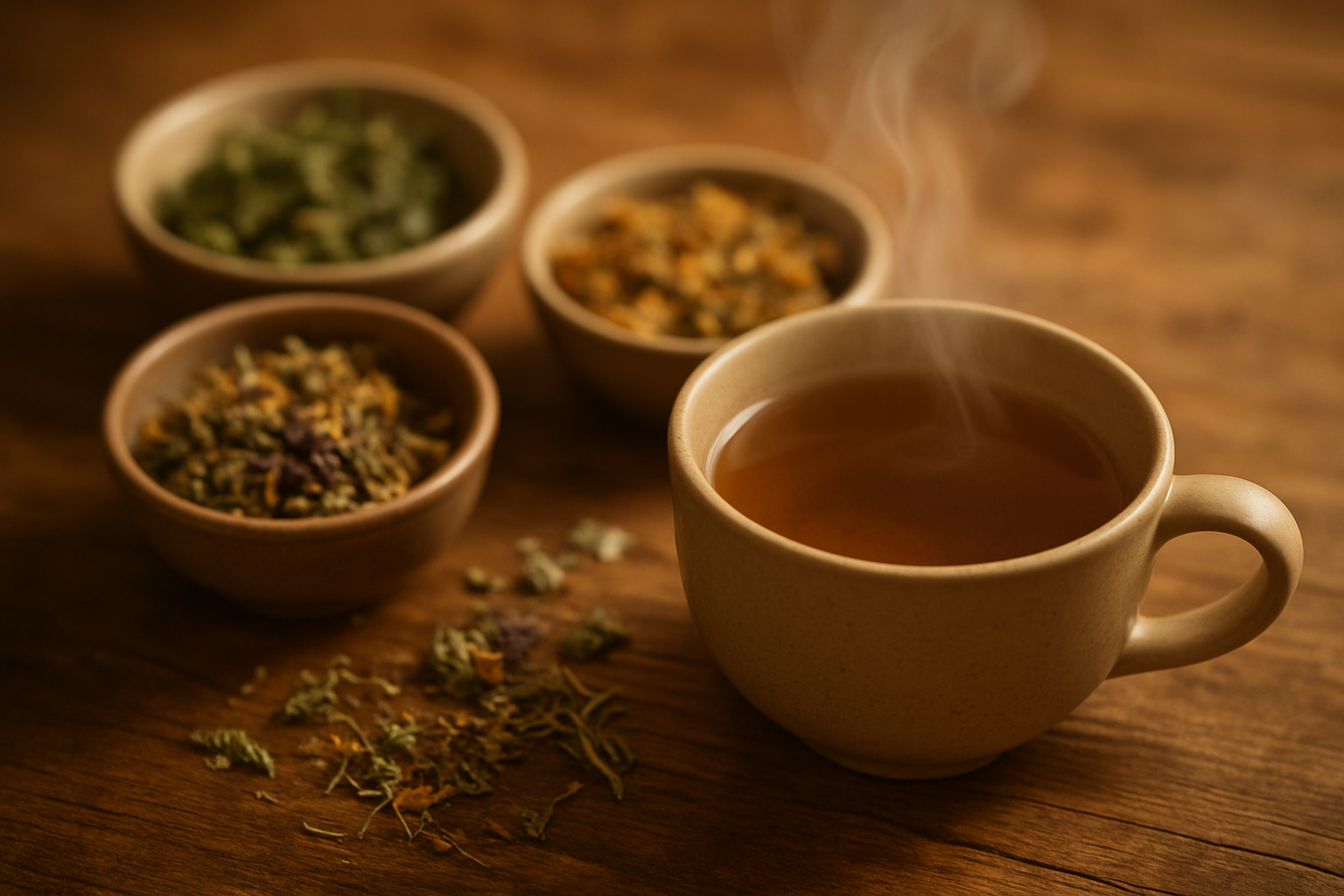
Stick to one smaller size plate with half vegetables and some protein. Chew your food slowly and thoroughly. Teas can be beneficial in reducing any bloating and nausea post meal, including ginger and peppermint tea.

Get your move on or your groove on

Exercise in the form of walking, pre-event gym or dancing with some Christmas music can help your body to prepare, process and digest food. It will also help you to burn off some of those extra calories.

Have fun, be merry and enjoy your Christmas.

Danielle x

Step up your digestive game with these simple steps

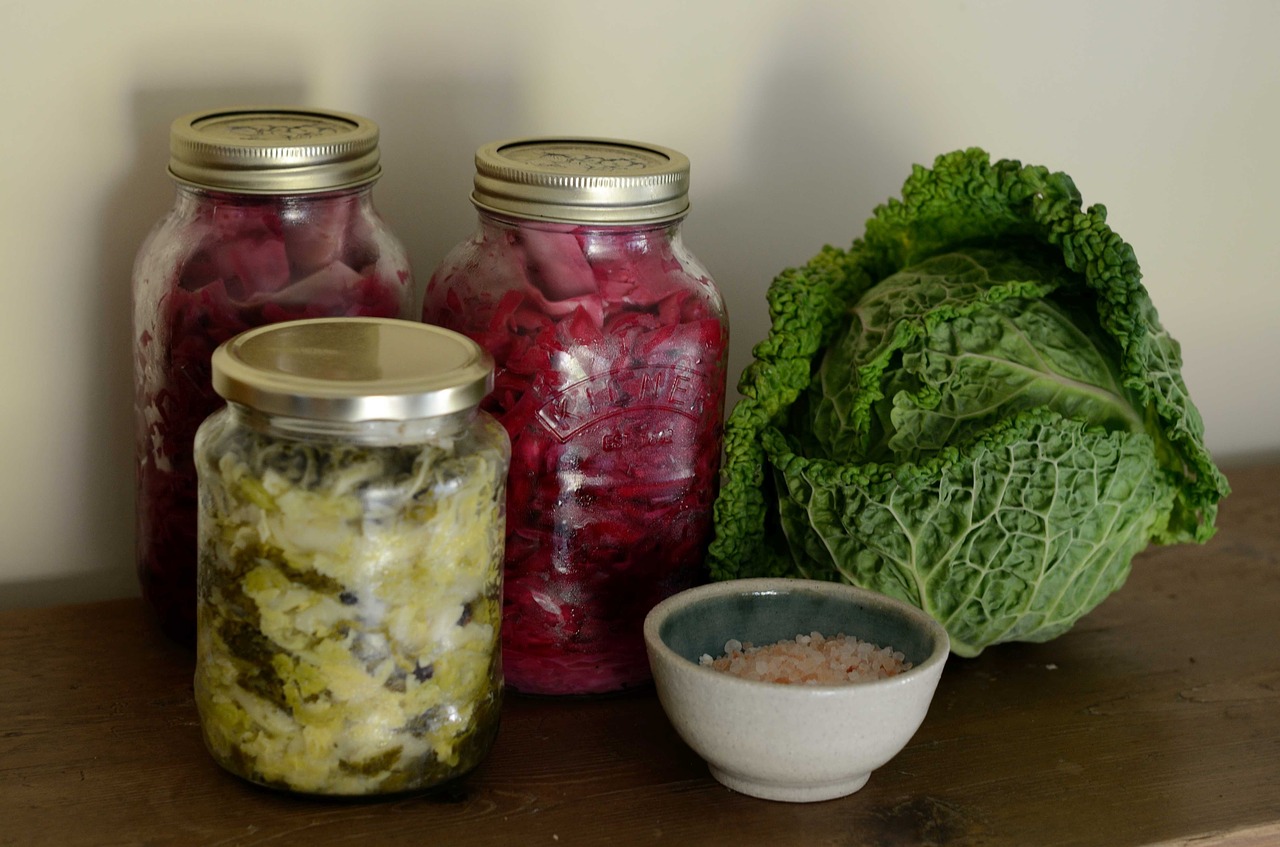
sauerkraut

1

Make fermented foods a staple in your diet.

Foods that have been fermented allow for the introduction of healthy gut bacteria into the digestive system to assist in digestive processes. Fermented foods themselves are easier to digest.

Fermented foods include:

  • Kefir
  • Sauerkraut
  • Kim chi
  • Organic natural yoghurt
  • Kombucha
  • Tempeh
  • Miso

Probiotic supplements can also increase the healthy colonies of bacteria that reside in your digestive system.

2

Increase dietary fibre

Soluble and insoluble fibres are essential to a healthy gastrointestinal system and reduce constipation. It is important to keep hydrated any time fibre is increased. Additionally, fibre is an effective waste eliminator as it binds to waste materials along the gastrointestinal tract and takes it out of the body with bowel motions.

Psyllium husk is an easily accessible supplementary form of fibre that can be added to water, juice or cereal.

3

Embrace the power of Apple Cider Vinegar

Combat indigestion, reflux, bloating, gas by adding 1-2 tsp ACV and a squeeze of fresh lime juice to warm water prior to each meal.

4

Drink up!

Water that is…

Hard stools are never fun and being dehydrated is a significant factor in hard stools, straining and constipation. For most healthy adults more than 2L of water daily is recommended.

5

With pro come pre-biotics

Prebiotics are indigestible carbohydrates that are fermented by the healthy bacteria (probiotics) in the digestive tract. The fermentation process provides food or fuel for probiotics to enhance growth and functionality in digestive processes.

Prebiotic foods include:

  • Artichokes
  • Leek
  • Onions
  • Garlic
  • Beans
  • Asparagus
  • Slippery elm
  • Psyllium

6

Enzyme supplementation

No matter how perfect your diet may be, a lack of digestive enzymes will hinder your digestive capabilities. Supplementation with digestive enzymes prior to meals can assist in reducing the uncomfortable symptoms associated with poor digestion. You can obtain certain enzymes from foods such as, papaya, kiwi fruit and pineapple.

7

Herbal teas not cawfees

Coffee has stimulative and irritative effects on the gut, which can contribute to digestive discomfort, inflammation and diarrhoea. Herbal teas are soothing and nourishing to the gut and increase hydration. Certain teas such as ginger, peppermint, turmeric, chamomile and liquorice tea can reduce flatulence, decrease inflammation and bloating.

8

Mooove

Remaining active increases circulation and stimulates peristaltic muscle movements that push food around and through the digestive tract. Even short gentle exercise after meals can go a long way in the fight for a healthy digestive system.

9

Stress less

Stress is a significant driver in poor digestion. It seems strange and totally unconnected but, the energy that would normally be used in digesting foods is diverted to the brain and muscles to manage stressresponses.

Manage stress with:

  • Deep breathing
  • Meditation
  • Epsom salts baths
  • Adequate sleep
  • Engaging in arts and crafts or any down-time hobbies

Keto Bread Rolls (cut carbs)

keto bread rolls

The keto craze has well and truly kicked off and to those of you who are just starting up on their merry way, here is a recipe that will help you cut carbs without even knowing it! Bread lovers behold the ‘Keto Bread Rolls’.

The Keto Bread Roll Recipe

Ingredients 

Dry Ingredients

  • 5 tbsp. psyllium husk
  • 1 1/4 cups almond meal/flour
  • 1 tsp Celtic/Himalayan/Sea salt
  • 2 tsp baking powder
  • optional 2 tbsp. sesame seeds (I let these out in this instance)

Wet Ingredients

  • 2 tsp apple cider vinegar
  • 3 egg whites (you can make flax eggs if you can not eat eggs)
  • 1 cup water, boiled

Method

Preheat your oven to 175C fan forced.

Mix dry ingredients together in a bowl.

Add all wet ingredients (boiling water, vinegar and egg whites) to dry ingredients.

Using a hand mixer, beat ingredients for 30 seconds (be sure not to overbeat).

Pre-grease a baking tray lined with baking paper.

With moist hands pull out six pieces of dough and lay them side by side with enough space to expand slightly on the tray.

Place in the oven on the lower shelf for approximately 50-60 minutes or until a tap on the bottom of the rolls produce a hollow sound.

Enjoy fresh or store airtight.

Loading...