

It’s that time of year when people look to immune boosting foods and winter wellness diets for natural immune support to ward off those inconvenient colds and flus. Missed school, missed work and missed social events are the norm during the cold and flu season where immune systems are notoriously low. Knowing what foods to eat to improve natural immunity and overall winter wellness can ensure you don’t need to cancel plans or call in sick this winter.
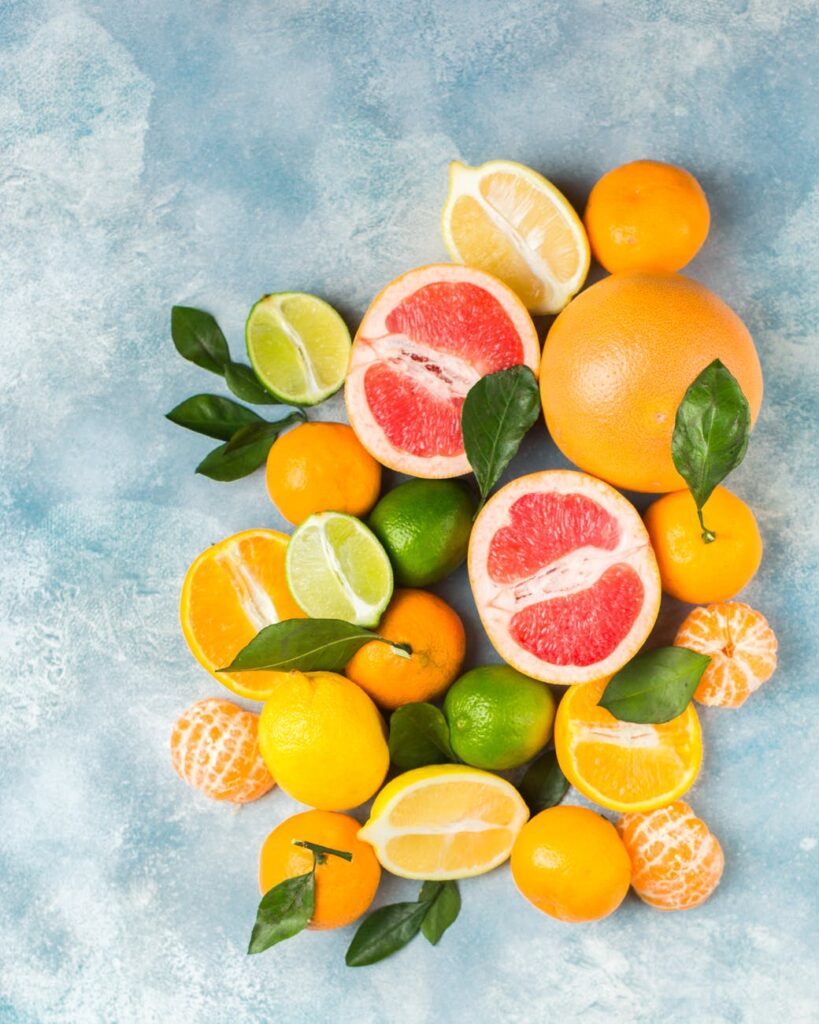
Immune Boosting Foods
When considering immune boosting foods, it is important for factor in what nutrients and compounds are found in each food. Vitamin C is the most commonly know immune supportive nutrient so naturally, people often gravitate towards foods high in this important antioxidant. Though, what if I told you, Vitamin C is more effective at reducing the duration of colds and flus rather than preventing them. Similarly, Zinc plays a role in reducing the duration of the common cold and flu as well as reducing its severity. So if you are working from home just need to get through a day, you might find a good zinc and vitamin c combination through diet and food to be effective. What foods are high in vitamin C and zinc?
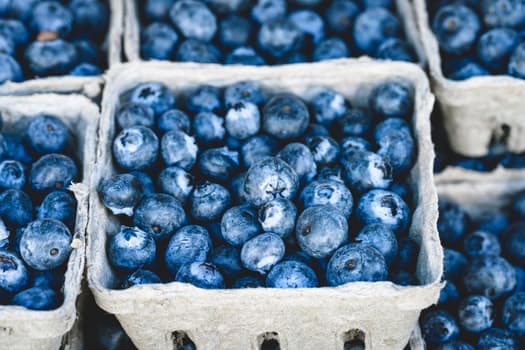
Vitamin C
- Citrus (mandarins, lemons, oranges, limes)
- Kiwi fruit
- Strawberries
- Blueberries
- Papaya
- Pineapple
- Capsicum
- Broccoli
- Cauliflower
- Spinach
- Chili
- Parsley
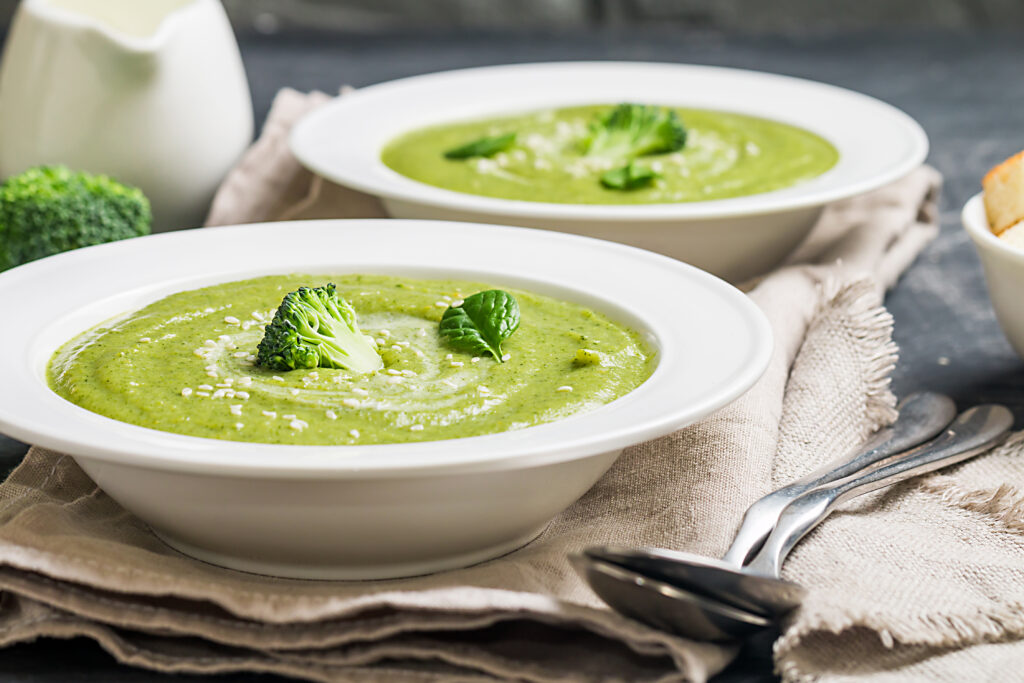
Zinc
- Pepitas (pumpkin seeds)
- Sesame seeds
- Oysters
- Eggs
- Lean beef
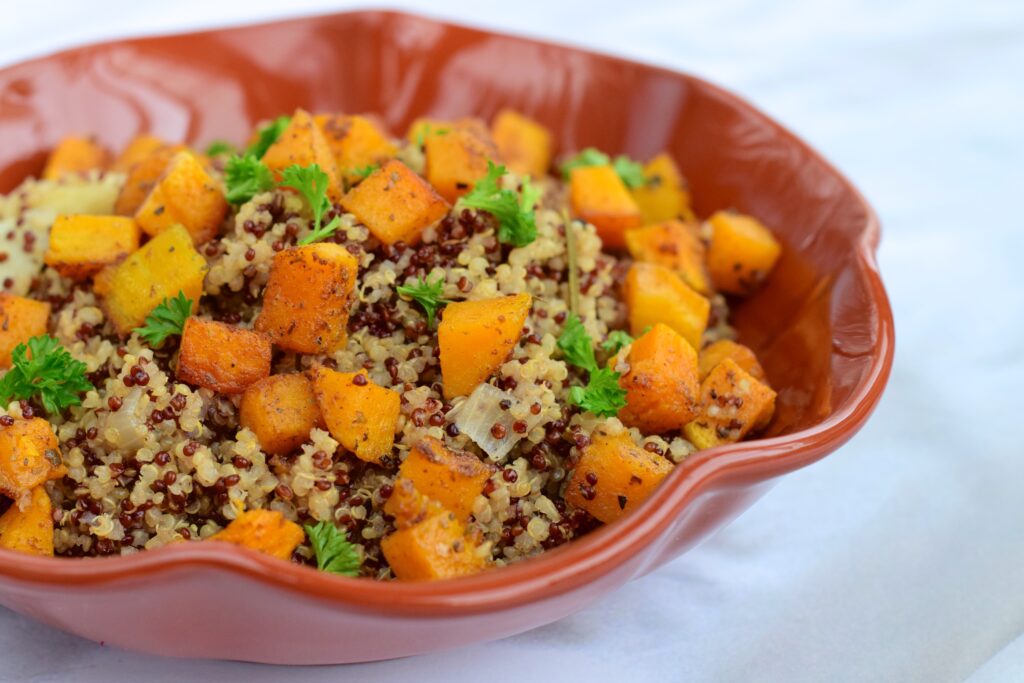
- Quinoa
- Lentils
- Chickpeas
- Almonds
- Cashews
Vitamin D
Vitamin D is our key prevention nutrient. Large scale studies have shown that adequate vitamin D levels act as a preventative for frequent colds and flus, likewise, studies show those who have vitamin D deficiency are more likely to experience regular cold and flu occurrences.
Vitamin D food sources are limited, which is why safe sun exposure is so important to our immune health. Luckily, here is Australia, we have ample access to the sun, we just need to get away from our computers, phones and TVs and step outside, even in those colder months.
Some Vitamin D food sources we do have available are:
- Oily fish (cod, salmon, mackerel)
- Eggs (with the yolk)
- Fortified full fat dairy
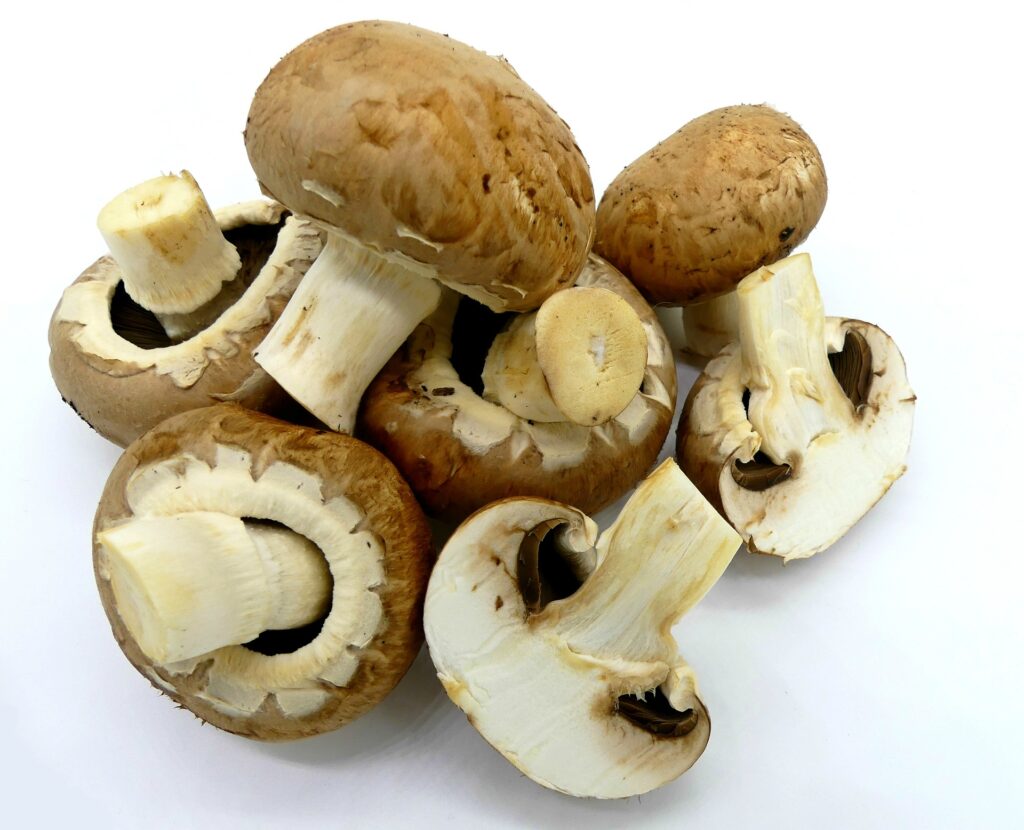
- Mushrooms
Vitamin A & Beta-Carotene
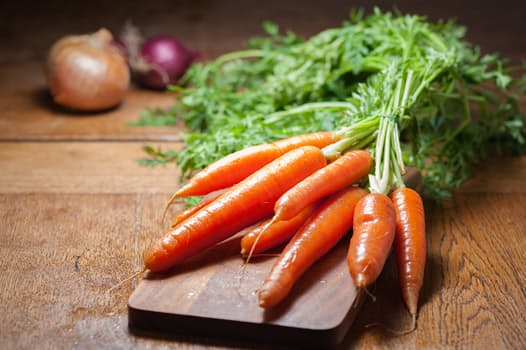
Our mucosal tissue lining in the nose, throat and lungs are our first line of defense again viruses. They act as barriers, preventing viruses from taking hold. Research shows, Vitamin A and beta-carotene protect these mucosal tissues from succumbing to viral infection and spreading throughout the body.
Sources of Vitamin A and beta-carotene include:
- Carrot
- Sweetpotato
- Pumpkin
- Spinach
- Eggs (with the yolk)
- Capsicum
- Broccoli
- Rockmelon
Polyphenols
Antioxidant compounds like polyphenols, including flavonoids are another tool in our immune supportive toolbelt. These antioxidants are anti-inflammatory, supporting the modulation of immune responses and are supportive of gut bacteria.
You can find polyphenols in:
- Green tea
- Blueberries, strawberries and blackberries
- Dark chocolate
- Flaxseeds
- Nuts
- Onions
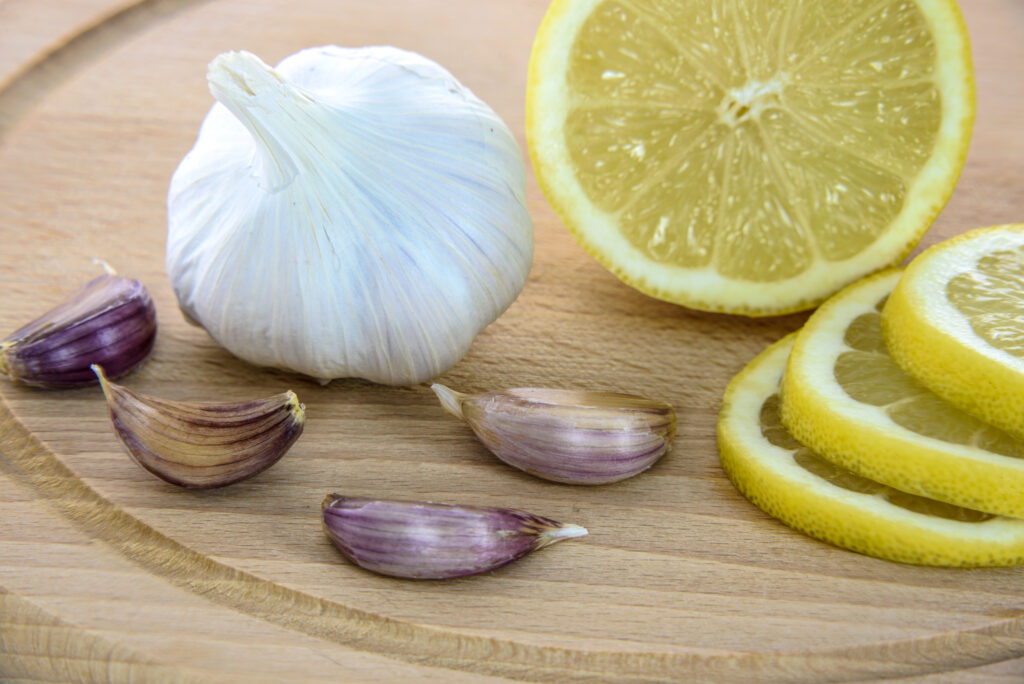
- Garlic
- Olives
- Leafy greens
Proteins as the building blocks of the immune system
Individual proteins known as amino acids are highly regarded as the building blocks of all body systems, but particularly the immune system. How exactly do proteins do this? Various types of amino acids play their individual and combined roles in tissue repair, creating antibodies and white blood cells to fight infection and improving microbiome health. Some examples of amino acids that are key to immune health include:
- Glutamine
- Arginine
- Leucine, isoleucine and valine
- Glycine and cysteine
- Histidine
How do we get these amino acids in the diet?
A varied diet with a combination of lean meat proteins, fish, eggs, quinoa, legumes, bone broth, nuts and seeds and dairy.
The Gut-Immune Connection
More than 70% of the immune system resides in the gut. Supporting healthy gut bacteria balance and gut lining integrity is one of the most effective ways of preventing frequent colds and flus. If your tummy feels a little funny, now is the time to do something about it to ensure you are well prepared for what winter brings.
Colds and flus aren’t the only viruses we see at wintertime. Gastroenteritis (gastro) also circulates more prolifically over the colder months. Having a healthy balance of supportive good bacteria can help to prevent gastroenteritis viruses from taking hold.
Winter Wellness Diet
A winter wellness diet consists of a variety of the above listed foods to ensure diversity of gut bacteria, proteins polyphenols and antioxidant nutrients such as Vitamin C, zinc, Vitamin D. Variety and eating enough to avoid nutritional gaps is the key to winter wellness. Great ways to balances these out include foods like:
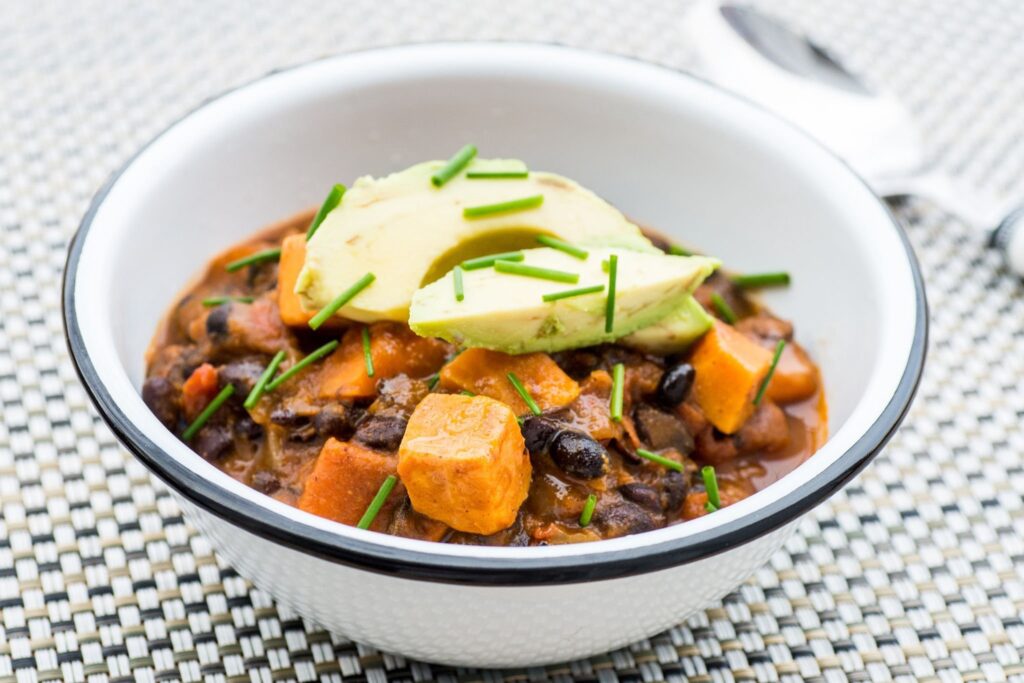
- Curries (add 3-4 vegetables (e.g. broccoli, mushrooms, spinach) onion, ginger, garlic, lean protein and/or legumes)
- Soups (again pick 2-3 from each list of immune nutrients)
- Stews
- Eat antioxidant fruits daily (1-2)
- Drink green tea and bone broth (this will also support hydration which is also vital for immune health)
Natural Immune Support
It is possible to achieve healthy immunity with natural immune supports discussed above. Sometimes though, you can be so run down that you body is not able to keep up with food-based nutrients alone, this is where you may bring in supplemented natural immune supports to do just that, “supplement” your immune boosting diet. Supplementation should always be done with care of quality and therapeutic dosages but can be an effective complimentary measure to ensure those nuisance, life limiting viruses stay away.
A healthy diet can be an effective way of supportive positive health outcomes and keeping you in the game. On the other hand, a nutrient poor, inflammatory diet can be detrimental to your overall health and leave you feeling rundown, tired and sick. If you needed motivation, to improve your diet and health this is it. As the great Hippocrates, the ancient Greek physician once said, “Allow food to be thy medicine.”