

Using food for better sleep is not often considered when you are in the depths of insomnia or restless sleep. However, specific foods contain nutrients that have long been used to aid better sleep outcomes.
Poor sleep can be caused by a range of different health conditions including:
- chronic pain
- digestive discomfort
- reflux
- stress
- anxiety and depression
- an overactive nervous system
- neurodiversity
- diabetes associated nocturia
- alcohol
- poor dietary intake
- low nutrient status (e.g. iron deficiency)
- sleep apnoea
Many of these ailments can be supported with adjusting the diet to ensure adequate dietary intake of wholefoods and increasing foods containing sleep supportive nutrients.

Food for Better Sleep
What are these sleep supportive nutrients and what foods can you eat to improve your sleep?
Melatonin is a well-known hormone required for sleep. You can even buy prescribed and over the counter lower dose melatonin in gummies and capsules. However, what if I told you, you could assist your body in making this natural, sleep supporting hormone without the need for medication?
Interestingly, melatonin is converted from serotonin, the ‘happy’ neurotransmitter produced in the gut from amino acids. The conversion from serotonin to melatonin happens mostly in the brain during darkness (the signal to produce melatonin to promote sleep).
This means, when serotonin is low, this has downstream effects on melatonin production and therefore sleep initiation. Stress, anxiety, poor gut health and inadequate tryptophan all impact serotonin production. Managing stress, anxiety and optimising the microbiome and gut function improves serotonin production, ultimately improving sleep outcomes including:
- difficulty falling asleep
- difficulty staying asleep
- overall sleep quality
- dysregulated circadian rhythm
Both dietary and supplemental nutrients work for you to improve serotonin and melatonin production, including:
- tryptophan (from adequate protein intake)
- vitamin B6 (in suitably prescribed doses)
- magnesium glycinate
- zinc
- folate & B12
Foods to Improve Sleep
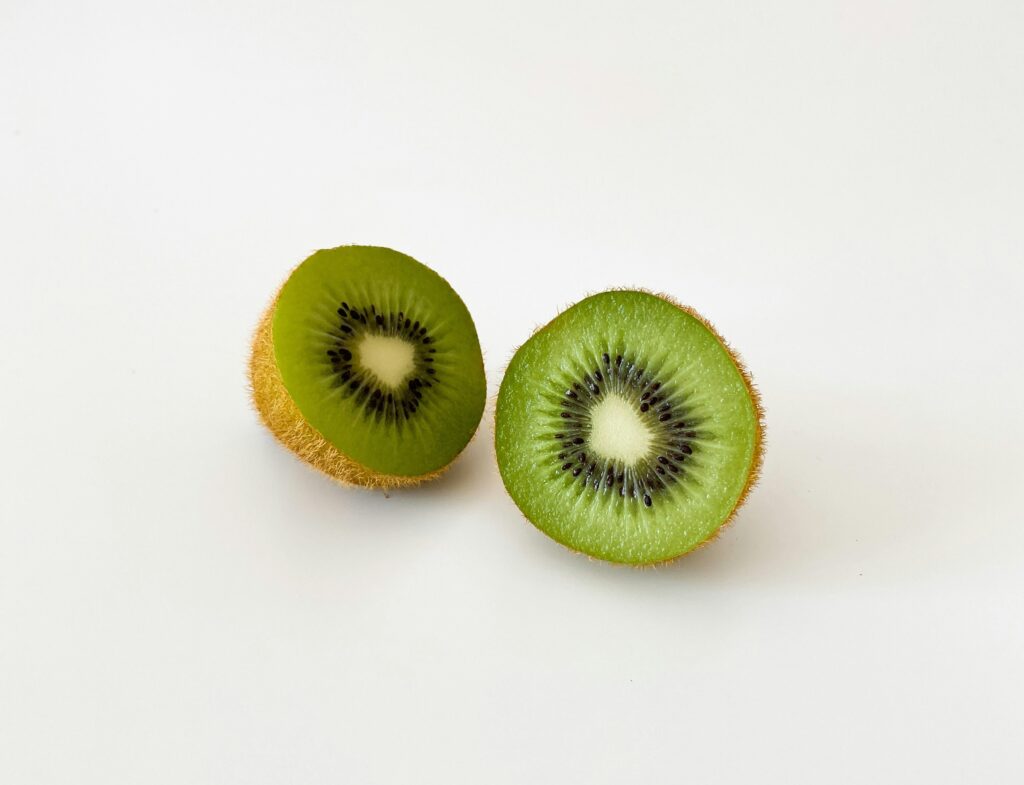
Kiwi fruit is one of my favourite food prescriptions for both the gut and sleep. It has natural melatonin and serotonin to support mood and sleep.
Turkey is naturally high in the amino acid tryptophan to help improve stress adaptation and melatonin.
Bananas may aid in healthy sleep due to their high magnesium, potassium and tryptophan, all of which help to relax muscles and the nervous system, boosting melatonin and serotonin. The carbohydrates in bananas can also help to balance blood glucose levels, reducing disruptions to sleep throughout the night.
Pumpkin seeds or pepitas are a great source of both zinc and tryptophan.
Walnuts are a good source of tryptophan as well as microbiome supportive fibre.
On a nutty note, almonds are another great sleep aid, with their high magnesium content, protein and healthy fats, a small handful of almonds shortly before bed can improve blood sugar balance and improve overall sleep quality. Almonds are a natural source of melatonin, only adding to their sleepy benefits.
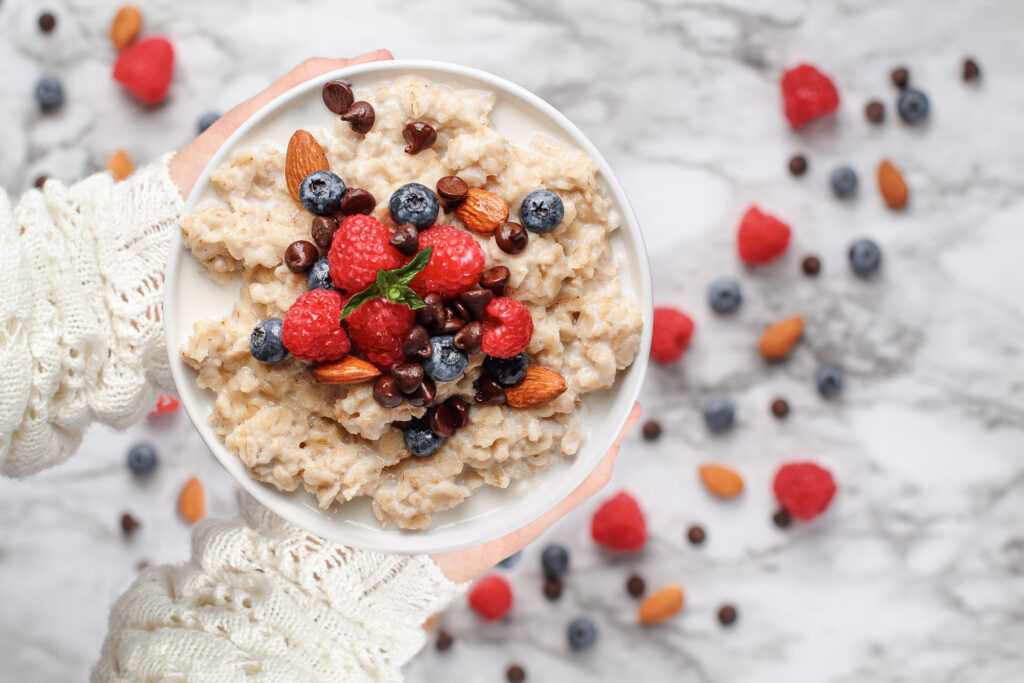
Oats are a powerhouse for gut health, stress and anxiety reduction as well as enhancing sleep outcomes.
Nutrition for Stress Relief
Balanced nutrition has many benefits when assisting with stress relief goals. The above-mentioned highlight some of the common nutrients involved in stress reduction strategies. However, healthy blood glucose levels are just as important as these specific nutrient inclusions. High or low blood glucose levels can be disruptive to sleep and likewise, poor sleep can result in reduced insulin sensitivity, creating a vicious cycle.
While high blood glucose levels, otherwise known as hyperglycaemia, can result in frequent urination (nocturia), thirst and a wired feeling, low blood glucose (hypoglycaemia), can cause night wakings in the form of sweats, nightmares and confusion.
These blood sugar fluctuations and the resulting lack of sleep ultimately ends with reduced stress responses while increasing the primary stress hormone cortisol. Cortisol signals the liver to release more glucose to provide energy to ‘fight the tiger or take flight from the tiger’, only that sugar energy is not used up by the body and is left floating around in the blood. There continues the cycle of the highs and lows of blood glucose levels, insulin resistance and poor stress responses.
A diet with a healthy balance of protein, healthy fats and complex carbohydrates is key to regulating stress. 2-3 servings of oily fish, 1-2 servings of lean red meat, 2-3 servings of poultry and ample plant-based proteins per week will ensure you achieve the right amino acid (smaller proteins) combinations. While again, oily fish, nuts and seeds, extra virgin olive oils and avocado will see that healthy fats are covered to reduce the inflammation associated with stress. High quality complex, fibrous carbohydrates promote the gradual release of glucose, stabilising stress hormones, increasing neurotransmitter production (like serotonin) and glucose levels.
Diet for Cortisol Balance
A Mediterranean diet, high in those previously mentioned anti-inflammatory healthy fats, leafy greens and complex carbohydrates is highly regarded in research to support cortisol balance. Focus your eating on legumes, fruit, vegetables, wholegrains for stress supportive vitamins and minerals that counter disruptions to blood glucose and the release of cortisol in stressful situations.

Gut health is another key factor in cortisol balance. The stress that causes elevations in cortisol can be damaging to gut bacteria, resulting in inflammation and the reduction of microbes responsible for serotonin production (remember that healthy hormone we spoke of earlier?). Elevations in cortisol can cause weaknesses in the gut lining, resulting in ‘leaky gut’. This allows toxic materials to pass into the blood stress, causing further stress, cortisol release and inflammation. A damaged gut lining can reduce vital nutrient absorption for managing stress and cortisol.
A diet rich in fibre, prebiotic and probiotics foods will improve cortisol balance and maintain healthy gut function. Foods such as sauerkraut, tempeh, and low sugar yoghurt as well as legumes, lentils and wholegrains/rye.
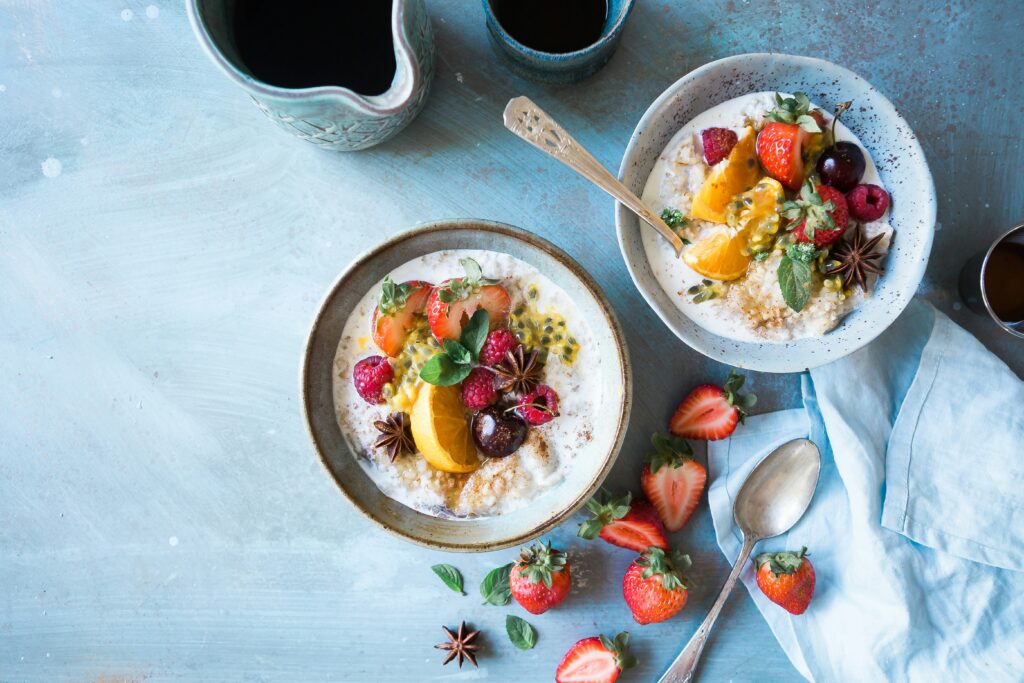
Using foods for better sleep outcomes is a useful tool for not just sleep, but from regulating cortisol, stress and overall health, with poor sleep and stress being primary drivers in many health conditions, both chronic and acute. Incorporating some of the strategies mentioned in this blog post will set you on the right path. If you need further assistance in understand nutrients required for sleep, speak with a nutrition professional.