
Beyond the Beach: 4 Health & Wellness Trends to Watch on the Gold Coast This Season

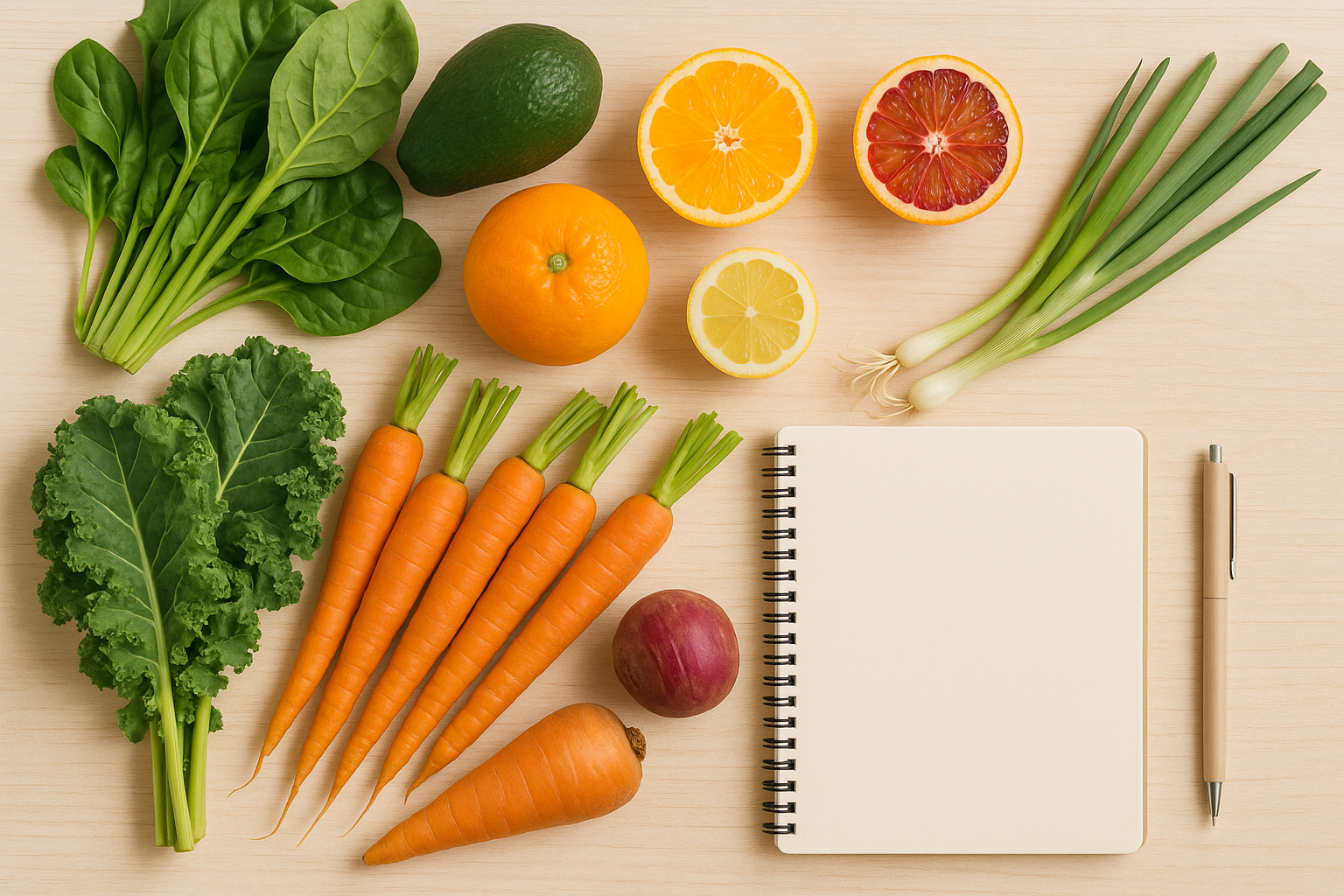
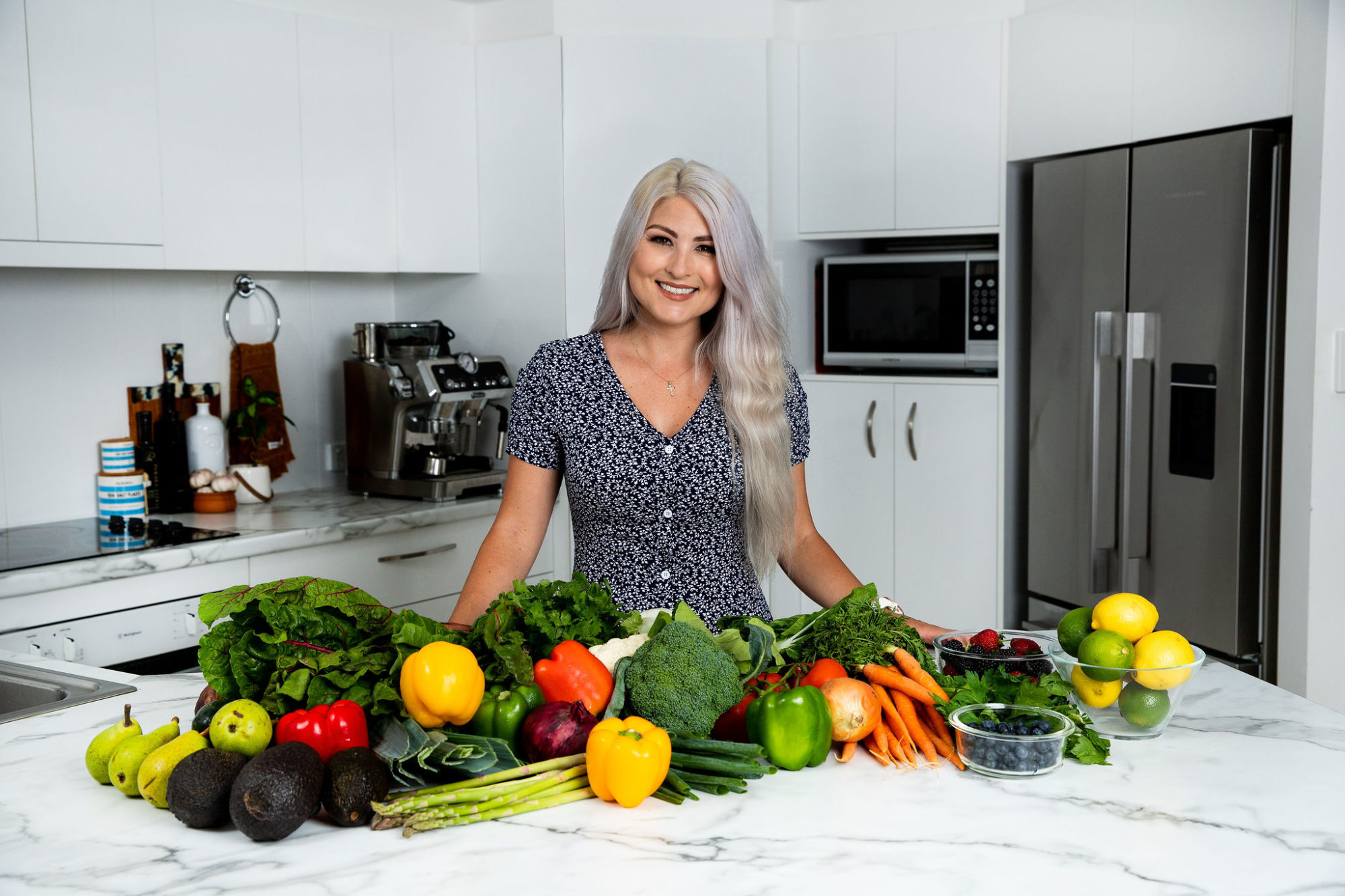
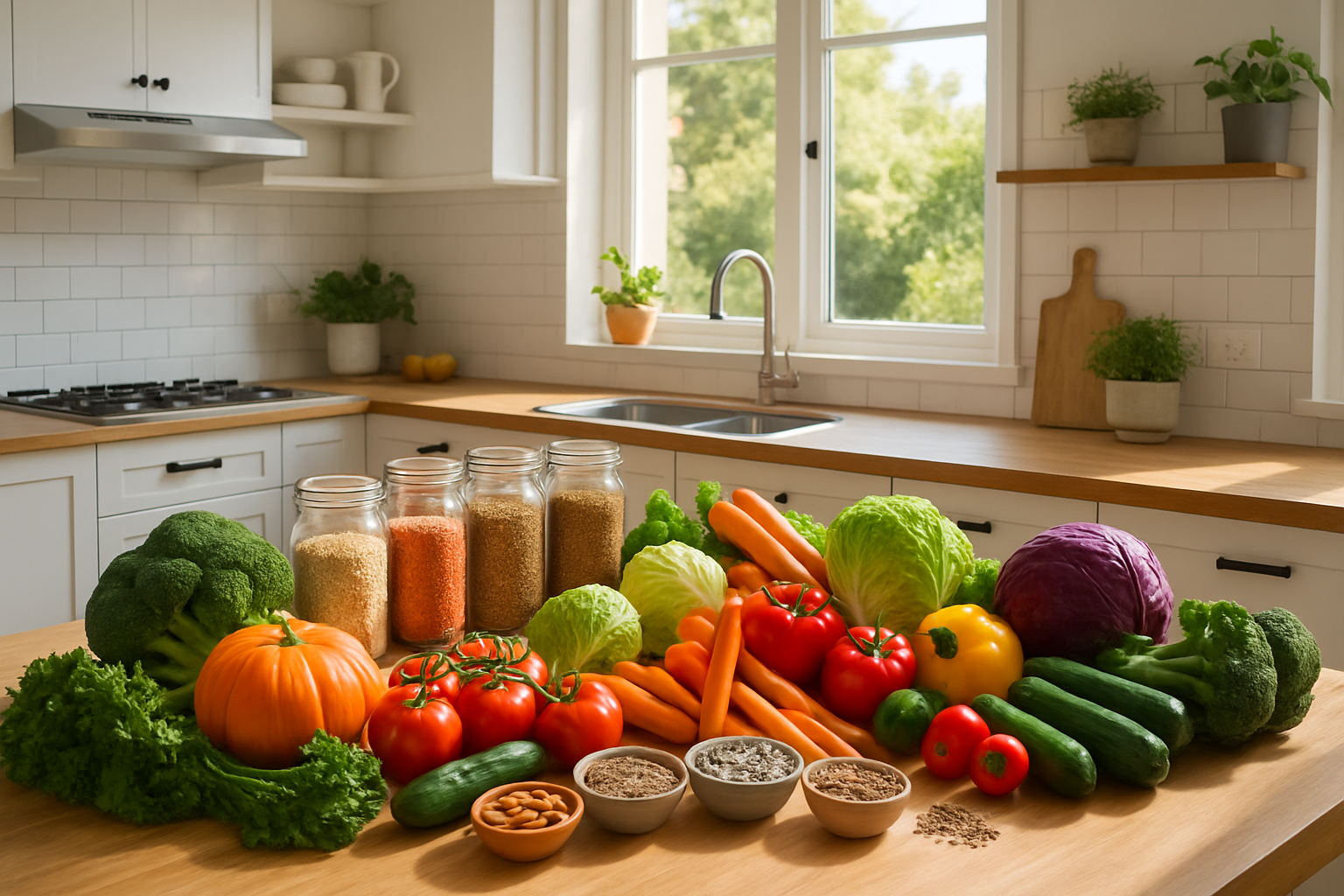
Seasonal Gold Coast produce laid out for meal planning, a key wellness trend.

Beyond the Beach: 4 Health & Wellness Trends to Watch on the Gold Coast This Season

Here on the Gold Coast, the rhythm of life changes with the seasons. It’s not just about swapping swimmers for sweaters; it’s about how our energy, social calendars, and health needs shift. We’re seeing a move away from quick fixes and towards sustainable, year-round wellbeing.

Let’s look at four key trends shaping how Gold Coasters are approaching their health and how you can apply them in a practical way.

1. The Gut Health Revolution

A collection of fermented foods representing the trend towards better gut health.

The focus on gut health is more than a trend; it’s a foundation for overall wellbeing.

It’s official: gut health is no longer a niche topic. More locals are understanding the powerful connection between a healthy gut and everything else—from mood and immunity to skin health and energy levels. This isn’t about following a restrictive diet; it’s about nurturing your microbiome with whole foods, fermented options, and targeted support.

What this looks like on the GC:

  • Fermented foods are everywhere: Local cafes are stocking kombucha on tap, and stores are filled with kimchi, kefir, and sauerkraut.
  • Fibre is the focus: People are consciously adding more diverse plant-based foods to their plates to feed good gut bacteria.
  • Seeking professional guidance: There’s a growing demand for a qualified gut health dietitian on the Gold Coast to investigate underlying issues like bloating, food intolerances, and digestive discomfort instead of just guessing.

2. Hyper-Local and Seasonal Eating

Choosing fresh, local produce at a Gold Coast farmers' market.

Eating locally isn’t just better for you; it connects you to the community.

Why eat strawberries in winter when local citrus is at its peak? The farm-to-table mindset is strong on the Coast. Visiting the weekend markets at HOTA, Palm Beach, or Bundall is now a core part of many people’s weekly routine. This trend is about maximising nutrient density, supporting local growers, and eating food that’s truly fresh.

How to embrace this trend:

  • Shop the perimeters: Focus your grocery shopping on fresh, whole foods. For extra support, consider navigating the aisles with a supermarket tour to learn how to read labels and make healthier choices.
  • Plan meals seasonally: Build your weekly meals around what’s abundant at the local markets. This ensures variety and a broader range of nutrients throughout the year.
  • Keep it simple: Roasting a tray of seasonal vegetables is an easy, nutrient-packed meal base.

3. Proactive Mental Wellbeing

A moment of calm, reflecting the importance of proactive mental wellbeing.

We live in a beautiful place, but the pressures of work, family, and a fast-paced lifestyle still exist. The conversation around mental health has shifted from being reactive to proactive. Gold Coasters are actively seeking strategies to manage stress, improve sleep, and support their nervous systems before burnout hits.

This holistic approach recognises that mental and emotional health is directly linked to physical health—what you eat, how you move, and your gut health all play a crucial role. Many are exploring naturopathic support for anxiety and stress, which looks at the whole person to identify and address root causes.

4. Ultra-Personalised Nutrition

A naturopath creating a personalised health plan for a client.

The era of one-size-fits-all diets is over. People now want nutrition advice that understands their unique body, lifestyle, and health goals. This is especially important for those with specific needs, such as individuals seeking an NDIS dietitian on the Gold Coast.

Personalised nutrition moves beyond generic advice to provide tailored plans that are realistic and effective. It’s about working with a professional who can account for your health history, dietary preferences, and specific goals, whether that’s managing a chronic condition, improving energy, or supporting a healthy family.

How to Integrate These Trends with Expert Guidance

These trends all point to a more intuitive and individualised way of looking after yourself. While it’s great to be informed, putting it all together can be overwhelming. That’s where professional guidance makes a difference.

Working with a qualified professional like Danielle Lamb, one of the dedicated naturopaths on the Gold Coast, helps you move from simply following trends to building a sustainable health strategy. A consultation can help you understand your body’s specific needs and create a practical, achievable plan that fits your life.

Ready to align your health with the seasons? If you’re looking for a holistic Nutritionist on the Gold Coast who can provide practical guidance, book a consultation to create a wellness plan that’s tailored just for you.

Related reading: Nutritionist

Gold Coast Supermarket Shopping Planning Checklist (Before You Start)

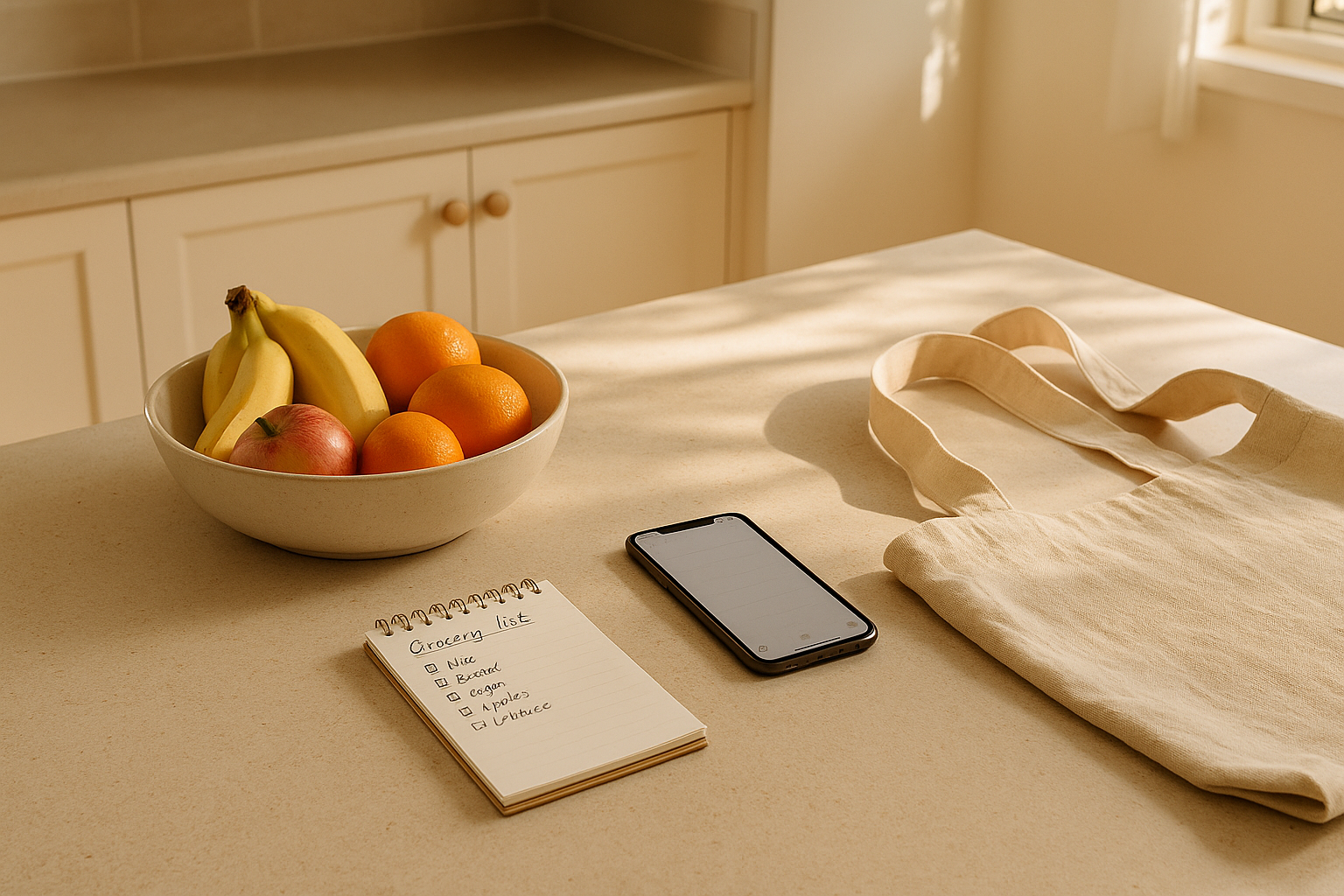
A bowl of fruit, a grocery list, a smartphone, and a tote bag on a kitchen counter.

Gold Coast supermarket shopping planning checklist (before you start)

If your supermarket shop starts with, “We’ll just see what we feel like,” it often ends with extra snacks, random ingredients, and nothing that turns into dinner.

This Gold Coast supermarket shopping planning checklist before you start is for real life on the Gold Coast. Busy weeks. Different appetites at home. Tight budgets. And common goals like steadier energy, better digestion, and fewer last-minute takeaways.

This isn’t about buying “healthy food”. It’s about buying food you’ll actually use.


The 10-minute checklist before you leave home

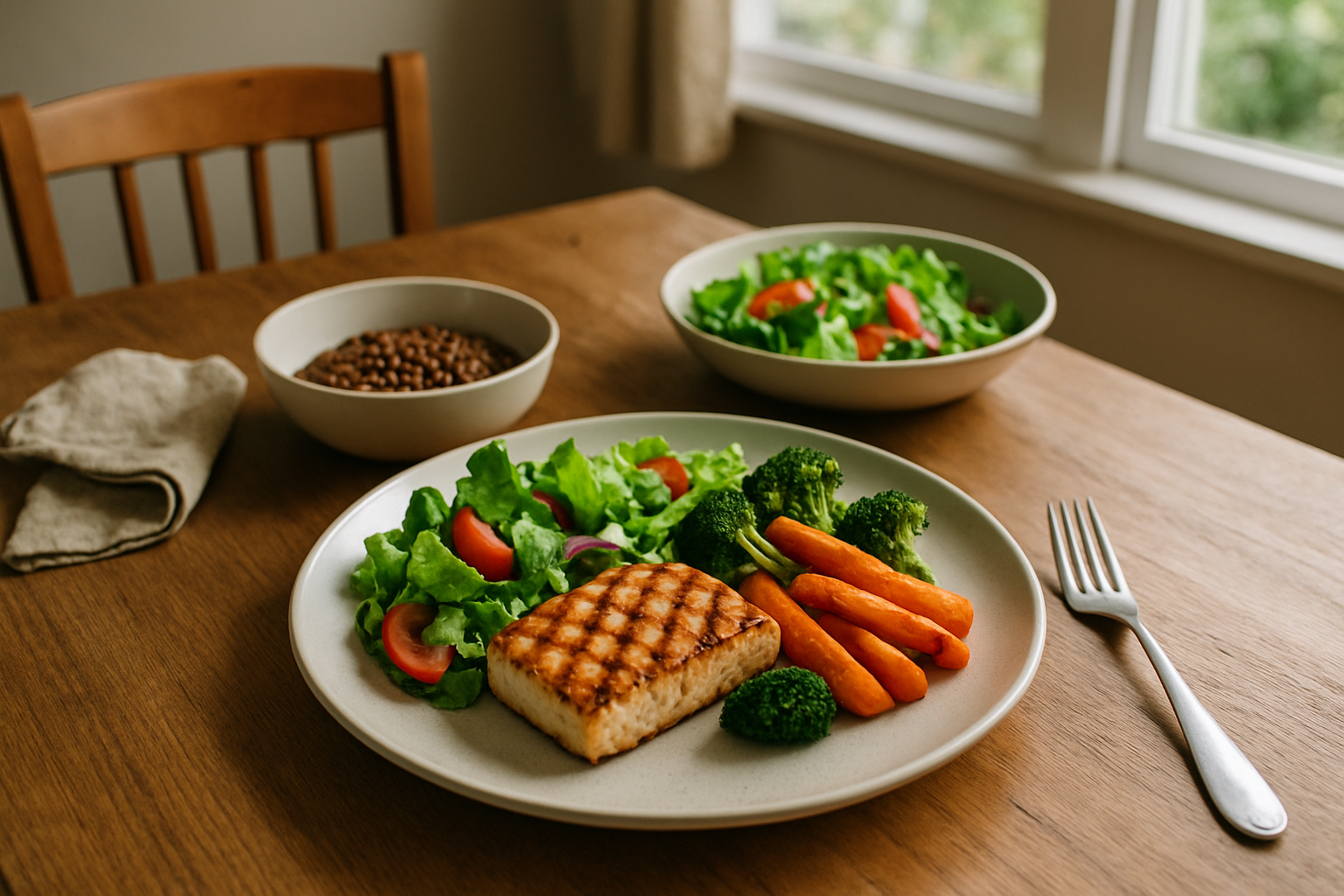
Simple balanced meal made from planned supermarket shopping ingredients

1) Pick one goal for this shop (one sentence)

One clear goal makes decisions faster.

Choose one:

  • Weeknight dinners in 20 minutes
  • More gut-friendly fibre (without flare-ups)
  • Protein at breakfast so I’m not snacky at 3 pm
  • A budget shop with minimal waste

Write it down. Take it with you.

2) Do a quick pantry + fridge audit (3 minutes)

Before you buy more food, check what you already have.

Scan for:

  • Proteins: eggs, tinned fish, chicken, tofu, mince, legumes
  • Carbs: rice, potatoes, wraps, pasta, oats
  • Veg + fruit: what will spoil first
  • Flavour: sauces, herbs, spices, stock, lemon/lime
  • Lunch options: leftovers, frozen meals, sandwich fillings

Tip: when you get home, put “use first” items at the front of the fridge.

3) Choose 3–5 dinners (then plan lunches from leftovers)

You don’t need a perfect weekly menu. You need a simple pattern.

A realistic mix:

  • 2 quick fresh meals (stir-fry, tacos, salads)
  • 1 tray bake (veg + protein)
  • 1 one-pot meal (curry, chilli, soup)
  • 1 flexible night (leftovers or eggs on toast)

To reduce waste, plan two dinners that share ingredients.

Example: roast chicken + salad becomes chicken wraps the next day.

4) Check your week for “risk moments”

Risk moments are when plans fall apart.

Common ones:

  • Late work nights
  • Kids’ sport afternoons
  • Social weekends
  • Big meetings (hello, stress snacking)

For each risk moment, add one backup meal:

  • Frozen veg + eggs (fast frittata)
  • Tinned tuna + microwave rice + salad
  • Rotisserie chicken + bagged salad + potatoes

Convenience foods aren’t the enemy. Unplanned hunger is.

5) Write your list in aisle order (not by recipe)

This cuts decision fatigue. It also reduces impulse buys.

Simple order:

  1. Produce
  2. Meat/seafood/plant proteins
  3. Dairy & chilled
  4. Bakery
  5. Pantry
  6. Freezer
  7. Household

6) Use a simple trolley framework

This keeps your shop balanced without overthinking.

Aim for:

  • Half the trolley: veg and fruit
  • A quarter: proteins
  • A quarter: carbs + fibre foods
  • Plus: 2–3 “consistency helpers” you’ll actually use (coffee, sparkling water, yoghurt, easy snacks)

It’s not about perfection. It’s about making the easy choice the normal choice.


In-supermarket checklist: shop faster and smarter

Comparing two packaged foods in a supermarket aisle to choose the better option

Start with produce (and make it easy to use)

A small structure helps.

Choose:

  • 3 salad veg (cucumber, tomatoes, capsicum)
  • 3 cooking veg (broccoli, carrot, zucchini)
  • 2 fruits you will genuinely eat this week

If fresh veg often goes to waste, buy a mix:

  • Fresh for days 1–3
  • Frozen for days 4–7

Frozen veg can be budget-friendly. It also reduces waste.

Protein: plan for breakfast and snacks, not just dinner

Many people under-eat protein early. Then they feel snacky later.

Easy options:

  • Eggs
  • Greek yoghurt
  • Tinned tuna/salmon
  • Chicken thighs or mince
  • Tofu/tempeh
  • Beans and lentils

If mornings are rushed, choose one default breakfast for the week:

  • Greek yoghurt + berries + nuts, or
  • eggs + toast

Carbs: choose the ones that keep you full

Carbs aren’t the issue. Low-fibre, highly snackable carbs often are.

Useful staples:

  • Oats
  • Basmati or brown rice
  • Potatoes/sweet potato
  • Wholegrain bread/wraps (if tolerated)
  • Quinoa, barley

If you’re working on gut comfort, what suits you is individual.

Some people do best with smaller serves of certain grains. Others need a different fibre mix. This is where support from a gut health dietitian Gold Coast locals rely on can help tailor fibre type, serve size, and timing.

The 20-second label check

You don’t need to read everything.

Use this quick flow:

  1. Ingredients list: is it mostly recognisable food?
  2. Added sugars: are they early in the list?
  3. Fibre: will this keep you satisfied?
  4. Sodium: compare similar sauces and packaged meals

Simple swaps that still feel normal:

  • Flavoured yoghurt → plain yoghurt + fruit
  • Sugary cereal → oats + cinnamon + berries
  • Snack bars → nuts + fruit + yoghurt
  • Creamy sauces → olive oil + lemon + herbs

Plan two snacks (so you don’t “accidentally” snack)

If you don’t plan snacks, the supermarket will plan them for you.

Two examples:

  • Snack 1: yoghurt + berries
  • Snack 2: hummus + crackers + carrots

For very busy weeks:

  • Snack 1: cheese + wholegrain crackers
  • Snack 2: tinned tuna + rice cakes

A practical Gold Coast example: the “busy week trolley”

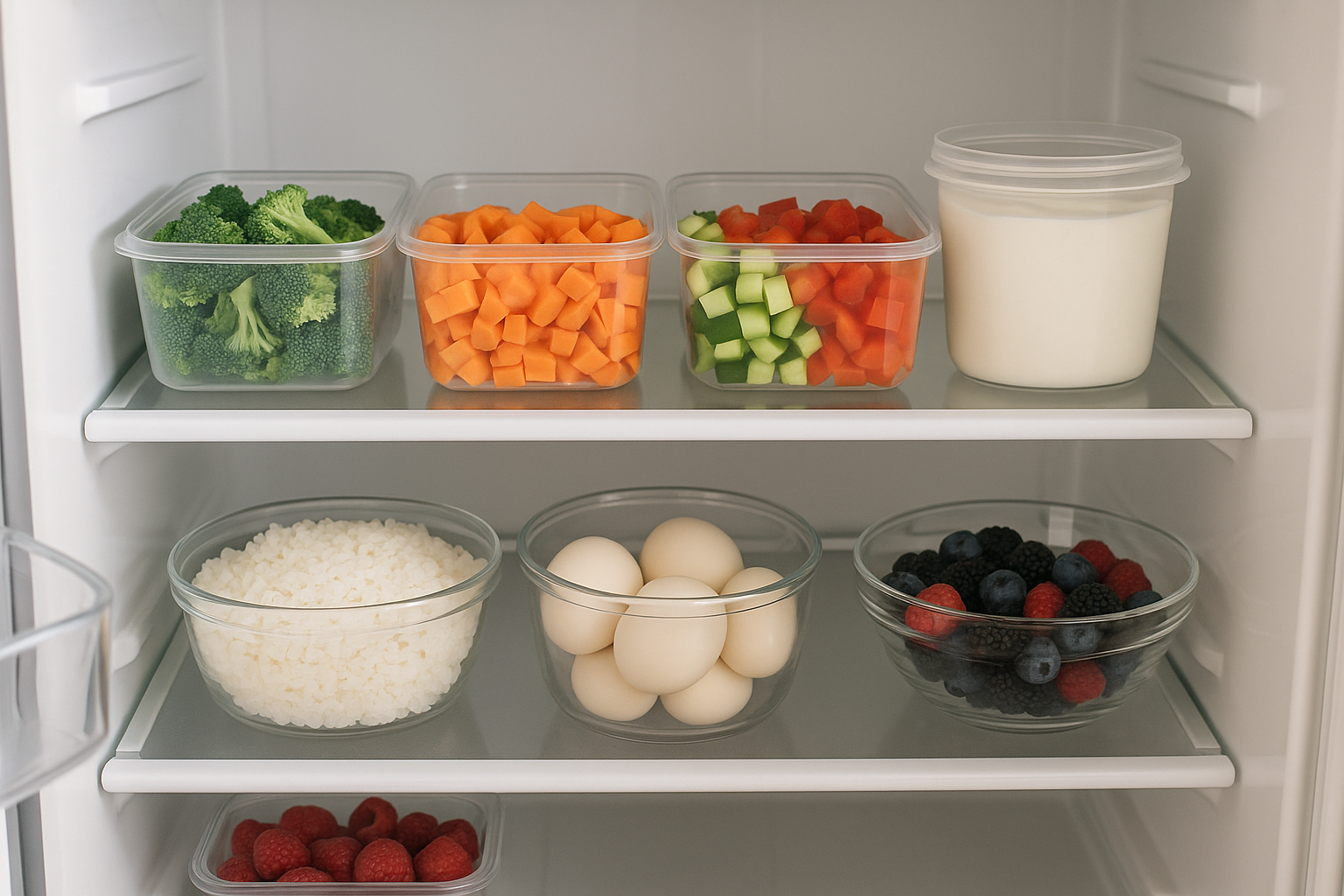
Meal prep components in a fridge to make weeknight dinners easier

Here’s a realistic plan for quick dinners, better energy, and fewer takeaway nights.

Dinners (5):

  • Chicken stir-fry with frozen veg + rice
  • Beef (or lentil) bolognese + pasta + side salad
  • Tray bake: salmon (or tofu) + potatoes + broccoli
  • Tacos: mince/beans + salad + avocado
  • Omelette/frittata night + leftover salad

Shopping list (condensed):

  • Produce: salad mix, tomatoes, cucumber, capsicum, onions, garlic, potatoes, broccoli, bananas, berries
  • Proteins: eggs, chicken thighs, mince (or lentils), salmon (or tofu), tinned tuna
  • Dairy: Greek yoghurt, cheese
  • Pantry: rice, pasta, tinned tomatoes, beans, olive oil, taco spices, stock
  • Freezer: mixed veg, berries
  • Convenience: bagged salad, hummus

If you’re shopping for gut health: keep it personal (not trendy)

Many people start searching for a naturopath Gold Coast or Gold Coast naturopath after trying to cut foods and still feeling bloated, tired, or uncomfortable.

You’ll also see searches like best naturopath Gold Coast, highly recommended naturopath Gold Coast, naturopaths Gold Coast, and naturopaths in Gold Coast when people want clear, practical support.

A more helpful approach is usually:

  • Identify your most predictable triggers (not every possible trigger)
  • Choose steady meals for 2–3 weeks
  • Change one variable at a time (fibre type, dairy type, portion size, meal timing)

Depending on your needs, you might look for:

  • a holistic nutritionist Gold Coast locals use for practical food strategies
  • a nutritionist Gold Coast service for meal planning and habit support
  • a practitioner who considers digestion, stress, sleep, and food choices together

If you’re not sure where to start, Beta Me’s Naturopath Gold Coast | Nutritionist Gold Coast services are designed to be practical and realistic.


If anxiety or stress eating is driving the shop

If the hardest part is consistency (not knowledge), stress and anxiety often sit underneath.

Try shopping rules that reduce decision fatigue:

  • Buy the same weekday breakfast for a month.
  • Choose two repeatable lunches.
  • Keep two emergency dinners in the freezer/pantry.

If anxiety affects appetite, digestion, or food choices, explore Beta Me’s naturopathy for anxiety support.


Your printable planning checklist (copy/paste)

Before you go

  • My goal for this shop (one sentence): ______
  • Pantry/fridge audit done
  • 3–5 dinners chosen
  • Two snacks chosen
  • “Risk moments” covered with backup meals
  • List written in aisle order
  • Budget limit set (optional): ______

In the shop

  • Produce first: 3 salad veg + 3 cooking veg + 2 fruits
  • Protein for breakfasts + lunches + dinners
  • Fibre staple added (oats/legumes/wholegrains as tolerated)
  • Quick label check for packaged foods
  • One convenience item that saves real time

After you unpack

  • Wash/chop 1–2 veg for easy meals
  • Put “use first” items at the front of the fridge
  • Cook one component (rice, tray bake, mince, boiled eggs)

Want help turning your trolley into a plan you’ll follow?

If you’re on the Gold Coast and want practical support (not preachy), Beta Me offers guided Supermarket Shopping Tours on the Gold Coast.

You can also explore:

If you’d like to get a feel for Beta Me first, visit About Beta Me Nutrition & Naturopathy.

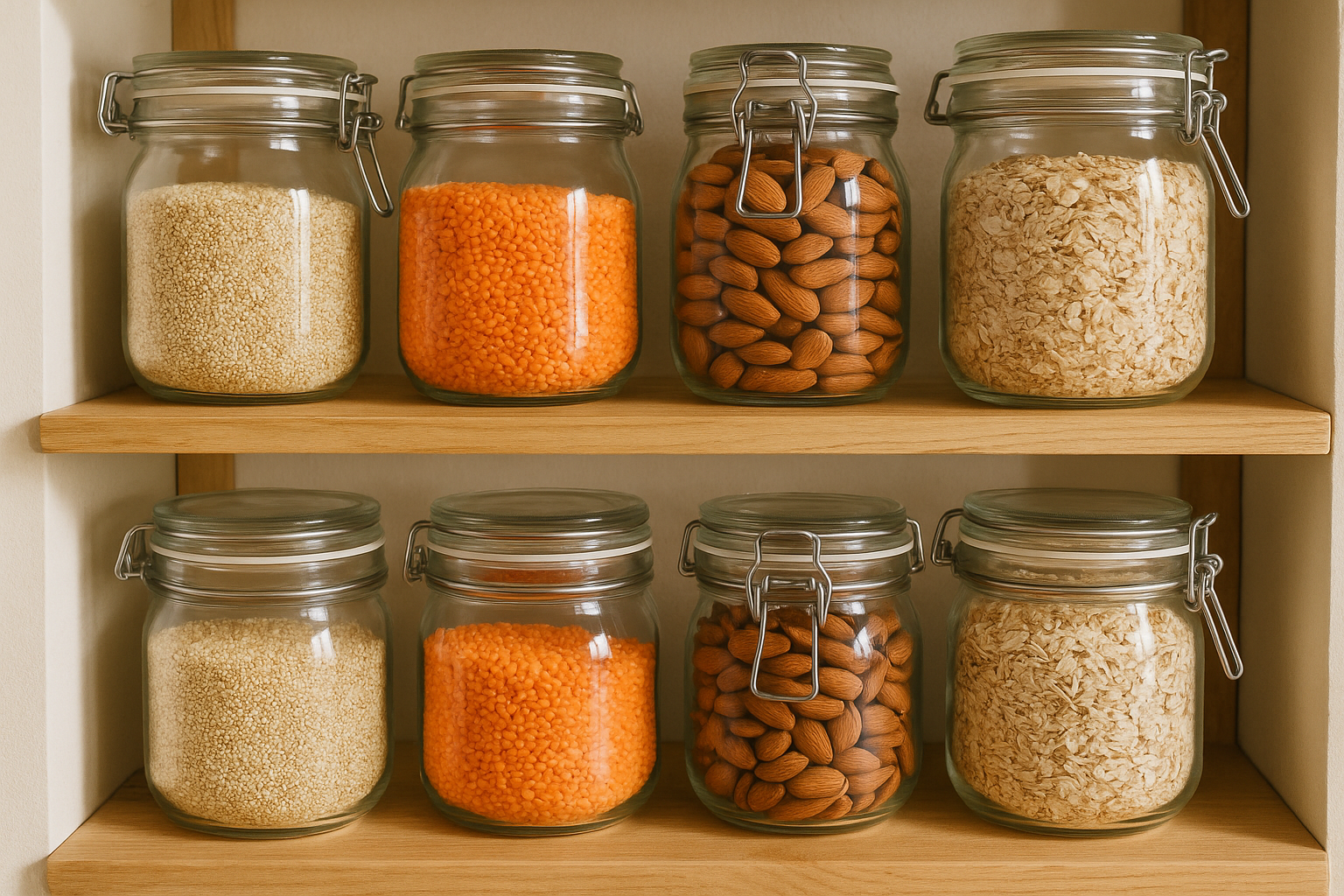
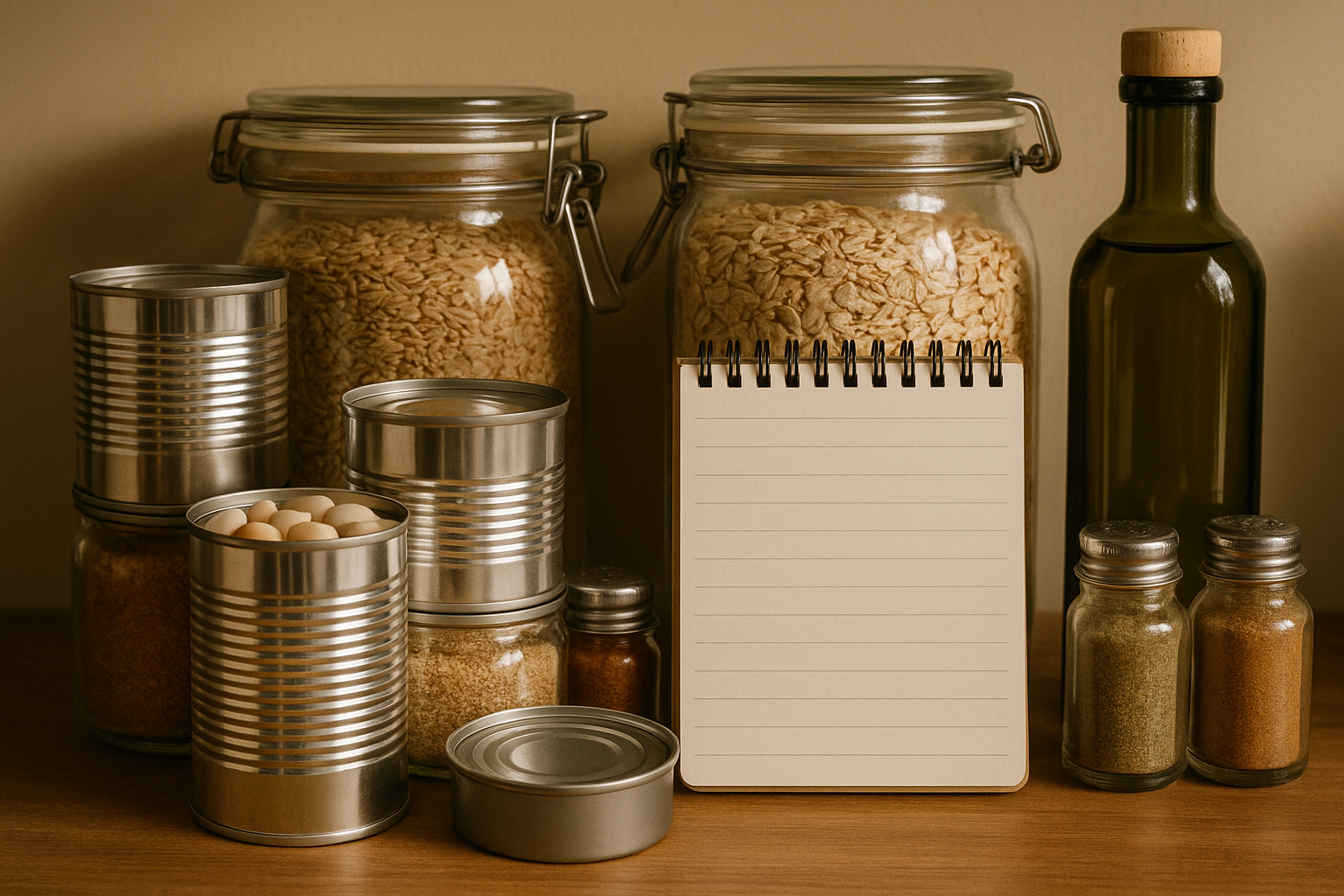
Pantry staples laid out to help plan meals before supermarket shopping

Gold Coast planning checklist before you start: a practical health reset for busy households

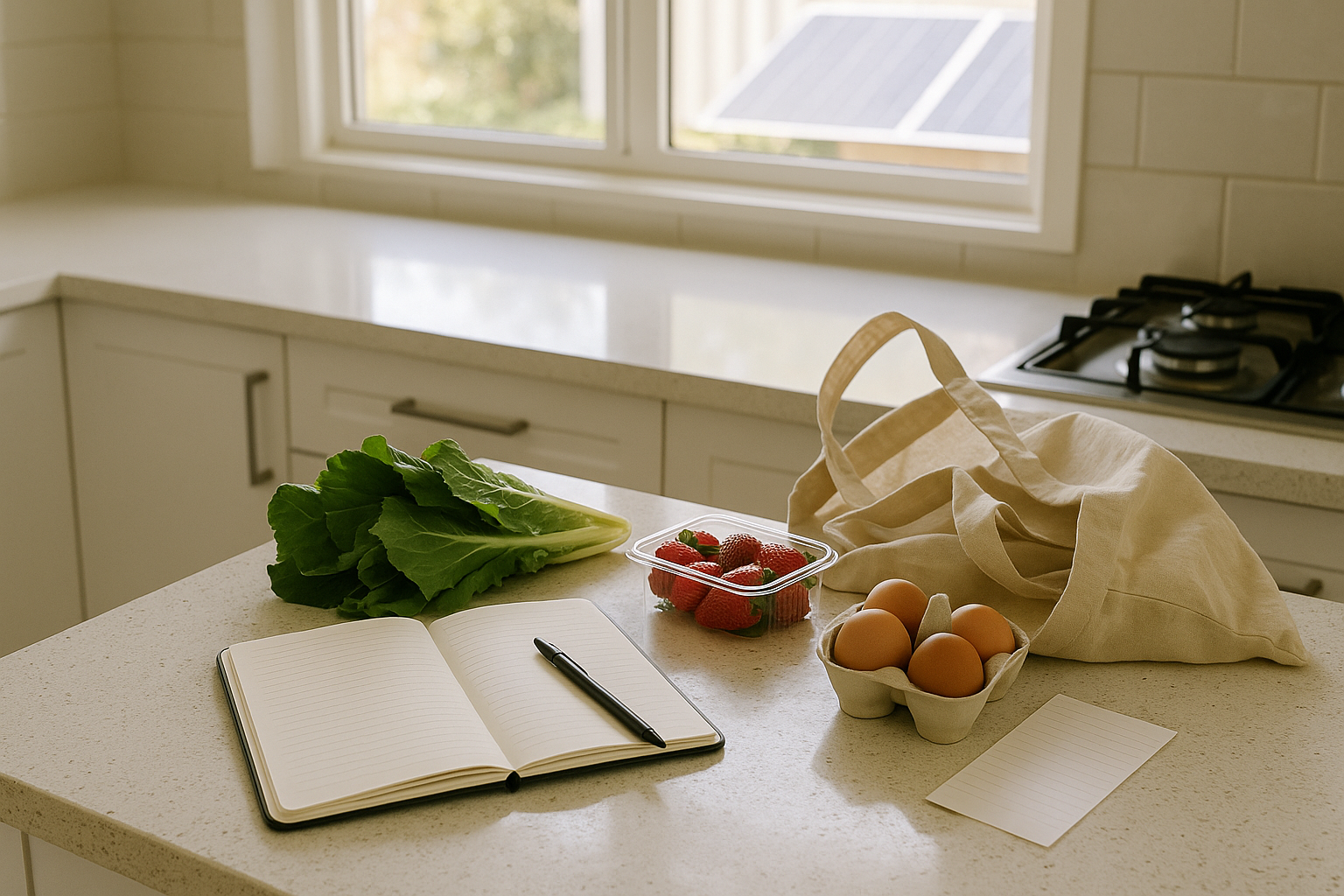
Home kitchen bench with a health planning checklist and fresh groceries

Gold Coast planning checklist before you start: a practical Health reset for busy households

Living on the Gold Coast makes it easy to want a reset. Walks by the water, weekend markets, and that “back on track Monday” feeling are everywhere.

The problem is most health kicks fail at the same point: people change everything before they plan.

That’s when you end up with half-used supplements, expensive groceries that don’t get eaten, and a routine that disappears the moment work or family life gets hectic.

This Gold Coast planning checklist before you start is a realistic reset plan for busy households. Use it if you want better digestion, steadier energy, a calmer mood, healthier weight support, or simpler food routines.

1) Get specific: what does “better health” mean right now?

Start small. Write down:

  • One main goal
  • Two supporting goals

Make them practical and easy to measure.

Examples

  • Main goal: Less bloating and reflux most days
  • Supporting goal 1: Eat breakfast at least 5 days per week
  • Supporting goal 2: Cook dinner at home 4 nights per week

If you’re searching for a naturopath Gold Coast or nutritionist Gold Coast because “clean eating” didn’t help, this step matters. Without a clear goal, it’s guesswork.

2) Do a 7-day baseline (don’t change anything yet)

Before you overhaul your diet, collect a simple week of data. No judgement. Just patterns.

Track:

  • Meals, snacks and drinks (rough notes are fine)
  • Caffeine and alcohol timing
  • Sleep and wake times
  • Symptoms (bloating, reflux, constipation/diarrhoea, headaches, cravings)
  • Mood and stress points (meetings, school pick-ups, shift work)

Why it works: many issues come from routines, not one “bad” food. Skipped meals, grazing, low fibre, and late-night eating show up fast in a baseline.

If gut symptoms are a priority, these notes can also help a gut health dietitian Gold Coast or Gold Coast naturopath tailor your next steps.

3) Safety first: the “don’t skip this” check

Some symptoms need medical review rather than DIY changes.

See your GP promptly if you have:

  • Blood in stool
  • Unexplained weight loss
  • Persistent vomiting
  • Severe abdominal pain
  • Ongoing iron deficiency
  • Symptoms that wake you at night

Before starting supplements, also consider:

  • Current medications (interactions can matter)
  • Pregnancy or breastfeeding
  • Thyroid conditions
  • Blood pressure or blood sugar concerns

A highly recommended naturopath Gold Coast should ask About these basics first.

4) Choose a starter plan (change less, get better results)

Pick one nutrition lever and one lifestyle lever for the first two weeks.

This is how you build momentum without burning out.

Nutrition levers (choose one)

  • Regular meals: aim for 3 meals per day, or 3 meals plus one planned snack.
  • Protein at breakfast: eggs, Greek yoghurt, a protein smoothie, or leftovers.
  • Fibre upgrade: add one high-fibre food daily (oats, chia, lentils, berries, vegetables).
  • Plate method: ½ veg, ¼ protein, ¼ carbs, plus healthy fats.

Lifestyle levers (choose one)

  • Sleep anchor: keep the same wake time most days.
  • Stress downshift: 10 minutes of walking, stretching, breathing, or journalling.
  • Screen cut-off: switch off 30–60 minutes before bed.

If anxiety is part of your picture, it can affect appetite, reflux, cravings and gut symptoms. You can also read more about our approach to anxiety naturopathy support.

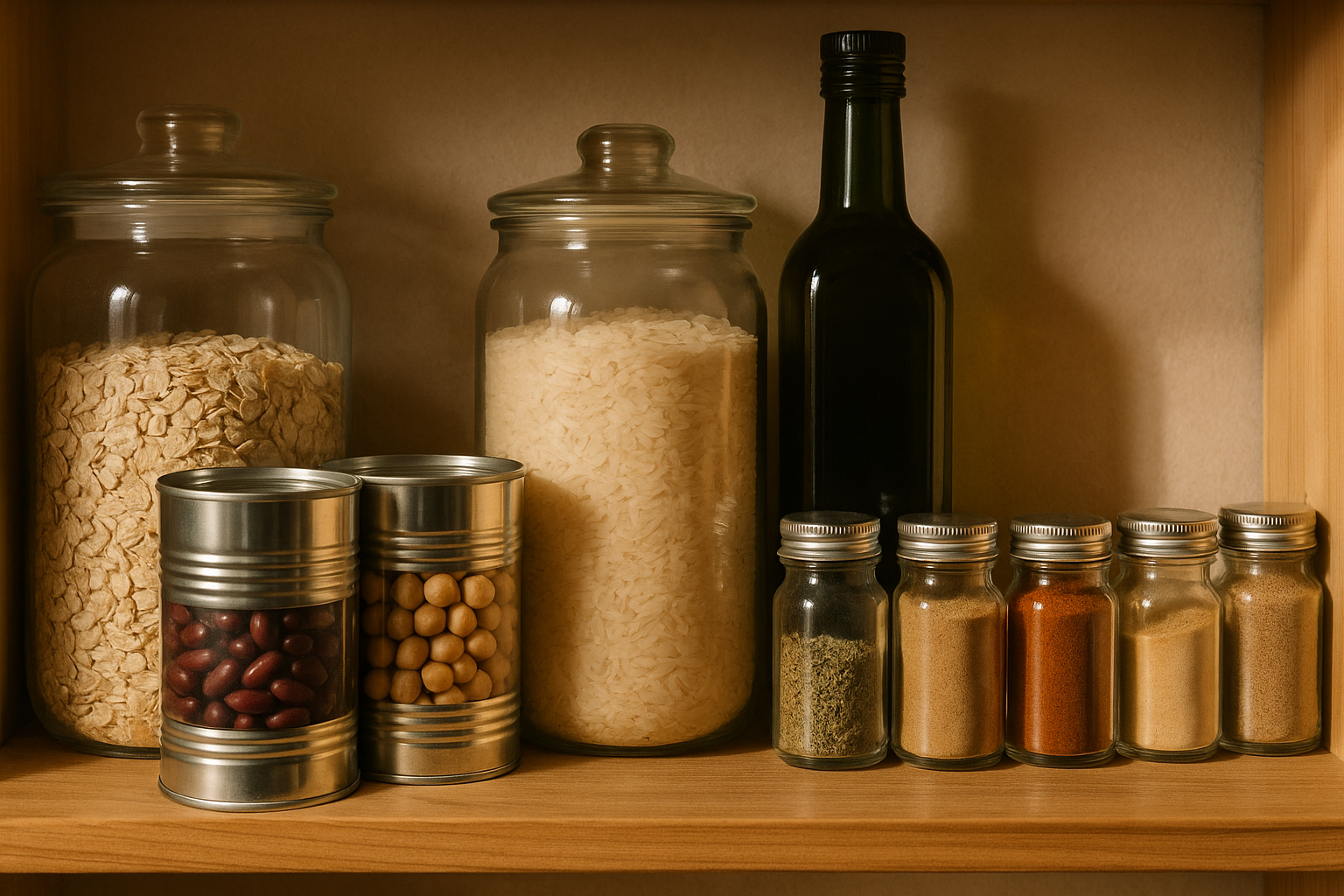
5) Pantry and fridge prep: make the easy choice the default choice

Organised pantry staples for simple meal planning

You don’t need a perfect pantry. You need a pantry that works on a Tuesday night.

A simple Gold Coast household staples list

  • Proteins: eggs, tinned tuna/salmon, chicken, tofu, Greek yoghurt, legumes
  • Carbs: oats, rice, quinoa, wholegrain bread/wraps, potatoes
  • Fats: olive oil, avocado, nuts/seeds
  • Fibre + flavour: frozen veg, salad mix, berries, spices, stock, tomato passata

The 3-dinner “safety net”

Keep ingredients for three default dinners so you don’t end up ordering takeaway when you’re exhausted.

  • Stir-fry veg + protein + microwave rice
  • Tray bake chicken/tofu + pre-cut veg + potatoes
  • Tuna or bean salad + bread or wraps

If grocery shopping is where it falls apart, a hands-on option can help. See Supermarket shopping tours.

6) Plan for your real week (not your ideal week)

Shopping trolley with whole foods for a balanced weekly shop

A plan that ignores time will fail.

Try this:

  • Busy nights: meals that take 10–15 minutes
  • Better nights: one or two cook-ups for leftovers
  • Emergency options: two freezer meals or a reliable backup meal

This matters even more if you’re juggling shift work, kids, caring responsibilities, or disability supports.

7) Gut health: avoid common “healthy eating” traps

People often search for the best naturopath Gold Coast when digestive symptoms won’t settle.

Before you cut out multiple food groups, check these common issues:

  • Too much fibre too fast: sudden increases can worsen bloating. Build slowly.
  • Protein too low: cravings and constant snacking often follow.
  • Stress-driven digestion: symptoms can spike during anxious or busy periods.
  • Inconsistent meals: long gaps followed by big late meals can trigger reflux.

If you’d like a more structured approach, working with a holistic nutritionist Gold Coast, gut health dietitian Gold Coast, or naturopaths Gold Coast may help—especially when the plan is staged, personalised and reviewed.

8) NDIS planning: set goals that translate into weekly wins

If you’re looking for an NDIS dietitian Gold Coast or NDIS nutritionist Gold Coast, set goals that are clear and functional.

Examples:

  • Build independence with simple breakfasts and lunches
  • Improve food variety with sensory-friendly options
  • Create a predictable shopping and cooking routine
  • Support energy and concentration with regular meals

Beta Me offers flexible options, including NDIS nutrition support (including Skype consults).

9) Decide what support you actually need (and what can wait)

Telehealth nutrition consultation setup at home

You don’t have to do it alone. You also don’t need to do everything at once.

You might prefer a dietitian if you want:

  • Medical nutrition therapy
  • Structured plans and measurable outcomes
  • Support alongside medications or complex health needs
  • NDIS-aligned reporting and goal tracking

You might prefer a naturopath if you want:

  • Whole-person support (food, digestion, sleep, stress)
  • A supplement plan when appropriate
  • Step-by-step changes with follow-up and adjustments

If you’re comparing a Gold Coast naturopath or searching nutritionist Gold Coast, look for someone who builds a plan that fits your week.

You can explore Beta Me here: Naturopath Gold Coast and Nutritionist Gold Coast services, and learn more about Beta Me.

10) Book your review point now (so you don’t drift)

Evening wind-down setup to support sleep and stress management

Choose a date in 2–4 weeks to review:

  • What improved?
  • What got harder?
  • What needs simplifying?
  • Do you need more support or a different strategy?

Progress comes from small adjustments repeated, not a perfect two-week sprint.

Quick printable checklist (copy/paste)

  • One main goal + two supporting goals
  • 7-day baseline notes (food, sleep, symptoms)
  • Safety check: red flags, medications, key health conditions
  • Choose 1 nutrition lever + 1 lifestyle lever for 2 weeks
  • Plan 3 default dinners + 2 backup meals
  • Staple grocery list ready
  • Time plan for busy nights
  • Decide support: dietitian, naturopath, or combined
  • Set a review date (2–4 weeks)

Ready for a tailored plan (without the overwhelm)?

If you’d like a practical plan that fits your household, Beta Me can help—whether you’re after a naturopath Gold Coast, a nutritionist Gold Coast, gut-focused support, or NDIS-friendly routines.

To book or ask a question, contact Beta Me.

Loading...