
NDIS Nutritionist Gold Coast: An In‑Depth Guide and Key Considerations

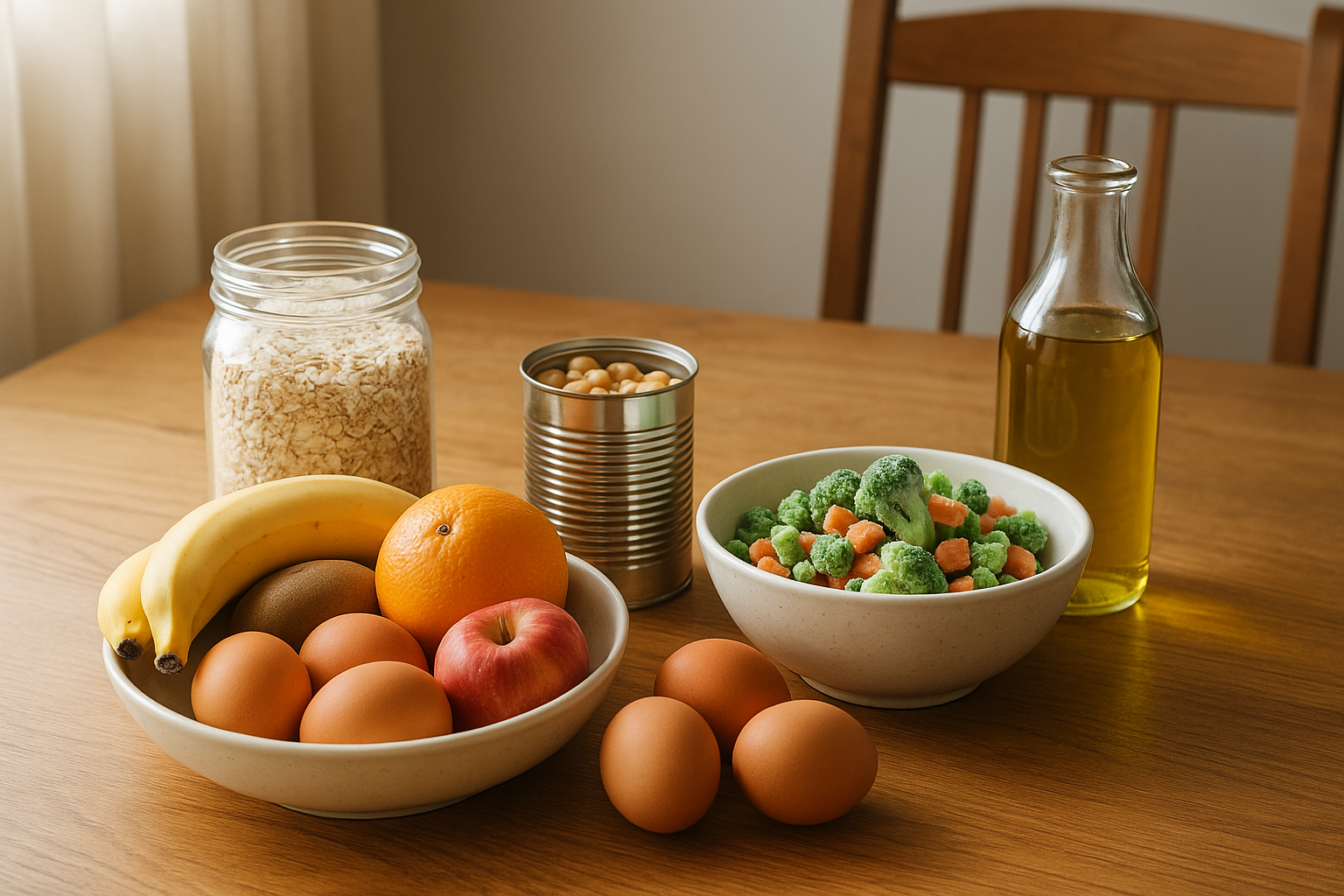
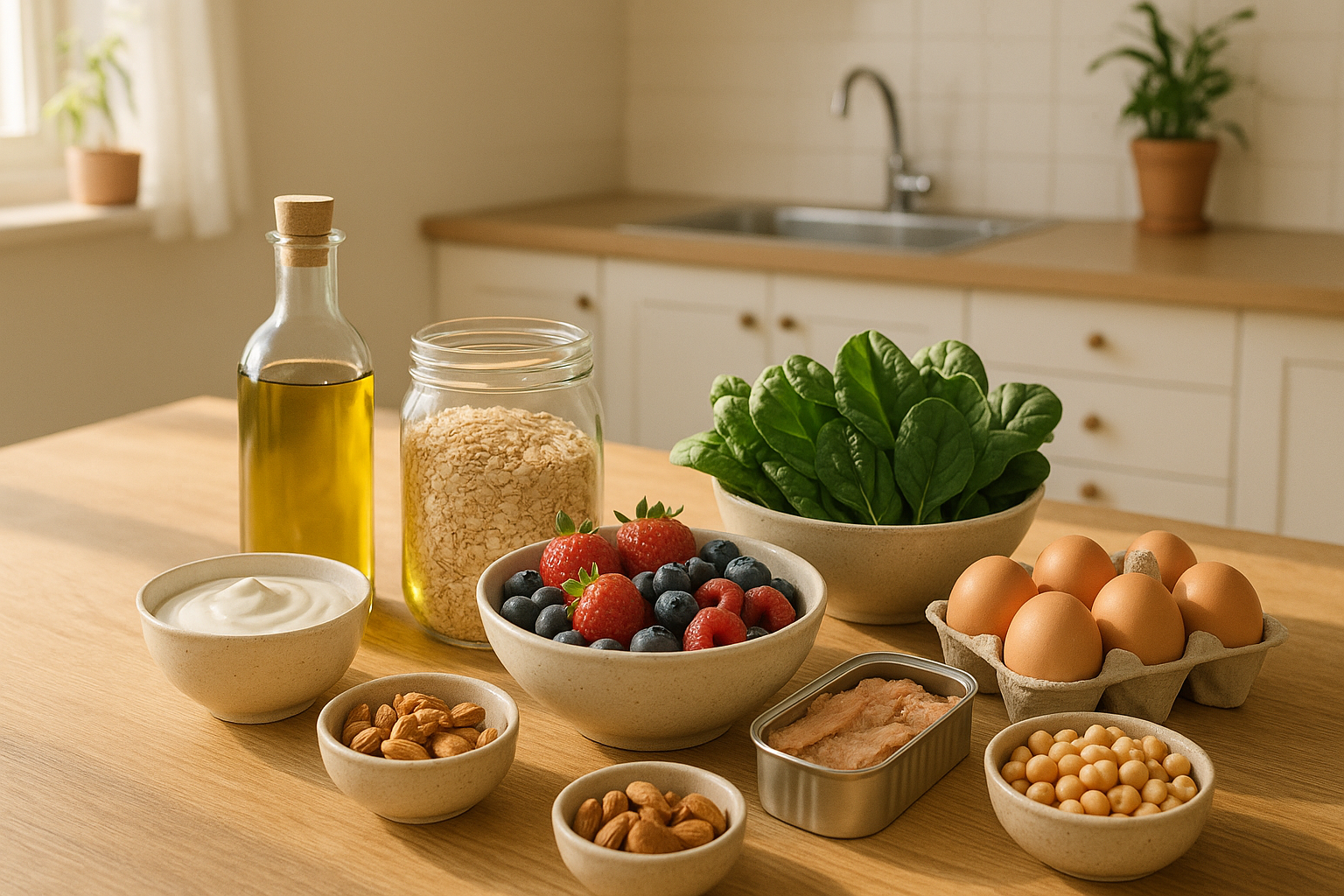
Meal planning set-up for an NDIS nutrition consultation on the Gold Coast

NDIS Nutritionist Gold Coast: An In‑Depth Guide and Key Considerations

Choosing an NDIS nutritionist on the Gold Coast is about more than availability.

It’s about finding support that fits your daily life: energy, routines, sensory preferences, access to food, cooking set‑up, budget, and the goals written into your NDIS plan.

This in-depth guide covers what to look for, what to ask, and how nutrition support can work in real life—at home, online, or a mix.

When nutrition support makes sense under the NDIS

Food routines affect day‑to‑day function. That’s why many participants explore nutrition support when eating and planning impact:

  • Energy and fatigue
  • Regular meals and snacks (especially if appetite cues are unreliable)
  • Gastrointestinal comfort and bowel regularity
  • Sensory preferences and food variety
  • Shopping skills, budgeting, or cooking confidence
  • Medication side effects that affect appetite or digestion
  • Support worker routines in the kitchen

If you’re searching for an NDIS nutritionist Gold Coast service, you’re usually looking for practical strategies you can use at home—not a rigid set of rules.

Nutritionist vs dietitian vs naturopath: what’s the difference?

While researching, you might compare NDIS dietitian Gold Coast options, a holistic nutritionist Gold Coast, or a naturopath Gold Coast service.

Here’s a clear, practical way to think about it.

Dietitian (NDIS dietitian Gold Coast)

A dietitian may be the best fit when you need medical nutrition therapy for complex needs.

Examples include:

  • Significant unintentional weight change
  • Complex chronic conditions that require strict dietary management
  • Swallowing concerns or texture modification
  • Tube feeding support

If you’re searching for a gut health dietitian Gold Coast due to ongoing symptoms, it’s also important to coordinate with your GP.

Nutritionist (nutritionist Gold Coast)

A nutritionist can be a strong choice for practical food education, meal structure, and sustainable habit change.

Common focus areas include:

  • Meal planning that suits your capacity
  • Simple routines for breakfast, snacks and hydration
  • Building variety within sensory preferences
  • Label reading, portions, and balanced plate ideas

Naturopath (gold coast naturopath)

A gold coast naturopath option can suit people who want a broader view across food, lifestyle, and supplements.

If you’re looking for a naturopath and nutritionist approach, choose someone who:

  • Communicates clearly and stays within scope
  • Explains the “why” in plain language
  • Collaborates with your wider healthcare team when needed

If you’re searching for the best naturopath Gold Coast, use reviews as one signal only. Fit matters more. You want a practitioner who understands your goals and can turn ideas into routines.

What to expect in an NDIS nutritionist consultation

A good nutritionist consultation should feel collaborative, specific, and realistic.

Most appointments cover:

  • Your NDIS goals (and what “better” looks like day to day)
  • Current eating patterns, including difficult days
  • Food access: shopping, transport, budget, cooking equipment
  • Sensory preferences, safe foods, and “hard no” foods
  • Energy, sleep, bowel habits, and hydration
  • Medical history and medications/supplements (important for safety)

You should leave with clear next steps. Not a long list. A small plan you can actually do.

Key considerations when choosing an NDIS nutritionist on the Gold Coast

1) Match support to your real-life barriers

If follow‑through is the hard part, look for practical supports like:

  • A simple meal structure and repeatable “default meals”
  • A short shopping list you can reuse
  • Easy snack options that require minimal prep
  • Visual prompts (photos, checklists, fridge notes)

If fatigue or overwhelm is the barrier, the plan should reduce decisions—not add more.

2) Look for clear goal setting (not just education)

NDIS-friendly nutrition support works best when goals are:

  • Specific (what you will do)
  • Measurable (how you’ll know it’s working)
  • Time‑bound (when you’ll review it)
  • Linked to function (daily living, independence, routines)

Examples that often work well:

  • “Eat breakfast 4 days per week using 2 quick options.”
  • “Build a 10‑item shopping list of safe staples and shop with support.”
  • “Add one new fibre food twice a week to support regularity.”

3) Choose the right format: in‑home vs online

Both can work. The best choice depends on what you need help with.

In‑home support may suit you if you want:

  • Pantry, fridge, and kitchen set‑up reviewed
  • Hands‑on support with meal prep routines
  • Carer/support worker involvement in real time

Online sessions can suit you if you want:

  • Education and coaching
  • Meal planning, troubleshooting and check‑ins
  • Flexibility when travel is difficult

You can see how this works at Beta Me here: NDIS Nutritionist Gold Coast | In‑Home Nutrition Support.

4) Ask how progress will be reviewed

A quality service should explain how they track progress in a way that fits you.

This could include:

  • Food tolerance and comfort changes
  • Energy and appetite consistency
  • Skill building (shopping, cooking, planning)
  • Confidence and independence with routines

If you need written notes for your support team, ask upfront.

5) Prioritise “doable”, not “perfect”

If you’ve ever left an appointment thinking, “That sounds good, but I can’t do that,” the plan wasn’t matched to your capacity.

Good support meets you where you are and builds from there.

Practical examples: what an NDIS nutrition plan can look like

Hands organising a weekly meal plan and grocery list

Small, practical steps often make nutrition changes easier to follow.

These examples show the style of strategies many participants find helpful.

Example A: “I skip meals and then snack later”

Try:

  • A two‑option breakfast plan (rotate only two choices)
  • A set snack time with “grab-and-go” snacks
  • A hydration cue linked to an existing routine (e.g., after brushing teeth)

Example B: “Shopping is overwhelming”

Try:

  • A “safe staples” list (10–15 items)
  • A repeatable shop route (same aisles, same products)
  • Shorter shops more often, if capacity allows

For hands‑on support, a shopping tour may help: Supermarket Shopping Guide Gold Coast | Shopping Tour.

Example C: “My gut feels off and I don’t know what to eat”

Try:

  • A simple food-and-symptom check-in (useful, not obsessive)
  • Regular meals and gradual fibre changes
  • Reviewing common triggers like large meals, caffeine timing, or low fluid intake

If symptoms are persistent or severe, coordinate with your GP and consider whether an NDIS dietitian Gold Coast service is more appropriate for your needs.

What to ask before you book

These questions help you quickly check fit and clarity:

  • “Do you offer in‑home appointments or online sessions?”
  • “How do you tailor advice for sensory preferences or limited food variety?”
  • “Can a support worker or carer attend?”
  • “How do you set goals and track progress over time?”
  • “How do you work alongside GPs and other allied health professionals?”

If you’re comparing providers while searching nutritionist Gold Coast or naturopath gold coast, the answers above matter more than broad promises.

How Beta Me supports NDIS participants

Beta Me focuses on practical, participant‑centred support. The goal is to translate nutrition advice into routines that work in real life.

Depending on what suits you, support may include:

  • In‑home support where the changes need to happen
  • Online consultations for flexibility and easier check‑ins
  • Mobile support when you want help implementing plans day to day

Explore services here: Naturopath Gold Coast | Nutritionist Gold Coast | Beta Me.

If stress or anxiety affects appetite, digestion, or food routines, you can also read: Anxiety Naturopath Gold Coast | Naturopathy for Anxiety.

If you’d like to learn more about the clinic, see: About Beta Me.

Next step: make your first appointment count

If you’re looking for an NDIS nutritionist Gold Coast service and you want a clear plan you can follow, the best next step is to book with a few essentials ready.

Bring (or email ahead):

  • Your NDIS goals (or plan summary)
  • Your medications and supplements list
  • A rough “what I ate” snapshot (photos are fine)
  • The 1–2 biggest barriers you want solved first

To see how appointments work and enquire about availability, visit: NDIS Nutritionist Gold Coast | In‑Home Nutrition Support.

If you already know you need hands‑on support at home, view: Mobile Nutritionist Gold Coast | Mobile Naturopath Services.

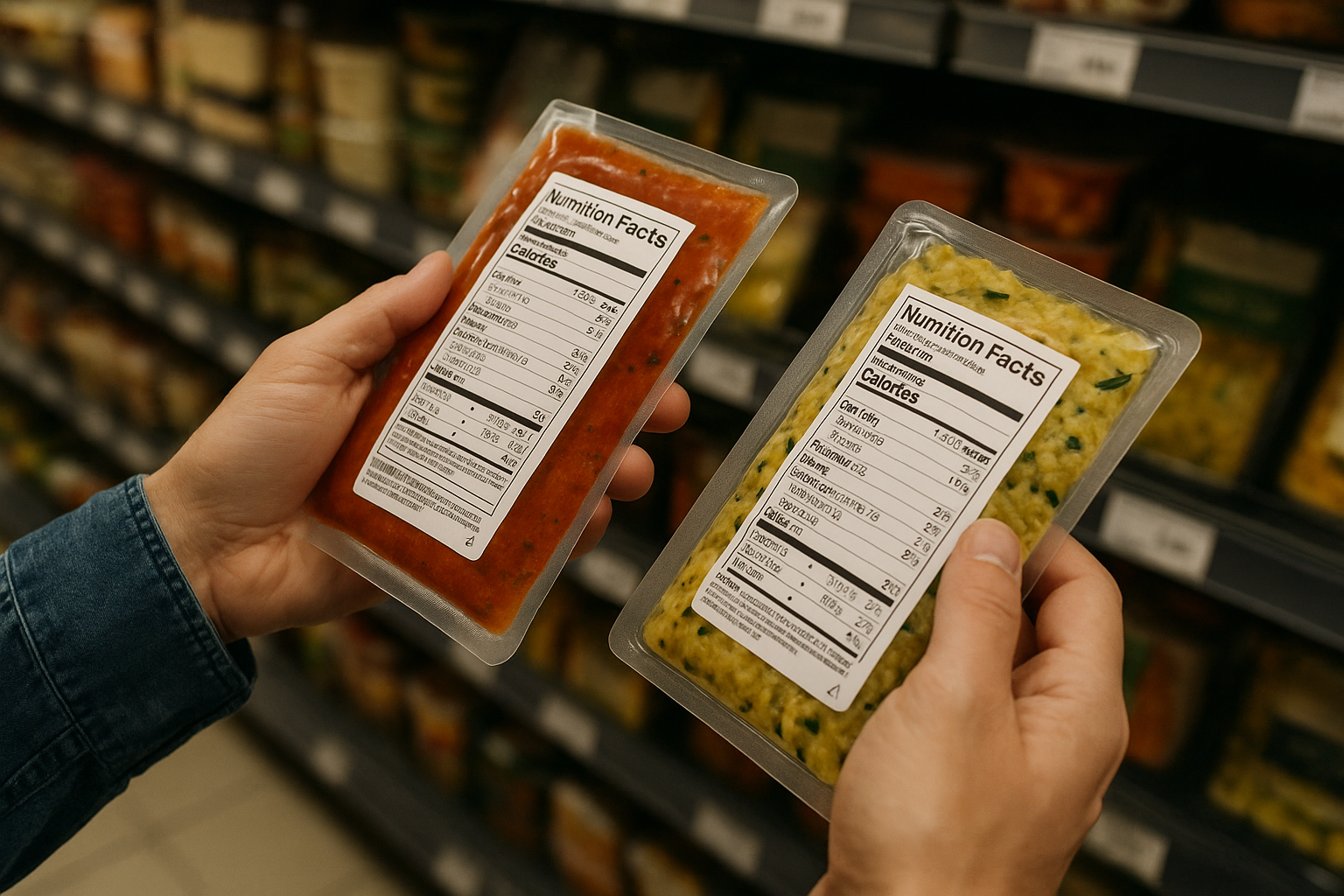
Grocery shopping support for healthier choices and routines

Shopping support can help translate advice into real-life choices.

FAQs

Can I use NDIS funding to see a nutritionist on the Gold Coast?

It depends on your plan and how nutrition support relates to your disability and goals. Many people use plan funding when nutrition input is considered reasonable and necessary and supports capacity building, daily living, or functional outcomes.

If you’re unsure, check your plan categories and confirm with your Plan Manager or Support Coordinator.

What’s the difference between an NDIS dietitian and an NDIS nutritionist?

Dietitians are university-qualified allied health professionals who can provide medical nutrition therapy for complex clinical needs.

Nutritionists can provide valuable support with food choices, routines, education, and practical strategies, depending on training and scope.

If you have complex medical conditions, swallowing issues, tube feeding, or significant unintentional weight changes, a dietitian may be the most appropriate option.

What happens in an NDIS nutritionist consultation?

A good consultation starts with your goals, daily routine, food preferences, medical history, medications/supplements, sensory considerations, and any barriers (fatigue, executive function, cooking skills, budget, access to shops).

You’ll usually leave with a small set of practical next steps, such as meal structure, snack ideas, shopping list templates, and hydration strategies.

Do you offer in-home nutrition support on the Gold Coast?

Online nutrition appointment set-up at home

Online sessions can be a flexible option when travel is difficult.

Yes. In‑home appointments can help when travel is difficult or when support is most useful in your real environment (kitchen set‑up, pantry staples, meal prep habits). In‑home support can also suit participants who benefit from visual prompts, hands‑on coaching, or carer involvement.

Can sessions be done online if I’m not able to attend in person?

Yes. Online appointments can work well for education, meal planning, supplement reviews, and check‑ins—especially if you want flexibility or reduced travel.

To understand options, visit: https://betame.com.au/skype-consultations/.

Can a nutritionist help with gut health goals under the NDIS?

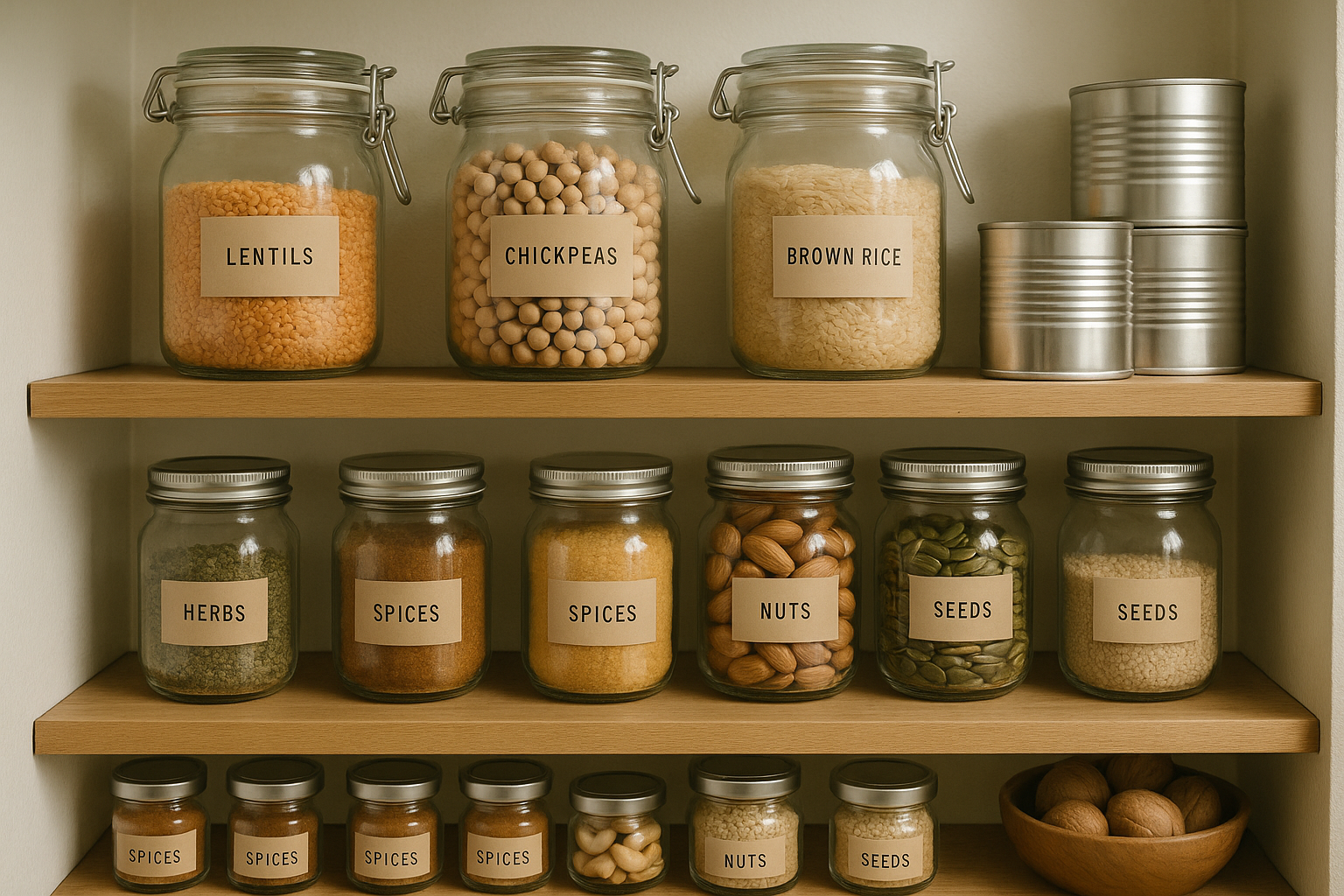
Everyday pantry staples for simple, budget-friendly meals

A supportive pantry can reduce decision fatigue and make meals more consistent.

Gut-related goals often involve routine, food tolerance, fibre and fluid strategies, and stress support.

For persistent or severe symptoms, coordinate with your GP and consider whether a dietitian referral is appropriate.

How do I choose the right practitioner if I’m also considering a naturopath?

Start with your goals and the type of support you want.

A naturopath and nutritionist approach can be helpful if you want a holistic lens on food, lifestyle, and supplements alongside education and behaviour change.

Make sure the practitioner explains their process clearly, stays within scope, and is comfortable collaborating with your GP and allied health team when needed.

What should I prepare before my first appointment?

Bring your NDIS goals (or a brief summary), a list of medications and supplements, any relevant reports, recent blood test results if available, and a typical few days of food and drink (photos are fine).

Also note practical barriers: cooking access, budget, sensory preferences, support workers, and any foods you avoid.

Can carers or support workers attend the appointment?

Yes, and it’s often helpful.

When the people who support shopping, cooking, or routines attend, it’s easier to turn recommendations into real‑world habits. With your consent, clear written action steps can also help your support team stay consistent.

How Nutrition Supports Immune Health Naturally

It’s that time of year when people look to immune boosting foods and winter wellness diets for natural immune support to ward off those inconvenient colds and flus. Missed school, missed work and missed social events are the norm during the cold and flu season where immune systems are notoriously low. Knowing what foods to eat to improve natural immunity and overall winter wellness can ensure you don’t need to cancel plans or call in sick this winter.

Immune Boosting Foods

When considering immune boosting foods, it is important for factor in what nutrients and compounds are found in each food. Vitamin C is the most commonly know immune supportive nutrient so naturally, people often gravitate towards foods high in this important antioxidant. Though, what if I told you, Vitamin C is more effective at reducing the duration of colds and flus rather than preventing them. Similarly, Zinc plays a role in reducing the duration of the common cold and flu as well as reducing its severity. So if you are working from home just need to get through a day, you might find a good zinc and vitamin c combination through diet and food to be effective. What foods are high in vitamin C and zinc?

Vitamin C

  • Citrus (mandarins, lemons, oranges, limes)
  • Kiwi fruit
  • Strawberries
  • Blueberries
  • Papaya
  • Pineapple
  • Capsicum
  • Broccoli
  • Cauliflower
  • Spinach
  • Chili
  • Parsley

Zinc

  • Pepitas (pumpkin seeds)
  • Sesame seeds
  • Oysters
  • Eggs
  • Lean beef
  • Quinoa
  • Lentils
  • Chickpeas
  • Almonds
  • Cashews

Vitamin D

Vitamin D is our key prevention nutrient. Large scale studies have shown that adequate vitamin D levels act as a preventative for frequent colds and flus, likewise, studies show those who have vitamin D deficiency are more likely to experience regular cold and flu occurrences.

Vitamin D food sources are limited, which is why safe sun exposure is so important to our immune health. Luckily, here is Australia, we have ample access to the sun, we just need to get away from our computers, phones and TVs and step outside, even in those colder months.

Some Vitamin D food sources we do have available are:

  • Oily fish (cod, salmon, mackerel)
  • Eggs (with the yolk)
  • Fortified full fat dairy
  • Mushrooms

Vitamin A & Beta-Carotene

Our mucosal tissue lining in the nose, throat and lungs are our first line of defense again viruses. They act as barriers, preventing viruses from taking hold. Research shows, Vitamin A and beta-carotene protect these mucosal tissues from succumbing to viral infection and spreading throughout the body.

Sources of Vitamin A and beta-carotene include:

  • Carrot
  • Sweetpotato
  • Pumpkin
  • Spinach
  • Eggs (with the yolk)
  • Capsicum
  • Broccoli
  • Rockmelon

Polyphenols

Antioxidant compounds like polyphenols, including flavonoids are another tool in our immune supportive toolbelt. These antioxidants are anti-inflammatory, supporting the modulation of immune responses and are supportive of gut bacteria.

You can find polyphenols in:

  • Green tea
  • Blueberries, strawberries and blackberries
  • Dark chocolate
  • Flaxseeds
  • Nuts
  • Onions
  • Garlic
  • Olives
  • Leafy greens

Proteins as the building blocks of the immune system

Individual proteins known as amino acids are highly regarded as the building blocks of all body systems, but particularly the immune system. How exactly do proteins do this? Various types of amino acids play their individual and combined roles in tissue repair, creating antibodies and white blood cells to fight infection and improving microbiome health. Some examples of amino acids that are key to immune health include:

  • Glutamine
  • Arginine
  • Leucine, isoleucine and valine
  • Glycine and cysteine
  • Histidine

How do we get these amino acids in the diet?

A varied diet with a combination of lean meat proteins, fish, eggs, quinoa, legumes, bone broth, nuts and seeds and dairy.

The Gut-Immune Connection

More than 70% of the immune system resides in the gut. Supporting healthy gut bacteria balance and gut lining integrity is one of the most effective ways of preventing frequent colds and flus. If your tummy feels a little funny, now is the time to do something about it to ensure you are well prepared for what winter brings.

Colds and flus aren’t the only viruses we see at wintertime. Gastroenteritis (gastro) also circulates more prolifically over the colder months. Having a healthy balance of supportive good bacteria can help to prevent gastroenteritis viruses from taking hold.

Winter Wellness Diet

A winter wellness diet consists of a variety of the above listed foods to ensure diversity of gut bacteria, proteins polyphenols and antioxidant nutrients such as Vitamin C, zinc, Vitamin D. Variety and eating enough to avoid nutritional gaps is the key to winter wellness. Great ways to balances these out include foods like:

  • Curries (add 3-4 vegetables (e.g. broccoli, mushrooms, spinach) onion, ginger, garlic, lean protein and/or legumes)
  • Soups (again pick 2-3 from each list of immune nutrients)
  • Stews
  • Eat antioxidant fruits daily (1-2)
  • Drink green tea and bone broth (this will also support hydration which is also vital for immune health)

Natural Immune Support

It is possible to achieve healthy immunity with natural immune supports discussed above. Sometimes though, you can be so run down that you body is not able to keep up with food-based nutrients alone, this is where you may bring in supplemented natural immune supports to do just that, “supplement” your immune boosting diet. Supplementation should always be done with care of quality and therapeutic dosages but can be an effective complimentary measure to ensure those nuisance, life limiting viruses stay away.

A healthy diet can be an effective way of supportive positive health outcomes and keeping you in the game. On the other hand, a nutrient poor, inflammatory diet can be detrimental to your overall health and leave you feeling rundown, tired and sick. If you needed motivation, to improve your diet and health this is it. As the great Hippocrates, the ancient Greek physician once said, “Allow food to be thy medicine.”

Gold Coast’s Most Common Health Issues a Naturopath Can Help With

The Gold Coast has been plagued with some of the most common health issues affecting the wider Australian population. A Naturopath plays a supportive role in managing these chronic conditions and for support of their accompanying fatigue yet is often overlooked in healthcare. Before looking into how a Naturopath can help, lets first look at what the common health conditions are.

According to reports from Gold Coast Health and Primary Health Network these common health conditions include:

  • Mental health
  • Diabetes
  • Arthritis
  • Heart disease
  • Obesity
  • Stress
  • Preventable conditions in pregnancy (e.g. anaemia, gestational diabetes etc.)

If these were on check-list form, many Gold Coasters could tick multiple of these common health issues as existing concerns. This is largely due to their holistic nature.

Obesity → mental health → diabetes → heart disease → arthritis

For example, obesity often contributes to an increase in mental health presentations such as depression and anxiety or inattention in the case of neurodiversity. Obesity is also a predisposing factor for diabetes and heart disease placing pressure on joints resulting in arthritis.

Stress → mental health → obesity → diabetes

The link between stress and mental health is easy to draw. However, stress can also trigger increases in cortisol (the main stress hormones). This increase in cortisol disrupts blood glucose levels and fat storage, regularly resulting in insulin resistance. Insulin resistance leads to diabetes and increases in fat storage results in obesity. Important anti-depressant and antianxiety medications can also contribute to weight gain in some people.

Arthritis → Stress → Mental Health

The inflammation associated with arthritis places stress on the body, contributing to the above stress cascade. Further, pain all too often results in stress and mental health conditions due to discomfort and sleep disruption. Some pain medications such as NSAIDs can disrupt how the gut functions, resulting in reduced nutrient absorption. Those nutrients are supportive of a healthy nervous system to reduce mental health presentation.

Pregnancy

Poor diet, unmet increased nutrient requirements and hormonal shifts in pregnancy can result in anaemia, gestational diabetes, obesity, natal and postnatal mental health disorders and other pregnancy related conditions that can be prevented with dietary guidance.

As you can see these common health conditions are not mutually exclusive conditions, rather a whole-body response. Targeting these conditions body holistically with diet and natural treatments can improve outcomes.

Naturopath for Fatigue

All common health issues mentioned are taxing on the body, regularly resulting in fatigue. A naturopath can utilise evidence-based herbal prescriptions to safely manage fatigue with dose specific/situation specific herbs including but not limited to:

  • Rhodiola rosea
  • Eleutherococcus senticosus
  • Panax ginseng
  • Withania sominfera
  • Cordyceps
  • Glycyrrhiza glabra (Liquorice Root)
  • Holy Basil

Herbs work to balance the nervous system, improve stress adaptation and others have been researched as anxiolytic (reduce anxiety), anti-depressive, anti-inflammatory, anti-diabetic, anti-obesity and cardiovascular supportive.

When a naturopath formulates a herbal prescription, they do so with a holistic mindset considering all the health aspects and presenting conditions of the individual person in front of them. Liquid formulations allow for very specific and targeted treatments.

It is important to work with a Naturopath when incorporating herbal treatments to avoid interactions with medications.

Digestive Issues as a Hidden Driver of Most Health Complaints

Understanding of the importance of good gut health is gaining traction in the science world with increased research coming to light. Naturopaths have recognised the importance of good gut health in disease and holistic health conditions management for hundreds of years. The good thing about newer research is gaining a deeper understanding of its importance.

A Naturopath will assess and address the gut in almost every treatment. Gut issues can be seemingly asymptomatic or go unnoticed by a patient. In-depth questioning and gut testing where relevant can bring some of these issues to the forefront and allow for natural treatments to improve gut function for reducing inflammation, improving healthy hormone production, regulating glucose balance and to maximise vital nutrient absorption.

Hormonal Shifts and Different Life Stages

The different stages of life bring about shifts in hormones that can contribute to conditions such as heart disease, mental health conditions, blood sugar dysregulation, stress, weight gain and fatigue.

Hormones are in a constant state of flux. Whether you are a teenager, trying to conceive (men and women), pregnant, peri/menopausal, post-menopausal or an older male experiencing changes in male sex hormones, these changes can significantly impact your life.

Naturopaths have hormone modulating herbs on hand to support these frequently debility hormonal shifts in both men and women to improve balance and quality of life.

A Naturopath Uses More Than Just Herbs     

Herbs are powerful arsenal in the toolbox of a Naturopath. Though they are not the only tool at their disposal. A dually qualified Naturopath who is also trained extensively in Nutrition can utilise both herbal medicine and dietary changes to maximise outcomes for patients experiencing many health conditions. Ensuring dietary diversity, adequacy, quality and specificity to the person and presentation can significantly improve health presentation.

Naturopath for Fatigue

Why Use Herbs?

Herbs offer a ‘little more oomph’ to the treatment that can lack in dietary changes alone. They can be highly targeted and specific to the individual person and their health complaints. That’s not all they offer. Herbs can speed up outcomes while dietary changes are being made. It is difficult to change habits. Herbs give you time to make dietary changes that are not overwhelming and restrictive while continuing to work towards improved health outcomes.

Working with A Naturopath

A Naturopath offers a supportive and natural treatment aspect to health improvement that is holistic in nature, considering all aspects of your presenting health complaint. You will be educated and supported from a dietary, lifestyle, nutrition and herbal perspective that you can implement with long term, sustainable changes for long term, sustainable success.

If you’re looking for a naturopath for fatigue or ongoing health concerns on the Gold Coast, a personalised, holistic approach can help uncover what’s really going on.

How to Use Nutrition to Support Sleep and Stress Recovery

Using food for better sleep is not often considered when you are in the depths of insomnia or restless sleep. However, specific foods contain nutrients that have long been used to aid better sleep outcomes.

Poor sleep can be caused by a range of different health conditions including:

  • chronic pain
  • digestive discomfort
  • reflux
  • stress
  • anxiety and depression
  • an overactive nervous system
  • neurodiversity
  • diabetes associated nocturia
  • alcohol
  • poor dietary intake
  • low nutrient status (e.g. iron deficiency)
  • sleep apnoea

Many of these ailments can be supported with adjusting the diet to ensure adequate dietary intake of wholefoods and increasing foods containing sleep supportive nutrients.

foods for better sleep

Food for Better Sleep

What are these sleep supportive nutrients and what foods can you eat to improve your sleep?

Melatonin is a well-known hormone required for sleep. You can even buy prescribed and over the counter lower dose melatonin in gummies and capsules. However, what if I told you, you could assist your body in making this natural, sleep supporting hormone without the need for medication?

Interestingly, melatonin is converted from serotonin, the ‘happy’ neurotransmitter produced in the gut from amino acids. The conversion from serotonin to melatonin happens mostly in the brain during darkness (the signal to produce melatonin to promote sleep).

This means, when serotonin is low, this has downstream effects on melatonin production and therefore sleep initiation. Stress, anxiety, poor gut health and inadequate tryptophan all impact serotonin production. Managing stress, anxiety and optimising the microbiome and gut function improves serotonin production, ultimately improving sleep outcomes including:

  • difficulty falling asleep
  • difficulty staying asleep
  • overall sleep quality
  • dysregulated circadian rhythm

Both dietary and supplemental nutrients work for you to improve serotonin and melatonin production, including:

  • tryptophan (from adequate protein intake)
  • vitamin B6 (in suitably prescribed doses)
  • magnesium glycinate
  • zinc
  • folate & B12

Foods to Improve Sleep

foods for better sleep

Kiwi fruit is one of my favourite food prescriptions for both the gut and sleep. It has natural melatonin and serotonin to support mood and sleep.

Turkey is naturally high in the amino acid tryptophan to help improve stress adaptation and melatonin.

Bananas may aid in healthy sleep due to their high magnesium, potassium and tryptophan, all of which help to relax muscles and the nervous system, boosting melatonin and serotonin. The carbohydrates in bananas can also help to balance blood glucose levels, reducing disruptions to sleep throughout the night.

Pumpkin seeds or pepitas are a great source of both zinc and tryptophan.

Walnuts are a good source of tryptophan as well as microbiome supportive fibre.

On a nutty note, almonds are another great sleep aid, with their high magnesium content, protein and healthy fats, a small handful of almonds shortly before bed can improve blood sugar balance and improve overall sleep quality. Almonds are a natural source of melatonin, only adding to their sleepy benefits.

Oats are a powerhouse for gut health, stress and anxiety reduction as well as enhancing sleep outcomes.

Nutrition for Stress Relief

Balanced nutrition has many benefits when assisting with stress relief goals. The above-mentioned highlight some of the common nutrients involved in stress reduction strategies. However, healthy blood glucose levels are just as important as these specific nutrient inclusions. High or low blood glucose levels can be disruptive to sleep and likewise, poor sleep can result in reduced insulin sensitivity, creating a vicious cycle.

While high blood glucose levels, otherwise known as hyperglycaemia, can result in frequent urination (nocturia), thirst and a wired feeling, low blood glucose (hypoglycaemia), can cause night wakings in the form of sweats, nightmares and confusion.

These blood sugar fluctuations and the resulting lack of sleep ultimately ends with reduced stress responses while increasing the primary stress hormone cortisol. Cortisol signals the liver to release more glucose to provide energy to ‘fight the tiger or take flight from the tiger’, only that sugar energy is not used up by the body and is left floating around in the blood. There continues the cycle of the highs and lows of blood glucose levels, insulin resistance and poor stress responses.

A diet with a healthy balance of protein, healthy fats and complex carbohydrates is key to regulating stress. 2-3 servings of oily fish, 1-2 servings of lean red meat, 2-3 servings of poultry and ample plant-based proteins per week will ensure you achieve the right amino acid (smaller proteins) combinations. While again, oily fish, nuts and seeds, extra virgin olive oils and avocado will see that healthy fats are covered to reduce the inflammation associated with stress. High quality complex, fibrous carbohydrates promote the gradual release of glucose, stabilising stress hormones, increasing neurotransmitter production (like serotonin) and glucose levels.

Diet for Cortisol Balance

A Mediterranean diet, high in those previously mentioned anti-inflammatory healthy fats, leafy greens and complex carbohydrates is highly regarded in research to support cortisol balance. Focus your eating on legumes, fruit, vegetables, wholegrains for stress supportive vitamins and minerals that counter disruptions to blood glucose and the release of cortisol in stressful situations.

Gut health is another key factor in cortisol balance. The stress that causes elevations in cortisol can be damaging to gut bacteria, resulting in inflammation and the reduction of microbes responsible for serotonin production (remember that healthy hormone we spoke of earlier?). Elevations in cortisol can cause weaknesses in the gut lining, resulting in ‘leaky gut’. This allows toxic materials to pass into the blood stress, causing further stress, cortisol release and inflammation. A damaged gut lining can reduce vital nutrient absorption for managing stress and cortisol.

A diet rich in fibre, prebiotic and probiotics foods will improve cortisol balance and maintain healthy gut function. Foods such as sauerkraut, tempeh, and low sugar yoghurt as well as legumes, lentils and wholegrains/rye.

Using foods for better sleep outcomes is a useful tool for not just sleep, but from regulating cortisol, stress and overall health, with poor sleep and stress being primary drivers in many health conditions, both chronic and acute. Incorporating some of the strategies mentioned in this blog post will set you on the right path. If you need further assistance in understand nutrients required for sleep, speak with a nutrition professional.

Best Anti-Inflammatory Foods, When to See a Nutritionist

Did you know you can reduce inflammation with food? There are many foods that target inflammation and are recognised as ‘anti-inflammatory. We will jump into an inflammatory and anti-inflammatory foods list shortly but first let’s look at why inflammation exists and what its role is within your body. It’s an important one!

The Role of Inflammation in the Body

Experiencing inflammation can be a nuisance as it is often accompanied by pain. Pain is restrictive and often debilitating. Though, it is important to know inflammation is a protective measure directed by the body. Inflammation is the body’s first line of defence. It works to clear damaged cells, increases blood flow to the injury or damaged tissue for repair and can create a physical barrier from damaging invaders like infections. It is also a signal to tell us that there is something wrong and we need to address and support the body. So, although inflammation can be debilitating, it is also a necessary evil.

Why then, do we try to reduce or stop inflammation?

Chronic, long-term inflammation can be damaging to tissues and cause stress on the body overall if it continues to send inflammatory cells, long after the initial threat has passed or the damage has healed.

What we start to see in chronic inflammation, is the breakdown and damage of healthy tissues. If this continues, it can begin to contribute to chronic diseases such as osteoarthritis, autoimmune disorders, metabolic disorders and cardiovascular disease. Ongoing pain and inflammation can go on to affect the nervous system where anxiety, fatigue and poor sleep are common.  

This is where the need to reduce inflammation with food comes into play.

Reduce Inflammation with Food

Ever heard the term, ‘Let food be thy medicine’? In an ideal world, the diet would provide everything that is needed to assist the body to build, repair and maintain good health balance. Unfortunately, with the introduction of fast food, processed food and the western diet consisting largely of fried foods, nutritionally void foods like white breads, pastas with little fruit and vegetables or vegetables that are from nutrient poor soils and heavily sprayed, we see inflammation a regular and chronic occurrence in people’s lives.

Inflammatory Food List

Let’s delve deeper into those inflammatory foods and identify more of the foods that may be contributing to or worsening inflammation. Although some of these foods are appealing to the tastebuds, they are not serving the body and could be causing damage.

  • Fast foods – highly processed, high in sugar and saturated fat.
  • Refined carbohydrates – such as white breads, pastas, rice, pastries, biscuits, cake, chocolate, cereals.
  • Packaged snack foods – chips, crackers, some popcorns.
  • Soft drinks energy drinks and juices with added sugar
  • Lollies, ice-cream
  • High sugar flavoured yoghurts with added sugar
  • Sauces and dressings with hidden added sugar
  • Seed oils (found in MANY foods) – canola oil, soy bean oil, corn oil, sunflower oil, deep fried foods.
  • Processed meats – ham, salami, processed turkey and chicken, Frankfurt’s, bacon etc.
  • Transfats – margarine, commercial baked foods, fried foods.
  • Alcohol
  • Artificial sweeteners – aspartame, saccharin, sucralose, acesulfame potassium
  • Nightshades (for some people) – tomatoes, eggplant, capsicum, white potato, chilli.

What makes them inflammatory?

Many of these foods result in rapid blood glucose spikes, causing an influx of insulin leading to low-grade inflammation and oxidative stress. Further, excess sugar intake results in inflammatory cytokines (chemical messengers) and worsen insulin resistance. Other foods on this list result in an increase in inflammatory Omega-6 fatty acids throwing the balance of anti-inflammatory Omega-3 fatty acids, swinging the pendulum towards inflammation with increased inflammatory signalling. Packaged and processed foods are not only high in sugar, saturated fats and inflammatory seed oils, but they also contain preservatives, additives and emulsifiers that throw off the balance of good bacteria in the gut, resulting in poor microbiome balance and reduce anti-inflammatory capacity. Processed meats contain nitrates/nitrites which have been recognised by the World Health Organization as Group 1 carcinogens and are linked with inflammation. Alcohol is highly inflammatory. It is linked to increased gut permeability, systemic inflammation and liver stress.

Anti-inflammatory Food List

Now we’ve looked at some of the foods that contribute to inflammation, let’s look at how we can reduce inflammation with food. Although it seems like we have taken all of the fun out of eating, there is a long list of foods that are considered anti-inflammatory that you can enjoy on a regular basis.

  • Vegetables – particularly leafy greens, cruciferous vegetables (broccoli, cauliflower, brussels sprouts), beetroot, carrot, cucumber, zucchini, herbs.
  • Fruits – berries, apples, pears, citrus
  • Fish – Salmon, cod, tuna, mackerel, sardines
  • Seeds – Walnuts, chia, flax, pepitas, almonds
  • Fats & Oils – Extra virgin olive oil, avocado
  • Quality proteins – Eggs, turkey, extra lean beef, legumes, lentils, tempeh
  • Seeds & Grains – Quiona, brown rice, oats, sweet potato
  • Herbs & Spices
  • Herbal teas

The basis of the anti-inflammatory foods is supporting blood glucose balance reducing spikes that drive inflammation, improved gut health for inflammatory control by the microbiome and effective waste elimination, antioxidants to reduce oxidative stress and healthy fats to support the balance of inflammatory messengers and cell membrane integrity.

Why Not Simply Take Anti-Inflammatory Medication?

There is no doubt anti-inflammatory medications do a great job of reducing the pain and inflammation. However, they are often a band aid, addressing the symptom and not the primary issue. Further, anti-inflammatory medications, when taken long-term can have side effects and cause damage to the gut lining and liver. While anti-inflammatory medications are helpful short term, a long term approach such as reducing pro-inflammatory foods and including anti-inflammatory foods will have a more beneficial impact on overall health.

Gut Health Diet, Supporting Anti-Inflammatory Efforts

Naturopaths and Nutritionists commonly centre their treatments around the wellbeing of the gut, with the philosophy that the gut is the gatekeeper to the rest of the body. The gut protects the body from harmful invaders via its intestinal barrier. It is also an immune hub with up to 80% of the body’s immune cells residing in the gut. Further, it has a multi-organ axis, meaning it is directly and deeply connected to other body organs, such as the brain (gut-brain axis), skin (gut-integumentary axis) and the liver (gut-liver axis). The microbiome has its own role to play in each of these protective tasks, as well as supporting waste elimination, which, itself is an important measure to manage inflammation. It is evident that a gut health diet is a key measure in improving chronic inflammation and preventing further, ongoing inflammation.

When to see a Nutritionist for Inflammation

Although inflammation is a protective mechanism of the body, it is now evident that its protective role is limited to acute events and injury. It does not serve us beyond the acute situation. Chronic inflammation can be well managed when we reduce the inflammation with food that is known to be anti-inflammatory and avoid/limit foods that are known to be pro-inflammatory.

How do you know when to seek support from a Nutritionist?

Although you have a good start on the food list above, you may need some additional support to pinpoint specific foods that may be contributing to your inflammation or targeted quantities of anti-inflammatory foods. This is where the professional guidance of a Nutritionist comes in to help you navigate the what, when, where and why. Other factor that you may not have considered to be contributing to your inflammation but require support include:

  • Ongoing, persistent digestive issues – bloating, gas, irregular bowel habits, food sensitivities, reflux, diverticulitis.
  • Fatigue or brain fog
  • Joint pain, stiffness, muscle aches
  • Poor recovery from exercise
  • Skin conditions – eczema, psoriasis, acne, rashes
  • Difficulty losing weight
  • Diagnosed inflammatory conditions – autoimmune conditions, coeliac disease, arthritis, Hashimoto’s, inflammatory bowel conditions.
  • Elevated inflammatory blood markers

A Nutritionist can help to identify triggers, improve gut function, assist with healthy blood glucose control and reduce overall inflammatory burden. Get in touch with a Nutritionist.

Tailored Meal Plans from a Nutritionist: Benefits and What Is Included

Looking for quality custom meal plans on the Gold Coast can be a minefield. The Gold Coast Meal Plan market is saturated with fitness and health influencers, personal trainers, dietitians, nutritionists and naturopaths, all willing to offer up meal planning services. So how do you choose the right fit for you?

My hot tip is to look for someone who is appropriately qualified with a bachelor’s degree specific to nutrition and meal planning for individuals. Whether you’re looking for a macro based meal plan for specific goals, to a personalised nutrition plan that supports a health condition, weight loss or general wellbeing, a Nutritionist who considers your nutritional needs, financial capacity, available time, family and working commitments will support you in achieving the best outcomes.

What are the benefits of custom meal plans?

All too often I hear of people following fad diets or generic plans found in magazines, online or social media. These plans fail to consider the individual person and their circumstances such as hormones, digestion, lifestyle and health history.

A personalised nutrition plan is tailored to YOU

Just as each person is unique from the next, responses to different aspects of dietary intake will be unique to each person. For example, some might respond well to a high protein, low carb or keto style diet. While others may respond better to a high healthy fat diet with moderate protein and carbohydrates. Others might require a high fibre diet and so on. Within these diets, each person has different energy (kilojoule/calorie) requirements as well as specific macro and micronutrient needs to support their goals or health conditions. See why having a meal plan tailored to YOU is extremely important to the outcomes or results you receive?

With all of these diets circulating online, people are confused and overwhelmed as to what advice they should follow. A personalised meal plan takes the confusion out of eating. With a structured meal plan you can feel confident in what to eat, when to eat and appropriate portion sizes to suit your goals.

With less overwhelm and your individual requirements considered, you are more likely to remain consistent and accountable. This consistency and accountability is more likely to secure the results you are looking for.

What’s included in your personalised meal plan?  

What you can expect from your meal plan is personalisation, in the form of:

  • Tabled meal plan detailing breakfast, lunch, dinner and snacks from Mon-Fri
  • Portion guidance
  • Time-suitable recipes (e.g. 15 minute, 30 minute, 45 minute, slow cooker etc.)
  • Shopping List
  • Nutrition information
  • Education on WHY key ingredients have been included
  • Avoidance of allergic/intolerant foods or disliked food items
  • Strategies for dining out

Custom Meal Plans & Meal Planning Services

The Gold Coast is one of the top 3 cities in the country with an interest in health and wellness. Custom meal plans are a great way to provide dietary guidance in your pursuit of improved health and wellness. When engaging in meal planning services, your ability to follow through on the recommended plan is largely influenced by how easy meals are to plan, prepare, and eat on a daily basis. Equally important, however, is how enjoyable the meals are, as satisfaction plays a key role in maintaining consistency. Additionally, being provided with the reasoning behind WHY certain foods are included can help build understanding and confidence in the plan.

This includes snippets of education that gives you added motivation to include various nutritious foods I your daily routine.

When you engage in custom meal planning services with Nutritionist Danielle, personalisation is paramount. After finalising your order in the shop, you will be provided with a pre-assessment intake form that will provide detailed information about your health, goals, preferences and lifestyle which will create a blueprint for your custom meal plan. Armed with this information, your Nutritionist Danielle will set to work on creating your plan. Once your plan is finalised, you will be emailed the result via email. It doesn’t stop there.

Nutritionist Danielle is dedicated to supporting the people she serves and will follow up after the completion of your two week plan via email. It is important to remember that custom meal plans are not static.

This follow up email is aimed at ensuring you are:

  • happy with your plan
  • seeing progress
  • addressing any challenges you have faced
  • if you are requiring a new meal plan for:
    • variety
    • to continue with progress such as weight loss, muscle increases or changes to exercise regimes, where energy requirements or macronutrient balance may need to be adjusted based on your new results.

Who might benefit most from a meal plan?

You don’t know what you don’t know. We lead busy lives and that often means understanding and prioritising our health comes second. Most people can benefit from nutritional guidance, however, there are a few groups who may find a meal plan particularly beneficial.

For example, some of the groups who often benefit include (but are not limited to):

  • Those suffering from digestive symptoms
  • Those with chronic health conditions
  • People requiring structured support for weight management
  • Busy professionals or families
  • Those feeling confused about what to eat to improve health

A final note on custom meal plans

It’s clear tailored, personalised, professional meal planning services from a Qualified Nutrition Professional offer guidance, education and structure. This structure lends itself to long-term healthy eating habits and goals that are not geared towards quick fixes. Your plan is aligned with those very unique requirements that we all possess.  

Take the confusion out of what to eat. With a personalised meal plan, you will save hours put into Googling healthy foods, following fad diets, investing in expensive supplements that are unregulated or not necessary and making endless shopping lists. As Qualified Nutrition & Naturopath, this is exactly what I love to do. I thrive off of helping people fall in love with food again and seeing their lives transform, using food as medicine.

Custom Meal Plans Gold Coast
Loading...