

Memory Loss: It isn’t just for the elderly

Follow these simple steps to keep a sharp mind

Memory loss is not just an ‘old people’ thing. We all have those moments when we walk into a room with purpose, only to get there and forget the very reason we entered in the first place. Or have forgotten someone’s name the moment we have been introduced… GUILTY!

Now do you believe me when I say these momentary brain fogs are not just for ‘old people’? I can see many people relating to these exact moments through the screen.  However, if we do not look after our brains with the correct dietary and lifestyle supports, we can easily begin the slow mental decline that is often seen in the elderly a lot earlier than anticipated.

Eager to know what these lifestyle and dietary preventions are?

These include:

  • remain active
  • get enough zzzzzzz
  • quit smoking or don’t take up smoking
  • maintain your social circle
  • take control of stress, anxiety and depression
  • take time-out to breathe and release the amount of things that run through your brain daily.
  • reduce your alcohol consumption to 1 glass per day (or less 😉)
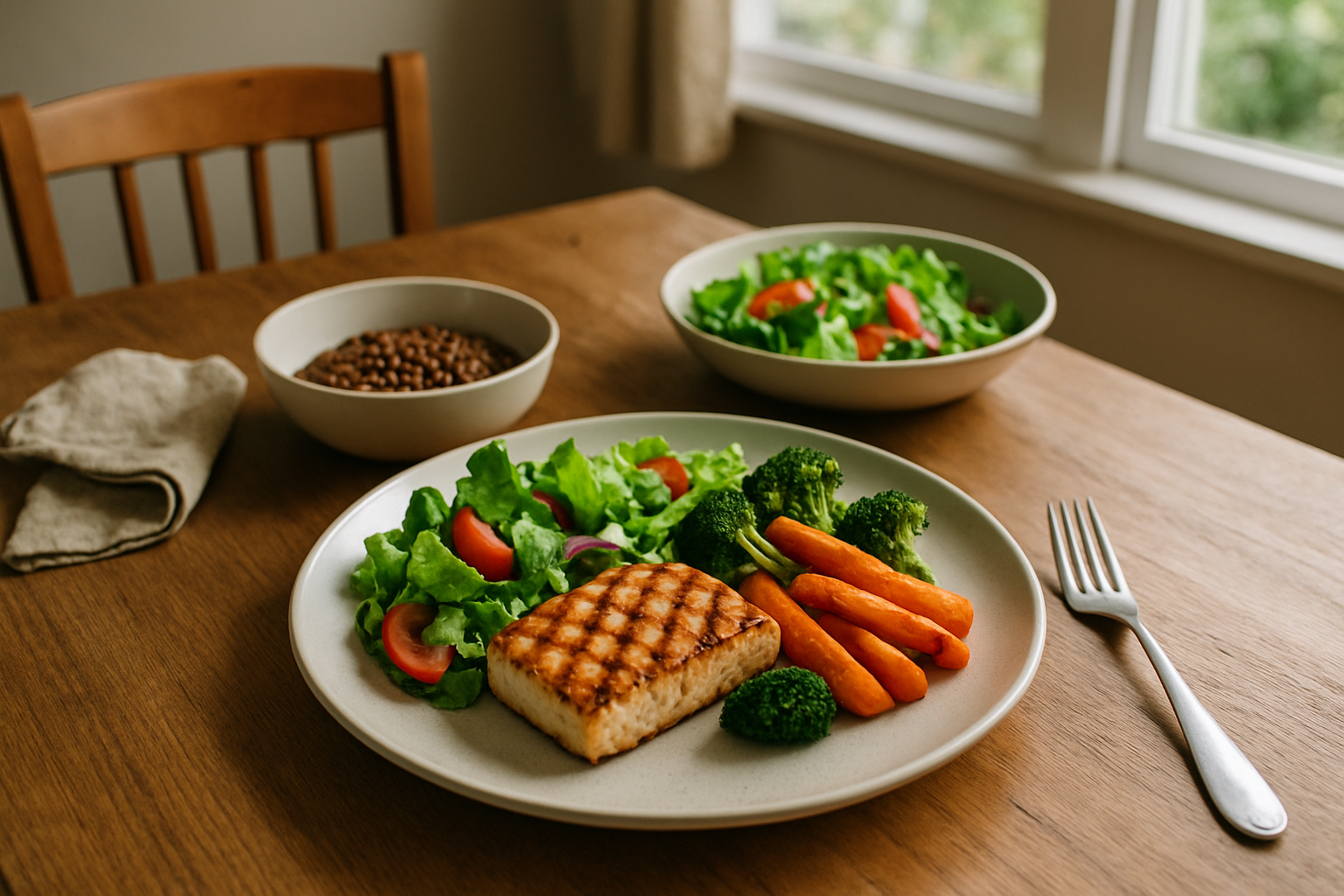
  • consume a well-balanced eating regime that is:
    • Low in sugars
    • Low in saturated and trans fats
    • High in polyunsaturated and monounsaturated fatty acids.

The term ‘use it or lose it’ really does ring true for good brain health.

Do puzzles and problem-solving activities

Learn all you can

  • Not only does it help you communicate with others and achieve great things in life. Educating yourself through structured or self-driven activities keeps your mind eternally active and healthy.

Activate all of your senses

Sight, touch, smell, hearing. By using all of these senses you can train your brain to retain information. Repeat what you have learnt over and over again out loud and on paper so that you can see it.

There may be other more complex health issues that may be causing mental decline or blockages so it is important to check with your health professional for a complete examination.

If you are interested in improving your diet to optimise your memory and aid in the prevention of memory loss, contact Danielle Catherine at Beta Me Nutrition enquiries@betame.com.au.

Hangover Survival Smoothie

The Dreaded Hangover, Often the Consequence of a Good Time

I am not one to drink regularly, however, I do on occasion like to socialise and let my hair down with a few drinks.

Because alcohol highly depletes our vitamins, minerals, body fluids and disrupts the functioning of our guts and liver, it is important to replenish with quality nutrients.


I like to take a liver support before the event and drink lots of water to reduce dehydration.

Once I get home and, in the morning, I find a nice smoothie nourishing and restoring and…. greatly reduces the severity of the hang over.

This smoothie is dairy free, gluten free, vegan and refined sugar free! 


In my Hangover Survival Smoothie you will find

1 cup almond milk or coconut water (full of electrolytes)

½ cup mixed berries (full of antioxidants)

1 banana (contains potassium, vitamins, minerals and carbohydrates)

¼- ½ avocado (healthy fats to reduce inflammation and fibre)

1 tsp cacao powder (contains magnesium)

20g prana or Sunwarrior protein vegan proteins

¼ cup baby spinach

1 tsp cinnamon

1 tsp nut butter

60ml Kefir

1 tsp maca powder

1 tsp chia seeds

Simply blend it all up before you begin your big night/day and have half when you get home and finish it off in the morning with a healthy protein and complex carb brekky.

Why these ingredients?

Coconut water contains a mix of electrolytes to support proper hydration and the processing of alcohol.

Berries are high in antioxidants to reduce the oxidative damage that alcohol has on our body. They also contain vitamin C to support the immune system and processing of alcohol.

Bananas are a source of the electrolyte potassium to replace the losses caused by the diuretic effect of alcohol. They also contain other beneficial vitamins and minerals.

Avocados are rich in fibre and potassium but are also are great source of healthy fats which help to reduce the oxidative damage caused by alcohol.

Cacao is rich in antioxidants to reduce oxidative damage and is a valuable source of magnesium, another electrolyte that assists in hydration, the processing of alcohol and relaxed the muscle and nervous system. Magnesium is also a vasodilator which can reduce the severity of headaches.

Protein utilisation and absorption is reduced with alcohol intake. Because protein plays an important role in every function of our body including our immune system, nervous system, digestive functions, liver function and muscle repair and function it is important that we replenish our protein to process the alcohol we have consumed and restore efficient and optimal body function.

Spinach contains iron and antioxidants along with other essential vitamins and minerals to reduce damaged blood cells and oxidative damage.

Cinnamon soothes and warms the digestive tract but also assists in blood sugar regulation that is often disrupted by alcohol, particularly those yummy drinks containing large amounts of sugars.

Nut butters not only taste delish! but they contain beneficial amounts of healthy fats.

Kefir assists in restoring the healthy gut bacteria that we lose with drinking alcohol. Many people now days have altered gut flora without the inclusion of alcohol so re-introducing these important little friends goes a long way towards a healthy hangover recovery.

Maca powder will boost your energy levels to bounce back faster.

Chia seeds are little seeds that pack a powerful nutritional punch. They are full of antioxidants, vitamins, minerals, protein, fibre and healthy fats providing the tools for a speedy recovery.

It’s what you put in that counts!

Healthy Kheema Curry Recipe

Kheema Curry

Did you know turkey is healthy, high in lean protein and is leaner than most other meats?

It is also high in tryptophan which is an amino acid responsible for the production of our feel good hormone serotonin.

Choose whole turkey breast meat and mince over processed deli turkey meat for a healthy boost to your recipes.

Healthy Kheema Curry

Cook time 25 minutes

Prep time: 5-10 minutes

Serves: 4

INGREDIENTS
1 tbsp good quality olive oil
3 cloves
4 garlic cloves, finely chopped

1 tsp ground coriander
½ tsp turmeric
¼ tsp red chili powder or 1/8 tsp cayenne pepper
1 can organic crushed tomatoes
1 ½ tsp Celtic/Himalayan salt
500g turkey mince

1 tsp cumin seeds
1 cinnamon stick
1 medium onion, finely chopped
1 ½ tbsp. ginger, grated
1 tsp ground cumin
½ cup water
1 tsp garam masala
½ cup frozen peas
½ large lemon juice

METHOD

In a large saucepan, heat olive oil over medium to high heat.
Add the cumin seeds, cloves and cinnamon stick.
Continuously stir spiced until fragrant (about ½ minute).
Add the onion, ginger, garlic and salt.
Cook until onion is soft (about 5 minutes)
Add turkey mince and stir and cook until the meat is browned and cooked through.
Add cumin, coriander, turmeric, chili powder, tomatoes and water.
Turn the stove to high and bring the mixture to the boil, cover and reduce heat to low.
Simmer for 10 minutes.
Add the garam masala, peas and the lemon juice.
Cook until peas are just thawed (don’t overcook them as you want some texture).
Remove cloves and cinnamon stick before serving.
Top with coriander leaves for decoration and serve with a side of unsweetened kefir or place into airtight containers and refrigerate for lunches for the week.

Enjoy this healthy and delightful herb and spice rich dish hot or cold.


Anti inflammatory Eggplant Curry

Anti inflammatory eggplant curry

Anti inflammatory foods are important to our health and wellbeing as a whole as well as for specific health complaints such as headaches, muscle and joint aches and pains and immune support to name a few.

Curries are a great source of anti inflammatory herbs and spices. Ayurvedic medicine or Indian medicines have been using the spices in curries for many years to address various health conditions.

This Anti inflammatory Eggplant Curry with provide you with a fabulous dose of anti inflammatory support.

Enjoy!

Anti inflammatory Eggplant Curry Recipe

1 large eggplant (multi-vitamin and mineral powerhouse!)
• 2 tablespoons good quality extra virgin olive oil (anti-inflammatory)
• 1 teaspoon cumin seeds (immune booster and digestion enhancer)
• 1 medium to large onion, sliced finely (immune enhancing, anti-inflammatory, allergy fighting, cholesterol lowering)
• 2 crushed garlic cloves (immune enhancing, anti-inflammatory and cholesterol lowering)
• 2 – 3 cm piece ginger (depending how much you love ginger, me, I go for THREE), peeled and finely chopped (anti-inflammatory goodness!)
• 1 tablespoon curry powder (anti-inflammatory goodness!)
• 1 large diced tomato (Lovely lycopene and vitamin C antioxidants)
• 1 finely chopped green chilli (anti-inflammatory goodness! metabolism boosting)
• 1 teaspoon Celtic or Himalayan salt (these salts contain wonderful minerals that regular table salts do not)
• 1/4 bunch finely chopped coriander (all round awesome herb for almost everything)


Preheat your oven to 190C.

Place the eggplant on a medium sized baking sheet. Use a fork to spike the eggplant all over to allow heat to penetrate through. Place in the oven to bake for 20 minutes or until it feels soft/tender.  Remove from the oven, allow to cool enough to be able to peel and chop the eggplant.

Heat the olive oil in a medium saucepan over a medium heat. Add the cumin seeds and onion to the oil. Stir until the onion softens and slightly browns, roughly 5 minutes.

Add the pre-prepared tomato, garlic, ginger and curry powder to the saucepan with the onion and cook for a further 1 minute.

Stir in the chopped eggplant and green chilli, and season with salt to taste. Place a lid or appropriate cover over the mix, turn to a higher heat and cook for 10 minutes to allow the flavours to soak in.

Lift the lid or cover, turn the heat right down to low and cook for a further 5 minutes with the lid off. Garnish with the coriander.

This curry can be served as a side dish or as a dish on its own, possibly with brown basmati rice or quinoa

I served mine with fish, asparagus, roasted capsicum and fish. Random I know, but it was worth it 🙂

The Winter Warm Up: Boost Your Immune System This Winter

immune boosting foods

Winter is hot on our tail and if history is any record it brings with it a nasty cold and flu season which requiring an immune boost!

Prepare yourself for a fit and healthy winter with the following hot tips from Nutritionist Danielle Catherine.

Get some C in your diet

I know it seems like a no brainer, as much of the marketing around for many years has pushed vitamin C for reducing the duration of colds. But the humble C really is an all-round immune support, largely pertaining to its an antioxidant capability.

Food should always be medicine, so although a vitamin C supplement may give you an additional boost, nothing beats the real thing. Choose two or more of your favourites of the following and include them at each meal or as part of your 5 and 2 (five vege, 2 fruit).

Fruit rich in vitamin C and in season for winter:
Avocado (yes it is a fruit), kiwi fruit, orange, lemon, grapefruit, pineapple, lime

Vegetables rich in vitamin C and in season for winter:
Broccoli, broccolini, beetroot, carrot, brussels sprouts, cabbage, celery, kale, capsicum, chilli, cauliflower, pumpkin, sweet potato, spinach, leek,

Herbs high in vitamin C:
Ginger, garlic, coriander, dill, mint, oregano, parsley, rosemary, turmeric.

All of these delightful seasonals offer vitamin C but also, much much more in the way of vitamins, minerals and antioxidants.

Warm your insides Soups & Bone Broths

We all reach for something warm and comforting during the colder months. Soups and bone broths are fantastically nutritive when made at home and satisfy that warm hug from food which we grave. Soups and bone broths are not only nourishing but are a low-calorie/kilojoule option to keep down that additional winter coat we find ourselves hiding under our baggy jumpers and trackies.

The other benefit of soups and bone broths is that they are easy, convenient and you can have a large variety to tantalise your tastebuds. With a large crock pot, slow cook a large bone broth ready for the week and store it in the freezer in portioned containers.

You can do the same with soups, throw in the above-mentioned vegetables. You could even roast some up to add into the blender with the rest of the vegetables after for additional flavour.

Roasted pumpkin, sweetpotato, garlic and capsicum work a treat when roasted. Add a metabolism booster with a touch of chilli and you are set to clear the sinuses, kick the immune system into gear and for a satisfying easy meal.

Cook with garlic, onion and chilli

Apart from great vitamin C content, garlic, onion and chilli or cayenne pepper are all active immune stimulants. They all contain anti-inflammatory and circulatory properties to ensure immune cells are where they need to be.

Garlic and onion or anti-viral and anti-bacterial helping to destroy cold and flu processes.

Onion contains an anti-inflammatory and anti-histamine enzyme called quercetin. This enzyme is great at breaking down mucus and reducing sinusitis.

Chilli or cayenne is rich in antioxidants and is efficient at stimulating immune cells to function as they should. It helps to remove toxins from the body by enhancing circulation and promoting sweating.

Every heard the saying- “Sweat it Out”?

Tea Time!

Herbal teas are not just delish, but they can boast some ailment appropriate benefits. There is a tea for almost any condition you can think of!

Turmeric lattes are satisfying winter warmers that will reduce inflammation.

Pure hot chocolates (using cacao and not refined sugars) will offer a lovely magnesium hit

Herbal teas that are immune supporting and cold relieving will include: echinacea, lemon, honey, ginger, liquorice, cinnamon, elderberry, lemongrass, mullein, rosehip and yarrow.

Rug Up- Stay Cozy

Staying warm and cozy is a must in winter. Wear a scarf, temperature appropriate jumper and some nice warm long pants.

Power your immune system and quash your hunger with PROTEIN

Soups are wonderful and often filling enough on their own. However, protein will add an additional element to the soup or broth that will satisfy you for hours after you have finished your meal. Not only that, but proteins, with their amino acids are an essential building block to almost every function in our body, including our immune function.

Only clean lean proteins should be included into the diet for optimal benefits. Some clean lean proteins you might like to include could include:

Eggs, chicken breast, kangaroo, fish, turkey (not processed deli meats), extra lean beef, extra lean lamb.

Other great benefits of protein sources are that they often come with substantial iron, B12 and B6 levels. All of which play an important role in building up our blood and immune cells.

Rest and Recover – Get adequate ZZZZZZZs

Getting enough shut eye can go a long way in ensuring our body is performing at its best. Protein also assists us in our rest and recovery, meaning we can sleep sounder while allowing the body to undertake its repair duties. Our immune system relies heavily on this rest and immune supporting repair processes, therefore, depending on your age, it is important to get an average of between 6-8 hours quality sleep each night.

Avoid alcohol

Alcohol is an incredible immune depressant. Research has shown that the immune deficiency caused by alcohol can make people susceptible to illnesses such as pneumonia, systemic inflammation, aggravation on allergies and sinuses, inefficient detoxification such as through the liver, reduced immune responses to viral infections. It is also well recognised that alcohol impacts on a personal quality of sleep. While it might be easier to fall asleep after having a few, your body will not enjoy a long quality sleep as it struggles to achieve an efficient REM cycle.

Reduce your winter drop to one standard drink 2-3 times per week, aim for weekends, or not at all.

Restore your healthy gut friends

Probiotics and a healthy gut flora are currently hot topics for supplement and food companies. While it may seem like a big hype or fad, there is very real evidence supporting the benefits of optimal gut and systemic healthy bacteria. Your immune system is one of the most important areas of function for these little friends.

Healthy bacteria provide us with:

–          A force against nasty bacterial, viruses and pathogens

–          They assist us in reducing inflammation

–          Digesting and absorbing food

–          They promote healthy skin and prevent conditions such as eczema, dermatitis and psoriasis

–          and; they support toxic waste elimination

All of which are pivotal in healthy immune regulation.

Along with a quality probiotic recommended by your nutrition health professional, include gut loving foods into your diet, including: raw, natural yoghurt, kombucha, sauerkraut, kim chi, kefir.

If you feel as though your immune system needs some additional TLC it may be time to book with a nutrition professional for comprehensive support and advice Call Now.

Sweet Gold – Sweet Potato

Sweet potato fries

Sweet Gold – Sweet Potato

Household favourite, sweet potato is more than just a delicious addition to any meal or sweet treat. The golden root vegetable holds an abundance of phytonutrients. From its skin, deep into its sweet flesh.

It holds the phytochemical antioxidant anthocyanin within its skin, responsible for its ability to reduce oxidative damage and increase the absorption of the all-important vitamin A.  Prevention of oxidative damage has been shown to reduce carcinogenic activities, inflammation and fight fatigue.

There has also been research demonstrating great promise in its ability to address alcoholic fatty liver and cholesterol induced atherosclerosis, what a powerhouse!

Sweet potato around the world

In Asian countries such as Japan, sweet potatoes are praised for their benefits in the treatment of diabetes and some cancers. Sweet potatoes have also been used in some countries to encourage weight loss and in support of hormonal replacement therapies, awarding to the vegetables phytoestrogen content.

What have we learnt?

Sweet potato is utilised around the world as a dietary support for:

What else is sweet potato good for?

  • The bright golden/orange colour of the humble sweet potato gives us clues as to its high antioxidant content, specifically beta-carotene. Antioxidants are essential for the healthy function of almost every system in our body, including the repair of new skin cells for a beautiful, glowing complexion.
  • The skins and flesh of sweet potatoes are also fantastic sources of fibre and complex carbohydrates which help to sustain energy, keep us feeling fuller for longer and regulate bowel motions.
  • Apart from vitamin A, sweet potatoes are rich in other vitamins and minerals that sustain our energy levels ensure a healthy nervous system.

A versatile gift from nature

Sweet potatoes can be prepared and enjoyed in many ways. Its versatility lends itself to both sweet and savoury meals.

Some examples include:

Sweet potato savoury muffins

Vegetable Lasagne (layer baked sweet potato in place of pasta)

Sweet potato brownies

Sweet potato fish cakes

Vegetable burger patties

Baked sweet potato chips or wedges

Warming sweet potato soups

Stuffed sweet potato

Sweet potato bubble and squeak mini hash browns  

Loading...