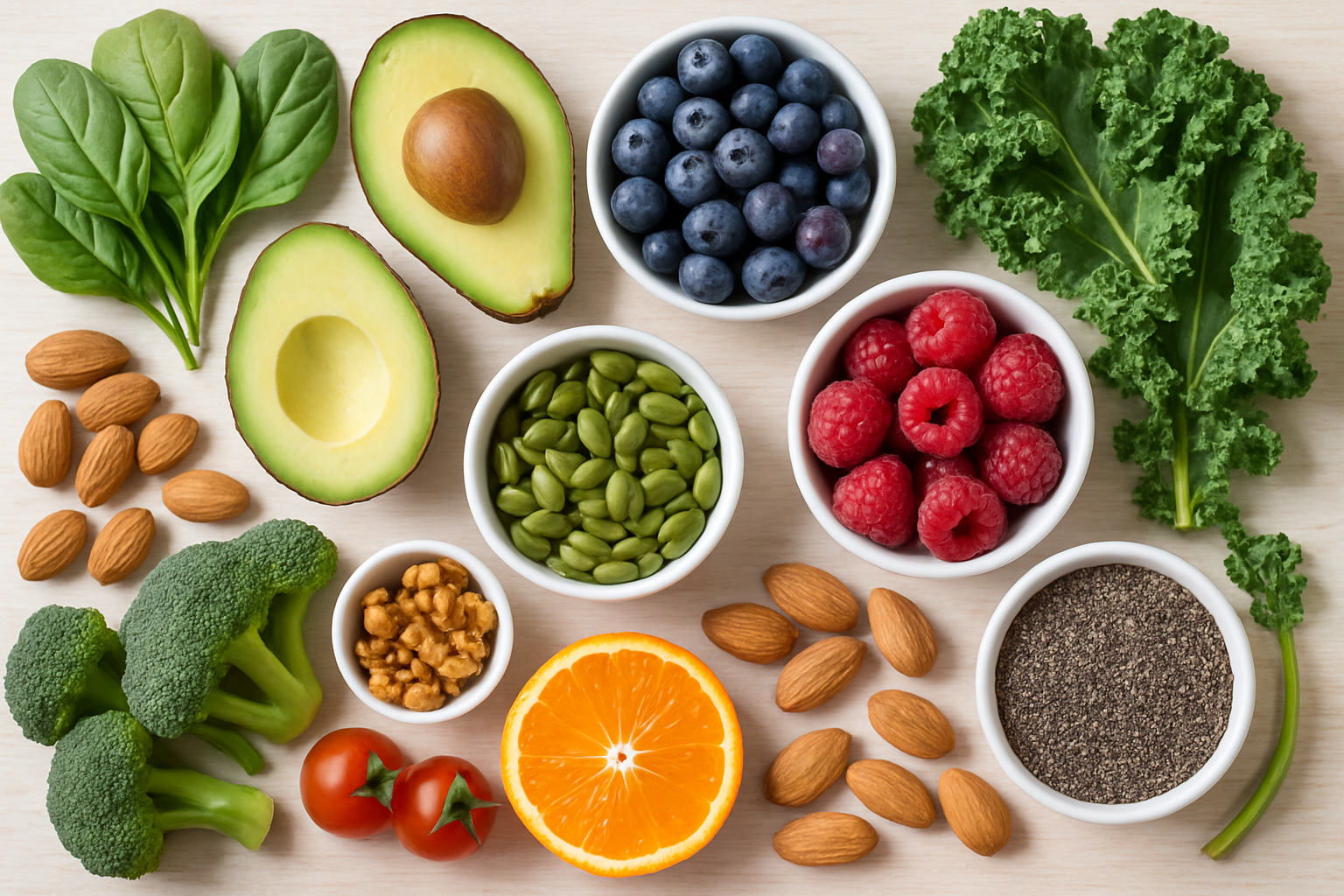


Gold Coast’s Most Common Health Issues a Naturopath Can Help With

The Gold Coast has been plagued with some of the most common health issues affecting the wider Australian population. A Naturopath plays a supportive role in managing these chronic conditions and for support of their accompanying fatigue yet is often overlooked in healthcare. Before looking into how a Naturopath can help, lets first look at what the common health conditions are.

According to reports from Gold Coast Health and Primary Health Network these common health conditions include:

  • Mental health
  • Diabetes
  • Arthritis
  • Heart disease
  • Obesity
  • Stress
  • Preventable conditions in pregnancy (e.g. anaemia, gestational diabetes etc.)

If these were on check-list form, many Gold Coasters could tick multiple of these common health issues as existing concerns. This is largely due to their holistic nature.

Obesity → mental health → diabetes → heart disease → arthritis

For example, obesity often contributes to an increase in mental health presentations such as depression and anxiety or inattention in the case of neurodiversity. Obesity is also a predisposing factor for diabetes and heart disease placing pressure on joints resulting in arthritis.

Stress → mental health → obesity → diabetes

The link between stress and mental health is easy to draw. However, stress can also trigger increases in cortisol (the main stress hormones). This increase in cortisol disrupts blood glucose levels and fat storage, regularly resulting in insulin resistance. Insulin resistance leads to diabetes and increases in fat storage results in obesity. Important anti-depressant and antianxiety medications can also contribute to weight gain in some people.

Arthritis → Stress → Mental Health

The inflammation associated with arthritis places stress on the body, contributing to the above stress cascade. Further, pain all too often results in stress and mental health conditions due to discomfort and sleep disruption. Some pain medications such as NSAIDs can disrupt how the gut functions, resulting in reduced nutrient absorption. Those nutrients are supportive of a healthy nervous system to reduce mental health presentation.

Pregnancy

Poor diet, unmet increased nutrient requirements and hormonal shifts in pregnancy can result in anaemia, gestational diabetes, obesity, natal and postnatal mental health disorders and other pregnancy related conditions that can be prevented with dietary guidance.

As you can see these common health conditions are not mutually exclusive conditions, rather a whole-body response. Targeting these conditions body holistically with diet and natural treatments can improve outcomes.

Naturopath for Fatigue

All common health issues mentioned are taxing on the body, regularly resulting in fatigue. A naturopath can utilise evidence-based herbal prescriptions to safely manage fatigue with dose specific/situation specific herbs including but not limited to:

  • Rhodiola rosea
  • Eleutherococcus senticosus
  • Panax ginseng
  • Withania sominfera
  • Cordyceps
  • Glycyrrhiza glabra (Liquorice Root)
  • Holy Basil

Herbs work to balance the nervous system, improve stress adaptation and others have been researched as anxiolytic (reduce anxiety), anti-depressive, anti-inflammatory, anti-diabetic, anti-obesity and cardiovascular supportive.

When a naturopath formulates a herbal prescription, they do so with a holistic mindset considering all the health aspects and presenting conditions of the individual person in front of them. Liquid formulations allow for very specific and targeted treatments.

It is important to work with a Naturopath when incorporating herbal treatments to avoid interactions with medications.

Digestive Issues as a Hidden Driver of Most Health Complaints

Understanding of the importance of good gut health is gaining traction in the science world with increased research coming to light. Naturopaths have recognised the importance of good gut health in disease and holistic health conditions management for hundreds of years. The good thing about newer research is gaining a deeper understanding of its importance.

A Naturopath will assess and address the gut in almost every treatment. Gut issues can be seemingly asymptomatic or go unnoticed by a patient. In-depth questioning and gut testing where relevant can bring some of these issues to the forefront and allow for natural treatments to improve gut function for reducing inflammation, improving healthy hormone production, regulating glucose balance and to maximise vital nutrient absorption.

Hormonal Shifts and Different Life Stages

The different stages of life bring about shifts in hormones that can contribute to conditions such as heart disease, mental health conditions, blood sugar dysregulation, stress, weight gain and fatigue.

Hormones are in a constant state of flux. Whether you are a teenager, trying to conceive (men and women), pregnant, peri/menopausal, post-menopausal or an older male experiencing changes in male sex hormones, these changes can significantly impact your life.

Naturopaths have hormone modulating herbs on hand to support these frequently debility hormonal shifts in both men and women to improve balance and quality of life.

A Naturopath Uses More Than Just Herbs     

Herbs are powerful arsenal in the toolbox of a Naturopath. Though they are not the only tool at their disposal. A dually qualified Naturopath who is also trained extensively in Nutrition can utilise both herbal medicine and dietary changes to maximise outcomes for patients experiencing many health conditions. Ensuring dietary diversity, adequacy, quality and specificity to the person and presentation can significantly improve health presentation.

Naturopath for Fatigue

Why Use Herbs?

Herbs offer a ‘little more oomph’ to the treatment that can lack in dietary changes alone. They can be highly targeted and specific to the individual person and their health complaints. That’s not all they offer. Herbs can speed up outcomes while dietary changes are being made. It is difficult to change habits. Herbs give you time to make dietary changes that are not overwhelming and restrictive while continuing to work towards improved health outcomes.

Working with A Naturopath

A Naturopath offers a supportive and natural treatment aspect to health improvement that is holistic in nature, considering all aspects of your presenting health complaint. You will be educated and supported from a dietary, lifestyle, nutrition and herbal perspective that you can implement with long term, sustainable changes for long term, sustainable success.

If you’re looking for a naturopath for fatigue or ongoing health concerns on the Gold Coast, a personalised, holistic approach can help uncover what’s really going on.

How to Use Nutrition to Support Sleep and Stress Recovery

Using food for better sleep is not often considered when you are in the depths of insomnia or restless sleep. However, specific foods contain nutrients that have long been used to aid better sleep outcomes.

Poor sleep can be caused by a range of different health conditions including:

  • chronic pain
  • digestive discomfort
  • reflux
  • stress
  • anxiety and depression
  • an overactive nervous system
  • neurodiversity
  • diabetes associated nocturia
  • alcohol
  • poor dietary intake
  • low nutrient status (e.g. iron deficiency)
  • sleep apnoea

Many of these ailments can be supported with adjusting the diet to ensure adequate dietary intake of wholefoods and increasing foods containing sleep supportive nutrients.

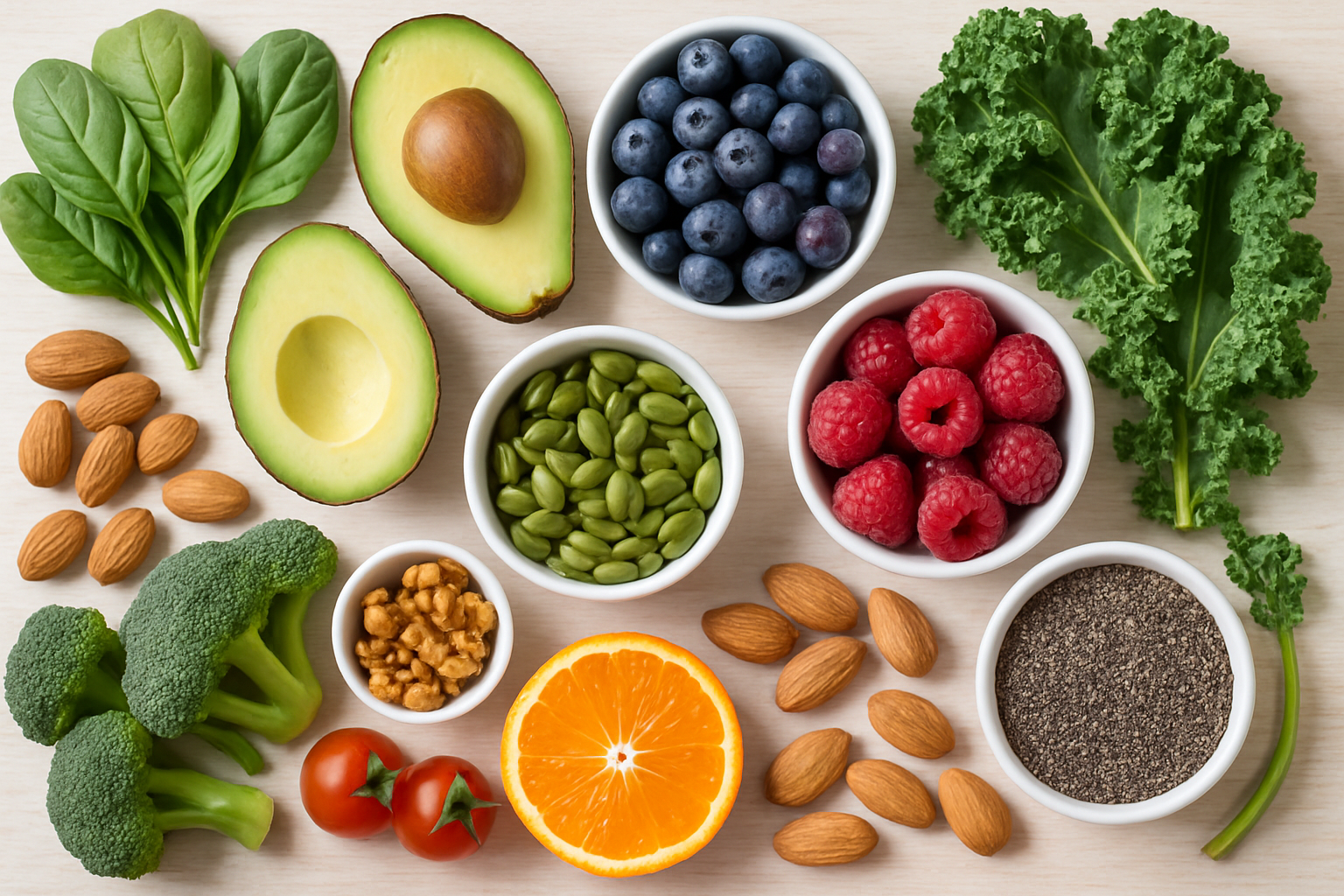
foods for better sleep

Food for Better Sleep

What are these sleep supportive nutrients and what foods can you eat to improve your sleep?

Melatonin is a well-known hormone required for sleep. You can even buy prescribed and over the counter lower dose melatonin in gummies and capsules. However, what if I told you, you could assist your body in making this natural, sleep supporting hormone without the need for medication?

Interestingly, melatonin is converted from serotonin, the ‘happy’ neurotransmitter produced in the gut from amino acids. The conversion from serotonin to melatonin happens mostly in the brain during darkness (the signal to produce melatonin to promote sleep).

This means, when serotonin is low, this has downstream effects on melatonin production and therefore sleep initiation. Stress, anxiety, poor gut health and inadequate tryptophan all impact serotonin production. Managing stress, anxiety and optimising the microbiome and gut function improves serotonin production, ultimately improving sleep outcomes including:

  • difficulty falling asleep
  • difficulty staying asleep
  • overall sleep quality
  • dysregulated circadian rhythm

Both dietary and supplemental nutrients work for you to improve serotonin and melatonin production, including:

  • tryptophan (from adequate protein intake)
  • vitamin B6 (in suitably prescribed doses)
  • magnesium glycinate
  • zinc
  • folate & B12

Foods to Improve Sleep

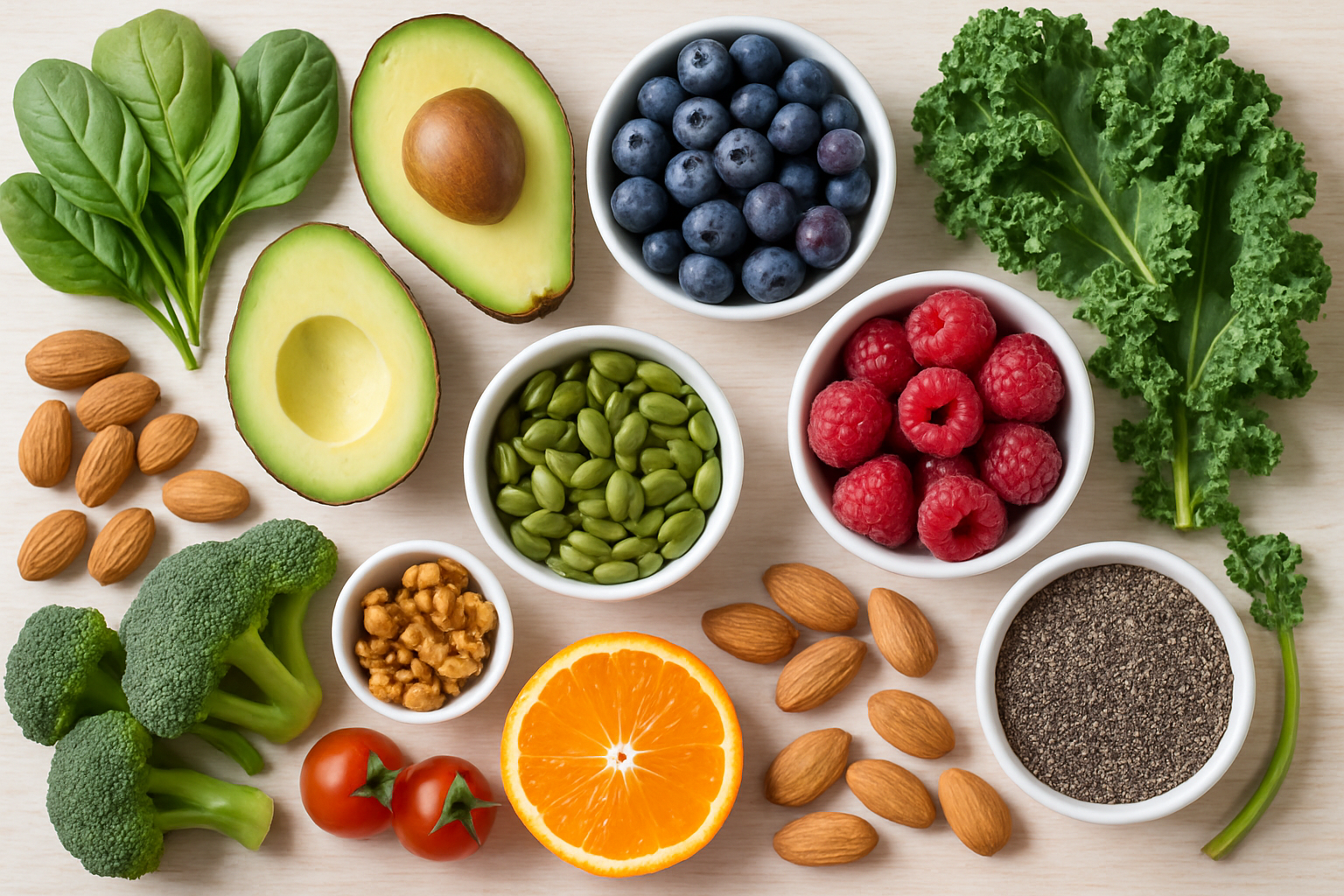
foods for better sleep

Kiwi fruit is one of my favourite food prescriptions for both the gut and sleep. It has natural melatonin and serotonin to support mood and sleep.

Turkey is naturally high in the amino acid tryptophan to help improve stress adaptation and melatonin.

Bananas may aid in healthy sleep due to their high magnesium, potassium and tryptophan, all of which help to relax muscles and the nervous system, boosting melatonin and serotonin. The carbohydrates in bananas can also help to balance blood glucose levels, reducing disruptions to sleep throughout the night.

Pumpkin seeds or pepitas are a great source of both zinc and tryptophan.

Walnuts are a good source of tryptophan as well as microbiome supportive fibre.

On a nutty note, almonds are another great sleep aid, with their high magnesium content, protein and healthy fats, a small handful of almonds shortly before bed can improve blood sugar balance and improve overall sleep quality. Almonds are a natural source of melatonin, only adding to their sleepy benefits.

Oats are a powerhouse for gut health, stress and anxiety reduction as well as enhancing sleep outcomes.

Nutrition for Stress Relief

Balanced nutrition has many benefits when assisting with stress relief goals. The above-mentioned highlight some of the common nutrients involved in stress reduction strategies. However, healthy blood glucose levels are just as important as these specific nutrient inclusions. High or low blood glucose levels can be disruptive to sleep and likewise, poor sleep can result in reduced insulin sensitivity, creating a vicious cycle.

While high blood glucose levels, otherwise known as hyperglycaemia, can result in frequent urination (nocturia), thirst and a wired feeling, low blood glucose (hypoglycaemia), can cause night wakings in the form of sweats, nightmares and confusion.

These blood sugar fluctuations and the resulting lack of sleep ultimately ends with reduced stress responses while increasing the primary stress hormone cortisol. Cortisol signals the liver to release more glucose to provide energy to ‘fight the tiger or take flight from the tiger’, only that sugar energy is not used up by the body and is left floating around in the blood. There continues the cycle of the highs and lows of blood glucose levels, insulin resistance and poor stress responses.

A diet with a healthy balance of protein, healthy fats and complex carbohydrates is key to regulating stress. 2-3 servings of oily fish, 1-2 servings of lean red meat, 2-3 servings of poultry and ample plant-based proteins per week will ensure you achieve the right amino acid (smaller proteins) combinations. While again, oily fish, nuts and seeds, extra virgin olive oils and avocado will see that healthy fats are covered to reduce the inflammation associated with stress. High quality complex, fibrous carbohydrates promote the gradual release of glucose, stabilising stress hormones, increasing neurotransmitter production (like serotonin) and glucose levels.

Diet for Cortisol Balance

A Mediterranean diet, high in those previously mentioned anti-inflammatory healthy fats, leafy greens and complex carbohydrates is highly regarded in research to support cortisol balance. Focus your eating on legumes, fruit, vegetables, wholegrains for stress supportive vitamins and minerals that counter disruptions to blood glucose and the release of cortisol in stressful situations.

Gut health is another key factor in cortisol balance. The stress that causes elevations in cortisol can be damaging to gut bacteria, resulting in inflammation and the reduction of microbes responsible for serotonin production (remember that healthy hormone we spoke of earlier?). Elevations in cortisol can cause weaknesses in the gut lining, resulting in ‘leaky gut’. This allows toxic materials to pass into the blood stress, causing further stress, cortisol release and inflammation. A damaged gut lining can reduce vital nutrient absorption for managing stress and cortisol.

A diet rich in fibre, prebiotic and probiotics foods will improve cortisol balance and maintain healthy gut function. Foods such as sauerkraut, tempeh, and low sugar yoghurt as well as legumes, lentils and wholegrains/rye.

Using foods for better sleep outcomes is a useful tool for not just sleep, but from regulating cortisol, stress and overall health, with poor sleep and stress being primary drivers in many health conditions, both chronic and acute. Incorporating some of the strategies mentioned in this blog post will set you on the right path. If you need further assistance in understand nutrients required for sleep, speak with a nutrition professional.

Best Anti-Inflammatory Foods, When to See a Nutritionist

Did you know you can reduce inflammation with food? There are many foods that target inflammation and are recognised as ‘anti-inflammatory. We will jump into an inflammatory and anti-inflammatory foods list shortly but first let’s look at why inflammation exists and what its role is within your body. It’s an important one!

The Role of Inflammation in the Body

Experiencing inflammation can be a nuisance as it is often accompanied by pain. Pain is restrictive and often debilitating. Though, it is important to know inflammation is a protective measure directed by the body. Inflammation is the body’s first line of defence. It works to clear damaged cells, increases blood flow to the injury or damaged tissue for repair and can create a physical barrier from damaging invaders like infections. It is also a signal to tell us that there is something wrong and we need to address and support the body. So, although inflammation can be debilitating, it is also a necessary evil.

Why then, do we try to reduce or stop inflammation?

Chronic, long-term inflammation can be damaging to tissues and cause stress on the body overall if it continues to send inflammatory cells, long after the initial threat has passed or the damage has healed.

What we start to see in chronic inflammation, is the breakdown and damage of healthy tissues. If this continues, it can begin to contribute to chronic diseases such as osteoarthritis, autoimmune disorders, metabolic disorders and cardiovascular disease. Ongoing pain and inflammation can go on to affect the nervous system where anxiety, fatigue and poor sleep are common.  

This is where the need to reduce inflammation with food comes into play.

Reduce Inflammation with Food

Ever heard the term, ‘Let food be thy medicine’? In an ideal world, the diet would provide everything that is needed to assist the body to build, repair and maintain good health balance. Unfortunately, with the introduction of fast food, processed food and the western diet consisting largely of fried foods, nutritionally void foods like white breads, pastas with little fruit and vegetables or vegetables that are from nutrient poor soils and heavily sprayed, we see inflammation a regular and chronic occurrence in people’s lives.

Inflammatory Food List

Let’s delve deeper into those inflammatory foods and identify more of the foods that may be contributing to or worsening inflammation. Although some of these foods are appealing to the tastebuds, they are not serving the body and could be causing damage.

  • Fast foods – highly processed, high in sugar and saturated fat.
  • Refined carbohydrates – such as white breads, pastas, rice, pastries, biscuits, cake, chocolate, cereals.
  • Packaged snack foods – chips, crackers, some popcorns.
  • Soft drinks energy drinks and juices with added sugar
  • Lollies, ice-cream
  • High sugar flavoured yoghurts with added sugar
  • Sauces and dressings with hidden added sugar
  • Seed oils (found in MANY foods) – canola oil, soy bean oil, corn oil, sunflower oil, deep fried foods.
  • Processed meats – ham, salami, processed turkey and chicken, Frankfurt’s, bacon etc.
  • Transfats – margarine, commercial baked foods, fried foods.
  • Alcohol
  • Artificial sweeteners – aspartame, saccharin, sucralose, acesulfame potassium
  • Nightshades (for some people) – tomatoes, eggplant, capsicum, white potato, chilli.

What makes them inflammatory?

Many of these foods result in rapid blood glucose spikes, causing an influx of insulin leading to low-grade inflammation and oxidative stress. Further, excess sugar intake results in inflammatory cytokines (chemical messengers) and worsen insulin resistance. Other foods on this list result in an increase in inflammatory Omega-6 fatty acids throwing the balance of anti-inflammatory Omega-3 fatty acids, swinging the pendulum towards inflammation with increased inflammatory signalling. Packaged and processed foods are not only high in sugar, saturated fats and inflammatory seed oils, but they also contain preservatives, additives and emulsifiers that throw off the balance of good bacteria in the gut, resulting in poor microbiome balance and reduce anti-inflammatory capacity. Processed meats contain nitrates/nitrites which have been recognised by the World Health Organization as Group 1 carcinogens and are linked with inflammation. Alcohol is highly inflammatory. It is linked to increased gut permeability, systemic inflammation and liver stress.

Anti-inflammatory Food List

Now we’ve looked at some of the foods that contribute to inflammation, let’s look at how we can reduce inflammation with food. Although it seems like we have taken all of the fun out of eating, there is a long list of foods that are considered anti-inflammatory that you can enjoy on a regular basis.

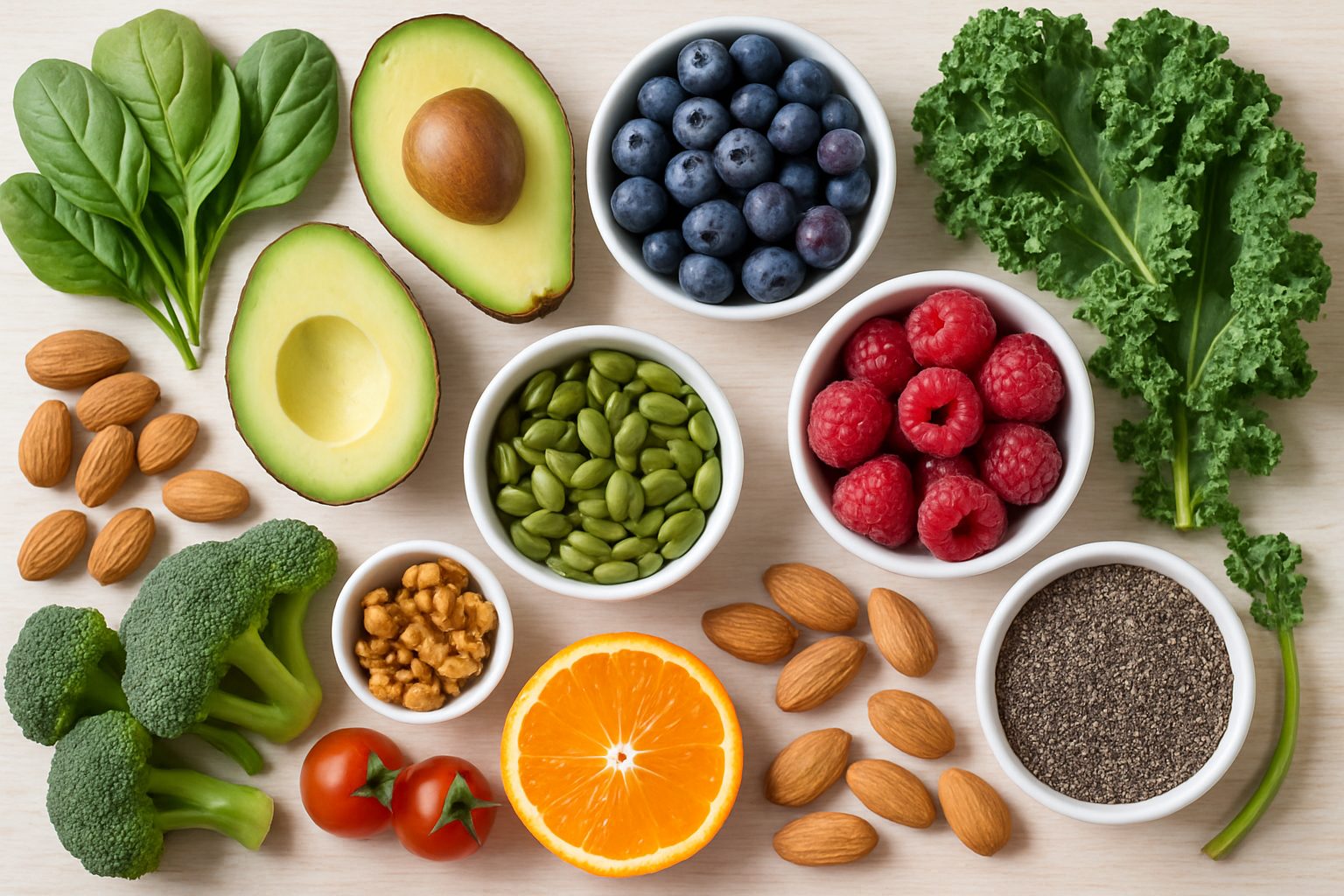
  • Vegetables – particularly leafy greens, cruciferous vegetables (broccoli, cauliflower, brussels sprouts), beetroot, carrot, cucumber, zucchini, herbs.
  • Fruits – berries, apples, pears, citrus
  • Fish – Salmon, cod, tuna, mackerel, sardines
  • Seeds – Walnuts, chia, flax, pepitas, almonds
  • Fats & Oils – Extra virgin olive oil, avocado
  • Quality proteins – Eggs, turkey, extra lean beef, legumes, lentils, tempeh
  • Seeds & Grains – Quiona, brown rice, oats, sweet potato
  • Herbs & Spices
  • Herbal teas

The basis of the anti-inflammatory foods is supporting blood glucose balance reducing spikes that drive inflammation, improved gut health for inflammatory control by the microbiome and effective waste elimination, antioxidants to reduce oxidative stress and healthy fats to support the balance of inflammatory messengers and cell membrane integrity.

Why Not Simply Take Anti-Inflammatory Medication?

There is no doubt anti-inflammatory medications do a great job of reducing the pain and inflammation. However, they are often a band aid, addressing the symptom and not the primary issue. Further, anti-inflammatory medications, when taken long-term can have side effects and cause damage to the gut lining and liver. While anti-inflammatory medications are helpful short term, a long term approach such as reducing pro-inflammatory foods and including anti-inflammatory foods will have a more beneficial impact on overall health.

Gut Health Diet, Supporting Anti-Inflammatory Efforts

Naturopaths and Nutritionists commonly centre their treatments around the wellbeing of the gut, with the philosophy that the gut is the gatekeeper to the rest of the body. The gut protects the body from harmful invaders via its intestinal barrier. It is also an immune hub with up to 80% of the body’s immune cells residing in the gut. Further, it has a multi-organ axis, meaning it is directly and deeply connected to other body organs, such as the brain (gut-brain axis), skin (gut-integumentary axis) and the liver (gut-liver axis). The microbiome has its own role to play in each of these protective tasks, as well as supporting waste elimination, which, itself is an important measure to manage inflammation. It is evident that a gut health diet is a key measure in improving chronic inflammation and preventing further, ongoing inflammation.

When to see a Nutritionist for Inflammation

Although inflammation is a protective mechanism of the body, it is now evident that its protective role is limited to acute events and injury. It does not serve us beyond the acute situation. Chronic inflammation can be well managed when we reduce the inflammation with food that is known to be anti-inflammatory and avoid/limit foods that are known to be pro-inflammatory.

How do you know when to seek support from a Nutritionist?

Although you have a good start on the food list above, you may need some additional support to pinpoint specific foods that may be contributing to your inflammation or targeted quantities of anti-inflammatory foods. This is where the professional guidance of a Nutritionist comes in to help you navigate the what, when, where and why. Other factor that you may not have considered to be contributing to your inflammation but require support include:

  • Ongoing, persistent digestive issues – bloating, gas, irregular bowel habits, food sensitivities, reflux, diverticulitis.
  • Fatigue or brain fog
  • Joint pain, stiffness, muscle aches
  • Poor recovery from exercise
  • Skin conditions – eczema, psoriasis, acne, rashes
  • Difficulty losing weight
  • Diagnosed inflammatory conditions – autoimmune conditions, coeliac disease, arthritis, Hashimoto’s, inflammatory bowel conditions.
  • Elevated inflammatory blood markers

A Nutritionist can help to identify triggers, improve gut function, assist with healthy blood glucose control and reduce overall inflammatory burden. Get in touch with a Nutritionist.

Using a Naturopath for Anxiety: What to Expect from Natural Therapies

Natural Anxiety Support on the Gold Coast

Gold Coast locals are frequently seeking out Natural Anxiety Support to improve their anxiety before resorting to pharmaceutical based treatments. Anxiety is becoming more prevalent in the world of increasing working hours, guggling family commitments, access to social media and declining social engagement.

According to the Australian Institute of Health and Welfare, 1 in 5 Australians between the ages 16-85 experience a mental disorder. The number is 1 in 7 for children ages 1-7 years. More specifically, 17% of Australian’s experience anxiety. Based on these numbers, herbal remedies for stress and naturopathic mood supports are being sought as valuable options for the management of anxiety and stress.

Herbal Remedies for Stress

Stress is a primary driver of anxiety and the severity of anxiety presentation. Herbal remedies for stress are often targeting ‘stress adaptation’. This means, supporting the body to adapt in how it responds to stressors. We so often refer to stress as being ‘chase by the tiger’, the ‘fight or flight’ response. Our body is equipped to dealing with short term stressors, in fact it thrives off them. Where the problems lay are when stressors become too frequent or prolonged. Prolonged stress affects our stress hormones such as cortisol, adrenaline and nor-adrenaline, resulting in overstimulated and in extreme cases, depleted adrenal glands.

The Impact of Prolonged Stress on the Body

In the presence of chronic stress, we regularly see an increase in the development of prolonged anxiety, reduced resilience to stress, fatigue, brain fog, often metabolic concerns such as weight gain/loss, high blood pressure and poor blood glucose management. This anxiety and stress can have a crippling affect on your work, social and personal life, causing you to withdraw from the world to escape it.

Thankfully, we have some adaptogen herbs at our disposal. These are herbs to improve the previously mentioned ‘stress adaptation’ goal. The good news is many of these herbs have been used for thousands of years specifically for these conditions. They have also been researched in more recent times for their effects on stress management, anxiety and mood support.

Some of these herbs include, but not limited to:

  • Eleutherococcus (Siberian Ginseng)
  • Withania (Ashwagandha)
  • Glycyrrhiza (Liquorice Root)
  • Schisandra chinensis
  • Rhodiola
Glycyrrhiza (Liquorice Root)

Naturopathic Mood Support

Balancing the mood can be an interplay between sex hormones, adrenal hormones and gut health. Supporting a person with low mood requires careful and thorough consultation to determine the root cause of the low mood. However, low mood can be improved with some key herbs, including:

  • Hypericum perforatum (St John’s Wort (caution with other medication)
  • Crocus sativus (Saffron)
  • Avena sativa (Oats Seed)
  • Melissa officinalis (Lemon Balm)
  • Lavandula angustifolia (Lavendar)
  • Turnera diffusa (Damiana)
  • Eleutherococcus (Siberian Ginseng)
Crocus sativus (Saffron)

Non-pharma Anxiety Support or Anxiolytics

When considering non-pharm based anxiety supports, we are looking at herbs classed as anxiolytics. These herbs take the edge off anxiety to reduce how significantly the anxiety affects you.

  • Passiflora incanata (Passionflower)
  • Bacopa monnieri (Brahmi)
  • Eschscholzia californica (California Poppy)
  • Turnera diffusa (Damiana)
  • Piper methysticum (Kava)
  • Melissa officinalis (Lemon Balm)

Some of these may be used alongside anxiety medication or as a standalone. Some herbs are not safe to take alongside pharmaceutical medications. When considering pairing with medication, specific dosing advice is required for safety, efficacy and to limit interactions.

Passiflora incanata (Passionflower)

Thinking Like a Naturopath

As Naturopaths, we do not consider anxiety to be a condition all on its own. Anxiety is approached holistically, asking questions such as:

  • Is the gut-brain axis overstimulating?
  • Are blood glucose levels well balanced or poorly managed?
  • Is there pain and inflammation (physical pain can significantly trigger anxiety)?
  • Are nutrient depletions evident? What is the pathology telling us?
  • Is stress adaptation effective?
  • What lifestyle practices may be contributing and how can we help this patient to make life easier (e.g. simpler healthy meals, adaptogen herbs, rather than 45 minutes of exercise, 15 minutes of really effective exercise to free up more time etc.)
  • Are hormones causing havoc in the nervous system?

A Naturopath is like an investigator, they think beyond the symptom and consider the whole person sitting in front of them. A Naturopath considers how all the parts (body systems), of that very unique person come to present with anxiety, low mood or unmanageable stress.

Professional Advice is Paramount

It is extremely important to understand that although the above-mentioned herbs have been recognised to support stress, mood and anxiety, it is not a one-size fits all.

For example, Liquorice Root can increase blood pressure and should be not taken by those with existing blood pressure or with blood pressure medications. Withania can influence hypothyroidism and caution is taken when prescribing in thyroid cases. Some of the herbs are more stimulating and may therefore, not be as indicated for people who experience wired or jittery feelings, but may support those who are depleted.

As you can see, the right herb and dosage should be prescribed specifically for a person’s individual health presentation. Therefore, consultation with a health professional who has adequate training in Naturopathic Medicine is advised.

Final Note on Natural Anxiety Supports

It is important to realise that you are not alone. Anxiety impacts millions of people in Australia. Herbs can offer a calming balance to a world of chaos for those experiencing anxiety, low mood and stress. Naturopathic medicines demonstrate little adverse reactions and are gentle on an already overwhelmed system that requires nurturing to return to equilibrium.

In Naturopathic treatments, your Naturopath will first work with you to identify the underlying cause of your anxiety, low mood and stress. From this information, they will combine the herbs that are most suited to your needs and presentation while factoring in any possible interactions that may occur. This, combined with a nourishing diet and exercise can go a long way to overcoming the stress and anxiety that overtakes you. That tiger may no longer seem so scary after all.

You’ve found someone to support you with Natural Anxiety Support on the Gold Coast. Naturopath Danielle is available to guide you when you decide to take the step towards supporting your anxiety and stress naturally. Contact Danielle to book an appointment.

Tailored Meal Plans from a Nutritionist: Benefits and What Is Included

Looking for quality custom meal plans on the Gold Coast can be a minefield. The Gold Coast Meal Plan market is saturated with fitness and health influencers, personal trainers, dietitians, nutritionists and naturopaths, all willing to offer up meal planning services. So how do you choose the right fit for you?

My hot tip is to look for someone who is appropriately qualified with a bachelor’s degree specific to nutrition and meal planning for individuals. Whether you’re looking for a macro based meal plan for specific goals, to a personalised nutrition plan that supports a health condition, weight loss or general wellbeing, a Nutritionist who considers your nutritional needs, financial capacity, available time, family and working commitments will support you in achieving the best outcomes.

What are the benefits of custom meal plans?

All too often I hear of people following fad diets or generic plans found in magazines, online or social media. These plans fail to consider the individual person and their circumstances such as hormones, digestion, lifestyle and health history.

A personalised nutrition plan is tailored to YOU

Just as each person is unique from the next, responses to different aspects of dietary intake will be unique to each person. For example, some might respond well to a high protein, low carb or keto style diet. While others may respond better to a high healthy fat diet with moderate protein and carbohydrates. Others might require a high fibre diet and so on. Within these diets, each person has different energy (kilojoule/calorie) requirements as well as specific macro and micronutrient needs to support their goals or health conditions. See why having a meal plan tailored to YOU is extremely important to the outcomes or results you receive?

With all of these diets circulating online, people are confused and overwhelmed as to what advice they should follow. A personalised meal plan takes the confusion out of eating. With a structured meal plan you can feel confident in what to eat, when to eat and appropriate portion sizes to suit your goals.

With less overwhelm and your individual requirements considered, you are more likely to remain consistent and accountable. This consistency and accountability is more likely to secure the results you are looking for.

What’s included in your personalised meal plan?  

What you can expect from your meal plan is personalisation, in the form of:

  • Tabled meal plan detailing breakfast, lunch, dinner and snacks from Mon-Fri
  • Portion guidance
  • Time-suitable recipes (e.g. 15 minute, 30 minute, 45 minute, slow cooker etc.)
  • Shopping List
  • Nutrition information
  • Education on WHY key ingredients have been included
  • Avoidance of allergic/intolerant foods or disliked food items
  • Strategies for dining out

Custom Meal Plans & Meal Planning Services

The Gold Coast is one of the top 3 cities in the country with an interest in health and wellness. Custom meal plans are a great way to provide dietary guidance in your pursuit of improved health and wellness. When engaging in meal planning services, your ability to follow through on the recommended plan is largely influenced by how easy meals are to plan, prepare, and eat on a daily basis. Equally important, however, is how enjoyable the meals are, as satisfaction plays a key role in maintaining consistency. Additionally, being provided with the reasoning behind WHY certain foods are included can help build understanding and confidence in the plan.

This includes snippets of education that gives you added motivation to include various nutritious foods I your daily routine.

When you engage in custom meal planning services with Nutritionist Danielle, personalisation is paramount. After finalising your order in the shop, you will be provided with a pre-assessment intake form that will provide detailed information about your health, goals, preferences and lifestyle which will create a blueprint for your custom meal plan. Armed with this information, your Nutritionist Danielle will set to work on creating your plan. Once your plan is finalised, you will be emailed the result via email. It doesn’t stop there.

Nutritionist Danielle is dedicated to supporting the people she serves and will follow up after the completion of your two week plan via email. It is important to remember that custom meal plans are not static.

This follow up email is aimed at ensuring you are:

  • happy with your plan
  • seeing progress
  • addressing any challenges you have faced
  • if you are requiring a new meal plan for:
    • variety
    • to continue with progress such as weight loss, muscle increases or changes to exercise regimes, where energy requirements or macronutrient balance may need to be adjusted based on your new results.

Who might benefit most from a meal plan?

You don’t know what you don’t know. We lead busy lives and that often means understanding and prioritising our health comes second. Most people can benefit from nutritional guidance, however, there are a few groups who may find a meal plan particularly beneficial.

For example, some of the groups who often benefit include (but are not limited to):

  • Those suffering from digestive symptoms
  • Those with chronic health conditions
  • People requiring structured support for weight management
  • Busy professionals or families
  • Those feeling confused about what to eat to improve health

A final note on custom meal plans

It’s clear tailored, personalised, professional meal planning services from a Qualified Nutrition Professional offer guidance, education and structure. This structure lends itself to long-term healthy eating habits and goals that are not geared towards quick fixes. Your plan is aligned with those very unique requirements that we all possess.  

Take the confusion out of what to eat. With a personalised meal plan, you will save hours put into Googling healthy foods, following fad diets, investing in expensive supplements that are unregulated or not necessary and making endless shopping lists. As Qualified Nutrition & Naturopath, this is exactly what I love to do. I thrive off of helping people fall in love with food again and seeing their lives transform, using food as medicine.

Custom Meal Plans Gold Coast

Five Common Nutritional Deficiencies in Australians and How to Fix Them Naturally

A Quick internet search on “Vitamin D deficiency Australia’ and you will see endless research and articles highlighting Vitamin D Deficiency as one of our most common nutrient deficiencies. According to the ABS, 1 in 5 Australians have a vitamin D deficiency. This may come as a surprise to some, given how hot our summers are and how much sun we do see here in Australia. This blog post will cover five common nutritional deficiencies seen in Australians, including vitamin d deficiency, and what we can do in our every day lives to boost levels naturally and safely.  

Five Common Nutritional Deficiencies in Australians

The five most common nutritional deficiencies we see in Australians are also some of the most important nutrients required for optimal health, including:

  1. Vitamin D Deficiency
  2. Iron Deficiency
  3. Magnesium Deficiency
  4. Calcium
  5. Iodine

Why is Australia Seeing an Increase in Vitamin D Deficiency?

There is no single cause of the widespread vitamin and mineral deficiencies seen across Australia, rather, a snowball of contributors are resulting in low intake and absorbability across the population.

Vitamin D deficiency in Australians can be attributed largely to infrequent sun exposure and excessive sun safety measures. While sun safety is an important part of living in Australia, the excessive use of sunscreens with high SPF, full covers for the entirety of your time in the sun and indoor working environments play a large role.

Lifestyle Choices and Vitamin D Deficiency in Australia

Adding to the effects of excessive sun safety and indoor lifestyles/working environments, the western diet has limited sources of vitamin D foods. With a preference for fast, fried foods, foods rich in vitamin D like oily fish, eggs and vegetables like mushrooms are often replaced. These highly processed diets often result in obesity where Vitamin D can become trapped in adipose tissue (body fat tissue), reducing its availability in the blood.

Those with darker skin tones will also absorb less vitamin D from the sun making the requirements of sun exposure higher to reach optimal vitamin D levels.

Who is Most at Risk of Vitamin D Deficiency?

All Australians can experience vitamin D deficiency, however, those most at risk are:

  • The elderly, particularly those in care.
  • People with naturally dark skin.
  • Obese people.

What Are The Contributors of Other Nutrient Deficiencies?

Deficiency of other minerals is linked to poor soil quality when growing fruit and vegetables, and western diets that are largely processed and fried. Fad diets also have a lot to answer for where deficiencies are concerned. These fads often restrict whole food groups. This may include dairy, animal meats, gluten containing products (that are often rich is other minerals). While these diets may hold some merit in supporting the health of some, unless appropriately executed with food combining and variety, deficiency is common.

Another important factor to consider is deficiencies cause by some medications. For example, iron, calcium, magnesium and vitamin B12 are commonly deficient in those who frequently use antacids. Other examples include, statins, which are known to reduce vitamin D and CoQ10 levels, diuretics deplete magnesium, potassium and zinc, while antibiotics and the oral contraceptive pill can reduce B vitamins.

While these medications may be important to the user’s health, replenishing depleted vitamins and minerals as well as appropriate spacing/timing of dosing is an important part reducing nutrient deficiency.

Further to medication implications, compromised absorption in conditions such as IBS, Crohn’s, coeliac, parasitic infections and small intestinal bacterial overgrowth (SIBO) and other gut conditions reduce how much of each nutrient can be absorbed through the gut lining.

As you can see, Vitamin D deficiency is often multifactorial in nature, resulting from a combination of dietary, lifestyle and biological implications.

How to Fix Them Naturally

The good news is, you can improve your nutrient status naturally with the appropriate dietary intake and food combining techniques to maximise absorption. When diet alone is not cutting it, we will investigate how well you are digesting and absorbing nutrients and work on any issues in gut functionality to improve your uptake of nutrients. We may also support you with nutrient supplements to boost levels while working on the diet.

Iron Rich Foods

Iron plays an essential role in our bodies. It supports our immune system, helps us build healthy blood cells, transports oxygen in our blood, assists in energy production and release and has also been shown to reduce anxiety and depression in people with iron deficiency.

Those who are at most risk of iron deficiency include:

  • young children who are fussy
  • pregnant women
  • babies born to an iron deficient mother
  • vegetarians and vegans
  • the elderly
  • lower social demographic
  • adolescent women
  • people who are dieting on low kilojoule diets
  • people with serious disease and infection
  • people who have experienced high blood loss.

Iron can be found in a wide range of food, however the most well absorbed sources of iron come from red animal meats. These are called “heme” sources of iron and are taken up by the body more efficiently.

Heme Iron Sources Include:

  • Beef
  • Lamb
  • Kangaroo
  • Venison
  • Liver
  • Kidney
  • Pate
  • Chicken (thigh)
  • Turkey
  • Salmon
  • Sardines
  • Tuna
  • Oysters

Although all contain some heme iron, levels vary.

Plant Sources of Iron

Plant sources are also available as “non-heme” sources of iron and must be accompanied by a vitamin C source for effective absorption.

Non-heme Iron Sources:

  • Legumes and Pulses
  • Dark leafy greens
  • Tofu, Edamame & Tempeh
  • Nuts & Seeds
  • Quinoa
  • Dark chocolate
  • Dates

For some, despite including a wide variety of iron rich foods in their diet, it is difficult to reach optimal iron levels. This can have various reason such as digestion and absorption issues, iron transport issues and other factors. Speaking to an qualified health professional such as a Naturopath or Nutritionist to investigate and address these challenges is important.  

Symptoms of Low Magnesium

Magnesium is a mineral that is found in each and every cell of the body. It’s involved in over 300 internal reactions that help us to function at our best. You can read more about how important magnesium is in my blog post Magnesium: The Natural Mood Stabiliser and Stress Reliever.

Now that we’ve stressed the importance of this mineral, let’s look at those deficiency symptoms. Perhaps one of the most valuable overall role is magnesium support of the nervous system and brain functioning by regulating hormones known as neurotransmitters, deficiency can result in poor mood balance, depression and anxiety.

Other symptoms of deficiency include:

  • Electrolyte imbalances
  • Elevated blood pressure
  • Headaches/migraine
  • General body fatigue
  • Poor blood glucose regulation
  • PMS/Menopausal symptoms in women
  • Poor sleep
  • Brain fog/confusion
  • Irritability
  • Cramping/muscle twitches
  • Poor recovery after exercise
  • Restlessness
  • Osteoporosis

Correcting nutrient deficiencies can be the difference between feeling on top of the world and completely checked out. In severe cases, it can be the difference between being sick and bedbound and living your life.

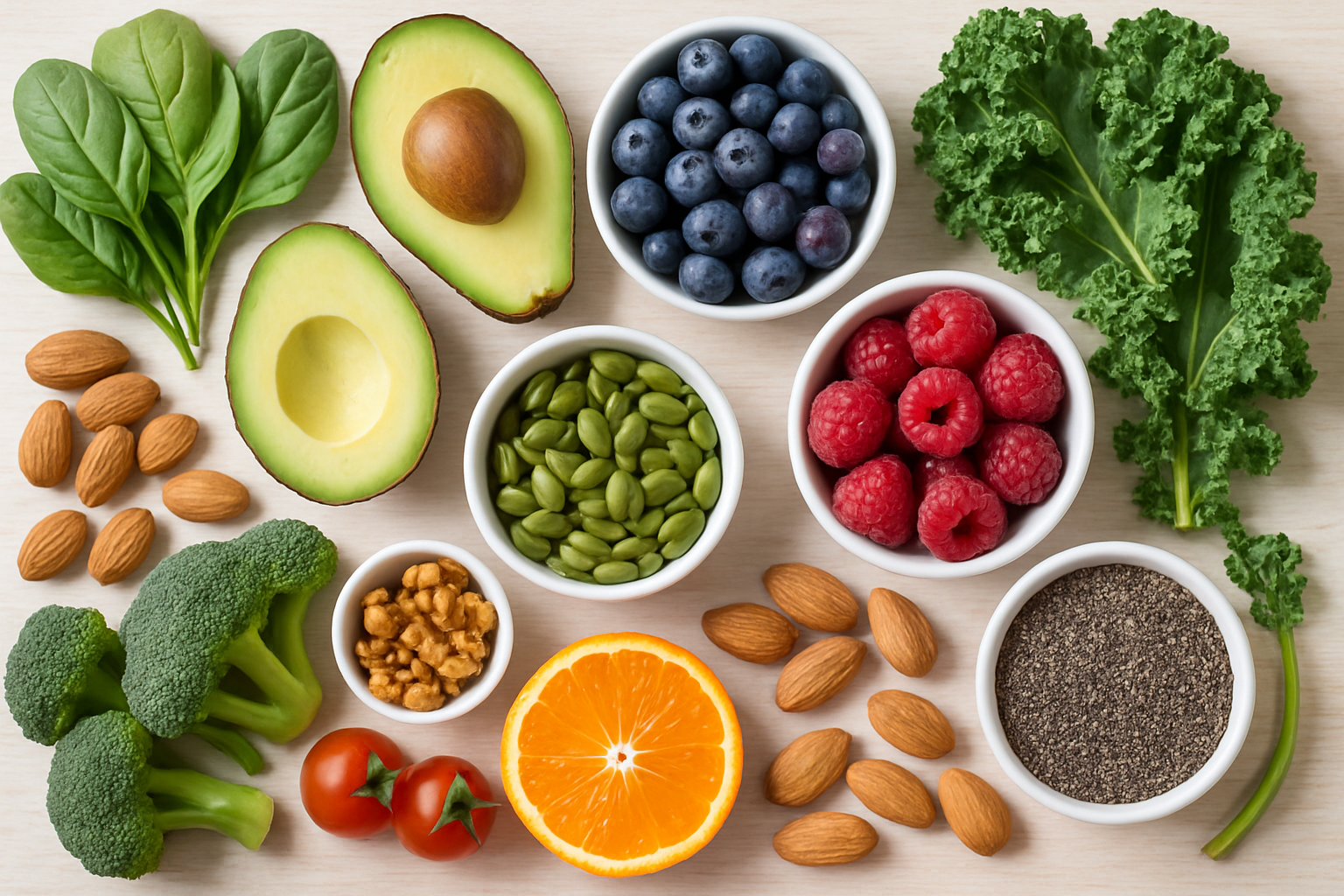
vitamin d deficiency Australia - wholefood diet

A wholefood diet could be the change your body needs.

Loading...