
Anxiety & Naturopathy: What an Anxiety Naturopath Can Do (and How to Choose the Right One)

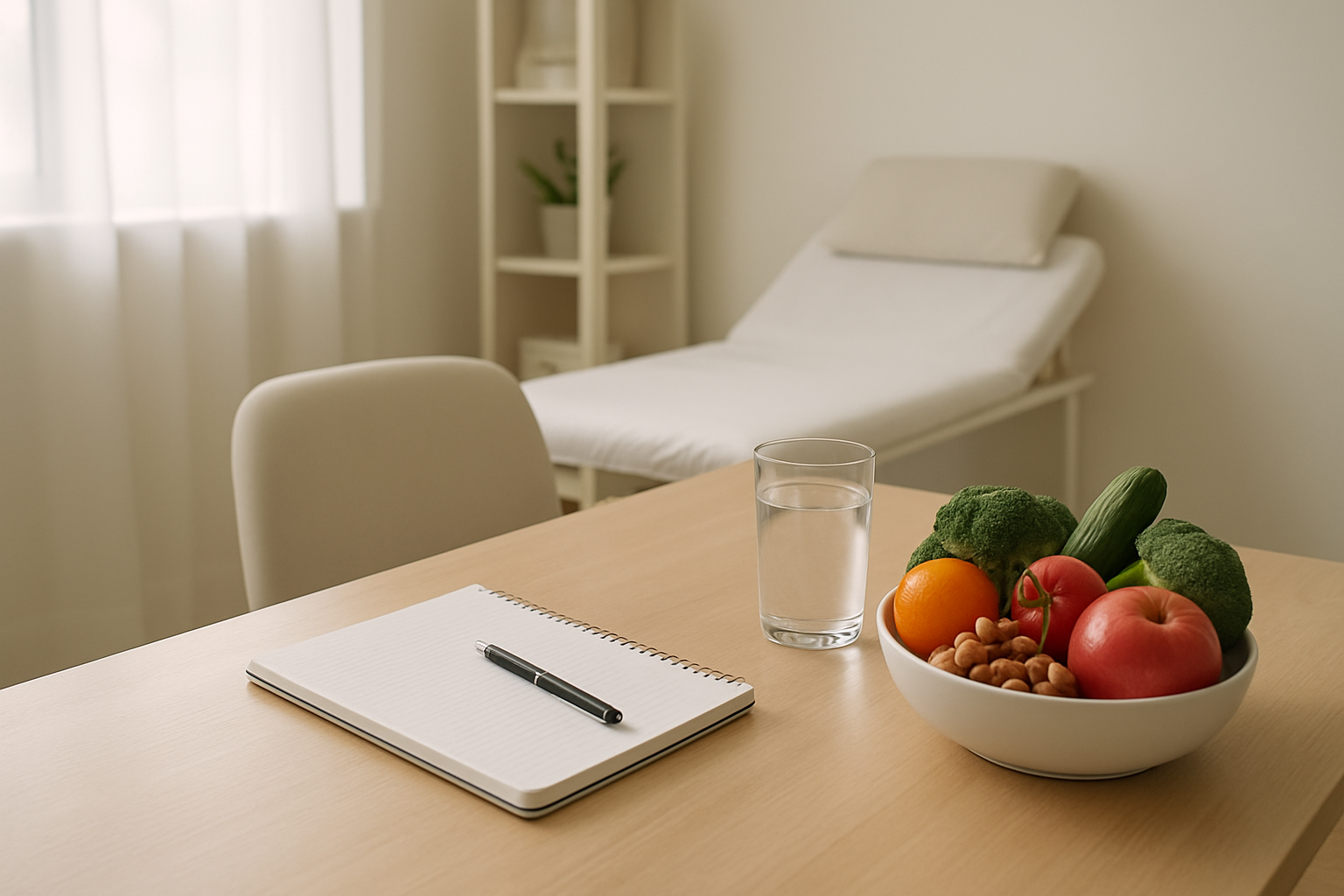
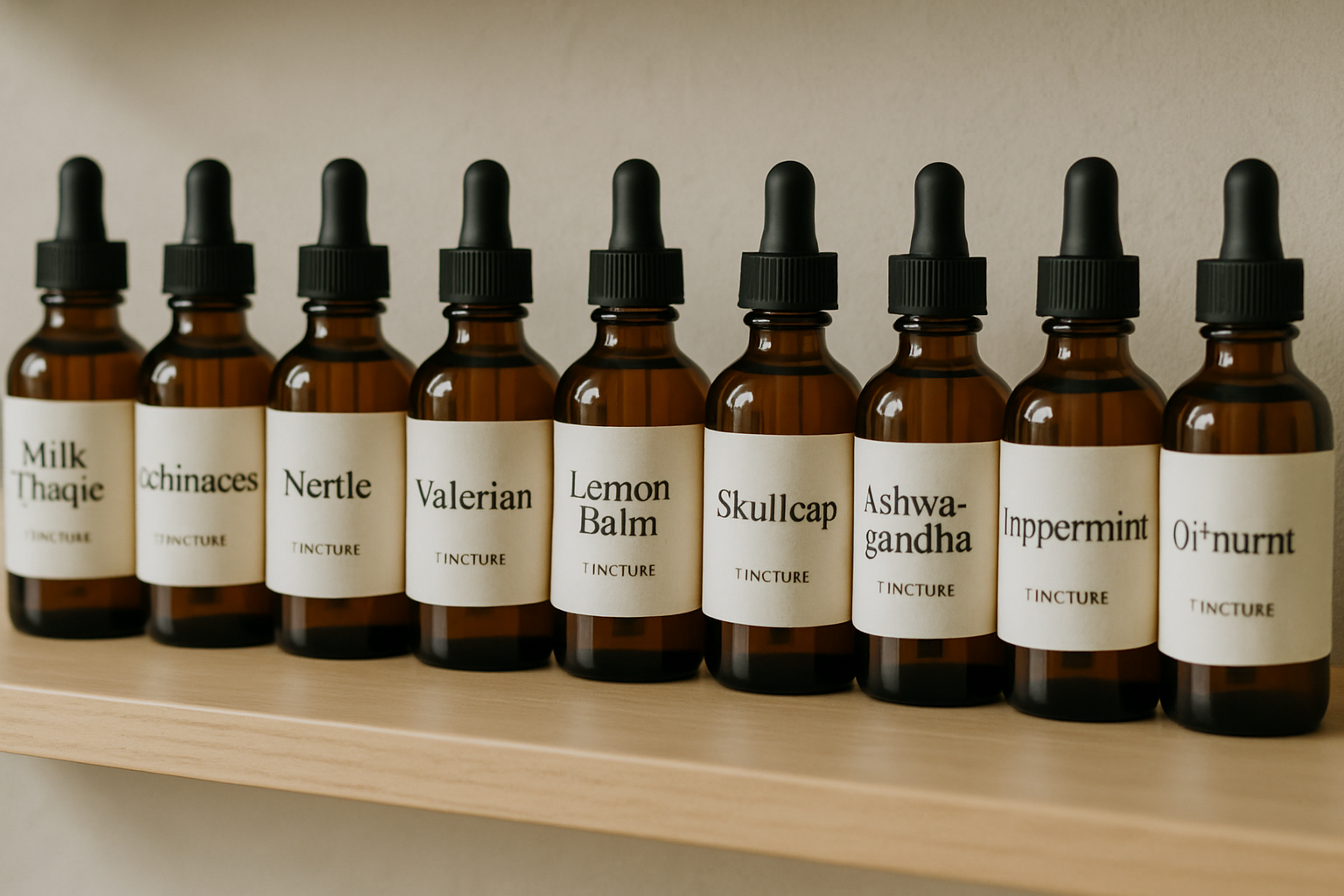
Calm naturopathy consultation space for anxiety support

Anxiety & naturopathy: what an anxiety naturopath can do (and how to choose the right one)

An anxiety naturopath helps you work on the physical and lifestyle factors that can keep your body stuck in “high alert”. You’ll usually get practical steps around food, sleep, gut health and (when needed) supplements.

Anxiety rarely looks like “just anxiety”. It can show up as a racing mind at bedtime, a tight chest on the commute, digestive flare-ups before meetings, or feeling flat and wired at the same time.

This guide explains what naturopathy for anxiety can include, what to expect, and how to choose the right practitioner. It’s relevant whether you want a Gold Coast naturopath, you’re open to online consults, or you’re comparing clinics in different cities.

Want personalised support now? Explore Anxiety naturopathy support at Beta Me or contact Beta Me to ask about appointment options.


What is an anxiety naturopath?

An anxiety naturopath looks for factors that can push your body into a stress response and keep it there. The aim isn’t to blame everything on stress. It’s to reduce the load on your system in a way that’s realistic for your life.

They often focus on:

  • Nervous system load (capacity, not just mindset)
  • Blood sugar stability and meal timing (swings can feel like anxiety)
  • Sleep quality (without relying on willpower)
  • Gut function (bloating, reflux, bowel changes, nausea, appetite shifts)
  • Nutrient status (especially when stress affects appetite and food choices)
  • Stimulants and depressants (caffeine, alcohol, nicotine, pre-workout)
  • Life stage and hormones (where relevant)

A good consult should leave you with a plan that’s specific and doable. It should feel like “here’s what to do this week”, not vague advice like “do more self-care”.


What naturopathy can (and can’t) help with

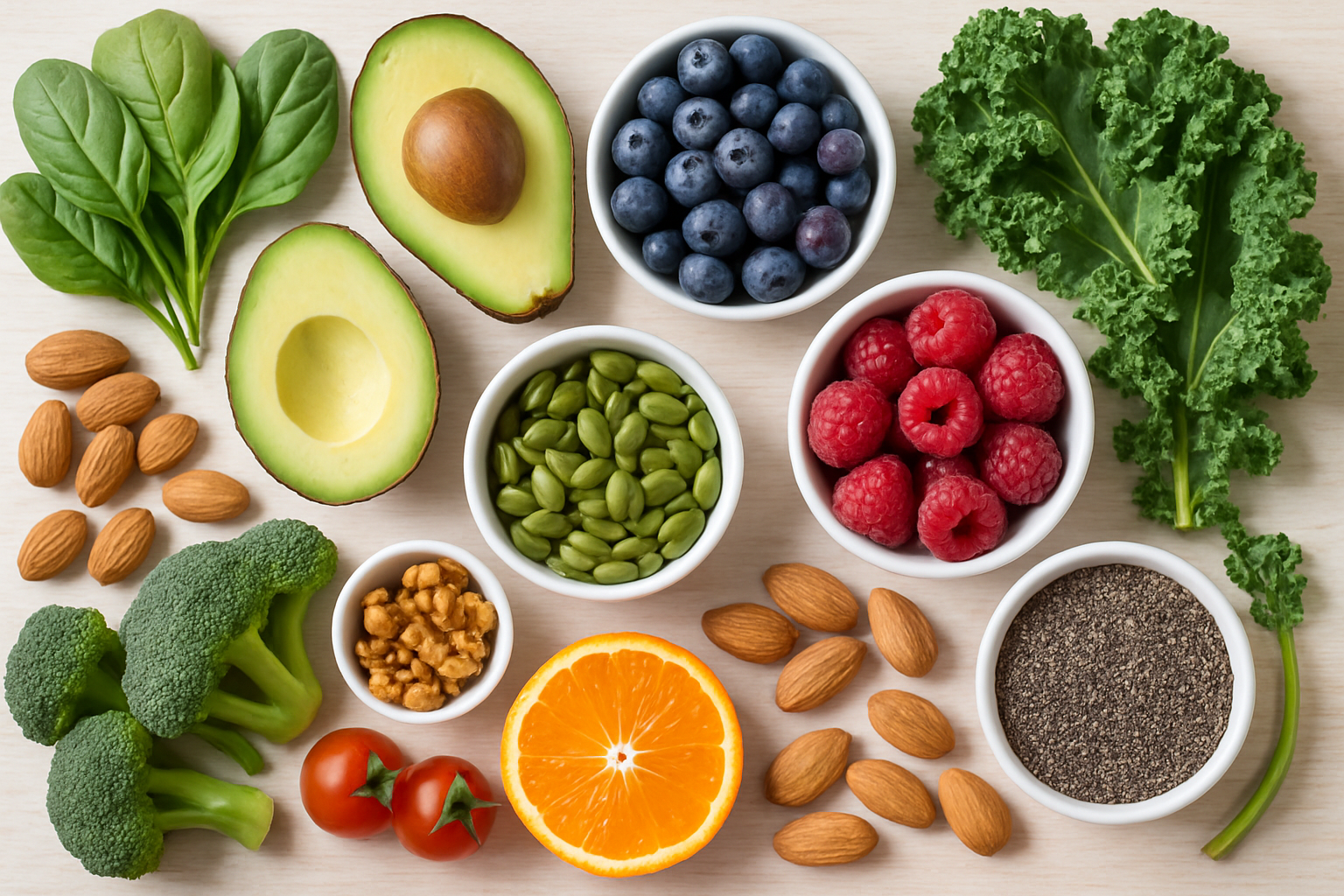
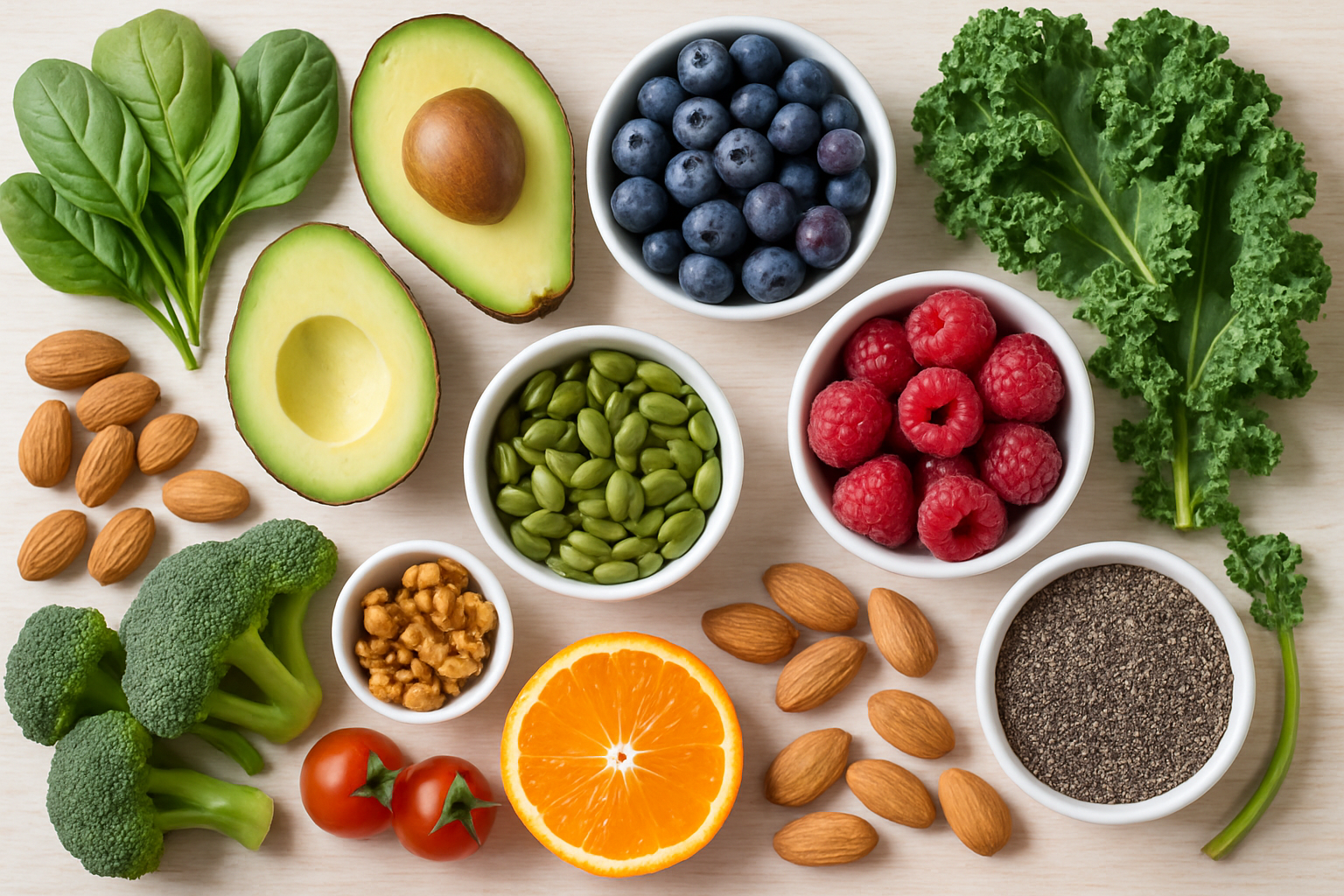
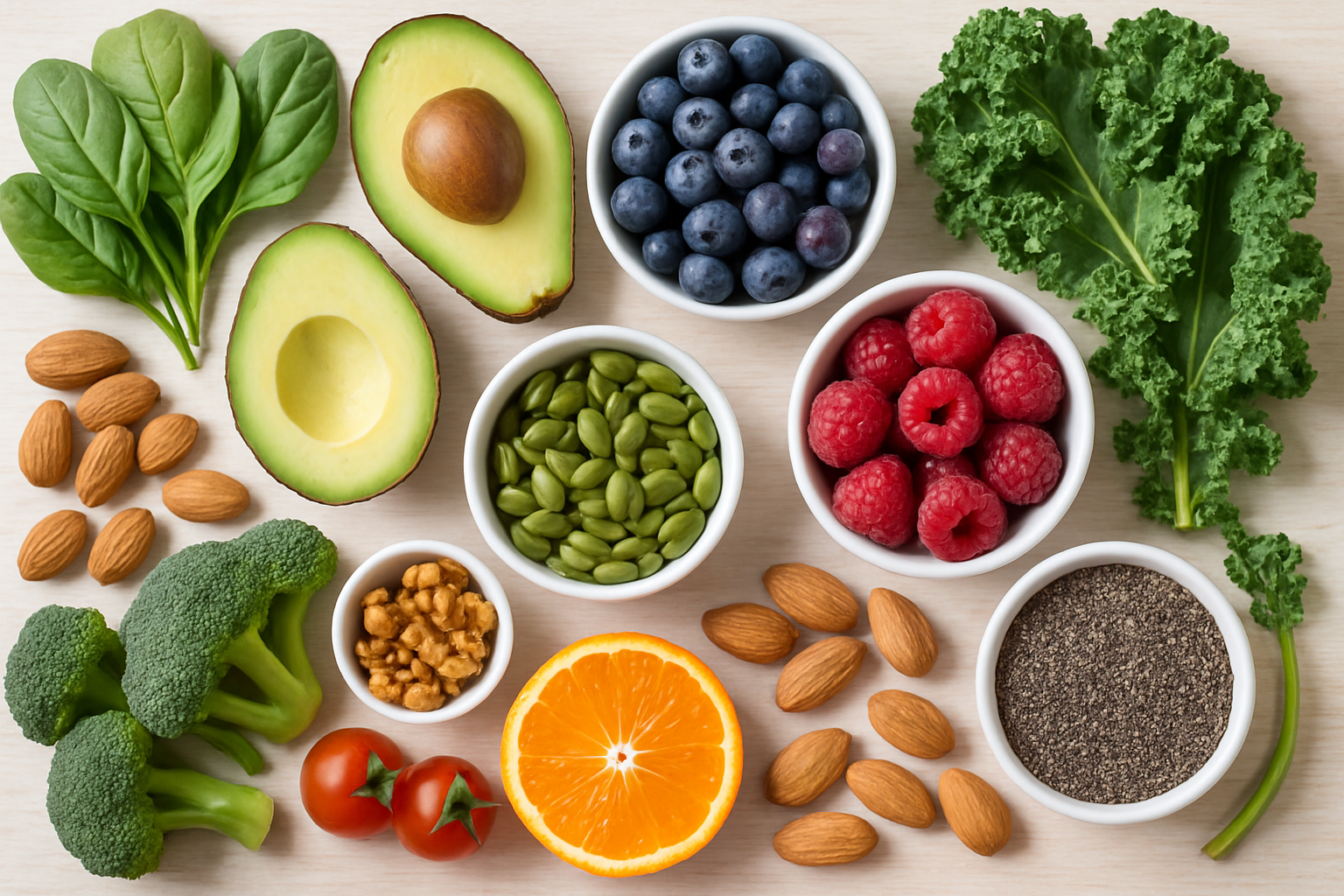
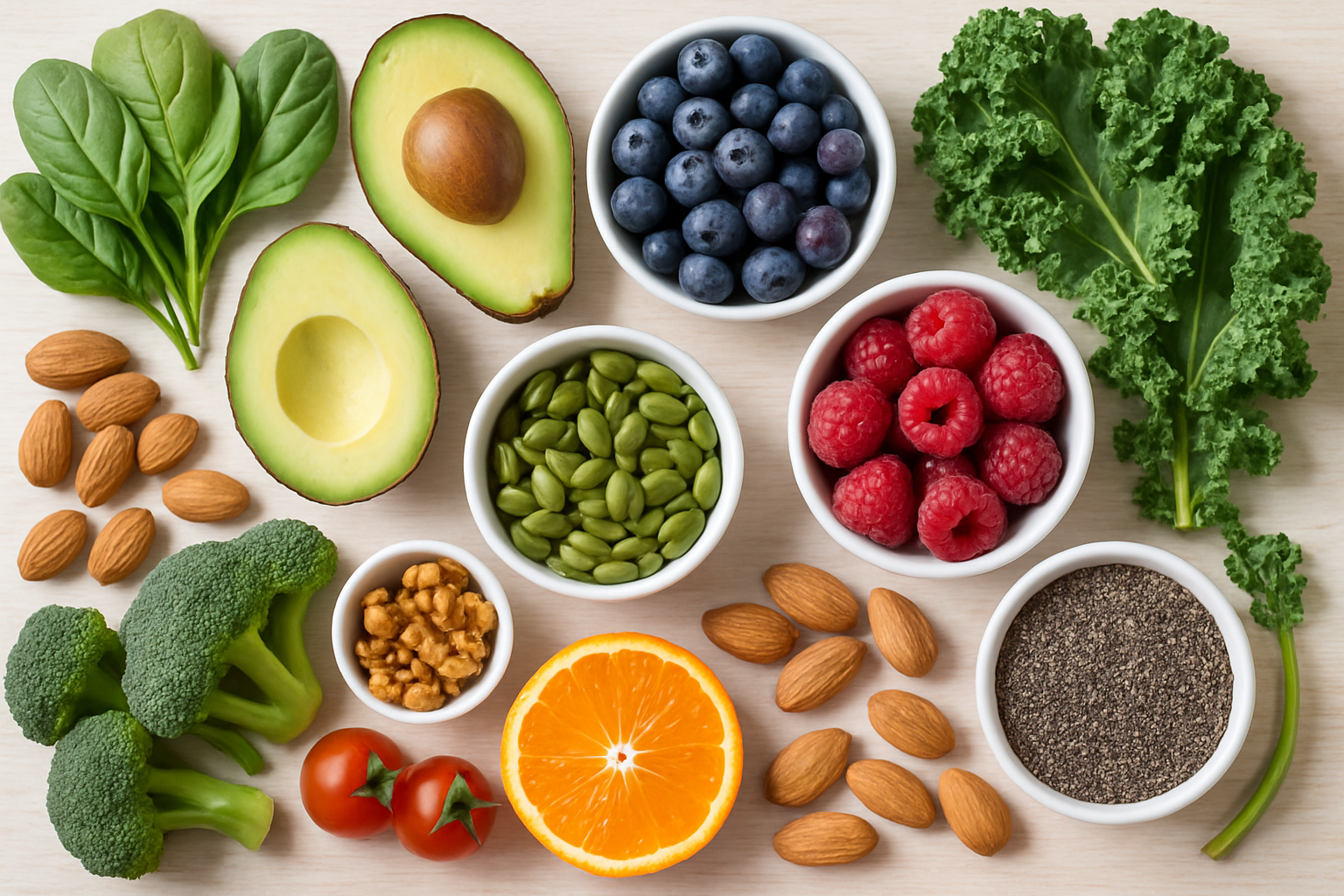
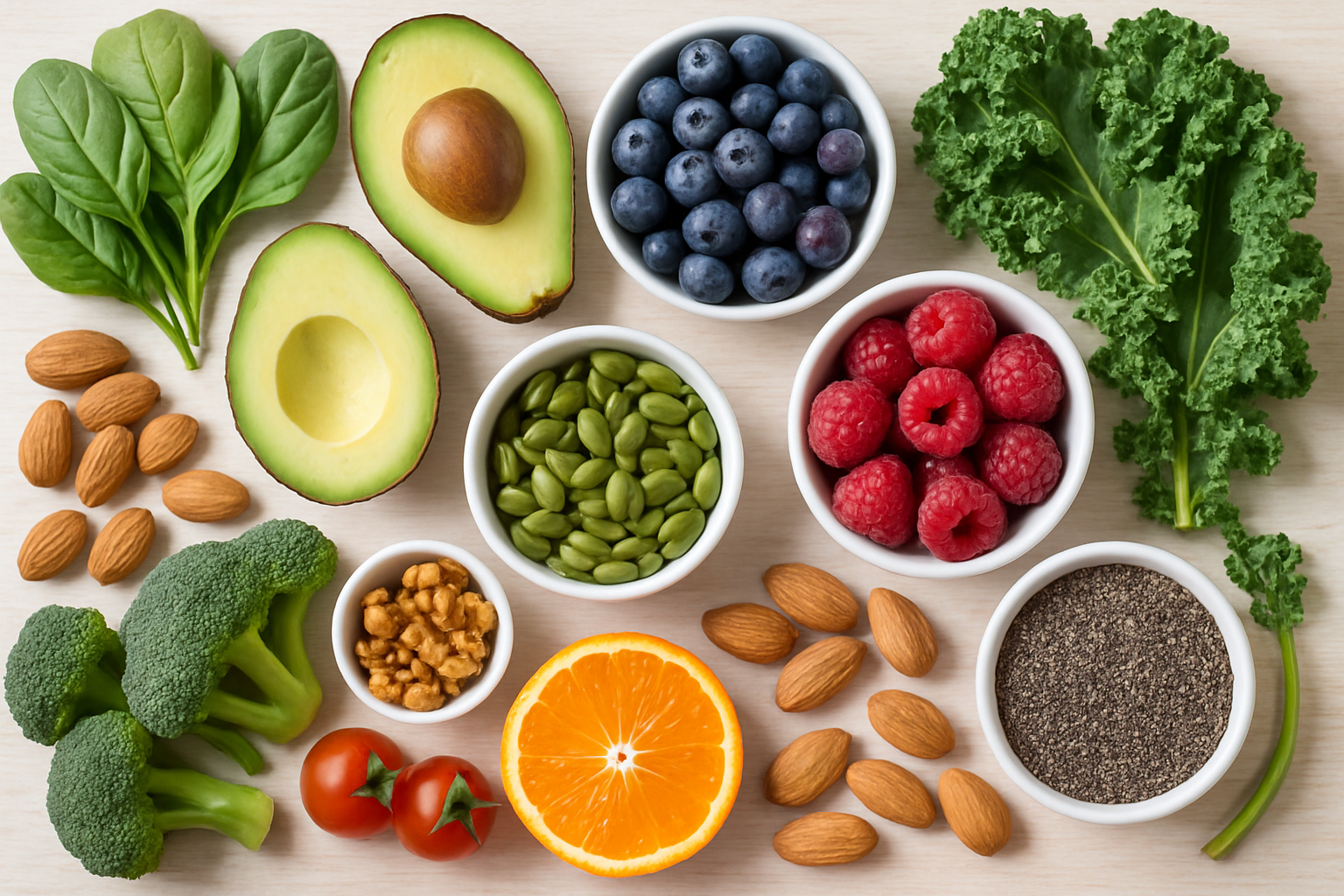
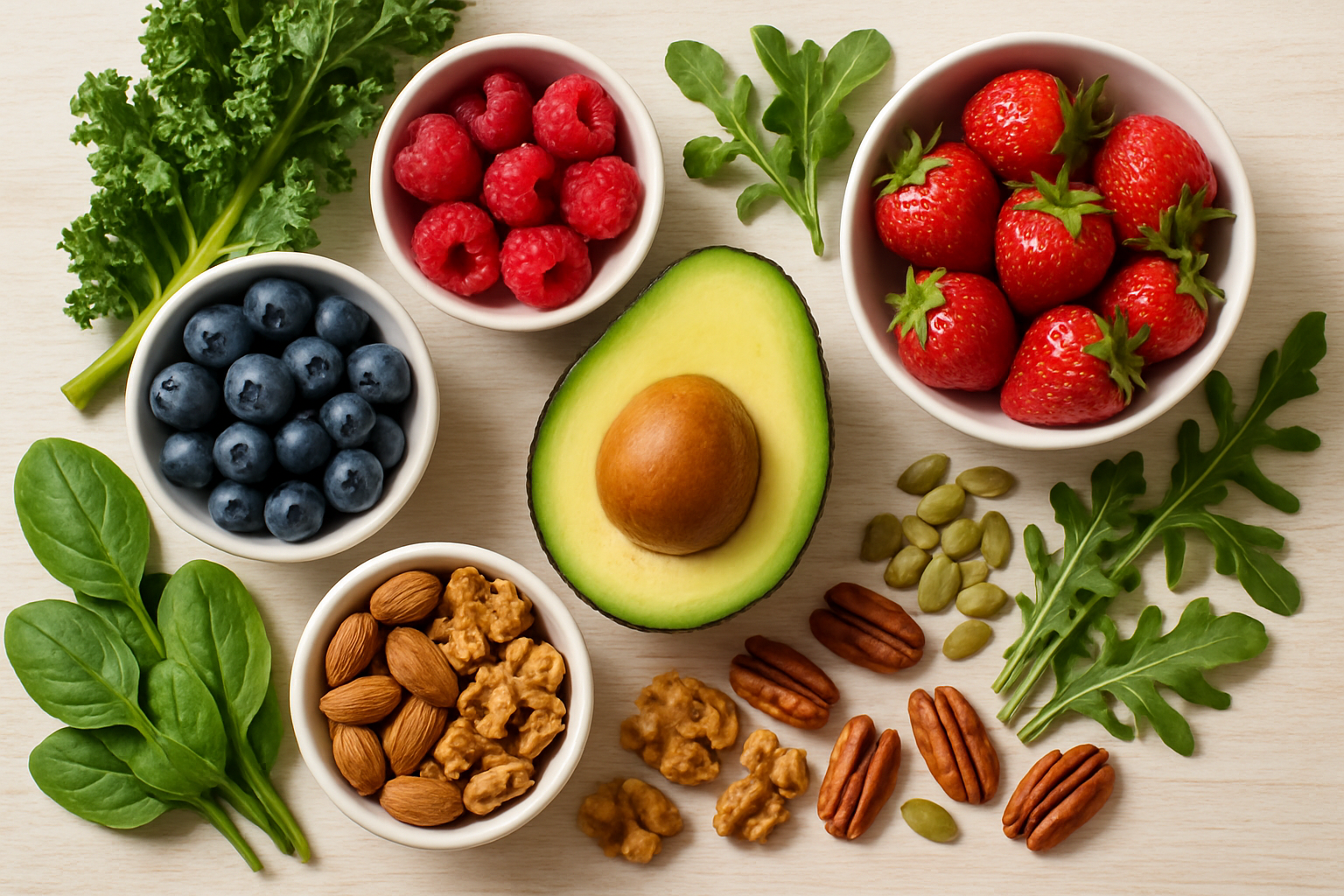
Balanced meal components to support steady energy and mood

Naturopathy can help when anxiety is being amplified by poor sleep, inconsistent eating, gut symptoms, nutrient shortfalls, burnout patterns, or coping habits that are understandable but no longer working.

It’s also a good fit if you want structure, not general advice. That might include what to eat, when to eat, which habits to start with, and what to track so you can tell if things are improving.

Safety and limits

  • Naturopathy isn’t a replacement for emergency care.
  • If you’re experiencing thoughts of self-harm, feel unsafe, or symptoms are escalating quickly, seek urgent help via emergency services.
  • For diagnosed mental health conditions, naturopathy usually works best alongside your GP and/or psychologist.

The goal is steadier foundations so your body isn’t constantly running on “high alert”. For many people, that means fewer spikes and crashes, better sleep depth, and more predictable energy. It’s not an overnight fix and it shouldn’t be sold as one.


Common drivers under “anxiety” (and what to do about them)

Anxiety symptoms often cluster with a few common patterns. It helps to treat these as hypotheses to test, not assumptions to lock in.

1) Blood sugar swings that mimic anxiety

If you feel shaky, irritable, lightheaded, or suddenly “panicky” when you haven’t eaten, food timing may be a key lever. A common pattern is symptoms easing after eating, or a late-morning crash after a coffee-only start.

Practical starting points:

  • Eat protein at breakfast (or your first meal)
  • Avoid coffee until you’ve eaten (especially on an empty stomach)
  • Build meals around protein + fibre + healthy fats
  • Keep a simple “bridge snack” handy (yoghurt, nuts, boiled egg, cheese and crackers, or a protein smoothie)

Important: If you have a history of disordered eating, diabetes, or you’re using medications that affect appetite or glucose, get individual guidance rather than forcing rigid rules.

If you’re getting true “panic” sensations with sweating, tremor, dizziness, chest pain, or fainting, flag this with your GP to rule out other contributors.

2) Sleep debt and a revved nervous system

When sleep is light, broken, or pushed too late, your nervous system often becomes more reactive. Even if you can function, anxiety symptoms tend to get louder.

Helpful strategies can include:

  • A consistent wake time (often more realistic than a perfect bedtime)
  • A wind-down routine you can repeat (short beats ambitious)
  • Morning light exposure, and lower light at night
  • Reviewing caffeine timing and alcohol patterns

If you snore, wake unrefreshed, or have significant daytime sleepiness, speak with your GP. Sleep disorders are common and can look like “anxiety and fatigue”.

If evenings are your only quiet time, aim for a wind-down that doesn’t feel like another task. Even 10 minutes of the same cue (shower, stretch, book, podcast) can help your body recognise “we’re landing now”.

3) Gut symptoms and food-related flare-ups

Anxiety and gut symptoms often travel together. That doesn’t mean it’s “all in your head”. Your gut and nervous system share messaging pathways, and irritation in one can ramp up the other.

If you have bloating, reflux, nausea, constipation, diarrhoea, or abdominal pain, a naturopath may explore:

  • Meal size, speed, and timing (rushed eating matters)
  • Fibre types and fluid intake
  • Tolerance to specific foods (without unnecessary restriction)
  • Whether further medical investigation is needed

GP-first signs: blood in stool, unexplained weight loss, persistent vomiting, severe pain, or rapidly changing bowel habits.

A key caveat: “cutting everything out” often backfires. If restriction is suggested, it should have a clear purpose, a short time frame, and a reintroduction plan.

4) Under-fuelling or overly restrictive eating

If anxiety has changed your appetite or created fear around food, the body can become more sensitive and stressed. This can show up as insomnia, heart racing, irritability, low mood, or feeling overwhelmed by “small” things.

A supportive plan usually focuses on:

  • Gently rebuilding regular intake
  • Improving nutrient density without overwhelm
  • Keeping changes simple and consistent

A team approach can matter here. Depending on your situation, support from a GP, psychologist, and dietitian may be appropriate alongside naturopathy.

If “eating more” feels impossible, start by making intake more predictable (even if it’s small). That helps your body stop guessing.

5) High stimulant load (including “hidden” stimulants)

Caffeine isn’t just coffee. It also includes pre-workout, energy drinks, strong tea, chocolate, some weight loss products, and certain supplements.

If you’re sensitive, even “normal” amounts can drive heart racing, a tight chest, gut urgency, and insomnia.

A naturopath can help you reduce stimulants without crashing your energy. Usually that means tightening up food timing first, then tapering gradually to reduce headaches and withdrawal fatigue.

A practical tip: if you change caffeine, change it slowly and keep notes on sleep and anxiety. It helps you tell the difference between improvement and withdrawal.


What happens in an anxiety naturopath consult?

You should leave an initial consult feeling understood and clear on next steps. It should be detailed, but not invasive.

What they’ll usually ask

  • Your anxiety pattern (when it happens, triggers, what helps)
  • Sleep, energy, digestion, appetite, cravings
  • Diet patterns (including meal timing and caffeine)
  • Stress load, work demands, family load, movement, downtime
  • Current medications and supplements (including occasional use)
  • Relevant health history

If you’re not sure where to start, it can help to bring:

  • A short list of your main symptoms (and when they’re worst)
  • Any recent blood test results you already have
  • A photo or note of supplements/medications you’re using (including herbal products)

What your plan may include

  • Nutrition changes prioritised for your biggest wins
  • A short list of realistic habits (not a complete life overhaul)
  • Targeted supplements where appropriate and safe
  • Coordination with your GP when needed (for example iron, B12, vitamin D, thyroid markers, glucose — based on symptoms and history)

If you’re looking for a Gold Coast naturopath who supports anxiety with a practical lens, read more about Beta Me Nutrition & Naturopathy (Gold Coast).

Gold Coast note

In-person follow-ups can feel more anchored if leaving the house is doable. For some people, a local clinic also reduces the chance of cancelling when anxiety is up.

If travel, parking, or traffic is a barrier, online consults can still cover a lot.


Do you need a naturopath food sensitivity test?

Not always. Many people search for a naturopath food sensitivity test because they notice anxiety spikes with bloating, brain fog, skin flare-ups, headaches, or fatigue.

The practical truth is that not everyone needs testing, and not all tests are equally useful.

Good first steps (often enough to start)

  • A short-term food + symptom diary (what you ate, when symptoms hit, how strong)
  • Digestion basics (meal timing, fibre, hydration, chewing, avoiding rushed meals)
  • A structured elimination-and-challenge approach when a pattern is obvious

Testing can help in selected cases, but it shouldn’t replace a clear clinical picture. If testing is suggested, ask:

  • What decisions will the results change?
  • What will we do if the test is normal?
  • What’s the plan for reintroducing foods (and how will we avoid unnecessary long-term restriction)?

How to choose a naturopath for anxiety (Gold Coast, Melbourne, or online)

Choose a practitioner based on process and safety, not hype. You’re looking for someone who can explain what they’re doing, prioritise changes, and work alongside your other healthcare team when needed.

If you’re comparing a naturopath Gold Coast list, searching for the best naturopath Gold Coast, or weighing up the best naturopath Melbourne options, use the checks below.

Green flags

  • They take a comprehensive history (not a one-size-fits-all script)
  • They explain the “why” behind each recommendation
  • They discuss safety, interactions, and medication considerations
  • They prioritise changes (you don’t leave with 25 tasks)
  • They track progress and adjust the plan over time
  • They encourage collaboration with your GP or psychologist when needed

Yellow flags

  • Pressure to buy large supplement packs immediately
  • Big promises or guaranteed results
  • A plan that ignores sleep, food, and stress basics
  • Dismissing medical care or discouraging you from seeing your GP

Practical questions to ask before you book

  • Appointment length
  • Follow-up timing
  • Telehealth options
  • How they handle questions between sessions
  • Flexibility around appointment format (clinic, online, mobile)

Questions to ask (save this list)

  1. “What do you look for when anxiety is the main symptom?”
  2. “How do you decide what to prioritise first?”
  3. “How do you choose supplements, and how do you check for interactions?”
  4. “How often do you review the plan, and what does follow-up look like?”
  5. “What would make you refer me back to my GP?”

Practical, low-effort starting steps (while you’re booking support)

Gentle outdoor movement to support stress regulation

If your anxiety is active right now, focus on basics that can reduce the physical “buzz”. Keep it simple and repeatable.

  • Eat within 1–2 hours of waking (include protein)
  • Limit caffeine after late morning (earlier if sleep is fragile)
  • Hydrate early, not just at night
  • Go outside for 5–10 minutes soon after waking (daylight helps set your body clock)
  • Pick one wind-down cue (same time, same short routine)

If you can only manage one change, pick the one most likely to lower physical stress quickly. For many people, that’s regular meals, an earlier caffeine cut-off, or a consistent wake time.

Try not to change everything at once. If you overhaul food, caffeine, exercise and bedtime in the same week, it’s hard to tell what’s helping (and harder to stick with).


Want support from a Gold Coast naturopath who understands anxiety?

Tracking sleep and symptoms as part of an anxiety support plan

Beta Me offers naturopathy and nutrition support for anxiety with clear next steps and follow-up. It can suit Gold Coast locals dealing with early starts, shift work, school runs, and the reality that stress doesn’t pause.

You can also meet Danielle and read about Beta Me.


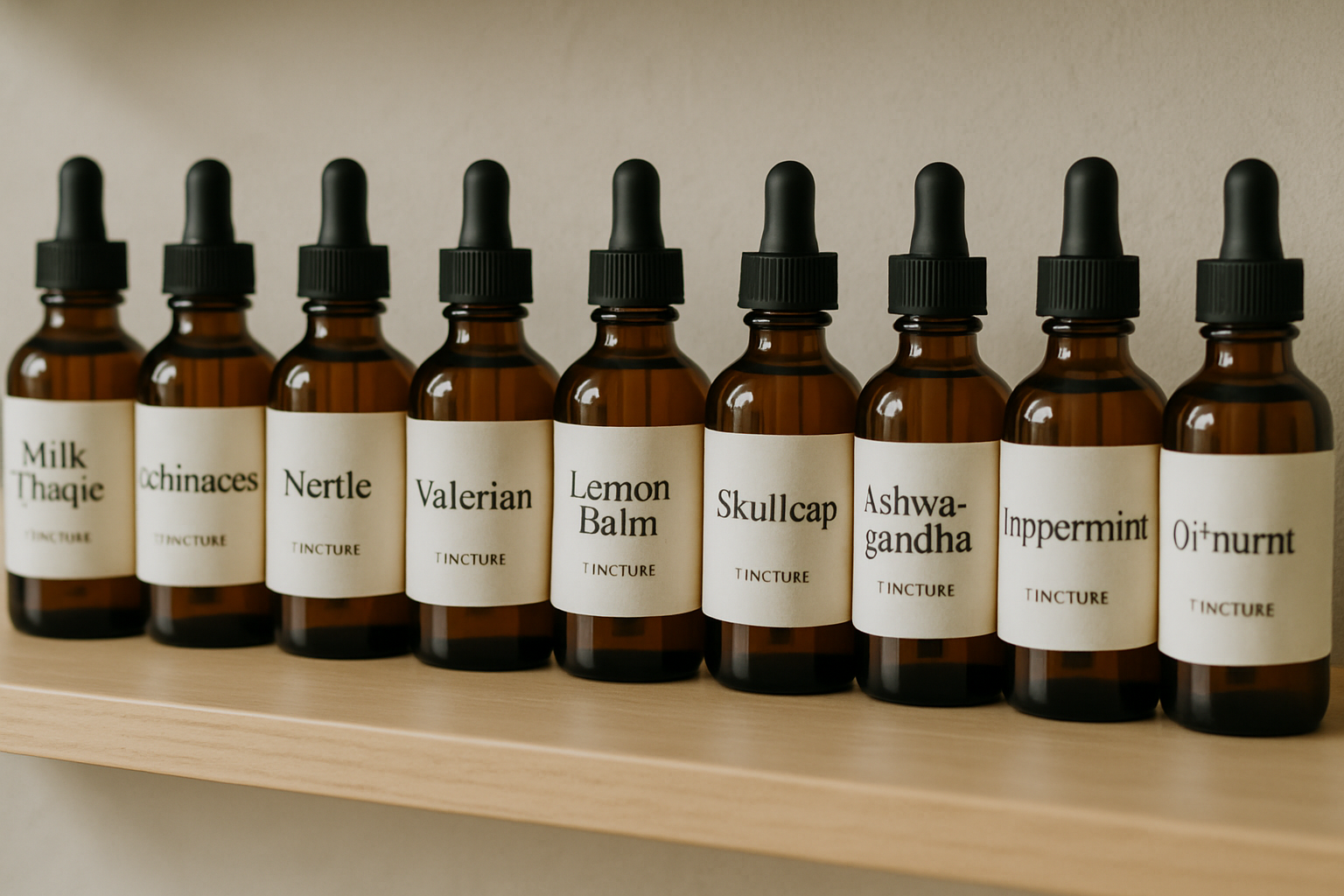
Reviewing relevant health information to guide naturopathic recommendations

FAQs

What does an anxiety naturopath do?

An anxiety naturopath looks at factors like nutrition, gut health, sleep, lifestyle, and relevant pathology (usually via your GP). The aim is to identify what may be driving your symptoms and build a practical plan you can follow.

Plans often include nutrition strategies, targeted supplements where appropriate, and referral back to your GP or psychologist when needed.

Can a naturopath help with anxiety if I’m already seeing a GP or psychologist?

Yes. Many people use naturopathy alongside medical and psychological care.

A naturopath can support foundations like food, sleep, nutrient status, gut symptoms, and stress load. Tell each practitioner what you’re taking and doing (including supplements and herbal products) so your care stays coordinated.

How do I choose a naturopathic doctor or naturopath for anxiety?

Choose someone who asks detailed questions, explains their reasoning, and offers a plan that fits your budget and capacity. It’s also a good sign if they work with your GP when needed.

Ask about their approach to supplements, how they check medication interactions, and how they measure progress over time.

What should I expect in a first appointment for naturopathy and anxiety?

Expect a detailed history, including symptoms and triggers, sleep, digestion, cycle history where relevant, diet, stress load, and medication/supplement use.

You should leave with a prioritised plan and clear next steps. In some cases, your naturopath may suggest GP-run pathology or discuss optional functional testing depending on your symptoms and history.

Is a naturopath food sensitivity test helpful for anxiety?

It depends. If you have digestive symptoms, headaches, skin issues, or clear food-related flare-ups, investigating triggers can help.

However, not all food sensitivity tests are equally reliable or necessary. Often, a structured food and symptom diary plus a short, guided elimination-and-challenge process is more practical (and less expensive).

If testing is recommended, ask what you’ll do with the results and how you’ll avoid staying stuck in long-term restriction.

How long does it take to notice changes when working with a naturopath for anxiety?

It varies. Some people notice improvements in sleep, energy, and steadiness within a few weeks, especially with consistent routines.

For longer-standing anxiety, gut issues, burnout, or nutrient repletion work, change can be more gradual. A good plan sets realistic milestones, reviews them regularly, and adjusts based on what’s actually happening day to day.

Do naturopaths on the Gold Coast offer online consults?

Many do. Online consults can work well for anxiety support because nutrition and lifestyle care often suits telehealth.

It can also be easier to fit around work, parenting, or times when leaving home feels hard.

What questions should I ask a highly recommended naturopath on the Gold Coast?

Ask how they assess likely drivers, how they prioritise recommendations, and how they manage supplement safety and medication interactions.

Also ask what follow-up looks like, how they track progress (sleep, digestion, mood, cycle, energy, symptom scales), and whether they collaborate with your GP or psychologist.

4 Seasonal Health Trends from a Gold Coast Naturopath & Nutritionist

A collection of seasonal vegetables and a cup of herbal tea, representing seasonal naturopathic planning.

4 Seasonal Health Trends from a Gold Coast Naturopath & Nutritionist

As the seasons shift on the Gold Coast, do you notice your body shifting too? From the energy of summer to the quiet of winter, our moods and cravings often follow a natural rhythm. This isn’t just your imagination.

Aligning your health with these cycles is a core part of naturopathy. It’s about working with your body, not against it. As a practising naturopath and nutritionist in this beautiful part of the world, I see more people embracing this intuitive approach to feel their best all year round.

Here are four key seasonal trends shaping how we approach wellness.

1. Eat With the Seasons for Better Gut Health

A healthy nutritionist-approved meal bowl demonstrating seasonal eating for gut health.

Eating with the seasons can nourish your gut microbiome.

Your gut is a dynamic ecosystem, and what you eat directly impacts its health. A leading trend is eating locally-grown, seasonal foods. This simple practice gives your body the specific nutrients it needs to thrive in the current climate.

Autumn & Winter Foods

During cooler months, your body craves warmth and nourishment. Focus on foods that are easy to digest and deeply comforting.

  • Root Vegetables: Pumpkin, sweet potato, carrots, and parsnips are perfect. Roasting them brings out their natural sweetness.
  • Warming Meals: Think slow-cooked stews, hearty soups, and nourishing bone broths to support your immune system.
  • Fermented Foods: Sauerkraut, kimchi, and kefir introduce beneficial bacteria to your gut, which is vital when we spend more time indoors.

Spring & Summer Foods

As the weather warms up, the focus shifts to lighter, cooling, and hydrating foods to cleanse the body and beat the heat.

  • Fresh Produce: Leafy greens, berries, cucumber, and tropical fruits are rich in antioxidants and fibre.
  • Light Meals: Colourful salads and lightly grilled fish provide key nutrients without feeling heavy on hot days.
  • Hydrating Herbs: Fresh mint, basil, and coriander can have a gentle cooling effect.

A holistic nutritionist on the Gold Coast can help you create a meal plan that supports your digestion as the seasons change.

2. Align Your Routine With the Season for Better Mood & Energy

A laptop showing a telehealth nutritionist consultation in progress.

Access expert guidance from home with telehealth consultations.

Do you feel sluggish in winter or burnt out by the end of summer? You’re not alone. A key trend is adapting our routines to support our mental wellbeing seasonally, instead of pushing through with the same approach all year.

Navigating Winter Wellness

Shorter, darker days can impact our serotonin and vitamin D levels. This often leads to lower energy and a flatter mood. To adapt, you could try:

  • Gentle movement, like a beach walk in the morning sun.
  • Adjusting your sleep schedule to honour earlier sunsets.
  • Incorporating mood-supporting nutrients like Omega-3s and B vitamins.

Thriving in Summer

The high social energy of a Gold Coast summer can be draining. To stay balanced, consider:

  • Scheduling intentional downtime to recharge.
  • Focusing on hydration with water and herbal teas.
  • Using grounding practices like meditation to avoid feeling overwhelmed.

As an anxiety naturopath on the Gold Coast, I help clients build resilience against these seasonal triggers. Acknowledging that your needs change is the first step to finding balance.

3. Use Personalised Herbal Medicine for Seasonal Support

A person holding a warm mug, symbolising the use of herbal medicine for calm and wellbeing.

Personalised herbal medicine is a cornerstone of naturopathy. It offers a gentle way to support your body’s natural processes. The trend is moving away from generic supplements toward tailored formulas that address your specific needs within the context of the season.

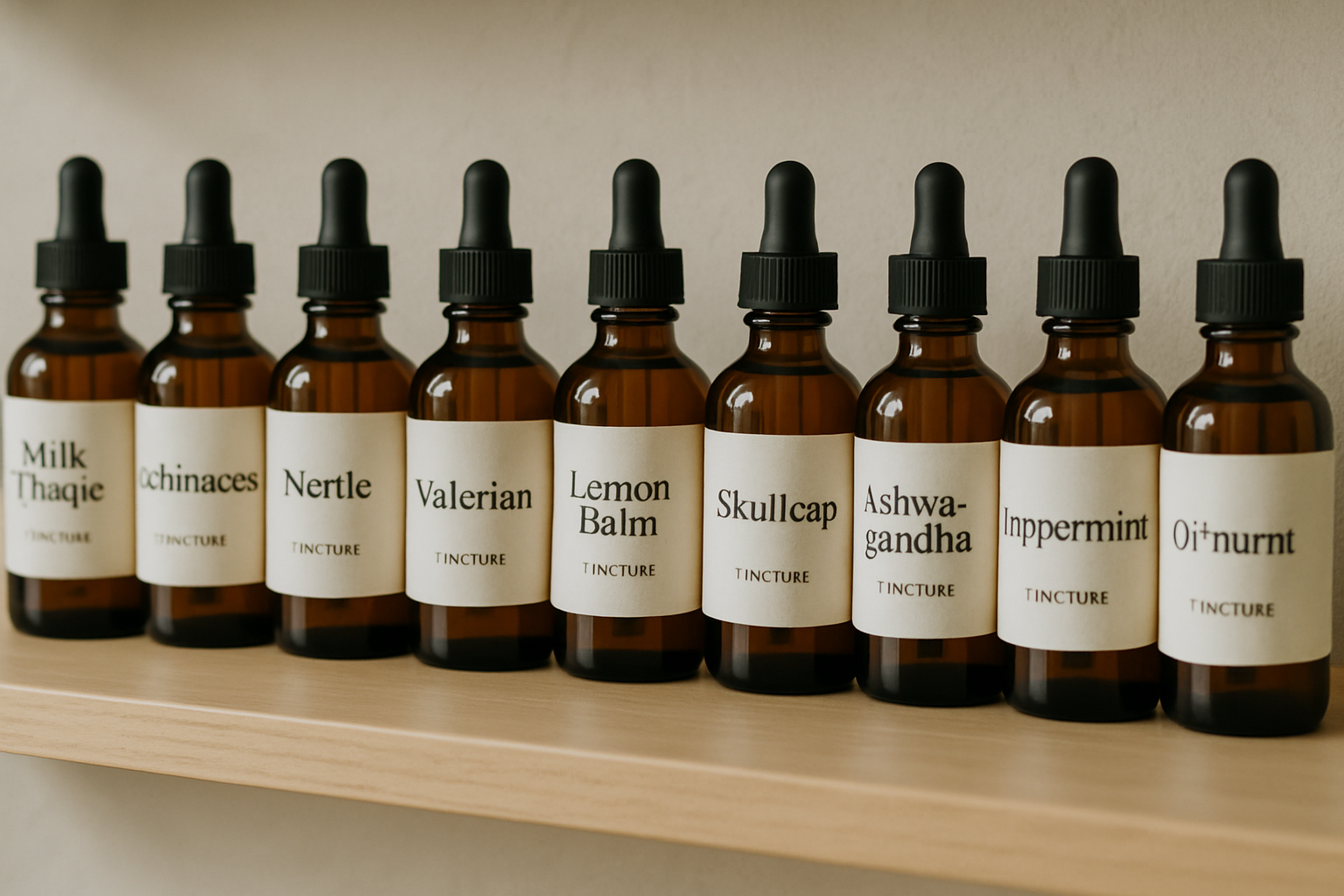
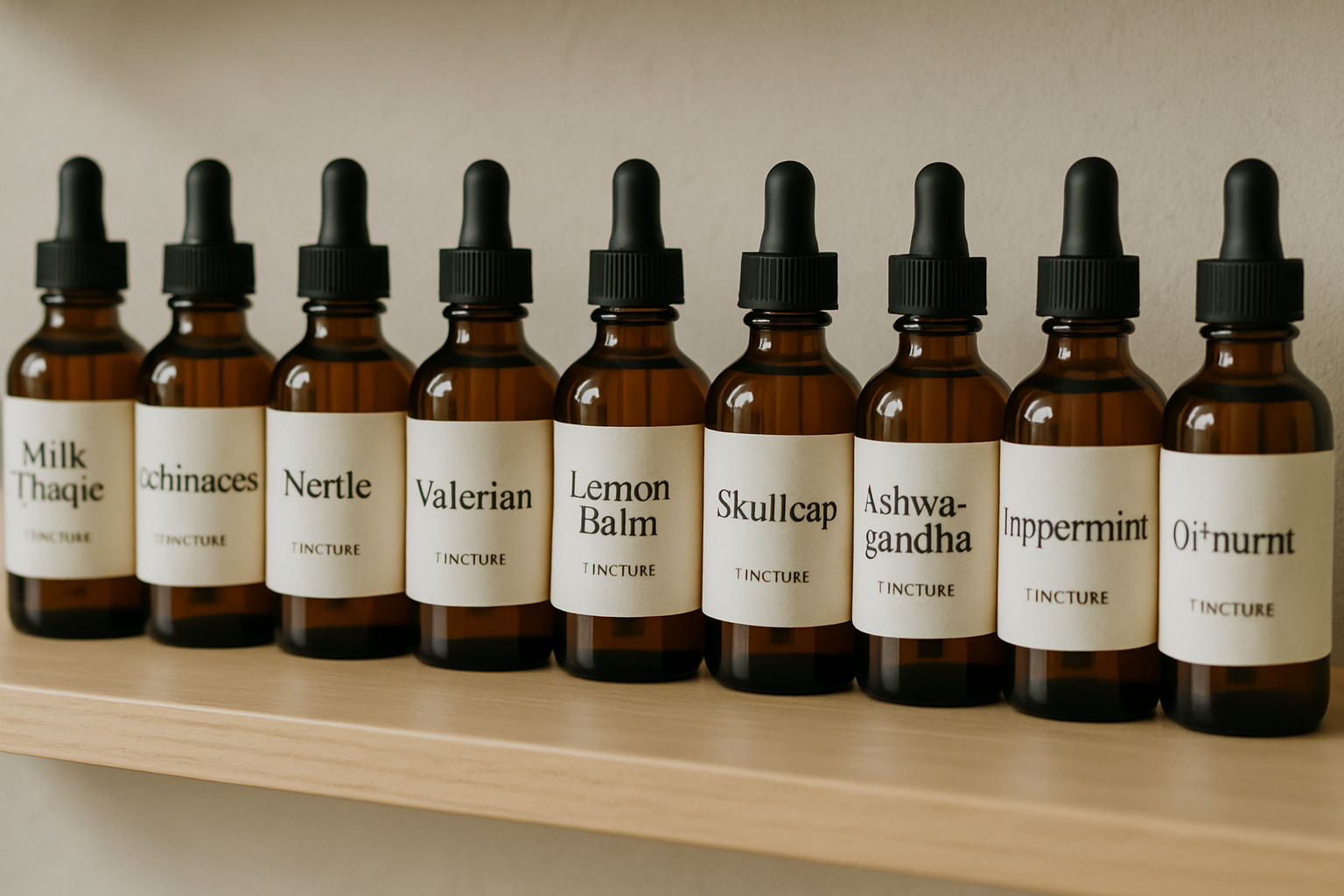
  • Immune Support (Autumn/Winter): Herbs like Echinacea, Andrographis, and Elderberry can support your body’s immune response during cold and flu season.
  • Energy & Detox (Spring): Spring is a time for renewal. Herbs that support liver function, such as St Mary’s Thistle, can help you feel refreshed.
  • Stress Support (All Seasons): Adaptogenic herbs like Ashwagandha help the body manage stress, whether it’s from social events or low energy.

It’s crucial to use herbs under the guidance of a qualified naturopath to ensure safety and correct dosage for your individual needs.

4. Choose Flexible Naturopathy That Fits Your Life

A mortar and pestle with dried herbs, illustrating the foundations of herbal medicine in naturopathy.

Personalised herbal formulas can support your body’s seasonal needs.

Getting expert health advice shouldn’t be a hassle. The rise of telehealth and mobile services means that guidance from a nutritionist or naturopath on the Gold Coast is more accessible than ever.

Mobile Naturopath Services

For those with mobility challenges, young kids, or a packed schedule, Mobile Naturopath services bring the consultation to you. This removes the stress of travel and allows you to get care in the comfort of your home.

Telehealth Support

Virtual consultations offer ultimate convenience. This modern approach makes it easier for an NDIS nutritionist on the Gold Coast to provide consistent support, ensuring everyone can access quality care.

How to Choose a Naturopath on the Gold Coast

With a growing number of practitioners, finding the right fit is key. Here’s how to choose a naturopath who is right for you.

  1. Check Qualifications: Look for a Bachelor of Health Science in Naturopathy or Nutritional Medicine. This ensures deep, evidence-based knowledge.
  2. Confirm Professional Membership: Membership with an association like the Australian Natural Therapists Association (ANTA) means they follow a strict code of ethics.
  3. Find a Collaborative Approach: The best practitioner is a partner in your health. They should listen, understand your goals, and work with you to create a practical plan.

At Beta Me, Danielle Lamb combines her qualifications to offer comprehensive, personalised care as both a naturopath and nutritionist.

Ready to Align Your Health With the Seasons?

Embracing these trends is about returning to a more intuitive and sustainable way of caring for yourself. With a personalised plan from a Gold Coast naturopath, you can navigate the year with more energy, balance, and vitality.

If you’re ready to see how a seasonal approach could benefit you, we invite you to book a personalised nutritionist consultation and start your journey to year-round wellness.

Beyond the Beach: 4 Health & Wellness Trends to Watch on the Gold Coast This Season

Seasonal Gold Coast produce laid out for meal planning, a key wellness trend.

Beyond the Beach: 4 Health & Wellness Trends to Watch on the Gold Coast This Season

Here on the Gold Coast, the rhythm of life changes with the seasons. It’s not just about swapping swimmers for sweaters; it’s about how our energy, social calendars, and health needs shift. We’re seeing a move away from quick fixes and towards sustainable, year-round wellbeing.

Let’s look at four key trends shaping how Gold Coasters are approaching their health and how you can apply them in a practical way.

1. The Gut Health Revolution

A collection of fermented foods representing the trend towards better gut health.

The focus on gut health is more than a trend; it’s a foundation for overall wellbeing.

It’s official: gut health is no longer a niche topic. More locals are understanding the powerful connection between a healthy gut and everything else—from mood and immunity to skin health and energy levels. This isn’t about following a restrictive diet; it’s about nurturing your microbiome with whole foods, fermented options, and targeted support.

What this looks like on the GC:

  • Fermented foods are everywhere: Local cafes are stocking kombucha on tap, and stores are filled with kimchi, kefir, and sauerkraut.
  • Fibre is the focus: People are consciously adding more diverse plant-based foods to their plates to feed good gut bacteria.
  • Seeking professional guidance: There’s a growing demand for a qualified gut health dietitian on the Gold Coast to investigate underlying issues like bloating, food intolerances, and digestive discomfort instead of just guessing.

2. Hyper-Local and Seasonal Eating

Choosing fresh, local produce at a Gold Coast farmers' market.

Eating locally isn’t just better for you; it connects you to the community.

Why eat strawberries in winter when local citrus is at its peak? The farm-to-table mindset is strong on the Coast. Visiting the weekend markets at HOTA, Palm Beach, or Bundall is now a core part of many people’s weekly routine. This trend is about maximising nutrient density, supporting local growers, and eating food that’s truly fresh.

How to embrace this trend:

  • Shop the perimeters: Focus your grocery shopping on fresh, whole foods. For extra support, consider navigating the aisles with a supermarket tour to learn how to read labels and make healthier choices.
  • Plan meals seasonally: Build your weekly meals around what’s abundant at the local markets. This ensures variety and a broader range of nutrients throughout the year.
  • Keep it simple: Roasting a tray of seasonal vegetables is an easy, nutrient-packed meal base.

3. Proactive Mental Wellbeing

A moment of calm, reflecting the importance of proactive mental wellbeing.

We live in a beautiful place, but the pressures of work, family, and a fast-paced lifestyle still exist. The conversation around mental health has shifted from being reactive to proactive. Gold Coasters are actively seeking strategies to manage stress, improve sleep, and support their nervous systems before burnout hits.

This holistic approach recognises that mental and emotional health is directly linked to physical health—what you eat, how you move, and your gut health all play a crucial role. Many are exploring naturopathic support for anxiety and stress, which looks at the whole person to identify and address root causes.

4. Ultra-Personalised Nutrition

A naturopath creating a personalised health plan for a client.

The era of one-size-fits-all diets is over. People now want nutrition advice that understands their unique body, lifestyle, and health goals. This is especially important for those with specific needs, such as individuals seeking an NDIS dietitian on the Gold Coast.

Personalised nutrition moves beyond generic advice to provide tailored plans that are realistic and effective. It’s about working with a professional who can account for your health history, dietary preferences, and specific goals, whether that’s managing a chronic condition, improving energy, or supporting a healthy family.

How to Integrate These Trends with Expert Guidance

These trends all point to a more intuitive and individualised way of looking after yourself. While it’s great to be informed, putting it all together can be overwhelming. That’s where professional guidance makes a difference.

Working with a qualified professional like Danielle Lamb, one of the dedicated naturopaths on the Gold Coast, helps you move from simply following trends to building a sustainable health strategy. A consultation can help you understand your body’s specific needs and create a practical, achievable plan that fits your life.

Ready to align your health with the seasons? If you’re looking for a holistic Nutritionist on the Gold Coast who can provide practical guidance, book a consultation to create a wellness plan that’s tailored just for you.

Related reading: Nutritionist

Gold Coast Fix vs. Full Health Remodel: A Naturopath’s Guide

Fresh local produce on a kitchen bench, representing a foundational approach to health.

Gold Coast Fix vs. Full Health Remodel: A Naturopath’s Guide

Living on the Gold Coast, we love things that are quick, sunny, and deliver instant results. But when it comes to our health, that desire for a fast fix can leave us stuck in a frustrating cycle of crash diets and temporary solutions that never seem to last.

This is the difference between a superficial ‘Gold Coast fix’ and a deep, foundational health remodel. One is like painting over a crack in the wall—it looks good for a while. The other is about rebuilding the foundations so the cracks don’t reappear.

So, which path are you on?

The Lure of the ‘Gold Coast’ Quick Fix

A person enjoying a healthy lifestyle on the Gold Coast.

Long-term wellness is the goal of a health remodel.

A quick fix focuses on symptoms, not the root cause. It’s reactive, trendy, and rarely considers your unique body. It’s the health equivalent of a sugar rush: a brief high followed by an inevitable crash.

Common examples of a quick fix approach include:

  • Fad Diets: Jumping on the latest keto or celery juice trend without knowing if it suits your biology.
  • Random Supplements: Taking a handful of pills you saw on social media to ‘boost’ energy, without testing for deficiencies.
  • Restrictive Detoxes: Enduring a 7-day cleanse to lose a few kilos, only to regain them (and more) once you return to your old habits.

These methods fail because they ignore the why. They don’t ask why you have low energy, why your digestion is off, or why you can’t manage your weight. They just offer a temporary patch.

The Sustainable Alternative: A Full Health Remodel

A person planning their health journey in a wellness journal.

A full health remodel is a proactive, long-term strategy for building genuine, lasting wellness. It’s about understanding your body from the inside out and making sustainable changes that stick. This is the core of what a holistic nutritionist Gold Coast professional provides.

A remodel isn’t about restriction; it’s about investigation and rebuilding.

Step 1: Investigating the Root Cause

Instead of just masking symptoms, we start by asking why. Is your fatigue caused by an iron deficiency or poor gut health? Is your anxiety linked to a specific food intolerance? We use comprehensive health analysis to find the true source of the issue.

Step 2: Creating Your Personalised Blueprint

There is no ‘one-size-fits-all’ in health. Your remodel plan is designed specifically for you. It considers your genetics, lifestyle, work demands, and personal goals. This ensures the changes are realistic, achievable, and effective for your life.

Step 3: Building Lasting Habits and Skills

This stage is about empowerment, not just following rules. We focus on education and practical skills so you feel confident in your choices. This includes learning how to nourish your body, manage stress, and create routines that support you for years, not just weeks. It’s about turning knowledge into action, with practical tools like a guided Supermarket Shopping Tour to build real-world confidence.

At a Glance: Quick Fix vs. Full Remodel

Making a healthy food choice in a supermarket.

Feature ‘Gold Coast’ Quick Fix Full Health Remodel
Focus Symptoms (e.g., bloating, fatigue) Root Causes (e.g., gut imbalance)
Duration Short-term (days or weeks) Long-term and sustainable
Approach One-size-fits-all, reactive Personalised, proactive, and evidence-based
Outcome Temporary relief, yo-yo effects Lasting wellness and resilience
Tools Fad diets, random supplements Targeted nutrition, lifestyle changes

How Our Gold Coast Naturopaths Guide Your Remodel

A holistic nutritionist on the Gold Coast in consultation with a client.

A personalised plan is key to a successful health remodel.

Starting a health remodel can feel overwhelming. That’s where professional guidance from a highly recommended naturopath on the Gold Coast makes all the difference. Think of us as your project manager, guiding you through every step of rebuilding your health.

At Beta Me, we specialise in the remodel. We don’t do quick fixes.

Our integrated services provide the framework for your transformation:

Ready to Build Health That Lasts?

Choosing between a quick fix and a full remodel is choosing between temporary relief and true transformation. While a remodel requires more upfront investment in time and effort, the results—vibrant energy, balanced moods, and a body you feel truly at home in—are built to last a lifetime.

If you’re tired of the cycle and ready to invest in your long-term health, we’re here to guide you. Book a free 15-minute chat to start planning your personal health remodel today.

Book Your Free Consultation Now

Learn more about our unique approach to health and wellness on the Gold Coast.


Frequently Asked Questions

Small Kitchen, Big Health: Clever Ideas for Your Gold Coast Home

A small, well-organised Gold Coast kitchen optimised for healthy eating.

Small Kitchen, Big Health: Clever Ideas for Your Gold Coast Home

Living on the Gold Coast often means embracing a more streamlined lifestyle, and that can include your kitchen space. From Mermaid Beach apartments to compact townhouses in Robina, a smaller kitchen isn’t a setback—it’s an opportunity to get smart, organised, and focused on your health goals.

A cluttered, chaotic kitchen can make preparing nutritious food feel like a chore. But a well-designed space makes healthy choices feel effortless. As a Naturopath Gold Coast, we know that your environment plays a huge role in your wellness journey. Here are our best practical ideas for turning your small kitchen into a powerhouse of health.

1. Think Vertically: Reclaim Your Bench Space

A neatly organised kitchen drawer with essential utensils.

Bench space is prime real estate in a small kitchen. The less clutter you have, the more room you have to chop, prep, and plate. The key is to draw the eye upward.

  • Magnetic Knife Strips: Ditch the clunky knife block. A wall-mounted magnetic strip keeps your knives accessible and your bench clear.
  • Wall Shelves: Install simple floating shelves for frequently used items like spices, oils, or your favourite mugs. This frees up valuable cupboard space for less-used items.
  • Hanging Baskets: Use tiered hanging baskets for fresh produce like onions, garlic, and avocados. It keeps them off the counter and adds a touch of fresh decor.

An organised kitchen is the first step. Having a clear space makes it so much easier to follow the tailored advice from a professional who provides dedicated nutrition services Gold Coast wide.

2. Master the Pantry Edit

Pantry staples like grains and nuts organised in clear jars.

A disorganised pantry is where good intentions get lost. You can’t eat what you can’t find. A streamlined pantry makes grocery shopping more efficient and cooking much faster.

  • Decant Everything: Remove bulky packaging. Store dry goods like grains, legumes, nuts, and seeds in clear, airtight containers. You’ll see what you have at a glance and keep food fresher for longer.
  • Label Lavishly: Use a simple label maker or chalk pen. Label the container with the contents and even the cooking time (e.g., “Quinoa: 15 mins”).
  • Create Zones: Group like items together. Have a breakfast zone with oats and seeds, a snack zone with nuts and rice crackers, and a section for canned goods. This logic helps you build healthy meals quickly.

If you’re focusing on specific dietary needs, this step is vital. A well-stocked pantry is the foundation for success, whether you’re following advice from a gut health dietitian on the Gold Coast or simply trying to eat more wholefoods.

3. Embrace Minimalist Meal Prep

Colourful chopped vegetables prepped for healthy meals.

Meal prepping in a small kitchen doesn’t have to involve a mountain of containers taking over every surface. It’s about being strategic.

  • Component Prep: Instead of full meals, prep ingredients. Cook a batch of brown rice, roast a tray of vegetables, and boil some eggs. You can then assemble different bowls, salads, and wraps throughout the week.
  • One-Pan Wonders: Sheet-pan dinners are a small kitchen hero. Toss your protein and veggies with some olive oil and spices and roast on a single tray. Minimal mess, maximum flavour.
  • Love Your Slow Cooker: A slow cooker or multi-cooker uses minimal bench space and does the work for you, filling your home with delicious aromas while you’re out enjoying the Gold Coast sunshine.

For those with specific requirements, such as clients seeking an NDIS dietitian on the Gold Coast, having a simple and repeatable meal prep system can be life-changing. It builds routine and removes the daily stress of deciding what to eat.

4. Choose Your Tools Wisely

A space-saving stick blender being used in a small kitchen.

Multi-use tools are your best friend in a compact kitchen.

A small kitchen can’t house every trendy gadget. Focus on quality, multi-functional tools that earn their place.

  • The Essentials: A great chef’s knife, a large non-slip chopping board, one good non-stick frying pan, and one quality saucepan or Dutch oven will handle 90% of your cooking needs.
  • Smart Appliances: A stick blender can replace a bulky countertop blender for smoothies and soups. A small air fryer can roast, bake, and reheat, making it more versatile than a toaster oven.

Before you buy a new appliance, ask yourself: “Does this do the job of something I already own, but better?” A holistic nutritionist will always tell you that the simplest tools are often the most effective for creating healthy, uncomplicated food.

Let’s Make Your Kitchen Work for You

Transforming your kitchen from a source of stress into a space that supports your wellbeing is one of the most practical steps you can take for your health. An organised space simplifies healthy eating, reduces food waste, and makes cooking enjoyable again.

If you’re ready to align your diet with your health goals but aren’t sure where to start, we’re here to help. We can help you plan your pantry, learn what to look for at the grocery store, and create a personalised nutrition plan that works for your lifestyle. Our Mobile services and shopping tours are designed to give you practical skills in your own environment.

Book a consultation with our nutritionist today and take the first step towards a healthier, more organised life on the Gold Coast.

Naturopath Gold Coast: Your Top 7 Questions Answered

A welcoming and professional naturopath consultation room on the Gold Coast.

Naturopath Gold Coast: Your Top 7 Questions Answered

Deciding to work with a health professional is a big step towards taking charge of your wellbeing. But if you’re new to naturopathy, you probably have questions.

What does a naturopath actually do? How is it different from seeing a dietitian? And what really happens in that first appointment?

As a Gold Coast naturopath and nutritionist service, we hear these questions all the time. To help you feel confident and informed, we’ve created this guide to answer the most common queries we receive.

1. Naturopath vs. Nutritionist vs. Dietitian: What’s the Difference?

A shopping trolley full of fresh, healthy food during a guided supermarket tour.

This is the most common question we get. While the terms are often used together, they involve different qualifications and approaches to care.

  • Dietitian: A dietitian holds a university degree in dietetics and provides medical nutrition therapy for complex health conditions. You’ll often find them in hospitals and clinical settings. They are regulated by Dietitians Australia.

  • Nutritionist: A nutritionist is typically degree-qualified in nutrition science. They use evidence-based knowledge to guide people on diet and its impact on health, often working in private practice, public health, or research.

  • Naturopath: A naturopath takes a broader, holistic view. We are trained in nutritional medicine but also in herbal medicine, pathology analysis, and lifestyle counselling. Our goal is to find and address the root cause of your health concerns, not just mask the symptoms.

At Beta Me, our practitioner is a qualified nutritionist and naturopath, combining a deep understanding of nutritional science with a holistic approach to your health.

2. What Can I Expect From My First Consultation?

Your first appointment is a deep dive into your health story. It’s designed to give us the full picture so we can create a plan that’s truly personalised for you.

Here’s what a typical initial consultation involves:

  1. In-Depth Health Review: We’ll chat about your main health concerns, goals, medical history, family history, energy levels, stress, sleep patterns, and digestive health.
  2. Dietary Analysis: We’ll review your current eating habits to understand your patterns, preferences, and potential nutritional gaps.
  3. Pathology Review: If you have recent blood tests, we can analyse them from a functional perspective. This means looking for optimal ranges, not just flagging results that are outside the standard lab range.
  4. Your Starting Plan: You’ll leave with clear, achievable first steps. This isn’t about a complete overhaul overnight. It’s about creating a realistic plan that might include initial dietary advice, lifestyle tweaks, or suggestions for further testing.

3. Can a Naturopath Help With My Specific Health Concern?

Fresh vegetables and a notepad, representing personalised nutrition planning.

Your plan is tailored to your unique health needs and goals.

Yes. While we look at the body as a whole, many clients seek help for specific issues. Our clinical focus allows us to provide targeted naturopathic support across the Gold Coast for a range of areas.

This includes:

  • Gut Health: As a trusted gut health service on the Gold Coast, we frequently help clients manage bloating, food intolerances, IBS, and other digestive issues.
  • Anxiety & Mood: We offer specialised naturopathic support for anxiety, focusing on the gut-brain connection, nutrient deficiencies, and lifestyle factors that impact mental wellbeing.
  • NDIS Participants: We provide services as an NDIS dietitian on the Gold Coast for self-managed and plan-managed participants, helping improve health and independence through nutrition.

4. How Do I Choose the Best Naturopath on the Gold Coast?

A person holding a mug of herbal tea, symbolising naturopathic lifestyle support.

Finding the right practitioner is about more than a quick search. To find a professional you can trust, look for these key things:

  • Qualifications: Ensure they hold a Bachelor of Health Science (Naturopathy) or an equivalent degree.
  • Association Membership: Membership with a professional body like the Australian Natural Therapists Association (ANTA) means they are insured and follow a strict code of conduct.
  • A Good Fit: The ‘best’ or most ‘highly recommended naturopath’ for you is one who listens, understands your goals, and makes you feel comfortable. A complimentary discovery call is a great way to see if you connect with their approach.

5. What Kind of Treatments Do Naturopaths Use?

A laptop set up for a telehealth naturopath consultation.

Access expert support from the comfort of your Gold Coast home.

A naturopath uses a range of evidence-based natural therapies to support your body’s healing processes. Your personalised plan may include a combination of:

  • Nutritional Medicine: Using specific foods and nutrients to correct imbalances and support health.
  • Herbal Medicine: Prescribing tailor-made herbal liquids or tablets to address your specific symptoms and underlying issues.
  • Lifestyle Counselling: Providing practical strategies for managing stress, improving sleep, and incorporating healthy movement into your life.

6. Are Consultations Available Online or In-Person?

We know life on the Gold Coast can be busy. To make our services accessible, we offer flexible options to suit your needs.

Beyond our clinic, we provide:

  • Mobile Consultations: Our mobile naturopath and nutritionist services mean we can come to your Gold Coast home, which is ideal for NDIS participants or those with mobility challenges.
  • Telehealth Appointments: Access expert support from anywhere via our secure online video platform.
  • Shopping Tours: We also offer practical supermarket shopping tours to help you read labels and make healthier choices with confidence.

7. How Much Does It Cost?

Investment in your health can vary depending on the practitioner and the level of support you need. At Beta Me, we are transparent about our fees, which are outlined on our website.

It’s important to view this as an investment in your long-term wellbeing. By addressing the root cause of your health concerns, you can prevent more significant issues down the track.

Ready to Take Control of Your Health?

Choosing to invest in yourself is a powerful decision. If a personalised, holistic, and evidence-based approach is what you’ve been looking for, we’re here to guide you on your journey.

Still have questions? The next step is easy. Book your complimentary discovery call today. It’s a no-obligation chat to discuss your health goals and see if our approach is the right fit for you.

Loading...