

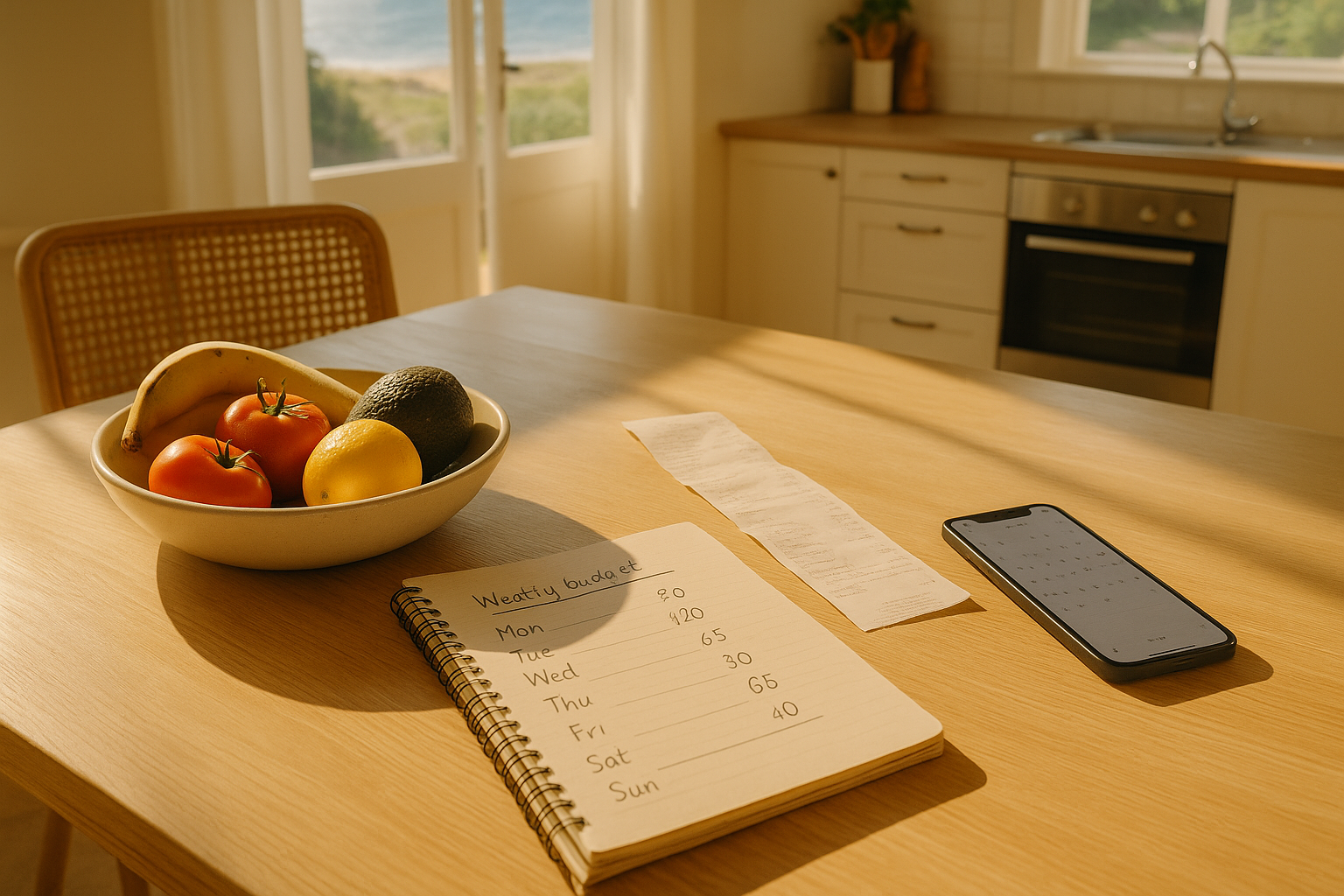
Gold Coast cost guide & budget planning: naturopathy and nutrition without the bill shock
Getting health support on the Gold Coast can get expensive fast — and it’s rarely just the consult fee.
Between work, school runs, traffic, and “quick” meals around Robina, Broadbeach and Burleigh Heads, costs can creep in. It might start with a couple of convenience dinners, then a handful of “health” purchases you’re not even sure you need.
At Beta Me, Gold Coast naturopath and nutritionist Danielle Lamb helps people build staged, practical plans that match real life and real budgets. The aim is steady progress without trying to overhaul everything at once.
What usually adds to the cost
Most bill shock comes from add-ons, not the first appointment.
Common extra costs include:
- pathology and functional testing
- supplements
- ongoing follow-ups
- a “healthier” weekly shop (which can add up)
This guide is for people comparing a naturopath Gold Coast, nutritionist Gold Coast, gut health dietitian Gold Coast, or a blended naturopathy + nutrition approach.
You won’t see blanket pricing promises here. You will get a clear way to estimate spend, stage your plan, and avoid surprises.
Start with your outcome (it changes the cost)
Your goal should drive what you pay for. Different goals need different levels of assessment, follow-up, and extras.
Common goals include:
- digestive symptoms (bloating, discomfort, irregularity, food reactions)
- stress, sleep, mood, or anxiety support
- weight, energy, and blood sugar habits
- family food routines (shift work, kids, busy weeks)
- NDIS-related support
The Gold Coast has plenty of wellness options, which is great. It also means more add-ons, more opinions, and more “shoulds”. A clear outcome helps you avoid paying for things that don’t move the needle for your situation.
A simple rule of thumb
Pay for what changes your decisions.
- If you want practical meal structure and consistency, you may not need testing straight away.
- If symptoms are complex, a staged plan is often cheaper than doing everything upfront.
A good first appointment should narrow the focus. If you leave with 10 new things to buy and no clear order of operations, that’s when the bill shock hits.
When to see your GP first
If you have red-flag symptoms (unexplained weight loss, blood in stools, persistent vomiting, severe pain, fainting, or rapidly worsening symptoms), see your GP first.
Even without red flags, it’s often worth getting basic bloods if you haven’t had them for a while. Bring any recent GP results or workplace medicals to avoid duplicated testing.
Typical Gold Coast consult costs (what you’re really paying for)
Prices vary because you’re not only paying for time. You’re paying for the depth of assessment, the quality of the plan, and support to implement it.
A common hidden cost is leaving with good intentions but no clear next steps. If you don’t know what to do on Monday morning, it’s easy to spend money on random fixes.
Naturopathy consults (Gold Coast)
Pricing often changes based on:
- initial vs follow-up appointments (initials are usually longer)
- whether nutrition planning is included
- whether there’s time for reviewing results (bloods, functional tests, symptom tracking)
- whether you’re offered staged options (so you can choose what fits your budget)
Decision tip: Ask if you’ll get a written summary of priorities (even if it’s short). A clear plan can prevent spending on “maybe” products, duplicated supplements, or conflicting online advice.
Nutrition consults (Gold Coast)
Pricing often shifts based on:
- whether the focus is simple structure (meals, routine, consistency) or complex symptom work
- whether the consult includes a written plan (and how detailed it is)
- whether you need implementation support (shopping, pantry, family meals)
- whether your needs overlap with NDIS goals and capacity support
Ask early: “What’s the most cost-effective first step for my goal?” A good practitioner can answer without pushing expensive extras.
The biggest cost drivers (and how to control them)
1) Initial consult length and depth
A longer first appointment can cost more. It can also save money later if it gets the foundations right.
A thorough initial consult may cover:
- health history and current symptoms
- diet patterns and routines (including busy days)
- medications and supplements
- realistic goals and timeframes
- budget limits (this should be discussed early)
How to control it: Ask what the initial consult includes, and what can wait until follow-up. This makes provider comparisons fair.
What to bring (to avoid repeat visits): recent blood results, a medication list (including doses), and a 3-day food snapshot. Include a workday and a weekend day if you can. List meal delivery, protein powders, pre-workout, herbal teas, and “greens” powders too.
2) Follow-up frequency (where budgets often blow out)
A cheaper first appointment can become expensive if there’s no clear follow-up pathway.
Ask what schedule makes sense for your goal. For example:
- a check-in after 2–4 weeks
- then every 4–8 weeks as routines stabilise
Budget guardrail: Ask what the “minimum effective dose” of follow-ups looks like, and what signs mean you can space appointments out.
Also check whether follow-ups are used to review and simplify (stop what’s not helping, reduce costs, tighten priorities). That’s often where a plan becomes affordable long-term.
3) Testing: useful when targeted, expensive when routine
Testing is good value when it clearly changes the plan. It’s poor value when it’s done “just in case”.
Before you agree to testing, ask:
- What decision will this test help us make?
- What will we do differently if it’s normal?
- Can we trial food and routine changes first?
- Is there a lower-cost step before this?
Gold Coast tip: If you’ve had recent GP pathology (iron studies, B12, thyroid markers, lipids, glucose/HbA1c), bring it along. Using existing results where appropriate can reduce duplicate spending.
If you’re under heavy pressure (work stress, newborn sleep, shift work), it can be hard to interpret symptom changes when you change everything at once. A staged plan often gives clearer answers.
4) Supplements and dispensary products
Supplements can help, but they can also be the biggest surprise cost. Starting several at once makes it hard to tell what’s working.
How to control it: Ask for priorities in tiers.
- Must-have: essential for this phase
- Nice-to-have: optional if budget allows
- Food-first alternatives: what you can do without products
Also ask: “How long do I need to take this before we review it?” A review point protects your budget.
A combined naturopath and nutritionist approach can help keep the plan food-first and realistic.
Useful caveat: “Natural” still has risks. If you’re on medications, pregnant, breastfeeding, or managing complex conditions, confirm safety and interactions. When needed, coordination with your GP is part of sensible care.
5) Delivery style: online vs mobile vs in-clinic
Delivery affects both money and time.
- Online consults can reduce travel and suit busy households across the Gold Coast.
- Mobile/in-home support can cost more, but may improve follow-through (pantry, routines, shopping).
If you’re near hubs like Robina, Broadbeach or Burleigh Heads, peak-time travel can still blow out. When budgeting, include parking, fuel, and time off work — not just the appointment fee.
Beta Me options:
- Mobile support: mobile naturopath services on the Gold Coast
- Online support (including NDIS depending on plan and goals): NDIS Nutritionist Gold Coast (online consults)
Rebates and funding: what to know before you budget

Not every “Allied Health” service attracts Medicare rebates. In Australia, it depends on the profession and the referral pathway.
Is naturopathy or nutrition considered Allied Health?
“Allied Health” is a broad category for non-doctor health professionals. It commonly includes physiotherapy, occupational therapy, psychology and speech pathology.
Naturopathy and nutrition services are sometimes grouped under Allied Health in a general sense. However, that doesn’t automatically mean Medicare rebates apply.
What matters for your budget:
- Medicare rebates are linked to specific eligible professions and referral pathways.
- Private Health Insurance extras may offer rebates for some naturopathy and nutrition services (depends on insurer and policy).
- NDIS may fund nutrition and dietetics-related supports when they align with plan goals.
If you’re unsure, ask the clinic what funding options their clients commonly use, then confirm with your insurer or plan manager.
Gold Coast note: If you’re NDIS plan-managed, your plan manager can tell you what they need on invoices (provider details, dates, descriptions). Getting the admin right early avoids delays.
Private Health Insurance: can it help cover naturopathy or nutrition?

Private Health extras can reduce out-of-pocket costs. It only helps if your policy includes the right cover and your provider meets your fund’s requirements.
What private health may cover (and what it may not)
Depending on your fund and extras level:
- some policies rebate naturopathy consults
- some policies rebate nutrition services (varies widely)
- most have annual limits, waiting periods, and per-visit caps
Even when consults are covered, rebates may not apply to:
- supplements
- functional testing
- packages (some funds only rebate individual consult items)
If your focus is budget control, check whether your insurer treats online consults differently from in-person.
How to check your policy (quick script)
Call your insurer and ask:
- “Does my extras cover naturopathy and/or nutrition consultations?”
- “Do you require a provider number or specific qualifications for rebates?”
- “What are my annual limits, per-visit limits, and waiting periods?”
- “Do you rebate telehealth/online consults?”
If you’re doing a staged approach, ask whether follow-ups are rebated the same way as initial appointments.
A simple budget planning checklist (before you book)

Step 1: Set a monthly “health change” budget
Include the full picture:
- appointments
- supplements (if any)
- testing (if likely)
- grocery changes (often overlooked)
A smaller plan you can maintain usually beats an ideal plan you can’t stick to.
Gold Coast reality check: If your weeks include shift work, kids’ activities, or meals on the run, budget for convenience foods that still fit your plan. Think ready-to-eat proteins, bagged salads, frozen veg, microwave rice, tinned fish, and simple breakfasts.
Step 2: Confirm what’s included
When you contact a clinic, ask whether the consult includes:
- a written plan you can follow
- meal structure (not just broad advice)
- simple symptom tracking guidance
- realistic timeframes
- support between sessions (if offered)
If implementation is a barrier, ask about tools like shopping list templates, a short rotation of meals, snack ideas for work bags, and strategies for eating out.
A practical plan should work whether you’re grabbing lunch in Broadbeach, doing a big shop around Robina, or keeping things simple after a late finish in Burleigh Heads.
Step 3: Choose the plan style that fits your household
Most people want one of these approaches.
Option A: Budget-focused reset
Best when you want:
- a clear starting point
- a short list of priorities
- minimal extras
Useful for routine building, energy support, and general nutrition improvements.
If you have complex symptoms, a reset can still be step one. The goal is to stabilise the basics so you can make smarter next decisions.
Option B: Gut-focused plan
Best when you want:
- a structured food strategy
- guidance on what to trial first (and what not to change too quickly)
This is where people often compare dietetics-style support (for example, a gut health dietitian Gold Coast) versus a more holistic option.
Decision tip: If you tend to overhaul everything on day one, a good plan will slow you down. Changing too many variables can increase confusion and grocery costs.
Also keep in mind: stricter isn’t always better. Over-restriction can backfire socially, emotionally, and financially — particularly on the Gold Coast where eating out is part of the lifestyle.
Option C: Practical home implementation
Best when you want help with:
- pantry review
- shopping systems
- family-friendly meals
- cooking routines that fit your week
A high-impact add-on can be a guided shop:
For many households, this can reduce food waste and “top-up” trips that turn into impulse buys. It also helps people choose realistic staples from standard Australian supermarkets.
NDIS funding on the Gold Coast (nutrition and dietetics support)
If you’re an NDIS participant (or supporting one), budgeting may look different. Funding may be available when nutrition support links to plan goals.
In general, NDIS funding is more commonly aligned with dietitian and capacity-building supports. Eligibility depends on your plan, goals and approval pathways.
Gold Coast questions to ask
- availability and wait times across local providers
- whether the provider suits your management type (self-managed, plan-managed, NDIA-managed)
- how goals will be documented and reported (important for plan reviews)
Before you lock in ongoing sessions, check how a provider communicates, what admin they need, and whether sessions will be practical enough to translate into day-to-day routines.
Practical steps to reduce cost surprises
- check your plan category and management type
- confirm whether online delivery suits your goals and reporting needs
- ask what documentation is needed for booking and invoicing
Learn more: NDIS Nutritionist Gold Coast (online consults)
How to compare providers (value, not just price)
When people search “best naturopath Gold Coast”, they’re usually trying to reduce risk. They want clarity, a realistic plan, and no wasted spend.
Use this checklist when comparing providers:
- Do they ask about your budget without judgement?
- Do they offer staged options instead of an expensive all-in plan?
- Can they explain the “why” behind each recommendation?
- Are food strategies realistic for Australian supermarkets and busy Gold Coast weeks?
- Will they coordinate with your GP or other professionals when needed?
Two extra questions that protect your budget
- “What are the top 1–2 priorities for the next fortnight?”
- “What would make you change course?”
If a provider can’t explain the next 4–8 weeks in plain language, it’s easy to overspend without making progress.
For professional context: allied health nutritionist information for professionals
Cost-saving strategies that don’t compromise outcomes
These approaches help you stay consistent without cutting corners:
- start with food and routines first, and keep supplements optional until basics are in place
- ask for the one change with the biggest payoff (often sleep, protein at breakfast, or consistent meal timing)
- plan one main shop each week to reduce top-up spending and food waste
- use short follow-ups for accountability, then space them out once momentum is solid
- be upfront about real constraints (shift work, school pickups, cooking skills, budget limits)
Gold Coast wellness culture can be motivating. It can also nudge people into expensive add-ons that don’t fit their actual week.
If it’s not improving day-to-day outcomes (energy, digestion, sleep, consistency), it may not be the right spend right now.
Real-life Gold Coast scenarios (what budget planning can look like)
Scenario 1: Busy couple, takeaway creeping up
Goal: Reduce midweek takeaway without a strict diet.
A cost-aware approach might include:
- one longer initial consult to set a simple two-week meal structure
- one follow-up to troubleshoot lunches and snacks
- optional supermarket support to choose quick staples
Savings often come from replacing “panic dinners” with 2–3 repeatable meals you’ll actually buy after work.
Scenario 2: Digestive discomfort and too much online advice
Goal: Reduce symptoms and stop guessing.
A staged plan might look like:
- an initial consult plus a tracking framework
- a first trial phase (food structure, timing, basics)
- then a decision on whether targeted testing is likely to change the plan
This avoids paying for everything at once.
If you’ve already removed multiple foods, the next step is often simplifying, not restricting further. Overly tight diets can increase grocery costs and make it harder to eat normally at work or when you’re out.
Scenario 3: NDIS participant needing supported routines
Goal: Practical food support that suits capacity and environment.
Online sessions can be easier to maintain across the Gold Coast, especially if transport, fatigue, or support-worker scheduling makes in-person harder.
Some people also benefit from in-home support, particularly if the barrier is planning, shopping, safe food handling, or using what’s already in the kitchen.
Learn more: NDIS Nutritionist Gold Coast (online consults)
Beta Me: cost-aware naturopathy and nutrition support on the Gold Coast
Beta Me provides practical, staged support so you can match the service to your week and your budget — whether you’re based near Burleigh Heads, Robina, Broadbeach, or elsewhere on the Gold Coast.
Explore services
If stress, sleep, or anxiety is part of your picture:
Want to know who you’ll be working with?
Ready to plan your next steps (without overspending)?
Start with the most cost-effective first step for your goal.
Before you book, get clear on:
- your main goal (gut health, energy, anxiety, routines, NDIS support)
- your preferred appointment style (online or mobile)
- the monthly budget you want to stay within
- whether Private Health Insurance rebates (if your policy offers them) change what you can afford upfront
Next step: view services and enquire via Naturopath Gold Coast | Nutritionist Gold Coast.

FAQ
How much should I budget for a nutritionist or naturopath on the Gold Coast?
Budget around how many consults you’re likely to need, your delivery style (online vs mobile), and whether testing or supplements are optional.
Ask for a staged plan (what happens first, what can wait) and confirm what’s included so you can compare Gold Coast providers fairly. If you’re choosing between Broadbeach/Robina/Burleigh Heads locations, factor in travel time and parking as well.
Can Private Health Insurance cover naturopathy or nutrition consults?
Sometimes. Extras may include rebates for naturopathy and/or nutrition depending on your fund and policy.
Ask about waiting periods, annual limits, per-visit caps, whether online consults are covered, and any provider requirements.
Are naturopathy and nutrition considered Allied Health, and does that mean I get rebates?
“Allied Health” is a broad term and doesn’t automatically mean Medicare rebates.
Medicare rebates depend on profession eligibility and referral pathways. Some people may access rebates through Private Health extras, and NDIS funding may apply in certain situations.
Do you offer NDIS nutrition support on the Gold Coast?
Beta Me offers nutrition support that may suit NDIS participants depending on goals and plan arrangements, with online consult options available.
If you’re plan-managed or self-managed, confirm what your plan manager needs for invoicing before you book. It’s also worth asking how goals and progress will be documented, as this can matter at review time.
Is mobile or in-home support worth the extra cost?
It can be, especially if implementation is the main barrier.
In-home sessions can reduce wasted spend by changing what you buy and how you plan meals. Many Gold Coast clients blend online consults with one practical in-person session to control costs.
How do I choose the best naturopath Gold Coast option for my needs?
Compare clarity and practicality, not just price.
Choose someone who can explain the next 4–8 weeks in plain language, set realistic milestones, and prioritise recommendations to match your budget (including what they wouldn’t do yet).