

Gold Coast Fix vs. Full Health Remodel: A Naturopath’s Guide

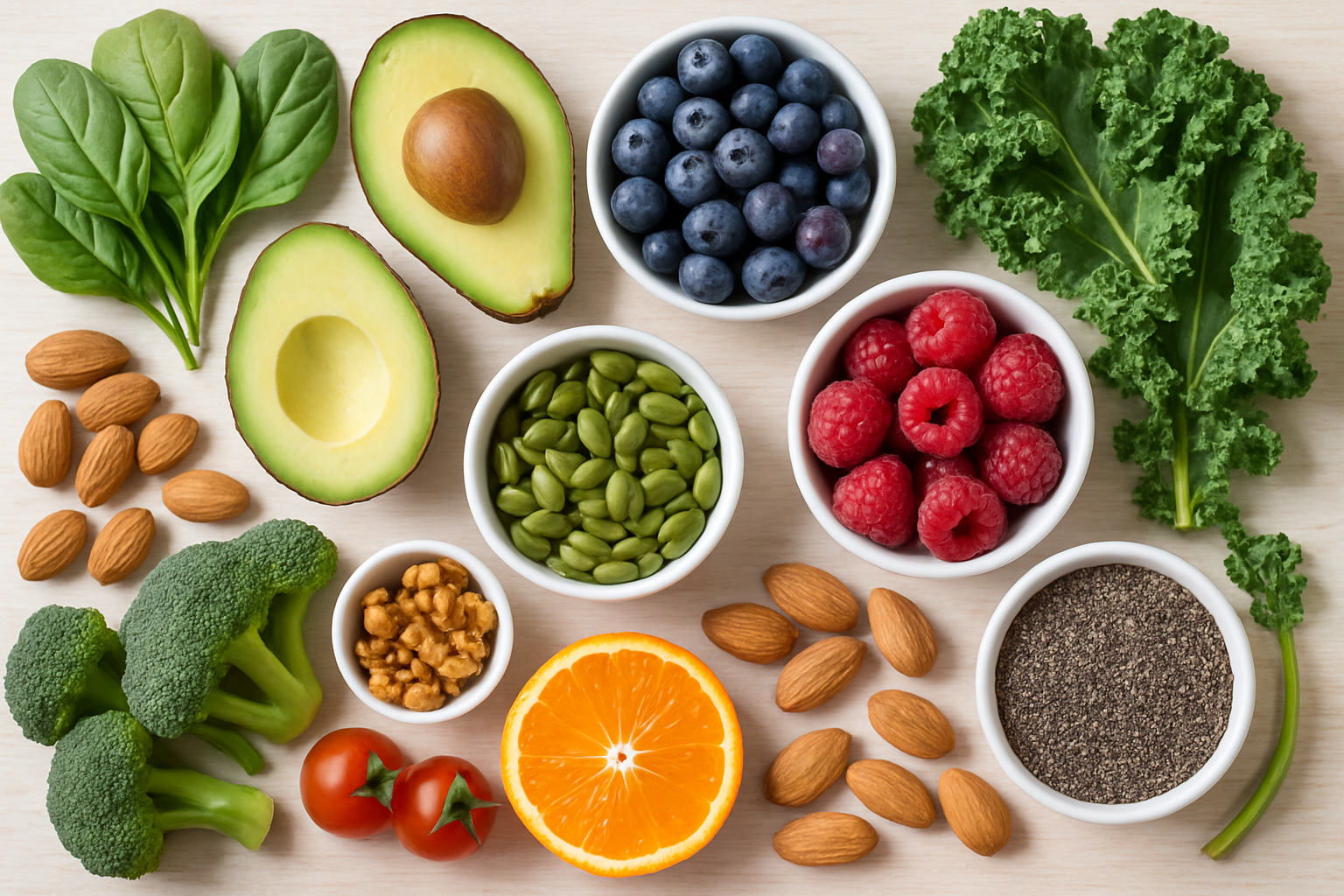
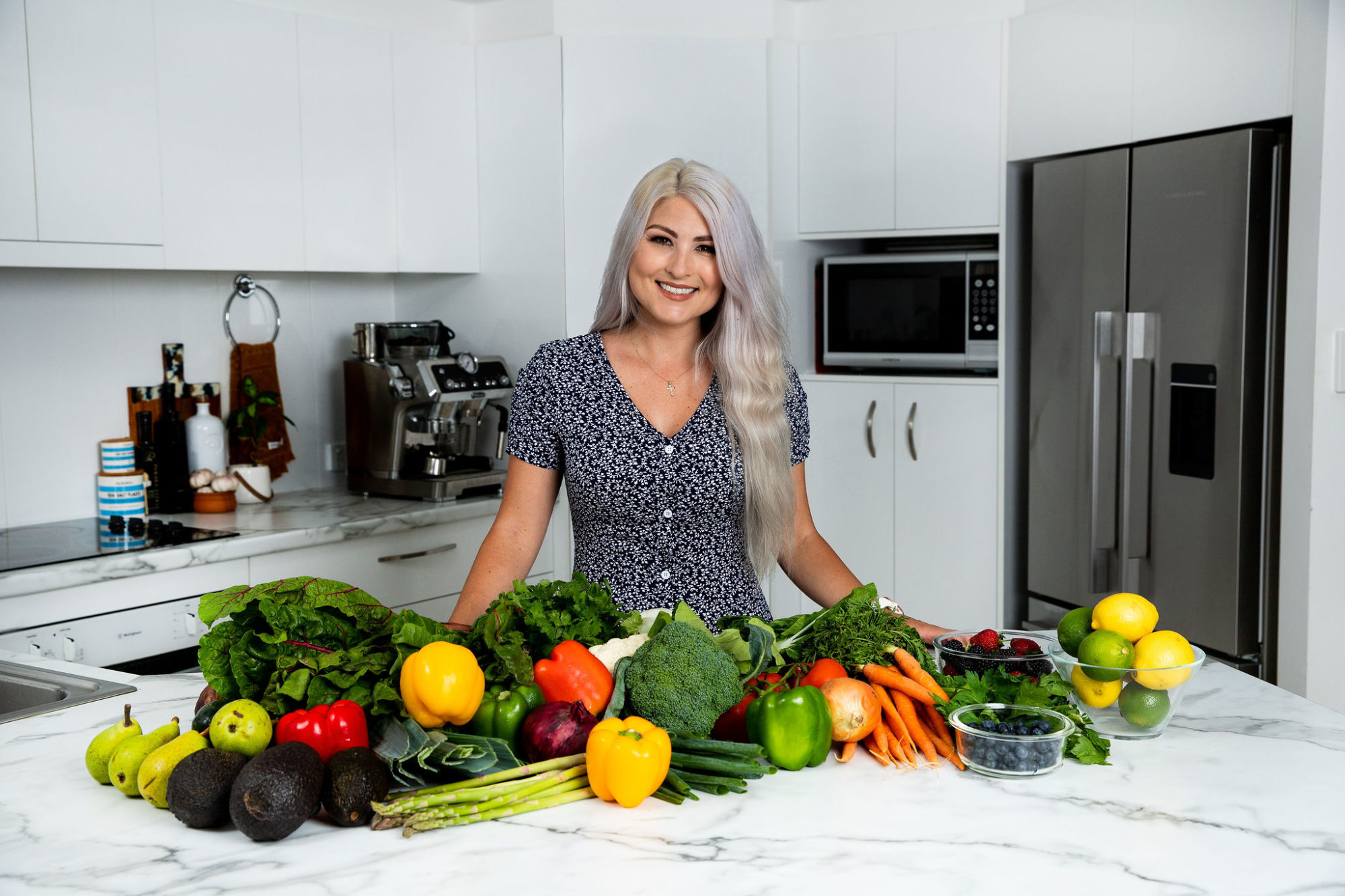
Fresh local produce on a kitchen bench, representing a foundational approach to health.

Gold Coast Fix vs. Full Health Remodel: A Naturopath’s Guide

Living on the Gold Coast, we love things that are quick, sunny, and deliver instant results. But when it comes to our health, that desire for a fast fix can leave us stuck in a frustrating cycle of crash diets and temporary solutions that never seem to last.

This is the difference between a superficial ‘Gold Coast fix’ and a deep, foundational health remodel. One is like painting over a crack in the wall—it looks good for a while. The other is about rebuilding the foundations so the cracks don’t reappear.

So, which path are you on?

The Lure of the ‘Gold Coast’ Quick Fix

A person enjoying a healthy lifestyle on the Gold Coast.

Long-term wellness is the goal of a health remodel.

A quick fix focuses on symptoms, not the root cause. It’s reactive, trendy, and rarely considers your unique body. It’s the health equivalent of a sugar rush: a brief high followed by an inevitable crash.

Common examples of a quick fix approach include:

  • Fad Diets: Jumping on the latest keto or celery juice trend without knowing if it suits your biology.
  • Random Supplements: Taking a handful of pills you saw on social media to ‘boost’ energy, without testing for deficiencies.
  • Restrictive Detoxes: Enduring a 7-day cleanse to lose a few kilos, only to regain them (and more) once you return to your old habits.

These methods fail because they ignore the why. They don’t ask why you have low energy, why your digestion is off, or why you can’t manage your weight. They just offer a temporary patch.

The Sustainable Alternative: A Full Health Remodel

A person planning their health journey in a wellness journal.

A full health remodel is a proactive, long-term strategy for building genuine, lasting wellness. It’s about understanding your body from the inside out and making sustainable changes that stick. This is the core of what a holistic nutritionist Gold Coast professional provides.

A remodel isn’t about restriction; it’s about investigation and rebuilding.

Step 1: Investigating the Root Cause

Instead of just masking symptoms, we start by asking why. Is your fatigue caused by an iron deficiency or poor gut health? Is your anxiety linked to a specific food intolerance? We use comprehensive health analysis to find the true source of the issue.

Step 2: Creating Your Personalised Blueprint

There is no ‘one-size-fits-all’ in health. Your remodel plan is designed specifically for you. It considers your genetics, lifestyle, work demands, and personal goals. This ensures the changes are realistic, achievable, and effective for your life.

Step 3: Building Lasting Habits and Skills

This stage is about empowerment, not just following rules. We focus on education and practical skills so you feel confident in your choices. This includes learning how to nourish your body, manage stress, and create routines that support you for years, not just weeks. It’s about turning knowledge into action, with practical tools like a guided Supermarket Shopping Tour to build real-world confidence.

At a Glance: Quick Fix vs. Full Remodel

Making a healthy food choice in a supermarket.

Feature ‘Gold Coast’ Quick Fix Full Health Remodel
Focus Symptoms (e.g., bloating, fatigue) Root Causes (e.g., gut imbalance)
Duration Short-term (days or weeks) Long-term and sustainable
Approach One-size-fits-all, reactive Personalised, proactive, and evidence-based
Outcome Temporary relief, yo-yo effects Lasting wellness and resilience
Tools Fad diets, random supplements Targeted nutrition, lifestyle changes

How Our Gold Coast Naturopaths Guide Your Remodel

A holistic nutritionist on the Gold Coast in consultation with a client.

A personalised plan is key to a successful health remodel.

Starting a health remodel can feel overwhelming. That’s where professional guidance from a highly recommended naturopath on the Gold Coast makes all the difference. Think of us as your project manager, guiding you through every step of rebuilding your health.

At Beta Me, we specialise in the remodel. We don’t do quick fixes.

Our integrated services provide the framework for your transformation:

Ready to Build Health That Lasts?

Choosing between a quick fix and a full remodel is choosing between temporary relief and true transformation. While a remodel requires more upfront investment in time and effort, the results—vibrant energy, balanced moods, and a body you feel truly at home in—are built to last a lifetime.

If you’re tired of the cycle and ready to invest in your long-term health, we’re here to guide you. Book a free 15-minute chat to start planning your personal health remodel today.

Book Your Free Consultation Now

Learn more about our unique approach to health and wellness on the Gold Coast.


Frequently Asked Questions

Naturopath Gold Coast: Your Top 7 Questions Answered

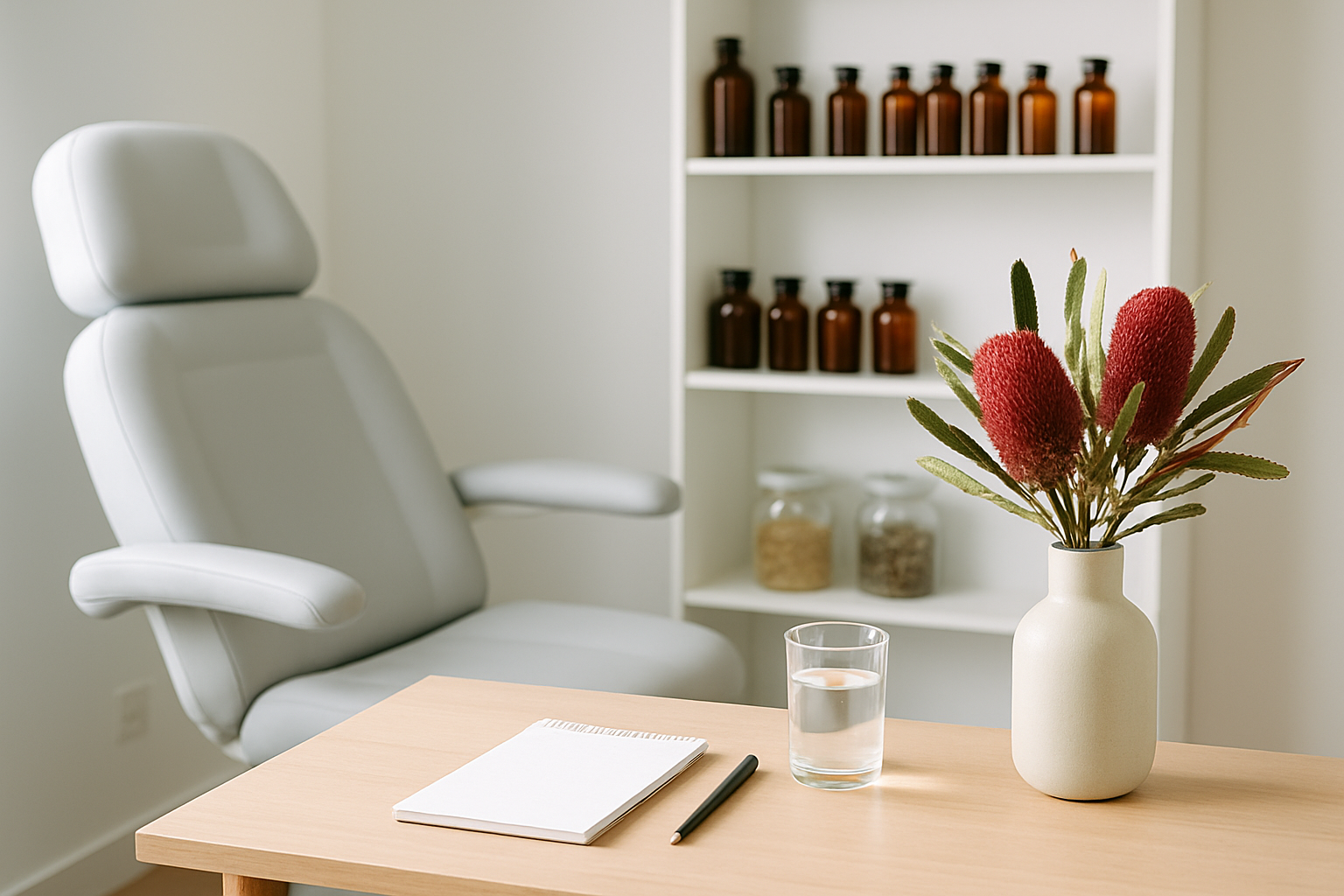
A welcoming and professional naturopath consultation room on the Gold Coast.

Naturopath Gold Coast: Your Top 7 Questions Answered

Deciding to work with a health professional is a big step towards taking charge of your wellbeing. But if you’re new to naturopathy, you probably have questions.

What does a naturopath actually do? How is it different from seeing a dietitian? And what really happens in that first appointment?

As a Gold Coast naturopath and nutritionist service, we hear these questions all the time. To help you feel confident and informed, we’ve created this guide to answer the most common queries we receive.

1. Naturopath vs. Nutritionist vs. Dietitian: What’s the Difference?

A shopping trolley full of fresh, healthy food during a guided supermarket tour.

This is the most common question we get. While the terms are often used together, they involve different qualifications and approaches to care.

  • Dietitian: A dietitian holds a university degree in dietetics and provides medical nutrition therapy for complex health conditions. You’ll often find them in hospitals and clinical settings. They are regulated by Dietitians Australia.

  • Nutritionist: A nutritionist is typically degree-qualified in nutrition science. They use evidence-based knowledge to guide people on diet and its impact on health, often working in private practice, public health, or research.

  • Naturopath: A naturopath takes a broader, holistic view. We are trained in nutritional medicine but also in herbal medicine, pathology analysis, and lifestyle counselling. Our goal is to find and address the root cause of your health concerns, not just mask the symptoms.

At Beta Me, our practitioner is a qualified nutritionist and naturopath, combining a deep understanding of nutritional science with a holistic approach to your health.

2. What Can I Expect From My First Consultation?

Your first appointment is a deep dive into your health story. It’s designed to give us the full picture so we can create a plan that’s truly personalised for you.

Here’s what a typical initial consultation involves:

  1. In-Depth Health Review: We’ll chat about your main health concerns, goals, medical history, family history, energy levels, stress, sleep patterns, and digestive health.
  2. Dietary Analysis: We’ll review your current eating habits to understand your patterns, preferences, and potential nutritional gaps.
  3. Pathology Review: If you have recent blood tests, we can analyse them from a functional perspective. This means looking for optimal ranges, not just flagging results that are outside the standard lab range.
  4. Your Starting Plan: You’ll leave with clear, achievable first steps. This isn’t about a complete overhaul overnight. It’s about creating a realistic plan that might include initial dietary advice, lifestyle tweaks, or suggestions for further testing.

3. Can a Naturopath Help With My Specific Health Concern?

Fresh vegetables and a notepad, representing personalised nutrition planning.

Your plan is tailored to your unique health needs and goals.

Yes. While we look at the body as a whole, many clients seek help for specific issues. Our clinical focus allows us to provide targeted naturopathic support across the Gold Coast for a range of areas.

This includes:

  • Gut Health: As a trusted gut health service on the Gold Coast, we frequently help clients manage bloating, food intolerances, IBS, and other digestive issues.
  • Anxiety & Mood: We offer specialised naturopathic support for anxiety, focusing on the gut-brain connection, nutrient deficiencies, and lifestyle factors that impact mental wellbeing.
  • NDIS Participants: We provide services as an NDIS dietitian on the Gold Coast for self-managed and plan-managed participants, helping improve health and independence through nutrition.

4. How Do I Choose the Best Naturopath on the Gold Coast?

A person holding a mug of herbal tea, symbolising naturopathic lifestyle support.

Finding the right practitioner is about more than a quick search. To find a professional you can trust, look for these key things:

  • Qualifications: Ensure they hold a Bachelor of Health Science (Naturopathy) or an equivalent degree.
  • Association Membership: Membership with a professional body like the Australian Natural Therapists Association (ANTA) means they are insured and follow a strict code of conduct.
  • A Good Fit: The ‘best’ or most ‘highly recommended naturopath’ for you is one who listens, understands your goals, and makes you feel comfortable. A complimentary discovery call is a great way to see if you connect with their approach.

5. What Kind of Treatments Do Naturopaths Use?

A laptop set up for a telehealth naturopath consultation.

Access expert support from the comfort of your Gold Coast home.

A naturopath uses a range of evidence-based natural therapies to support your body’s healing processes. Your personalised plan may include a combination of:

  • Nutritional Medicine: Using specific foods and nutrients to correct imbalances and support health.
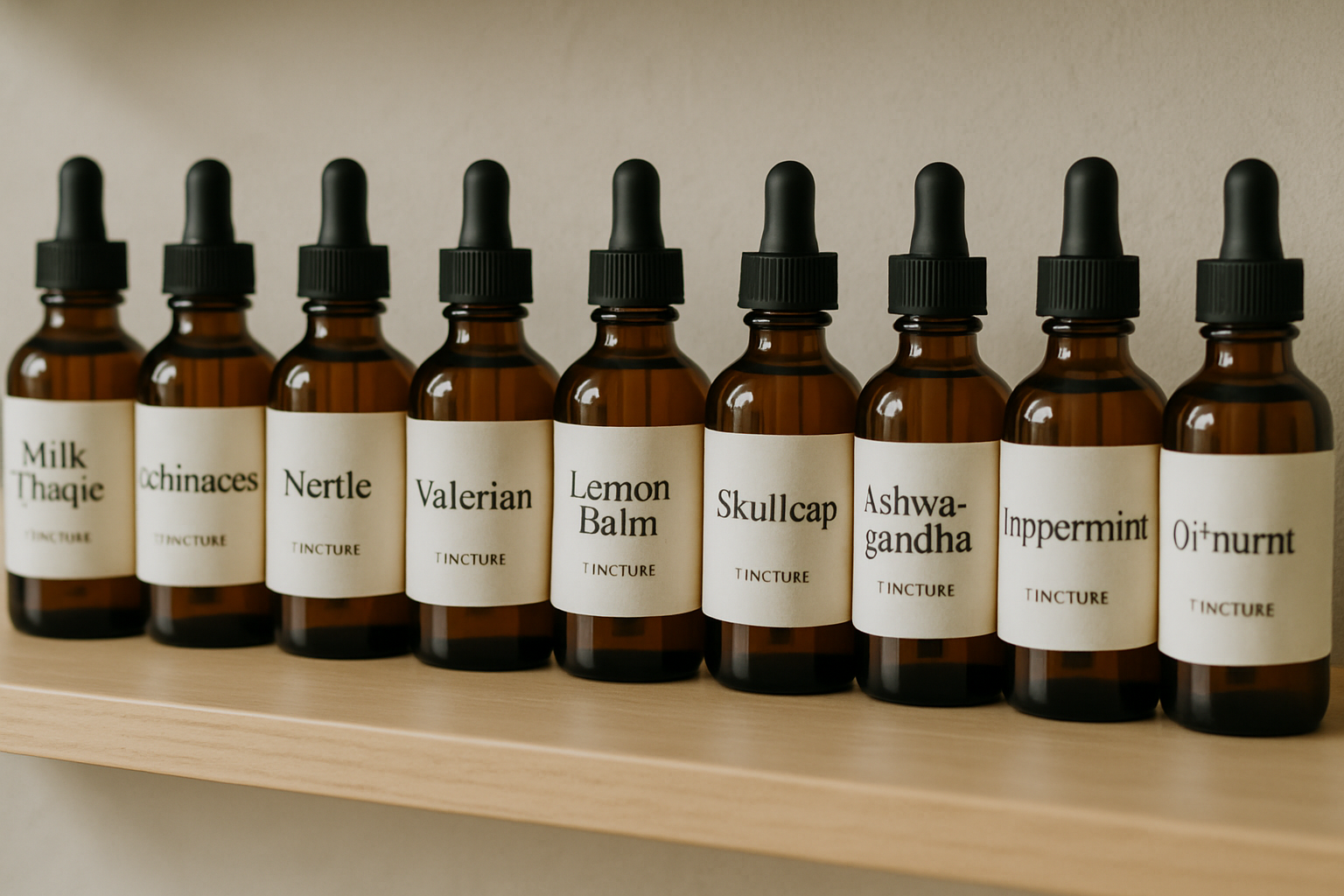
  • Herbal Medicine: Prescribing tailor-made herbal liquids or tablets to address your specific symptoms and underlying issues.
  • Lifestyle Counselling: Providing practical strategies for managing stress, improving sleep, and incorporating healthy movement into your life.

6. Are Consultations Available Online or In-Person?

We know life on the Gold Coast can be busy. To make our services accessible, we offer flexible options to suit your needs.

Beyond our clinic, we provide:

  • Mobile Consultations: Our mobile naturopath and nutritionist services mean we can come to your Gold Coast home, which is ideal for NDIS participants or those with mobility challenges.
  • Telehealth Appointments: Access expert support from anywhere via our secure online video platform.
  • Shopping Tours: We also offer practical supermarket shopping tours to help you read labels and make healthier choices with confidence.

7. How Much Does It Cost?

Investment in your health can vary depending on the practitioner and the level of support you need. At Beta Me, we are transparent about our fees, which are outlined on our website.

It’s important to view this as an investment in your long-term wellbeing. By addressing the root cause of your health concerns, you can prevent more significant issues down the track.

Ready to Take Control of Your Health?

Choosing to invest in yourself is a powerful decision. If a personalised, holistic, and evidence-based approach is what you’ve been looking for, we’re here to guide you on your journey.

Still have questions? The next step is easy. Book your complimentary discovery call today. It’s a no-obligation chat to discuss your health goals and see if our approach is the right fit for you.

Gold Coast naturopath cost guide and budget planning (without bill shock)

Weekly budget planner and healthy groceries on a kitchen table

Gold Coast naturopath cost guide and budget planning (without bill shock)

You want a naturopath Gold Coast appointment that feels worth it and stays affordable. The goal is a clear plan, realistic food changes, and no surprise costs after the first visit.

This guide covers what drives the total cost, where people overspend, and how to choose support that fits your goals and budget.

It’s also useful if you’re comparing a Gold Coast naturopath with a holistic nutritionist Gold Coast provider, a combined naturopath and nutritionist approach, or a gut health dietitian Gold Coast option.

What makes up the total cost of seeing a naturopath?

The total cost is rarely just the consult fee. Most people spend across four areas:

  1. Consultations (initial appointment plus follow-ups)
  2. Optional testing (only when it changes decisions)
  3. Supplements or practitioner-only products (sometimes helpful, sometimes overdone)
  4. Groceries (often the hidden budget driver)

Good care makes these costs visible early. You should be able to ask, “What’s essential now?” and get a straight answer.

Gold Coast practical note: travel, parking and telehealth

On the Gold Coast, logistics can change the real price more than people expect.

In-home visits may include travel time between suburbs (for example, Southport to Robina, or out toward Nerang, Currumbin, Burleigh Waters, Helensvale or Coomera). Traffic around school pick-up, the M1, and busy shopping precincts can also affect appointment windows.

Parking can add time and cost too, especially in busy cafe strips, medical hubs, and beachside areas.

If you want predictable scheduling (or you’re outside the immediate area), telehealth can be a simpler option across the wider Gold Coast and SEQ.

What you should be paying for (and what to question)

Telehealth nutrition consultation setup with food journal

You’re paying for clinical thinking, prioritisation, and a plan you can actually follow.

Look for:

  • a clear explanation of why each recommendation is there
  • a plan you can refer back to (not just verbal advice)
  • realistic next steps (not an overwhelming overhaul)
  • clear boundaries on what they can support, and when to loop in a GP or other clinician

Be cautious if you leave with:

  • a long product list with no order, timeline, or “stop/review” point
  • no review date
  • no discussion of budget or likely total cost
  • advice that ignores medications, existing diagnoses, pregnancy/breastfeeding status, or basic safety checks

If you’re unsure, ask for the “minimum effective” starting point and build from there.

The biggest cost drivers (and how to control them)

1) Appointment length and follow-up frequency

Longer initial consults can cost more. They can also save money later by reducing guesswork and trial-and-error.

Follow-ups are where progress is built. That’s where your practitioner adjusts the plan based on what actually happened (sleep, symptoms, food tolerance, stress, roster changes, family demands).

Ask before you book:

  • “For my goal, how many follow-ups are typical?”
  • “How far apart are they?”
  • “What’s included in each follow-up?”
  • “If I can only afford one follow-up, what would you prioritise?”

Follow-up needs vary. They’re often higher when you have multiple symptoms, a complex history, restrictive eating patterns, lots of supplements already, or limited time at home.

2) Testing: valuable sometimes, not always first

Testing can help, but it’s also the fastest way for costs to jump.

A budget-aware approach often looks like this:

  • start with symptom history, diet patterns, sleep, stress, and current meds/supplements
  • run a short, low-risk trial of food and lifestyle changes (with clear tracking)
  • add testing only when the result will meaningfully change the plan

Ask:

  • “What decision will we make based on this test result?”

If the answer is vague (“It might show something”), it may not be the right first step.

Also worth asking:

  • “Is there a lower-cost way to get the same decision?”
  • “Can we do this in stages, starting with the most useful test first?”

For some concerns, your GP may be the best first step to rule out medical causes with standard pathology. A good practitioner should be comfortable saying, “Let’s get this checked properly first.”

3) Supplements and practitioner-only products

Targeted supplements can be useful. Costs usually blow out when too many are started at once and you can’t tell what’s helping.

A cost-controlled approach is staged:

  • What are the top 1–2 priorities for the next 2–4 weeks?
  • What can wait until we review progress?
  • What can be done with food first?

It’s reasonable to ask:

  • “Are there non-practitioner options that would be suitable?”
  • “How long should I take this for before we reassess?”
  • “What would we notice if this is working (and what would mean we stop)?”
  • “Are there any interactions or reasons this wouldn’t suit me?”

If your practitioner welcomes these questions, that’s a good sign.

4) Your grocery shop (the hidden budget driver)

Many health plans fail because they quietly increase your grocery bill.

A practical naturopath and nutritionist approach should fit:

  • your household size
  • your cooking time and skills
  • your supermarket preferences (and what’s actually available locally)
  • your budget (without judgement)

Often, the best results come from foundations, not fancy foods:

  • better breakfast structure
  • steadier protein through the day
  • realistic fibre increases (without going from 0 to 100)
  • basic meal templates you can repeat

You don’t need a trolley full of expensive “health foods” to make progress.

Budget planning: three common pathways

Budget-friendly pantry staples for a nutrition plan

These pathways aren’t quotes. Fees vary between practitioners, appointment types, and whether you’re seen in-clinic, via telehealth, or in-home.

Use these pathways to plan your spend and reduce surprises.

Pathway A: Food-first reset (tight budget, practical changes)

Best for:

  • mild gut discomfort
  • fatigue
  • a general tune-up
  • avoiding over-investing early

Often includes:

  • an initial consult
  • 1–2 follow-ups
  • a clear food plan with flexible options
  • minimal supplements (if any)

Where the value comes from:

  • stopping random supplement buying
  • improving your weekly shop with affordable staples
  • focusing on 2–3 habits until they stick

A simple routine might look like:

  • protein + fibre at breakfast
  • one planned snack to prevent afternoon crashes
  • a basic dinner template a few nights a week

Budget reality check: If your current pattern includes lots of takeaway, convenience snacks, or skipped meals, a food-first plan can shift costs either way. Groceries might rise slightly while takeaway drops.

Pathway B: Targeted gut support (moderate budget, structured steps)

Best for:

  • recurring bloating
  • bowel changes
  • reflux patterns
  • people comparing a naturopath versus a gut health dietitian Gold Coast service

Often includes:

  • an initial consult
  • 3–4 follow-ups across a few months
  • food strategy (triggers, meal timing, fibre progression)
  • supplements used strategically
  • testing only if it changes the plan

Where the value comes from:

  • avoiding overly restrictive diets that backfire (socially, financially, and nutritionally)
  • making the plan work for real shopping and cooking
  • choosing the right next step (instead of doing everything at once)

Budget-friendly gut staples (if suitable for you) may include:

  • oats, chia
  • rice, eggs
  • frozen veg
  • yoghurt (or alternatives)
  • olive oil
  • canned fish
  • tinned legumes (if tolerated)

If your plan falls apart at the shops, hands-on support can help.

Beta Me offers practical options like a shopping tour: Supermarket Shopping Guide Gold Coast | Shopping Tour.

Pathway C: Stress, sleep and anxiety support (steady budget, low overload)

Best for people searching for an anxiety naturopath, or wanting support for sleep, overwhelm and stress-related symptoms.

Often includes:

  • an initial consult
  • follow-ups for accountability and troubleshooting
  • realistic sleep and nervous system routines
  • nutrition foundations (blood sugar stability, caffeine timing, evening meal patterns)
  • supplements only when appropriate and clearly explained

Where the value comes from:

  • less conflicting advice
  • better day-to-day function from small, consistent changes
  • fewer expensive “quick fixes” that don’t fit your life

Important: Anxiety has many drivers. Responsible care includes screening for red flags and encouraging GP and psychological support when needed.

If you’re already under care, ask how your practitioner coordinates with your GP or psychologist (with your consent). Also ask what to do if symptoms worsen between appointments.

If this is your focus, read: Anxiety Naturopath Gold Coast.

How to choose a naturopath on the Gold Coast (without wasting money)

If you’re searching “best naturopath Gold Coast”, “highly recommended naturopath Gold Coast”, or “naturopaths in Gold Coast”, compare on value and fit, not just price.

Instead of asking “Who’s cheapest?”, ask:

  • Do they explain their reasoning?
  • Do you get a plan you can actually follow?
  • Do they talk about total cost (not just the first appointment)?
  • Do their credentials, scope and communication style match your needs?

A useful way to judge “highly recommended” is to look for specifics in reviews and clinic info, not just star ratings. Look for clarity of plan, organisation, and whether you felt listened to.

Gold Coast checklist: questions to ask clinics before booking

Use these questions to compare a Gold Coast naturopath (and other naturopaths Gold Coast options) without guessing.

  1. What’s the consult format? In-clinic, telehealth, or in-home?
  2. If it’s in-home, do you charge for travel time? This can vary by suburb and time of day.
  3. What are your service areas? Ask about boundaries or different fees for northern vs southern suburbs.
  4. What about parking/access? If you’re in a busy area or apartment building, ask what you need to organise.
  5. Will I receive a clear plan in writing? You should leave knowing what to do next.
  6. How is nutrition integrated? Many people want a true naturopath and nutritionist approach, not supplements-only care.
  7. How are supplements handled? Look for staged, minimal, explained recommendations and a review point.
  8. How do you decide when testing is worth it? Ask what the result would change.
  9. Can we talk budget openly? You should be able to say: “I can spend up to X per month.”
  10. What follow-up cadence is typical? No follow-ups often means no refinement.
  11. What’s your approach to safety and scope? Ask about medications, pregnancy/breastfeeding, and GP referral.
  12. How do you track progress? Ask what you’ll measure and how often you’ll review it.

If you’re also deciding between a naturopath, a holistic nutritionist Gold Coast provider, or a dietitian (including searches like gut health dietitian Gold Coast), ask how referrals and collaboration are handled.

If you want a combined approach, explore Beta Me here: Naturopath Gold Coast | Nutritionist Gold Coast.

To learn more about the Beta Me approach before you book, see: About Beta Me.

Simple ways to keep your naturopath budget under control

Supermarket shopping focused on simple whole foods

Set a monthly health spend cap

Decide what’s realistic before your first appointment, then say it plainly:

  • “I can do X appointments over Y months.”
  • “I can spend up to $Z per month on supplements or testing.”

Good care can be scaled. You can also ask for a staged plan upfront (phase 1 now, phase 2 later).

If you’re seeing multiple practitioners (GP, psychologist, physio, etc.), your naturopath plan should acknowledge that. A smaller, clearer plan often works better than competing protocols.

Ask for the minimum viable plan

Ask for the smallest set of actions that will still move the needle.

A useful plan is often:

  • 2–3 core habits
  • a short list of food priorities
  • a timeline for review

If your practitioner can’t explain why each step is there, it may not be the right step yet.

Choose support that improves follow-through

If implementation is the hard part, more information won’t help. The right delivery might.

Options that can improve value:

  • telehealth consults if time and travel are the barrier (useful across the wider Gold Coast and SEQ)
  • mobile consultations if your home set-up is the barrier (pantry review, cooking routines, practical problem-solving)
  • supermarket support if your shop is where plans fall apart

Gold Coast logistics that can matter:

  • traffic peaks can make appointment windows tighter
  • parking in busy pockets can add time and cost
  • in-home visits may be easier for families, carers, or people with limited transport

Explore:

If you’re searching for NDIS dietitian Gold Coast style support, these accessible consult options may be worth discussing.

Avoid stacking too many changes at once

Doing everything at once often leads to:

  • wasted supplement purchases
  • half-finished protocols
  • extra follow-ups to untangle what worked

A staged plan is usually cheaper long-term and easier to stick with.

Quick cost checklist for your first enquiry

Checklist for choosing a naturopath and planning support costs

When you contact a naturopath Gold Coast clinic, ask:

  • What’s included in the initial consult (time + written plan)?
  • What follow-up schedule is typical for my goal?
  • Do you offer telehealth or mobile consults (and how does that affect cost)?
  • If you do in-home visits, is travel time included and are there suburb boundaries?
  • How do you decide when testing is worth it?
  • Can you work within a monthly budget cap?

When it can make sense to invest more (and when it doesn’t)

Consider investing more when

  • you’ve tried multiple approaches without clear direction
  • symptoms disrupt sleep, work, or day-to-day function
  • you need hands-on help implementing changes (shopping, meal structure, routines)
  • you want a structured plan rather than piecemeal advice

Be cautious about spending more when

  • you’re offered many products immediately with no staged rationale
  • there’s no clear review date or tracking
  • testing is recommended without explaining how it changes the plan
  • you’re pressured into long upfront packages without clarity on what’s included

Next step: get a plan that fits your budget

If you want transparent recommendations and realistic budgeting (including telehealth or mobile options), Beta Me can help you map out what’s worth doing first and what can wait.

Start here: Naturopath Gold Coast | Nutritionist Gold Coast

Gold Coast naturopath nutritionist: FAQs homeowners ask before starting

Fresh groceries on a kitchen bench with a notepad for a nutrition plan

Simple meal prep containers on a kitchen counter for healthier routines

Gold Coast naturopath nutritionist: FAQs homeowners ask before starting

If you’re a homeowner on the Gold Coast, health changes need to fit around real life.

Think school runs, commuting, shift work, caring responsibilities, renovations, and a household that needs quick meals.

That’s why many locals search for a Gold Coast naturopath nutritionist. You want someone who can connect symptoms with food, stress and routines, then turn that into a plan you can actually follow.

You’ll also see searches like naturopath Gold Coast, Gold Coast naturopath, naturopaths Gold Coast, and even best naturopath Gold Coast. The best fit is the practitioner you can work with consistently.

If you’d like to explore support now, start here: Naturopath Gold Coast | Nutritionist Gold Coast.

What does a naturopath nutritionist actually do?

Desk setup for an online naturopath nutritionist consultation

A naturopath and nutritionist approach blends practical nutrition with whole-person lifestyle support.

Depending on your needs, this may include:

  • Nutrition strategies you can repeat (meal structure, protein/fibre balance, hydration, trigger tracking)
  • Lifestyle support (sleep routines, stress load, movement that suits your body)
  • Practical education (label reading, meal planning, simple cooking shortcuts)
  • Targeted natural support when appropriate, based on your individual situation

The goal is steady progress. Not perfection.

Naturopath vs nutritionist vs dietitian: what’s the difference?

This is a common question, especially if you’ve been searching gut health dietitian Gold Coast or NDIS dietitian Gold Coast.

Here’s a simple guide:

  • Naturopath: whole-person approach; may use nutrition plus other naturopathic tools and lifestyle guidance.
  • Nutritionist: focuses on food choices and behaviour change; training and scope can vary.
  • Dietitian: university-qualified with medical nutrition therapy training; often involved in complex conditions and clinical settings.

If you’re not sure what you need, ask:

  • What do you help with most?
  • How do you decide what to work on first?
  • When do you refer on or collaborate with other practitioners?

How to choose a naturopath on the Gold Coast (without getting caught in hype)

If you’re Googling how to choose a naturopath, keep it practical. You want a clear process, not big promises.

Green flags

  • They ask about medical history, medications and supplements
  • They explain options in plain language
  • You receive written next steps
  • They focus on food and routine foundations, not just products
  • They’re open to working alongside your GP and Allied health team
  • They set expectations about follow-ups and how progress is reviewed

Want to understand Beta Me’s approach? Read About Beta Me.

Helpful questions to ask before you book

  • “What will we cover in the first appointment?”
  • “How do you decide what to prioritise?”
  • “Will I get a plan to follow between sessions?”
  • “What does a typical follow-up look like?”
  • “How do you approach supplements and testing?”

What happens in the first consult?

A first consult is usually part investigation, part planning.

You can expect questions about:

  • Your main symptoms and what you’ve already tried
  • Digestion (bloating, bowel habits, reflux), energy, cravings and sleep
  • Stress patterns and what your week actually looks like
  • Typical meals, snacks, caffeine, alcohol and water intake
  • Relevant medical history and current medications

You should leave with a prioritised plan that matches your schedule.

A realistic example (busy household edition)

If afternoons are your danger zone (snacking, energy crashes, irritability), early steps may look like:

  • a protein-forward breakfast you’ll actually eat
  • a planned afternoon snack to stabilise hunger
  • a caffeine cut-off time
  • one easy dinner template for busy nights

Simple changes done consistently usually beat a complicated plan.

Do I need testing before I start?

Often, no.

Many people do well starting with your history and simple foundations first. Testing can be discussed if it would genuinely change what you do next.

A useful question is:

“What decision will this test help us make?”

If there’s no clear answer, it may not be the first priority.

Can you help with gut symptoms?

Grocery basket with whole foods in a supermarket aisle

Yes. Many gut complaints respond to a structured nutrition approach, especially when it’s personalised.

Common practical levers include:

  • meal timing and consistency (to reduce grazing)
  • fibre type and dose (not just “eat more fibre”)
  • protein balance (for appetite and steadier energy)
  • hydration (especially in warmer months)
  • trialling a short list of changes at a time, so you can see what helps

If you have a diagnosed condition or need dietetic input, that can be part of your care team. Many people do best with coordinated support.

Can a naturopath help with anxiety support?

Calm living room setting representing stress and anxiety support

It’s common to search anxiety naturopath when you want support that includes the body, not just the mind.

Depending on your situation, the focus may include:

  • steadier blood sugar (reducing the “wired then tired” pattern)
  • gut comfort (digestive symptoms can amplify stress)
  • sleep routines you can stick to
  • caffeine and alcohol patterns
  • calming daily anchors (short, repeatable habits)

If anxiety is affecting your day-to-day life, involve your GP or mental health professional too.

Learn more: Anxiety Naturopath Gold Coast.

Will I be told to cut out everything I enjoy?

A good plan shouldn’t feel like punishment.

Most sustainable changes involve:

  • adding supportive foods first (so you’re not constantly hungry)
  • swapping only one or two high-impact items at a time
  • building flexible defaults for busy days

If an elimination approach is considered, you should understand:

  • why it’s being suggested
  • how long it’s for
  • how reintroduction works
  • what to watch for

What about supplements (and cost)?

You shouldn’t feel pressured into a big supplement spend.

Food and routine foundations are usually the backbone. If supplements are suggested, they should come with:

  • a clear purpose
  • a timeframe to review
  • safety considerations (especially with medications)

Always disclose medications and supplements. Also share if you’re pregnant, breastfeeding, trying to conceive, or managing complex health conditions.

I’m busy. Do you offer mobile consults or help in the supermarket?

For many homeowners, the barrier isn’t motivation. It’s logistics.

Mobile and online consults can make it easier to start, and easier to stay consistent.

Explore options:

A guided shop can help if you’re juggling time, budget, food sensitivities, or family preferences.

NDIS and online consults: what to know

If you’re searching NDIS dietitian Gold Coast, you may be trying to find the right kind of nutrition support, delivered in a format that suits your plan.

Beta Me’s online consult information is here: NDIS Nutritionist Gold Coast | In-Home Nutrition Support.

If you’re unsure what’s appropriate for your goals, ask what appointment format and documentation is needed.

How many sessions will I need?

It depends on your starting point and goals.

A common, practical rhythm is:

  • Initial consult to understand your history and set priorities
  • Follow-up to review what changed, troubleshoot barriers, and refine the plan
  • Check-ins to build consistency and adjust for seasons, stress, travel, or flare-ups

Even if you only do one session, you should still walk away with a clear plan.

Quick “before you book” checklist

If you’re contacting a Gold Coast naturopath or holistic nutritionist Gold Coast, having a few basics ready helps your first consult run smoothly:

  • your top 3 symptoms and when they’re worst
  • a list of medications and supplements
  • any recent blood tests or relevant results (if you have them)
  • a 2–3 day food snapshot (rough notes are fine)
  • your biggest constraint (time, budget, cooking confidence, shift work)

Ready for practical support that fits your household?

If you’re looking for a Gold Coast naturopath nutritionist who can translate health advice into real-life routines, you can book or enquire with Beta Me:

If you include a short note about your main goal (gut comfort, energy, anxiety support, or family food routines) and what’s making it hard right now, your first session can be tailored from the start.


FAQs

What does a naturopath nutritionist do?

A naturopath and nutritionist approach combines practical nutrition changes with lifestyle support like sleep, stress and routines. The aim is a plan that fits your life and is easy to follow between sessions.

Naturopath vs nutritionist vs dietitian: what’s the difference?

A naturopath often uses a whole-person approach and may include nutrition plus other naturopathic tools. A nutritionist focuses on food and behaviour change (scope varies). A dietitian is university-trained in medical nutrition therapy, often for more complex conditions.

How do I choose a naturopath on the Gold Coast?

Look for thorough history taking (including medications), clear explanations, written next steps, realistic planning, and openness to working alongside your GP or allied health team.

What happens in the first consultation?

You’ll discuss symptoms, history, digestion, sleep, stress and food patterns. You should leave with a prioritised plan that fits your schedule and clear next steps.

Do I need tests before I start?

Not usually. Many people begin with history and foundational food and lifestyle changes. Testing may be considered if it would meaningfully change the plan.

Can you help with gut health concerns?

Support often focuses on structured, personalised changes such as meal timing, fibre and protein balance, hydration, and tracking symptoms so you can identify what helps.

Can naturopathy support anxiety?

It may support foundations that influence stress tolerance, such as sleep, steadier blood sugar, gut comfort, and caffeine/alcohol patterns. It’s not a substitute for urgent mental health care.

Do you offer home visits or online consults?

Yes. Mobile and online options can suit busy households, carers, or people who find travel difficult.

Do you offer NDIS-related nutrition support?

NDIS-style nutrition support may be delivered online depending on your needs and plan requirements. Ask what documentation and appointment formats are available for your situation.

Gold Coast coast naturopath design trends and layout ideas for a calm, practical home

Calm coastal living room with natural light, airflow and low-tox materials

Gold Coast coast naturopath design trends and layout ideas for a calm, practical home

Living on the Gold Coast has plenty going for it. Light, warmth and sea breezes can feel like an instant reset.

But coastal life can also bring humidity, mould risk, busy nights, and sleep that’s lighter than you’d like.

This article shares Gold Coast coast naturopath design trends and layout ideas that make Healthy routines easier to follow. Nothing here requires a perfect renovation. Think simple changes that suit Australian homes and real schedules.

A coast naturopath approach: make healthy habits the easy option

Kitchen bench set up for simple healthy meal prep with vegetables and containers

When people search naturopath Gold Coast or Gold Coast naturopath, they’re often looking for more than products. They want day-to-day habits that actually stick.

Your home can support that.

A wellbeing-focused layout reduces friction. It helps you:

  • air out the home quickly
  • prep food without chaos
  • protect sleep with better light control
  • cut down damp smells and heavy fragrance
  • create a place to downshift after work

If you’re working with a naturopath and Nutritionist, or comparing naturopaths Gold Coast locals see, these basics can make your plan easier to maintain.

Trend 1: Ventilation-first living (a must in humid months)

On the coast, airflow is practical, not just a vibe.

Layout ideas that prioritise airflow

  • Do a quick “morning air-out” (open opposite windows/doors for 10–15 minutes when weather allows).
  • Keep window tracks and flyscreens clean so you’ll actually open them.
  • Don’t block fans, vents or air pathways with bulky furniture.
  • In damp rooms (bathroom/laundry), make extraction easy to use and easy to reach.

Why it matters

Stale air, humidity and persistent damp can affect comfort and sleep. If you’re working on energy, mood, or respiratory comfort, ventilation is a strong starting point.

Trend 2: Low-fragrance, lower-tox swaps (without the overwhelm)

A calm home often smells like… nothing. Neutral is the goal.

Simple swaps that suit everyday life

  • fragrance-free laundry and cleaning basics
  • skip heavy air fresheners (fix odours at the source instead)
  • choose glass or stainless containers for regular-use foods
  • opt for lower-VOC paint when doing touch-ups

A helpful rule of thumb: if it doesn’t clean, moisturise, protect, or nourish, it’s probably optional.

Trend 3: Kitchen flow that supports gut health routines

Many people look for a gut health dietitian Gold Coast or a holistic nutritionist Gold Coast because they’re tired of guessing what to eat.

A kitchen won’t “fix” symptoms on its own. But it can make consistent eating habits far easier.

Weekend-friendly layout ideas

  1. One clear bench

    • Choose one prep zone and keep it clear.
    • Leave a chopping board there for a week.
  2. Healthy at eye level

    • Pantry: everyday staples where you see them first.
    • Fridge: leftovers you’ll actually eat, plus ready-to-use basics.
  3. Default tools together

    • Keep your main prep tools in one drawer or caddy.
    • When you’re tired, “searching” is what stops you.
  4. A smarter snack zone

    • Fruit in a visible bowl.
    • Portion-friendly nuts/crackers in a container.
    • Keep “sometimes foods” less visible (not forbidden).

If you’re comparing the best naturopath Gold Coast options for you, look for someone who can translate a plan into practical kitchen steps.

Trend 4: Nervous-system design—create a downshift space

If you’re searching for an anxiety naturopath, you may also be carrying a big mental load. Screens, notifications and to-do lists follow you home.

A small “downshift zone” creates a buffer between busy and rest.

A simple 3-zone setup

  • Landing zone (entry): keys, bag, shoes, water bottle.
  • Downshift zone (living): warm lamp, comfortable seat, blanket, book.
  • Sleep zone (bedroom): minimal clutter, dim light, no work gear.

For extra support, Beta Me shares more on naturopathy support for anxiety on the Gold Coast: https://betame.com.au/anxiety/

Trend 5: Lighting that respects your body clock

Sleep-supportive bedroom with warm lighting and minimal clutter

Gold Coast homes often have great daylight. The issue is night-time lighting.

Cool, bright overheads can keep your brain in “day mode”.

Practical lighting ideas

  • Use warm lamps after dinner.
  • Keep brighter light for morning and daytime.
  • Reduce overhead lighting at night where possible.
  • Consider block-out or room-darkening options if street lights or early sunrise wake you.

Better sleep supports mood, appetite regulation and resilience.

Trend 6: Coastal clutter control (because visual noise is real)

Clutter isn’t a moral issue. It’s a decision-fatigue issue.

Start with these high-impact spots

  • kitchen bench (especially near kettle/toaster)
  • bedside tables
  • entryway
  • bathroom counter

A realistic method

  • Choose one surface.
  • Remove everything.
  • Put back only what you use daily.
  • Store the rest out of sight for two weeks.

If you don’t miss it, it’s not earning its place.

Trend 7: “Good enough” movement space

You don’t need a home gym. You need fewer barriers.

Easy layout ideas

  • Keep a yoga mat and resistance band visible in a basket.
  • Leave a small clear floor space near the lounge.
  • Store walking shoes near the door.

Movement supports gut motility, stress regulation and sleep quality—topics often discussed with Gold Coast naturopath providers.

Trend 8: Bathroom and laundry tweaks that reduce hidden stress

Low-tox cleaning setup with fragrance-free products stored neatly

These rooms can quietly affect comfort, especially in humid weather.

Small upgrades that help

  • hooks/rails so towels dry properly
  • a lidded basket for damp laundry
  • a shower squeegee to reduce lingering moisture
  • a simple cleaning caddy so the job is quick

A fresher-feeling home is easier to relax in.

How to choose a naturopath (and why your home habits matter)

If you’re searching how to choose a naturopath, focus on practical fit.

Helpful questions to ask

  • Do they ask about sleep, stress, food routine and environment—or only supplements?
  • Can they explain what they’re recommending and why?
  • Will they work alongside other professionals when needed (for example, a dietitian)?
  • Do they offer flexible consult options so you can stay consistent?

People often search for the “best naturopath Gold Coast”. In real life, “best” usually means someone who listens, is realistic, and supports changes you can actually do at home.

You can explore Naturopath Gold Coast and Nutritionist Gold Coast support with Beta Me here: https://betame.com.au/

Where dietitian support fits (including NDIS)

Some people need dietitian-led support, particularly for complex needs or medical nutrition therapy. Others do best with a combined approach.

If you’re looking for NDIS dietitian Gold Coast options or want flexible online appointments, Beta Me shares details on NDIS nutrition support and Skype consultations here: https://betame.com.au/skype-consultations/

Practical examples in real Gold Coast homes

Example 1: Busy household kitchen reset

  • Clear one bench for prep.
  • Store rarely used appliances out of sight.
  • Put fruit and water where you’ll see them.
  • Choose two default weeknight meals and keep ingredients easy to reach.

Example 2: “Wired at night” living room

  • Swap one overhead light for a warm lamp.
  • Create a small reading corner.
  • Move chargers out of the living area after dinner.
  • Keep a notepad for “tomorrow thoughts”.

Example 3: Make the plan easier to shop for

If you’re trying to follow a nutrition plan, the supermarket can be where it falls apart.

Beta Me offers mobile consultations (in-home): https://betame.com.au/mobile-consultations/

And Supermarket shopping tours on the Gold Coast: https://betame.com.au/mobile-consultations/supermarket-shopping-tours/

A simple “coast naturopath home” checklist

If you only do five things, start here:

  • Air out the home daily when practical.
  • Create one clear food-prep bench.
  • Switch to fragrance-free basics.
  • Use warm lighting at night.
  • Build a landing zone near the entry.

Small changes don’t replace healthcare. They do make healthy routines easier to keep.

Ready for support that fits your real routine?

If you’re looking for a naturopath Gold Coast locals trust, with practical nutrition support, Beta Me can help.

Start here: Naturopath Gold Coast and Nutritionist Gold Coast https://betame.com.au/

Prefer flexibility?


Organised entryway drop zone to reduce stress and improve routines

FAQs

What does “coast naturopath” mean in a home design context?

It’s a practical way to describe home choices that support wellbeing in a coastal climate—airflow, moisture control, low-fragrance products, calming light and layouts that make healthy routines easier.

How do I choose a naturopath on the Gold Coast?

Choose someone who asks about your food, sleep, stress and environment (not just supplements), explains recommendations clearly, checks safety, and offers an approach you can stick with.

Should I see a naturopath, a nutritionist, or a dietitian for gut issues?

It depends on your needs. Many people like a naturopath and nutritionist for whole-person support and habits. A dietitian is important for medical nutrition therapy and is often the right fit for complex needs and NDIS-related support.

Can home layout changes help anxiety?

They can support calmer routines by reducing clutter, harsh light and end-of-day chaos. If anxiety is persistent, it’s best to combine environment changes with professional support.

What are the most useful low-tox swaps that don’t require renovating?

Start with ventilation, fragrance-free cleaning and laundry basics, reducing air fresheners, and choosing lower-VOC paint when you do touch-ups. Simple, consistent changes tend to be easiest to maintain.

What’s a simple way to make my kitchen support healthier eating?

Keep one bench clear for prep, store go-to tools together, and make the “everyday” foods visible at eye level. Consistency beats complexity.

Gold Coast naturopath nutritionist maintenance and care essentials: a practical guide for everyday life

Whole foods on a kitchen bench for a weekly health maintenance routine

Gold Coast naturopath nutritionist maintenance and care essentials: a practical guide for everyday life

If you only focus on your health when something goes wrong, you end up in “catch-up mode”. Maintenance is different. It’s the steady, repeatable basics that help your energy, digestion, mood and sleep stay more predictable.

This guide is written for everyday life on the Gold Coast: busy work weeks, family meals, social weekends and the occasional “we’ll just grab takeaway”. It’s also written through the lens of a naturopath and nutritionist approach—food-first foundations, realistic habits, and sensible supplement use when it actually makes sense.

If you’ve been searching for a naturopath Gold Coast, Gold Coast naturopath, nutritionist Gold Coast, holistic nutritionist Gold Coast, or even the “best naturopath Gold Coast”, use this as a practical checklist. It will help you start improving your baseline now, and also help you choose a naturopath who matches your needs.

What “maintenance and care essentials” really means (no detox, no perfection)

Meal plan and grocery list for consistent nutrition habits

Maintenance is the minimum effective dose of habits that you can keep doing even when life gets busy.

It aims to:

  • stabilise blood sugar (fewer 3pm crashes)
  • keep digestion regular and comfortable
  • support stress tolerance and sleep quality
  • reduce decision fatigue around meals
  • build resilience before high-pressure periods

It’s not a 30-day challenge. It’s what still works when you’re tired, stressed, travelling, or feeding a family.

Essential 1: A food routine you can repeat

Most people don’t need a brand-new diet. They need a simple structure they can follow on autopilot.

The “build-a-plate” template

Aim for these at most main meals:

  • Protein: eggs, Greek yoghurt, chicken, fish, tofu, tempeh, legumes
  • Colour + fibre: 2+ types of veg or salad (fresh or frozen)
  • Carbs (as needed): fruit, oats, rice, potato, sourdough, quinoa
  • Healthy fats: olive oil, avocado, nuts, seeds

Easy Gold Coast-style examples:

  • Breakfast: Greek yoghurt + berries + chia + a handful of oats
  • Lunch: rice + tuna/salmon + bagged salad + olive oil + lemon
  • Dinner: tray-bake veg + chicken/tofu + yoghurt + herbs

If you tend to skip meals, don’t overhaul everything at once. Start with one anchor meal per day that is reliable.

Maintenance snacks that won’t backfire

If snacks cause a sugar-and-crash cycle, try:

  • fruit + nuts
  • yoghurt
  • cheese + wholegrain crackers
  • hummus + carrot/cucumber
  • boiled eggs

These options usually support steadier energy and fewer cravings later.

Essential 2: Gut health basics (before you buy another probiotic)

Many people who search gut health dietitian Gold Coast are looking for a clear plan, not more guesswork. A gold coast naturopath or nutritionist approach often starts with fundamentals first, then adds targeted support if needed.

A simple gut maintenance checklist

  • Fibre most days: vegetables, fruit, oats, legumes, nuts and seeds
  • Hydration: enough water that urine is pale yellow most of the time
  • Regular meal timing: big, inconsistent gaps can worsen bloating for some people
  • Chew and slow down: digestion starts in the mouth
  • Alcohol and ultra-processed foods: aim for “sometimes”, not “daily”

If you deal with bloating, reflux, constipation or diarrhoea

Try not to self-diagnose from social media. A personalised review usually looks at:

  • your symptom pattern (timing, foods, stress, sleep)
  • portion sizes and meal speed
  • fibre type and timing
  • common triggers (for example caffeine, alcohol, sugar alcohols, large raw salads)

If symptoms are persistent, severe, include bleeding, unexplained weight loss, or wake you at night, speak with your GP promptly.

Essential 3: Stress and sleep support (because your gut and appetite follow your nervous system)

People often look for an anxiety naturopath because stress doesn’t just stay in your head. It can show up as gut discomfort, cravings, fatigue, headaches and broken sleep.

Two simple maintenance habits that work well

  1. A consistent wind-down cue (10–20 minutes)

    • dim lights
    • hot shower
    • gentle stretching
    • reading
    • phone out of reach
  2. A morning cue (5–15 minutes)

    • daylight early in the day (no staring at the sun)
    • a short walk
    • a protein-based breakfast

These cues can support sleep timing, appetite regulation and mood stability.

If anxiety is a main driver for you, read: Anxiety Naturopath Gold Coast.

Essential 4: Supplements—use them like tools, not insurance

Supplements can be helpful. But they’re not really “maintenance” if you’re taking a long list and you’re not sure what each one is for.

A sensible approach usually includes:

  • food first (your foundation)
  • targeted support (for a clear reason)
  • regular review (stop what you don’t need)

Questions to ask before you start anything

  • What is this for, and how will we measure progress?
  • How long should I trial it?
  • Are there medication interactions or reasons I shouldn’t take it?
  • What’s the food or lifestyle equivalent?

If you’re pregnant, breastfeeding, taking medications, or managing complex conditions, supplement choices should be extra cautious and coordinated with your healthcare team.

Essential 5: Your maintenance pantry (so dinner isn’t a nightly debate)

Simple pantry staples in a supermarket trolley

A solid pantry makes healthy meals easier and reduces takeaway reliance.

Easy staples to keep on hand

  • canned beans/lentils
  • tinned fish
  • eggs
  • frozen veg
  • rice/oats/pasta
  • Greek yoghurt
  • olive oil, herbs and spices

With these basics, you can usually assemble a balanced meal in around 20 minutes.

If you want help making this realistic for your budget, preferences and household, Beta Me offers Supermarket Shopping Tours. These can help with label reading, quick comparisons and building a repeatable trolley.

Essential 6: The Gold Coast lifestyle reality check (weekends, eating out and social plans)

Simple sleep-support setup on a bedside table

Maintenance doesn’t mean never eating out. It means you have a default plan.

Try this simple approach:

  • Before you go: don’t arrive starving (have a protein snack)
  • At the venue: choose one priority—drinks or dessert (not always both)
  • Next day: return to your normal breakfast and hydration (no punishment)

Consistency beats intensity. The aim is fewer blowouts and a quicker return to your usual rhythm.

Essential 7: Maintenance for families, shift workers and flexible schedules

If you’re feeding a household

  • Keep “base foods” the same (protein + veg + carb), change flavours and sauces.
  • Do a build-your-own dinner weekly (tacos, bowls, wraps).
  • Make supportive snacks visible (fruit bowl, yoghurt, nuts portioned).

If your schedule is unpredictable

  • Keep two “emergency meals” ready (frozen veg + eggs; tinned fish + rice).
  • Set a minimum baseline: one protein-based meal and one serve of veg daily.

If you need in-home or telehealth support

For convenience, consider Mobile Nutritionist Gold Coast (in-home consults).

If you’re looking up NDIS dietitian Gold Coast or NDIS nutritionist Gold Coast, you can also explore telehealth nutrition support.

How to choose a naturopath (and avoid wasting time and money)

If you’ve been Googling how to choose a naturopath, this shortlist can help you decide.

Green flags

  • They ask About symptoms, routine, stress, sleep, medical history, medications and food patterns.
  • They give you a clear plan with priorities (not 20 changes at once).
  • They explain the “why” behind recommendations.
  • They review progress and adjust based on your response.

Good questions to ask in the first consult

  • What does a typical plan look like for my main concern?
  • How often do you recommend follow-ups for maintenance?
  • Can you work alongside my GP or Allied health team if needed?
  • Do you offer in-home consults or telehealth?

If you’d like to learn more about Beta Me, start here: About Beta Me Nutrition & Naturopathy.

A simple 2-week maintenance reset (no extremes)

If you want a straightforward starting point, try this for 14 days:

  1. Protein at breakfast on at least 10 of 14 days.
  2. 2+ colours of veg at lunch or dinner daily.
  3. A 10-minute wind-down 5 nights per week.
  4. Plan two easy dinners you can repeat.
  5. One supportive shop: restock the staples you’re missing.

Track just three things: energy, digestion and sleep. That’s usually enough to spot patterns.

When it’s time to get personalised support

If you’ve tried the basics and you’re still dealing with stubborn symptoms—bloating, reflux, constipation, fatigue, cravings, poor sleep, or stress that spills into your appetite—it’s often more efficient to get a tailored plan.

Beta Me supports Gold Coast locals who want a practical naturopath and nutritionist approach that’s realistic and repeatable.

Next step: Book via Naturopath Gold Coast | Nutritionist Gold Coast. Prefer support in your home? Explore mobile consults. If worry and stress are a key driver, start here: naturopathy for anxiety.


Habit tracker notebook for health maintenance routines

FAQs

What’s the difference between a naturopath and a nutritionist?

A nutritionist focuses on food, nutrients, meal structure and behaviour change. A naturopath often takes a broader holistic framework and may include nutrition alongside lifestyle and other naturopathic supports. Many people prefer a combined naturopath nutritionist approach so recommendations are coordinated.

How do I choose a naturopath on the Gold Coast?

Choose someone who takes a thorough history, explains their process, gives a clear plan you can follow, and reviews progress. Ask how they tailor recommendations, how they measure results, and whether they offer in-home or telehealth appointments.

Is a naturopath good for anxiety?

A naturopath may support anxiety by addressing nutrition, sleep, stress physiology and gut health, with targeted supplements where appropriate. Anxiety can be complex, so it’s best handled with a personalised plan and appropriate medical or mental health support when needed.

Should I see a gut health dietitian on the Gold Coast or a naturopath nutritionist?

If you want structured medical nutrition therapy for diagnosed conditions, a dietitian can be a good fit. If you want a broader holistic plan integrating food, lifestyle and naturopathic supports, a holistic nutritionist Gold Coast option who also practises naturopathy may suit you. Some people benefit from both.

Do I need supplements for maintenance?

Not always. Many people do best with food-first habits and a short list of targeted, time-limited supplements. Supplements should be reviewed regularly and matched to your goals, medications and symptoms.

Do you offer NDIS nutrition support?

If you’re looking for NDIS-aligned nutrition support (including telehealth), it’s best to enquire with your plan details and goals so appointments can be tailored to daily living outcomes.

Loading...