Can Nutrition Help with Anxiety? The Role of Diet in Mental Wellness

Anxiety and other mental health conditions are an ever-increasing concern in modern day society. With the pressures of the fast-paced lives we now live, is it any wonder our nervous systems are in overdrive?

Food that lower anxiety

With what feels like fewer hours in the day and long periods sitting at our computers, running kids to school, sports and extracurricular activities, work meetings and endless housework, a healthy diet often gets put to the wayside and is replaced by convenience and comfort foods.

Unfortunately, while these foods may feel good in the moment, they provide little support and may even be detrimental to improved mental health outcomes.

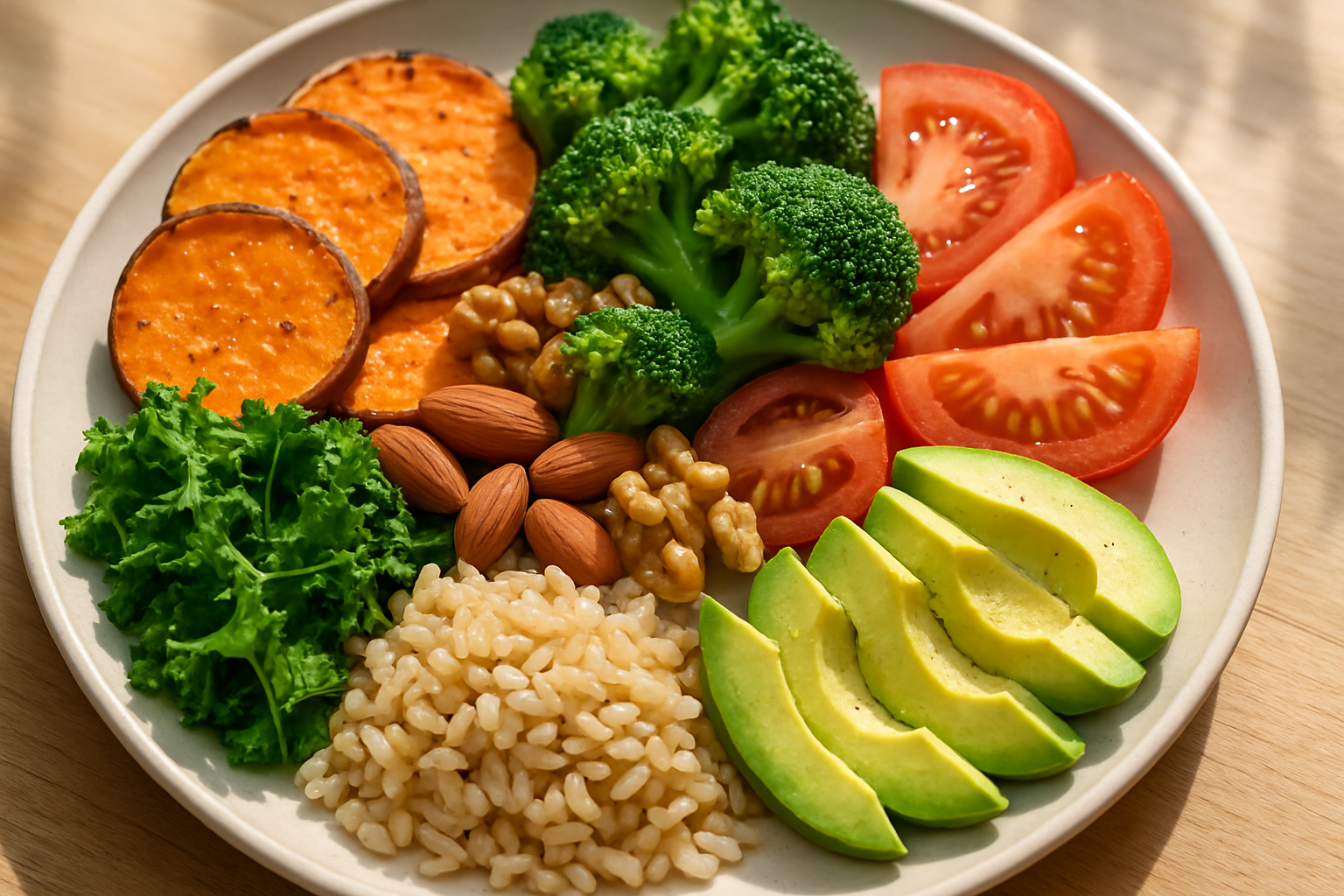
Foods that lower anxiety and contain calming nutrients are pivotal in maintaining and improving overall mental health.

Mental Health Nutrition Tips

Food that lowers anxiety

From a general perspective, a wholesome, balanced diet that leaves no room in daily energy intake for high sugar, fatty and fried foods will go a long way towards improving mental wellbeing, enhancing energy and motivation.

However, there are specific micro and macronutrients that are well-known to reduce anxiety, regulate and create supportive neurotransmitters and manage dysregulation of the nervous system.

Lean Protein Rich Foods for Anxiety

Food that lower anxiety

Adequate and variety lean proteins are an essential part of the picture when targeting anxiety. The various protein sources contain a assortment of amino acids. These are the parts of the whole proteins that are broken down into individual proteins (amino acids), each with their own role to play in production and managing neurotransmitters. These neurotransmitters are chemical messengers that operate in the nervous system and have effects on nerve cells or glands.

These lean proteins should be a mix of plant and animal proteins if possible. If you are vegan or vegetarian, effective protein combining is even more important, as plants lack the complexity of amino acids compared to animal proteins.

A healthy combination of the following:

  • Red meats (lean)
  • Poultry (lean)
  • Seafood

And/or (if vegan/vegetarian) plant proteins:

  • Legumes
  • Grains
  • Seeds
  • Soy
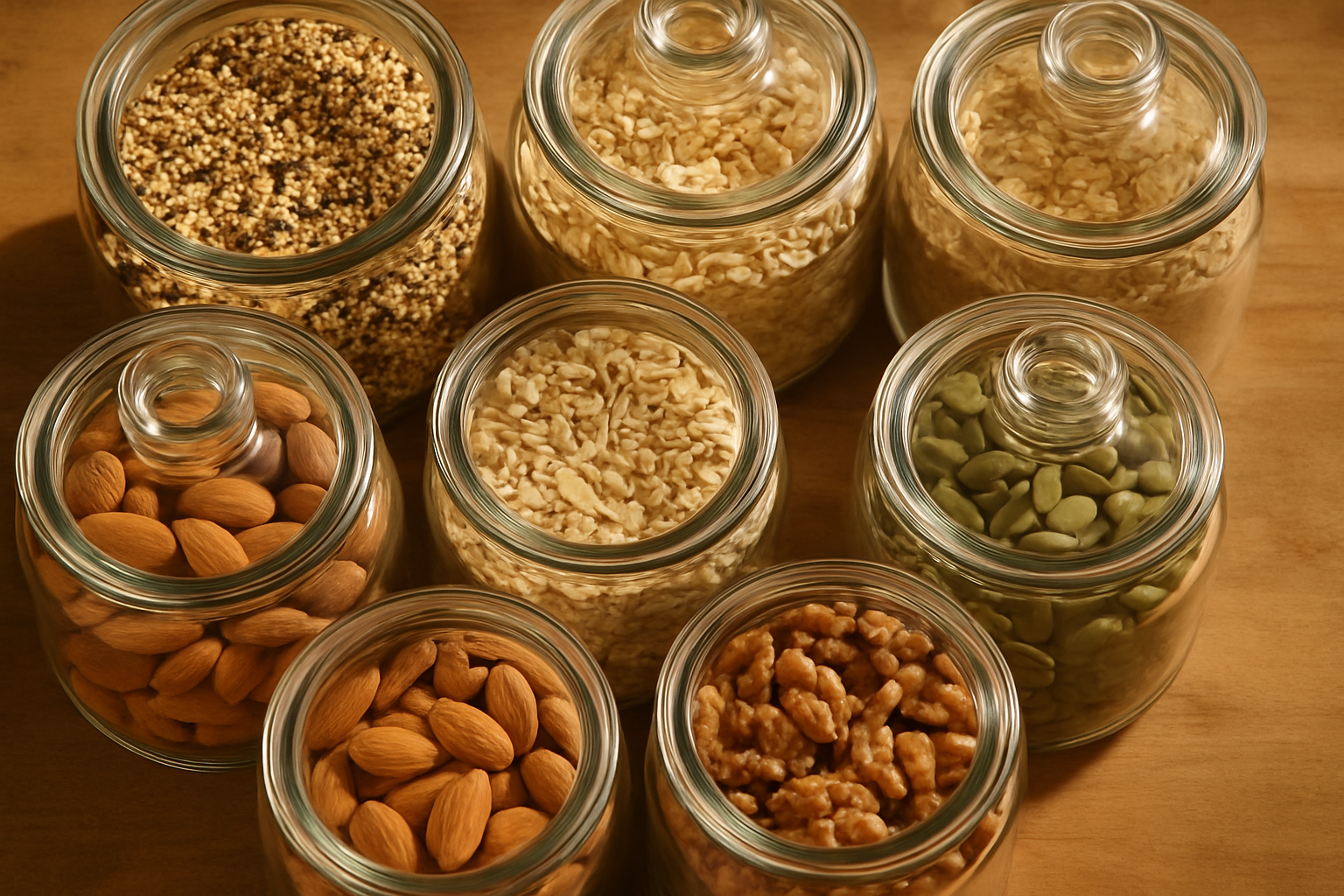
  • Nuts
  • Vegetables

Essential Fatty Acids for Anxiety

Healthy fats are anti-inflammatory to the nervous system, make up important tissues and cells and play a role in the production and function of neurotransmitters. Essential fatty acids are ‘Essential’ because they can not be produced naturally in the body and must therefore be obtained through the diet.

Saturated fats form the majority of the Western diet. These unhealthy fats are responsible for many health problems, including, obesity, metabolic dysfunction, high cholesterol and heart disease. They also create inflammation in the nervous system.

Reducing these saturated fats from foods such as processed, packaged, take-away and fried foods and replacing them with the following healthy fats can greatly improve anxiety symptoms and prevalence.

Healthy Fats and Essential Fatty Acids – Food to Lower Anxiety:

  • Fatty fish (e.g. cod, salmon, sardines, tuna)
  • Nuts
  • Seeds
  • Avocado
  • Unheated olive oil
  • Quinoa

It is important to remember that all forms of fat (healthy or unhealthy) are higher in energy (calories/kilojoules) and should therefore be balanced with the remainder of the diet.

Balanced Carbohydrates for Anxiety

The western diet is laden with sugar. It is in almost every packaged food for flavour or preservation. Unfortunately, high sugar diets are notorious for mood dysregulation and anxiety due to resulting increases in inflammation, poor management of blood glucose levels (dramatic dips and spikes), sleep disruption and links to obesity.

Except for fibrous carbohydrates, all carbs convert to sugar once broken down by the digestive system. The influx of sugar overwhelms all aspects of body function and can result in low mood.

Eliminating high sugar, processed foods as well as high carbohydrate foods such as white bread, pasta and rice will only support your goals aimed at improving your mental health.

Instead, replace these high sugar and carbohydrate dense foods with:

  • Higher fibre wholemeal bread
  • Wholemeal pasta
  • Brown rice
  • Oats (can be a flour alternative)
  • Quinoa (rice alternative)
  • High protein snacks
  • Fruit and vegetable snacks

Micronutrient Food to Lower Anxiety

There is ample evidence around supportive the effects of various micronutrients in managing anxiety. All of these nutrients can be found in the diet. Though modern day diets are often either completely void or are limit of these micronutrients.

What are the primary calming nutrients?

Magnesium

Magnesium plays a role in over 300 bodily functions. Because magnesium deserves a dedicated post all on it’s own, you can read more about this all important calming nutrient here:

Magnesium: The Natural Mood Stabiliser and Stress Reliever | Beta Me Nutrition & Naturopathy by Danielle Lamb

Calcium

Calcium both a messenger and modulator of the nervous system. It helps to support the release of neurotransmitters as well as regulating signaling. Deficiency can contribute to overstimulation of the nervous system including anxiety.

B Vitamins

There are several different types of B vitamins, all of which with together (synergistically). These vitamins are most frequently deficient in people on polypharmacy (many medications), heavy drinkers/alcoholics, coeliacs and vegetarians/vegans. Other people have issues converting B vitamins into their active form, resulting in similar deficiency symptoms. B Vitamins are considered ‘co-enzymes’ which help to produce energy, make neurotransmitters and protect the nerves themselves.

Zinc

Zinc is found in high concentrations in the brain. It is responsible for the creation of neurons and neurotransmitter activity. Zinc is often required in high amounts in men, coeliacs and those with IBD, vegans/vegetarians, pregnant and lactating women and heavy drinkers/alcoholics.

Vitamin D

Vitamin D is neuroprotective, meaning it protects nerve tissue and neurotransmitter activity. Deficiency is common in office workers, people with darker skin and the elderly.

Ensuring a healthy balance of these key calming nutrients through the diet and adopting the above mental health nutrition tips including the recommending foods that lower anxiety can greatly improve anxiety presentation.

If you are requiring further support or are unsure how to balance these nutrients specific to your individual requirements, you can book an appointment with practitioner Danielle Lamb here.

Your First Naturopath Appointment: What to Bring, Ask and Expect


Booking your initial naturopath consultation can feel both exciting and a little uncertain, particularly if this is the first time you’ve engaged a naturopath. Many new patients arrive wondering what will be discussed, how in-depth the consultation goes, and whether they need to “have it all figured out” prior to the consultation. The short answer? You don’t.That’s what the appointment is for.

A naturopathic initial consultation is designed to look beyond symptoms and explore WHY your body is presenting the way it is, using a whole-person approach that considers nutrition, lifestyle, physiology and environment together.


What Does a Naturopath Do?

A naturopath is a trained health professional who works alongside you to understand how your diet, lifestyle, stress load, medical history and biochemistry are influencing your current health. Rather than isolating one symptom or system, naturopathy looks for patterns and connections across the body.

During your consultation, we take time to explore your health history in detail. This may uncover underlying nutrient deficiencies, digestive or microbiome imbalances, hormonal shifts, blood sugar dysregulation or nervous system stress that are contributing to how you’re feeling. It also helps to guide any functional pathology that may support treatment tracking or uncover factors affecting your health.

Simply put, a naturopath focuses on the underlying causes, not only symptom management. This holistic approach allows for longer-term, sustainable improvements rather than short-term fixes.

Areas commonly explored include:

  • Digestive function and gut health
  • Hormones and menstrual health
  • Blood glucose regulation
  • Metabolic health
  • Energy levels and fatigue
  • Sleep quality and rhythms
  • Stress and nervous system balance
  • Brain function and mood


Supporting with Herbal Medicine Prescriptions

Herbs have been used for thousands of years to successfully treat many ailments, even before modern medicine entered the medical scene. Several modern-day medicines (e.g. Aspirin, Digoxin, Morphine and Codeine, Ephedrine and others) are in-fact derived from herbs and adapted by isolating, refining and modifying active components of herbs.

While modern medicine may derive some medicine from herbs, the two forms of treatment differ. Where modern medicine isolates a component, herbal medicine uses the whole plant or a plant extract that contain a mix of supportive plant components that work together to improve health outcomes. Both forms of treatment have merit in healthcare and hold important roles in managing public and individual health. Pharmaceuticals are often single, isolated compounds, with a targeted effect and often higher potency. Whereas, herbal medicines have multiple compounds, wider body action and are often gentler with fewer side effects.

When working with a qualified Naturopath, your herbal prescription will be formulated specifically for you and the requirements of your body, factoring in possible pharmaceutical interactions, health conditions and dosing preferences (e.g. tablets, powders, capsules, liquids).

Preparing for Your First Naturopath Appointment

To get the most from your appointment, gathering any relevant health information beforehand is helpful, though not essential. If you have recent pathology or test results, bringing them along or emailing them to the clinic prior to your consultation can help streamline the session.

You’ll be asked to complete intake forms electronically at least 24 hours before your appointment. In some cases, a food and symptom diary may also be requested, allowing time for review before your session.

The more information available, the more targeted your treatment plan can be. That said, you are not expected to know everything. Your role is simply to show up as you are.

New Client Naturopathic Initial Consultation Guide

Sometimes knowing what to expect makes the process feel more comfortable below is a new client naturopathy guide checklist to help ease any concerns surrounding the unknown.

To Complete (48 hours prior):

  • Intake form
  • Consent forms
  • Food and symptom diary

What to Bring:

  • Any pathology or relevant test results
  • Yourself

What to Consider Beforehand:

  • Your main reason for booking
  • When your symptoms first began
  • Your health goals
  • Your ideal timeline
  • What you hope to gain from working together

Health Information to Gather (if available):

  • Personal health history (as far back as you can recall)
  • Current and past medical conditions
  • Medications (names, dosages, duration)
  • Supplements (brands and dosages)

Helpful Areas to Reflect On:

  • Your symptom picture (e.g. digestion, energy, appetite, sleep)
  • Patterns or triggers you’ve noticed
  • Cravings or appetite changes
  • Previous strategies you’ve tried
  • Sleep routines and quality
  • Stress levels and coping strategies
  • Lifestyle factors (work, family, travel, cooking capacity, movement)
  • Food preferences, sensitivities or allergies
  • Budget considerations

You won’t have answers to everything, and that’s completely okay. Each piece of information adds to the overall picture, and your plan will evolve over time as new insights emerge.

What You Don’t Need to Do (Before or During Your Naturopath Initial Consultation)

You don’t need to have all the answers or feel pressure to understand everything already. That’s the role of your practitioner. Naturopathy is a clinical discipline grounded in years of training and experience, you are not expected to arrive as an expert in your own biochemistry.

A Consultation Focused on You

When people ask, what does a naturopath do? The answer is genuine, individualised care. Your consultation is non-judgmental, confidential and centred entirely on your needs.

Open and honest communication allows the clues to emerge. Together, we identify what’s holding you back and what will best support your health goals within your real life, not the ‘ideal’ daily scenario.

As you prepare for your naturopath initial consultation, take a moment to acknowledge that booking is already a step forward. Set intentions, identify possible barriers, and allow yourself to be supported. Treatment plans are always collaborative and adaptable.

A Practitioner’s Promise

My promise is to support you every step by step, with compassion, transparency and evidence-based guidance. The goal is to empower you with knowledge and feasible strategies that feel realistic, not overwhelming.

This is about sustainable, long-lasting change rather than limitation. Together, we support your health while enabling you to continue enjoying food, life and social connection.

If you’re ready to get started, booking your initial consultation is often the most challenging step. Delaying change keeps things the same. Progress starts with action.

To book your Naturopathic Initial Consultation call, email or complete the contact form to book your naturopath appointment.

What Happens During a Nutrition Consultation?

What does a nutritionist do?

A nutritionist is a health professional who works with you, to analyse the impact your diet, lifestyle, physiology and environment are having on your overall health as well as specific conditions and disease states. Together with your nutritionist you will delve deep into your health history to uncover the underlying nutrient deficiencies and microbiome imbalances that may be triggering your symptoms and exacerbating your current health presentation.

Simply put, a nutritionist looks at the WHY of your symptom presentation rather than focusing only on stopping them. A holistic nutritionist will consider you as the whole-person, connecting patterns and connections in symptoms and factoring in:

  • digestive function
  • hormones
  • blood glucose balance
  • metabolic health
  • energy levels
  • sleep
  • stress
  • brain function
  • family and personal history
  • medication and supplement regime
  • dietary preferences and intolerances
  • lifestyle

By identifying the underlying factors, causes and triggers of your current health presentation, together we are able to target longer term health improvements.

Using Food as Medicine

Food is something to be enjoyed. Throughout time food has connected us culturally. However, the busyness of society has meant we have largely lost our cultural relationship with food and the social connections it provided us. We now eat or don’t eat to deal with emotions, rather than for fuel and connection.

A nutritionist will aim to support healthy food relationships without strict and unsustainable diets focusing on foods that target:

  • nutrient balance
  • wholefoods
  • antioxidants
  • hormone balance
  • energy balance
  • blood glucose management
  • digestive support
  • anti-inflammatory

All nutrition plans are tailored and designed to suit your individual needs, are realistic and sustainable. No starving, no complex plans or recipes, no expensive fad diets. Just good, honest food that target your goals and fit within your preferences.

Preparing for a Nutrition Visit

When preparing for a nutrition visit, you should aim to gather up as much of your personal and family health history as possible. If you have any recent pathology or test results bringing them along or emailing them to the clinic prior to your consultation can help to streamline your appointment. A food and symptom diary returned prior to the appointment will allow your nutritionist to pre-review and make notes for points of discussion during the consultation. You will be sent intake forms that are required to be completed electronically at least 24 hours before your visit.

The more information your nutritionist has, the more targeted your nutrition plan will be. Otherwise, sit back and take comfort in engaging in a session that is all about you and improving your health.

Your First Consultation Checklist

Sometimes knowing exactly what to plan for and expect can make the unknown more comfortable.  

what does a nutritionist do
Your First Consultation Checklist
  1. What to Complete (48 hours prior to scheduled appointment)
    • Intake form
    • Consent forms
    • Food and Symptoms Diary
  2. What to Bring
    • Pathology and any other test results
    • Yourself
  3. What to Consider
    • Your primary motivation for booking the appointment
    • When did it first start?
    • What are your main goals?
    • What is your ideal timeline to achieve those goals?
    • What are your expectations of your nutritionist and the consultation?
  4. What to Gather
    • Your health history information (as far back as birth if possible)
    • Current and past medical conditions
    • Medications (with dosages, brands and length of time used)
    • Supplements (with dosages and brands)
  5. What to Think About
    • Your symptom picture (e.g. constipation, diarrohea, reflux, hunger times, fatigue etc.)
    • Possible causes
    • Cravings
    • Strategies trialled (e.g. other diets, medications, exercise etc.)
    • Your sleep patterns and pre-bed rituals
    • Stress levels and management strategies
    • Changes to appetite (e.g. around menstruation, after work, with increased exercise)
    • Your lifestyle (work patterns, family, travel, cooking ability/interest, exercise)
    • Food and supplement budgets
    • Food preferences, sensitivities, allergies or sensory concerns.

Please keep in mind, you may not have answers to all sections or points of this checklist. That is completely fine. Any information you can provide paints a picture and informs your treatment plan. Further, the information can be built upon over sessions and plans can be adapted to suit new information that comes to light.

What You Shouldn’t Do

You should not pressure on yourself to have all of the answers or know everything already. The knowledge part is my role and as the saying goes, ‘You don’t know what you don’t know’. That is why there are entire degrees focused on nutrition and clinical nutritional practices.

Your Nutrition Consultation is Focused on YOU

When you question, what does a nutritionist do? Think, genuine care that is centred around you as an individual with unique nutrition, dietary, lifestyle and health needs driven by tailored evidence-based practices.

Remember, consultations are strictly non-judgmental, and your information is confidential. You can feel confident in open and honest communication and support. Your open, honesty provides the clues on what is needed to support you and your health goals.

When you are preparing for a nutrition visit, take a deep breath, give yourself a pat on the back for taking the first steps and prepare to focus on yourself. Set clear goals for yourself and prepare to focus your attention on achieving those goals around your current lifestyle and circumstances. Identify any potential barriers or challenges that you may face or that are keeping you where you are and allow me to help you to overcome them. All possible concerns are ironed out with both you and your practitioner in agreement.

Nutritionist’s Promise

My promise to my client’s is to be there every step of the way in a supportive, empathetic and understanding manner that empowers and arms you with knowledge that you can walk away feeling confident in implementing strategies on your own and well into the future. All strategies are guided towards non-restrictive lifestyle change while allowing you to continue to enjoy life, food and social occasions.

Ready to get started straight away? The simple act of booking can set your motivation in place and put your mindset into action mode. Holding off only gives you permission to resist change. Nothing changes if you don’t.

Call, email or complete the contact form to book your Nutrition Consultation.

Can a Nutritionist Help with IBS and Digestive Issues?

If you’ve landed here, you are likely one of the millions of Australians who live with irritable bowel syndrome (IBS) and are looking to improve their gut health with an IBS nutrition plan. Having a history of IBS myself and choosing my career path as a Nutritionist and Naturopath thanks to the successes I had experienced through dietary and naturopathic treatments; I understand whole-heartedly the impact IBS can have on your life.

Your Tests are Normal, but Your Symptoms are Definitely NOT!

You’ve been to the GP, had blood tests, stool tests and a colonoscopy, yet, by the end of it all you are told is, “everything looks normal”. Sounding familiar? With symptoms like bloating, constipation, diarrhoea and abdominal pain, you know within yourself it is anything BUT normal.

Because IBS is a functional disorder, rather than a structural disorder, abnormalities do not show up on regular tests. Despite this, I can assure you, your symptoms are very real. IBS is greatly affected by your emotional wellbeing. The interaction is referred to as the gut-brain axis. This very clever and connected system houses an entire nervous system, including the vagal nerve. Further, stress hormones such as cortisol and neurotransmitters such as serotonin (the happy hormone) function within the gut-brain axis. When you are stressed, this interaction becomes overstimulated and gut function is impacted, resulting in IBS symptoms.

You may also experience increased or decrease motility (movement of stool through the bowels), with visceral hypersensitivity (discomfort/pain). These factors can make normal digestive processes uncomfortable. When you pair stress and this hypersensitivity together, you get unpleasant nerve signaling, imbalances in gut bacteria and bloating.

A Gutful of IBS

IBS is one of those frustrating conditions that can feel like everything you eat is causing bloating or exacerbating your constipation or diarrhoea. You become scared to eat out and are constantly thinking about where the closest toilet is. You become so bloated, you look 6 months pregnant. I can imagine you nodding your head along as you read those words. Yes, I get it. 13 years ago, I was right there with you, suffering through the embarrassment, the discomfort, the frustration and the fear of eating.

Fast forward to my first year of my nutrition degree. I learned how to reduce the inflammation in my gut, balance gut bacteria, heal up the lining of the gut to reduce ‘leakiness’ and, formulate an IBS nutrition plan that worked for ME.

We then fast forward another 3 years to my final year in Nutrition Clinic. Here, I see patients and start applying what I learned over the years to the various types of IBS presentations in individual patients. Let me tell you, no two treatments were the same.

IBS treatments and their responses vary from person to person. Many people who have IBS, their triggers can be as different as night and day. As can their symptoms.

Some people may have IBS – D where they experience more diarrhoea. Others experience IBS – C which is constipation dominant. Then there are those who experience a combination of the two. Some can be triggered by anxiety and depression. When you consider the well-researched Gut-Brain Axis and the fact that neurotransmitters that affect our happiness are largely produced in the gut, it is no wonder anxiety and depression play major roles in gut function.

Bloating and Diet

Bloating is one of the most common symptoms of IBS. Changes to the diet can significantly improve bloating and digestive discomfort.

This uncomfortable symptom can be triggered by several factors including:

  • fermentable carbohydrates (FODMAPs)
  • food intolerances
  • carbonated drinks
  • artificial sweeteners
  • hormones and stress

Bloating and diet go hand in hand, just as the reduction of bloating and the diet go hand in hand. A plan to reduce bloating may include but is not limited to :

  • a careful balance of nutrients
  • meal spacing
  • vagal nerve stimulation
  • ensuring mechanical processes such as chewing are effective

What does an IBS Nutrition Plan involve?

When considering the treatment of a patient’s IBS symptoms with nutrition, there is more to it than simply providing a generic list of what ‘to’ and what ‘not to’ eat. As previously mentioned, each case of IBS is different. Not just the physical symptoms but also the individual foods and food compounds that people react to varies. To support the development of the best strategy for your individual needs, an in depth analysis of the following are required:

  • your food diary
  • patterns in symptoms
  • identified and possible triggers
  • your lifestyle

Low Fodmap Coaching and IBS Nutrition Plans

Low Fodmap is a bit of a buzz in the IBS space, and we are seeing an increasing number of new food products hitting the shelves claiming to be Low Fodmap. Just like the gluten-free craze, this is great for those who have a true IBS picture to start somewhere. However, a Fodmap protocol is a process that requires careful and guided implementation, by a qualified dietary professional, with experience in this area.

Cutting out large food groups and nutrients for any length of time can be detrimental in the long term, creating nutrient gaps. I too often see people completely avoiding dietary fibre sources which can further limit digestive function.

There are different types of Fodmap foods, and not all types affect every person with IBS. For the sake of keeping this blog post short and sweet, the simplest explanation is, Fodmap requires a distinctive process of elimination, rechallenge and personalisation using a stepped strategy. Focusing on balancing nutrients and re-establishing the gut lining and the microbiome form part of your treatment protocol. Low Fodmap Diet and elimination strategies clearly identify the triggers of IBS symptoms, but are not implemented long term by practitioners.

As you can see, the treatment of IBS with an effective, individualized and targeted nutrition plan with a dietary strategy suited to you and your symptom presentation, while improving long term gut function is the key to effective results. Whether it be Low Fodmap Coaching, gut supportive supplementation or making smaller tweaks to the diet a personalised approach is the only approach to IBS.

Book Your Consultation Now

Nutrition Support for Women’s Hormone Balance | Women’s Health & Hormonal Balance

Nutrition support for women can be as essential as the air we breathe when it comes to supporting hormones.

If you are a woman, at some point in your life, you have likely felt the effects that hormones can have on your overall health. From pre-puberty, pregnancy, right through to post-menopause, our hormones are continuously changing. Balancing hormones in the 21st century can be challenging. Every day, we are exposed to external hormone disrupting products including chemicals, medications, household items such as plastic containers and cleaning products, food and the chemicals in and on food.

Not only this, but we are also challenged with genetics and the seemingly never-ending stressors that surround us, sending our hormones into a constant state of turmoil. In clinic, I regularly see women seeking out nutrition support for the many different symptoms of hormone imbalance, particularly during perimenopause and menopause.

nutrition support for women

Adequate nutrition support holds great value in the management of perimenopausal symptoms. Nourishing the body with the correct and specific foods and nutrients that support perimenopause fuels the mechanisms that regulate symptoms. Symptoms that can be managed by good nutrition support for women with perimenopause include:

  • Healthy mood regulation (anxiety, irritability)
  • Blood glucose balance
  • Weight management
  • Managing irregular periods
  • Insomnia
  • Night sweats and hot flashes
  • Headaches
  • Brain fog
  • Vaginal dryness
  • Changes to skin/hair
  • Joint/muscle aches and pains
  • Libido changes

Nutrition Support for Women – Perimenopause Foods

Nutritional balance that is suited to the individual is the primary goal of nutrition support in perimenopause. However, specific natural plan compounds known as phytoestrogens can play an important role in balancing hormones more closely. The careful introduction of phytoestrogenic foods can interact with the body’s oestrogen receptors. This interaction helps to balance hormones, notably oestrogen in a natural way rather than introducing overwhelming amounts of artificial hormones. The result is fewer side effects with improved overall symptoms.

The Highs and Lows of Perimenopause

Perimenopause is a tricky time for your hormones. At times, oestrogen is low, and this is where phytoestrogens gently stimulate those receptors to reduce symptoms such as vaginal dryness, mood and poor sleep. At other times, oestrogen can be too high. Phytoestrogens are clever here, as they adapt and compete with natural body oestrogen to reduce overstimulation. Symptoms reduced during this time include breast tenderness, heavy menstruation and uncomfortable bloating.

nutrition support for women

More Phytoestrogen Food Magic for Perimenopause

Possibly one of the most common symptoms of perimenopause and menopause is the ghastly hot flash that often spills over to night sweats. This is a vasomotor response that affects thermoregulation due to the drop in oestrogen. Over time, phytoestrogens can help to naturally regulate this response to make life that much more comfortable.

Perhaps a more intimate symptom of menopause is vaginal dryness. Perimenopause foods help to hydrate tissues that often dry and become thin when oestrogen is low. This can put you at risk of recurrent urinary tract infections (UTI) and irritation.

Perimenopause foods including phytoestrogen help those happy hormones thrive. Oestrogen helps the production and function of happy hormones serotonin, dopamine and acetylcholine. Using phytoestrogens and other neurotransmitter supporting nutrients, moods can be better managed, improving overall quality of life.

It doesn’t stop there, oestrogen plays a role in regulating cholesterol, particularly LDL cholesterol. This is why, many women of perimenopausal and menopausal age often see changes to their cardiovascular health. Perimenopause foods can help to reduce LDL cholesterol while also balancing blood glucose levels, blood pressure and body weight.

There are More to Perimenopause Foods than Phytoestrogens

Phytoestrogens might be the golden compound supporting Perimenopausal symptoms, however, there are several other nutrients that are essential when supporting hormonal transitions.

Reductions in oestrogen can alter bone density and muscle mass. This can place women at risk of osteoporosis if not supported nutritionally. Carefully balanced calcium, vitamin D and other bone mineralising nutrients are vital to maintaining bone health as you age.

Protein becomes more important through this transitionary stage to reduce muscle wastage (known as sarcopenia) which, when paired with reduced bone density, can put perimenopausal women at risk of falls and fractures and metabolic disorders. Protein is a building block to many functions of the body including neurotransmitter production and function. Adequate protein with the right balance of amino acids can go a long way to improving mood and supporting sleep.

Omega 3 fatty acids are essential fats that protect the body from oxidative damage that is natural to the aging process. They are also responsible for reducing inflammation, support healthy brain function and reduce LDL (bad) cholesterol.

Fibre is often thought of as reducing constipation and not much more. However, fibre offers so much more to our health than a good bowel motion. The microbiome rely on fibre for energy and to carry out many of their functions such as making hormones, breaking down foods for nutrients and hormones into more manageable forms. Fibre also supports the metabolic system by managing blood glucose levels for weight management and hunger reduction.  

It’s a Balancing Act

To effectively manage weight and overall cardiovascular health as well as support all of the above symptoms, perimenopausal food prescription should be individualised to each person and their unique set of symptoms, health history, lifestyle factors and body types. Just as not enough of a good thing can be detrimental, so too can too much of a good thing. This is where a qualified nutritionist comes in. Together, we work to balancing out foods that are supportive of your body and life changes.

Focusing on the Gut

During perimenopause, changes to hormones also affect the health of the gut. You may have heard of the gut-brain axis, but did you know there is also a gut-hormone axis. This interconnected system is impacted by and impacts in itself the diversity of the microbiome, bowel frequency and the metabolism of oestrogen by the microbiome. Many peri-menopausal when that I see present with gut symptoms in one form or another. This can include bloating, constipation or diarrhoea, reflux and food intolerances among other symptoms. Treating the gut often results in improvements in peri-menopausal symptoms. This isn’t as simple as including a probiotic. Gut treatments vary and can include specific prebiotic fibres, specific strain probiotics, anti-inflammatory perimenopause foods, microbiome testing, dietary eliminations and re-challenges and more.

nutrition support for women

The change of life can be overwhelming for many women. It is no wonder, with the various physiological happenings going on in the body during this notable time in your life. It takes a great understanding of the body, supportive but balanced nutrients and food as well as care and empathy for you as an individual to nurture and support you through this transitionary phase.

Personalised Nutrition Support in Gold Coast: What to Expect

What can you expect from a Nutrition Consult?

You’ve taken the first steps in searching for a local nutrition consult on the gold coast. Now you’re wondering what exactly you can expect from your planned nutrition consult. Read on to find out.

Personalised Nutrition Consults

During a nutrition consult at Beta Me Nutrition & Naturopathy, you will come to understand that your body and its needs are unique to you. While you may present with a similar health concern to one or several other patients, the treatment for you will be completely different. This is because, as a holistic nutritionist, I look at you as a whole person, not only your primary symptom presentation. This allows an understanding of underlying causes and potential deficiencies in your pathology or diet. From here, how to personalise your nutrition treatment plan based on the whole picture becomes clearer.

When personalising Nutrition plans, considerations such as:

  • Family history
  • Personal medical history
  • Current food diary
  • Previous eating habits
  • Deficiencies, both dietary and within pathology
  • Lifestyle
  • Pathology
  • Your stress levels
  • Exercise levels
  • Your financial situation
  • Goals and timelines to achieve those goals

As you can imagine, each of these points vary greatly for every person. Because of this the personalisation process is essential in successful outcomes.

The result of an individualised nutrition consult and treatment are personalised eating plans that suit your unique and specific needs. These personalised eating plans are focused on working for you. With your lifestyle and commitments in mind together, we adapt strategies to make them easier to follow and adhere to.

Local Knowledge Understanding and Support

Having a local nutrition consult in your Gold Coast area can greatly benefit treatment outcomes. A nutrition practitioner with local area knowledge ensures an understanding of the best qualities of the Gold Coast. This includes knowing how to access healthy foods such as supermarkets with specific food items and the best markets to save money and improve nutrition quality. From a holistic perspective, having knowledge of local allied health practitioners to support treatments can be of great value.

When considering this wonderful place we call home here on the Gold Coast, the lifestyle in which we live must be factored into your care. Many people living on the Gold Coast enjoy the sun, surf and the mountains. However, we are also hard working. In clinic, I frequently see shift workers, those who actively engage in outdoor activities for work or leisure and have busy family routines present for nutritional guidance to support the lifestyle they live. We are lucky to have some of the best markets, access to fresh produce, seafood and dining out options. Knowledge of what’s available to the Gold Coast community makes continuing to live the magical Gold Coast lifestyle, while remaining healthy and focused on your goals simple.

What Does an Initial Nutrition Consult Involve?

During your first nutrition consult, together we will delve deep into your health history. The aim is to uncover any hidden causes and triggers of your presentation. We go as far back as birth in some cases. Our birth and life tell us a story of your health as it presents today. This health history will include your own, as well as any significant health related information in your family.

Your current medication and supplement regime is discussed in detail. This includes brand names and dosing to determine necessity, efficacy, quality and possible interactions. Of course, we will discuss your symptoms or condition in detail as well as set our goals with timelines to strive for.

Prior to the appointment, you will be asked to complete a food diary and email pathology to discuss during the consult. As a result, some on the spot suggestions regarding diet and lifestyle can be provided to begin improving overall nutritional intake.

From there, your practitioner will wave you off with a friendly smile and a promise to put together a detailed, yet easy to follow plan to follow over the coming days. A full treatment plan is developed after the nutrition consult has ended. This allows the coordination of all elements of your health, pathology, dietary intake, medications and supplement needs, ensuring your plan is right for you.

Continuity of Care

After the initial nutrition consult, where your current health status has been benchmarked, these benchmarks are used to track and guide follow up appointments. Follow up appointments are usually scheduled for 2 weeks after your initial nutrition consult.

Because the clinic is local, face-to-face follow up nutrition consults provide opportunities for physical tracking of progress with tools such as measurements, Body Impedance Analysis (BIA) assessments, blood pressure, physical observations and in depth review of food diaries and pathology.

Follow up nutrition consults provide accountability, are aimed at motivating and troubleshooting any challenges and adapting to your ever-changing life circumstances.

Nutrition Consult

Realistic Expectations

Change takes time. It can be difficult to implement even the smallest changes. Having access to a nutritionist who understands that and can gently motivate you towards reaching goals is paramount to success. At every stage of your journey, your nutrition practitioner will set realistic expectations that you both agree on. This means working at your pace with gradual yet sustainable changes that seamlessly become part of life.

Nutrition is Important at Every Life stage

Whether you are pregnant, have just had your baby and are in your postpartum period, an active adult, a teenager with neurodiversity or an older adult with chronic diseases and many pharmaceutical medications, nutrition is important to everyone, and requirements are unique to everyone. Advice should always be tailored to your biological, economic and lifestyle needs.

Loading...