
Goss on Detox: Meta Description Examples and CTR Tips (Australian SEO Guide)

Workspace showing a laptop and notebook used to draft SEO meta descriptions for a health blog

Why your ‘Goss on Detox’ snippet matters (and why it may be under-selling the page)

When someone Googles “goss on detox”, they’re usually not chasing a three-day cleanse.

They want plain-English answers. Is “detox” even a thing? Is it safe? And what’s a sensible next step?

That’s why your search snippet (SEO title + meta description) matters. It’s the fastest way to:

  • set expectations without hype
  • attract the right readers (and filter out the quick-fix crowd)
  • lift click-through rate (CTR) while staying true to your content

This post is written to support (not duplicate) your existing page: Goss on Detox – Is it for you?.

Search intent: what people want from “goss on detox”

This is mostly informational intent. People are looking for a grounded take from a naturopath and Nutritionist.

Common motivations include:

  • “What does detox actually mean?”
  • “Is it safe for me?”
  • “Do I need to do something extreme?”
  • “Why do I feel flat, foggy or bloated?”

Some readers also connect detox talk with stress and mood. That’s why related searches like naturopath and Anxiety can show up.

Your snippet should feel calm and responsible. It should not sound like a promise of dramatic results.

What a meta description does (and what it doesn’t)

Editing website copy to improve meta descriptions and click-through rate

A meta description is the short summary that often displays under your page title in Google.

It won’t directly boost rankings. But it can:

  • improve CTR by making your result look like the best match
  • pre-qualify clicks (so visitors are more likely to stay)
  • reduce confusion when people compare similar results

Note: Google sometimes rewrites meta descriptions to match the user’s exact query. Your job is to provide a strong, accurate default.

CTR tips for a detox education page (without sounding clickbaity)

Whole foods in a kitchen, supporting practical nutrition content alongside detox education

1) Lead with the real question people are asking

In the first 8–10 words, answer the intent:

  • “Is detox for you?”
  • “What does detox really mean?”
  • “Detox myths vs what actually helps”

2) Keep the promise realistic

Avoid language that attracts the wrong click:

  • “rapid results”
  • “flush toxins fast”
  • “guaranteed” outcomes

Instead, aim for: education, myths, suitability, and when to seek support.

3) Use a clear, calm CTA

Informational searchers respond to low-pressure prompts:

  • “Read the guide”
  • “Learn what to avoid”
  • “Find out if it’s right for you”

If you mention bookings, keep it optional: “If you want personalised advice…”

4) Write in Australian English (and your real brand voice)

Keep it professional and practical. If your brand tone is calm, let that come through.

5) Add a local cue only if it’s true (and only once)

If you serve people searching naturopath Bribie Island, test adding “Bribie Island” in either the SEO title or the meta description.

One clean signal is enough.

Meta description examples for ‘Goss on Detox’ (copy/paste)

Below are copy-ready options designed for the search intent behind goss on detox meta description examples and CTR tips.

Tip: keep meta descriptions around 120–155 characters.

Option A: best all-rounder (education + suitability)

Meta description:
Goss on Detox: what “detox” really means, common myths, and whether it’s right for you. Calm, practical nutrition and naturopathy guidance.

Option B: myth-busting angle

Meta description:
Confused by detox advice? Get the goss: what helps, what’s marketing, and what to avoid—plus when to seek personalised support.

Option C: high intent (“is it for you?”)

Meta description:
Is detox for you? Read the goss on detox—how to think about detox safely, what to avoid, and what a naturopath and Nutritionist looks at.

Option D: gentle local signal (use once)

Meta description:
Goss on Detox: learn what detox means, who it may suit, and smarter next steps. Bribie Island clients welcome.

Option E: stress-sensitive wording (without medical claims)

Meta description:
Detox talk can feel overwhelming. Read the goss on detox for a steady guide to myths, food-first support, and when to get tailored advice.

SEO title examples (to test alongside your meta description)

Checklist for writing a strong meta description and SEO title

Keep SEO titles readable. Lead with the benefit, then your brand.

  1. Goss on Detox: Is It for You? Myths + Next Steps | Beta Me
  2. The Goss on Detox: What It Really Means (No Extremes) | Beta Me
  3. Goss on Detox Guide: What to Know Before a Cleanse | Beta Me
  4. Goss on Detox (Australia): Myths, Safety + Support | Beta Me

If local discovery matters and it’s accurate, test:

  1. Goss on Detox + Nutrition Support (Bribie Island) | Beta Me

On-page CTR boosters (small edits that help readers stay)

Calm clinic-style setting that suits naturopathy and nutrition services

Even with a great snippet, your on-page experience helps convert the click into a meaningful visit.

Add a quick “What you’ll learn” box near the top

Keep it short. For example:

  • what “detox” often refers to in wellness marketing
  • myths to ignore (and why)
  • gentle, food-first steps that support your body’s normal processes
  • when it’s worth speaking with a practitioner

Strengthen internal links (so the next step is easy)

Use links that match what a reader might want next:

Seasonal support piece:

A balanced recipe option (useful for readers stuck in all-or-nothing thinking):

Quick checklist: high-CTR meta descriptions for naturopathy content

Before you publish, check:

  • Does it answer the main question quickly?
  • Is it plain English (no hype, no jargon)?
  • Does it avoid overpromising outcomes?
  • Does it sound like Beta Me?
  • Is there a simple CTA (read, learn, find out)?

CTA: turn curiosity into personalised support

If someone finishes the detox guide and still feels unsure, that’s a strong signal they need individual advice.

Learn more about Danielle and Beta Me’s approach here: Nutritionist and Naturopath Near Me | About.

If you’re comparing options locally (including searches like naturopath Bribie Island), you can review the clinic information and decide whether a consult feels like the right next step.

Supermarket Shopping Guide (Gold Coast): An In-Depth Guide and Key Considerations for Healthier Trolley Choices

Healthy grocery trolley in an Australian supermarket aisle

Supermarket Shopping Guide (Gold Coast): An In-Depth Guide and Key Considerations for Healthier Trolley Choices

Supermarket shopping can feel harder than it should.

You walk in with good intentions. Then you’re hit with “high protein”, “natural”, “no added sugar”, half-price specials, and a trolley that doesn’t match your plan.

This supermarket shopping guide gold coast in-depth guide and key considerations is here to make your next shop simpler. It’s practical, not perfect.

What you’ll get from this guide

Use this as your repeatable system for week-to-week shopping.

You’ll learn how to:

  • choose 1–2 priorities (so decisions are quicker)
  • create a simple meal plan you can actually follow
  • read labels fast without getting stuck in one aisle
  • upgrade your trolley aisle-by-aisle
  • avoid common “healthy” buys that don’t suit your body or your budget

Want hands-on support in a real store? Beta Me offers guided sessions: Supermarket Shopping Guide Gold Coast | Shopping Tour.


Key considerations before you shop (the biggest time-savers)

1) Define “healthy” for this week

There isn’t one perfect trolley.

Pick 1–2 priorities only. You’ll shop faster and waste less food.

Examples:

  • Gut comfort: more fibre variety (gradually), simpler ingredients, fewer personal triggers
  • Energy and cravings: protein at meals, planned snacks, fewer ultra-processed grazes
  • Family-friendly dinners: meals everyone will eat plus an easy veg add-on
  • Budget: repeat meals, compare price per 100 g, rely on staples

If you’re unsure where to start, support from a naturopath and nutritionist can help turn symptoms and goals into a trolley plan.

Many people begin by searching for a naturopath gold coast, gold coast naturopath, or nutritionist gold coast because they want advice that works in real life. You can read about Beta Me’s approach here: Nutritionist and Naturopath Near Me | About | Beta Me Nutrition & Naturopathy.

You might also see terms like holistic nutritionist gold coast, best naturopath gold coast, or highly recommended naturopath gold coast. Focus less on the label and more on whether the practitioner can give you clear, doable weekly steps.

2) Make a repeatable plan (not a “perfect” one)

A basic plan reduces takeaway, decision fatigue, and wasted produce.

Use this structure:

  • 2–3 repeat dinners (aim for leftovers)
  • 1 freezer dinner (for late nights)
  • 2 breakfasts (rotate)
  • 2 lunch options (often leftovers + one backup)
  • planned snacks (so you’re not relying on what’s closest)

Simple example week:

  • Dinners: tray bake + salad, stir-fry + rice, tacos (beans or lean mince)
  • Breakfasts: oats; eggs + toast + fruit
  • Lunches: leftovers; tuna + crackers + chopped veg
  • Snacks: fruit, yoghurt (if tolerated), nuts, popcorn

3) Write a “must-haves” list (shorter than you think)

A short list keeps your shop focused.

Aim for:

  • Protein: eggs, yoghurt, fish, chicken, tofu, legumes
  • Fibre base: oats, wholegrain bread/wraps, rice, quinoa, beans/lentils
  • Colour: 5–7 fruit/veg options (fresh or frozen)
  • Flavour: herbs, spices, lemon/lime, garlic, ginger

This framework also helps if you’re working with a gut health dietitian gold coast or a holistic nutritionist gold coast and want your trolley to match your plan.


How to read labels quickly (without overthinking)

Step 1: Check the ingredient list first

Ingredients are listed from most to least.

Look for:

  • a shorter list where possible
  • foods you recognise
  • fewer “extras” doing the heavy lifting (added sweeteners, thickeners, multiple oils)

If you avoid certain ingredients (for example lactose, gluten, onion/garlic, sugar alcohols), you’ll usually spot them here.

Step 2: Compare “per 100 g”

Serving sizes can make products look better than they are.

When comparing similar products, check per 100 g for:

  • sugars (often high in cereals, snack foods, flavoured yoghurts)
  • sodium (common in sauces, soups, crackers, deli meats)
  • saturated fat (can vary widely in packaged foods)

Step 3: Treat front-of-pack claims as marketing

“Natural”, “low fat”, “no added sugar”, “gluten free”, and “high protein” can all be fine.

The key question is simpler:

Does this match my goal and my tolerance?

Example: a “high protein” bar can be low in fibre and high in sweeteners. That might not suit appetite regulation, gut symptoms, or daily budget.


Aisle-by-aisle guide: practical Gold Coast shopping upgrades

Fresh produce: the easiest win

Aim for:

  • a mix of colours (not only salad veg)
  • one crucifer (broccoli, cauliflower, cabbage) if tolerated
  • a frozen veg backup (saves money and reduces waste)

If gut symptoms are part of your picture, increase fibre slowly. Doubling it overnight can backfire.

Meat, seafood, eggs and plant proteins: choose what you’ll use

Protein supports appetite, energy, and steadier eating.

Realistic options:

  • eggs for fast meals
  • tinned fish for lunches
  • chicken or lean mince for batch cooking
  • tofu/tempeh if you enjoy it
  • canned lentils/beans for quick dinners

If you’re unsure what “enough protein” looks like for you, a nutritionist gold coast can tailor it to your appetite, activity, and symptoms.

Dairy and alternatives: choose based on tolerance, not trends

Key considerations:

  • If dairy works for you, plain yoghurt is usually a better base than flavoured.
  • If lactose is an issue, lactose-free can be worth trialling.
  • For plant milks, check:
    • added sugars
    • protein (many are low)
    • calcium fortification (may be useful for some people)

Pantry staples: the quiet heroes of better weeks

A strong pantry means fewer last-minute decisions.

Consider:

  • oats
  • rice or quinoa
  • pasta (choose what you tolerate and will eat)
  • tinned tomatoes
  • canned beans/lentils
  • olive oil
  • nuts and seeds
  • spices, stock, vinegar

Snacks and the “health” aisle: where budgets disappear

Use one rule:

Snacks should solve a problem.

Common problems (and what helps):

  • Starving at 3 pm: add protein + fibre at lunch, pack a planned snack
  • Want something sweet at night: check dinner was filling, plan a dessert option you enjoy
  • Buying snacks for kids then eating them: choose snacks you’re happy to share

Snack formats that often work (depending on tolerance):

  • fruit + yoghurt
  • nuts + fruit
  • cheese + crackers
  • hummus + veg
  • popcorn

If stress or anxiety affects appetite and food choices, nutrition support can sit alongside broader care. See: Anxiety Naturopath Gold Coast | Naturopathy for Anxiety.

Sauces, dressings and “extras”: small items, big impact

Sauces can quietly push sugar and sodium up.

Check labels on:

  • pasta sauces
  • marinades
  • simmer sauces
  • dressings
  • stock and soup

A simple approach works well: choose a plainer base, then add flavour yourself (herbs, spices, citrus, garlic, ginger).


Common Gold Coast scenarios (and what to do)

“I’m trying to eat well but I’m time-poor”

Build a fast-track trolley with mix-and-match basics:

  • roast chicken + bagged salad + microwave rice
  • eggs + frozen veg + wraps
  • tinned tuna/salmon + crackers + cherry tomatoes
  • tofu + stir-fry veg + noodles

“I’m supporting gut health but everything seems to set me off”

Key considerations:

  • Don’t overhaul your whole diet at once.
  • Change one meal first (breakfast is often easiest).
  • Trial a swap for 2–3 weeks, not two days.

If symptoms are persistent, a gold coast naturopath or a gut health dietitian gold coast can help you stop bouncing between restriction and confusion.

“I need NDIS-friendly nutrition support”

If you’re searching ndis dietitian gold coast or ndis nutritionist gold coast, you’re usually looking for strategies that work in real home life.

Beta Me offers consults, including remote options. Start here: NDIS Nutritionist Gold Coast | In-Home Nutrition Support.


The 10-minute pre-shop checklist (save this)

Before you go:

  1. What are my 1–2 goals this fortnight?
  2. What are my 2–3 repeat dinners?
  3. What’s my main protein for breakfast and lunch?
  4. Which veg will I use (fresh + frozen backup)?
  5. What snacks will prevent impulse buys?
  6. Do I need a “freezer rescue meal”?
  7. What’s already in the fridge and pantry?
  8. Any ingredients I’m avoiding due to symptoms?
  9. What’s one upgrade I can afford this week?
  10. Am I shopping hungry? If yes, eat first.

When a guided supermarket session is worth it

A guided session can be a smart option if you:

  • feel overwhelmed by labels and conflicting advice
  • have gut symptoms and need realistic swaps
  • manage allergies/intolerances in the household
  • want a repeatable shopping list that fits your budget
  • are tired of buying “health foods” that don’t work for you

If you’re comparing options for a best naturopath gold coast or a highly recommended naturopath gold coast, look for someone who can translate goals into what you’ll actually buy and cook.

Beta Me’s in-store option is practical and personalised: Supermarket Shopping Guide Gold Coast | Shopping Tour.


Next step: get a personalised trolley plan

If you want to stop second-guessing labels and start shopping with confidence, Beta Me can help you build a trolley that suits your body, schedule, and budget.

Choose the support style that fits:

Ready to ask a question or book? Contact Us | Beta Me Naturopath & Nutritionist.

If you’re a practitioner wanting to refer or collaborate, visit: Allied Health Nutritionist | Beta Me Nutrition by Danielle Lamb.


Healthy pantry staples for quick weeknight meals

FAQs

What happens on a supermarket shopping tour with Beta Me on the Gold Coast?

Fresh produce section with seasonal fruit and vegetables

A shopping tour is a guided supermarket session where you learn how to choose products that match your priorities (for example gut comfort, steady energy, allergies/intolerances, or simple meal prep). You’ll cover label reading, realistic swaps, and a repeatable list. Details are here: Supermarket Shopping Guide Gold Coast | Shopping Tour.

Do I need to have a strict diet to benefit from a supermarket shopping guide?

No. For most people, a flexible approach is easier to maintain. Focus on a few high-impact habits and keep meals realistic.

How do I read food labels quickly in the aisle?

Start with ingredients (most to least), then compare per 100 g (not per serve) for sugars, sodium and saturated fat between similar products.

What are the key considerations if I’m working on gut health?

Increase fibre slowly, prioritise variety, and choose options that suit your tolerance. If symptoms persist, support from a gut health dietitian gold coast, a naturopath gold coast, or a naturopath and nutritionist approach can help.

Can an NDIS participant access nutrition support on the Gold Coast?

Depending on plan type and goals, nutrition support may be possible. Beta Me offers consults, including remote options. Start here: NDIS Nutritionist Gold Coast | In-Home Nutrition Support.

Comparing nutrition labels and ingredient lists in the supermarket

Simple budget-friendly groceries for meal planning and prep

About Beta Me: section headings and on-page structure ideas for a clear, helpful About page

Consult desk setup for a nutrition and naturopathy appointment

About Beta Me: section headings and on-page structure ideas

If you’ve landed on Beta Me (or searched betame, beta-me, beta.me, beta mee or even me beta), you’re usually trying to answer one question fast:

Is this the right place for me, and what happens next?

A strong About page should make that obvious in under a minute. This guide shares practical about beta me section headings and on-page structure ideas you can lift for a nutrition and naturopathy business.

If you want to see the existing “About Beta Me” story page for context, it’s here: About Beta Me (Danielle Lamb).


Quick table of contents (copy-ready)


What your About page needs to do (in under 60 seconds)

Checklist for planning an About page structure

Most people skim. Your structure needs to do the heavy lifting.

A clear About page should:

  • Confirm what you do (for example, naturopath and nutritionist support)
  • Explain who you help, in everyday language
  • Describe your approach without jargon
  • Show what a consult looks like
  • Give people an obvious next step (contact, book, or explore a relevant service)

A bonus: it should reduce uncertainty. People don’t just want your background. They want to know what it’s like to work with you.


Recommended About Beta Me structure (with headings you can use)

Below is a clean, client-friendly layout that suits a business like Beta Me. Use it for a new page or to refresh an existing one.

H1: About Beta Me

Keep the H1 simple. Match how people search.

Optional one-line subheading:

Naturopathy and nutrition support with practical, down-to-earth guidance.


Above the fold: “Who I am” + “Who I help” (with a clear next step)

This top block is the most important part of the page.

Include:

  • A warm 1–2 sentence introduction (first person works well)
  • One clear line naming your role (e.g., “I’m a naturopath and nutritionist”)
  • A short list that helps the reader self-identify
  • A button-style CTA (Contact or Book)

Example “you might be here because…” bullets:

  • You want food guidance that feels realistic
  • You’re overwhelmed by conflicting nutrition advice
  • Stress is affecting your appetite, digestion or sleep
  • You want a plan you can actually follow

CTA idea: Link straight to Contact Beta Me for enquiries.


H2: What “Beta Me” means (and what it stands for)

This section builds connection without becoming a long biography.

Keep it focused on the reader:

  • What the name represents (progress, learning, “better me” energy)
  • What clients can expect from the tone of care (practical, supportive, clear)

You can also acknowledge a couple of search variations once, naturally:

Some people find us by searching beta nutrition or typing beta health terms. Others land here via beta.me or beta-me. Whatever brought you in, the goal is the same: supportive nutrition and naturopathy that meets you where you are.


H2: Meet Danielle (credentials + why this work)

Keep this grounded and client-first.

What to include:

  • Who you are (Danielle Lamb at Beta Me)
  • Your professional identity and scope
  • A short “why” that links back to what clients need

Tip: Aim for 120–180 words, then link out for the full story.

Add a clear internal link: About Beta Me (Danielle Lamb).


H2: How I work (naturopathy + nutrition, side-by-side)

Telehealth consult setup for nutrition support

This section reduces confusion fast. It also helps readers understand what they are (and aren’t) booking.

Nutrition support may include

  • Food patterns that suit preferences, budget and capacity
  • Meal structure and simple planning
  • Label reading and realistic swaps
  • Building consistency (not perfection)

Naturopathy may include

  • Whole-person case-taking (stress, sleep, digestion and more)
  • Lifestyle strategies that match your real routine
  • Evidence-informed natural medicine options, where appropriate
  • Collaboration with your GP or other allied health professionals when needed

If you want a single line that supports brand positioning, keep it simple:

The focus is long-term habits: small, repeatable steps that add up.

Mid-page CTA (soft): If you’re unsure which service fits, point people to Beta Me Nutrition & Naturopathy (About) or Contact Beta Me.


H2: What a consultation looks like (so people can picture it)

Specifics build trust.

A clean structure to use:

  1. Before we meet: an intake process so you don’t have to remember everything on the spot.
  2. In session: we map your goals, routines, symptoms and barriers.
  3. Afterwards: you receive clear next steps (food, lifestyle, and any agreed supports).
  4. Follow-up: we refine the plan based on what works in real life.

Keep language simple. Avoid overpromising outcomes. Focus on clarity and support.


H2: Who I help (common starting points)

This section helps people feel seen. It also stops them bouncing back to Google.

Write these as starting points, not medical claims.

Examples:

If you want to lightly capture related searches like “naturopath and anxiety”, do it here in a supportive way, and link to the dedicated page.


H2: What you won’t get here (boundaries that build trust)

Kind boundaries are persuasive.

Consider including:

  • No shame-based nutrition
  • No one-size-fits-all protocols
  • No miracle promises

Example copy:

You won’t be pushed into perfection. The aim is practical change that fits your life, with clear education so you can make confident decisions.


H2: Working with other professionals

This is useful for clients and referrers.

Include a short note on:

  • Collaboration with GPs and allied health
  • How referrals work

Add the internal link: Allied health and professional referrals.


H2: Ready to take the next step?

Make the CTA easy for someone who is interested, but not fully ready.

Choose one primary action:

  • Enquire via the contact form
  • Ask a quick question before booking

Suggested CTA copy (final block):

If you’d like support from a naturopath and nutritionist who keeps things practical, the next step is to get in touch. Share what you’re working on (food routines, energy, digestion, stress), and we’ll help you choose the right appointment type.


On-page SEO notes (to support readability and rankings)

Wholefood pantry items for practical nutrition support

Use these checks to improve scan-ability and keep the page aligned to search intent.

  • One H1 only: “About Beta Me”.
  • Benefit-led H2s: avoid repeating “About Beta Me” in every heading.
  • Short paragraphs: keep most to 1–3 lines.
  • Use bullets for lists: especially above the fold and in “How I work”.
  • Internal links where they help: anxiety, consult options, shopping tours, referrals.
  • Brand variations sparingly: Beta Me is primary. Mention betame, beta.me, beta-me, beta mee once each at most, only where natural.

Supermarket setting for a guided shopping tour service

FAQs for an About page

What should an About Beta Me page include to help people decide?

Keep it clear and skimmable: who you are, what you do (naturopathy and nutrition), who you help, your approach, what a consult looks like, and the next step to contact or book.

How do I write about naturopathy and nutrition without sounding vague?

Use plain language and practical examples. Explain your process (history, goals, current food and lifestyle), what support can include, and what clients receive afterwards (clear next steps and follow-up).

Should I use “naturopath and nutritionist” on my About page?

Yes, if it accurately describes your scope. Use it near the top for clarity, then explain what it means in your “How I work” section.

How can I address anxiety support on the About page without making medical claims?

Frame it around support and collaboration. Keep it client-centred and link to a dedicated page for details: Naturopathy for anxiety support.

What’s the best way to handle brand name variations like beta.me or beta-me?

Keep “Beta Me” as the consistent brand. Mention common variations once in body copy if it helps searchers recognise they’re in the right place.


Next steps

If you’re refining your About page, pair this structure with supporting pages so people can keep exploring:

Mobile Nutritionist Gold Coast: In‑Depth Guide and Key Considerations (In‑Home & Online)

Healthy groceries and a notebook set up in a home kitchen for an in-home nutrition consultation

Mobile Nutritionist Gold Coast: In‑Depth Guide and Key Considerations (In‑Home & Online)

Getting to a clinic isn’t always the hard part of improving your health.

Often, the hardest part is making nutrition advice work in your real week. Your kitchen. Your budget. Your energy. Your family.

That’s where a mobile nutritionist Gold Coast service can be a practical option. Instead of trying to fit your life around an appointment, the consultation comes to you.

This mobile nutritionist gold coast in-depth guide and key considerations article explains what in‑home nutrition support involves, who it suits, what to ask before booking, and how it can work alongside naturopathy.

What “mobile nutritionist” means (and what it doesn’t)

A mobile consultation simply means the session happens in your home (or another agreed location) rather than a clinic.

It’s designed to make advice easier to apply, because the plan is built around your routine and food environment.

A mobile consult may include:

  • Nutrition and health history
  • Current eating patterns and barriers
  • Symptom tracking (energy, appetite, digestion, sleep)
  • Meal and snack structure you can repeat
  • Pantry/fridge review (optional and only with consent)
  • Clear next steps for the next 1–2 weeks

It’s not a “perfect pantry” inspection. It’s not about judgement.

If you want to see how in‑home sessions work with Beta Me, start here: Mobile Nutritionist Gold Coast | Mobile Naturopath Services.

Who in‑home nutrition support suits best

An in‑home nutritionist consultation can be especially helpful if you:

  • Have a packed schedule and need less travel time
  • Prefer privacy and comfort at home
  • Want hands‑on help with shopping lists and meal systems
  • Are supporting a partner or family member and need a plan that suits the household
  • Feel overwhelmed by conflicting online advice
  • Live with fatigue, pain, anxiety, or low motivation that makes travel harder

Many people begin with searches like nutritionist Gold Coast, holistic nutritionist Gold Coast, naturopath Gold Coast or gold coast naturopath when they’re not sure what type of help they need.

Mobile support removes friction so you can focus on the plan.

In‑home vs clinic vs online: what’s the difference?

You can get great outcomes in any format. The best option is the one you can actually maintain.

In‑home (mobile)

  • Best for: routine changes, pantry support, meal systems
  • Strength: advice becomes actionable straight away
  • Consider: choose a quiet space so you can talk without interruptions

Clinic

  • Best for: people who prefer a dedicated consult space
  • Strength: clear separation from home tasks
  • Consider: travel and timing can become the barrier

Online

  • Best for: flexibility, follow-ups, remote support
  • Strength: easy to keep momentum between sessions
  • Consider: less visibility of your food environment (unless you choose to share it)

Many clients do a mix: one in‑home visit to set foundations, then online follow-ups.

Key considerations before you book

1) Get clear on your main goal

“Be healthier” is valid, but it’s too broad to build a plan.

Useful goals are specific, such as:

  • “I want steady afternoon energy without relying on caffeine.”
  • “I want gut symptoms to calm down so I’m not planning my day around the toilet.”
  • “I need simple dinners I can repeat on busy nights.”
  • “I need support that fits my NDIS goals and routine.”

A good practitioner will turn your goal into a short list of priorities.

2) Decide whether you need a dietitian, a nutritionist, or both

You might be comparing searches like gut health dietitian Gold Coast and nutritionist Gold Coast.

As a general guide:

  • A dietitian may be the best fit if you need medical nutrition therapy for complex conditions, or your doctor has advised a dietitian.
  • A nutritionist may suit you if you want practical food upgrades, habit-building, meal structure, and sustainable steps.

If you’re unsure, ask directly what they recommend for your situation.

3) Consider a naturopath and nutritionist approach

Many people want more than food advice alone. That’s why you’ll often see searches for naturopath gold coast, gold coast naturopath, or even best naturopath Gold Coast.

A combined naturopath and nutritionist approach may consider:

  • Nutrition foundations (protein, fibre, meal timing)
  • Digestive strategies without extreme restriction
  • Stress, sleep, and nervous system support
  • Supplements where appropriate (targeted and reviewed)

If you’re choosing a naturopath, look for someone who is clear, cautious, and practical. Hype doesn’t help.

You can explore Beta Me’s services here: Naturopath Gold Coast | Nutritionist Gold Coast | Beta Me.

4) Ask what the first appointment includes

A useful first appointment should end with clarity.

Look for:

  • 2–3 priorities (not 20 changes)
  • Simple meal and snack structure
  • A written summary or clear next steps
  • A follow-up plan (so you’re not left guessing)

5) Ask how progress is measured

Progress isn’t only the number on a scale.

Depending on your goal, progress could look like:

  • Less bloating, reflux, constipation, or urgency
  • More predictable appetite
  • Better energy across the day
  • Fewer takeaways because you have “default meals”
  • Improved sleep routine

Also ask what happens if the plan isn’t working. Adjustments are normal.

What happens in a mobile nutritionist session (a realistic run‑through)

Every practitioner is different, but many in‑home sessions follow a simple structure.

  1. Goal setting and history: symptoms, medications, preferences, budget, cooking confidence.
  2. Routine mapping: when you eat, what derails you, what feels easy.
  3. Kitchen review (optional): identify easy swaps and “go-to” staples.
  4. Plan building: a short list of changes plus repeatable meal ideas.
  5. Next steps: what to do this week and when to follow up.

Common focus areas for Gold Coast clients

Gut comfort and digestion

If gut symptoms brought you here, a sensible starting point often includes:

  • Regular meal timing (skipping then overdoing it can worsen symptoms)
  • Protein at breakfast to stabilise appetite
  • Fibre diversity, increased gradually
  • Hydration that fits your day
  • Tracking patterns without assuming you must cut out everything

If symptoms are severe or you have red flags, medical review should come first.

Family-friendly meal systems

In‑home consults work well for building meals that suit a real household.

A simple weekly framework:

  • Choose 2 proteins to rotate
  • Choose 3 vegetables to buy every shop
  • Choose 2 carbs that suit your energy and digestion
  • Add 1–2 sauces or seasonings for variety

This keeps things consistent without feeling like “diet food”.

Stress, anxiety, and appetite changes

Food choices are linked to nervous system load.

If anxiety or stress eating is part of the picture, it can help to combine nutrition strategies with broader support.

See related reading: Anxiety Naturopath Gold Coast | Naturopathy for Anxiety.

NDIS nutrition support (in‑home or online)

If you’re searching NDIS dietitian Gold Coast or NDIS nutritionist Gold Coast, you likely need support that is:

  • structured
  • practical
  • easy to communicate with your support team

Beta Me outlines flexible consultation options here: NDIS Nutritionist Gold Coast | In-Home Nutrition Support.

Questions to ask before you book (copy this list)

Use these questions whether you’re booking a mobile consult, clinic consult, or online appointment:

  • What qualifications and areas of focus do you have?
  • What does the first session include?
  • Will I receive a written plan or summary?
  • How do you approach gut health concerns?
  • How do you decide whether supplements are appropriate?
  • What does follow-up look like?
  • Can you help with pantry basics and meal systems?
  • Can you liaise with my GP or allied health team if needed?
  • If I have NDIS needs, what do you require from me or my support team?

This helps you choose the right fit, whether you’re comparing a naturopath Gold Coast service, a holistic nutritionist Gold Coast, or a gut health dietitian Gold Coast option.

Examples of small, sustainable changes (that don’t derail your life)

Changes should feel doable on your busiest week.

Common examples include:

  • Breakfast: toast plus eggs, yoghurt, or leftovers for steadier energy.
  • Afternoon slump: a planned snack (protein + fibre) so you’re not running on fumes at 4 pm.
  • Weeknight dinners: 3 repeatable meals on rotation.
  • Gut comfort: slow down eating, reduce late-night grazing, and adjust fibre types gradually.

Want hands‑on help with groceries?

If your biggest barrier is “I don’t know what to buy”, a guided shop can reduce decision fatigue.

See: Supermarket Shopping Guide Gold Coast | Shopping Tour.

Next step: book a mobile or online consult with Beta Me

If you want nutrition support that fits your actual routine (not a generic plan), Beta Me offers in‑home and online options.

When you enquire, share:

  • your main goal
  • your biggest barrier right now
  • whether you’re considering nutrition support, naturopathy, or both

That makes it easier to recommend a clear starting point.


FAQs

What is a mobile nutritionist, and how is it different to seeing a nutritionist in a clinic?

A mobile nutritionist provides support in your home (or agreed location). The main difference is context. In‑home sessions can make it easier to work with your routines, kitchen setup, and real-life barriers. Clinic consults can also be a great option if you prefer a dedicated space. Many people use a mix of in‑home and online follow-ups.

Can a mobile nutritionist help if I’m also looking for a naturopath Gold Coast?

Yes. Many people want a combined approach. If you’re comparing a Gold Coast naturopath and a nutritionist, ask how the practitioner integrates food strategies with lifestyle support, and whether recommendations are prioritised and easy to follow.

What if I’m searching for the best naturopath Gold Coast?

Focus on fit rather than labels. The “best” practitioner for you will communicate clearly, explain reasoning, track progress, and avoid unnecessary restrictions or supplements. Ask what outcomes they commonly work towards and how they adjust a plan over time.

Do I need a gut health dietitian Gold Coast service for digestive issues?

Not always. A nutritionist can often help with foundational gut strategies. If symptoms are complex, persistent, or medically concerning, seek medical review and consider whether a dietitian is appropriate for your needs.

Is there support for NDIS participants?

If you’re seeking NDIS nutritionist Gold Coast support, confirm the best delivery format for your goals and what information is required. You can review Beta Me’s flexible options here: https://betame.com.au/skype-consultations/

NDIS Nutritionist Gold Coast: An In‑Depth Guide and Key Considerations

Meal planning set-up for an NDIS nutrition consultation on the Gold Coast

NDIS Nutritionist Gold Coast: An In‑Depth Guide and Key Considerations

Choosing an NDIS nutritionist on the Gold Coast is about more than availability.

It’s about finding support that fits your daily life: energy, routines, sensory preferences, access to food, cooking set‑up, budget, and the goals written into your NDIS plan.

This in-depth guide covers what to look for, what to ask, and how nutrition support can work in real life—at home, online, or a mix.

When nutrition support makes sense under the NDIS

Food routines affect day‑to‑day function. That’s why many participants explore nutrition support when eating and planning impact:

  • Energy and fatigue
  • Regular meals and snacks (especially if appetite cues are unreliable)
  • Gastrointestinal comfort and bowel regularity
  • Sensory preferences and food variety
  • Shopping skills, budgeting, or cooking confidence
  • Medication side effects that affect appetite or digestion
  • Support worker routines in the kitchen

If you’re searching for an NDIS nutritionist Gold Coast service, you’re usually looking for practical strategies you can use at home—not a rigid set of rules.

Nutritionist vs dietitian vs naturopath: what’s the difference?

While researching, you might compare NDIS dietitian Gold Coast options, a holistic nutritionist Gold Coast, or a naturopath Gold Coast service.

Here’s a clear, practical way to think about it.

Dietitian (NDIS dietitian Gold Coast)

A dietitian may be the best fit when you need medical nutrition therapy for complex needs.

Examples include:

  • Significant unintentional weight change
  • Complex chronic conditions that require strict dietary management
  • Swallowing concerns or texture modification
  • Tube feeding support

If you’re searching for a gut health dietitian Gold Coast due to ongoing symptoms, it’s also important to coordinate with your GP.

Nutritionist (nutritionist Gold Coast)

A nutritionist can be a strong choice for practical food education, meal structure, and sustainable habit change.

Common focus areas include:

  • Meal planning that suits your capacity
  • Simple routines for breakfast, snacks and hydration
  • Building variety within sensory preferences
  • Label reading, portions, and balanced plate ideas

Naturopath (gold coast naturopath)

A gold coast naturopath option can suit people who want a broader view across food, lifestyle, and supplements.

If you’re looking for a naturopath and nutritionist approach, choose someone who:

  • Communicates clearly and stays within scope
  • Explains the “why” in plain language
  • Collaborates with your wider healthcare team when needed

If you’re searching for the best naturopath Gold Coast, use reviews as one signal only. Fit matters more. You want a practitioner who understands your goals and can turn ideas into routines.

What to expect in an NDIS nutritionist consultation

A good nutritionist consultation should feel collaborative, specific, and realistic.

Most appointments cover:

  • Your NDIS goals (and what “better” looks like day to day)
  • Current eating patterns, including difficult days
  • Food access: shopping, transport, budget, cooking equipment
  • Sensory preferences, safe foods, and “hard no” foods
  • Energy, sleep, bowel habits, and hydration
  • Medical history and medications/supplements (important for safety)

You should leave with clear next steps. Not a long list. A small plan you can actually do.

Key considerations when choosing an NDIS nutritionist on the Gold Coast

1) Match support to your real-life barriers

If follow‑through is the hard part, look for practical supports like:

  • A simple meal structure and repeatable “default meals”
  • A short shopping list you can reuse
  • Easy snack options that require minimal prep
  • Visual prompts (photos, checklists, fridge notes)

If fatigue or overwhelm is the barrier, the plan should reduce decisions—not add more.

2) Look for clear goal setting (not just education)

NDIS-friendly nutrition support works best when goals are:

  • Specific (what you will do)
  • Measurable (how you’ll know it’s working)
  • Time‑bound (when you’ll review it)
  • Linked to function (daily living, independence, routines)

Examples that often work well:

  • “Eat breakfast 4 days per week using 2 quick options.”
  • “Build a 10‑item shopping list of safe staples and shop with support.”
  • “Add one new fibre food twice a week to support regularity.”

3) Choose the right format: in‑home vs online

Both can work. The best choice depends on what you need help with.

In‑home support may suit you if you want:

  • Pantry, fridge, and kitchen set‑up reviewed
  • Hands‑on support with meal prep routines
  • Carer/support worker involvement in real time

Online sessions can suit you if you want:

  • Education and coaching
  • Meal planning, troubleshooting and check‑ins
  • Flexibility when travel is difficult

You can see how this works at Beta Me here: NDIS Nutritionist Gold Coast | In‑Home Nutrition Support.

4) Ask how progress will be reviewed

A quality service should explain how they track progress in a way that fits you.

This could include:

  • Food tolerance and comfort changes
  • Energy and appetite consistency
  • Skill building (shopping, cooking, planning)
  • Confidence and independence with routines

If you need written notes for your support team, ask upfront.

5) Prioritise “doable”, not “perfect”

If you’ve ever left an appointment thinking, “That sounds good, but I can’t do that,” the plan wasn’t matched to your capacity.

Good support meets you where you are and builds from there.

Practical examples: what an NDIS nutrition plan can look like

Hands organising a weekly meal plan and grocery list

Small, practical steps often make nutrition changes easier to follow.

These examples show the style of strategies many participants find helpful.

Example A: “I skip meals and then snack later”

Try:

  • A two‑option breakfast plan (rotate only two choices)
  • A set snack time with “grab-and-go” snacks
  • A hydration cue linked to an existing routine (e.g., after brushing teeth)

Example B: “Shopping is overwhelming”

Try:

  • A “safe staples” list (10–15 items)
  • A repeatable shop route (same aisles, same products)
  • Shorter shops more often, if capacity allows

For hands‑on support, a shopping tour may help: Supermarket Shopping Guide Gold Coast | Shopping Tour.

Example C: “My gut feels off and I don’t know what to eat”

Try:

  • A simple food-and-symptom check-in (useful, not obsessive)
  • Regular meals and gradual fibre changes
  • Reviewing common triggers like large meals, caffeine timing, or low fluid intake

If symptoms are persistent or severe, coordinate with your GP and consider whether an NDIS dietitian Gold Coast service is more appropriate for your needs.

What to ask before you book

These questions help you quickly check fit and clarity:

  • “Do you offer in‑home appointments or online sessions?”
  • “How do you tailor advice for sensory preferences or limited food variety?”
  • “Can a support worker or carer attend?”
  • “How do you set goals and track progress over time?”
  • “How do you work alongside GPs and other allied health professionals?”

If you’re comparing providers while searching nutritionist Gold Coast or naturopath gold coast, the answers above matter more than broad promises.

How Beta Me supports NDIS participants

Beta Me focuses on practical, participant‑centred support. The goal is to translate nutrition advice into routines that work in real life.

Depending on what suits you, support may include:

  • In‑home support where the changes need to happen
  • Online consultations for flexibility and easier check‑ins
  • Mobile support when you want help implementing plans day to day

Explore services here: Naturopath Gold Coast | Nutritionist Gold Coast | Beta Me.

If stress or anxiety affects appetite, digestion, or food routines, you can also read: Anxiety Naturopath Gold Coast | Naturopathy for Anxiety.

If you’d like to learn more about the clinic, see: About Beta Me.

Next step: make your first appointment count

If you’re looking for an NDIS nutritionist Gold Coast service and you want a clear plan you can follow, the best next step is to book with a few essentials ready.

Bring (or email ahead):

  • Your NDIS goals (or plan summary)
  • Your medications and supplements list
  • A rough “what I ate” snapshot (photos are fine)
  • The 1–2 biggest barriers you want solved first

To see how appointments work and enquire about availability, visit: NDIS Nutritionist Gold Coast | In‑Home Nutrition Support.

If you already know you need hands‑on support at home, view: Mobile Nutritionist Gold Coast | Mobile Naturopath Services.

Grocery shopping support for healthier choices and routines

Shopping support can help translate advice into real-life choices.

FAQs

Can I use NDIS funding to see a nutritionist on the Gold Coast?

It depends on your plan and how nutrition support relates to your disability and goals. Many people use plan funding when nutrition input is considered reasonable and necessary and supports capacity building, daily living, or functional outcomes.

If you’re unsure, check your plan categories and confirm with your Plan Manager or Support Coordinator.

What’s the difference between an NDIS dietitian and an NDIS nutritionist?

Dietitians are university-qualified allied health professionals who can provide medical nutrition therapy for complex clinical needs.

Nutritionists can provide valuable support with food choices, routines, education, and practical strategies, depending on training and scope.

If you have complex medical conditions, swallowing issues, tube feeding, or significant unintentional weight changes, a dietitian may be the most appropriate option.

What happens in an NDIS nutritionist consultation?

A good consultation starts with your goals, daily routine, food preferences, medical history, medications/supplements, sensory considerations, and any barriers (fatigue, executive function, cooking skills, budget, access to shops).

You’ll usually leave with a small set of practical next steps, such as meal structure, snack ideas, shopping list templates, and hydration strategies.

Do you offer in-home nutrition support on the Gold Coast?

Online nutrition appointment set-up at home

Online sessions can be a flexible option when travel is difficult.

Yes. In‑home appointments can help when travel is difficult or when support is most useful in your real environment (kitchen set‑up, pantry staples, meal prep habits). In‑home support can also suit participants who benefit from visual prompts, hands‑on coaching, or carer involvement.

Can sessions be done online if I’m not able to attend in person?

Yes. Online appointments can work well for education, meal planning, supplement reviews, and check‑ins—especially if you want flexibility or reduced travel.

To understand options, visit: https://betame.com.au/skype-consultations/.

Can a nutritionist help with gut health goals under the NDIS?

Everyday pantry staples for simple, budget-friendly meals

A supportive pantry can reduce decision fatigue and make meals more consistent.

Gut-related goals often involve routine, food tolerance, fibre and fluid strategies, and stress support.

For persistent or severe symptoms, coordinate with your GP and consider whether a dietitian referral is appropriate.

How do I choose the right practitioner if I’m also considering a naturopath?

Start with your goals and the type of support you want.

A naturopath and nutritionist approach can be helpful if you want a holistic lens on food, lifestyle, and supplements alongside education and behaviour change.

Make sure the practitioner explains their process clearly, stays within scope, and is comfortable collaborating with your GP and allied health team when needed.

What should I prepare before my first appointment?

Bring your NDIS goals (or a brief summary), a list of medications and supplements, any relevant reports, recent blood test results if available, and a typical few days of food and drink (photos are fine).

Also note practical barriers: cooking access, budget, sensory preferences, support workers, and any foods you avoid.

Can carers or support workers attend the appointment?

Yes, and it’s often helpful.

When the people who support shopping, cooking, or routines attend, it’s easier to turn recommendations into real‑world habits. With your consent, clear written action steps can also help your support team stay consistent.

How Nutrition Supports Immune Health Naturally

It’s that time of year when people look to immune boosting foods and winter wellness diets for natural immune support to ward off those inconvenient colds and flus. Missed school, missed work and missed social events are the norm during the cold and flu season where immune systems are notoriously low. Knowing what foods to eat to improve natural immunity and overall winter wellness can ensure you don’t need to cancel plans or call in sick this winter.

Immune Boosting Foods

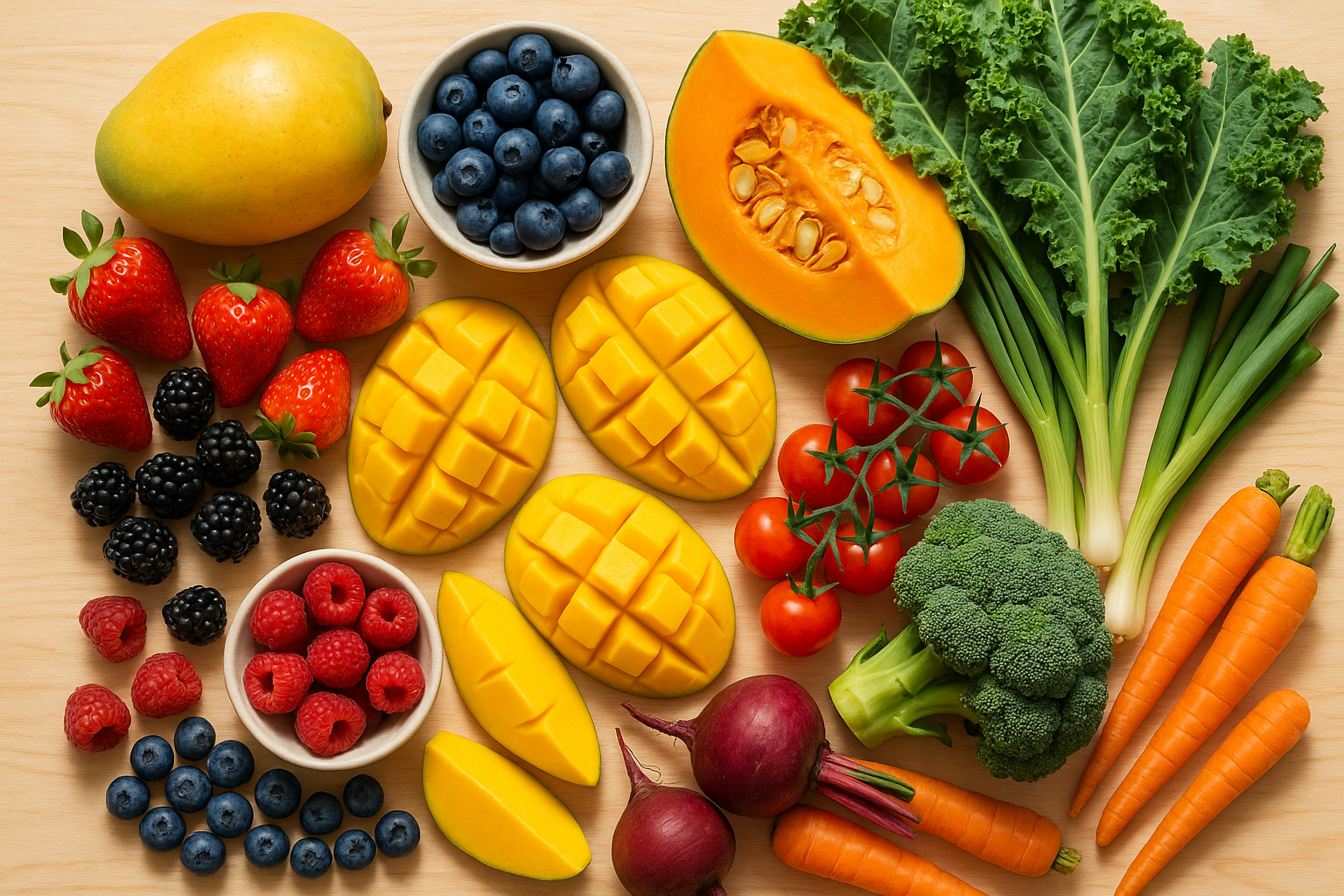
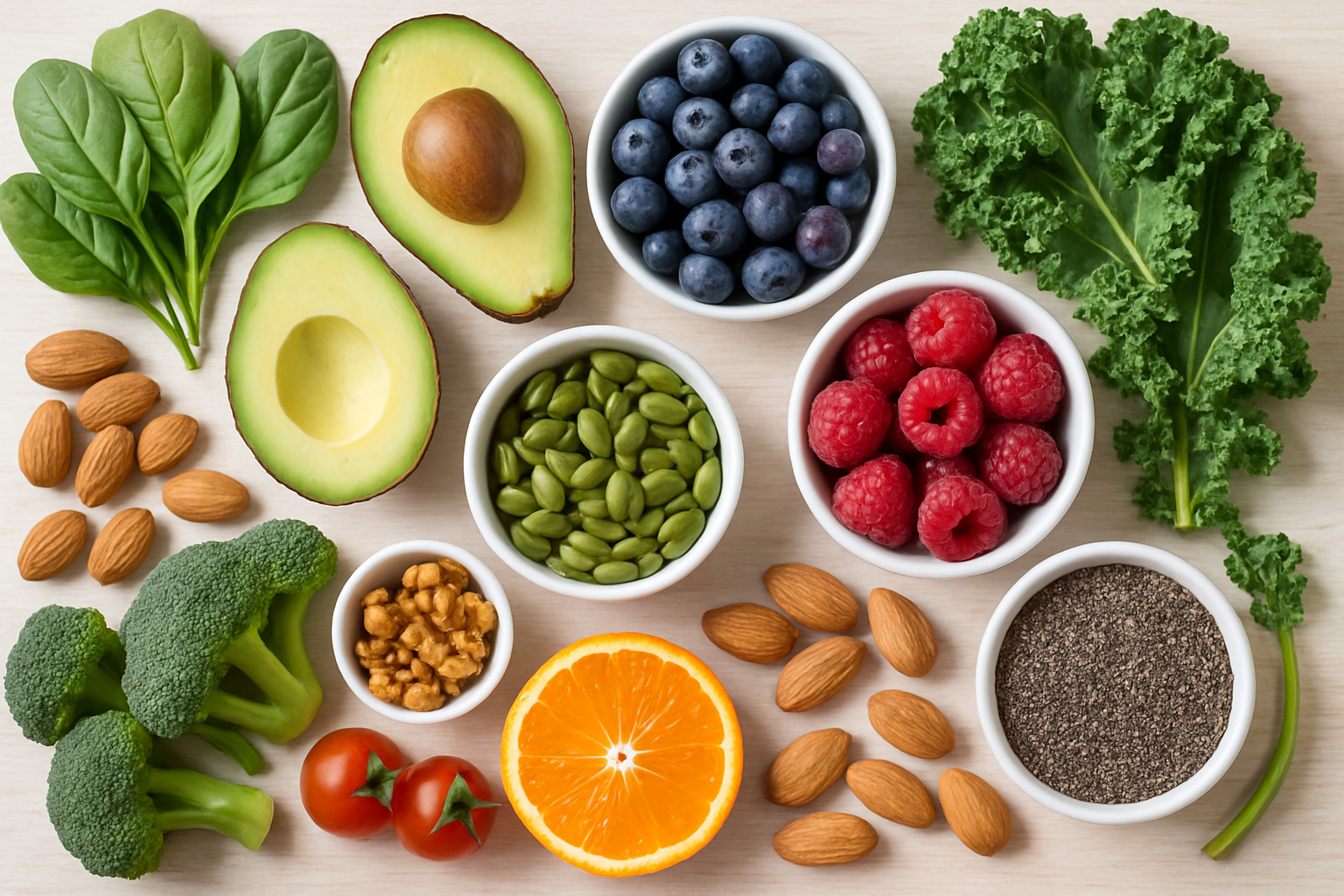
When considering immune boosting foods, it is important for factor in what nutrients and compounds are found in each food. Vitamin C is the most commonly know immune supportive nutrient so naturally, people often gravitate towards foods high in this important antioxidant. Though, what if I told you, Vitamin C is more effective at reducing the duration of colds and flus rather than preventing them. Similarly, Zinc plays a role in reducing the duration of the common cold and flu as well as reducing its severity. So if you are working from home just need to get through a day, you might find a good zinc and vitamin c combination through diet and food to be effective. What foods are high in vitamin C and zinc?

Vitamin C

  • Citrus (mandarins, lemons, oranges, limes)
  • Kiwi fruit
  • Strawberries
  • Blueberries
  • Papaya
  • Pineapple
  • Capsicum
  • Broccoli
  • Cauliflower
  • Spinach
  • Chili
  • Parsley

Zinc

  • Pepitas (pumpkin seeds)
  • Sesame seeds
  • Oysters
  • Eggs
  • Lean beef
  • Quinoa
  • Lentils
  • Chickpeas
  • Almonds
  • Cashews

Vitamin D

Vitamin D is our key prevention nutrient. Large scale studies have shown that adequate vitamin D levels act as a preventative for frequent colds and flus, likewise, studies show those who have vitamin D deficiency are more likely to experience regular cold and flu occurrences.

Vitamin D food sources are limited, which is why safe sun exposure is so important to our immune health. Luckily, here is Australia, we have ample access to the sun, we just need to get away from our computers, phones and TVs and step outside, even in those colder months.

Some Vitamin D food sources we do have available are:

  • Oily fish (cod, salmon, mackerel)
  • Eggs (with the yolk)
  • Fortified full fat dairy
  • Mushrooms

Vitamin A & Beta-Carotene

Our mucosal tissue lining in the nose, throat and lungs are our first line of defense again viruses. They act as barriers, preventing viruses from taking hold. Research shows, Vitamin A and beta-carotene protect these mucosal tissues from succumbing to viral infection and spreading throughout the body.

Sources of Vitamin A and beta-carotene include:

  • Carrot
  • Sweetpotato
  • Pumpkin
  • Spinach
  • Eggs (with the yolk)
  • Capsicum
  • Broccoli
  • Rockmelon

Polyphenols

Antioxidant compounds like polyphenols, including flavonoids are another tool in our immune supportive toolbelt. These antioxidants are anti-inflammatory, supporting the modulation of immune responses and are supportive of gut bacteria.

You can find polyphenols in:

  • Green tea
  • Blueberries, strawberries and blackberries
  • Dark chocolate
  • Flaxseeds
  • Nuts
  • Onions
  • Garlic
  • Olives
  • Leafy greens

Proteins as the building blocks of the immune system

Individual proteins known as amino acids are highly regarded as the building blocks of all body systems, but particularly the immune system. How exactly do proteins do this? Various types of amino acids play their individual and combined roles in tissue repair, creating antibodies and white blood cells to fight infection and improving microbiome health. Some examples of amino acids that are key to immune health include:

  • Glutamine
  • Arginine
  • Leucine, isoleucine and valine
  • Glycine and cysteine
  • Histidine

How do we get these amino acids in the diet?

A varied diet with a combination of lean meat proteins, fish, eggs, quinoa, legumes, bone broth, nuts and seeds and dairy.

The Gut-Immune Connection

More than 70% of the immune system resides in the gut. Supporting healthy gut bacteria balance and gut lining integrity is one of the most effective ways of preventing frequent colds and flus. If your tummy feels a little funny, now is the time to do something about it to ensure you are well prepared for what winter brings.

Colds and flus aren’t the only viruses we see at wintertime. Gastroenteritis (gastro) also circulates more prolifically over the colder months. Having a healthy balance of supportive good bacteria can help to prevent gastroenteritis viruses from taking hold.

Winter Wellness Diet

A winter wellness diet consists of a variety of the above listed foods to ensure diversity of gut bacteria, proteins polyphenols and antioxidant nutrients such as Vitamin C, zinc, Vitamin D. Variety and eating enough to avoid nutritional gaps is the key to winter wellness. Great ways to balances these out include foods like:

  • Curries (add 3-4 vegetables (e.g. broccoli, mushrooms, spinach) onion, ginger, garlic, lean protein and/or legumes)
  • Soups (again pick 2-3 from each list of immune nutrients)
  • Stews
  • Eat antioxidant fruits daily (1-2)
  • Drink green tea and bone broth (this will also support hydration which is also vital for immune health)

Natural Immune Support

It is possible to achieve healthy immunity with natural immune supports discussed above. Sometimes though, you can be so run down that you body is not able to keep up with food-based nutrients alone, this is where you may bring in supplemented natural immune supports to do just that, “supplement” your immune boosting diet. Supplementation should always be done with care of quality and therapeutic dosages but can be an effective complimentary measure to ensure those nuisance, life limiting viruses stay away.

A healthy diet can be an effective way of supportive positive health outcomes and keeping you in the game. On the other hand, a nutrient poor, inflammatory diet can be detrimental to your overall health and leave you feeling rundown, tired and sick. If you needed motivation, to improve your diet and health this is it. As the great Hippocrates, the ancient Greek physician once said, “Allow food to be thy medicine.”

Loading...