
Gold Coast maintenance and care essentials: a practical wellbeing checklist for busy households
Life on the Gold Coast can be all-or-nothing. One week you’re organised, the next you’re running on coffee and good intentions.
The goal with Gold Coast maintenance and care essentials isn’t a big reset. It’s a few basics you can repeat, even during school runs, shift work, caring responsibilities and packed calendars.
If you’ve been searching for support like a naturopath Gold Coast, gold coast naturopath, holistic nutritionist Gold Coast, or a gut Health dietitian Gold Coast, this checklist will help you build a steadier baseline first.
Your 15-minute weekly check-in (the baseline)
Pick one day each week. Set a timer. Do a quick scan.
You’re not chasing perfection. You’re spotting patterns early.
Check these six areas:
- Energy: Any mid-afternoon crash?
- Gut: Bloating, reflux, constipation or loose stools?
- Sleep: Struggling to fall asleep, stay asleep, or wake refreshed?
- Stress load: Feeling constantly “on”?
- Food rhythm: Skipping meals, then overeating later?
- Movement: Mostly sitting for days at a time?
Keep it simple: choose one change for the week.
Example: if you notice “coffee until lunch” is back, aim for protein at breakfast plus a caffeine cut-off time.
Food essentials: build the plate before you chase supplements
If you want reliable maintenance, start with what you do most days.
1) Protein at breakfast (even on rushed mornings)
A protein-containing breakfast can help with appetite and reduce the snack spiral later.
Try one of these:
- Greek yoghurt + berries + nuts/seeds
- Eggs + toast + tomato/spinach
- Smoothie with milk or yoghurt + fruit + oats + nut butter
- Leftovers (yes, even dinner leftovers)
2) Fibre for gut support (without going extreme)
Many people seeking a nutritionist Gold Coast or naturopath gold coast are already “eating clean”, but still feel bloated or sluggish.
Often it’s not willpower. It’s fibre, timing and consistency.
Aim to include:
- Vegetables at lunch and dinner
- Legumes (lentils, chickpeas, beans) a few times a week
- Oats, chia, linseeds, nuts
- Fruit daily
If you increase fibre, increase water too. If you have gut symptoms, increase fibre gradually.
3) A simple lunch formula (so afternoons don’t fall apart)
When lunch is random, the rest of the day often follows.
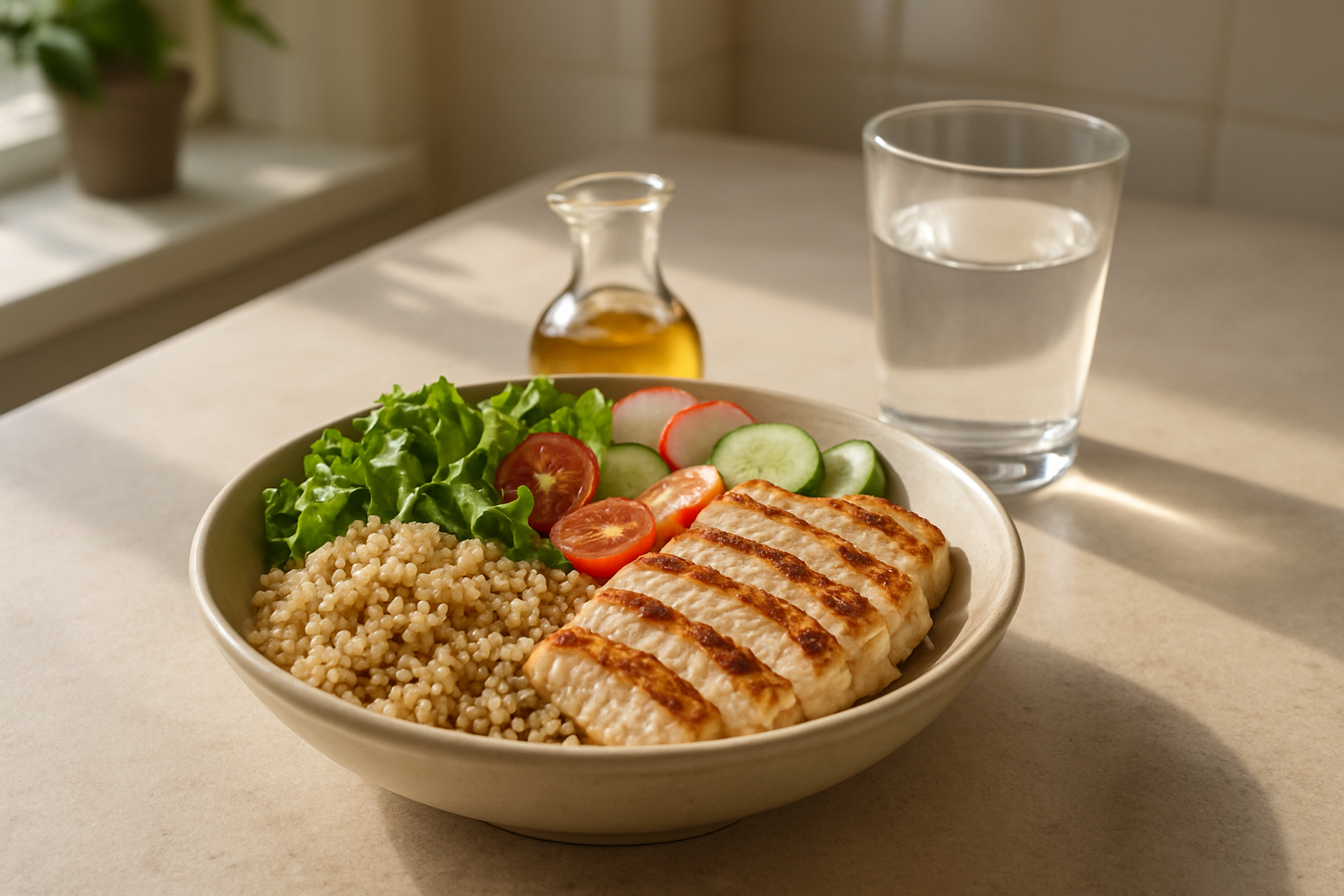
Use this quick structure:
- Protein: chicken, eggs, tuna, tofu, leftover meat, legumes
- Colour: salad or veg (fresh or frozen)
- Carbs (optional): rice, potato, wrap, sourdough, quinoa
- Fats: olive oil, avocado, nuts
Practical lunch example: bagged salad + tinned salmon + microwave rice + olive oil.
The Gold Coast “maintenance pantry” (make good choices the easiest choice)
A few staples reduce decision fatigue on busy weeks.
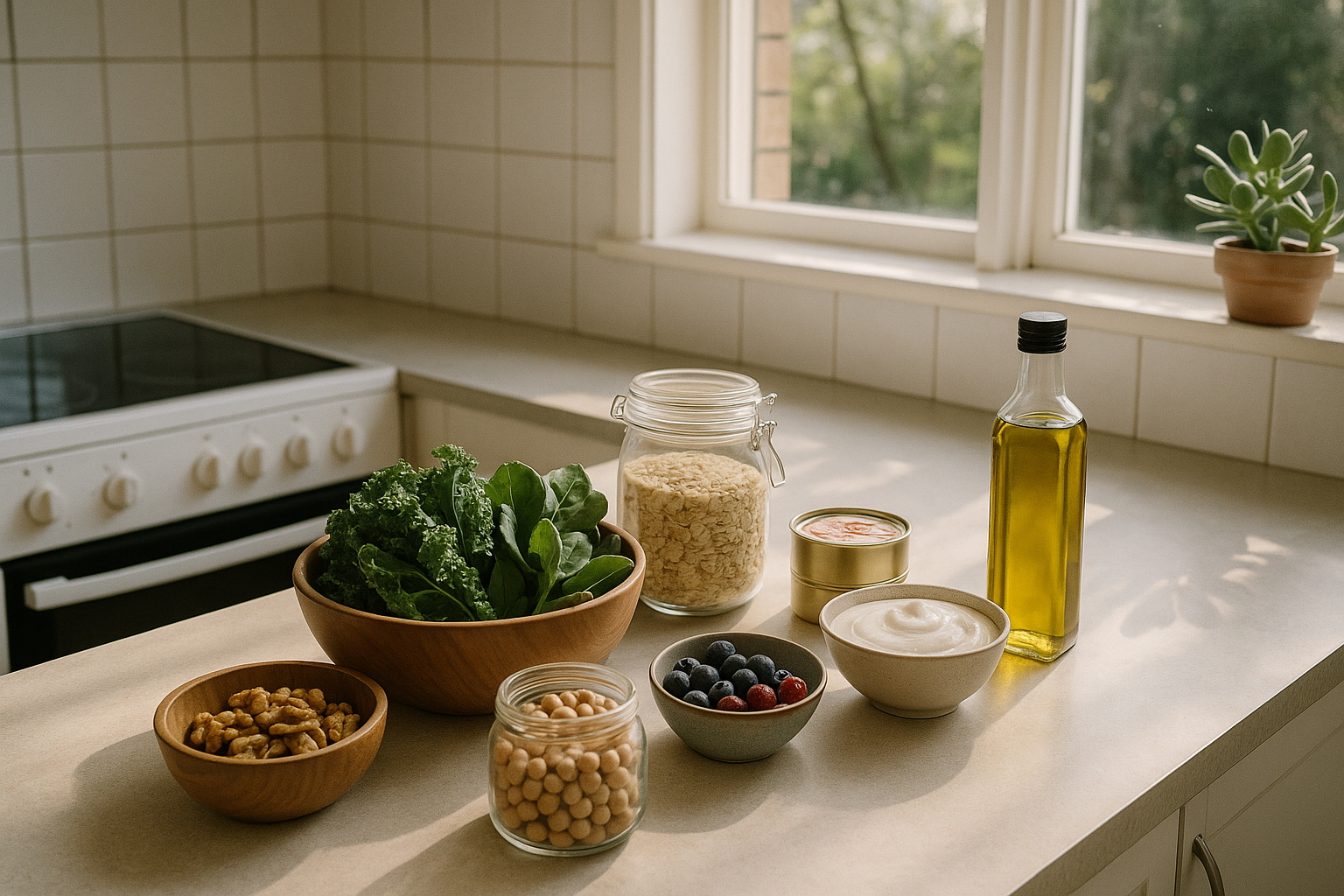
Keep a simple set of go-to foods:
- Tinned fish, chickpeas, lentils
- Frozen veg, frozen berries
- Oats, rice, pasta, wraps
- Olive oil, nuts, seeds
- Herbs/spices you actually use
- Long-life milk (or your preferred option)
This isn’t About trendy ingredients. It’s about repeatable meals.
Stress and sleep essentials (they affect digestion too)
Gut symptoms often flare when stress is high or sleep is poor.
These two basics are a good start.
Set one caffeine boundary
A common cycle is: coffee to push through fatigue → sleep disruption → more coffee.
Pick one change:
- Have coffee after breakfast (not on an empty stomach)
- Set a caffeine cut-off time (late morning or early afternoon)
Create a 20-minute wind-down routine
Choose 2–3 actions you can repeat most nights:
- Phone face down and out of reach
- Shower, herbal tea, light stretching
- Dim lights and a consistent bedtime
If anxiety is a key driver, you can also read: Naturopathy for anxiety support.
Movement: the minimum effective dose
For maintenance, you don’t need a perfect program. You need consistency.
Try:
- A 10-minute walk after meals (supports digestion and blood sugar stability)
- Two short strength sessions per week (bodyweight counts)
- If you sit a lot, stand up and move briefly each hour
When it’s time to get personalised support
If you’ve tried “eating better” but still feel stuck, personalised help can reduce guesswork.
People often look for a naturopath and nutritionist approach when they’re dealing with:
- Persistent bloating, reflux, irregular bowel habits
- Energy crashes, cravings, constant snacking
- Sleep disruption, stress, feeling wired
- Food confusion from mixed online advice
- Needing a realistic plan for a household (not a rigid diet)
If you’re comparing a naturopath Gold Coast with a holistic nutritionist Gold Coast, focus on the same outcome: a plan you can actually follow.
You can learn more about Beta Me here: Naturopath Gold Coast | Nutritionist Gold Coast | Beta Me.
Practical support options that fit real life
In-home and mobile appointments
If getting to an appointment is the hardest part, in-home support can be a practical solution.
Supermarket skills (so your trolley matches your goals)
Many plans fail at the supermarket.
A guided shop can help you:
-
Read labels quickly (without obsessing)
-
Build a reliable “default trolley”
-
Choose easy protein and snack options
-
Create a repeatable weekly shop
Flexible and remote consult options (including NDIS-aligned support)
If you’re searching for NDIS dietitian Gold Coast or NDIS nutritionist Gold Coast, you may be looking for practical support linked to daily life.
That can include meal structure, shopping, sensory considerations and routine building.
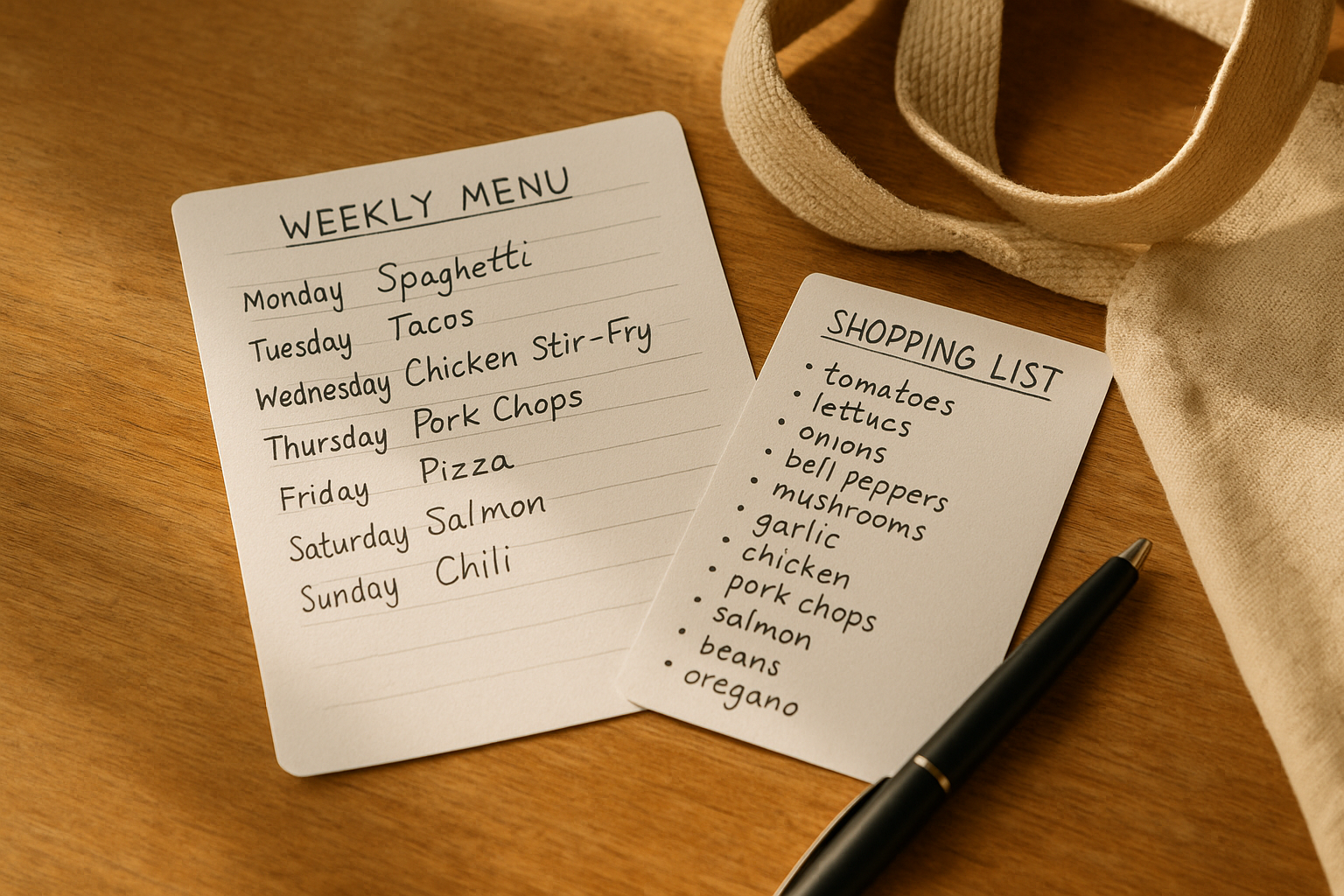
A simple 7-day maintenance plan (example you can repeat)
Use this template and adjust to your household.
- Choose 2 breakfasts to repeat
- Choose 3 lunches to rotate
- Choose 5 dinners with leftovers built in
- Lock in one shop day
- Do one prep moment (even 20 minutes)
- Pick one stress tool (wind-down routine, caffeine boundary, or walks)
Keep it boring on purpose. Consistency is the win.
Next step: get a plan that’s realistic for your household

If you’re on the Gold Coast and want a practical plan for food, gut support, sleep, stress and routines, Beta Me can help.
- Learn about the approach: About Beta Me (Danielle Lamb)
- Want to ask a question or book in? Contact Beta Me

FAQs
What’s the difference between a nutritionist and a dietitian?
A nutritionist typically focuses on food patterns, behaviour change and practical strategies. A dietitian provides medical nutrition therapy and is often the right fit for complex medical conditions requiring tightly prescribed diets. If you’re unsure, ask what suits your needs.
Can a naturopath help with gut issues?
A naturopath may support gut concerns through nutrition, lifestyle changes and practitioner-guided supplements or herbal options where appropriate. A consistent, structured plan is usually more helpful than a long list of products.
What should I do first if I suspect certain foods trigger symptoms?
Start a simple food-and-symptom log for 1–2 weeks. Look for patterns with caffeine, alcohol, large meals, late eating, low fibre, and stress. Avoid cutting multiple food groups at once unless advised.
I’ve been searching for a highly recommended naturopath Gold Coast. How do I choose?
Look for clear communication, realistic steps, and a collaborative approach. You should leave with a plan that fits your lifestyle and a way to measure progress.
Is NDIS nutrition support available?
It may be, depending on your plan goals and supports. If you’re seeking NDIS-aligned nutrition support, ask how strategies will translate into daily function, such as shopping, meal structure and routine building.
Do you offer mobile or at-home services?
Yes. Mobile consults can suit busy households, disability supports, or high stress loads where travel is difficult. See: Mobile nutritionist Gold Coast (in-home consults)