
Thriving on the Coast: Your Essential Guide to Health Maintenance on the Gold Coast
The Gold Coast lifestyle is an incredible mix of sun-drenched beaches, lush hinterland, and a buzzing social scene. It encourages us to be active and outdoors, but the ‘work hard, play hard’ culture can also take its toll. To truly thrive here, you need a proactive approach to your health—one that goes beyond the basics.
Simply keeping up isn’t enough. Your body needs specific care and maintenance to handle the unique demands of our environment. From constant sun exposure to a fast-paced life, let’s explore the essentials for staying healthy, energised, and balanced on the GC.
1. Sun Safety is More Than Skin Deep

Living on the Gold Coast means year-round sun exposure. While we all know the ‘slip, slop, slap’ mantra, true skin health starts from within.
Constant UV exposure generates free radicals, which can accelerate ageing and damage skin cells. While a quality, non-toxic sunscreen is non-negotiable, your diet is your second line of defence.
Nutritional essentials for sun-kissed skin:
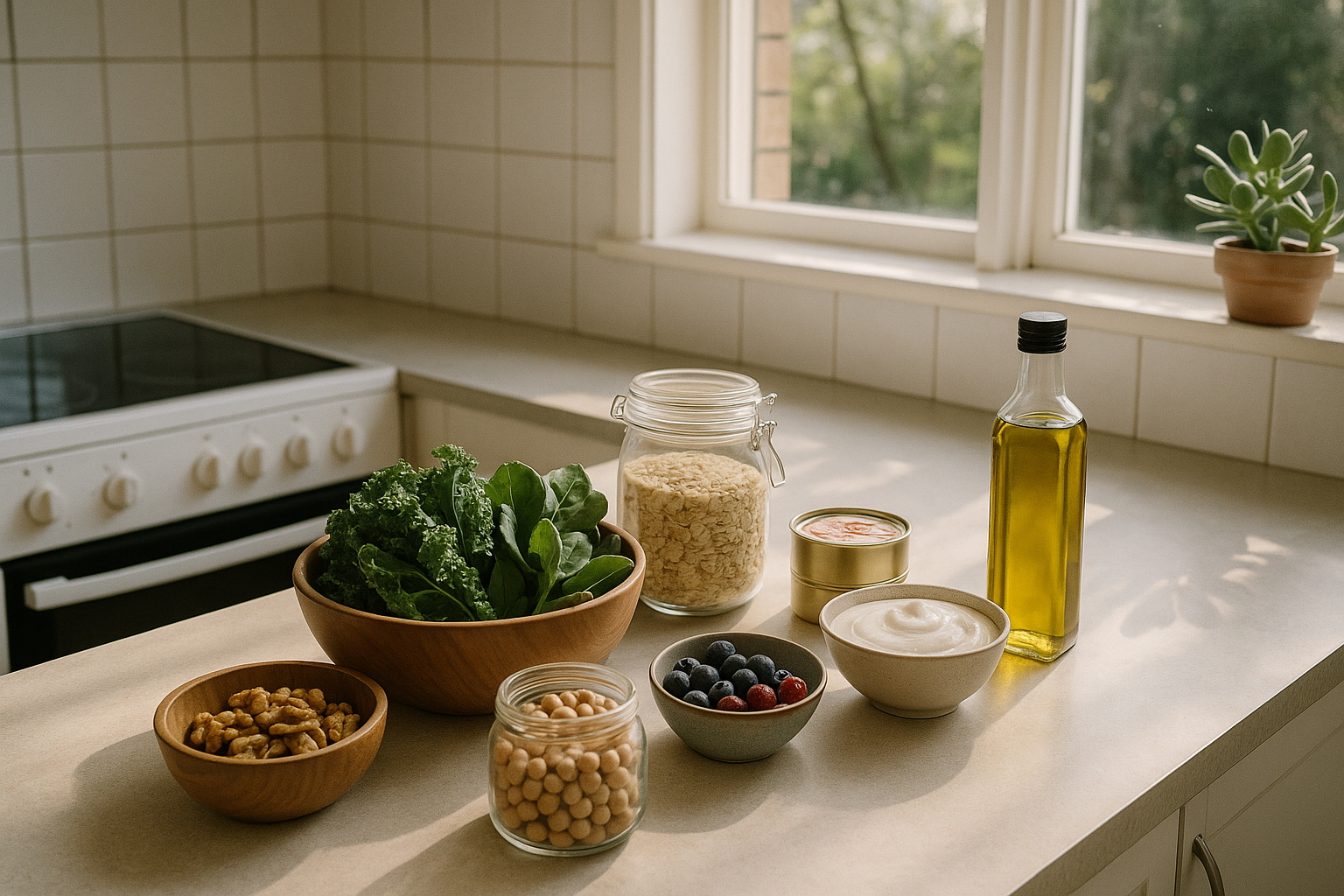
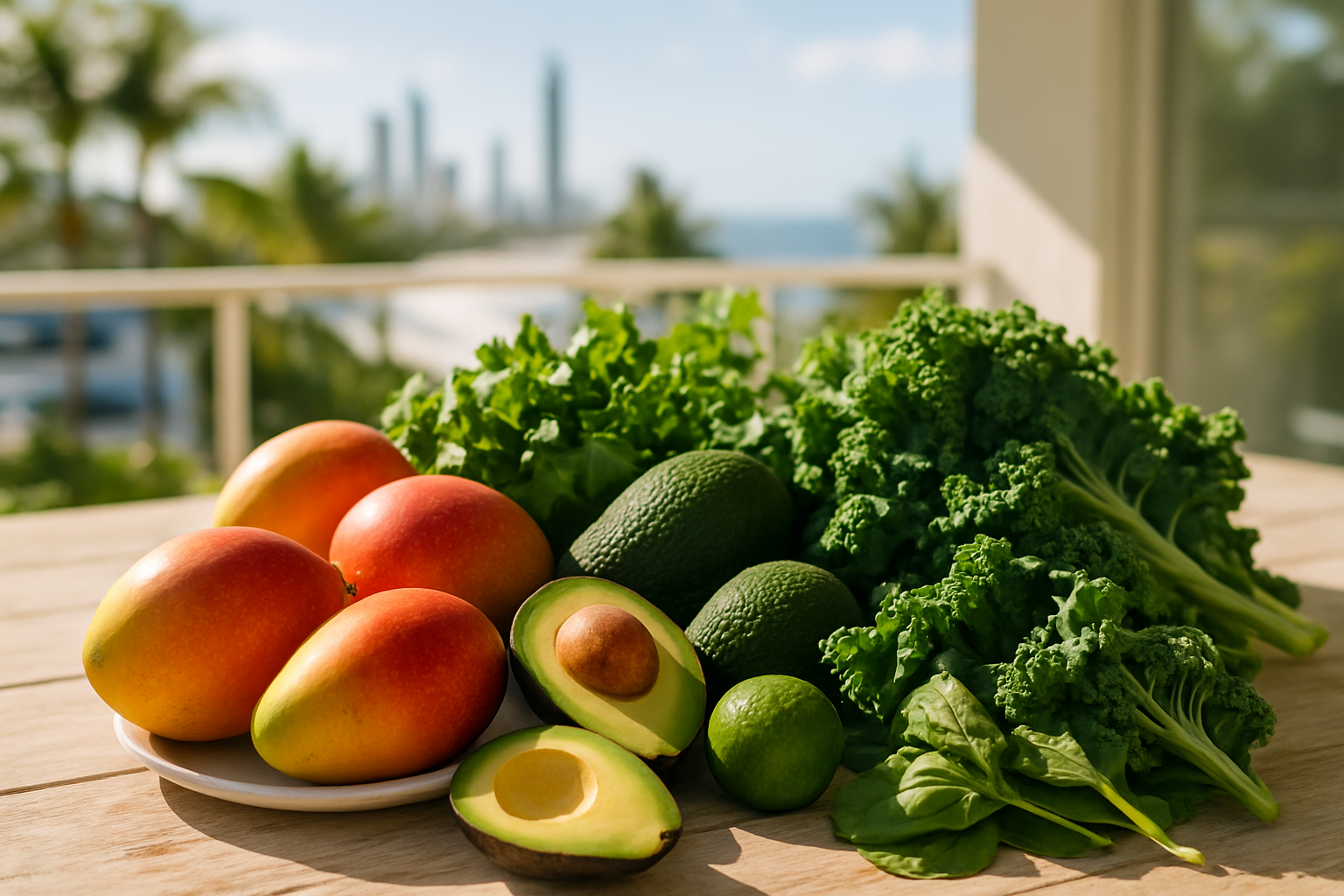
- Antioxidants: Load up on colourful fruits and vegetables like berries, leafy greens, capsicum, and carrots. They help your body neutralise free radical damage.
- Healthy Fats: Foods rich in Omega-3s, like salmon, walnuts, and chia seeds, help maintain your skin’s barrier function, keeping it hydrated and strong.
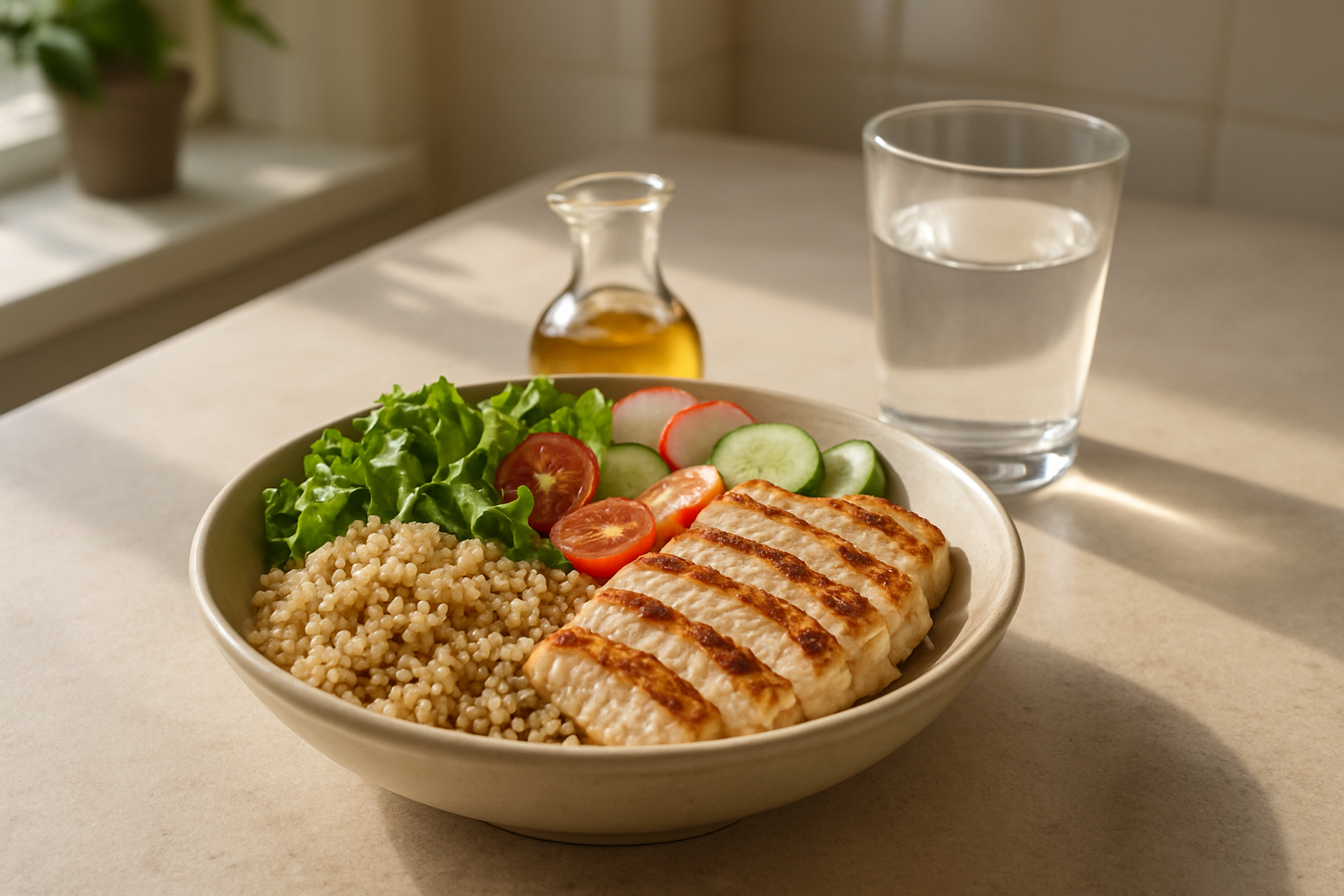
- Hydration: It sounds simple, but drinking enough water is crucial for flushing toxins and keeping skin cells plump.
2. Fuelling Your Active Lifestyle (The Right Way)
Whether you’re hitting the surf at dawn, hiking Springbrook, or just keeping up with the kids, an active life requires proper fuel. Grabbing a quick coffee or sugary snack might provide a short-term buzz, but it often leads to an energy crash later.
Sustained energy comes from balanced macronutrients and optimal gut health. If you’re constantly feeling fatigued, bloated, or just not recovering well, your diet is the first place to look. Poor gut health can hinder nutrient absorption, meaning even if you’re eating well, your body might not be getting the benefits.
Working with a gut health dietitian on the Gold Coast can help identify the root cause of energy slumps. It’s about personalising your nutrition to ensure you’re digesting and absorbing everything you need to feel your best.
3. Managing the Pressure to Keep Up
The Gold Coast isn’t just laid-back beach vibes; it’s also a hub of business and social activity. This pressure can lead to chronic stress, which impacts everything from your sleep and mood to your hormones and digestion.
Finding balance is a critical health maintenance skill. This means actively scheduling downtime and incorporating stress-management techniques into your routine.
Practical ways to find calm:
- Mindful Moments: Start your day with five minutes of quiet meditation or deep breathing before reaching for your phone.
- Nature Therapy: Swap a high-intensity workout for a calming walk along the beach or through the Burleigh Headland National Park.
- Herbal Support: Certain herbs, like Ashwagandha and Chamomile, can be incredibly supportive. However, it’s vital to get professional advice before self-prescribing.
If you find that stress and worry are becoming overwhelming, exploring naturopathy for anxiety offers a holistic approach to restore balance to your nervous system.
4. Why Personalised Advice Matters
Generic health advice from the internet can only get you so far. Your body, lifestyle, and health goals are unique. A one-size-fits-all diet or supplement plan rarely delivers lasting results.
This is where consulting with a qualified professional makes all the difference. A naturopath and Nutritionist looks at the complete picture of your health. They don’t just treat symptoms; they investigate the underlying cause.
Seeking out a highly recommended naturopath Gold Coast residents trust means getting a partner in your health journey. They can provide:
- Targeted dietary plans for your specific needs (e.g., gut health, hormone balance).
- Functional testing to get clear data on what’s happening inside your body.
- Lifestyle coaching to help you implement sustainable changes.
- Professional support as an NDIS dietitian on the Gold Coast for participants requiring nutritional guidance.
A holistic Nutritionist on the Gold Coast can even help you navigate the practical side of healthy eating, from deciphering food labels to finding healthier options when dining out. Services like a guided Supermarket Shopping Tour can equip you with the skills to make confident, healthy choices every week.
Your Health is Your Greatest Asset
Living on the Gold Coast is a gift. Taking proactive steps to maintain your health ensures you can enjoy it to the fullest for years to come. Instead of waiting for problems to arise, invest in a personalised strategy that supports your unique needs.
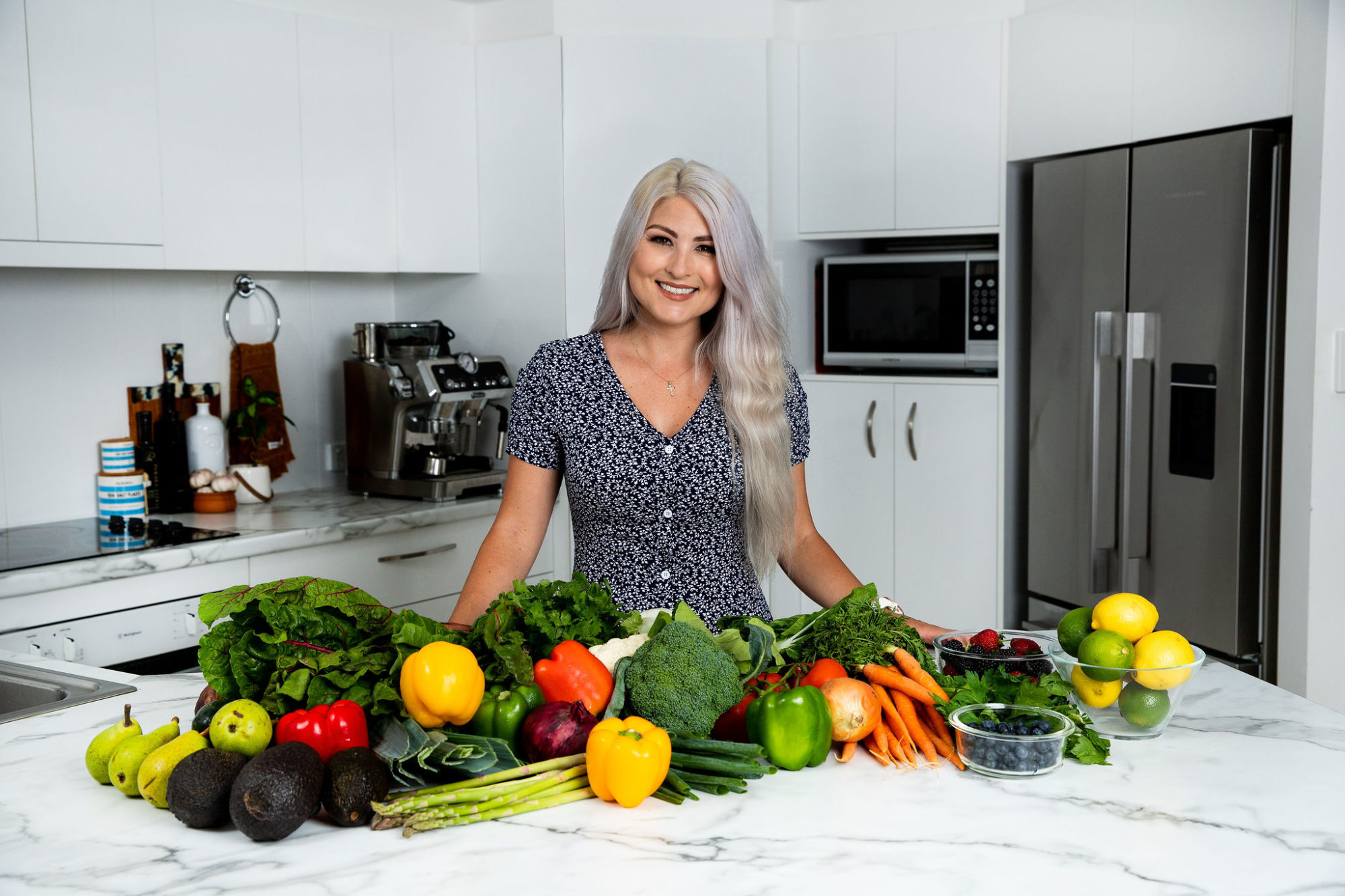
If you’re ready to move beyond guesswork and create a sustainable health plan that fits your lifestyle, we’re here to help. Book a consultation with Danielle, our Gold Coast naturopath and nutritionist, and start your journey to thriving, not just surviving.