
My Health Hub: an in-depth guide and key considerations (Australian edition)
If you’ve ever left a health appointment feeling motivated—then two weeks later you can’t find the handout, you’ve forgotten what to track, and dinner has gone back to “whatever’s easiest”—you’re exactly who a My Health Hub is for.
A My Health Hub isn’t about perfection. It’s a simple system that helps you follow through when life is busy.
This my health hub in-depth guide and key considerations article explains how to build a hub that actually gets used in real Australian life. If you’d like printable tools to support your system, start here: My Health Hub downloads and resources.
What a My Health Hub is (and what it isn’t)
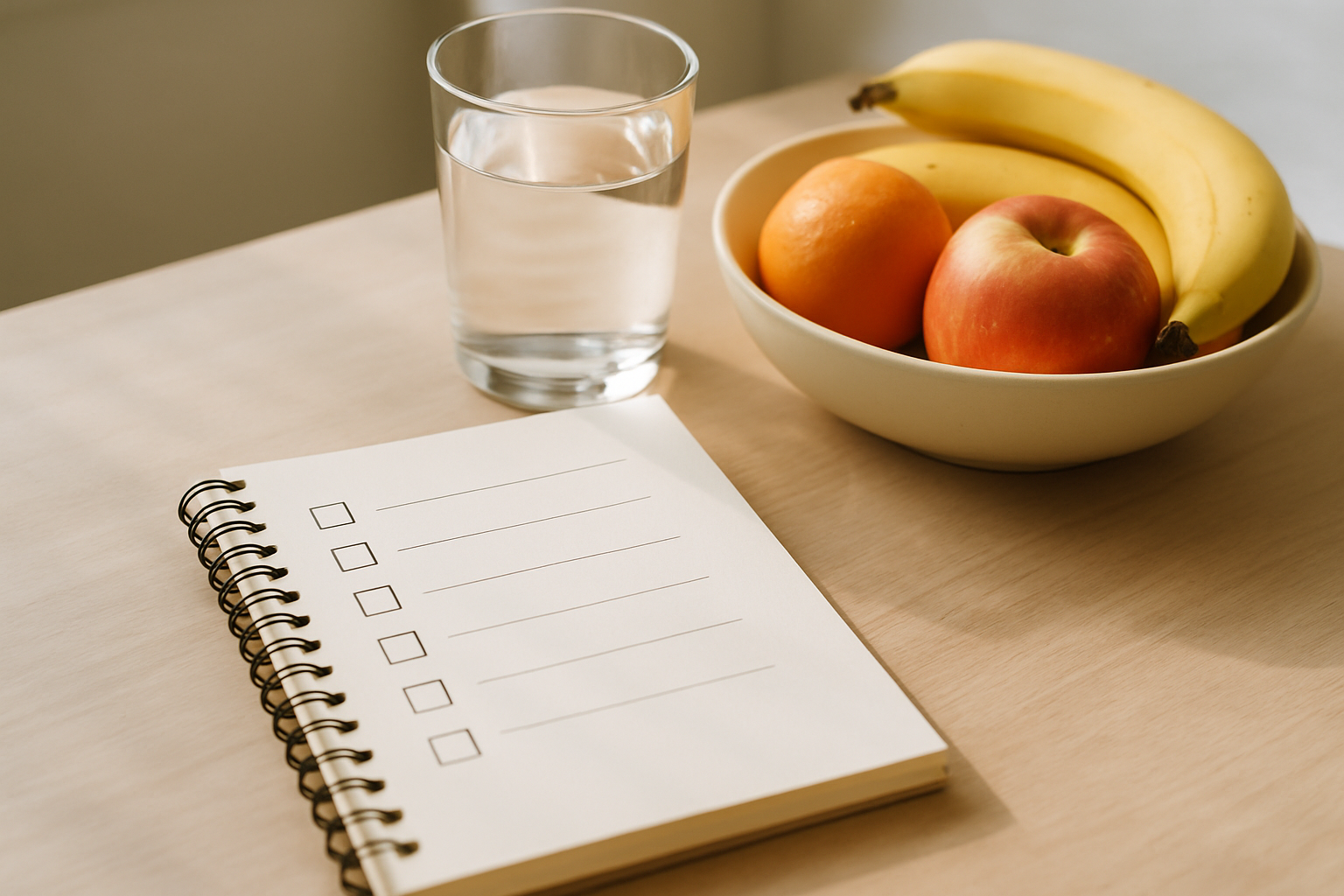
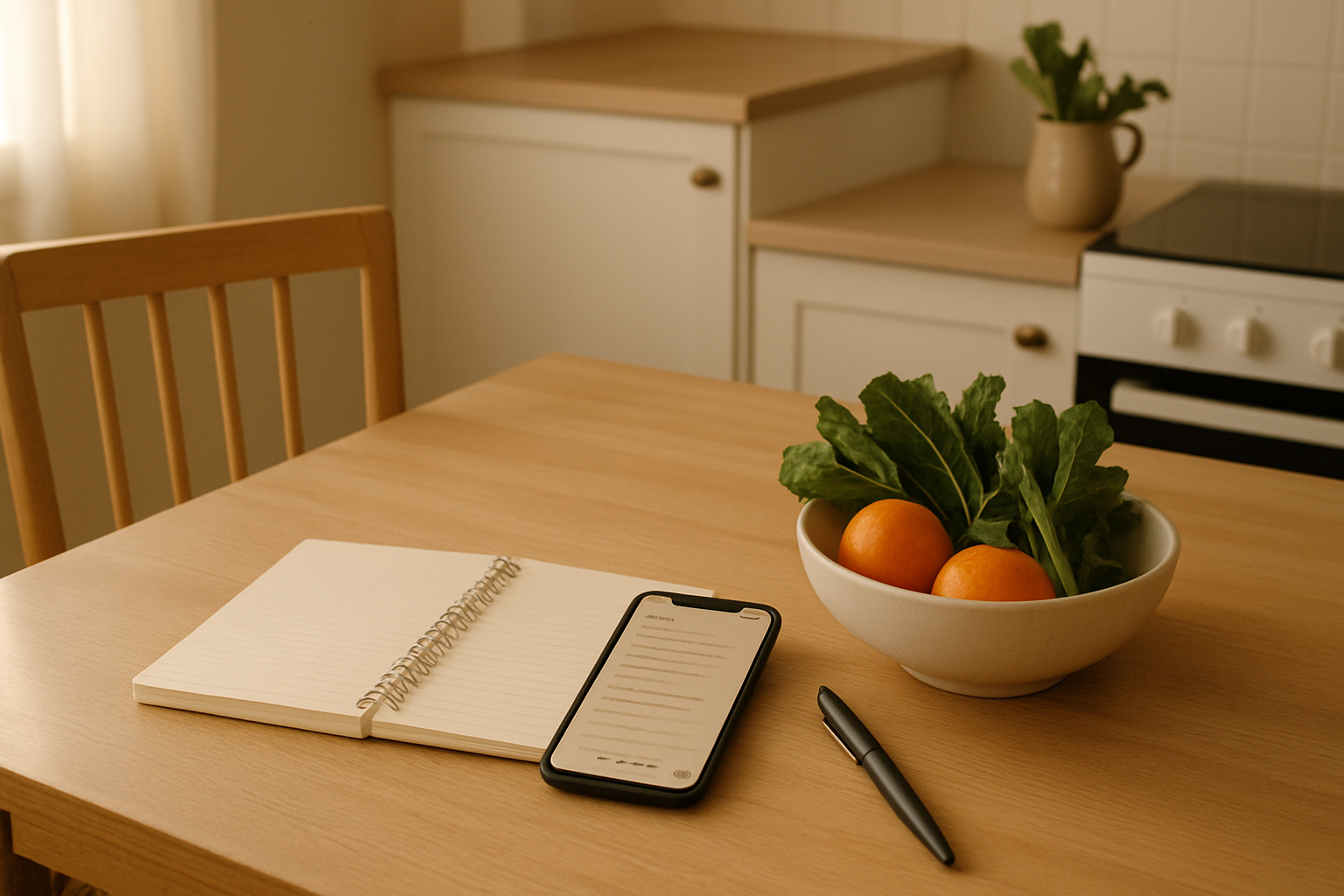
Think of your My Health Hub as your personal health operations centre. It might be a folder on your phone, a binder at home, a notes app, or a mix.
It isn’t:
- A massive spreadsheet you never open
- A strict rulebook
- A place to collect guilt
It is:
- A single place for your key info and tools
- A way to spot patterns (food, stress, sleep, symptoms)
- A bridge between consults so you can keep momentum
If you’ve searched for betterhealth tips, followed generic “clean eating” rules, or tried to piece together advice from social media, a hub helps you filter the noise. You keep what’s relevant to you.
Key considerations before you build yours
Keep it frictionless
The best hub is the one you’ll use.
Choose one home base:
- Phone folder (often the most realistic)
- Google Drive / iCloud folder
- A4 folder if paper works best
Make it easy to access at the moments you need it—at the supermarket, when packing lunch, or when symptoms flare.
Set one goal (one goal beats ten)
Write one clear goal for the next 2–4 weeks. Examples:
- “Reduce afternoon bloating and discomfort most days.”
- “Eat breakfast 5 days a week to stabilise energy.”
- “Build a weeknight plan that doesn’t rely on takeaway.”
Your tracking, shopping and meal structure should serve the goal—not the other way around.
Don’t let tracking become another stressor
Some people love data. Others find it triggering.
If you have a history of disordered eating, high anxiety, or you notice tracking makes you hypervigilant, keep it minimal (or skip tracking altogether).
If anxiety is a major driver for you, it can help to address food foundations alongside stress support. See: Naturopathy for anxiety support.
What to include in a My Health Hub (start with the essentials)
You don’t need everything on day one. Start with the pieces that make follow-through easier.
Your one-page health snapshot
This is the “quick context” you can share with a practitioner (or keep for yourself):
- Main symptoms and how long they’ve been around
- Current medications and supplements
- Known allergies/intolerances
- Relevant medical history (brief)
- Biggest barriers (time, budget, shift work, cooking skills, sensory preferences)
This is especially useful if you see a naturopath and Nutritionist, or you’re coordinating care across providers.
A short-term symptom and food log (7–14 days)
If your focus is digestion, skin, fatigue, sleep, mood, or recurring cravings, a short log can clarify patterns.
Keep it simple:
- Meals/snacks (rough is fine)
- Bowel habits
- Bloating/discomfort (0–10)
- Sleep quality
- Stress level
This is often the missing piece for people searching dietitian gut health support or a gut health dietitian Gold Coast—because it gives you real information to work with, rather than guessing.
Your “default meals” list
Healthy eating becomes easier when you reduce daily decisions.
Create a list of 8–12 go-to options:
- 3 breakfasts
- 3 lunches
- 3 dinners
- 2 snacks
Aim for meals you can repeat without getting bored. Rotate flavours, not the whole structure.
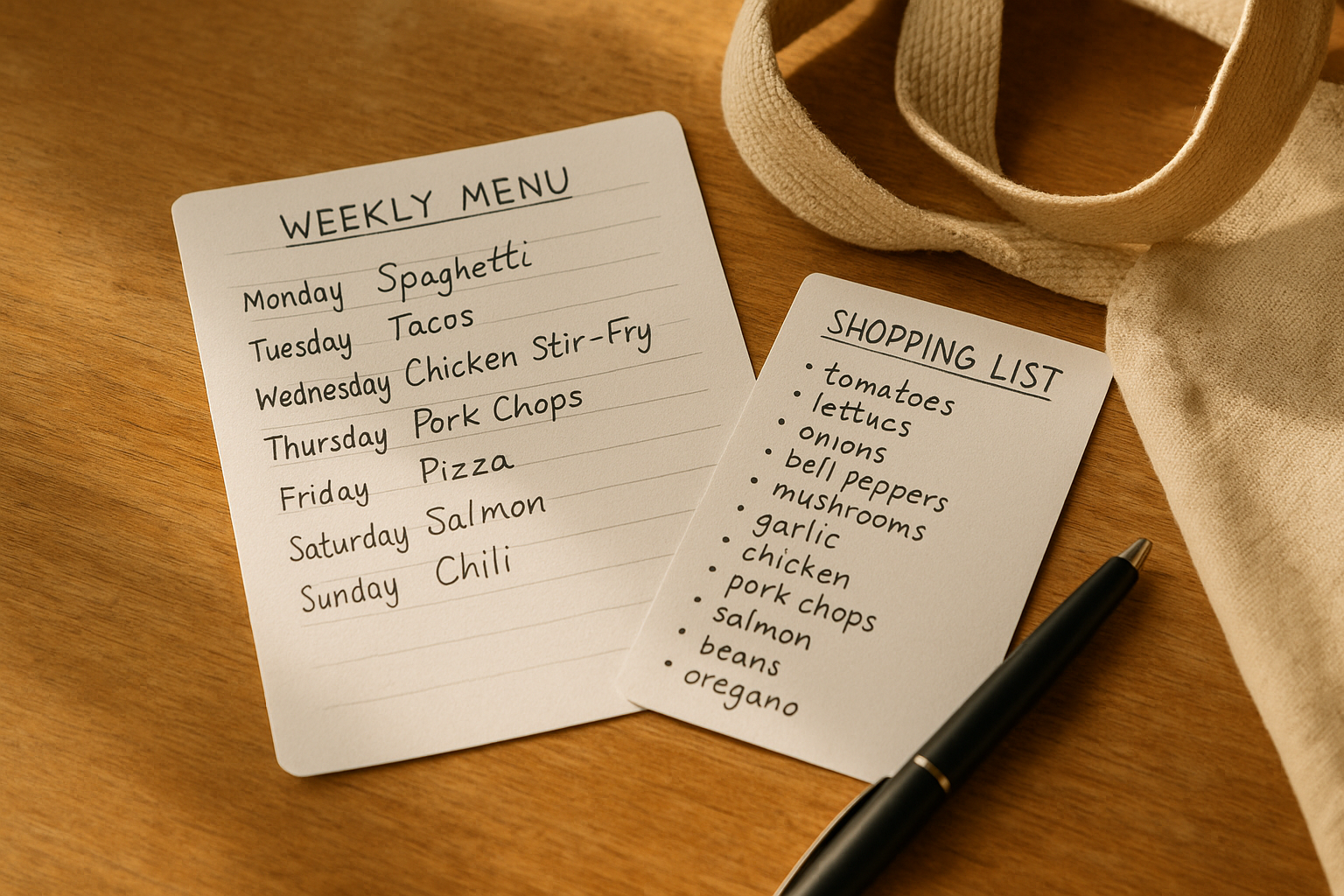
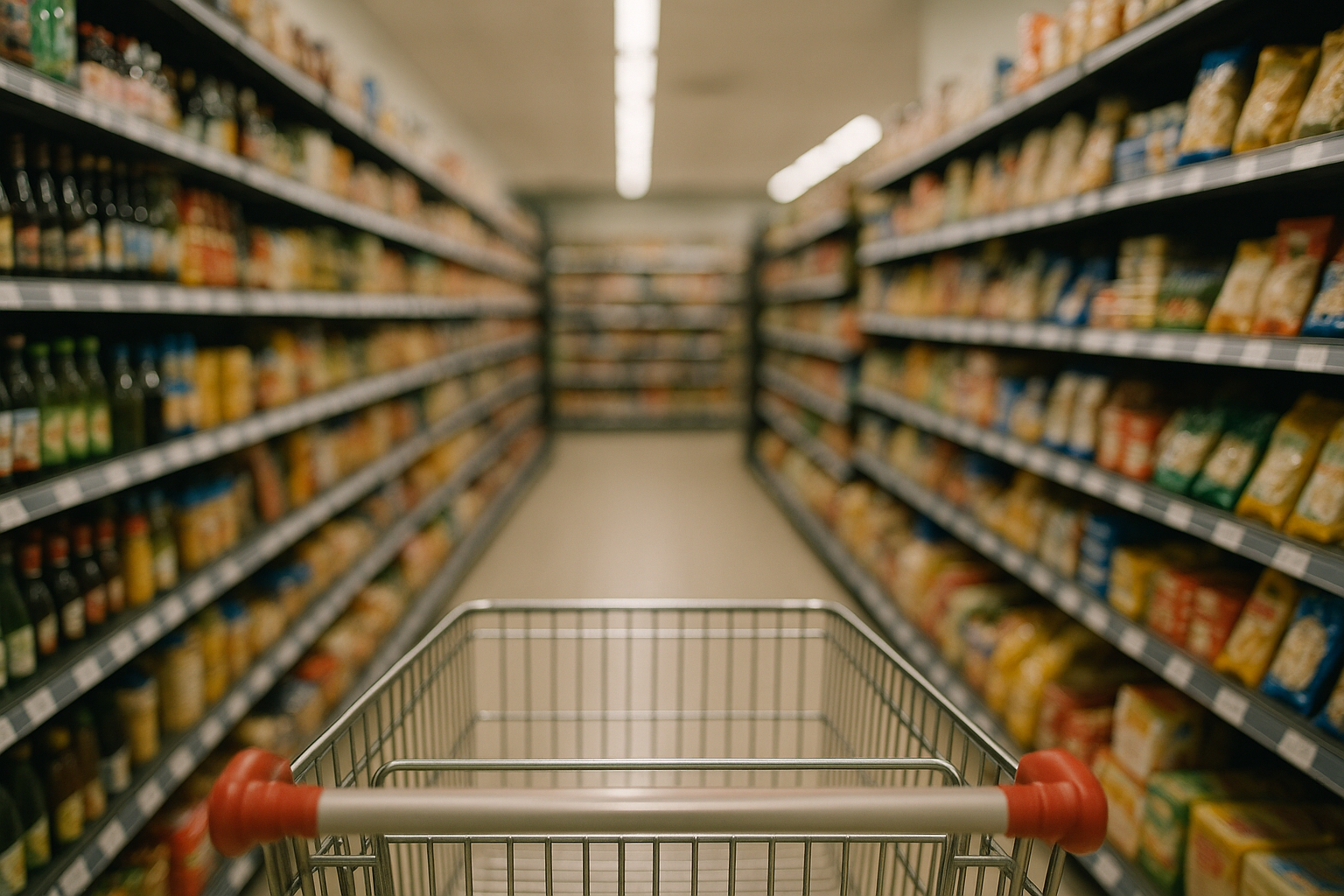
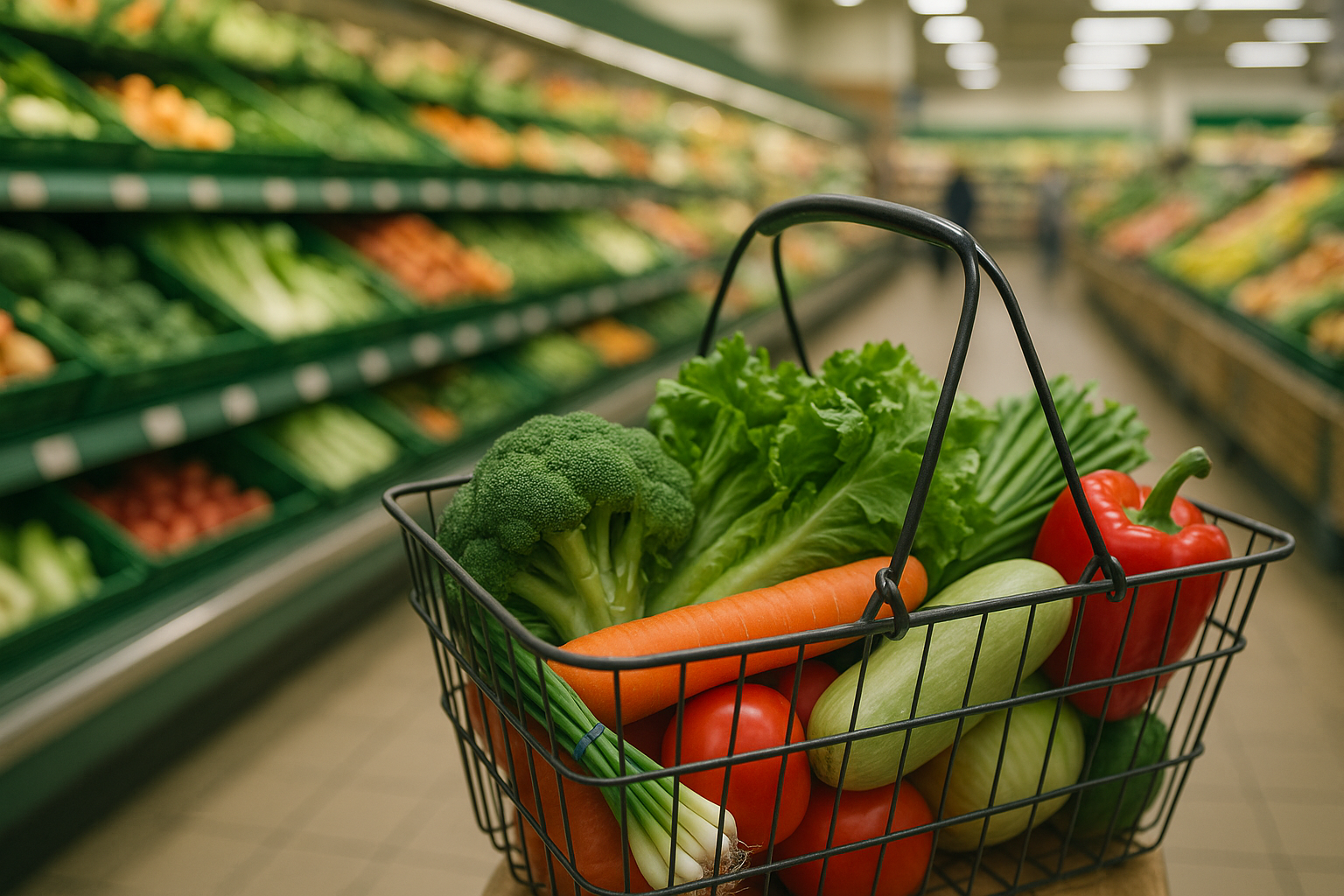
A realistic supermarket plan (the trolley is where it’s won)
Most goals fail at the trolley.
A supermarket shopping guide helps you:
- Choose foods that match your gut, energy and stress needs
- Build a consistent trolley (even when you’re tired)
- Get faster at label reading
If you want hands-on support, Beta Me offers: Supermarket shopping guide and shopping tours.
A gentle “reset plan” for off weeks
This is your safety net for stressful weeks.
Write a reset plan that doesn’t rely on motivation:
- Stock 3 emergency meals (eggs + frozen veg, tinned salmon + rice, yoghurt + fruit + oats)
- One hydration target you can hit
- One sleep boundary (for example, screens off at a set time)
- One gentle movement option (walk, stretch, mobility)
Healthy eating for everyday Australians (a practical answer)
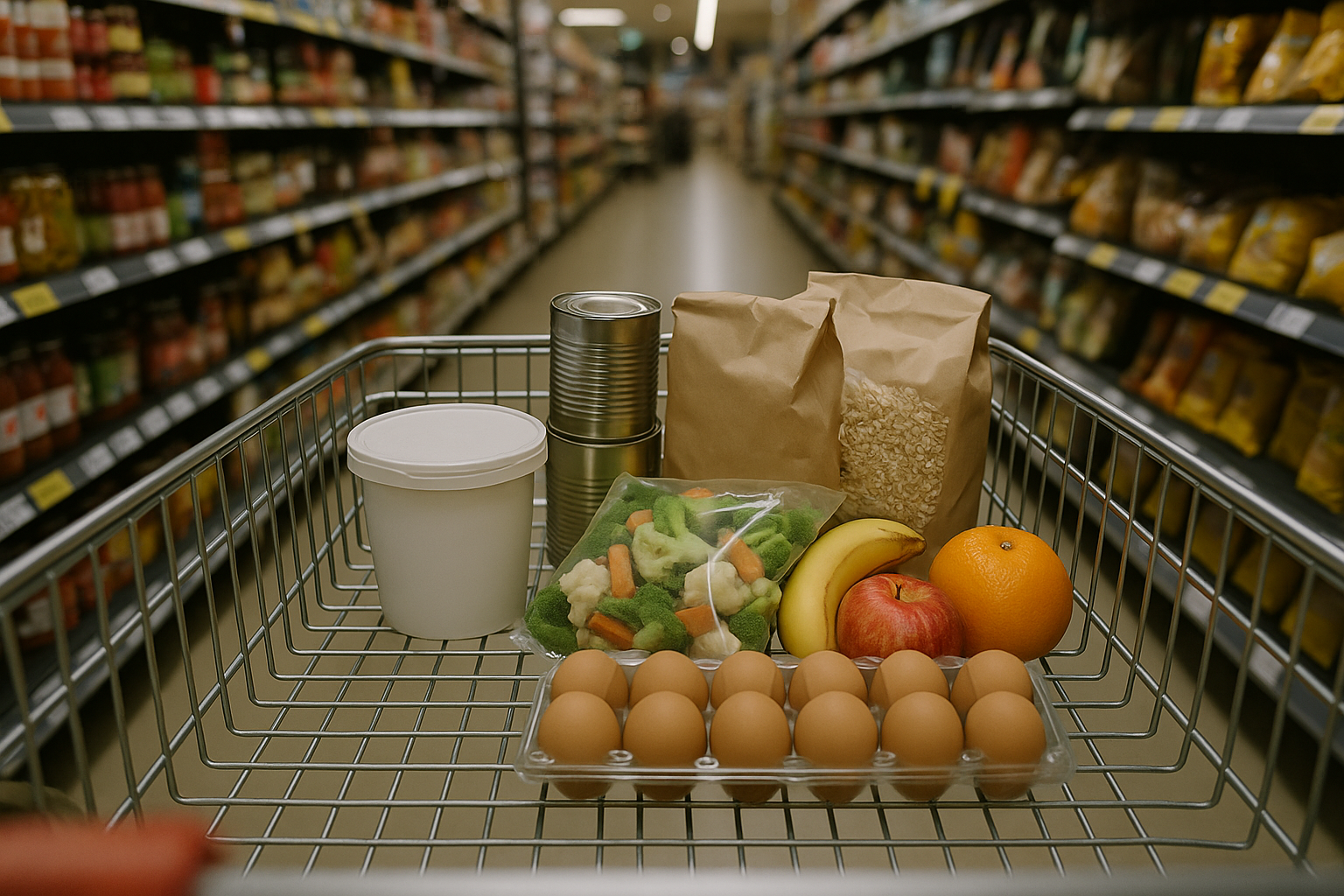
Many people ask: what does healthy eating look like for an average Australian?
The most useful answer is the one you can apply on a Tuesday.
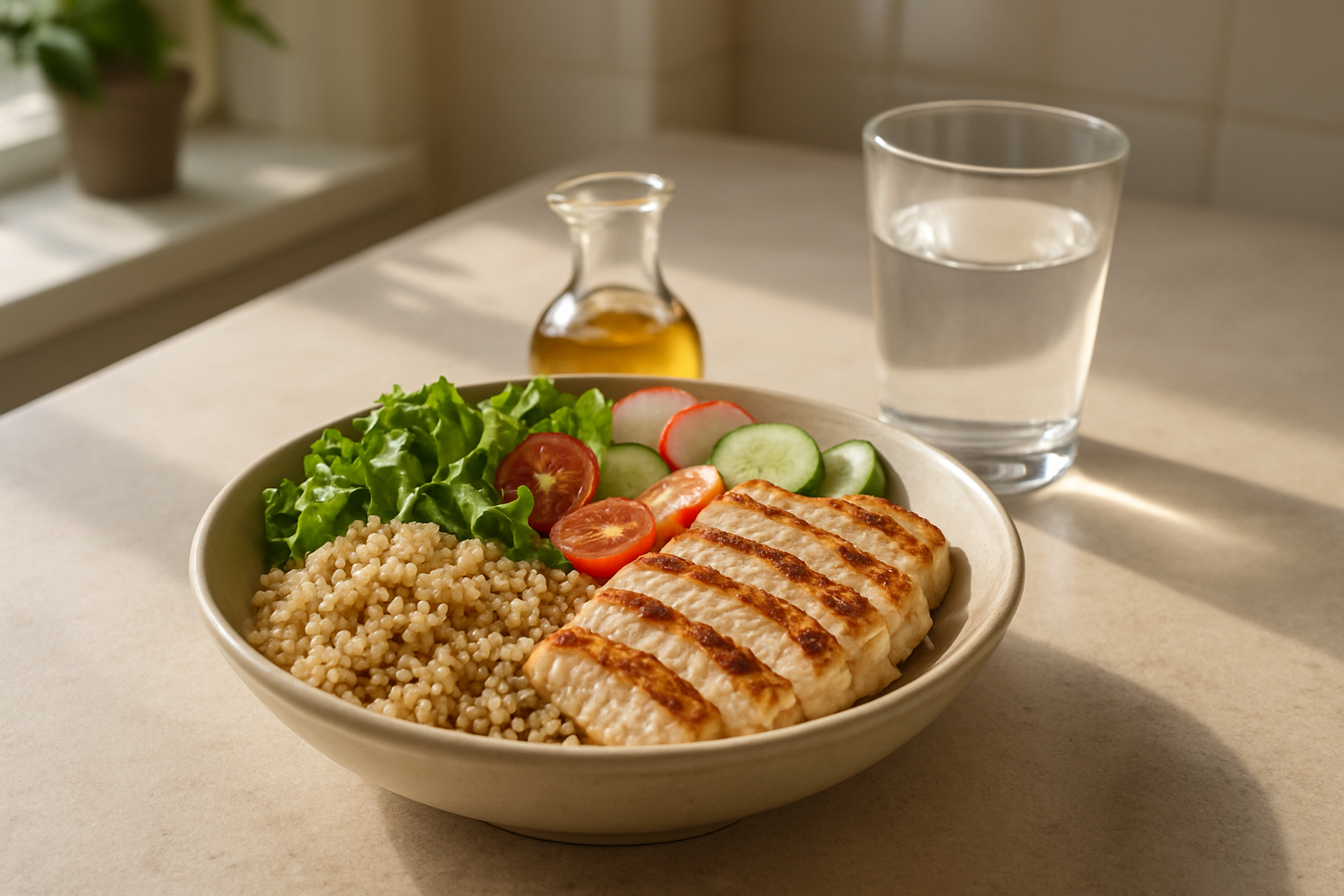
For many Australians, “healthy” looks like:
- Regular meals with enough protein to keep you satisfied
- Plenty of vegetables most days (fresh and frozen both count)
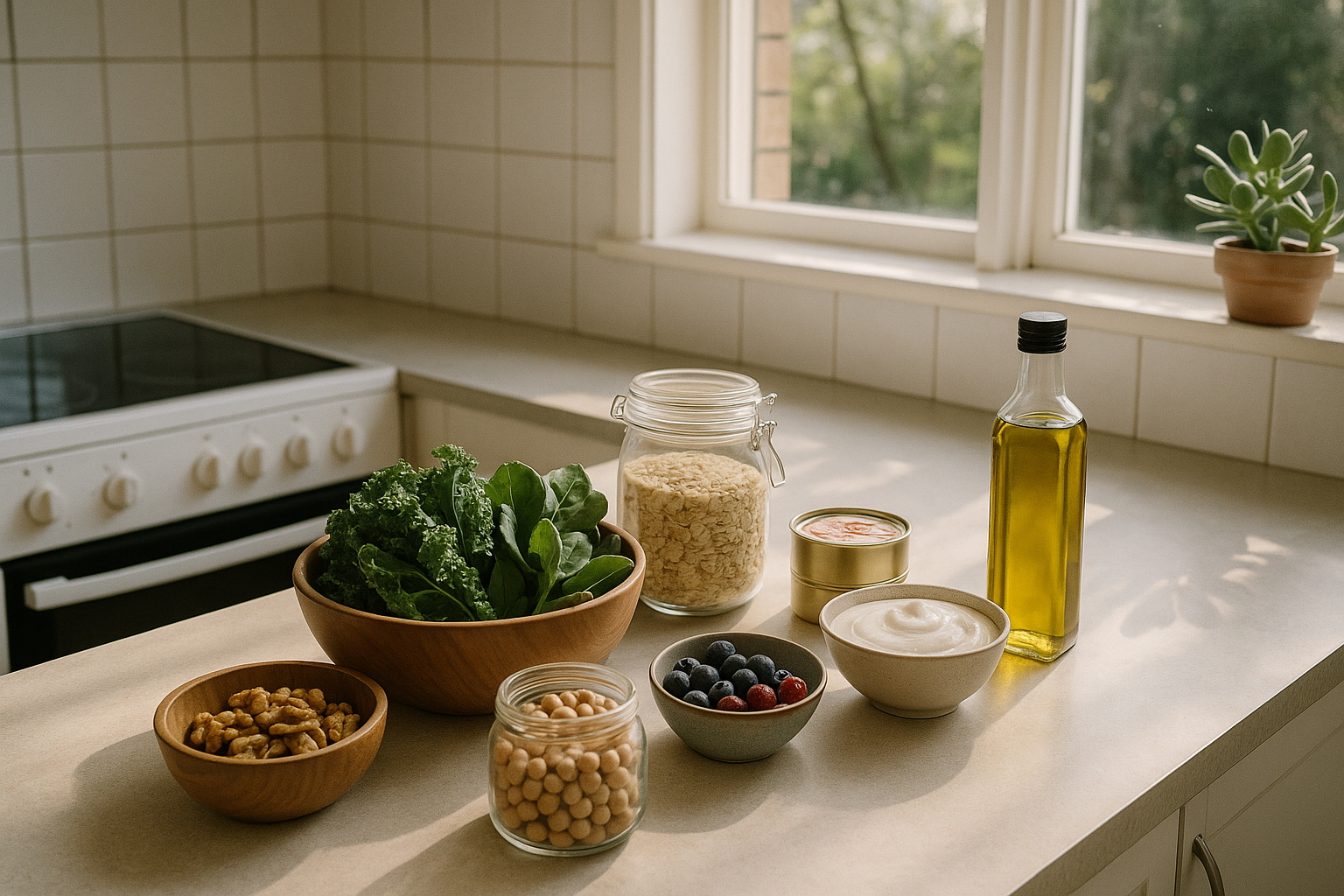
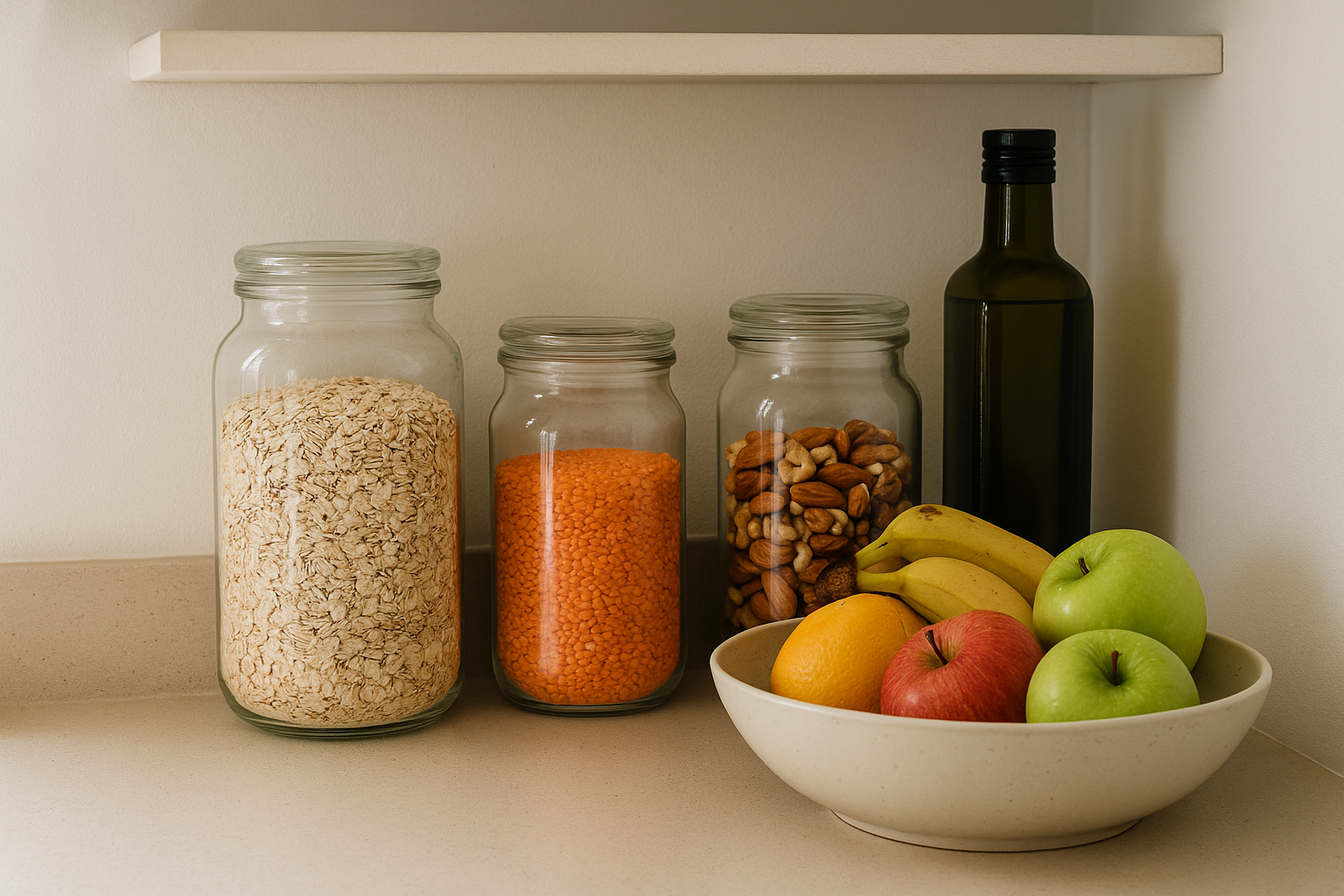
- Fibre from legumes, oats, seeds, wholegrains and vegetables
- Mostly minimally processed foods, with room for fun foods
- A plan for busy days (because life doesn’t pause)
If you’re dealing with gut symptoms, the “healthy” option is sometimes the one your gut tolerates right now—while you work out triggers and rebuild tolerance over time.
My Health Hub for gut health: key focus areas
If your hub is mainly for digestion, keep it centred on foundations.
Meal pace, chewing and meal rhythm
Rushed meals can amplify symptoms.
Try:
- Sit down for 10 minutes
- Chew more than you think you need
- Reduce multitasking while eating
Fibre: choose the right type and increase slowly
Going from low fibre to very high fibre overnight can backfire.
A gentler approach:
- Add one fibre food at a time
- Increase water alongside fibre
- Track tolerance (not “good vs bad”)
Identify patterns without fear or food rules
Your hub is for curiosity, not restriction.
Swap harsh rules for observations:
- “I notice this affects me when I’m stressed.”
- “This is fine in a small serve, but not two days in a row.”
If you want personalised help, support can save months of trial and error—especially if you’re looking for a dietitian gut health approach or a gut health dietitian Gold Coast style of support. For local care options, see: Naturopath Gold Coast | Nutritionist Gold Coast | Beta Me.
My Health Hub for stress and anxiety: what to add
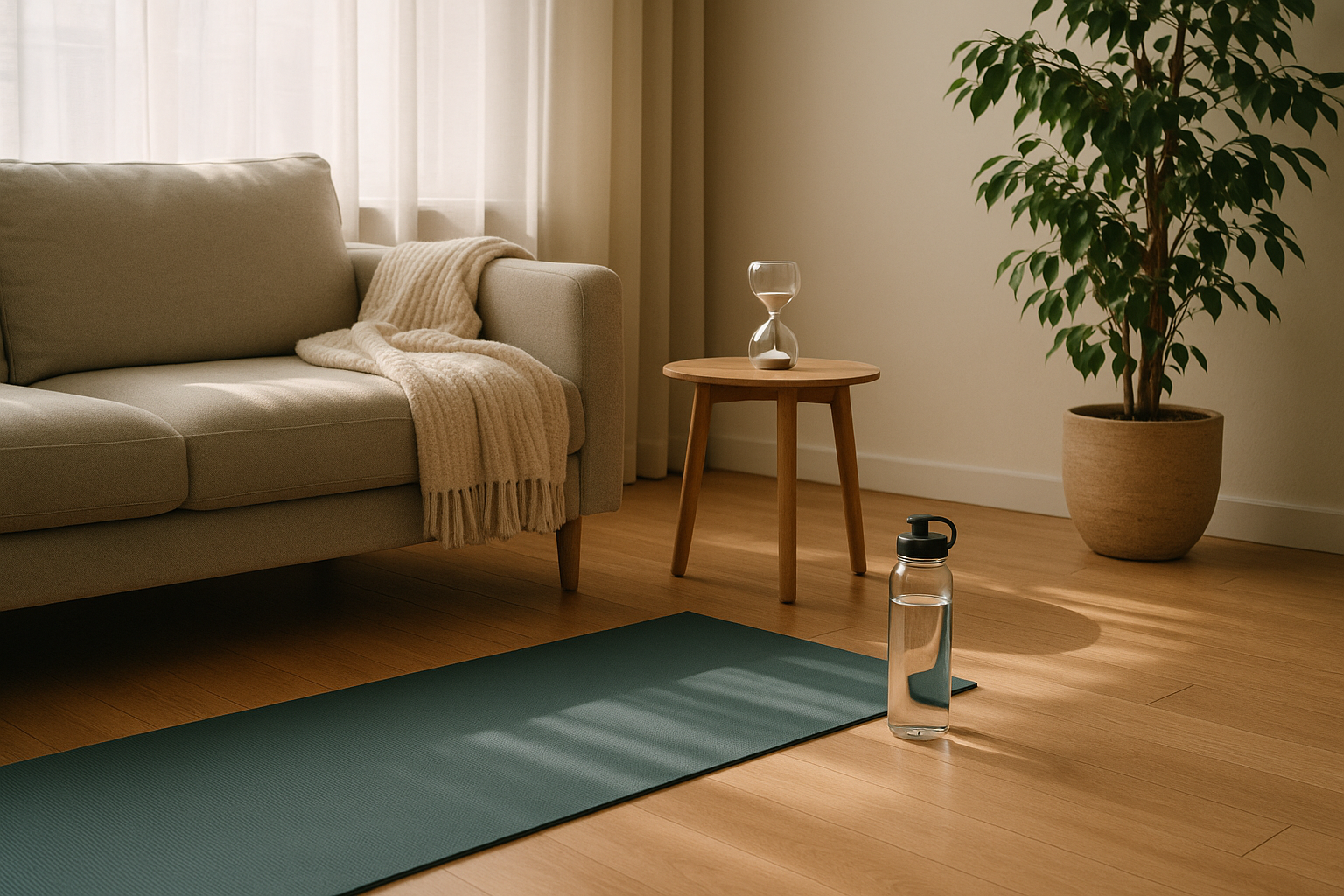
Many people notice a loop: stress affects digestion, digestion affects mood, and both affect sleep.
Consider adding:
- A short sleep routine checklist
- A caffeine note (timing often matters)
- Protein at breakfast to support steadier energy
- A “calm kit” list: breathing exercise, walk route, music, journalling prompt
If you’re specifically looking into naturopath and anxiety support, the aim is to reduce overall load and strengthen foundations. It’s not about chasing a miracle fix.
How to use Beta Me downloads without collecting “dead PDFs”
Downloads work best when you integrate them into your week.
Try this:
- Save key resources from My Health Hub downloads and resources into a folder titled “My Health Hub”.
- Pick one tool to use for 7 days.
- Set a 10-minute weekly check-in (calendar reminder).
- Only then add the next tool.
If you’d like help applying tools at home, with routines, or while shopping, practical support is available via Mobile nutritionist and naturopath services.
Common pitfalls (and what to do instead)
Pitfall: Making it too complicated
Do this instead: One folder, one goal, one tool this week.
Pitfall: Copying someone else’s plan
Do this instead: Build around your schedule, budget, cooking skills and symptoms.
Pitfall: All-or-nothing eating
Do this instead: Create a baseline plan you can follow at 70% capacity.
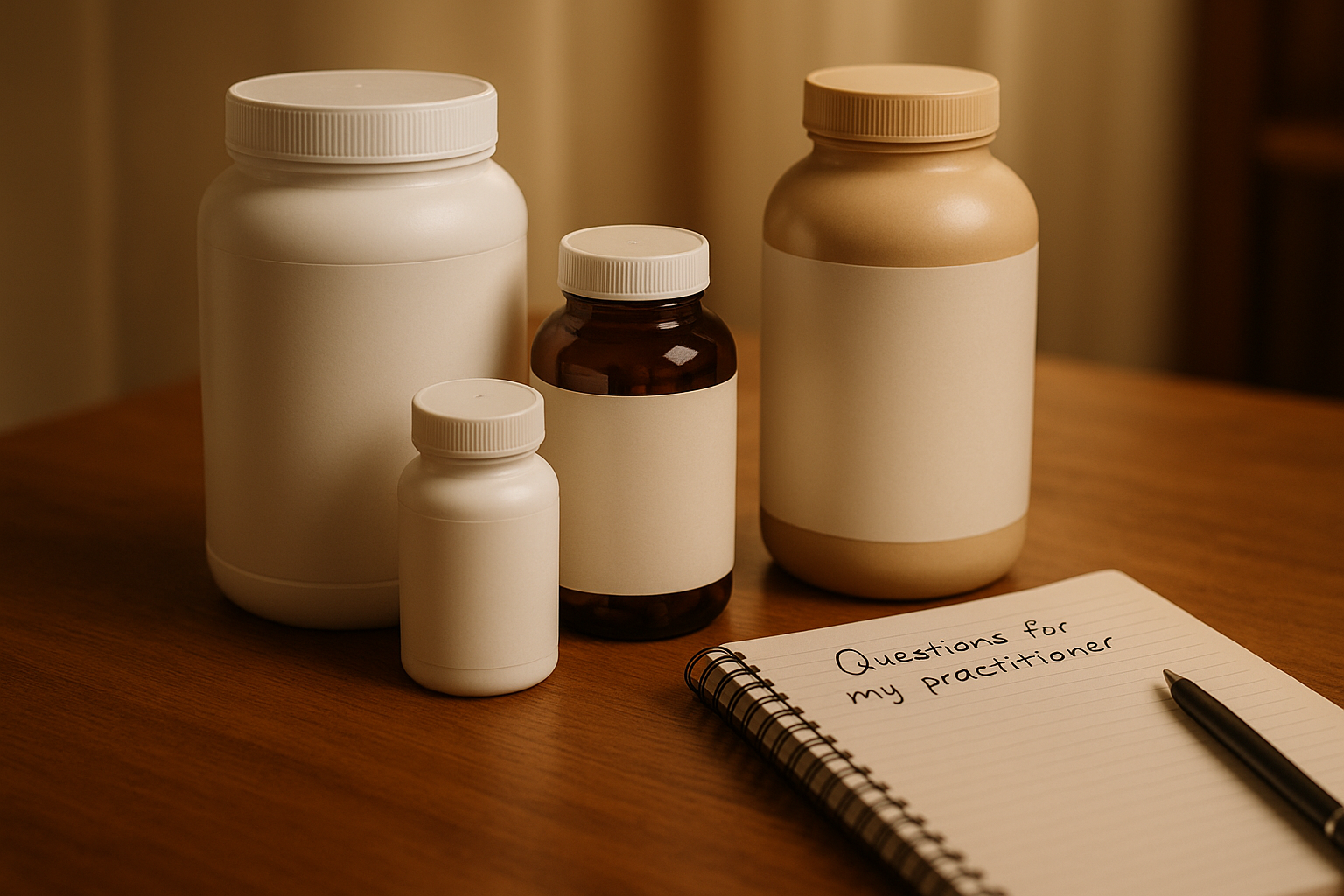
Pitfall: Trying to fix everything with supplements
Do this instead: Start with food structure, sleep and stress support. Supplements may be part of a plan, but they’re rarely the whole plan.
A simple 30-minute set-up (quick start)
If you want a fast way to begin:
- Create a folder: “My Health Hub”.
- Add 3 notes:
- “My goal (next 2–4 weeks)”
- “Default meals + snacks”
- “Health snapshot + current symptoms”
- Download one resource from https://betame.com.au/downloads/ and save it in the folder.
- Add a weekly reminder: “Plan groceries + check symptoms”.
That’s enough to start. You can refine as you go.
When personalised support is worth it
Consider booking support if:
- You’ve had gut symptoms for weeks or months and you’re stuck
- Anxiety, sleep or fatigue is driving food choices and appetite
- You’re reacting to lots of foods or cutting foods out and feeling worse
- You want a plan that fits your life (work, kids, travel, sensory needs)
Beta Me offers flexible nutrition and naturopathy support. Start here: Naturopath Gold Coast | Nutritionist Gold Coast | Beta Me.
If online or in-home help would make it easier to follow through, explore: In-home and online nutrition support (NDIS and beyond).
Next step: build your My Health Hub with the right tools
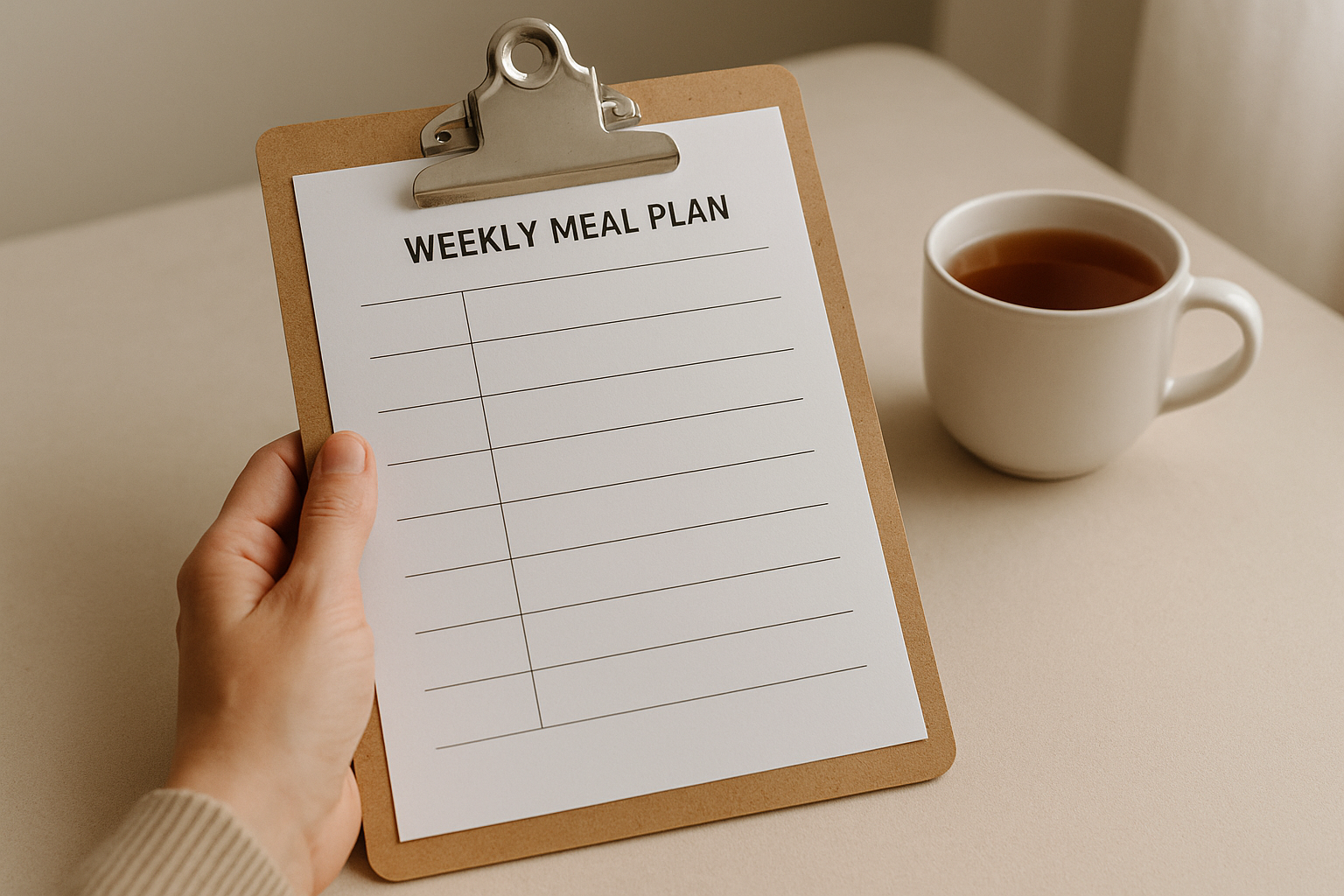
Choose one resource you’ll use this week from the Beta Me downloads page: My Health Hub downloads and resources.
If you’d prefer guidance tailored to your symptoms, routines and food preferences, you can also book a consult with Beta Me. Your goal is a plan you can follow in real life—and a hub you’ll keep using.
FAQs
What is a My Health Hub, and who is it for?
A My Health Hub is a simple system that keeps your health information, tools and routines in one place so you can make consistent decisions. It’s useful for anyone who wants clearer eating patterns, better symptom tracking, or a plan to follow between appointments—especially if you’re working on gut health, stress, energy, or hormone-related concerns.
How do I start a My Health Hub if I feel overwhelmed?
Start with just three things: (1) your main goal for the next 2–4 weeks, (2) a short symptom and food log template (if helpful), and (3) one practical tool you’ll actually use (for example, a supermarket shopping guide or a simple meal framework). Keep everything in one folder or notes app, then add one item per week.
What should I track for gut health without becoming obsessive?
Track only what helps you make decisions: bowel habit changes, abdominal discomfort/bloating, energy, sleep quality, and simple meal notes. Use a quick 0–10 scale and keep it to 7–14 days. If tracking increases anxiety or disordered eating behaviours, pause the log and seek professional support.
Is a supermarket shopping guide actually helpful for healthy eating?
Yes—because most food decisions happen at the supermarket, not at the kitchen bench. A good supermarket shopping guide helps you build a trolley that fits your goals (gut health, blood sugar stability, energy, allergies) and strengthens label-reading skills so you can choose options that work for you, even when you’re busy.
What does healthy eating look like for an average Australian?
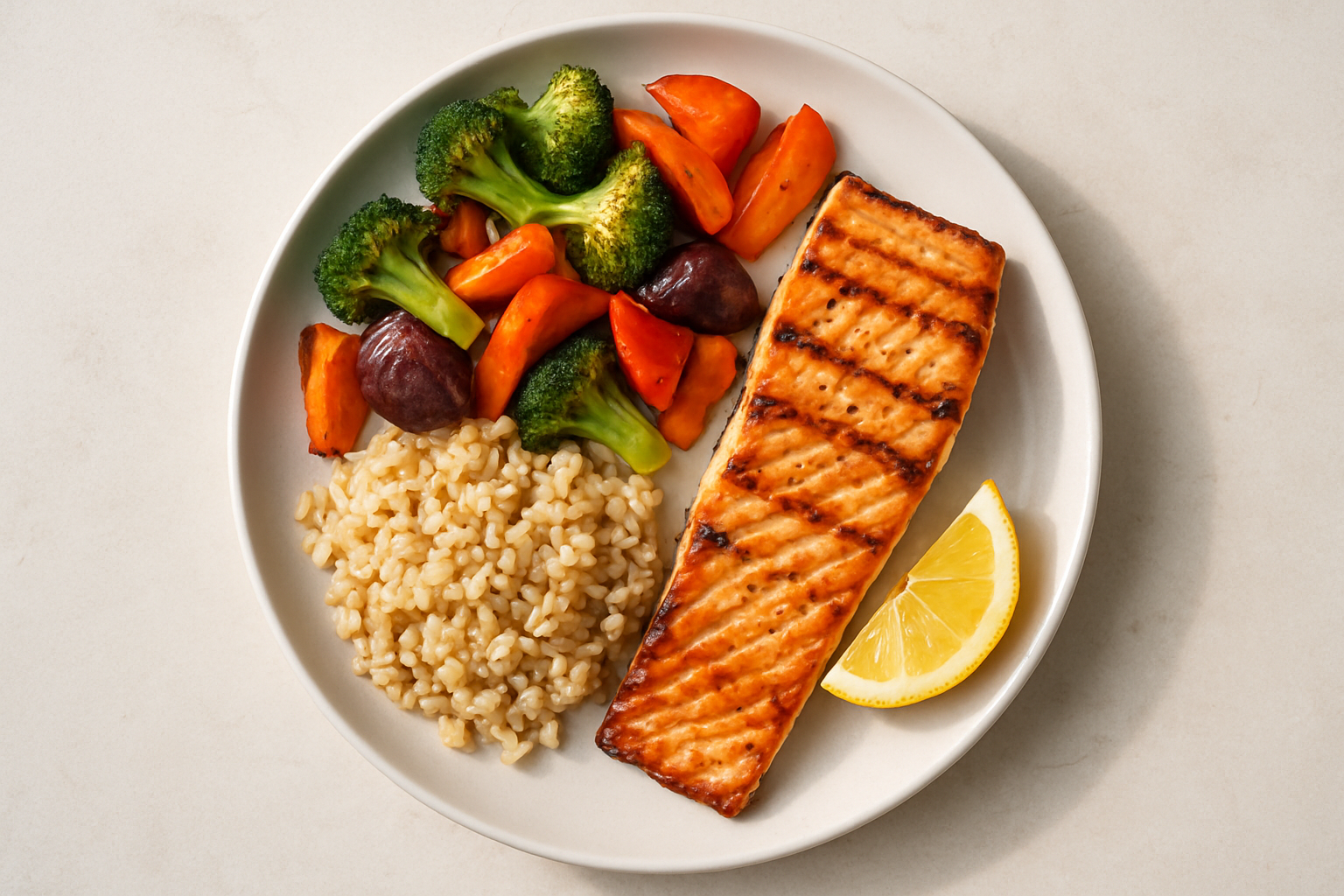
For most Australians, healthy eating looks like regular meals built around minimally processed foods: plenty of vegetables, adequate protein, fibre-rich carbs (like legumes, wholegrains and starchy veg), healthy fats and fluids—plus flexibility for real life. It’s not all-or-nothing. It’s repeatable choices you can sustain at work, at home and when eating out.
Should I see a dietitian, a naturopath, or both?
It depends on your needs and preferences. A dietitian gut health consult can be useful for structured nutrition strategies, allergies/intolerances, and food tolerance work. A naturopath and nutritionist approach may add a broader lens, including lifestyle foundations and complementary support options. Many people benefit from a blended approach—especially if symptoms involve digestion, stress and energy together.
Can a naturopath help with anxiety?
A naturopath can support anxiety by addressing foundations such as sleep, blood sugar balance, nutrient status, gut health and stress load, alongside lifestyle strategies. It’s not a replacement for urgent mental health care. If anxiety is severe, escalating, or involves self-harm thoughts, seek immediate medical support.
Where can I access Beta Me resources for building a My Health Hub?
You can access practical resources via the Beta Me downloads page. Many people save the relevant PDFs into a single folder on their phone or computer so they can use them between consults and at the supermarket.