
Gold Coast coast naturopath design trends and layout ideas for a calm, practical home

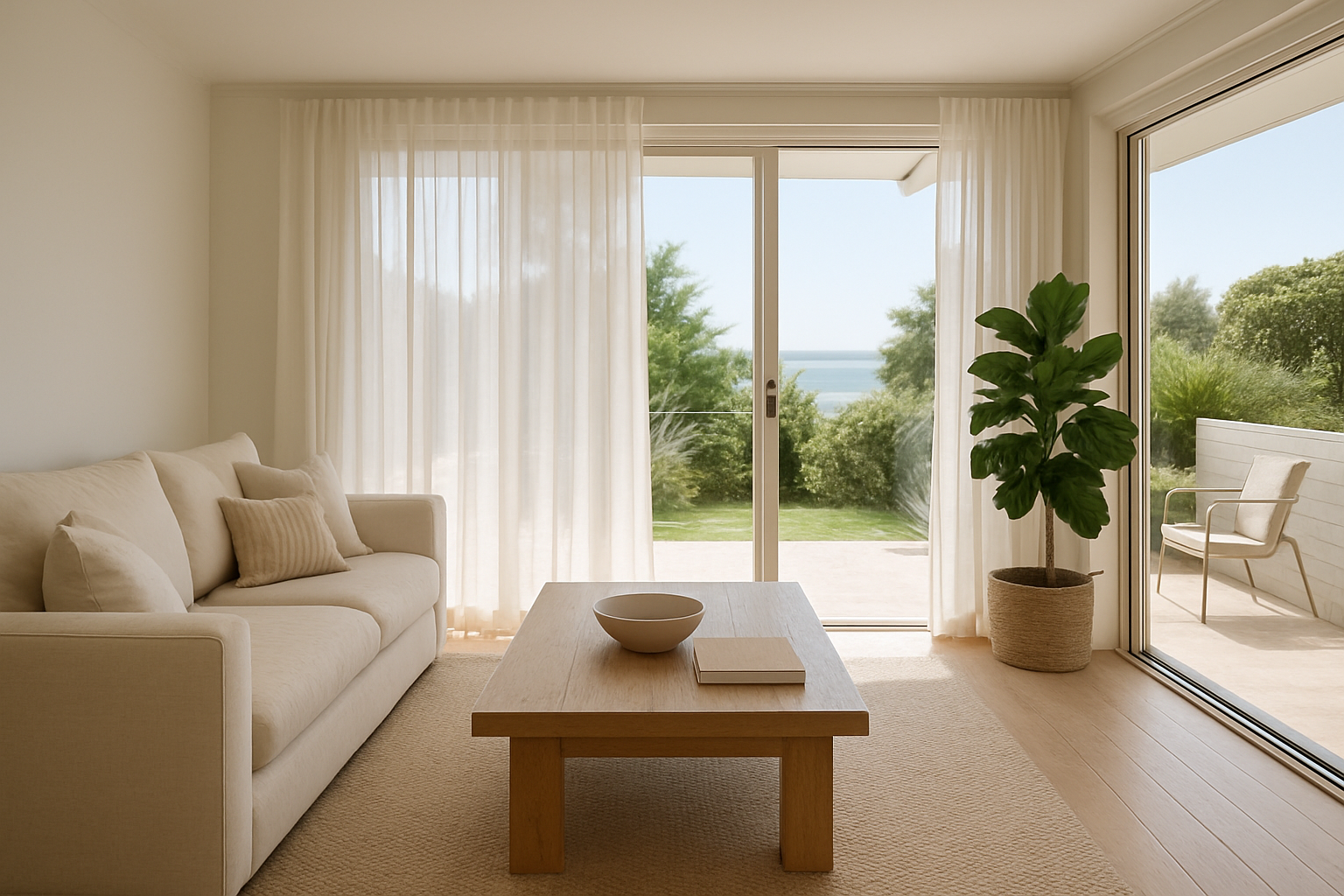
Calm coastal living room with natural light, airflow and low-tox materials

Gold Coast coast naturopath design trends and layout ideas for a calm, practical home

Living on the Gold Coast has plenty going for it. Light, warmth and sea breezes can feel like an instant reset.

But coastal life can also bring humidity, mould risk, busy nights, and sleep that’s lighter than you’d like.

This article shares Gold Coast coast naturopath design trends and layout ideas that make Healthy routines easier to follow. Nothing here requires a perfect renovation. Think simple changes that suit Australian homes and real schedules.

A coast naturopath approach: make healthy habits the easy option

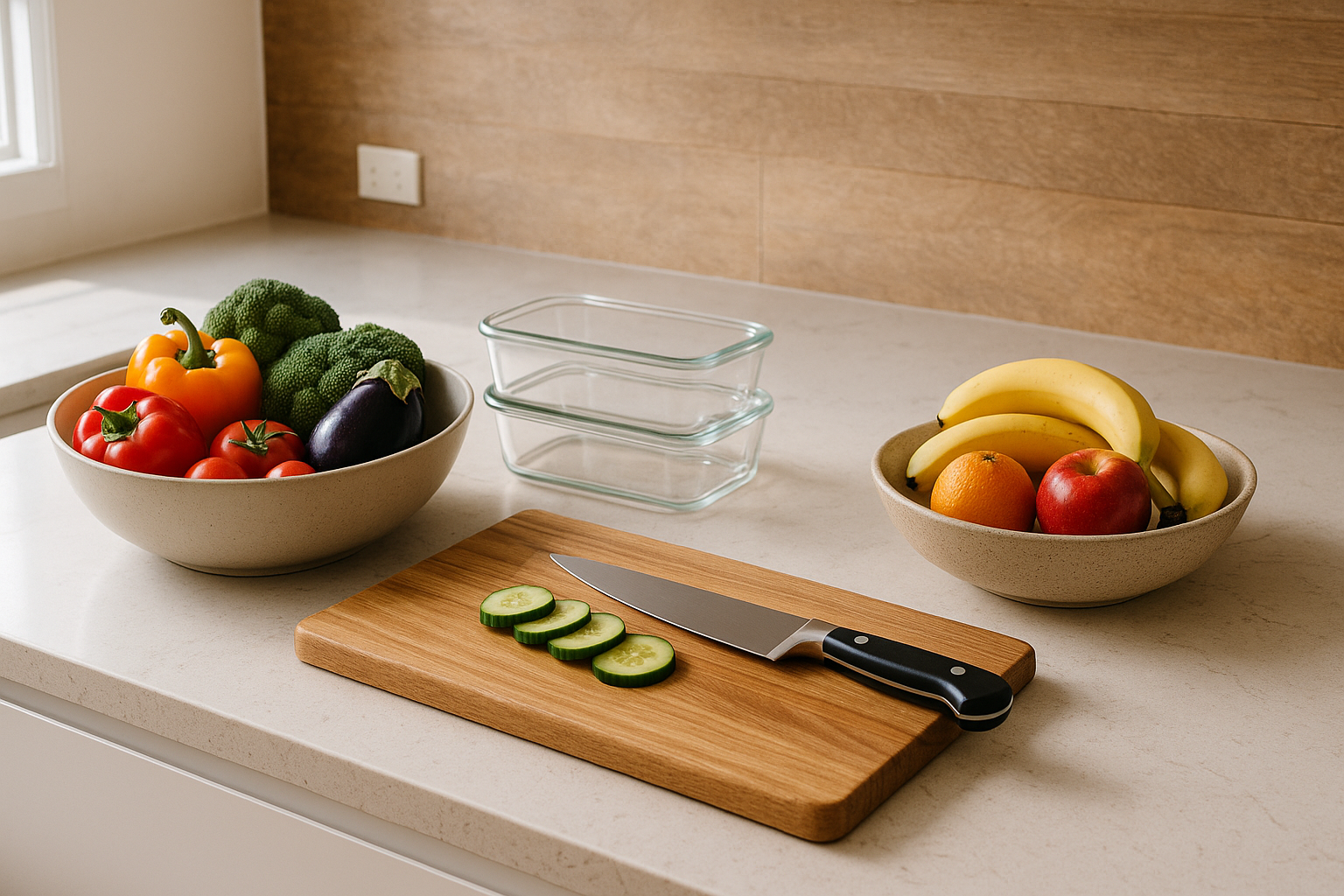
Kitchen bench set up for simple healthy meal prep with vegetables and containers

When people search naturopath Gold Coast or Gold Coast naturopath, they’re often looking for more than products. They want day-to-day habits that actually stick.

Your home can support that.

A wellbeing-focused layout reduces friction. It helps you:

  • air out the home quickly
  • prep food without chaos
  • protect sleep with better light control
  • cut down damp smells and heavy fragrance
  • create a place to downshift after work

If you’re working with a naturopath and Nutritionist, or comparing naturopaths Gold Coast locals see, these basics can make your plan easier to maintain.

Trend 1: Ventilation-first living (a must in humid months)

On the coast, airflow is practical, not just a vibe.

Layout ideas that prioritise airflow

  • Do a quick “morning air-out” (open opposite windows/doors for 10–15 minutes when weather allows).
  • Keep window tracks and flyscreens clean so you’ll actually open them.
  • Don’t block fans, vents or air pathways with bulky furniture.
  • In damp rooms (bathroom/laundry), make extraction easy to use and easy to reach.

Why it matters

Stale air, humidity and persistent damp can affect comfort and sleep. If you’re working on energy, mood, or respiratory comfort, ventilation is a strong starting point.

Trend 2: Low-fragrance, lower-tox swaps (without the overwhelm)

A calm home often smells like… nothing. Neutral is the goal.

Simple swaps that suit everyday life

  • fragrance-free laundry and cleaning basics
  • skip heavy air fresheners (fix odours at the source instead)
  • choose glass or stainless containers for regular-use foods
  • opt for lower-VOC paint when doing touch-ups

A helpful rule of thumb: if it doesn’t clean, moisturise, protect, or nourish, it’s probably optional.

Trend 3: Kitchen flow that supports gut health routines

Many people look for a gut health dietitian Gold Coast or a holistic nutritionist Gold Coast because they’re tired of guessing what to eat.

A kitchen won’t “fix” symptoms on its own. But it can make consistent eating habits far easier.

Weekend-friendly layout ideas

  1. One clear bench

    • Choose one prep zone and keep it clear.
    • Leave a chopping board there for a week.
  2. Healthy at eye level

    • Pantry: everyday staples where you see them first.
    • Fridge: leftovers you’ll actually eat, plus ready-to-use basics.
  3. Default tools together

    • Keep your main prep tools in one drawer or caddy.
    • When you’re tired, “searching” is what stops you.
  4. A smarter snack zone

    • Fruit in a visible bowl.
    • Portion-friendly nuts/crackers in a container.
    • Keep “sometimes foods” less visible (not forbidden).

If you’re comparing the best naturopath Gold Coast options for you, look for someone who can translate a plan into practical kitchen steps.

Trend 4: Nervous-system design—create a downshift space

If you’re searching for an anxiety naturopath, you may also be carrying a big mental load. Screens, notifications and to-do lists follow you home.

A small “downshift zone” creates a buffer between busy and rest.

A simple 3-zone setup

  • Landing zone (entry): keys, bag, shoes, water bottle.
  • Downshift zone (living): warm lamp, comfortable seat, blanket, book.
  • Sleep zone (bedroom): minimal clutter, dim light, no work gear.

For extra support, Beta Me shares more on naturopathy support for anxiety on the Gold Coast: https://betame.com.au/anxiety/

Trend 5: Lighting that respects your body clock

Sleep-supportive bedroom with warm lighting and minimal clutter

Gold Coast homes often have great daylight. The issue is night-time lighting.

Cool, bright overheads can keep your brain in “day mode”.

Practical lighting ideas

  • Use warm lamps after dinner.
  • Keep brighter light for morning and daytime.
  • Reduce overhead lighting at night where possible.
  • Consider block-out or room-darkening options if street lights or early sunrise wake you.

Better sleep supports mood, appetite regulation and resilience.

Trend 6: Coastal clutter control (because visual noise is real)

Clutter isn’t a moral issue. It’s a decision-fatigue issue.

Start with these high-impact spots

  • kitchen bench (especially near kettle/toaster)
  • bedside tables
  • entryway
  • bathroom counter

A realistic method

  • Choose one surface.
  • Remove everything.
  • Put back only what you use daily.
  • Store the rest out of sight for two weeks.

If you don’t miss it, it’s not earning its place.

Trend 7: “Good enough” movement space

You don’t need a home gym. You need fewer barriers.

Easy layout ideas

  • Keep a yoga mat and resistance band visible in a basket.
  • Leave a small clear floor space near the lounge.
  • Store walking shoes near the door.

Movement supports gut motility, stress regulation and sleep quality—topics often discussed with Gold Coast naturopath providers.

Trend 8: Bathroom and laundry tweaks that reduce hidden stress

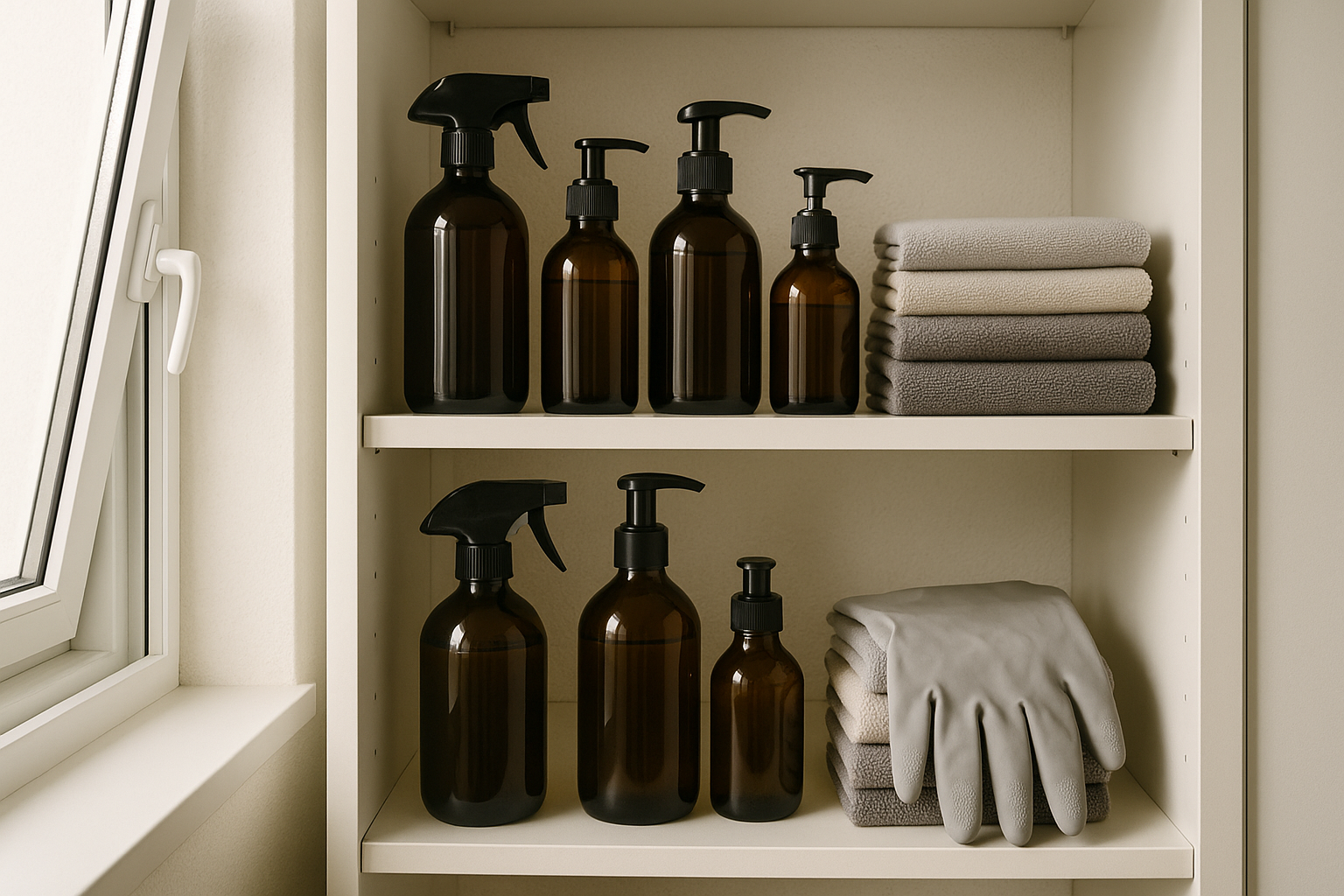
Low-tox cleaning setup with fragrance-free products stored neatly

These rooms can quietly affect comfort, especially in humid weather.

Small upgrades that help

  • hooks/rails so towels dry properly
  • a lidded basket for damp laundry
  • a shower squeegee to reduce lingering moisture
  • a simple cleaning caddy so the job is quick

A fresher-feeling home is easier to relax in.

How to choose a naturopath (and why your home habits matter)

If you’re searching how to choose a naturopath, focus on practical fit.

Helpful questions to ask

  • Do they ask about sleep, stress, food routine and environment—or only supplements?
  • Can they explain what they’re recommending and why?
  • Will they work alongside other professionals when needed (for example, a dietitian)?
  • Do they offer flexible consult options so you can stay consistent?

People often search for the “best naturopath Gold Coast”. In real life, “best” usually means someone who listens, is realistic, and supports changes you can actually do at home.

You can explore Naturopath Gold Coast and Nutritionist Gold Coast support with Beta Me here: https://betame.com.au/

Where dietitian support fits (including NDIS)

Some people need dietitian-led support, particularly for complex needs or medical nutrition therapy. Others do best with a combined approach.

If you’re looking for NDIS dietitian Gold Coast options or want flexible online appointments, Beta Me shares details on NDIS nutrition support and Skype consultations here: https://betame.com.au/skype-consultations/

Practical examples in real Gold Coast homes

Example 1: Busy household kitchen reset

  • Clear one bench for prep.
  • Store rarely used appliances out of sight.
  • Put fruit and water where you’ll see them.
  • Choose two default weeknight meals and keep ingredients easy to reach.

Example 2: “Wired at night” living room

  • Swap one overhead light for a warm lamp.
  • Create a small reading corner.
  • Move chargers out of the living area after dinner.
  • Keep a notepad for “tomorrow thoughts”.

Example 3: Make the plan easier to shop for

If you’re trying to follow a nutrition plan, the supermarket can be where it falls apart.

Beta Me offers mobile consultations (in-home): https://betame.com.au/mobile-consultations/

And Supermarket shopping tours on the Gold Coast: https://betame.com.au/mobile-consultations/supermarket-shopping-tours/

A simple “coast naturopath home” checklist

If you only do five things, start here:

  • Air out the home daily when practical.
  • Create one clear food-prep bench.
  • Switch to fragrance-free basics.
  • Use warm lighting at night.
  • Build a landing zone near the entry.

Small changes don’t replace healthcare. They do make healthy routines easier to keep.

Ready for support that fits your real routine?

If you’re looking for a naturopath Gold Coast locals trust, with practical nutrition support, Beta Me can help.

Start here: Naturopath Gold Coast and Nutritionist Gold Coast https://betame.com.au/

Prefer flexibility?


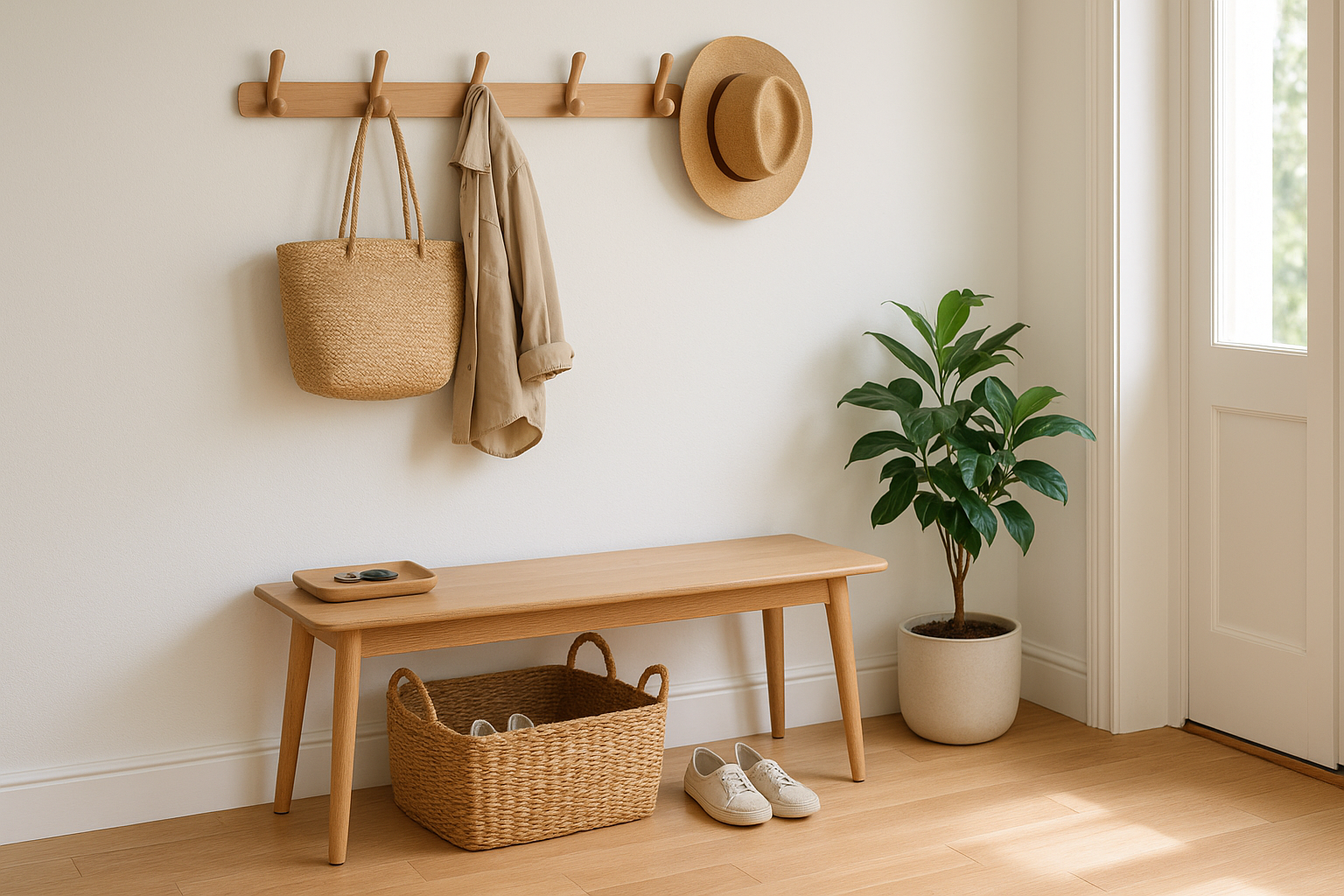
Organised entryway drop zone to reduce stress and improve routines

FAQs

What does “coast naturopath” mean in a home design context?

It’s a practical way to describe home choices that support wellbeing in a coastal climate—airflow, moisture control, low-fragrance products, calming light and layouts that make healthy routines easier.

How do I choose a naturopath on the Gold Coast?

Choose someone who asks about your food, sleep, stress and environment (not just supplements), explains recommendations clearly, checks safety, and offers an approach you can stick with.

Should I see a naturopath, a nutritionist, or a dietitian for gut issues?

It depends on your needs. Many people like a naturopath and nutritionist for whole-person support and habits. A dietitian is important for medical nutrition therapy and is often the right fit for complex needs and NDIS-related support.

Can home layout changes help anxiety?

They can support calmer routines by reducing clutter, harsh light and end-of-day chaos. If anxiety is persistent, it’s best to combine environment changes with professional support.

What are the most useful low-tox swaps that don’t require renovating?

Start with ventilation, fragrance-free cleaning and laundry basics, reducing air fresheners, and choosing lower-VOC paint when you do touch-ups. Simple, consistent changes tend to be easiest to maintain.

What’s a simple way to make my kitchen support healthier eating?

Keep one bench clear for prep, store go-to tools together, and make the “everyday” foods visible at eye level. Consistency beats complexity.

Gold Coast Supermarket Shopping Planning Checklist (Before You Start)

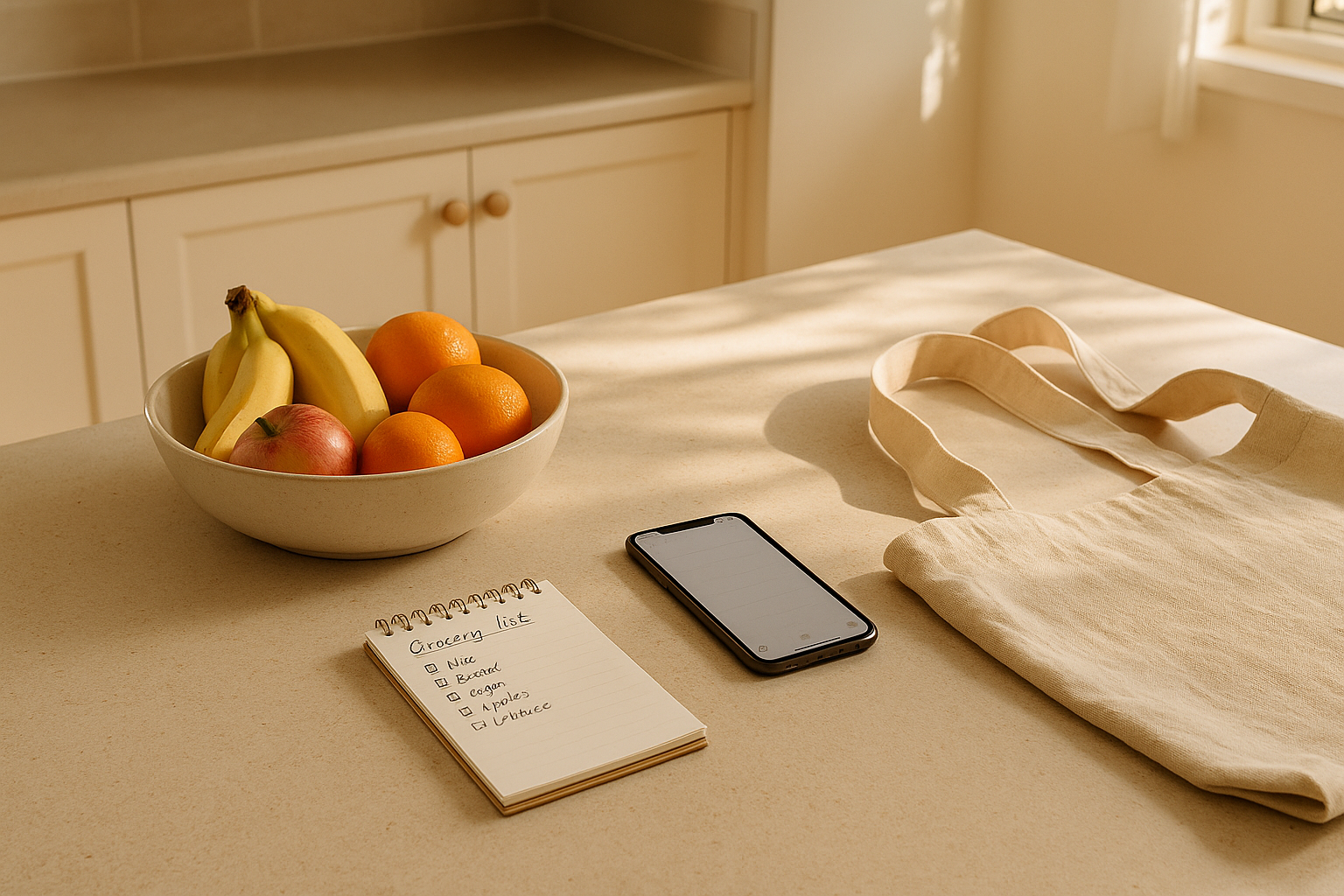
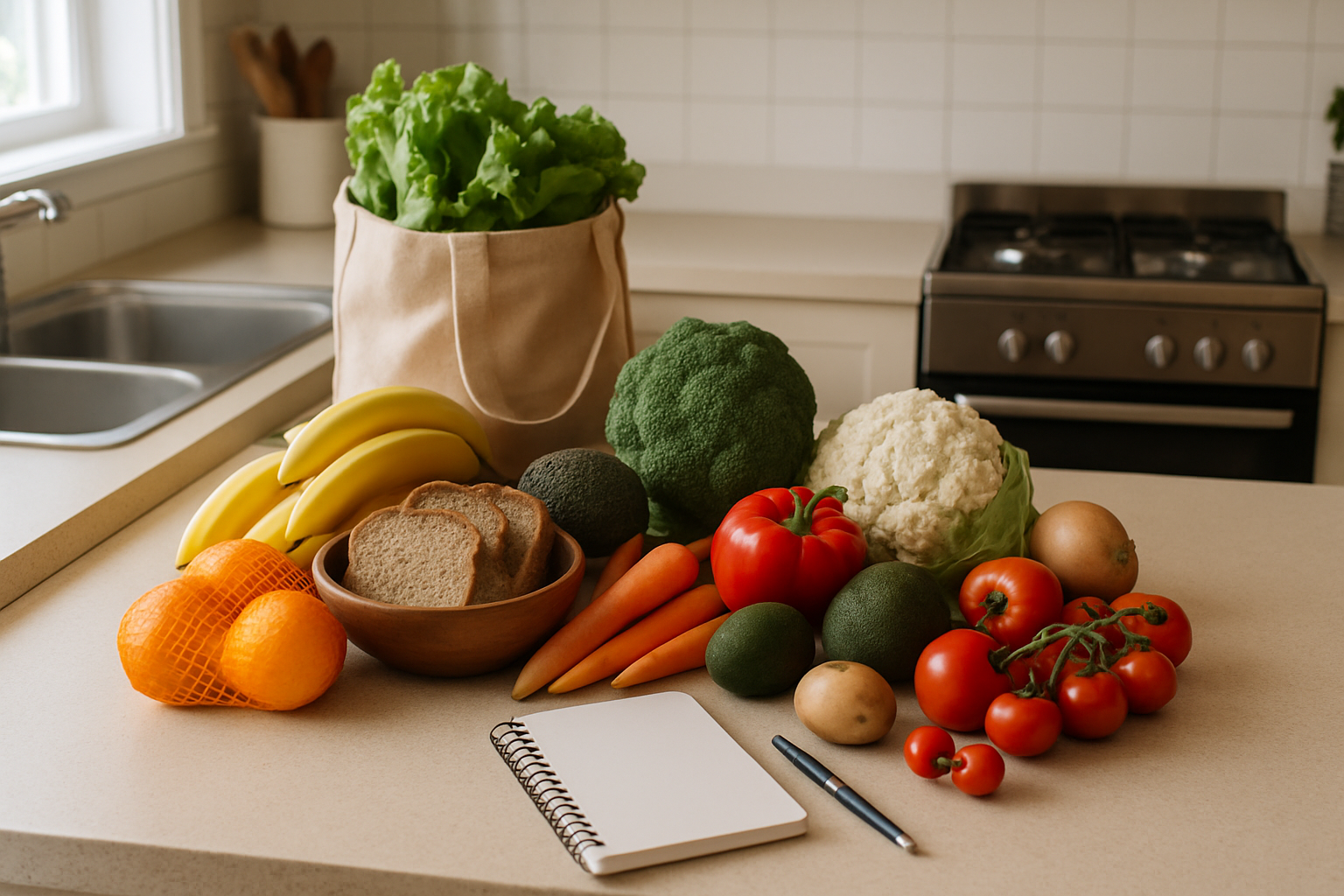
A bowl of fruit, a grocery list, a smartphone, and a tote bag on a kitchen counter.

Gold Coast supermarket shopping planning checklist (before you start)

If your supermarket shop starts with, “We’ll just see what we feel like,” it often ends with extra snacks, random ingredients, and nothing that turns into dinner.

This Gold Coast supermarket shopping planning checklist before you start is for real life on the Gold Coast. Busy weeks. Different appetites at home. Tight budgets. And common goals like steadier energy, better digestion, and fewer last-minute takeaways.

This isn’t about buying “healthy food”. It’s about buying food you’ll actually use.


The 10-minute checklist before you leave home

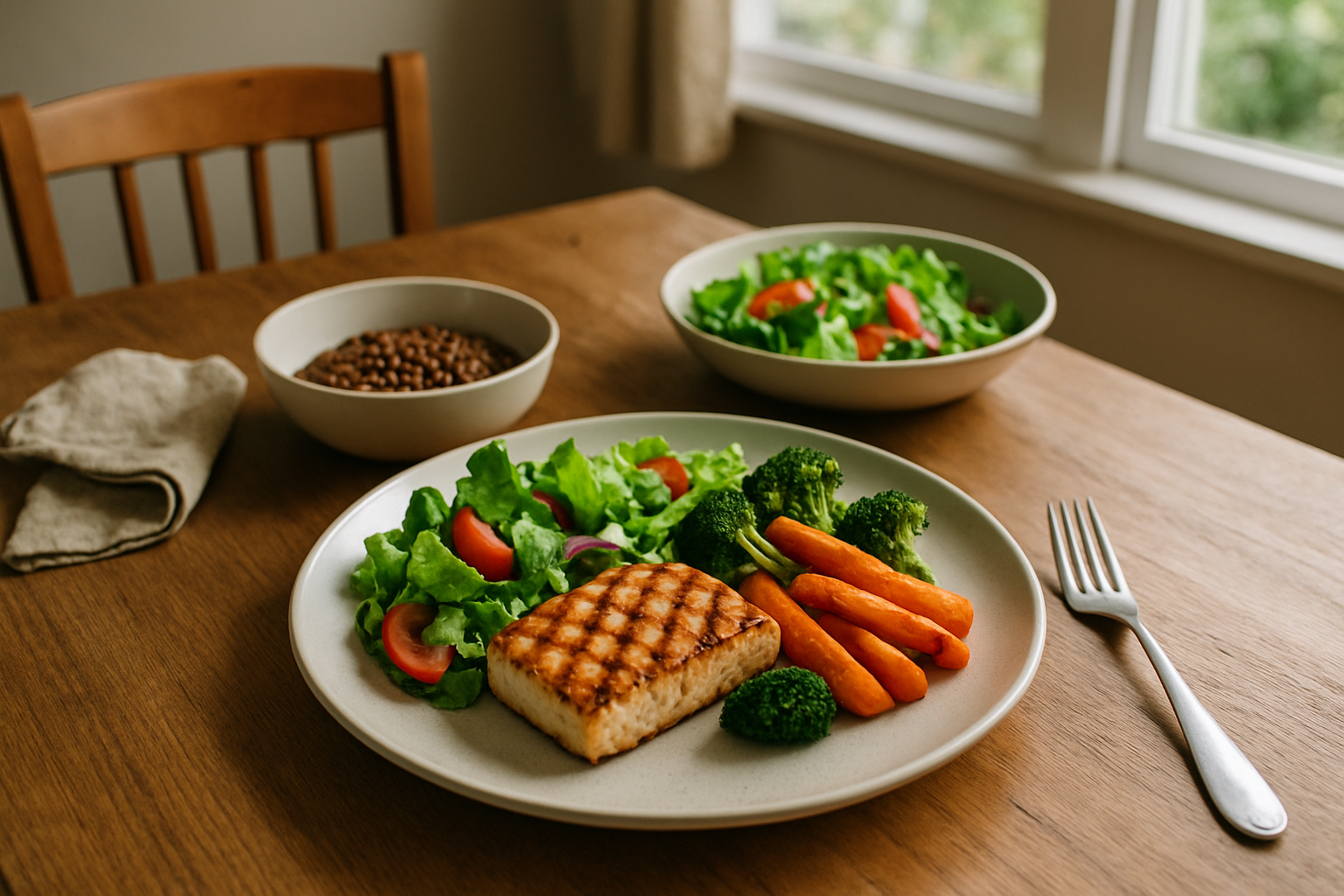
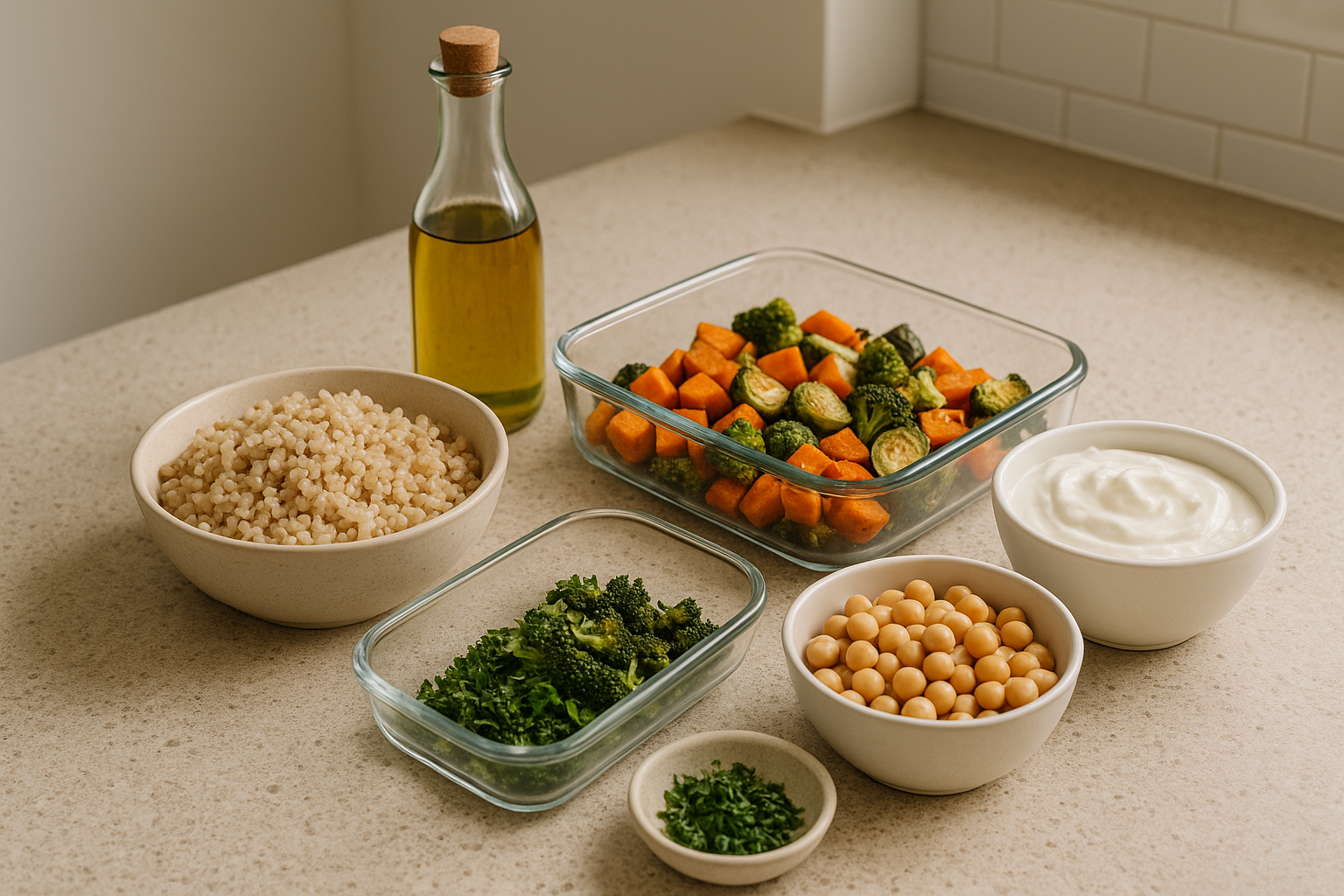
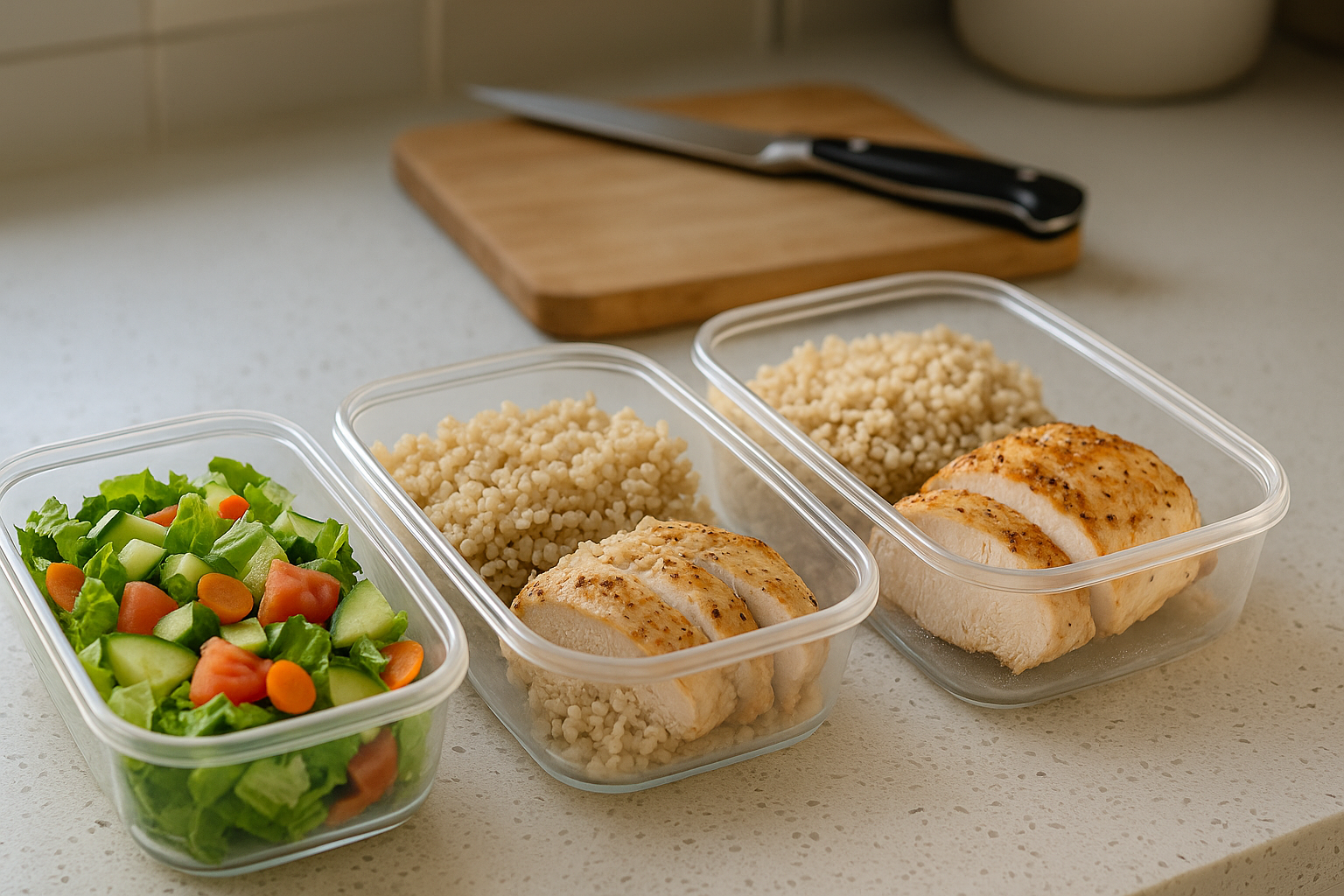
Simple balanced meal made from planned supermarket shopping ingredients

1) Pick one goal for this shop (one sentence)

One clear goal makes decisions faster.

Choose one:

  • Weeknight dinners in 20 minutes
  • More gut-friendly fibre (without flare-ups)
  • Protein at breakfast so I’m not snacky at 3 pm
  • A budget shop with minimal waste

Write it down. Take it with you.

2) Do a quick pantry + fridge audit (3 minutes)

Before you buy more food, check what you already have.

Scan for:

  • Proteins: eggs, tinned fish, chicken, tofu, mince, legumes
  • Carbs: rice, potatoes, wraps, pasta, oats
  • Veg + fruit: what will spoil first
  • Flavour: sauces, herbs, spices, stock, lemon/lime
  • Lunch options: leftovers, frozen meals, sandwich fillings

Tip: when you get home, put “use first” items at the front of the fridge.

3) Choose 3–5 dinners (then plan lunches from leftovers)

You don’t need a perfect weekly menu. You need a simple pattern.

A realistic mix:

  • 2 quick fresh meals (stir-fry, tacos, salads)
  • 1 tray bake (veg + protein)
  • 1 one-pot meal (curry, chilli, soup)
  • 1 flexible night (leftovers or eggs on toast)

To reduce waste, plan two dinners that share ingredients.

Example: roast chicken + salad becomes chicken wraps the next day.

4) Check your week for “risk moments”

Risk moments are when plans fall apart.

Common ones:

  • Late work nights
  • Kids’ sport afternoons
  • Social weekends
  • Big meetings (hello, stress snacking)

For each risk moment, add one backup meal:

  • Frozen veg + eggs (fast frittata)
  • Tinned tuna + microwave rice + salad
  • Rotisserie chicken + bagged salad + potatoes

Convenience foods aren’t the enemy. Unplanned hunger is.

5) Write your list in aisle order (not by recipe)

This cuts decision fatigue. It also reduces impulse buys.

Simple order:

  1. Produce
  2. Meat/seafood/plant proteins
  3. Dairy & chilled
  4. Bakery
  5. Pantry
  6. Freezer
  7. Household

6) Use a simple trolley framework

This keeps your shop balanced without overthinking.

Aim for:

  • Half the trolley: veg and fruit
  • A quarter: proteins
  • A quarter: carbs + fibre foods
  • Plus: 2–3 “consistency helpers” you’ll actually use (coffee, sparkling water, yoghurt, easy snacks)

It’s not about perfection. It’s about making the easy choice the normal choice.


In-supermarket checklist: shop faster and smarter

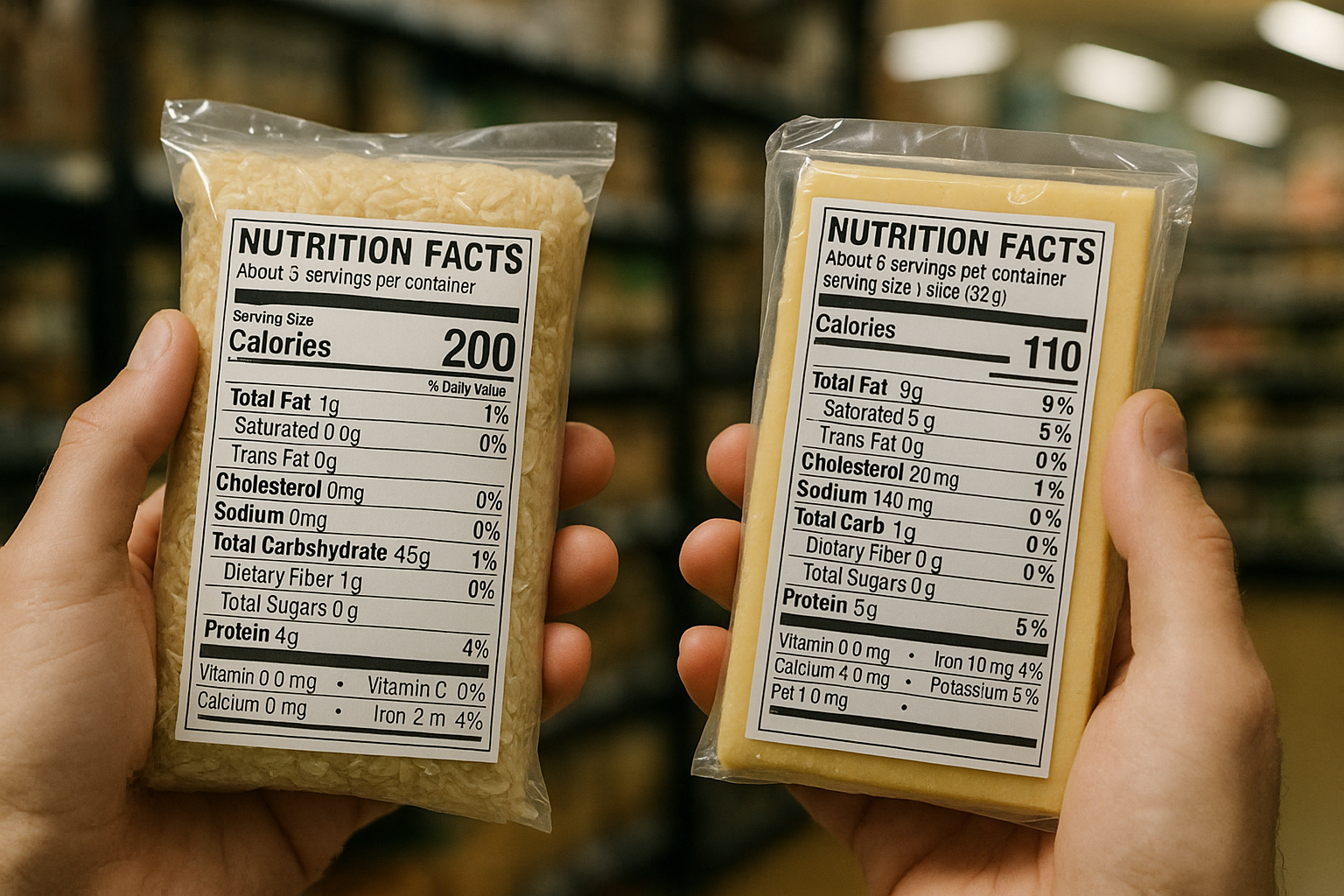
Comparing two packaged foods in a supermarket aisle to choose the better option

Start with produce (and make it easy to use)

A small structure helps.

Choose:

  • 3 salad veg (cucumber, tomatoes, capsicum)
  • 3 cooking veg (broccoli, carrot, zucchini)
  • 2 fruits you will genuinely eat this week

If fresh veg often goes to waste, buy a mix:

  • Fresh for days 1–3
  • Frozen for days 4–7

Frozen veg can be budget-friendly. It also reduces waste.

Protein: plan for breakfast and snacks, not just dinner

Many people under-eat protein early. Then they feel snacky later.

Easy options:

  • Eggs
  • Greek yoghurt
  • Tinned tuna/salmon
  • Chicken thighs or mince
  • Tofu/tempeh
  • Beans and lentils

If mornings are rushed, choose one default breakfast for the week:

  • Greek yoghurt + berries + nuts, or
  • eggs + toast

Carbs: choose the ones that keep you full

Carbs aren’t the issue. Low-fibre, highly snackable carbs often are.

Useful staples:

  • Oats
  • Basmati or brown rice
  • Potatoes/sweet potato
  • Wholegrain bread/wraps (if tolerated)
  • Quinoa, barley

If you’re working on gut comfort, what suits you is individual.

Some people do best with smaller serves of certain grains. Others need a different fibre mix. This is where support from a gut health dietitian Gold Coast locals rely on can help tailor fibre type, serve size, and timing.

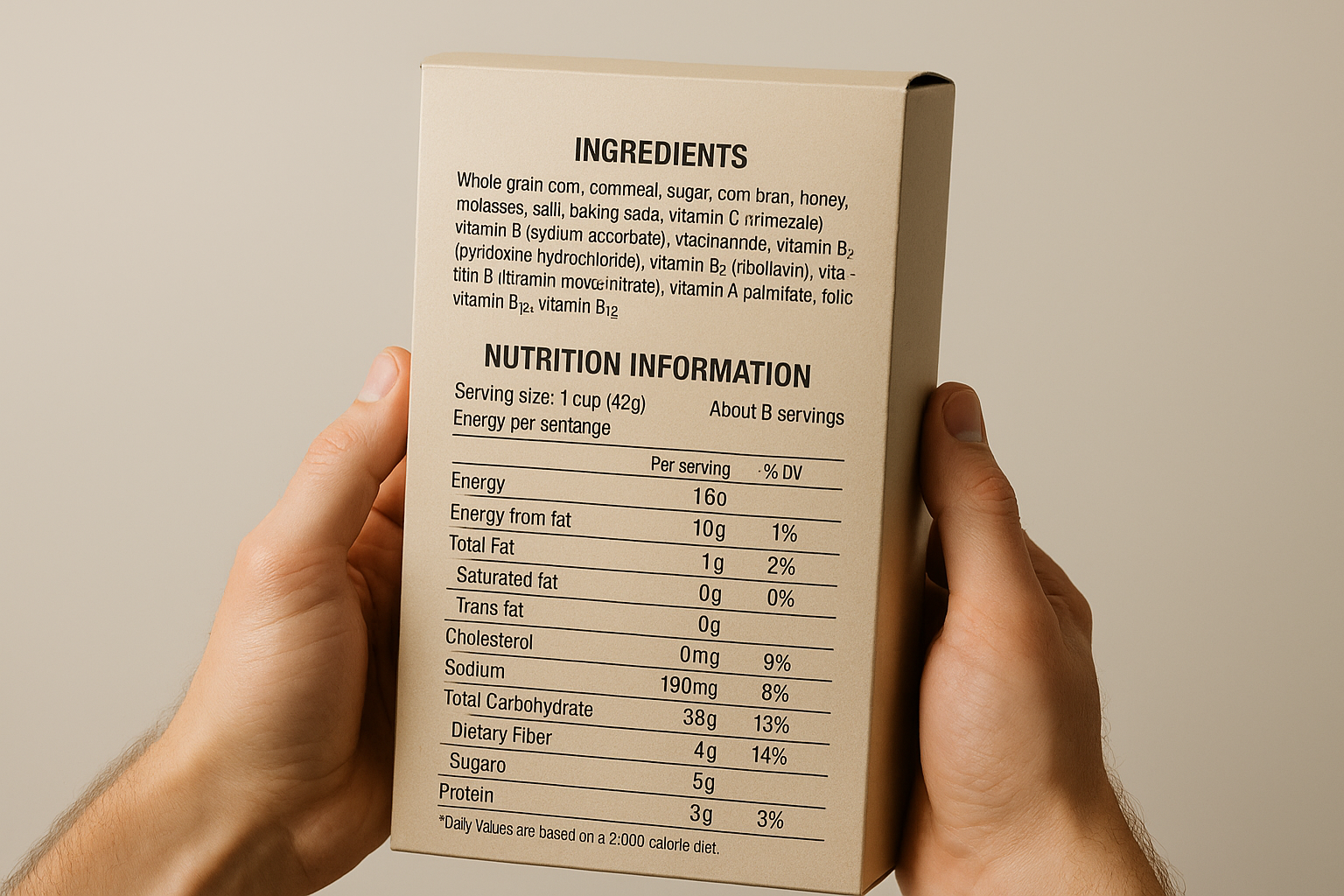
The 20-second label check

You don’t need to read everything.

Use this quick flow:

  1. Ingredients list: is it mostly recognisable food?
  2. Added sugars: are they early in the list?
  3. Fibre: will this keep you satisfied?
  4. Sodium: compare similar sauces and packaged meals

Simple swaps that still feel normal:

  • Flavoured yoghurt → plain yoghurt + fruit
  • Sugary cereal → oats + cinnamon + berries
  • Snack bars → nuts + fruit + yoghurt
  • Creamy sauces → olive oil + lemon + herbs

Plan two snacks (so you don’t “accidentally” snack)

If you don’t plan snacks, the supermarket will plan them for you.

Two examples:

  • Snack 1: yoghurt + berries
  • Snack 2: hummus + crackers + carrots

For very busy weeks:

  • Snack 1: cheese + wholegrain crackers
  • Snack 2: tinned tuna + rice cakes

A practical Gold Coast example: the “busy week trolley”

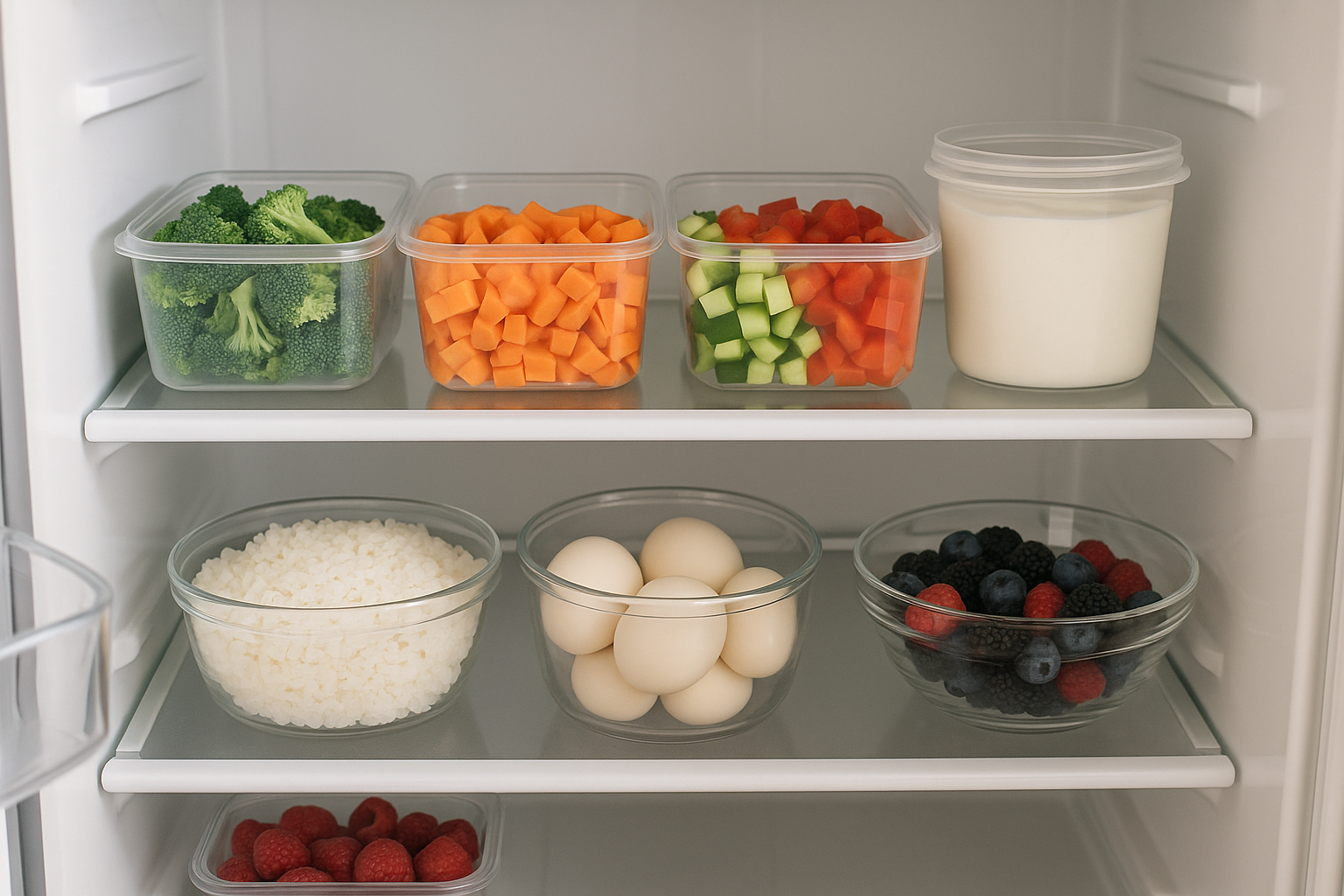
Meal prep components in a fridge to make weeknight dinners easier

Here’s a realistic plan for quick dinners, better energy, and fewer takeaway nights.

Dinners (5):

  • Chicken stir-fry with frozen veg + rice
  • Beef (or lentil) bolognese + pasta + side salad
  • Tray bake: salmon (or tofu) + potatoes + broccoli
  • Tacos: mince/beans + salad + avocado
  • Omelette/frittata night + leftover salad

Shopping list (condensed):

  • Produce: salad mix, tomatoes, cucumber, capsicum, onions, garlic, potatoes, broccoli, bananas, berries
  • Proteins: eggs, chicken thighs, mince (or lentils), salmon (or tofu), tinned tuna
  • Dairy: Greek yoghurt, cheese
  • Pantry: rice, pasta, tinned tomatoes, beans, olive oil, taco spices, stock
  • Freezer: mixed veg, berries
  • Convenience: bagged salad, hummus

If you’re shopping for gut health: keep it personal (not trendy)

Many people start searching for a naturopath Gold Coast or Gold Coast naturopath after trying to cut foods and still feeling bloated, tired, or uncomfortable.

You’ll also see searches like best naturopath Gold Coast, highly recommended naturopath Gold Coast, naturopaths Gold Coast, and naturopaths in Gold Coast when people want clear, practical support.

A more helpful approach is usually:

  • Identify your most predictable triggers (not every possible trigger)
  • Choose steady meals for 2–3 weeks
  • Change one variable at a time (fibre type, dairy type, portion size, meal timing)

Depending on your needs, you might look for:

  • a holistic nutritionist Gold Coast locals use for practical food strategies
  • a nutritionist Gold Coast service for meal planning and habit support
  • a practitioner who considers digestion, stress, sleep, and food choices together

If you’re not sure where to start, Beta Me’s Naturopath Gold Coast | Nutritionist Gold Coast services are designed to be practical and realistic.


If anxiety or stress eating is driving the shop

If the hardest part is consistency (not knowledge), stress and anxiety often sit underneath.

Try shopping rules that reduce decision fatigue:

  • Buy the same weekday breakfast for a month.
  • Choose two repeatable lunches.
  • Keep two emergency dinners in the freezer/pantry.

If anxiety affects appetite, digestion, or food choices, explore Beta Me’s naturopathy for anxiety support.


Your printable planning checklist (copy/paste)

Before you go

  • My goal for this shop (one sentence): ______
  • Pantry/fridge audit done
  • 3–5 dinners chosen
  • Two snacks chosen
  • “Risk moments” covered with backup meals
  • List written in aisle order
  • Budget limit set (optional): ______

In the shop

  • Produce first: 3 salad veg + 3 cooking veg + 2 fruits
  • Protein for breakfasts + lunches + dinners
  • Fibre staple added (oats/legumes/wholegrains as tolerated)
  • Quick label check for packaged foods
  • One convenience item that saves real time

After you unpack

  • Wash/chop 1–2 veg for easy meals
  • Put “use first” items at the front of the fridge
  • Cook one component (rice, tray bake, mince, boiled eggs)

Want help turning your trolley into a plan you’ll follow?

If you’re on the Gold Coast and want practical support (not preachy), Beta Me offers guided Supermarket Shopping Tours on the Gold Coast.

You can also explore:

If you’d like to get a feel for Beta Me first, visit About Beta Me Nutrition & Naturopathy.

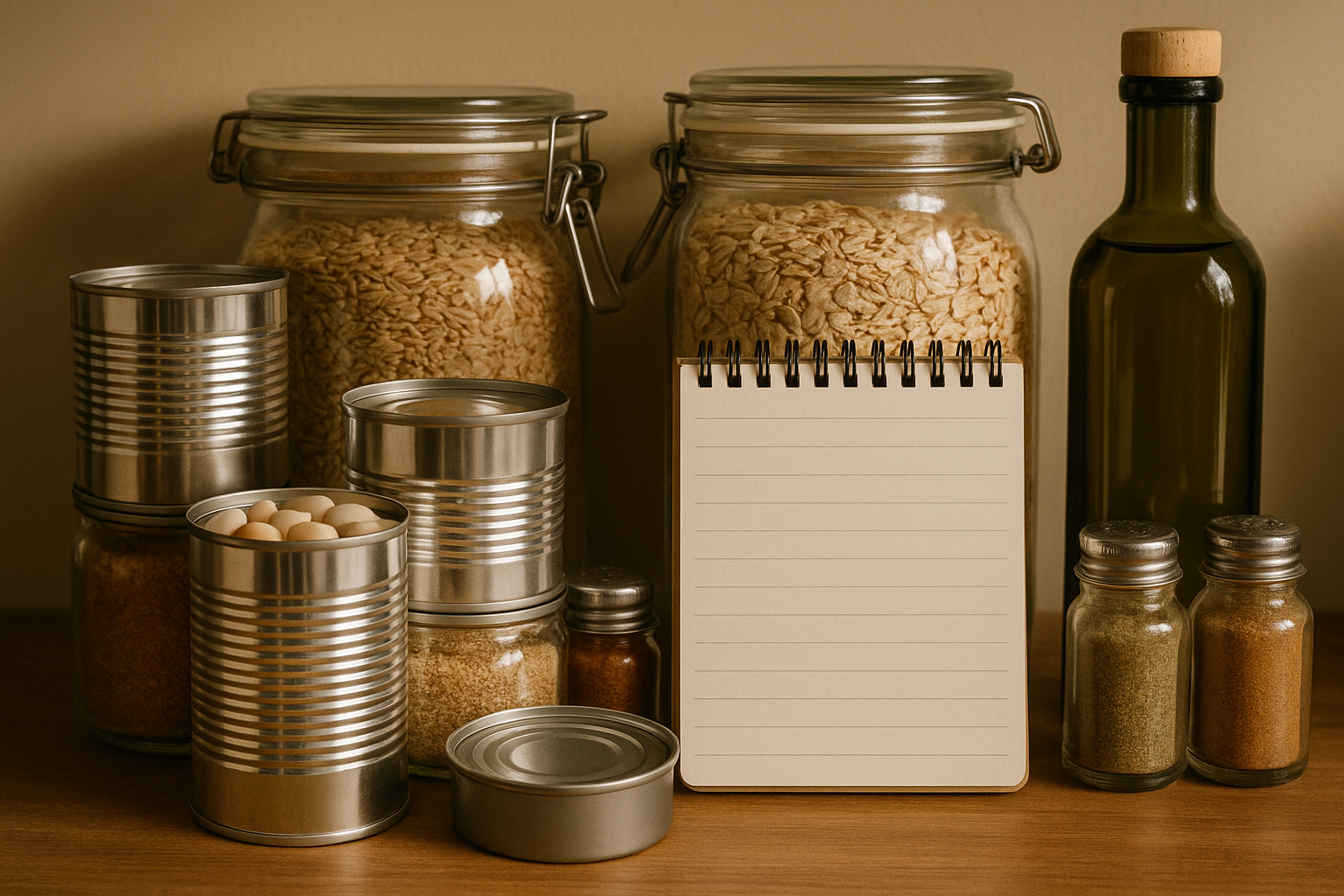
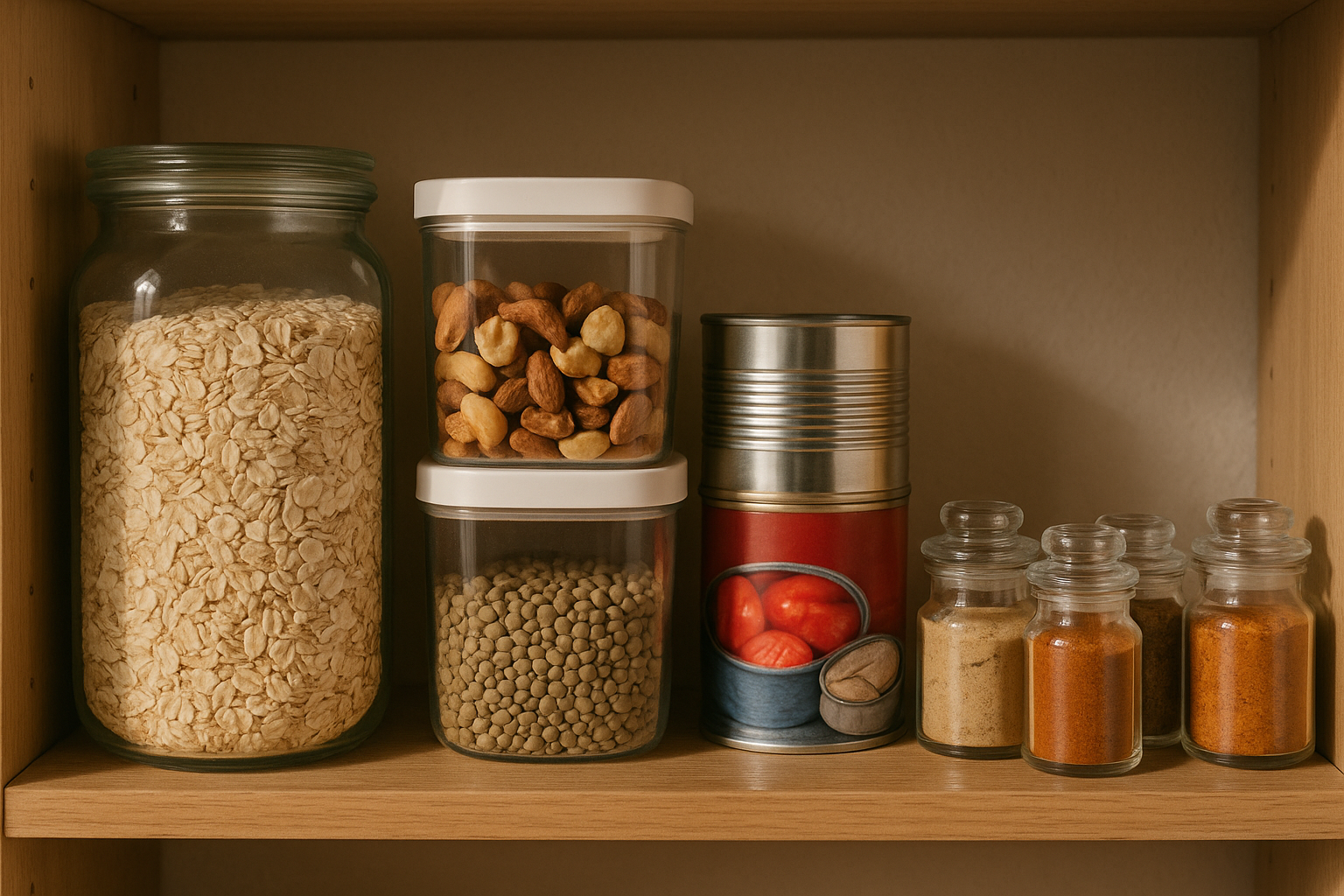
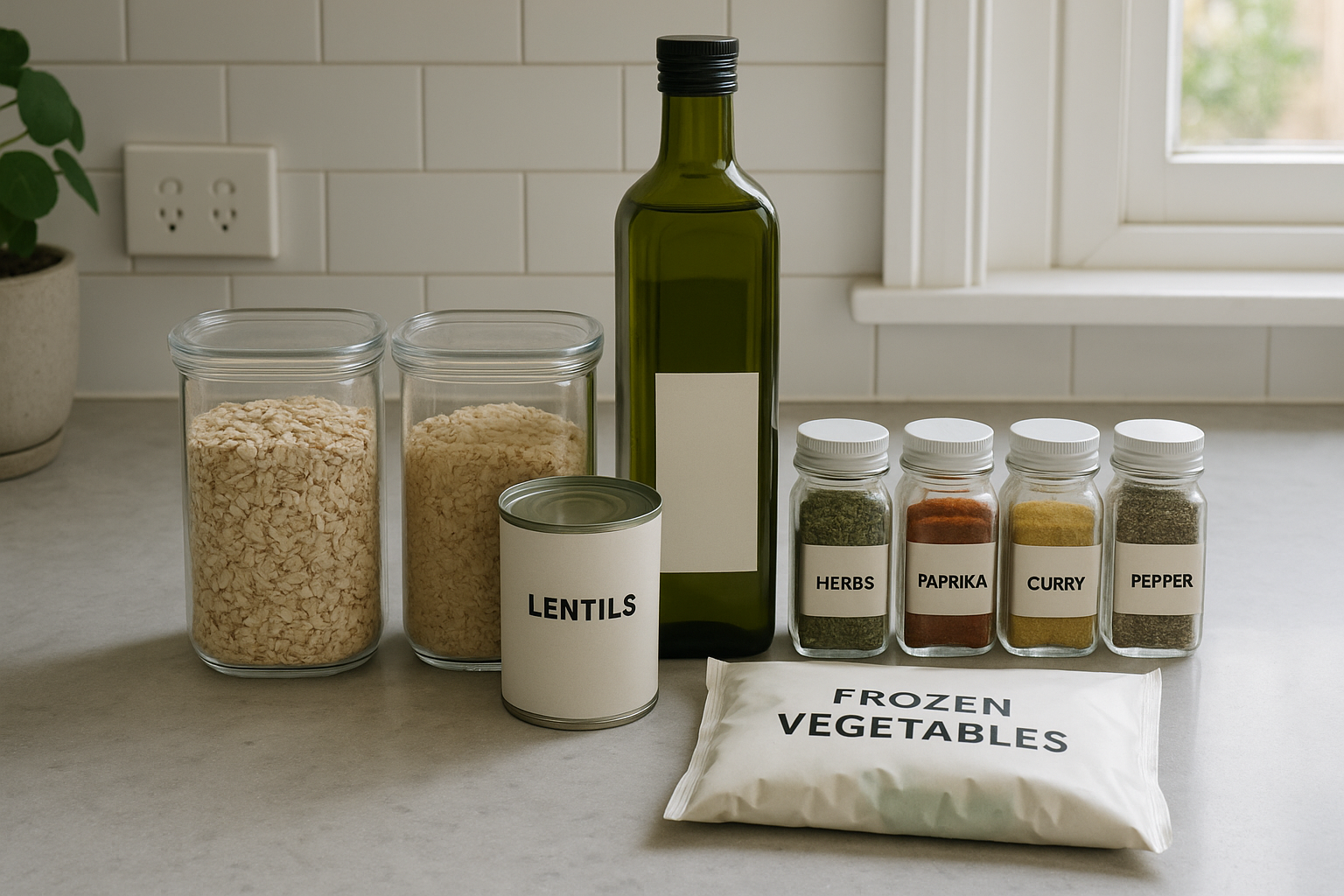
Pantry staples laid out to help plan meals before supermarket shopping

Gold Coast Supermarket Shopping: Common Mistakes to Avoid (and What to Do Instead)

A supermarket trolley with whole foods for a healthy weekly shop on the Gold Coast

Gold Coast supermarket shopping: common mistakes to avoid (and what to do instead)

You walk into the supermarket for “a few things” and leave with two bags of snacks, a dinner you’ll still need to cook from scratch, and a receipt that makes your eyes water.

If that sounds familiar, you’re not alone. For many Gold Coast homeowners, supermarket shopping is where good intentions fall apart—especially when you’re busy, feeding a family, managing gut symptoms, or trying to improve energy and mood.

Below are the most common mistakes I see (and the fixes that actually work). You don’t need perfection. You need a plan you can repeat.

Mistake 1: Shopping hungry, rushed, or stressed

Reading the ingredients list and nutrition panel while shopping

Ingredients first: it’s the quickest way to avoid marketing traps.

When you’re under pressure, your brain goes for quick dopamine: packaged snacks, “easy” dinners, and extra treats “just in case”. It’s not a willpower issue. It’s physiology.

Do this instead

  • Eat something small before you go: yoghurt + fruit, a boiled egg + toast, or a handful of nuts.
  • Set a 3-part mission: protein + veg + fibre. If your trolley has those, the week goes better.
  • If stress or anxiety is driving food choices, support matters. If you’ve been searching for an anxiety naturopath Gold Coast service, Beta Me has an evidence-informed approach that can pair nutrition strategies with nervous system support: https://betame.com.au/anxiety/

Mistake 2: Believing front-of-pack health claims

“Natural.” “Gluten-free.” “No added sugar.” “High protein.” These can be true and still not suit your goals.

Common examples:

  • “No added sugar” snacks that rely heavily on sweeteners and keep cravings going.
  • “High protein” bars that are still very low in fibre and easy to overeat.
  • “Gluten-free” products that are fine for coeliac/gluten intolerance, but not automatically healthier.

Do this instead: a 20-second label check

  1. Ingredients list: look for foods you recognise. Shorter isn’t always perfect, but it helps.
  2. Fibre: for breads/cereals/snacks, higher fibre often equals better appetite control.
  3. Added sugars and sodium: compare within the same category.

If you want this made simple, a guided shop can be a game changer: Supermarket Shopping Guide Gold Coast (Shopping Tour) https://betame.com.au/mobile-consultations/supermarket-shopping-tours/

Mistake 3: Buying “healthy” snack foods instead of real meal building blocks

A trolley full of snack plates can look virtuous—rice crackers, muesli bars, protein balls, dips, “clean” treats—but you still don’t have proper meals.

Do this instead: shop for three dinners first
Pick three repeatable options that don’t require a new recipe every week.

Practical dinner templates (fast and realistic)

  • Tray bake: chicken or tofu + frozen veg + olive oil + spices.
  • Bowl meal: microwave rice + tinned salmon/tuna/chickpeas + salad mix + dressing.
  • Stir-fry: pre-cut veg + mince/tempeh + a sauce with lower sugar/sodium + noodles.

Once dinners are covered, snacks become optional—not emergency calories.

Mistake 4: “Gut health” shopping that’s too restrictive (or too expensive)

If you’ve ever googled gut health dietitian Gold Coast or holistic nutritionist Gold Coast, you’ve probably seen conflicting advice: cut dairy, cut gluten, cut FODMAPs, add powders, add probiotics, buy speciality everything.

Restriction can be helpful in specific cases, but self-prescribing a long list of “no” foods often backfires:

  • less fibre variety
  • more stress around food
  • fewer easy meal options

Do this instead: prioritise gut basics first

  • Fibre foundations you can tolerate: oats, chia/linseed, legumes (if suitable), veg, fruit.
  • Fermented foods you tolerate: yoghurt, kefir, sauerkraut (small amounts).
  • Regular meal timing: erratic eating can worsen reflux, bloating, and cravings.

If you have ongoing symptoms (bloating, pain, diarrhoea/constipation, reflux), personalised guidance helps you avoid unnecessary restriction. Beta Me supports Gold Coast clients looking for a nutritionist Gold Coast option and naturopathy-informed care: https://betame.com.au/

Mistake 5: Overbuying fresh produce… then wasting it

Buying “aspirational” produce feels healthy. Then Wednesday hits, you’re exhausted, and the greens go slimy.

Do this instead: mix fresh + frozen + tinned

  • Buy 2–3 fresh veg you’ll definitely use.
  • Add frozen veg for back-up (stir-fry mix, peas, cauliflower rice).
  • Keep tinned staples: tomatoes, beans, corn, tuna/salmon.

This is how you eat well even when life gets busy.

Mistake 6: Drinking your calories (and your blood sugar swings)

Many “healthy” drinks can quietly sabotage energy and appetite:

  • flavoured milks
  • juices
  • iced coffees with syrups
  • kombucha or “wellness” drinks that still contain added sugar

Do this instead

  • Choose water, sparkling water, tea.
  • If you like flavour: add lemon/lime, berries, or a splash of soda with fruit.
  • Keep coffee simple most days.

Mistake 7: Buying for one perfect version of you

Simple meal components that make healthy dinners easier than takeaway

Shop for building blocks, not perfect recipes.

The biggest planning mistake is assuming every night will be calm and organised.

Do this instead: shop for real life
Aim for a balance of:

  • 5-minute meals (eggs on toast + salad, tuna bowl)
  • 15-minute meals (stir-fry, tacos with salad)
  • one slower meal if you enjoy cooking

This is also where mobile support helps: pantry reviews, practical meal planning, and habits that fit your home routine. See Mobile Nutritionist Gold Coast options here: https://betame.com.au/mobile-consultations/

Mistake 8: Treating “special diets” as a personality (instead of a tool)

Keto, paleo, dairy-free, low FODMAP, plant-based—these can all be appropriate in the right context.

Problems happen when:

  • the rules are stricter than your life can sustain
  • you’re not meeting fibre needs
  • you’re missing key nutrients
  • it increases anxiety around food

Do this instead
Use any dietary approach as a tool with a clear purpose and an exit plan. If you’re trying to solve a specific issue (gut symptoms, cholesterol, fatigue, cravings), support from a Gold Coast naturopath or nutrition professional can help you pick the least restrictive path.

Mistake 9: Not having “default” staples you can always eat

A tidy pantry with healthy staples for quick meals

A “default pantry” reduces decision fatigue during the week.

A default set of foods removes decision fatigue.

A simple default list

  • Proteins: eggs, Greek yoghurt, chicken, tofu/tempeh, tinned fish, lean mince
  • Fibre: oats, wholegrain bread/wraps, brown rice, quinoa, legumes (if tolerated)
  • Veg: salad mix, frozen veg, carrots/capsicum, tomatoes
  • Flavour: olive oil, lemon, herbs, spices, tahini, vinegar

If you get stuck, a guided tour can help tailor staples to your preferences, budget and health goals.

Mistake 10: Doing it alone when you need a tailored plan

Some people just need a better shopping list.

Others need a plan that accounts for:

  • IBS-type symptoms or reflux
  • food intolerances
  • fatigue and low motivation
  • perimenopause/metabolic changes
  • neurodiversity or disability supports

If you’re looking for nutrition services Gold Coast residents can actually use in real life—shopping, pantry, meals and routines—Beta Me offers practical, personalised support.

You might have searched terms like best naturopath Gold Coast, highly recommended naturopath Gold Coast, or naturopaths in Gold Coast. The best fit is the practitioner who listens, gives you a workable plan, and supports follow-through.

A simple Gold Coast supermarket shopping checklist (save this)

Before you go:

  • Eat a small snack.
  • Choose 3 dinners.
  • Write a list by aisle (produce, protein, pantry, frozen, snacks).

In the shop:

  • Fill the trolley with protein + veg + fibre first.
  • Check ingredients when a product is marketed as “healthy”.
  • Buy a mix of fresh + frozen + tinned.

After:

  • Wash and chop one veg.
  • Cook one protein (or portion it).
  • Put snack foods out of sight.

Want hands-on help in the supermarket (without judgement)?

If you’d like someone to walk the aisles with you and show you what to buy for your goals—gut health, energy, weight support, family meals, food sensitivities—book a Supermarket Shopping Tour with Beta Me.

You’ll leave with:

  • realistic product swaps
  • a repeatable trolley template
  • label-reading shortcuts
  • a plan that fits your household

Start here: https://betame.com.au/mobile-consultations/supermarket-shopping-tours/

If you prefer support from home, you can also explore mobile consults: https://betame.com.au/mobile-consultations/

And if you’re looking for flexible assistance and have NDIS goals around nutrition and daily living skills, see NDIS Nutritionist Gold Coast options here: https://betame.com.au/skype-consultations/


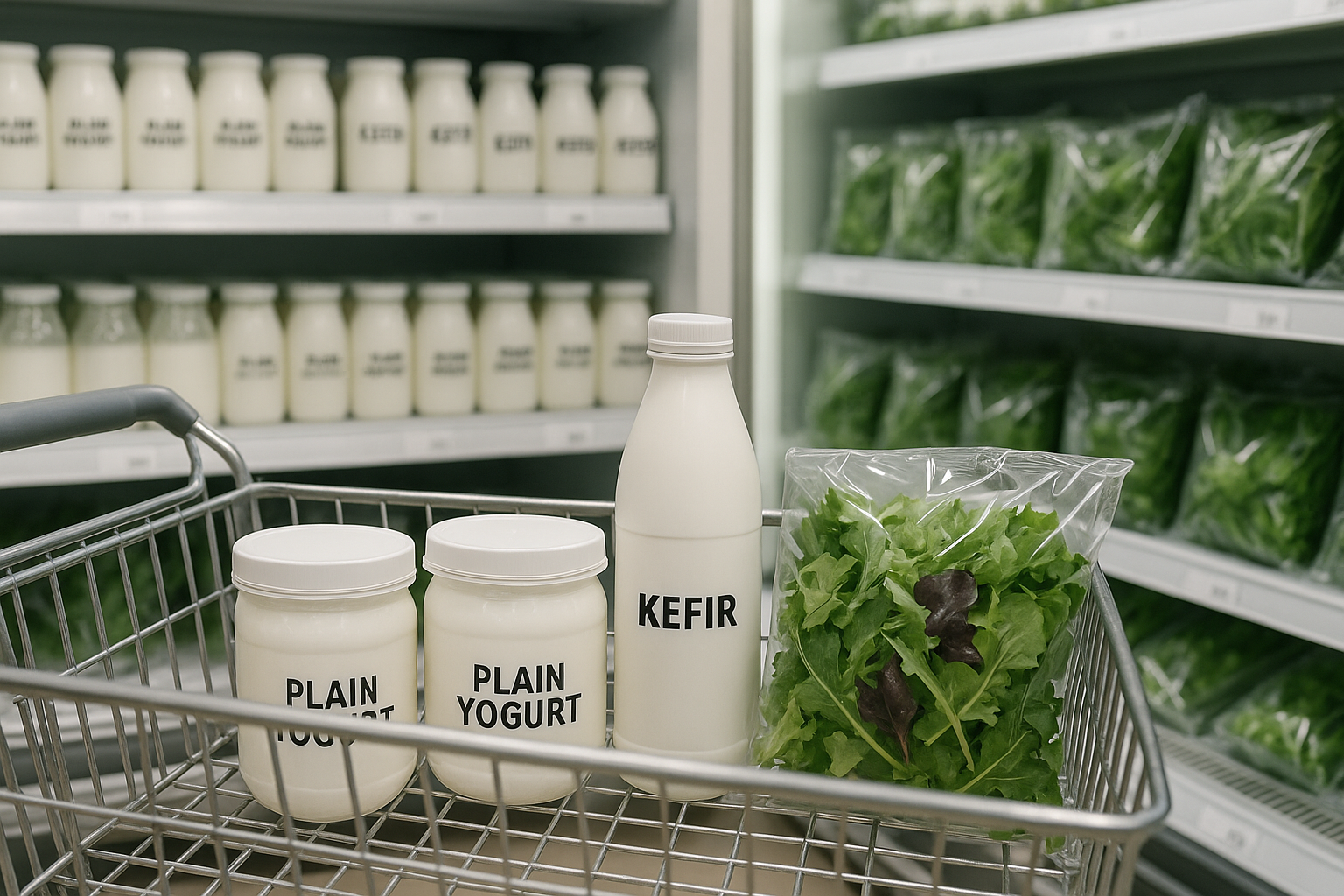
Choosing simple gut-friendly foods in the chilled section

Gut-friendly often means simple, not expensive.

FAQs

What’s the biggest mistake people make when supermarket shopping for health?

Relying on front-of-pack claims instead of checking ingredients and comparing like-for-like products. A simple focus on protein, fibre and minimally processed foods gives better results than chasing “health” labels.

How can I shop for gut health without buying expensive “gut” products?

Build meals around vegetables, fruit, tolerated fibres (oats, chia/linseed, legumes if suitable) and adequate protein. Add fermented foods you tolerate. If symptoms persist, personalised support from a gut-focused practitioner can prevent unnecessary restriction.

Are “no added sugar” products always a better choice?

Not always. Some products use sweeteners that keep a sweet preference high or trigger gut symptoms. Compare the nutrition panel, consider portion size, and choose options you can eat calmly and consistently.

What should I do if I’m overwhelmed by label reading?

Use a short rule set: ingredients list first, then fibre, then added sugars and sodium. A guided supermarket tour can teach you what to look for in the products you already buy.

Can an NDIS nutritionist help with supermarket shopping support on the Gold Coast?

Often, yes—depending on your plan goals. Practical support can include meal planning and shopping skills, and Beta Me offers flexible consult formats.

Should I see a nutritionist or a naturopath for help with supermarket shopping?

Choose based on your needs. For food choices, routines and practical meal planning, a nutritionist is ideal. If you also want broader holistic support, naturopathy can complement nutrition strategies. Beta Me offers both nutrition and naturopathy-informed support on the Gold Coast.

Gold Coast supermarket shopping design trends and layout ideas (that actually make healthy eating easier)

A trolley with fresh produce and healthy staples in an Australian supermarket

Gold Coast supermarket shopping design trends and layout ideas (that actually make Healthy eating easier)

If you’ve ever walked into the supermarket for “just milk” and walked out with snacks, a “healthy” bar you didn’t even like, and a dinner plan you can’t explain — that’s not a lack of willpower.

Modern supermarket shopping is designed to keep you browsing, nudging you toward quick decisions. On the Gold Coast, where busy schedules and convenience foods can easily take over, understanding the design trends and layout cues helps you shop with more control.

Below are the most common layout ideas used in supermarkets, what they mean for your trolley, and practical ways to shop for real-life goals like gut health, steadier energy, and easier weeknight dinners.

1) The “fresh-first” entrance: why the first 5 minutes matter

Comparing nutrition labels in the supermarket

Quick label checks help you cut through marketing claims.

A major design trend is starting you in fresh produce or a bright, colourful area. It sets a “healthy tone” — and it also encourages you to relax your guard.

How to use it to your advantage (without getting derailed):

  • Start with a produce plan, not “buy what looks good”. Choose:
    • 2–3 vegetables for dinners (e.g., broccoli, capsicum, zucchini)
    • 1–2 salad items (e.g., leaves, cucumber)
    • 1–2 fruits for snacks
  • Pick one “easy win” produce option for the week: pre-washed leaves, frozen veg, or a stir-fry mix. Convenience can be a health tool when it keeps you cooking.

If you’re working with a gut health dietitian Gold Coast clients often seek out, or a naturopath and nutritionist, this is also where you can make simple gut-friendly choices that don’t require specialty foods.

2) Perimeter shopping: useful rule, not a strict diet

You’ll often hear “shop the perimeter” because that’s where produce, meat, dairy and bakery typically sit.

It’s a helpful starting point — but if you only shop the perimeter, you can miss some of the most budget-friendly staples.

A better approach:

  • Perimeter = fresh building blocks (veg, fruit, proteins, yoghurt)
  • Middle aisles = staples (tinned fish/beans, oats, rice, olive oil, herbs/spices)
  • Freezer = back-up plan (frozen veg, berries, convenient proteins)

This is one of the key “layout ideas” to keep in mind: the store is built like a loop. If you follow the loop without a plan, you’ll see everything.

3) End-caps and “specials”: the impulse hot spots

Those displays at the ends of aisles (end-caps) are prime real estate. They can be a genuine bargain — or a fast track to buying food you didn’t want.

A quick decision rule for end-caps:

Ask:

  1. Was it on my list? If not, it’s a no.
  2. Is it a staple I already buy? If yes and it’s a good price, consider it.
  3. Will I use it in the next 7 days? If not, it’s clutter (and often extra snacks).

For anxiety-driven or stress-driven shopping (very common), these displays are where “just in case” purchases happen. If that’s you, it may help to explore support that ties food choices to stress patterns, such as Beta Me’s approach to naturopathy for anxiety.

4) “Health” aisles and wellness claims: what’s actually helpful

A big trend is expanding wellness ranges: protein snacks, low sugar, gluten free, keto, gut health, “natural”, and supplements.

This is where many Gold Coast shoppers get stuck — because the packaging sounds like it solves a problem.

Use this label-reading shortcut instead:

  • Ingredients first. Shorter and recognisable is often a good sign.
  • Check fibre (especially for snacks and cereals). Higher fibre usually supports steadier appetite.
  • Be cautious with “free from” products if they’re highly processed. Some are useful; many are just expensive swaps.

If you’re already seeing a nutritionist Gold Coast locals recommend, or you’re looking for the best naturopath Gold Coast for your needs, bring 2–3 common “health” products you buy regularly into your consult. A good clinician will help you find better options that fit your body and budget.

5) The ready-to-eat section: convenience without the crash

Supermarkets are leaning hard into convenience: premade meals, salad kits, cooked chickens, heat-and-eat sides.

These can be lifesavers — but they can also be low in vegetables and fibre, or higher in salt and refined carbs.

A practical “better convenience meal” formula:

  • Choose one convenience main (e.g., roast chicken, microwavable grain pouch, soup)
  • Add at least two vegetable sides (bag salad + cherry tomatoes; frozen veg; microwave steam veg)
  • Add a protein boost if needed (extra eggs, tinned tuna/salmon, Greek yoghurt)

This helps keep supermarket shopping realistic, not perfect.

6) Self-serve checkouts and snack lanes: how to avoid last-minute add-ons

The checkout zone is designed for fast-grab items. If you shop when hungry, tired, or stressed, it’s a problem area.

Simple strategies that work:

  • Eat a snack before you shop (even a banana or yoghurt).
  • Keep “checkout snacks” in your bag (nuts, fruit, or a protein snack you actually like).
  • Use click-and-collect selectively when you’re in a vulnerable state (end of day, kids in tow, low bandwidth).

7) Layout idea you can copy at home: a “trolley template” for the week

Healthy pantry staples laid out on a kitchen bench

Middle-aisle staples can be some of the most nutritious buys.

When you have a default plan, the supermarket layout has less power.

Try this trolley template (adjust to your needs):

  • Proteins (2–3): eggs, chicken, tofu, tinned fish, lean mince
  • Vegetables (5–7 items): mix of salad + cookable veg
  • Fruit (2–4): snacks and breakfast
  • Carbs (2): oats + rice/potatoes/pasta (or your preferred option)
  • Fats & flavour (3): olive oil, nuts/seeds, herbs/spices, yoghurt, avocado
  • Fibre staples (2): tinned beans/lentils + wholegrains

If gut symptoms are part of your picture, your “best” template depends on tolerance. That’s where working with a holistic nutritionist Gold Coast clients trust, a gold coast naturopath, or a combined naturopath and nutritionist approach can be useful.

8) Practical examples: shopping routes for common goals

Here are three simple “routes” you can follow, based on what you’re trying to improve.

A) For steadier energy (less snacking)

  • Produce: veg + fruit for snacks
  • Dairy/protein: yoghurt, eggs, lean protein
  • Aisles: oats, nuts, tinned beans
  • Freezer: berries, frozen veg

Aim: each meal has protein + fibre.

B) For gut-friendly meals (without overthinking)

  • Produce: choose vegetables you tolerate well; add herbs for flavour
  • Proteins: simple, minimally processed
  • Aisles: rice/oats, tinned staples you tolerate
  • Skip: “gut health” snacks that rely on lots of additives if they trigger you

If you’re searching for a naturopath gold coast locals recommend, or naturopaths Gold Coast options, look for someone who can turn your symptoms into real food decisions — not just a list of foods to fear.

C) For budget-aware families

  • Frozen veg and frozen fruit are your friends
  • Buy larger packs of staples you actually use (oats, rice, beans)
  • Pick one “premium” item and keep the rest simple

Tip: budget improves when dinners repeat. Two or three rotating meals beats seven new recipes.

When a supermarket tour helps (and who it’s for)

Walking past an end-cap display in a supermarket

End-caps are designed to grab attention—your list keeps you grounded.

Some people just want a list. Others need the confidence that comes from doing it in the aisle, with guidance.

A guided session can help if you:

  • feel overwhelmed by labels and health claims
  • keep buying “healthy products” but don’t feel better
  • need practical support for meal planning and shopping routines
  • are managing gut symptoms and want realistic swaps
  • want help making changes that the whole household can stick with

Beta Me offers supermarket shopping tours designed to make your regular shop easier, faster, and more aligned with your goals. You can learn more via the Supermarket Shopping Guide Gold Coast page.

A clear next step

If you’re on the Gold Coast and want supermarket shopping to feel simpler — with practical, brand-agnostic guidance tailored to your health goals — book a consult with Beta Me.

You can start with:

If you need flexibility, Beta Me also offers appointments that can suit at-home routines and planning support, including options discussed under NDIS Nutritionist Gold Coast services: https://betame.com.au/skype-consultations/


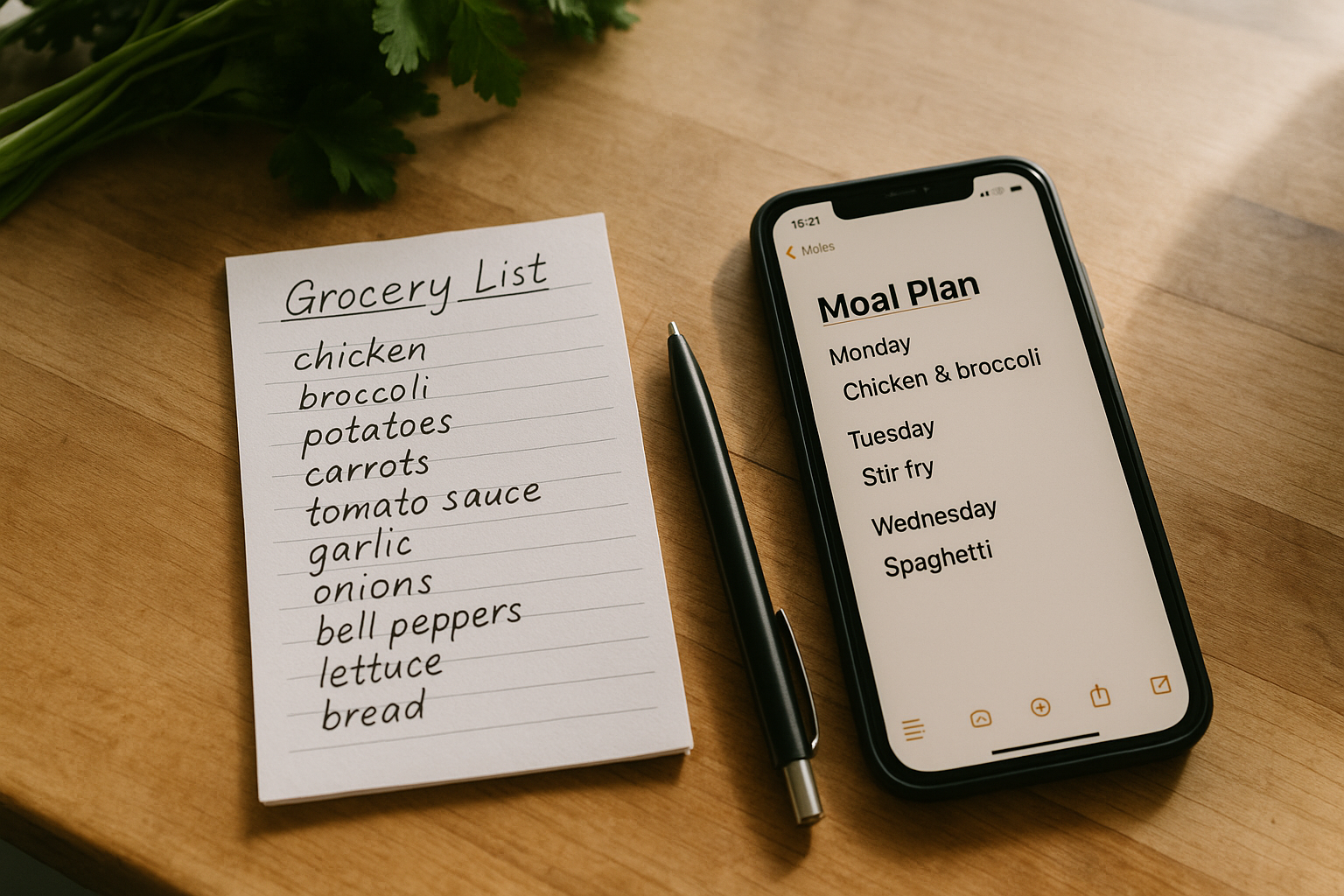
A simple meal plan and grocery list ready for shopping

A short list and a simple route make supermarket shopping quicker and calmer.

FAQ

What are the biggest supermarket layout trends affecting what I buy?

Common trends include stronger perimeter fresh-food zones, more prominent ready-to-eat meals near entrances, bigger end-cap displays (often for promotions), more health-claim packaging, and greater use of convenience sections. These features are designed to speed up decisions and increase impulse buys, so shopping with a short list and a simple route helps you stay in control.

How do I do a healthy supermarket shop fast on a weeknight?

Use a repeatable trolley template: 1–2 proteins (eggs, tinned fish, chicken), 2–3 vegetables, 1 fruit, 1 wholegrain or starchy option (brown rice, oats, potatoes), and 2 flavour builders (olive oil, herbs, yoghurt). Then choose one easy dinner plan (stir-fry, tray bake, tacos) and buy only what supports it.

Is perimeter shopping always the healthiest approach?

Not always. The perimeter is great for fresh produce and proteins, but many nutritious staples live in the middle aisles (tinned beans, oats, brown rice, frozen veg, olive oil, herbs and spices). A better rule is: perimeter for fresh, aisles for staples, and avoid wandering into ‘snack loops’ unless it’s on your list.

What should I look for on labels if I’m working on gut health?

Start with ingredients and fibre. Choose options with minimal additives, higher fibre where appropriate, and fewer sugar alcohols if they trigger symptoms. If you’re working with a gut health dietitian on the Gold Coast or a naturopath and nutritionist, bring your usual products to your next consult so you can get personalised swaps for your tolerance and goals.

Can a nutritionist or naturopath come with me to the supermarket on the Gold Coast?

Yes. Beta Me offers supervised supermarket shopping tours that turn your regular shop into a practical lesson: reading labels, building balanced meals, choosing gut-friendly options, and finding affordable swaps that suit your household.

Do you offer NDIS nutrition support for shopping and meal planning?

Beta Me provides nutrition support and can discuss options that suit your needs, including remote appointments. If you’re looking for an NDIS dietitian on the Gold Coast, book a consult to talk through your goals and what practical support would help (shopping skills, routines, simple meal structures and easy food choices).

Gold Coast supermarket shopping cost guide: budget planning that supports your health goals

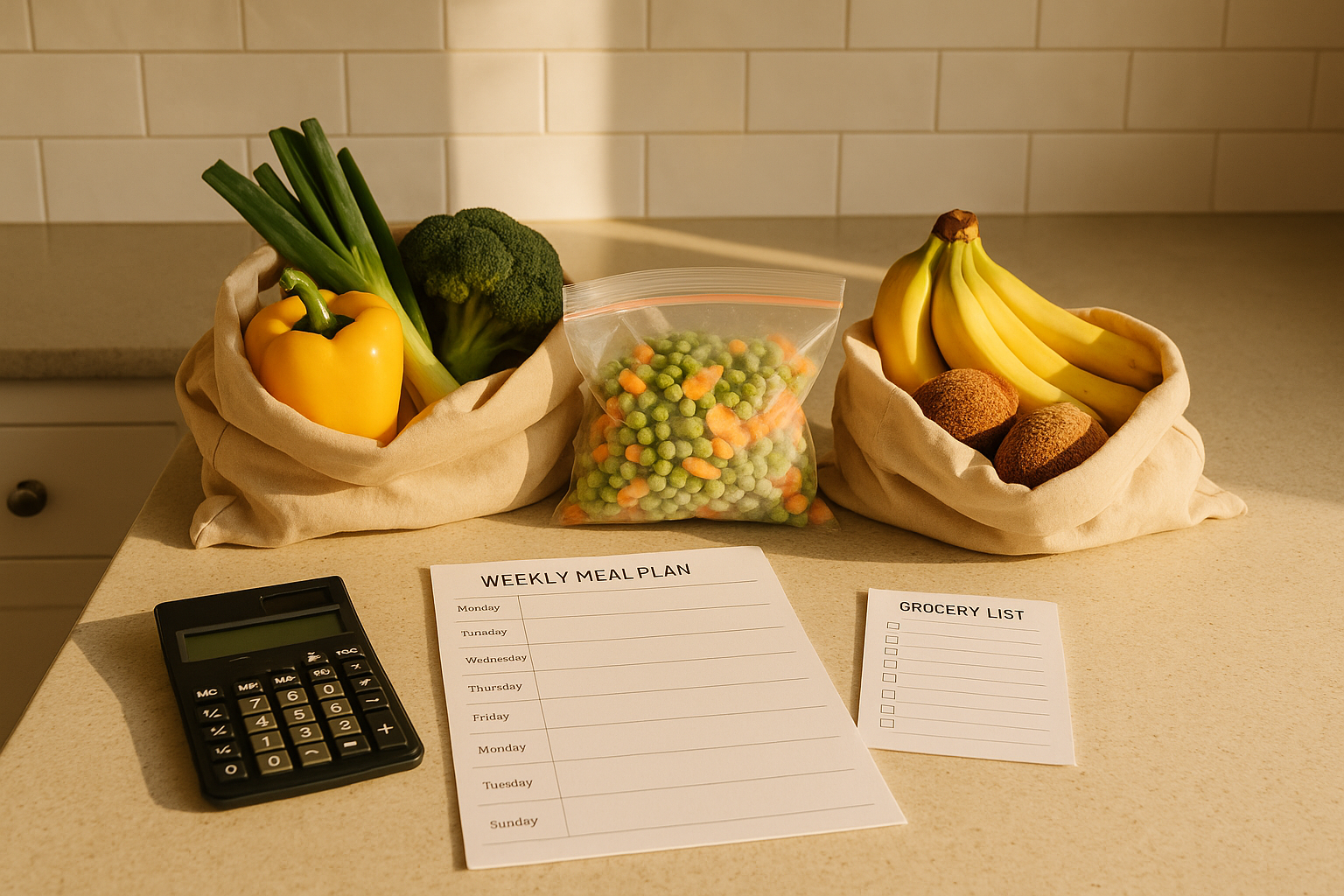
Meal plan and grocery list setup for supermarket budget planning in an Australian kitchen

Gold Coast supermarket shopping cost guide: budget planning that supports your Health goals

You don’t always feel the grocery bill when you add a few “extras” to the trolley.

You feel it at the checkout. Or later in the week, when there’s nothing easy to eat and you end up doing another top-up shop.

This Gold Coast supermarket shopping cost guide and budget planning article is for households who want to spend less without defaulting to ultra-processed “cheap” food that doesn’t support energy, gut comfort, mood or family routines.

If you’re also comparing support options (searching naturopath Gold Coast, gold coast naturopath, nutritionist Gold Coast, holistic nutritionist Gold Coast, or gut health dietitian Gold Coast), you’ll see where guided help like a supermarket shopping tour can save money by reducing waste and guesswork.

Step 1: Find your real baseline (before you try to cut it)

Before you set a new target, get clear on what you currently spend.

Track 2–4 weeks of shopping and food spending:

  • Keep receipts or export transactions.
  • Include “quick top-ups” (this is where budgets often leak).
  • Note any takeaway that happened because there was no plan.

Then split it into simple buckets:

  • Core meals: protein, vegetables, fruit, grains, dairy/alternatives
  • Lunches & snacks: yoghurts, crackers, muesli bars, deli items
  • Convenience: pre-made meals, sauces, meal kits
  • Drinks: soft drinks, juices, flavoured milks, alcohol
  • Extras: treats, “new products”, specialty items

This isn’t About judgement. It’s about finding the easiest wins.

For most households, the biggest savings are in extras and convenience, while keeping core foods steady.

Step 2: Pick a budget style you can actually follow

Simple budget-friendly weeknight dinner made from supermarket staples

A budget you can’t stick to won’t help.

Choose the simplest approach that fits your routine.

Option A: The weekly cap

You set one weekly amount and stick to it.

Best for: predictable routines and one main weekly shop.

Make it work:

  • Do one proper weekly shop.
  • Add a small top-up buffer (for example, when milk or fruit runs out).

Option B: Core + flex

You split your spending into:

  • Core: staples for breakfast, lunch and dinner
  • Flex: snacks, treats, convenience and specialty items

Best for: households where one person wants stricter health goals and others want flexibility.

Practical rule: reduce the flex amount first, not the whole trolley.

Option C: Cycle budget (fortnightly or monthly)

You do a bigger pantry/freezer shop, then top up fresh produce weekly.

Best for: families, bulk cooks and anyone trying to reduce impulse buys.

Step 3: Build a repeatable trolley (not a perfect one)

The biggest cost control isn’t finding a “perfect” meal plan.

It’s buying a short list of staples you can turn into multiple meals.

Budget-friendly staples that still support health

Choose what suits your preferences and dietary needs.

Proteins (mix and match):

  • Eggs
  • Tinned fish
  • Chicken thighs or a whole chicken (often better value than breast)
  • Lean mince (use smaller portions and bulk with lentils and veg)
  • Legumes (tinned or dried)

Carbs and fibre:

  • Oats
  • Rice
  • Potatoes or sweet potato
  • Wholegrain pasta (or regular if that’s what your gut tolerates)

Vegetables and fruit:

  • Seasonal fresh produce
  • Frozen veg (especially helpful when prices jump)
  • Salad kits only if they prevent waste

Flavour builders (often cheaper than convenience meals):

  • Garlic, onions, herbs
  • Tinned tomatoes
  • Stock
  • A small number of sauces you’ll use every week

If you’re managing gut symptoms, food intolerances, or you feel stuck in conflicting advice online, working with a naturopath and nutritionist can reduce expensive trial-and-error.

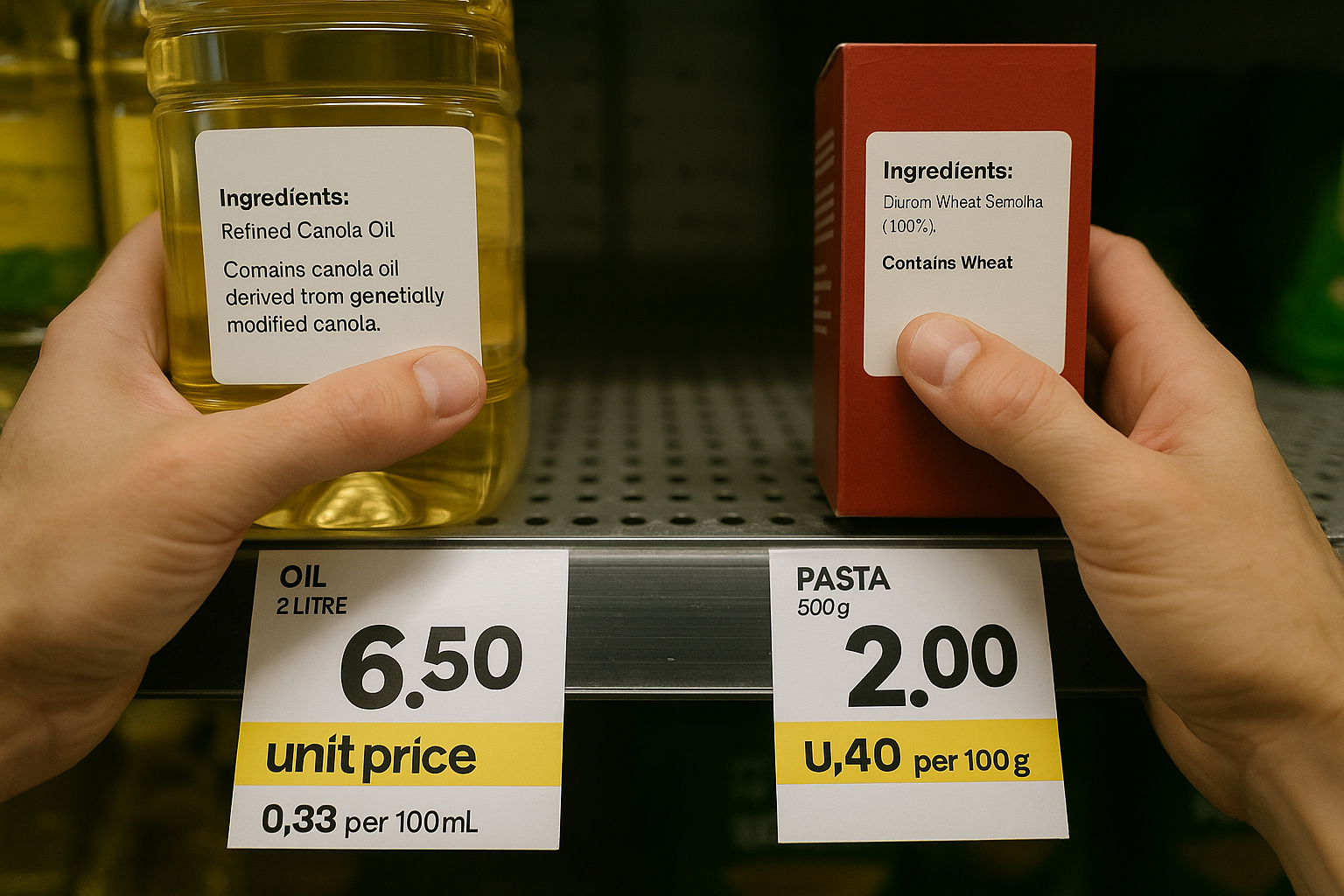
Step 4: Use unit price, not ticket price

Comparing unit pricing and ingredients during supermarket shopping

Two products can look similar, but the cheapest sticker price isn’t always the best value.

When you compare items, check:

  • Unit price (per 100g, per kg, per serve)
  • Waste factor (will it expire before you use it?)
  • Tolerance (does it actually suit your gut and energy?)

A quick example

A large tub of plain yoghurt may be better value per 100g than single-serve tubs.

But if your household won’t finish it before it expires, it’s not cheaper. It’s food waste.

Step 5: Watch out for “health halo” spending

Some of the most expensive supermarket items are products that look healthy.

Common budget traps:

  • “Protein” snacks that are still highly processed
  • Gluten-free swaps when you don’t need them
  • Multiple supplements and functional powders without a clear plan
  • Expensive snack packs when whole foods would do

If you’re not sure what’s worth it, that’s where a guided shop can help you spend with confidence.

Step 6: Plan dinners that create tomorrow’s lunch

This is one of the most reliable ways to cut weekly costs.

Try this structure:

  • 3 dinners that make leftovers (cook once, eat twice)
  • 1 quick dinner (eggs on toast, soup, stir-fry)
  • 1 “use it up” night (whatever is left in the fridge)

Example: 4 dinners with built-in lunches

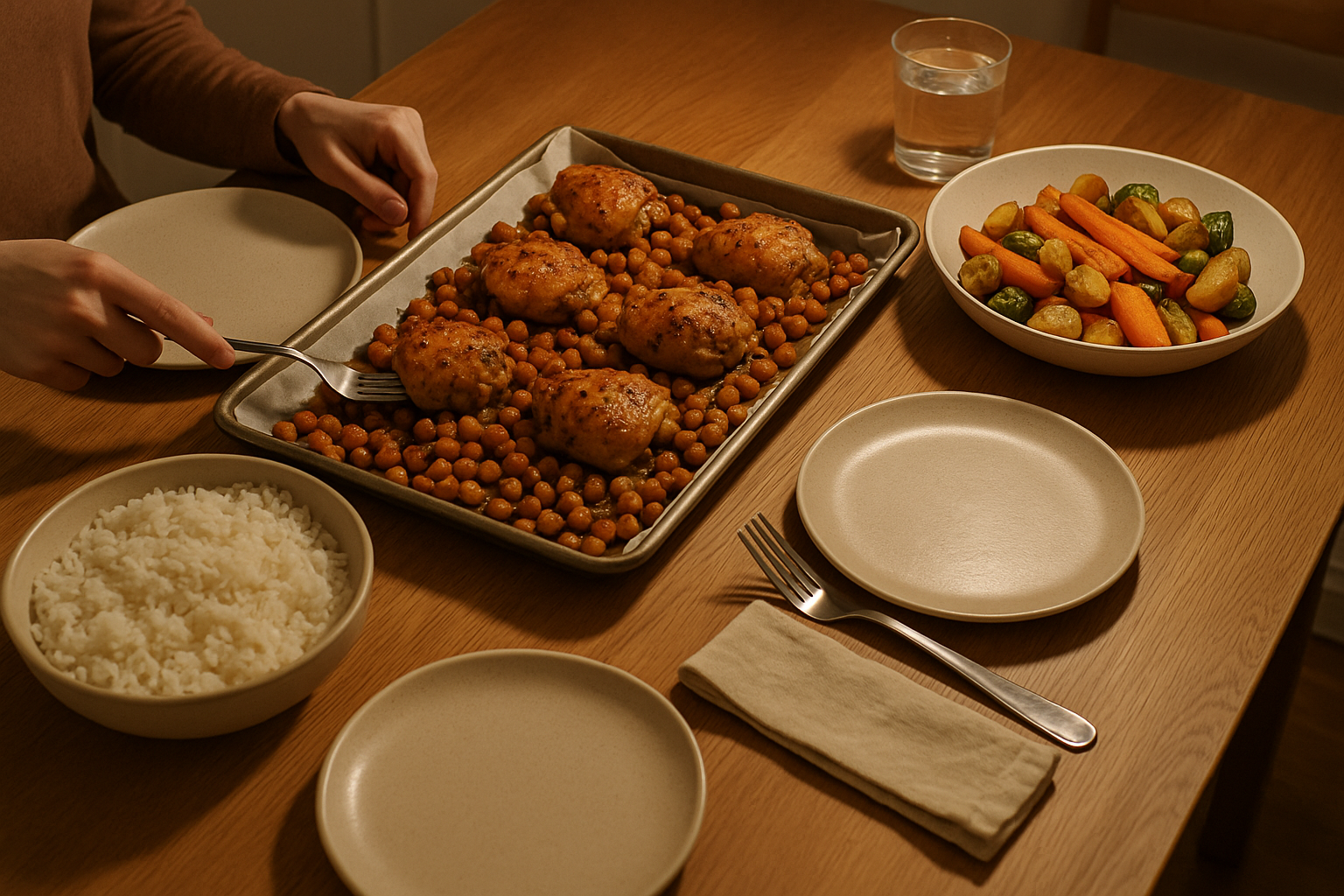
  1. Tray bake (chicken thighs or chickpeas + seasonal veg + rice)
  2. Bolognese (mince + lentils + veg) → leftovers for lunch
  3. Stir-fry (frozen veg + eggs or tofu) → fast and low waste
  4. Tuna + potato + salad (or bean salad) → pantry-based

Step 7: Reduce food waste (the hidden line item)

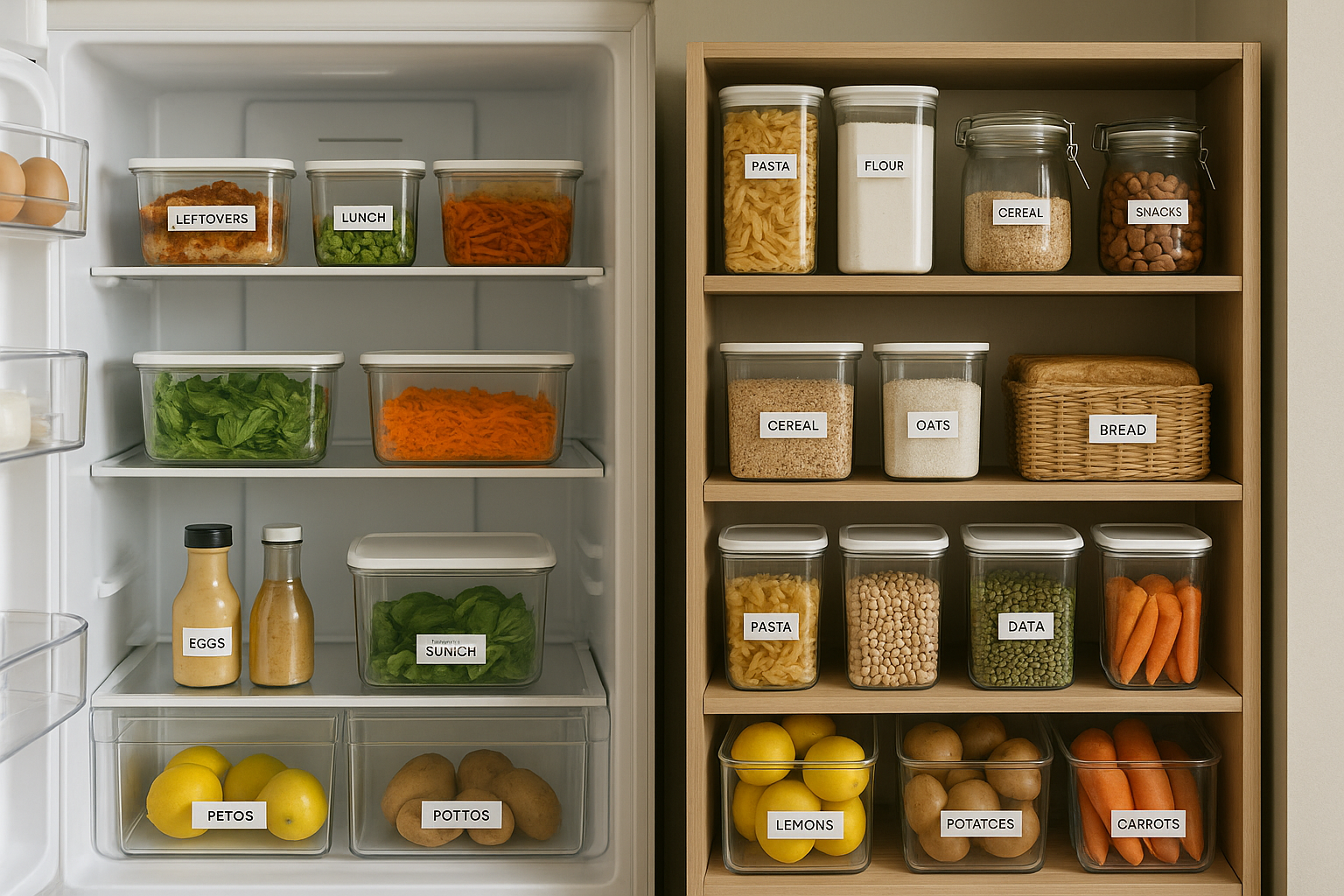
Organised fridge and pantry to reduce food waste and support budget planning

If fresh food often ends up in the bin, the answer is usually not “buy less fresh food”.

It’s usually:

  • buying the wrong quantities
  • buying too many new ingredients for aspirational recipes
  • not having a plan for leftovers

Simple fixes that work:

  • Create a visible “eat first” shelf in the fridge.
  • Choose two fruits and three veg for the week (plus frozen), not ten.
  • Use frozen chopped veg for convenience instead of pricey pre-prepped items.

Step 8: Budget planning for gut health, allergies and special diets

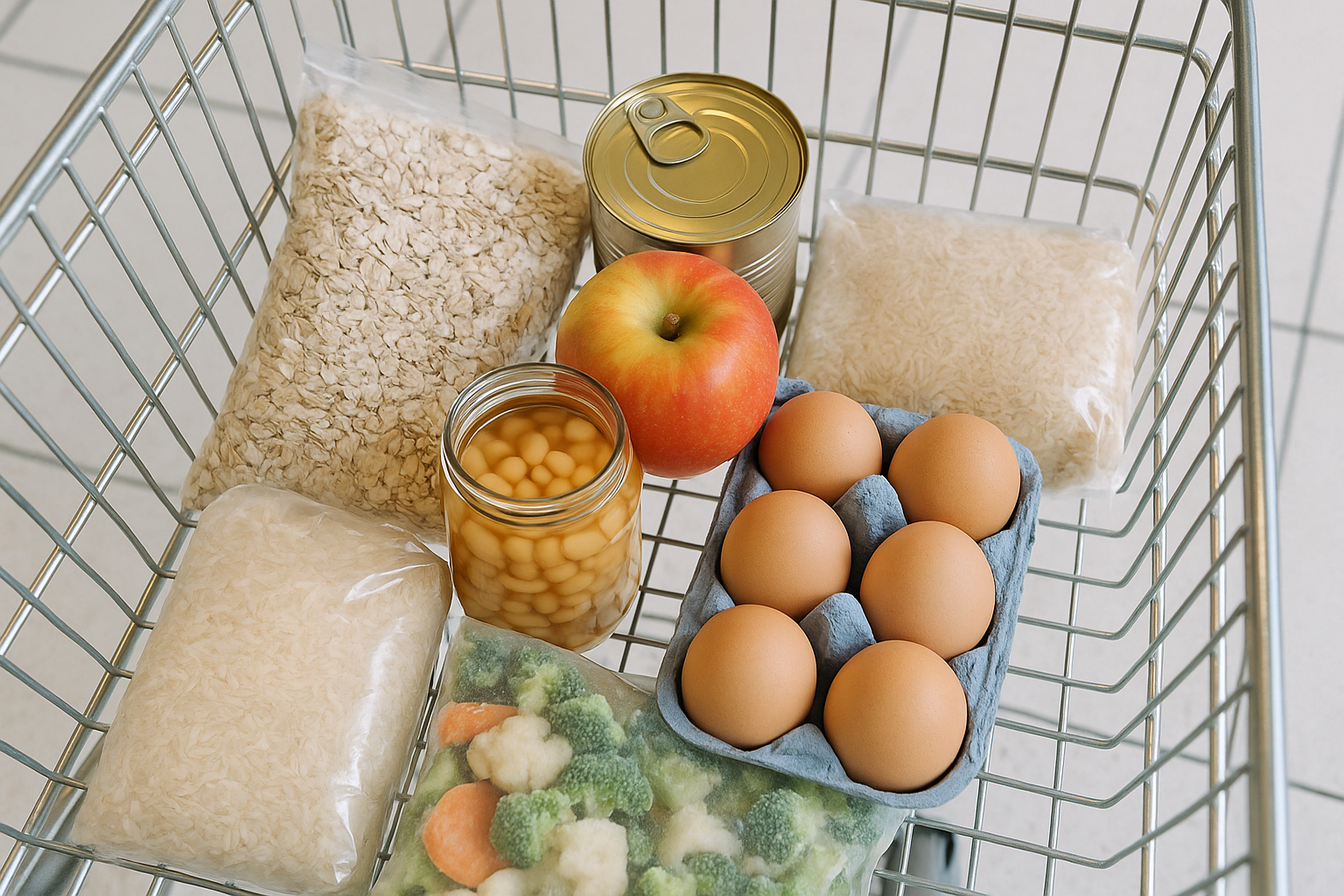
Budget-friendly healthy supermarket staples in a trolley

Special diets can increase costs, especially when the plan isn’t clear.

If you’re aiming for better gut comfort and searching gut health dietitian Gold Coast or holistic nutritionist Gold Coast, a major money-saver is targeted changes.

That usually works better than buying everything labelled “gut-friendly”.

Low-cost gut-supportive basics (when suitable)

  • Oats, rice, potatoes
  • Legumes (if tolerated)
  • A variety of vegetables (fresh or frozen)
  • Plain yoghurt or kefir (if tolerated)

If you suspect intolerances or IBS-type symptoms, the expensive loop often looks like:

buy → react → throw out → try again

Personalised guidance can help you stop that cycle.

Step 9: When it’s worth getting help (and what to look for)

If you’re comparing providers (for example, naturopaths Gold Coast, best naturopath Gold Coast, or highly recommended naturopath Gold Coast), look for support that changes what happens in the trolley.

Useful questions to ask:

  • Will you help me build a repeatable shopping list and meal plan that suits my budget?
  • Can you teach label reading based on my goals (gut, energy, mood, weight, family meals)?
  • Do you offer mobile or online support if I’m time-poor?
  • Can you work with real-life routines rather than “perfect” meal plans?

Beta Me supports Gold Coast locals with practical nutrition and naturopathy services.

If stress-driven snacking, cravings, or anxious shopping patterns are part of the picture, you can also read about naturopathy support for anxiety: https://betame.com.au/anxiety/

A simple cost guide you can apply this week

Use this as your quick-start plan:

  1. Pick your budget style (weekly cap, core + flex, or cycle budget).
  2. Write down four dinners that create leftovers.
  3. Choose 12–18 repeat staples you’ll buy most weeks.
  4. Set a fixed amount for extras (and keep them on a separate list).
  5. Do one “use it up” meal before the next shop.

Ready for a shop that costs less and works better for your body?

If you’d like a clear plan for what to buy (and what to stop buying), Beta Me can help you turn your health goals into a realistic, budget-aware shopping routine.

Book a Supermarket Shopping Tour on the Gold Coast: https://betame.com.au/mobile-consultations/supermarket-shopping-tours/

Want to learn more about Beta Me’s approach as a naturopath and nutritionist? Start here: https://betame.com.au/

Gold Coast naturopath nutritionist planning checklist before you start

Planning checklist on a kitchen bench for a naturopath nutritionist appointment

Gold Coast naturopath nutritionist planning checklist before you start

If you’re booking a naturopath nutritionist on the Gold Coast, the fastest way to get real value from your first appointment is to arrive prepared.

Not with perfect eating or a suitcase full of supplements—just the right information. That’s what helps your practitioner connect the dots between what you’re feeling day to day, what you’re eating, what you’ve already tried, and what’s realistic in your household.

This checklist is designed for Australian homeowners and busy families who want practical, no-fuss steps before seeing a naturopath and nutritionist.

The planning checklist (save this and tick it off)

Tracking a food diary before seeing a nutritionist

1) Write your “why now” in one sentence

Examples:

  • “I’m bloated most afternoons and it’s getting in the way of work and family time.”
  • “My energy crashes at 3 pm and I’m relying on coffee and snacks to push through.”
  • “My anxiety feels worse lately and I want a plan that includes food and lifestyle, not just willpower.”

This helps steer the session away from vague goals and towards a plan.

2) Choose 1–3 priorities (not ten)

Many people arrive wanting to fix everything: gut issues, sleep, skin, weight, mood, hormones and cravings.

You’ll get better outcomes by picking a few priorities to start. For example:

  • Gut comfort (bloating, reflux, irregular bowel motions)
  • Energy and cravings (afternoon slump, sweet cravings)
  • Mood and stress support (sleep quality, anxious feelings, overwhelm)

If you were searching for a gut health dietitian Gold Coast, you’re probably looking for structured digestive support. Clear priorities help your practitioner decide what to assess first and what can wait.

3) Create a quick symptom timeline

Use dot points—keep it simple:

  • When did it start?
  • What makes it worse?
  • What makes it better?
  • Is it daily, weekly, or around certain times?

Practical example:

  • “Bloating started after a gastro bug last year. Worse after takeaway and late dinners. Better when I eat earlier and walk after meals.”

This is gold for a Gold Coast naturopath or nutritionist Gold Coast consult because it narrows down likely triggers.

4) Track a 3–7 day food and symptom diary

This is one of the most useful things you can do before you book (or while you’re waiting for your appointment).

What to include:

  • Meals and snacks (rough portions are fine)
  • Drinks (coffee, alcohol, soft drink, sparkling water)
  • Timing (especially late-night eating)
  • Symptoms (bloating, reflux, headaches, bowel changes)
  • Energy (morning, afternoon, evening)
  • Sleep and stress notes

Homeowner-friendly tip: jot it down in your notes app while you’re packing lunches or cleaning up dinner—don’t aim for perfect.

5) List your current medications and supplements (with doses)

Bring:

  • Prescription meds
  • Over-the-counter meds (including reflux meds, antihistamines, pain relief)
  • Supplements (brand + dose if possible)

If you don’t know doses, take a quick photo of labels at home. This helps your practitioner make safe, sensible recommendations and avoid doubling up.

6) Gather recent test results (if you have them)

If you’ve had blood tests in the last 6–12 months, request a copy from your GP clinic and bring them along.

Helpful examples may include:

  • Iron studies
  • B12 and folate
  • Thyroid markers
  • Lipids
  • Blood glucose markers

No need to do extra tests just for the sake of it. The goal is to avoid guessing when you already have useful information.

7) Note your “non-negotiables” at home

This is where advice becomes realistic.

Write down what your week actually looks like:

  • Do you cook most nights or rely on quick meals?
  • Are you feeding kids with different preferences?
  • Are you doing shift work?
  • Are there budget limits?
  • Do you have a pantry stocked with certain staples?

Practical example:

  • “We do two sports nights, so dinners need to be 15 minutes.”

A good holistic nutritionist Gold Coast approach should fit your real life, not fight it.

8) Decide what “success” looks like in 8–12 weeks

Keep it measurable and personal.

Examples:

  • “Bloating reduced to once a week.”
  • “No afternoon energy crash most days.”
  • “I can eat out without regretting it.”
  • “I’m sleeping through the night at least 5 nights a week.”

These targets guide the plan and make progress easier to track.

9) Prepare 5 questions to ask (use these)

If you’re researching how to choose a naturopath, these questions help you quickly work out fit and quality:

  1. What do you think is most likely driving my symptoms?
  2. What are the first 2–3 changes you’d prioritise—and why?
  3. How will we track progress (symptoms, food diary, repeat bloods through my GP)?
  4. What’s your approach to supplements—food-first, minimal effective, or staged?
  5. What would mean I should go back to my GP quickly (red flags)?

10) Know what to avoid before you start (common pitfalls)

  • Changing everything at once. If you overhaul your diet the week before your consult, you lose clues About what’s been triggering symptoms.
  • Starting a supplement stack because TikTok said so. It can muddy the waters and cost money without clear benefit.
  • Cutting out entire food groups “just in case”. This can make meal planning harder and sometimes backfire.

If you’ve already removed foods, write it down so your practitioner understands the baseline.

What to expect from a naturopath nutritionist appointment

People often search “naturopaths Gold Coast” or “best naturopath Gold Coast” hoping for someone who will finally give them a clear plan.

In a well-run consult, you can expect:

  • A detailed case history (symptoms, routines, stress, sleep, medical history)
  • A look at food patterns and likely triggers
  • Practical, staged changes you can actually do at home
  • Clear next steps (including when to loop in your GP)

If anxiety is part of the picture, it’s common to discuss sleep, caffeine, blood sugar swings, gut symptoms and daily stress load. If that’s you, you may also want to read about naturopathy support for anxiety here: https://betame.com.au/anxiety/

Real-life examples: what “practical” can look like

Whole foods in a trolley for practical nutrition planning

Example 1: Busy household + afternoon crashes

Instead of “eat healthier”, a plan might start with:

  • A protein-based breakfast you can repeat (3 options)
  • A 3 pm strategy that isn’t a sugar hit
  • A dinner template for sports nights (protein + veg + easy carb)

Example 2: Bloating after dinner

A first stage might include:

  • Meal timing tweaks (earlier dinner where possible)
  • A short list of likely triggers to test systematically
  • Chewing, pace and portion adjustments (often overlooked)

Example 3: Anxiety and poor sleep

Rather than vague “reduce stress”, you might focus on:

  • Caffeine timing and dose
  • Blood sugar stability across the day
  • A realistic wind-down routine that works in your home

If you’re specifically looking for an anxiety naturopath (or searching naturopath anxiety), it’s worth choosing someone who will make the plan concrete and trackable—not just inspirational.

Extra support options (helpful if getting to a clinic is hard)

If you’d prefer support at home, mobile services can suit families, shift workers, or anyone who wants their kitchen and pantry considered as part of the plan. Beta Me offers options you can explore here: https://betame.com.au/mobile-consultations/

And if you want hands-on help making changes in the real world (labels, swaps, budget-friendly options), a guided shop can be a game-changer: https://betame.com.au/mobile-consultations/supermarket-shopping-tours/

If you’re comparing options like NDIS dietitian Gold Coast support, you may also want to look at remote consult options here: https://betame.com.au/skype-consultations/

Ready to start? Book with Beta Me

Gathering test results and medication list for a naturopath appointment

If you’re looking for a Gold Coast naturopath who also works as a nutritionist, Beta Me provides practical, tailored nutrition and naturopathy support designed for real households.

Explore services and book your next step here: https://betame.com.au/

Prefer to learn more about Danielle and the approach first? Read more here: https://betame.com.au/about/


Home set-up for lifestyle changes supporting stress and anxiety

FAQs

What’s the difference between a naturopath and a nutritionist?

A nutritionist focuses on food and nutrition strategies, while a naturopath often takes a broader whole-body approach that can include nutrition plus lifestyle, herbal and nutraceutical support. Many people look for a practitioner who can work as a naturopath and nutritionist together, so your food plan and your broader health plan line up.

How do I choose a naturopath on the Gold Coast?

Start with your main goal (for example gut symptoms, fatigue, skin, weight changes, mood or anxiety), then check the practitioner’s scope and experience with that goal. Ask what an initial consult includes, how they track progress, whether they can coordinate with your GP, and what their approach is to supplements and testing. A good fit should feel practical and collaborative, not like a one-size-fits-all protocol.

Do I need a referral to see a naturopath or nutritionist?

Usually no referral is required to book privately. If you want input from your GP (for example, recent blood tests or medication considerations), it helps to request copies of results and bring them along.

Should I do a food diary before my first appointment?

Yes—if you can, track 3–7 days. Include weekdays and a weekend day, plus timing, portion estimates, drinks, snacks, symptoms, sleep and stress. This gives your practitioner far better detail than relying on memory, especially for gut symptoms, energy crashes or cravings.

I’m looking for a gut health dietitian on the Gold Coast—can a nutritionist help too?

Many people search “gut health dietitian Gold Coast” when they want structured, evidence-informed support for digestive symptoms. A nutritionist can also provide food-first strategies for gut health, and a naturopath may add broader support where appropriate. The key is choosing someone who can assess your symptoms properly, tailor the plan, and refer back to your GP when medical investigation is needed.

Can a naturopath help with anxiety?

People often search for an “anxiety naturopath” when they want practical support beyond general advice. A naturopath may look at contributing factors such as sleep, blood sugar swings, gut symptoms, nutrient status, caffeine and alcohol, and stress load. If anxiety is severe, worsening, or impacting safety, it’s important to also seek support from your GP or mental health professional.

Do you offer NDIS nutrition support on the Gold Coast?

If you’re searching for an “NDIS dietitian Gold Coast” option, you may be looking for in-home or flexible nutrition support. Beta Me offers nutrition support options including remote consultations, which can suit participants who need appointments from home or prefer telehealth-style sessions.

What should I bring to my first naturopath nutritionist appointment?

Bring a list of current medications and supplements (with doses), any recent blood test results, a brief timeline of symptoms, your typical day of eating and drinking (or a food diary), and 2–3 outcomes you’d like to achieve over the next 8–12 weeks.

Loading...