How to Choose a Naturopath: A Practical Checklist (and What to Ask Before You Book)

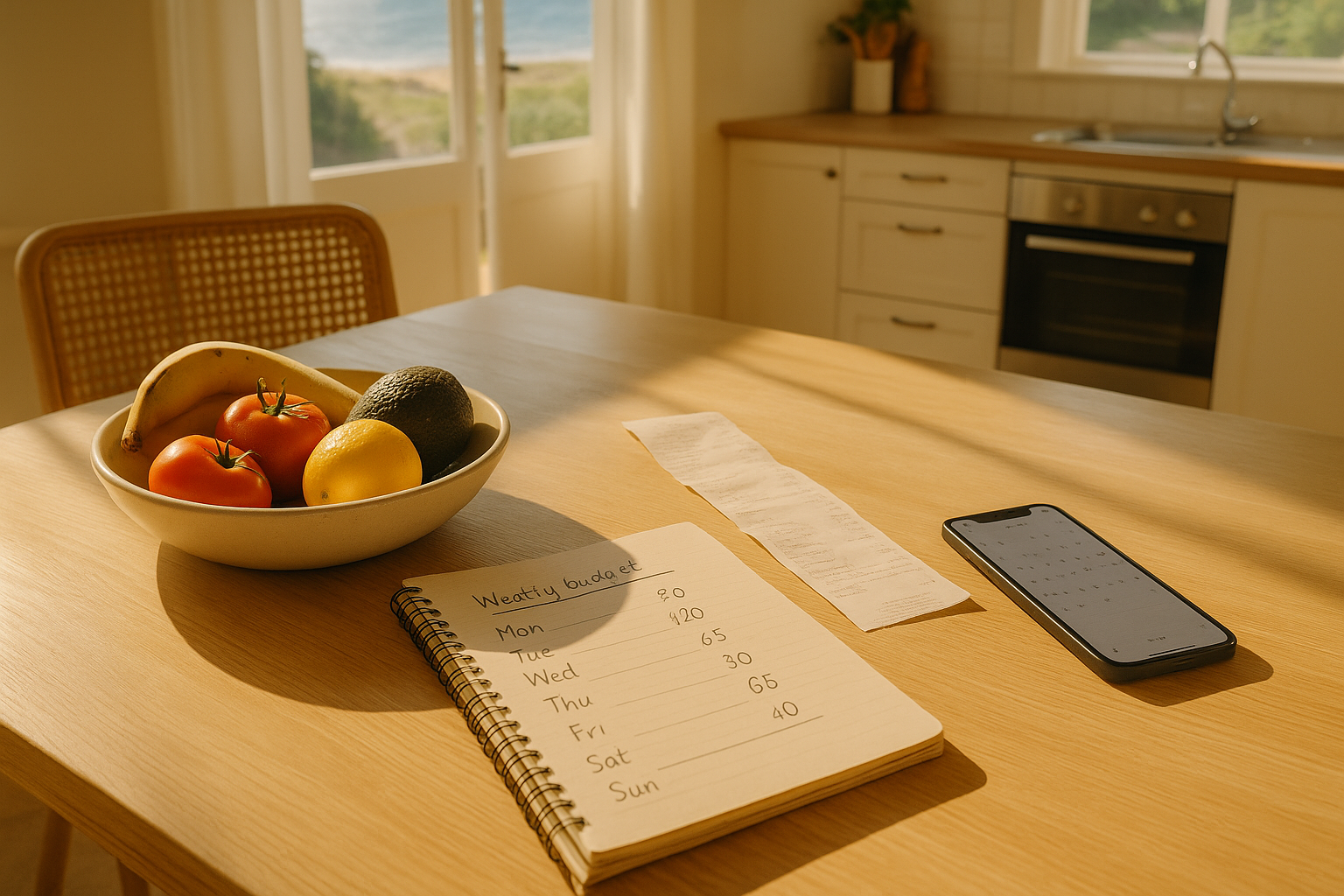
Checklist-style desk scene representing how to choose a naturopath in Australia

How to choose a naturopath (without wasting time or money)

If you’ve searched “naturopath near me” and ended up with a dozen tabs open, you’re not alone.

The hard part isn’t finding a practitioner. It’s choosing someone who listens, explains things clearly, and gives you a plan you can follow.

This guide explains how to choose a naturopath using a practical checklist. You’ll also find red flags to avoid and copy‑paste questions to ask before you book.

If you’re comparing naturopaths Gold Coast, looking for a Gold Coast naturopath, or narrowing down a best naturopath Gold Coast shortlist, start here.


1) Get clear on what you want help with

A clear goal makes it easier to choose the right practitioner.

Before you book, jot down:

  • Your top 2–3 symptoms (the ones affecting day-to-day life)
  • Your main goal (for example, “sleep through the night” or “steady energy by 3 pm”)
  • Any constraints (budget, travel, shift work, sensory needs, appointment times)
  • What you’ve already tried and how it went

Bring this to your first appointment. It keeps the consult focused and helps you assess whether a practitioner is a good fit.


2) Understand what a naturopath can (and can’t) do in Australia

Researching a naturopath online using a laptop and notebook

A little research upfront helps you choose a practitioner who fits your needs and values.

A naturopath typically supports health with:

  • Nutrition and food-based strategies
  • Lifestyle support (sleep, stress, movement, routines)
  • Herbal medicine
  • Supplements (when appropriate)
  • Thorough case-taking to connect patterns over time

Just as important is knowing scope and safety. A good naturopath should be comfortable:

  • Referring you back to your GP when something needs medical investigation
  • Working alongside allied health practitioners when helpful
  • Explaining recommendations in plain language

If you want a naturopath and nutritionist approach

Many people want food strategy and naturopathic tools.

If you’re looking for a naturopath and nutritionist, ask:

  • “Do you start food-first? Where do supplements fit?”
  • “How do you make the plan realistic for my routine?”

3) Check the approach (not just the marketing)

When people search for a highly recommended naturopath Gold Coast, they’re usually trying to find someone who is safe, thorough, and practical.

As you browse a website (or send a quick enquiry), look for signs of a clear method:

  • Is the approach explained in a way that makes sense?
  • Is it clear who they do (and don’t) work with?
  • Do they communicate in a calm, structured way?
  • Do they provide written plans?
  • Do they offer follow-ups?
  • Do they mention safety, medications, and collaboration?

If you have complex needs (multiple conditions, lots of medications, or significant stress), structure matters.


4) Look for a method — not a miracle

A solid naturopathic process often looks like this:

  1. Comprehensive intake (history, diet, stress, sleep, symptoms, medications)
  2. Prioritisation (the first 1–2 areas to focus on)
  3. Foundations (routine, nutrition basics, nervous system support)
  4. Targeted support (herbs and/or supplements with a clear reason)
  5. Review and adjust (what changed, what didn’t, what’s next)

If a practitioner can’t explain their process, it’s hard to know what you’re paying for.

Red flags to be cautious about

Be wary if someone:

  • Promises guaranteed results
  • Claims they can “fix everything” quickly
  • Pushes a large supplement bundle upfront
  • Can’t explain why a recommendation is relevant to you

5) What to ask before you book (copy/paste list)

Preparing questions and health information before a naturopath appointment

Bring your medication list, key symptoms, and goals to your first appointment.

If you’re comparing a naturopath Gold Coast clinic (or still searching “naturopath near me”), these questions help you choose with confidence.

Questions about fit

  • “Do you work with my main concern (for example, gut symptoms, hormones, fatigue, anxiety)?”
  • “What happens in the first appointment, and how long is it?”
  • “What’s your general approach: food-first, supplements, herbal medicine, or a mix?”

Questions about safety and collaboration

  • “I’m taking medications — how do you check for interactions?”
  • “Do you collaborate with GPs or other practitioners when needed?”

Questions about expectations and budget

  • “What does follow-up usually look like?”
  • “How will we measure progress over the next 4–8 weeks?”
  • “If supplements are recommended, do you stage them?”

A reputable practitioner won’t be offended by these questions. They should welcome them.


6) Choose the right appointment format: in-clinic, mobile or online

Convenience affects consistency.

If your plan is hard to implement, it usually won’t stick (even if it’s a good plan).

Consider what suits you best:

  • In-clinic appointments if you like face-to-face structure
  • Mobile consults if travel is difficult or time is tight
  • Online consults if you want flexibility or live outside the area

If you’re weighing up options with a Gold Coast naturopath, Beta Me offers:


7) What a good first appointment should feel like

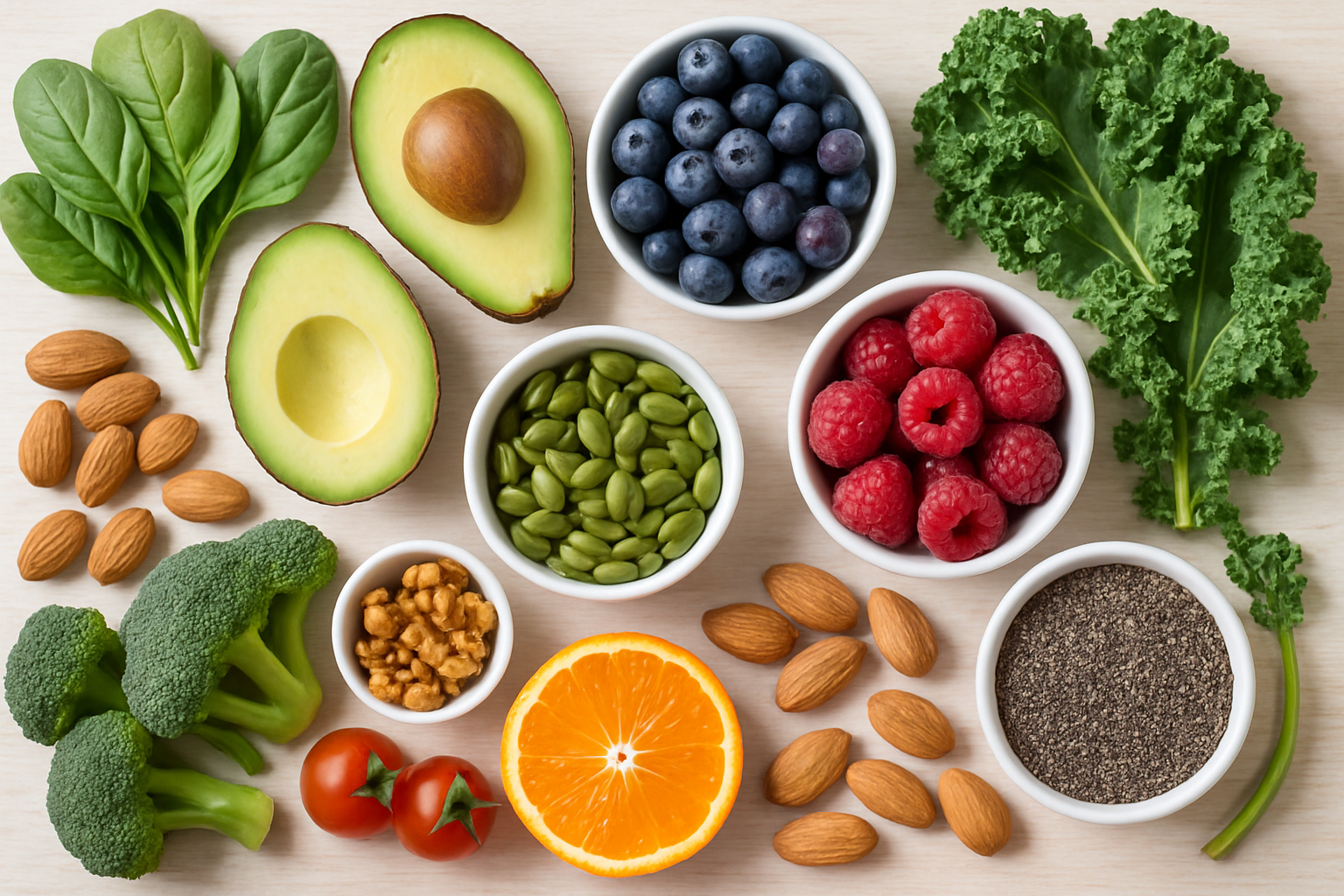
Whole foods on a kitchen bench representing food-first nutrition support

A good plan often starts with practical, food-first changes.

You should leave with:

  • A clear summary of what they think is going on (in plain language)
  • 1–3 priorities (not an overwhelming list)
  • A written plan with steps you can actually do
  • A review timeline and what “progress” looks like
  • Transparency about costs, including any optional products

If you feel pressured, confused, or like you were given a generic protocol, it’s okay to keep looking.


Choosing a naturopath for anxiety: what to look for

If you’re searching for an anxiety naturopath (or typing naturopath anxiety into Google), look for someone who:

  • Asks about sleep, caffeine, alcohol, workload, and stress triggers
  • Checks medications and keeps safety front of mind
  • Supports collaboration with your GP and/or psychologist when appropriate
  • Offers practical routines and skills (not just pills or powders)
  • Tracks change over time (sleep onset, wake-ups, daytime steadiness)

If anxiety is a key concern, read more here: anxiety naturopath support on the Gold Coast.


Quick reality check: “highly recommended” vs “right for you”

Reviews are useful, but they don’t tell the whole story.

A highly recommended naturopath Gold Coast option is often praised for:

  • Clear communication
  • Follow-up and accountability
  • Practical, realistic plans

But the right practitioner for you also matches:

  • Your budget and availability
  • Your preference for food-first vs supplement-heavy support
  • Your comfort level (you should feel heard)
  • Your need for mobile or online options

If you’re trying to find the best naturopath Gold Coast, define “best” as safe, transparent, and suited to your situation.


Looking for a Gold Coast naturopath with a clear, practical plan?

Beta Me provides naturopathy and nutrition support with a grounded, realistic approach.

If you’d like to check fit before booking, you can:

Ready to book (or ask a question first)?

To help us point you in the right direction, include the basics in your message:

  • Your main goal
  • Your top symptoms
  • Any constraints (time, travel, budget)
  • Your medications (if relevant)

Then book or enquire here: Contact Beta Me.


Herbal tea and botanicals representing gentle naturopathic support options

Herbs and nutrients should be chosen carefully to match your health history and medications.

FAQs

What qualifications should a naturopath in Australia have?

Look for formal training, a clearly explained scope of practice, and a practitioner who takes safety seriously. It’s also reasonable to ask how they stay up to date and how they work alongside your GP.

How do I choose a naturopath for anxiety support?

Choose an anxiety naturopath who covers sleep and daily foundations, checks medication interactions, communicates calmly, and is comfortable coordinating care. Avoid anyone promising a cure or pushing a single “magic” solution.

Is it better to see a naturopath and nutritionist, or just one practitioner?

If you want both nutrition strategy and naturopathic tools, it can be efficient to see a practitioner who offers integrated support. The key is a clear plan, realistic priorities, and recommendations that are explained and reviewed.

What should I ask before booking a naturopath appointment?

Ask what happens in the first appointment, how progress will be tracked, what timeframe is realistic, and what follow-up looks like. You can also ask how they decide on supplements and whether they stage recommendations.

Are supplements always necessary with naturopathy?

No. Supplements can be useful, but they should be tailored, explained clearly, and reviewed. Food-first and lifestyle changes are often the base of a sustainable plan.

Can I see a naturopath if I’m on medication?

Yes — provided your naturopath takes a full medication list, considers interactions, and supports appropriate collaboration with your GP. They should never advise stopping medication without medical oversight.

Gold Coast Supermarket Shopping: Materials Comparison & Selection Tips for a Healthier Trolley

Gold Coast supermarket shopping trolley with simple whole foods and pantry staples

Gold Coast Supermarket Shopping: Materials Comparison & Selection Tips for a Healthier Trolley

You can build a healthier trolley in the time it takes to compare two labels.

This guide shares Gold Coast supermarket shopping materials comparison and selection tips you can use in the aisle—whether you’re doing a quick shop in Southport, Robina or Burleigh, or a bigger weekly stock-up.

You’ll learn how to compare:

  • Packaging materials (glass, tin, carton, plastic)
  • Product formats (fresh, frozen, tinned, dried)
  • Label details (ingredients, nutrition panel, serving size)

If you’d like hands-on support in-store, Beta Me offers Supermarket Shopping Tours on the Gold Coast.


What “materials” means at the supermarket

Balanced snack ideas using supermarket foods to support steady energy

At the supermarket, “materials” usually means three things:

  1. Packaging type: glass, tin, carton, plastic tub, pouch
  2. Product format: fresh, frozen, tinned, dried, chilled, ready-to-eat
  3. Label details: ingredients list, nutrition information panel and allergens

None of these automatically makes a food “good” or “bad”.

A better question is: Which option fits my body, my goals, and my week?

Gold Coast reality matters here. Heat, sport, beach days, shift work, and school routines all change what’s practical—and what gets eaten before it spoils.

If you shop weekly and have a warm drive home from Southport, Robina or Burleigh, a mix of frozen veg, long-life staples, and a few hardy fresh items can help you stick to your plan.


The 20-second label method (to compare similar products)

Comparing ingredients lists and nutrition panels during supermarket shopping

Use this when you’re choosing between Brand A and Brand B.

Step 1: Check the ingredients list first

When foods are similar, choose the one with the simpler ingredients list.

Watch for added sugars in everyday items like:

  • yoghurt
  • cereal and muesli
  • pasta sauces
  • flavoured drinks

Ingredients are listed from most to least. If sugar (or several types of sugar) is near the top, it’s doing a lot of the work.

Front-of-pack claims can help you scan quickly, but the back label shows what you’re really buying.

Decision guide

  • If two options are close, pick the one you’ll use consistently.
  • For kids (or picky eaters), a slightly “less perfect” option that gets eaten beats a “perfect” option that gets wasted.

Step 2: Compare the nutrition panel per 100 g (or 100 mL)

Per 100 is the fairest comparison.

As a general guide, aim for:

  • higher protein and fibre
  • lower sodium
  • lower added sugar

If the lowest-sodium option tastes bland and sits in the pantry, choose the middle-ground option you’ll actually cook with. Cooking at home more often is still a win.

Step 3: Check the serving size

Some products look “better” because the serving size is tiny.

If you usually eat two serves, mentally double the numbers.

This comes up a lot with muesli, crackers, and flavoured yoghurt pouches—especially after sport, long workdays, or late pickups.


If you’re managing gut symptoms

Some ingredients are common triggers for some people. They’re not automatically “bad”.

People sometimes notice symptoms with:

  • certain sweeteners (including sugar alcohols)
  • inulin/chicory fibre
  • larger amounts of gums and thickeners

A practical approach is to change one variable at a time (one product or one ingredient swap) for 1–2 weeks. That way, you can tell what’s helping.

If you’re stuck, support from a gut health dietitian Gold Coast locals work with can help you link symptoms with ingredients and eating patterns—without cutting out whole food groups “just in case”.


Packaging materials: what matters most

Different supermarket packaging materials like glass, tins, cardboard and pouches

Packaging can be a helpful shortcut, but keep your priorities in order:

  1. Ingredients
  2. Nutrition panel
  3. Convenience (so you’ll actually use it)

Also think about how often you shop. If you shop weekly (or less), packaging that keeps food fresh longer can reduce waste and save money.

Glass jars (pasta sauce, olives, pickles)

Why they’re useful

  • easy to reseal and store (handy if you cook for 1–2 people)
  • easier to see what you’ve got in the pantry
  • sometimes (not always) a simpler ingredients list

What to watch

  • “gourmet” can still mean high sugar or high sodium
  • price differences can be big, so compare per 100 g

Quick pasta sauce check: tomatoes plus herbs/spices and oil is a solid baseline. If sugar is listed early, compare another brand.

If you’re cooking for kids, check the chilli level too. Some sauces are surprisingly spicy.

Cans/tins (beans, lentils, tuna, tomatoes)

Why they’re helpful

  • budget-friendly pantry staples
  • fast protein and fibre (especially beans and lentils)
  • easy to keep on hand for “what’s for dinner?” nights

What to watch

  • sodium is often higher in flavoured options
  • portion sizes vary (single-serve tuna vs larger tins)
  • fish packed in oil or flavoured sauces changes the overall meal balance

Simple default: choose no-added-salt where possible. If it’s not available, rinse and drain legumes to reduce sodium.

Extra tip: keep a mix.

  • a couple of plain tins you season yourself
  • one convenient flavoured option for low-energy nights

Cartons (UHT milk, passata, stock/broth)

Why they’re handy

  • long shelf life
  • easy to store
  • useful for backup meals when you can’t face another shop

What to watch

  • stock and broth can be a hidden sodium source

Easy swap: compare options per 100 mL and choose the lower-sodium one you’ll actually use.

If you cook in bulk (soups, risottos, slow-cooker meals), that difference can add up over the week—especially if you also use salty add-ons like cheese, olives, or deli meats.

Plastic tubs and pouches (yoghurt, dips, pre-cut salads)

Why they’re common

  • convenient and portable
  • easier portioning (useful for lunchboxes and work snacks)

What to watch

  • “high protein” products may include extra sweeteners, flavours and thickeners
  • dips and dressings can be high in oils, sugar and salt
  • salad kits can save time, but the dressing sachet is often where most of the sugar/salt sits

Practical approach: match the product to the job.

  • If you’re focusing on gut comfort, start with simpler options and add variety gradually.
  • In busy seasons (shift work, school events, sport), convenience foods can still fit. Aim for the cleaner label more often, and don’t stress the occasional shortcut.

Product formats: fresh vs frozen vs tinned (what to choose and when)

Simple meal prep staples chosen from the supermarket for quick dinners

Fresh vs frozen produce

Frozen veg is one of the easiest ways to support healthier weeknights.

Choose frozen when you want:

  • less waste
  • faster prep
  • reliable back-up dinners (stir-fries, curries, tray bakes)

Choose fresh when you want:

  • crunch and texture for salads
  • ingredients you know will be eaten quickly

Easy list to remember

  • Frozen: berries, spinach, mixed veg, cauliflower rice
  • Fresh: salad greens, tomatoes, cucumber, herbs

Gold Coast tip: a “hybrid” shop often works best (fresh salad basics + frozen veg for cooked meals). Greens can spoil fast in the heat, especially if you’re not shopping often.

Heat tip: for bigger shops, use an insulated bag or cooler in the boot for yoghurt, meat, seafood and leafy greens—especially in summer.

Seasonal produce (Queensland angle)

Seasonal produce is often better value and tastes better.

  • Summer: stone fruit is great for snacks, yoghurt toppers, and quick desserts
  • Winter: citrus is great for lunchboxes, dressings, and marinades

Cost-saving tip: build meals around the seasonal produce that’s on special, then add your staples (protein + wholegrains). It’s often cheaper than choosing a recipe first.

If fruit goes soft quickly, chop and freeze it for smoothies or to stir through yoghurt.

Dried vs tinned legumes

  • Dried legumes are cheaper per serve, but need soaking and cooking.
  • Tinned legumes are the weeknight shortcut.

Simple approach: keep both.

  • tinned chickpeas/lentils for “dinner now” nights
  • dried lentils for batch cooking

If you’re new to legumes or managing gut symptoms, start with smaller portions and build up. Rinsing helps, and plain varieties are often easier than heavily seasoned options.

Plain proteins vs pre-marinated packs

Pre-marinated meats can save time, but they can also add extra sodium and sugar.

If you buy pre-marinated packs, keep the rest of the meal simple (salad, plain rice, steamed veg). This helps you avoid doubling up on salty sauces.

Quick homemade flavour mix

  • olive oil
  • lemon
  • garlic
  • paprika
  • dried herbs

Gold Coast weeknight tip: lean into heat-friendly meals that don’t keep you over the stove. Think BBQ plates, salad bowls with protein, or a tray bake you can walk away from.


Real trolley examples (simple swaps, not perfection)

Quick family tacos

  • Wraps: compare fibre per 100 g and choose higher-fibre wholegrain
  • Protein: plain mince or beans
  • Salsa: tomatoes near the top of the ingredients list, minimal added sugar
  • Add-on: bagged slaw + Greek yoghurt as a sour cream swap

For weeknights, keep a backup option (like tinned beans + pre-cut salad) for nights you don’t have time or energy for extra chopping.

If you want steadier energy, add more fibre (beans, corn, slaw) and go easier on sugary sauces.

Gut-friendlier breakfast

Breakfast repeats daily, so it’s a high-impact place to start.

  • Base: oats or a lower-sugar muesli (check added sugars)
  • Protein: plain Greek yoghurt (or lactose-free if needed)
  • Toppings: berries (fresh or frozen), chia, nuts

“Gut-friendly” isn’t one-size-fits-all. If dairy, oats, or certain fibres don’t agree with you, change one thing at a time so you know what helps.

If mornings are rushed, pre-portion a few grab-and-go breakfasts (oats + yoghurt + frozen berries) to reduce decision fatigue.

This is a common starting point for people working with a nutritionist Gold Coast locals book for practical routines, or a holistic nutritionist Gold Coast families choose for day-to-day structure.

Desk snacks for the 3 pm crash

Aim for protein + fibre for steadier energy.

  • tuna + wholegrain crackers
  • yoghurt + berries
  • nuts + fruit
  • hummus + carrots

Gold Coast heat tip: choose snacks that travel well. Without an ice pack, stick to shelf-stable basics (nuts, wholegrain crackers, tinned fish) and buy fresh add-ons when you can.

If anxiety flattens your appetite earlier in the day, a reliable mid-morning snack can reduce the late-afternoon “hangry” swing.

Lunchbox ideas (school or work)

A “good enough” lunchbox usually includes:

  • a protein (chicken, eggs, tuna, yoghurt, tofu)
  • a fibre base (wholegrain bread/wraps, oats, rice, legumes)
  • a colour add-on (fruit/veg)

Gold Coast tip: if mornings are hectic, build lunchboxes from leftovers. A simple dinner (BBQ chicken + salad + rice) can become a next-day wrap or bowl with minimal extra effort.

For kids (or picky households), keep one familiar item and add one small upgrade at a time. It’s easier to stick to, and less likely to come home untouched.


A simple checklist for your next shop

Save this list to your phone. Aim for one or two upgrades per shop.

  • choose the product with the shorter ingredients list (when options are similar)
  • compare added sugar (yoghurt, cereal, sauces)
  • compare sodium (stock, sauces, deli meats, flavoured tuna)
  • choose higher fibre (bread, wraps, cereals)
  • add one easy protein (eggs, tinned fish, legumes, yoghurt)
  • add one frozen veg for back-up dinners
  • choose one shortcut that still fits your goals (so it stays realistic)

If you’re torn between two options, ask:

  • Will I actually cook/eat this?
  • Does it fit my budget most weeks?
  • Will it support my goal (gut comfort, steadier energy, family nutrition) more often than not?

If you have allergies, coeliac disease, kidney concerns, or you’re on a medically prescribed diet, your label priorities can change. When in doubt, check with your GP or dietitian.


When it’s worth getting guided help

If you’ve searched for a naturopath Gold Coast, Gold Coast naturopath, or the best naturopath Gold Coast, you may be trying to connect symptoms with everyday food choices.

You may also want a highly recommended naturopath Gold Coast locals trust because the advice is practical, not overwhelming.

Guided support can help if:

  • you feel overwhelmed by conflicting nutrition advice
  • you’ve been told to “support your gut” but don’t know what to buy
  • anxiety affects appetite, energy or food choices
  • you need options that fit your household routine
  • you want tailored support, not a generic list

Beta Me supports people who want real-life implementation with a naturopath and nutritionist approach. Start here: Naturopath Gold Coast | Nutritionist Gold Coast.

What to bring to a guided shop

  • photos of your usual pantry and fridge staples
  • a list of supplements you currently use
  • your top 3 symptoms and top 3 goals
  • your non-negotiables (budget, time, preferences)

You can also learn about Beta Me and Danielle Lamb.


NDIS-friendly shopping support (general info)

If you’re an NDIS participant (or you support someone who is), supermarket shopping can be one of the tougher weekly tasks.

Planning, transport, labels, budgeting, energy, sensory overload, and cooking confidence can stack up—especially in busy centres and at peak times.

NDIS-friendly nutrition support often focuses on practical skills such as:

  • building a simple shopping list that suits health goals and preferences
  • choosing budget-friendly staples (including frozen and tinned)
  • label-reading for allergens and common triggers
  • planning easy meals and snacks for the week
  • reducing food waste and “panic buying”

If you’re not sure what support is appropriate, check your plan details (or ask your Support Coordinator/Plan Manager). Then speak with the provider about what they can offer within scope.

Beta Me offers Online consultations (including NDIS-related support options).


A note on anxiety, gut symptoms and food

Food changes shouldn’t feel like punishment.

If you’re looking for an anxiety naturopath Gold Coast service, helpful foundations often include:

  • regular meals with protein + fibre
  • fewer “spikes and crashes” from high-sugar patterns
  • gut-friendly choices matched to your tolerance

Nutrition can support mood and energy, but it’s not a substitute for mental health care. If anxiety is severe or worsening, speak with your GP or mental health professional alongside nutrition support.

Explore Beta Me’s anxiety support here: Anxiety naturopath support.


Ready for a calmer, faster shop?

If you want help choosing options that suit your body, your goals and your routine, Beta Me can support you.

If you’re comparing naturopaths Gold Coast clients recommend, look for someone who can translate advice into what you’ll actually put in your trolley—week after week.

Gold Coast cost guide & budget planning: naturopathy and nutrition without the bill shock

Budget planning setup for nutrition support at home on the Gold Coast

Gold Coast cost guide & budget planning: naturopathy and nutrition without the bill shock

Getting health support on the Gold Coast can get expensive fast — and it’s rarely just the consult fee.

Between work, school runs, traffic, and “quick” meals around Robina, Broadbeach and Burleigh Heads, costs can creep in. It might start with a couple of convenience dinners, then a handful of “health” purchases you’re not even sure you need.

At Beta Me, Gold Coast naturopath and nutritionist Danielle Lamb helps people build staged, practical plans that match real life and real budgets. The aim is steady progress without trying to overhaul everything at once.

What usually adds to the cost

Most bill shock comes from add-ons, not the first appointment.

Common extra costs include:

  • pathology and functional testing
  • supplements
  • ongoing follow-ups
  • a “healthier” weekly shop (which can add up)

This guide is for people comparing a naturopath Gold Coast, nutritionist Gold Coast, gut health dietitian Gold Coast, or a blended naturopathy + nutrition approach.

You won’t see blanket pricing promises here. You will get a clear way to estimate spend, stage your plan, and avoid surprises.


Start with your outcome (it changes the cost)

Your goal should drive what you pay for. Different goals need different levels of assessment, follow-up, and extras.

Common goals include:

  • digestive symptoms (bloating, discomfort, irregularity, food reactions)
  • stress, sleep, mood, or anxiety support
  • weight, energy, and blood sugar habits
  • family food routines (shift work, kids, busy weeks)
  • NDIS-related support

The Gold Coast has plenty of wellness options, which is great. It also means more add-ons, more opinions, and more “shoulds”. A clear outcome helps you avoid paying for things that don’t move the needle for your situation.

A simple rule of thumb

Pay for what changes your decisions.

  • If you want practical meal structure and consistency, you may not need testing straight away.
  • If symptoms are complex, a staged plan is often cheaper than doing everything upfront.

A good first appointment should narrow the focus. If you leave with 10 new things to buy and no clear order of operations, that’s when the bill shock hits.

When to see your GP first

If you have red-flag symptoms (unexplained weight loss, blood in stools, persistent vomiting, severe pain, fainting, or rapidly worsening symptoms), see your GP first.

Even without red flags, it’s often worth getting basic bloods if you haven’t had them for a while. Bring any recent GP results or workplace medicals to avoid duplicated testing.


Typical Gold Coast consult costs (what you’re really paying for)

Prices vary because you’re not only paying for time. You’re paying for the depth of assessment, the quality of the plan, and support to implement it.

A common hidden cost is leaving with good intentions but no clear next steps. If you don’t know what to do on Monday morning, it’s easy to spend money on random fixes.

Naturopathy consults (Gold Coast)

Pricing often changes based on:

  • initial vs follow-up appointments (initials are usually longer)
  • whether nutrition planning is included
  • whether there’s time for reviewing results (bloods, functional tests, symptom tracking)
  • whether you’re offered staged options (so you can choose what fits your budget)

Decision tip: Ask if you’ll get a written summary of priorities (even if it’s short). A clear plan can prevent spending on “maybe” products, duplicated supplements, or conflicting online advice.

Nutrition consults (Gold Coast)

Pricing often shifts based on:

  • whether the focus is simple structure (meals, routine, consistency) or complex symptom work
  • whether the consult includes a written plan (and how detailed it is)
  • whether you need implementation support (shopping, pantry, family meals)
  • whether your needs overlap with NDIS goals and capacity support

Ask early: “What’s the most cost-effective first step for my goal?” A good practitioner can answer without pushing expensive extras.


The biggest cost drivers (and how to control them)

1) Initial consult length and depth

A longer first appointment can cost more. It can also save money later if it gets the foundations right.

A thorough initial consult may cover:

  • health history and current symptoms
  • diet patterns and routines (including busy days)
  • medications and supplements
  • realistic goals and timeframes
  • budget limits (this should be discussed early)

How to control it: Ask what the initial consult includes, and what can wait until follow-up. This makes provider comparisons fair.

What to bring (to avoid repeat visits): recent blood results, a medication list (including doses), and a 3-day food snapshot. Include a workday and a weekend day if you can. List meal delivery, protein powders, pre-workout, herbal teas, and “greens” powders too.

2) Follow-up frequency (where budgets often blow out)

A cheaper first appointment can become expensive if there’s no clear follow-up pathway.

Ask what schedule makes sense for your goal. For example:

  • a check-in after 2–4 weeks
  • then every 4–8 weeks as routines stabilise

Budget guardrail: Ask what the “minimum effective dose” of follow-ups looks like, and what signs mean you can space appointments out.

Also check whether follow-ups are used to review and simplify (stop what’s not helping, reduce costs, tighten priorities). That’s often where a plan becomes affordable long-term.

3) Testing: useful when targeted, expensive when routine

Testing is good value when it clearly changes the plan. It’s poor value when it’s done “just in case”.

Before you agree to testing, ask:

  • What decision will this test help us make?
  • What will we do differently if it’s normal?
  • Can we trial food and routine changes first?
  • Is there a lower-cost step before this?

Gold Coast tip: If you’ve had recent GP pathology (iron studies, B12, thyroid markers, lipids, glucose/HbA1c), bring it along. Using existing results where appropriate can reduce duplicate spending.

If you’re under heavy pressure (work stress, newborn sleep, shift work), it can be hard to interpret symptom changes when you change everything at once. A staged plan often gives clearer answers.

4) Supplements and dispensary products

Supplements can help, but they can also be the biggest surprise cost. Starting several at once makes it hard to tell what’s working.

How to control it: Ask for priorities in tiers.

  • Must-have: essential for this phase
  • Nice-to-have: optional if budget allows
  • Food-first alternatives: what you can do without products

Also ask: “How long do I need to take this before we review it?” A review point protects your budget.

A combined naturopath and nutritionist approach can help keep the plan food-first and realistic.

Useful caveat: “Natural” still has risks. If you’re on medications, pregnant, breastfeeding, or managing complex conditions, confirm safety and interactions. When needed, coordination with your GP is part of sensible care.

5) Delivery style: online vs mobile vs in-clinic

Delivery affects both money and time.

  • Online consults can reduce travel and suit busy households across the Gold Coast.
  • Mobile/in-home support can cost more, but may improve follow-through (pantry, routines, shopping).

If you’re near hubs like Robina, Broadbeach or Burleigh Heads, peak-time travel can still blow out. When budgeting, include parking, fuel, and time off work — not just the appointment fee.

Beta Me options:


Rebates and funding: what to know before you budget

Supermarket shop focused on everyday, budget-friendly nutrition choices

Not every “Allied Health” service attracts Medicare rebates. In Australia, it depends on the profession and the referral pathway.

Is naturopathy or nutrition considered Allied Health?

“Allied Health” is a broad category for non-doctor health professionals. It commonly includes physiotherapy, occupational therapy, psychology and speech pathology.

Naturopathy and nutrition services are sometimes grouped under Allied Health in a general sense. However, that doesn’t automatically mean Medicare rebates apply.

What matters for your budget:

  • Medicare rebates are linked to specific eligible professions and referral pathways.
  • Private Health Insurance extras may offer rebates for some naturopathy and nutrition services (depends on insurer and policy).
  • NDIS may fund nutrition and dietetics-related supports when they align with plan goals.

If you’re unsure, ask the clinic what funding options their clients commonly use, then confirm with your insurer or plan manager.

Gold Coast note: If you’re NDIS plan-managed, your plan manager can tell you what they need on invoices (provider details, dates, descriptions). Getting the admin right early avoids delays.


Private Health Insurance: can it help cover naturopathy or nutrition?
Reviewing a food diary during a nutrition consultation

Private Health extras can reduce out-of-pocket costs. It only helps if your policy includes the right cover and your provider meets your fund’s requirements.

What private health may cover (and what it may not)

Depending on your fund and extras level:

  • some policies rebate naturopathy consults
  • some policies rebate nutrition services (varies widely)
  • most have annual limits, waiting periods, and per-visit caps

Even when consults are covered, rebates may not apply to:

  • supplements
  • functional testing
  • packages (some funds only rebate individual consult items)

If your focus is budget control, check whether your insurer treats online consults differently from in-person.

How to check your policy (quick script)

Call your insurer and ask:

  • “Does my extras cover naturopathy and/or nutrition consultations?”
  • “Do you require a provider number or specific qualifications for rebates?”
  • “What are my annual limits, per-visit limits, and waiting periods?”
  • “Do you rebate telehealth/online consults?”

If you’re doing a staged approach, ask whether follow-ups are rebated the same way as initial appointments.


A simple budget planning checklist (before you book)

A well-organised pantry to support practical meal planning

Step 1: Set a monthly “health change” budget

Include the full picture:

  • appointments
  • supplements (if any)
  • testing (if likely)
  • grocery changes (often overlooked)

A smaller plan you can maintain usually beats an ideal plan you can’t stick to.

Gold Coast reality check: If your weeks include shift work, kids’ activities, or meals on the run, budget for convenience foods that still fit your plan. Think ready-to-eat proteins, bagged salads, frozen veg, microwave rice, tinned fish, and simple breakfasts.

Step 2: Confirm what’s included

When you contact a clinic, ask whether the consult includes:

  • a written plan you can follow
  • meal structure (not just broad advice)
  • simple symptom tracking guidance
  • realistic timeframes
  • support between sessions (if offered)

If implementation is a barrier, ask about tools like shopping list templates, a short rotation of meals, snack ideas for work bags, and strategies for eating out.

A practical plan should work whether you’re grabbing lunch in Broadbeach, doing a big shop around Robina, or keeping things simple after a late finish in Burleigh Heads.

Step 3: Choose the plan style that fits your household

Most people want one of these approaches.

Option A: Budget-focused reset

Best when you want:

  • a clear starting point
  • a short list of priorities
  • minimal extras

Useful for routine building, energy support, and general nutrition improvements.

If you have complex symptoms, a reset can still be step one. The goal is to stabilise the basics so you can make smarter next decisions.

Option B: Gut-focused plan

Best when you want:

  • a structured food strategy
  • guidance on what to trial first (and what not to change too quickly)

This is where people often compare dietetics-style support (for example, a gut health dietitian Gold Coast) versus a more holistic option.

Decision tip: If you tend to overhaul everything on day one, a good plan will slow you down. Changing too many variables can increase confusion and grocery costs.

Also keep in mind: stricter isn’t always better. Over-restriction can backfire socially, emotionally, and financially — particularly on the Gold Coast where eating out is part of the lifestyle.

Option C: Practical home implementation

Best when you want help with:

  • pantry review
  • shopping systems
  • family-friendly meals
  • cooking routines that fit your week

A high-impact add-on can be a guided shop:

For many households, this can reduce food waste and “top-up” trips that turn into impulse buys. It also helps people choose realistic staples from standard Australian supermarkets.


NDIS funding on the Gold Coast (nutrition and dietetics support)

If you’re an NDIS participant (or supporting one), budgeting may look different. Funding may be available when nutrition support links to plan goals.

In general, NDIS funding is more commonly aligned with dietitian and capacity-building supports. Eligibility depends on your plan, goals and approval pathways.

Gold Coast questions to ask

  • availability and wait times across local providers
  • whether the provider suits your management type (self-managed, plan-managed, NDIA-managed)
  • how goals will be documented and reported (important for plan reviews)

Before you lock in ongoing sessions, check how a provider communicates, what admin they need, and whether sessions will be practical enough to translate into day-to-day routines.

Practical steps to reduce cost surprises

  • check your plan category and management type
  • confirm whether online delivery suits your goals and reporting needs
  • ask what documentation is needed for booking and invoicing

Learn more: NDIS Nutritionist Gold Coast (online consults)


How to compare providers (value, not just price)

When people search “best naturopath Gold Coast”, they’re usually trying to reduce risk. They want clarity, a realistic plan, and no wasted spend.

Use this checklist when comparing providers:

  • Do they ask about your budget without judgement?
  • Do they offer staged options instead of an expensive all-in plan?
  • Can they explain the “why” behind each recommendation?
  • Are food strategies realistic for Australian supermarkets and busy Gold Coast weeks?
  • Will they coordinate with your GP or other professionals when needed?

Two extra questions that protect your budget

  • “What are the top 1–2 priorities for the next fortnight?”
  • “What would make you change course?”

If a provider can’t explain the next 4–8 weeks in plain language, it’s easy to overspend without making progress.

For professional context: allied health nutritionist information for professionals


Cost-saving strategies that don’t compromise outcomes

These approaches help you stay consistent without cutting corners:

  • start with food and routines first, and keep supplements optional until basics are in place
  • ask for the one change with the biggest payoff (often sleep, protein at breakfast, or consistent meal timing)
  • plan one main shop each week to reduce top-up spending and food waste
  • use short follow-ups for accountability, then space them out once momentum is solid
  • be upfront about real constraints (shift work, school pickups, cooking skills, budget limits)

Gold Coast wellness culture can be motivating. It can also nudge people into expensive add-ons that don’t fit their actual week.

If it’s not improving day-to-day outcomes (energy, digestion, sleep, consistency), it may not be the right spend right now.


Real-life Gold Coast scenarios (what budget planning can look like)

Scenario 1: Busy couple, takeaway creeping up

Goal: Reduce midweek takeaway without a strict diet.

A cost-aware approach might include:

  • one longer initial consult to set a simple two-week meal structure
  • one follow-up to troubleshoot lunches and snacks
  • optional supermarket support to choose quick staples

Savings often come from replacing “panic dinners” with 2–3 repeatable meals you’ll actually buy after work.

Scenario 2: Digestive discomfort and too much online advice

Goal: Reduce symptoms and stop guessing.

A staged plan might look like:

  • an initial consult plus a tracking framework
  • a first trial phase (food structure, timing, basics)
  • then a decision on whether targeted testing is likely to change the plan

This avoids paying for everything at once.

If you’ve already removed multiple foods, the next step is often simplifying, not restricting further. Overly tight diets can increase grocery costs and make it harder to eat normally at work or when you’re out.

Scenario 3: NDIS participant needing supported routines

Goal: Practical food support that suits capacity and environment.

Online sessions can be easier to maintain across the Gold Coast, especially if transport, fatigue, or support-worker scheduling makes in-person harder.

Some people also benefit from in-home support, particularly if the barrier is planning, shopping, safe food handling, or using what’s already in the kitchen.

Learn more: NDIS Nutritionist Gold Coast (online consults)


Beta Me: cost-aware naturopathy and nutrition support on the Gold Coast

Beta Me provides practical, staged support so you can match the service to your week and your budget — whether you’re based near Burleigh Heads, Robina, Broadbeach, or elsewhere on the Gold Coast.

Explore services

If stress, sleep, or anxiety is part of your picture:

Want to know who you’ll be working with?


Ready to plan your next steps (without overspending)?

Start with the most cost-effective first step for your goal.

Before you book, get clear on:

  • your main goal (gut health, energy, anxiety, routines, NDIS support)
  • your preferred appointment style (online or mobile)
  • the monthly budget you want to stay within
  • whether Private Health Insurance rebates (if your policy offers them) change what you can afford upfront

Next step: view services and enquire via Naturopath Gold Coast | Nutritionist Gold Coast.


Simple weekly meal planning to keep health goals and costs on track

FAQ

How much should I budget for a nutritionist or naturopath on the Gold Coast?

Budget around how many consults you’re likely to need, your delivery style (online vs mobile), and whether testing or supplements are optional.

Ask for a staged plan (what happens first, what can wait) and confirm what’s included so you can compare Gold Coast providers fairly. If you’re choosing between Broadbeach/Robina/Burleigh Heads locations, factor in travel time and parking as well.

Can Private Health Insurance cover naturopathy or nutrition consults?

Sometimes. Extras may include rebates for naturopathy and/or nutrition depending on your fund and policy.

Ask about waiting periods, annual limits, per-visit caps, whether online consults are covered, and any provider requirements.

Are naturopathy and nutrition considered Allied Health, and does that mean I get rebates?

“Allied Health” is a broad term and doesn’t automatically mean Medicare rebates.

Medicare rebates depend on profession eligibility and referral pathways. Some people may access rebates through Private Health extras, and NDIS funding may apply in certain situations.

Do you offer NDIS nutrition support on the Gold Coast?

Beta Me offers nutrition support that may suit NDIS participants depending on goals and plan arrangements, with online consult options available.

If you’re plan-managed or self-managed, confirm what your plan manager needs for invoicing before you book. It’s also worth asking how goals and progress will be documented, as this can matter at review time.

Is mobile or in-home support worth the extra cost?

It can be, especially if implementation is the main barrier.

In-home sessions can reduce wasted spend by changing what you buy and how you plan meals. Many Gold Coast clients blend online consults with one practical in-person session to control costs.

How do I choose the best naturopath Gold Coast option for my needs?

Compare clarity and practicality, not just price.

Choose someone who can explain the next 4–8 weeks in plain language, set realistic milestones, and prioritise recommendations to match your budget (including what they wouldn’t do yet).

Anxiety & Naturopathy: What an Anxiety Naturopath Can Do (and How to Choose the Right One)

Calm naturopathy consultation space for anxiety support

Anxiety & naturopathy: what an anxiety naturopath can do (and how to choose the right one)

An anxiety naturopath helps you work on the physical and lifestyle factors that can keep your body stuck in “high alert”. You’ll usually get practical steps around food, sleep, gut health and (when needed) supplements.

Anxiety rarely looks like “just anxiety”. It can show up as a racing mind at bedtime, a tight chest on the commute, digestive flare-ups before meetings, or feeling flat and wired at the same time.

This guide explains what naturopathy for anxiety can include, what to expect, and how to choose the right practitioner. It’s relevant whether you want a Gold Coast naturopath, you’re open to online consults, or you’re comparing clinics in different cities.

Want personalised support now? Explore Anxiety naturopathy support at Beta Me or contact Beta Me to ask about appointment options.


What is an anxiety naturopath?

An anxiety naturopath looks for factors that can push your body into a stress response and keep it there. The aim isn’t to blame everything on stress. It’s to reduce the load on your system in a way that’s realistic for your life.

They often focus on:

  • Nervous system load (capacity, not just mindset)
  • Blood sugar stability and meal timing (swings can feel like anxiety)
  • Sleep quality (without relying on willpower)
  • Gut function (bloating, reflux, bowel changes, nausea, appetite shifts)
  • Nutrient status (especially when stress affects appetite and food choices)
  • Stimulants and depressants (caffeine, alcohol, nicotine, pre-workout)
  • Life stage and hormones (where relevant)

A good consult should leave you with a plan that’s specific and doable. It should feel like “here’s what to do this week”, not vague advice like “do more self-care”.


What naturopathy can (and can’t) help with

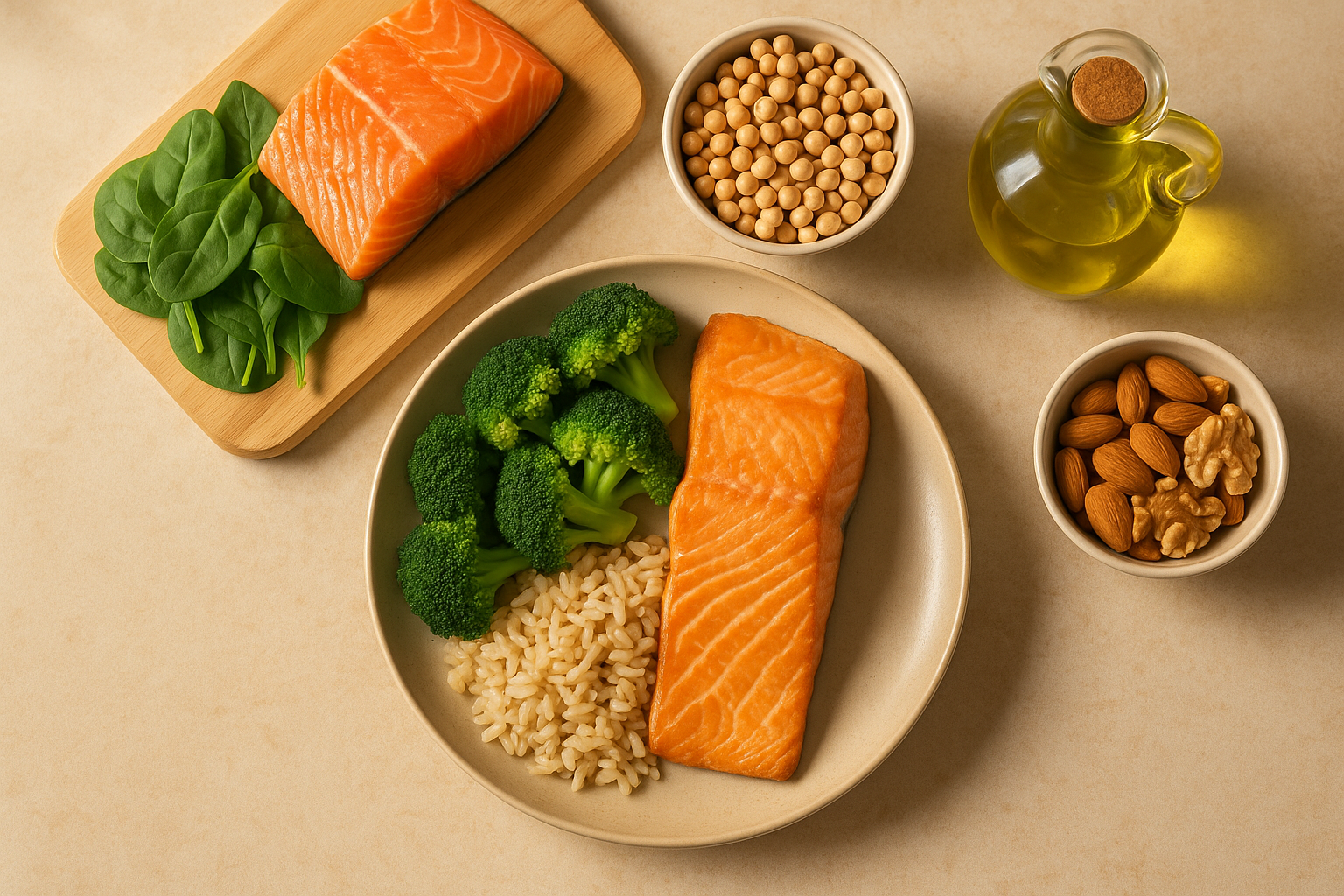
Balanced meal components to support steady energy and mood

Naturopathy can help when anxiety is being amplified by poor sleep, inconsistent eating, gut symptoms, nutrient shortfalls, burnout patterns, or coping habits that are understandable but no longer working.

It’s also a good fit if you want structure, not general advice. That might include what to eat, when to eat, which habits to start with, and what to track so you can tell if things are improving.

Safety and limits

  • Naturopathy isn’t a replacement for emergency care.
  • If you’re experiencing thoughts of self-harm, feel unsafe, or symptoms are escalating quickly, seek urgent help via emergency services.
  • For diagnosed mental health conditions, naturopathy usually works best alongside your GP and/or psychologist.

The goal is steadier foundations so your body isn’t constantly running on “high alert”. For many people, that means fewer spikes and crashes, better sleep depth, and more predictable energy. It’s not an overnight fix and it shouldn’t be sold as one.


Common drivers under “anxiety” (and what to do about them)

Anxiety symptoms often cluster with a few common patterns. It helps to treat these as hypotheses to test, not assumptions to lock in.

1) Blood sugar swings that mimic anxiety

If you feel shaky, irritable, lightheaded, or suddenly “panicky” when you haven’t eaten, food timing may be a key lever. A common pattern is symptoms easing after eating, or a late-morning crash after a coffee-only start.

Practical starting points:

  • Eat protein at breakfast (or your first meal)
  • Avoid coffee until you’ve eaten (especially on an empty stomach)
  • Build meals around protein + fibre + healthy fats
  • Keep a simple “bridge snack” handy (yoghurt, nuts, boiled egg, cheese and crackers, or a protein smoothie)

Important: If you have a history of disordered eating, diabetes, or you’re using medications that affect appetite or glucose, get individual guidance rather than forcing rigid rules.

If you’re getting true “panic” sensations with sweating, tremor, dizziness, chest pain, or fainting, flag this with your GP to rule out other contributors.

2) Sleep debt and a revved nervous system

When sleep is light, broken, or pushed too late, your nervous system often becomes more reactive. Even if you can function, anxiety symptoms tend to get louder.

Helpful strategies can include:

  • A consistent wake time (often more realistic than a perfect bedtime)
  • A wind-down routine you can repeat (short beats ambitious)
  • Morning light exposure, and lower light at night
  • Reviewing caffeine timing and alcohol patterns

If you snore, wake unrefreshed, or have significant daytime sleepiness, speak with your GP. Sleep disorders are common and can look like “anxiety and fatigue”.

If evenings are your only quiet time, aim for a wind-down that doesn’t feel like another task. Even 10 minutes of the same cue (shower, stretch, book, podcast) can help your body recognise “we’re landing now”.

3) Gut symptoms and food-related flare-ups

Anxiety and gut symptoms often travel together. That doesn’t mean it’s “all in your head”. Your gut and nervous system share messaging pathways, and irritation in one can ramp up the other.

If you have bloating, reflux, nausea, constipation, diarrhoea, or abdominal pain, a naturopath may explore:

  • Meal size, speed, and timing (rushed eating matters)
  • Fibre types and fluid intake
  • Tolerance to specific foods (without unnecessary restriction)
  • Whether further medical investigation is needed

GP-first signs: blood in stool, unexplained weight loss, persistent vomiting, severe pain, or rapidly changing bowel habits.

A key caveat: “cutting everything out” often backfires. If restriction is suggested, it should have a clear purpose, a short time frame, and a reintroduction plan.

4) Under-fuelling or overly restrictive eating

If anxiety has changed your appetite or created fear around food, the body can become more sensitive and stressed. This can show up as insomnia, heart racing, irritability, low mood, or feeling overwhelmed by “small” things.

A supportive plan usually focuses on:

  • Gently rebuilding regular intake
  • Improving nutrient density without overwhelm
  • Keeping changes simple and consistent

A team approach can matter here. Depending on your situation, support from a GP, psychologist, and dietitian may be appropriate alongside naturopathy.

If “eating more” feels impossible, start by making intake more predictable (even if it’s small). That helps your body stop guessing.

5) High stimulant load (including “hidden” stimulants)

Caffeine isn’t just coffee. It also includes pre-workout, energy drinks, strong tea, chocolate, some weight loss products, and certain supplements.

If you’re sensitive, even “normal” amounts can drive heart racing, a tight chest, gut urgency, and insomnia.

A naturopath can help you reduce stimulants without crashing your energy. Usually that means tightening up food timing first, then tapering gradually to reduce headaches and withdrawal fatigue.

A practical tip: if you change caffeine, change it slowly and keep notes on sleep and anxiety. It helps you tell the difference between improvement and withdrawal.


What happens in an anxiety naturopath consult?

You should leave an initial consult feeling understood and clear on next steps. It should be detailed, but not invasive.

What they’ll usually ask

  • Your anxiety pattern (when it happens, triggers, what helps)
  • Sleep, energy, digestion, appetite, cravings
  • Diet patterns (including meal timing and caffeine)
  • Stress load, work demands, family load, movement, downtime
  • Current medications and supplements (including occasional use)
  • Relevant health history

If you’re not sure where to start, it can help to bring:

  • A short list of your main symptoms (and when they’re worst)
  • Any recent blood test results you already have
  • A photo or note of supplements/medications you’re using (including herbal products)

What your plan may include

  • Nutrition changes prioritised for your biggest wins
  • A short list of realistic habits (not a complete life overhaul)
  • Targeted supplements where appropriate and safe
  • Coordination with your GP when needed (for example iron, B12, vitamin D, thyroid markers, glucose — based on symptoms and history)

If you’re looking for a Gold Coast naturopath who supports anxiety with a practical lens, read more about Beta Me Nutrition & Naturopathy (Gold Coast).

Gold Coast note

In-person follow-ups can feel more anchored if leaving the house is doable. For some people, a local clinic also reduces the chance of cancelling when anxiety is up.

If travel, parking, or traffic is a barrier, online consults can still cover a lot.


Do you need a naturopath food sensitivity test?

Not always. Many people search for a naturopath food sensitivity test because they notice anxiety spikes with bloating, brain fog, skin flare-ups, headaches, or fatigue.

The practical truth is that not everyone needs testing, and not all tests are equally useful.

Good first steps (often enough to start)

  • A short-term food + symptom diary (what you ate, when symptoms hit, how strong)
  • Digestion basics (meal timing, fibre, hydration, chewing, avoiding rushed meals)
  • A structured elimination-and-challenge approach when a pattern is obvious

Testing can help in selected cases, but it shouldn’t replace a clear clinical picture. If testing is suggested, ask:

  • What decisions will the results change?
  • What will we do if the test is normal?
  • What’s the plan for reintroducing foods (and how will we avoid unnecessary long-term restriction)?

How to choose a naturopath for anxiety (Gold Coast, Melbourne, or online)

Choose a practitioner based on process and safety, not hype. You’re looking for someone who can explain what they’re doing, prioritise changes, and work alongside your other healthcare team when needed.

If you’re comparing a naturopath Gold Coast list, searching for the best naturopath Gold Coast, or weighing up the best naturopath Melbourne options, use the checks below.

Green flags

  • They take a comprehensive history (not a one-size-fits-all script)
  • They explain the “why” behind each recommendation
  • They discuss safety, interactions, and medication considerations
  • They prioritise changes (you don’t leave with 25 tasks)
  • They track progress and adjust the plan over time
  • They encourage collaboration with your GP or psychologist when needed

Yellow flags

  • Pressure to buy large supplement packs immediately
  • Big promises or guaranteed results
  • A plan that ignores sleep, food, and stress basics
  • Dismissing medical care or discouraging you from seeing your GP

Practical questions to ask before you book

  • Appointment length
  • Follow-up timing
  • Telehealth options
  • How they handle questions between sessions
  • Flexibility around appointment format (clinic, online, mobile)

Questions to ask (save this list)

  1. “What do you look for when anxiety is the main symptom?”
  2. “How do you decide what to prioritise first?”
  3. “How do you choose supplements, and how do you check for interactions?”
  4. “How often do you review the plan, and what does follow-up look like?”
  5. “What would make you refer me back to my GP?”

Practical, low-effort starting steps (while you’re booking support)

Gentle outdoor movement to support stress regulation

If your anxiety is active right now, focus on basics that can reduce the physical “buzz”. Keep it simple and repeatable.

  • Eat within 1–2 hours of waking (include protein)
  • Limit caffeine after late morning (earlier if sleep is fragile)
  • Hydrate early, not just at night
  • Go outside for 5–10 minutes soon after waking (daylight helps set your body clock)
  • Pick one wind-down cue (same time, same short routine)

If you can only manage one change, pick the one most likely to lower physical stress quickly. For many people, that’s regular meals, an earlier caffeine cut-off, or a consistent wake time.

Try not to change everything at once. If you overhaul food, caffeine, exercise and bedtime in the same week, it’s hard to tell what’s helping (and harder to stick with).


Want support from a Gold Coast naturopath who understands anxiety?

Tracking sleep and symptoms as part of an anxiety support plan

Beta Me offers naturopathy and nutrition support for anxiety with clear next steps and follow-up. It can suit Gold Coast locals dealing with early starts, shift work, school runs, and the reality that stress doesn’t pause.

You can also meet Danielle and read about Beta Me.


Reviewing relevant health information to guide naturopathic recommendations

FAQs

What does an anxiety naturopath do?

An anxiety naturopath looks at factors like nutrition, gut health, sleep, lifestyle, and relevant pathology (usually via your GP). The aim is to identify what may be driving your symptoms and build a practical plan you can follow.

Plans often include nutrition strategies, targeted supplements where appropriate, and referral back to your GP or psychologist when needed.

Can a naturopath help with anxiety if I’m already seeing a GP or psychologist?

Yes. Many people use naturopathy alongside medical and psychological care.

A naturopath can support foundations like food, sleep, nutrient status, gut symptoms, and stress load. Tell each practitioner what you’re taking and doing (including supplements and herbal products) so your care stays coordinated.

How do I choose a naturopathic doctor or naturopath for anxiety?

Choose someone who asks detailed questions, explains their reasoning, and offers a plan that fits your budget and capacity. It’s also a good sign if they work with your GP when needed.

Ask about their approach to supplements, how they check medication interactions, and how they measure progress over time.

What should I expect in a first appointment for naturopathy and anxiety?

Expect a detailed history, including symptoms and triggers, sleep, digestion, cycle history where relevant, diet, stress load, and medication/supplement use.

You should leave with a prioritised plan and clear next steps. In some cases, your naturopath may suggest GP-run pathology or discuss optional functional testing depending on your symptoms and history.

Is a naturopath food sensitivity test helpful for anxiety?

It depends. If you have digestive symptoms, headaches, skin issues, or clear food-related flare-ups, investigating triggers can help.

However, not all food sensitivity tests are equally reliable or necessary. Often, a structured food and symptom diary plus a short, guided elimination-and-challenge process is more practical (and less expensive).

If testing is recommended, ask what you’ll do with the results and how you’ll avoid staying stuck in long-term restriction.

How long does it take to notice changes when working with a naturopath for anxiety?

It varies. Some people notice improvements in sleep, energy, and steadiness within a few weeks, especially with consistent routines.

For longer-standing anxiety, gut issues, burnout, or nutrient repletion work, change can be more gradual. A good plan sets realistic milestones, reviews them regularly, and adjusts based on what’s actually happening day to day.

Do naturopaths on the Gold Coast offer online consults?

Many do. Online consults can work well for anxiety support because nutrition and lifestyle care often suits telehealth.

It can also be easier to fit around work, parenting, or times when leaving home feels hard.

What questions should I ask a highly recommended naturopath on the Gold Coast?

Ask how they assess likely drivers, how they prioritise recommendations, and how they manage supplement safety and medication interactions.

Also ask what follow-up looks like, how they track progress (sleep, digestion, mood, cycle, energy, symptom scales), and whether they collaborate with your GP or psychologist.

4 Seasonal Health Trends from a Gold Coast Naturopath & Nutritionist

A collection of seasonal vegetables and a cup of herbal tea, representing seasonal naturopathic planning.

4 Seasonal Health Trends from a Gold Coast Naturopath & Nutritionist

As the seasons shift on the Gold Coast, do you notice your body shifting too? From the energy of summer to the quiet of winter, our moods and cravings often follow a natural rhythm. This isn’t just your imagination.

Aligning your health with these cycles is a core part of naturopathy. It’s about working with your body, not against it. As a practising naturopath and nutritionist in this beautiful part of the world, I see more people embracing this intuitive approach to feel their best all year round.

Here are four key seasonal trends shaping how we approach wellness.

1. Eat With the Seasons for Better Gut Health

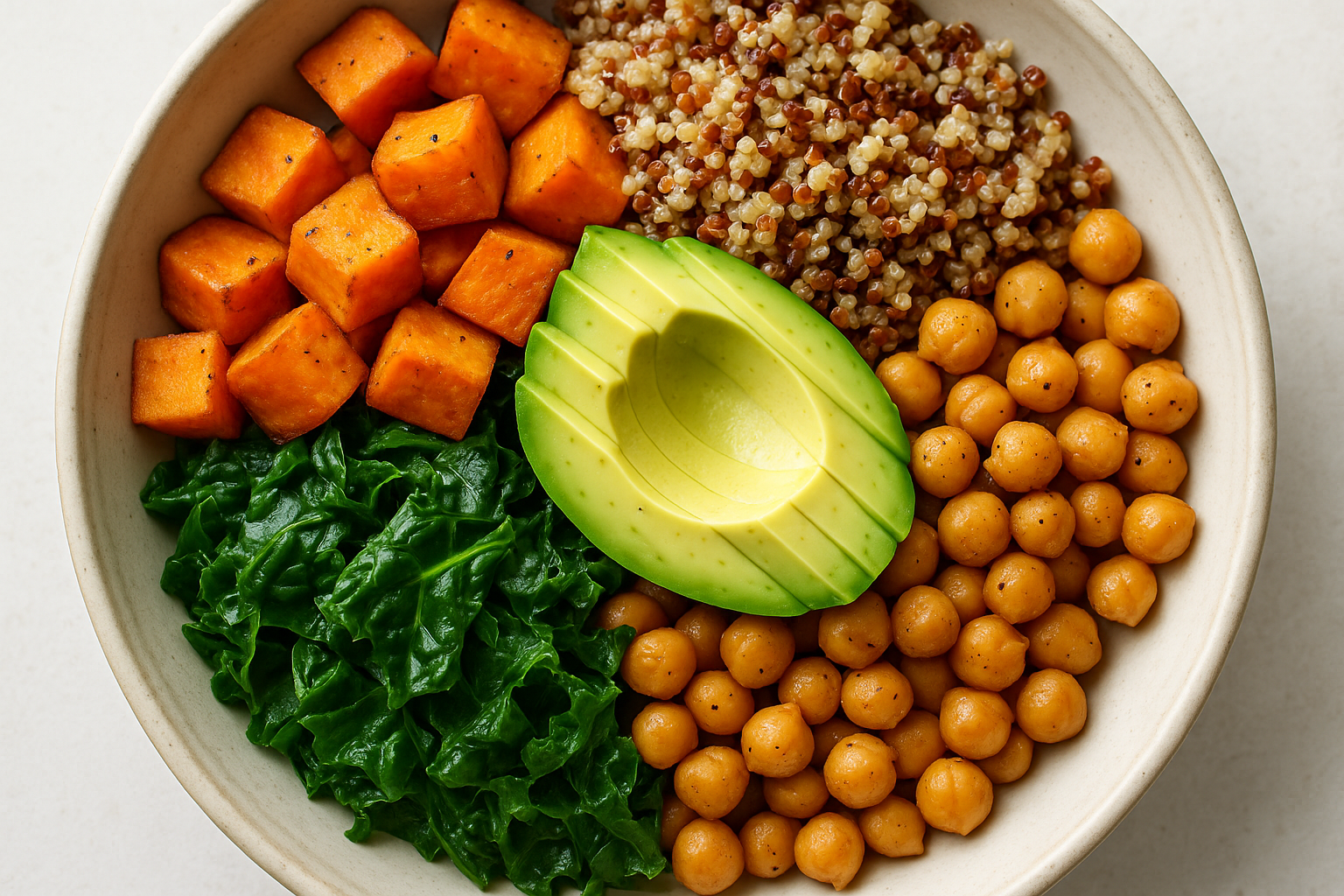
A healthy nutritionist-approved meal bowl demonstrating seasonal eating for gut health.

Eating with the seasons can nourish your gut microbiome.

Your gut is a dynamic ecosystem, and what you eat directly impacts its health. A leading trend is eating locally-grown, seasonal foods. This simple practice gives your body the specific nutrients it needs to thrive in the current climate.

Autumn & Winter Foods

During cooler months, your body craves warmth and nourishment. Focus on foods that are easy to digest and deeply comforting.

  • Root Vegetables: Pumpkin, sweet potato, carrots, and parsnips are perfect. Roasting them brings out their natural sweetness.
  • Warming Meals: Think slow-cooked stews, hearty soups, and nourishing bone broths to support your immune system.
  • Fermented Foods: Sauerkraut, kimchi, and kefir introduce beneficial bacteria to your gut, which is vital when we spend more time indoors.

Spring & Summer Foods

As the weather warms up, the focus shifts to lighter, cooling, and hydrating foods to cleanse the body and beat the heat.

  • Fresh Produce: Leafy greens, berries, cucumber, and tropical fruits are rich in antioxidants and fibre.
  • Light Meals: Colourful salads and lightly grilled fish provide key nutrients without feeling heavy on hot days.
  • Hydrating Herbs: Fresh mint, basil, and coriander can have a gentle cooling effect.

A holistic nutritionist on the Gold Coast can help you create a meal plan that supports your digestion as the seasons change.

2. Align Your Routine With the Season for Better Mood & Energy

A laptop showing a telehealth nutritionist consultation in progress.

Access expert guidance from home with telehealth consultations.

Do you feel sluggish in winter or burnt out by the end of summer? You’re not alone. A key trend is adapting our routines to support our mental wellbeing seasonally, instead of pushing through with the same approach all year.

Navigating Winter Wellness

Shorter, darker days can impact our serotonin and vitamin D levels. This often leads to lower energy and a flatter mood. To adapt, you could try:

  • Gentle movement, like a beach walk in the morning sun.
  • Adjusting your sleep schedule to honour earlier sunsets.
  • Incorporating mood-supporting nutrients like Omega-3s and B vitamins.

Thriving in Summer

The high social energy of a Gold Coast summer can be draining. To stay balanced, consider:

  • Scheduling intentional downtime to recharge.
  • Focusing on hydration with water and herbal teas.
  • Using grounding practices like meditation to avoid feeling overwhelmed.

As an anxiety naturopath on the Gold Coast, I help clients build resilience against these seasonal triggers. Acknowledging that your needs change is the first step to finding balance.

3. Use Personalised Herbal Medicine for Seasonal Support

A person holding a warm mug, symbolising the use of herbal medicine for calm and wellbeing.

Personalised herbal medicine is a cornerstone of naturopathy. It offers a gentle way to support your body’s natural processes. The trend is moving away from generic supplements toward tailored formulas that address your specific needs within the context of the season.

  • Immune Support (Autumn/Winter): Herbs like Echinacea, Andrographis, and Elderberry can support your body’s immune response during cold and flu season.
  • Energy & Detox (Spring): Spring is a time for renewal. Herbs that support liver function, such as St Mary’s Thistle, can help you feel refreshed.
  • Stress Support (All Seasons): Adaptogenic herbs like Ashwagandha help the body manage stress, whether it’s from social events or low energy.

It’s crucial to use herbs under the guidance of a qualified naturopath to ensure safety and correct dosage for your individual needs.

4. Choose Flexible Naturopathy That Fits Your Life

A mortar and pestle with dried herbs, illustrating the foundations of herbal medicine in naturopathy.

Personalised herbal formulas can support your body’s seasonal needs.

Getting expert health advice shouldn’t be a hassle. The rise of telehealth and mobile services means that guidance from a nutritionist or naturopath on the Gold Coast is more accessible than ever.

Mobile Naturopath Services

For those with mobility challenges, young kids, or a packed schedule, Mobile Naturopath services bring the consultation to you. This removes the stress of travel and allows you to get care in the comfort of your home.

Telehealth Support

Virtual consultations offer ultimate convenience. This modern approach makes it easier for an NDIS nutritionist on the Gold Coast to provide consistent support, ensuring everyone can access quality care.

How to Choose a Naturopath on the Gold Coast

With a growing number of practitioners, finding the right fit is key. Here’s how to choose a naturopath who is right for you.

  1. Check Qualifications: Look for a Bachelor of Health Science in Naturopathy or Nutritional Medicine. This ensures deep, evidence-based knowledge.
  2. Confirm Professional Membership: Membership with an association like the Australian Natural Therapists Association (ANTA) means they follow a strict code of ethics.
  3. Find a Collaborative Approach: The best practitioner is a partner in your health. They should listen, understand your goals, and work with you to create a practical plan.

At Beta Me, Danielle Lamb combines her qualifications to offer comprehensive, personalised care as both a naturopath and nutritionist.

Ready to Align Your Health With the Seasons?

Embracing these trends is about returning to a more intuitive and sustainable way of caring for yourself. With a personalised plan from a Gold Coast naturopath, you can navigate the year with more energy, balance, and vitality.

If you’re ready to see how a seasonal approach could benefit you, we invite you to book a personalised nutritionist consultation and start your journey to year-round wellness.

Beyond the Beach: 4 Health & Wellness Trends to Watch on the Gold Coast This Season

Seasonal Gold Coast produce laid out for meal planning, a key wellness trend.

Beyond the Beach: 4 Health & Wellness Trends to Watch on the Gold Coast This Season

Here on the Gold Coast, the rhythm of life changes with the seasons. It’s not just about swapping swimmers for sweaters; it’s about how our energy, social calendars, and health needs shift. We’re seeing a move away from quick fixes and towards sustainable, year-round wellbeing.

Let’s look at four key trends shaping how Gold Coasters are approaching their health and how you can apply them in a practical way.

1. The Gut Health Revolution

A collection of fermented foods representing the trend towards better gut health.

The focus on gut health is more than a trend; it’s a foundation for overall wellbeing.

It’s official: gut health is no longer a niche topic. More locals are understanding the powerful connection between a healthy gut and everything else—from mood and immunity to skin health and energy levels. This isn’t about following a restrictive diet; it’s about nurturing your microbiome with whole foods, fermented options, and targeted support.

What this looks like on the GC:

  • Fermented foods are everywhere: Local cafes are stocking kombucha on tap, and stores are filled with kimchi, kefir, and sauerkraut.
  • Fibre is the focus: People are consciously adding more diverse plant-based foods to their plates to feed good gut bacteria.
  • Seeking professional guidance: There’s a growing demand for a qualified gut health dietitian on the Gold Coast to investigate underlying issues like bloating, food intolerances, and digestive discomfort instead of just guessing.

2. Hyper-Local and Seasonal Eating

Choosing fresh, local produce at a Gold Coast farmers' market.

Eating locally isn’t just better for you; it connects you to the community.

Why eat strawberries in winter when local citrus is at its peak? The farm-to-table mindset is strong on the Coast. Visiting the weekend markets at HOTA, Palm Beach, or Bundall is now a core part of many people’s weekly routine. This trend is about maximising nutrient density, supporting local growers, and eating food that’s truly fresh.

How to embrace this trend:

  • Shop the perimeters: Focus your grocery shopping on fresh, whole foods. For extra support, consider navigating the aisles with a supermarket tour to learn how to read labels and make healthier choices.
  • Plan meals seasonally: Build your weekly meals around what’s abundant at the local markets. This ensures variety and a broader range of nutrients throughout the year.
  • Keep it simple: Roasting a tray of seasonal vegetables is an easy, nutrient-packed meal base.

3. Proactive Mental Wellbeing

A moment of calm, reflecting the importance of proactive mental wellbeing.

We live in a beautiful place, but the pressures of work, family, and a fast-paced lifestyle still exist. The conversation around mental health has shifted from being reactive to proactive. Gold Coasters are actively seeking strategies to manage stress, improve sleep, and support their nervous systems before burnout hits.

This holistic approach recognises that mental and emotional health is directly linked to physical health—what you eat, how you move, and your gut health all play a crucial role. Many are exploring naturopathic support for anxiety and stress, which looks at the whole person to identify and address root causes.

4. Ultra-Personalised Nutrition

A naturopath creating a personalised health plan for a client.

The era of one-size-fits-all diets is over. People now want nutrition advice that understands their unique body, lifestyle, and health goals. This is especially important for those with specific needs, such as individuals seeking an NDIS dietitian on the Gold Coast.

Personalised nutrition moves beyond generic advice to provide tailored plans that are realistic and effective. It’s about working with a professional who can account for your health history, dietary preferences, and specific goals, whether that’s managing a chronic condition, improving energy, or supporting a healthy family.

How to Integrate These Trends with Expert Guidance

These trends all point to a more intuitive and individualised way of looking after yourself. While it’s great to be informed, putting it all together can be overwhelming. That’s where professional guidance makes a difference.

Working with a qualified professional like Danielle Lamb, one of the dedicated naturopaths on the Gold Coast, helps you move from simply following trends to building a sustainable health strategy. A consultation can help you understand your body’s specific needs and create a practical, achievable plan that fits your life.

Ready to align your health with the seasons? If you’re looking for a holistic Nutritionist on the Gold Coast who can provide practical guidance, book a consultation to create a wellness plan that’s tailored just for you.

Related reading: Nutritionist

Loading...