
My Health Hub: an in-depth guide and key considerations (Australian edition)

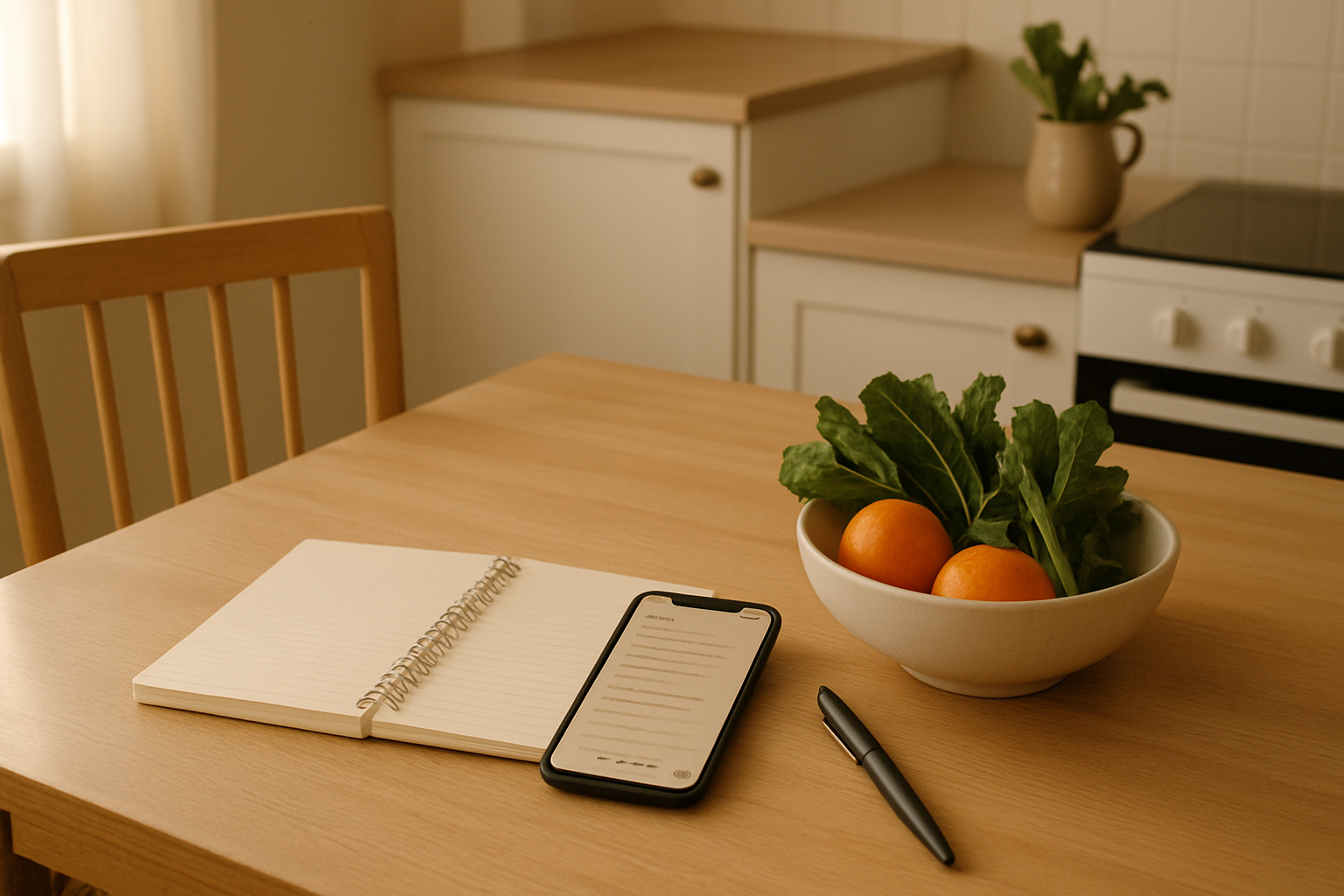
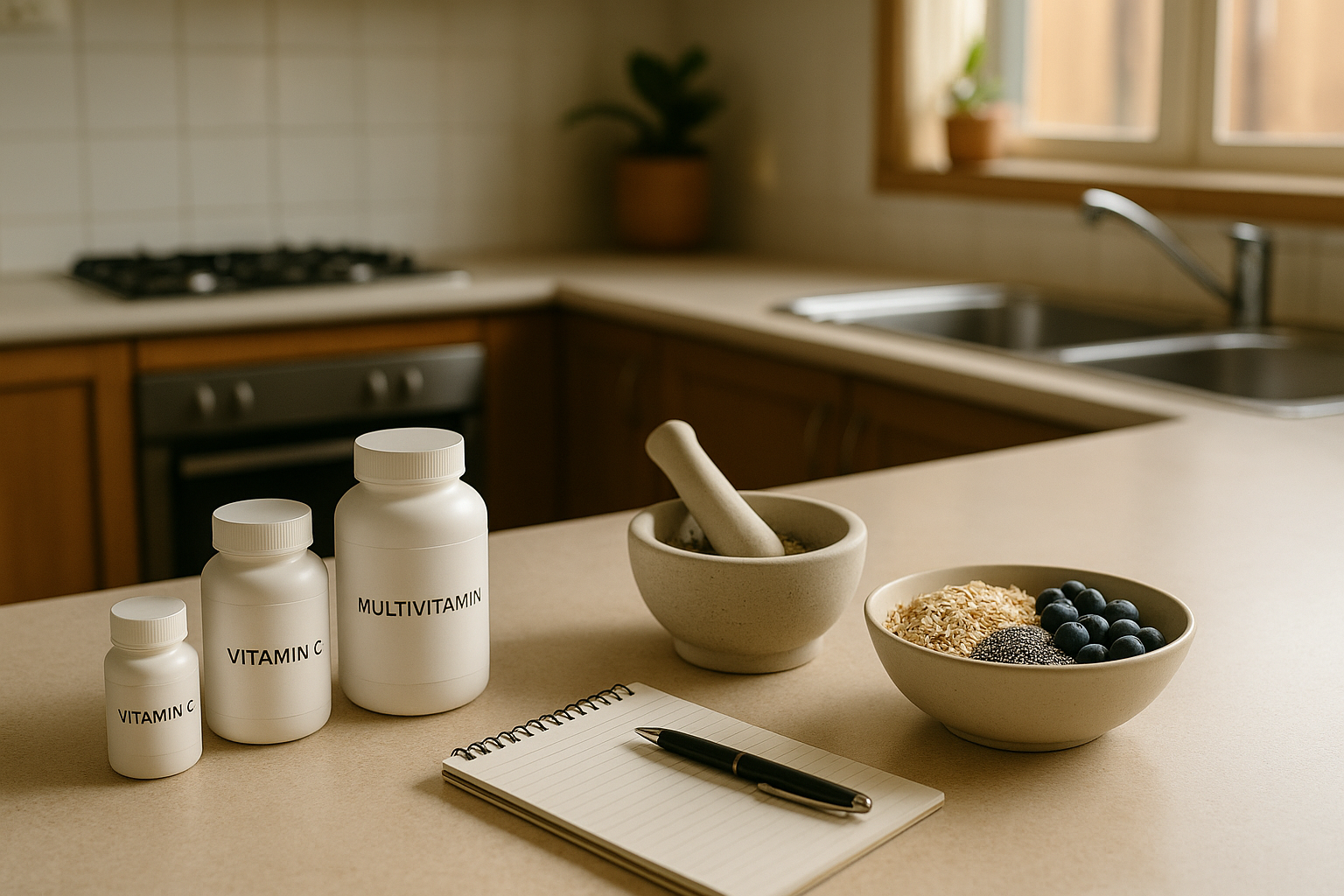
A simple My Health Hub setup with a notebook, phone notes and fresh produce on a kitchen table

My Health Hub: an in-depth guide and key considerations (Australian edition)

If you’ve ever left a health appointment feeling motivated—then two weeks later you can’t find the handout, you’ve forgotten what to track, and dinner has gone back to “whatever’s easiest”—you’re exactly who a My Health Hub is for.

A My Health Hub isn’t about perfection. It’s a simple system that helps you follow through when life is busy.

This my health hub in-depth guide and key considerations article explains how to build a hub that actually gets used in real Australian life. If you’d like printable tools to support your system, start here: My Health Hub downloads and resources.

What a My Health Hub is (and what it isn’t)

Think of your My Health Hub as your personal health operations centre. It might be a folder on your phone, a binder at home, a notes app, or a mix.

It isn’t:

  • A massive spreadsheet you never open
  • A strict rulebook
  • A place to collect guilt

It is:

  • A single place for your key info and tools
  • A way to spot patterns (food, stress, sleep, symptoms)
  • A bridge between consults so you can keep momentum

If you’ve searched for betterhealth tips, followed generic “clean eating” rules, or tried to piece together advice from social media, a hub helps you filter the noise. You keep what’s relevant to you.

Key considerations before you build yours

Keep it frictionless

The best hub is the one you’ll use.

Choose one home base:

  • Phone folder (often the most realistic)
  • Google Drive / iCloud folder
  • A4 folder if paper works best

Make it easy to access at the moments you need it—at the supermarket, when packing lunch, or when symptoms flare.

Set one goal (one goal beats ten)

Write one clear goal for the next 2–4 weeks. Examples:

  • “Reduce afternoon bloating and discomfort most days.”
  • “Eat breakfast 5 days a week to stabilise energy.”
  • “Build a weeknight plan that doesn’t rely on takeaway.”

Your tracking, shopping and meal structure should serve the goal—not the other way around.

Don’t let tracking become another stressor

Some people love data. Others find it triggering.

If you have a history of disordered eating, high anxiety, or you notice tracking makes you hypervigilant, keep it minimal (or skip tracking altogether).

If anxiety is a major driver for you, it can help to address food foundations alongside stress support. See: Naturopathy for anxiety support.

What to include in a My Health Hub (start with the essentials)

You don’t need everything on day one. Start with the pieces that make follow-through easier.

Your one-page health snapshot

This is the “quick context” you can share with a practitioner (or keep for yourself):

  • Main symptoms and how long they’ve been around
  • Current medications and supplements
  • Known allergies/intolerances
  • Relevant medical history (brief)
  • Biggest barriers (time, budget, shift work, cooking skills, sensory preferences)

This is especially useful if you see a naturopath and Nutritionist, or you’re coordinating care across providers.

A short-term symptom and food log (7–14 days)

If your focus is digestion, skin, fatigue, sleep, mood, or recurring cravings, a short log can clarify patterns.

Keep it simple:

  • Meals/snacks (rough is fine)
  • Bowel habits
  • Bloating/discomfort (0–10)
  • Sleep quality
  • Stress level

This is often the missing piece for people searching dietitian gut health support or a gut health dietitian Gold Coast—because it gives you real information to work with, rather than guessing.

Your “default meals” list

Healthy eating becomes easier when you reduce daily decisions.

Create a list of 8–12 go-to options:

  • 3 breakfasts
  • 3 lunches
  • 3 dinners
  • 2 snacks

Aim for meals you can repeat without getting bored. Rotate flavours, not the whole structure.

A realistic supermarket plan (the trolley is where it’s won)

Most goals fail at the trolley.

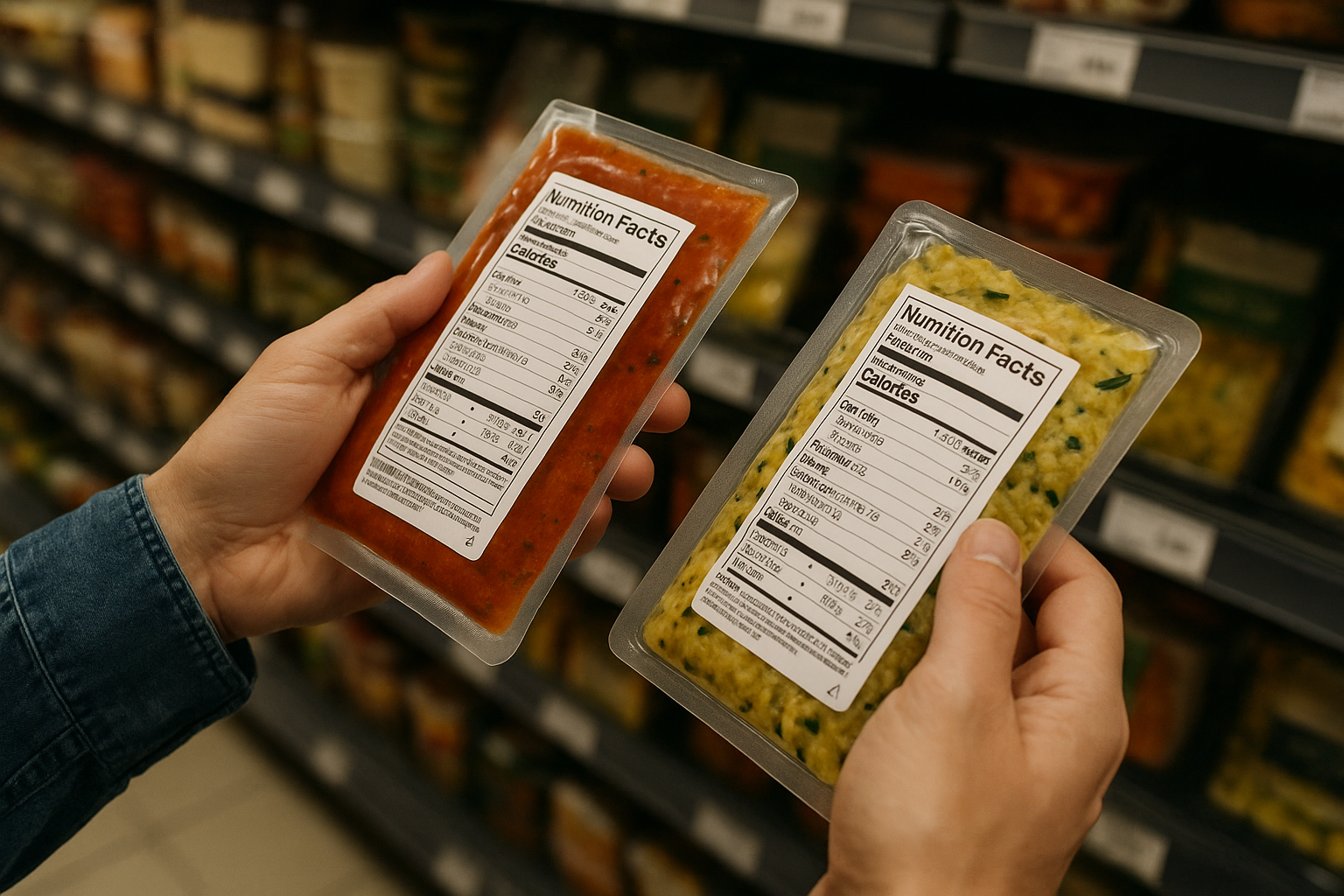
A supermarket shopping guide helps you:

  • Choose foods that match your gut, energy and stress needs
  • Build a consistent trolley (even when you’re tired)
  • Get faster at label reading

If you want hands-on support, Beta Me offers: Supermarket shopping guide and shopping tours.

A gentle “reset plan” for off weeks

This is your safety net for stressful weeks.

Write a reset plan that doesn’t rely on motivation:

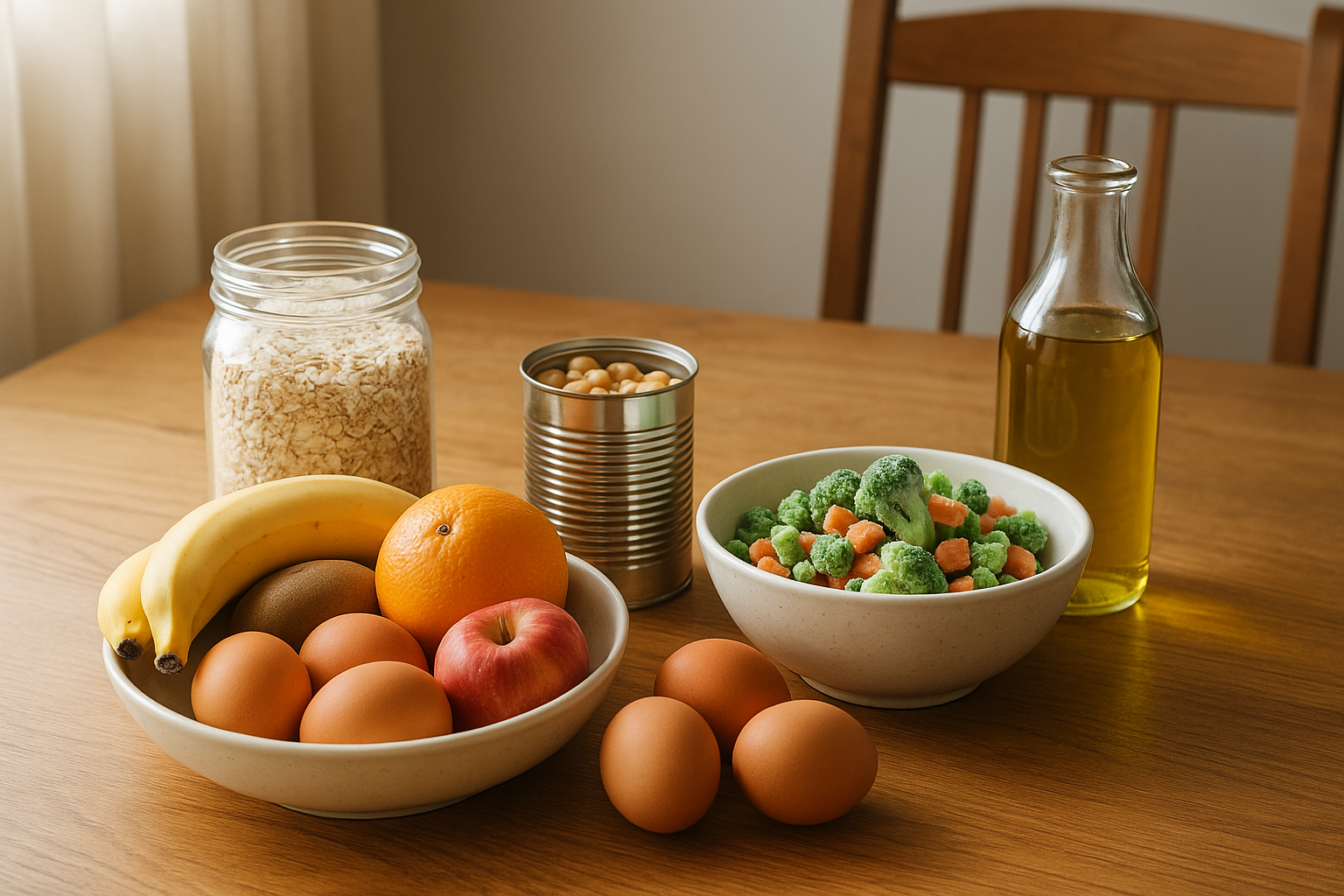
  • Stock 3 emergency meals (eggs + frozen veg, tinned salmon + rice, yoghurt + fruit + oats)
  • One hydration target you can hit
  • One sleep boundary (for example, screens off at a set time)
  • One gentle movement option (walk, stretch, mobility)

Healthy eating for everyday Australians (a practical answer)

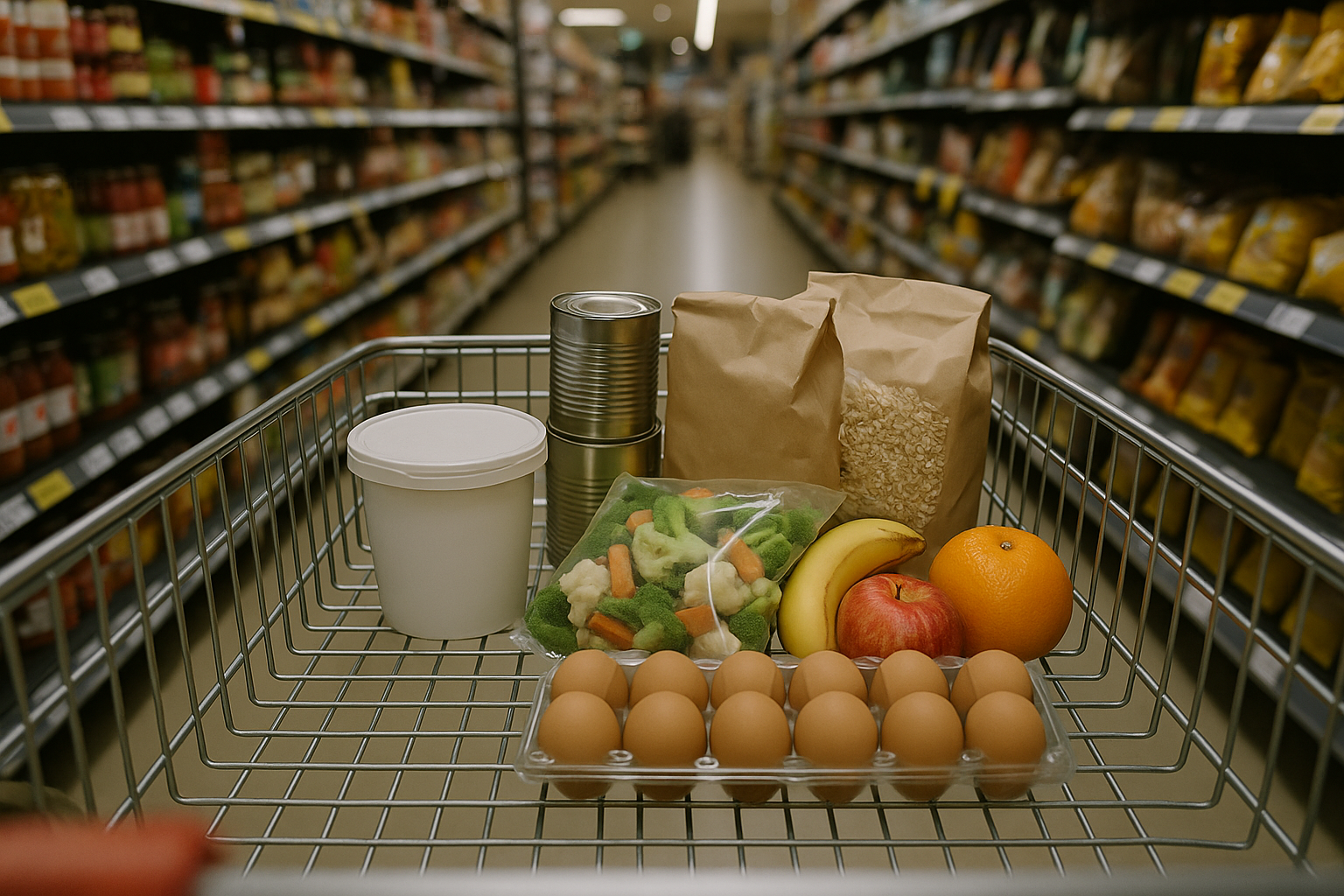
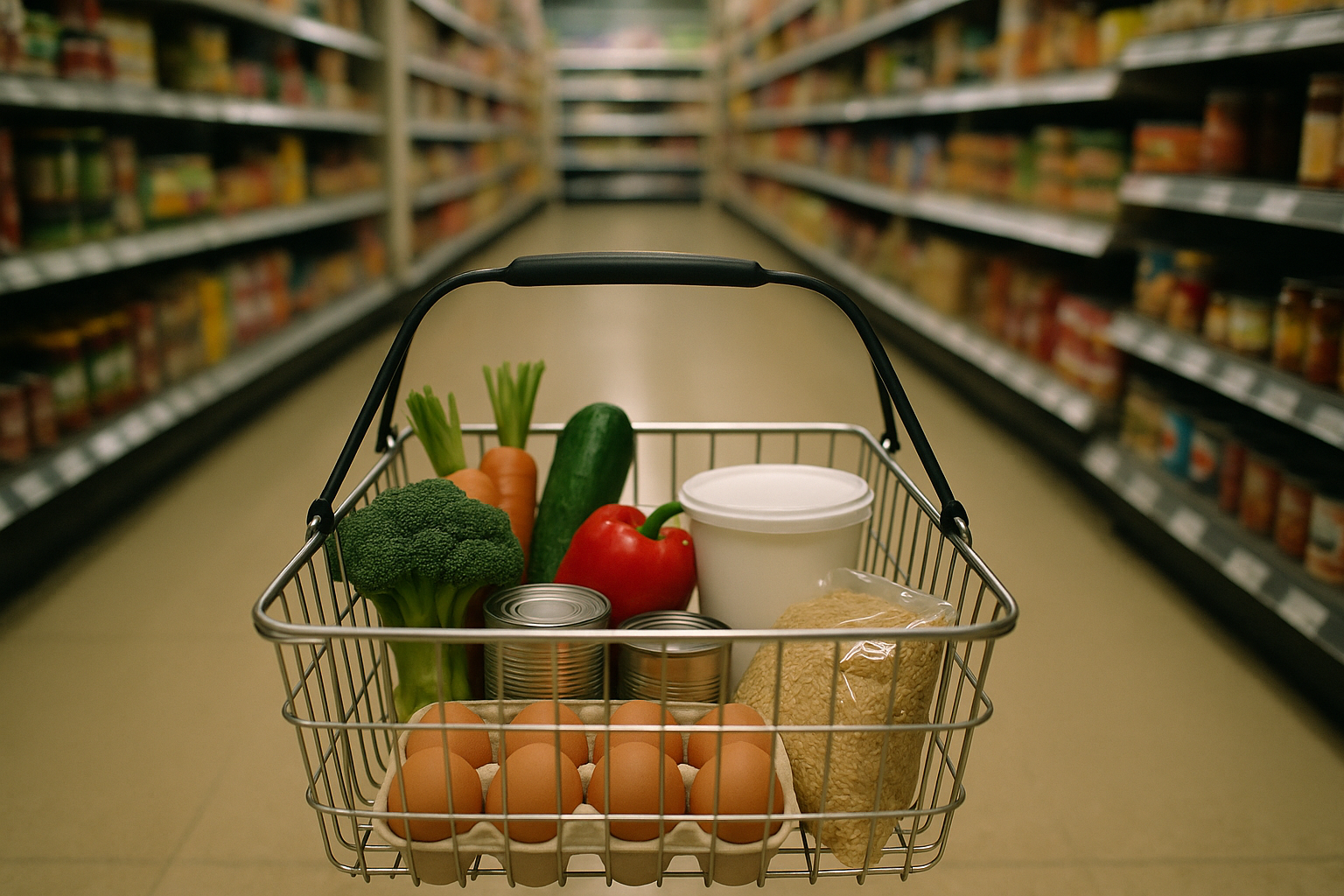
A supermarket trolley with whole food staples for healthy eating

Many people ask: what does healthy eating look like for an average Australian?

The most useful answer is the one you can apply on a Tuesday.

For many Australians, “healthy” looks like:

  • Regular meals with enough protein to keep you satisfied
  • Plenty of vegetables most days (fresh and frozen both count)
  • Fibre from legumes, oats, seeds, wholegrains and vegetables
  • Mostly minimally processed foods, with room for fun foods
  • A plan for busy days (because life doesn’t pause)

If you’re dealing with gut symptoms, the “healthy” option is sometimes the one your gut tolerates right now—while you work out triggers and rebuild tolerance over time.

My Health Hub for gut health: key focus areas

If your hub is mainly for digestion, keep it centred on foundations.

Meal pace, chewing and meal rhythm

Rushed meals can amplify symptoms.

Try:

  • Sit down for 10 minutes
  • Chew more than you think you need
  • Reduce multitasking while eating

Fibre: choose the right type and increase slowly

Going from low fibre to very high fibre overnight can backfire.

A gentler approach:

  • Add one fibre food at a time
  • Increase water alongside fibre
  • Track tolerance (not “good vs bad”)

Identify patterns without fear or food rules

Your hub is for curiosity, not restriction.

Swap harsh rules for observations:

  • “I notice this affects me when I’m stressed.”
  • “This is fine in a small serve, but not two days in a row.”

If you want personalised help, support can save months of trial and error—especially if you’re looking for a dietitian gut health approach or a gut health dietitian Gold Coast style of support. For local care options, see: Naturopath Gold Coast | Nutritionist Gold Coast | Beta Me.

My Health Hub for stress and anxiety: what to add

A calm home setup for simple stress and routine habits

Many people notice a loop: stress affects digestion, digestion affects mood, and both affect sleep.

Consider adding:

  • A short sleep routine checklist
  • A caffeine note (timing often matters)
  • Protein at breakfast to support steadier energy
  • A “calm kit” list: breathing exercise, walk route, music, journalling prompt

If you’re specifically looking into naturopath and anxiety support, the aim is to reduce overall load and strengthen foundations. It’s not about chasing a miracle fix.

How to use Beta Me downloads without collecting “dead PDFs”

Downloads work best when you integrate them into your week.

Try this:

  1. Save key resources from My Health Hub downloads and resources into a folder titled “My Health Hub”.
  2. Pick one tool to use for 7 days.
  3. Set a 10-minute weekly check-in (calendar reminder).
  4. Only then add the next tool.

If you’d like help applying tools at home, with routines, or while shopping, practical support is available via Mobile nutritionist and naturopath services.

Common pitfalls (and what to do instead)

Pitfall: Making it too complicated

Do this instead: One folder, one goal, one tool this week.

Pitfall: Copying someone else’s plan

Do this instead: Build around your schedule, budget, cooking skills and symptoms.

Pitfall: All-or-nothing eating

Do this instead: Create a baseline plan you can follow at 70% capacity.

Pitfall: Trying to fix everything with supplements

Do this instead: Start with food structure, sleep and stress support. Supplements may be part of a plan, but they’re rarely the whole plan.

A simple 30-minute set-up (quick start)

If you want a fast way to begin:

  • Create a folder: “My Health Hub”.
  • Add 3 notes:
    • “My goal (next 2–4 weeks)”
    • “Default meals + snacks”
    • “Health snapshot + current symptoms”
  • Download one resource from https://betame.com.au/downloads/ and save it in the folder.
  • Add a weekly reminder: “Plan groceries + check symptoms”.

That’s enough to start. You can refine as you go.

When personalised support is worth it

Consider booking support if:

  • You’ve had gut symptoms for weeks or months and you’re stuck
  • Anxiety, sleep or fatigue is driving food choices and appetite
  • You’re reacting to lots of foods or cutting foods out and feeling worse
  • You want a plan that fits your life (work, kids, travel, sensory needs)

Beta Me offers flexible nutrition and naturopathy support. Start here: Naturopath Gold Coast | Nutritionist Gold Coast | Beta Me.

If online or in-home help would make it easier to follow through, explore: In-home and online nutrition support (NDIS and beyond).

Next step: build your My Health Hub with the right tools

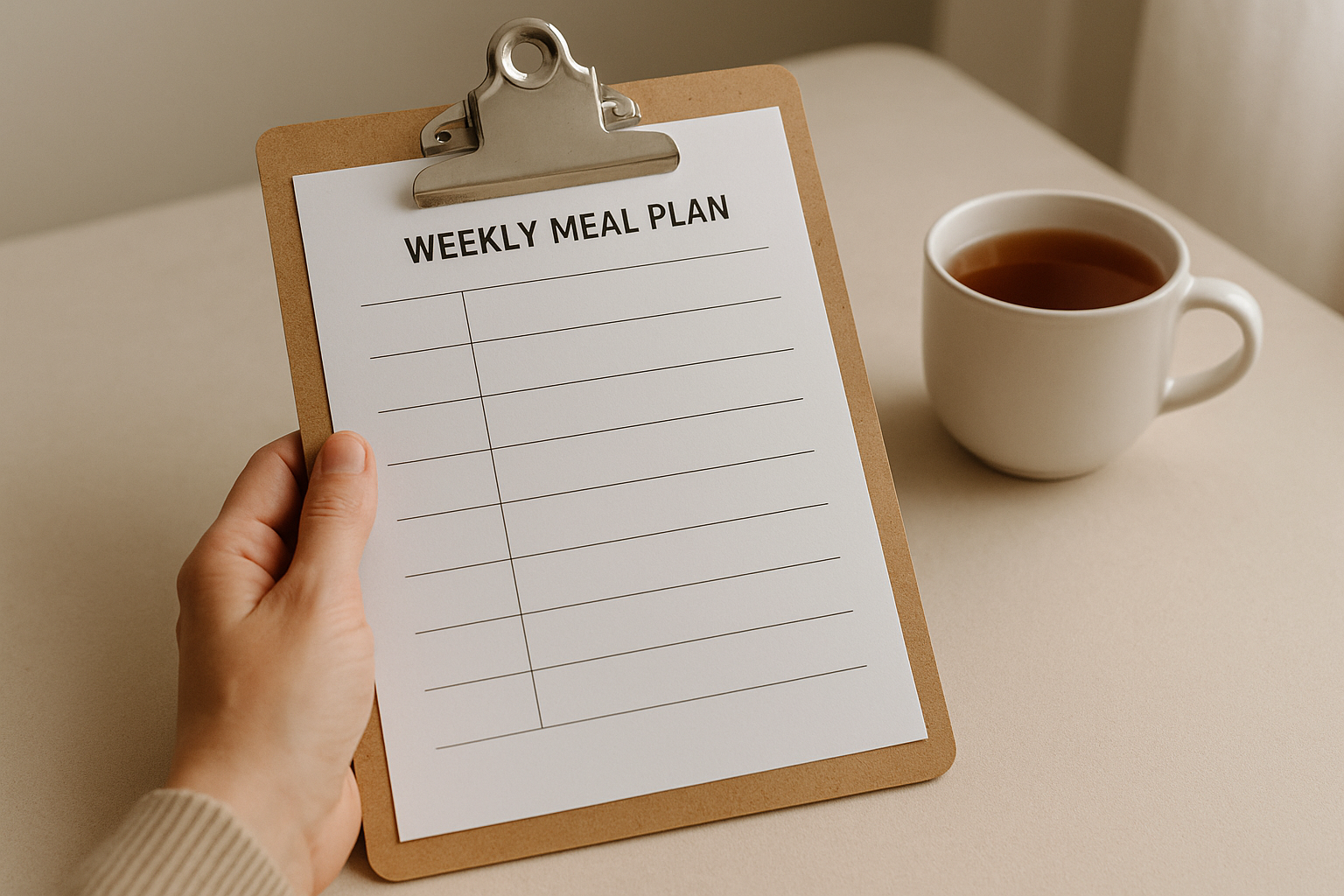
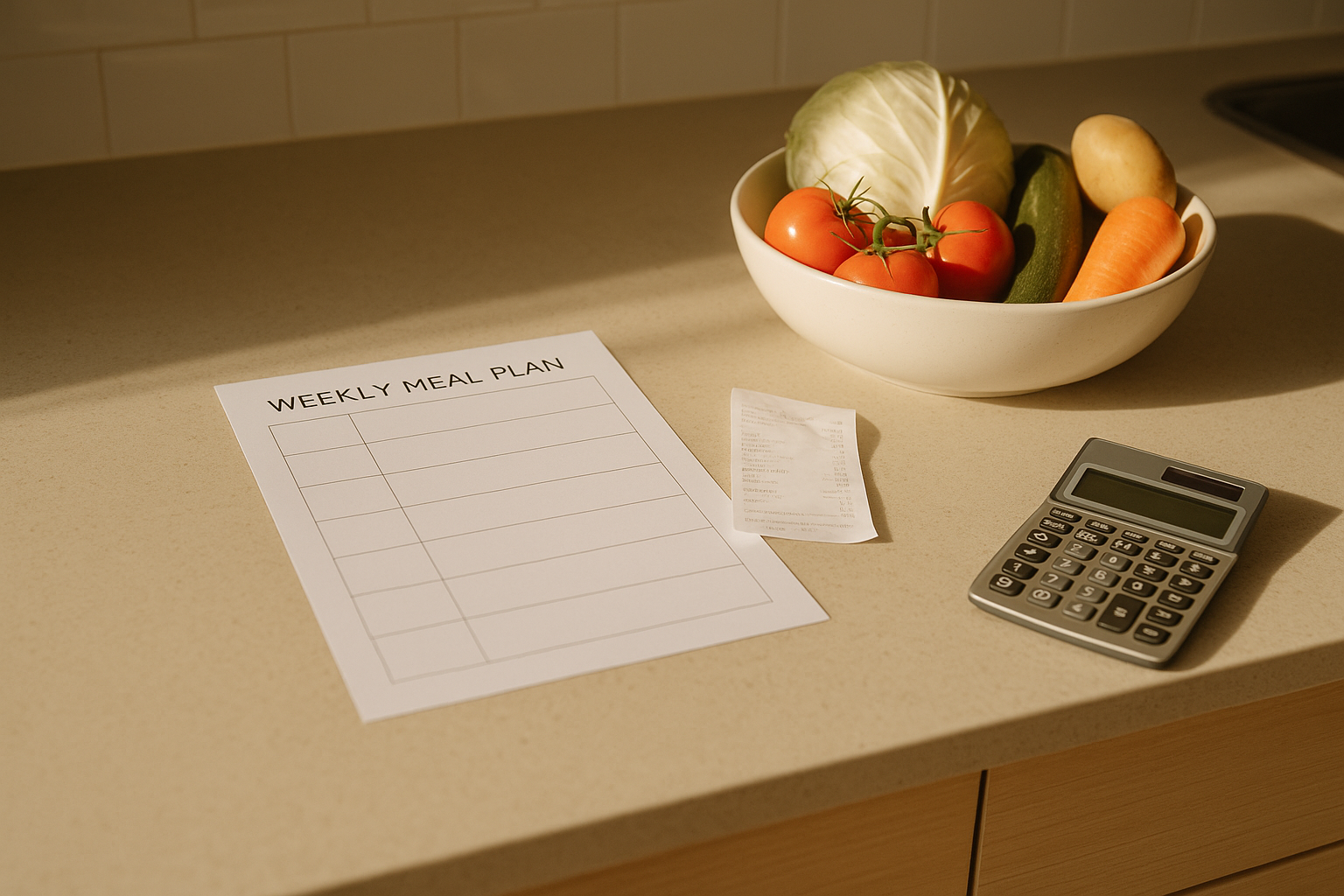
A blank weekly meal plan template ready to fill in

Choose one resource you’ll use this week from the Beta Me downloads page: My Health Hub downloads and resources.

If you’d prefer guidance tailored to your symptoms, routines and food preferences, you can also book a consult with Beta Me. Your goal is a plan you can follow in real life—and a hub you’ll keep using.


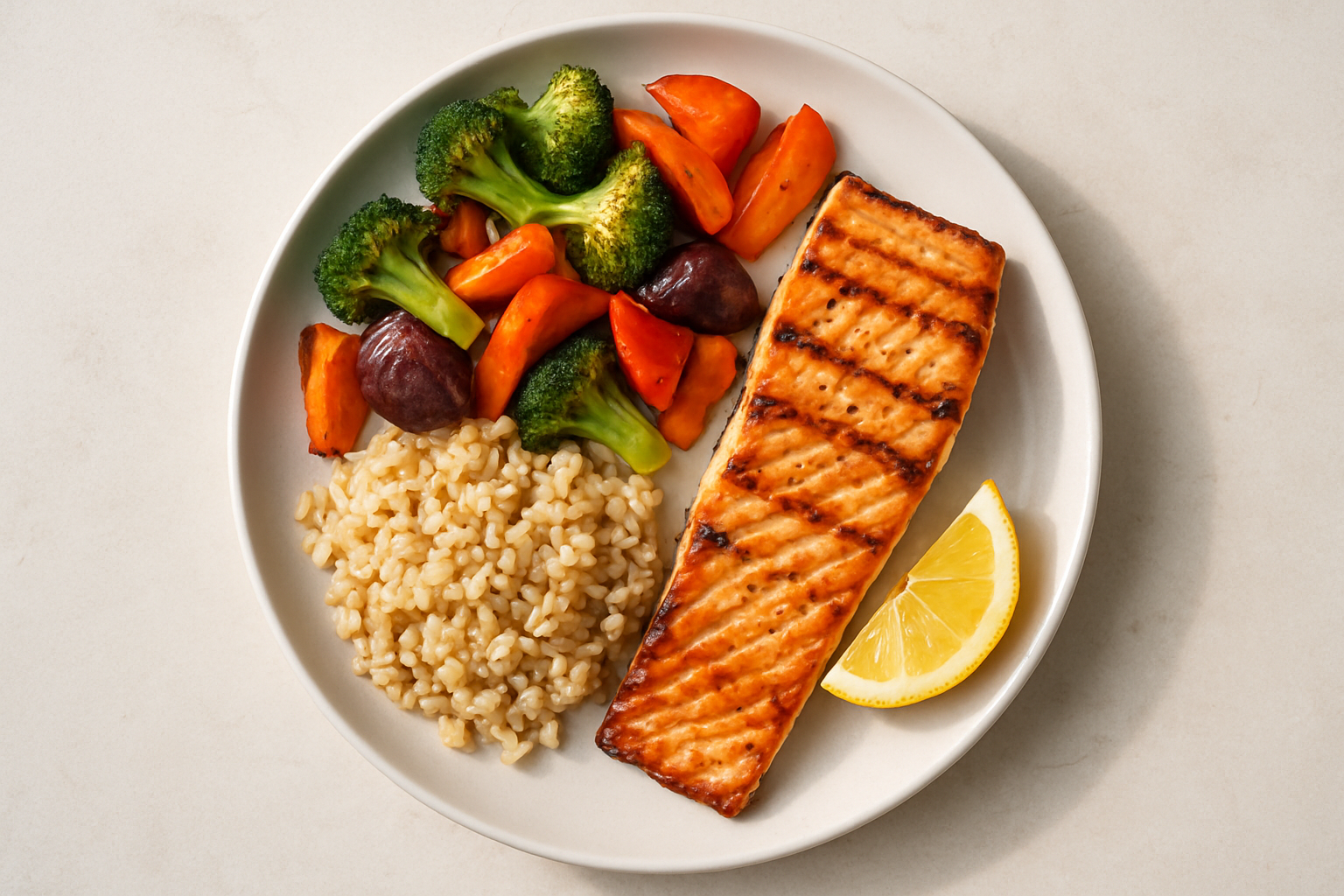
A balanced meal example with protein, vegetables and fibre-rich carbohydrates

FAQs

What is a My Health Hub, and who is it for?

A My Health Hub is a simple system that keeps your health information, tools and routines in one place so you can make consistent decisions. It’s useful for anyone who wants clearer eating patterns, better symptom tracking, or a plan to follow between appointments—especially if you’re working on gut health, stress, energy, or hormone-related concerns.

How do I start a My Health Hub if I feel overwhelmed?

Start with just three things: (1) your main goal for the next 2–4 weeks, (2) a short symptom and food log template (if helpful), and (3) one practical tool you’ll actually use (for example, a supermarket shopping guide or a simple meal framework). Keep everything in one folder or notes app, then add one item per week.

What should I track for gut health without becoming obsessive?

Track only what helps you make decisions: bowel habit changes, abdominal discomfort/bloating, energy, sleep quality, and simple meal notes. Use a quick 0–10 scale and keep it to 7–14 days. If tracking increases anxiety or disordered eating behaviours, pause the log and seek professional support.

Is a supermarket shopping guide actually helpful for healthy eating?

Yes—because most food decisions happen at the supermarket, not at the kitchen bench. A good supermarket shopping guide helps you build a trolley that fits your goals (gut health, blood sugar stability, energy, allergies) and strengthens label-reading skills so you can choose options that work for you, even when you’re busy.

What does healthy eating look like for an average Australian?

For most Australians, healthy eating looks like regular meals built around minimally processed foods: plenty of vegetables, adequate protein, fibre-rich carbs (like legumes, wholegrains and starchy veg), healthy fats and fluids—plus flexibility for real life. It’s not all-or-nothing. It’s repeatable choices you can sustain at work, at home and when eating out.

Should I see a dietitian, a naturopath, or both?

It depends on your needs and preferences. A dietitian gut health consult can be useful for structured nutrition strategies, allergies/intolerances, and food tolerance work. A naturopath and nutritionist approach may add a broader lens, including lifestyle foundations and complementary support options. Many people benefit from a blended approach—especially if symptoms involve digestion, stress and energy together.

Can a naturopath help with anxiety?

A naturopath can support anxiety by addressing foundations such as sleep, blood sugar balance, nutrient status, gut health and stress load, alongside lifestyle strategies. It’s not a replacement for urgent mental health care. If anxiety is severe, escalating, or involves self-harm thoughts, seek immediate medical support.

Where can I access Beta Me resources for building a My Health Hub?

You can access practical resources via the Beta Me downloads page. Many people save the relevant PDFs into a single folder on their phone or computer so they can use them between consults and at the supermarket.

Contacting a Naturopath & Nutritionist: An In‑Depth Guide and Key Considerations (Australia)

A clean desk with a laptop and notebook representing contacting a naturopath and nutritionist

Contacting a naturopath and Nutritionist: an in-depth guide and key considerations

If you’ve ever hovered over a Contact Us button and thought, “What do I even say?”, you’re not alone.

A clear first message helps your naturopath and nutritionist understand what you need, recommend the right next step, and make your first appointment more productive.

This contact us in-depth guide and key considerations will help you:

  • know what to share (without writing an essay)
  • ask the right questions
  • choose between a consult, mobile support, or a supermarket shopping guide

When you’re ready, start here: Contact Us | Beta Me Naturopath & Nutritionist.

Why your first enquiry matters

Using a phone to send an enquiry via a contact form

A quick enquiry can be the simplest way to start.

Your enquiry sets the tone. It helps Beta Me:

  • suggest the most suitable service (clinic-style consult, mobile support, shopping tour)
  • understand urgency and whether you should see a GP first
  • help you prepare (e.g. food diary, supplement list, relevant test results)
  • use your first session time well

You don’t need perfect wording. You just need a few key details.

Key considerations before you hit “send”

1) Lead with your main goal (one sentence)

Start with the outcome you want. For example:

  • “I want help with meals to support energy and stable moods.”
  • “I’m dealing with digestive discomfort and want a plan I can stick to.”
  • “I’m looking for support alongside my current care for Anxiety.”

If you’re searching phrases like naturopath and anxiety, it helps to say what “better” would look like for you, such as:

  • improved sleep
  • fewer racing thoughts
  • steadier appetite and energy
  • feeling calmer day to day

2) Share your top 2–3 concerns and how long they’ve been happening

Short is better than detailed. Include:

  • when it started
  • how often it happens
  • any obvious triggers or patterns

Examples:

  • “Afternoon energy crash most days for 6+ months.”
  • “Bloating after dinner 4–5 nights a week.”
  • “Racing thoughts at night affecting sleep.”

3) List medications, supplements and relevant diagnoses

This supports safe, appropriate recommendations.

Include what you can:

  • prescription medications
  • over-the-counter products
  • supplements (brand/dose if known)
  • relevant diagnoses (if any)

If you don’t know doses, it’s still worth listing the product names.

4) Tell us how you’d like to be supported

Different formats suit different people. Mention what you prefer:

  • Consult-style support for assessment, strategy and follow-ups
  • Mobile support if your home routine, pantry, or real-life food environment needs hands-on help
  • Supermarket support if choices in-store are where things fall over

You can read about mobile options here: Mobile Nutritionist Gold Coast | Mobile Naturopath Services.

5) Share what’s realistic right now

A useful plan needs to fit your life.

If relevant, mention:

  • shift work or travel
  • budget limits
  • cooking confidence (or lack of it)
  • family needs
  • allergies, preferences or cultural considerations

What to ask in your first message (copy/paste friendly)

If you’re unsure what to write, these questions keep things practical:

  • “Which consult type would suit my goals best?”
  • “Do you offer mobile consultations, and what does that involve?”
  • “Should I keep a food diary before my first appointment?”
  • “What’s the best way to share blood test results, if needed?”
  • “Can you help with a supermarket shopping guide so I can apply the plan in-store?”

If you’re specifically interested in an in-store option, see: Supermarket Shopping Guide Gold Coast | Shopping Tour.

Choosing the right service: consult vs supermarket support

A supermarket aisle representing a guided shopping tour

Shopping tours can turn a plan into confident choices.

Standard consult support (best for a clear strategy)

A consult is a good fit if you want:

  • a personalised nutrition and naturopathy approach
  • a plan you can follow at home
  • check-ins to adjust based on progress

If you’re comparing options on the Gold Coast, start here: Naturopath Gold Coast | Nutritionist Gold Coast | Beta Me.

Supermarket shopping tours (best for real-world implementation)

A shopping tour can help when:

  • labels and marketing claims feel overwhelming
  • you need suitable swaps for snacks, breakfasts or lunchbox items
  • you want confidence building a trolley that matches your goals

This is ideal if you’ve tried to “eat better”, but the supermarket is where it unravels.

If you’re searching locally (Gold Coast, Bribie Island and beyond)

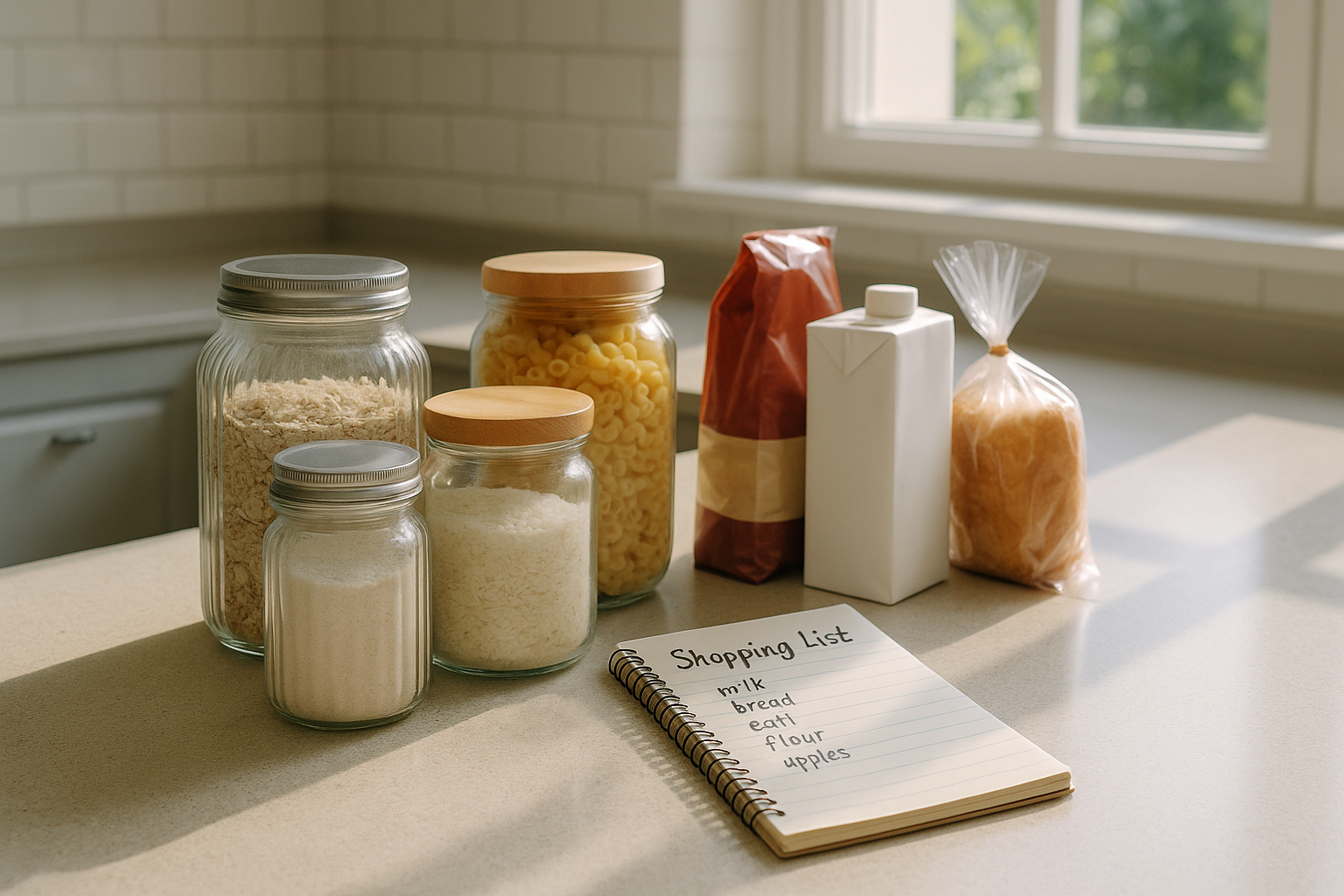
A pantry setup and shopping list for practical nutrition planning

Practical prep helps if you’re asking about a supermarket shopping guide.

Many people start with searches like:

  • naturopath Bribie Island
  • “nutritionist near me”
  • “naturopath and nutritionist Gold Coast”

If you’re outside the immediate area, or you’re not sure what’s possible, still reach out.

In your enquiry, include:

  • your suburb/region
  • what support you want (consult, mobile, shopping tour)
  • your preferred appointment style

If you’d like to learn more about the practice first, see: About Beta Me and About Danielle.

Boundaries and safety: when to seek urgent help

Nutrition and naturopathy can be part of your broader Health team. It’s not a replacement for urgent medical care.

Seek urgent medical support if you have severe, sudden, or worsening symptoms. If your mental health feels unsafe, get immediate help. In Australia, call 000 in an emergency.

A simple message template you can use today

Use this template and keep it short.

Subject: Enquiry – naturopath and nutritionist support

Message:
Hi Beta Me,

I’m looking for support with [main goal].

My top concerns are:

  • [Concern 1 + how long]
  • [Concern 2 + how long]
  • [Concern 3 + how long]

I’m currently taking: [medications/supplements].

I’m interested in [consult / mobile consult / supermarket shopping guide], and I’m based in [suburb/area].

What would you recommend as the best next step?

Thanks,
[Name]

Next step: contact Beta Me

If you’re ready to move from research to a plan, send your enquiry here: Contact Us | Beta Me Naturopath & Nutritionist.

If you’re not sure what you need, say that. A one-sentence goal plus your top concerns is enough to guide the next step.

Want to keep reading first? Browse Our Blog for more practical nutrition and naturopathy guidance.


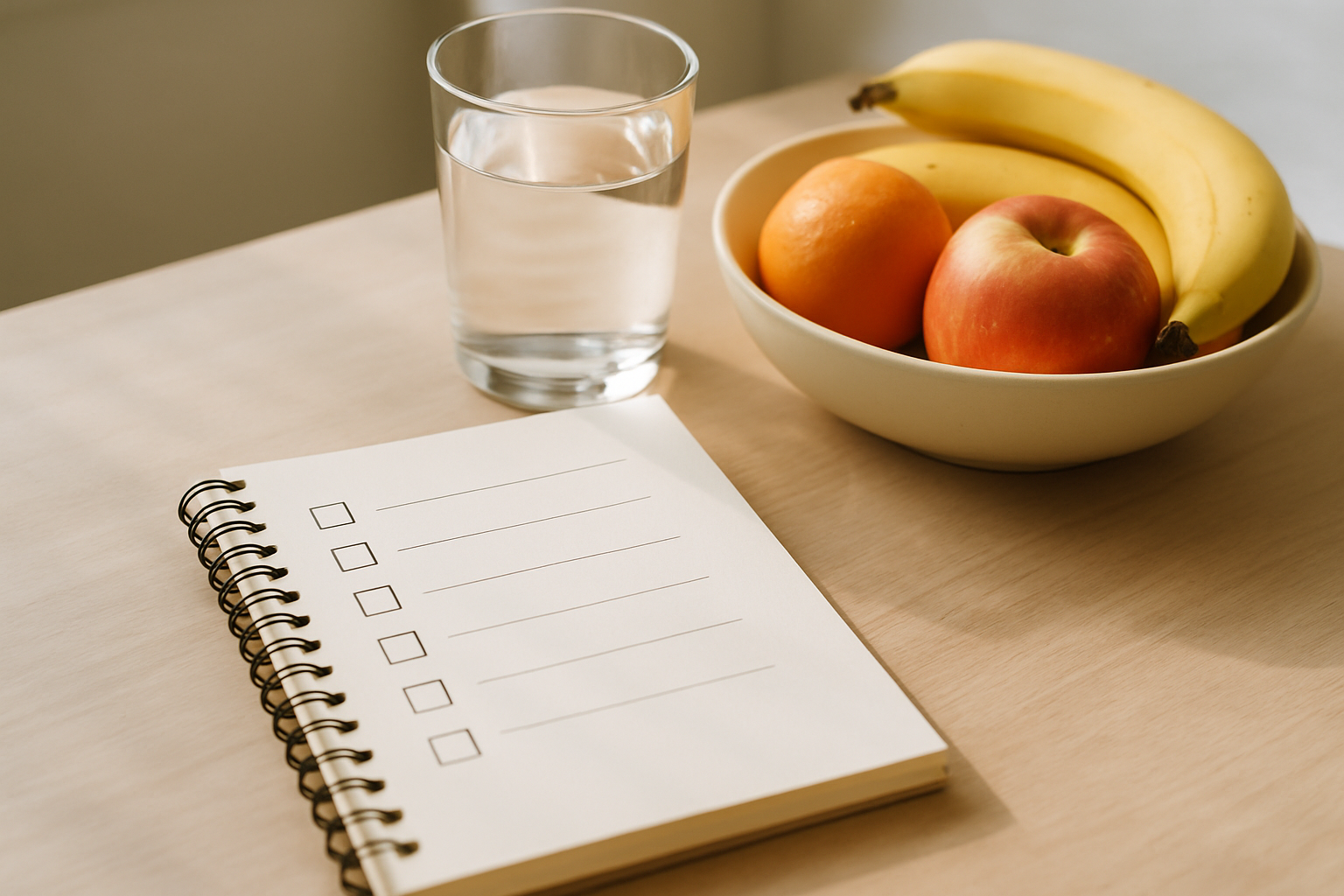
A checklist for what to share when contacting a naturopath and nutritionist

A short checklist makes your first message clearer and faster.

FAQs

What should I include when I contact a naturopath and nutritionist?

Include your main goal, your top symptoms and how long they’ve been happening, medications and supplements, and any key diagnoses. Mention whether you want consult support, mobile support, or a supermarket shopping guide.

Do I need a referral to book?

A referral isn’t usually required. If you’re under specialist care or have complex health history, mention it in your message so your support can be coordinated.

Can a naturopath help with anxiety?

If you’re seeking “naturopath and anxiety” support, share what you’re experiencing and what you want to improve (sleep, calm, focus, physical symptoms). This support is not a substitute for urgent or crisis help—seek immediate assistance if you’re at risk.

What’s the difference between a consult and a supermarket shopping tour?

A consult builds your personalised strategy. A shopping tour helps you apply it with real products and label reading, so your trolley matches your goals.

I’m looking for a naturopath near Bribie Island—can I still enquire?

Yes. Share your location and preferred support style when you contact Beta Me. You can then discuss suitable options after your enquiry.

Gold Coast Materials Comparison & Selection Tips: How to Choose Supplements, Herbs and Testing That Actually Fit

Supplements, herbs and whole foods laid out for comparing options at home on the Gold Coast

Gold Coast materials comparison & selection tips (for supplements, herbs and testing)

If you’ve ever stood in a Gold Coast pharmacy comparing two magnesium bottles and wondering why one is $18 and the other is $48, you’ve seen the issue first-hand.

Labels tell you some information. They rarely tell you what matters most for your body, goals, symptoms and routine.

At Beta Me, we help clients compare and choose the right “materials” for their health plan—supplements, herbal medicines, probiotics, food strategies and (when appropriate) testing—so money goes towards options that are more likely to help.

This guide shares practical, Australian-focused Gold Coast materials comparison and selection tips you can use straight away.


What “materials” means in naturopathy and nutrition

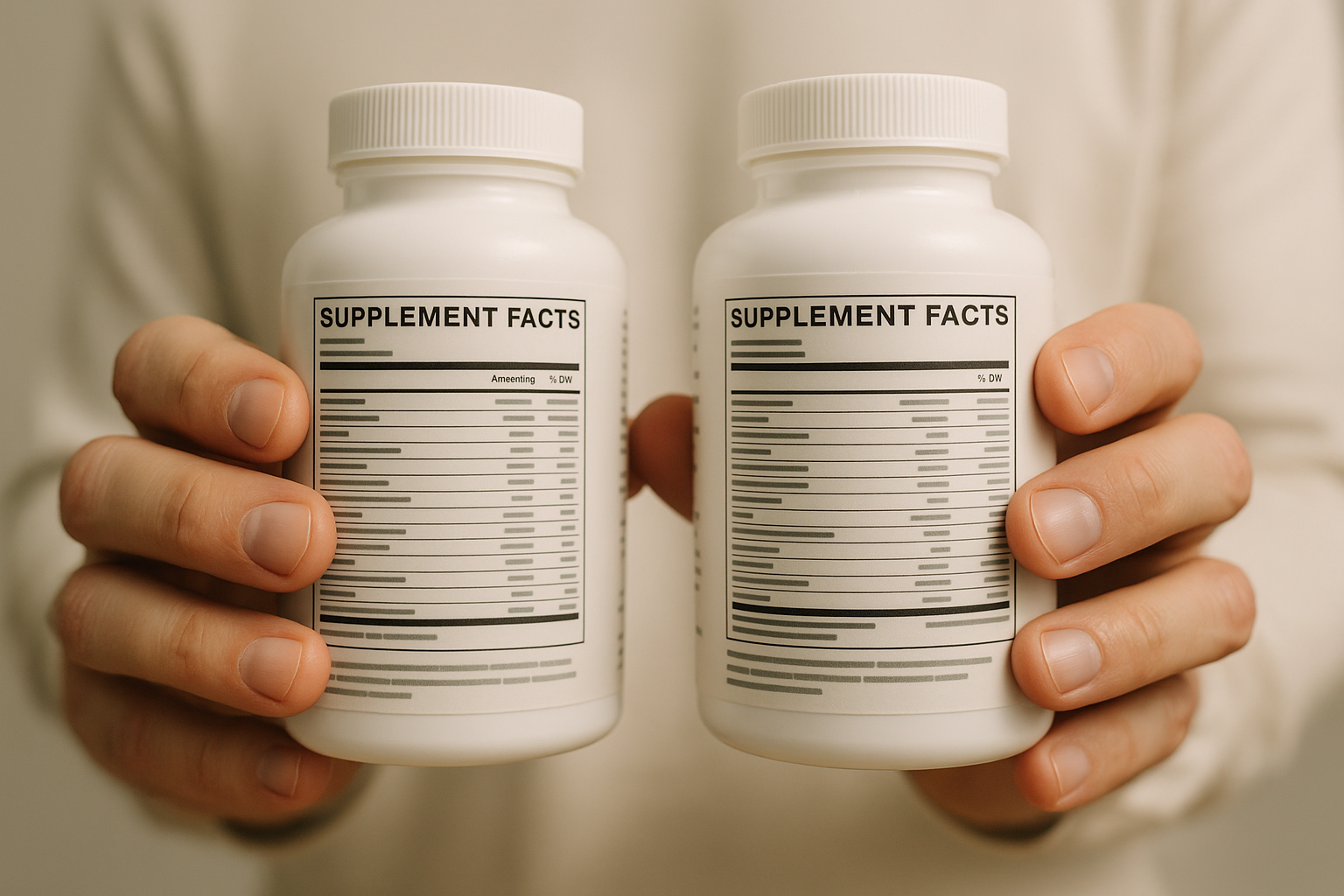
Comparing supplement labels and dosage information

In a naturopath and nutritionist setting, “materials” usually include:

  • Food choices (your everyday foundation)
  • Supplements (e.g. magnesium, iron, zinc, vitamin D, omega-3)
  • Probiotics and prebiotics (and sometimes fibre supplements)
  • Herbal medicines (liquid, tablet/capsule, tea)
  • Functional testing (only when it will guide decisions)
  • Tools for implementation (meal templates, shopping lists, routines)

If you’re searching for a naturopath Gold Coast, gold coast naturopath, or a holistic nutritionist Gold Coast, the biggest win is often not “more products”.

It’s usually fewer things, chosen more precisely.

For service options, see: Naturopath Gold Coast | Nutritionist Gold Coast.


Start with the simplest rule: match the material to the job

Before you compare brands, get clear on these points:

  1. What’s the goal? (Sleep, energy, gut symptoms, mood, skin, performance)
  2. What’s the time frame? (Short-term support vs long-term foundations)
  3. What’s the constraint? (Budget, taste, pill fatigue, shift work, sensory needs)
  4. What’s already in place? (Current diet, medications, existing supplements)

Common mistakes we see (and how to avoid them)

  • Buying a “gut health” probiotic but skipping the food and fibre strategy that supports it.
  • Choosing a “stress blend” where the dose is too low to notice.
  • Swapping products every week, then not knowing what helped.

A focused plan should make it easier to track changes.


Supplements: a clear comparison checklist

When you’re choosing between options, focus on what changes outcomes.

1) The form matters (sometimes more than the dose)

Some nutrients come in different forms. The form can affect tolerance and suitability.

Examples:

  • Magnesium: some forms are better tolerated than others, and some are more likely to loosen stools.
  • Iron: different forms can affect tolerance (nausea/constipation) and suitability.
  • Fish oil/omega-3: compare the active omega-3 content, not just the total oil.

If you’re unsure which form fits your symptoms, working with a nutritionist Gold Coast or Gold Coast naturopath can save money by narrowing your shortlist.

2) Compare the dose per serve (and the number of serves)

A cheaper bottle can cost more if you need double the dose to get the same amount.

Quick method:

  • Check the amount per serve
  • Multiply by serves per day
  • Divide by total serves to get an estimated cost per day

3) Check “other ingredients” (excipients)

You’re looking for ingredients that may affect you personally, such as:

  • Sweeteners and flavours (important if you’re sensitive)
  • Sugar alcohols (can trigger gut symptoms for some people)
  • Allergens (dairy, gluten, soy)
  • Fillers/binders (not always bad, but worth knowing)

4) Be cautious with multi-ingredient blends

Blends can be useful. They can also hide under-dosing.

If a label lists 10+ ingredients but doesn’t show meaningful amounts of each, it’s hard to compare—and hard to know what caused benefits or side effects.


Gut health products: probiotics (and what to check)

If you’ve searched for a gut health dietitian Gold Coast, you’re probably looking for a plan that matches your symptoms, not a random product.

Choose based on your symptom pattern

Start here:

  • Your main symptom: bloating, constipation, diarrhoea, reflux, post-antibiotic recovery
  • Your tolerance: do fermented foods and fibre help, or flare symptoms?
  • Your routine: can you take capsules daily? Do you need shelf-stable?

What to look for when comparing probiotics

  • Strain detail (not just “probiotic blend”)
  • Clear dosing instructions you can follow
  • Storage requirements that suit your life

A grounded note: probiotics are rarely the whole answer.

A strong gut plan often includes meal structure, protein and fibre targets, and a repeatable shopping list.


Herbal medicines: liquid vs tablet vs tea

Herbal medicines can be useful, but the format affects whether you’ll stick with it.

  • Liquid herbs: flexible dosing; taste can be a barrier
  • Tablets/capsules: easy; sometimes less flexible dosing
  • Teas: a great ritual; strength can vary

If you’re comparing herbs for stress, sleep or mood, also factor in:

  • Caffeine intake
  • Alcohol
  • Shift work
  • Training load
  • Whether anxiety is part of the picture

If anxiety is a key driver, see: Anxiety naturopath Gold Coast support.


Food is a “material” too (and it’s usually the cheapest lever)

Whole foods in a shopping basket for a practical nutrition plan

Before you spend more on products, tighten the food foundations that give the biggest return.

A practical Gold Coast pattern we often see

  • Breakfast becomes coffee + a snack bar.
  • Mid-morning hunger leads to grazing.
  • Afternoon energy dips.

A food-first fix (simple, repeatable)

  • Higher-protein breakfast you can rotate (e.g. eggs on toast, Greek yoghurt with fruit and seeds)
  • Planned snack with protein/fibre (e.g. nuts + fruit, tuna + crackers)
  • Dinner template: protein + colourful veg + carbs you tolerate

This is also where in-person comparison helps.

If you’d like practical, on-shelf guidance, explore: Supermarket shopping tours.


Testing: when it’s useful (and when it’s just expensive)

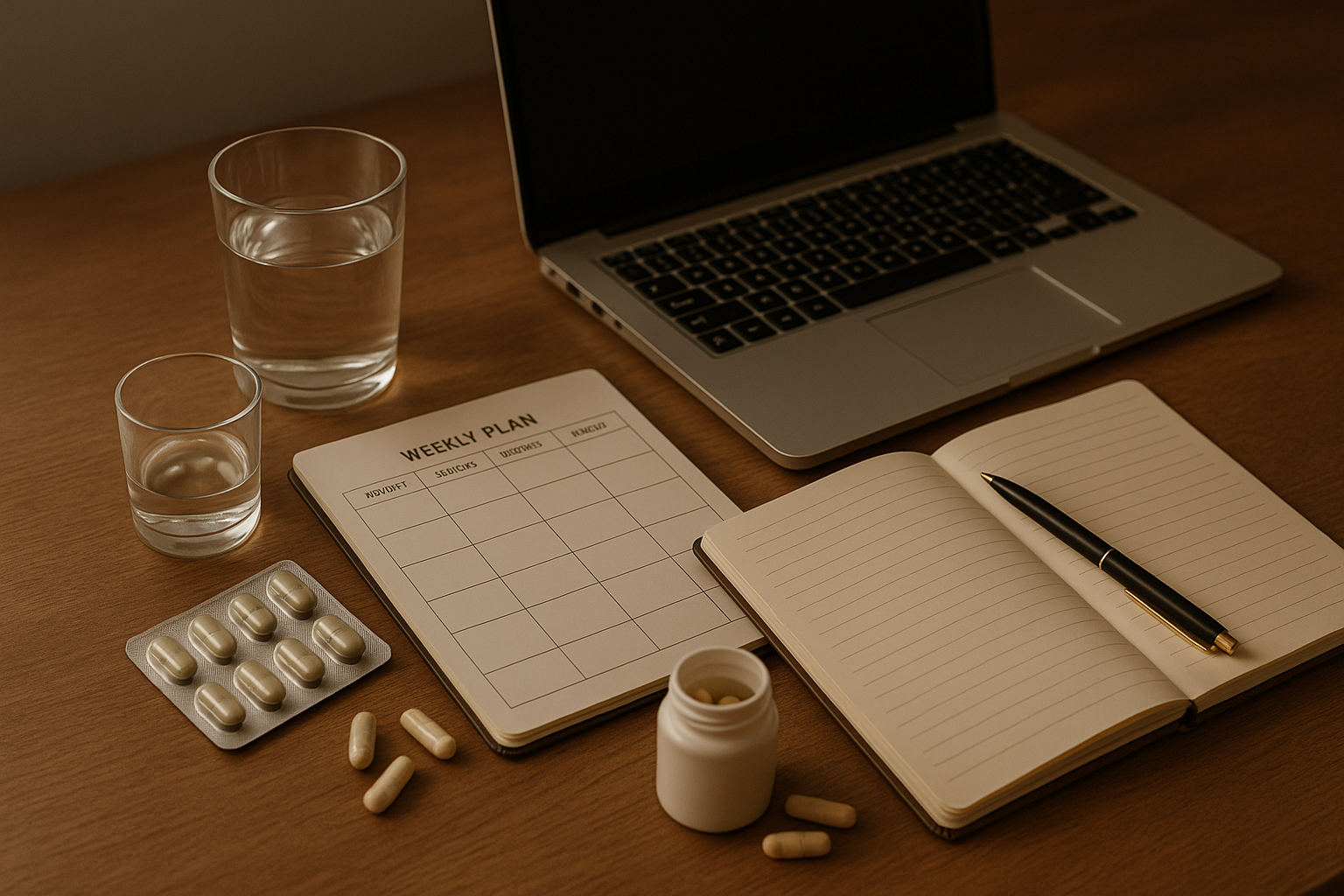
Simple weekly plan for taking supplements consistently

Testing can be helpful when it changes the plan.

Testing may be worth considering if

  • Symptoms are persistent despite good basics
  • You have multiple competing issues (e.g. sleep + gut + fatigue)
  • There are medication considerations
  • You want clearer direction before investing in a longer protocol

Testing is usually not the first step if

  • Your diet is inconsistent
  • You’re not tracking symptoms clearly
  • You’re taking lots of supplements already (and can’t tell what does what)

A good practitioner should explain what a test can and can’t tell you, and what decisions it will guide.


Which practitioner should you see: naturopath, dietitian, nutritionist—or both?

People often search:

  • naturopath gold coast / gold coast naturopath
  • nutritionist gold coast
  • naturopath and nutritionist
  • best naturopath Gold Coast or highly recommended naturopath Gold Coast

Here’s a simple way to think About it:

  • If you want food strategy, meal structure and practical implementation, you’ll likely want nutrition support.
  • If you also want herbal medicine and supplement strategy, naturopathy can be useful.

At Beta Me, we integrate these approaches so you’re not juggling conflicting advice. You can also view professional context here: Allied Health Nutritionist.


NDIS considerations: choosing materials that work in real life

If you’re looking for an NDIS dietitian Gold Coast or NDIS nutritionist Gold Coast, “best” often means the plan is:

  • Practical (not perfect)
  • Respectful of sensory preferences and routines
  • Focused on confidence and independence
  • Built around a short, manageable list of supports

Beta Me offers flexible appointment options. See: NDIS Nutritionist Gold Coast.


Quick examples: how to compare common products

Example 1: Two magnesium products

Choose based on:

  • Your goal (sleep, cramps, stress support)
  • Gut tolerance
  • Dose per day and cost per day
  • Whether you’ll actually take it (powder vs capsule)

Example 2: Two “gut health” powders

Compare:

  • Fibre type (some fibres are more likely to trigger symptoms)
  • Added sweeteners/flavours
  • Serve size (and how often you need it)
  • Whether meals are changing to support it

Example 3: Two multivitamins

Ask:

  • Do you need a multi, or do you need 1–2 targeted nutrients?
  • Are there meaningful doses, or mostly tiny amounts?
  • Any ingredients you react to?

The safest way to spend less: reduce the list, increase the match

If you’ve got a cupboard of half-finished supplements, you’re not alone.

A focused plan usually includes:

  • 1–3 clear priorities
  • A food strategy you can repeat
  • A small number of targeted “materials”
  • Clear review points (what you’re tracking, and when)

That’s how you avoid the cycle of buying, stopping, swapping and guessing.


Want help choosing what’s right for you on the Gold Coast?

If you’re comparing supplements, probiotics, herbs, or you’re unsure whether testing is worth it, we can help you build a plan that fits your symptoms, budget and routine.

Useful next steps:

Ready to book or ask a question? Contact Beta Me


Discussing a personalised plan that matches symptoms and budget

FAQs

What does ‘materials’ mean in a naturopathy and nutrition context?

Materials are the tools used to support your plan: food choices, supplements, herbal medicines, probiotics, and sometimes testing. The right selection depends on your symptoms, history, medications, budget and what you can stick to.

How do I compare supplement brands without getting lost in marketing?

Compare the form, dose per serve, number of serves, full ingredient list (including excipients), and whether it suits your needs (e.g. allergens, gut tolerance). If you take medications or have medical conditions, check interactions with a qualified practitioner.

Are practitioner-only supplements always better?

No. They can be useful for targeted formulations or therapeutic dosing, but retail products can be appropriate too. The best option is the one that matches your needs, is tolerated, and you can take consistently.

What’s the best probiotic to buy for gut health?

There isn’t one best probiotic. Choose based on your symptoms, strain detail, dosing you can follow, and your tolerance. Pair it with a realistic food strategy for better results.

Do I need functional testing, or can I start with food and basics?

Many people can start with food foundations, targeted basics and symptom tracking. Testing can help when symptoms are persistent, complex, or you’re not responding as expected—especially if it changes what you do next.

Can Beta Me help if I’m on the NDIS and need nutrition support?

Yes. Beta Me offers flexible nutrition support options including online and mobile-style appointments, which may suit NDIS participants depending on goals and needs.

Minty Cauliflower Fried Rice: An In‑Depth Guide and Key Considerations (Australia)

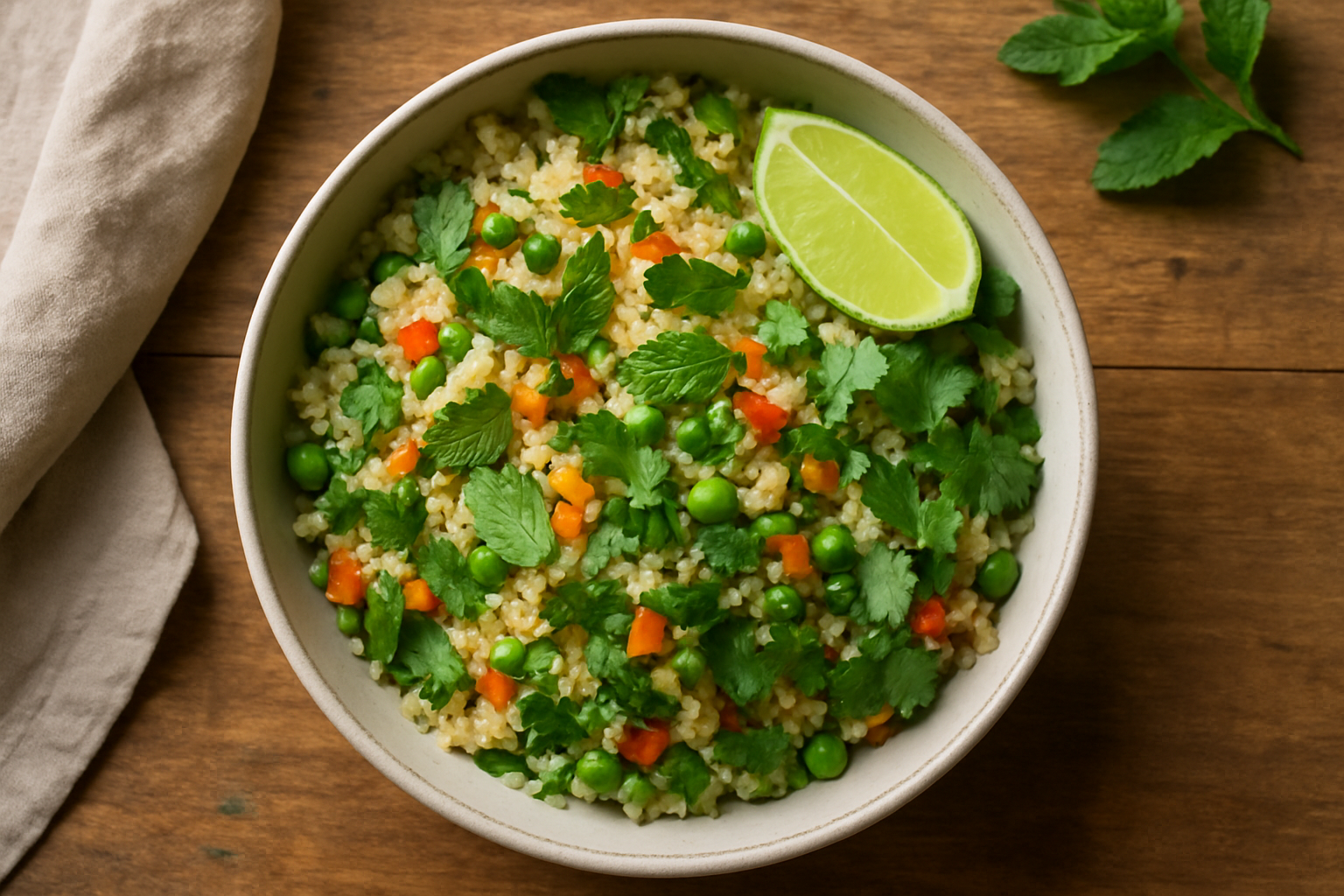
Bowl of minty cauliflower fried rice with fresh herbs and vegetables

Minty cauliflower fried rice: an in‑depth guide and key considerations

If you’ve ever made cauliflower “fried rice” and ended up with a wet, bland pan of veg, you’re not alone. Cauliflower rice is a high‑moisture ingredient. It needs high heat, space in the pan, and seasoning added in the right order.

This minty cauliflower fried rice in-depth guide and key considerations article expands on Beta Me’s original recipe with practical tips for:

  • better texture (no soggy cauliflower)
  • flavour that tastes like “fried rice”, not steamed veg
  • easy protein add‑ins for a more filling meal
  • supermarket swaps you can find in Australia

Want the base recipe first? Start here: Minty Cauliflower Fried Rice (base recipe).


Why this cauliflower fried rice behaves differently

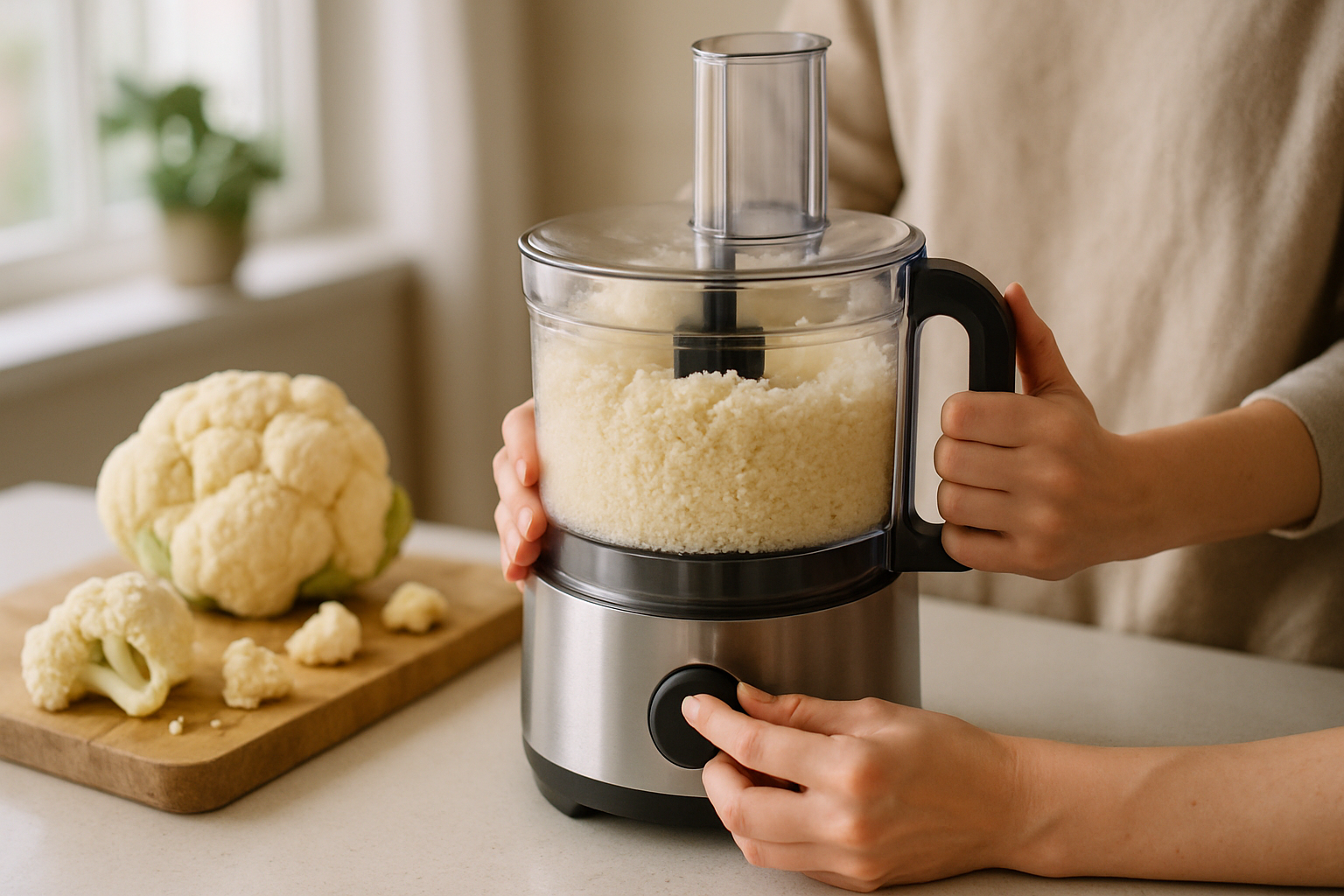
Cauliflower being pulsed into rice in a food processor

Classic fried rice works because cooked, chilled rice is relatively dry. It can fry and soak up flavour without turning to mush.

Cauliflower rice is different:

  • it releases water quickly
  • it can steam if the pan is crowded
  • it doesn’t absorb sauces the same way as grains

The minty twist matters too. Fresh mint lifts salty, savoury flavours (tamari, sesame, lime) and keeps the dish feeling light.


Key considerations before you start

1) Texture comes down to moisture control

If cauliflower rice gets watery, it won’t “fry”. It will steam.

Do this for a drier, fried finish:

  • Use high heat.
  • Use a wide pan or wok.
  • Cook in batches if needed.
  • Keep it moving, but don’t drown it in sauce.
  • Add sauces at the end.

If you’re using frozen cauliflower rice:

  • Thaw first if you can.
  • Drain well.
  • If it’s very wet, squeeze gently in a clean tea towel.

2) Flavour works best in layers

Cauliflower is mild, which is helpful. It gives you room to build flavour.

A simple order that works:

  1. Aromatics (garlic, ginger, spring onion)
  2. Vegetables (harder veg first)
  3. Cauliflower rice (brief, hot fry)
  4. Seasoning (tamari, lime, sesame)
  5. Fresh herbs (mint/coriander off the heat)

Why herbs go last: heat knocks out the fresh flavour. Stir them through right at the end.

3) Make it filling with a clear protein serve

Cauliflower rice meals can look big but feel light. Protein changes that.

Easy, Australian-supermarket protein options:

  • Eggs (scrambled through)
  • Leftover chicken or a supermarket roast chook
  • Prawns (fast cooking, great with lime)
  • Tofu or tempeh (pan‑fry first for texture)

For steadier energy, aim for veg + protein + Healthy fats (for example sesame oil, avocado, nuts or seeds).

4) Gut comfort: adjust the “load” if you’re sensitive

Some people feel great on cauliflower rice. Others notice bloating.

If you’re sensitive:

  • Reduce the cauliflower portion and bulk up with other veg.
  • Swap onion/garlic for garlic‑infused oil and chives.
  • Keep flavours simple (fewer sauces and extras).

If you’re not sure what’s triggering symptoms, working with a naturopath and nutritionist can help you test changes without over‑restricting.


A simple method (use this alongside the original recipe)

You don’t need a complicated recipe. You need the right sequence.

Step 1: Prep so the cooking stays fast

Set yourself up before the pan is hot:

  • Chop your veg (spring onion, capsicum, carrot, snow peas—use what you like).
  • Whisk eggs (if using).
  • Mix a quick “flavour bowl”: tamari + lime juice + a little sesame oil.
  • Pick and roughly chop mint and coriander.

Weeknight shortcut: keep frozen cauliflower rice and a stir‑fry veg mix in the freezer.

Step 2: Heat the pan properly

This is where most soggy cauliflower starts.

  • Heat oil until hot.
  • Add aromatics and stir quickly.
  • Add veg and stir‑fry until just tender‑crisp.

Step 3: Fry the cauliflower rice briefly

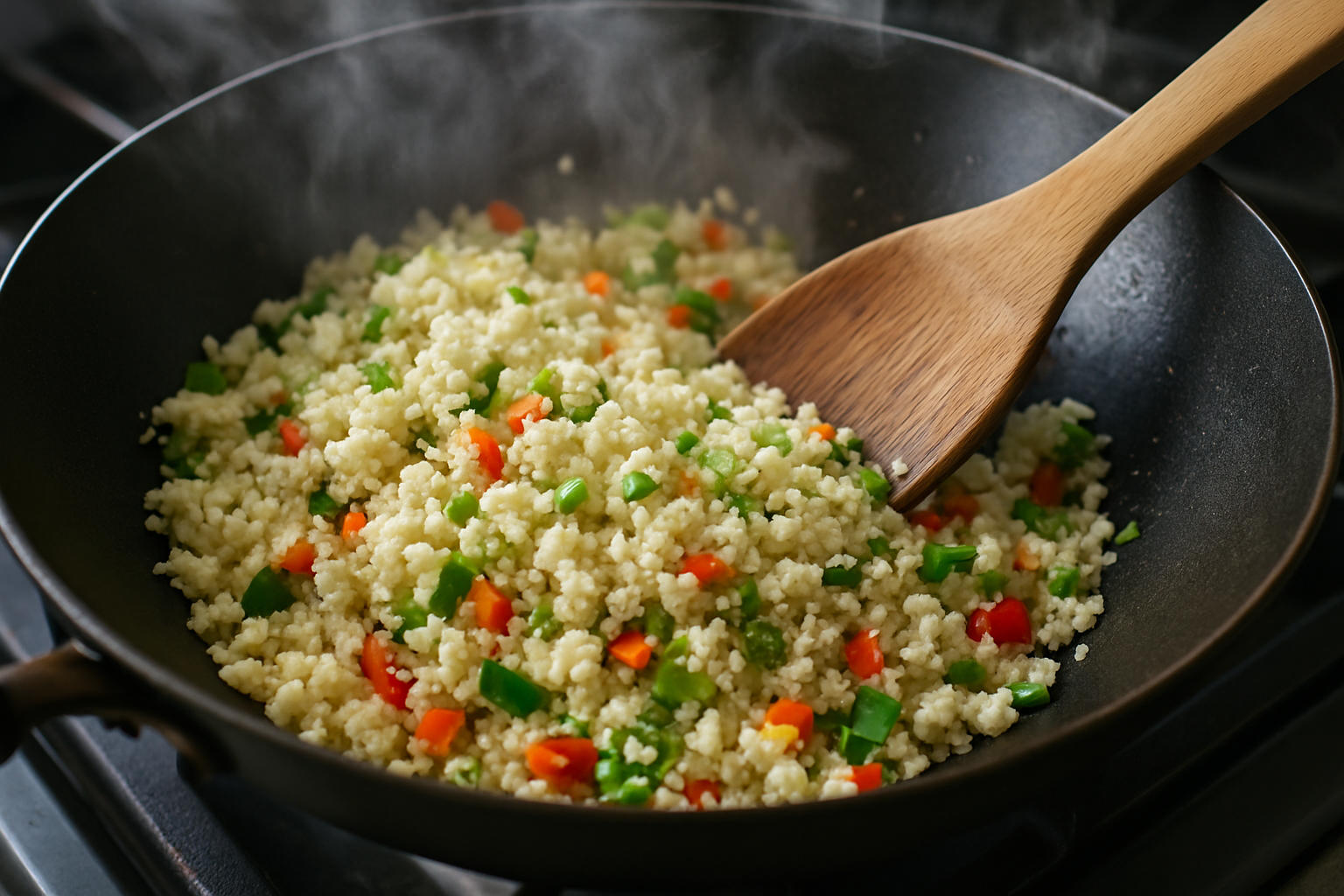
Add cauliflower rice and stir‑fry until it looks drier and lightly toasted.

If water pools in the pan:

  • keep the heat up
  • spread it out
  • keep stirring
  • don’t add sauce yet

Step 4: Bring it together at the end

  • Push everything aside and scramble eggs (or add cooked protein).
  • Pour in the flavour bowl.
  • Toss for 30–60 seconds.
  • Turn the heat off.
  • Add mint and coriander.

Taste and adjust:

  • More lime = brighter
  • More tamari = saltier/stronger
  • Chilli flakes = gentle warmth

Smart ingredient swaps (Australian supermarket friendly)

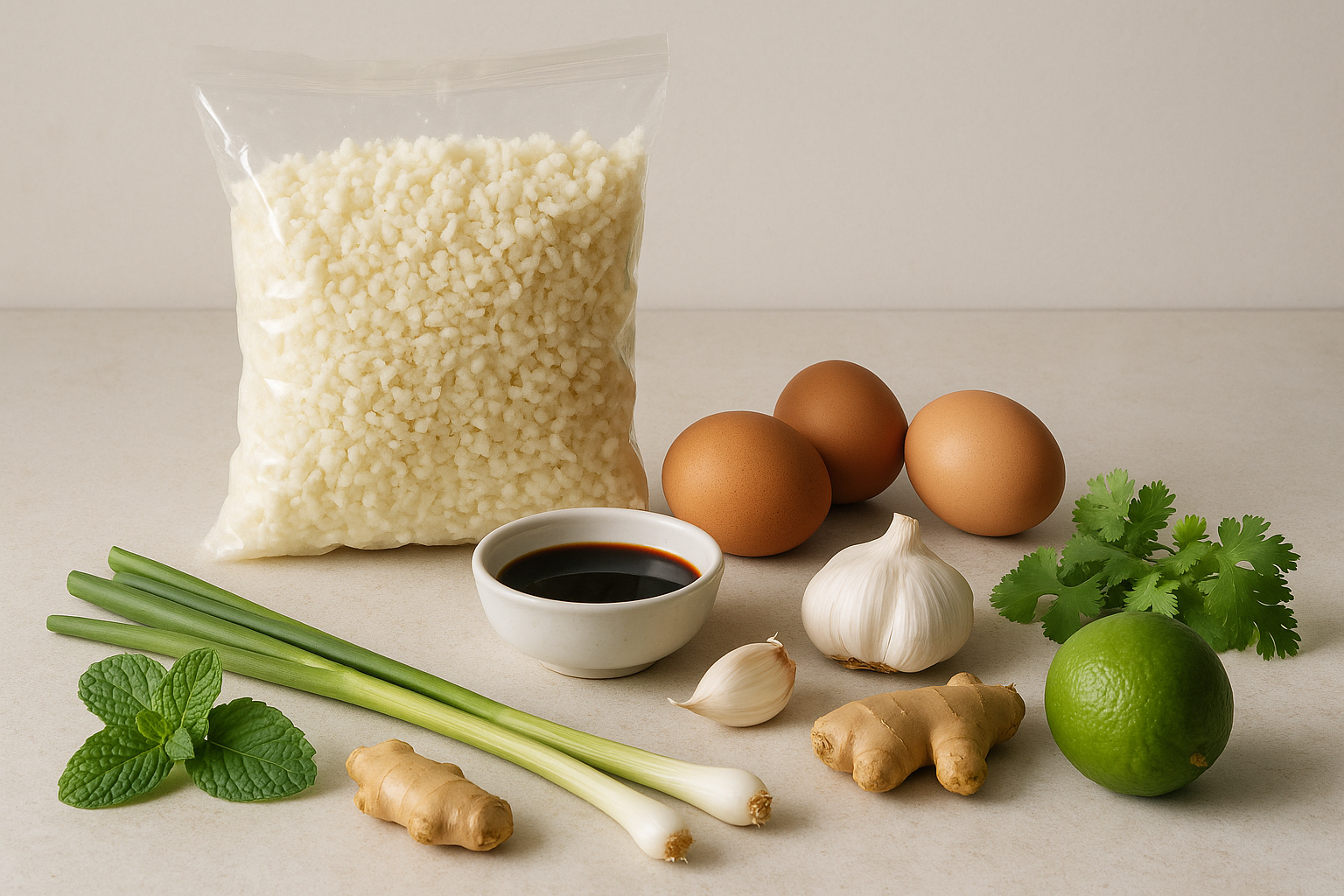
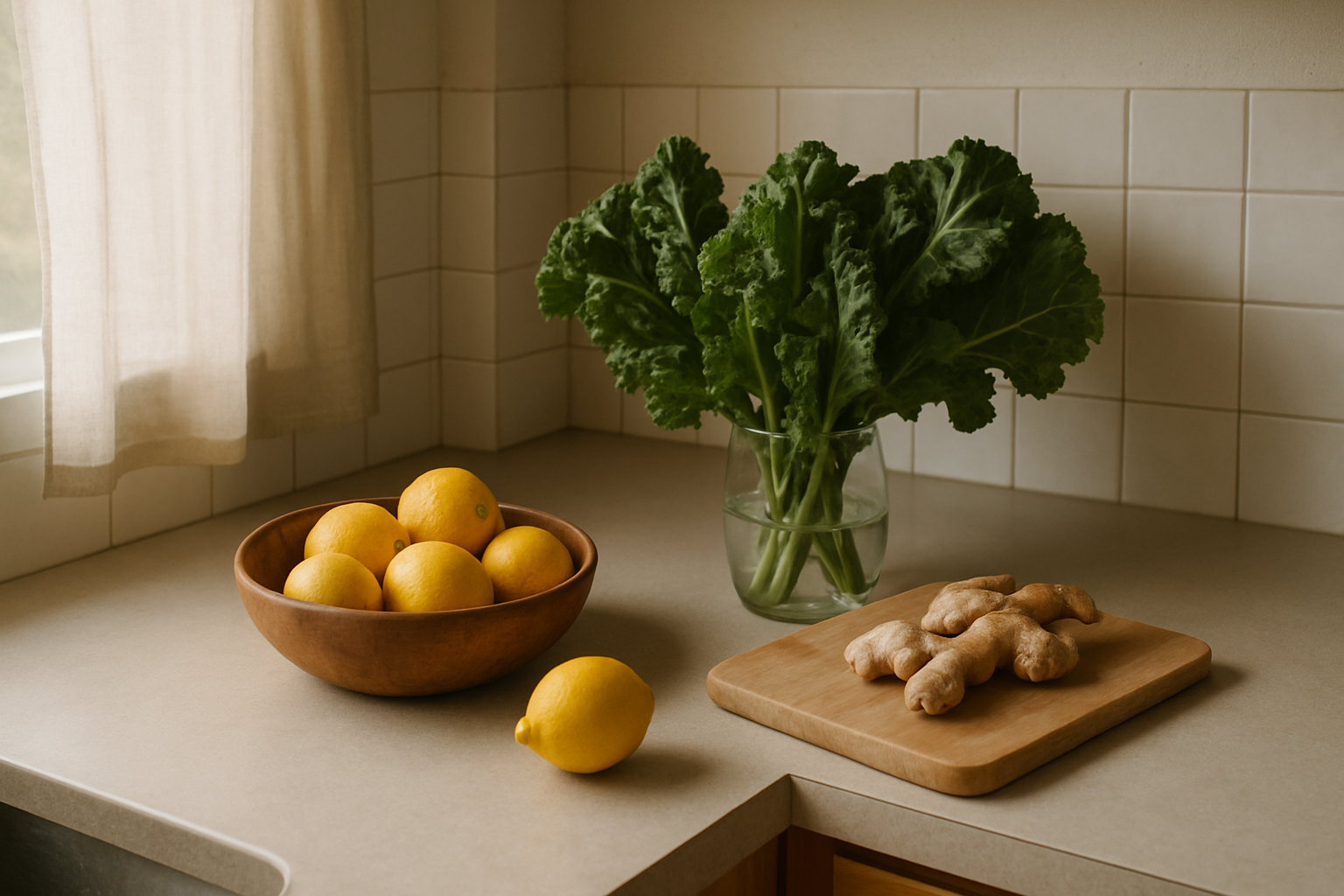
Ingredients for minty cauliflower fried rice laid out on a bench

Gluten-free swaps

  • Choose tamari (rather than soy sauce that may contain wheat).
  • Check labels on bottled stir‑fry sauces.

Make it more filling (without losing freshness)

  • Add an extra egg or a proper serve of chicken/prawns/tofu.
  • Top with sesame seeds, cashews, or chopped peanuts.
  • Add a small spoon of natural peanut butter into the sauce for a richer finish.

Family-friendly tweaks

  • Keep chilli on the side.
  • Use familiar veg (corn, peas, carrot).
  • Serve with a protein your kids already eat.

If you’re watching salt

  • Use less tamari.
  • Lean harder on lime, ginger and herbs.
  • Taste before adding extra.

Mini supermarket shopping guide: shop once, cook three ways

If decision fatigue is the problem, a simple shopping plan helps.

Version A: fast pantry-plus

Buy:

  • Frozen cauliflower rice
  • Eggs
  • Stir‑fry veg mix
  • Tamari
  • Lime
  • Mint/coriander

Version B: higher protein week

Buy:

  • Cooked prawns or chicken
  • Eggs
  • Cauliflower rice
  • Extra veg
  • Sesame oil + seeds

Version C: vegetarian with better texture

Buy:

  • Firm tofu or tempeh
  • Cauliflower rice
  • Crunchy veg (capsicum, beans, carrot)
  • Fresh herbs

If label reading, budget, or “what do I actually buy?” is the sticking point, Beta Me offers a practical Supermarket Shopping Guide Gold Coast (shopping tours) service.


Troubleshooting: quick fixes that save dinner

Problem: It’s watery

  • Turn heat up and cook longer.
  • Spread it out in the pan.
  • Hold sauce until the end.
  • Next time: thaw and drain frozen cauliflower rice.

Problem: It tastes flat

  • Add lime (acid), tamari (salt), and fresh herbs (aroma).
  • Toast sesame seeds and sprinkle on top.

Problem: It doesn’t keep me full

  • Add a clear protein serve.
  • Add healthy fats (sesame oil, nuts, avocado).

Nutrition considerations (simple and realistic)

Cauliflower rice stir-frying in a hot wok with vegetables

Minty cauliflower fried rice can be a great option when you want:

  • more veggies without a heavy feel
  • a lighter dinner that still has flavour
  • a lower‑carb alternative to traditional fried rice

The key is balance. Cauliflower rice covers the veggie base. Then add:

  • Protein (eggs, seafood, chicken, tofu)
  • Fats + flavour (sesame, olive oil, nuts/seeds)
  • Colour and variety (different veg for micronutrients)

If you’re also navigating stress, sleep issues or mood changes, food can start to feel confusing. It’s common to search for a naturopath and Anxiety approach because you want practical steps, not perfection. A good starting point is consistent meals with adequate protein, then personalised adjustments.


Want personal guidance rather than guessing?

If you’d like this recipe tailored to your needs (digestion, fatigue, family meals, or simply making weeknights easier), you can work with Danielle at Beta Me.

If you’re searching from outside the Gold Coast (including queries like naturopath Bribie Island), online appointments can be an easy way to get support without travel.


More Beta Me reads


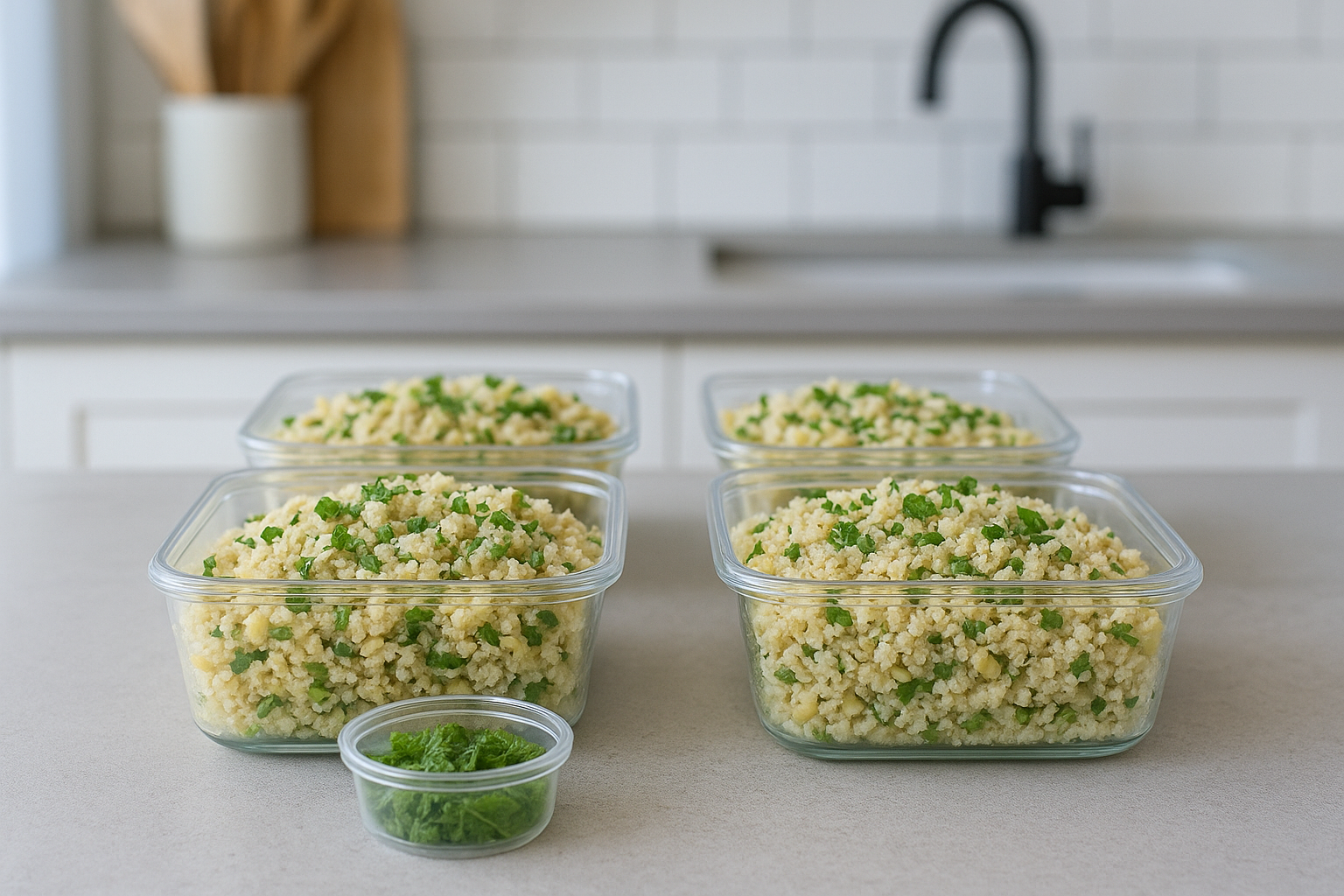
Meal prep containers of minty cauliflower fried rice with herbs kept separate

FAQs

Is minty cauliflower fried rice good for meal prep?

Yes. Cool it quickly, store in airtight containers, and reheat in a hot pan to drive off moisture. Add mint and coriander after reheating.

How do I stop cauliflower rice from going soggy?

Use high heat, don’t overcrowd the pan, and cook in batches if needed. Drain frozen cauliflower rice well. Add sauces at the end.

What proteins work best?

Eggs, chicken and prawns suit the mint and lime profile. Tofu and tempeh work well too, especially if you pan‑fry them first.

Can a naturopath and nutritionist help if I’m changing my diet due to stress?

Yes. A naturopath and nutritionist can help you build a realistic eating pattern that supports steady energy and nourishment, then tailor recipes to your digestion, schedule and preferences.

What should I buy at the supermarket to make this quickly?

Cauliflower rice (fresh or frozen), eggs, a stir‑fry veg mix, tamari, lime, and fresh mint/coriander. Add chicken, prawns, tofu or tempeh to make it more filling.

Goss on Detox: Meta Description Examples and CTR Tips (Australian SEO Guide)

Workspace showing a laptop and notebook used to draft SEO meta descriptions for a health blog

Why your ‘Goss on Detox’ snippet matters (and why it may be under-selling the page)

When someone Googles “goss on detox”, they’re usually not chasing a three-day cleanse.

They want plain-English answers. Is “detox” even a thing? Is it safe? And what’s a sensible next step?

That’s why your search snippet (SEO title + meta description) matters. It’s the fastest way to:

  • set expectations without hype
  • attract the right readers (and filter out the quick-fix crowd)
  • lift click-through rate (CTR) while staying true to your content

This post is written to support (not duplicate) your existing page: Goss on Detox – Is it for you?.

Search intent: what people want from “goss on detox”

This is mostly informational intent. People are looking for a grounded take from a naturopath and Nutritionist.

Common motivations include:

  • “What does detox actually mean?”
  • “Is it safe for me?”
  • “Do I need to do something extreme?”
  • “Why do I feel flat, foggy or bloated?”

Some readers also connect detox talk with stress and mood. That’s why related searches like naturopath and Anxiety can show up.

Your snippet should feel calm and responsible. It should not sound like a promise of dramatic results.

What a meta description does (and what it doesn’t)

Editing website copy to improve meta descriptions and click-through rate

A meta description is the short summary that often displays under your page title in Google.

It won’t directly boost rankings. But it can:

  • improve CTR by making your result look like the best match
  • pre-qualify clicks (so visitors are more likely to stay)
  • reduce confusion when people compare similar results

Note: Google sometimes rewrites meta descriptions to match the user’s exact query. Your job is to provide a strong, accurate default.

CTR tips for a detox education page (without sounding clickbaity)

Whole foods in a kitchen, supporting practical nutrition content alongside detox education

1) Lead with the real question people are asking

In the first 8–10 words, answer the intent:

  • “Is detox for you?”
  • “What does detox really mean?”
  • “Detox myths vs what actually helps”

2) Keep the promise realistic

Avoid language that attracts the wrong click:

  • “rapid results”
  • “flush toxins fast”
  • “guaranteed” outcomes

Instead, aim for: education, myths, suitability, and when to seek support.

3) Use a clear, calm CTA

Informational searchers respond to low-pressure prompts:

  • “Read the guide”
  • “Learn what to avoid”
  • “Find out if it’s right for you”

If you mention bookings, keep it optional: “If you want personalised advice…”

4) Write in Australian English (and your real brand voice)

Keep it professional and practical. If your brand tone is calm, let that come through.

5) Add a local cue only if it’s true (and only once)

If you serve people searching naturopath Bribie Island, test adding “Bribie Island” in either the SEO title or the meta description.

One clean signal is enough.

Meta description examples for ‘Goss on Detox’ (copy/paste)

Below are copy-ready options designed for the search intent behind goss on detox meta description examples and CTR tips.

Tip: keep meta descriptions around 120–155 characters.

Option A: best all-rounder (education + suitability)

Meta description:
Goss on Detox: what “detox” really means, common myths, and whether it’s right for you. Calm, practical nutrition and naturopathy guidance.

Option B: myth-busting angle

Meta description:
Confused by detox advice? Get the goss: what helps, what’s marketing, and what to avoid—plus when to seek personalised support.

Option C: high intent (“is it for you?”)

Meta description:
Is detox for you? Read the goss on detox—how to think about detox safely, what to avoid, and what a naturopath and Nutritionist looks at.

Option D: gentle local signal (use once)

Meta description:
Goss on Detox: learn what detox means, who it may suit, and smarter next steps. Bribie Island clients welcome.

Option E: stress-sensitive wording (without medical claims)

Meta description:
Detox talk can feel overwhelming. Read the goss on detox for a steady guide to myths, food-first support, and when to get tailored advice.

SEO title examples (to test alongside your meta description)

Checklist for writing a strong meta description and SEO title

Keep SEO titles readable. Lead with the benefit, then your brand.

  1. Goss on Detox: Is It for You? Myths + Next Steps | Beta Me
  2. The Goss on Detox: What It Really Means (No Extremes) | Beta Me
  3. Goss on Detox Guide: What to Know Before a Cleanse | Beta Me
  4. Goss on Detox (Australia): Myths, Safety + Support | Beta Me

If local discovery matters and it’s accurate, test:

  1. Goss on Detox + Nutrition Support (Bribie Island) | Beta Me

On-page CTR boosters (small edits that help readers stay)

Calm clinic-style setting that suits naturopathy and nutrition services

Even with a great snippet, your on-page experience helps convert the click into a meaningful visit.

Add a quick “What you’ll learn” box near the top

Keep it short. For example:

  • what “detox” often refers to in wellness marketing
  • myths to ignore (and why)
  • gentle, food-first steps that support your body’s normal processes
  • when it’s worth speaking with a practitioner

Strengthen internal links (so the next step is easy)

Use links that match what a reader might want next:

Seasonal support piece:

A balanced recipe option (useful for readers stuck in all-or-nothing thinking):

Quick checklist: high-CTR meta descriptions for naturopathy content

Before you publish, check:

  • Does it answer the main question quickly?
  • Is it plain English (no hype, no jargon)?
  • Does it avoid overpromising outcomes?
  • Does it sound like Beta Me?
  • Is there a simple CTA (read, learn, find out)?

CTA: turn curiosity into personalised support

If someone finishes the detox guide and still feels unsure, that’s a strong signal they need individual advice.

Learn more about Danielle and Beta Me’s approach here: Nutritionist and Naturopath Near Me | About.

If you’re comparing options locally (including searches like naturopath Bribie Island), you can review the clinic information and decide whether a consult feels like the right next step.

Supermarket Shopping Guide (Gold Coast): An In-Depth Guide and Key Considerations for Healthier Trolley Choices

Healthy grocery trolley in an Australian supermarket aisle

Supermarket Shopping Guide (Gold Coast): An In-Depth Guide and Key Considerations for Healthier Trolley Choices

Supermarket shopping can feel harder than it should.

You walk in with good intentions. Then you’re hit with “high protein”, “natural”, “no added sugar”, half-price specials, and a trolley that doesn’t match your plan.

This supermarket shopping guide gold coast in-depth guide and key considerations is here to make your next shop simpler. It’s practical, not perfect.

What you’ll get from this guide

Use this as your repeatable system for week-to-week shopping.

You’ll learn how to:

  • choose 1–2 priorities (so decisions are quicker)
  • create a simple meal plan you can actually follow
  • read labels fast without getting stuck in one aisle
  • upgrade your trolley aisle-by-aisle
  • avoid common “healthy” buys that don’t suit your body or your budget

Want hands-on support in a real store? Beta Me offers guided sessions: Supermarket Shopping Guide Gold Coast | Shopping Tour.


Key considerations before you shop (the biggest time-savers)

1) Define “healthy” for this week

There isn’t one perfect trolley.

Pick 1–2 priorities only. You’ll shop faster and waste less food.

Examples:

  • Gut comfort: more fibre variety (gradually), simpler ingredients, fewer personal triggers
  • Energy and cravings: protein at meals, planned snacks, fewer ultra-processed grazes
  • Family-friendly dinners: meals everyone will eat plus an easy veg add-on
  • Budget: repeat meals, compare price per 100 g, rely on staples

If you’re unsure where to start, support from a naturopath and nutritionist can help turn symptoms and goals into a trolley plan.

Many people begin by searching for a naturopath gold coast, gold coast naturopath, or nutritionist gold coast because they want advice that works in real life. You can read about Beta Me’s approach here: Nutritionist and Naturopath Near Me | About | Beta Me Nutrition & Naturopathy.

You might also see terms like holistic nutritionist gold coast, best naturopath gold coast, or highly recommended naturopath gold coast. Focus less on the label and more on whether the practitioner can give you clear, doable weekly steps.

2) Make a repeatable plan (not a “perfect” one)

A basic plan reduces takeaway, decision fatigue, and wasted produce.

Use this structure:

  • 2–3 repeat dinners (aim for leftovers)
  • 1 freezer dinner (for late nights)
  • 2 breakfasts (rotate)
  • 2 lunch options (often leftovers + one backup)
  • planned snacks (so you’re not relying on what’s closest)

Simple example week:

  • Dinners: tray bake + salad, stir-fry + rice, tacos (beans or lean mince)
  • Breakfasts: oats; eggs + toast + fruit
  • Lunches: leftovers; tuna + crackers + chopped veg
  • Snacks: fruit, yoghurt (if tolerated), nuts, popcorn

3) Write a “must-haves” list (shorter than you think)

A short list keeps your shop focused.

Aim for:

  • Protein: eggs, yoghurt, fish, chicken, tofu, legumes
  • Fibre base: oats, wholegrain bread/wraps, rice, quinoa, beans/lentils
  • Colour: 5–7 fruit/veg options (fresh or frozen)
  • Flavour: herbs, spices, lemon/lime, garlic, ginger

This framework also helps if you’re working with a gut health dietitian gold coast or a holistic nutritionist gold coast and want your trolley to match your plan.


How to read labels quickly (without overthinking)

Step 1: Check the ingredient list first

Ingredients are listed from most to least.

Look for:

  • a shorter list where possible
  • foods you recognise
  • fewer “extras” doing the heavy lifting (added sweeteners, thickeners, multiple oils)

If you avoid certain ingredients (for example lactose, gluten, onion/garlic, sugar alcohols), you’ll usually spot them here.

Step 2: Compare “per 100 g”

Serving sizes can make products look better than they are.

When comparing similar products, check per 100 g for:

  • sugars (often high in cereals, snack foods, flavoured yoghurts)
  • sodium (common in sauces, soups, crackers, deli meats)
  • saturated fat (can vary widely in packaged foods)

Step 3: Treat front-of-pack claims as marketing

“Natural”, “low fat”, “no added sugar”, “gluten free”, and “high protein” can all be fine.

The key question is simpler:

Does this match my goal and my tolerance?

Example: a “high protein” bar can be low in fibre and high in sweeteners. That might not suit appetite regulation, gut symptoms, or daily budget.


Aisle-by-aisle guide: practical Gold Coast shopping upgrades

Fresh produce: the easiest win

Aim for:

  • a mix of colours (not only salad veg)
  • one crucifer (broccoli, cauliflower, cabbage) if tolerated
  • a frozen veg backup (saves money and reduces waste)

If gut symptoms are part of your picture, increase fibre slowly. Doubling it overnight can backfire.

Meat, seafood, eggs and plant proteins: choose what you’ll use

Protein supports appetite, energy, and steadier eating.

Realistic options:

  • eggs for fast meals
  • tinned fish for lunches
  • chicken or lean mince for batch cooking
  • tofu/tempeh if you enjoy it
  • canned lentils/beans for quick dinners

If you’re unsure what “enough protein” looks like for you, a nutritionist gold coast can tailor it to your appetite, activity, and symptoms.

Dairy and alternatives: choose based on tolerance, not trends

Key considerations:

  • If dairy works for you, plain yoghurt is usually a better base than flavoured.
  • If lactose is an issue, lactose-free can be worth trialling.
  • For plant milks, check:
    • added sugars
    • protein (many are low)
    • calcium fortification (may be useful for some people)

Pantry staples: the quiet heroes of better weeks

A strong pantry means fewer last-minute decisions.

Consider:

  • oats
  • rice or quinoa
  • pasta (choose what you tolerate and will eat)
  • tinned tomatoes
  • canned beans/lentils
  • olive oil
  • nuts and seeds
  • spices, stock, vinegar

Snacks and the “health” aisle: where budgets disappear

Use one rule:

Snacks should solve a problem.

Common problems (and what helps):

  • Starving at 3 pm: add protein + fibre at lunch, pack a planned snack
  • Want something sweet at night: check dinner was filling, plan a dessert option you enjoy
  • Buying snacks for kids then eating them: choose snacks you’re happy to share

Snack formats that often work (depending on tolerance):

  • fruit + yoghurt
  • nuts + fruit
  • cheese + crackers
  • hummus + veg
  • popcorn

If stress or anxiety affects appetite and food choices, nutrition support can sit alongside broader care. See: Anxiety Naturopath Gold Coast | Naturopathy for Anxiety.

Sauces, dressings and “extras”: small items, big impact

Sauces can quietly push sugar and sodium up.

Check labels on:

  • pasta sauces
  • marinades
  • simmer sauces
  • dressings
  • stock and soup

A simple approach works well: choose a plainer base, then add flavour yourself (herbs, spices, citrus, garlic, ginger).


Common Gold Coast scenarios (and what to do)

“I’m trying to eat well but I’m time-poor”

Build a fast-track trolley with mix-and-match basics:

  • roast chicken + bagged salad + microwave rice
  • eggs + frozen veg + wraps
  • tinned tuna/salmon + crackers + cherry tomatoes
  • tofu + stir-fry veg + noodles

“I’m supporting gut health but everything seems to set me off”

Key considerations:

  • Don’t overhaul your whole diet at once.
  • Change one meal first (breakfast is often easiest).
  • Trial a swap for 2–3 weeks, not two days.

If symptoms are persistent, a gold coast naturopath or a gut health dietitian gold coast can help you stop bouncing between restriction and confusion.

“I need NDIS-friendly nutrition support”

If you’re searching ndis dietitian gold coast or ndis nutritionist gold coast, you’re usually looking for strategies that work in real home life.

Beta Me offers consults, including remote options. Start here: NDIS Nutritionist Gold Coast | In-Home Nutrition Support.


The 10-minute pre-shop checklist (save this)

Before you go:

  1. What are my 1–2 goals this fortnight?
  2. What are my 2–3 repeat dinners?
  3. What’s my main protein for breakfast and lunch?
  4. Which veg will I use (fresh + frozen backup)?
  5. What snacks will prevent impulse buys?
  6. Do I need a “freezer rescue meal”?
  7. What’s already in the fridge and pantry?
  8. Any ingredients I’m avoiding due to symptoms?
  9. What’s one upgrade I can afford this week?
  10. Am I shopping hungry? If yes, eat first.

When a guided supermarket session is worth it

A guided session can be a smart option if you:

  • feel overwhelmed by labels and conflicting advice
  • have gut symptoms and need realistic swaps
  • manage allergies/intolerances in the household
  • want a repeatable shopping list that fits your budget
  • are tired of buying “health foods” that don’t work for you

If you’re comparing options for a best naturopath gold coast or a highly recommended naturopath gold coast, look for someone who can translate goals into what you’ll actually buy and cook.

Beta Me’s in-store option is practical and personalised: Supermarket Shopping Guide Gold Coast | Shopping Tour.


Next step: get a personalised trolley plan

If you want to stop second-guessing labels and start shopping with confidence, Beta Me can help you build a trolley that suits your body, schedule, and budget.

Choose the support style that fits:

Ready to ask a question or book? Contact Us | Beta Me Naturopath & Nutritionist.

If you’re a practitioner wanting to refer or collaborate, visit: Allied Health Nutritionist | Beta Me Nutrition by Danielle Lamb.


Healthy pantry staples for quick weeknight meals

FAQs

What happens on a supermarket shopping tour with Beta Me on the Gold Coast?

Fresh produce section with seasonal fruit and vegetables

A shopping tour is a guided supermarket session where you learn how to choose products that match your priorities (for example gut comfort, steady energy, allergies/intolerances, or simple meal prep). You’ll cover label reading, realistic swaps, and a repeatable list. Details are here: Supermarket Shopping Guide Gold Coast | Shopping Tour.

Do I need to have a strict diet to benefit from a supermarket shopping guide?

No. For most people, a flexible approach is easier to maintain. Focus on a few high-impact habits and keep meals realistic.

How do I read food labels quickly in the aisle?

Start with ingredients (most to least), then compare per 100 g (not per serve) for sugars, sodium and saturated fat between similar products.

What are the key considerations if I’m working on gut health?

Increase fibre slowly, prioritise variety, and choose options that suit your tolerance. If symptoms persist, support from a gut health dietitian gold coast, a naturopath gold coast, or a naturopath and nutritionist approach can help.

Can an NDIS participant access nutrition support on the Gold Coast?

Depending on plan type and goals, nutrition support may be possible. Beta Me offers consults, including remote options. Start here: NDIS Nutritionist Gold Coast | In-Home Nutrition Support.

Comparing nutrition labels and ingredient lists in the supermarket

Simple budget-friendly groceries for meal planning and prep

Loading...