
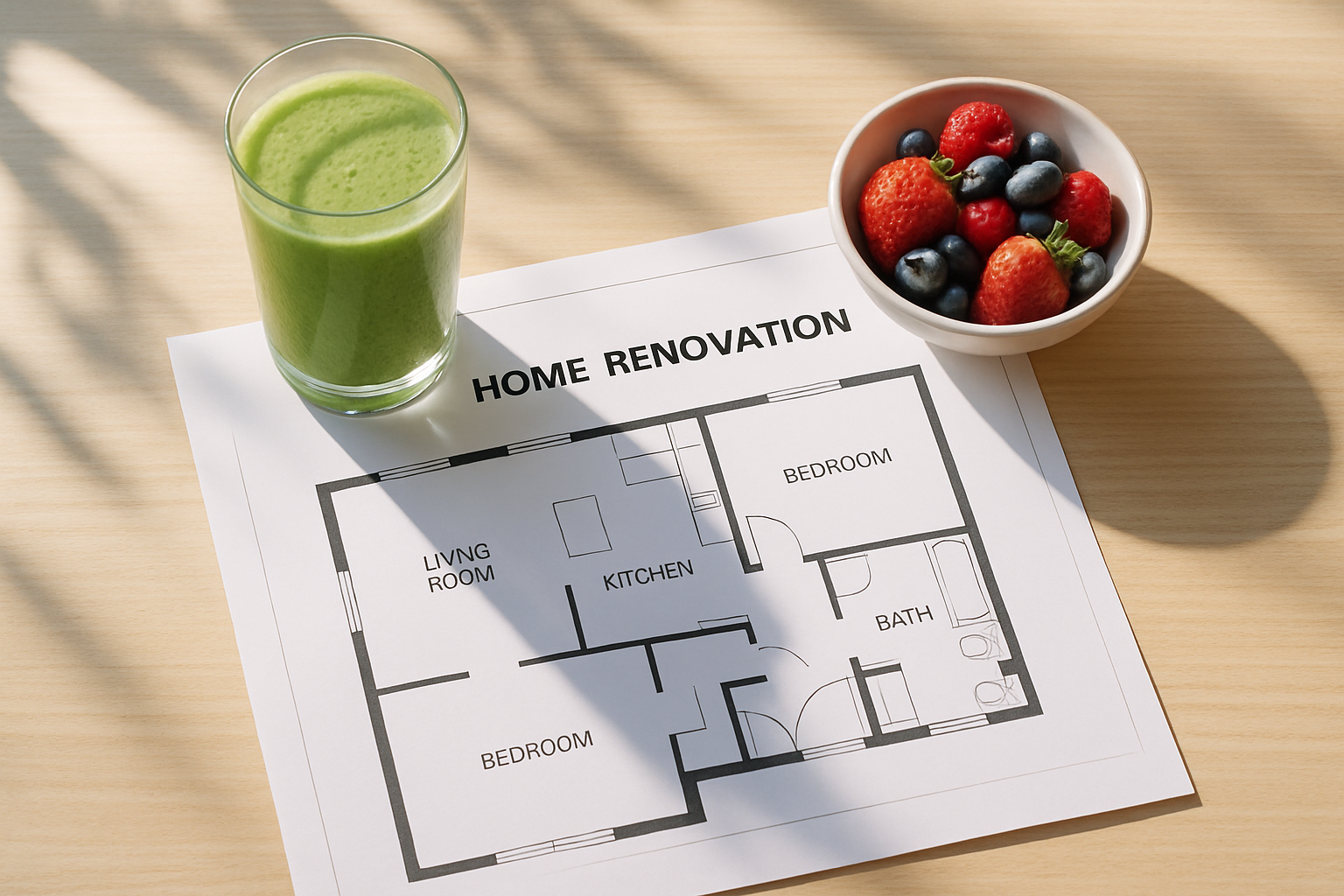
Your Gold Coast Home Renovation Checklist: The Healthy Homeowner’s Guide
Embarking on a home renovation on the Gold Coast is exciting. You’re finally creating the kitchen you’ve dreamed of or the open-plan living space your family needs. But between the dust, decisions, and disruption, it’s also one of the most stressful projects a person can undertake.
The chaos can quickly derail your health. Suddenly, takeaway is on the menu every night, stress levels are through the roof, and your energy is at an all-time low. The irony is that we renovate to improve our quality of life, yet the process itself can seriously compromise it.
As a clinical nutritionist and naturopath, Danielle Lamb, our founder at Beta Me, has seen countless clients whose health has been impacted by the pressure of major life projects. That’s why we’ve created a different kind of renovation guide. This isn’t just a checklist for your house; it’s a timeline for looking after you.
The Renovation Project Checklist & Timeline
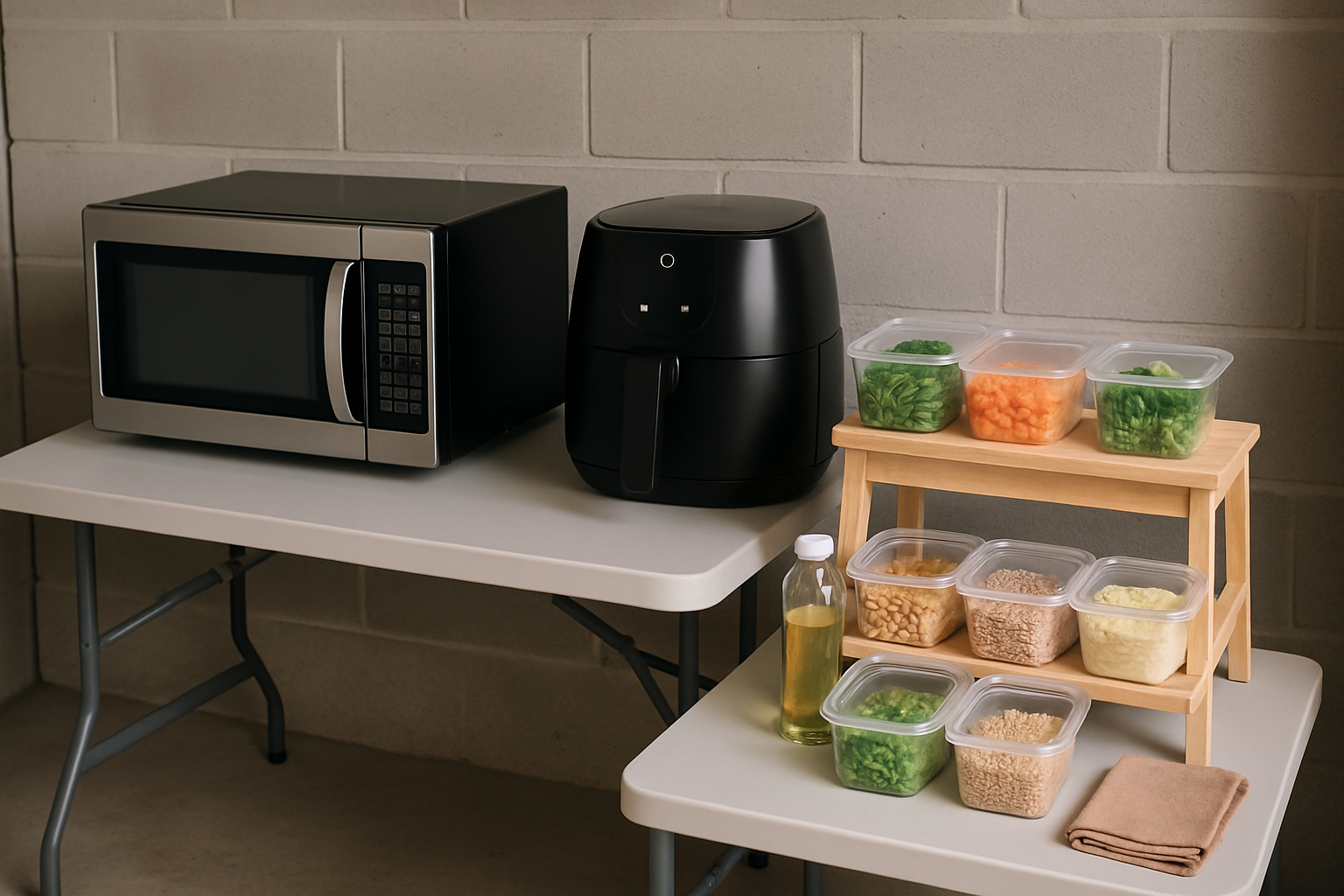
Your temporary kitchen can still be a hub for healthy, simple meals.
First, the practical stuff. A successful Gold Coast home renovation hinges on good planning. Here’s a typical timeline to guide you.
Phase 1: Dreaming & Definition (3-6 Months Before Start)
This is the fun part, where ideas take shape. Don’t rush it.
- Define Your ‘Why’: What problem are you solving? More space? Better flow? Modern kitchen?
- Create a Wishlist: Separate your ‘must-haves’ from your ‘nice-to-haves’.
- Set a Realistic Budget: Get quotes for initial ideas. Remember to include a 15-20% contingency for unexpected costs.
- Research Professionals: Start looking for architects, designers, and builders with a strong reputation on the Gold Coast.
Phase 2: Design & Approvals (2-4 Months Before Start)
Here’s where your vision becomes a concrete plan.
- Finalise Your Team: Engage your chosen professionals.
- Develop Detailed Plans: Work with your designer or architect to create final drawings.
- Submit for Council Approval: This can be a lengthy process on the Gold Coast, so factor it into your timeline.
- Select Finishes & Fittings: Choose your tiles, tapware, flooring, and paint colours.
Phase 3: Pre-Construction (The Month Before)
Time to prepare for the disruption.
- Sign Contracts: Ensure you have a formal, written contract with your builder.
- Declutter & Pack: Be ruthless. Pack away everything from the renovation zone.
- Set Up a Temporary Zone: Designate a temporary kitchen and living area. This is crucial for maintaining some normality.
Phase 4: Construction (Timeline Varies)
This is where the magic (and the mess) happens.
- Demolition & Structural Work: The noisy, dusty beginning.
- Rough-Ins: Plumbing, electrical, and HVAC systems are installed.
- Lining & Plastering: The walls go up.
- Fit-Out: Cabinetry, tiling, and flooring are installed.
- Practical Completion: The main work is done.
Phase 5: Finishing Touches (Final 1-2 Weeks)
Almost there!
- Defects Inspection: Walk through with your builder to create a ‘punch list’ of items to fix.
- Professional Clean: A must-do to get rid of all the construction dust.
- Move Back In: The moment you’ve been waiting for!
Your Wellbeing Checklist: How to Survive & Thrive
Now, let’s overlay that project plan with a strategy for your health. A successful renovation means you feel as good as your new home looks.
During Planning: Design Your Support System
Just as you hire a builder for your house, consider building a support team for your health.
- Acknowledge the Stress: Renovation is a known life stressor. If you’re already prone to feeling overwhelmed, consider how you can proactively support your nervous system. Talking to a professional about managing anxiety naturally can equip you with tools before the pressure really hits.
- Plan for Food: Don’t wait until your kitchen is a pile of rubble. How will you eat well?. A pre-reno Supermarket Shopping Tour can help you identify healthy, convenient options you’ll need later.
- Communicate with Your Family: Discuss how you’ll work together. For families with specific needs, such as those requiring an NDIS support on the Gold Coast, planning for dietary continuity is essential.
During Pre-Construction: Prepare Your Health Toolkit
As you pack up your house, stock up your wellness arsenal.
- Equip Your Temporary Kitchen: Think beyond a microwave. An air fryer, slow cooker, and portable electric hotplate can make a world of difference.
- Batch Cook & Freeze: Use your final weeks in your old kitchen to prepare healthy, freezable meals like soups, stews, and bolognese.
- Stock Your ‘Sanity Snack’ Box: Fill a container with healthy, grab-and-go snacks like protein bars, nuts, and dried fruit to avoid reaching for sugary junk food when decision fatigue sets in.
During Construction: Stay Healthy in the Chaos
This is the toughest phase. Be kind to yourself.
- Prioritise One Healthy Meal a Day: If dinner is always going to be a challenge, focus on a nutritious breakfast or lunch.
- Get Out of the House: Schedule daily walks, trips to the park, or a swim at the beach. Escaping the dust and noise is non-negotiable.
- Protect Your Sleep: The stress and excitement can disrupt sleep. Try to stick to a regular bedtime and create a calm sleep environment away from the renovation zone.
- Ask for Help When You Need It: Convenience is key. A mobile nutritionist can provide consultations at your home (or a nearby cafe!), making it easier to stay on track without adding another errand to your list.
Your New Beginning
A home renovation is a marathon, not a sprint. By planning for your own wellbeing with the same care you plan your new floor plan, you can cross the finish line feeling energised and ready to enjoy your beautiful new space.
If you’re feeling overwhelmed by an upcoming reno or any other major life change, remember that your health doesn’t have to take a back seat. A qualified naturopath and nutritionist can provide the practical strategies and support you need to navigate stressful periods while prioritising your health.
Ready to build a plan for your wellbeing? Get in touch with the Beta Me team today to see how we can help.