
Anxiety & Naturopathy: What an Anxiety Naturopath Can Do (and How to Choose the Right One)

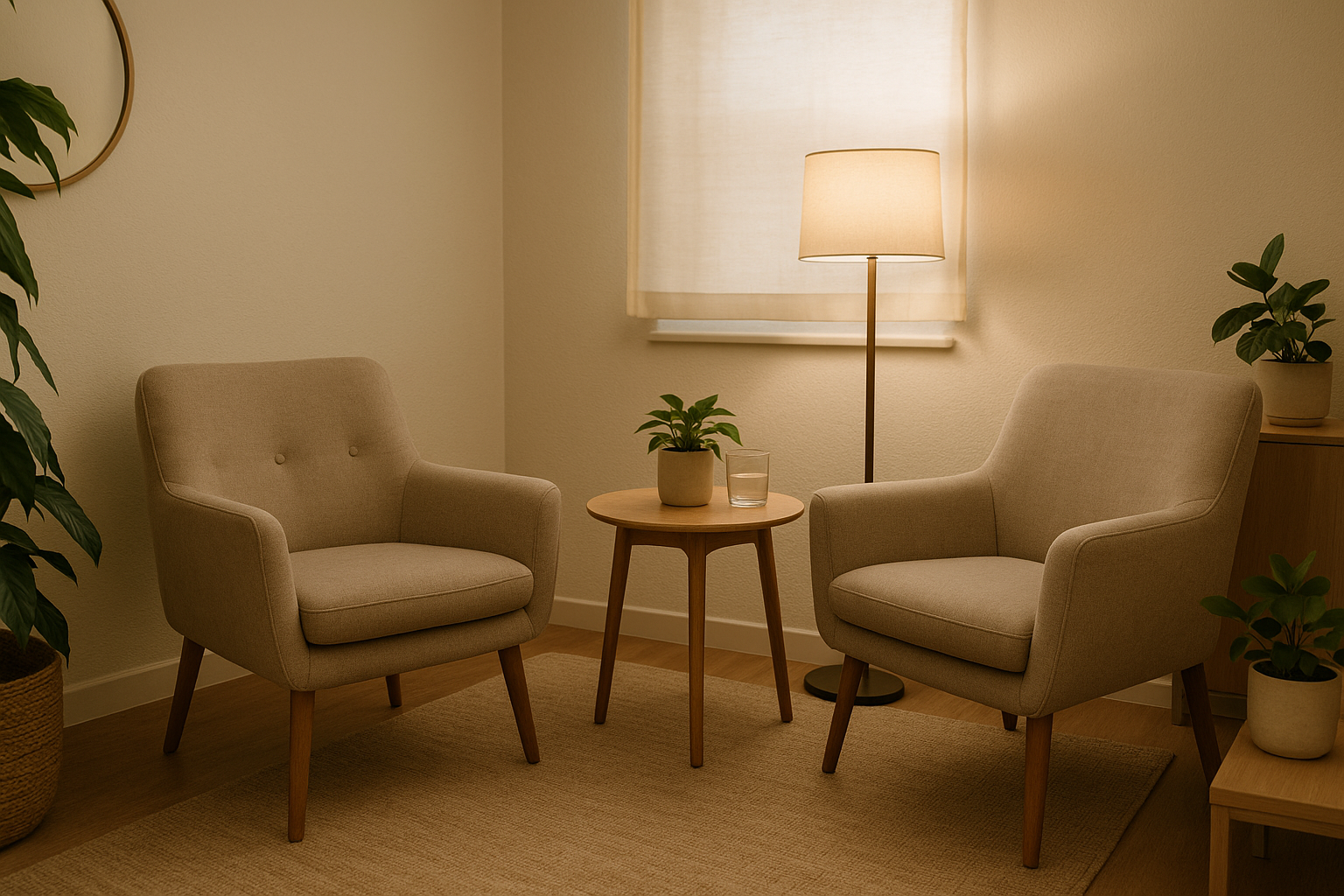
Calm naturopathy consultation space for anxiety support

Anxiety & naturopathy: what an anxiety naturopath can do (and how to choose the right one)

An anxiety naturopath helps you work on the physical and lifestyle factors that can keep your body stuck in “high alert”. You’ll usually get practical steps around food, sleep, gut health and (when needed) supplements.

Anxiety rarely looks like “just anxiety”. It can show up as a racing mind at bedtime, a tight chest on the commute, digestive flare-ups before meetings, or feeling flat and wired at the same time.

This guide explains what naturopathy for anxiety can include, what to expect, and how to choose the right practitioner. It’s relevant whether you want a Gold Coast naturopath, you’re open to online consults, or you’re comparing clinics in different cities.

Want personalised support now? Explore Anxiety naturopathy support at Beta Me or contact Beta Me to ask about appointment options.


What is an anxiety naturopath?

An anxiety naturopath looks for factors that can push your body into a stress response and keep it there. The aim isn’t to blame everything on stress. It’s to reduce the load on your system in a way that’s realistic for your life.

They often focus on:

  • Nervous system load (capacity, not just mindset)
  • Blood sugar stability and meal timing (swings can feel like anxiety)
  • Sleep quality (without relying on willpower)
  • Gut function (bloating, reflux, bowel changes, nausea, appetite shifts)
  • Nutrient status (especially when stress affects appetite and food choices)
  • Stimulants and depressants (caffeine, alcohol, nicotine, pre-workout)
  • Life stage and hormones (where relevant)

A good consult should leave you with a plan that’s specific and doable. It should feel like “here’s what to do this week”, not vague advice like “do more self-care”.


What naturopathy can (and can’t) help with
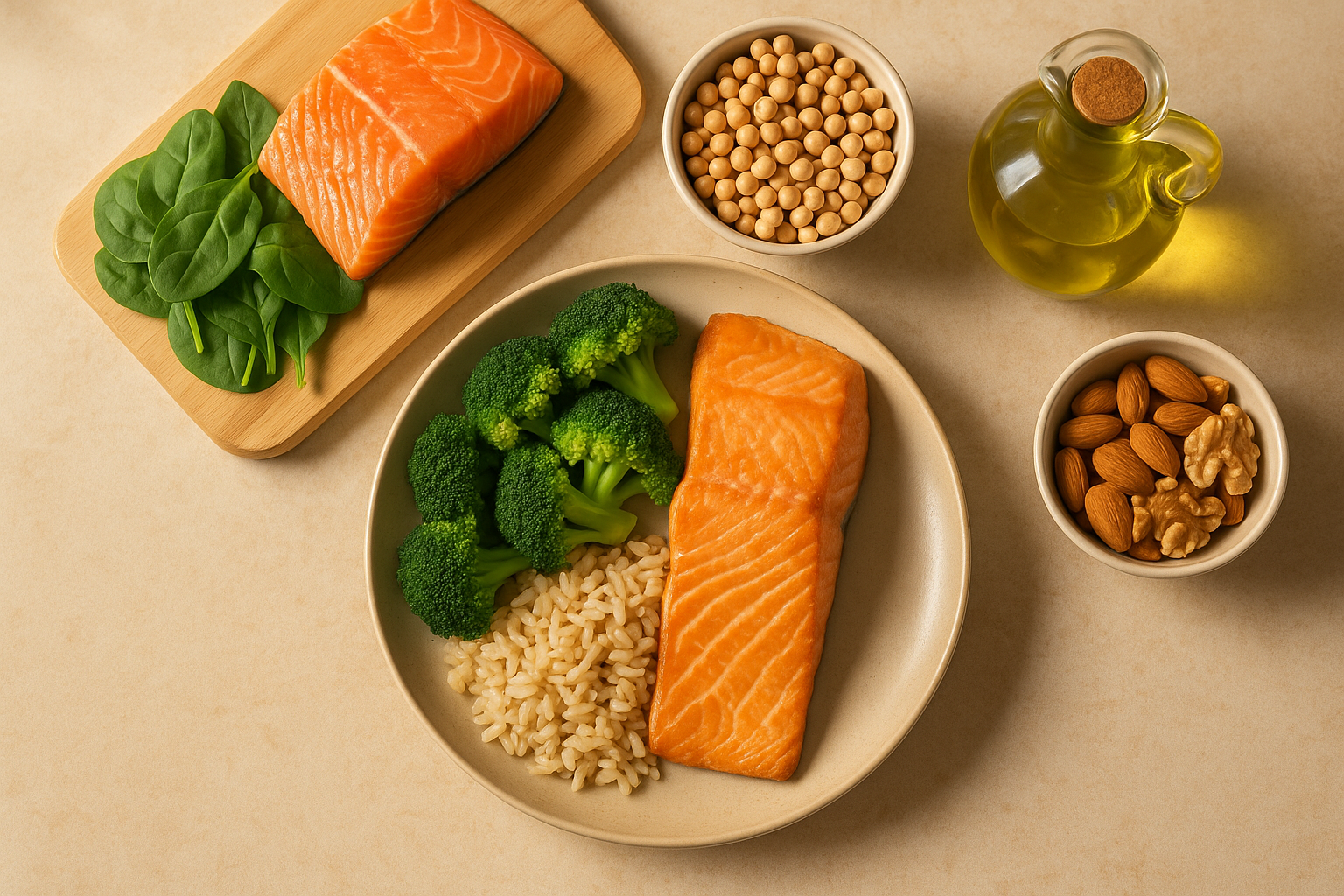
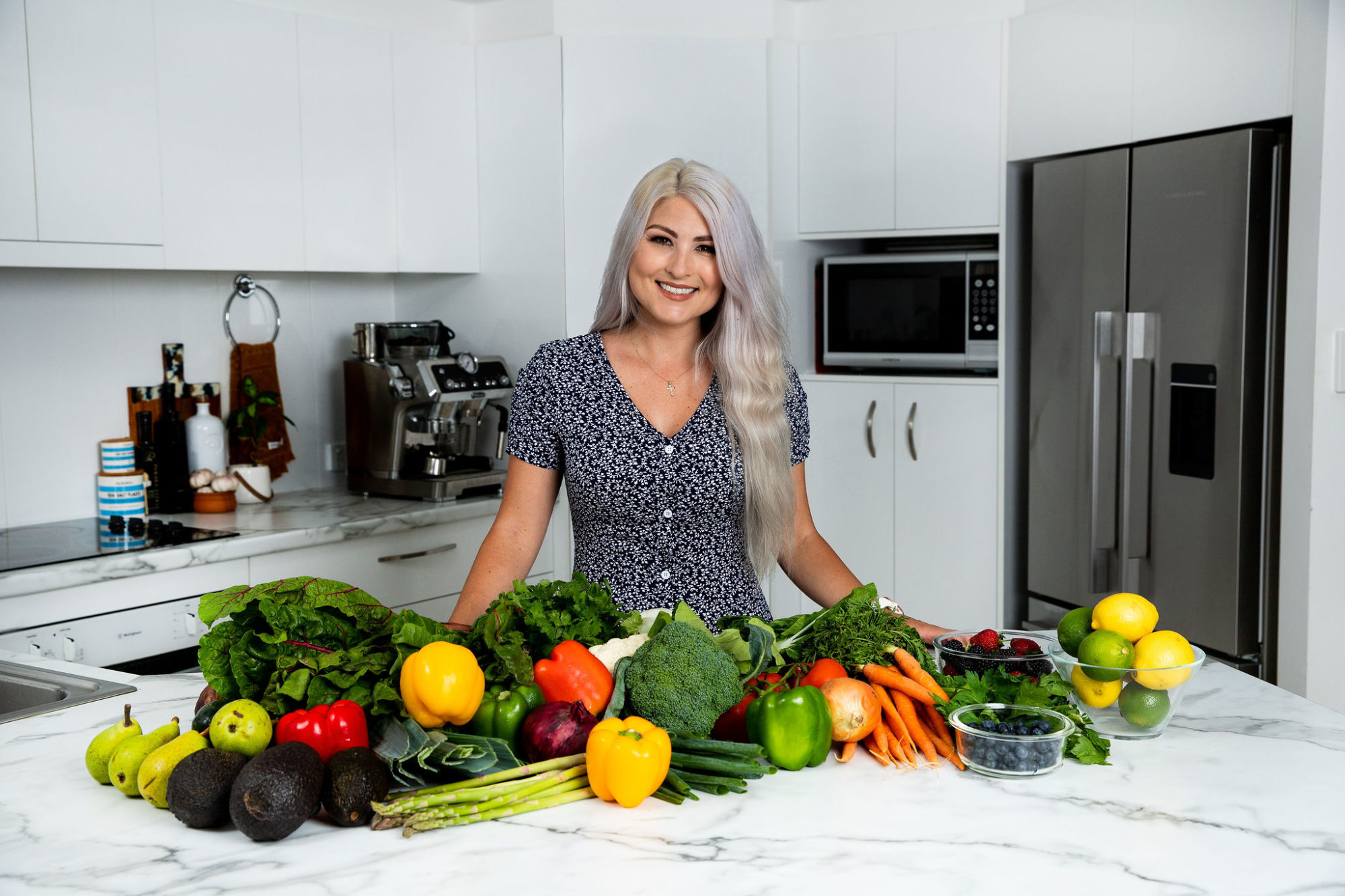
Balanced meal components to support steady energy and mood

Naturopathy can help when anxiety is being amplified by poor sleep, inconsistent eating, gut symptoms, nutrient shortfalls, burnout patterns, or coping habits that are understandable but no longer working.

It’s also a good fit if you want structure, not general advice. That might include what to eat, when to eat, which habits to start with, and what to track so you can tell if things are improving.

Safety and limits

  • Naturopathy isn’t a replacement for emergency care.
  • If you’re experiencing thoughts of self-harm, feel unsafe, or symptoms are escalating quickly, seek urgent help via emergency services.
  • For diagnosed mental health conditions, naturopathy usually works best alongside your GP and/or psychologist.

The goal is steadier foundations so your body isn’t constantly running on “high alert”. For many people, that means fewer spikes and crashes, better sleep depth, and more predictable energy. It’s not an overnight fix and it shouldn’t be sold as one.


Common drivers under “anxiety” (and what to do about them)

Anxiety symptoms often cluster with a few common patterns. It helps to treat these as hypotheses to test, not assumptions to lock in.

1) Blood sugar swings that mimic anxiety

If you feel shaky, irritable, lightheaded, or suddenly “panicky” when you haven’t eaten, food timing may be a key lever. A common pattern is symptoms easing after eating, or a late-morning crash after a coffee-only start.

Practical starting points:

  • Eat protein at breakfast (or your first meal)
  • Avoid coffee until you’ve eaten (especially on an empty stomach)
  • Build meals around protein + fibre + healthy fats
  • Keep a simple “bridge snack” handy (yoghurt, nuts, boiled egg, cheese and crackers, or a protein smoothie)

Important: If you have a history of disordered eating, diabetes, or you’re using medications that affect appetite or glucose, get individual guidance rather than forcing rigid rules.

If you’re getting true “panic” sensations with sweating, tremor, dizziness, chest pain, or fainting, flag this with your GP to rule out other contributors.

2) Sleep debt and a revved nervous system

When sleep is light, broken, or pushed too late, your nervous system often becomes more reactive. Even if you can function, anxiety symptoms tend to get louder.

Helpful strategies can include:

  • A consistent wake time (often more realistic than a perfect bedtime)
  • A wind-down routine you can repeat (short beats ambitious)
  • Morning light exposure, and lower light at night
  • Reviewing caffeine timing and alcohol patterns

If you snore, wake unrefreshed, or have significant daytime sleepiness, speak with your GP. Sleep disorders are common and can look like “anxiety and fatigue”.

If evenings are your only quiet time, aim for a wind-down that doesn’t feel like another task. Even 10 minutes of the same cue (shower, stretch, book, podcast) can help your body recognise “we’re landing now”.

3) Gut symptoms and food-related flare-ups

Anxiety and gut symptoms often travel together. That doesn’t mean it’s “all in your head”. Your gut and nervous system share messaging pathways, and irritation in one can ramp up the other.

If you have bloating, reflux, nausea, constipation, diarrhoea, or abdominal pain, a naturopath may explore:

  • Meal size, speed, and timing (rushed eating matters)
  • Fibre types and fluid intake
  • Tolerance to specific foods (without unnecessary restriction)
  • Whether further medical investigation is needed

GP-first signs: blood in stool, unexplained weight loss, persistent vomiting, severe pain, or rapidly changing bowel habits.

A key caveat: “cutting everything out” often backfires. If restriction is suggested, it should have a clear purpose, a short time frame, and a reintroduction plan.

4) Under-fuelling or overly restrictive eating

If anxiety has changed your appetite or created fear around food, the body can become more sensitive and stressed. This can show up as insomnia, heart racing, irritability, low mood, or feeling overwhelmed by “small” things.

A supportive plan usually focuses on:

  • Gently rebuilding regular intake
  • Improving nutrient density without overwhelm
  • Keeping changes simple and consistent

A team approach can matter here. Depending on your situation, support from a GP, psychologist, and dietitian may be appropriate alongside naturopathy.

If “eating more” feels impossible, start by making intake more predictable (even if it’s small). That helps your body stop guessing.

5) High stimulant load (including “hidden” stimulants)

Caffeine isn’t just coffee. It also includes pre-workout, energy drinks, strong tea, chocolate, some weight loss products, and certain supplements.

If you’re sensitive, even “normal” amounts can drive heart racing, a tight chest, gut urgency, and insomnia.

A naturopath can help you reduce stimulants without crashing your energy. Usually that means tightening up food timing first, then tapering gradually to reduce headaches and withdrawal fatigue.

A practical tip: if you change caffeine, change it slowly and keep notes on sleep and anxiety. It helps you tell the difference between improvement and withdrawal.


What happens in an anxiety naturopath consult?

You should leave an initial consult feeling understood and clear on next steps. It should be detailed, but not invasive.

What they’ll usually ask

  • Your anxiety pattern (when it happens, triggers, what helps)
  • Sleep, energy, digestion, appetite, cravings
  • Diet patterns (including meal timing and caffeine)
  • Stress load, work demands, family load, movement, downtime
  • Current medications and supplements (including occasional use)
  • Relevant health history

If you’re not sure where to start, it can help to bring:

  • A short list of your main symptoms (and when they’re worst)
  • Any recent blood test results you already have
  • A photo or note of supplements/medications you’re using (including herbal products)

What your plan may include

  • Nutrition changes prioritised for your biggest wins
  • A short list of realistic habits (not a complete life overhaul)
  • Targeted supplements where appropriate and safe
  • Coordination with your GP when needed (for example iron, B12, vitamin D, thyroid markers, glucose — based on symptoms and history)

If you’re looking for a Gold Coast naturopath who supports anxiety with a practical lens, read more about Beta Me Nutrition & Naturopathy (Gold Coast).

Gold Coast note

In-person follow-ups can feel more anchored if leaving the house is doable. For some people, a local clinic also reduces the chance of cancelling when anxiety is up.

If travel, parking, or traffic is a barrier, online consults can still cover a lot.


Do you need a naturopath food sensitivity test?

Not always. Many people search for a naturopath food sensitivity test because they notice anxiety spikes with bloating, brain fog, skin flare-ups, headaches, or fatigue.

The practical truth is that not everyone needs testing, and not all tests are equally useful.

Good first steps (often enough to start)

  • A short-term food + symptom diary (what you ate, when symptoms hit, how strong)
  • Digestion basics (meal timing, fibre, hydration, chewing, avoiding rushed meals)
  • A structured elimination-and-challenge approach when a pattern is obvious

Testing can help in selected cases, but it shouldn’t replace a clear clinical picture. If testing is suggested, ask:

  • What decisions will the results change?
  • What will we do if the test is normal?
  • What’s the plan for reintroducing foods (and how will we avoid unnecessary long-term restriction)?

How to choose a naturopath for anxiety (Gold Coast, Melbourne, or online)

Choose a practitioner based on process and safety, not hype. You’re looking for someone who can explain what they’re doing, prioritise changes, and work alongside your other healthcare team when needed.

If you’re comparing a naturopath Gold Coast list, searching for the best naturopath Gold Coast, or weighing up the best naturopath Melbourne options, use the checks below.

Green flags

  • They take a comprehensive history (not a one-size-fits-all script)
  • They explain the “why” behind each recommendation
  • They discuss safety, interactions, and medication considerations
  • They prioritise changes (you don’t leave with 25 tasks)
  • They track progress and adjust the plan over time
  • They encourage collaboration with your GP or psychologist when needed

Yellow flags

  • Pressure to buy large supplement packs immediately
  • Big promises or guaranteed results
  • A plan that ignores sleep, food, and stress basics
  • Dismissing medical care or discouraging you from seeing your GP

Practical questions to ask before you book

  • Appointment length
  • Follow-up timing
  • Telehealth options
  • How they handle questions between sessions
  • Flexibility around appointment format (clinic, online, mobile)

Questions to ask (save this list)

  1. “What do you look for when anxiety is the main symptom?”
  2. “How do you decide what to prioritise first?”
  3. “How do you choose supplements, and how do you check for interactions?”
  4. “How often do you review the plan, and what does follow-up look like?”
  5. “What would make you refer me back to my GP?”

Practical, low-effort starting steps (while you’re booking support)

Gentle outdoor movement to support stress regulation

If your anxiety is active right now, focus on basics that can reduce the physical “buzz”. Keep it simple and repeatable.

  • Eat within 1–2 hours of waking (include protein)
  • Limit caffeine after late morning (earlier if sleep is fragile)
  • Hydrate early, not just at night
  • Go outside for 5–10 minutes soon after waking (daylight helps set your body clock)
  • Pick one wind-down cue (same time, same short routine)

If you can only manage one change, pick the one most likely to lower physical stress quickly. For many people, that’s regular meals, an earlier caffeine cut-off, or a consistent wake time.

Try not to change everything at once. If you overhaul food, caffeine, exercise and bedtime in the same week, it’s hard to tell what’s helping (and harder to stick with).


Want support from a Gold Coast naturopath who understands anxiety?
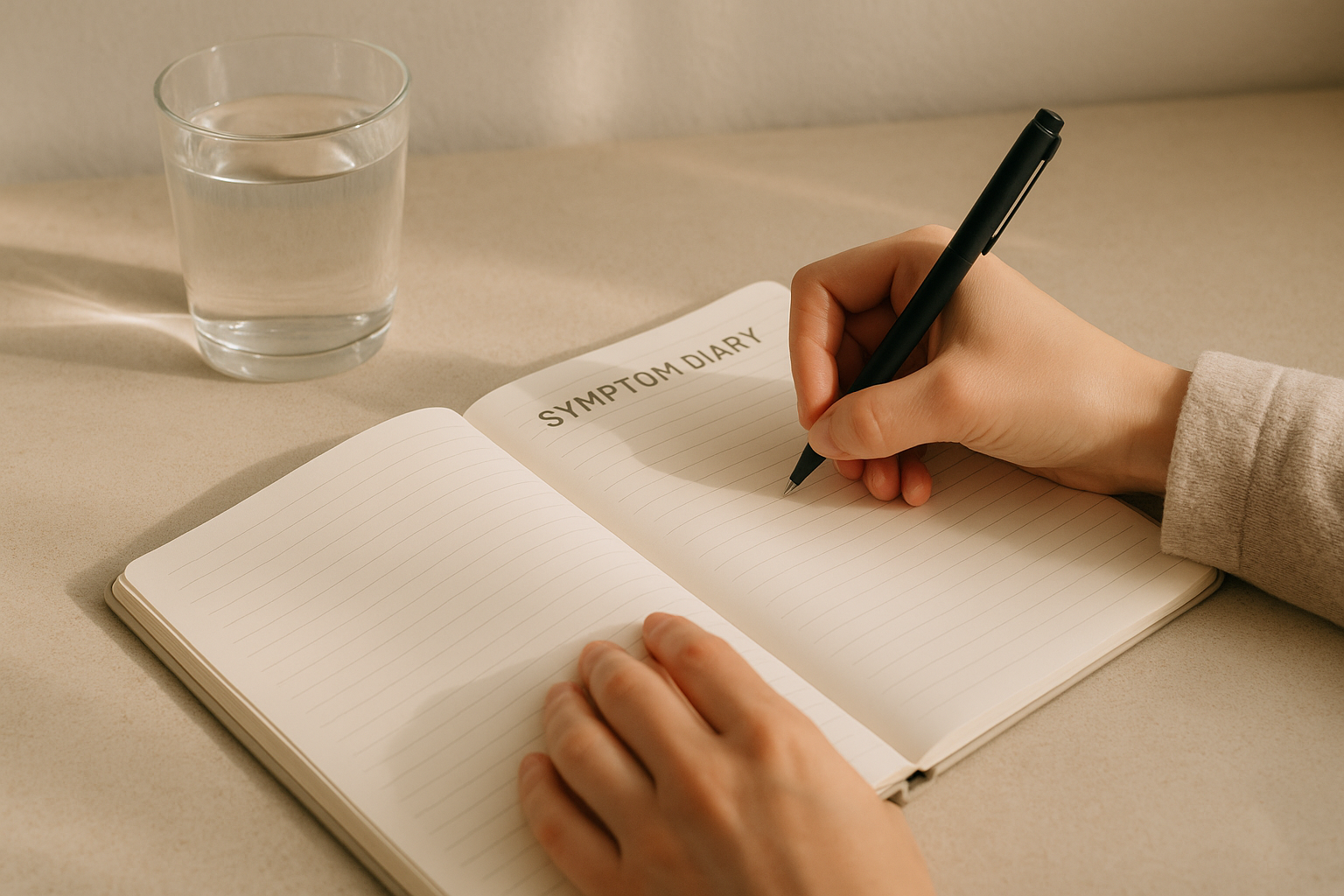
Tracking sleep and symptoms as part of an anxiety support plan

Beta Me offers naturopathy and nutrition support for anxiety with clear next steps and follow-up. It can suit Gold Coast locals dealing with early starts, shift work, school runs, and the reality that stress doesn’t pause.

You can also meet Danielle and read about Beta Me.


Reviewing relevant health information to guide naturopathic recommendations

FAQs

What does an anxiety naturopath do?

An anxiety naturopath looks at factors like nutrition, gut health, sleep, lifestyle, and relevant pathology (usually via your GP). The aim is to identify what may be driving your symptoms and build a practical plan you can follow.

Plans often include nutrition strategies, targeted supplements where appropriate, and referral back to your GP or psychologist when needed.

Can a naturopath help with anxiety if I’m already seeing a GP or psychologist?

Yes. Many people use naturopathy alongside medical and psychological care.

A naturopath can support foundations like food, sleep, nutrient status, gut symptoms, and stress load. Tell each practitioner what you’re taking and doing (including supplements and herbal products) so your care stays coordinated.

How do I choose a naturopathic doctor or naturopath for anxiety?

Choose someone who asks detailed questions, explains their reasoning, and offers a plan that fits your budget and capacity. It’s also a good sign if they work with your GP when needed.

Ask about their approach to supplements, how they check medication interactions, and how they measure progress over time.

What should I expect in a first appointment for naturopathy and anxiety?

Expect a detailed history, including symptoms and triggers, sleep, digestion, cycle history where relevant, diet, stress load, and medication/supplement use.

You should leave with a prioritised plan and clear next steps. In some cases, your naturopath may suggest GP-run pathology or discuss optional functional testing depending on your symptoms and history.

Is a naturopath food sensitivity test helpful for anxiety?

It depends. If you have digestive symptoms, headaches, skin issues, or clear food-related flare-ups, investigating triggers can help.

However, not all food sensitivity tests are equally reliable or necessary. Often, a structured food and symptom diary plus a short, guided elimination-and-challenge process is more practical (and less expensive).

If testing is recommended, ask what you’ll do with the results and how you’ll avoid staying stuck in long-term restriction.

How long does it take to notice changes when working with a naturopath for anxiety?

It varies. Some people notice improvements in sleep, energy, and steadiness within a few weeks, especially with consistent routines.

For longer-standing anxiety, gut issues, burnout, or nutrient repletion work, change can be more gradual. A good plan sets realistic milestones, reviews them regularly, and adjusts based on what’s actually happening day to day.

Do naturopaths on the Gold Coast offer online consults?

Many do. Online consults can work well for anxiety support because nutrition and lifestyle care often suits telehealth.

It can also be easier to fit around work, parenting, or times when leaving home feels hard.

What questions should I ask a highly recommended naturopath on the Gold Coast?

Ask how they assess likely drivers, how they prioritise recommendations, and how they manage supplement safety and medication interactions.

Also ask what follow-up looks like, how they track progress (sleep, digestion, mood, cycle, energy, symptom scales), and whether they collaborate with your GP or psychologist.
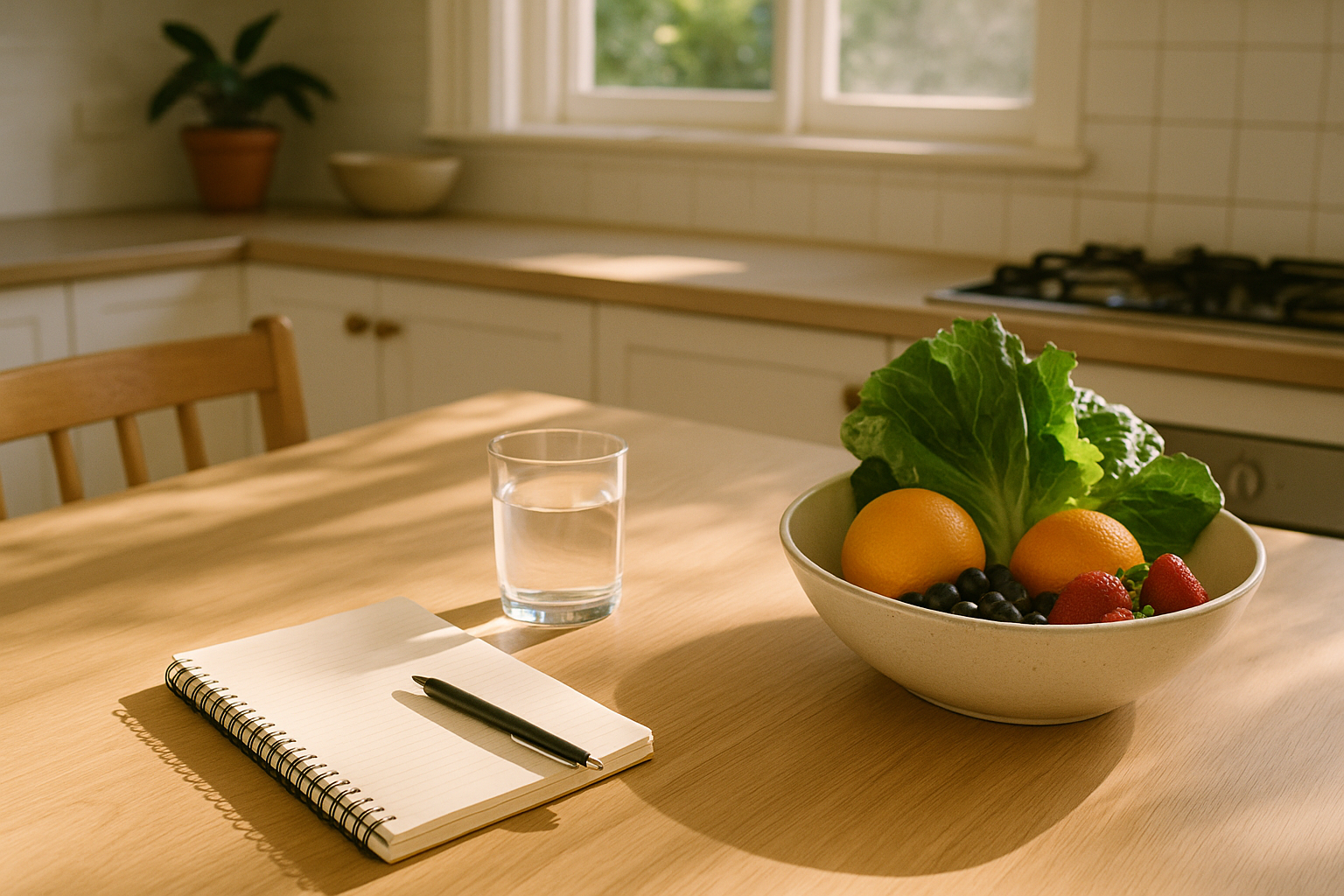
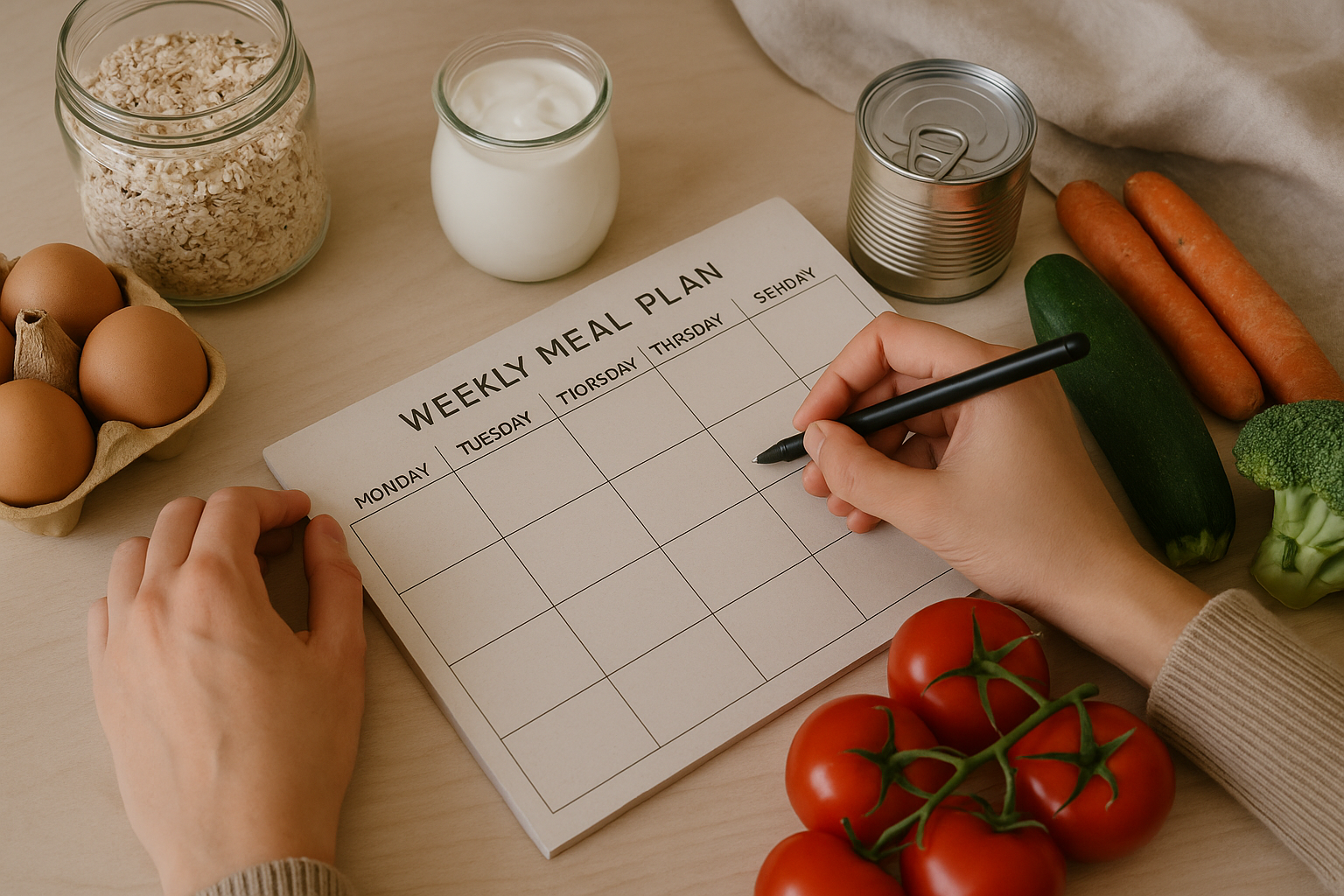
Gold Coast timeline and process overview: what to expect with a naturopath and nutritionist

Gold Coast timeline and process overview: what to expect with a naturopath and nutritionist

If you’ve searched naturopath Gold Coast or nutritionist Gold Coast and wondered what happens after you book, this guide is for you.

Most people aren’t looking for a lecture. They want a plan that feels doable, a clear timeframe, and support that fits real Gold Coast life (work, school runs, shift work, social meals and limited time).

This Gold Coast timeline and process overview walks you through what it’s like to work with Beta Me using a naturopath and nutritionist approach. You’ll see what to expect at each step, how follow-ups work, and which appointment formats can make change easier.

Who this process suits

A staged approach is easier to follow than a full overhaul. You build momentum first, then add targeted strategies.

This style of support may suit you if you want help with:

  • Digestive concerns (bloating, reflux, bowel changes)
  • Stress load, sleep disruption, or feeling “wired but tired”
  • Energy dips, cravings, or weight changes
  • Confusion from conflicting food advice or restrictive dieting cycles
  • Practical, day-to-day nutrition support (including NDIS participants)

If you’ve been searching for a gold coast naturopath, holistic nutritionist Gold Coast, or even a gut health dietitian Gold Coast, the timeline below will help you understand the pace and structure you can expect.

The Gold Coast timeline at a glance

Use this as a quick reference. Your exact schedule depends on your goals, symptoms, and availability.

  • Week 0: Book and prepare
  • Week 0–1: Initial consultation and first-stage plan
  • Week 1–2: Foundation routines (simple and repeatable)
  • Weeks 2–4: First review and adjustments
  • Weeks 4–8: Targeted support
  • Weeks 8–12: Consolidation and maintenance

Step 1 (Week 0): booking and preparing

Meal planning with everyday groceries for a simple nutrition routine

Small, repeatable routines are easier to keep than big overhauls.

A little prep keeps your first appointment focused.

If you can, gather:

  • Recent blood test results (if available)
  • Current medications and supplements (names + doses)
  • Your top symptoms and when they happen (dot points are fine)
  • A quick snapshot of your usual intake (a phone note is enough)

What “useful detail” looks like

Aim for timing and context.

For example: “I crash at 3pm and snack, especially on days I skip a solid lunch.” That helps identify patterns like meal timing, lunch composition, stress, hydration or sleep.

Step 2 (Week 0–1): the initial consultation

The first session is about building a full picture, without assumptions.

Your consult will typically cover:

  • Your goals (what would “better” look like in 4–12 weeks?)
  • Symptom patterns (timing, triggers, severity, what you’ve tried)
  • Typical meals, snacks, fluids, caffeine and alcohol
  • Sleep, stress, movement and workload
  • Relevant medical and family history
  • Budget, cooking confidence and household logistics

What you should leave with

You should leave with more than general tips.

A strong first consult usually ends with:

  • A clear first-stage plan you can start this week
  • Your priorities (what matters most right now)
  • What to track so reviews are useful
  • Any sensible next steps (for example, referrals or tests if needed)

If anxiety or stress is a major driver for your symptoms, you can read more about Beta Me’s approach to naturopathy for anxiety here: https://betame.com.au/anxiety/

Step 3 (Week 1–2): the foundation phase (keep it doable)

This is where momentum is built.

Instead of changing everything at once, the focus is usually on basics that create stability:

  • Regular meals to reduce big energy swings
  • Protein and fibre at breakfast to support satiety and focus
  • A realistic snack plan (especially for long days)
  • Hydration that matches your routine
  • A wind-down routine you can repeat

Example: a busy morning that still works

A workable breakfast might be:

  • Greek yoghurt + berries + seeds, or
  • Eggs on toast + fruit, or
  • A smoothie with protein + fibre (not fruit-only)

The goal is consistency, not perfection.

Step 4 (Weeks 2–4): first review appointment

Reviews are where the plan becomes more personalised.

At your first review, you’ll usually look at:

  • What improved (small changes count)
  • What still feels difficult
  • New triggers you noticed
  • Whether any supplements (if used) are actually helping

What about testing?

Testing may be discussed if it would change the plan.

A practical rule: it should answer a specific question, not create extra noise.

Step 5 (Weeks 4–8): targeted support

Once the basics are steadier, targeted strategies tend to work better.

Depending on your needs, this phase may include:

  • A structured gut approach (without unnecessary restriction)
  • Stress and nervous system support
  • Simple meal templates for busy weeks
  • Cooking shortcuts and “backup meals” for tough days

If you’re searching for the “best naturopath Gold Coast”

“Best” is personal. In practice, it often means:

  • You understand the plan and why you’re doing it
  • The plan is realistic most days
  • Progress is reviewed and adjusted
  • Any products or supplements have a clear purpose

If you’re comparing a highly recommended naturopath Gold Coast, ask about their follow-up rhythm and how progress is tracked.

Step 6 (Weeks 8–12): consolidation and maintenance

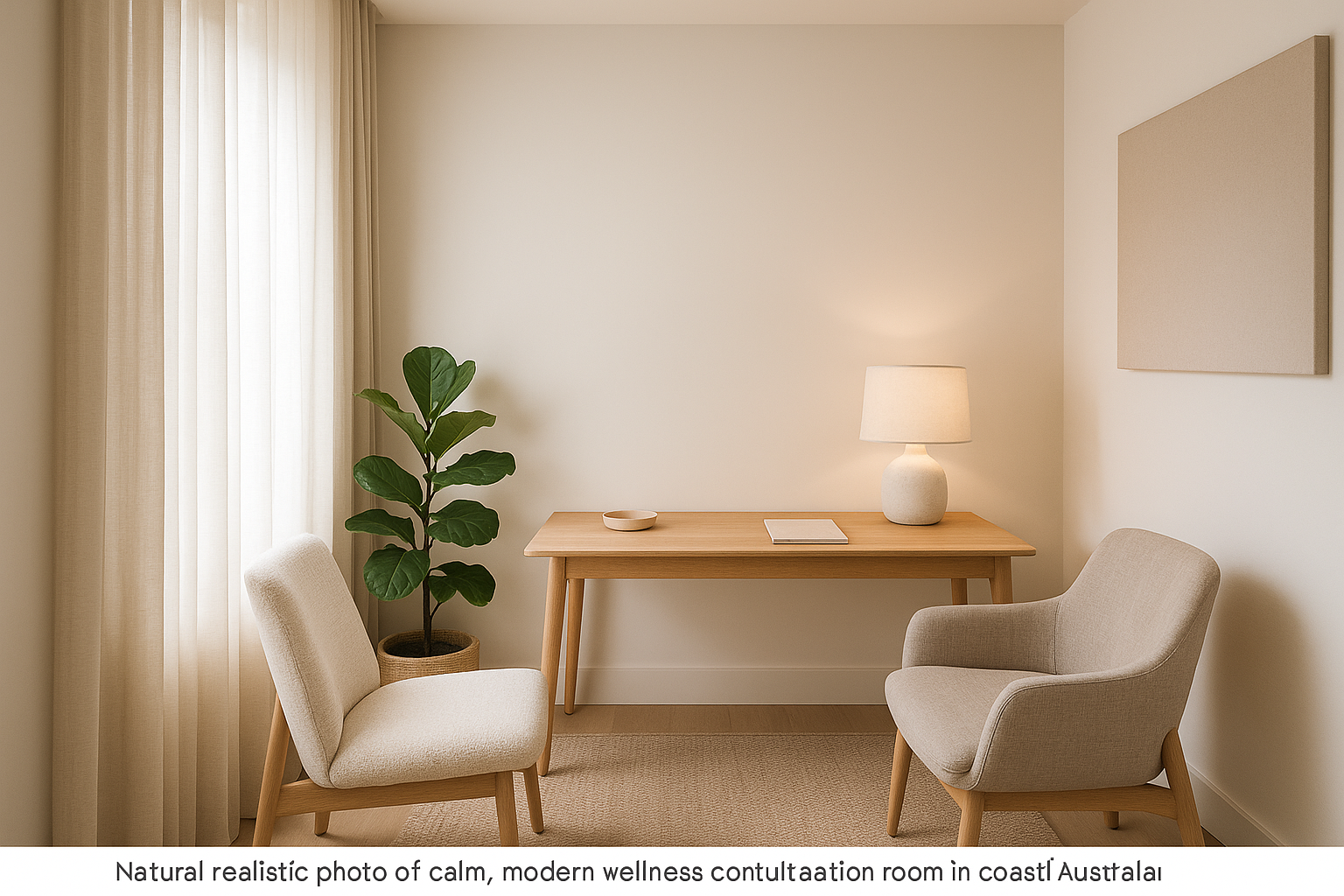
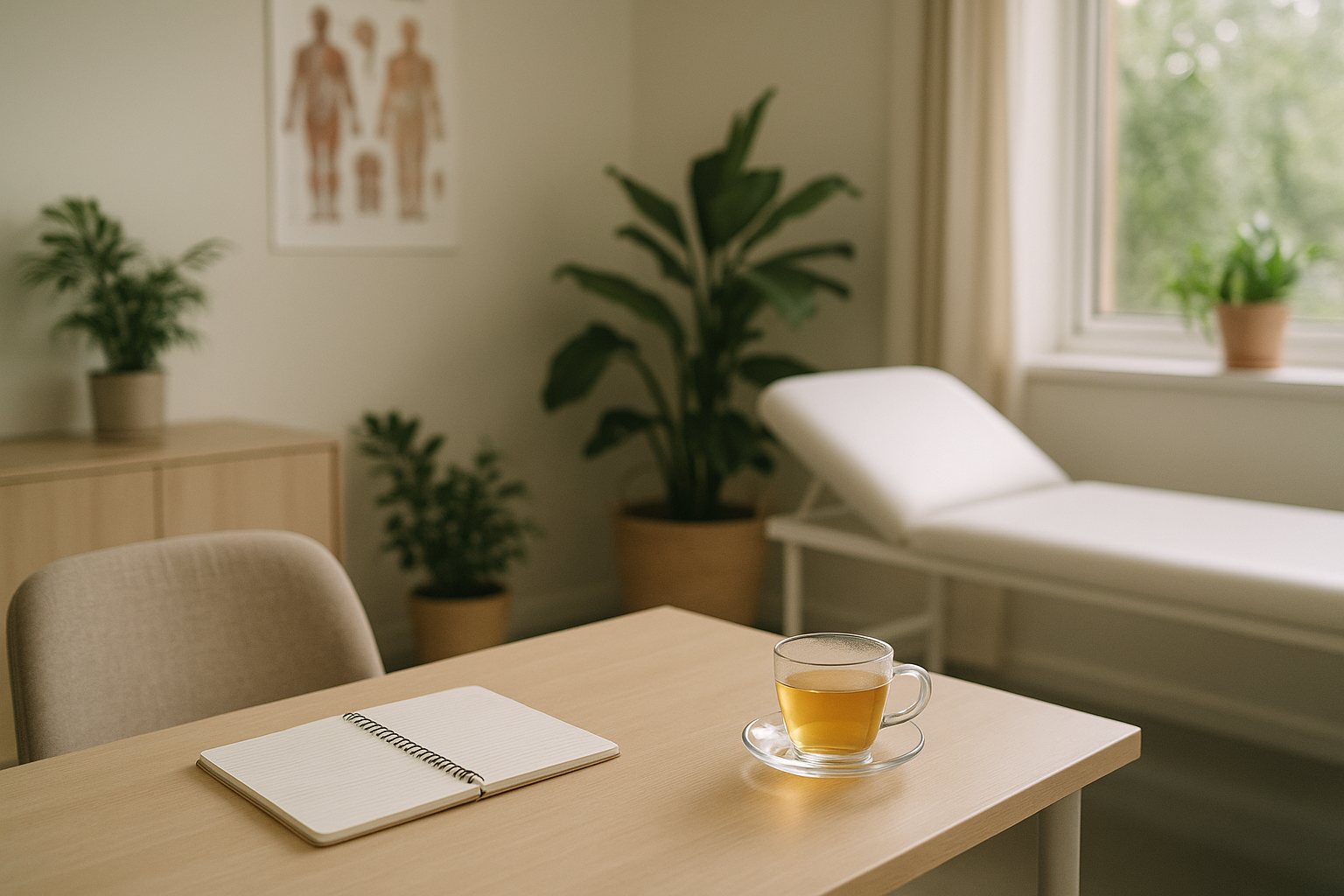
A calm, welcoming consultation room suitable for naturopathy and nutrition appointments

By this point, the aim is to make the plan feel like your normal routine.

Consolidation often includes:

  • Simplifying meals into repeatable options
  • Planning for weekends, eating out and travel
  • Deciding what’s “non-negotiable” versus “optional”
  • Setting a maintenance schedule that suits your life

Optional supports that make change easier

Supermarket trolley with practical staple foods for healthier shopping choices

A guided shop can make label reading and choices feel simple.

Some people do best with extra practical help, especially when time, stress or capacity are barriers.

Mobile appointments (in-home support)

Mobile consults can be a good fit if you:

  • Feel overwhelmed by meal planning
  • Want help setting up a kitchen routine
  • Prefer practical support without travelling

Learn more about mobile nutritionist Gold Coast support here: https://betame.com.au/mobile-consultations/

Supermarket shopping tours (real-life guidance)

A guided shop helps turn advice into actions you can repeat.

It can support:

  • Choosing options within your budget
  • Understanding labels (and what to ignore)
  • Building a simple “weekday trolley”

See supermarket shopping tours here: https://betame.com.au/mobile-consultations/supermarket-shopping-tours/

Telehealth appointments (including NDIS)

Telehealth can work well for reviews, education and accountability.

If you’re looking for an NDIS nutritionist Gold Coast option (or you’ve searched NDIS dietitian Gold Coast), read about telehealth support here: https://betame.com.au/skype-consultations/

Nutritionist vs dietitian vs naturopath: a practical way to decide

It’s common to search for both nutritionist Gold Coast and dietitian terms (like gut health dietitian Gold Coast) when you want support that feels credible and practical.

Here’s a simple way to think about it:

  • Dietitian: if you need medical nutrition therapy for a diagnosed condition.
  • Nutritionist: if you want day-to-day food coaching, meal structure and sustainable habit support.
  • Naturopath and nutritionist: if you want nutrition support alongside lifestyle and evidence-informed natural therapy considerations.

If you’re unsure, start with your goals and current challenges. The right structure becomes clearer from there.

Common reasons progress slows (and what to do instead)

These patterns most often derail results.

  • Trying to change everything on Monday: choose 2–3 priorities.
  • Skipping meals then overeating at night: plan lunch and an afternoon snack.
  • Buying “healthy” foods you don’t enjoy: repeatable beats perfect.
  • Over-restricting for gut symptoms: calm patterns first; restrict only when clearly helpful and time-limited.
  • No review booked: the plan improves through follow-ups.

Next step: choose the appointment format that suits your life

If you want a clear plan and a realistic timeframe, Beta Me can help you choose the right option (clinic, telehealth, mobile consults or a supermarket tour).

Start here:

Ready to book or ask a question?

If you’re comparing a naturopath Gold Coast provider, a holistic nutritionist Gold Coast, or you’re seeking practical support from a Gold Coast naturopath who also offers nutrition guidance, the simplest next step is to send through your main goals and a short summary of what you’ve tried.

Book or enquire here: Contact Beta Me https://betame.com.au/contact/

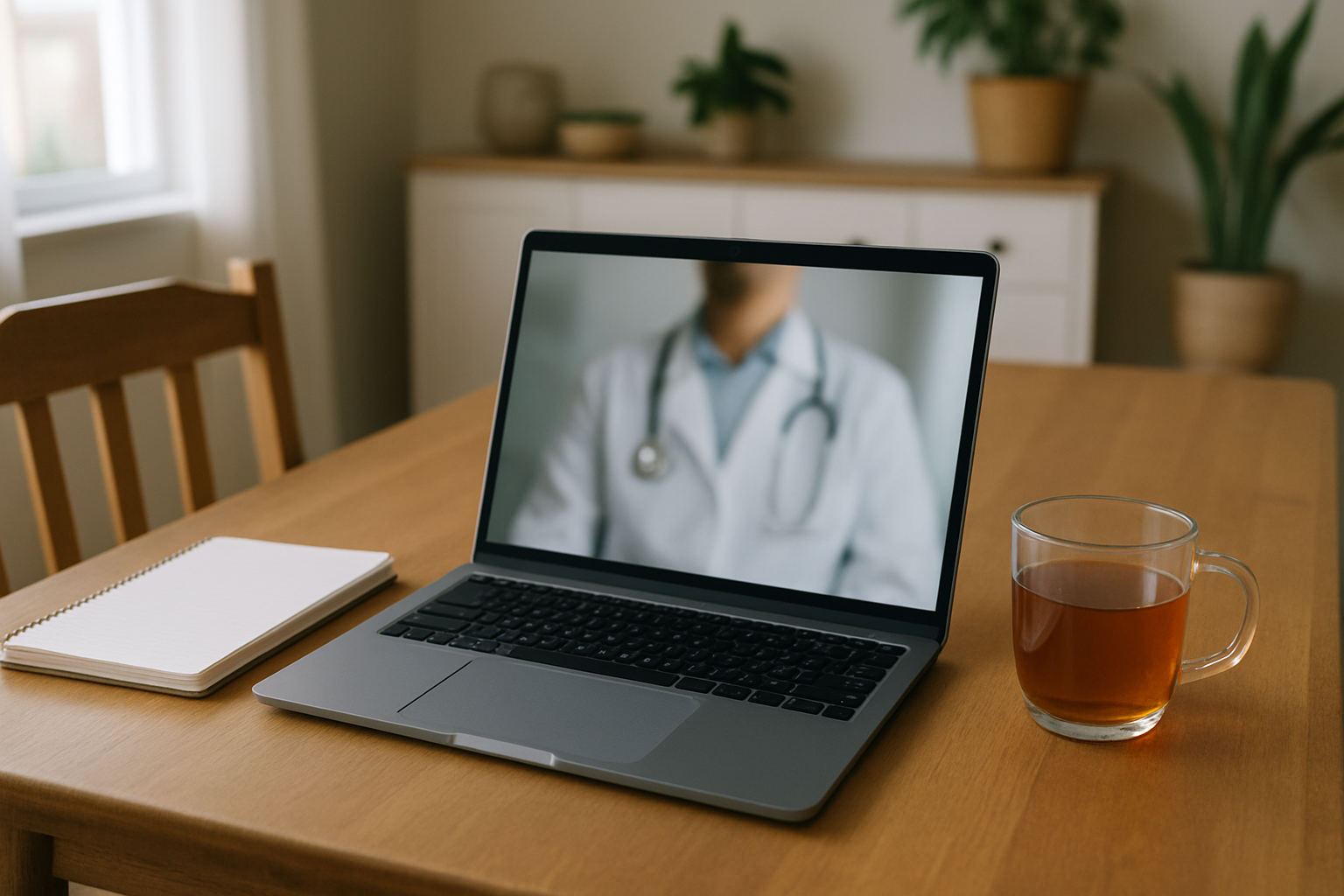
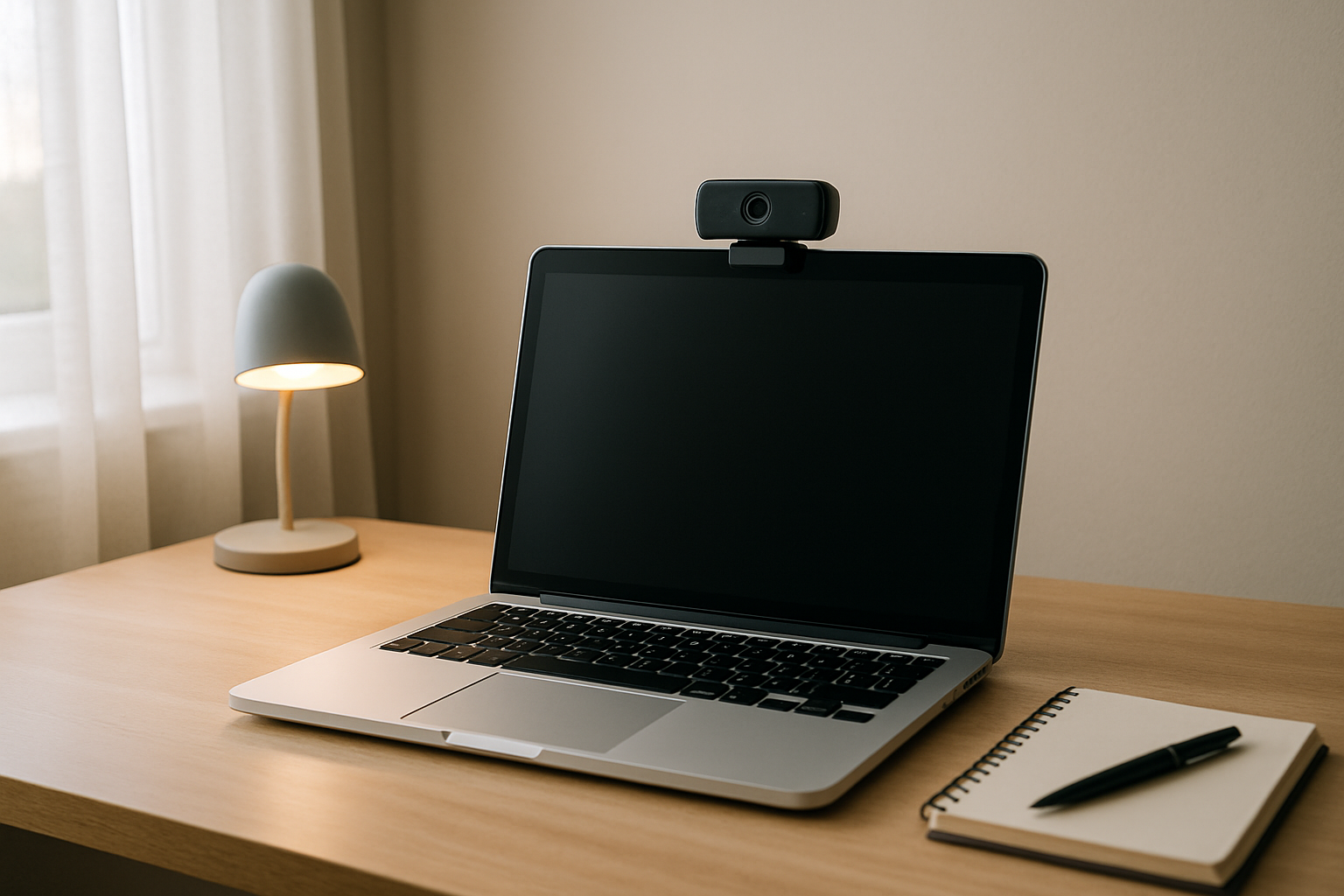
Telehealth appointment setup at home with laptop and notes

Telehealth can work well when you want support without travel.

FAQs

How soon should I expect changes?

Many people notice small wins within 1–2 weeks once meals, hydration and sleep routines are more consistent. If your goals involve gut symptoms, stress patterns or long-standing habits, progress often builds over several weeks and becomes clearer after the first review, when the plan is refined.

Do I need supplements straight away?

Not always. Many plans start with food structure, routine and practical strategies first. Supplements may be considered when there is a clear reason, and they should be reviewed to check they are actually helping.

What if my blood tests are “normal” but I still feel unwell?

This is common. “Normal” results don’t always reflect day-to-day symptoms. A detailed history and a staged plan can still be useful. If medical follow-up is needed, you’ll be encouraged to see your GP or the appropriate provider.

Is this suitable if I’m an NDIS participant?

It may be, depending on your goals and appointment format. If you’re looking for an NDIS nutritionist Gold Coast option (or searching for an NDIS dietitian Gold Coast), telehealth support details are here: https://betame.com.au/skype-consultations/

What if I’m already seeing other allied health professionals?

That can work well, especially when stress, pain, mobility or mental health affects eating and routines. Beta Me shares information for coordinated care here: https://betame.com.au/professionals/

Gold Coast design trends and layout ideas for wellness clinics (and why they matter for your appointments)

Calm coastal-style consultation room layout with warm lighting and natural textures

Gold Coast design trends and layout ideas for wellness clinics (and why they matter for your appointments)

On the Gold Coast, a “good space” isn’t only about how it looks. It’s about how you feel the moment you walk in.

For wellness clinics, design and layout affect privacy, comfort, and how easy it is to talk through sensitive health concerns. The same is true if you’re setting up a corner at home for telehealth.

Below are practical Gold Coast gold coast design trends and layout ideas that suit local life (light, airflow, and a relaxed, modern feel) without slipping into themed décor.


1) Coastal calm (without the beach theme)

The most timeless Gold Coast look is simple, warm, and uncluttered.

Skip shells, slogans, and “beach house” props. Aim for a space that feels steady and professional.

Try this:

  • Warm whites and sand tones (softer than bright white)
  • Light timber or timber-look finishes
  • One muted accent colour (eucalyptus, clay, soft ocean blue)
  • Minimal décor with a purpose (clock, mirror, plant, one artwork)

Why it matters: Many people arrive tired, stressed, or overwhelmed. That includes clients booking with a naturopath Gold Coast, a gold coast naturopath, a holistic nutritionist Gold Coast, or a gut health dietitian Gold Coast. A calm palette reduces visual “noise” and helps people settle.


2) Less reception, more privacy

Health care is moving away from big, transactional front desks. People want to feel welcomed, not processed.

Even in a small clinic, privacy can feel intentional.

Layout ideas that work well:

  • A small waiting nook rather than a large counter
  • Seating that doesn’t face other clients directly
  • Discreet check-in (for example, a QR code on a side table)
  • A clear separation between entry and consult spaces

Privacy is also a quality cue. It matters when someone is trying to find the best naturopath Gold Coast or a highly recommended naturopath Gold Coast.


3) Consult-room flow: set up for conversation

In a naturopath and nutritionist consult, the room should support discussion. Large desks can feel like a barrier.

A client-friendly consult room layout:

  • Two chairs at a slight angle (more natural than face-to-face)
  • A small side table for water, tissues, and a notebook
  • A screen positioned so it helps, without becoming a “wall”
  • One clear bench surface for paperwork or resources (without clutter)

At-home telehealth tip

If you’re meeting a nutritionist Gold Coast practitioner online, sit slightly off-centre from the camera. It often feels less intense and more conversational.


4) Acoustic comfort (the trend clients don’t always name)

Open-plan spaces can look great. But echo and noise reduce privacy fast.

If people can hear the next appointment, they tend to hold back. If you can hear the hallway, it’s harder to focus.

Simple acoustic upgrades (clinic or home):

  • Layered curtains (sheers + blockout)
  • A rug (even low-pile)
  • Fabric seating rather than all hard surfaces
  • Acoustic wall panels that double as décor
  • Door seals (often overlooked, very effective)

This is especially relevant for appointments around stress and anxiety. See: naturopathy support for anxiety.


5) Gold Coast lighting: warm, layered, glare-free

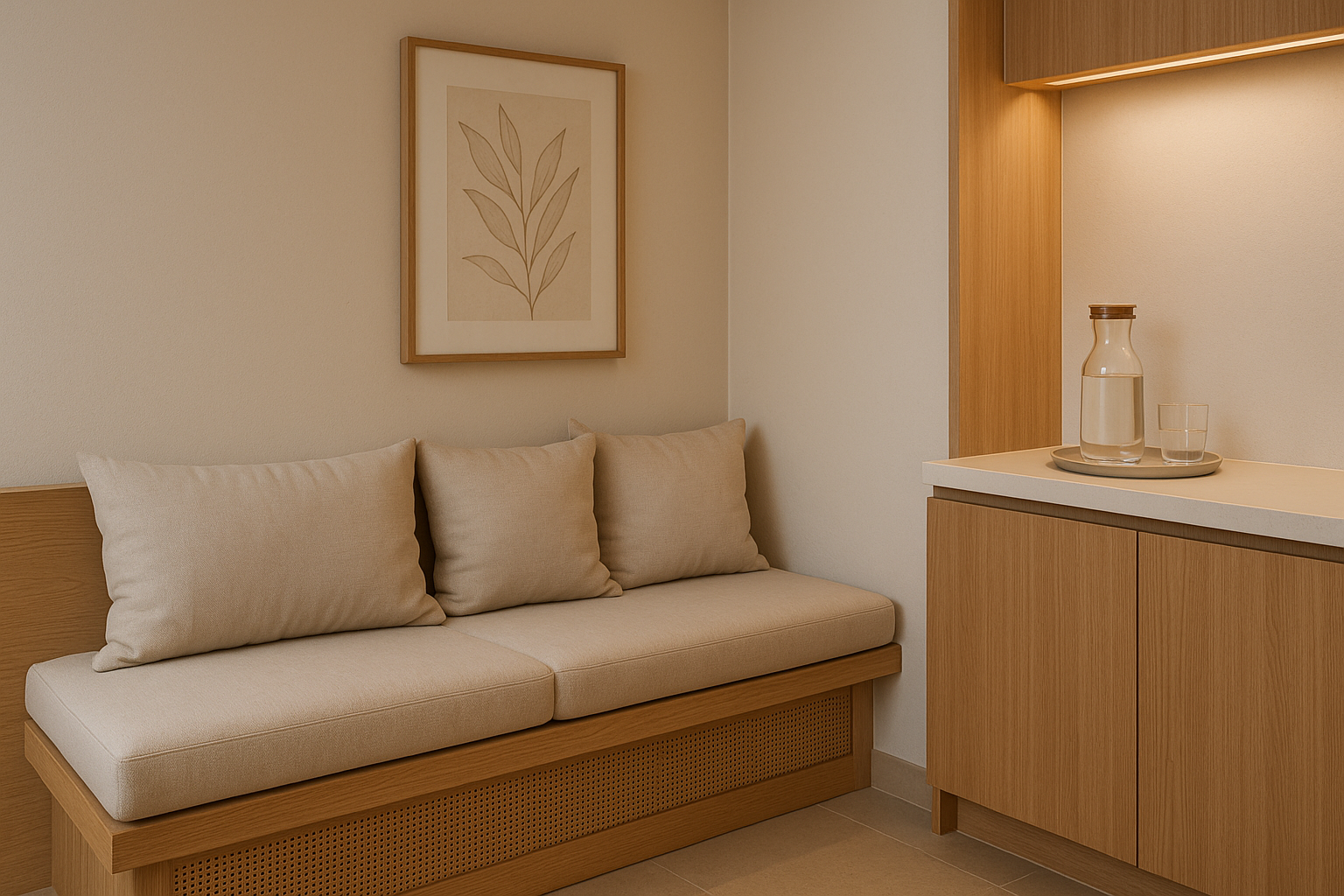
Minimal waiting area design with water station and comfortable seating

Harsh downlights can make a space feel clinical. A modern approach uses lighting in layers.

Aim for:

  • Warm globes (comfortable and flattering)
  • A mix of overhead + lamp lighting
  • Task lighting where you need it (desk, storage)
  • Less screen glare for telehealth and note-taking

If you’re setting up for video calls, place light in front of you (or slightly to the side), not only overhead.


6) “Visual quiet”: storage that makes a room feel calmer

Simple telehealth consult setup with soft light and tidy background

A room can be clean and still feel chaotic. Visual calm often comes from what you can’t see.

Design for visual quiet:

  • Closed storage for supplies and equipment
  • One clear “client zone” surface
  • Cables hidden and chargers tucked away
  • A dedicated spot for bags and shoes

This helps in education-heavy appointments, including planning and habit building with a gut health dietitian Gold Coast, NDIS dietitian Gold Coast, or NDIS nutritionist Gold Coast.


7) Telehealth-ready spaces are now standard

Telehealth suits busy households, shift workers, and anyone who prefers to stay at home.

Telehealth setup checklist:

  • Stable internet and a quiet room
  • Neutral background (less visual distraction)
  • Camera at eye height
  • Notes and resources ready to share
  • Headphones for privacy

If you’re exploring NDIS support, telehealth may be part of your options. See: NDIS nutritionist support options (including telehealth).


8) Mobile consults: when your home becomes the “clinic”

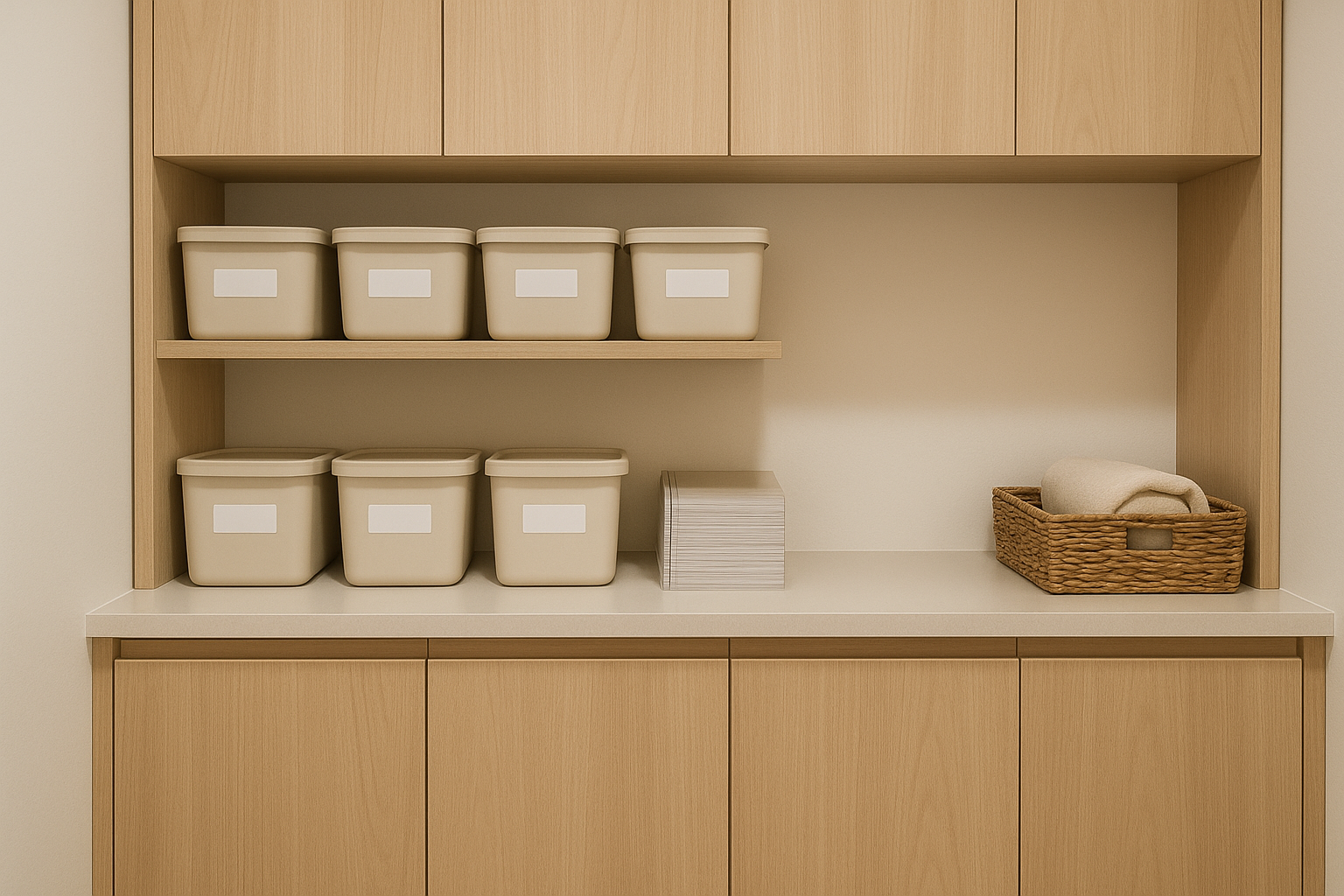
Tidy clinic storage that reduces clutter and supports smooth consults

Mobile appointments change the design challenge. Instead of travelling to a clinic, you create a calm, workable space at home.

A simple in-home setup for mobile support:

  • Clear a small table or bench
  • Comfortable seating for two people
  • Have relevant supplements/medications nearby (if applicable)
  • Reduce distractions (TV off, pets settled if possible)
  • Fresh air where you can

Learn more: mobile nutritionist and mobile naturopath consultations.


9) The “education layout”: make room for food skills

A lot of wellness care is practical. It involves food choices, routines, and plans you can keep.

Education-friendly layout ideas:

  • A small whiteboard or notepad spot for meal planning
  • Space to review pantry staples or labels
  • A simple system for shopping lists and swaps

If you want guided support in a real supermarket environment, consider: Supermarket shopping tours.


10) Choosing a practitioner? Use design as a quality cue (without judging style)

Design isn’t everything. But it can signal how thoughtfully a service runs.

Helpful “green flags” to look for:

  • Clear privacy boundaries (sound and sight)
  • Calm, uncluttered consult rooms
  • Comfortable seating, water available, tissues nearby
  • Options for telehealth or flexible support

This applies whether you’re looking for a naturopath Gold Coast, gold coast naturopath, a nutritionist Gold Coast, a holistic nutritionist Gold Coast, or NDIS supports such as an NDIS dietitian Gold Coast.


Quick layout examples you can copy at home

Example A: A telehealth corner in a living area

  • Small desk facing a plain wall
  • Side lamp + daylight from a window
  • Basket storage underneath (headphones, notebook, papers)

Example B: A “food planning” spot for families

  • One dedicated bench section with a notepad
  • One drawer for lunchbox staples
  • A simple weekly plan you can see at a glance

Example C: A calmer bedroom setup for sleep support

  • Warm bedside lighting (avoid harsh downlights)
  • Cables out of sight
  • Fresh air and uncluttered surfaces

Where Beta Me fits

Beta Me provides naturopathy and nutrition support for locals, with options that suit real schedules.

If you’ve been searching for a naturopath Gold Coast, nutritionist Gold Coast, NDIS dietitian Gold Coast, or NDIS nutritionist Gold Coast, a useful next step is to get clear on:

  • what you want to improve (gut health, energy, anxiety, food habits)
  • what appointments you can realistically commit to
  • whether mobile or online support would make it easier

Explore: Naturopath Gold Coast and Nutritionist Gold Coast.

To learn more about the approach, see: About Beta Me. For allied health context, you can also read: allied health nutritionist information.


Ready for support? Choose the most practical option for you

If you want help choosing between in-clinic, mobile, or online appointments, the simplest next step is to reach out.

Share:

  • what you’re struggling with right now
  • what your week actually looks like
  • whether you need support at home, via telehealth, or both

From there, you can be guided to a next step that fits your routine—whether you’re comparing a naturopath Gold Coast, looking for a naturopath and nutritionist approach, or you want nutrition support such as a gut health dietitian Gold Coast.

Enquire here: Contact Beta Me.


Supermarket produce section suitable for guided shopping tour education

FAQs

What are the most practical Gold Coast design trends for a naturopath or nutritionist space?

Coastal calm colours, warm layered lighting, better acoustics, and closed storage are the most practical. They make the room feel private, comfortable, and easy to focus in.

How many rooms do you need for a small wellness practice?

At minimum, one private consult room. A second flexible area helps with admin, telehealth, and education. If privacy or scheduling is tight, that’s often the first upgrade.

What layout helps clients feel comfortable discussing anxiety or gut issues?

A door that closes, softer acoustics, angled seating, water and tissues within reach, and minimal barriers like large desks. Calm and privacy matter.

What should a telehealth setup include?

A quiet room, stable internet, neutral background, camera at eye height, and soft front lighting. Headphones help keep conversations private.

What’s different with mobile consults or supermarket shopping tours?

Mobile consults use your home layout, so a clear table and fewer distractions help. Shopping tours are education-focused and work best with a simple plan for label reading and easy swaps.

How do I keep a clinic feeling coastal without being themed?

Use restrained natural colours, timber textures, soft lighting, and breathing space. Keep décor minimal and functional. Think “coastal calm”, not beach props.

Loading...