

Gold Coast coast naturopath design trends and layout ideas for a calm, practical home

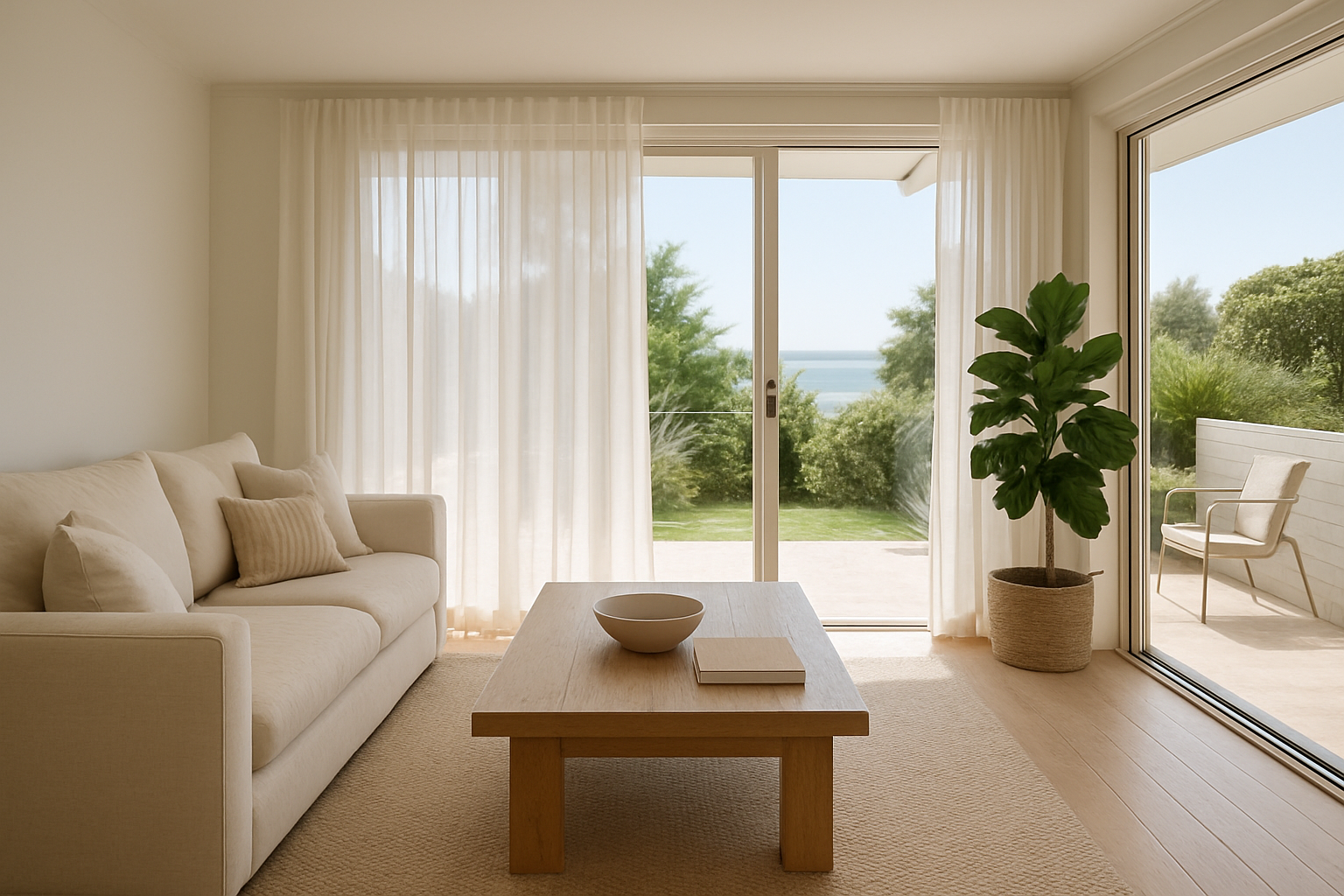
Calm coastal living room with natural light, airflow and low-tox materials

Gold Coast coast naturopath design trends and layout ideas for a calm, practical home

Living on the Gold Coast has plenty going for it. Light, warmth and sea breezes can feel like an instant reset.

But coastal life can also bring humidity, mould risk, busy nights, and sleep that’s lighter than you’d like.

This article shares Gold Coast coast naturopath design trends and layout ideas that make Healthy routines easier to follow. Nothing here requires a perfect renovation. Think simple changes that suit Australian homes and real schedules.

A coast naturopath approach: make healthy habits the easy option

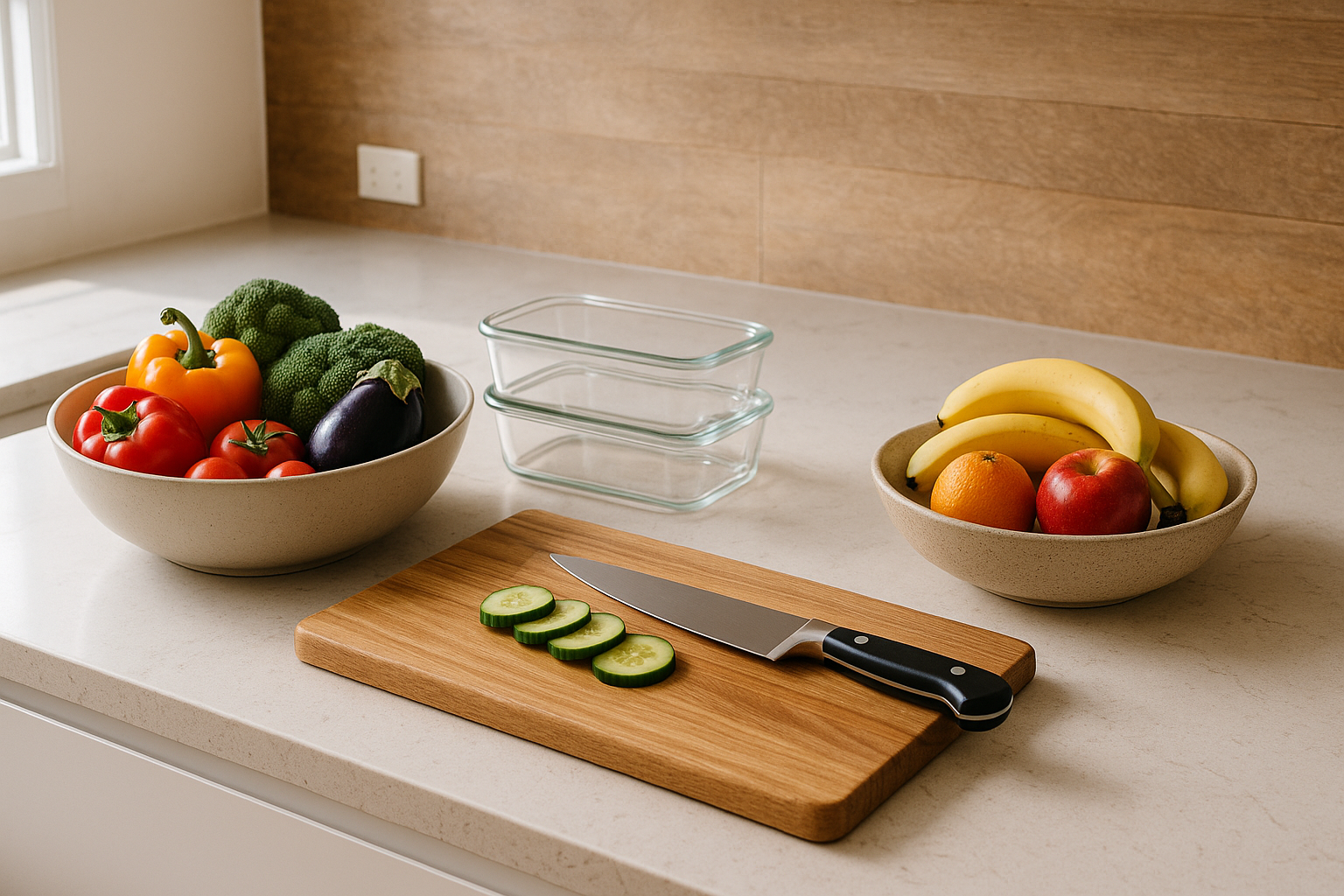
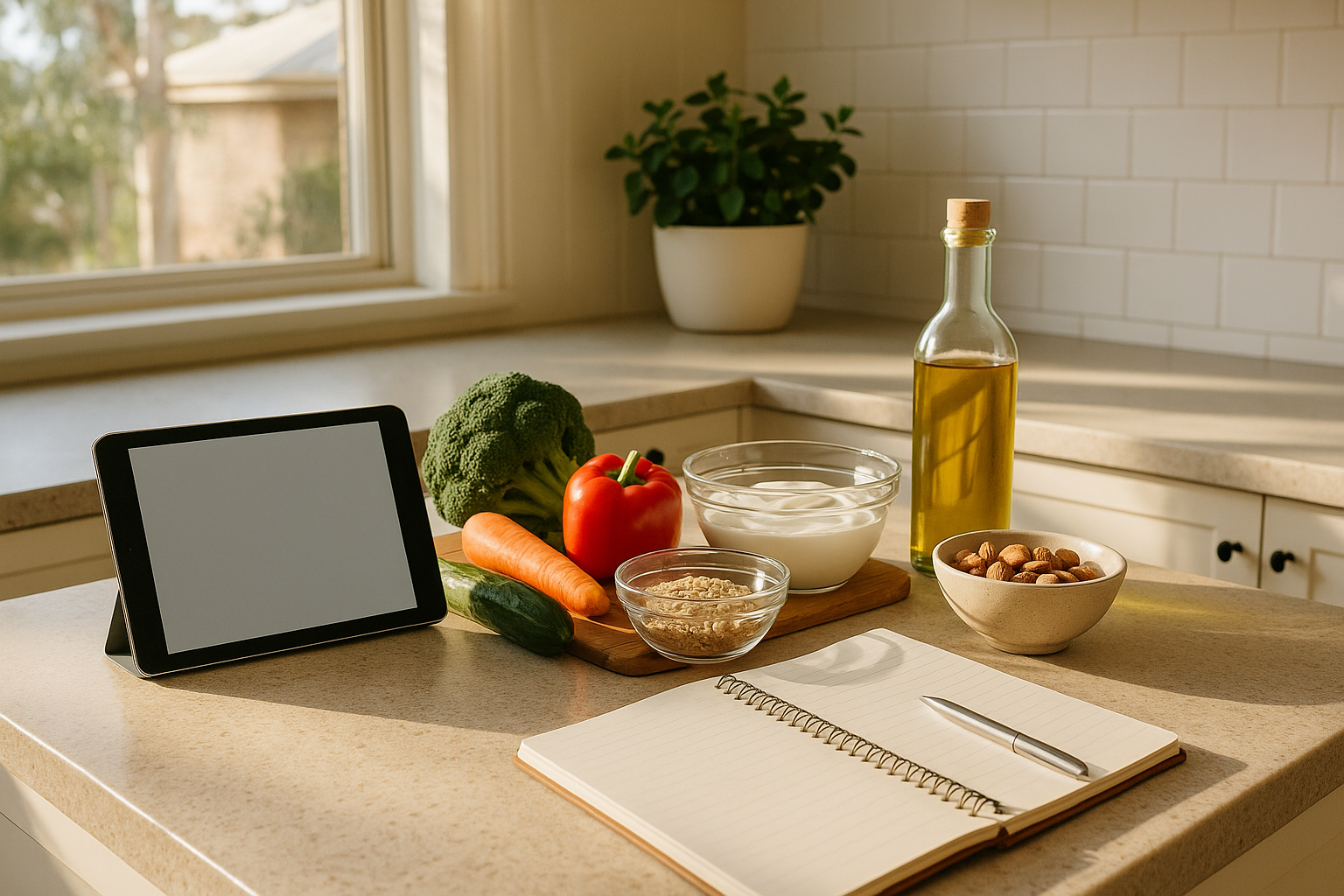
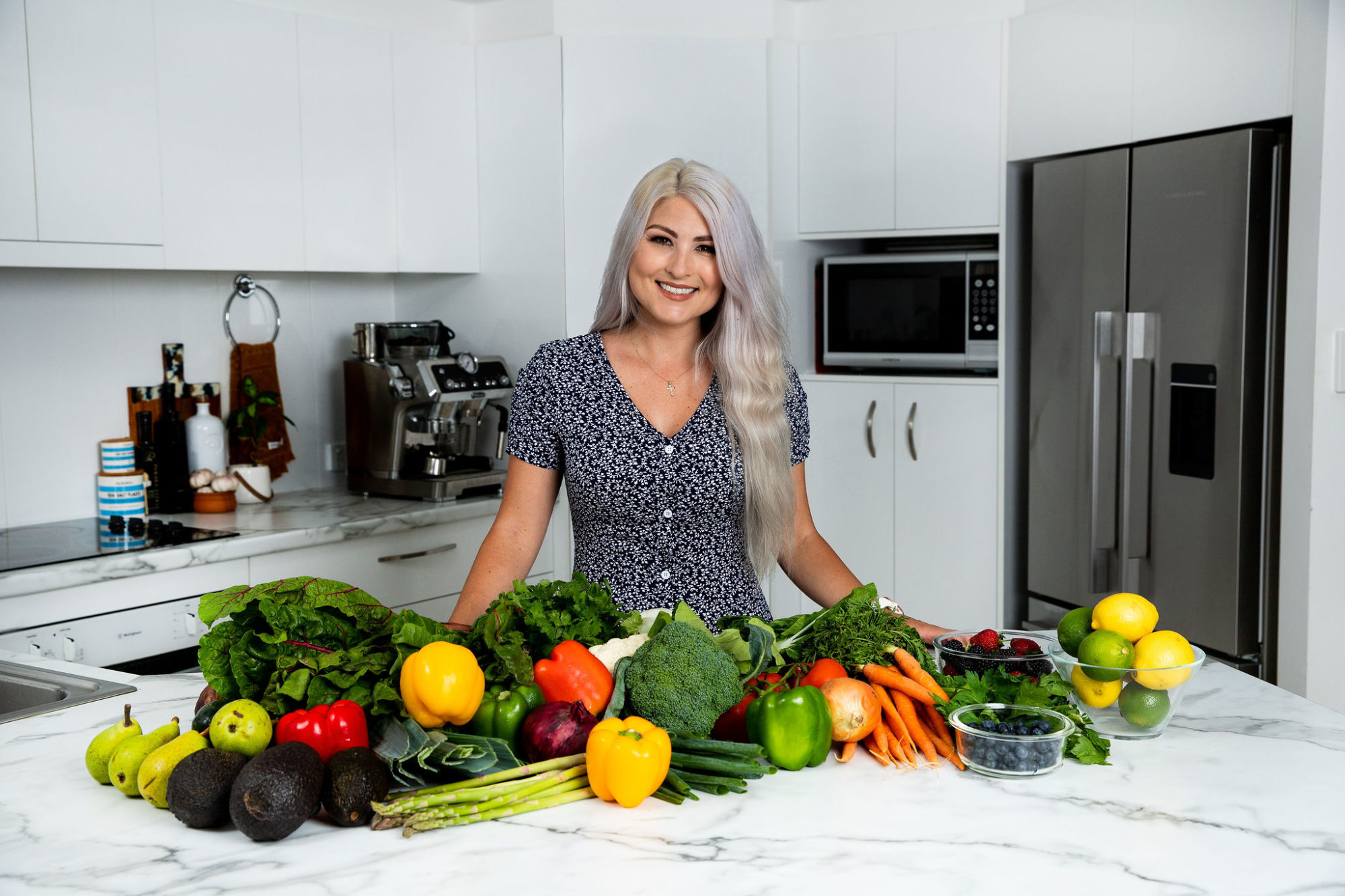
Kitchen bench set up for simple healthy meal prep with vegetables and containers

When people search naturopath Gold Coast or Gold Coast naturopath, they’re often looking for more than products. They want day-to-day habits that actually stick.

Your home can support that.

A wellbeing-focused layout reduces friction. It helps you:

  • air out the home quickly
  • prep food without chaos
  • protect sleep with better light control
  • cut down damp smells and heavy fragrance
  • create a place to downshift after work

If you’re working with a naturopath and Nutritionist, or comparing naturopaths Gold Coast locals see, these basics can make your plan easier to maintain.

Trend 1: Ventilation-first living (a must in humid months)

On the coast, airflow is practical, not just a vibe.

Layout ideas that prioritise airflow

  • Do a quick “morning air-out” (open opposite windows/doors for 10–15 minutes when weather allows).
  • Keep window tracks and flyscreens clean so you’ll actually open them.
  • Don’t block fans, vents or air pathways with bulky furniture.
  • In damp rooms (bathroom/laundry), make extraction easy to use and easy to reach.

Why it matters

Stale air, humidity and persistent damp can affect comfort and sleep. If you’re working on energy, mood, or respiratory comfort, ventilation is a strong starting point.

Trend 2: Low-fragrance, lower-tox swaps (without the overwhelm)

A calm home often smells like… nothing. Neutral is the goal.

Simple swaps that suit everyday life

  • fragrance-free laundry and cleaning basics
  • skip heavy air fresheners (fix odours at the source instead)
  • choose glass or stainless containers for regular-use foods
  • opt for lower-VOC paint when doing touch-ups

A helpful rule of thumb: if it doesn’t clean, moisturise, protect, or nourish, it’s probably optional.

Trend 3: Kitchen flow that supports gut health routines

Many people look for a gut health dietitian Gold Coast or a holistic nutritionist Gold Coast because they’re tired of guessing what to eat.

A kitchen won’t “fix” symptoms on its own. But it can make consistent eating habits far easier.

Weekend-friendly layout ideas

  1. One clear bench

    • Choose one prep zone and keep it clear.
    • Leave a chopping board there for a week.
  2. Healthy at eye level

    • Pantry: everyday staples where you see them first.
    • Fridge: leftovers you’ll actually eat, plus ready-to-use basics.
  3. Default tools together

    • Keep your main prep tools in one drawer or caddy.
    • When you’re tired, “searching” is what stops you.
  4. A smarter snack zone

    • Fruit in a visible bowl.
    • Portion-friendly nuts/crackers in a container.
    • Keep “sometimes foods” less visible (not forbidden).

If you’re comparing the best naturopath Gold Coast options for you, look for someone who can translate a plan into practical kitchen steps.

Trend 4: Nervous-system design—create a downshift space

If you’re searching for an anxiety naturopath, you may also be carrying a big mental load. Screens, notifications and to-do lists follow you home.

A small “downshift zone” creates a buffer between busy and rest.

A simple 3-zone setup

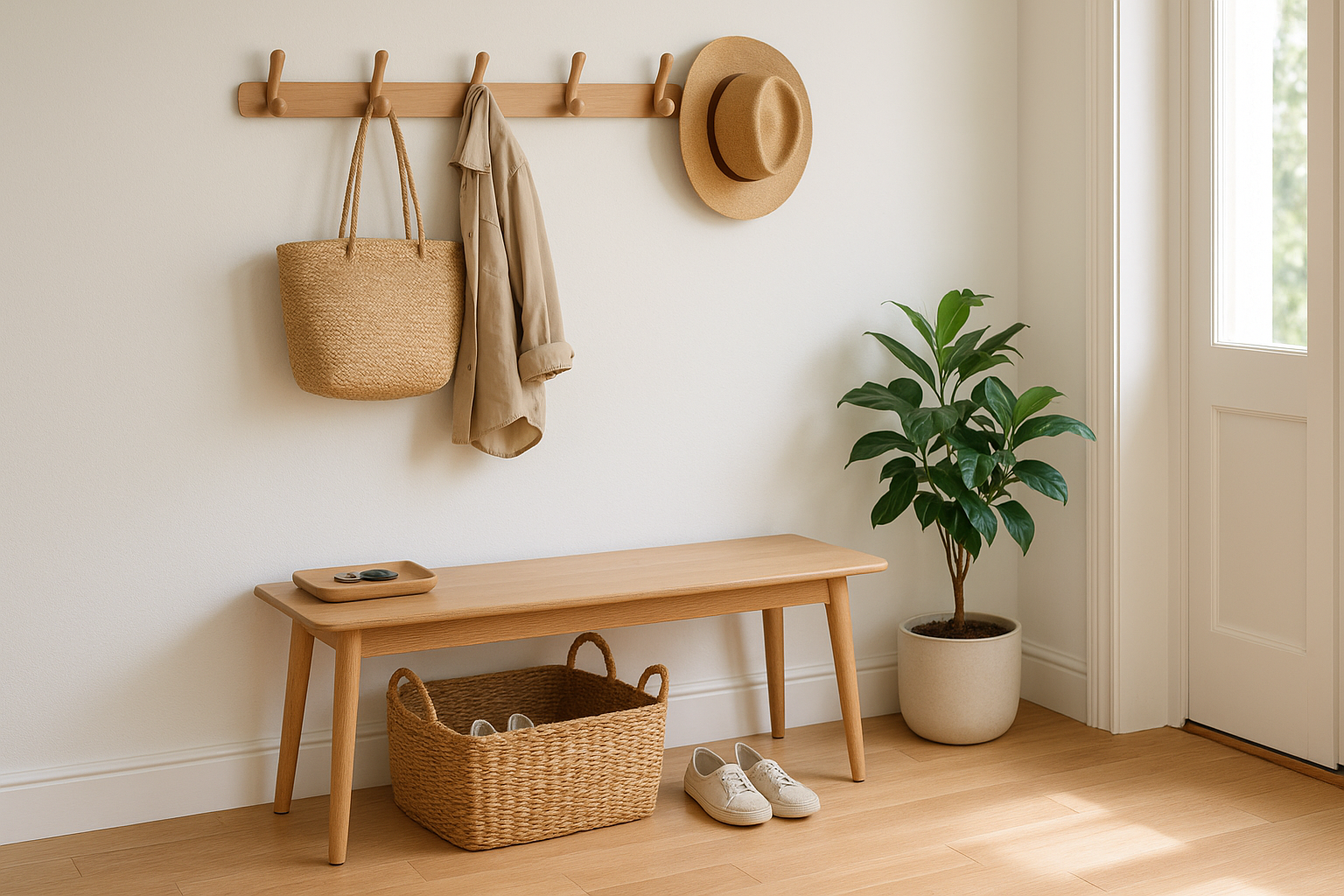
  • Landing zone (entry): keys, bag, shoes, water bottle.
  • Downshift zone (living): warm lamp, comfortable seat, blanket, book.
  • Sleep zone (bedroom): minimal clutter, dim light, no work gear.

For extra support, Beta Me shares more on naturopathy support for anxiety on the Gold Coast: https://betame.com.au/anxiety/

Trend 5: Lighting that respects your body clock

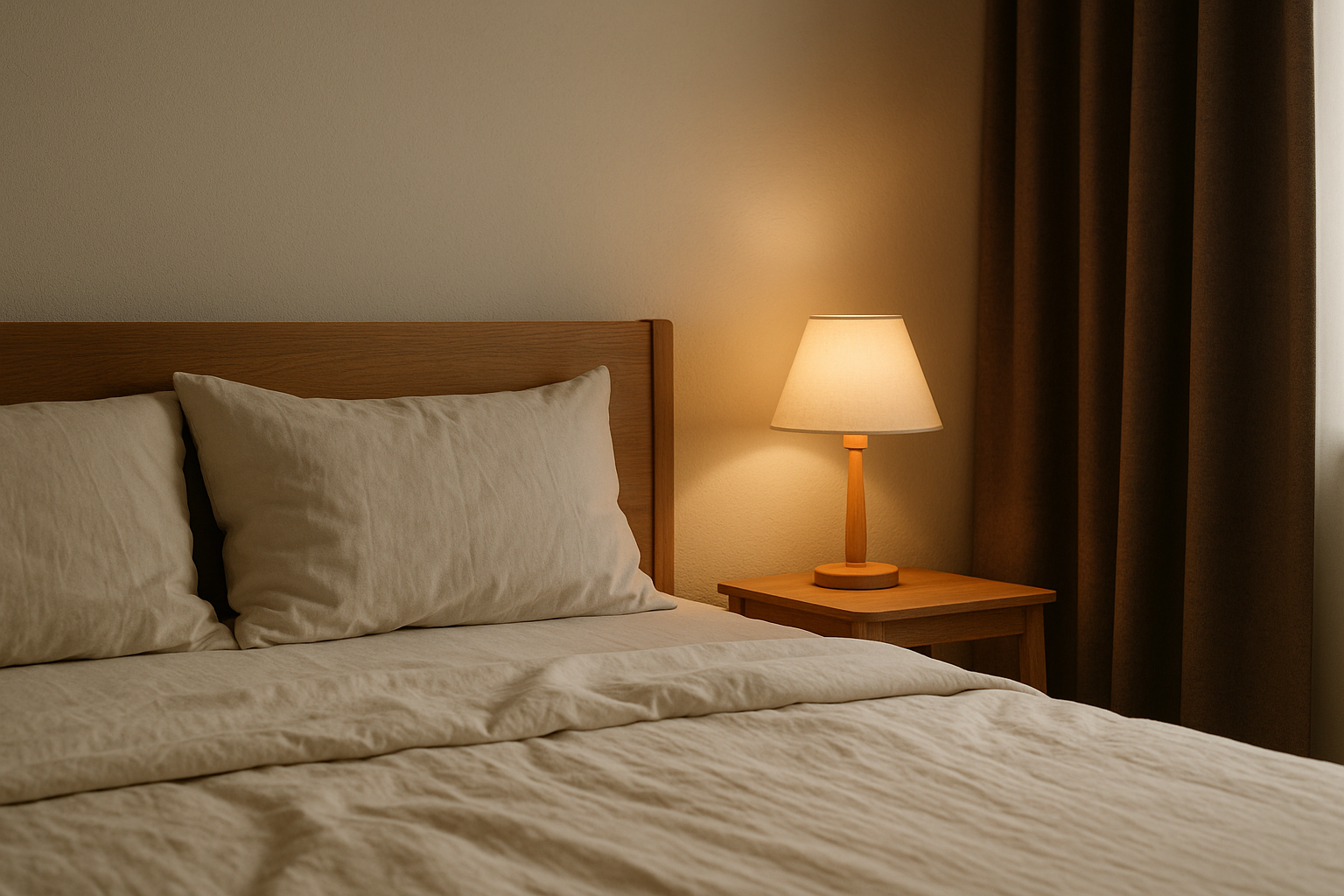
Sleep-supportive bedroom with warm lighting and minimal clutter

Gold Coast homes often have great daylight. The issue is night-time lighting.

Cool, bright overheads can keep your brain in “day mode”.

Practical lighting ideas

  • Use warm lamps after dinner.
  • Keep brighter light for morning and daytime.
  • Reduce overhead lighting at night where possible.
  • Consider block-out or room-darkening options if street lights or early sunrise wake you.

Better sleep supports mood, appetite regulation and resilience.

Trend 6: Coastal clutter control (because visual noise is real)

Clutter isn’t a moral issue. It’s a decision-fatigue issue.

Start with these high-impact spots

  • kitchen bench (especially near kettle/toaster)
  • bedside tables
  • entryway
  • bathroom counter

A realistic method

  • Choose one surface.
  • Remove everything.
  • Put back only what you use daily.
  • Store the rest out of sight for two weeks.

If you don’t miss it, it’s not earning its place.

Trend 7: “Good enough” movement space

You don’t need a home gym. You need fewer barriers.

Easy layout ideas

  • Keep a yoga mat and resistance band visible in a basket.
  • Leave a small clear floor space near the lounge.
  • Store walking shoes near the door.

Movement supports gut motility, stress regulation and sleep quality—topics often discussed with Gold Coast naturopath providers.

Trend 8: Bathroom and laundry tweaks that reduce hidden stress

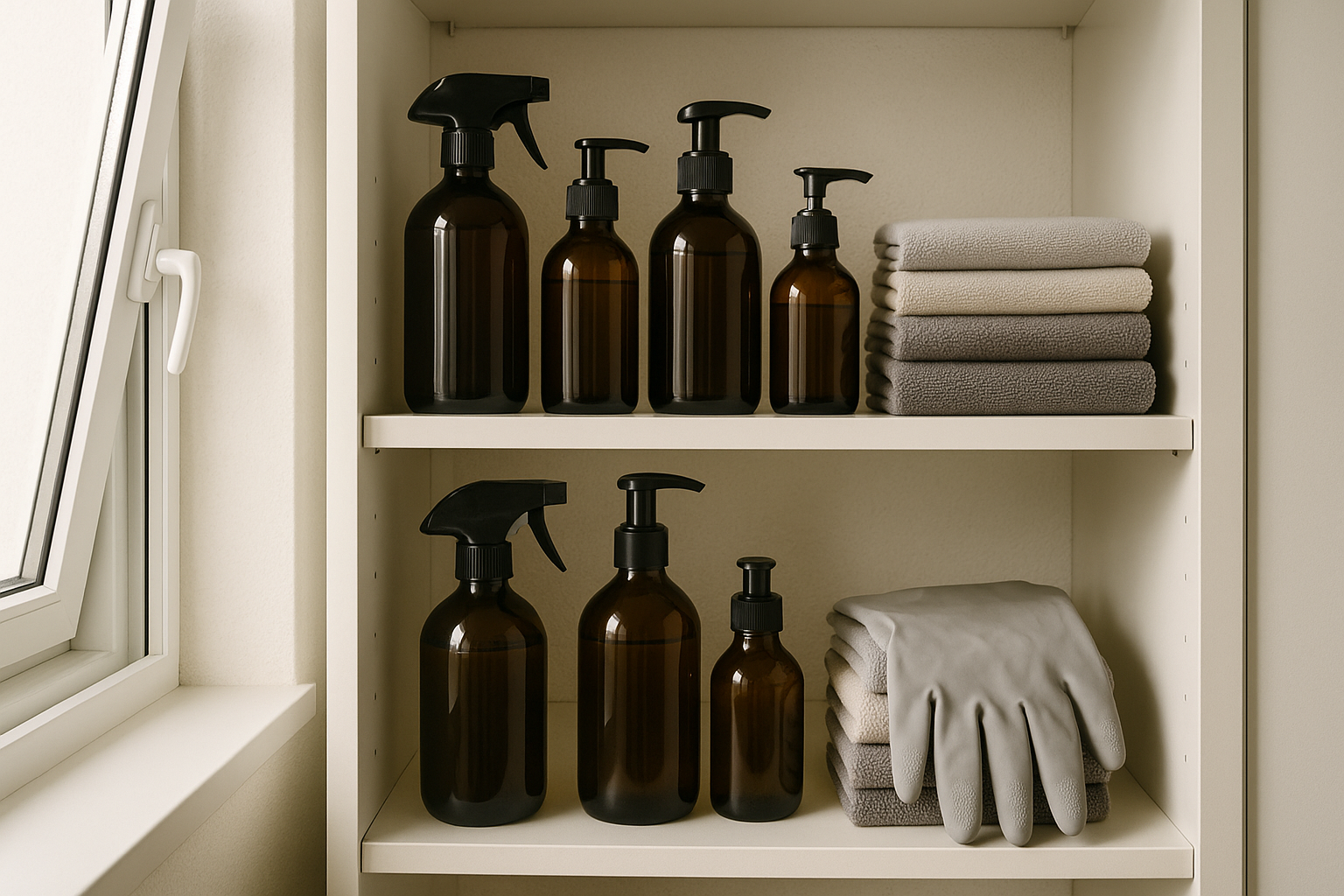
Low-tox cleaning setup with fragrance-free products stored neatly

These rooms can quietly affect comfort, especially in humid weather.

Small upgrades that help

  • hooks/rails so towels dry properly
  • a lidded basket for damp laundry
  • a shower squeegee to reduce lingering moisture
  • a simple cleaning caddy so the job is quick

A fresher-feeling home is easier to relax in.

How to choose a naturopath (and why your home habits matter)

If you’re searching how to choose a naturopath, focus on practical fit.

Helpful questions to ask

  • Do they ask about sleep, stress, food routine and environment—or only supplements?
  • Can they explain what they’re recommending and why?
  • Will they work alongside other professionals when needed (for example, a dietitian)?
  • Do they offer flexible consult options so you can stay consistent?

People often search for the “best naturopath Gold Coast”. In real life, “best” usually means someone who listens, is realistic, and supports changes you can actually do at home.

You can explore Naturopath Gold Coast and Nutritionist Gold Coast support with Beta Me here: https://betame.com.au/

Where dietitian support fits (including NDIS)

Some people need dietitian-led support, particularly for complex needs or medical nutrition therapy. Others do best with a combined approach.

If you’re looking for NDIS dietitian Gold Coast options or want flexible online appointments, Beta Me shares details on NDIS nutrition support and Skype consultations here: https://betame.com.au/skype-consultations/

Practical examples in real Gold Coast homes

Example 1: Busy household kitchen reset

  • Clear one bench for prep.
  • Store rarely used appliances out of sight.
  • Put fruit and water where you’ll see them.
  • Choose two default weeknight meals and keep ingredients easy to reach.

Example 2: “Wired at night” living room

  • Swap one overhead light for a warm lamp.
  • Create a small reading corner.
  • Move chargers out of the living area after dinner.
  • Keep a notepad for “tomorrow thoughts”.

Example 3: Make the plan easier to shop for

If you’re trying to follow a nutrition plan, the supermarket can be where it falls apart.

Beta Me offers mobile consultations (in-home): https://betame.com.au/mobile-consultations/

And Supermarket shopping tours on the Gold Coast: https://betame.com.au/mobile-consultations/supermarket-shopping-tours/

A simple “coast naturopath home” checklist

If you only do five things, start here:

  • Air out the home daily when practical.
  • Create one clear food-prep bench.
  • Switch to fragrance-free basics.
  • Use warm lighting at night.
  • Build a landing zone near the entry.

Small changes don’t replace healthcare. They do make healthy routines easier to keep.

Ready for support that fits your real routine?

If you’re looking for a naturopath Gold Coast locals trust, with practical nutrition support, Beta Me can help.

Start here: Naturopath Gold Coast and Nutritionist Gold Coast https://betame.com.au/

Prefer flexibility?


Organised entryway drop zone to reduce stress and improve routines

FAQs

What does “coast naturopath” mean in a home design context?

It’s a practical way to describe home choices that support wellbeing in a coastal climate—airflow, moisture control, low-fragrance products, calming light and layouts that make healthy routines easier.

How do I choose a naturopath on the Gold Coast?

Choose someone who asks about your food, sleep, stress and environment (not just supplements), explains recommendations clearly, checks safety, and offers an approach you can stick with.

Should I see a naturopath, a nutritionist, or a dietitian for gut issues?

It depends on your needs. Many people like a naturopath and nutritionist for whole-person support and habits. A dietitian is important for medical nutrition therapy and is often the right fit for complex needs and NDIS-related support.

Can home layout changes help anxiety?

They can support calmer routines by reducing clutter, harsh light and end-of-day chaos. If anxiety is persistent, it’s best to combine environment changes with professional support.

What are the most useful low-tox swaps that don’t require renovating?

Start with ventilation, fragrance-free cleaning and laundry basics, reducing air fresheners, and choosing lower-VOC paint when you do touch-ups. Simple, consistent changes tend to be easiest to maintain.

What’s a simple way to make my kitchen support healthier eating?

Keep one bench clear for prep, store go-to tools together, and make the “everyday” foods visible at eye level. Consistency beats complexity.

NDIS Nutritionist Gold Coast: An In‑Depth Guide and Key Considerations

Meal planning set-up for an NDIS nutrition consultation on the Gold Coast

NDIS Nutritionist Gold Coast: An In‑Depth Guide and Key Considerations

Choosing an NDIS nutritionist on the Gold Coast is about more than availability.

It’s about finding support that fits your daily life: energy, routines, sensory preferences, access to food, cooking set‑up, budget, and the goals written into your NDIS plan.

This in-depth guide covers what to look for, what to ask, and how nutrition support can work in real life—at home, online, or a mix.

When nutrition support makes sense under the NDIS

Food routines affect day‑to‑day function. That’s why many participants explore nutrition support when eating and planning impact:

  • Energy and fatigue
  • Regular meals and snacks (especially if appetite cues are unreliable)
  • Gastrointestinal comfort and bowel regularity
  • Sensory preferences and food variety
  • Shopping skills, budgeting, or cooking confidence
  • Medication side effects that affect appetite or digestion
  • Support worker routines in the kitchen

If you’re searching for an NDIS nutritionist Gold Coast service, you’re usually looking for practical strategies you can use at home—not a rigid set of rules.

Nutritionist vs dietitian vs naturopath: what’s the difference?

While researching, you might compare NDIS dietitian Gold Coast options, a holistic nutritionist Gold Coast, or a naturopath Gold Coast service.

Here’s a clear, practical way to think about it.

Dietitian (NDIS dietitian Gold Coast)

A dietitian may be the best fit when you need medical nutrition therapy for complex needs.

Examples include:

  • Significant unintentional weight change
  • Complex chronic conditions that require strict dietary management
  • Swallowing concerns or texture modification
  • Tube feeding support

If you’re searching for a gut health dietitian Gold Coast due to ongoing symptoms, it’s also important to coordinate with your GP.

Nutritionist (nutritionist Gold Coast)

A nutritionist can be a strong choice for practical food education, meal structure, and sustainable habit change.

Common focus areas include:

  • Meal planning that suits your capacity
  • Simple routines for breakfast, snacks and hydration
  • Building variety within sensory preferences
  • Label reading, portions, and balanced plate ideas

Naturopath (gold coast naturopath)

A gold coast naturopath option can suit people who want a broader view across food, lifestyle, and supplements.

If you’re looking for a naturopath and nutritionist approach, choose someone who:

  • Communicates clearly and stays within scope
  • Explains the “why” in plain language
  • Collaborates with your wider healthcare team when needed

If you’re searching for the best naturopath Gold Coast, use reviews as one signal only. Fit matters more. You want a practitioner who understands your goals and can turn ideas into routines.

What to expect in an NDIS nutritionist consultation

A good nutritionist consultation should feel collaborative, specific, and realistic.

Most appointments cover:

  • Your NDIS goals (and what “better” looks like day to day)
  • Current eating patterns, including difficult days
  • Food access: shopping, transport, budget, cooking equipment
  • Sensory preferences, safe foods, and “hard no” foods
  • Energy, sleep, bowel habits, and hydration
  • Medical history and medications/supplements (important for safety)

You should leave with clear next steps. Not a long list. A small plan you can actually do.

Key considerations when choosing an NDIS nutritionist on the Gold Coast

1) Match support to your real-life barriers

If follow‑through is the hard part, look for practical supports like:

  • A simple meal structure and repeatable “default meals”
  • A short shopping list you can reuse
  • Easy snack options that require minimal prep
  • Visual prompts (photos, checklists, fridge notes)

If fatigue or overwhelm is the barrier, the plan should reduce decisions—not add more.

2) Look for clear goal setting (not just education)

NDIS-friendly nutrition support works best when goals are:

  • Specific (what you will do)
  • Measurable (how you’ll know it’s working)
  • Time‑bound (when you’ll review it)
  • Linked to function (daily living, independence, routines)

Examples that often work well:

  • “Eat breakfast 4 days per week using 2 quick options.”
  • “Build a 10‑item shopping list of safe staples and shop with support.”
  • “Add one new fibre food twice a week to support regularity.”

3) Choose the right format: in‑home vs online

Both can work. The best choice depends on what you need help with.

In‑home support may suit you if you want:

  • Pantry, fridge, and kitchen set‑up reviewed
  • Hands‑on support with meal prep routines
  • Carer/support worker involvement in real time

Online sessions can suit you if you want:

  • Education and coaching
  • Meal planning, troubleshooting and check‑ins
  • Flexibility when travel is difficult

You can see how this works at Beta Me here: NDIS Nutritionist Gold Coast | In‑Home Nutrition Support.

4) Ask how progress will be reviewed

A quality service should explain how they track progress in a way that fits you.

This could include:

  • Food tolerance and comfort changes
  • Energy and appetite consistency
  • Skill building (shopping, cooking, planning)
  • Confidence and independence with routines

If you need written notes for your support team, ask upfront.

5) Prioritise “doable”, not “perfect”

If you’ve ever left an appointment thinking, “That sounds good, but I can’t do that,” the plan wasn’t matched to your capacity.

Good support meets you where you are and builds from there.

Practical examples: what an NDIS nutrition plan can look like

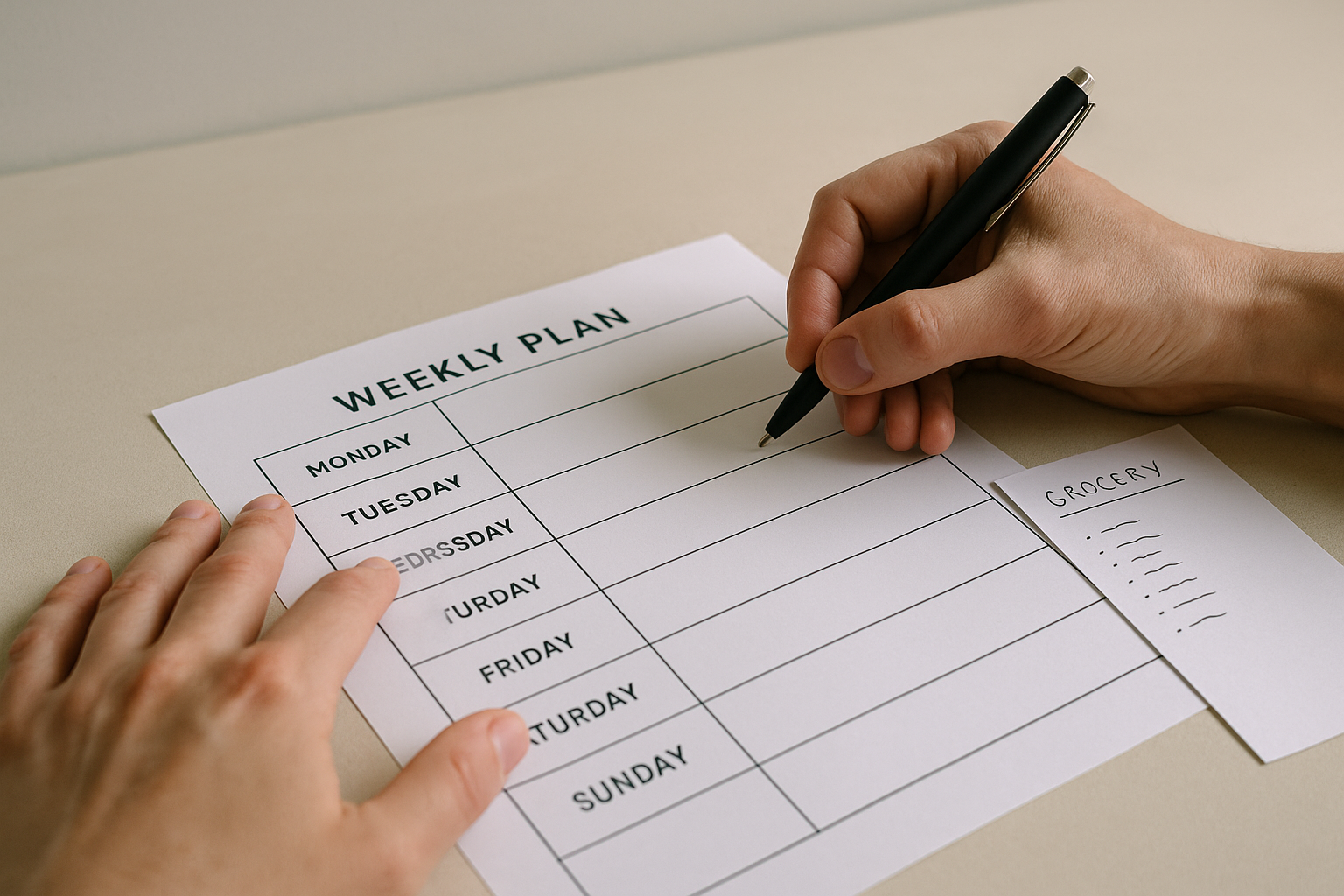
Hands organising a weekly meal plan and grocery list

Small, practical steps often make nutrition changes easier to follow.

These examples show the style of strategies many participants find helpful.

Example A: “I skip meals and then snack later”

Try:

  • A two‑option breakfast plan (rotate only two choices)
  • A set snack time with “grab-and-go” snacks
  • A hydration cue linked to an existing routine (e.g., after brushing teeth)

Example B: “Shopping is overwhelming”

Try:

  • A “safe staples” list (10–15 items)
  • A repeatable shop route (same aisles, same products)
  • Shorter shops more often, if capacity allows

For hands‑on support, a shopping tour may help: Supermarket Shopping Guide Gold Coast | Shopping Tour.

Example C: “My gut feels off and I don’t know what to eat”

Try:

  • A simple food-and-symptom check-in (useful, not obsessive)
  • Regular meals and gradual fibre changes
  • Reviewing common triggers like large meals, caffeine timing, or low fluid intake

If symptoms are persistent or severe, coordinate with your GP and consider whether an NDIS dietitian Gold Coast service is more appropriate for your needs.

What to ask before you book

These questions help you quickly check fit and clarity:

  • “Do you offer in‑home appointments or online sessions?”
  • “How do you tailor advice for sensory preferences or limited food variety?”
  • “Can a support worker or carer attend?”
  • “How do you set goals and track progress over time?”
  • “How do you work alongside GPs and other allied health professionals?”

If you’re comparing providers while searching nutritionist Gold Coast or naturopath gold coast, the answers above matter more than broad promises.

How Beta Me supports NDIS participants

Beta Me focuses on practical, participant‑centred support. The goal is to translate nutrition advice into routines that work in real life.

Depending on what suits you, support may include:

  • In‑home support where the changes need to happen
  • Online consultations for flexibility and easier check‑ins
  • Mobile support when you want help implementing plans day to day

Explore services here: Naturopath Gold Coast | Nutritionist Gold Coast | Beta Me.

If stress or anxiety affects appetite, digestion, or food routines, you can also read: Anxiety Naturopath Gold Coast | Naturopathy for Anxiety.

If you’d like to learn more about the clinic, see: About Beta Me.

Next step: make your first appointment count

If you’re looking for an NDIS nutritionist Gold Coast service and you want a clear plan you can follow, the best next step is to book with a few essentials ready.

Bring (or email ahead):

  • Your NDIS goals (or plan summary)
  • Your medications and supplements list
  • A rough “what I ate” snapshot (photos are fine)
  • The 1–2 biggest barriers you want solved first

To see how appointments work and enquire about availability, visit: NDIS Nutritionist Gold Coast | In‑Home Nutrition Support.

If you already know you need hands‑on support at home, view: Mobile Nutritionist Gold Coast | Mobile Naturopath Services.

Grocery shopping support for healthier choices and routines

Shopping support can help translate advice into real-life choices.

FAQs

Can I use NDIS funding to see a nutritionist on the Gold Coast?

It depends on your plan and how nutrition support relates to your disability and goals. Many people use plan funding when nutrition input is considered reasonable and necessary and supports capacity building, daily living, or functional outcomes.

If you’re unsure, check your plan categories and confirm with your Plan Manager or Support Coordinator.

What’s the difference between an NDIS dietitian and an NDIS nutritionist?

Dietitians are university-qualified allied health professionals who can provide medical nutrition therapy for complex clinical needs.

Nutritionists can provide valuable support with food choices, routines, education, and practical strategies, depending on training and scope.

If you have complex medical conditions, swallowing issues, tube feeding, or significant unintentional weight changes, a dietitian may be the most appropriate option.

What happens in an NDIS nutritionist consultation?

A good consultation starts with your goals, daily routine, food preferences, medical history, medications/supplements, sensory considerations, and any barriers (fatigue, executive function, cooking skills, budget, access to shops).

You’ll usually leave with a small set of practical next steps, such as meal structure, snack ideas, shopping list templates, and hydration strategies.

Do you offer in-home nutrition support on the Gold Coast?

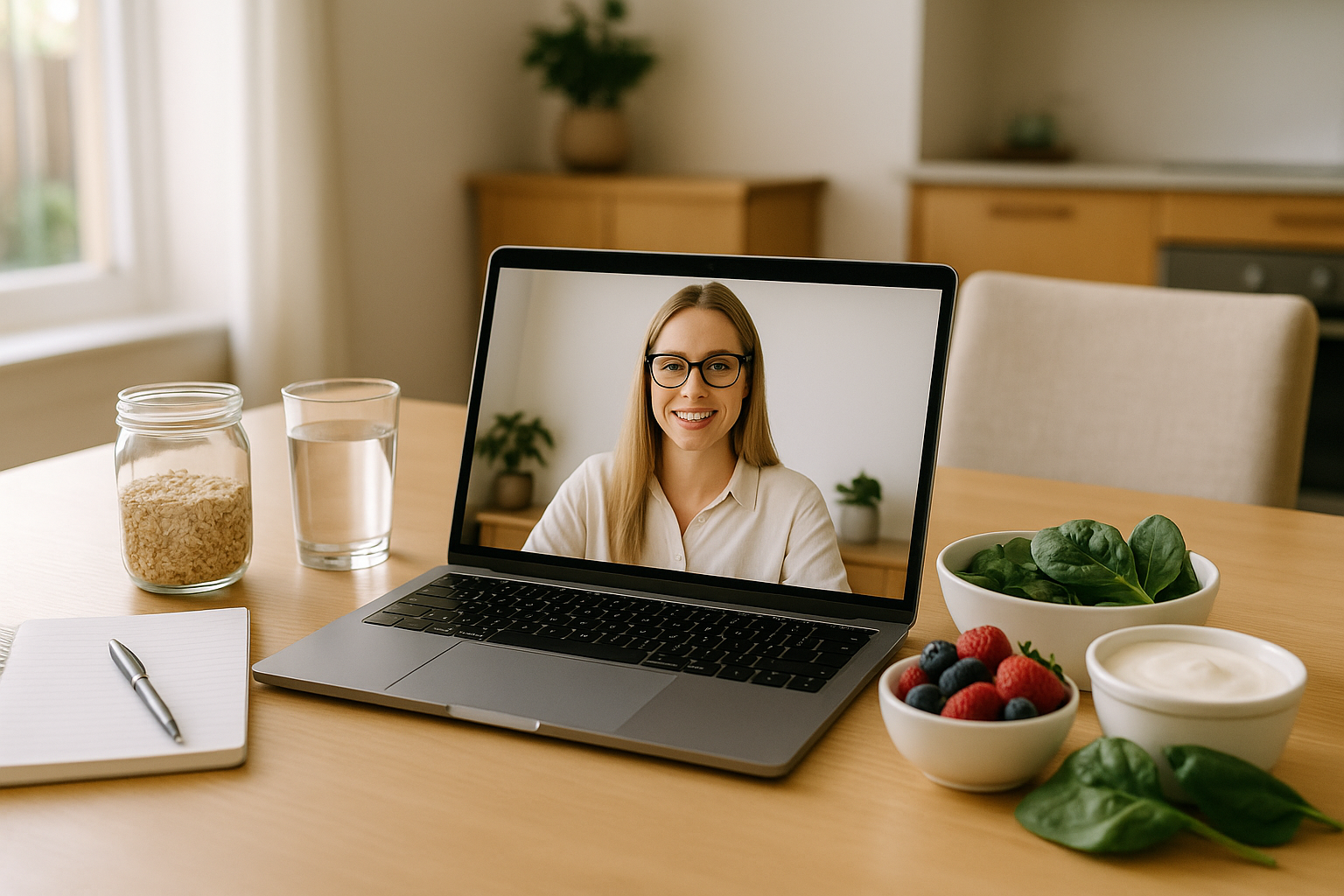
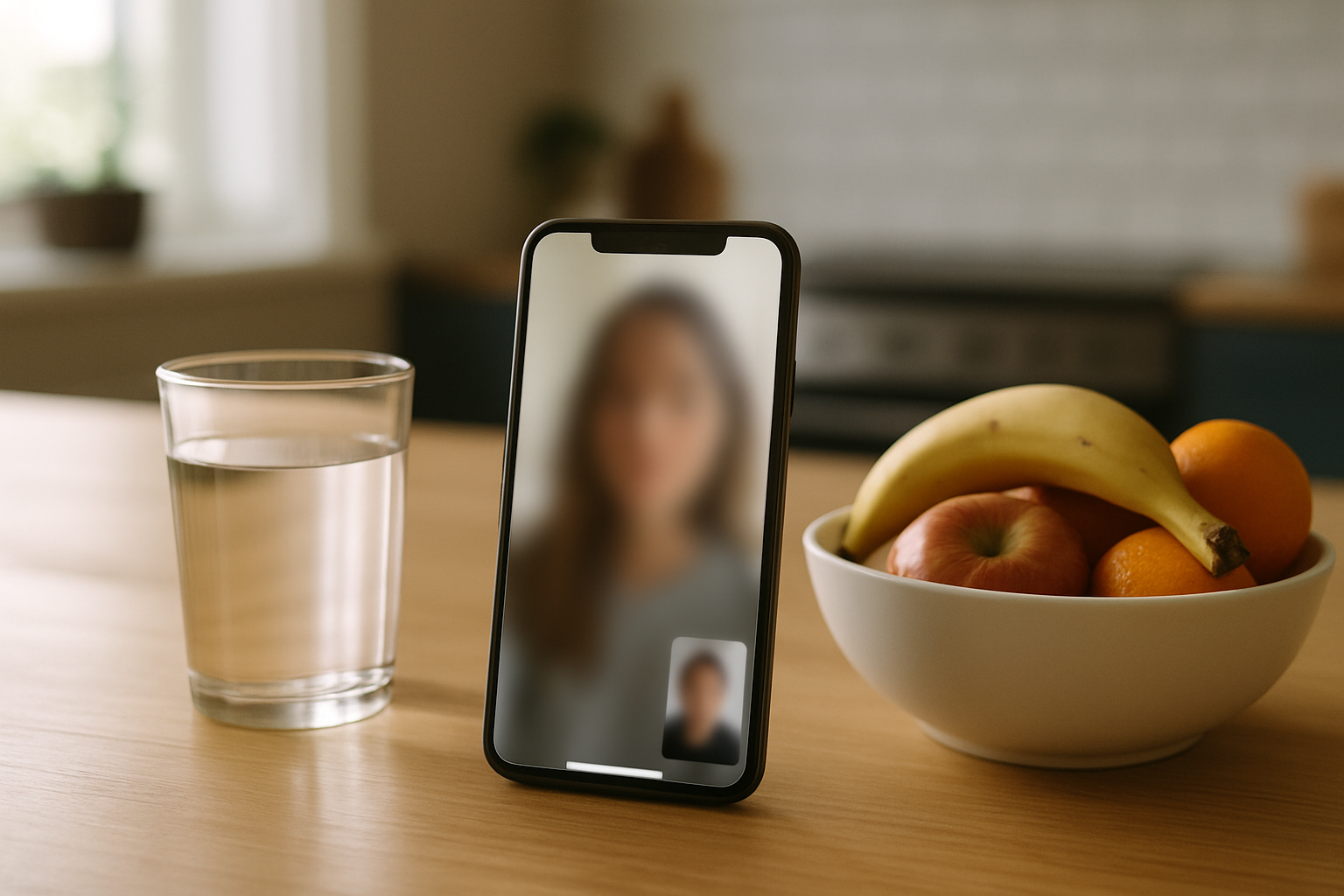
Online nutrition appointment set-up at home

Online sessions can be a flexible option when travel is difficult.

Yes. In‑home appointments can help when travel is difficult or when support is most useful in your real environment (kitchen set‑up, pantry staples, meal prep habits). In‑home support can also suit participants who benefit from visual prompts, hands‑on coaching, or carer involvement.

Can sessions be done online if I’m not able to attend in person?

Yes. Online appointments can work well for education, meal planning, supplement reviews, and check‑ins—especially if you want flexibility or reduced travel.

To understand options, visit: https://betame.com.au/skype-consultations/.

Can a nutritionist help with gut health goals under the NDIS?

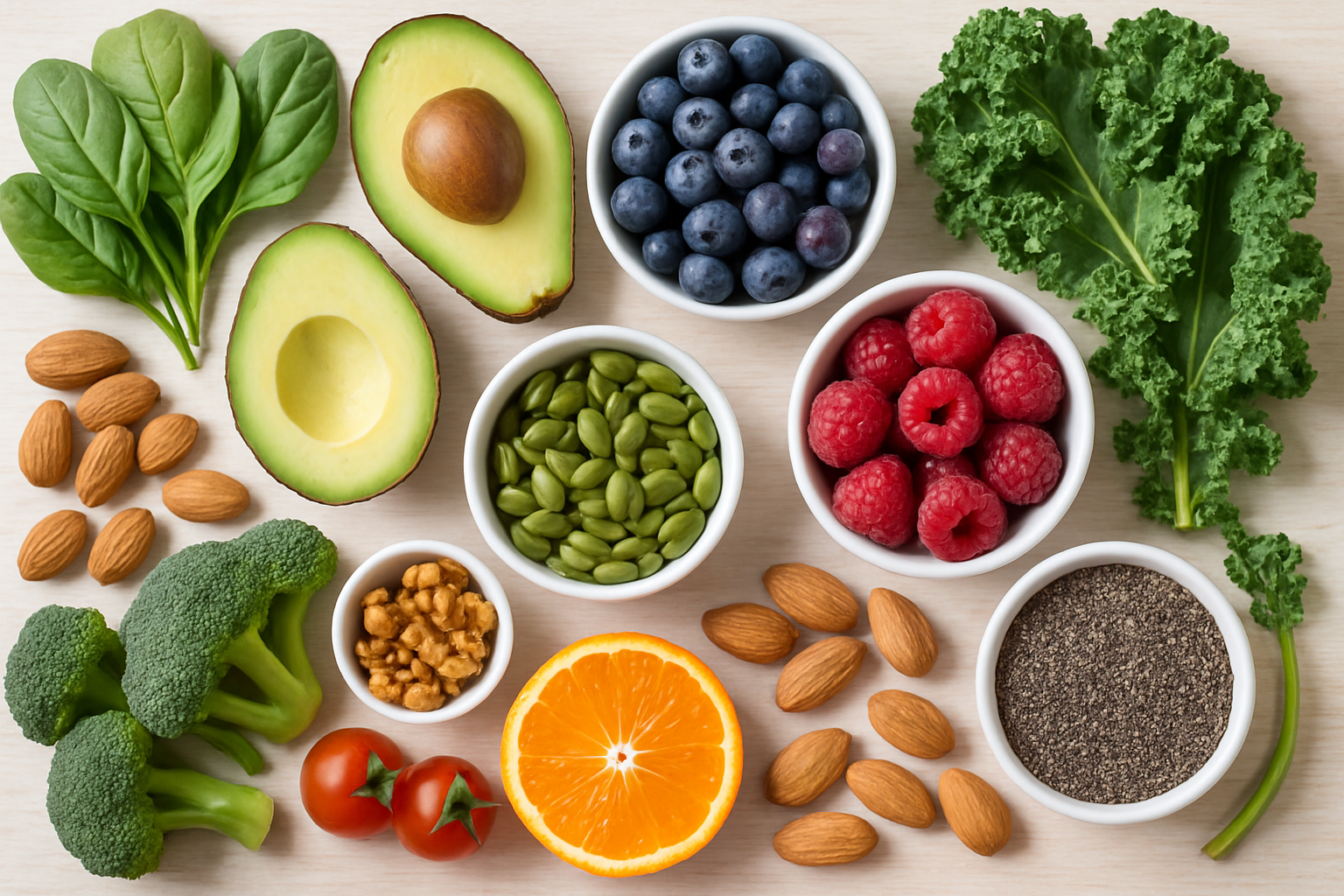
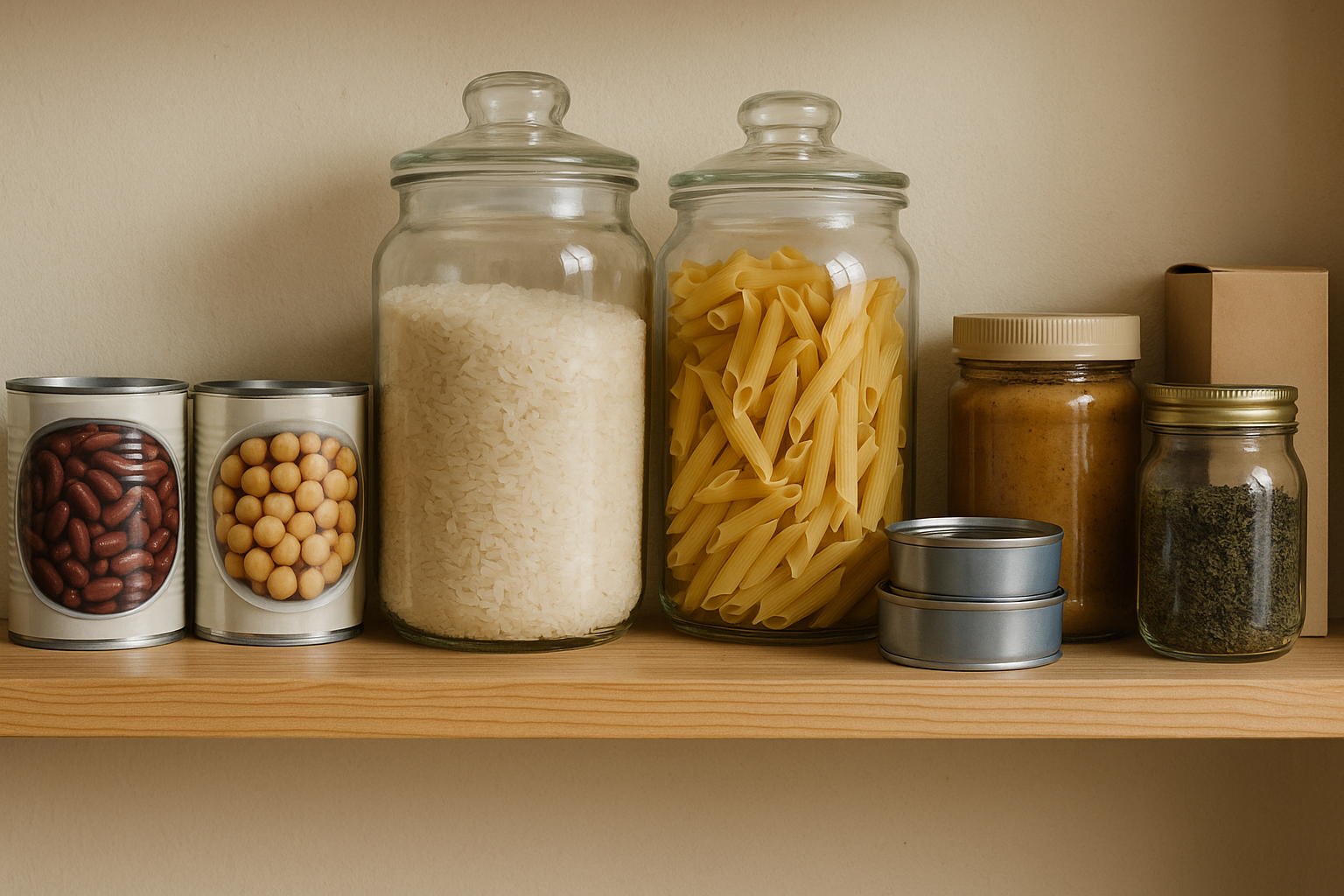
Everyday pantry staples for simple, budget-friendly meals

A supportive pantry can reduce decision fatigue and make meals more consistent.

Gut-related goals often involve routine, food tolerance, fibre and fluid strategies, and stress support.

For persistent or severe symptoms, coordinate with your GP and consider whether a dietitian referral is appropriate.

How do I choose the right practitioner if I’m also considering a naturopath?

Start with your goals and the type of support you want.

A naturopath and nutritionist approach can be helpful if you want a holistic lens on food, lifestyle, and supplements alongside education and behaviour change.

Make sure the practitioner explains their process clearly, stays within scope, and is comfortable collaborating with your GP and allied health team when needed.

What should I prepare before my first appointment?

Bring your NDIS goals (or a brief summary), a list of medications and supplements, any relevant reports, recent blood test results if available, and a typical few days of food and drink (photos are fine).

Also note practical barriers: cooking access, budget, sensory preferences, support workers, and any foods you avoid.

Can carers or support workers attend the appointment?

Yes, and it’s often helpful.

When the people who support shopping, cooking, or routines attend, it’s easier to turn recommendations into real‑world habits. With your consent, clear written action steps can also help your support team stay consistent.

Loading...