
Small Diet Tweaks vs. a Full Health Overhaul: What’s Best for You?
You’ve decided it’s time to focus on your health. That’s fantastic. But then comes the big question: where on earth do you start? Do you dive in headfirst and change everything at once, or do you dip your toes in with a few small, manageable adjustments?
It’s a common dilemma. One friend might rave About their total lifestyle transformation, while another swears by the slow-and-steady approach. The truth is, there’s no single right answer. The best path for you depends entirely on your personality, your goals, and what’s going on in your life right now.
Let’s break down the difference between making a few recent posts to your daily routine versus a full-scale remodel, so you can figure out what feels right.
The Power of Small Tweaks


This is the approach of making small, incremental changes. Instead of banning all your favourite foods and committing to a two-hour gym session every day, you focus on one or two simple swaps. It’s less about revolution and more about evolution.
What this looks like in practice:
- Swapping your second latte for a herbal tea.
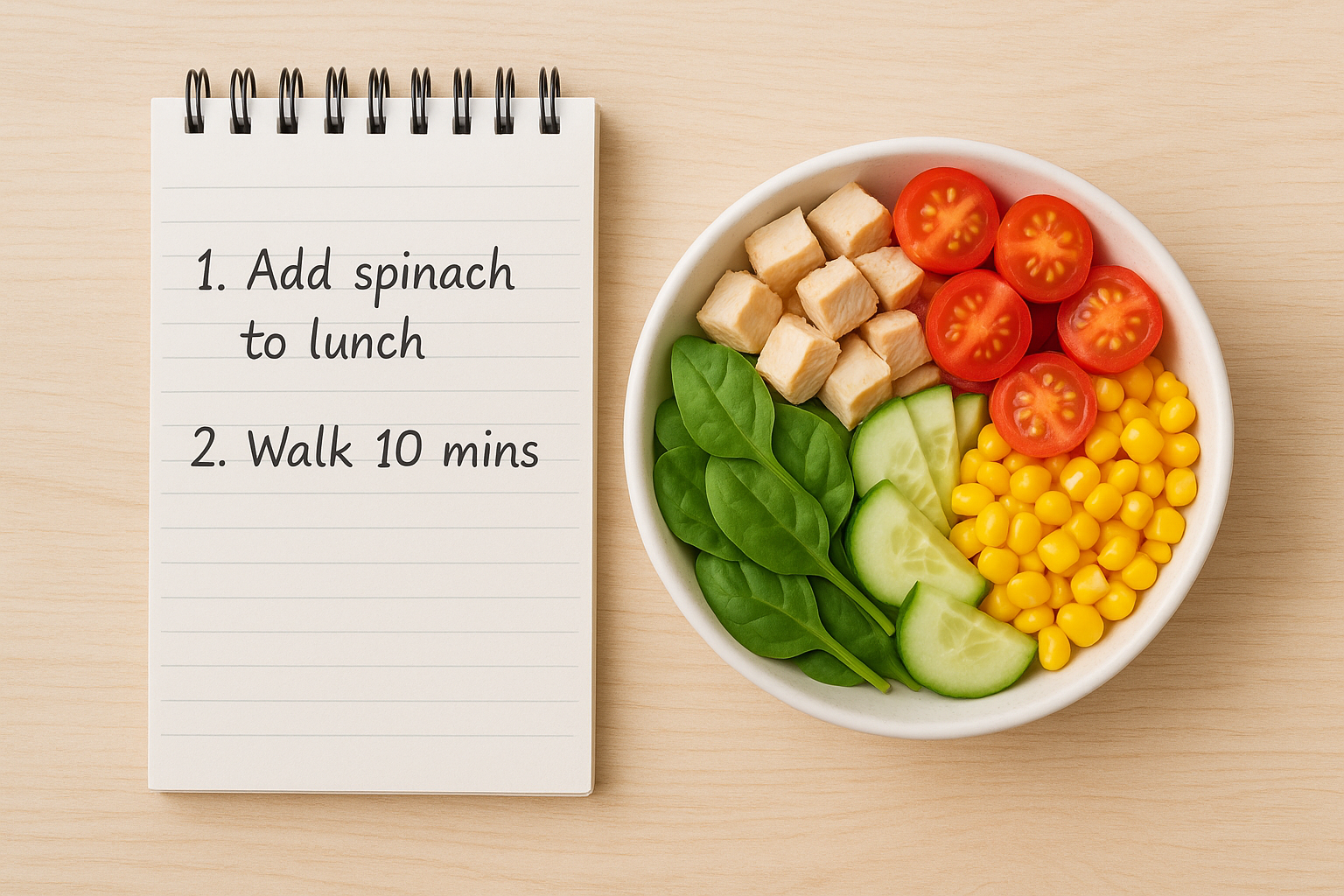
- Adding a handful of spinach to your scrambled eggs.
- Committing to a 15-minute walk during your lunch break.
- Switching from white bread to a wholegrain sourdough.
- Having one extra glass of water each day.
These might seem minor, but their effects compound over time. If you find yourself constantly snacking or reaching for another coffee, focusing on one small change can be a game-changer.
Pros of this approach:
- Highly Sustainable: It’s easier to stick with a small change than a massive one. It builds confidence and momentum.
- Less Overwhelming: You avoid the paralysis that can come from a 20-point action plan.
- Budget-Friendly: You don’t need to buy a whole new pantry’s worth of food at once.
Cons to consider:
- Slower Visible Results: It might take longer to see significant changes, which can be discouraging for some.
- May Not Be Enough: For certain chronic health conditions, small tweaks alone might not be sufficient to move the needle.
The Case for a Full Health Remodel

A full remodel is the ‘rip the band-aid off’ approach. It involves making significant, simultaneous changes to your diet, exercise, and lifestyle habits. This is for when you feel you need a complete system reset to get back on track.
What this looks like in practice:
- Following a specific, structured dietary plan (like an elimination diet or anti-inflammatory protocol).
- Removing processed foods, sugar, and alcohol entirely for a set period.
- Starting a consistent exercise routine.
- Implementing new stress management techniques like meditation and journaling.
This comprehensive strategy can be incredibly effective, particularly when you need to address foundational health issues and want to feel better, faster.
Pros of this approach:
- Faster, More Noticeable Results: Changing multiple variables at once can lead to significant improvements in energy, digestion, and mood relatively quickly.
- Addresses Root Causes: It can be a powerful way to identify food sensitivities and address underlying imbalances.
- Highly Motivating: For ‘all-or-nothing’ personalities, the clear structure and quick feedback can be very rewarding.
Cons to consider:
- Risk of Burnout: It requires a huge amount of initial energy, planning, and willpower, which can be difficult to sustain.
- Can Feel Restrictive: A sudden, strict regimen can feel socially isolating and lead to feelings of deprivation.
- Requires More Support: Going it alone can be incredibly tough. Professional guidance is often key to success.
So, Which Path Should You Choose?
Think about these questions:
- What’s your personality? Do you love a big challenge, or do you prefer to ease into new things?
- What are your goals? Are you looking for a general energy boost, or do you need to manage complex conditions like anxiety or gut issues?
- How much time and energy can you commit right now? Be honest with yourself about your current capacity.
Often, the best strategy is a blend of both. You might start with a structured ‘remodel’ for a few weeks to kickstart progress, then transition to embedding those changes as sustainable, long-term ‘tweaks’.
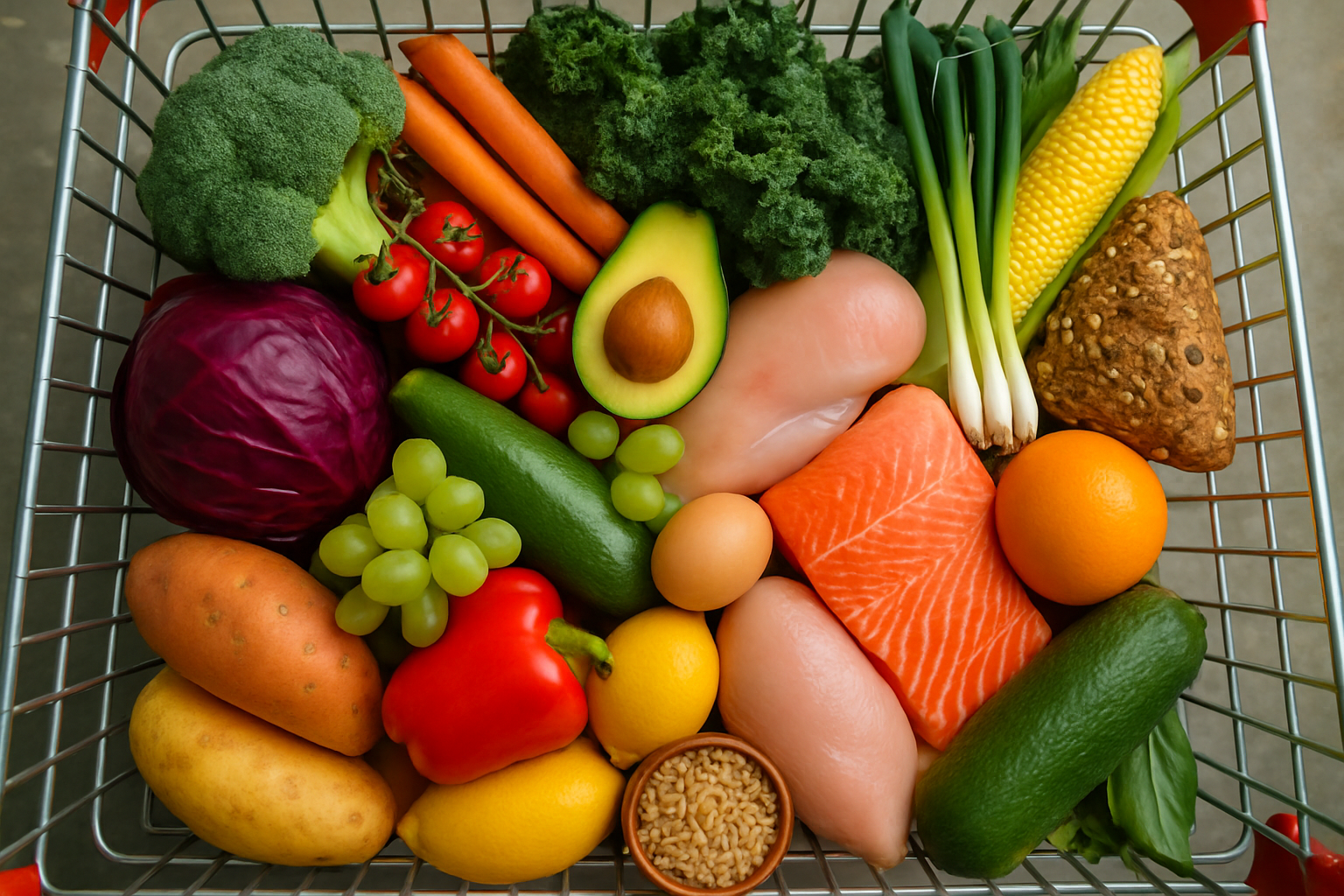
Whether you’re making small swaps or overhauling your pantry, knowing what to look for when navigating the supermarket aisles is a skill that supports any approach.
You Don’t Have to Decide Alone
Trying to figure this out by yourself can be the hardest part. As a naturopath and nutritionist here on the Gold Coast, my job is to help you cut through the confusion and create a plan that actually fits your life.
Our approach at Beta Me is not about handing you a generic meal plan. It’s about understanding your unique health picture, your lifestyle, and your goals to map out a path—whether it’s paved with small, steady steps or a more direct route—that will get you where you want to go.
Ready to find a clear, practical path forward for your health? Let’s chat about what a personalised plan could look like for you.
[Book Your Consultation Today with Beta Me on the Gold Coast]