

4 Seasonal Wellness Trends in Australia That Actually Work

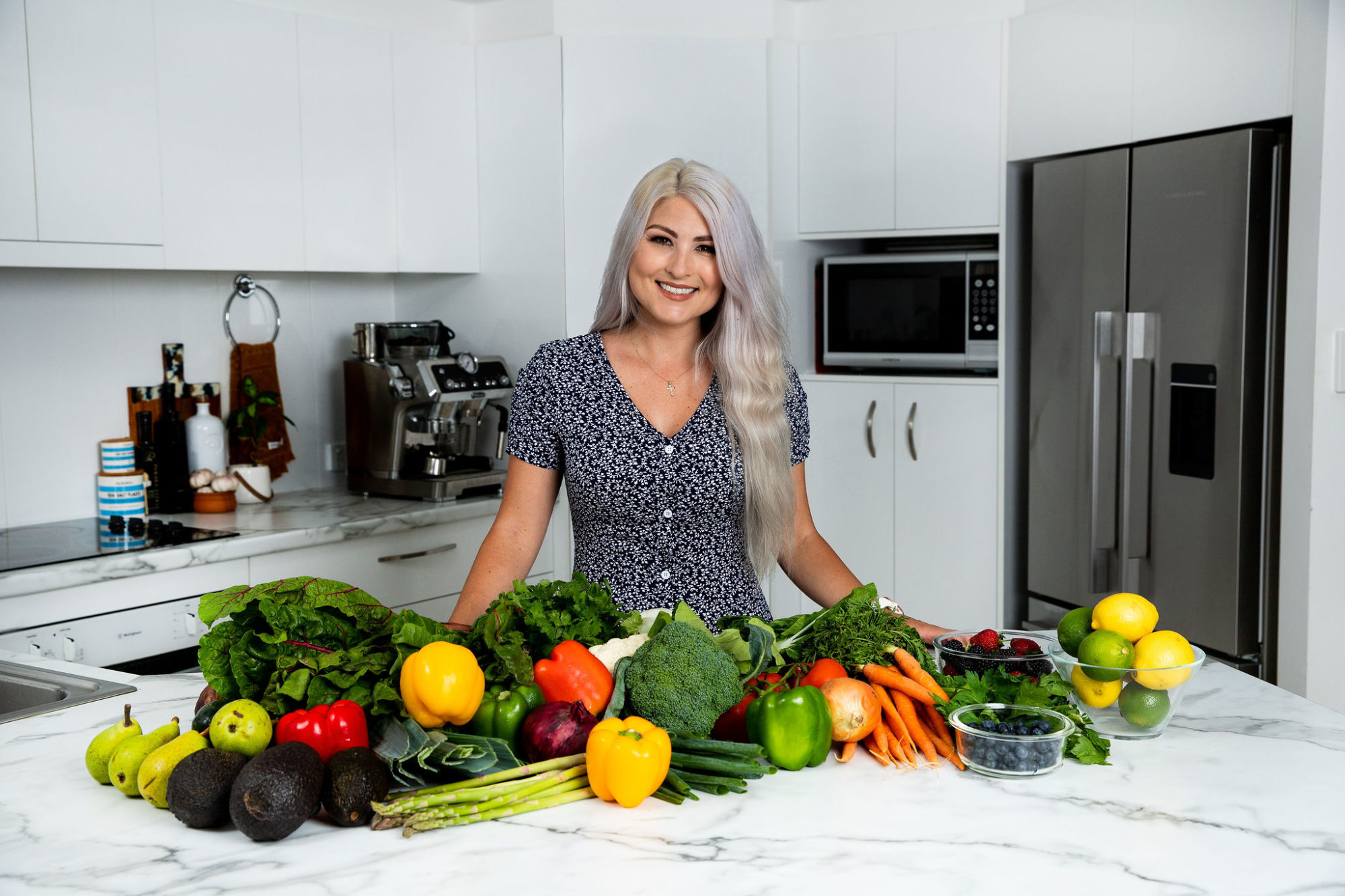
A colourful arrangement of seasonal Australian fruits and vegetables on a wooden table.

4 Seasonal Wellness Trends in Australia That Actually Work

Scroll through your social feed and you’ll see a dozen new wellness ‘trends’ every week. From sea moss gel to lymphatic drainage, it’s hard to know what’s a fleeting fad and what can genuinely support your health.

As the seasons shift here in Australia, it’s time to cut through the noise.

Let’s focus on the seasonal wellness trends that are grounded in solid health principles—the ones that offer practical, lasting benefits for your year-round wellbeing.

1. Focus on Gut Health: Your Immune System’s Foundation

A person serving a bowl of healthy, homemade vegetable soup.

This isn’t a new trend, but its importance is finally getting the recognition it deserves. A healthy gut microbiome is the foundation for everything: your immune response, mood, and energy levels. The trend is shifting away from restrictive diets and towards actively nourishing your gut.

Why it matters seasonally: A robust gut is your first line of defence against winter sniffles. In summer, a balanced microbiome helps with digestion during a season filled with social events and different foods.

How to Apply This Trend:

  • Diversify Your Fibre: Aim to eat 30+ different plant foods each week. This feeds a wider range of beneficial gut bacteria. Think beyond just fruit and veg—include nuts, seeds, legumes, and wholegrains.
  • Embrace Fermented Foods: Incorporate foods like sauerkraut, kimchi, kefir, and quality natural yoghurt. They are a fantastic natural source of probiotics.
  • Prioritise Immunity: Your gut houses around 70% of your immune system. To learn more, see how you can boost your immune system this winter.

2. Eat Seasonally: Connect With Your Food

A powerful movement is growing away from processed, packaged foods towards a deeper connection with where our food comes from. This trend champions eating locally sourced, seasonal produce. Why? It boasts superior flavour and nutrient profiles and is better for the environment.

This also encourages mindful eating—paying attention to your food and your body’s hunger cues, which can transform your relationship with meals.

Why it matters seasonally: Eating seasonally means you’re giving your body what it needs most. Think hearty root vegetables and citrus in winter, versus hydrating fruits and leafy greens in summer.

How to Apply This Trend:

  • Visit a Local Market: The Gold Coast has some fantastic farmers’ markets. It’s a great way to see what’s truly in season and connect with producers.
  • Shop the Perimeter: At the supermarket, focus on the outer aisles where fresh produce, meat, and dairy are typically located.
  • Become a Savvy Shopper: If markets aren’t your thing, you can still make smart choices. Learning to read labels and identify genuinely healthy products is a crucial skill. We make this easier by navigating the aisles with a supermarket shopping tour.

3. Embrace Personalised Nutrition (Not Rigid Diets)

The era of the one-size-fits-all diet is over. We’re finally acknowledging that what works for your friend might not work for you. Your unique genetics, lifestyle, stress levels, and health goals all determine your nutritional needs. This trend is all About bio-individuality.

This means listening to your body and seeking professional guidance to create a plan that fits your life, rather than trying to force your life into a rigid diet.

Why it matters seasonally: Your nutritional needs can change with the seasons. You might need more Vitamin D support in winter or different electrolytes in summer. A personalised plan adapts with you.

How to Apply This Trend:

  • Ditch the Quick Fix: Instead of a punishing New Year detox, consider a gentle, supportive reset. Focus on whole foods, hydration, and reducing inflammatory triggers. Get a sensible take on this in our Goss on Detox post.
  • Listen to Your Body: Pay attention to how different foods make you feel. Do you feel energised after one meal? Sluggish after another? This is valuable data.
  • Seek Expert Guidance: A generic plan from the internet can only take you so far. Working with a professional ensures your approach is safe, effective, and truly tailored to you.

4. Prioritise Foundational Health: Stress, Sleep & Movement

Perhaps the most important trend is realising you can’t out-diet chronic stress or poor sleep. Wellness is holistic. This means prioritising stress-reduction techniques, quality sleep, and consistent movement as non-negotiable pillars of health.

Why it matters seasonally: Less sunlight in winter can impact our mood and vitamin D levels. The busy social calendars of summer can increase stress. Adapting your self-care routine to the season is key to staying balanced.

How to Apply This Trend:

  • Schedule Downtime: Actively block out time in your calendar for rest and relaxation, just as you would for a work meeting. It is that important.
  • Create a Wind-Down Routine: An hour before bed, dim the lights and put away screens. Do something calming like reading a book, stretching, or sipping herbal tea.
  • Find Movement You Love: A walk in the morning sun or a restorative yoga class can be just as beneficial as an intense gym session, especially for managing stress.

Ready to Build Your Seasonal Wellness Plan?

Navigating health trends can be overwhelming, but you don’t have to do it alone. The most effective approach is one that considers your unique body and is built on sustainable habits, not fads.

If you’re ready to move beyond generic advice and discover what truly works for you, it might be time for guidance from a qualified nutritionist and naturopath. At Beta Me, Danielle Lamb can help you create a practical, personalised strategy to feel your best, no matter the season.

Stop guessing and start feeling better. Book your consultation today and explore more advice on our blog.

Related reading: Gold
Small Diet Tweaks vs. a Full Health Overhaul: What’s Best for You?

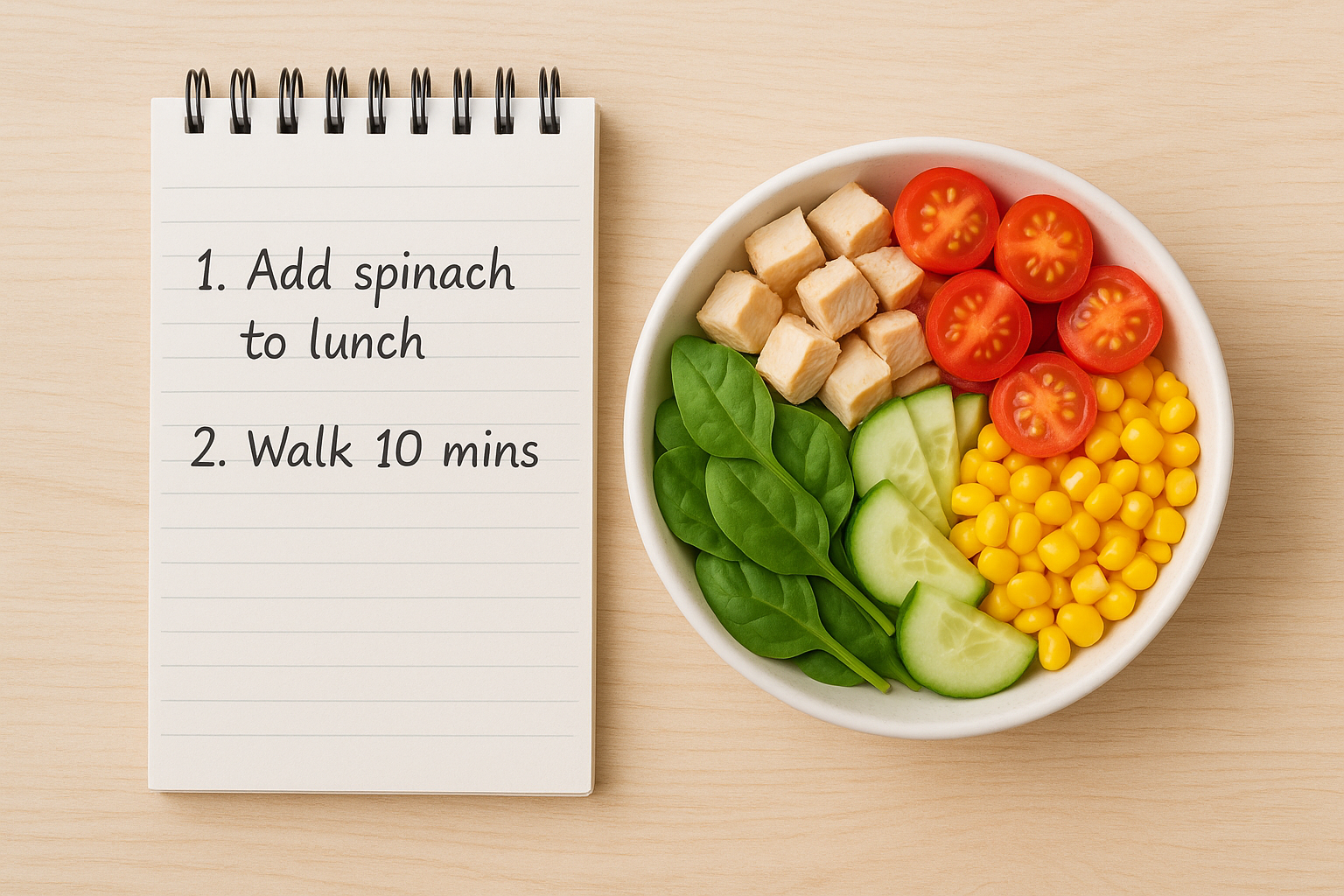
A notepad with small health goals written on it next to a healthy salad.

Small Diet Tweaks vs. a Full Health Overhaul: What’s Best for You?

You’ve decided it’s time to focus on your health. That’s fantastic. But then comes the big question: where on earth do you start? Do you dive in headfirst and change everything at once, or do you dip your toes in with a few small, manageable adjustments?

It’s a common dilemma. One friend might rave About their total lifestyle transformation, while another swears by the slow-and-steady approach. The truth is, there’s no single right answer. The best path for you depends entirely on your personality, your goals, and what’s going on in your life right now.

Let’s break down the difference between making a few recent posts to your daily routine versus a full-scale remodel, so you can figure out what feels right.

The Power of Small Tweaks

A caring naturopath listening to a client in a Gold Coast clinic.

A person reading a nutrition label carefully in a supermarket.

This is the approach of making small, incremental changes. Instead of banning all your favourite foods and committing to a two-hour gym session every day, you focus on one or two simple swaps. It’s less about revolution and more about evolution.

What this looks like in practice:

  • Swapping your second latte for a herbal tea.
  • Adding a handful of spinach to your scrambled eggs.
  • Committing to a 15-minute walk during your lunch break.
  • Switching from white bread to a wholegrain sourdough.
  • Having one extra glass of water each day.

These might seem minor, but their effects compound over time. If you find yourself constantly snacking or reaching for another coffee, focusing on one small change can be a game-changer.

Pros of this approach:

  • Highly Sustainable: It’s easier to stick with a small change than a massive one. It builds confidence and momentum.
  • Less Overwhelming: You avoid the paralysis that can come from a 20-point action plan.
  • Budget-Friendly: You don’t need to buy a whole new pantry’s worth of food at once.

Cons to consider:

  • Slower Visible Results: It might take longer to see significant changes, which can be discouraging for some.
  • May Not Be Enough: For certain chronic health conditions, small tweaks alone might not be sufficient to move the needle.

The Case for a Full Health Remodel

A hand choosing a healthy glass of water over a sugary soft drink.

A full remodel is the ‘rip the band-aid off’ approach. It involves making significant, simultaneous changes to your diet, exercise, and lifestyle habits. This is for when you feel you need a complete system reset to get back on track.

What this looks like in practice:

  • Following a specific, structured dietary plan (like an elimination diet or anti-inflammatory protocol).
  • Removing processed foods, sugar, and alcohol entirely for a set period.
  • Starting a consistent exercise routine.
  • Implementing new stress management techniques like meditation and journaling.

This comprehensive strategy can be incredibly effective, particularly when you need to address foundational health issues and want to feel better, faster.

Pros of this approach:

  • Faster, More Noticeable Results: Changing multiple variables at once can lead to significant improvements in energy, digestion, and mood relatively quickly.
  • Addresses Root Causes: It can be a powerful way to identify food sensitivities and address underlying imbalances.
  • Highly Motivating: For ‘all-or-nothing’ personalities, the clear structure and quick feedback can be very rewarding.

Cons to consider:

  • Risk of Burnout: It requires a huge amount of initial energy, planning, and willpower, which can be difficult to sustain.
  • Can Feel Restrictive: A sudden, strict regimen can feel socially isolating and lead to feelings of deprivation.
  • Requires More Support: Going it alone can be incredibly tough. Professional guidance is often key to success.

So, Which Path Should You Choose?

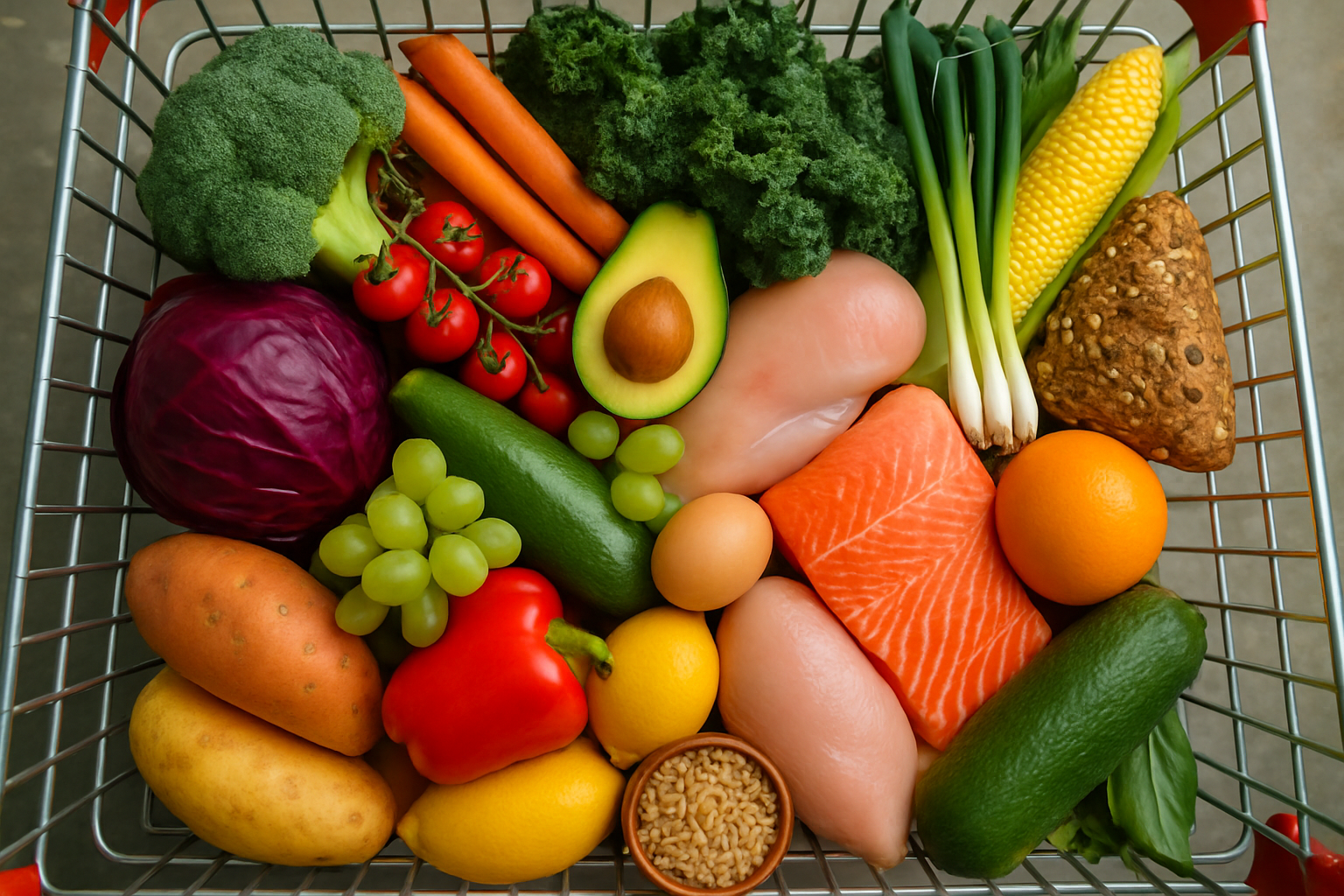
A shopping trolley packed with a wide array of fresh, healthy food.

Think about these questions:

  1. What’s your personality? Do you love a big challenge, or do you prefer to ease into new things?
  2. What are your goals? Are you looking for a general energy boost, or do you need to manage complex conditions like anxiety or gut issues?
  3. How much time and energy can you commit right now? Be honest with yourself about your current capacity.

Often, the best strategy is a blend of both. You might start with a structured ‘remodel’ for a few weeks to kickstart progress, then transition to embedding those changes as sustainable, long-term ‘tweaks’.

Whether you’re making small swaps or overhauling your pantry, knowing what to look for when navigating the supermarket aisles is a skill that supports any approach.

You Don’t Have to Decide Alone

Trying to figure this out by yourself can be the hardest part. As a naturopath and nutritionist here on the Gold Coast, my job is to help you cut through the confusion and create a plan that actually fits your life.

Our approach at Beta Me is not about handing you a generic meal plan. It’s about understanding your unique health picture, your lifestyle, and your goals to map out a path—whether it’s paved with small, steady steps or a more direct route—that will get you where you want to go.

Ready to find a clear, practical path forward for your health? Let’s chat about what a personalised plan could look like for you.

[Book Your Consultation Today with Beta Me on the Gold Coast]

Loading...