Gold Coast materials comparison & selection tips (for supplements, herbs and testing)
If you’ve ever stood in a Gold Coast pharmacy comparing two magnesium bottles and wondering why one is $18 and the other is $48, you’ve seen the issue first-hand.
Labels tell you some information. They rarely tell you what matters most for your body, goals, symptoms and routine.
At Beta Me, we help clients compare and choose the right “materials” for their health plan—supplements, herbal medicines, probiotics, food strategies and (when appropriate) testing—so money goes towards options that are more likely to help.
This guide shares practical, Australian-focused Gold Coast materials comparison and selection tips you can use straight away.
What “materials” means in naturopathy and nutrition
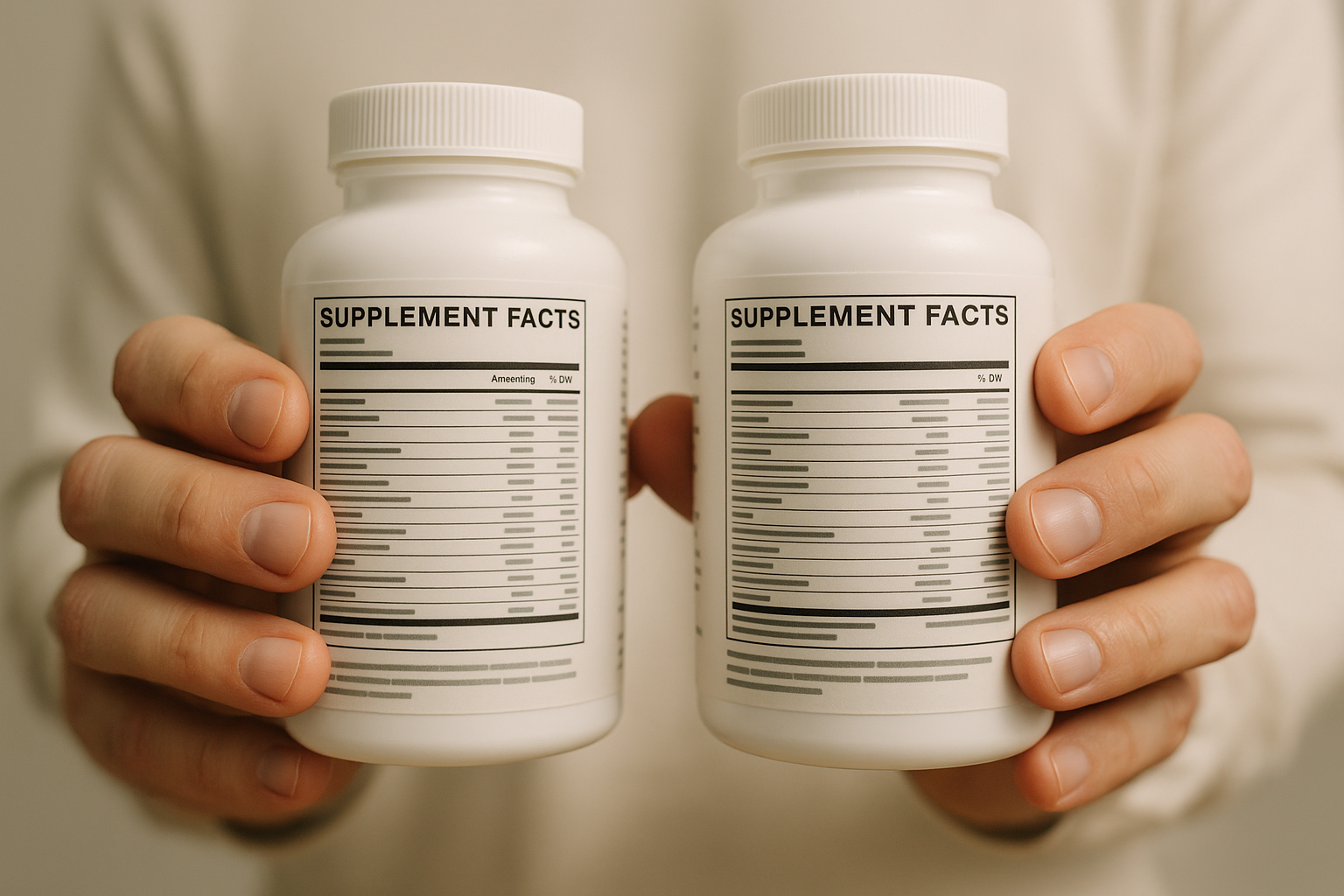
In a naturopath and nutritionist setting, “materials” usually include:
- Food choices (your everyday foundation)
- Supplements (e.g. magnesium, iron, zinc, vitamin D, omega-3)
- Probiotics and prebiotics (and sometimes fibre supplements)
- Herbal medicines (liquid, tablet/capsule, tea)
- Functional testing (only when it will guide decisions)
- Tools for implementation (meal templates, shopping lists, routines)
If you’re searching for a naturopath Gold Coast, gold coast naturopath, or a holistic nutritionist Gold Coast, the biggest win is often not “more products”.
It’s usually fewer things, chosen more precisely.
For service options, see: Naturopath Gold Coast | Nutritionist Gold Coast.
Start with the simplest rule: match the material to the job
Before you compare brands, get clear on these points:
- What’s the goal? (Sleep, energy, gut symptoms, mood, skin, performance)
- What’s the time frame? (Short-term support vs long-term foundations)
- What’s the constraint? (Budget, taste, pill fatigue, shift work, sensory needs)
- What’s already in place? (Current diet, medications, existing supplements)
Common mistakes we see (and how to avoid them)
- Buying a “gut health” probiotic but skipping the food and fibre strategy that supports it.
- Choosing a “stress blend” where the dose is too low to notice.
- Swapping products every week, then not knowing what helped.
A focused plan should make it easier to track changes.
Supplements: a clear comparison checklist
When you’re choosing between options, focus on what changes outcomes.
1) The form matters (sometimes more than the dose)
Some nutrients come in different forms. The form can affect tolerance and suitability.
Examples:
- Magnesium: some forms are better tolerated than others, and some are more likely to loosen stools.
- Iron: different forms can affect tolerance (nausea/constipation) and suitability.
- Fish oil/omega-3: compare the active omega-3 content, not just the total oil.
If you’re unsure which form fits your symptoms, working with a nutritionist Gold Coast or Gold Coast naturopath can save money by narrowing your shortlist.
2) Compare the dose per serve (and the number of serves)
A cheaper bottle can cost more if you need double the dose to get the same amount.
Quick method:
- Check the amount per serve
- Multiply by serves per day
- Divide by total serves to get an estimated cost per day
3) Check “other ingredients” (excipients)
You’re looking for ingredients that may affect you personally, such as:
- Sweeteners and flavours (important if you’re sensitive)
- Sugar alcohols (can trigger gut symptoms for some people)
- Allergens (dairy, gluten, soy)
- Fillers/binders (not always bad, but worth knowing)
4) Be cautious with multi-ingredient blends
Blends can be useful. They can also hide under-dosing.
If a label lists 10+ ingredients but doesn’t show meaningful amounts of each, it’s hard to compare—and hard to know what caused benefits or side effects.
Gut health products: probiotics (and what to check)
If you’ve searched for a gut health dietitian Gold Coast, you’re probably looking for a plan that matches your symptoms, not a random product.
Choose based on your symptom pattern
Start here:
- Your main symptom: bloating, constipation, diarrhoea, reflux, post-antibiotic recovery
- Your tolerance: do fermented foods and fibre help, or flare symptoms?
- Your routine: can you take capsules daily? Do you need shelf-stable?
What to look for when comparing probiotics
- Strain detail (not just “probiotic blend”)
- Clear dosing instructions you can follow
- Storage requirements that suit your life
A grounded note: probiotics are rarely the whole answer.
A strong gut plan often includes meal structure, protein and fibre targets, and a repeatable shopping list.
Herbal medicines: liquid vs tablet vs tea
Herbal medicines can be useful, but the format affects whether you’ll stick with it.
- Liquid herbs: flexible dosing; taste can be a barrier
- Tablets/capsules: easy; sometimes less flexible dosing
- Teas: a great ritual; strength can vary
If you’re comparing herbs for stress, sleep or mood, also factor in:
- Caffeine intake
- Alcohol
- Shift work
- Training load
- Whether anxiety is part of the picture
If anxiety is a key driver, see: Anxiety naturopath Gold Coast support.
Food is a “material” too (and it’s usually the cheapest lever)

Before you spend more on products, tighten the food foundations that give the biggest return.
A practical Gold Coast pattern we often see
- Breakfast becomes coffee + a snack bar.
- Mid-morning hunger leads to grazing.
- Afternoon energy dips.
A food-first fix (simple, repeatable)
- Higher-protein breakfast you can rotate (e.g. eggs on toast, Greek yoghurt with fruit and seeds)
- Planned snack with protein/fibre (e.g. nuts + fruit, tuna + crackers)
- Dinner template: protein + colourful veg + carbs you tolerate
This is also where in-person comparison helps.
If you’d like practical, on-shelf guidance, explore: Supermarket shopping tours.
Testing: when it’s useful (and when it’s just expensive)

Testing can be helpful when it changes the plan.
Testing may be worth considering if
- Symptoms are persistent despite good basics
- You have multiple competing issues (e.g. sleep + gut + fatigue)
- There are medication considerations
- You want clearer direction before investing in a longer protocol
Testing is usually not the first step if
- Your diet is inconsistent
- You’re not tracking symptoms clearly
- You’re taking lots of supplements already (and can’t tell what does what)
A good practitioner should explain what a test can and can’t tell you, and what decisions it will guide.
Which practitioner should you see: naturopath, dietitian, nutritionist—or both?
People often search:
- naturopath gold coast / gold coast naturopath
- nutritionist gold coast
- naturopath and nutritionist
- best naturopath Gold Coast or highly recommended naturopath Gold Coast
Here’s a simple way to think About it:
- If you want food strategy, meal structure and practical implementation, you’ll likely want nutrition support.
- If you also want herbal medicine and supplement strategy, naturopathy can be useful.
At Beta Me, we integrate these approaches so you’re not juggling conflicting advice. You can also view professional context here: Allied Health Nutritionist.
NDIS considerations: choosing materials that work in real life
If you’re looking for an NDIS dietitian Gold Coast or NDIS nutritionist Gold Coast, “best” often means the plan is:
- Practical (not perfect)
- Respectful of sensory preferences and routines
- Focused on confidence and independence
- Built around a short, manageable list of supports
Beta Me offers flexible appointment options. See: NDIS Nutritionist Gold Coast.
Quick examples: how to compare common products
Example 1: Two magnesium products
Choose based on:
- Your goal (sleep, cramps, stress support)
- Gut tolerance
- Dose per day and cost per day
- Whether you’ll actually take it (powder vs capsule)
Example 2: Two “gut health” powders
Compare:
- Fibre type (some fibres are more likely to trigger symptoms)
- Added sweeteners/flavours
- Serve size (and how often you need it)
- Whether meals are changing to support it
Example 3: Two multivitamins
Ask:
- Do you need a multi, or do you need 1–2 targeted nutrients?
- Are there meaningful doses, or mostly tiny amounts?
- Any ingredients you react to?
The safest way to spend less: reduce the list, increase the match
If you’ve got a cupboard of half-finished supplements, you’re not alone.
A focused plan usually includes:
- 1–3 clear priorities
- A food strategy you can repeat
- A small number of targeted “materials”
- Clear review points (what you’re tracking, and when)
That’s how you avoid the cycle of buying, stopping, swapping and guessing.
Want help choosing what’s right for you on the Gold Coast?
If you’re comparing supplements, probiotics, herbs, or you’re unsure whether testing is worth it, we can help you build a plan that fits your symptoms, budget and routine.
Useful next steps:
Ready to book or ask a question? Contact Beta Me
FAQs
What does ‘materials’ mean in a naturopathy and nutrition context?
Materials are the tools used to support your plan: food choices, supplements, herbal medicines, probiotics, and sometimes testing. The right selection depends on your symptoms, history, medications, budget and what you can stick to.
How do I compare supplement brands without getting lost in marketing?
Compare the form, dose per serve, number of serves, full ingredient list (including excipients), and whether it suits your needs (e.g. allergens, gut tolerance). If you take medications or have medical conditions, check interactions with a qualified practitioner.
Are practitioner-only supplements always better?
No. They can be useful for targeted formulations or therapeutic dosing, but retail products can be appropriate too. The best option is the one that matches your needs, is tolerated, and you can take consistently.
What’s the best probiotic to buy for gut health?
There isn’t one best probiotic. Choose based on your symptoms, strain detail, dosing you can follow, and your tolerance. Pair it with a realistic food strategy for better results.
Do I need functional testing, or can I start with food and basics?
Many people can start with food foundations, targeted basics and symptom tracking. Testing can help when symptoms are persistent, complex, or you’re not responding as expected—especially if it changes what you do next.
Can Beta Me help if I’m on the NDIS and need nutrition support?
Yes. Beta Me offers flexible nutrition support options including online and mobile-style appointments, which may suit NDIS participants depending on goals and needs.