

Gold Coast naturopath cost guide and budget planning (without bill shock)

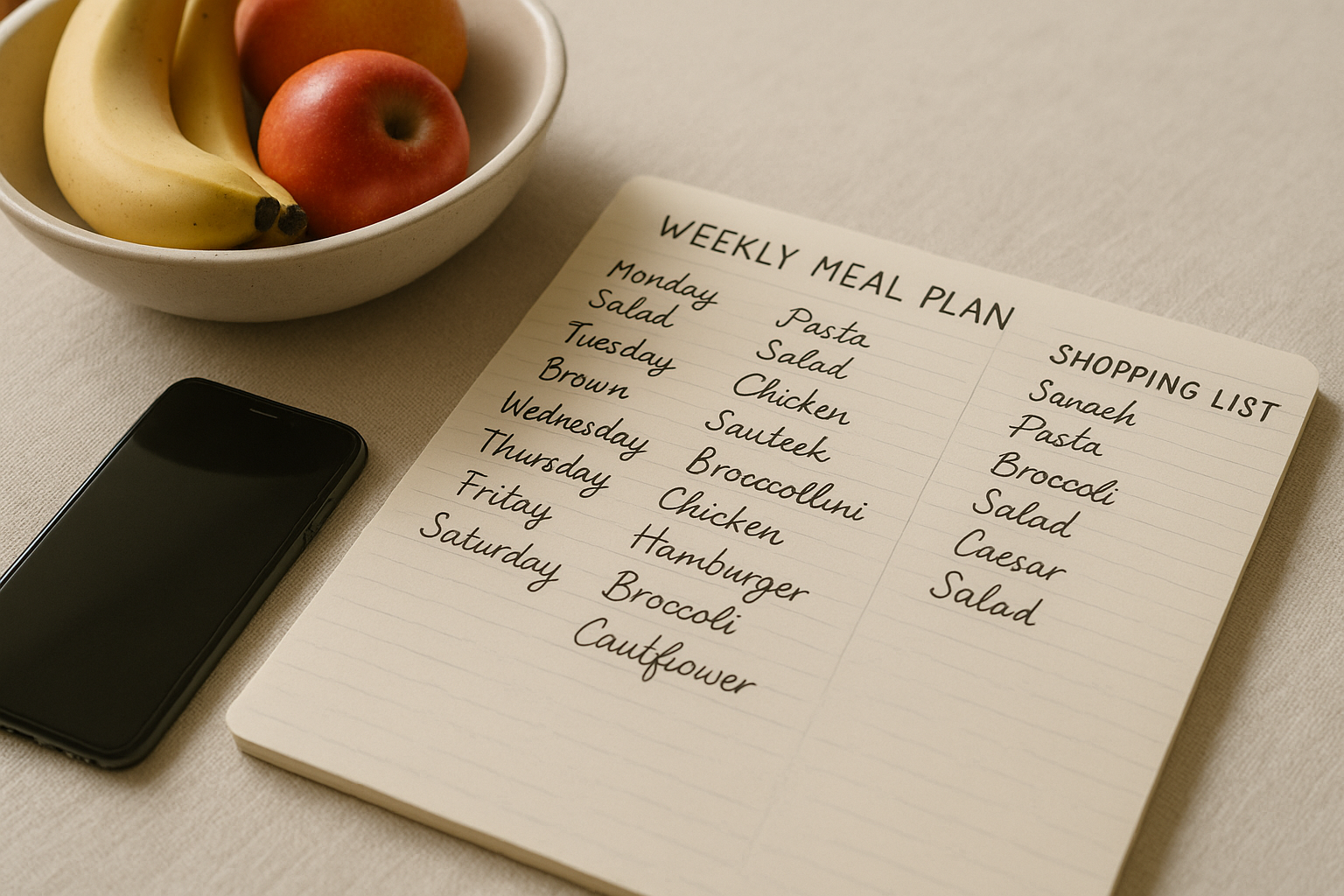
Weekly budget planner and healthy groceries on a kitchen table

Gold Coast naturopath cost guide and budget planning (without bill shock)

You want a naturopath Gold Coast appointment that feels worth it and stays affordable. The goal is a clear plan, realistic food changes, and no surprise costs after the first visit.

This guide covers what drives the total cost, where people overspend, and how to choose support that fits your goals and budget.

It’s also useful if you’re comparing a Gold Coast naturopath with a holistic nutritionist Gold Coast provider, a combined naturopath and nutritionist approach, or a gut health dietitian Gold Coast option.

What makes up the total cost of seeing a naturopath?

The total cost is rarely just the consult fee. Most people spend across four areas:

  1. Consultations (initial appointment plus follow-ups)
  2. Optional testing (only when it changes decisions)
  3. Supplements or practitioner-only products (sometimes helpful, sometimes overdone)
  4. Groceries (often the hidden budget driver)

Good care makes these costs visible early. You should be able to ask, “What’s essential now?” and get a straight answer.

Gold Coast practical note: travel, parking and telehealth

On the Gold Coast, logistics can change the real price more than people expect.

In-home visits may include travel time between suburbs (for example, Southport to Robina, or out toward Nerang, Currumbin, Burleigh Waters, Helensvale or Coomera). Traffic around school pick-up, the M1, and busy shopping precincts can also affect appointment windows.

Parking can add time and cost too, especially in busy cafe strips, medical hubs, and beachside areas.

If you want predictable scheduling (or you’re outside the immediate area), telehealth can be a simpler option across the wider Gold Coast and SEQ.

What you should be paying for (and what to question)

Telehealth nutrition consultation setup with food journal

You’re paying for clinical thinking, prioritisation, and a plan you can actually follow.

Look for:

  • a clear explanation of why each recommendation is there
  • a plan you can refer back to (not just verbal advice)
  • realistic next steps (not an overwhelming overhaul)
  • clear boundaries on what they can support, and when to loop in a GP or other clinician

Be cautious if you leave with:

  • a long product list with no order, timeline, or “stop/review” point
  • no review date
  • no discussion of budget or likely total cost
  • advice that ignores medications, existing diagnoses, pregnancy/breastfeeding status, or basic safety checks

If you’re unsure, ask for the “minimum effective” starting point and build from there.

The biggest cost drivers (and how to control them)

1) Appointment length and follow-up frequency

Longer initial consults can cost more. They can also save money later by reducing guesswork and trial-and-error.

Follow-ups are where progress is built. That’s where your practitioner adjusts the plan based on what actually happened (sleep, symptoms, food tolerance, stress, roster changes, family demands).

Ask before you book:

  • “For my goal, how many follow-ups are typical?”
  • “How far apart are they?”
  • “What’s included in each follow-up?”
  • “If I can only afford one follow-up, what would you prioritise?”

Follow-up needs vary. They’re often higher when you have multiple symptoms, a complex history, restrictive eating patterns, lots of supplements already, or limited time at home.

2) Testing: valuable sometimes, not always first

Testing can help, but it’s also the fastest way for costs to jump.

A budget-aware approach often looks like this:

  • start with symptom history, diet patterns, sleep, stress, and current meds/supplements
  • run a short, low-risk trial of food and lifestyle changes (with clear tracking)
  • add testing only when the result will meaningfully change the plan

Ask:

  • “What decision will we make based on this test result?”

If the answer is vague (“It might show something”), it may not be the right first step.

Also worth asking:

  • “Is there a lower-cost way to get the same decision?”
  • “Can we do this in stages, starting with the most useful test first?”

For some concerns, your GP may be the best first step to rule out medical causes with standard pathology. A good practitioner should be comfortable saying, “Let’s get this checked properly first.”

3) Supplements and practitioner-only products

Targeted supplements can be useful. Costs usually blow out when too many are started at once and you can’t tell what’s helping.

A cost-controlled approach is staged:

  • What are the top 1–2 priorities for the next 2–4 weeks?
  • What can wait until we review progress?
  • What can be done with food first?

It’s reasonable to ask:

  • “Are there non-practitioner options that would be suitable?”
  • “How long should I take this for before we reassess?”
  • “What would we notice if this is working (and what would mean we stop)?”
  • “Are there any interactions or reasons this wouldn’t suit me?”

If your practitioner welcomes these questions, that’s a good sign.

4) Your grocery shop (the hidden budget driver)

Many health plans fail because they quietly increase your grocery bill.

A practical naturopath and nutritionist approach should fit:

  • your household size
  • your cooking time and skills
  • your supermarket preferences (and what’s actually available locally)
  • your budget (without judgement)

Often, the best results come from foundations, not fancy foods:

  • better breakfast structure
  • steadier protein through the day
  • realistic fibre increases (without going from 0 to 100)
  • basic meal templates you can repeat

You don’t need a trolley full of expensive “health foods” to make progress.

Budget planning: three common pathways
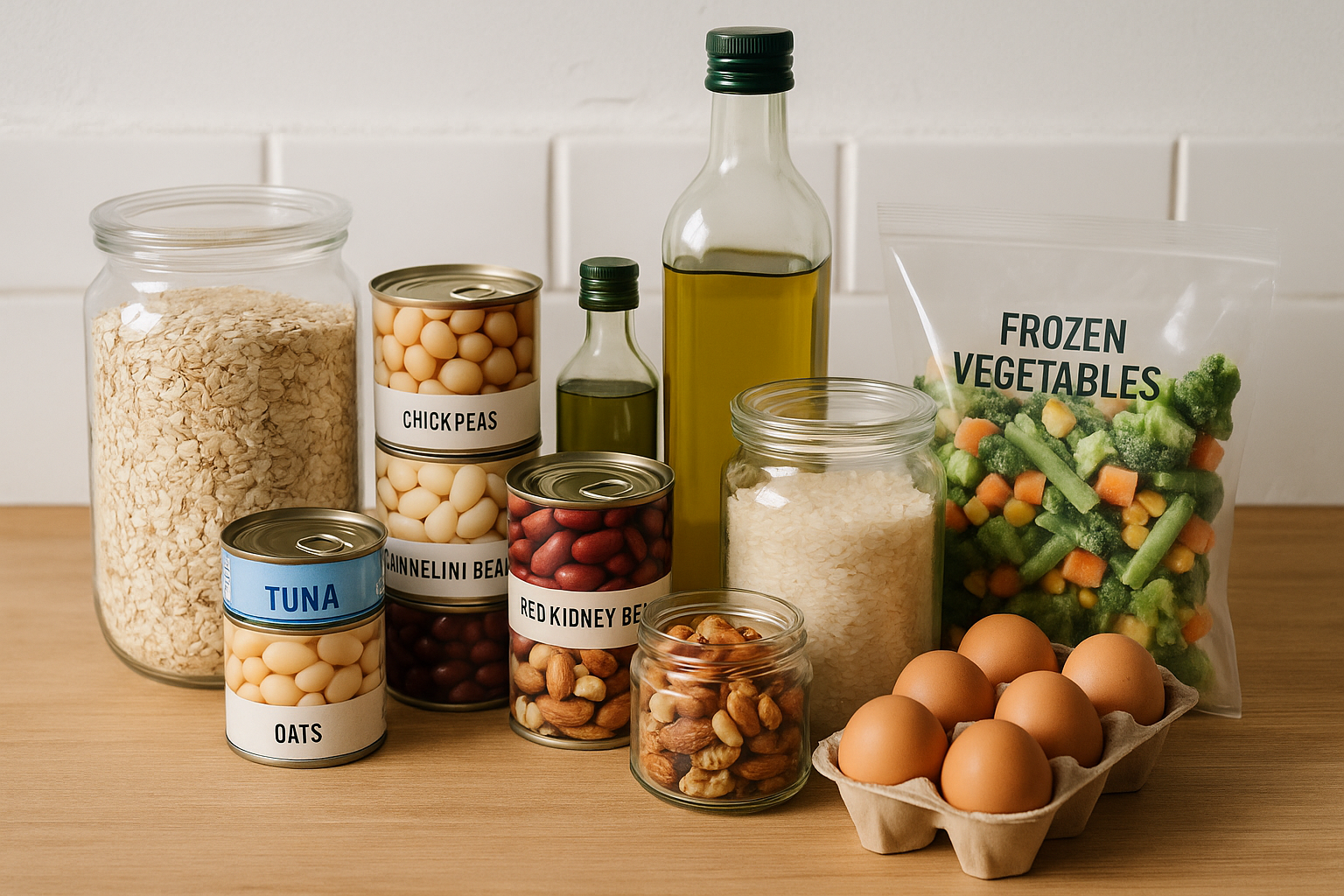
Budget-friendly pantry staples for a nutrition plan

These pathways aren’t quotes. Fees vary between practitioners, appointment types, and whether you’re seen in-clinic, via telehealth, or in-home.

Use these pathways to plan your spend and reduce surprises.

Pathway A: Food-first reset (tight budget, practical changes)

Best for:

  • mild gut discomfort
  • fatigue
  • a general tune-up
  • avoiding over-investing early

Often includes:

  • an initial consult
  • 1–2 follow-ups
  • a clear food plan with flexible options
  • minimal supplements (if any)

Where the value comes from:

  • stopping random supplement buying
  • improving your weekly shop with affordable staples
  • focusing on 2–3 habits until they stick

A simple routine might look like:

  • protein + fibre at breakfast
  • one planned snack to prevent afternoon crashes
  • a basic dinner template a few nights a week

Budget reality check: If your current pattern includes lots of takeaway, convenience snacks, or skipped meals, a food-first plan can shift costs either way. Groceries might rise slightly while takeaway drops.

Pathway B: Targeted gut support (moderate budget, structured steps)

Best for:

  • recurring bloating
  • bowel changes
  • reflux patterns
  • people comparing a naturopath versus a gut health dietitian Gold Coast service

Often includes:

  • an initial consult
  • 3–4 follow-ups across a few months
  • food strategy (triggers, meal timing, fibre progression)
  • supplements used strategically
  • testing only if it changes the plan

Where the value comes from:

  • avoiding overly restrictive diets that backfire (socially, financially, and nutritionally)
  • making the plan work for real shopping and cooking
  • choosing the right next step (instead of doing everything at once)

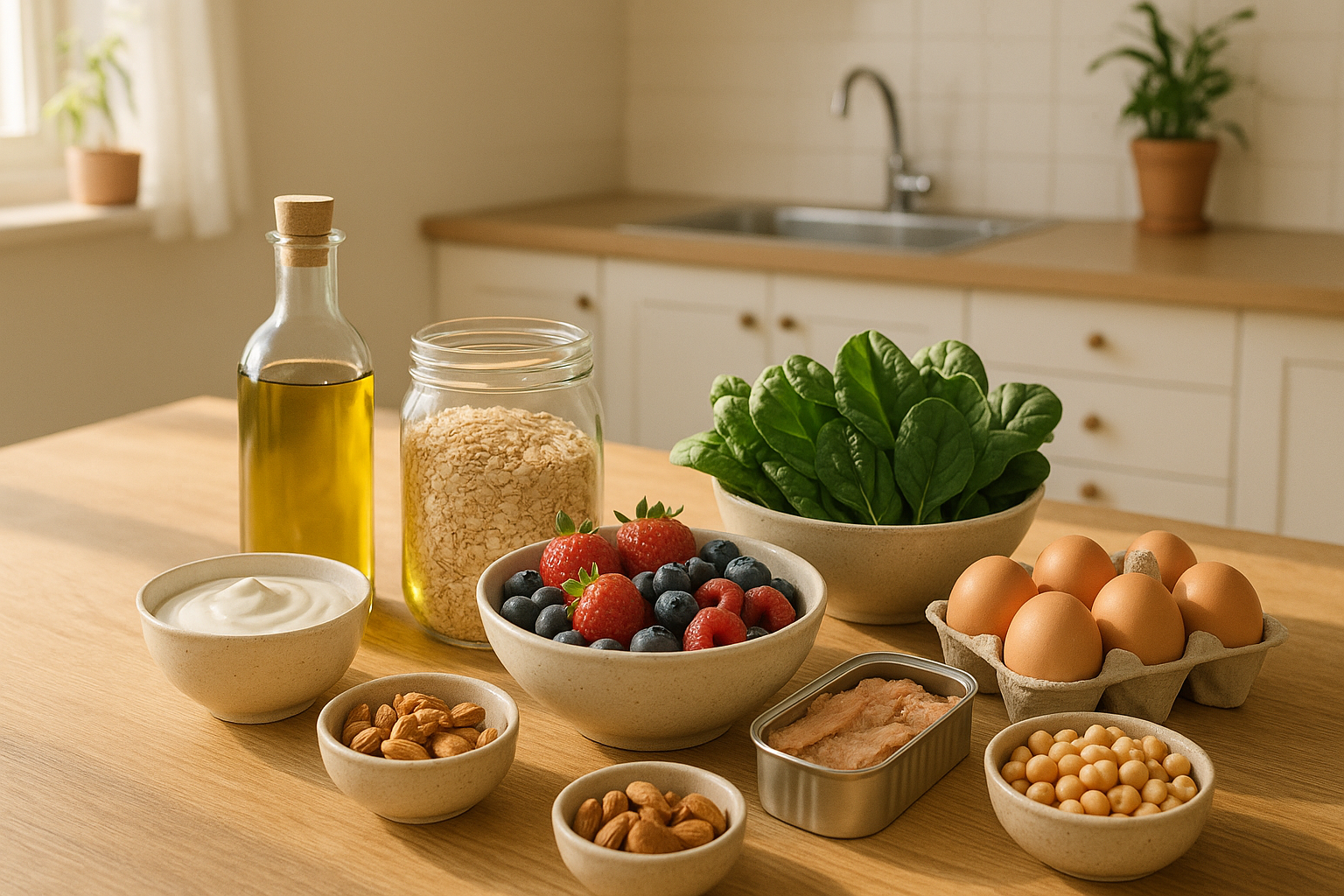
Budget-friendly gut staples (if suitable for you) may include:

  • oats, chia
  • rice, eggs
  • frozen veg
  • yoghurt (or alternatives)
  • olive oil
  • canned fish
  • tinned legumes (if tolerated)

If your plan falls apart at the shops, hands-on support can help.

Beta Me offers practical options like a shopping tour: Supermarket Shopping Guide Gold Coast | Shopping Tour.

Pathway C: Stress, sleep and anxiety support (steady budget, low overload)

Best for people searching for an anxiety naturopath, or wanting support for sleep, overwhelm and stress-related symptoms.

Often includes:

  • an initial consult
  • follow-ups for accountability and troubleshooting
  • realistic sleep and nervous system routines
  • nutrition foundations (blood sugar stability, caffeine timing, evening meal patterns)
  • supplements only when appropriate and clearly explained

Where the value comes from:

  • less conflicting advice
  • better day-to-day function from small, consistent changes
  • fewer expensive “quick fixes” that don’t fit your life

Important: Anxiety has many drivers. Responsible care includes screening for red flags and encouraging GP and psychological support when needed.

If you’re already under care, ask how your practitioner coordinates with your GP or psychologist (with your consent). Also ask what to do if symptoms worsen between appointments.

If this is your focus, read: Anxiety Naturopath Gold Coast.

How to choose a naturopath on the Gold Coast (without wasting money)

If you’re searching “best naturopath Gold Coast”, “highly recommended naturopath Gold Coast”, or “naturopaths in Gold Coast”, compare on value and fit, not just price.

Instead of asking “Who’s cheapest?”, ask:

  • Do they explain their reasoning?
  • Do you get a plan you can actually follow?
  • Do they talk about total cost (not just the first appointment)?
  • Do their credentials, scope and communication style match your needs?

A useful way to judge “highly recommended” is to look for specifics in reviews and clinic info, not just star ratings. Look for clarity of plan, organisation, and whether you felt listened to.

Gold Coast checklist: questions to ask clinics before booking

Use these questions to compare a Gold Coast naturopath (and other naturopaths Gold Coast options) without guessing.

  1. What’s the consult format? In-clinic, telehealth, or in-home?
  2. If it’s in-home, do you charge for travel time? This can vary by suburb and time of day.
  3. What are your service areas? Ask about boundaries or different fees for northern vs southern suburbs.
  4. What about parking/access? If you’re in a busy area or apartment building, ask what you need to organise.
  5. Will I receive a clear plan in writing? You should leave knowing what to do next.
  6. How is nutrition integrated? Many people want a true naturopath and nutritionist approach, not supplements-only care.
  7. How are supplements handled? Look for staged, minimal, explained recommendations and a review point.
  8. How do you decide when testing is worth it? Ask what the result would change.
  9. Can we talk budget openly? You should be able to say: “I can spend up to X per month.”
  10. What follow-up cadence is typical? No follow-ups often means no refinement.
  11. What’s your approach to safety and scope? Ask about medications, pregnancy/breastfeeding, and GP referral.
  12. How do you track progress? Ask what you’ll measure and how often you’ll review it.

If you’re also deciding between a naturopath, a holistic nutritionist Gold Coast provider, or a dietitian (including searches like gut health dietitian Gold Coast), ask how referrals and collaboration are handled.

If you want a combined approach, explore Beta Me here: Naturopath Gold Coast | Nutritionist Gold Coast.

To learn more about the Beta Me approach before you book, see: About Beta Me.

Simple ways to keep your naturopath budget under control

Supermarket shopping focused on simple whole foods

Set a monthly health spend cap

Decide what’s realistic before your first appointment, then say it plainly:

  • “I can do X appointments over Y months.”
  • “I can spend up to $Z per month on supplements or testing.”

Good care can be scaled. You can also ask for a staged plan upfront (phase 1 now, phase 2 later).

If you’re seeing multiple practitioners (GP, psychologist, physio, etc.), your naturopath plan should acknowledge that. A smaller, clearer plan often works better than competing protocols.

Ask for the minimum viable plan

Ask for the smallest set of actions that will still move the needle.

A useful plan is often:

  • 2–3 core habits
  • a short list of food priorities
  • a timeline for review

If your practitioner can’t explain why each step is there, it may not be the right step yet.

Choose support that improves follow-through

If implementation is the hard part, more information won’t help. The right delivery might.

Options that can improve value:

  • telehealth consults if time and travel are the barrier (useful across the wider Gold Coast and SEQ)
  • mobile consultations if your home set-up is the barrier (pantry review, cooking routines, practical problem-solving)
  • supermarket support if your shop is where plans fall apart

Gold Coast logistics that can matter:

  • traffic peaks can make appointment windows tighter
  • parking in busy pockets can add time and cost
  • in-home visits may be easier for families, carers, or people with limited transport

Explore:

If you’re searching for NDIS dietitian Gold Coast style support, these accessible consult options may be worth discussing.

Avoid stacking too many changes at once

Doing everything at once often leads to:

  • wasted supplement purchases
  • half-finished protocols
  • extra follow-ups to untangle what worked

A staged plan is usually cheaper long-term and easier to stick with.

Quick cost checklist for your first enquiry
Checklist for choosing a naturopath and planning support costs

When you contact a naturopath Gold Coast clinic, ask:

  • What’s included in the initial consult (time + written plan)?
  • What follow-up schedule is typical for my goal?
  • Do you offer telehealth or mobile consults (and how does that affect cost)?
  • If you do in-home visits, is travel time included and are there suburb boundaries?
  • How do you decide when testing is worth it?
  • Can you work within a monthly budget cap?

When it can make sense to invest more (and when it doesn’t)

Consider investing more when

  • you’ve tried multiple approaches without clear direction
  • symptoms disrupt sleep, work, or day-to-day function
  • you need hands-on help implementing changes (shopping, meal structure, routines)
  • you want a structured plan rather than piecemeal advice

Be cautious about spending more when

  • you’re offered many products immediately with no staged rationale
  • there’s no clear review date or tracking
  • testing is recommended without explaining how it changes the plan
  • you’re pressured into long upfront packages without clarity on what’s included

Next step: get a plan that fits your budget

If you want transparent recommendations and realistic budgeting (including telehealth or mobile options), Beta Me can help you map out what’s worth doing first and what can wait.

Start here: Naturopath Gold Coast | Nutritionist Gold Coast
Gold Coast supermarket shopping cost guide: budget planning that supports your health goals

Meal plan and grocery list setup for supermarket budget planning in an Australian kitchen

Gold Coast supermarket shopping cost guide: budget planning that supports your Health goals

You don’t always feel the grocery bill when you add a few “extras” to the trolley.

You feel it at the checkout. Or later in the week, when there’s nothing easy to eat and you end up doing another top-up shop.

This Gold Coast supermarket shopping cost guide and budget planning article is for households who want to spend less without defaulting to ultra-processed “cheap” food that doesn’t support energy, gut comfort, mood or family routines.

If you’re also comparing support options (searching naturopath Gold Coast, gold coast naturopath, nutritionist Gold Coast, holistic nutritionist Gold Coast, or gut health dietitian Gold Coast), you’ll see where guided help like a supermarket shopping tour can save money by reducing waste and guesswork.

Step 1: Find your real baseline (before you try to cut it)

Before you set a new target, get clear on what you currently spend.

Track 2–4 weeks of shopping and food spending:

  • Keep receipts or export transactions.
  • Include “quick top-ups” (this is where budgets often leak).
  • Note any takeaway that happened because there was no plan.

Then split it into simple buckets:

  • Core meals: protein, vegetables, fruit, grains, dairy/alternatives
  • Lunches & snacks: yoghurts, crackers, muesli bars, deli items
  • Convenience: pre-made meals, sauces, meal kits
  • Drinks: soft drinks, juices, flavoured milks, alcohol
  • Extras: treats, “new products”, specialty items

This isn’t About judgement. It’s about finding the easiest wins.

For most households, the biggest savings are in extras and convenience, while keeping core foods steady.

Step 2: Pick a budget style you can actually follow

Simple budget-friendly weeknight dinner made from supermarket staples

A budget you can’t stick to won’t help.

Choose the simplest approach that fits your routine.

Option A: The weekly cap

You set one weekly amount and stick to it.

Best for: predictable routines and one main weekly shop.

Make it work:

  • Do one proper weekly shop.
  • Add a small top-up buffer (for example, when milk or fruit runs out).

Option B: Core + flex

You split your spending into:

  • Core: staples for breakfast, lunch and dinner
  • Flex: snacks, treats, convenience and specialty items

Best for: households where one person wants stricter health goals and others want flexibility.

Practical rule: reduce the flex amount first, not the whole trolley.

Option C: Cycle budget (fortnightly or monthly)

You do a bigger pantry/freezer shop, then top up fresh produce weekly.

Best for: families, bulk cooks and anyone trying to reduce impulse buys.

Step 3: Build a repeatable trolley (not a perfect one)

The biggest cost control isn’t finding a “perfect” meal plan.

It’s buying a short list of staples you can turn into multiple meals.

Budget-friendly staples that still support health

Choose what suits your preferences and dietary needs.

Proteins (mix and match):

  • Eggs
  • Tinned fish
  • Chicken thighs or a whole chicken (often better value than breast)
  • Lean mince (use smaller portions and bulk with lentils and veg)
  • Legumes (tinned or dried)

Carbs and fibre:

  • Oats
  • Rice
  • Potatoes or sweet potato
  • Wholegrain pasta (or regular if that’s what your gut tolerates)

Vegetables and fruit:

  • Seasonal fresh produce
  • Frozen veg (especially helpful when prices jump)
  • Salad kits only if they prevent waste

Flavour builders (often cheaper than convenience meals):

  • Garlic, onions, herbs
  • Tinned tomatoes
  • Stock
  • A small number of sauces you’ll use every week

If you’re managing gut symptoms, food intolerances, or you feel stuck in conflicting advice online, working with a naturopath and nutritionist can reduce expensive trial-and-error.

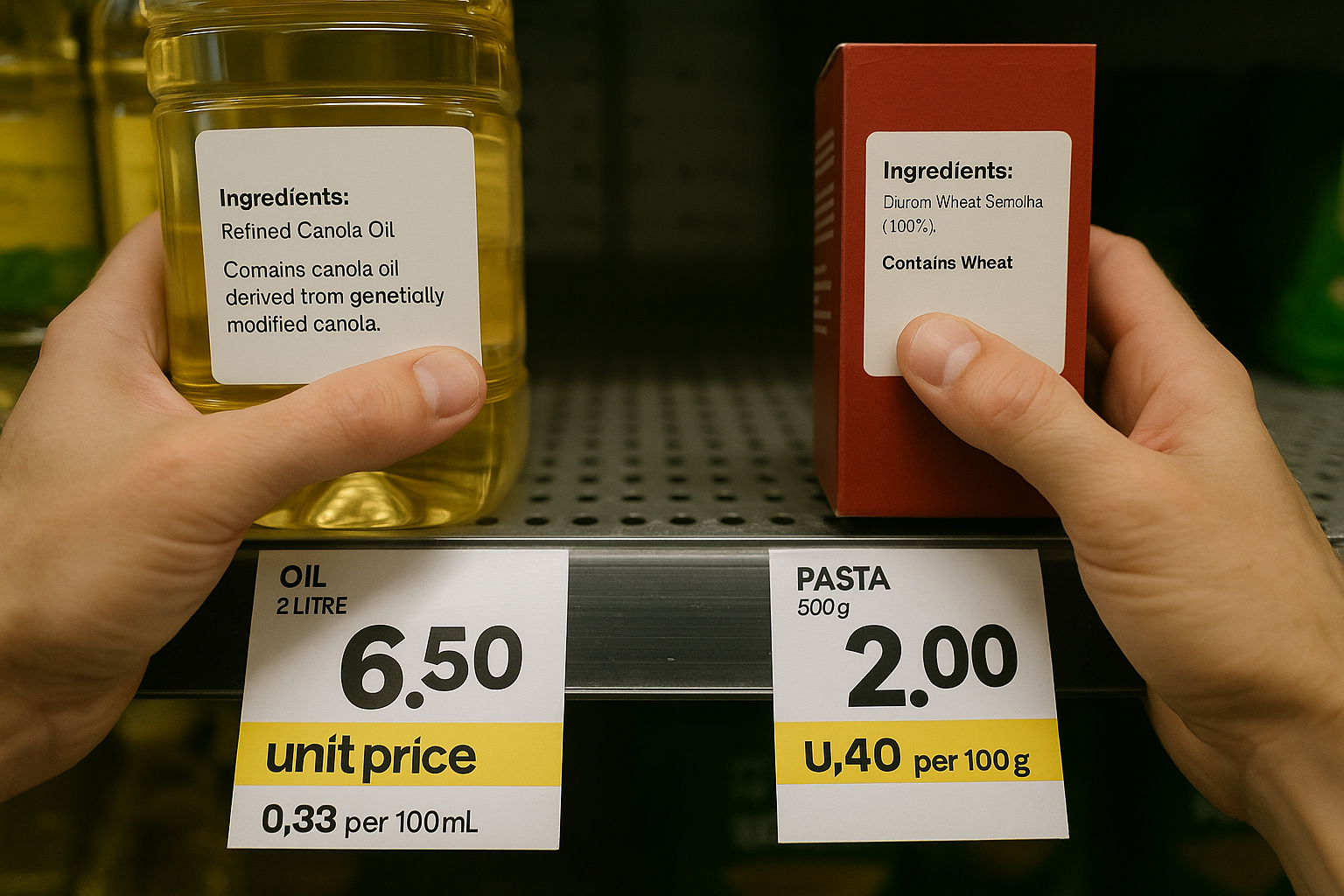
Step 4: Use unit price, not ticket price

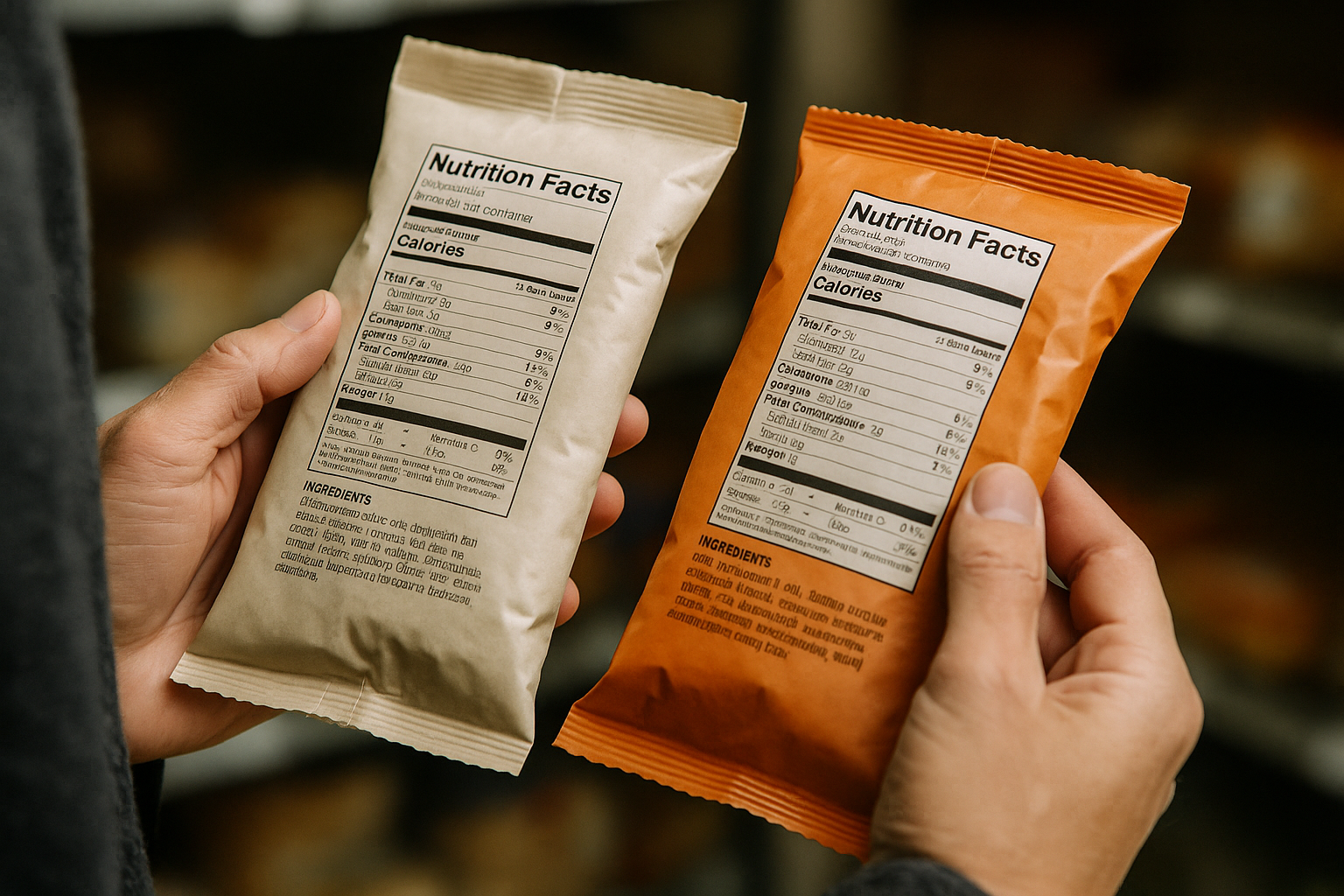
Comparing unit pricing and ingredients during supermarket shopping

Two products can look similar, but the cheapest sticker price isn’t always the best value.

When you compare items, check:

  • Unit price (per 100g, per kg, per serve)
  • Waste factor (will it expire before you use it?)
  • Tolerance (does it actually suit your gut and energy?)

A quick example

A large tub of plain yoghurt may be better value per 100g than single-serve tubs.

But if your household won’t finish it before it expires, it’s not cheaper. It’s food waste.

Step 5: Watch out for “health halo” spending

Some of the most expensive supermarket items are products that look healthy.

Common budget traps:

  • “Protein” snacks that are still highly processed
  • Gluten-free swaps when you don’t need them
  • Multiple supplements and functional powders without a clear plan
  • Expensive snack packs when whole foods would do

If you’re not sure what’s worth it, that’s where a guided shop can help you spend with confidence.

Step 6: Plan dinners that create tomorrow’s lunch

This is one of the most reliable ways to cut weekly costs.

Try this structure:

  • 3 dinners that make leftovers (cook once, eat twice)
  • 1 quick dinner (eggs on toast, soup, stir-fry)
  • 1 “use it up” night (whatever is left in the fridge)

Example: 4 dinners with built-in lunches

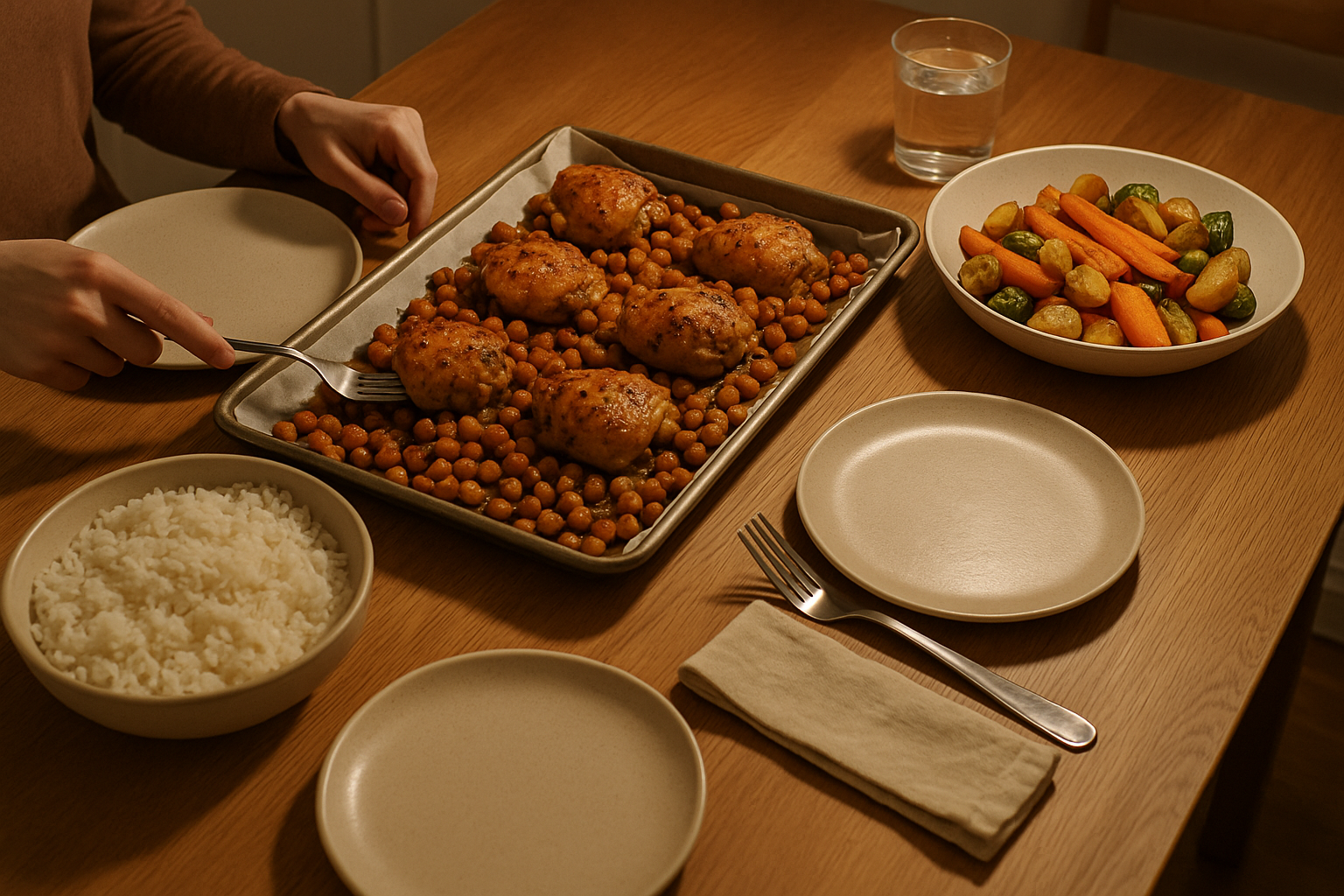
  1. Tray bake (chicken thighs or chickpeas + seasonal veg + rice)
  2. Bolognese (mince + lentils + veg) → leftovers for lunch
  3. Stir-fry (frozen veg + eggs or tofu) → fast and low waste
  4. Tuna + potato + salad (or bean salad) → pantry-based

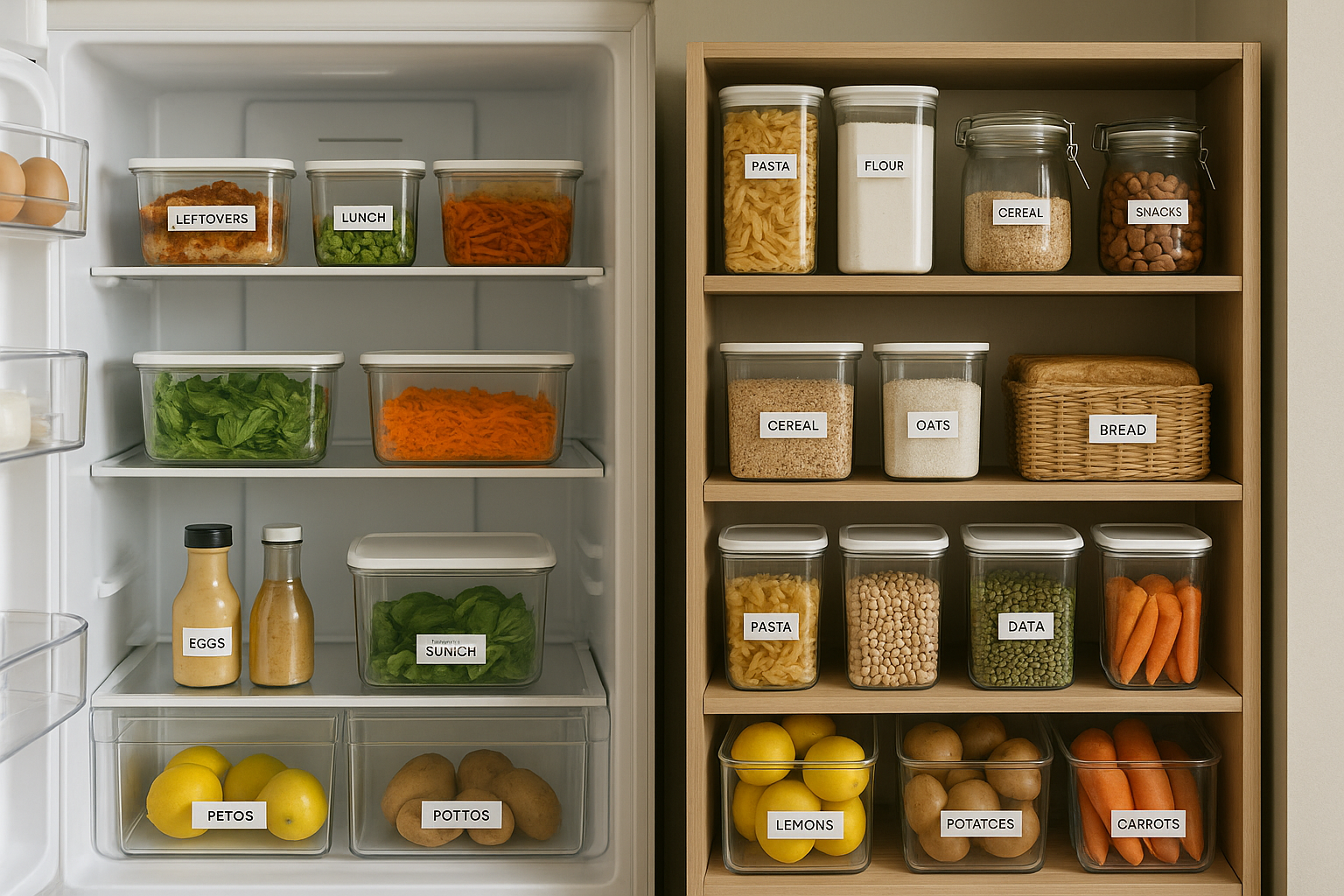
Step 7: Reduce food waste (the hidden line item)

Organised fridge and pantry to reduce food waste and support budget planning

If fresh food often ends up in the bin, the answer is usually not “buy less fresh food”.

It’s usually:

  • buying the wrong quantities
  • buying too many new ingredients for aspirational recipes
  • not having a plan for leftovers

Simple fixes that work:

  • Create a visible “eat first” shelf in the fridge.
  • Choose two fruits and three veg for the week (plus frozen), not ten.
  • Use frozen chopped veg for convenience instead of pricey pre-prepped items.

Step 8: Budget planning for gut health, allergies and special diets

Budget-friendly healthy supermarket staples in a trolley

Special diets can increase costs, especially when the plan isn’t clear.

If you’re aiming for better gut comfort and searching gut health dietitian Gold Coast or holistic nutritionist Gold Coast, a major money-saver is targeted changes.

That usually works better than buying everything labelled “gut-friendly”.

Low-cost gut-supportive basics (when suitable)

  • Oats, rice, potatoes
  • Legumes (if tolerated)
  • A variety of vegetables (fresh or frozen)
  • Plain yoghurt or kefir (if tolerated)

If you suspect intolerances or IBS-type symptoms, the expensive loop often looks like:

buy → react → throw out → try again

Personalised guidance can help you stop that cycle.

Step 9: When it’s worth getting help (and what to look for)

If you’re comparing providers (for example, naturopaths Gold Coast, best naturopath Gold Coast, or highly recommended naturopath Gold Coast), look for support that changes what happens in the trolley.

Useful questions to ask:

  • Will you help me build a repeatable shopping list and meal plan that suits my budget?
  • Can you teach label reading based on my goals (gut, energy, mood, weight, family meals)?
  • Do you offer mobile or online support if I’m time-poor?
  • Can you work with real-life routines rather than “perfect” meal plans?

Beta Me supports Gold Coast locals with practical nutrition and naturopathy services.

If stress-driven snacking, cravings, or anxious shopping patterns are part of the picture, you can also read about naturopathy support for anxiety: https://betame.com.au/anxiety/

A simple cost guide you can apply this week

Use this as your quick-start plan:

  1. Pick your budget style (weekly cap, core + flex, or cycle budget).
  2. Write down four dinners that create leftovers.
  3. Choose 12–18 repeat staples you’ll buy most weeks.
  4. Set a fixed amount for extras (and keep them on a separate list).
  5. Do one “use it up” meal before the next shop.

Ready for a shop that costs less and works better for your body?

If you’d like a clear plan for what to buy (and what to stop buying), Beta Me can help you turn your health goals into a realistic, budget-aware shopping routine.

Book a Supermarket Shopping Tour on the Gold Coast: https://betame.com.au/mobile-consultations/supermarket-shopping-tours/

Want to learn more about Beta Me’s approach as a naturopath and nutritionist? Start here: https://betame.com.au/

Gold Coast naturopath nutritionist maintenance and care essentials: a practical plan you can stick to

Whole foods on a kitchen bench for a simple weekly nutrition routine

Gold Coast naturopath nutritionist maintenance and care essentials: a practical plan you can stick to

If your health routine comes in bursts (a great week, then “life got busy”), you’re not the only one.

On the Gold Coast, many people juggle work, family, commuting, training, shift work and social plans. Digestion can feel unpredictable. Energy can dip. Stress can sit in the background.

That’s where Gold Coast naturopath nutritionist maintenance and care essentials make a real difference.

Maintenance care isn’t About chasing quick fixes. It’s about keeping a few basics steady so your body has fewer reasons to flare up.

If you’ve been searching naturopath Gold Coast, gold coast naturopath, holistic nutritionist Gold Coast or even best naturopath Gold Coast, this guide will show you what a realistic, repeatable plan can look like.

What “maintenance and care” means (and what it doesn’t)

Weekly meal plan and shopping list on a kitchen table

Maintenance care is the unglamorous stuff that works because you can repeat it.

It’s not:

  • Extreme elimination diets you can’t sustain
  • Random supplement stacks with no clear purpose
  • A new set of rules every week

It is:

  • A small set of habits that stabilise appetite, digestion and mood
  • A plan that flexes for weekends, school holidays and high-stress weeks
  • Clear ways to track progress without obsessing

Think of it like maintaining a home. You don’t renovate every month. You keep the foundations solid and do check-ins before problems pile up.

The foundations a Gold Coast naturopath and nutritionist prioritises

1) Meal structure that steadies energy (and cravings)

If you change one thing first, start with meal structure.

When meals are unpredictable, blood sugar and appetite often become unpredictable too. That’s when cravings ramp up and energy slumps.

A simple maintenance plate usually includes:

  • Protein: eggs, Greek yoghurt, chicken, tofu, fish, lean red meat, legumes
  • Colour + fibre: salad, veg, berries, legumes
  • Carbs (as needed): oats, potato, rice, sourdough, fruit (amount depends on your needs)
  • Healthy fats: olive oil, avocado, nuts, seeds

Busy-week meal ideas (low effort, high repeatability):

  • Breakfast: Greek yoghurt + berries + chia + a handful of nuts
  • Lunch: leftover dinner protein + bag salad + olive oil + microwave rice (if needed)
  • Dinner: tray bake (chicken or salmon) + mixed veg + potato

If afternoons are your danger zone, trial a “3 pm anchor” for two weeks:

  • Choose a snack with protein + fibre, such as apple + peanut butter, tuna + crackers, edamame, or yoghurt.

This can reduce the “raid the pantry” effect later at night.

2) Gut comfort basics (before blaming everything on intolerances)

People searching for a gut health dietitian Gold Coast often want relief from bloating, reflux, irregular bowel motions, or sensitive digestion.

Many also look for a naturopath and nutritionist because they want a staged plan that covers food and lifestyle.

Before cutting out half your diet, check the fundamentals:

  • Regular meals: skipping meals then overeating is rough on the gut
  • Chewing and pace: rushing can increase air swallowing and discomfort
  • Fibre dose: too little can slow things down; too much too fast can backfire
  • Fluids: spread water across the day
  • Alcohol and late meals: often underestimated for reflux and sleep disruption

A gentle fibre reset (simple and realistic):

  1. Add one extra serve of vegetables daily for a week.
  2. Then add one fibre booster: chia, psyllium, legumes, or oats.
  3. Increase slowly. The goal is comfort, not perfection.

If symptoms are persistent, severe, or worsening, get individualised support. The “right” plan depends on your pattern (constipation, diarrhoea, bloating after meals, reflux at night, and more).

3) Stress, anxiety and the “wired but tired” loop

A lot of people search for an anxiety naturopath because they feel on edge, sleep is light, and their body won’t switch off.

Food matters here, but rhythm matters too.

Maintenance essentials that can help:

  • Caffeine cut-off: try 8 hours before bed for two weeks, then reassess
  • Evening cues: dim lights, avoid heavy late meals, keep a consistent wind-down
  • Blood sugar stability: protein at breakfast and lunch; avoid “coffee only” mornings

If anxiety is impacting day-to-day function, involve your GP or mental health practitioner. Naturopathy can be supportive, but it shouldn’t be the only layer of care when symptoms are significant.

You can read more here: naturopathy support for anxiety on the Gold Coast.

4) Supplements: keep them purposeful, not endless

A common reason people bounce between naturopaths Gold Coast is supplement fatigue. Too many bottles. No clear goal. No plan to stop.

A sensible maintenance approach is to:

  • Use supplements to fill a gap, support a specific goal, or assist during a time-limited phase
  • Reassess after an agreed timeframe
  • Keep a simple list: what it’s for, when to take it, and what “success” looks like

If you take medications, are pregnant or breastfeeding, or have diagnosed conditions, ask about interactions and suitability.

5) Make healthy the default at home

Your kitchen system matters more than willpower.

A practical maintenance setup:

  • Protein ready: eggs, tinned fish, Greek yoghurt, pre-cooked chicken, tofu
  • Fibre ready: bag salads, frozen veg, berries, oats, legumes
  • Flavour ready: olive oil, lemon, garlic, herbs, spice blends

Two quick wins:

  1. Cook once, eat twice: make dinner big enough for tomorrow’s lunch.
  2. Create a “grab list”: 6–8 repeat meals everyone tolerates.

If you want hands-on help turning “good intentions” into a trolley you can actually use, consider: Supermarket Shopping Tours (Gold Coast).

How to choose a naturopath (Gold Coast): a simple checklist

Simple bedside setup supporting a consistent sleep routine

If you’re searching gold coast naturopath, naturopath gold coast, or “best naturopath Gold Coast”, use this checklist before you book.

Ask:

  • What’s your approach if someone has tried “everything” already?
  • What are the first 2–3 priorities you’d tackle for my goals?
  • How do you measure progress (energy, sleep, bowel patterns, symptom tracking)?
  • Will I get a plan that fits my budget and schedule?
  • Are supplements optional, and will you explain why and for how long?
  • Can you work alongside my GP or Allied health team if needed?

Good care should feel structured, not mysterious.

When seeing a naturopath and nutritionist together makes sense

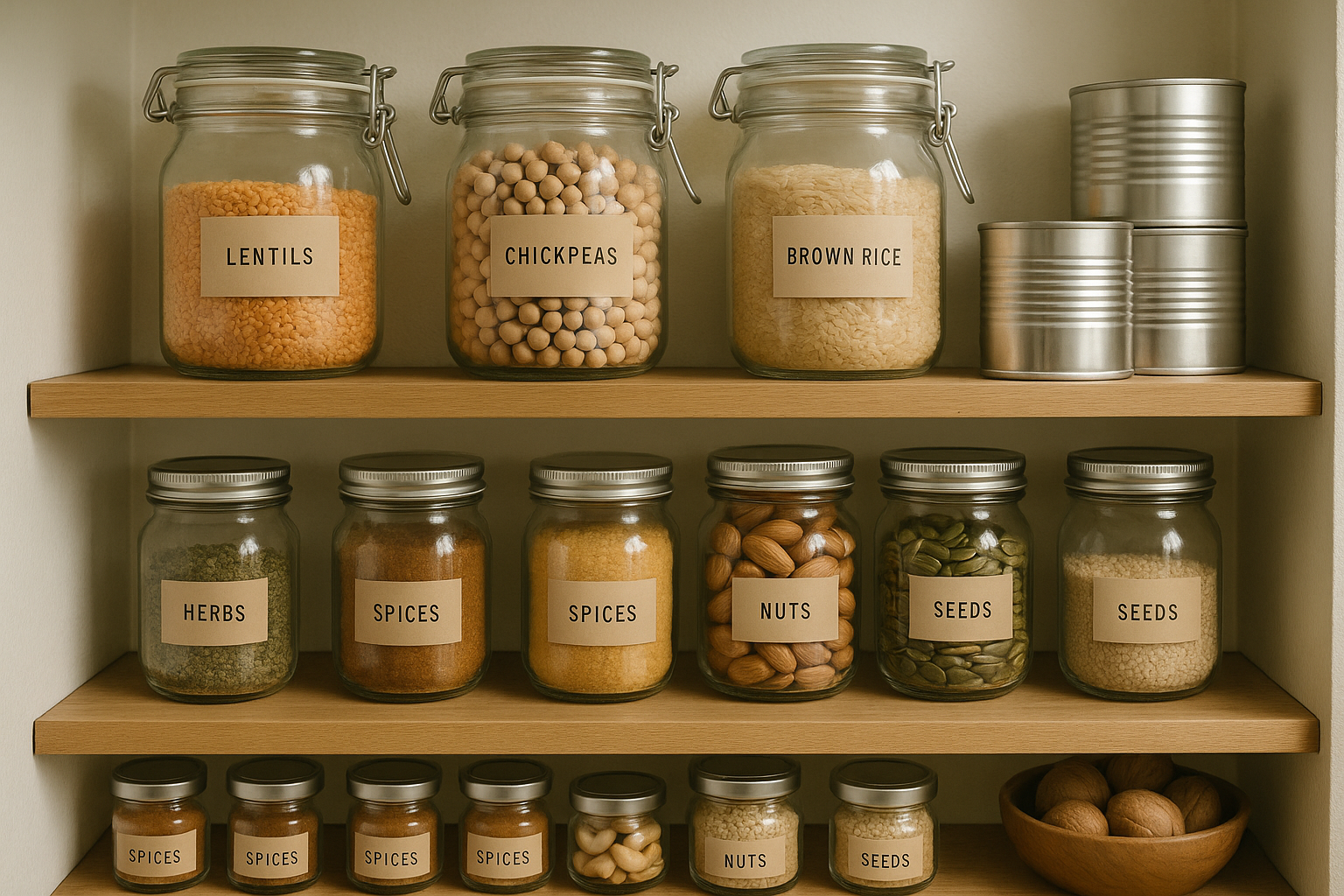
Organised pantry staples for healthy meals

Many people do best with a combined approach when:

  • Food changes help, but stress, sleep and lifestyle are clearly part of the picture
  • Digestion is reactive and you need a staged plan
  • You want practical meal guidance plus broader wellbeing support

If you’re exploring options on the Gold Coast, start here: Naturopath Gold Coast and Nutritionist Gold Coast (Beta Me).

What to expect from a nutrition consult (so you can prepare)

Fresh produce section for practical healthy shopping choices

A good consult shouldn’t feel like a lecture or a generic handout.

To get the most out of it, bring:

  • A rough snapshot of what you eat on workdays vs weekends
  • Your top 3 symptoms (and when they’re worse or better)
  • Your goals (energy, gut comfort, weight stability, stress resilience, performance)
  • Current medications and supplements

Most people do best with a small starting plan:

  • 1–2 food upgrades
  • 1 routine upgrade (sleep, caffeine timing, lunch structure)
  • Optional targeted support if appropriate

Support options that fit real Gold Coast schedules

If getting to appointments is difficult, look for care that meets you where you are.

Options may include:

If you’re specifically searching for NDIS dietitian Gold Coast, it’s still worth asking what services are available and what scope is the best fit for your needs.

A simple 7-day maintenance reset you can start this week

If you want momentum without overwhelm, try this for one week:

  1. Protein at breakfast at least 5 days
  2. Two colours of veg at lunch or dinner daily
  3. A planned 3 pm snack (protein + fibre)
  4. Caffeine cut-off 8 hours before bed
  5. 10-minute evening tidy to set up tomorrow’s breakfast/lunch

Track three quick measures daily:

  • Energy: low / ok / good
  • Digestion: comfortable / uncomfortable
  • Mood: flat / ok / anxious

That’s enough data to adjust without spiralling.

Ready for a personalised plan (not another round of guessing)?

If you want help turning these Gold Coast naturopath nutritionist maintenance and care essentials into a plan that fits your body, your household and your schedule, Beta Me can help.

Start here: Naturopath Gold Coast and Nutritionist Gold Coast (Beta Me).

Prefer practical, in-home support? Explore mobile consultations or book a supermarket shopping tour.

Want to know who you’ll be working with? Meet Danielle Lamb and learn about Beta Me.

Supermarket Shopping Guide (Gold Coast): An In-Depth Guide and Key Considerations for Healthier Trolley Choices

Healthy grocery trolley in an Australian supermarket aisle

Supermarket Shopping Guide (Gold Coast): An In-Depth Guide and Key Considerations for Healthier Trolley Choices

Supermarket shopping can feel harder than it should.

You walk in with good intentions. Then you’re hit with “high protein”, “natural”, “no added sugar”, half-price specials, and a trolley that doesn’t match your plan.

This supermarket shopping guide gold coast in-depth guide and key considerations is here to make your next shop simpler. It’s practical, not perfect.

What you’ll get from this guide

Use this as your repeatable system for week-to-week shopping.

You’ll learn how to:

  • choose 1–2 priorities (so decisions are quicker)
  • create a simple meal plan you can actually follow
  • read labels fast without getting stuck in one aisle
  • upgrade your trolley aisle-by-aisle
  • avoid common “healthy” buys that don’t suit your body or your budget

Want hands-on support in a real store? Beta Me offers guided sessions: Supermarket Shopping Guide Gold Coast | Shopping Tour.


Key considerations before you shop (the biggest time-savers)

1) Define “healthy” for this week

There isn’t one perfect trolley.

Pick 1–2 priorities only. You’ll shop faster and waste less food.

Examples:

  • Gut comfort: more fibre variety (gradually), simpler ingredients, fewer personal triggers
  • Energy and cravings: protein at meals, planned snacks, fewer ultra-processed grazes
  • Family-friendly dinners: meals everyone will eat plus an easy veg add-on
  • Budget: repeat meals, compare price per 100 g, rely on staples

If you’re unsure where to start, support from a naturopath and nutritionist can help turn symptoms and goals into a trolley plan.

Many people begin by searching for a naturopath gold coast, gold coast naturopath, or nutritionist gold coast because they want advice that works in real life. You can read about Beta Me’s approach here: Nutritionist and Naturopath Near Me | About | Beta Me Nutrition & Naturopathy.

You might also see terms like holistic nutritionist gold coast, best naturopath gold coast, or highly recommended naturopath gold coast. Focus less on the label and more on whether the practitioner can give you clear, doable weekly steps.

2) Make a repeatable plan (not a “perfect” one)

A basic plan reduces takeaway, decision fatigue, and wasted produce.

Use this structure:

  • 2–3 repeat dinners (aim for leftovers)
  • 1 freezer dinner (for late nights)
  • 2 breakfasts (rotate)
  • 2 lunch options (often leftovers + one backup)
  • planned snacks (so you’re not relying on what’s closest)

Simple example week:

  • Dinners: tray bake + salad, stir-fry + rice, tacos (beans or lean mince)
  • Breakfasts: oats; eggs + toast + fruit
  • Lunches: leftovers; tuna + crackers + chopped veg
  • Snacks: fruit, yoghurt (if tolerated), nuts, popcorn

3) Write a “must-haves” list (shorter than you think)

A short list keeps your shop focused.

Aim for:

  • Protein: eggs, yoghurt, fish, chicken, tofu, legumes
  • Fibre base: oats, wholegrain bread/wraps, rice, quinoa, beans/lentils
  • Colour: 5–7 fruit/veg options (fresh or frozen)
  • Flavour: herbs, spices, lemon/lime, garlic, ginger

This framework also helps if you’re working with a gut health dietitian gold coast or a holistic nutritionist gold coast and want your trolley to match your plan.


How to read labels quickly (without overthinking)

Step 1: Check the ingredient list first

Ingredients are listed from most to least.

Look for:

  • a shorter list where possible
  • foods you recognise
  • fewer “extras” doing the heavy lifting (added sweeteners, thickeners, multiple oils)

If you avoid certain ingredients (for example lactose, gluten, onion/garlic, sugar alcohols), you’ll usually spot them here.

Step 2: Compare “per 100 g”

Serving sizes can make products look better than they are.

When comparing similar products, check per 100 g for:

  • sugars (often high in cereals, snack foods, flavoured yoghurts)
  • sodium (common in sauces, soups, crackers, deli meats)
  • saturated fat (can vary widely in packaged foods)

Step 3: Treat front-of-pack claims as marketing

“Natural”, “low fat”, “no added sugar”, “gluten free”, and “high protein” can all be fine.

The key question is simpler:

Does this match my goal and my tolerance?

Example: a “high protein” bar can be low in fibre and high in sweeteners. That might not suit appetite regulation, gut symptoms, or daily budget.


Aisle-by-aisle guide: practical Gold Coast shopping upgrades

Fresh produce: the easiest win

Aim for:

  • a mix of colours (not only salad veg)
  • one crucifer (broccoli, cauliflower, cabbage) if tolerated
  • a frozen veg backup (saves money and reduces waste)

If gut symptoms are part of your picture, increase fibre slowly. Doubling it overnight can backfire.

Meat, seafood, eggs and plant proteins: choose what you’ll use

Protein supports appetite, energy, and steadier eating.

Realistic options:

  • eggs for fast meals
  • tinned fish for lunches
  • chicken or lean mince for batch cooking
  • tofu/tempeh if you enjoy it
  • canned lentils/beans for quick dinners

If you’re unsure what “enough protein” looks like for you, a nutritionist gold coast can tailor it to your appetite, activity, and symptoms.

Dairy and alternatives: choose based on tolerance, not trends

Key considerations:

  • If dairy works for you, plain yoghurt is usually a better base than flavoured.
  • If lactose is an issue, lactose-free can be worth trialling.
  • For plant milks, check:
    • added sugars
    • protein (many are low)
    • calcium fortification (may be useful for some people)

Pantry staples: the quiet heroes of better weeks

A strong pantry means fewer last-minute decisions.

Consider:

  • oats
  • rice or quinoa
  • pasta (choose what you tolerate and will eat)
  • tinned tomatoes
  • canned beans/lentils
  • olive oil
  • nuts and seeds
  • spices, stock, vinegar

Snacks and the “health” aisle: where budgets disappear

Use one rule:

Snacks should solve a problem.

Common problems (and what helps):

  • Starving at 3 pm: add protein + fibre at lunch, pack a planned snack
  • Want something sweet at night: check dinner was filling, plan a dessert option you enjoy
  • Buying snacks for kids then eating them: choose snacks you’re happy to share

Snack formats that often work (depending on tolerance):

  • fruit + yoghurt
  • nuts + fruit
  • cheese + crackers
  • hummus + veg
  • popcorn

If stress or anxiety affects appetite and food choices, nutrition support can sit alongside broader care. See: Anxiety Naturopath Gold Coast | Naturopathy for Anxiety.

Sauces, dressings and “extras”: small items, big impact

Sauces can quietly push sugar and sodium up.

Check labels on:

  • pasta sauces
  • marinades
  • simmer sauces
  • dressings
  • stock and soup

A simple approach works well: choose a plainer base, then add flavour yourself (herbs, spices, citrus, garlic, ginger).


Common Gold Coast scenarios (and what to do)

“I’m trying to eat well but I’m time-poor”

Build a fast-track trolley with mix-and-match basics:

  • roast chicken + bagged salad + microwave rice
  • eggs + frozen veg + wraps
  • tinned tuna/salmon + crackers + cherry tomatoes
  • tofu + stir-fry veg + noodles

“I’m supporting gut health but everything seems to set me off”

Key considerations:

  • Don’t overhaul your whole diet at once.
  • Change one meal first (breakfast is often easiest).
  • Trial a swap for 2–3 weeks, not two days.

If symptoms are persistent, a gold coast naturopath or a gut health dietitian gold coast can help you stop bouncing between restriction and confusion.

“I need NDIS-friendly nutrition support”

If you’re searching ndis dietitian gold coast or ndis nutritionist gold coast, you’re usually looking for strategies that work in real home life.

Beta Me offers consults, including remote options. Start here: NDIS Nutritionist Gold Coast | In-Home Nutrition Support.


The 10-minute pre-shop checklist (save this)

Before you go:

  1. What are my 1–2 goals this fortnight?
  2. What are my 2–3 repeat dinners?
  3. What’s my main protein for breakfast and lunch?
  4. Which veg will I use (fresh + frozen backup)?
  5. What snacks will prevent impulse buys?
  6. Do I need a “freezer rescue meal”?
  7. What’s already in the fridge and pantry?
  8. Any ingredients I’m avoiding due to symptoms?
  9. What’s one upgrade I can afford this week?
  10. Am I shopping hungry? If yes, eat first.

When a guided supermarket session is worth it

A guided session can be a smart option if you:

  • feel overwhelmed by labels and conflicting advice
  • have gut symptoms and need realistic swaps
  • manage allergies/intolerances in the household
  • want a repeatable shopping list that fits your budget
  • are tired of buying “health foods” that don’t work for you

If you’re comparing options for a best naturopath gold coast or a highly recommended naturopath gold coast, look for someone who can translate goals into what you’ll actually buy and cook.

Beta Me’s in-store option is practical and personalised: Supermarket Shopping Guide Gold Coast | Shopping Tour.


Next step: get a personalised trolley plan

If you want to stop second-guessing labels and start shopping with confidence, Beta Me can help you build a trolley that suits your body, schedule, and budget.

Choose the support style that fits:

Ready to ask a question or book? Contact Us | Beta Me Naturopath & Nutritionist.

If you’re a practitioner wanting to refer or collaborate, visit: Allied Health Nutritionist | Beta Me Nutrition by Danielle Lamb.


Healthy pantry staples for quick weeknight meals

FAQs

What happens on a supermarket shopping tour with Beta Me on the Gold Coast?

Fresh produce section with seasonal fruit and vegetables

A shopping tour is a guided supermarket session where you learn how to choose products that match your priorities (for example gut comfort, steady energy, allergies/intolerances, or simple meal prep). You’ll cover label reading, realistic swaps, and a repeatable list. Details are here: Supermarket Shopping Guide Gold Coast | Shopping Tour.

Do I need to have a strict diet to benefit from a supermarket shopping guide?

No. For most people, a flexible approach is easier to maintain. Focus on a few high-impact habits and keep meals realistic.

How do I read food labels quickly in the aisle?

Start with ingredients (most to least), then compare per 100 g (not per serve) for sugars, sodium and saturated fat between similar products.

What are the key considerations if I’m working on gut health?

Increase fibre slowly, prioritise variety, and choose options that suit your tolerance. If symptoms persist, support from a gut health dietitian gold coast, a naturopath gold coast, or a naturopath and nutritionist approach can help.

Can an NDIS participant access nutrition support on the Gold Coast?

Depending on plan type and goals, nutrition support may be possible. Beta Me offers consults, including remote options. Start here: NDIS Nutritionist Gold Coast | In-Home Nutrition Support.

Comparing nutrition labels and ingredient lists in the supermarket

Simple budget-friendly groceries for meal planning and prep

Loading...