

4 Seasonal Health Trends from a Gold Coast Naturopath & Nutritionist

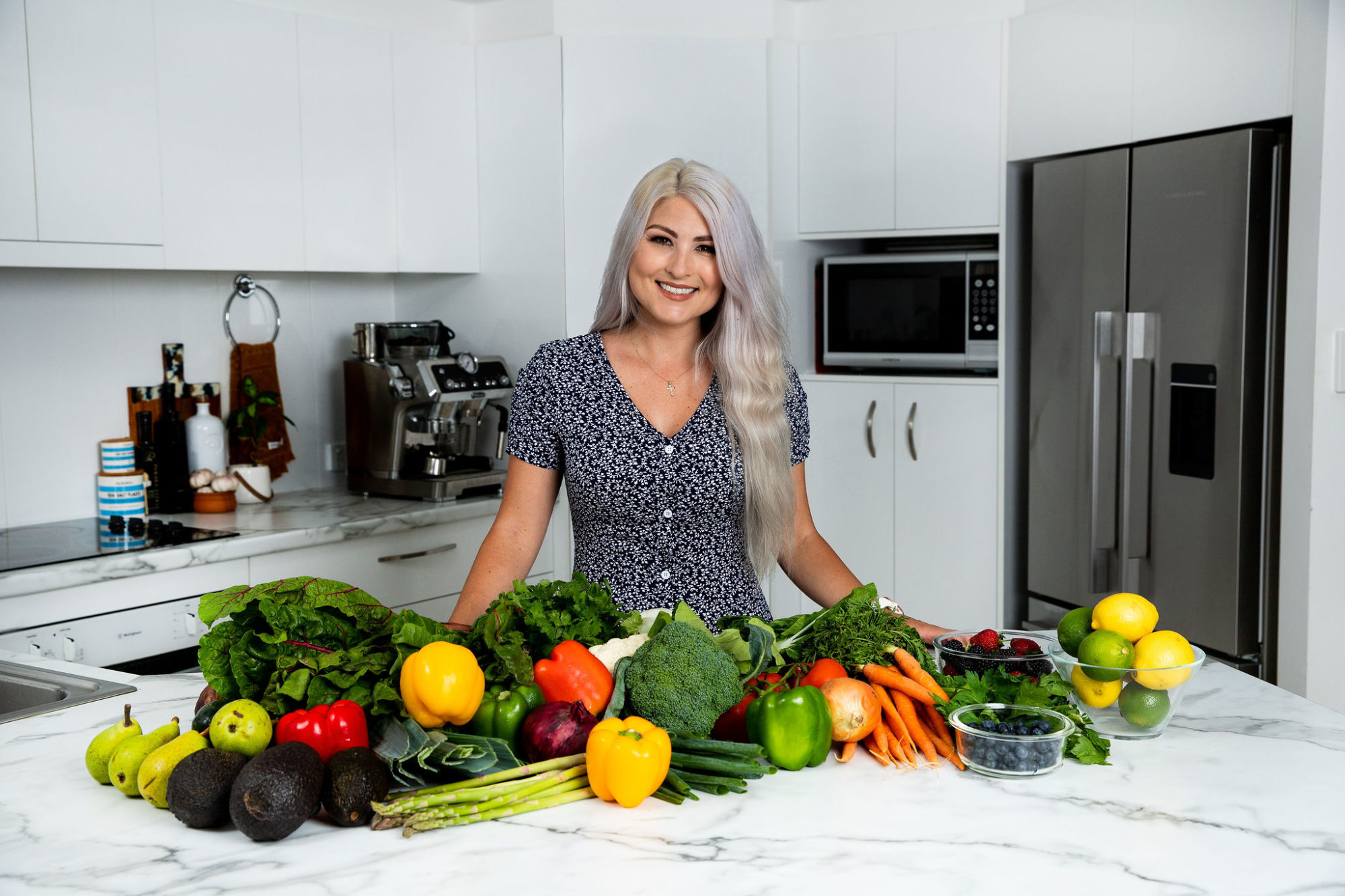
A collection of seasonal vegetables and a cup of herbal tea, representing seasonal naturopathic planning.

4 Seasonal Health Trends from a Gold Coast Naturopath & Nutritionist

As the seasons shift on the Gold Coast, do you notice your body shifting too? From the energy of summer to the quiet of winter, our moods and cravings often follow a natural rhythm. This isn’t just your imagination.

Aligning your health with these cycles is a core part of naturopathy. It’s about working with your body, not against it. As a practising naturopath and nutritionist in this beautiful part of the world, I see more people embracing this intuitive approach to feel their best all year round.

Here are four key seasonal trends shaping how we approach wellness.

1. Eat With the Seasons for Better Gut Health
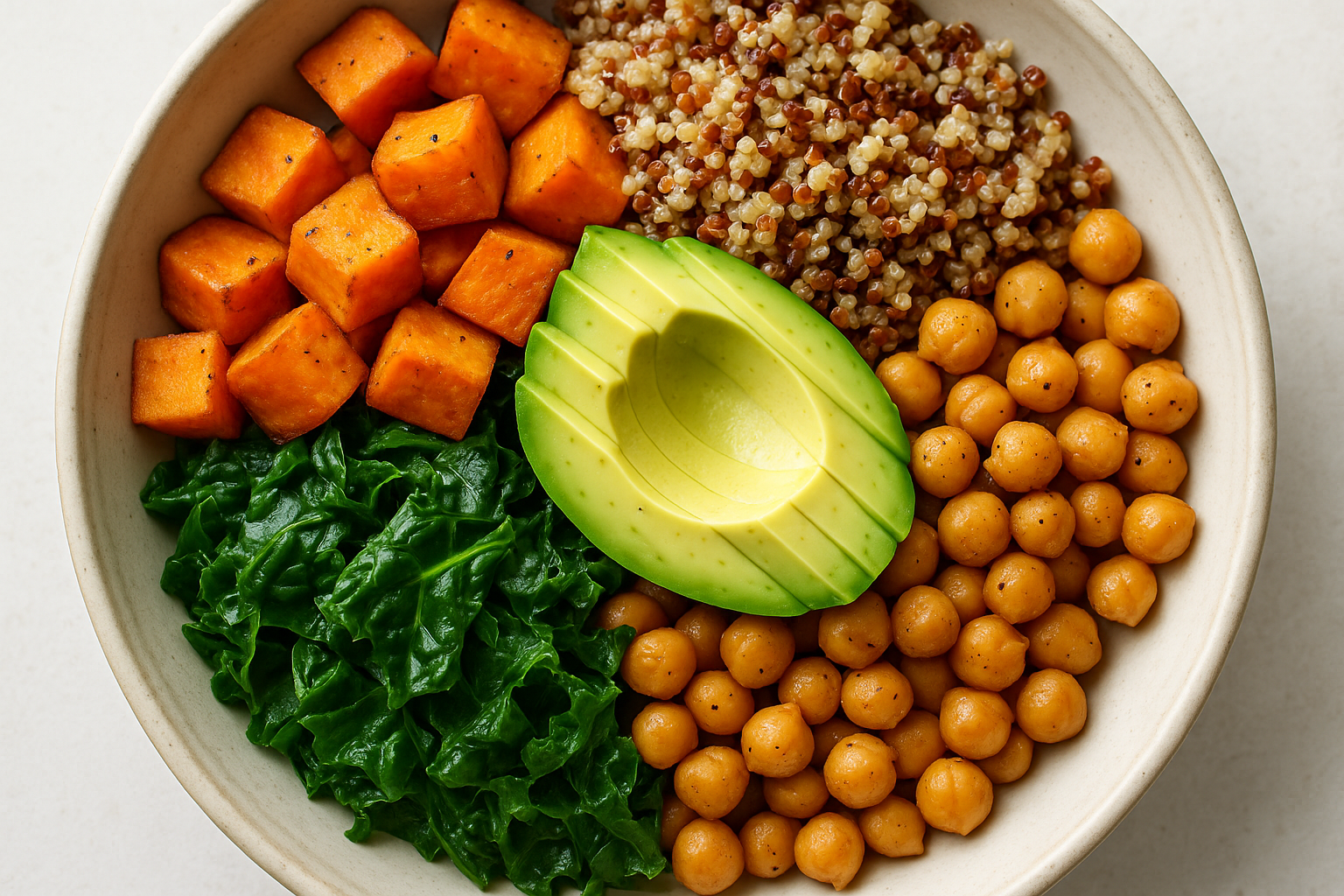
A healthy nutritionist-approved meal bowl demonstrating seasonal eating for gut health.

Eating with the seasons can nourish your gut microbiome.

Your gut is a dynamic ecosystem, and what you eat directly impacts its health. A leading trend is eating locally-grown, seasonal foods. This simple practice gives your body the specific nutrients it needs to thrive in the current climate.

Autumn & Winter Foods

During cooler months, your body craves warmth and nourishment. Focus on foods that are easy to digest and deeply comforting.

  • Root Vegetables: Pumpkin, sweet potato, carrots, and parsnips are perfect. Roasting them brings out their natural sweetness.
  • Warming Meals: Think slow-cooked stews, hearty soups, and nourishing bone broths to support your immune system.
  • Fermented Foods: Sauerkraut, kimchi, and kefir introduce beneficial bacteria to your gut, which is vital when we spend more time indoors.

Spring & Summer Foods

As the weather warms up, the focus shifts to lighter, cooling, and hydrating foods to cleanse the body and beat the heat.

  • Fresh Produce: Leafy greens, berries, cucumber, and tropical fruits are rich in antioxidants and fibre.
  • Light Meals: Colourful salads and lightly grilled fish provide key nutrients without feeling heavy on hot days.
  • Hydrating Herbs: Fresh mint, basil, and coriander can have a gentle cooling effect.

A holistic nutritionist on the Gold Coast can help you create a meal plan that supports your digestion as the seasons change.

2. Align Your Routine With the Season for Better Mood & Energy

A laptop showing a telehealth nutritionist consultation in progress.

Access expert guidance from home with telehealth consultations.

Do you feel sluggish in winter or burnt out by the end of summer? You’re not alone. A key trend is adapting our routines to support our mental wellbeing seasonally, instead of pushing through with the same approach all year.

Navigating Winter Wellness

Shorter, darker days can impact our serotonin and vitamin D levels. This often leads to lower energy and a flatter mood. To adapt, you could try:

  • Gentle movement, like a beach walk in the morning sun.
  • Adjusting your sleep schedule to honour earlier sunsets.
  • Incorporating mood-supporting nutrients like Omega-3s and B vitamins.

Thriving in Summer

The high social energy of a Gold Coast summer can be draining. To stay balanced, consider:

  • Scheduling intentional downtime to recharge.
  • Focusing on hydration with water and herbal teas.
  • Using grounding practices like meditation to avoid feeling overwhelmed.

As an anxiety naturopath on the Gold Coast, I help clients build resilience against these seasonal triggers. Acknowledging that your needs change is the first step to finding balance.

3. Use Personalised Herbal Medicine for Seasonal Support
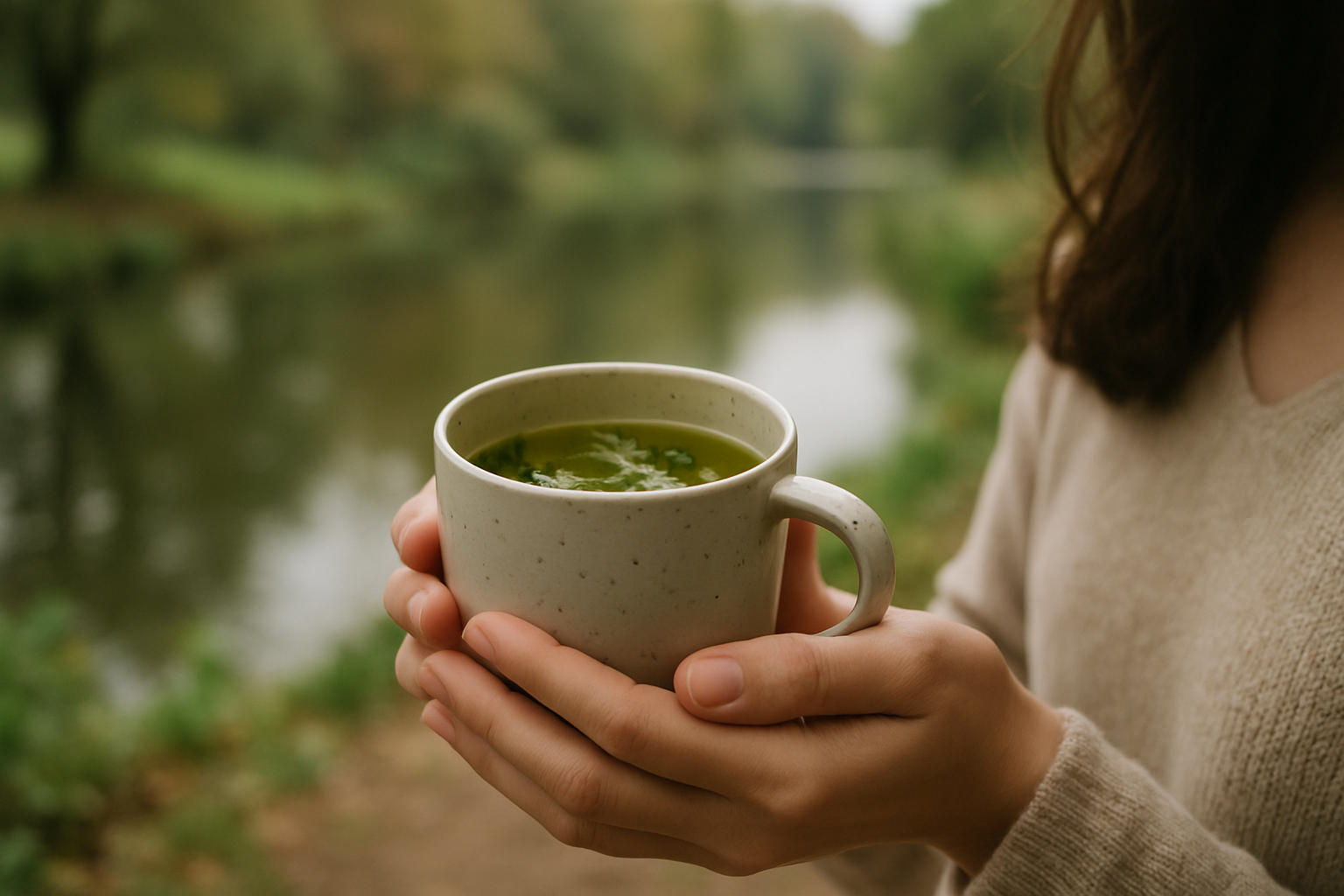
A person holding a warm mug, symbolising the use of herbal medicine for calm and wellbeing.

Personalised herbal medicine is a cornerstone of naturopathy. It offers a gentle way to support your body’s natural processes. The trend is moving away from generic supplements toward tailored formulas that address your specific needs within the context of the season.

  • Immune Support (Autumn/Winter): Herbs like Echinacea, Andrographis, and Elderberry can support your body’s immune response during cold and flu season.
  • Energy & Detox (Spring): Spring is a time for renewal. Herbs that support liver function, such as St Mary’s Thistle, can help you feel refreshed.
  • Stress Support (All Seasons): Adaptogenic herbs like Ashwagandha help the body manage stress, whether it’s from social events or low energy.

It’s crucial to use herbs under the guidance of a qualified naturopath to ensure safety and correct dosage for your individual needs.

4. Choose Flexible Naturopathy That Fits Your Life

A mortar and pestle with dried herbs, illustrating the foundations of herbal medicine in naturopathy.

Personalised herbal formulas can support your body’s seasonal needs.

Getting expert health advice shouldn’t be a hassle. The rise of telehealth and mobile services means that guidance from a nutritionist or naturopath on the Gold Coast is more accessible than ever.

Mobile Naturopath Services

For those with mobility challenges, young kids, or a packed schedule, Mobile Naturopath services bring the consultation to you. This removes the stress of travel and allows you to get care in the comfort of your home.

Telehealth Support

Virtual consultations offer ultimate convenience. This modern approach makes it easier for an NDIS nutritionist on the Gold Coast to provide consistent support, ensuring everyone can access quality care.

How to Choose a Naturopath on the Gold Coast

With a growing number of practitioners, finding the right fit is key. Here’s how to choose a naturopath who is right for you.

  1. Check Qualifications: Look for a Bachelor of Health Science in Naturopathy or Nutritional Medicine. This ensures deep, evidence-based knowledge.
  2. Confirm Professional Membership: Membership with an association like the Australian Natural Therapists Association (ANTA) means they follow a strict code of ethics.
  3. Find a Collaborative Approach: The best practitioner is a partner in your health. They should listen, understand your goals, and work with you to create a practical plan.

At Beta Me, Danielle Lamb combines her qualifications to offer comprehensive, personalised care as both a naturopath and nutritionist.

Ready to Align Your Health With the Seasons?

Embracing these trends is about returning to a more intuitive and sustainable way of caring for yourself. With a personalised plan from a Gold Coast naturopath, you can navigate the year with more energy, balance, and vitality.

If you’re ready to see how a seasonal approach could benefit you, we invite you to book a personalised nutritionist consultation and start your journey to year-round wellness.

Gold Coast naturopath nutritionist: FAQs homeowners ask before starting

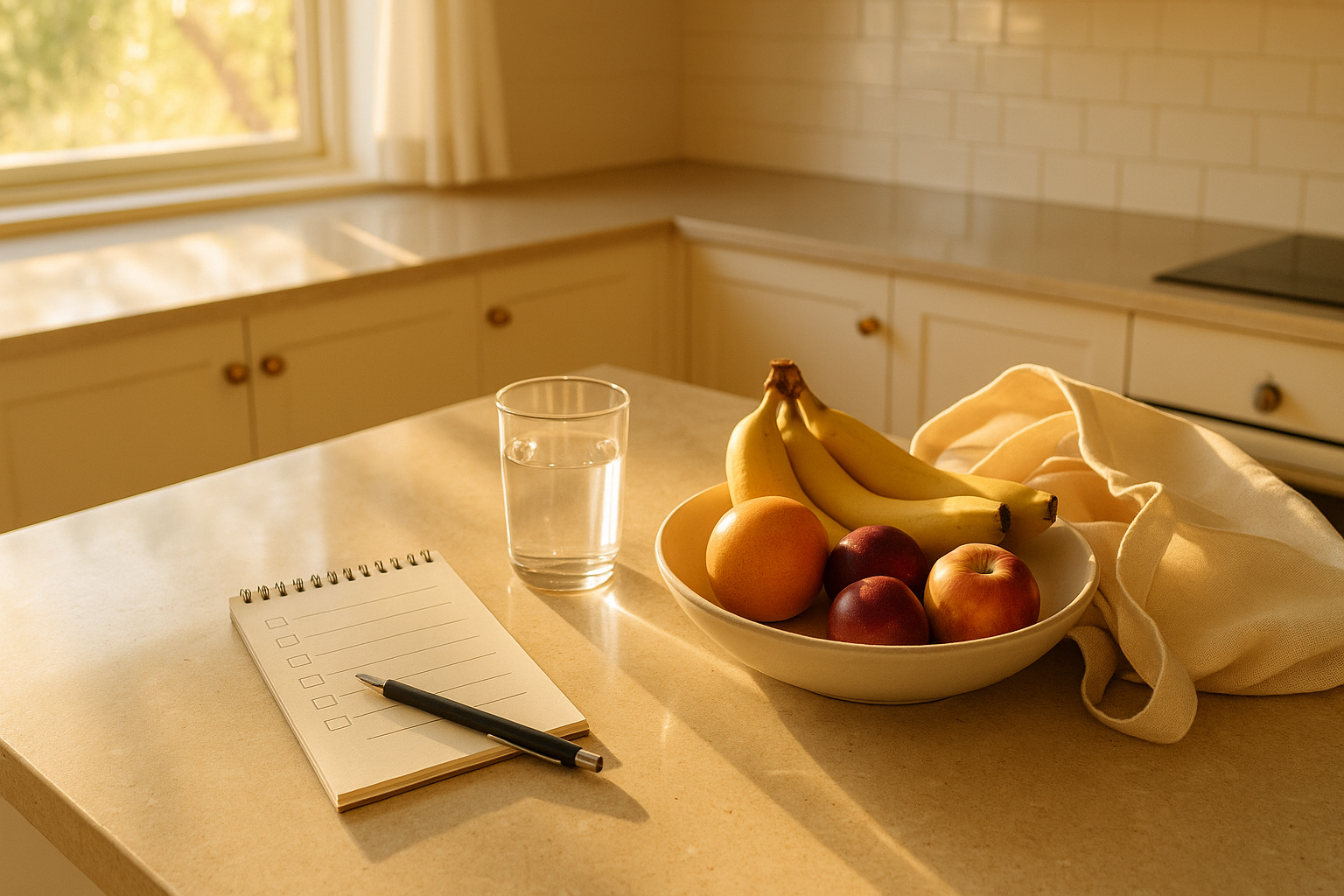
Fresh groceries on a kitchen bench with a notepad for a nutrition plan

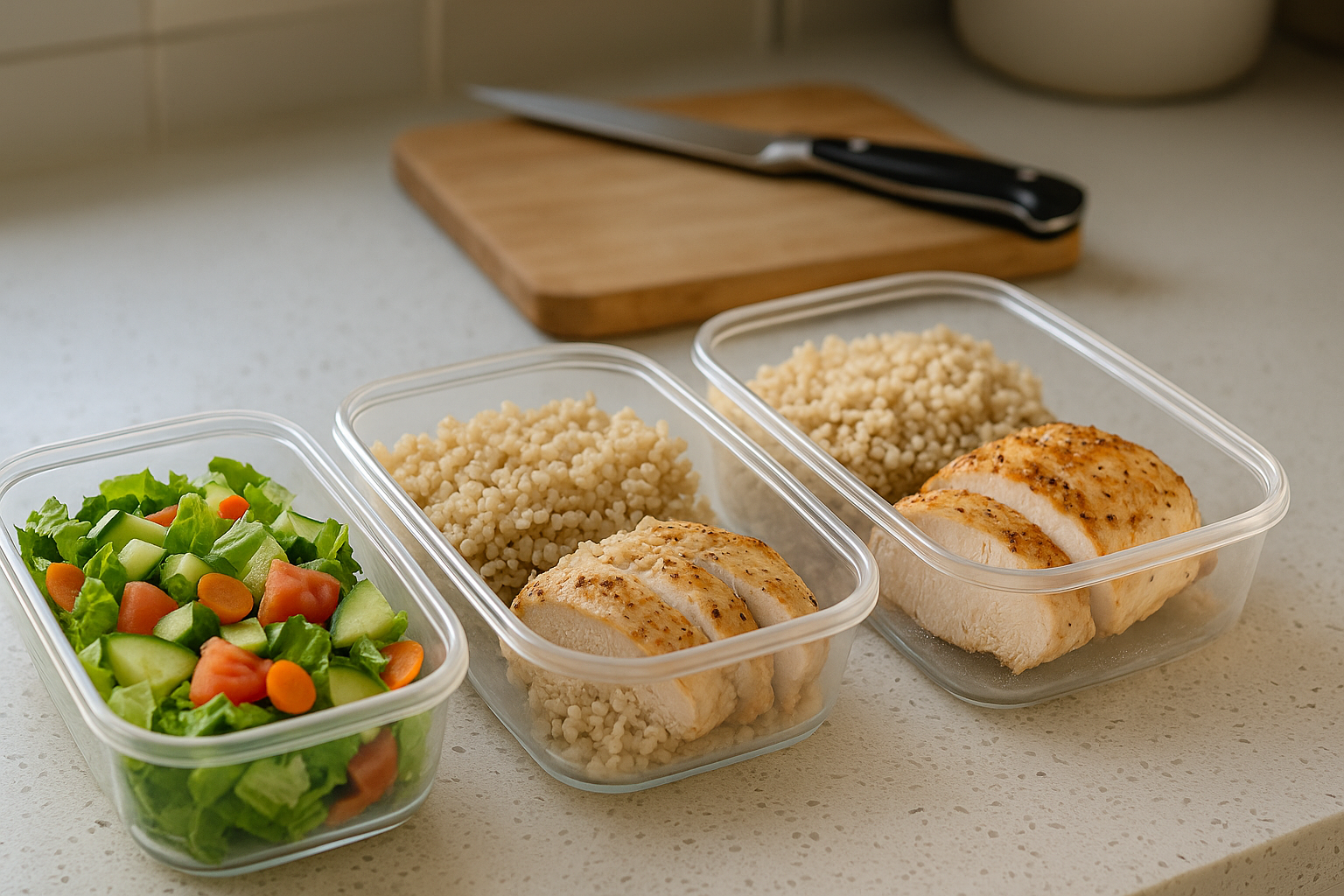
Simple meal prep containers on a kitchen counter for healthier routines

Gold Coast naturopath nutritionist: FAQs homeowners ask before starting

If you’re a homeowner on the Gold Coast, health changes need to fit around real life.

Think school runs, commuting, shift work, caring responsibilities, renovations, and a household that needs quick meals.

That’s why many locals search for a Gold Coast naturopath nutritionist. You want someone who can connect symptoms with food, stress and routines, then turn that into a plan you can actually follow.

You’ll also see searches like naturopath Gold Coast, Gold Coast naturopath, naturopaths Gold Coast, and even best naturopath Gold Coast. The best fit is the practitioner you can work with consistently.

If you’d like to explore support now, start here: Naturopath Gold Coast | Nutritionist Gold Coast.

What does a naturopath nutritionist actually do?

Desk setup for an online naturopath nutritionist consultation

A naturopath and nutritionist approach blends practical nutrition with whole-person lifestyle support.

Depending on your needs, this may include:

  • Nutrition strategies you can repeat (meal structure, protein/fibre balance, hydration, trigger tracking)
  • Lifestyle support (sleep routines, stress load, movement that suits your body)
  • Practical education (label reading, meal planning, simple cooking shortcuts)
  • Targeted natural support when appropriate, based on your individual situation

The goal is steady progress. Not perfection.

Naturopath vs nutritionist vs dietitian: what’s the difference?

This is a common question, especially if you’ve been searching gut health dietitian Gold Coast or NDIS dietitian Gold Coast.

Here’s a simple guide:

  • Naturopath: whole-person approach; may use nutrition plus other naturopathic tools and lifestyle guidance.
  • Nutritionist: focuses on food choices and behaviour change; training and scope can vary.
  • Dietitian: university-qualified with medical nutrition therapy training; often involved in complex conditions and clinical settings.

If you’re not sure what you need, ask:

  • What do you help with most?
  • How do you decide what to work on first?
  • When do you refer on or collaborate with other practitioners?

How to choose a naturopath on the Gold Coast (without getting caught in hype)

If you’re Googling how to choose a naturopath, keep it practical. You want a clear process, not big promises.

Green flags

  • They ask about medical history, medications and supplements
  • They explain options in plain language
  • You receive written next steps
  • They focus on food and routine foundations, not just products
  • They’re open to working alongside your GP and Allied health team
  • They set expectations about follow-ups and how progress is reviewed

Want to understand Beta Me’s approach? Read About Beta Me.

Helpful questions to ask before you book

  • “What will we cover in the first appointment?”
  • “How do you decide what to prioritise?”
  • “Will I get a plan to follow between sessions?”
  • “What does a typical follow-up look like?”
  • “How do you approach supplements and testing?”

What happens in the first consult?

A first consult is usually part investigation, part planning.

You can expect questions about:

  • Your main symptoms and what you’ve already tried
  • Digestion (bloating, bowel habits, reflux), energy, cravings and sleep
  • Stress patterns and what your week actually looks like
  • Typical meals, snacks, caffeine, alcohol and water intake
  • Relevant medical history and current medications

You should leave with a prioritised plan that matches your schedule.

A realistic example (busy household edition)

If afternoons are your danger zone (snacking, energy crashes, irritability), early steps may look like:

  • a protein-forward breakfast you’ll actually eat
  • a planned afternoon snack to stabilise hunger
  • a caffeine cut-off time
  • one easy dinner template for busy nights

Simple changes done consistently usually beat a complicated plan.

Do I need testing before I start?

Often, no.

Many people do well starting with your history and simple foundations first. Testing can be discussed if it would genuinely change what you do next.

A useful question is:

“What decision will this test help us make?”

If there’s no clear answer, it may not be the first priority.

Can you help with gut symptoms?

Grocery basket with whole foods in a supermarket aisle

Yes. Many gut complaints respond to a structured nutrition approach, especially when it’s personalised.

Common practical levers include:

  • meal timing and consistency (to reduce grazing)
  • fibre type and dose (not just “eat more fibre”)
  • protein balance (for appetite and steadier energy)
  • hydration (especially in warmer months)
  • trialling a short list of changes at a time, so you can see what helps

If you have a diagnosed condition or need dietetic input, that can be part of your care team. Many people do best with coordinated support.

Can a naturopath help with anxiety support?

Calm living room setting representing stress and anxiety support

It’s common to search anxiety naturopath when you want support that includes the body, not just the mind.

Depending on your situation, the focus may include:

  • steadier blood sugar (reducing the “wired then tired” pattern)
  • gut comfort (digestive symptoms can amplify stress)
  • sleep routines you can stick to
  • caffeine and alcohol patterns
  • calming daily anchors (short, repeatable habits)

If anxiety is affecting your day-to-day life, involve your GP or mental health professional too.

Learn more: Anxiety Naturopath Gold Coast.

Will I be told to cut out everything I enjoy?

A good plan shouldn’t feel like punishment.

Most sustainable changes involve:

  • adding supportive foods first (so you’re not constantly hungry)
  • swapping only one or two high-impact items at a time
  • building flexible defaults for busy days

If an elimination approach is considered, you should understand:

  • why it’s being suggested
  • how long it’s for
  • how reintroduction works
  • what to watch for

What about supplements (and cost)?

You shouldn’t feel pressured into a big supplement spend.

Food and routine foundations are usually the backbone. If supplements are suggested, they should come with:

  • a clear purpose
  • a timeframe to review
  • safety considerations (especially with medications)

Always disclose medications and supplements. Also share if you’re pregnant, breastfeeding, trying to conceive, or managing complex health conditions.

I’m busy. Do you offer mobile consults or help in the supermarket?

For many homeowners, the barrier isn’t motivation. It’s logistics.

Mobile and online consults can make it easier to start, and easier to stay consistent.

Explore options:

A guided shop can help if you’re juggling time, budget, food sensitivities, or family preferences.

NDIS and online consults: what to know

If you’re searching NDIS dietitian Gold Coast, you may be trying to find the right kind of nutrition support, delivered in a format that suits your plan.

Beta Me’s online consult information is here: NDIS Nutritionist Gold Coast | In-Home Nutrition Support.

If you’re unsure what’s appropriate for your goals, ask what appointment format and documentation is needed.

How many sessions will I need?

It depends on your starting point and goals.

A common, practical rhythm is:

  • Initial consult to understand your history and set priorities
  • Follow-up to review what changed, troubleshoot barriers, and refine the plan
  • Check-ins to build consistency and adjust for seasons, stress, travel, or flare-ups

Even if you only do one session, you should still walk away with a clear plan.

Quick “before you book” checklist

If you’re contacting a Gold Coast naturopath or holistic nutritionist Gold Coast, having a few basics ready helps your first consult run smoothly:

  • your top 3 symptoms and when they’re worst
  • a list of medications and supplements
  • any recent blood tests or relevant results (if you have them)
  • a 2–3 day food snapshot (rough notes are fine)
  • your biggest constraint (time, budget, cooking confidence, shift work)

Ready for practical support that fits your household?

If you’re looking for a Gold Coast naturopath nutritionist who can translate health advice into real-life routines, you can book or enquire with Beta Me:

If you include a short note about your main goal (gut comfort, energy, anxiety support, or family food routines) and what’s making it hard right now, your first session can be tailored from the start.


FAQs

What does a naturopath nutritionist do?

A naturopath and nutritionist approach combines practical nutrition changes with lifestyle support like sleep, stress and routines. The aim is a plan that fits your life and is easy to follow between sessions.

Naturopath vs nutritionist vs dietitian: what’s the difference?

A naturopath often uses a whole-person approach and may include nutrition plus other naturopathic tools. A nutritionist focuses on food and behaviour change (scope varies). A dietitian is university-trained in medical nutrition therapy, often for more complex conditions.

How do I choose a naturopath on the Gold Coast?

Look for thorough history taking (including medications), clear explanations, written next steps, realistic planning, and openness to working alongside your GP or allied health team.

What happens in the first consultation?

You’ll discuss symptoms, history, digestion, sleep, stress and food patterns. You should leave with a prioritised plan that fits your schedule and clear next steps.

Do I need tests before I start?

Not usually. Many people begin with history and foundational food and lifestyle changes. Testing may be considered if it would meaningfully change the plan.

Can you help with gut health concerns?

Support often focuses on structured, personalised changes such as meal timing, fibre and protein balance, hydration, and tracking symptoms so you can identify what helps.

Can naturopathy support anxiety?

It may support foundations that influence stress tolerance, such as sleep, steadier blood sugar, gut comfort, and caffeine/alcohol patterns. It’s not a substitute for urgent mental health care.

Do you offer home visits or online consults?

Yes. Mobile and online options can suit busy households, carers, or people who find travel difficult.

Do you offer NDIS-related nutrition support?

NDIS-style nutrition support may be delivered online depending on your needs and plan requirements. Ask what documentation and appointment formats are available for your situation.

Gold Coast naturopath nutritionist planning checklist before you start

Planning checklist on a kitchen bench for a naturopath nutritionist appointment

Gold Coast naturopath nutritionist planning checklist before you start

If you’re booking a naturopath nutritionist on the Gold Coast, the fastest way to get real value from your first appointment is to arrive prepared.

Not with perfect eating or a suitcase full of supplements—just the right information. That’s what helps your practitioner connect the dots between what you’re feeling day to day, what you’re eating, what you’ve already tried, and what’s realistic in your household.

This checklist is designed for Australian homeowners and busy families who want practical, no-fuss steps before seeing a naturopath and nutritionist.

The planning checklist (save this and tick it off)

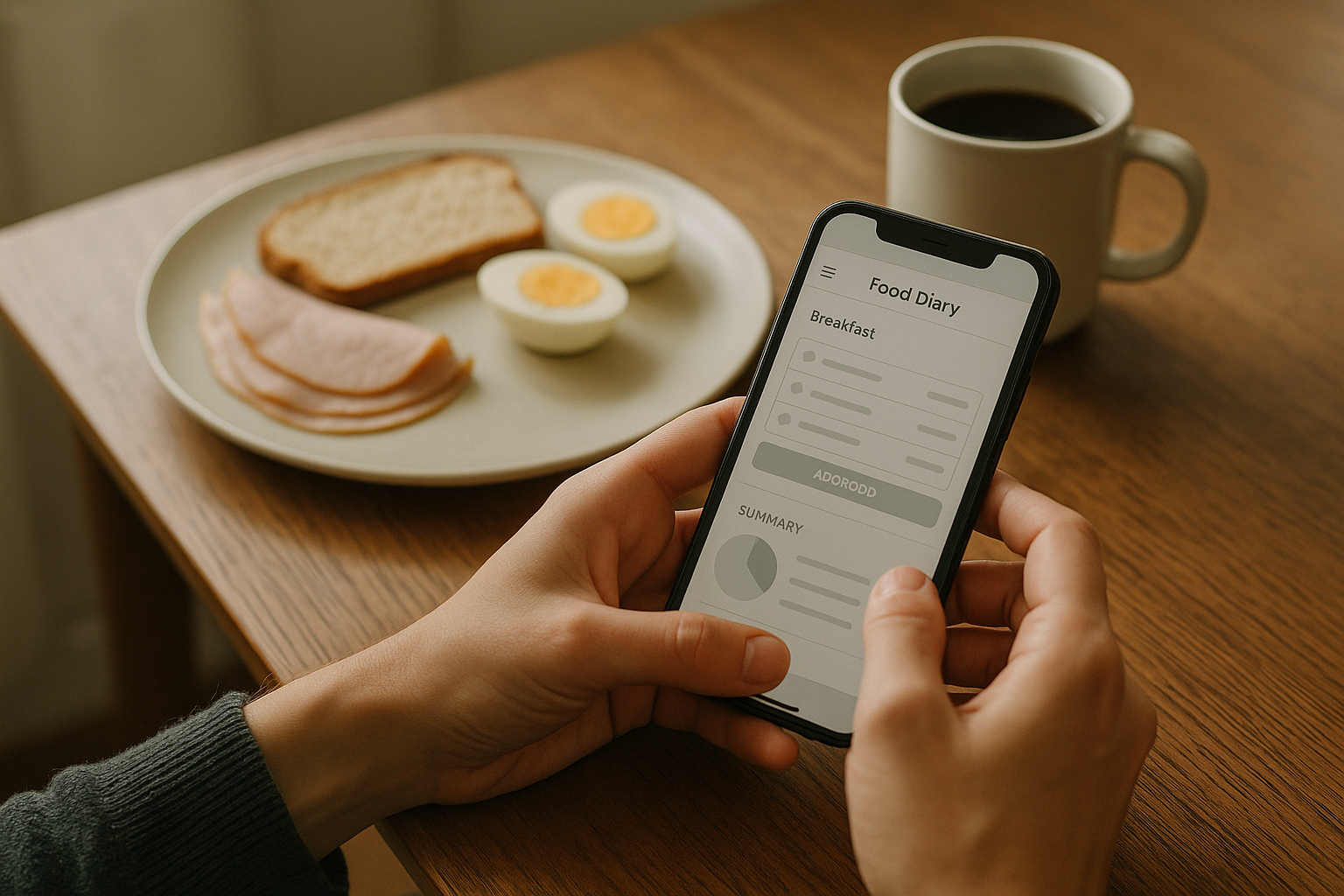
Tracking a food diary before seeing a nutritionist

1) Write your “why now” in one sentence

Examples:

  • “I’m bloated most afternoons and it’s getting in the way of work and family time.”
  • “My energy crashes at 3 pm and I’m relying on coffee and snacks to push through.”
  • “My anxiety feels worse lately and I want a plan that includes food and lifestyle, not just willpower.”

This helps steer the session away from vague goals and towards a plan.

2) Choose 1–3 priorities (not ten)

Many people arrive wanting to fix everything: gut issues, sleep, skin, weight, mood, hormones and cravings.

You’ll get better outcomes by picking a few priorities to start. For example:

  • Gut comfort (bloating, reflux, irregular bowel motions)
  • Energy and cravings (afternoon slump, sweet cravings)
  • Mood and stress support (sleep quality, anxious feelings, overwhelm)

If you were searching for a gut health dietitian Gold Coast, you’re probably looking for structured digestive support. Clear priorities help your practitioner decide what to assess first and what can wait.

3) Create a quick symptom timeline

Use dot points—keep it simple:

  • When did it start?
  • What makes it worse?
  • What makes it better?
  • Is it daily, weekly, or around certain times?

Practical example:

  • “Bloating started after a gastro bug last year. Worse after takeaway and late dinners. Better when I eat earlier and walk after meals.”

This is gold for a Gold Coast naturopath or nutritionist Gold Coast consult because it narrows down likely triggers.

4) Track a 3–7 day food and symptom diary

This is one of the most useful things you can do before you book (or while you’re waiting for your appointment).

What to include:

  • Meals and snacks (rough portions are fine)
  • Drinks (coffee, alcohol, soft drink, sparkling water)
  • Timing (especially late-night eating)
  • Symptoms (bloating, reflux, headaches, bowel changes)
  • Energy (morning, afternoon, evening)
  • Sleep and stress notes

Homeowner-friendly tip: jot it down in your notes app while you’re packing lunches or cleaning up dinner—don’t aim for perfect.

5) List your current medications and supplements (with doses)

Bring:

  • Prescription meds
  • Over-the-counter meds (including reflux meds, antihistamines, pain relief)
  • Supplements (brand + dose if possible)

If you don’t know doses, take a quick photo of labels at home. This helps your practitioner make safe, sensible recommendations and avoid doubling up.

6) Gather recent test results (if you have them)

If you’ve had blood tests in the last 6–12 months, request a copy from your GP clinic and bring them along.

Helpful examples may include:

  • Iron studies
  • B12 and folate
  • Thyroid markers
  • Lipids
  • Blood glucose markers

No need to do extra tests just for the sake of it. The goal is to avoid guessing when you already have useful information.

7) Note your “non-negotiables” at home

This is where advice becomes realistic.

Write down what your week actually looks like:

  • Do you cook most nights or rely on quick meals?
  • Are you feeding kids with different preferences?
  • Are you doing shift work?
  • Are there budget limits?
  • Do you have a pantry stocked with certain staples?

Practical example:

  • “We do two sports nights, so dinners need to be 15 minutes.”

A good holistic nutritionist Gold Coast approach should fit your real life, not fight it.

8) Decide what “success” looks like in 8–12 weeks

Keep it measurable and personal.

Examples:

  • “Bloating reduced to once a week.”
  • “No afternoon energy crash most days.”
  • “I can eat out without regretting it.”
  • “I’m sleeping through the night at least 5 nights a week.”

These targets guide the plan and make progress easier to track.

9) Prepare 5 questions to ask (use these)

If you’re researching how to choose a naturopath, these questions help you quickly work out fit and quality:

  1. What do you think is most likely driving my symptoms?
  2. What are the first 2–3 changes you’d prioritise—and why?
  3. How will we track progress (symptoms, food diary, repeat bloods through my GP)?
  4. What’s your approach to supplements—food-first, minimal effective, or staged?
  5. What would mean I should go back to my GP quickly (red flags)?

10) Know what to avoid before you start (common pitfalls)

  • Changing everything at once. If you overhaul your diet the week before your consult, you lose clues About what’s been triggering symptoms.
  • Starting a supplement stack because TikTok said so. It can muddy the waters and cost money without clear benefit.
  • Cutting out entire food groups “just in case”. This can make meal planning harder and sometimes backfire.

If you’ve already removed foods, write it down so your practitioner understands the baseline.

What to expect from a naturopath nutritionist appointment

People often search “naturopaths Gold Coast” or “best naturopath Gold Coast” hoping for someone who will finally give them a clear plan.

In a well-run consult, you can expect:

  • A detailed case history (symptoms, routines, stress, sleep, medical history)
  • A look at food patterns and likely triggers
  • Practical, staged changes you can actually do at home
  • Clear next steps (including when to loop in your GP)

If anxiety is part of the picture, it’s common to discuss sleep, caffeine, blood sugar swings, gut symptoms and daily stress load. If that’s you, you may also want to read about naturopathy support for anxiety here: https://betame.com.au/anxiety/

Real-life examples: what “practical” can look like

Whole foods in a trolley for practical nutrition planning

Example 1: Busy household + afternoon crashes

Instead of “eat healthier”, a plan might start with:

  • A protein-based breakfast you can repeat (3 options)
  • A 3 pm strategy that isn’t a sugar hit
  • A dinner template for sports nights (protein + veg + easy carb)

Example 2: Bloating after dinner

A first stage might include:

  • Meal timing tweaks (earlier dinner where possible)
  • A short list of likely triggers to test systematically
  • Chewing, pace and portion adjustments (often overlooked)

Example 3: Anxiety and poor sleep

Rather than vague “reduce stress”, you might focus on:

  • Caffeine timing and dose
  • Blood sugar stability across the day
  • A realistic wind-down routine that works in your home

If you’re specifically looking for an anxiety naturopath (or searching naturopath anxiety), it’s worth choosing someone who will make the plan concrete and trackable—not just inspirational.

Extra support options (helpful if getting to a clinic is hard)

If you’d prefer support at home, mobile services can suit families, shift workers, or anyone who wants their kitchen and pantry considered as part of the plan. Beta Me offers options you can explore here: https://betame.com.au/mobile-consultations/

And if you want hands-on help making changes in the real world (labels, swaps, budget-friendly options), a guided shop can be a game-changer: https://betame.com.au/mobile-consultations/supermarket-shopping-tours/

If you’re comparing options like NDIS dietitian Gold Coast support, you may also want to look at remote consult options here: https://betame.com.au/skype-consultations/

Ready to start? Book with Beta Me

Gathering test results and medication list for a naturopath appointment

If you’re looking for a Gold Coast naturopath who also works as a nutritionist, Beta Me provides practical, tailored nutrition and naturopathy support designed for real households.

Explore services and book your next step here: https://betame.com.au/

Prefer to learn more about Danielle and the approach first? Read more here: https://betame.com.au/about/


Home set-up for lifestyle changes supporting stress and anxiety

FAQs

What’s the difference between a naturopath and a nutritionist?

A nutritionist focuses on food and nutrition strategies, while a naturopath often takes a broader whole-body approach that can include nutrition plus lifestyle, herbal and nutraceutical support. Many people look for a practitioner who can work as a naturopath and nutritionist together, so your food plan and your broader health plan line up.

How do I choose a naturopath on the Gold Coast?

Start with your main goal (for example gut symptoms, fatigue, skin, weight changes, mood or anxiety), then check the practitioner’s scope and experience with that goal. Ask what an initial consult includes, how they track progress, whether they can coordinate with your GP, and what their approach is to supplements and testing. A good fit should feel practical and collaborative, not like a one-size-fits-all protocol.

Do I need a referral to see a naturopath or nutritionist?

Usually no referral is required to book privately. If you want input from your GP (for example, recent blood tests or medication considerations), it helps to request copies of results and bring them along.

Should I do a food diary before my first appointment?

Yes—if you can, track 3–7 days. Include weekdays and a weekend day, plus timing, portion estimates, drinks, snacks, symptoms, sleep and stress. This gives your practitioner far better detail than relying on memory, especially for gut symptoms, energy crashes or cravings.

I’m looking for a gut health dietitian on the Gold Coast—can a nutritionist help too?

Many people search “gut health dietitian Gold Coast” when they want structured, evidence-informed support for digestive symptoms. A nutritionist can also provide food-first strategies for gut health, and a naturopath may add broader support where appropriate. The key is choosing someone who can assess your symptoms properly, tailor the plan, and refer back to your GP when medical investigation is needed.

Can a naturopath help with anxiety?

People often search for an “anxiety naturopath” when they want practical support beyond general advice. A naturopath may look at contributing factors such as sleep, blood sugar swings, gut symptoms, nutrient status, caffeine and alcohol, and stress load. If anxiety is severe, worsening, or impacting safety, it’s important to also seek support from your GP or mental health professional.

Do you offer NDIS nutrition support on the Gold Coast?

If you’re searching for an “NDIS dietitian Gold Coast” option, you may be looking for in-home or flexible nutrition support. Beta Me offers nutrition support options including remote consultations, which can suit participants who need appointments from home or prefer telehealth-style sessions.

What should I bring to my first naturopath nutritionist appointment?

Bring a list of current medications and supplements (with doses), any recent blood test results, a brief timeline of symptoms, your typical day of eating and drinking (or a food diary), and 2–3 outcomes you’d like to achieve over the next 8–12 weeks.

Gold Coast naturopath nutritionist maintenance and care essentials: a practical guide for everyday life

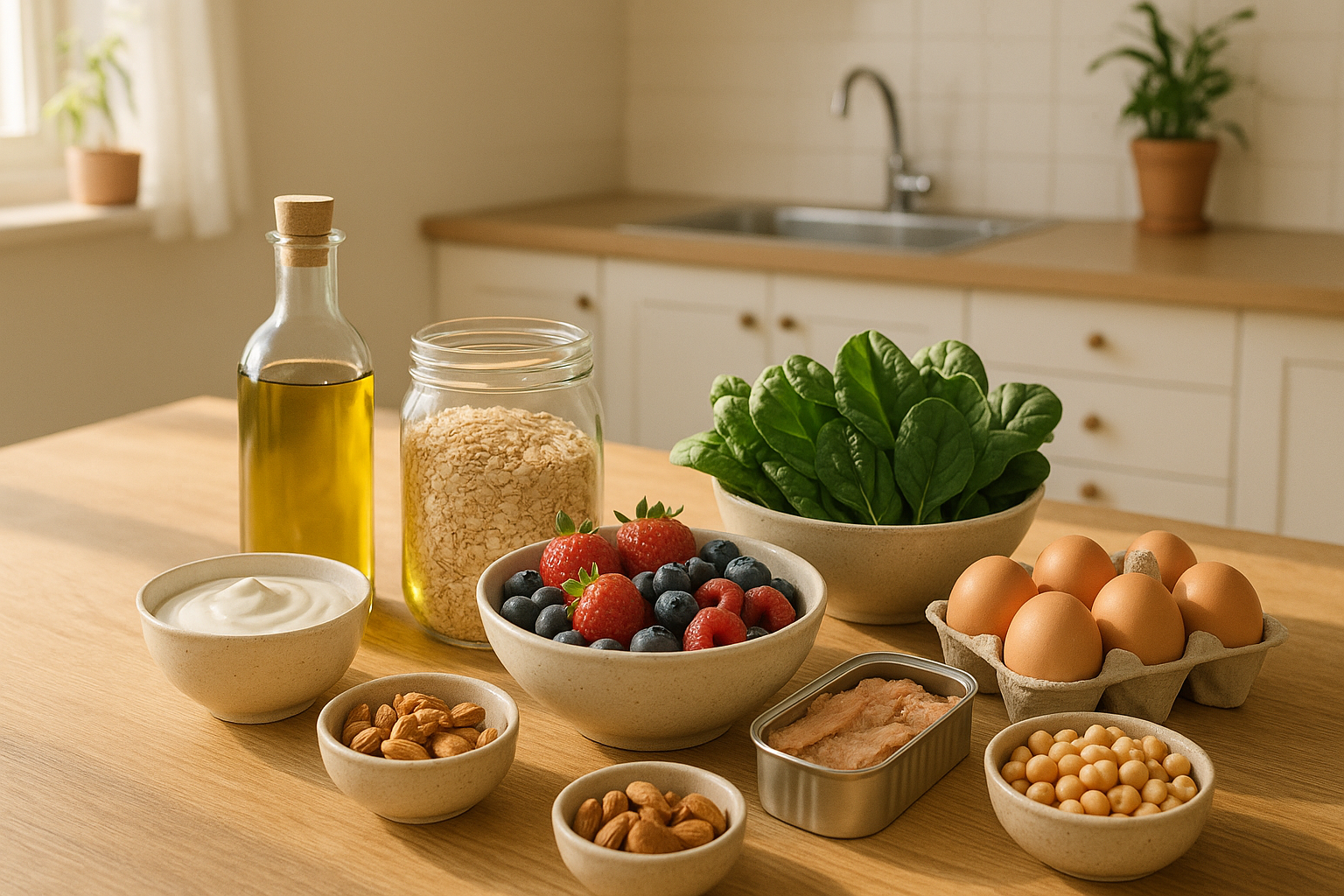
Whole foods on a kitchen bench for a weekly health maintenance routine

Gold Coast naturopath nutritionist maintenance and care essentials: a practical guide for everyday life

If you only focus on your health when something goes wrong, you end up in “catch-up mode”. Maintenance is different. It’s the steady, repeatable basics that help your energy, digestion, mood and sleep stay more predictable.

This guide is written for everyday life on the Gold Coast: busy work weeks, family meals, social weekends and the occasional “we’ll just grab takeaway”. It’s also written through the lens of a naturopath and nutritionist approach—food-first foundations, realistic habits, and sensible supplement use when it actually makes sense.

If you’ve been searching for a naturopath Gold Coast, Gold Coast naturopath, nutritionist Gold Coast, holistic nutritionist Gold Coast, or even the “best naturopath Gold Coast”, use this as a practical checklist. It will help you start improving your baseline now, and also help you choose a naturopath who matches your needs.

What “maintenance and care essentials” really means (no detox, no perfection)

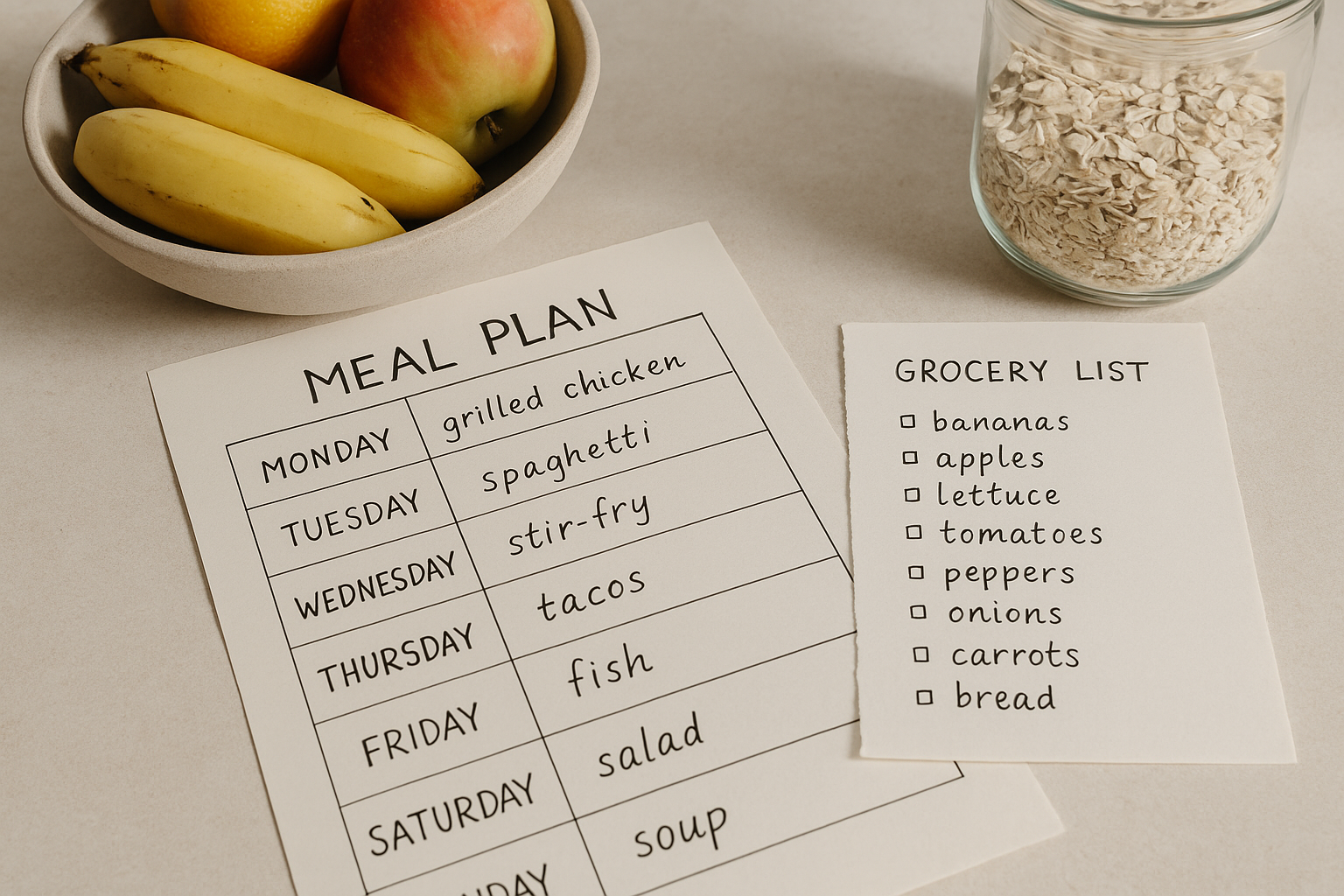
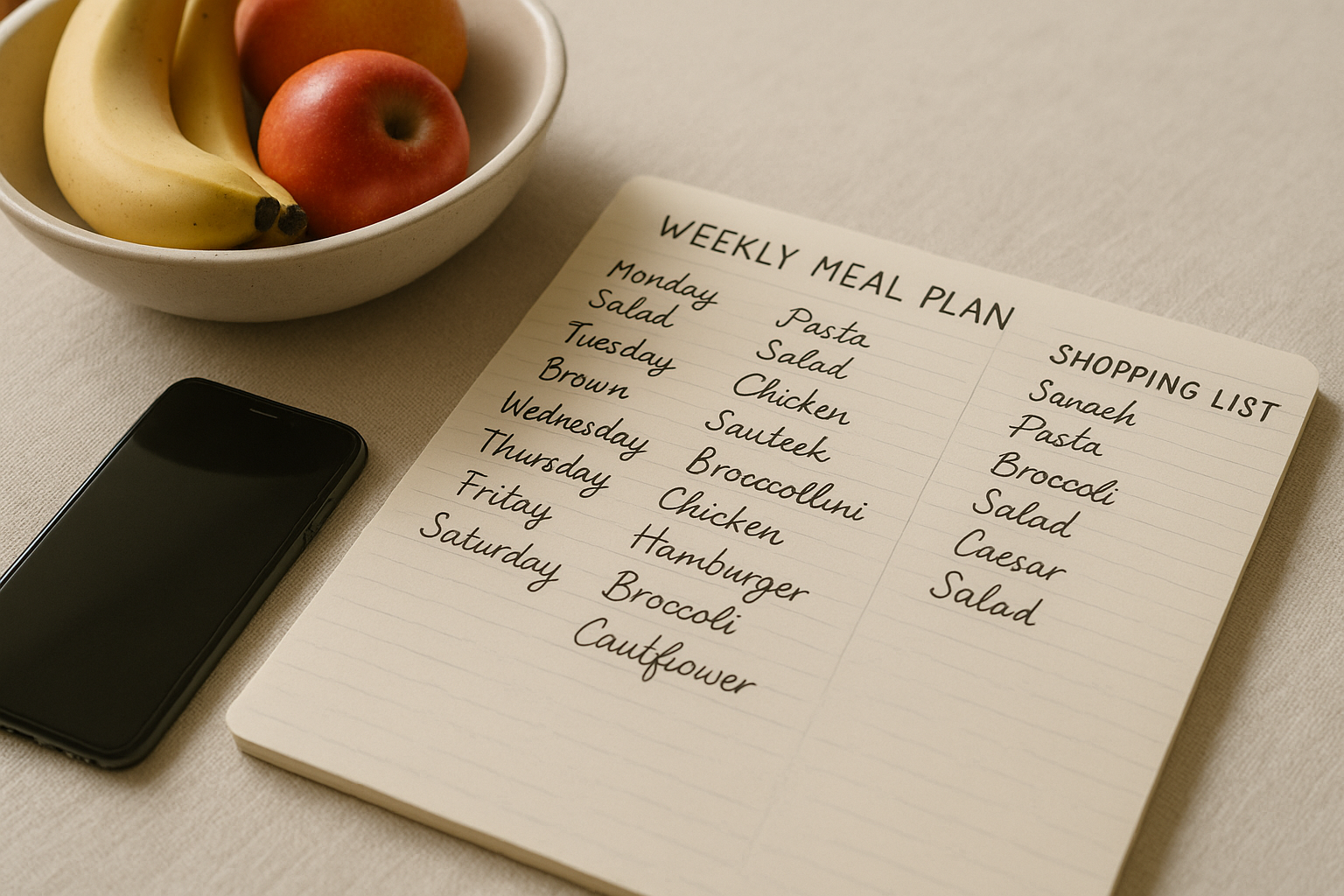
Meal plan and grocery list for consistent nutrition habits

Maintenance is the minimum effective dose of habits that you can keep doing even when life gets busy.

It aims to:

  • stabilise blood sugar (fewer 3pm crashes)
  • keep digestion regular and comfortable
  • support stress tolerance and sleep quality
  • reduce decision fatigue around meals
  • build resilience before high-pressure periods

It’s not a 30-day challenge. It’s what still works when you’re tired, stressed, travelling, or feeding a family.

Essential 1: A food routine you can repeat

Most people don’t need a brand-new diet. They need a simple structure they can follow on autopilot.

The “build-a-plate” template

Aim for these at most main meals:

  • Protein: eggs, Greek yoghurt, chicken, fish, tofu, tempeh, legumes
  • Colour + fibre: 2+ types of veg or salad (fresh or frozen)
  • Carbs (as needed): fruit, oats, rice, potato, sourdough, quinoa
  • Healthy fats: olive oil, avocado, nuts, seeds

Easy Gold Coast-style examples:

  • Breakfast: Greek yoghurt + berries + chia + a handful of oats
  • Lunch: rice + tuna/salmon + bagged salad + olive oil + lemon
  • Dinner: tray-bake veg + chicken/tofu + yoghurt + herbs

If you tend to skip meals, don’t overhaul everything at once. Start with one anchor meal per day that is reliable.

Maintenance snacks that won’t backfire

If snacks cause a sugar-and-crash cycle, try:

  • fruit + nuts
  • yoghurt
  • cheese + wholegrain crackers
  • hummus + carrot/cucumber
  • boiled eggs

These options usually support steadier energy and fewer cravings later.

Essential 2: Gut health basics (before you buy another probiotic)

Many people who search gut health dietitian Gold Coast are looking for a clear plan, not more guesswork. A gold coast naturopath or nutritionist approach often starts with fundamentals first, then adds targeted support if needed.

A simple gut maintenance checklist

  • Fibre most days: vegetables, fruit, oats, legumes, nuts and seeds
  • Hydration: enough water that urine is pale yellow most of the time
  • Regular meal timing: big, inconsistent gaps can worsen bloating for some people
  • Chew and slow down: digestion starts in the mouth
  • Alcohol and ultra-processed foods: aim for “sometimes”, not “daily”

If you deal with bloating, reflux, constipation or diarrhoea

Try not to self-diagnose from social media. A personalised review usually looks at:

  • your symptom pattern (timing, foods, stress, sleep)
  • portion sizes and meal speed
  • fibre type and timing
  • common triggers (for example caffeine, alcohol, sugar alcohols, large raw salads)

If symptoms are persistent, severe, include bleeding, unexplained weight loss, or wake you at night, speak with your GP promptly.

Essential 3: Stress and sleep support (because your gut and appetite follow your nervous system)

People often look for an anxiety naturopath because stress doesn’t just stay in your head. It can show up as gut discomfort, cravings, fatigue, headaches and broken sleep.

Two simple maintenance habits that work well

  1. A consistent wind-down cue (10–20 minutes)

    • dim lights
    • hot shower
    • gentle stretching
    • reading
    • phone out of reach
  2. A morning cue (5–15 minutes)

    • daylight early in the day (no staring at the sun)
    • a short walk
    • a protein-based breakfast

These cues can support sleep timing, appetite regulation and mood stability.

If anxiety is a main driver for you, read: Anxiety Naturopath Gold Coast.

Essential 4: Supplements—use them like tools, not insurance

Supplements can be helpful. But they’re not really “maintenance” if you’re taking a long list and you’re not sure what each one is for.

A sensible approach usually includes:

  • food first (your foundation)
  • targeted support (for a clear reason)
  • regular review (stop what you don’t need)

Questions to ask before you start anything

  • What is this for, and how will we measure progress?
  • How long should I trial it?
  • Are there medication interactions or reasons I shouldn’t take it?
  • What’s the food or lifestyle equivalent?

If you’re pregnant, breastfeeding, taking medications, or managing complex conditions, supplement choices should be extra cautious and coordinated with your healthcare team.

Essential 5: Your maintenance pantry (so dinner isn’t a nightly debate)

Simple pantry staples in a supermarket trolley

A solid pantry makes healthy meals easier and reduces takeaway reliance.

Easy staples to keep on hand

  • canned beans/lentils
  • tinned fish
  • eggs
  • frozen veg
  • rice/oats/pasta
  • Greek yoghurt
  • olive oil, herbs and spices

With these basics, you can usually assemble a balanced meal in around 20 minutes.

If you want help making this realistic for your budget, preferences and household, Beta Me offers Supermarket Shopping Tours. These can help with label reading, quick comparisons and building a repeatable trolley.

Essential 6: The Gold Coast lifestyle reality check (weekends, eating out and social plans)

Simple sleep-support setup on a bedside table

Maintenance doesn’t mean never eating out. It means you have a default plan.

Try this simple approach:

  • Before you go: don’t arrive starving (have a protein snack)
  • At the venue: choose one priority—drinks or dessert (not always both)
  • Next day: return to your normal breakfast and hydration (no punishment)

Consistency beats intensity. The aim is fewer blowouts and a quicker return to your usual rhythm.

Essential 7: Maintenance for families, shift workers and flexible schedules

If you’re feeding a household

  • Keep “base foods” the same (protein + veg + carb), change flavours and sauces.
  • Do a build-your-own dinner weekly (tacos, bowls, wraps).
  • Make supportive snacks visible (fruit bowl, yoghurt, nuts portioned).

If your schedule is unpredictable

  • Keep two “emergency meals” ready (frozen veg + eggs; tinned fish + rice).
  • Set a minimum baseline: one protein-based meal and one serve of veg daily.

If you need in-home or telehealth support

For convenience, consider Mobile Nutritionist Gold Coast (in-home consults).

If you’re looking up NDIS dietitian Gold Coast or NDIS nutritionist Gold Coast, you can also explore telehealth nutrition support.

How to choose a naturopath (and avoid wasting time and money)

If you’ve been Googling how to choose a naturopath, this shortlist can help you decide.

Green flags

  • They ask About symptoms, routine, stress, sleep, medical history, medications and food patterns.
  • They give you a clear plan with priorities (not 20 changes at once).
  • They explain the “why” behind recommendations.
  • They review progress and adjust based on your response.

Good questions to ask in the first consult

  • What does a typical plan look like for my main concern?
  • How often do you recommend follow-ups for maintenance?
  • Can you work alongside my GP or Allied health team if needed?
  • Do you offer in-home consults or telehealth?

If you’d like to learn more about Beta Me, start here: About Beta Me Nutrition & Naturopathy.

A simple 2-week maintenance reset (no extremes)

If you want a straightforward starting point, try this for 14 days:

  1. Protein at breakfast on at least 10 of 14 days.
  2. 2+ colours of veg at lunch or dinner daily.
  3. A 10-minute wind-down 5 nights per week.
  4. Plan two easy dinners you can repeat.
  5. One supportive shop: restock the staples you’re missing.

Track just three things: energy, digestion and sleep. That’s usually enough to spot patterns.

When it’s time to get personalised support

If you’ve tried the basics and you’re still dealing with stubborn symptoms—bloating, reflux, constipation, fatigue, cravings, poor sleep, or stress that spills into your appetite—it’s often more efficient to get a tailored plan.

Beta Me supports Gold Coast locals who want a practical naturopath and nutritionist approach that’s realistic and repeatable.

Next step: Book via Naturopath Gold Coast | Nutritionist Gold Coast. Prefer support in your home? Explore mobile consults. If worry and stress are a key driver, start here: naturopathy for anxiety.


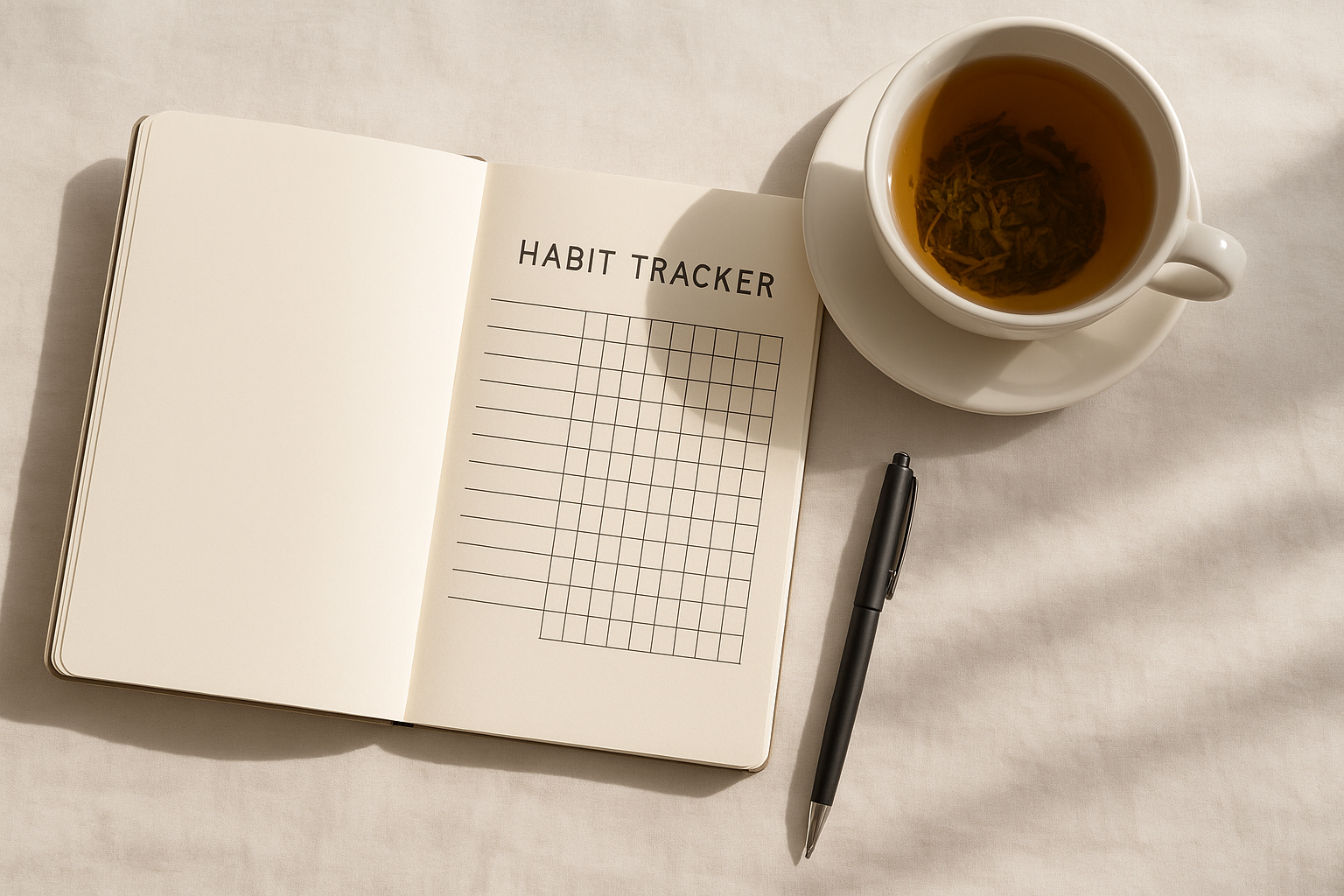
Habit tracker notebook for health maintenance routines

FAQs

What’s the difference between a naturopath and a nutritionist?

A nutritionist focuses on food, nutrients, meal structure and behaviour change. A naturopath often takes a broader holistic framework and may include nutrition alongside lifestyle and other naturopathic supports. Many people prefer a combined naturopath nutritionist approach so recommendations are coordinated.

How do I choose a naturopath on the Gold Coast?

Choose someone who takes a thorough history, explains their process, gives a clear plan you can follow, and reviews progress. Ask how they tailor recommendations, how they measure results, and whether they offer in-home or telehealth appointments.

Is a naturopath good for anxiety?

A naturopath may support anxiety by addressing nutrition, sleep, stress physiology and gut health, with targeted supplements where appropriate. Anxiety can be complex, so it’s best handled with a personalised plan and appropriate medical or mental health support when needed.

Should I see a gut health dietitian on the Gold Coast or a naturopath nutritionist?

If you want structured medical nutrition therapy for diagnosed conditions, a dietitian can be a good fit. If you want a broader holistic plan integrating food, lifestyle and naturopathic supports, a holistic nutritionist Gold Coast option who also practises naturopathy may suit you. Some people benefit from both.

Do I need supplements for maintenance?

Not always. Many people do best with food-first habits and a short list of targeted, time-limited supplements. Supplements should be reviewed regularly and matched to your goals, medications and symptoms.

Do you offer NDIS nutrition support?

If you’re looking for NDIS-aligned nutrition support (including telehealth), it’s best to enquire with your plan details and goals so appointments can be tailored to daily living outcomes.

Gold Coast naturopath nutritionist maintenance and care essentials: a practical plan you can stick to

Whole foods on a kitchen bench for a simple weekly nutrition routine

Gold Coast naturopath nutritionist maintenance and care essentials: a practical plan you can stick to

If your health routine comes in bursts (a great week, then “life got busy”), you’re not the only one.

On the Gold Coast, many people juggle work, family, commuting, training, shift work and social plans. Digestion can feel unpredictable. Energy can dip. Stress can sit in the background.

That’s where Gold Coast naturopath nutritionist maintenance and care essentials make a real difference.

Maintenance care isn’t About chasing quick fixes. It’s about keeping a few basics steady so your body has fewer reasons to flare up.

If you’ve been searching naturopath Gold Coast, gold coast naturopath, holistic nutritionist Gold Coast or even best naturopath Gold Coast, this guide will show you what a realistic, repeatable plan can look like.

What “maintenance and care” means (and what it doesn’t)

Weekly meal plan and shopping list on a kitchen table

Maintenance care is the unglamorous stuff that works because you can repeat it.

It’s not:

  • Extreme elimination diets you can’t sustain
  • Random supplement stacks with no clear purpose
  • A new set of rules every week

It is:

  • A small set of habits that stabilise appetite, digestion and mood
  • A plan that flexes for weekends, school holidays and high-stress weeks
  • Clear ways to track progress without obsessing

Think of it like maintaining a home. You don’t renovate every month. You keep the foundations solid and do check-ins before problems pile up.

The foundations a Gold Coast naturopath and nutritionist prioritises

1) Meal structure that steadies energy (and cravings)

If you change one thing first, start with meal structure.

When meals are unpredictable, blood sugar and appetite often become unpredictable too. That’s when cravings ramp up and energy slumps.

A simple maintenance plate usually includes:

  • Protein: eggs, Greek yoghurt, chicken, tofu, fish, lean red meat, legumes
  • Colour + fibre: salad, veg, berries, legumes
  • Carbs (as needed): oats, potato, rice, sourdough, fruit (amount depends on your needs)
  • Healthy fats: olive oil, avocado, nuts, seeds

Busy-week meal ideas (low effort, high repeatability):

  • Breakfast: Greek yoghurt + berries + chia + a handful of nuts
  • Lunch: leftover dinner protein + bag salad + olive oil + microwave rice (if needed)
  • Dinner: tray bake (chicken or salmon) + mixed veg + potato

If afternoons are your danger zone, trial a “3 pm anchor” for two weeks:

  • Choose a snack with protein + fibre, such as apple + peanut butter, tuna + crackers, edamame, or yoghurt.

This can reduce the “raid the pantry” effect later at night.

2) Gut comfort basics (before blaming everything on intolerances)

People searching for a gut health dietitian Gold Coast often want relief from bloating, reflux, irregular bowel motions, or sensitive digestion.

Many also look for a naturopath and nutritionist because they want a staged plan that covers food and lifestyle.

Before cutting out half your diet, check the fundamentals:

  • Regular meals: skipping meals then overeating is rough on the gut
  • Chewing and pace: rushing can increase air swallowing and discomfort
  • Fibre dose: too little can slow things down; too much too fast can backfire
  • Fluids: spread water across the day
  • Alcohol and late meals: often underestimated for reflux and sleep disruption

A gentle fibre reset (simple and realistic):

  1. Add one extra serve of vegetables daily for a week.
  2. Then add one fibre booster: chia, psyllium, legumes, or oats.
  3. Increase slowly. The goal is comfort, not perfection.

If symptoms are persistent, severe, or worsening, get individualised support. The “right” plan depends on your pattern (constipation, diarrhoea, bloating after meals, reflux at night, and more).

3) Stress, anxiety and the “wired but tired” loop

A lot of people search for an anxiety naturopath because they feel on edge, sleep is light, and their body won’t switch off.

Food matters here, but rhythm matters too.

Maintenance essentials that can help:

  • Caffeine cut-off: try 8 hours before bed for two weeks, then reassess
  • Evening cues: dim lights, avoid heavy late meals, keep a consistent wind-down
  • Blood sugar stability: protein at breakfast and lunch; avoid “coffee only” mornings

If anxiety is impacting day-to-day function, involve your GP or mental health practitioner. Naturopathy can be supportive, but it shouldn’t be the only layer of care when symptoms are significant.

You can read more here: naturopathy support for anxiety on the Gold Coast.

4) Supplements: keep them purposeful, not endless

A common reason people bounce between naturopaths Gold Coast is supplement fatigue. Too many bottles. No clear goal. No plan to stop.

A sensible maintenance approach is to:

  • Use supplements to fill a gap, support a specific goal, or assist during a time-limited phase
  • Reassess after an agreed timeframe
  • Keep a simple list: what it’s for, when to take it, and what “success” looks like

If you take medications, are pregnant or breastfeeding, or have diagnosed conditions, ask about interactions and suitability.

5) Make healthy the default at home

Your kitchen system matters more than willpower.

A practical maintenance setup:

  • Protein ready: eggs, tinned fish, Greek yoghurt, pre-cooked chicken, tofu
  • Fibre ready: bag salads, frozen veg, berries, oats, legumes
  • Flavour ready: olive oil, lemon, garlic, herbs, spice blends

Two quick wins:

  1. Cook once, eat twice: make dinner big enough for tomorrow’s lunch.
  2. Create a “grab list”: 6–8 repeat meals everyone tolerates.

If you want hands-on help turning “good intentions” into a trolley you can actually use, consider: Supermarket Shopping Tours (Gold Coast).

How to choose a naturopath (Gold Coast): a simple checklist

Simple bedside setup supporting a consistent sleep routine

If you’re searching gold coast naturopath, naturopath gold coast, or “best naturopath Gold Coast”, use this checklist before you book.

Ask:

  • What’s your approach if someone has tried “everything” already?
  • What are the first 2–3 priorities you’d tackle for my goals?
  • How do you measure progress (energy, sleep, bowel patterns, symptom tracking)?
  • Will I get a plan that fits my budget and schedule?
  • Are supplements optional, and will you explain why and for how long?
  • Can you work alongside my GP or Allied health team if needed?

Good care should feel structured, not mysterious.

When seeing a naturopath and nutritionist together makes sense

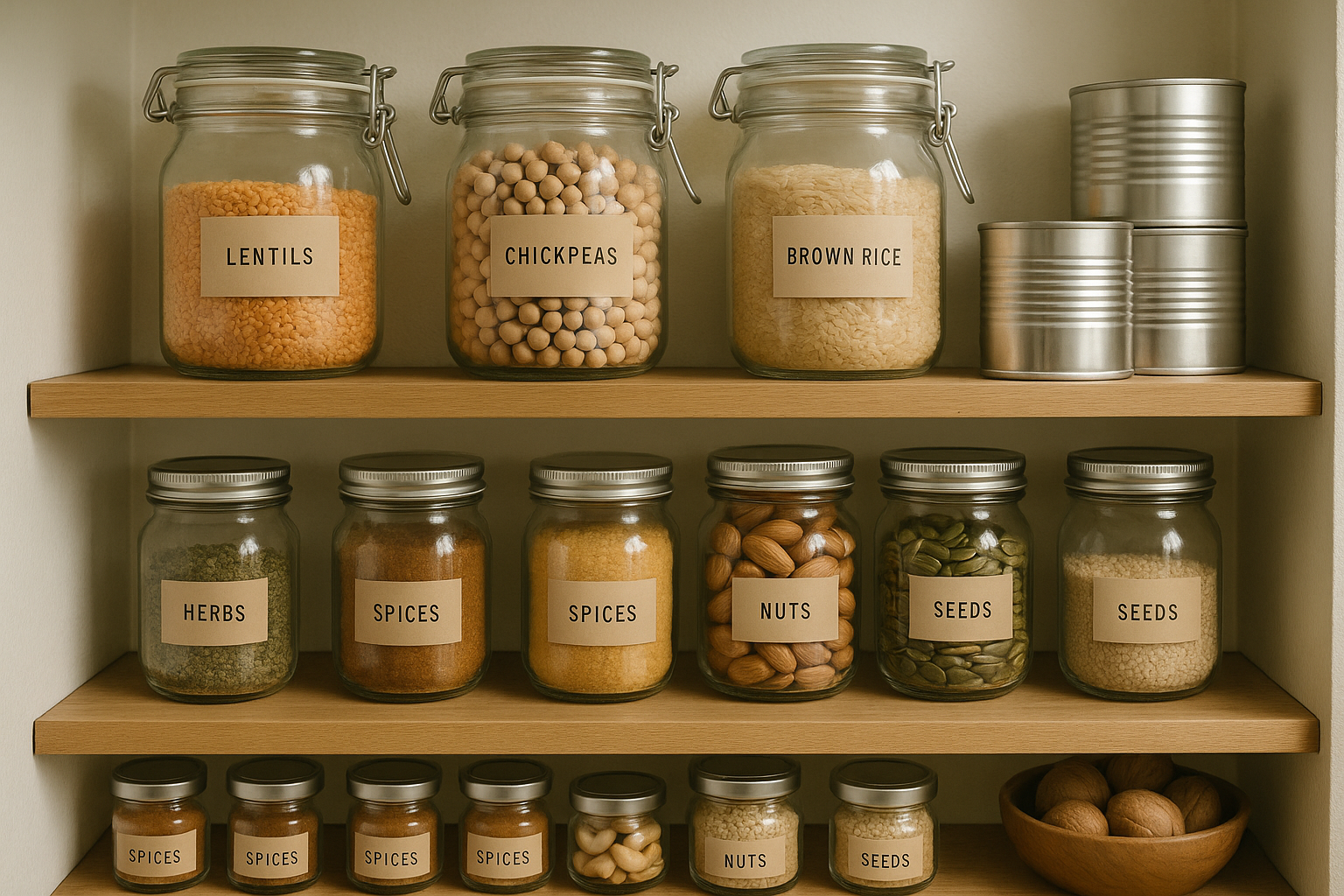
Organised pantry staples for healthy meals

Many people do best with a combined approach when:

  • Food changes help, but stress, sleep and lifestyle are clearly part of the picture
  • Digestion is reactive and you need a staged plan
  • You want practical meal guidance plus broader wellbeing support

If you’re exploring options on the Gold Coast, start here: Naturopath Gold Coast and Nutritionist Gold Coast (Beta Me).

What to expect from a nutrition consult (so you can prepare)

Fresh produce section for practical healthy shopping choices

A good consult shouldn’t feel like a lecture or a generic handout.

To get the most out of it, bring:

  • A rough snapshot of what you eat on workdays vs weekends
  • Your top 3 symptoms (and when they’re worse or better)
  • Your goals (energy, gut comfort, weight stability, stress resilience, performance)
  • Current medications and supplements

Most people do best with a small starting plan:

  • 1–2 food upgrades
  • 1 routine upgrade (sleep, caffeine timing, lunch structure)
  • Optional targeted support if appropriate

Support options that fit real Gold Coast schedules

If getting to appointments is difficult, look for care that meets you where you are.

Options may include:

If you’re specifically searching for NDIS dietitian Gold Coast, it’s still worth asking what services are available and what scope is the best fit for your needs.

A simple 7-day maintenance reset you can start this week

If you want momentum without overwhelm, try this for one week:

  1. Protein at breakfast at least 5 days
  2. Two colours of veg at lunch or dinner daily
  3. A planned 3 pm snack (protein + fibre)
  4. Caffeine cut-off 8 hours before bed
  5. 10-minute evening tidy to set up tomorrow’s breakfast/lunch

Track three quick measures daily:

  • Energy: low / ok / good
  • Digestion: comfortable / uncomfortable
  • Mood: flat / ok / anxious

That’s enough data to adjust without spiralling.

Ready for a personalised plan (not another round of guessing)?

If you want help turning these Gold Coast naturopath nutritionist maintenance and care essentials into a plan that fits your body, your household and your schedule, Beta Me can help.

Start here: Naturopath Gold Coast and Nutritionist Gold Coast (Beta Me).

Prefer practical, in-home support? Explore mobile consultations or book a supermarket shopping tour.

Want to know who you’ll be working with? Meet Danielle Lamb and learn about Beta Me.

Gold Coast Naturopath + Nutritionist Costs: A Practical Guide to Budget Planning

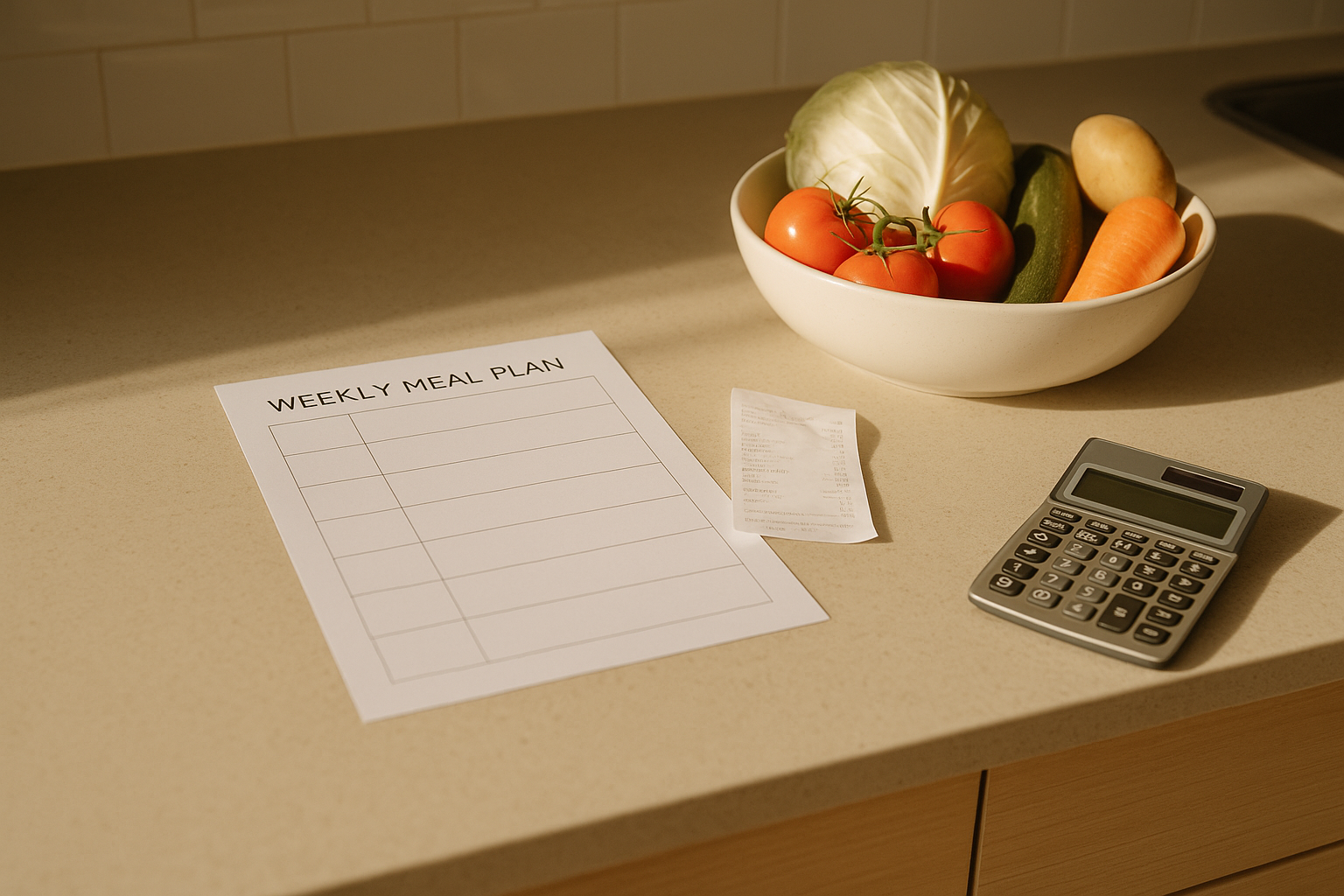
Meal planning and budgeting setup for nutrition support on the Gold Coast

Gold Coast naturopath + nutritionist costs: a practical guide to budget planning

If you’re dealing with gut issues, stress eating, fatigue, skin flare-ups or anxiety, you’ve probably searched naturopath Gold Coast, Gold Coast naturopath, or naturopath near me.

Then comes the tricky part: working out what it may cost over time.

A single appointment is rarely the full picture. Real-world spending usually includes follow-ups, optional testing, optional supplements, and the practical work of changing what you eat and how you live.

This Gold Coast naturopath nutritionist cost guide and budget planning article is for people comparing options. You’ll learn what drives cost, what to ask before you book, and how to plan your next 6–12 weeks without nasty surprises.

What you’re paying for (not just “a chat”)

Comparing food labels in a supermarket for a nutrition plan

A quality naturopath and nutritionist service is typically a mix of:

  • Assessment: symptoms, health history, medications, lifestyle, food patterns, sleep, stress and goals.
  • Strategy: a plan that connects food and daily routines, plus naturopathic tools where relevant.
  • Implementation support: turning advice into something you can actually do (busy weeks, shift work, kids’ lunches, travel).
  • Review and adjustments: refining the plan based on progress and what’s realistic.

When you compare a nutritionist consultation to a naturopathy consult, focus on the take-home value.

Ask what you’ll receive after the appointment, such as:

  • A written action plan
  • Meal structure or simple templates
  • Recipes or food lists (where relevant)
  • A supplement schedule (if supplements are used)
  • Shopping guidance or label-reading tips
  • A clear follow-up plan

Clear deliverables make it much easier to budget.

Why costs vary between Gold Coast providers

When someone says they found the “best” Gold Coast naturopath, they often mean it felt personalised and well supported. That doesn’t always mean cheapest.

Fees can vary due to:

  1. Consult length and depth

    • Longer initial appointments can mean a more thorough history and clearer priorities.
  2. Follow-up style

    • Some clinics use frequent short reviews.
    • Others plan fewer, longer reviews.
  3. What’s included

    • Written plans, resources, email support, or liaising with other health professionals can affect cost.
  4. Complexity

    • If you’re managing gut symptoms plus anxiety, irregular eating, or multiple medications, you may need more support.
  5. Optional extras

    • Functional testing, supplements, or practical add-ons (like a shopping tour).

A useful comparison question is:

“What does a typical first 6–12 weeks look like for someone with my goals?”

Budget planning: think in phases (not single appointments)

Instead of budgeting for one visit, plan your spend across phases. This is where most people make better decisions.

Phase 1: Foundation (weeks 0–2)

Goal: clarity and a plan you can follow.

Common budget items:

  • Initial consult
  • Take-home resources (meal structure, written plan, supplement schedule if relevant)
  • A few pantry basics to support the plan

You should walk away with clear next steps and a short list of priorities.

Phase 2: Implementation (weeks 2–8)

Goal: turn the plan into habits.

This phase is where people often overspend. It’s usually from “health kicks” (buying too much, too fast) or buying products without a clear plan.

Common budget items:

  • 1–3 follow-up consults
  • Grocery changes (often a swap, not a higher weekly spend)
  • Supplements only if indicated, with a timeframe and review point

If you’ve been searching gut health dietitian Gold Coast, you may be looking for structured, food-led support. The best plans are simple enough that your weekly shop stays realistic.

Phase 3: Consolidation (weeks 8–12 and beyond)

Goal: keep results going with less appointment dependency.

Common budget items:

  • Less frequent check-ins
  • Long-term meal templates (work lunches, weeknight dinners)
  • A plan for travel, busy periods and social events

Ask this early:

“How do you help clients taper to maintenance?”

It’s one of the best budget-protection questions.

Practical budget examples (how people plan their spend)

Affordable whole foods often used in practical nutrition plans

These aren’t quotes or promises. They’re common budgeting approaches that help households stay in control.

Example A: Busy couple with stress, snacking and reflux

Goal: calmer evenings, fewer takeaway meals, better sleep.

A cost-controlled approach:

  • Book an initial consult, then a follow-up in 2–3 weeks.
  • Focus on two high-impact changes (for example, protein at breakfast and a planned afternoon snack).
  • Keep groceries steady by swapping items rather than buying everything “healthy” at once.

Where costs blow out:

  • Buying lots of “health foods” that don’t get eaten
  • Starting multiple supplements without a trial plan and review date

Example B: Parent who wants family-friendly meal planning

Goal: fewer dinner battles, predictable shopping, healthier lunches.

A cost-controlled approach:

  • Choose a practitioner who provides meal frameworks and simple recipes.
  • Add practical support if it saves money long term (shopping lists, label-reading help).

If impulse buying and confusion at the shops is your biggest leak, a Supermarket Shopping Guide Gold Coast can be a smart investment.

Example C: Anxiety plus gut symptoms

Goal: fewer flare-ups, steadier energy, support that links stress and digestion.

A cost-controlled approach:

  • Ask for a staged plan (food foundations first, then targeted strategies).
  • Plan follow-ups to adjust based on sleep, stress load and symptom changes.

If anxiety is a major driver, you may prefer a service designed for that goal, such as Anxiety Naturopath Gold Coast.

Cost control tips that don’t compromise care

The aim is to reduce waste, not reduce support.

  • Ask for priorities: “What are the top 2–3 actions to start with?”
  • Put review dates on extras: supplements and protocols should have a timeframe.
  • Keep it food-first where appropriate: not every goal needs a product.
  • Bring your info: a 3-day food diary, photos of supplements, and recent blood results (if you have them).
  • Use practical services when they save money: if your biggest cost is grocery trial-and-error, hands-on support can pay off.

If convenience matters, consider options like Mobile Nutritionist Gold Coast support.

How to choose a naturopath (without feeling “sold to”)

People searching how to choose a naturopath usually want one thing: confidence their money won’t be wasted.

Before you book, ask:

  1. What do I get after the appointment?

    • Written plan, meal framework, supplement schedule, shopping guidance.
  2. What does the first 6–12 weeks look like?

    • You want a pathway, not endless appointments.
  3. How do you keep costs predictable?

    • Staged plans, prioritised recommendations, and clear review points.
  4. Do you regularly work with my main concern?

    • Gut health, fatigue, anxiety, women’s health, or family meal planning.
  5. Will you coordinate with other professionals if needed?

NDIS nutrition support on the Gold Coast: budgeting considerations

Searches like NDIS dietitian Gold Coast and NDIS nutritionist Gold Coast often come from families wanting practical support that fits day-to-day life.

If that’s you, ask:

  • What formats are available (video, phone, mobile)?
  • Can resources be tailored for carers or support workers?
  • How are goals documented and tracked?

For flexible options, see NDIS Nutritionist Gold Coast | In-Home Nutrition Support.

Naturopath vs nutritionist (and why many people choose both)

Preparing questions for a naturopath and nutritionist consultation

If you’re comparing a holistic nutritionist Gold Coast approach with naturopathy, it helps to get clear on what you want most.

  • Choose nutrition-focused support if your priority is meal structure, label reading, behaviour change, and practical eating strategies.
  • Consider a naturopath nutritionist approach if you want food strategy plus naturopathic tools (where appropriate) in one plan.

For many people, the best value comes from integrated support, so you’re not paying two separate providers to solve the same puzzle.

Ready to plan your next 6–12 weeks with confidence?

If you want a clearer idea of what support may look like (and how to keep spending predictable), Beta Me can help you plan a staged approach.

Start here:

If you reach out, it helps to share your main goal (gut, energy, anxiety, meal planning) and the level of support you want. That way your plan can be prioritised from day one.


Lifestyle supports that may be included alongside naturopath and nutritionist care

FAQs

How much does a naturopath or nutritionist consultation cost on the Gold Coast?

Costs vary depending on consult length, practitioner experience, and inclusions like written plans or ongoing support. Ask for current fees, what you receive after the consult, and the typical follow-up cadence so you can compare like-for-like.

What’s the difference between a naturopath and a nutritionist?

A nutritionist focuses on food and eating behaviour. A naturopath may also use herbal medicine, supplementation and broader lifestyle strategies. Some practitioners are trained across both, which can make care more streamlined.

How many sessions should I budget for?

A common starting point is an initial consult plus 1–3 follow-ups over 6–12 weeks. The exact number depends on complexity and how much support you want implementing changes.

Do I need supplements?

Not always. If supplements are recommended, ask for priorities (essential vs optional), timeframes, and food-first alternatives. That helps keep spending controlled.

Can a naturopath help with anxiety?

Many people look for naturopathic support for anxiety, especially when it’s linked with sleep, gut symptoms, energy crashes and appetite changes. If this is a key goal, choose a practitioner who works in this area and offers structured follow-up.

I searched “naturopath near me”, but I can’t easily get to appointments. What are my options?

Depending on the provider, you may be able to access support via phone/video, or mobile-style consultations. Choose the format that suits your goal—meal planning at home, shopping guidance, or standard check-ins.

Is there nutrition support that suits NDIS participants?

Some services offer flexible consult formats and practical resources for participants and carers. Ask what’s available and how goals and progress are tracked so the support fits your needs.

Loading...