
Anxiety & naturopathy: what an anxiety naturopath can do (and how to choose the right one)
An anxiety naturopath helps you work on the physical and lifestyle factors that can keep your body stuck in “high alert”. You’ll usually get practical steps around food, sleep, gut health and (when needed) supplements.
Anxiety rarely looks like “just anxiety”. It can show up as a racing mind at bedtime, a tight chest on the commute, digestive flare-ups before meetings, or feeling flat and wired at the same time.
This guide explains what naturopathy for anxiety can include, what to expect, and how to choose the right practitioner. It’s relevant whether you want a Gold Coast naturopath, you’re open to online consults, or you’re comparing clinics in different cities.
Want personalised support now? Explore Anxiety naturopathy support at Beta Me or contact Beta Me to ask about appointment options.
What is an anxiety naturopath?
An anxiety naturopath looks for factors that can push your body into a stress response and keep it there. The aim isn’t to blame everything on stress. It’s to reduce the load on your system in a way that’s realistic for your life.
They often focus on:
- Nervous system load (capacity, not just mindset)
- Blood sugar stability and meal timing (swings can feel like anxiety)
- Sleep quality (without relying on willpower)
- Gut function (bloating, reflux, bowel changes, nausea, appetite shifts)
- Nutrient status (especially when stress affects appetite and food choices)
- Stimulants and depressants (caffeine, alcohol, nicotine, pre-workout)
- Life stage and hormones (where relevant)
A good consult should leave you with a plan that’s specific and doable. It should feel like “here’s what to do this week”, not vague advice like “do more self-care”.
What naturopathy can (and can’t) help with
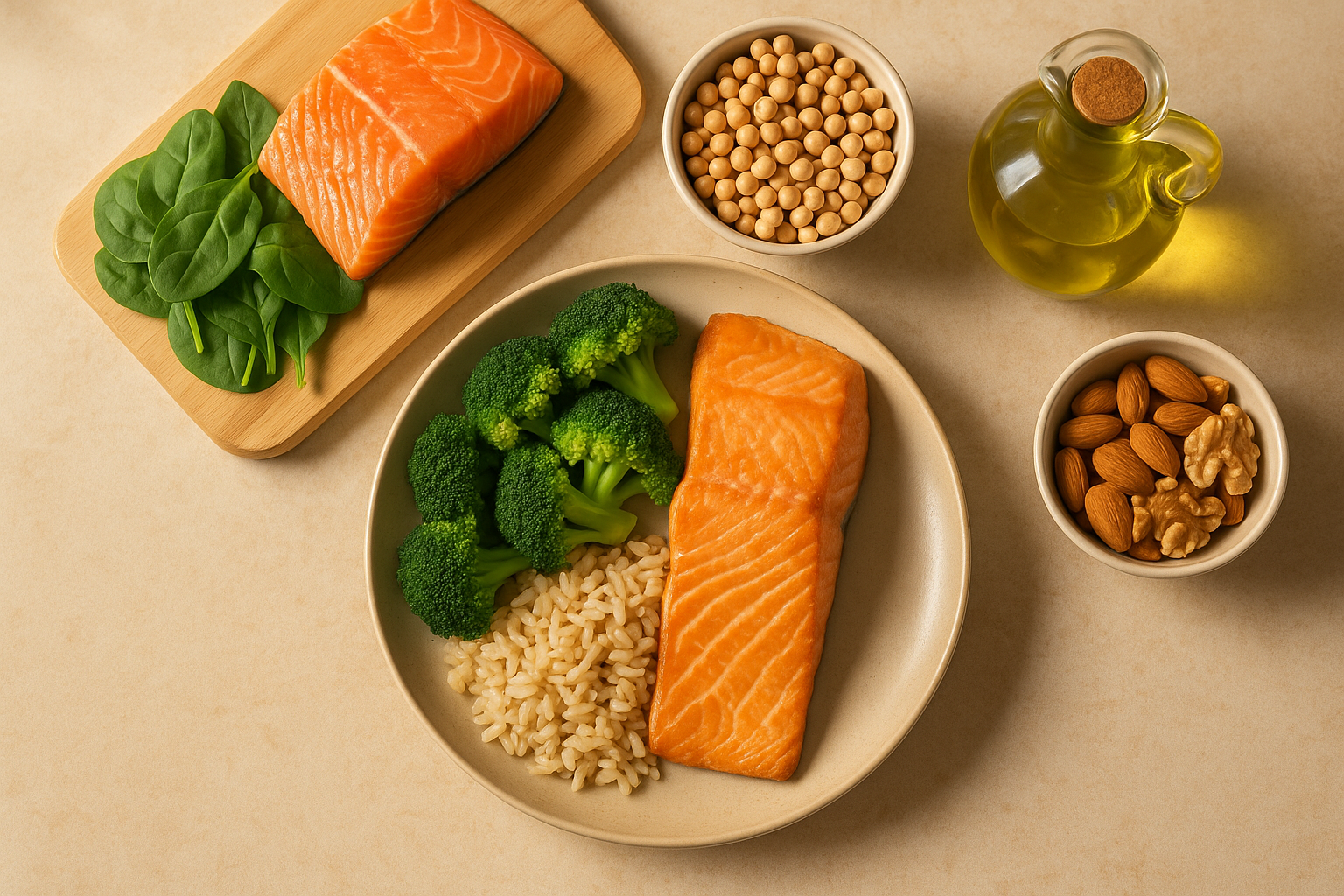
Naturopathy can help when anxiety is being amplified by poor sleep, inconsistent eating, gut symptoms, nutrient shortfalls, burnout patterns, or coping habits that are understandable but no longer working.
It’s also a good fit if you want structure, not general advice. That might include what to eat, when to eat, which habits to start with, and what to track so you can tell if things are improving.
Safety and limits
- Naturopathy isn’t a replacement for emergency care.
- If you’re experiencing thoughts of self-harm, feel unsafe, or symptoms are escalating quickly, seek urgent help via emergency services.
- For diagnosed mental health conditions, naturopathy usually works best alongside your GP and/or psychologist.
The goal is steadier foundations so your body isn’t constantly running on “high alert”. For many people, that means fewer spikes and crashes, better sleep depth, and more predictable energy. It’s not an overnight fix and it shouldn’t be sold as one.
Common drivers under “anxiety” (and what to do about them)
Anxiety symptoms often cluster with a few common patterns. It helps to treat these as hypotheses to test, not assumptions to lock in.
1) Blood sugar swings that mimic anxiety
If you feel shaky, irritable, lightheaded, or suddenly “panicky” when you haven’t eaten, food timing may be a key lever. A common pattern is symptoms easing after eating, or a late-morning crash after a coffee-only start.
Practical starting points:
- Eat protein at breakfast (or your first meal)
- Avoid coffee until you’ve eaten (especially on an empty stomach)
- Build meals around protein + fibre + healthy fats
- Keep a simple “bridge snack” handy (yoghurt, nuts, boiled egg, cheese and crackers, or a protein smoothie)
Important: If you have a history of disordered eating, diabetes, or you’re using medications that affect appetite or glucose, get individual guidance rather than forcing rigid rules.
If you’re getting true “panic” sensations with sweating, tremor, dizziness, chest pain, or fainting, flag this with your GP to rule out other contributors.
2) Sleep debt and a revved nervous system
When sleep is light, broken, or pushed too late, your nervous system often becomes more reactive. Even if you can function, anxiety symptoms tend to get louder.
Helpful strategies can include:
- A consistent wake time (often more realistic than a perfect bedtime)
- A wind-down routine you can repeat (short beats ambitious)
- Morning light exposure, and lower light at night
- Reviewing caffeine timing and alcohol patterns
If you snore, wake unrefreshed, or have significant daytime sleepiness, speak with your GP. Sleep disorders are common and can look like “anxiety and fatigue”.
If evenings are your only quiet time, aim for a wind-down that doesn’t feel like another task. Even 10 minutes of the same cue (shower, stretch, book, podcast) can help your body recognise “we’re landing now”.
3) Gut symptoms and food-related flare-ups
Anxiety and gut symptoms often travel together. That doesn’t mean it’s “all in your head”. Your gut and nervous system share messaging pathways, and irritation in one can ramp up the other.
If you have bloating, reflux, nausea, constipation, diarrhoea, or abdominal pain, a naturopath may explore:
- Meal size, speed, and timing (rushed eating matters)
- Fibre types and fluid intake
- Tolerance to specific foods (without unnecessary restriction)
- Whether further medical investigation is needed
GP-first signs: blood in stool, unexplained weight loss, persistent vomiting, severe pain, or rapidly changing bowel habits.
A key caveat: “cutting everything out” often backfires. If restriction is suggested, it should have a clear purpose, a short time frame, and a reintroduction plan.
4) Under-fuelling or overly restrictive eating
If anxiety has changed your appetite or created fear around food, the body can become more sensitive and stressed. This can show up as insomnia, heart racing, irritability, low mood, or feeling overwhelmed by “small” things.
A supportive plan usually focuses on:
- Gently rebuilding regular intake
- Improving nutrient density without overwhelm
- Keeping changes simple and consistent
A team approach can matter here. Depending on your situation, support from a GP, psychologist, and dietitian may be appropriate alongside naturopathy.
If “eating more” feels impossible, start by making intake more predictable (even if it’s small). That helps your body stop guessing.
5) High stimulant load (including “hidden” stimulants)
Caffeine isn’t just coffee. It also includes pre-workout, energy drinks, strong tea, chocolate, some weight loss products, and certain supplements.
If you’re sensitive, even “normal” amounts can drive heart racing, a tight chest, gut urgency, and insomnia.
A naturopath can help you reduce stimulants without crashing your energy. Usually that means tightening up food timing first, then tapering gradually to reduce headaches and withdrawal fatigue.
A practical tip: if you change caffeine, change it slowly and keep notes on sleep and anxiety. It helps you tell the difference between improvement and withdrawal.
What happens in an anxiety naturopath consult?
You should leave an initial consult feeling understood and clear on next steps. It should be detailed, but not invasive.
What they’ll usually ask
- Your anxiety pattern (when it happens, triggers, what helps)
- Sleep, energy, digestion, appetite, cravings
- Diet patterns (including meal timing and caffeine)
- Stress load, work demands, family load, movement, downtime
- Current medications and supplements (including occasional use)
- Relevant health history
If you’re not sure where to start, it can help to bring:
- A short list of your main symptoms (and when they’re worst)
- Any recent blood test results you already have
- A photo or note of supplements/medications you’re using (including herbal products)
What your plan may include
- Nutrition changes prioritised for your biggest wins
- A short list of realistic habits (not a complete life overhaul)
- Targeted supplements where appropriate and safe
- Coordination with your GP when needed (for example iron, B12, vitamin D, thyroid markers, glucose — based on symptoms and history)
If you’re looking for a Gold Coast naturopath who supports anxiety with a practical lens, read more about Beta Me Nutrition & Naturopathy (Gold Coast).
Gold Coast note
In-person follow-ups can feel more anchored if leaving the house is doable. For some people, a local clinic also reduces the chance of cancelling when anxiety is up.
If travel, parking, or traffic is a barrier, online consults can still cover a lot.
Do you need a naturopath food sensitivity test?
Not always. Many people search for a naturopath food sensitivity test because they notice anxiety spikes with bloating, brain fog, skin flare-ups, headaches, or fatigue.
The practical truth is that not everyone needs testing, and not all tests are equally useful.
Good first steps (often enough to start)
- A short-term food + symptom diary (what you ate, when symptoms hit, how strong)
- Digestion basics (meal timing, fibre, hydration, chewing, avoiding rushed meals)
- A structured elimination-and-challenge approach when a pattern is obvious
Testing can help in selected cases, but it shouldn’t replace a clear clinical picture. If testing is suggested, ask:
- What decisions will the results change?
- What will we do if the test is normal?
- What’s the plan for reintroducing foods (and how will we avoid unnecessary long-term restriction)?
How to choose a naturopath for anxiety (Gold Coast, Melbourne, or online)
Choose a practitioner based on process and safety, not hype. You’re looking for someone who can explain what they’re doing, prioritise changes, and work alongside your other healthcare team when needed.
If you’re comparing a naturopath Gold Coast list, searching for the best naturopath Gold Coast, or weighing up the best naturopath Melbourne options, use the checks below.
Green flags
- They take a comprehensive history (not a one-size-fits-all script)
- They explain the “why” behind each recommendation
- They discuss safety, interactions, and medication considerations
- They prioritise changes (you don’t leave with 25 tasks)
- They track progress and adjust the plan over time
- They encourage collaboration with your GP or psychologist when needed
Yellow flags
- Pressure to buy large supplement packs immediately
- Big promises or guaranteed results
- A plan that ignores sleep, food, and stress basics
- Dismissing medical care or discouraging you from seeing your GP
Practical questions to ask before you book
- Appointment length
- Follow-up timing
- Telehealth options
- How they handle questions between sessions
- Flexibility around appointment format (clinic, online, mobile)
Questions to ask (save this list)
- “What do you look for when anxiety is the main symptom?”
- “How do you decide what to prioritise first?”
- “How do you choose supplements, and how do you check for interactions?”
- “How often do you review the plan, and what does follow-up look like?”
- “What would make you refer me back to my GP?”
Practical, low-effort starting steps (while you’re booking support)
If your anxiety is active right now, focus on basics that can reduce the physical “buzz”. Keep it simple and repeatable.
- Eat within 1–2 hours of waking (include protein)
- Limit caffeine after late morning (earlier if sleep is fragile)
- Hydrate early, not just at night
- Go outside for 5–10 minutes soon after waking (daylight helps set your body clock)
- Pick one wind-down cue (same time, same short routine)
If you can only manage one change, pick the one most likely to lower physical stress quickly. For many people, that’s regular meals, an earlier caffeine cut-off, or a consistent wake time.
Try not to change everything at once. If you overhaul food, caffeine, exercise and bedtime in the same week, it’s hard to tell what’s helping (and harder to stick with).
Want support from a Gold Coast naturopath who understands anxiety?

Beta Me offers naturopathy and nutrition support for anxiety with clear next steps and follow-up. It can suit Gold Coast locals dealing with early starts, shift work, school runs, and the reality that stress doesn’t pause.
- Explore Anxiety naturopathy support at Beta Me
- Prefer flexibility? Consider online consults
- If getting out the door feels like too much, ask about mobile consultations
- Ready to book or ask a question? Contact Beta Me here
You can also meet Danielle and read about Beta Me.

FAQs
What does an anxiety naturopath do?
An anxiety naturopath looks at factors like nutrition, gut health, sleep, lifestyle, and relevant pathology (usually via your GP). The aim is to identify what may be driving your symptoms and build a practical plan you can follow.
Plans often include nutrition strategies, targeted supplements where appropriate, and referral back to your GP or psychologist when needed.
Can a naturopath help with anxiety if I’m already seeing a GP or psychologist?
Yes. Many people use naturopathy alongside medical and psychological care.
A naturopath can support foundations like food, sleep, nutrient status, gut symptoms, and stress load. Tell each practitioner what you’re taking and doing (including supplements and herbal products) so your care stays coordinated.
How do I choose a naturopathic doctor or naturopath for anxiety?
Choose someone who asks detailed questions, explains their reasoning, and offers a plan that fits your budget and capacity. It’s also a good sign if they work with your GP when needed.
Ask about their approach to supplements, how they check medication interactions, and how they measure progress over time.
What should I expect in a first appointment for naturopathy and anxiety?
Expect a detailed history, including symptoms and triggers, sleep, digestion, cycle history where relevant, diet, stress load, and medication/supplement use.
You should leave with a prioritised plan and clear next steps. In some cases, your naturopath may suggest GP-run pathology or discuss optional functional testing depending on your symptoms and history.
Is a naturopath food sensitivity test helpful for anxiety?
It depends. If you have digestive symptoms, headaches, skin issues, or clear food-related flare-ups, investigating triggers can help.
However, not all food sensitivity tests are equally reliable or necessary. Often, a structured food and symptom diary plus a short, guided elimination-and-challenge process is more practical (and less expensive).
If testing is recommended, ask what you’ll do with the results and how you’ll avoid staying stuck in long-term restriction.
How long does it take to notice changes when working with a naturopath for anxiety?
It varies. Some people notice improvements in sleep, energy, and steadiness within a few weeks, especially with consistent routines.
For longer-standing anxiety, gut issues, burnout, or nutrient repletion work, change can be more gradual. A good plan sets realistic milestones, reviews them regularly, and adjusts based on what’s actually happening day to day.
Do naturopaths on the Gold Coast offer online consults?
Many do. Online consults can work well for anxiety support because nutrition and lifestyle care often suits telehealth.
It can also be easier to fit around work, parenting, or times when leaving home feels hard.
What questions should I ask a highly recommended naturopath on the Gold Coast?
Ask how they assess likely drivers, how they prioritise recommendations, and how they manage supplement safety and medication interactions.
Also ask what follow-up looks like, how they track progress (sleep, digestion, mood, cycle, energy, symptom scales), and whether they collaborate with your GP or psychologist.