
Gold Coast Supermarket Shopping: Materials Comparison & Selection Tips for a Healthier Trolley

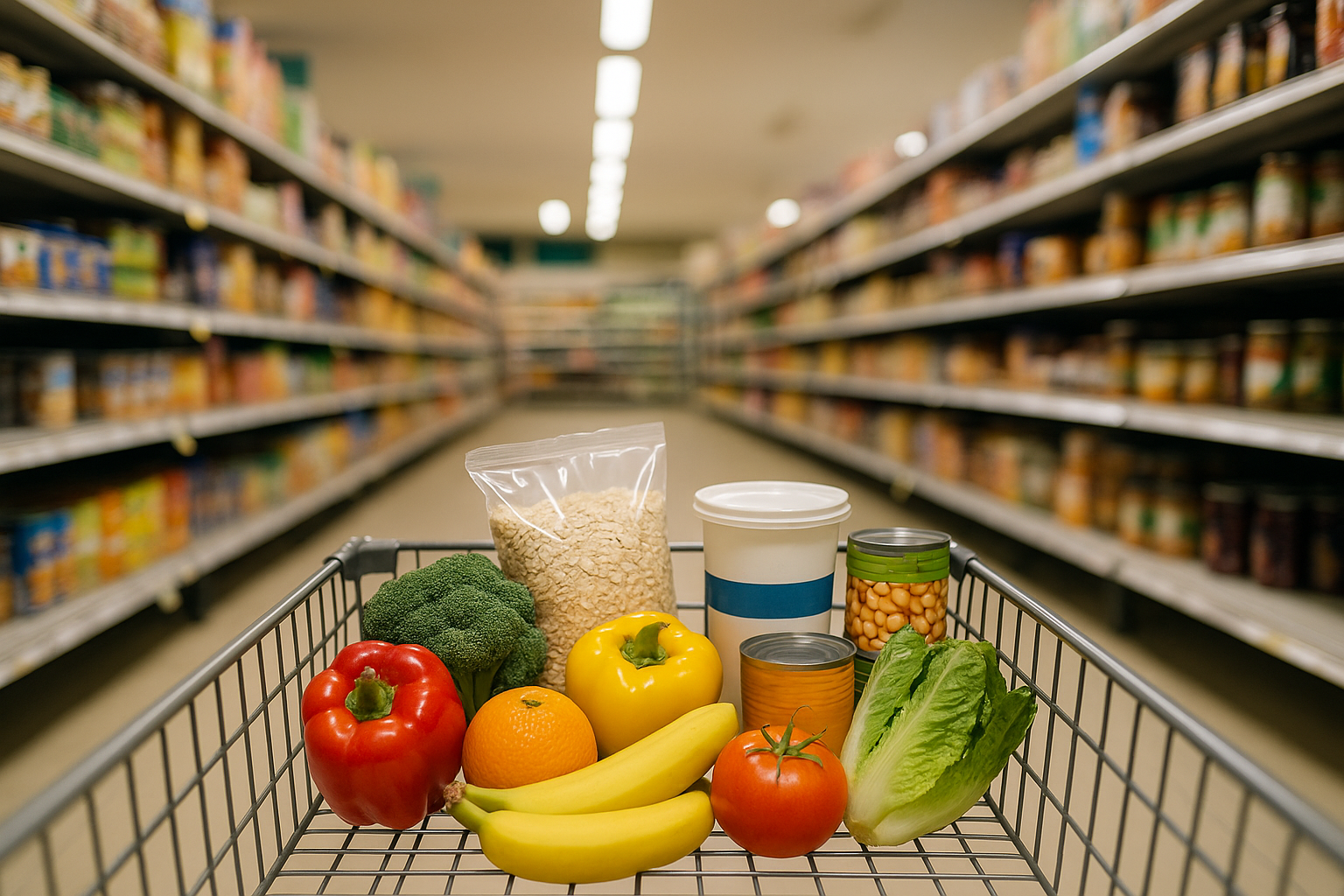
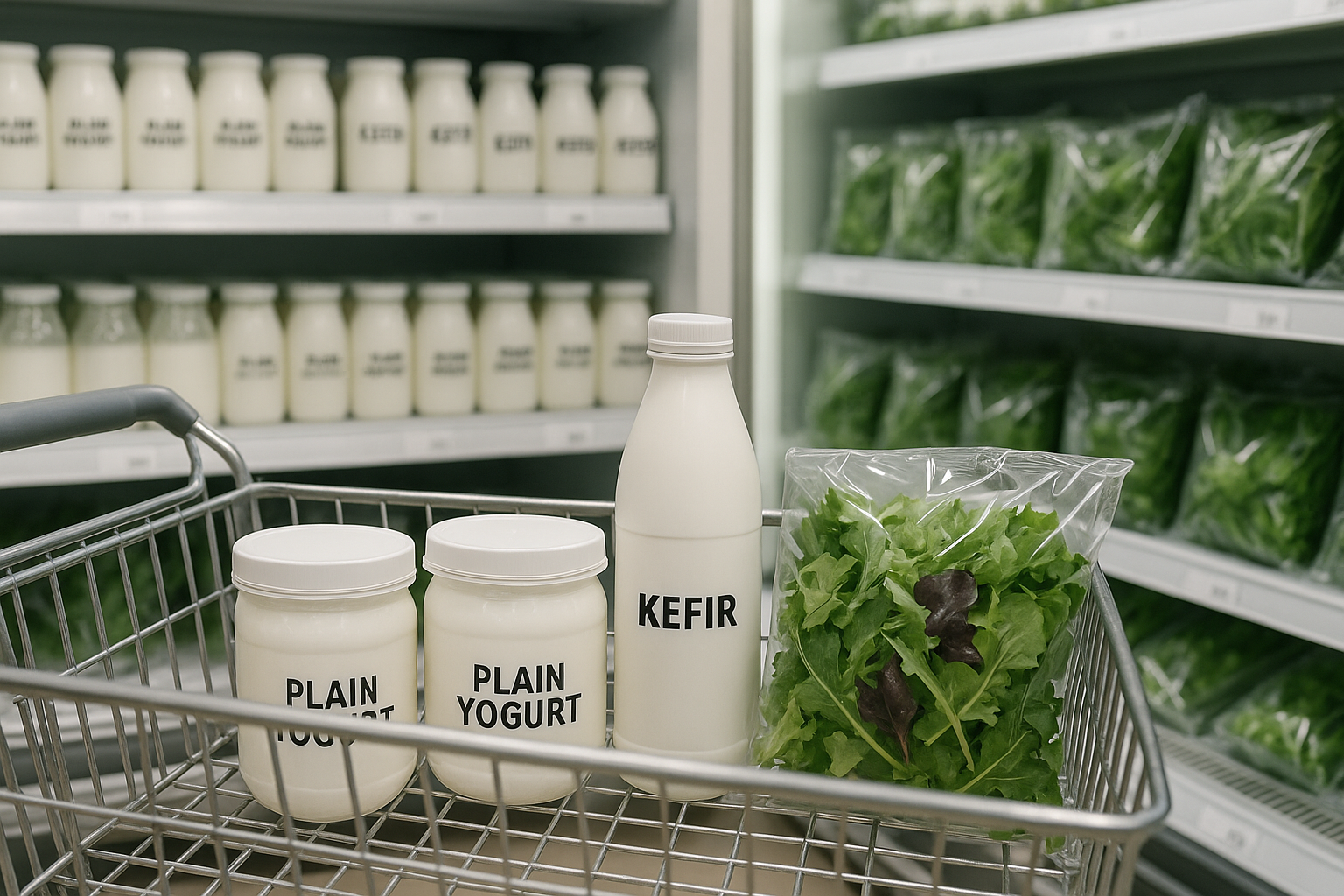
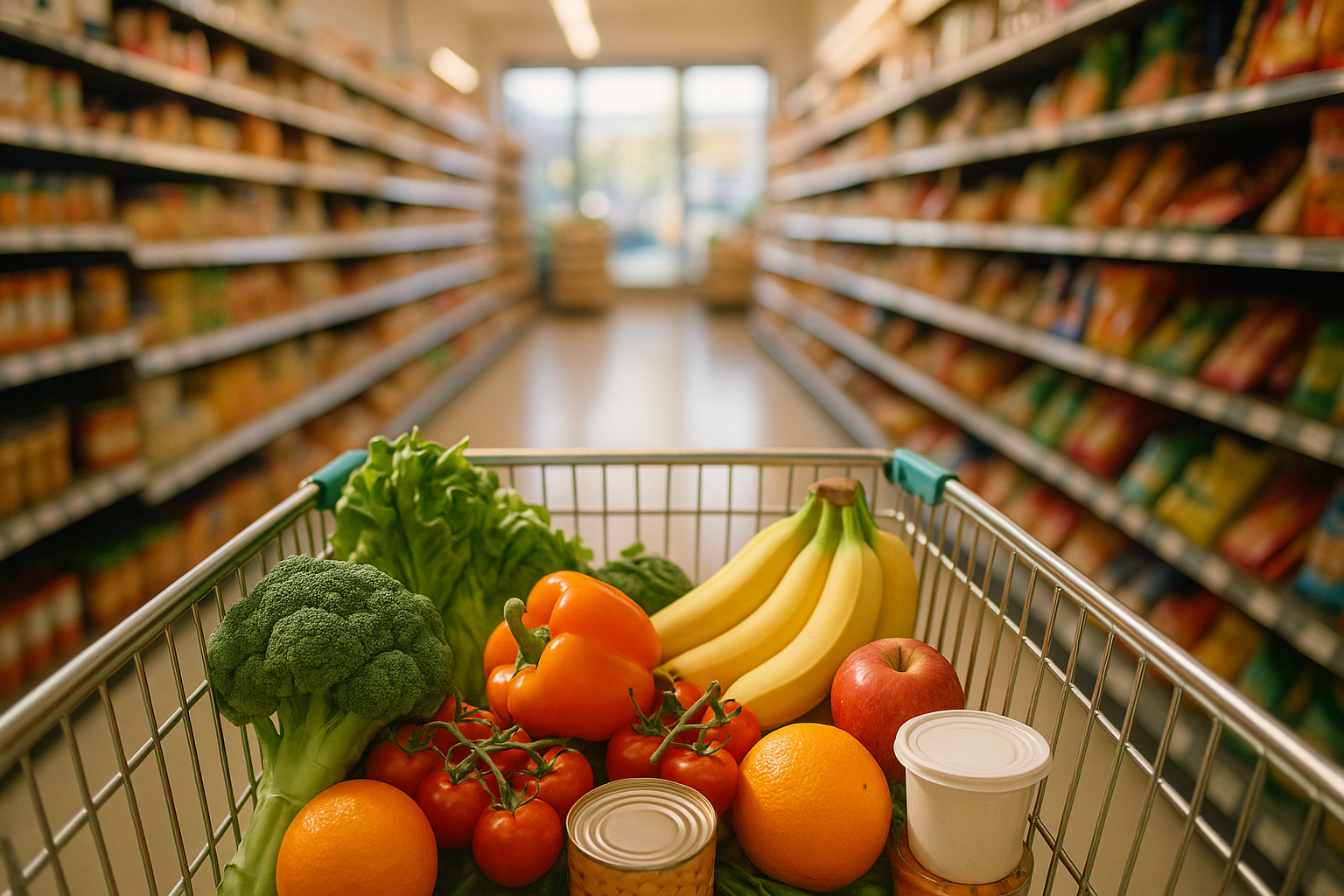
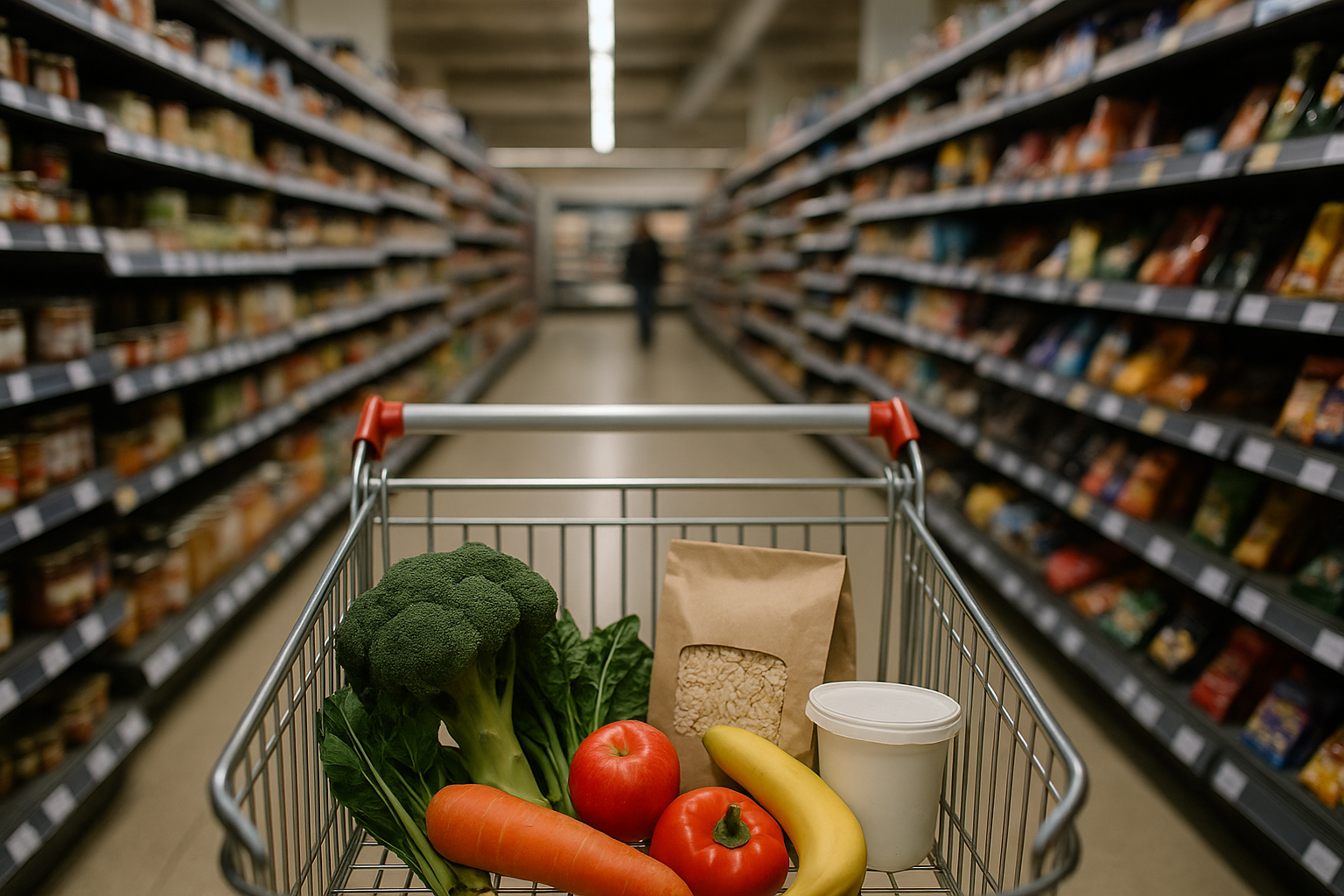
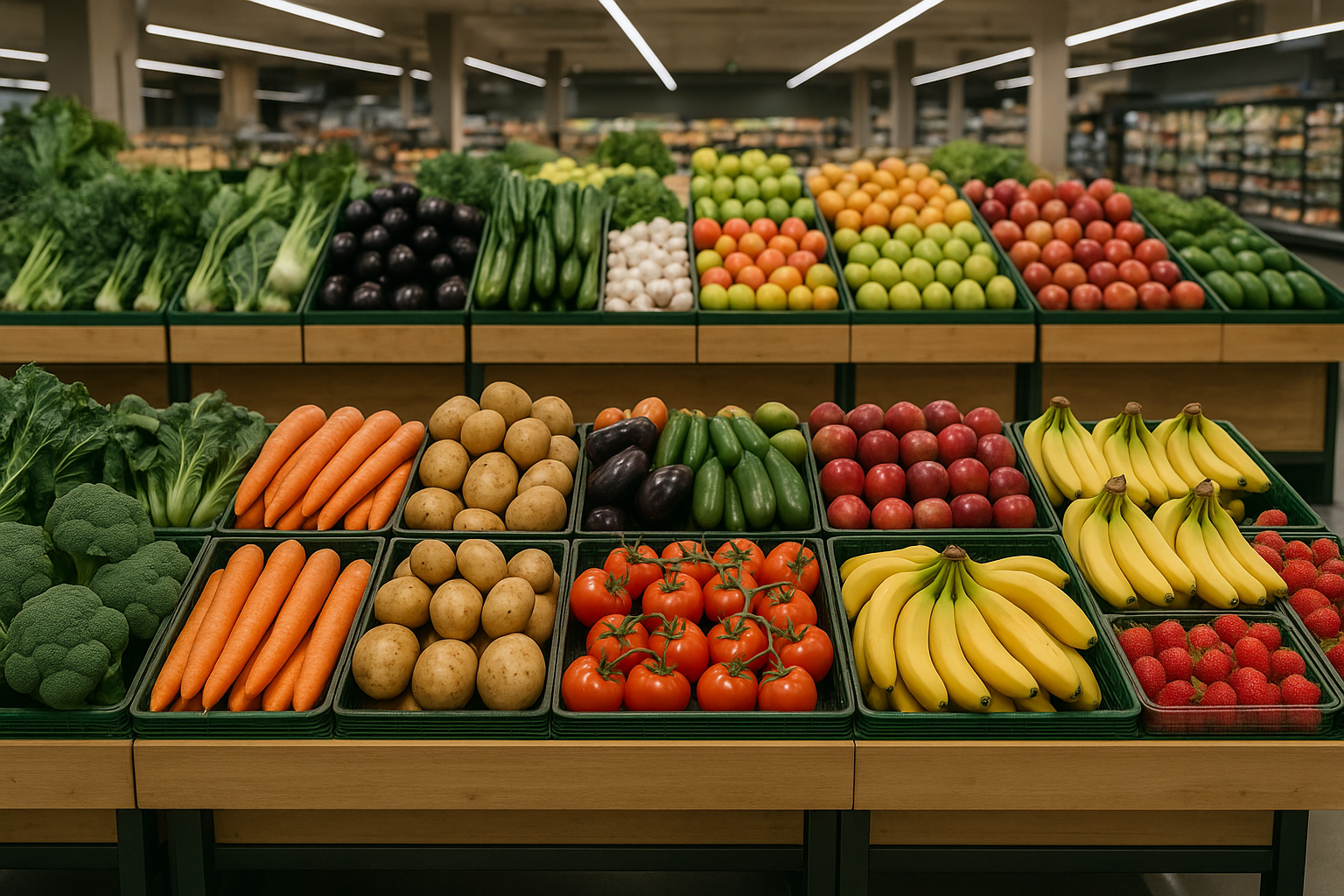
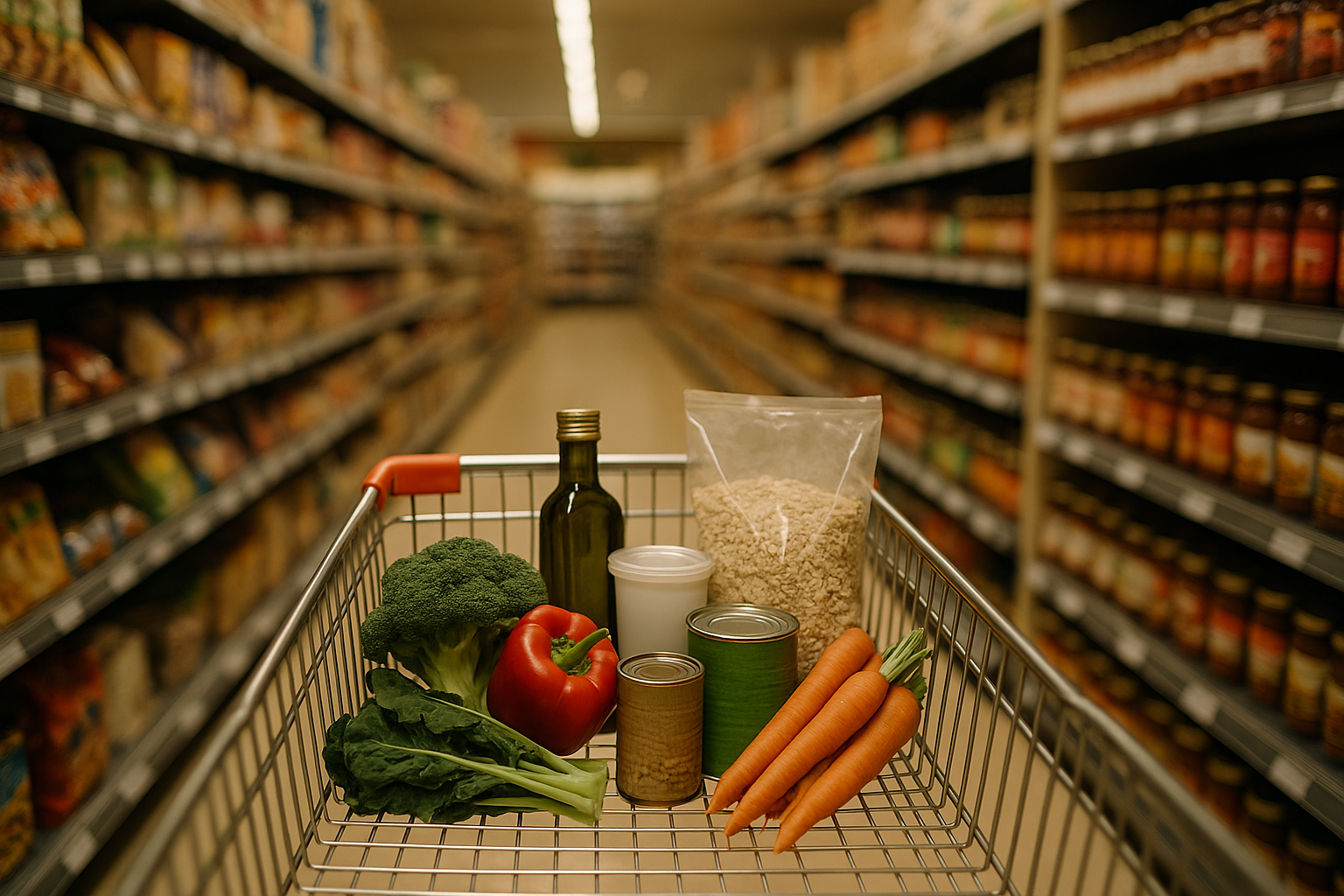
Gold Coast supermarket shopping trolley with simple whole foods and pantry staples

Gold Coast Supermarket Shopping: Materials Comparison & Selection Tips for a Healthier Trolley

You can build a healthier trolley in the time it takes to compare two labels.

This guide shares Gold Coast supermarket shopping materials comparison and selection tips you can use in the aisle—whether you’re doing a quick shop in Southport, Robina or Burleigh, or a bigger weekly stock-up.

You’ll learn how to compare:

  • Packaging materials (glass, tin, carton, plastic)
  • Product formats (fresh, frozen, tinned, dried)
  • Label details (ingredients, nutrition panel, serving size)

If you’d like hands-on support in-store, Beta Me offers Supermarket Shopping Tours on the Gold Coast.


What “materials” means at the supermarket

Balanced snack ideas using supermarket foods to support steady energy

At the supermarket, “materials” usually means three things:

  1. Packaging type: glass, tin, carton, plastic tub, pouch
  2. Product format: fresh, frozen, tinned, dried, chilled, ready-to-eat
  3. Label details: ingredients list, nutrition information panel and allergens

None of these automatically makes a food “good” or “bad”.

A better question is: Which option fits my body, my goals, and my week?

Gold Coast reality matters here. Heat, sport, beach days, shift work, and school routines all change what’s practical—and what gets eaten before it spoils.

If you shop weekly and have a warm drive home from Southport, Robina or Burleigh, a mix of frozen veg, long-life staples, and a few hardy fresh items can help you stick to your plan.


The 20-second label method (to compare similar products)
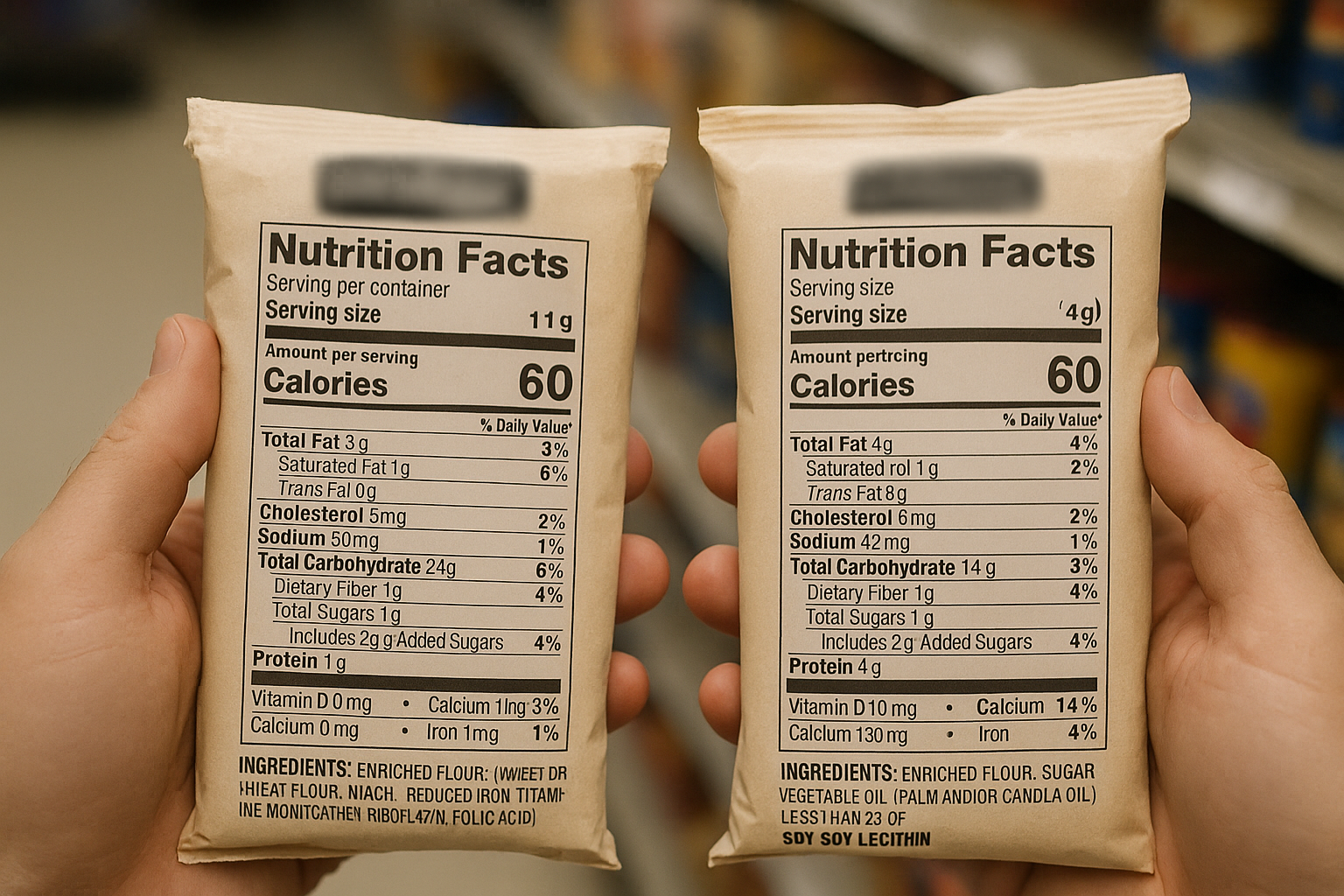
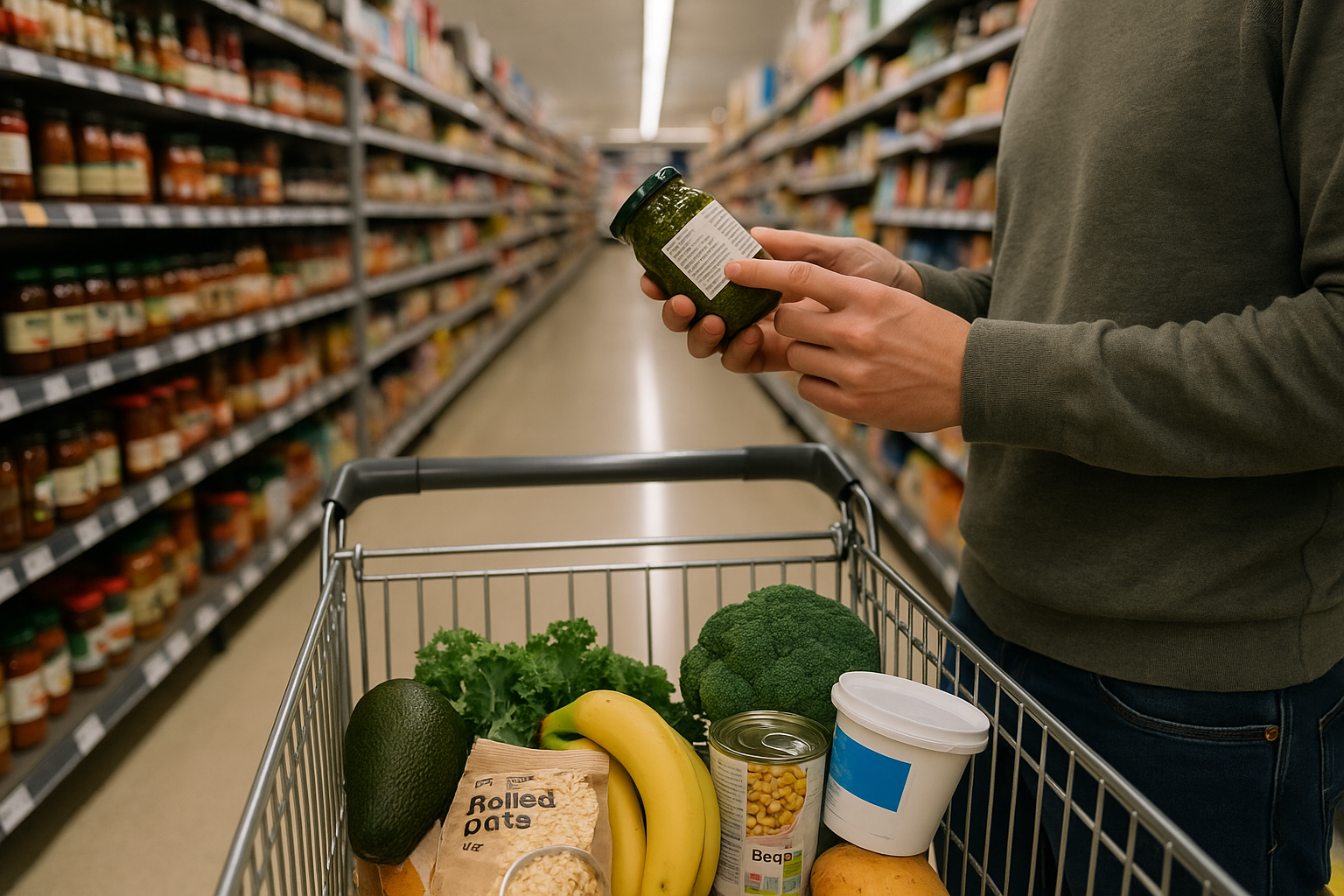
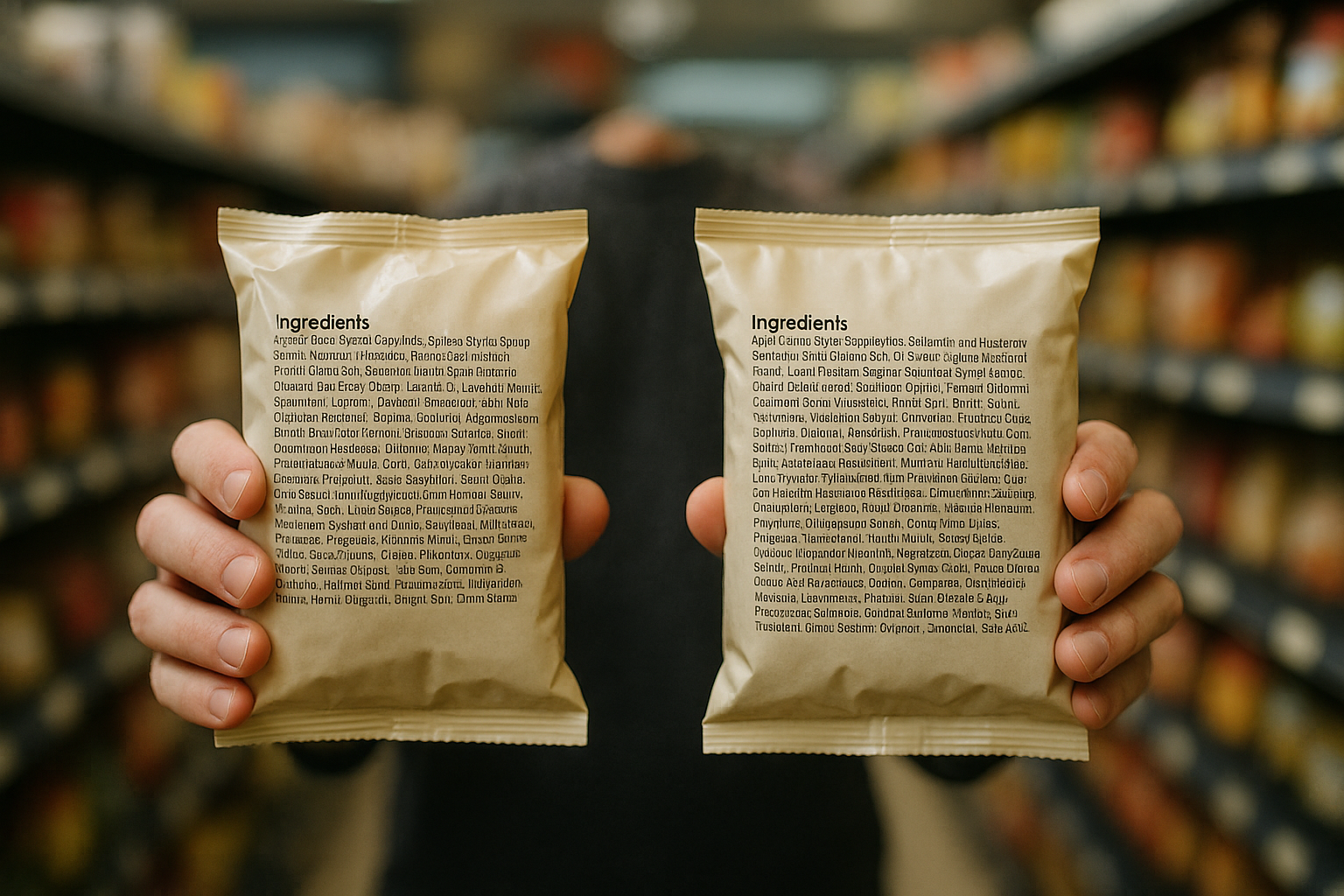
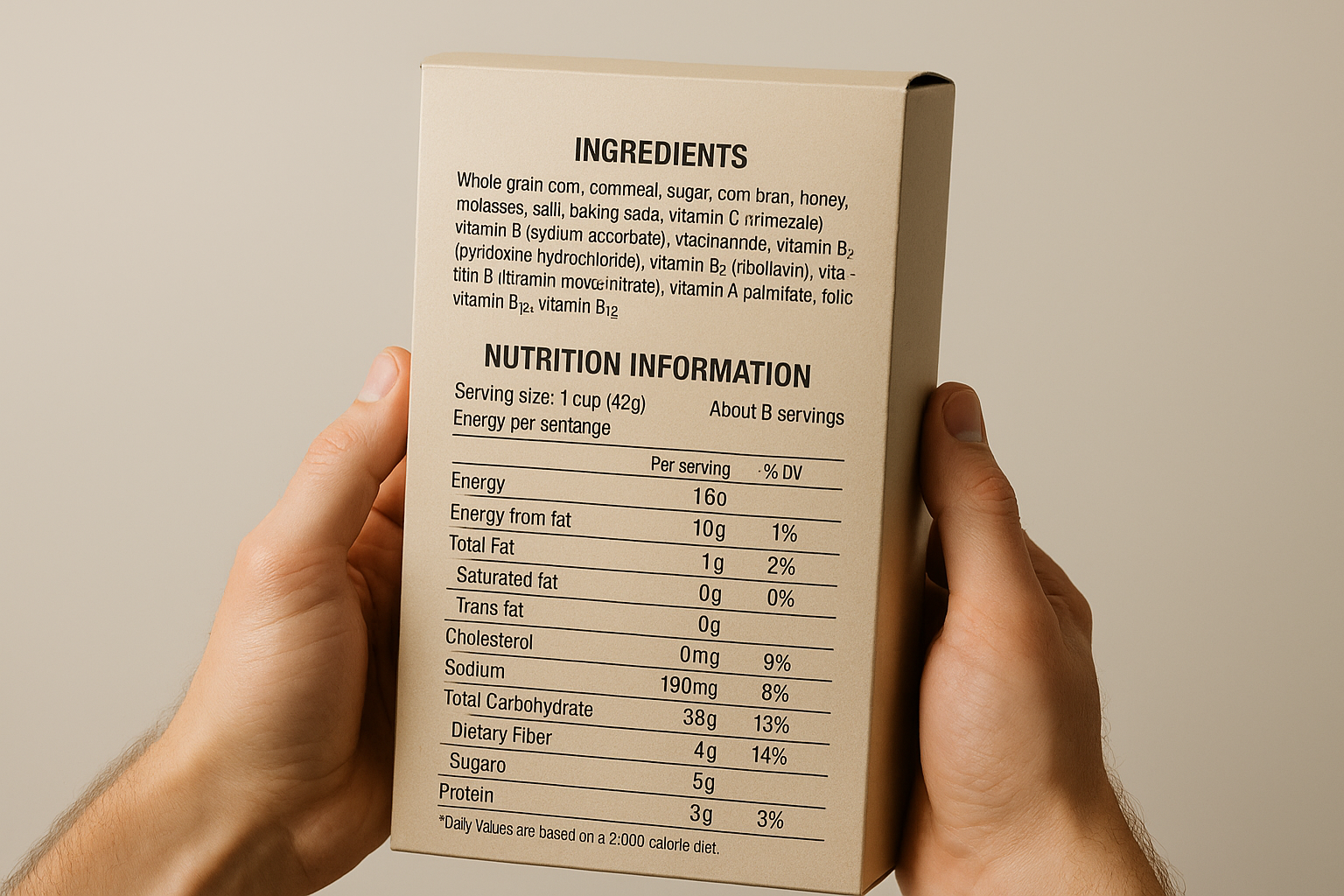
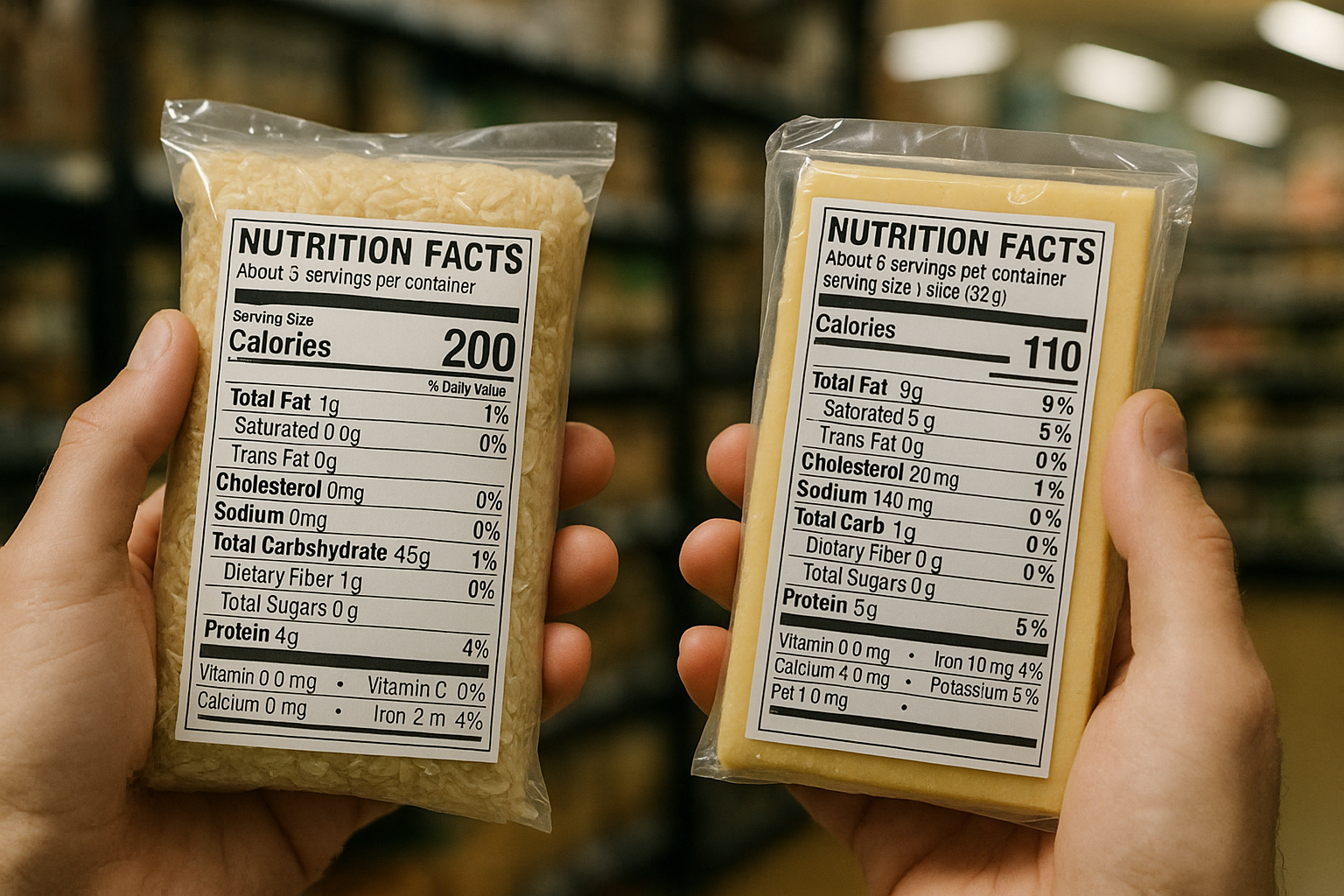
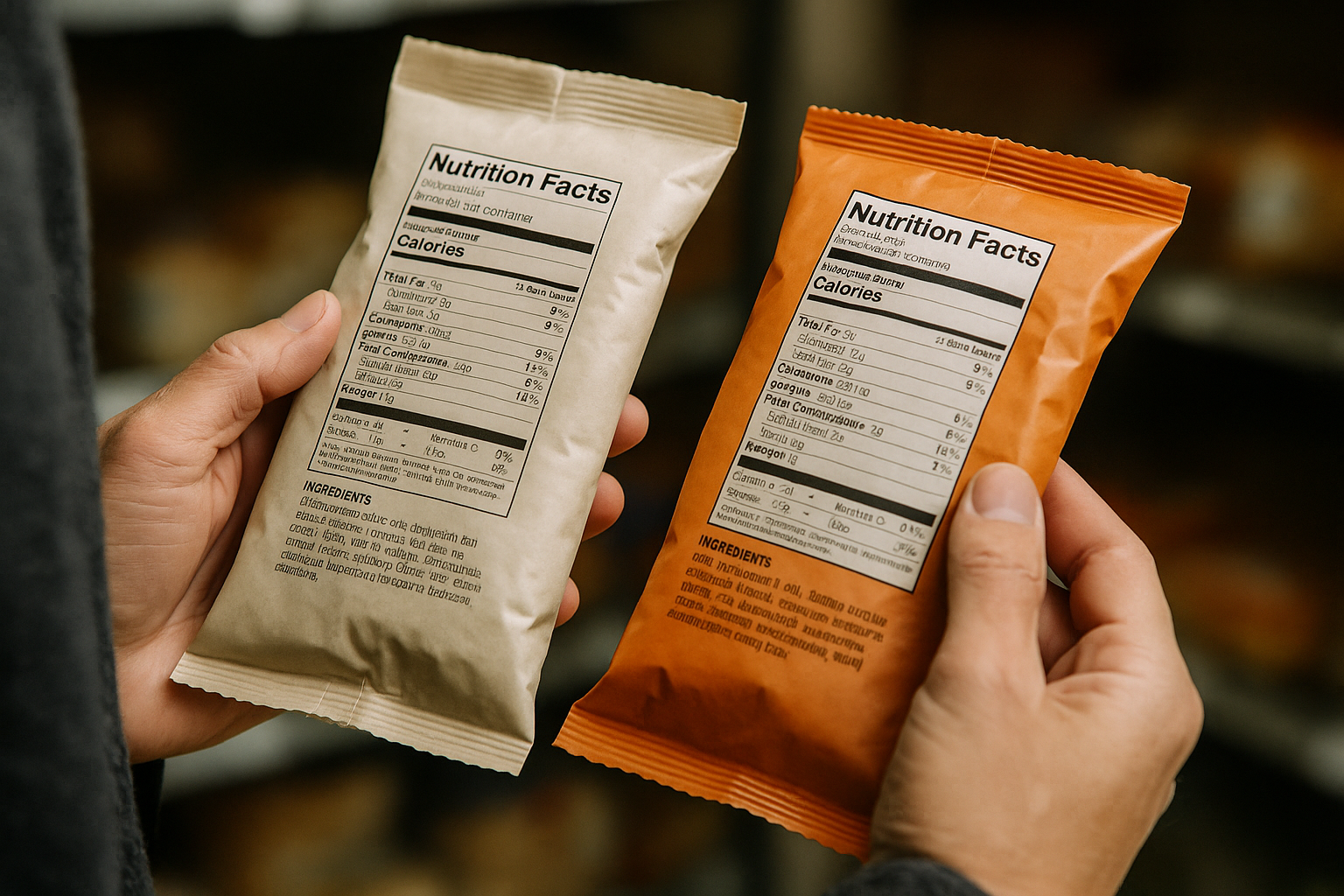
Comparing ingredients lists and nutrition panels during supermarket shopping

Use this when you’re choosing between Brand A and Brand B.

Step 1: Check the ingredients list first

When foods are similar, choose the one with the simpler ingredients list.

Watch for added sugars in everyday items like:

  • yoghurt
  • cereal and muesli
  • pasta sauces
  • flavoured drinks

Ingredients are listed from most to least. If sugar (or several types of sugar) is near the top, it’s doing a lot of the work.

Front-of-pack claims can help you scan quickly, but the back label shows what you’re really buying.

Decision guide

  • If two options are close, pick the one you’ll use consistently.
  • For kids (or picky eaters), a slightly “less perfect” option that gets eaten beats a “perfect” option that gets wasted.

Step 2: Compare the nutrition panel per 100 g (or 100 mL)

Per 100 is the fairest comparison.

As a general guide, aim for:

  • higher protein and fibre
  • lower sodium
  • lower added sugar

If the lowest-sodium option tastes bland and sits in the pantry, choose the middle-ground option you’ll actually cook with. Cooking at home more often is still a win.

Step 3: Check the serving size

Some products look “better” because the serving size is tiny.

If you usually eat two serves, mentally double the numbers.

This comes up a lot with muesli, crackers, and flavoured yoghurt pouches—especially after sport, long workdays, or late pickups.


If you’re managing gut symptoms

Some ingredients are common triggers for some people. They’re not automatically “bad”.

People sometimes notice symptoms with:

  • certain sweeteners (including sugar alcohols)
  • inulin/chicory fibre
  • larger amounts of gums and thickeners

A practical approach is to change one variable at a time (one product or one ingredient swap) for 1–2 weeks. That way, you can tell what’s helping.

If you’re stuck, support from a gut health dietitian Gold Coast locals work with can help you link symptoms with ingredients and eating patterns—without cutting out whole food groups “just in case”.


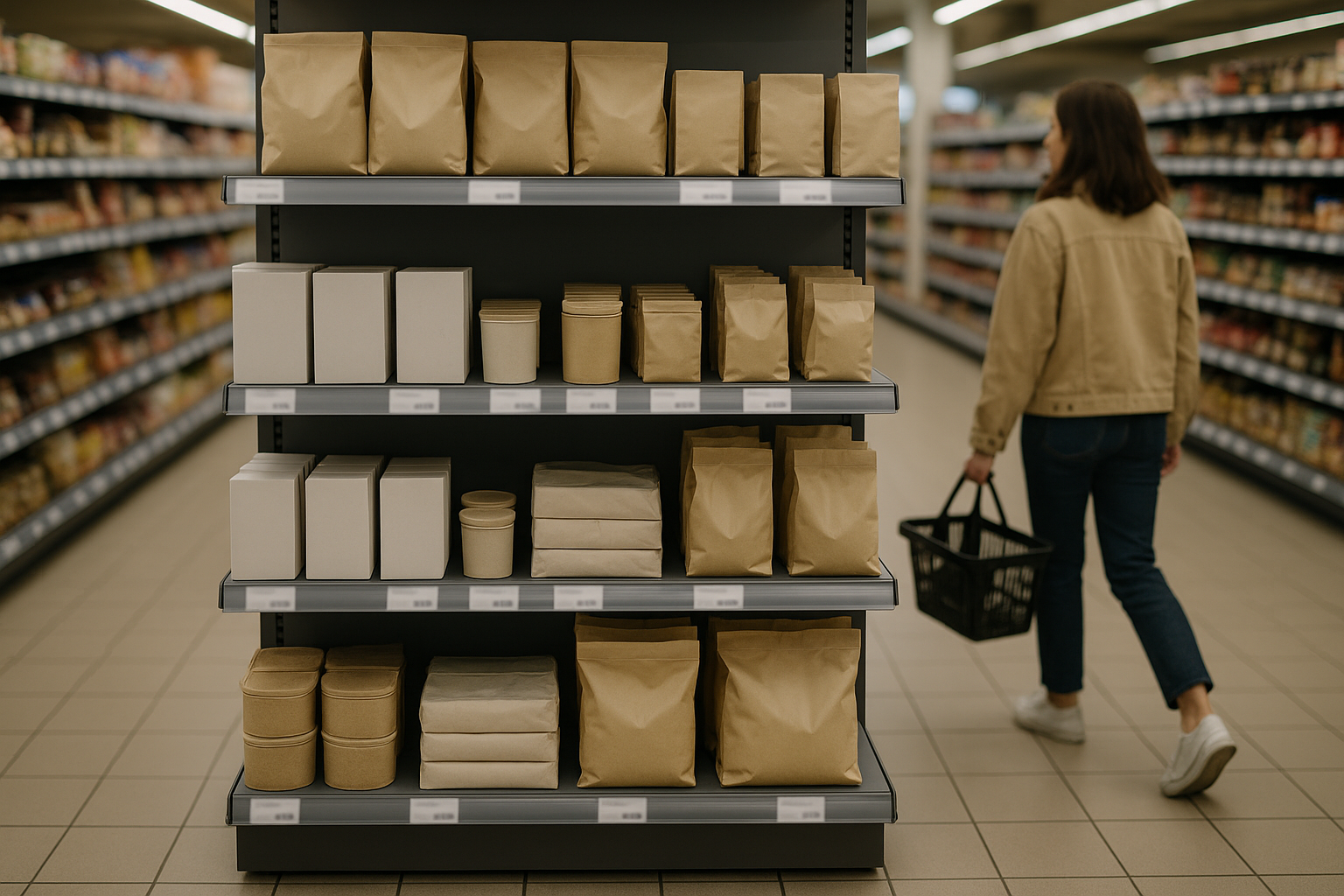
Packaging materials: what matters most

Different supermarket packaging materials like glass, tins, cardboard and pouches

Packaging can be a helpful shortcut, but keep your priorities in order:

  1. Ingredients
  2. Nutrition panel
  3. Convenience (so you’ll actually use it)

Also think about how often you shop. If you shop weekly (or less), packaging that keeps food fresh longer can reduce waste and save money.

Glass jars (pasta sauce, olives, pickles)

Why they’re useful

  • easy to reseal and store (handy if you cook for 1–2 people)
  • easier to see what you’ve got in the pantry
  • sometimes (not always) a simpler ingredients list

What to watch

  • “gourmet” can still mean high sugar or high sodium
  • price differences can be big, so compare per 100 g

Quick pasta sauce check: tomatoes plus herbs/spices and oil is a solid baseline. If sugar is listed early, compare another brand.

If you’re cooking for kids, check the chilli level too. Some sauces are surprisingly spicy.

Cans/tins (beans, lentils, tuna, tomatoes)

Why they’re helpful

  • budget-friendly pantry staples
  • fast protein and fibre (especially beans and lentils)
  • easy to keep on hand for “what’s for dinner?” nights

What to watch

  • sodium is often higher in flavoured options
  • portion sizes vary (single-serve tuna vs larger tins)
  • fish packed in oil or flavoured sauces changes the overall meal balance

Simple default: choose no-added-salt where possible. If it’s not available, rinse and drain legumes to reduce sodium.

Extra tip: keep a mix.

  • a couple of plain tins you season yourself
  • one convenient flavoured option for low-energy nights

Cartons (UHT milk, passata, stock/broth)

Why they’re handy

  • long shelf life
  • easy to store
  • useful for backup meals when you can’t face another shop

What to watch

  • stock and broth can be a hidden sodium source

Easy swap: compare options per 100 mL and choose the lower-sodium one you’ll actually use.

If you cook in bulk (soups, risottos, slow-cooker meals), that difference can add up over the week—especially if you also use salty add-ons like cheese, olives, or deli meats.

Plastic tubs and pouches (yoghurt, dips, pre-cut salads)

Why they’re common

  • convenient and portable
  • easier portioning (useful for lunchboxes and work snacks)

What to watch

  • “high protein” products may include extra sweeteners, flavours and thickeners
  • dips and dressings can be high in oils, sugar and salt
  • salad kits can save time, but the dressing sachet is often where most of the sugar/salt sits

Practical approach: match the product to the job.

  • If you’re focusing on gut comfort, start with simpler options and add variety gradually.
  • In busy seasons (shift work, school events, sport), convenience foods can still fit. Aim for the cleaner label more often, and don’t stress the occasional shortcut.

Product formats: fresh vs frozen vs tinned (what to choose and when)

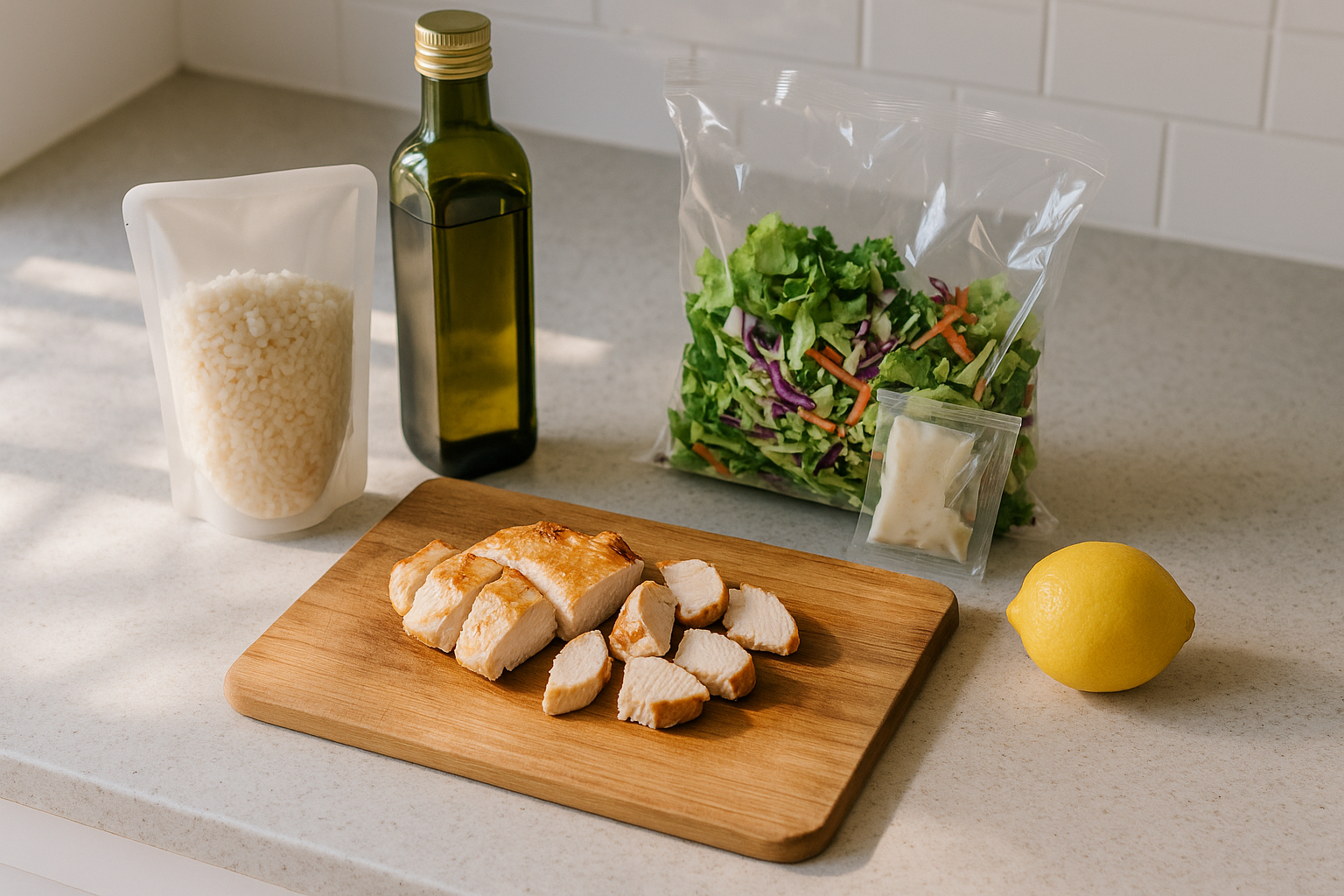
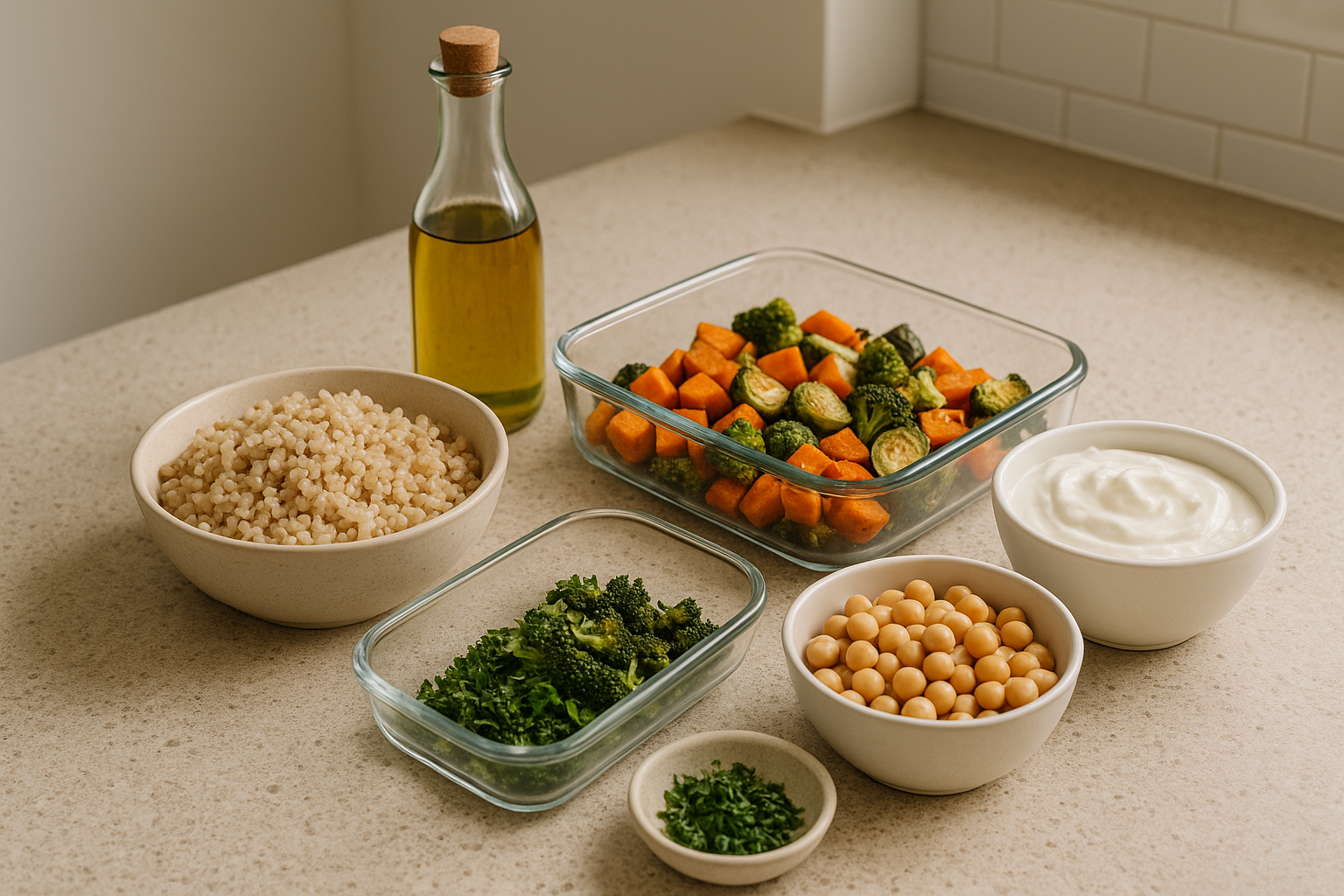
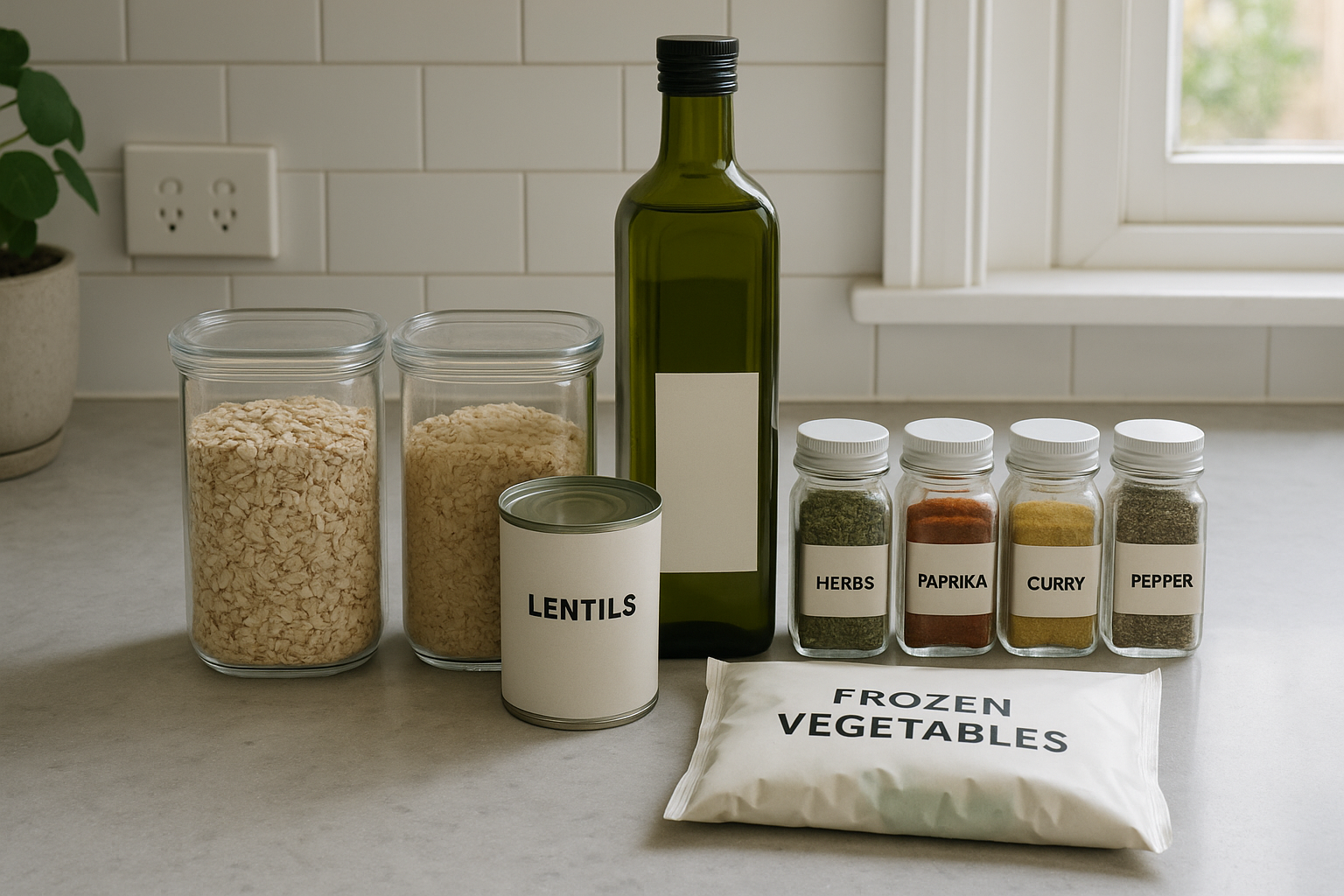
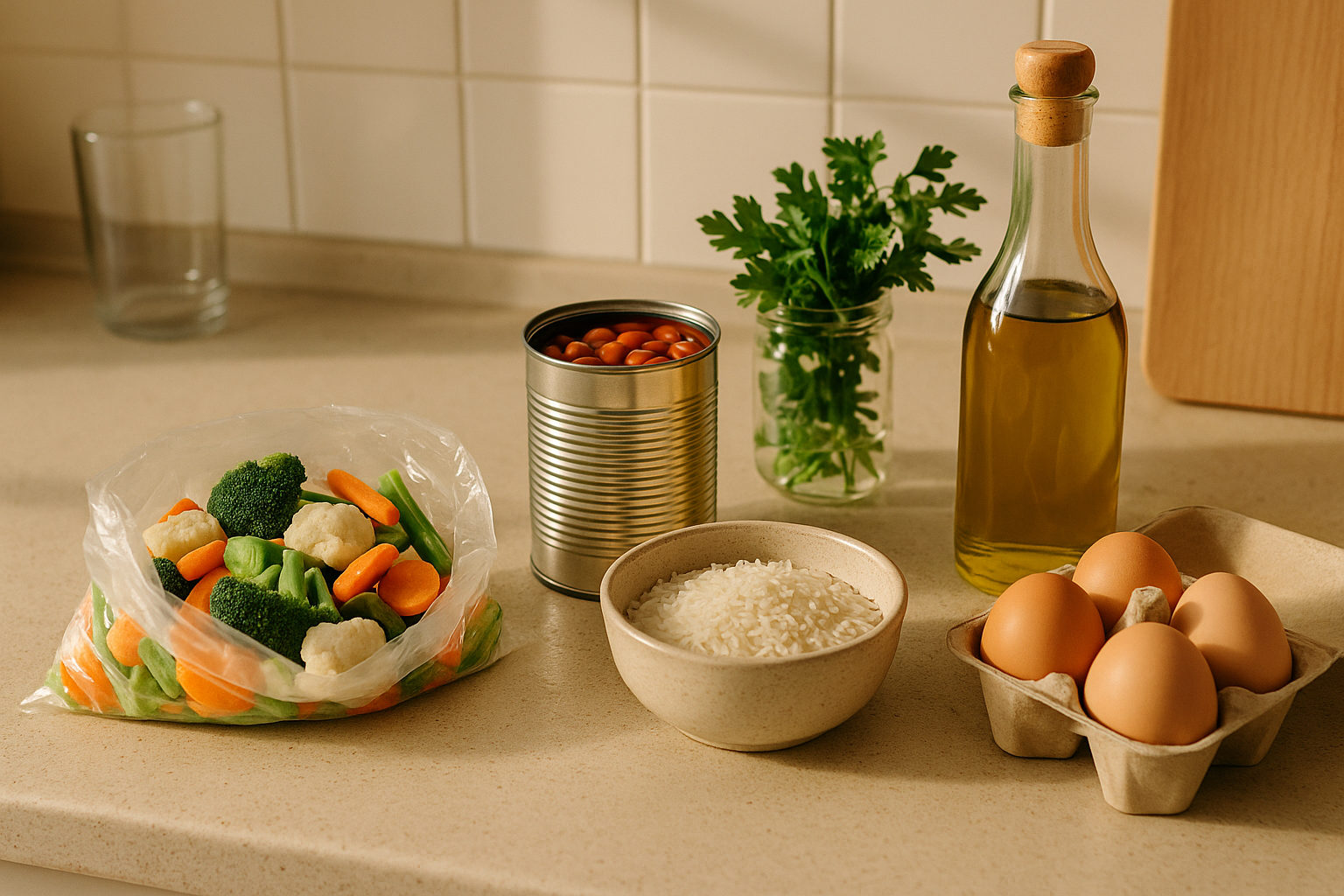
Simple meal prep staples chosen from the supermarket for quick dinners

Fresh vs frozen produce

Frozen veg is one of the easiest ways to support healthier weeknights.

Choose frozen when you want:

  • less waste
  • faster prep
  • reliable back-up dinners (stir-fries, curries, tray bakes)

Choose fresh when you want:

  • crunch and texture for salads
  • ingredients you know will be eaten quickly

Easy list to remember

  • Frozen: berries, spinach, mixed veg, cauliflower rice
  • Fresh: salad greens, tomatoes, cucumber, herbs

Gold Coast tip: a “hybrid” shop often works best (fresh salad basics + frozen veg for cooked meals). Greens can spoil fast in the heat, especially if you’re not shopping often.

Heat tip: for bigger shops, use an insulated bag or cooler in the boot for yoghurt, meat, seafood and leafy greens—especially in summer.

Seasonal produce (Queensland angle)

Seasonal produce is often better value and tastes better.

  • Summer: stone fruit is great for snacks, yoghurt toppers, and quick desserts
  • Winter: citrus is great for lunchboxes, dressings, and marinades

Cost-saving tip: build meals around the seasonal produce that’s on special, then add your staples (protein + wholegrains). It’s often cheaper than choosing a recipe first.

If fruit goes soft quickly, chop and freeze it for smoothies or to stir through yoghurt.

Dried vs tinned legumes

  • Dried legumes are cheaper per serve, but need soaking and cooking.
  • Tinned legumes are the weeknight shortcut.

Simple approach: keep both.

  • tinned chickpeas/lentils for “dinner now” nights
  • dried lentils for batch cooking

If you’re new to legumes or managing gut symptoms, start with smaller portions and build up. Rinsing helps, and plain varieties are often easier than heavily seasoned options.

Plain proteins vs pre-marinated packs

Pre-marinated meats can save time, but they can also add extra sodium and sugar.

If you buy pre-marinated packs, keep the rest of the meal simple (salad, plain rice, steamed veg). This helps you avoid doubling up on salty sauces.

Quick homemade flavour mix

  • olive oil
  • lemon
  • garlic
  • paprika
  • dried herbs

Gold Coast weeknight tip: lean into heat-friendly meals that don’t keep you over the stove. Think BBQ plates, salad bowls with protein, or a tray bake you can walk away from.


Real trolley examples (simple swaps, not perfection)

Quick family tacos

  • Wraps: compare fibre per 100 g and choose higher-fibre wholegrain
  • Protein: plain mince or beans
  • Salsa: tomatoes near the top of the ingredients list, minimal added sugar
  • Add-on: bagged slaw + Greek yoghurt as a sour cream swap

For weeknights, keep a backup option (like tinned beans + pre-cut salad) for nights you don’t have time or energy for extra chopping.

If you want steadier energy, add more fibre (beans, corn, slaw) and go easier on sugary sauces.

Gut-friendlier breakfast

Breakfast repeats daily, so it’s a high-impact place to start.

  • Base: oats or a lower-sugar muesli (check added sugars)
  • Protein: plain Greek yoghurt (or lactose-free if needed)
  • Toppings: berries (fresh or frozen), chia, nuts

“Gut-friendly” isn’t one-size-fits-all. If dairy, oats, or certain fibres don’t agree with you, change one thing at a time so you know what helps.

If mornings are rushed, pre-portion a few grab-and-go breakfasts (oats + yoghurt + frozen berries) to reduce decision fatigue.

This is a common starting point for people working with a nutritionist Gold Coast locals book for practical routines, or a holistic nutritionist Gold Coast families choose for day-to-day structure.

Desk snacks for the 3 pm crash

Aim for protein + fibre for steadier energy.

  • tuna + wholegrain crackers
  • yoghurt + berries
  • nuts + fruit
  • hummus + carrots

Gold Coast heat tip: choose snacks that travel well. Without an ice pack, stick to shelf-stable basics (nuts, wholegrain crackers, tinned fish) and buy fresh add-ons when you can.

If anxiety flattens your appetite earlier in the day, a reliable mid-morning snack can reduce the late-afternoon “hangry” swing.

Lunchbox ideas (school or work)

A “good enough” lunchbox usually includes:

  • a protein (chicken, eggs, tuna, yoghurt, tofu)
  • a fibre base (wholegrain bread/wraps, oats, rice, legumes)
  • a colour add-on (fruit/veg)

Gold Coast tip: if mornings are hectic, build lunchboxes from leftovers. A simple dinner (BBQ chicken + salad + rice) can become a next-day wrap or bowl with minimal extra effort.

For kids (or picky households), keep one familiar item and add one small upgrade at a time. It’s easier to stick to, and less likely to come home untouched.


A simple checklist for your next shop

Save this list to your phone. Aim for one or two upgrades per shop.

  • choose the product with the shorter ingredients list (when options are similar)
  • compare added sugar (yoghurt, cereal, sauces)
  • compare sodium (stock, sauces, deli meats, flavoured tuna)
  • choose higher fibre (bread, wraps, cereals)
  • add one easy protein (eggs, tinned fish, legumes, yoghurt)
  • add one frozen veg for back-up dinners
  • choose one shortcut that still fits your goals (so it stays realistic)

If you’re torn between two options, ask:

  • Will I actually cook/eat this?
  • Does it fit my budget most weeks?
  • Will it support my goal (gut comfort, steadier energy, family nutrition) more often than not?

If you have allergies, coeliac disease, kidney concerns, or you’re on a medically prescribed diet, your label priorities can change. When in doubt, check with your GP or dietitian.


When it’s worth getting guided help

If you’ve searched for a naturopath Gold Coast, Gold Coast naturopath, or the best naturopath Gold Coast, you may be trying to connect symptoms with everyday food choices.

You may also want a highly recommended naturopath Gold Coast locals trust because the advice is practical, not overwhelming.

Guided support can help if:

  • you feel overwhelmed by conflicting nutrition advice
  • you’ve been told to “support your gut” but don’t know what to buy
  • anxiety affects appetite, energy or food choices
  • you need options that fit your household routine
  • you want tailored support, not a generic list

Beta Me supports people who want real-life implementation with a naturopath and nutritionist approach. Start here: Naturopath Gold Coast | Nutritionist Gold Coast.

What to bring to a guided shop

  • photos of your usual pantry and fridge staples
  • a list of supplements you currently use
  • your top 3 symptoms and top 3 goals
  • your non-negotiables (budget, time, preferences)

You can also learn about Beta Me and Danielle Lamb.


NDIS-friendly shopping support (general info)

If you’re an NDIS participant (or you support someone who is), supermarket shopping can be one of the tougher weekly tasks.

Planning, transport, labels, budgeting, energy, sensory overload, and cooking confidence can stack up—especially in busy centres and at peak times.

NDIS-friendly nutrition support often focuses on practical skills such as:

  • building a simple shopping list that suits health goals and preferences
  • choosing budget-friendly staples (including frozen and tinned)
  • label-reading for allergens and common triggers
  • planning easy meals and snacks for the week
  • reducing food waste and “panic buying”

If you’re not sure what support is appropriate, check your plan details (or ask your Support Coordinator/Plan Manager). Then speak with the provider about what they can offer within scope.

Beta Me offers Online consultations (including NDIS-related support options).


A note on anxiety, gut symptoms and food

Food changes shouldn’t feel like punishment.

If you’re looking for an anxiety naturopath Gold Coast service, helpful foundations often include:

  • regular meals with protein + fibre
  • fewer “spikes and crashes” from high-sugar patterns
  • gut-friendly choices matched to your tolerance

Nutrition can support mood and energy, but it’s not a substitute for mental health care. If anxiety is severe or worsening, speak with your GP or mental health professional alongside nutrition support.

Explore Beta Me’s anxiety support here: Anxiety naturopath support.


Ready for a calmer, faster shop?

If you want help choosing options that suit your body, your goals and your routine, Beta Me can support you.

If you’re comparing naturopaths Gold Coast clients recommend, look for someone who can translate advice into what you’ll actually put in your trolley—week after week.
Gold Coast supermarket shopping: maintenance and care essentials for an easier, healthier pantry

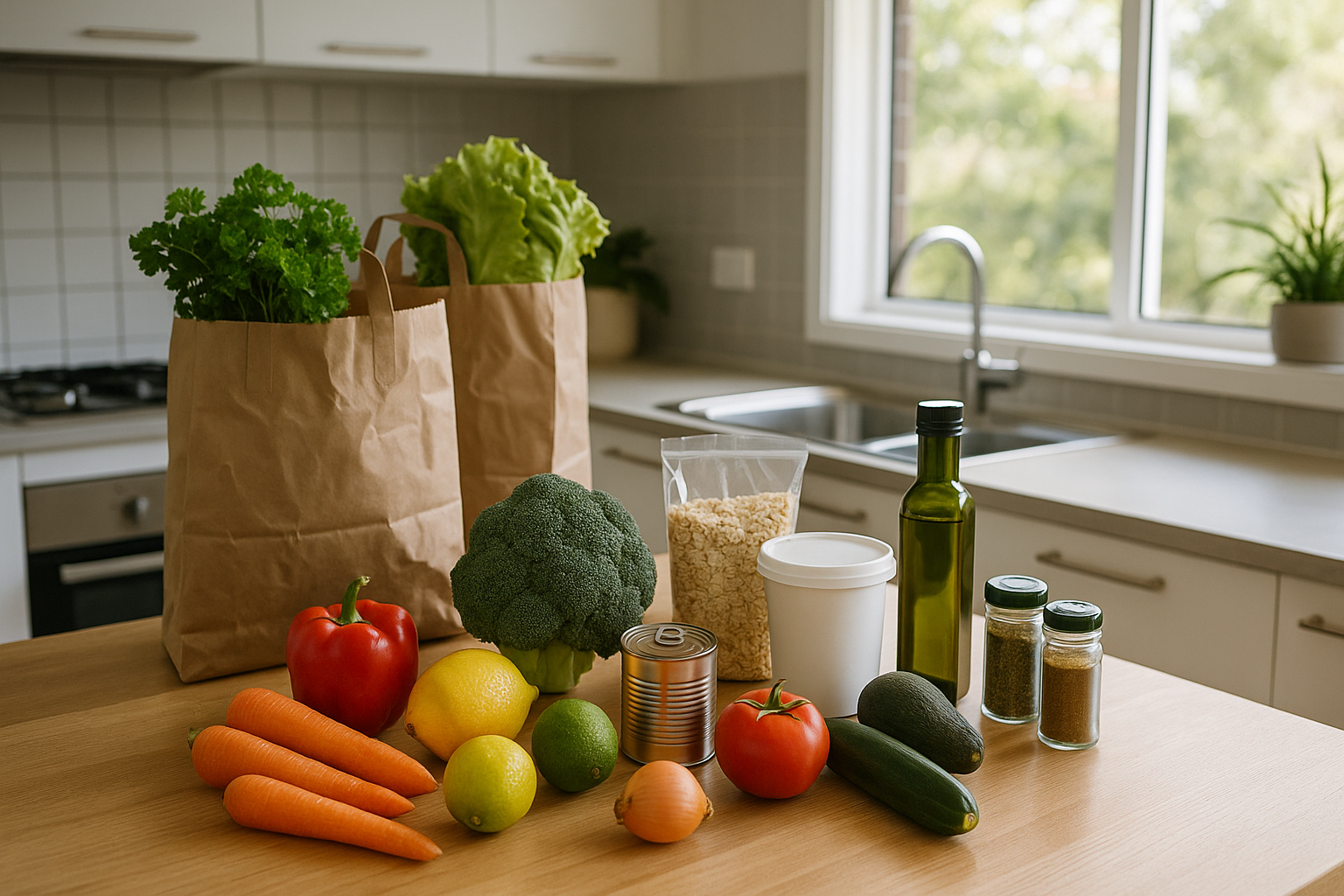
Gold Coast supermarket shopping essentials laid out on a kitchen bench

Gold Coast supermarket shopping: maintenance and care essentials for an easier, healthier pantry

If your week falls apart around 5:30pm (hungry household, low energy, nothing planned), the fix usually isn’t a brand-new recipe.

More often, it’s a better maintenance and care shop.

This guide covers Gold Coast supermarket shopping maintenance and care essentials: the core items that make meals easier, support steadier energy, and reduce decision fatigue. It’s also the starting point we use in our Supermarket Shopping Tours on the Gold Coast.

On the Gold Coast, many people do a few “top-up” shops (after school, between appointments, or after the beach) instead of one big weekly run. The goal is to make those quick trips work in your favour, so you’re not relying on willpower when everyone’s starving.

What “maintenance and care essentials” means

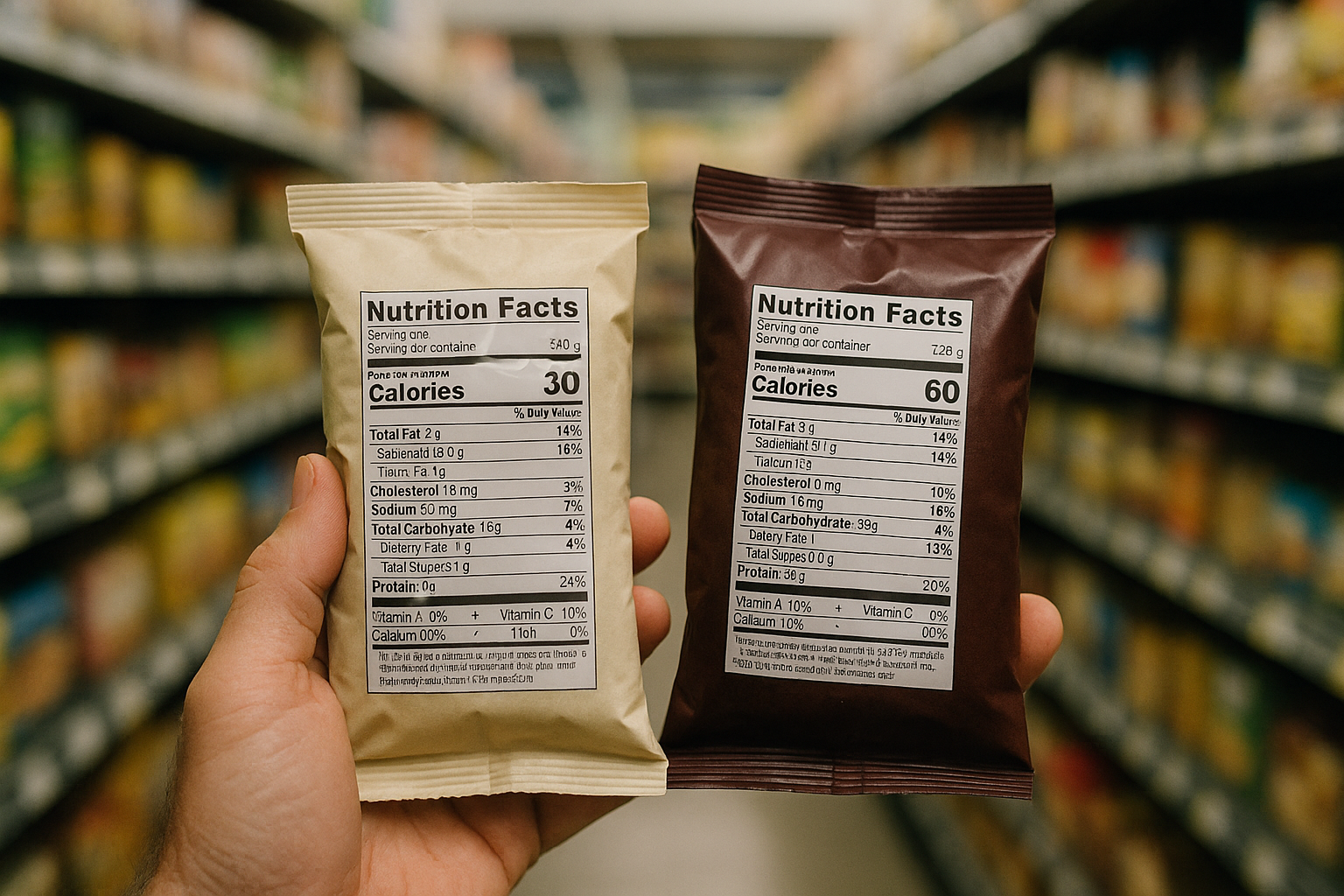
Comparing nutrition labels during supermarket shopping

Maintenance essentials are the foods that help you cook on an average Tuesday.

Care essentials are the extras that make your routine kinder on your body and mind. Think gut comfort, better satisfaction, and meals that still taste good.

A strong default trolley helps you:

  • Make mix-and-match meals without overthinking
  • Support steadier energy and better satisfaction in real life
  • Cut down on last-minute takeaway because “something quick” is possible

A helpful way to think about it: maintenance foods stop you getting stuck, and care foods make the plan feel doable.

If you’ve searched naturopath Gold Coast, Gold Coast naturopath, naturopaths Gold Coast, or nutritionist Gold Coast, this is often where we start. Your routine matters more than perfect theory.

The default trolley: five foundations to buy most weeks

You don’t need everything, every time.

Aim to cover these five bases. Then rotate what you enjoy, what’s in season, and what suits your household.

If you shop at major supermarkets, you can build a solid trolley without specialty aisles. If you prefer produce markets (including farmers markets across the Gold Coast), use the same framework and swap in what looks good and will get eaten.

1) Protein anchors (fullness + steadier energy)

Pick 2–4 options you will realistically use.

  • Fresh: eggs, chicken, fish, lean mince, tofu/tempeh
  • Convenient: tinned tuna/salmon, canned beans/lentils, pre-cooked roast chicken
  • Dairy (if tolerated): plain Greek yoghurt, cottage cheese

If afternoons are your snack danger zone, look earlier in the day. More protein at breakfast and lunch often reduces that “bottomless” hunger later.

Decision guidance:

  • If you’re time-poor, prioritise one quick protein (eggs, tinned fish, tofu) and one “cook once, use twice” option (mince, roast chicken, baked fish).
  • If you’re not sure what you’ll feel like, choose proteins that work across meals (wraps, bowls, salads, tray bakes).

2) Fibre-friendly carbs (gut support + predictable energy)

Choose options you can eat consistently.

  • Oats
  • Brown rice, quinoa, wholemeal pasta
  • Wholegrain breads/wraps (compare fibre between brands)
  • Potatoes and sweet potato
  • Legumes (lentils, chickpeas, mixed beans)

If you’re after a gut health dietitian Gold Coast style approach, this is a key principle: build fibre and variety first, then tailor.

If you’ve been low-fibre for a while or you’re prone to bloating, increase fibre gradually and pair it with fluids. A big jump overnight can backfire.

3) Colour and crunch (your produce system)

Keep it simple. Aim for three colours a day using a mix of fresh and frozen.

  • Fresh: leafy greens, tomatoes, cucumber, capsicum, citrus, berries
  • Frozen: mixed veg, spinach, cauliflower rice, berries

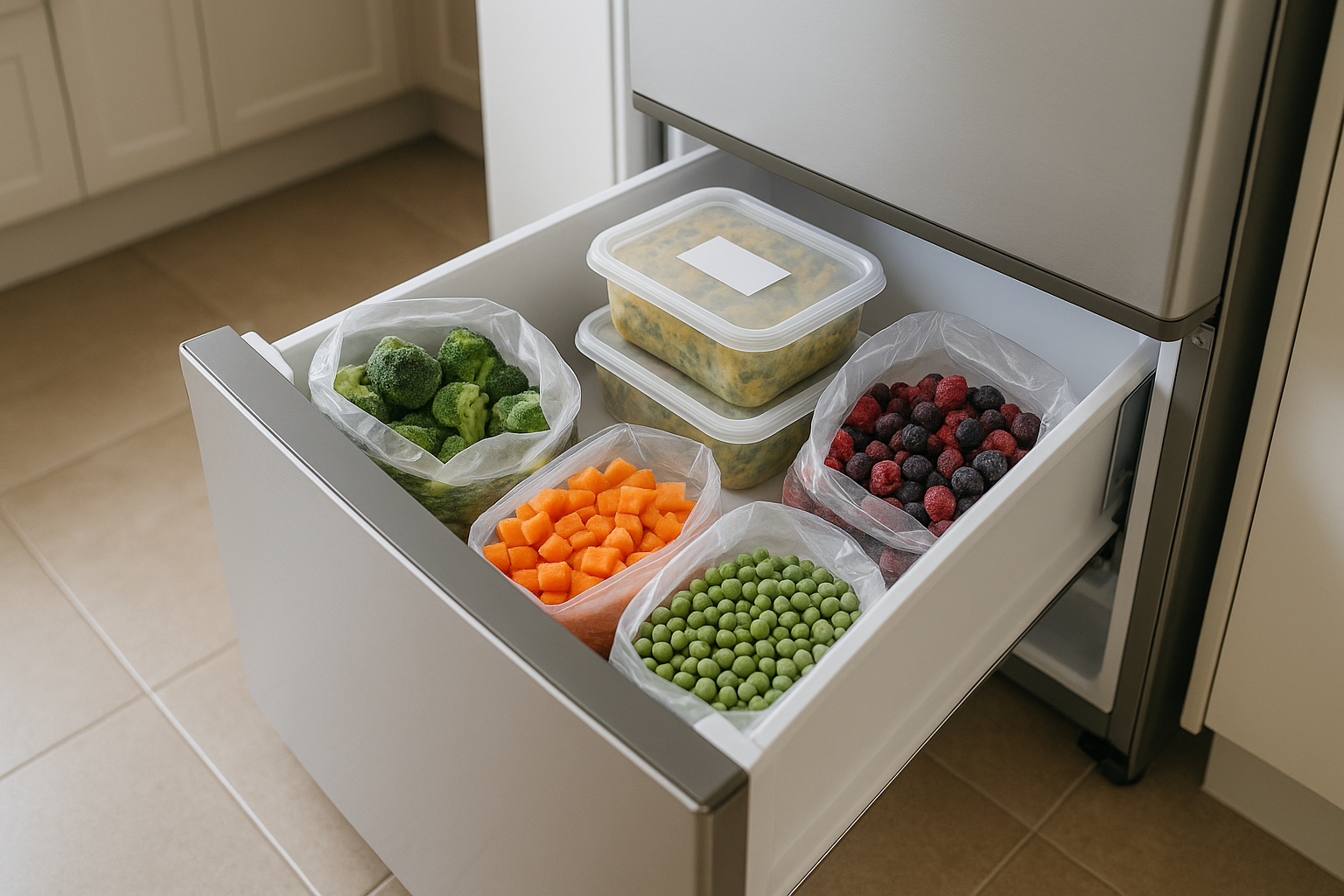
Frozen veg is a true maintenance essential. It saves time, reduces waste, and makes “nothing in the fridge” dinners possible.

Gold Coast practicality: if you’re doing beach-day snacks or after-school pickups, choose fruit and veg that travel well (mandarins, apples, cherry tomatoes, baby cucumbers, carrot sticks). Softer berries can still work if you plan for a cooler bag.

4) Healthy fats (satisfaction + flavour)

  • Extra virgin olive oil
  • Avocado
  • Nuts and seeds (pepitas, chia, linseed)
  • Olives

Meals that are too low in fat often don’t satisfy. That can drive ultra-processed snacking later.

Gold Coast heat/humidity note: nuts, seeds and oils can go rancid faster when stored warm. Keep oils away from the stove and sunlight, seal nuts well, and consider storing nuts/seeds in the fridge or freezer (especially in summer).

5) Flavour builders (so healthy food still tastes good)

These are “care essentials” because they make home food enjoyable.

  • Garlic and ginger
  • Lemon/lime
  • Herbs and spices (cumin, paprika, turmeric, mixed herbs)
  • Soy sauce/tamari, vinegars
  • Stock (choose lower-salt options if needed)

If your week is hectic, flavour builders stop “healthy” dinners tasting like a chore. They also help you keep variety without needing a new recipe every night.

Care essentials for a calmer gut (without a pantry full of supplements)

Many people look up a holistic nutritionist Gold Coast, best naturopath Gold Coast, or a highly recommended naturopath Gold Coast because gut symptoms are running the show.

Common concerns include bloating, reflux, unpredictable bowel motions, and meals that suddenly feel “too much”.

A supermarket-first gut support approach often includes:

  • One fermented food you’ll actually eat: plain yoghurt or kefir (if tolerated), sauerkraut, kimchi
  • One prebiotic fibre source: oats, legumes, slightly green bananas (if tolerated), or cooled potato/rice (resistant starch)
  • Two low-effort meal options for busy days: soups, slow-cooker staples, or rice + protein + veg bowls

Practical caveats

  • Fermented foods aren’t “better” if they don’t agree with you. Start small (a spoonful, not a whole bowl).
  • Prebiotic fibres can be fantastic, but if your gut is reactive, you may need to adjust types and amounts.
  • If reflux is an issue, big late meals, greasy takeaway, alcohol, and lying down soon after eating are common triggers. Simple timing changes can matter.

If symptoms are persistent, severe, or worsening, get personalised guidance. The best plan is the one matched to your history and routine.

Fast label checks that prevent trolley regret

Frozen vegetables and meal prep staples for easy weeknight dinners

You don’t need to read every panel.

Compare similar products and focus on the few things that make the biggest difference.

Breads and cereals

  • Choose the option with higher fibre (compared to similar products)
  • Check added sugars (including syrups and concentrates)
  • Scan the ingredients list: can you recognise most of it?

Extra shortcut: bread that’s genuinely wholegrain often lists whole grains early in the ingredients (not just “wheat flour”). You’re comparing like-for-like, not chasing “perfect”.

Yoghurts

  • Choose plain more often and add your own fruit
  • If you buy flavoured yoghurt, compare added sugar across brands

If you’re packing school lunches or need grab-and-go, single-serve yoghurts can still fit. Choose the best option available and balance it with fruit or a higher-fibre snack.

Sauces, soups and “healthy snacks”

  • Sodium can jump fast in sauces and ready meals, so compare similar items
  • If it’s marketed as “high protein”, check the ingredients list for lots of sweeteners and additives

Gold Coast reality: on hot, humid days you may sweat more (commutes, sport, weekend walks). Sodium needs vary, especially if you’re very active.

If you have high blood pressure, kidney issues, or you’re on specific medication, keep sodium choices conservative and ask your GP/clinician for guidance.

If label reading feels overwhelming, a guided session can help you learn your personal shortcuts. This is often what people mean when they want a practical Gold Coast naturopath or supportive naturopath and nutritionist approach.

A simple Gold Coast weekly shop list (mix-and-match meals)

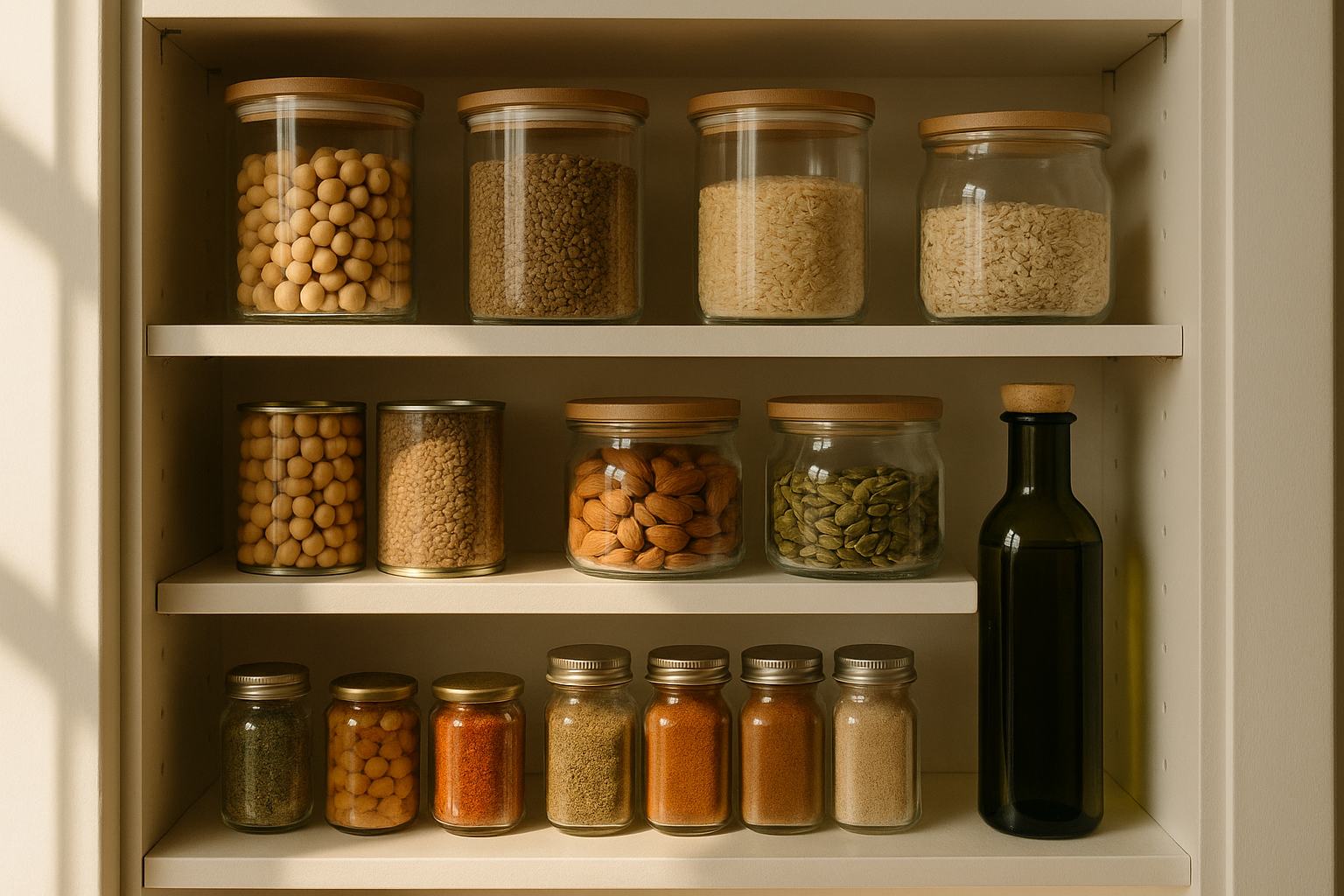
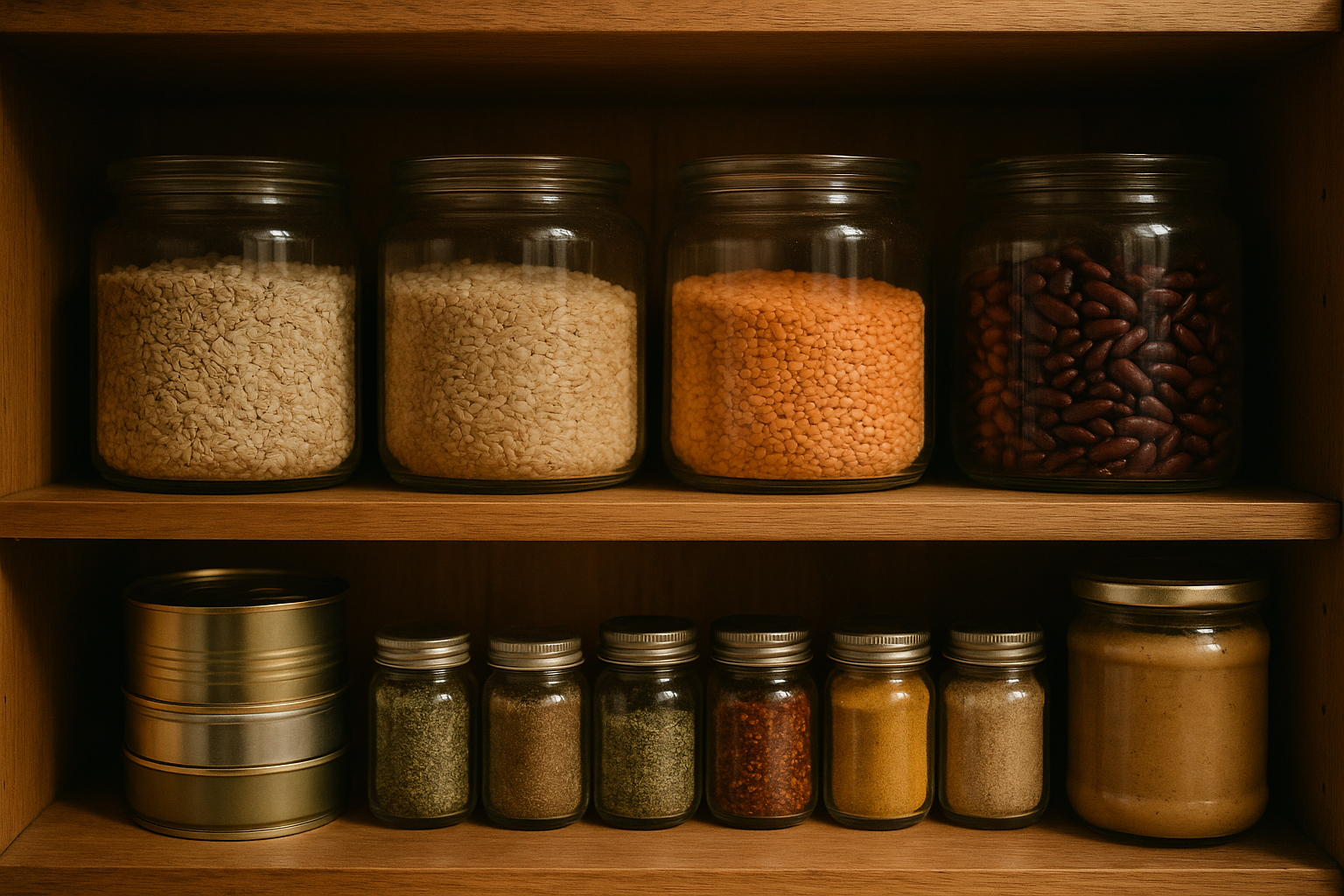
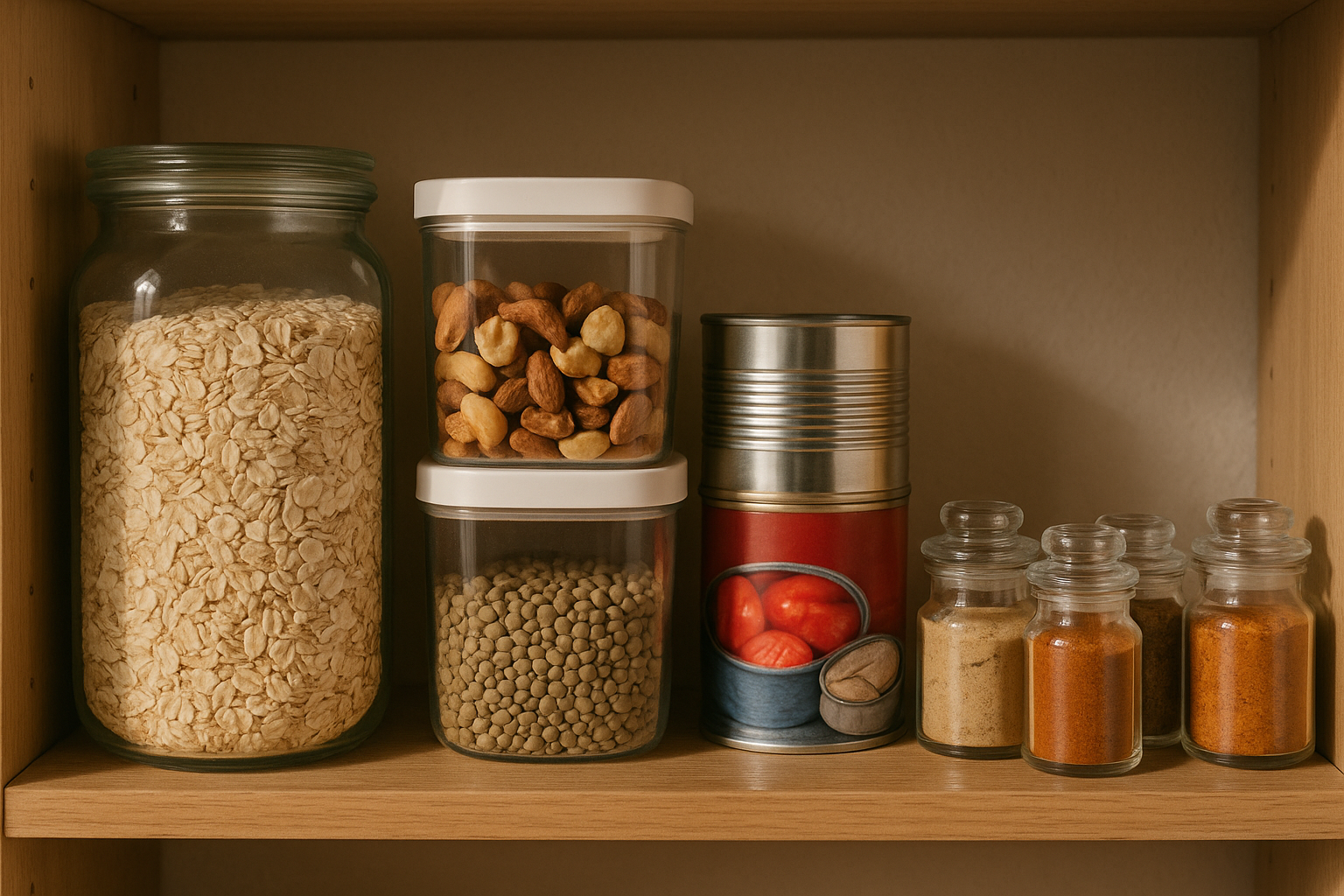
A simple pantry stocked with maintenance and care essentials

Use this as a base. Adjust for allergies, budget, preferences, and your schedule.

If your week is split between quick top-up shops and one bigger run:

  • Big shop: freezer staples, tinned goods, oats/rice/pasta, oils, spices
  • Top-up shops: fruit, salad veg, yoghurt, bread/wraps, one protein

Produce

  • 2 leafy greens (e.g. baby spinach + lettuce)
  • 4–6 veg for roasting or stir-fry (e.g. zucchini, capsicum, broccoli, carrots)
  • 2 fruits for snacks/lunchboxes (e.g. apples + mandarins)
  • 1 “quick add” veg (e.g. cherry tomatoes or cucumber)

Storage tip for humid weeks: wash and dry greens well (or buy pre-washed). Store with a paper towel in the container, and keep cut veg in airtight tubs.

Protein

  • Eggs
  • 1–2 main proteins (e.g. salmon + chicken, or tofu + lean mince)
  • Tinned fish or canned legumes
  • Plain Greek yoghurt (if tolerated)

Carbs + fibre

  • Oats
  • Brown rice/quinoa
  • Wholegrain bread/wraps
  • Canned lentils/chickpeas

Fats + extras

  • Extra virgin olive oil
  • Nuts/seeds
  • Garlic + lemons
  • Herbs/spices

Convenience that still supports your goals

  • Frozen mixed vegetables
  • Frozen berries
  • Pre-washed salad mix (busy-week insurance)

Food safety note (especially in Gold Coast heat): use insulated bags for cold items. Don’t leave groceries in a warm car, and get meat/dairy back in the fridge quickly (especially if you’re doing errands).

Maintenance meals that use the same essentials

Rotate these and you’ll cook more often without feeling like you live in the kitchen.

  • Breakfast: Greek yoghurt + berries + chia + oats (or eggs on toast)
  • Lunch: tuna/bean salad wrap + crunchy veg + olive oil/lemon dressing
  • Dinner: tray-bake protein + mixed veg + potatoes, with herbs and a simple sauce
  • Snack: apple + nuts, yoghurt, or hummus + carrots

Gold Coast on-the-go additions

If you’re juggling commutes, school runs, and active weekends, plan a few options that are easy to carry.

  • Keep a “car or bag” option that doesn’t melt: roasted chickpeas, small tin of tuna + rice crackers, nuts + a piece of fruit.
  • Add hydration-friendly habits: water bottle in the car, sparkling water with citrus at home, and high-water foods (cucumber, watermelon, oranges) when it’s humid.

If stress drives cravings, structure helps. Regular meals and planned snacks can reduce that white-knuckle feeling. You may also want to read about our naturopathy for anxiety support.

When personalised help is worth it

If you’re searching phrases like best naturopath Gold Coast, naturopath Gold Coast, nutritionist Gold Coast, holistic nutritionist Gold Coast, or gut health dietitian Gold Coast, you might be ready for support that’s more specific than general healthy eating tips.

Personalised supermarket support can help if you:

  • have gut symptoms and can’t work out your triggers
  • feel stuck in a restrict–crave cycle
  • need family-friendly options (fussy kids, shift work, different preferences)
  • want help translating a plan into real products and brands

It can also help if your pattern is “too many small shops” and you want a short list of go-to items that covers dinners, lunchboxes, and the after-school rush without blowing the budget.

Beta Me supports clients with a practical, whole-person approach. Some people come looking for a naturopath and nutritionist in one place.

Others are comparing services such as an NDIS dietitian Gold Coast option and want flexible delivery.

You can learn more about our approach here: learn about Beta Me and our approach.

Book a supermarket shopping tour or consult (Gold Coast)

If you want a trolley that supports everyday energy, gut comfort, and realistic meals, we can help.

Bring your usual shopping list, any labels you’re unsure about, and your main goal (gut health, energy, family nutrition, or anxiety-related eating). If you mainly shop as quick top-ups, mention that too, because it changes what’s realistic to prioritise.


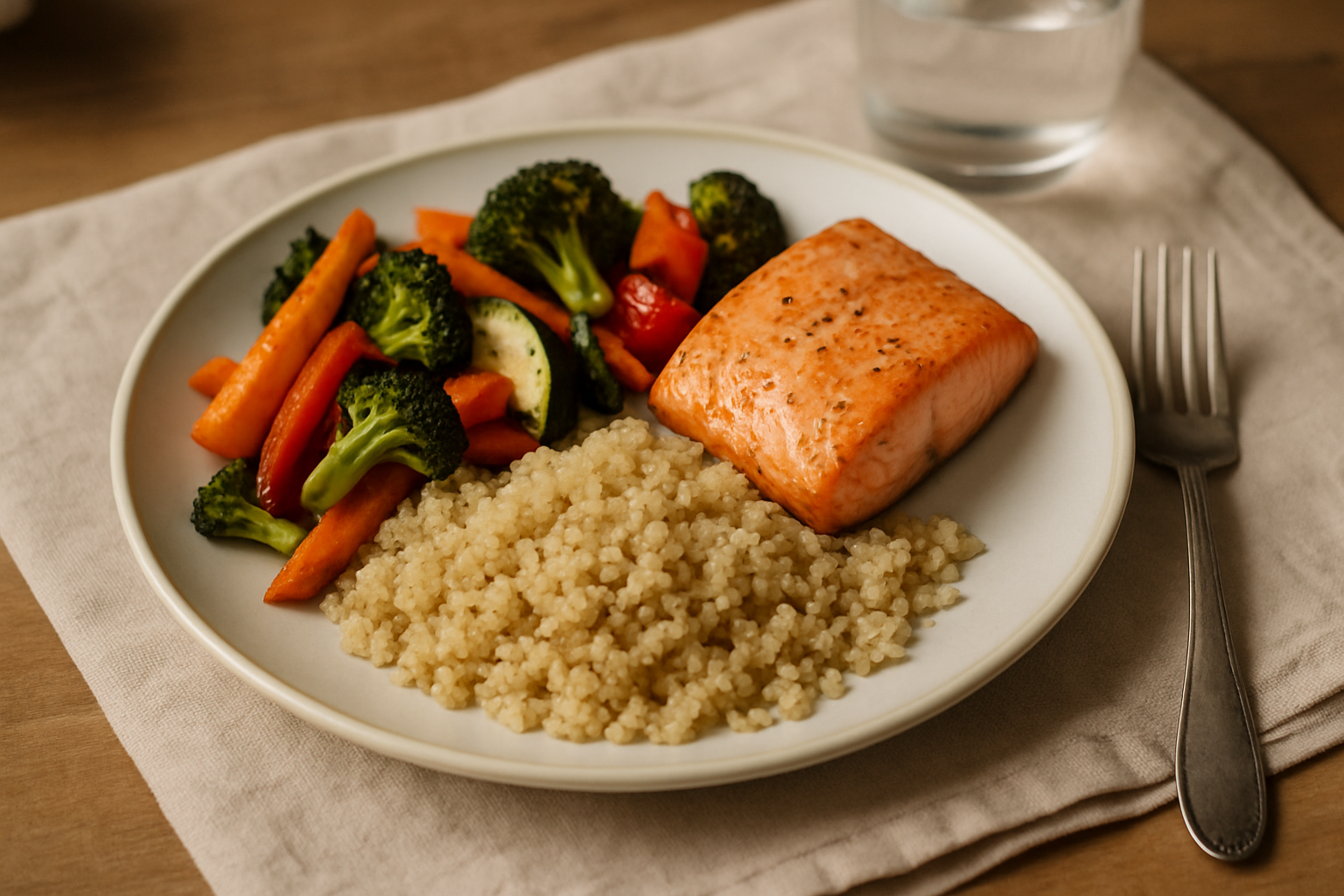
A balanced weeknight meal made from supermarket staples

FAQs

What does “maintenance and care essentials” mean for supermarket shopping?

It’s the core set of foods you keep on hand to make everyday meals easy. Think: protein, fibre-rich carbs, colourful produce, healthy fats, flavour builders, and a few convenience items that still fit your needs.

How do I build a gut-friendly trolley without buying expensive “health foods”?

Start with fibre and variety: oats, brown rice or quinoa, canned lentils/chickpeas, frozen veg, fresh fruit, olive oil, nuts/seeds, and herbs/spices.

Add one fermented food you’ll actually eat if it suits you, and introduce changes gradually if you’re prone to bloating.

What are the fastest label checks to use at the supermarket?

Compare similar products. Look for higher fibre breads/cereals, mostly plain yoghurt, and lower sodium soups/sauces.

If a product is heavily marketed as “healthy” or “high protein”, scan for lots of sweeteners and additives.

Should I avoid gluten or dairy for better health?

Not automatically. Some people benefit from targeted changes, but blanket restrictions can reduce variety and make shopping harder.

If symptoms are ongoing, personalised guidance is a better next step.

How can a Gold Coast naturopath help with supermarket shopping?

A Gold Coast naturopath can help translate symptoms and goals into practical choices in the aisle. That includes what to prioritise, what swaps to make, and which habits will be easiest to maintain based on your schedule (commutes, school runs, sport, and weekend plans).

What’s the difference between a nutritionist, dietitian, and naturopath?

A dietitian is university-trained and provides medical nutrition therapy for diagnosed conditions.

A nutritionist focuses on dietary patterns and practical food coaching.

A naturopath may combine nutrition with lifestyle strategies and other naturopathic tools. Many people prefer a blended approach.

Do you offer flexible support, including online options?

Yes. Beta Me offers mobile and online consultations.

If you’re exploring flexible options similar to an NDIS dietitian Gold Coast service, you can enquire and we’ll help you work out the most appropriate pathway.

Is a supermarket shopping tour worth it?

It can be, especially if you’re time-poor, overwhelmed by conflicting advice, managing symptoms, or you’re stuck in repeated “top-up shops” that don’t add up to proper meals.

A guided shop helps you build a repeatable default trolley and simple label-reading shortcuts.

Gold Coast supermarket shopping timeline and process overview (with a naturopath or nutritionist)

Comparing ingredient labels during a supermarket shopping tour on the Gold Coast

Gold Coast supermarket shopping timeline and process overview (with a naturopath or nutritionist)

If your weekly shop feels like a blur—too many choices, confusing labels, and a trolley that costs more each time—you’re not alone. Most Gold Coast households aren’t short on “healthy ideas”. They’re short on a clear process they can repeat.

This article gives a practical Gold Coast supermarket shopping timeline and process overview. You’ll learn what to do before you go, what to focus on in-store, and what to do after you unpack so it becomes a routine.

If you’d like hands-on help, Beta Me offers guided shopping support led by a naturopath and nutritionist. It’s a practical option if you’re searching for a naturopath Gold Coast locals use, a nutritionist Gold Coast service, or a more “real life” approach similar to what people mean when they search gut health dietitian Gold Coast.

What’s the goal of a supported supermarket shop?

Quick weeknight meal ingredients chosen during a supermarket shop

The best supermarket plan is the one you can repeat on a weeknight.

A helpful shop isn’t About buying “health foods”. It’s about building a trolley that works for your actual week.

A good shop should:

  • cover breakfasts, lunches, dinners, and snacks
  • support steadier energy (less grazing and fewer sugar crashes)
  • suit your gut, hormones, mood, training, or medical needs
  • stay within a budget you can keep
  • be easy to repeat next week

That’s why a timeline matters. It turns good intentions into a system.

Gold Coast supermarket shopping timeline: the simple overview

Simple shopping list and fresh produce for a planned supermarket shop

A little prep makes supermarket shopping faster and less stressful.

Use this flow on your own, or as a reference if you book a guided session with a Gold Coast naturopath or holistic nutritionist.

24–48 hours before (10–20 minutes): quick prep

You don’t need a perfect meal plan. You do need a few “anchors”.

1) Pick 3–5 default meals

Choose meals you can rotate without much thinking.

Examples many households use:

  • BBQ chicken + bag salad + microwave rice
  • salmon (fresh or tinned) + potatoes + frozen veg
  • eggs + wholegrain toast + tomatoes/spinach
  • mince + taco bowls (beans, lettuce, tomato, yoghurt)
  • a quick stir-fry with pre-cut veg and a simple sauce

2) Do a 2-minute pantry/fridge scan

This stops doubling up and keeps costs down.

  • Proteins: eggs, yoghurt, tinned fish, chicken, mince, tofu
  • Carbs: oats, rice, potatoes, wraps, pasta
  • Helpers: olive oil, herbs, spices, stock, frozen veg

3) Set one priority goal (only one)

Keeping it to one goal makes decisions easier in-store.

Examples:

  • “Higher-protein breakfast.”
  • “Gut-friendlier snacks.”
  • “Fewer ultra-processed lunchbox foods.”
  • “Dinners that take 15 minutes.”

If anxiety and energy are part of the picture, your goal might be “steady energy and less caffeine reliance”. Beta Me also shares targeted support here: Anxiety naturopath support.

Day of shopping (5 minutes): before you walk in

Set boundaries before you enter. This is how you avoid trolley creep.

  • Budget range: e.g. “$250–$300”
  • Meal target: e.g. “5 dinners, 5 lunches, 7 breakfasts”
  • Convenience: e.g. “2 super quick nights”

If you’re shopping with a practitioner (for example, a holistic nutritionist Gold Coast families see for practical support), this is also when you confirm what you want help with:

  • label reading
  • gut-friendly swaps
  • kid-friendly lunches
  • higher-protein basics
  • budgeting and planning

In-store process (60–90 minutes): aisle-by-aisle shopping that saves time

Comparing two packaged foods to choose the better option

Learning quick label checks saves time in every aisle.

A useful rule: shop for meals, not moods.

Start with fresh foods first. Use packaged foods as supports, not the foundation.

1) Produce (10–15 minutes)

Aim for variety, plus options that are genuinely easy.

  • choose 3–5 veg you’ll actually cook
  • add 2–3 “no-chop” options (bag salad, cherry tomatoes, frozen veg)
  • choose 2–3 fruits for snacks

Example mix:

  • Veg: carrots, zucchini, capsicum, spinach
  • Convenience: frozen broccoli, bag salad
  • Fruit: bananas, mandarins

2) Protein (10–15 minutes)

Protein often decides whether you feel steady for hours or hungry again quickly.

Staples many households rely on:

  • chicken, mince, fish
  • eggs
  • Greek yoghurt or higher-protein yoghurt
  • legumes (tinned lentils, chickpeas)
  • tofu/tempeh

If you’re seeing one of the naturopaths Gold Coast locals book for nutrition support, this is where individual tolerance can be discussed too (for example, how certain dairy types, legumes, or processed meats affect you).

3) Pantry carbs and fibre (10–15 minutes)

Choose staples that can become multiple meals.

  • oats
  • rice (including microwave rice for busy nights)
  • wholegrain bread/wraps
  • potatoes/sweet potato
  • pasta
  • canned beans/lentils

A common “quiet win” is increasing fibre gradually, at a pace your gut can manage.

4) Dairy and alternatives (5–10 minutes)

This is where label reading can make a real difference.

  • Choose yoghurts with a shorter ingredients list where possible.
  • Compare protein and added sugars between similar products.
  • If choosing plant alternatives, check for added sugars and whether it’s fortified (where relevant).

5) Snacks and lunchbox foods (10–15 minutes)

This aisle is designed for impulse buys. Go in with a plan.

Try a simple “mix and match” formula:

  • Protein: yoghurt, cheese, tuna, roasted chickpeas
  • Fibre base: fruit, wholegrain crackers, popcorn
  • Healthy fats: nuts, avocado, olive oil dip

Practical swaps that still feel normal:

  • muesli bars → yoghurt + fruit, or popcorn + nuts
  • chips “for lunches” → crackers + cheese, or dip + veg
  • sweet biscuits → dark chocolate + strawberries, or banana + peanut butter

If you’ve been searching for the best naturopath Gold Coast or a highly recommended naturopath Gold Coast, this is often what people want: not a strict list, but help choosing options you can actually buy and keep buying.

6) Freezer (5–10 minutes)

Your freezer is your backup plan for busy weeks.

  • frozen veg for fast dinners
  • frozen berries for breakfasts
  • frozen fish or other proteins that suit your preferences

This reduces the need for last-minute takeaway.

Label reading: a fast method you can use anywhere

You don’t need to be perfect. You need a repeatable method.

Use these three checks:

  1. Ingredients list: shorter is often simpler. Note multiple added sugars and lots of additives if you know you’re sensitive.

  2. Protein and fibre: often the best “stay full” markers.

  3. Added sugars and sodium: compare two similar products and pick the better fit for your goals.

When you shop with a naturopath and nutritionist, label reading can also be personalised to your needs (gut comfort, mood and energy, cholesterol support, sports performance, or family meals).

Example weekly shop for a busy Gold Coast household

A pantry organised into staple food groups for quicker weekly shopping

Grouping staples helps you shop once and build many meals.

Not a strict meal plan. Just flexible ingredients that create multiple meals.

Breakfasts

  • oats + Greek yoghurt + frozen berries
  • eggs + wholegrain toast + spinach

Lunches

  • tuna + rice cups + bag salad
  • leftovers + fruit

Dinners

  • chicken + frozen veg + rice
  • mince + beans + taco bowl ingredients
  • salmon + potatoes + salad

Snacks

  • yoghurt + fruit
  • nuts + popcorn
  • hummus + carrots/cucumber

It’s mostly everyday supermarket food, chosen with intent.

When a guided supermarket shopping tour helps most

Some people do well with a checklist. Others get stuck in the store.

A supported shop can be especially helpful if you:

  • have gut symptoms and feel unsure what to choose
  • are trying to support anxiety and energy with food
  • need kid-friendly options that aren’t just packaged snacks
  • have medical nutrition priorities and want practical choices
  • are an NDIS participant or carer and want a repeatable routine

If you’re searching for a naturopath Gold Coast service, a nutritionist Gold Coast for practical help, or a NDIS dietitian Gold Coast style of support (in the sense of functional, day-to-day strategies), supermarket decisions are one of the fastest ways to change what actually happens at home.

After the shop (10–30 minutes): the follow-up that makes it stick

A quick review is what turns “one good week” into a routine.

Try this at home:

  • Write your 10 default items you’ll buy every week (your core list).
  • Save 5 easy dinners as a phone note.
  • Choose 2 emergency meals for chaotic nights (freezer + pantry).

If you’re working with Beta Me, this is where your shop can be turned into a simple routine that matches your week and your capacity.

Want support with supermarket shopping on the Gold Coast?

If you’d like someone to walk the aisles with you and make the decisions simpler, Beta Me offers a guided shopping service.

You can also explore Beta Me’s broader services here: Naturopath Gold Coast and Nutritionist Gold Coast, or read more about the team and approach: Nutritionist and naturopath near me (About Beta Me).

Gold Coast Supermarket Shopping: Common Mistakes to Avoid (and What to Do Instead)

A supermarket trolley with whole foods for a healthy weekly shop on the Gold Coast

Gold Coast supermarket shopping: common mistakes to avoid (and what to do instead)

You walk into the supermarket for “a few things” and leave with two bags of snacks, a dinner you’ll still need to cook from scratch, and a receipt that makes your eyes water.

If that sounds familiar, you’re not alone. For many Gold Coast homeowners, supermarket shopping is where good intentions fall apart—especially when you’re busy, feeding a family, managing gut symptoms, or trying to improve energy and mood.

Below are the most common mistakes I see (and the fixes that actually work). You don’t need perfection. You need a plan you can repeat.

Mistake 1: Shopping hungry, rushed, or stressed

Reading the ingredients list and nutrition panel while shopping

Ingredients first: it’s the quickest way to avoid marketing traps.

When you’re under pressure, your brain goes for quick dopamine: packaged snacks, “easy” dinners, and extra treats “just in case”. It’s not a willpower issue. It’s physiology.

Do this instead

  • Eat something small before you go: yoghurt + fruit, a boiled egg + toast, or a handful of nuts.
  • Set a 3-part mission: protein + veg + fibre. If your trolley has those, the week goes better.
  • If stress or anxiety is driving food choices, support matters. If you’ve been searching for an anxiety naturopath Gold Coast service, Beta Me has an evidence-informed approach that can pair nutrition strategies with nervous system support: https://betame.com.au/anxiety/

Mistake 2: Believing front-of-pack health claims

“Natural.” “Gluten-free.” “No added sugar.” “High protein.” These can be true and still not suit your goals.

Common examples:

  • “No added sugar” snacks that rely heavily on sweeteners and keep cravings going.
  • “High protein” bars that are still very low in fibre and easy to overeat.
  • “Gluten-free” products that are fine for coeliac/gluten intolerance, but not automatically healthier.

Do this instead: a 20-second label check

  1. Ingredients list: look for foods you recognise. Shorter isn’t always perfect, but it helps.
  2. Fibre: for breads/cereals/snacks, higher fibre often equals better appetite control.
  3. Added sugars and sodium: compare within the same category.

If you want this made simple, a guided shop can be a game changer: Supermarket Shopping Guide Gold Coast (Shopping Tour) https://betame.com.au/mobile-consultations/supermarket-shopping-tours/

Mistake 3: Buying “healthy” snack foods instead of real meal building blocks

A trolley full of snack plates can look virtuous—rice crackers, muesli bars, protein balls, dips, “clean” treats—but you still don’t have proper meals.

Do this instead: shop for three dinners first
Pick three repeatable options that don’t require a new recipe every week.

Practical dinner templates (fast and realistic)

  • Tray bake: chicken or tofu + frozen veg + olive oil + spices.
  • Bowl meal: microwave rice + tinned salmon/tuna/chickpeas + salad mix + dressing.
  • Stir-fry: pre-cut veg + mince/tempeh + a sauce with lower sugar/sodium + noodles.

Once dinners are covered, snacks become optional—not emergency calories.

Mistake 4: “Gut health” shopping that’s too restrictive (or too expensive)

If you’ve ever googled gut health dietitian Gold Coast or holistic nutritionist Gold Coast, you’ve probably seen conflicting advice: cut dairy, cut gluten, cut FODMAPs, add powders, add probiotics, buy speciality everything.

Restriction can be helpful in specific cases, but self-prescribing a long list of “no” foods often backfires:

  • less fibre variety
  • more stress around food
  • fewer easy meal options

Do this instead: prioritise gut basics first

  • Fibre foundations you can tolerate: oats, chia/linseed, legumes (if suitable), veg, fruit.
  • Fermented foods you tolerate: yoghurt, kefir, sauerkraut (small amounts).
  • Regular meal timing: erratic eating can worsen reflux, bloating, and cravings.

If you have ongoing symptoms (bloating, pain, diarrhoea/constipation, reflux), personalised guidance helps you avoid unnecessary restriction. Beta Me supports Gold Coast clients looking for a nutritionist Gold Coast option and naturopathy-informed care: https://betame.com.au/

Mistake 5: Overbuying fresh produce… then wasting it

Buying “aspirational” produce feels healthy. Then Wednesday hits, you’re exhausted, and the greens go slimy.

Do this instead: mix fresh + frozen + tinned

  • Buy 2–3 fresh veg you’ll definitely use.
  • Add frozen veg for back-up (stir-fry mix, peas, cauliflower rice).
  • Keep tinned staples: tomatoes, beans, corn, tuna/salmon.

This is how you eat well even when life gets busy.

Mistake 6: Drinking your calories (and your blood sugar swings)

Many “healthy” drinks can quietly sabotage energy and appetite:

  • flavoured milks
  • juices
  • iced coffees with syrups
  • kombucha or “wellness” drinks that still contain added sugar

Do this instead

  • Choose water, sparkling water, tea.
  • If you like flavour: add lemon/lime, berries, or a splash of soda with fruit.
  • Keep coffee simple most days.

Mistake 7: Buying for one perfect version of you

Simple meal components that make healthy dinners easier than takeaway

Shop for building blocks, not perfect recipes.

The biggest planning mistake is assuming every night will be calm and organised.

Do this instead: shop for real life
Aim for a balance of:

  • 5-minute meals (eggs on toast + salad, tuna bowl)
  • 15-minute meals (stir-fry, tacos with salad)
  • one slower meal if you enjoy cooking

This is also where mobile support helps: pantry reviews, practical meal planning, and habits that fit your home routine. See Mobile Nutritionist Gold Coast options here: https://betame.com.au/mobile-consultations/

Mistake 8: Treating “special diets” as a personality (instead of a tool)

Keto, paleo, dairy-free, low FODMAP, plant-based—these can all be appropriate in the right context.

Problems happen when:

  • the rules are stricter than your life can sustain
  • you’re not meeting fibre needs
  • you’re missing key nutrients
  • it increases anxiety around food

Do this instead
Use any dietary approach as a tool with a clear purpose and an exit plan. If you’re trying to solve a specific issue (gut symptoms, cholesterol, fatigue, cravings), support from a Gold Coast naturopath or nutrition professional can help you pick the least restrictive path.

Mistake 9: Not having “default” staples you can always eat

A tidy pantry with healthy staples for quick meals

A “default pantry” reduces decision fatigue during the week.

A default set of foods removes decision fatigue.

A simple default list

  • Proteins: eggs, Greek yoghurt, chicken, tofu/tempeh, tinned fish, lean mince
  • Fibre: oats, wholegrain bread/wraps, brown rice, quinoa, legumes (if tolerated)
  • Veg: salad mix, frozen veg, carrots/capsicum, tomatoes
  • Flavour: olive oil, lemon, herbs, spices, tahini, vinegar

If you get stuck, a guided tour can help tailor staples to your preferences, budget and health goals.

Mistake 10: Doing it alone when you need a tailored plan

Some people just need a better shopping list.

Others need a plan that accounts for:

  • IBS-type symptoms or reflux
  • food intolerances
  • fatigue and low motivation
  • perimenopause/metabolic changes
  • neurodiversity or disability supports

If you’re looking for nutrition services Gold Coast residents can actually use in real life—shopping, pantry, meals and routines—Beta Me offers practical, personalised support.

You might have searched terms like best naturopath Gold Coast, highly recommended naturopath Gold Coast, or naturopaths in Gold Coast. The best fit is the practitioner who listens, gives you a workable plan, and supports follow-through.

A simple Gold Coast supermarket shopping checklist (save this)

Before you go:

  • Eat a small snack.
  • Choose 3 dinners.
  • Write a list by aisle (produce, protein, pantry, frozen, snacks).

In the shop:

  • Fill the trolley with protein + veg + fibre first.
  • Check ingredients when a product is marketed as “healthy”.
  • Buy a mix of fresh + frozen + tinned.

After:

  • Wash and chop one veg.
  • Cook one protein (or portion it).
  • Put snack foods out of sight.

Want hands-on help in the supermarket (without judgement)?

If you’d like someone to walk the aisles with you and show you what to buy for your goals—gut health, energy, weight support, family meals, food sensitivities—book a Supermarket Shopping Tour with Beta Me.

You’ll leave with:

  • realistic product swaps
  • a repeatable trolley template
  • label-reading shortcuts
  • a plan that fits your household

Start here: https://betame.com.au/mobile-consultations/supermarket-shopping-tours/

If you prefer support from home, you can also explore mobile consults: https://betame.com.au/mobile-consultations/

And if you’re looking for flexible assistance and have NDIS goals around nutrition and daily living skills, see NDIS Nutritionist Gold Coast options here: https://betame.com.au/skype-consultations/


Choosing simple gut-friendly foods in the chilled section

Gut-friendly often means simple, not expensive.

FAQs

What’s the biggest mistake people make when supermarket shopping for health?

Relying on front-of-pack claims instead of checking ingredients and comparing like-for-like products. A simple focus on protein, fibre and minimally processed foods gives better results than chasing “health” labels.

How can I shop for gut health without buying expensive “gut” products?

Build meals around vegetables, fruit, tolerated fibres (oats, chia/linseed, legumes if suitable) and adequate protein. Add fermented foods you tolerate. If symptoms persist, personalised support from a gut-focused practitioner can prevent unnecessary restriction.

Are “no added sugar” products always a better choice?

Not always. Some products use sweeteners that keep a sweet preference high or trigger gut symptoms. Compare the nutrition panel, consider portion size, and choose options you can eat calmly and consistently.

What should I do if I’m overwhelmed by label reading?

Use a short rule set: ingredients list first, then fibre, then added sugars and sodium. A guided supermarket tour can teach you what to look for in the products you already buy.

Can an NDIS nutritionist help with supermarket shopping support on the Gold Coast?

Often, yes—depending on your plan goals. Practical support can include meal planning and shopping skills, and Beta Me offers flexible consult formats.

Should I see a nutritionist or a naturopath for help with supermarket shopping?

Choose based on your needs. For food choices, routines and practical meal planning, a nutritionist is ideal. If you also want broader holistic support, naturopathy can complement nutrition strategies. Beta Me offers both nutrition and naturopathy-informed support on the Gold Coast.

Gold Coast supermarket shopping design trends and layout ideas (that actually make healthy eating easier)

A trolley with fresh produce and healthy staples in an Australian supermarket

Gold Coast supermarket shopping design trends and layout ideas (that actually make Healthy eating easier)

If you’ve ever walked into the supermarket for “just milk” and walked out with snacks, a “healthy” bar you didn’t even like, and a dinner plan you can’t explain — that’s not a lack of willpower.

Modern supermarket shopping is designed to keep you browsing, nudging you toward quick decisions. On the Gold Coast, where busy schedules and convenience foods can easily take over, understanding the design trends and layout cues helps you shop with more control.

Below are the most common layout ideas used in supermarkets, what they mean for your trolley, and practical ways to shop for real-life goals like gut health, steadier energy, and easier weeknight dinners.

1) The “fresh-first” entrance: why the first 5 minutes matter

Comparing nutrition labels in the supermarket

Quick label checks help you cut through marketing claims.

A major design trend is starting you in fresh produce or a bright, colourful area. It sets a “healthy tone” — and it also encourages you to relax your guard.

How to use it to your advantage (without getting derailed):

  • Start with a produce plan, not “buy what looks good”. Choose:
    • 2–3 vegetables for dinners (e.g., broccoli, capsicum, zucchini)
    • 1–2 salad items (e.g., leaves, cucumber)
    • 1–2 fruits for snacks
  • Pick one “easy win” produce option for the week: pre-washed leaves, frozen veg, or a stir-fry mix. Convenience can be a health tool when it keeps you cooking.

If you’re working with a gut health dietitian Gold Coast clients often seek out, or a naturopath and nutritionist, this is also where you can make simple gut-friendly choices that don’t require specialty foods.

2) Perimeter shopping: useful rule, not a strict diet

You’ll often hear “shop the perimeter” because that’s where produce, meat, dairy and bakery typically sit.

It’s a helpful starting point — but if you only shop the perimeter, you can miss some of the most budget-friendly staples.

A better approach:

  • Perimeter = fresh building blocks (veg, fruit, proteins, yoghurt)
  • Middle aisles = staples (tinned fish/beans, oats, rice, olive oil, herbs/spices)
  • Freezer = back-up plan (frozen veg, berries, convenient proteins)

This is one of the key “layout ideas” to keep in mind: the store is built like a loop. If you follow the loop without a plan, you’ll see everything.

3) End-caps and “specials”: the impulse hot spots

Those displays at the ends of aisles (end-caps) are prime real estate. They can be a genuine bargain — or a fast track to buying food you didn’t want.

A quick decision rule for end-caps:

Ask:

  1. Was it on my list? If not, it’s a no.
  2. Is it a staple I already buy? If yes and it’s a good price, consider it.
  3. Will I use it in the next 7 days? If not, it’s clutter (and often extra snacks).

For anxiety-driven or stress-driven shopping (very common), these displays are where “just in case” purchases happen. If that’s you, it may help to explore support that ties food choices to stress patterns, such as Beta Me’s approach to naturopathy for anxiety.

4) “Health” aisles and wellness claims: what’s actually helpful

A big trend is expanding wellness ranges: protein snacks, low sugar, gluten free, keto, gut health, “natural”, and supplements.

This is where many Gold Coast shoppers get stuck — because the packaging sounds like it solves a problem.

Use this label-reading shortcut instead:

  • Ingredients first. Shorter and recognisable is often a good sign.
  • Check fibre (especially for snacks and cereals). Higher fibre usually supports steadier appetite.
  • Be cautious with “free from” products if they’re highly processed. Some are useful; many are just expensive swaps.

If you’re already seeing a nutritionist Gold Coast locals recommend, or you’re looking for the best naturopath Gold Coast for your needs, bring 2–3 common “health” products you buy regularly into your consult. A good clinician will help you find better options that fit your body and budget.

5) The ready-to-eat section: convenience without the crash

Supermarkets are leaning hard into convenience: premade meals, salad kits, cooked chickens, heat-and-eat sides.

These can be lifesavers — but they can also be low in vegetables and fibre, or higher in salt and refined carbs.

A practical “better convenience meal” formula:

  • Choose one convenience main (e.g., roast chicken, microwavable grain pouch, soup)
  • Add at least two vegetable sides (bag salad + cherry tomatoes; frozen veg; microwave steam veg)
  • Add a protein boost if needed (extra eggs, tinned tuna/salmon, Greek yoghurt)

This helps keep supermarket shopping realistic, not perfect.

6) Self-serve checkouts and snack lanes: how to avoid last-minute add-ons

The checkout zone is designed for fast-grab items. If you shop when hungry, tired, or stressed, it’s a problem area.

Simple strategies that work:

  • Eat a snack before you shop (even a banana or yoghurt).
  • Keep “checkout snacks” in your bag (nuts, fruit, or a protein snack you actually like).
  • Use click-and-collect selectively when you’re in a vulnerable state (end of day, kids in tow, low bandwidth).

7) Layout idea you can copy at home: a “trolley template” for the week

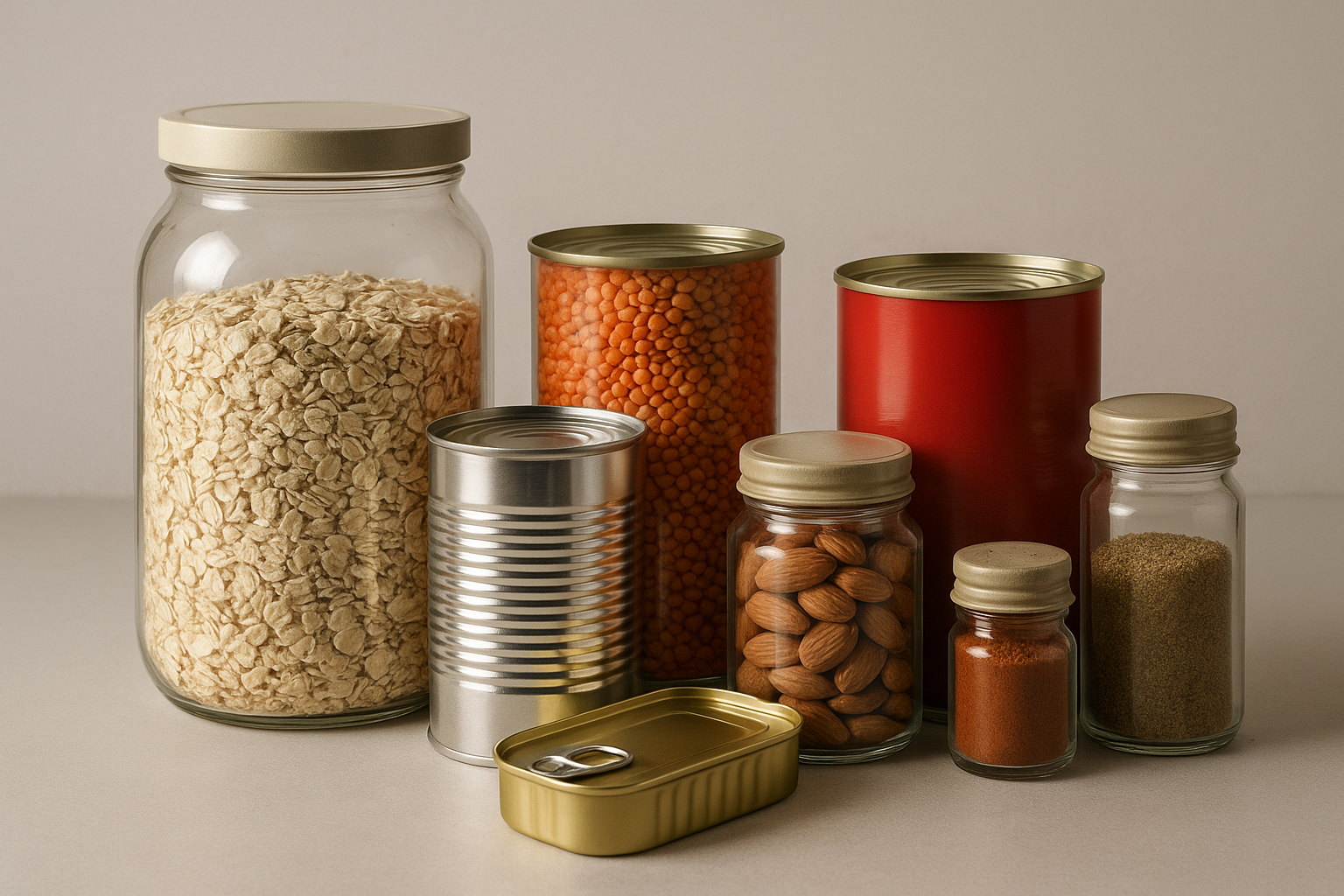
Healthy pantry staples laid out on a kitchen bench

Middle-aisle staples can be some of the most nutritious buys.

When you have a default plan, the supermarket layout has less power.

Try this trolley template (adjust to your needs):

  • Proteins (2–3): eggs, chicken, tofu, tinned fish, lean mince
  • Vegetables (5–7 items): mix of salad + cookable veg
  • Fruit (2–4): snacks and breakfast
  • Carbs (2): oats + rice/potatoes/pasta (or your preferred option)
  • Fats & flavour (3): olive oil, nuts/seeds, herbs/spices, yoghurt, avocado
  • Fibre staples (2): tinned beans/lentils + wholegrains

If gut symptoms are part of your picture, your “best” template depends on tolerance. That’s where working with a holistic nutritionist Gold Coast clients trust, a gold coast naturopath, or a combined naturopath and nutritionist approach can be useful.

8) Practical examples: shopping routes for common goals

Here are three simple “routes” you can follow, based on what you’re trying to improve.

A) For steadier energy (less snacking)

  • Produce: veg + fruit for snacks
  • Dairy/protein: yoghurt, eggs, lean protein
  • Aisles: oats, nuts, tinned beans
  • Freezer: berries, frozen veg

Aim: each meal has protein + fibre.

B) For gut-friendly meals (without overthinking)

  • Produce: choose vegetables you tolerate well; add herbs for flavour
  • Proteins: simple, minimally processed
  • Aisles: rice/oats, tinned staples you tolerate
  • Skip: “gut health” snacks that rely on lots of additives if they trigger you

If you’re searching for a naturopath gold coast locals recommend, or naturopaths Gold Coast options, look for someone who can turn your symptoms into real food decisions — not just a list of foods to fear.

C) For budget-aware families

  • Frozen veg and frozen fruit are your friends
  • Buy larger packs of staples you actually use (oats, rice, beans)
  • Pick one “premium” item and keep the rest simple

Tip: budget improves when dinners repeat. Two or three rotating meals beats seven new recipes.

When a supermarket tour helps (and who it’s for)

Walking past an end-cap display in a supermarket

End-caps are designed to grab attention—your list keeps you grounded.

Some people just want a list. Others need the confidence that comes from doing it in the aisle, with guidance.

A guided session can help if you:

  • feel overwhelmed by labels and health claims
  • keep buying “healthy products” but don’t feel better
  • need practical support for meal planning and shopping routines
  • are managing gut symptoms and want realistic swaps
  • want help making changes that the whole household can stick with

Beta Me offers supermarket shopping tours designed to make your regular shop easier, faster, and more aligned with your goals. You can learn more via the Supermarket Shopping Guide Gold Coast page.

A clear next step

If you’re on the Gold Coast and want supermarket shopping to feel simpler — with practical, brand-agnostic guidance tailored to your health goals — book a consult with Beta Me.

You can start with:

If you need flexibility, Beta Me also offers appointments that can suit at-home routines and planning support, including options discussed under NDIS Nutritionist Gold Coast services: https://betame.com.au/skype-consultations/


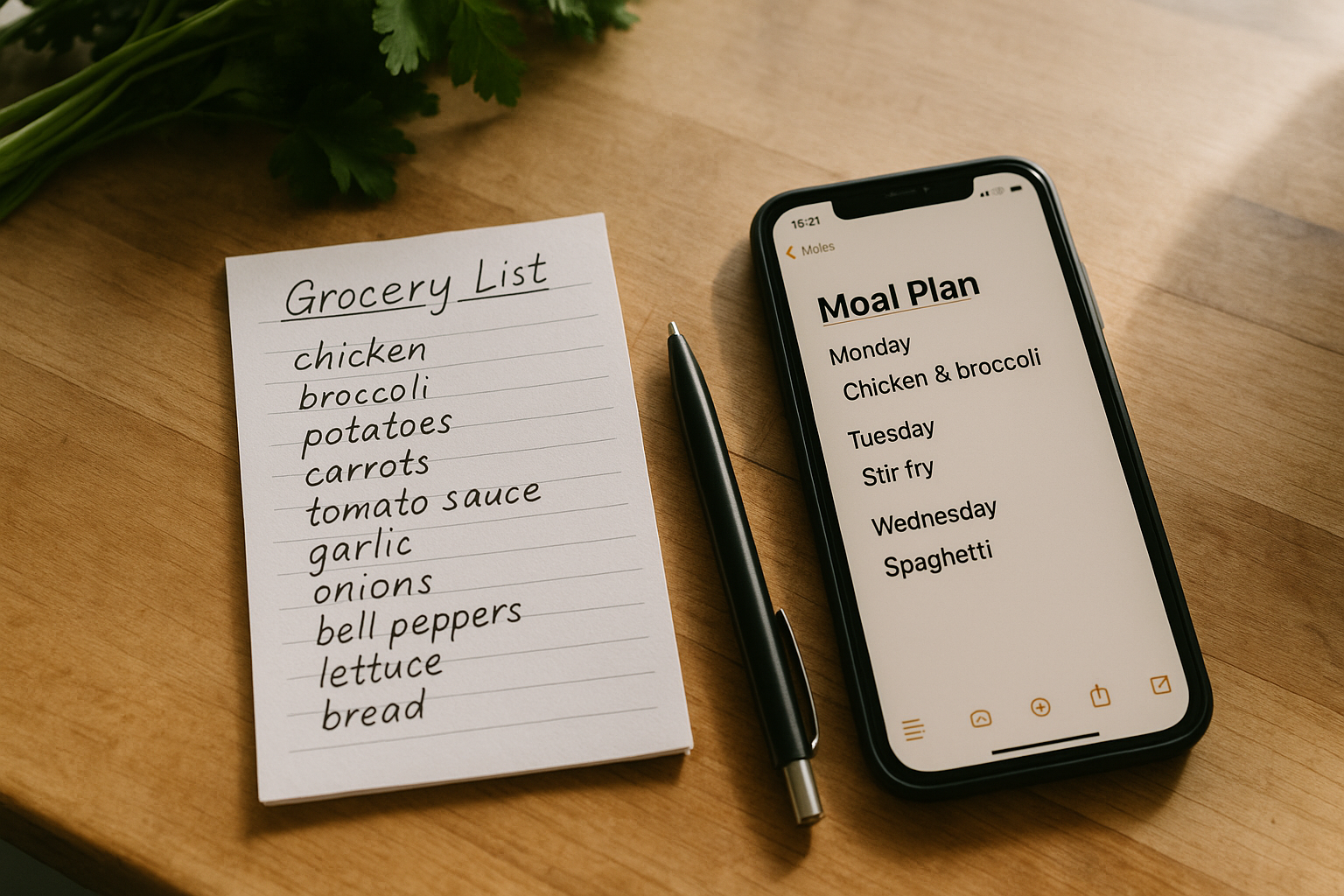
A simple meal plan and grocery list ready for shopping

A short list and a simple route make supermarket shopping quicker and calmer.

FAQ

What are the biggest supermarket layout trends affecting what I buy?

Common trends include stronger perimeter fresh-food zones, more prominent ready-to-eat meals near entrances, bigger end-cap displays (often for promotions), more health-claim packaging, and greater use of convenience sections. These features are designed to speed up decisions and increase impulse buys, so shopping with a short list and a simple route helps you stay in control.

How do I do a healthy supermarket shop fast on a weeknight?

Use a repeatable trolley template: 1–2 proteins (eggs, tinned fish, chicken), 2–3 vegetables, 1 fruit, 1 wholegrain or starchy option (brown rice, oats, potatoes), and 2 flavour builders (olive oil, herbs, yoghurt). Then choose one easy dinner plan (stir-fry, tray bake, tacos) and buy only what supports it.

Is perimeter shopping always the healthiest approach?

Not always. The perimeter is great for fresh produce and proteins, but many nutritious staples live in the middle aisles (tinned beans, oats, brown rice, frozen veg, olive oil, herbs and spices). A better rule is: perimeter for fresh, aisles for staples, and avoid wandering into ‘snack loops’ unless it’s on your list.

What should I look for on labels if I’m working on gut health?

Start with ingredients and fibre. Choose options with minimal additives, higher fibre where appropriate, and fewer sugar alcohols if they trigger symptoms. If you’re working with a gut health dietitian on the Gold Coast or a naturopath and nutritionist, bring your usual products to your next consult so you can get personalised swaps for your tolerance and goals.

Can a nutritionist or naturopath come with me to the supermarket on the Gold Coast?

Yes. Beta Me offers supervised supermarket shopping tours that turn your regular shop into a practical lesson: reading labels, building balanced meals, choosing gut-friendly options, and finding affordable swaps that suit your household.

Do you offer NDIS nutrition support for shopping and meal planning?

Beta Me provides nutrition support and can discuss options that suit your needs, including remote appointments. If you’re looking for an NDIS dietitian on the Gold Coast, book a consult to talk through your goals and what practical support would help (shopping skills, routines, simple meal structures and easy food choices).

Supermarket Shopping Guide (Gold Coast): An In-Depth Guide and Key Considerations for Healthier Trolley Choices

Healthy grocery trolley in an Australian supermarket aisle

Supermarket Shopping Guide (Gold Coast): An In-Depth Guide and Key Considerations for Healthier Trolley Choices

Supermarket shopping can feel harder than it should.

You walk in with good intentions. Then you’re hit with “high protein”, “natural”, “no added sugar”, half-price specials, and a trolley that doesn’t match your plan.

This supermarket shopping guide gold coast in-depth guide and key considerations is here to make your next shop simpler. It’s practical, not perfect.

What you’ll get from this guide

Use this as your repeatable system for week-to-week shopping.

You’ll learn how to:

  • choose 1–2 priorities (so decisions are quicker)
  • create a simple meal plan you can actually follow
  • read labels fast without getting stuck in one aisle
  • upgrade your trolley aisle-by-aisle
  • avoid common “healthy” buys that don’t suit your body or your budget

Want hands-on support in a real store? Beta Me offers guided sessions: Supermarket Shopping Guide Gold Coast | Shopping Tour.


Key considerations before you shop (the biggest time-savers)

1) Define “healthy” for this week

There isn’t one perfect trolley.

Pick 1–2 priorities only. You’ll shop faster and waste less food.

Examples:

  • Gut comfort: more fibre variety (gradually), simpler ingredients, fewer personal triggers
  • Energy and cravings: protein at meals, planned snacks, fewer ultra-processed grazes
  • Family-friendly dinners: meals everyone will eat plus an easy veg add-on
  • Budget: repeat meals, compare price per 100 g, rely on staples

If you’re unsure where to start, support from a naturopath and nutritionist can help turn symptoms and goals into a trolley plan.

Many people begin by searching for a naturopath gold coast, gold coast naturopath, or nutritionist gold coast because they want advice that works in real life. You can read about Beta Me’s approach here: Nutritionist and Naturopath Near Me | About | Beta Me Nutrition & Naturopathy.

You might also see terms like holistic nutritionist gold coast, best naturopath gold coast, or highly recommended naturopath gold coast. Focus less on the label and more on whether the practitioner can give you clear, doable weekly steps.

2) Make a repeatable plan (not a “perfect” one)

A basic plan reduces takeaway, decision fatigue, and wasted produce.

Use this structure:

  • 2–3 repeat dinners (aim for leftovers)
  • 1 freezer dinner (for late nights)
  • 2 breakfasts (rotate)
  • 2 lunch options (often leftovers + one backup)
  • planned snacks (so you’re not relying on what’s closest)

Simple example week:

  • Dinners: tray bake + salad, stir-fry + rice, tacos (beans or lean mince)
  • Breakfasts: oats; eggs + toast + fruit
  • Lunches: leftovers; tuna + crackers + chopped veg
  • Snacks: fruit, yoghurt (if tolerated), nuts, popcorn

3) Write a “must-haves” list (shorter than you think)

A short list keeps your shop focused.

Aim for:

  • Protein: eggs, yoghurt, fish, chicken, tofu, legumes
  • Fibre base: oats, wholegrain bread/wraps, rice, quinoa, beans/lentils
  • Colour: 5–7 fruit/veg options (fresh or frozen)
  • Flavour: herbs, spices, lemon/lime, garlic, ginger

This framework also helps if you’re working with a gut health dietitian gold coast or a holistic nutritionist gold coast and want your trolley to match your plan.


How to read labels quickly (without overthinking)

Step 1: Check the ingredient list first

Ingredients are listed from most to least.

Look for:

  • a shorter list where possible
  • foods you recognise
  • fewer “extras” doing the heavy lifting (added sweeteners, thickeners, multiple oils)

If you avoid certain ingredients (for example lactose, gluten, onion/garlic, sugar alcohols), you’ll usually spot them here.

Step 2: Compare “per 100 g”

Serving sizes can make products look better than they are.

When comparing similar products, check per 100 g for:

  • sugars (often high in cereals, snack foods, flavoured yoghurts)
  • sodium (common in sauces, soups, crackers, deli meats)
  • saturated fat (can vary widely in packaged foods)

Step 3: Treat front-of-pack claims as marketing

“Natural”, “low fat”, “no added sugar”, “gluten free”, and “high protein” can all be fine.

The key question is simpler:

Does this match my goal and my tolerance?

Example: a “high protein” bar can be low in fibre and high in sweeteners. That might not suit appetite regulation, gut symptoms, or daily budget.


Aisle-by-aisle guide: practical Gold Coast shopping upgrades

Fresh produce: the easiest win

Aim for:

  • a mix of colours (not only salad veg)
  • one crucifer (broccoli, cauliflower, cabbage) if tolerated
  • a frozen veg backup (saves money and reduces waste)

If gut symptoms are part of your picture, increase fibre slowly. Doubling it overnight can backfire.

Meat, seafood, eggs and plant proteins: choose what you’ll use

Protein supports appetite, energy, and steadier eating.

Realistic options:

  • eggs for fast meals
  • tinned fish for lunches
  • chicken or lean mince for batch cooking
  • tofu/tempeh if you enjoy it
  • canned lentils/beans for quick dinners

If you’re unsure what “enough protein” looks like for you, a nutritionist gold coast can tailor it to your appetite, activity, and symptoms.

Dairy and alternatives: choose based on tolerance, not trends

Key considerations:

  • If dairy works for you, plain yoghurt is usually a better base than flavoured.
  • If lactose is an issue, lactose-free can be worth trialling.
  • For plant milks, check:
    • added sugars
    • protein (many are low)
    • calcium fortification (may be useful for some people)

Pantry staples: the quiet heroes of better weeks

A strong pantry means fewer last-minute decisions.

Consider:

  • oats
  • rice or quinoa
  • pasta (choose what you tolerate and will eat)
  • tinned tomatoes
  • canned beans/lentils
  • olive oil
  • nuts and seeds
  • spices, stock, vinegar

Snacks and the “health” aisle: where budgets disappear

Use one rule:

Snacks should solve a problem.

Common problems (and what helps):

  • Starving at 3 pm: add protein + fibre at lunch, pack a planned snack
  • Want something sweet at night: check dinner was filling, plan a dessert option you enjoy
  • Buying snacks for kids then eating them: choose snacks you’re happy to share

Snack formats that often work (depending on tolerance):

  • fruit + yoghurt
  • nuts + fruit
  • cheese + crackers
  • hummus + veg
  • popcorn

If stress or anxiety affects appetite and food choices, nutrition support can sit alongside broader care. See: Anxiety Naturopath Gold Coast | Naturopathy for Anxiety.

Sauces, dressings and “extras”: small items, big impact

Sauces can quietly push sugar and sodium up.

Check labels on:

  • pasta sauces
  • marinades
  • simmer sauces
  • dressings
  • stock and soup

A simple approach works well: choose a plainer base, then add flavour yourself (herbs, spices, citrus, garlic, ginger).


Common Gold Coast scenarios (and what to do)

“I’m trying to eat well but I’m time-poor”

Build a fast-track trolley with mix-and-match basics:

  • roast chicken + bagged salad + microwave rice
  • eggs + frozen veg + wraps
  • tinned tuna/salmon + crackers + cherry tomatoes
  • tofu + stir-fry veg + noodles

“I’m supporting gut health but everything seems to set me off”

Key considerations:

  • Don’t overhaul your whole diet at once.
  • Change one meal first (breakfast is often easiest).
  • Trial a swap for 2–3 weeks, not two days.

If symptoms are persistent, a gold coast naturopath or a gut health dietitian gold coast can help you stop bouncing between restriction and confusion.

“I need NDIS-friendly nutrition support”

If you’re searching ndis dietitian gold coast or ndis nutritionist gold coast, you’re usually looking for strategies that work in real home life.

Beta Me offers consults, including remote options. Start here: NDIS Nutritionist Gold Coast | In-Home Nutrition Support.


The 10-minute pre-shop checklist (save this)

Before you go:

  1. What are my 1–2 goals this fortnight?
  2. What are my 2–3 repeat dinners?
  3. What’s my main protein for breakfast and lunch?
  4. Which veg will I use (fresh + frozen backup)?
  5. What snacks will prevent impulse buys?
  6. Do I need a “freezer rescue meal”?
  7. What’s already in the fridge and pantry?
  8. Any ingredients I’m avoiding due to symptoms?
  9. What’s one upgrade I can afford this week?
  10. Am I shopping hungry? If yes, eat first.

When a guided supermarket session is worth it

A guided session can be a smart option if you:

  • feel overwhelmed by labels and conflicting advice
  • have gut symptoms and need realistic swaps
  • manage allergies/intolerances in the household
  • want a repeatable shopping list that fits your budget
  • are tired of buying “health foods” that don’t work for you

If you’re comparing options for a best naturopath gold coast or a highly recommended naturopath gold coast, look for someone who can translate goals into what you’ll actually buy and cook.

Beta Me’s in-store option is practical and personalised: Supermarket Shopping Guide Gold Coast | Shopping Tour.


Next step: get a personalised trolley plan

If you want to stop second-guessing labels and start shopping with confidence, Beta Me can help you build a trolley that suits your body, schedule, and budget.

Choose the support style that fits:

Ready to ask a question or book? Contact Us | Beta Me Naturopath & Nutritionist.

If you’re a practitioner wanting to refer or collaborate, visit: Allied Health Nutritionist | Beta Me Nutrition by Danielle Lamb.


Healthy pantry staples for quick weeknight meals

FAQs

What happens on a supermarket shopping tour with Beta Me on the Gold Coast?

Fresh produce section with seasonal fruit and vegetables

A shopping tour is a guided supermarket session where you learn how to choose products that match your priorities (for example gut comfort, steady energy, allergies/intolerances, or simple meal prep). You’ll cover label reading, realistic swaps, and a repeatable list. Details are here: Supermarket Shopping Guide Gold Coast | Shopping Tour.

Do I need to have a strict diet to benefit from a supermarket shopping guide?

No. For most people, a flexible approach is easier to maintain. Focus on a few high-impact habits and keep meals realistic.

How do I read food labels quickly in the aisle?

Start with ingredients (most to least), then compare per 100 g (not per serve) for sugars, sodium and saturated fat between similar products.

What are the key considerations if I’m working on gut health?

Increase fibre slowly, prioritise variety, and choose options that suit your tolerance. If symptoms persist, support from a gut health dietitian gold coast, a naturopath gold coast, or a naturopath and nutritionist approach can help.

Can an NDIS participant access nutrition support on the Gold Coast?

Depending on plan type and goals, nutrition support may be possible. Beta Me offers consults, including remote options. Start here: NDIS Nutritionist Gold Coast | In-Home Nutrition Support.

Comparing nutrition labels and ingredient lists in the supermarket

Simple budget-friendly groceries for meal planning and prep

Loading...