Gut health on the Gold Coast: what a dietitian does (and how to choose the right support)

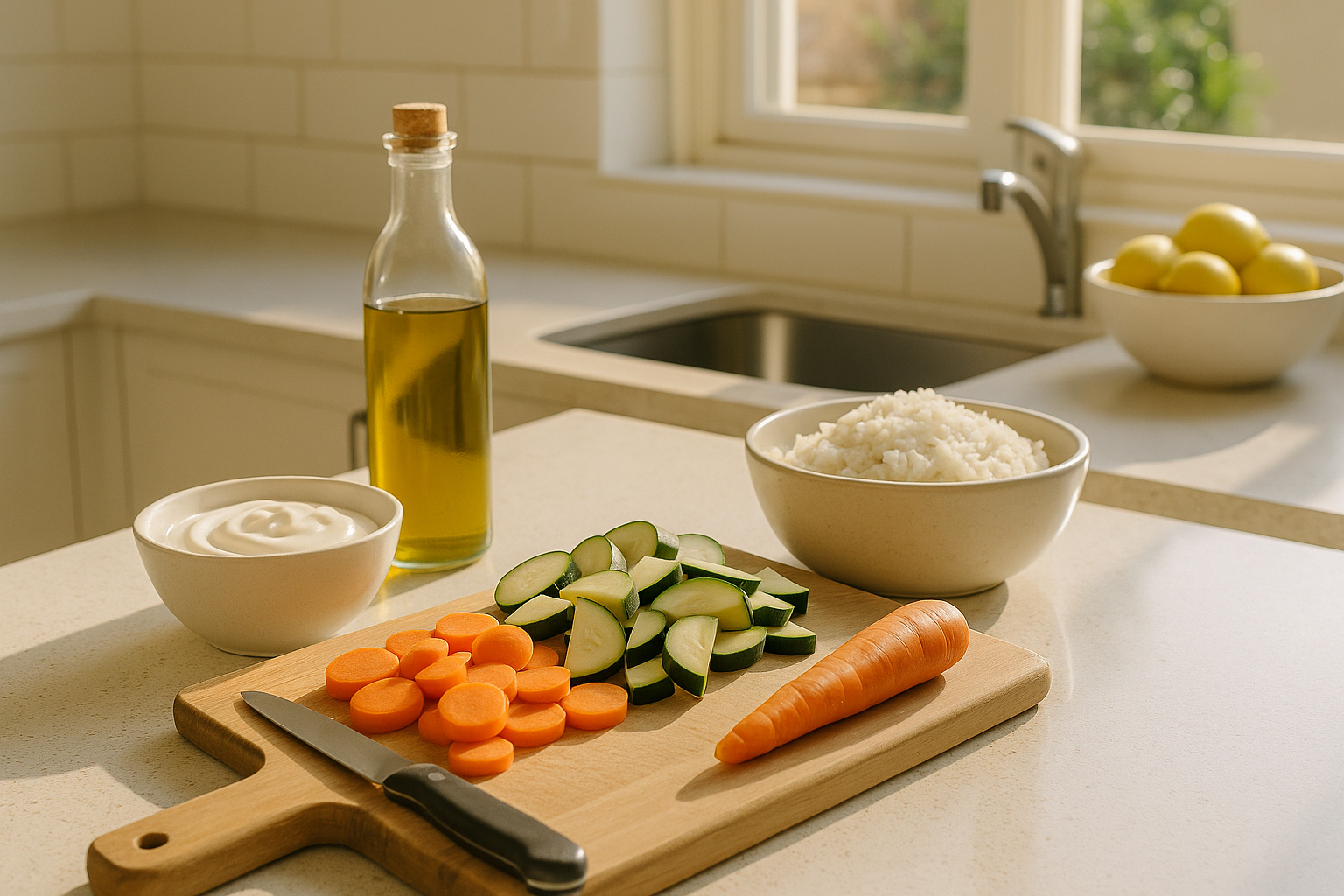
Gut-friendly meal prep setup in a bright kitchen

Gut health on the Gold Coast: what a dietitian does (and how to choose the right support)

If you’ve ever Googled “bloating after healthy foods” and felt like you need to cut half your diet, you’re not alone.

On the Gold Coast, it’s common to bounce between clean-eating rules, supplements and elimination diets. Symptoms may ease for a week, then return. Over time, your “safe foods” list shrinks and eating starts to feel stressful.

This guide breaks gut support into clear, practical steps. You’ll learn what to try first, what to avoid, and when it makes sense to book a gut health dietitian Gold Coast locals choose for a structured plan.

You’ll also see how to compare the options people commonly search for, including a nutritionist Gold Coast, holistic nutritionist Gold Coast, and a naturopath Gold Coast (or gold coast naturopath).

If you’re looking for support now, start here: Naturopath Gold Coast | Nutritionist Gold Coast | Beta Me.


When gut symptoms are “normal” (and when they’re not)
Keeping a simple food and symptom diary at home

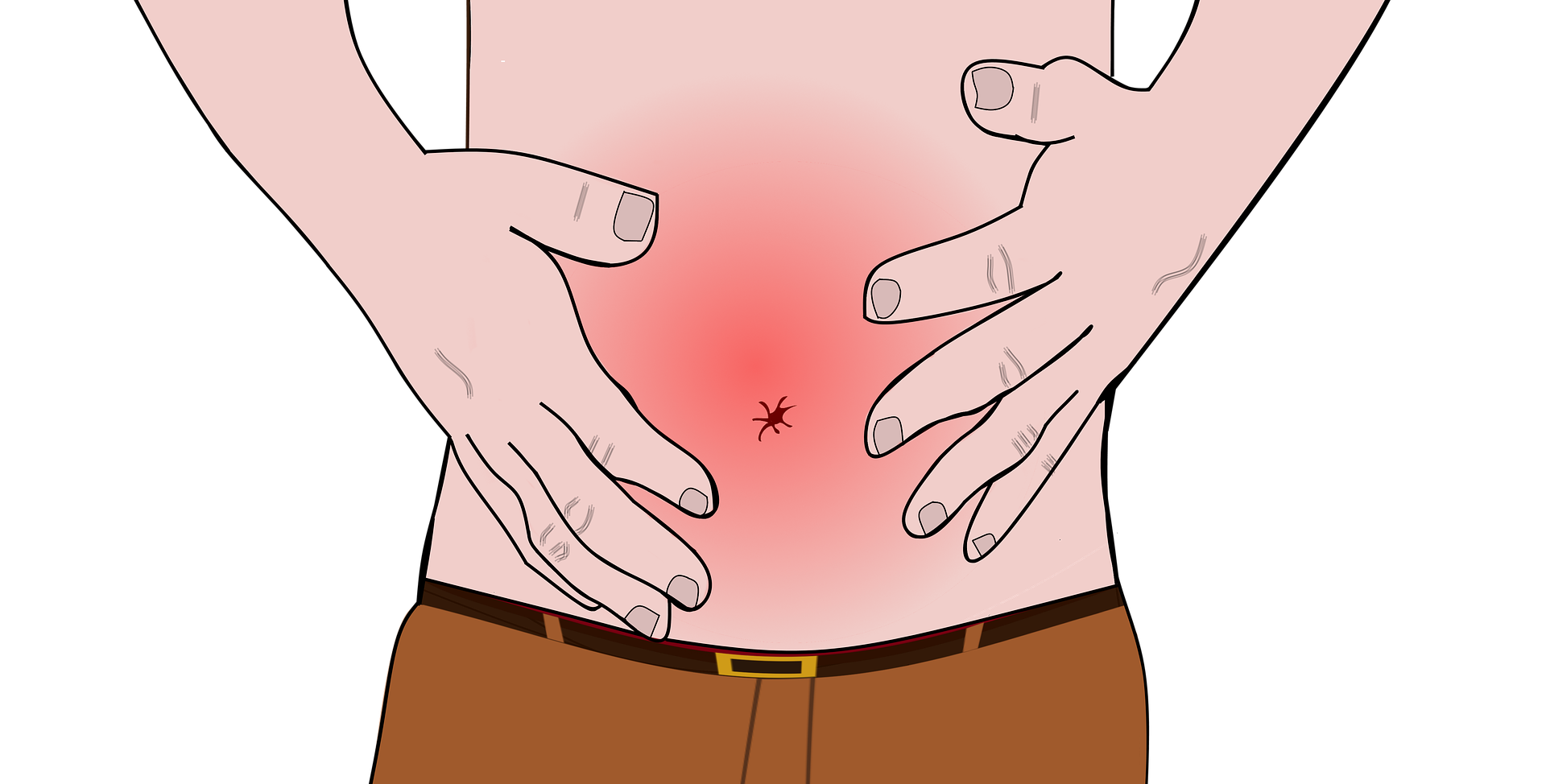
Digestive symptoms happen to everyone sometimes. It’s worth getting proper support when symptoms are frequent, painful, unpredictable, or affecting daily life.

People commonly seek help for:

  • Frequent or painful bloating
  • IBS-style symptoms (constipation, diarrhoea, or both)
  • Excess wind, cramping, reflux or nausea
  • Suspected food intolerance (especially when triggers aren’t clear)
  • Feeling stuck on a very restricted diet
  • Wanting a plan that fits real life (work, parenting, shift work)

Red flags: book a GP check promptly

Nutrition support can be helpful, but some symptoms need medical assessment first.

See your GP promptly if you have:

  • Blood in stools
  • Unexplained weight loss
  • Persistent vomiting
  • Severe or worsening pain
  • Symptoms that wake you from sleep
  • A strong family history of bowel disease

A good clinician will encourage appropriate medical checks before major diet changes.


What a gut health dietitian does (in plain English)

A gut-focused dietitian helps you move from:

  • “I feel awful after eating”

to:

  • “I understand my triggers, and I can eat more normally again.”

Most dietitian-led gut support includes:

  • Clarifying your pattern: what happens, when it happens, and what changes it
  • Identifying likely drivers: meal timing, fibre type, fermentable carbohydrates, fat load, caffeine, alcohol, stress, sleep, under-eating, and medication effects
  • Running a structured trial: targeted changes with a start date and a review date
  • Protecting nutrition adequacy: keeping protein, fibre, iron, calcium and overall intake on track
  • Reintroducing foods: building your personal tolerance (this is where many people get stuck)

If you’d like to understand how Beta Me approaches nutrition and naturopathy, read About Beta Me Nutrition & Naturopathy or About Danielle.


Common mistakes that keep gut symptoms going

1) Cutting too many foods too quickly

Removing gluten, dairy, legumes, onion, garlic, fruit and “all carbs” can reduce symptoms short term. But it can also:

  • Make meals hard to maintain
  • Increase anxiety around eating
  • Reduce fibre variety (which can worsen constipation over time)
  • Create nutrient gaps

A better approach is targeted change, with a clear reintroduction plan.

2) Treating bloating like one single problem

Bloating has more than one driver. Common contributors include:

  • Constipation (even mild)
  • Fermentation of certain carbohydrates
  • Large meals, fast eating, carbonated drinks
  • Hormonal shifts
  • High stress (the gut–brain axis)

This is why the “one food to blame” story often doesn’t hold up.

3) Confusing “healthy” with “tolerable right now”

Some high-fibre foods are nutritious, but harder to manage during a flare.

That doesn’t make them “bad”. It usually means you need a step-by-step build-up.


Practical steps to try this week (without overhauling your whole diet)

These are sensible starting points for many people. If you have complex health conditions, work with your GP and/or a qualified clinician.

Step 1: Set a basic meal rhythm

For 7 days, aim for:

  • 3 meals per day
  • 0–2 snacks if needed
  • Fewer very large, late meals

This can help with reflux, bloating and appetite swings.

Step 2: Slow down at meals

Try this simple rule:

  • Sit down to eat
  • Put your fork down between bites
  • Aim for 15–25 minutes per meal

Fast eating can increase swallowed air and worsen symptoms.

Step 3: Check common “hidden bloat” triggers

For one week, pay attention to:

  • Fizzy drinks
  • Sugar alcohols (often in sugar-free gum, lollies and “diet” products)
  • Very high coffee intake
  • Very large, high-fat meals

Step 4: Take a calmer fibre approach

If you’re constipated or irregular, avoid jumping straight into large fibre supplements.

Instead:

  • Change one thing at a time
  • Start with smaller serves and build gradually
  • Spread fluids across the day

Step 5: Track symptoms (briefly)

Keep it simple for 7 days:

  • Time of symptoms
  • What you ate (roughly)
  • Portion size (small/medium/large)
  • Stress level (low/medium/high)

This is often enough to spot patterns without obsessing.


If you suspect IBS: what evidence-based support can look like

IBS is common. Support tends to work best when it’s structured and reviewed.

A dietitian-led IBS approach often includes:

  • Identifying whether constipation, diarrhoea, or mixed symptoms are dominant
  • Trialling specific strategies (not everything at once)
  • Using time-limited restriction only when appropriate
  • Planning reintroduction carefully
  • Building a long-term “personal tolerance” plan

If your symptoms flare during stressful periods, the gut–brain connection matters. You can read more here: naturopathy support for anxiety on the Gold Coast.


Food intolerance: how to avoid getting stuck in restriction

Many people start with good intentions and end up with a shrinking “safe foods” list.

A practical intolerance strategy looks like this:

  1. Confirm the pattern (timing, dose, repeatability)
  2. Run a short, targeted trial (with a start and finish date)
  3. Reintroduce systematically (to find your threshold)
  4. Build a “yes list” of reliable meals you can repeat

Testing can be useful in some cases. It should support the plan, not replace it.


Dietitian vs nutritionist vs naturopath on the Gold Coast

People often search for:

  • gut health dietitian Gold Coast
  • nutritionist Gold Coast
  • holistic nutritionist Gold Coast
  • naturopath Gold Coast / gold coast naturopath
  • best naturopath Gold Coast” or “highly recommended naturopath Gold Coast

Those searches make sense. When you feel unwell, you want the best help you can find.

In practice, titles matter less than the process you’ll be guided through.

Questions to ask before you book

Look for clear answers to:

  • What will we change first, and why?
  • Will I receive a plan and a review timeline?
  • How will you keep my nutrition adequate while we trial changes?
  • Will you help me reintroduce foods and expand variety?
  • Can you coordinate with my GP or other allied health if needed?

Comparing a dietitian and a naturopath

It’s normal to compare a naturopath gold coast clinic with dietitian-led support. You might also see listings for a holistic nutritionist gold coast or a gold coast naturopath and wonder which is best.

If you’re deciding, look for:

  • A clear starting point (what you’re changing first)
  • A timeframe for review (so you’re not guessing for months)
  • A plan for liberalising your diet (not staying stuck in restriction)

For more on Beta Me services, visit Naturopath Gold Coast | Nutritionist Gold Coast | Beta Me.


NDIS support: gut health and day-to-day eating skills

Simple low-irritant meal example with rice and protein

If you’re looking for an NDIS dietitian Gold Coast or NDIS nutritionist Gold Coast, it helps to choose support that goes beyond a one-off meal plan.

Practical NDIS-focused nutrition support may include:

  • Simple, repeatable breakfasts and lunches
  • Sensory-friendly food options
  • Shopping and label-reading support
  • Hydration and routine support
  • Adjustments around appetite changes (where relevant)

Beta Me offers flexible consult options, including remote support: NDIS Nutritionist Gold Coast (in-home and remote options).

If hands-on support would help, explore mobile consultations on the Gold Coast and Supermarket shopping tours on the Gold Coast.


How to choose the right gut health support (and what to expect)

Reading food labels at the supermarket for gut-friendly choices

You’re looking for someone who can translate gut science into real-life meals.

Consider booking support if you want:

  • A step-by-step plan (not random rules)
  • Help balancing symptom relief with nutrition adequacy
  • Guidance through reintroduction, so your diet expands again
  • Strategies that fit work, family, training and social life

If you’re also searching for a dietitian Currumbin, ask about appointment formats that make follow-up easy. Follow-up is often where people build confidence and consistency.


Ready for a calmer, more structured plan?

If you want clear guidance (rather than another round of guesswork), Beta Me can help you take the next sensible step.

A useful first consult is straightforward. Bring:

  • Your main symptoms
  • How long they’ve been happening
  • What you’ve already tried
  • Any relevant test results your GP has organised

From there, you can move into a structured plan with review points and a clear path back to a more normal diet.

Next steps


Kitchen scale for portion checking during a nutrition trial

FAQs

When should I see my GP before changing my diet?

See your GP promptly if you have blood in stools, unexplained weight loss, persistent vomiting, severe or worsening pain, symptoms that wake you from sleep, or a strong family history of bowel disease.

Do I have to do a strict elimination diet for IBS?

Not always. Some people benefit from time-limited restriction, but many do better with simpler first steps and targeted changes. If restriction is used, it should include a reintroduction plan so you’re not stuck avoiding foods long term.

What’s the difference between a dietitian, nutritionist and naturopath for gut health?

People search for a gut health dietitian Gold Coast, nutritionist Gold Coast, holistic nutritionist Gold Coast or naturopath Gold Coast for similar symptoms. Focus on the clinician’s process: assessment, a structured trial with review dates, nutrition adequacy, and reintroduction so you don’t stay stuck in restriction.

Can a naturopath help with gut issues?

Many people look for a gold coast naturopath (or search “best naturopath Gold Coast” and “highly recommended naturopath Gold Coast”). A naturopathic approach can be helpful when it includes thorough assessment, realistic changes and clear review points.

What if I’ve tried everything and nothing works?

Often it means the plan hasn’t been targeted, or it hasn’t been reviewed. A structured process—assess, trial, review, then reintroduce—usually gives better clarity than piling on more restrictions.
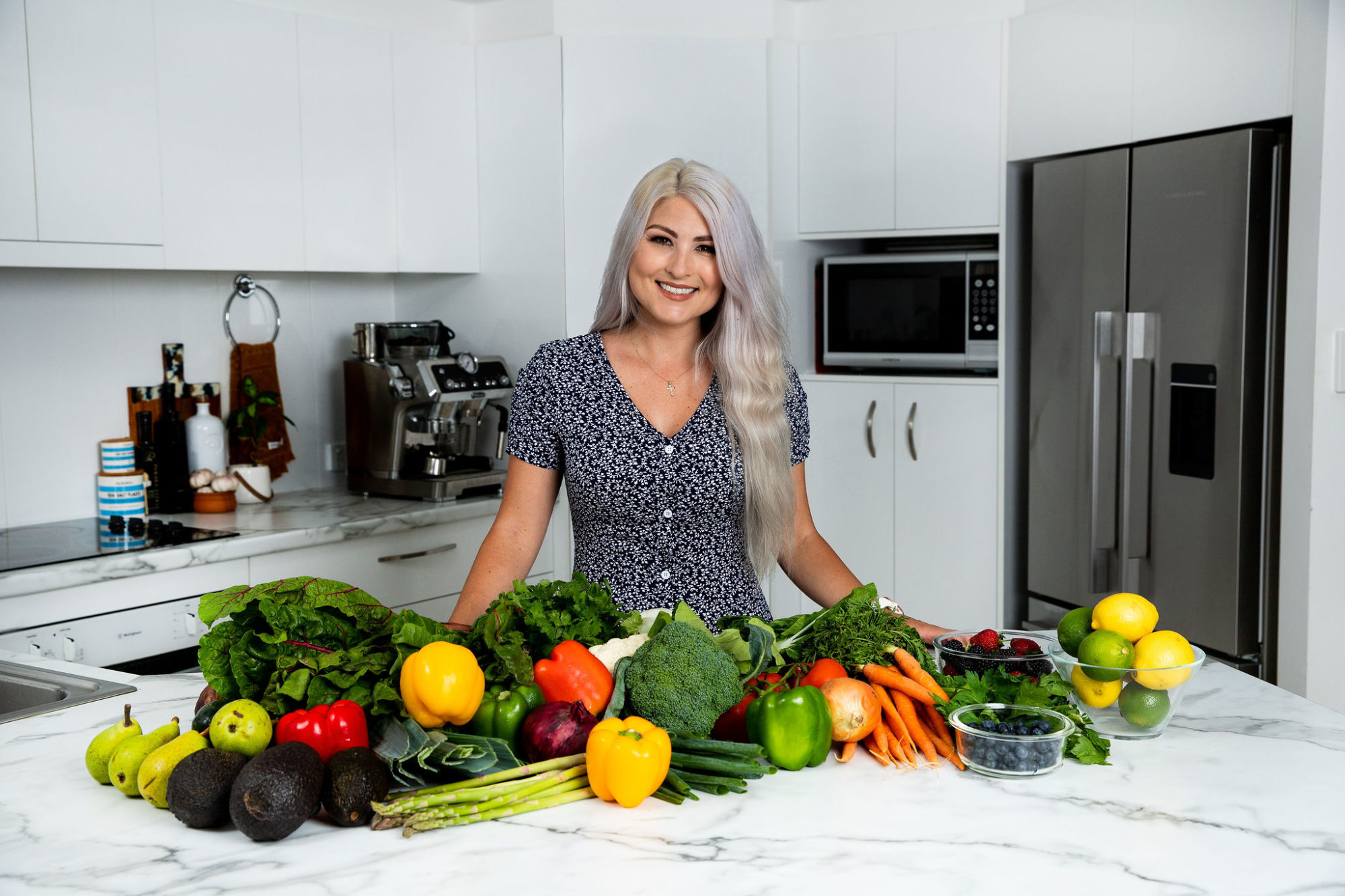

COLLAGEN – The gut and skin wonder nutrient

Collagen

The collagen market has hit the health and wellness industry by storm. Everyone wants a piece of the beauty pie. Claims of increasing skin elasticity, firming up sagging skin, healing damaged skin and on a less vein level, supporting joints and healing the gut have people scrambling at local health food stores, pharmacies and beauty houses for all things collagen. Now I have suggested here that the vanity side of things might be completely separate from the gut, but in reality, the gut and skin are very closely connected.

We all begin life as just one lonely little cell, in the comfy and warm womb of our mothers. From here, we very rapidly divide into many cells and develop until we become a fully grown baby. As we continue this growth some of our original cells and remain linked together. Our gut, skin and brain are connected closely by our original tissues.

This has led research to identify a clear link between the gut, skin and associated skin conditions.

Did you know the skin is our body’s largest organ?

As a structural organ, the skin plays a very important part in maintaining a healthy body from:

  • UV damage (from the sun)
  • Dietary and environmental factors that cause free radical damage
  • Environmental pollutants
  • Physical stress placed on the skin

Other factors may affect the health of our skin including:

  • Hormone imbalances
  • A poor diet
  • Alcohol
  • Dehydration
  • The dysfunction of other organs such as the liver and gut

So, what about collagen then?

Collagen is found naturally in the structural makeup of our skin. It plays a large role in skin elasticity, ensuring that our skin does not sag and wrinkle, which is why the beauty industry has made a fortune out of topical collagen products. Collagen is also found in the gut lining playing a similar healing and protective role, but on a deeper level that we cannot see. Although, those with gut problems such as leaky gut will soon discover the benefits after taking collagen supplements or increasing collagen naturally with food.

PLUS Vitamin C

Collagen is heavily reliant on the incredibly famous antioxidant known as Vitamin C for production in the body. Including several sources of Vitamin C rich foods in the diet daily can boost your chances of producing enough collagen to achieve that beautiful, firm glow you have been searching for, as well as do some fabulous healing work in the gut. Because both organs are so connected and so vital to overall health, it is important to work on both the skin and gut.

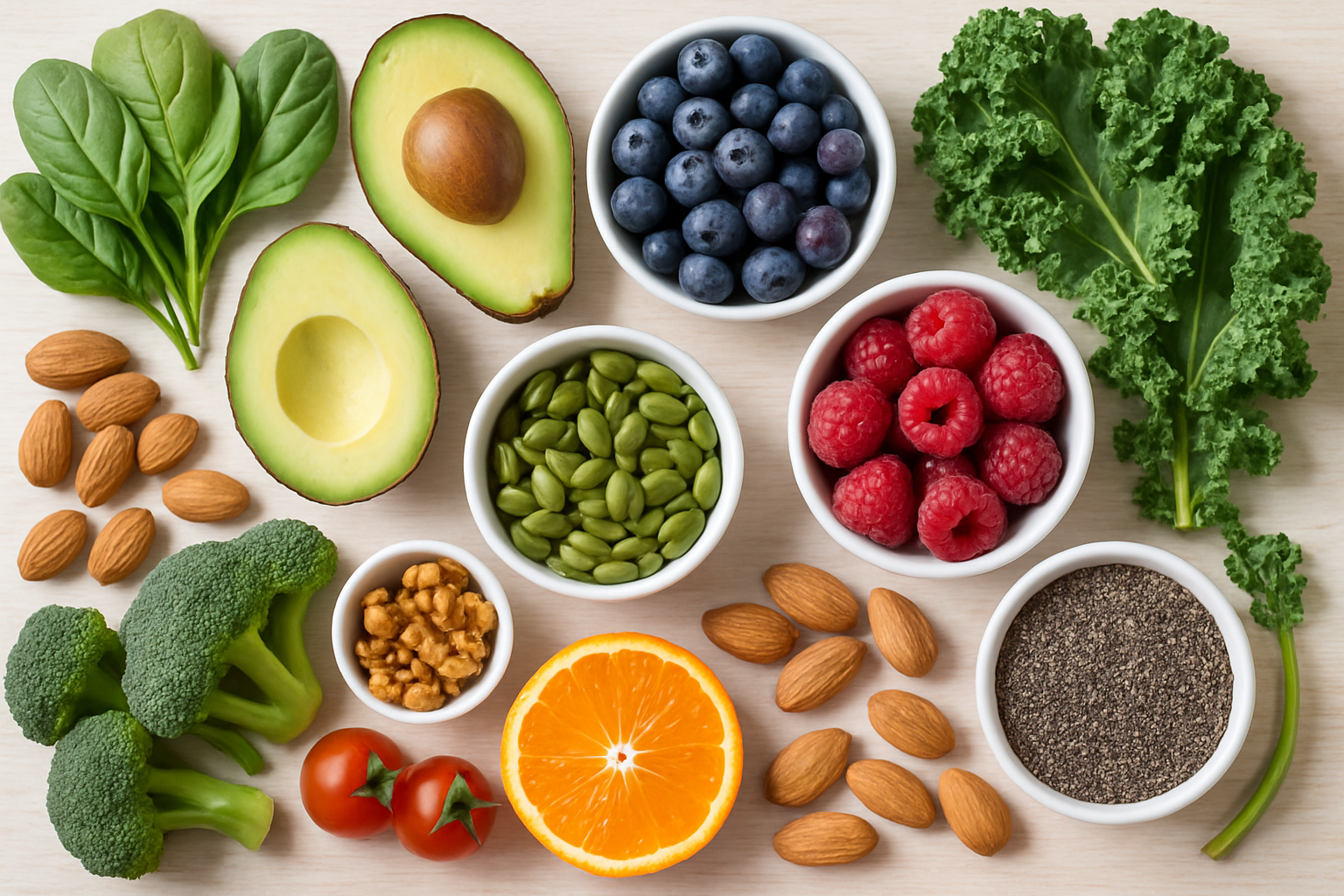
Here are some vitamin C rich food sources:

  • Broccoli, brussels sprouts, cauliflower
  • Capsicums
  • Chillis
  • Leafy greens (spinach, cabbage, kale etc.)
  • Sweet potatoes, pumpkins
  • Kiwi fruit
  • Mango
  • Pineapple
  • Papaya
  • Watermelon
  • All berries
  • Thyme
  • Parsley
  • Lemons, oranges, grapefruit

Sources of Collagen

  • Fish
  • Chicken
  • Turkey
  • Lean beef
  • Citrus fruits
  • Egg white
  • Garlic
  • Berries
  • Cashews
  • Green leafy vegetables
  • Soy products
  • Tomatoes
  • Capsicum

The road to healthy skin

The diet plays a key role in the health of our skin. The skin relies on essential nutrients to preserve its integrity and elasticity. Eating nutrient-rich foods often can ensure we are getting the variety of nutrients require for that all-important glow and youthfulness.

Enjoy Your Fruit & Veggies Plentifully

Fruit and vegetables are a given, we all know it, but we sometimes need to be reminded of this in these times of fast food and time-poor lifestyles. The antioxidants and phytochemicals (plant chemicals and nutrients) found in our fruits and vegetables help to maintain skin elasticity and integrity below the surface of the skin, as well as what we can see in the mirror. Fruit and vegetables also offer the gut the nutrients it requires to produce collagen and stressless hormones.

Eat Seasonally

Eating seasonally increases the nutritional profile of fruits and vegetables meaning you will get the most out of them!

Healthy Fats

Healthy fats are important in helping to build cell membranes and hydrate and plump the skin. Omega-3, omega-6 and monounsaturated fatty acids are the best of the fats.

Sources of healthy fats include:

  • Avocado
  • Nut butters
  • Nuts and seeds
  • Eggs
  • Oily fish (salmon, tuna, cod, sardines)
  • Olive oil
  • Olives

Prebiotics – Improve the health of your friendly gut bacteria

Our colon (the large bowel) has an enormously diverse number of healthy bacteria. Like us, they are living. These very live and operating healthy bacteria require fuel, much the same as we require fuel (food) to live, notably prebiotics.

What do they eat?

The preferred fuel source of our healthy friends are called indigestible carbohydrates known as prebiotic fibres to undertake the vast array and very important roles they play in our health.

What do they do for us?

Our healthy bacteria are responsible for regulating the immune system, metabolism, energy production and much more.

It is important to ensure we are consuming enough prebiotic fibres from our food to sustain our friendly colonic bacteria. Because, let’s face it, without them and their health, we would be sick, tired and lethargic and that is just the beginning. Unfortunately, many of those who presented to clinic have already reached the sick, tired, and lethargic stage and require supportive treatments to reorganise, rebuild and repopulate their healthy bacteria.

Why are prebiotics considered indigestible?

  • They are resistant to the acid and enzymes found in our stomach.
  • They are fermented by our healthy bacteria (as their food and energy source).
  • They become a source of fuel to help the healthy bacteria grow and produce the materials. required to keep us healthy and happy.

What is Guar Gum?

Guar gum is a prebiotic fibre that is popular in many packaged food items and baked goods. In these food forms, guar gum may not offer its full nutritional potential. However, on its own guar gum is seen as a gut friendly ingredient that feeds our little gut ‘besties’.

What are the benefits of Guar Gum?

This gum is tasteless, odourless and helps to improve toileting habits. It does this by increasing the bulk of the stool, drawing in water and reducing the straining that often accompanies constipation.  Guar gum has been praised for its positive effects in Irritable Bowel Syndrome (IBS) and other digestive complaints such as gas, bloating and discomfort thanks largely to its prebiotics properties.

Some popular dietary fibres have demonstrated risks for nutrient absorption. Guar gum however, has not shown the same risks and is therefore suitable for those suffering from iron, zinc and calcium deficiencies under the care of a health professional.

Simple use tips

You can add Guar gum to smoothies or protein shakes to make them like thick shakes or play around with the quantities to blend protein powder and water into a mousse. You may also like to thicken home-made soups, stir fry sauces or salad dressings.

[chained-quiz 1]

Let’s Talk Tummy Troubles – IBS

IBS

Did you know up to 30% of Australians may experience symptoms of irritable bowel syndrome (IBS) at some point in their life?

IBS is extremely common, so don’t feel like you are suffering alone.

What is IBS?

IBS is characterised by lower abdominal pain more frequently presenting on the left side of the abdomen. It may be worse in the morning and improves after evacuating the bowels or releasing flatulence.

There may be urgency to reach a toilet to evacuate bowels, but the evacuation may feel incomplete. Some experience incontinence, where poor muscular function of the gastrointestinal tract prevents the ability to hold on until access to a toilet is available. Many complain of bloating, gas, abdominal pain and distension which may become worse again towards the end of the day.

For some suffers IBS can become self-limiting and socially embarrassing. Fear of not being able to access a toilet quick enough may prevent people from leaving their home, or fear of un-welcome flatulence may limit conversations and leave people feeling isolated.

Those who suffer with IBS may feel as though everything they eat triggers their symptoms, so they refuse to or avoid eating outside of home.

Poor muscular function and urgency may reduce the suffers confidence in engaging in exercise, only to weaken muscles further.

Symptoms include:

  • Abdominal pain
  • Fluctuations between diarrhoea and constipation
  • Bloating and abdominal distension
  • Gas/flatulence
  • Urgency to pass bowel motions
  • Undigested foods or mucus in the stools
  • Fatigue
  • Anxiety

What causes IBS?

  1. Stress and anxiety

Just as IBS can cause stress and anxiety, stress and anxiety can contribute to IBS symptoms. The gut-brain axis is being recognised as a very real event by medical researchers. Our body has many messenger paths connected to our nervous systems that interact closely. When the brain is not happy, it disrupts the messages and functionality of the digestive system, contributing to symptoms such as nervous diarrhoea.

2. Intolerances

Food sensitivities and intolerances are becoming more common. These intolerances create inflammation and gaps in the gut wall (leaky gut) which aggravate the digestive system and the healthy bacterial colonies that reside in the intestines, leading to gas, bloating and constipation or diarrhoea.

3. Previous disruptions to the gastrointestinal tract

Travellers diarrhoea and attacks of gastroenteritis have been linked to increased cases and symptom presentation of IBS. The toxins that are released during an active infection disrupt intestinal wall and nerves that line the gastrointestinal tract. This damage lingers long after the infection has been effectively cleared.

4. Medication

A long history of medication use and polypharmacy (many medications at once) can damage and inflame the gastrointestinal tract and may aggravate or contribute to leaky gut.

Did you know women may experience a worsening of symptoms during their menstrual cycle?

What are some of the dietary and lifestyle factors that may aggravate your symptoms?

  • Drinking alcohol
  • Drinking large amounts of caffeine
  • Eating high amounts of sugars
  • Medications that may contribute to constipation (iron, pain medications, NSAIDS, sedatives, blood pressure medication, antidepressants, OCP).
  • Medications that contribute to diarrhoea (antacids, laxatives, blood pressure medications, antibiotics)
  • Fatty, fried foods
  • Food sensitivities
  • Stress
  • Environmental toxins
  • A history of traveller’s diarrhoea infection

What are dietary treatments and management options?

Nutrition professionals will often suggest a FODMAP dietary protocol for those with IBS.

FODMAPS (Fermentable, Oligosaccharide, Disaccharide, Monosaccharide and Polyols) are fermentable sugars found in many common foods, some of which are foods that would normally be considered healthy in a normal healthy person. In someone with IBS, some FODMAP foods may cause the bacteria in the gut to ferment these sugars leading to IBS symptoms.

The program is a strict, drawn out protocol with a step by step process, which requires a great deal of commitment and compliance, though, the results are often very pleasing for IBS sufferers. It can improve symptoms and move someone from feeling as though every single food creates symptoms, to identifying exactly which foods are causing aggravations while enjoying others first thought to cause problems. It is recommended that the protocol be undertaken while under the support and guidance of your nutrition professional.

Overall Guidelines for improve digestion

  • Reduce portion sizes and frequency – allow your body to efficiently digest foods
  • Eat a healthy, varied diet
  • Drink adequate amounts of fluids – particularly water and herbal teas
  • Chew your food thoroughly to assist in the digestive process
  • Identify actual intolerances – do not exclude food groups long term ‘thinking’ they may be causing symptoms to become aggravated
  • Ensure dinner is eaten as early as possible to avoid going to bed on a full stomach
  • Keep track of what you are eating and notice the symptoms – not all symptoms will present immediately – take these to a nutrition professional for assessment
  • Stay active – this will improve digestion, reduce stress and enhance circulation
  • Reduce stress and anxiety
  • Fibre is important but find your balance
  • Avoid alcohol as much as possible
  • Avoid caffeinated beverages – soft drinks, coffee and black tea
  • Protect and enhance your healthy gut bacteria because they will return the favour!

Step up your digestive game with these simple steps

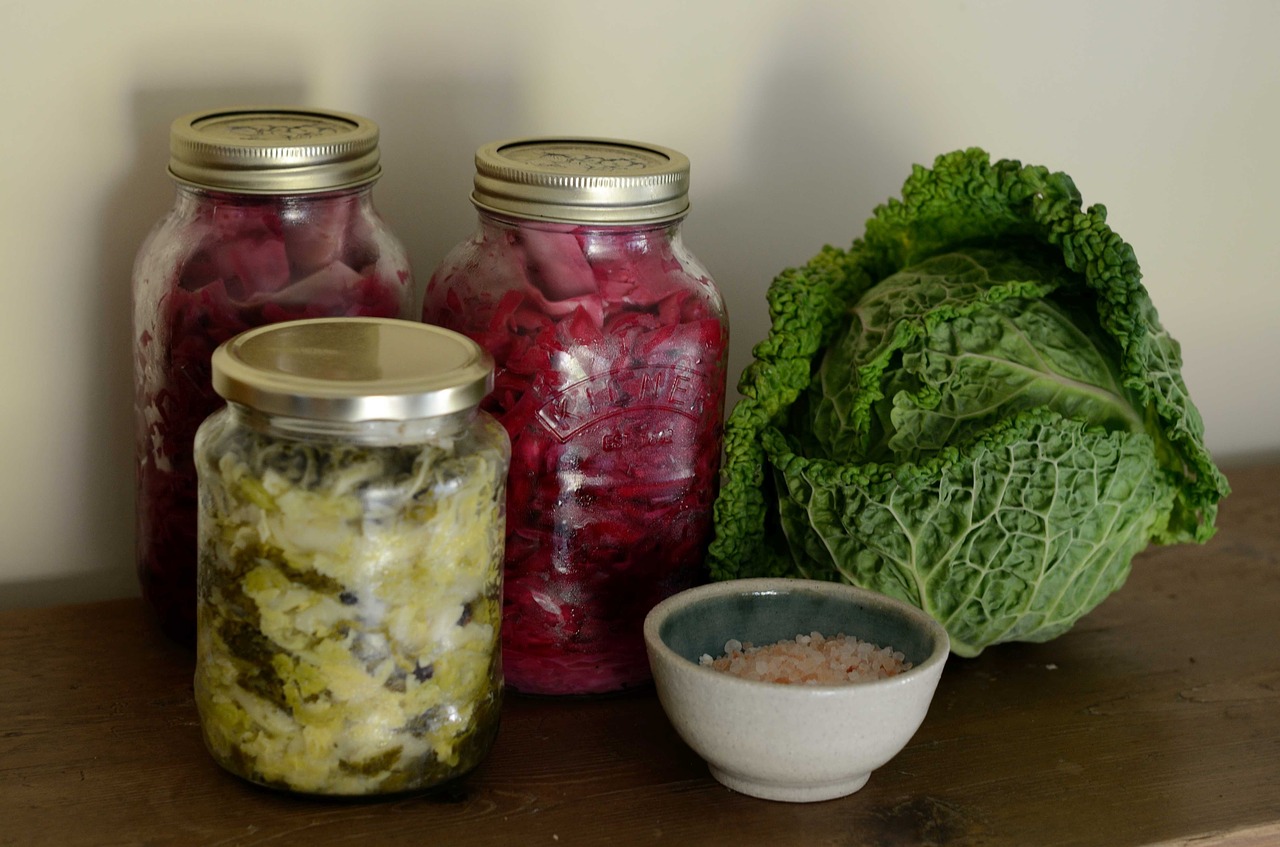
sauerkraut

1

Make fermented foods a staple in your diet.

Foods that have been fermented allow for the introduction of healthy gut bacteria into the digestive system to assist in digestive processes. Fermented foods themselves are easier to digest.

Fermented foods include:

  • Kefir
  • Sauerkraut
  • Kim chi
  • Organic natural yoghurt
  • Kombucha
  • Tempeh
  • Miso

Probiotic supplements can also increase the healthy colonies of bacteria that reside in your digestive system.

2

Increase dietary fibre

Soluble and insoluble fibres are essential to a healthy gastrointestinal system and reduce constipation. It is important to keep hydrated any time fibre is increased. Additionally, fibre is an effective waste eliminator as it binds to waste materials along the gastrointestinal tract and takes it out of the body with bowel motions.

Psyllium husk is an easily accessible supplementary form of fibre that can be added to water, juice or cereal.

3

Embrace the power of Apple Cider Vinegar

Combat indigestion, reflux, bloating, gas by adding 1-2 tsp ACV and a squeeze of fresh lime juice to warm water prior to each meal.

4

Drink up!

Water that is…

Hard stools are never fun and being dehydrated is a significant factor in hard stools, straining and constipation. For most healthy adults more than 2L of water daily is recommended.

5

With pro come pre-biotics

Prebiotics are indigestible carbohydrates that are fermented by the healthy bacteria (probiotics) in the digestive tract. The fermentation process provides food or fuel for probiotics to enhance growth and functionality in digestive processes.

Prebiotic foods include:

  • Artichokes
  • Leek
  • Onions
  • Garlic
  • Beans
  • Asparagus
  • Slippery elm
  • Psyllium

6

Enzyme supplementation

No matter how perfect your diet may be, a lack of digestive enzymes will hinder your digestive capabilities. Supplementation with digestive enzymes prior to meals can assist in reducing the uncomfortable symptoms associated with poor digestion. You can obtain certain enzymes from foods such as, papaya, kiwi fruit and pineapple.

7

Herbal teas not cawfees

Coffee has stimulative and irritative effects on the gut, which can contribute to digestive discomfort, inflammation and diarrhoea. Herbal teas are soothing and nourishing to the gut and increase hydration. Certain teas such as ginger, peppermint, turmeric, chamomile and liquorice tea can reduce flatulence, decrease inflammation and bloating.

8

Mooove

Remaining active increases circulation and stimulates peristaltic muscle movements that push food around and through the digestive tract. Even short gentle exercise after meals can go a long way in the fight for a healthy digestive system.

9

Stress less

Stress is a significant driver in poor digestion. It seems strange and totally unconnected but, the energy that would normally be used in digesting foods is diverted to the brain and muscles to manage stressresponses.

Manage stress with:

  • Deep breathing
  • Meditation
  • Epsom salts baths
  • Adequate sleep
  • Engaging in arts and crafts or any down-time hobbies

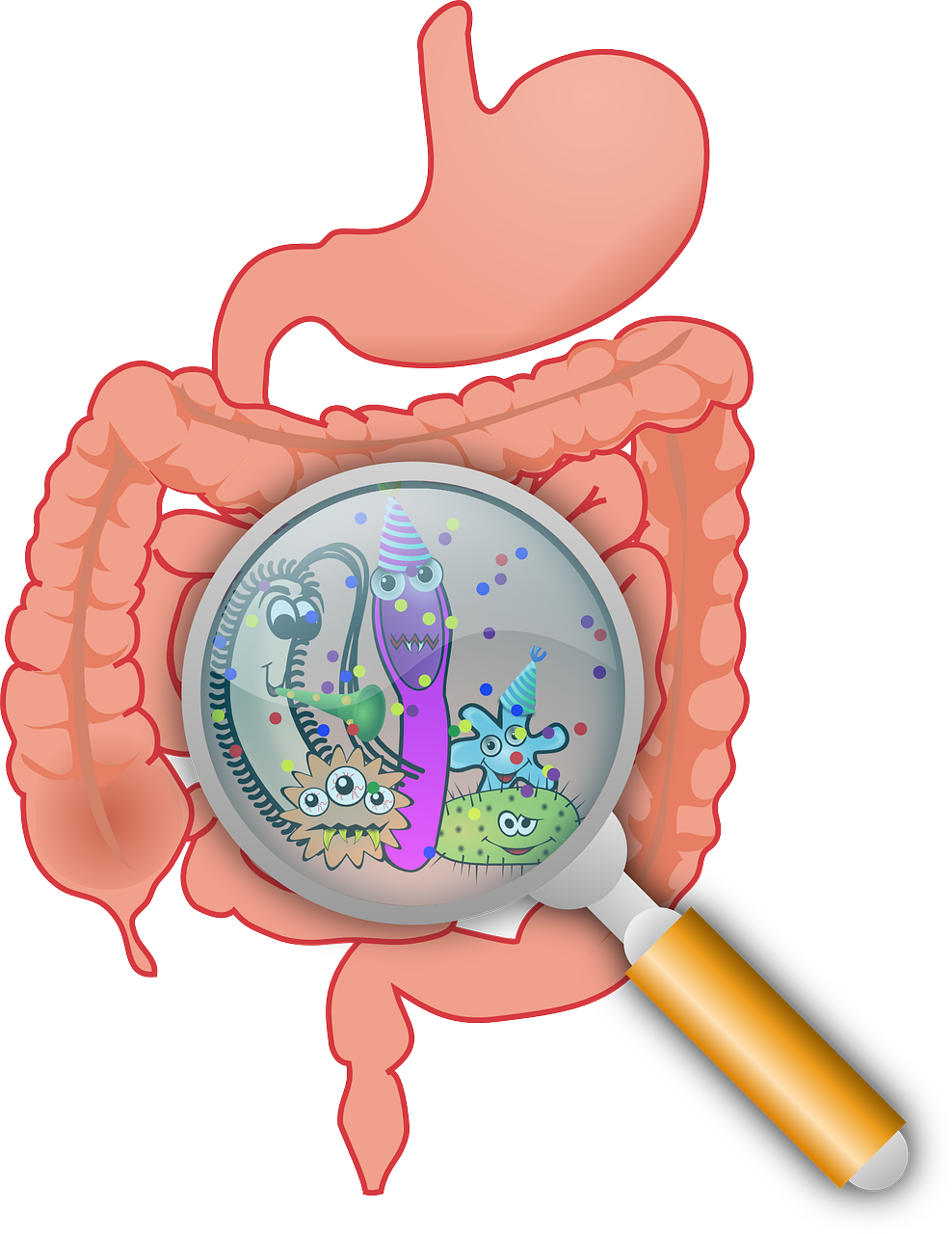
Are Intestinal Parasites Affecting Your Quality of Life?

Intestinal Parasites


Intestinal parasites are far more common than most would think or hope. They may not be easily identified and seen with the naked eye, however, these shifty, not so friendly residence of the body can be wreaking havoc. Parasites can be anything from teeny tiny little organisms, right up to large worms that span much of intestines…and that’s LONG!

These nasty fellows can cause wide spread inflammation in the muscles, skin, gut, and brain. Some of the outward symptoms that may be seen can include:

  • IBS
  • Gastritis
  • Joint pain
  • Allergies, sensitivities and intolerances to various food items
  • Seasonal allergies
  • IBD etc…

In addition to the above malady’s parasites are nice enough to feed on our blood and take nutrients from us. This can lead to nutrient insufficiencies such as iron and protein malabsorption and deficiency.

Some are even clever enough to be able to access the blood stream and enter our vital tissues, feeding off of them like vultures and sometimes leaving behind ulcers and scaring. Tissues that can be impacted include

  • Liver
  • Stomach
  • Muscles
  • Lungs

So how do we get lucky enough to contract parasites?

  • Contaminated water and food
  • Touching feces
  • Insects e.g. mosquitos
  • Bodily fluids such as in sexual intercourse and kissing
  • Nasal passages
  • Having a low immune system
  • Poor hygiene

Some major symptoms of infection with parasites, such as commonly know Giardia and Cryptosporidium include:

  • Diarrhea
  • Fatigue
  • Joint pain
  • Dehydration
  • Nausea
  • Abdominal discomfort

These are often immediate symptoms but can also last long after the initial infection.

Before deciding on a treatment, it is extremely important that you refer to your healthcare practitioner for testing to be conducted to determine exactly which parasite you need to address, if any.

But, despite all of this horrific information, fear not. Not all hope is lost if you do happen to be stuck by a troublesome little parasite. Food and herbal treatments have shown efficacy in eliminating or reducing the toxic and life altering effects that parasites can inflict.

Pumpkin Seeds or Pepitas

They are not only a delicious addition to your salads and snacking routine, adding both flavour and texture, but are praised for their anti-parasitic activity. They are paralytic to parasites, particularly helminths such as worms.

Speak to a natural health practitioner on what some of the preparation techniques are for using pumpkin seeds as parasite evacuators!

Oregano Oil

The oil from this delightful culinary herb is highly antimicrobial and can be effective in knocking parasites out of the park (or intestines). It is important to use the oil of oregano under the guidance of a trained health professional for dosing safety, quality and efficacy.

Garlic breath anyone?

I don’t know about you, but I would take garlic breath over the pain of intestinal parasites any day of the week.  

The sulfur rich amino acids and allicin that are found in garlic dominate parasitic infection. These compounds are released only through the fine dicing or mincing of the fresh garlic bulbs. They should be left to sit for approximately 5 minutes before consumption.

Oil of Clove

In short, simple and effective explanation, clove oil is effective at eradicating parasitic eggs. As with the previous remedies supervision and guidance from a qualified health professional is recommended for safety and effective dosing.

Papaya and Pineapple Fruit

These pretty, sweet tropical fruits boast amino acids and the digestive enzymes known as papain (papaya) and bromelain (pineapple). These actives create an unfavorable living space for intestinal parasites. Papaya seeds have demonstrated significant benefits in the eradication of intestinal parasites, although caution and professional support should be obtained before commencing with these natural treatments.

Reducing parasites through diet

Enzymes and acids play an active role in reducing susceptibility and eliminating parasitic infections. The idea is to develop an environment that makes it difficult for the parasite to thrive and survive. Enzymes and organic acids make up a portion of all fruits and vegetables including:

          kiwi fruit, papaya, pineapple, avocado, citrus, berries

          sauerkraut, kimchi, green leafy vegetables, broccoli etc.

A good intestinal flora is also a vital preventative and treatment to the nasty parasitic bugs that can enter our system uninvited. Fermented food products such as apple cider vinegar, unsweetened kefir, sauerkraut and kombucha along with a good quality probiotic support a healthy gut colony.

Sugar and its parasitic loving powers

Sugar and low GI (low fibre) carbohydrates set up the perfect environment for a healthy parasite to thrive and continue to wreak widespread havoc on the body. Sugar and carbohydrates feed and give energy to parasites and allow them to grow and become active throughout the body. Eliminating sugary, high carb foods and alcohol (of course) can reduce susceptibility to parasites and diminish the ability for active parasites to survive.

If you know you have a parasitic infection or suspect you may have based on your symptoms, it is important that you contact a health professional to begin eradication and the healing of the gastrointestinal system as soon as possible. Long term parasitic infections that are allows to remain dormant or active in the intestines can lead to longer term complications that can impact the entire body including digestive complaints, joint pain and nervous system complications.

Contact Danielle

Loading...