
Gold Coast Supermarket Shopping: Common Mistakes to Avoid (and What to Do Instead)

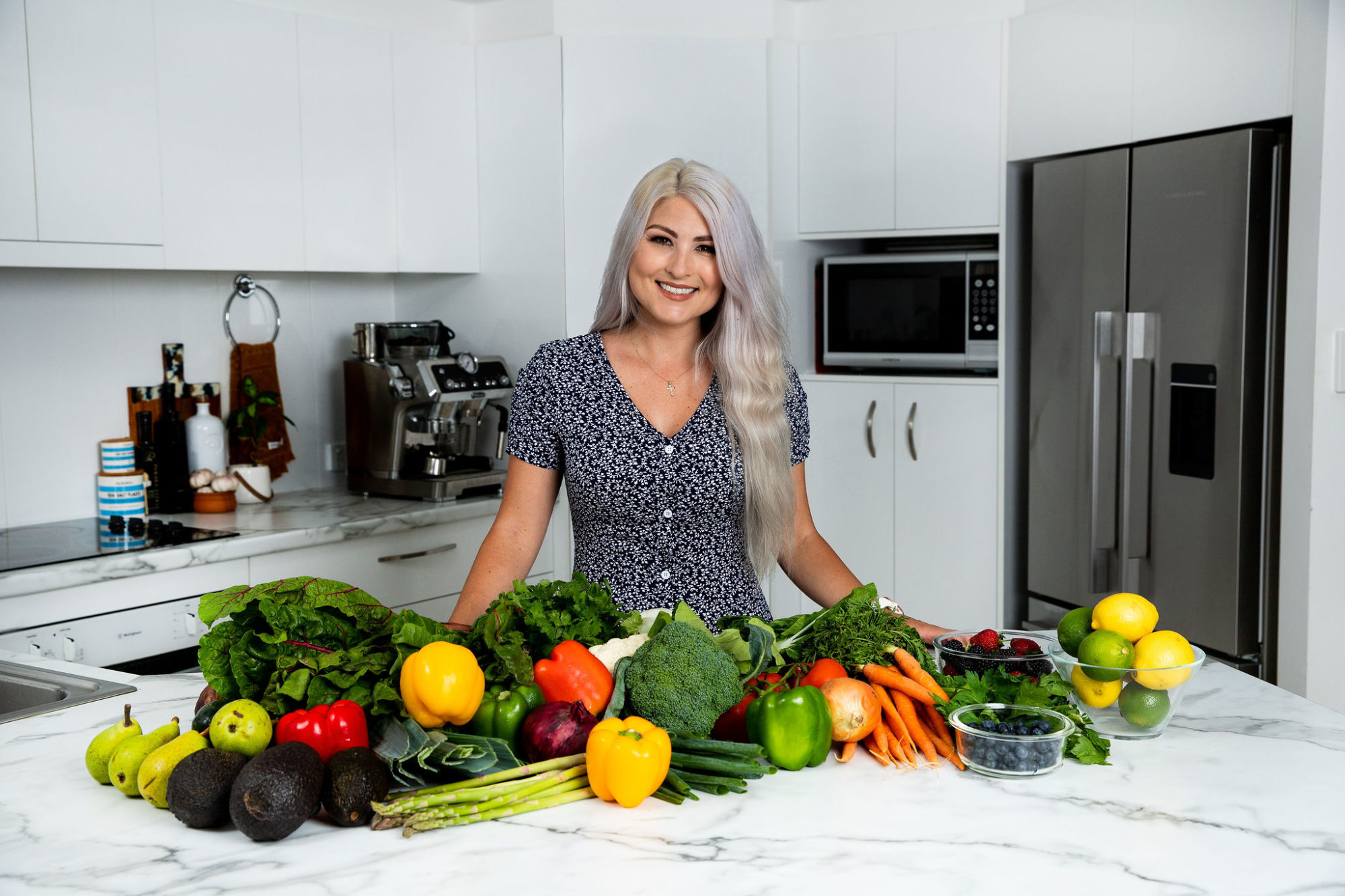
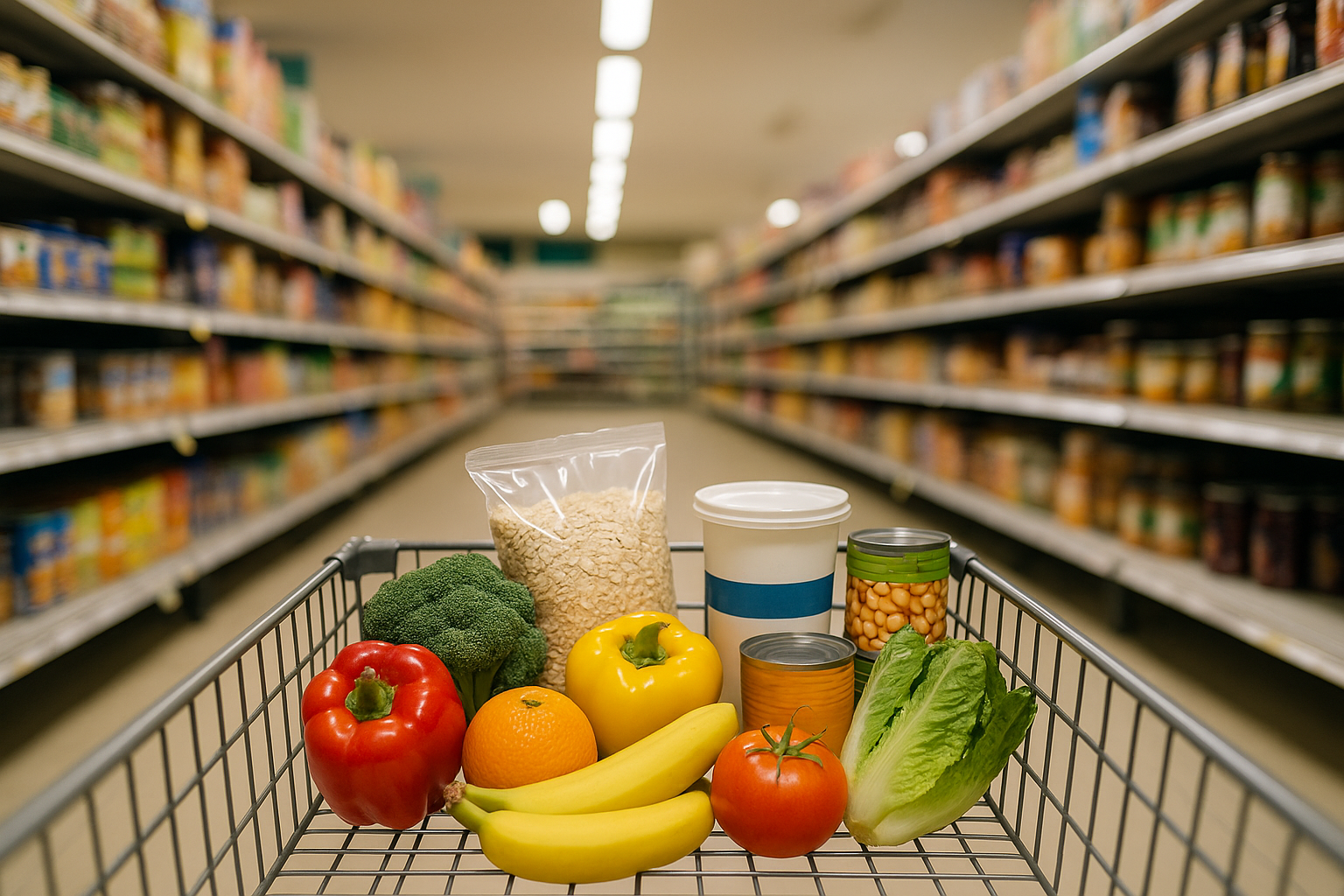
A supermarket trolley with whole foods for a healthy weekly shop on the Gold Coast

Gold Coast supermarket shopping: common mistakes to avoid (and what to do instead)

You walk into the supermarket for “a few things” and leave with two bags of snacks, a dinner you’ll still need to cook from scratch, and a receipt that makes your eyes water.

If that sounds familiar, you’re not alone. For many Gold Coast homeowners, supermarket shopping is where good intentions fall apart—especially when you’re busy, feeding a family, managing gut symptoms, or trying to improve energy and mood.

Below are the most common mistakes I see (and the fixes that actually work). You don’t need perfection. You need a plan you can repeat.

Mistake 1: Shopping hungry, rushed, or stressed
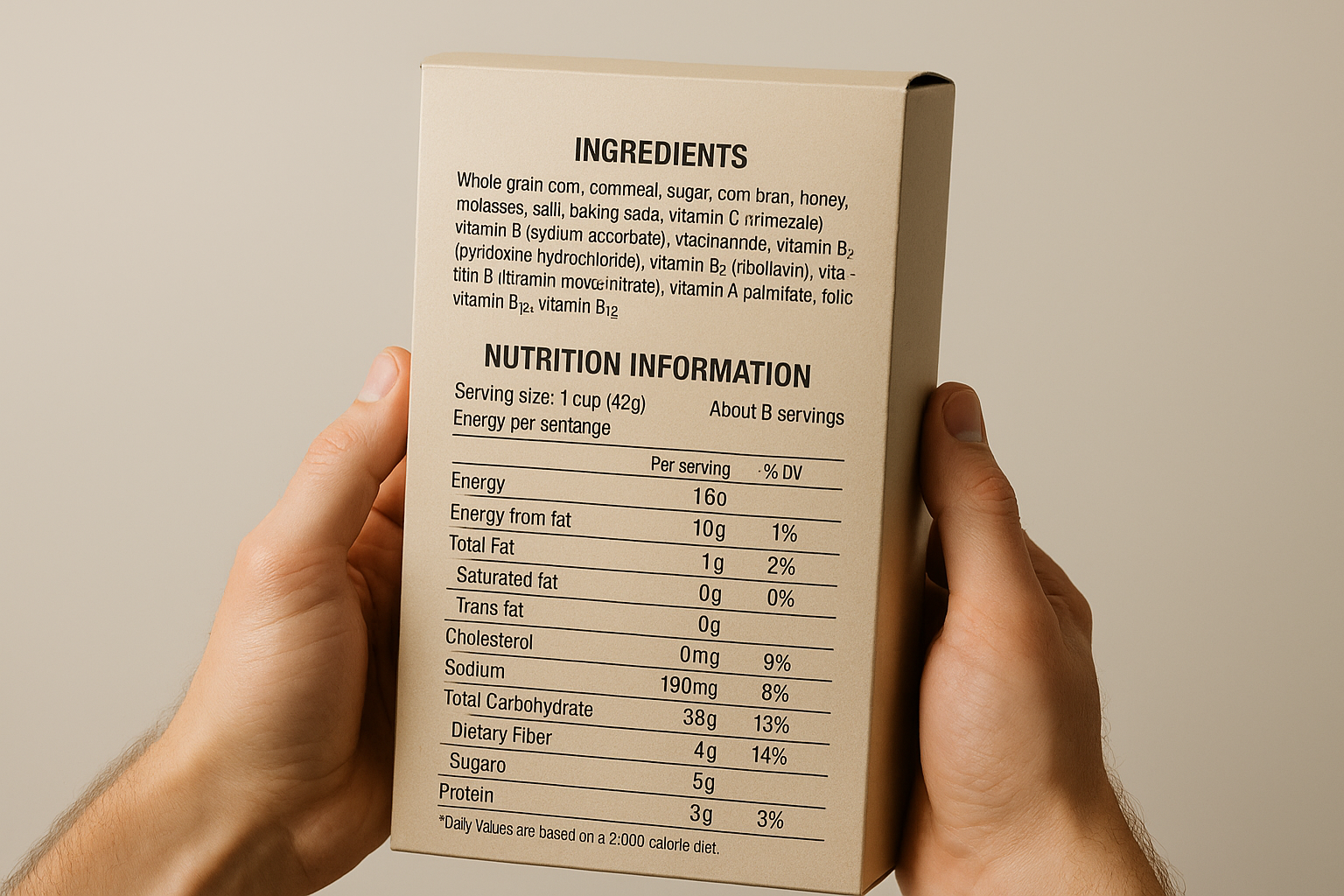
Reading the ingredients list and nutrition panel while shopping

Ingredients first: it’s the quickest way to avoid marketing traps.

When you’re under pressure, your brain goes for quick dopamine: packaged snacks, “easy” dinners, and extra treats “just in case”. It’s not a willpower issue. It’s physiology.

Do this instead

  • Eat something small before you go: yoghurt + fruit, a boiled egg + toast, or a handful of nuts.
  • Set a 3-part mission: protein + veg + fibre. If your trolley has those, the week goes better.
  • If stress or anxiety is driving food choices, support matters. If you’ve been searching for an anxiety naturopath Gold Coast service, Beta Me has an evidence-informed approach that can pair nutrition strategies with nervous system support: https://betame.com.au/anxiety/

Mistake 2: Believing front-of-pack health claims

“Natural.” “Gluten-free.” “No added sugar.” “High protein.” These can be true and still not suit your goals.

Common examples:

  • “No added sugar” snacks that rely heavily on sweeteners and keep cravings going.
  • “High protein” bars that are still very low in fibre and easy to overeat.
  • “Gluten-free” products that are fine for coeliac/gluten intolerance, but not automatically healthier.

Do this instead: a 20-second label check

  1. Ingredients list: look for foods you recognise. Shorter isn’t always perfect, but it helps.
  2. Fibre: for breads/cereals/snacks, higher fibre often equals better appetite control.
  3. Added sugars and sodium: compare within the same category.

If you want this made simple, a guided shop can be a game changer: Supermarket Shopping Guide Gold Coast (Shopping Tour) https://betame.com.au/mobile-consultations/supermarket-shopping-tours/

Mistake 3: Buying “healthy” snack foods instead of real meal building blocks

A trolley full of snack plates can look virtuous—rice crackers, muesli bars, protein balls, dips, “clean” treats—but you still don’t have proper meals.

Do this instead: shop for three dinners first
Pick three repeatable options that don’t require a new recipe every week.

Practical dinner templates (fast and realistic)

  • Tray bake: chicken or tofu + frozen veg + olive oil + spices.
  • Bowl meal: microwave rice + tinned salmon/tuna/chickpeas + salad mix + dressing.
  • Stir-fry: pre-cut veg + mince/tempeh + a sauce with lower sugar/sodium + noodles.

Once dinners are covered, snacks become optional—not emergency calories.

Mistake 4: “Gut health” shopping that’s too restrictive (or too expensive)

If you’ve ever googled gut health dietitian Gold Coast or holistic nutritionist Gold Coast, you’ve probably seen conflicting advice: cut dairy, cut gluten, cut FODMAPs, add powders, add probiotics, buy speciality everything.

Restriction can be helpful in specific cases, but self-prescribing a long list of “no” foods often backfires:

  • less fibre variety
  • more stress around food
  • fewer easy meal options

Do this instead: prioritise gut basics first

  • Fibre foundations you can tolerate: oats, chia/linseed, legumes (if suitable), veg, fruit.
  • Fermented foods you tolerate: yoghurt, kefir, sauerkraut (small amounts).
  • Regular meal timing: erratic eating can worsen reflux, bloating, and cravings.

If you have ongoing symptoms (bloating, pain, diarrhoea/constipation, reflux), personalised guidance helps you avoid unnecessary restriction. Beta Me supports Gold Coast clients looking for a nutritionist Gold Coast option and naturopathy-informed care: https://betame.com.au/

Mistake 5: Overbuying fresh produce… then wasting it

Buying “aspirational” produce feels healthy. Then Wednesday hits, you’re exhausted, and the greens go slimy.

Do this instead: mix fresh + frozen + tinned

  • Buy 2–3 fresh veg you’ll definitely use.
  • Add frozen veg for back-up (stir-fry mix, peas, cauliflower rice).
  • Keep tinned staples: tomatoes, beans, corn, tuna/salmon.

This is how you eat well even when life gets busy.

Mistake 6: Drinking your calories (and your blood sugar swings)

Many “healthy” drinks can quietly sabotage energy and appetite:

  • flavoured milks
  • juices
  • iced coffees with syrups
  • kombucha or “wellness” drinks that still contain added sugar

Do this instead

  • Choose water, sparkling water, tea.
  • If you like flavour: add lemon/lime, berries, or a splash of soda with fruit.
  • Keep coffee simple most days.

Mistake 7: Buying for one perfect version of you
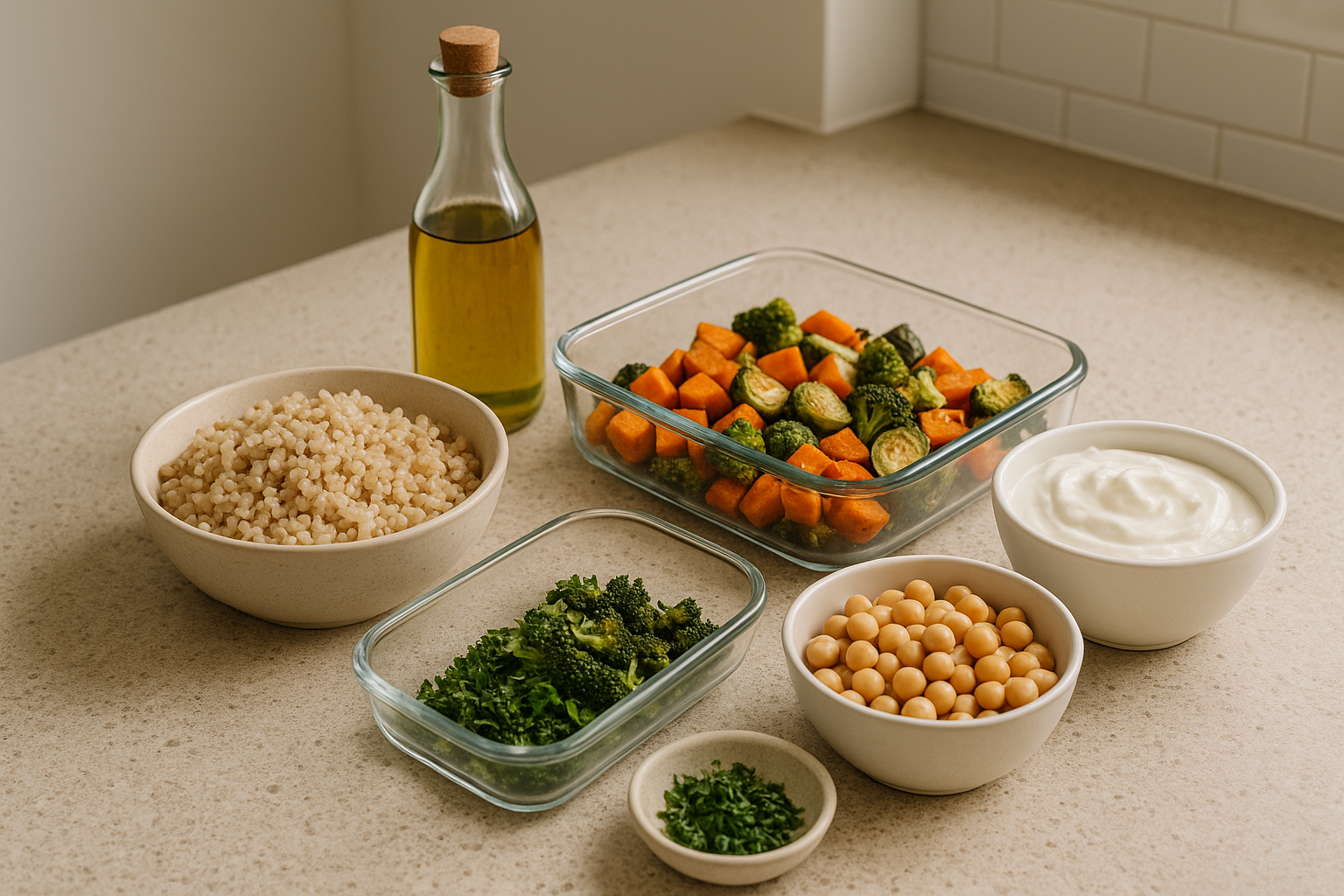
Simple meal components that make healthy dinners easier than takeaway

Shop for building blocks, not perfect recipes.

The biggest planning mistake is assuming every night will be calm and organised.

Do this instead: shop for real life
Aim for a balance of:

  • 5-minute meals (eggs on toast + salad, tuna bowl)
  • 15-minute meals (stir-fry, tacos with salad)
  • one slower meal if you enjoy cooking

This is also where mobile support helps: pantry reviews, practical meal planning, and habits that fit your home routine. See Mobile Nutritionist Gold Coast options here: https://betame.com.au/mobile-consultations/

Mistake 8: Treating “special diets” as a personality (instead of a tool)

Keto, paleo, dairy-free, low FODMAP, plant-based—these can all be appropriate in the right context.

Problems happen when:

  • the rules are stricter than your life can sustain
  • you’re not meeting fibre needs
  • you’re missing key nutrients
  • it increases anxiety around food

Do this instead
Use any dietary approach as a tool with a clear purpose and an exit plan. If you’re trying to solve a specific issue (gut symptoms, cholesterol, fatigue, cravings), support from a Gold Coast naturopath or nutrition professional can help you pick the least restrictive path.

Mistake 9: Not having “default” staples you can always eat
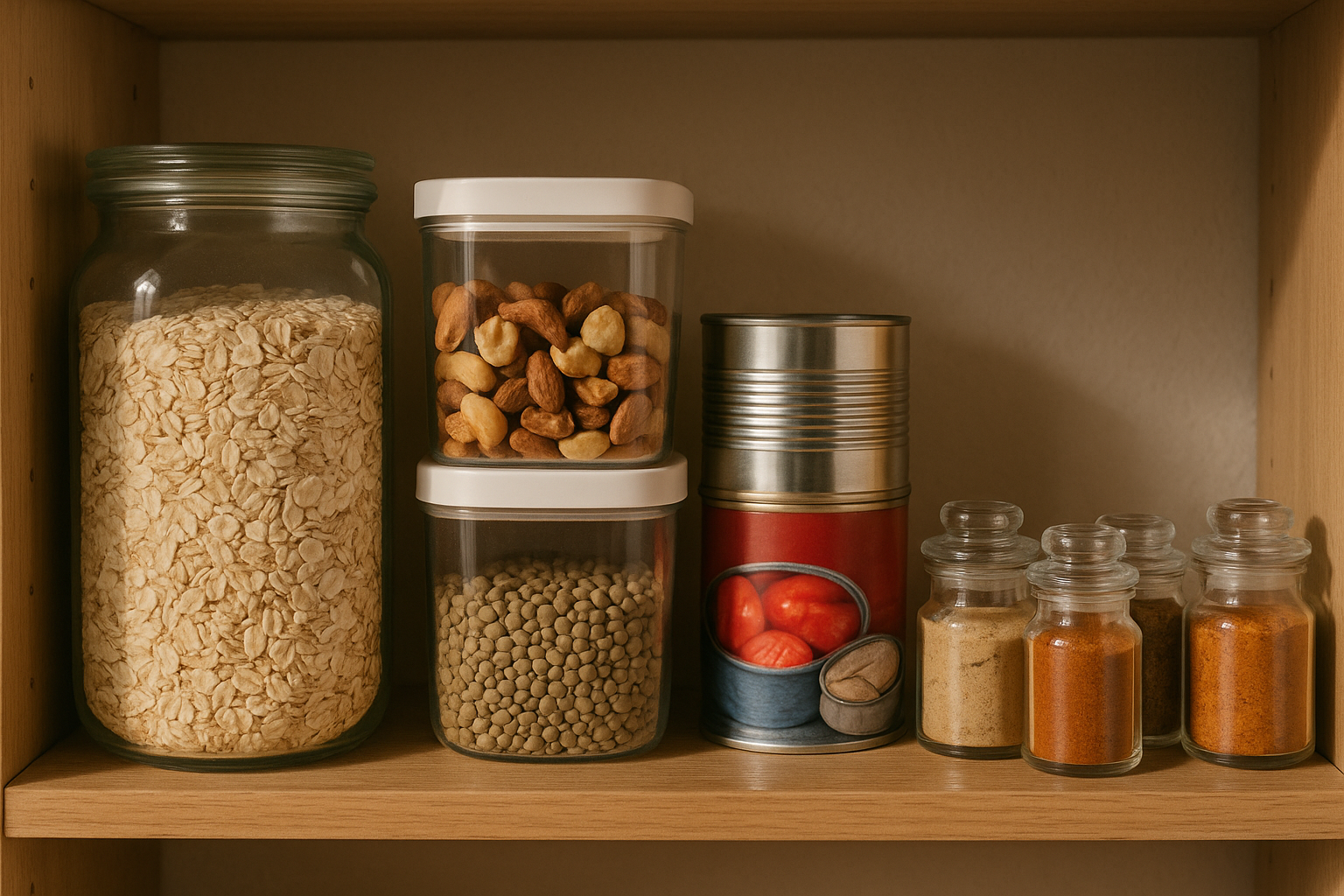
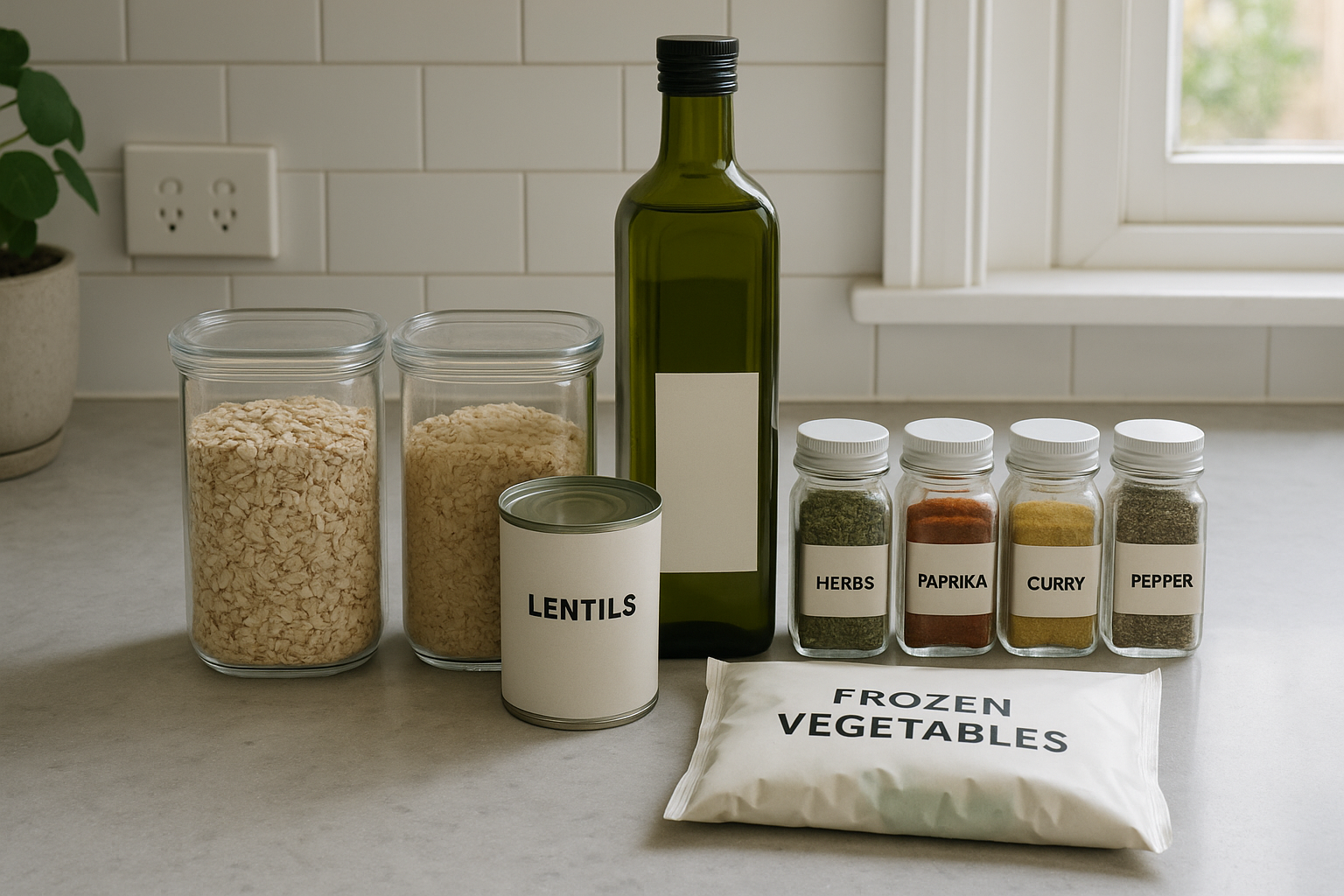
A tidy pantry with healthy staples for quick meals

A “default pantry” reduces decision fatigue during the week.

A default set of foods removes decision fatigue.

A simple default list

  • Proteins: eggs, Greek yoghurt, chicken, tofu/tempeh, tinned fish, lean mince
  • Fibre: oats, wholegrain bread/wraps, brown rice, quinoa, legumes (if tolerated)
  • Veg: salad mix, frozen veg, carrots/capsicum, tomatoes
  • Flavour: olive oil, lemon, herbs, spices, tahini, vinegar

If you get stuck, a guided tour can help tailor staples to your preferences, budget and health goals.

Mistake 10: Doing it alone when you need a tailored plan

Some people just need a better shopping list.

Others need a plan that accounts for:

  • IBS-type symptoms or reflux
  • food intolerances
  • fatigue and low motivation
  • perimenopause/metabolic changes
  • neurodiversity or disability supports

If you’re looking for nutrition services Gold Coast residents can actually use in real life—shopping, pantry, meals and routines—Beta Me offers practical, personalised support.

You might have searched terms like best naturopath Gold Coast, highly recommended naturopath Gold Coast, or naturopaths in Gold Coast. The best fit is the practitioner who listens, gives you a workable plan, and supports follow-through.

A simple Gold Coast supermarket shopping checklist (save this)

Before you go:

  • Eat a small snack.
  • Choose 3 dinners.
  • Write a list by aisle (produce, protein, pantry, frozen, snacks).

In the shop:

  • Fill the trolley with protein + veg + fibre first.
  • Check ingredients when a product is marketed as “healthy”.
  • Buy a mix of fresh + frozen + tinned.

After:

  • Wash and chop one veg.
  • Cook one protein (or portion it).
  • Put snack foods out of sight.

Want hands-on help in the supermarket (without judgement)?

If you’d like someone to walk the aisles with you and show you what to buy for your goals—gut health, energy, weight support, family meals, food sensitivities—book a Supermarket Shopping Tour with Beta Me.

You’ll leave with:

  • realistic product swaps
  • a repeatable trolley template
  • label-reading shortcuts
  • a plan that fits your household

Start here: https://betame.com.au/mobile-consultations/supermarket-shopping-tours/

If you prefer support from home, you can also explore mobile consults: https://betame.com.au/mobile-consultations/

And if you’re looking for flexible assistance and have NDIS goals around nutrition and daily living skills, see NDIS Nutritionist Gold Coast options here: https://betame.com.au/skype-consultations/
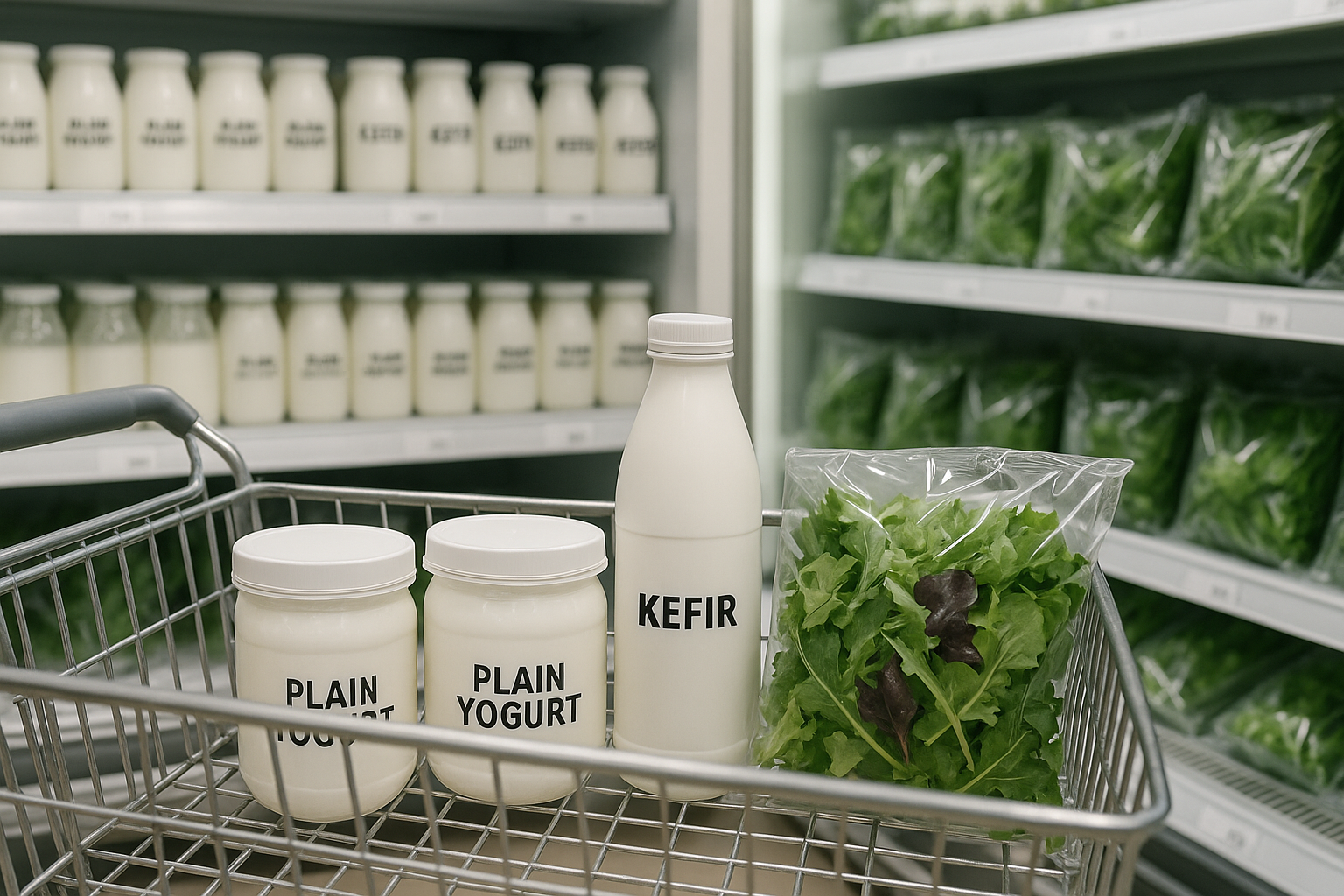

Choosing simple gut-friendly foods in the chilled section

Gut-friendly often means simple, not expensive.

FAQs

What’s the biggest mistake people make when supermarket shopping for health?

Relying on front-of-pack claims instead of checking ingredients and comparing like-for-like products. A simple focus on protein, fibre and minimally processed foods gives better results than chasing “health” labels.

How can I shop for gut health without buying expensive “gut” products?

Build meals around vegetables, fruit, tolerated fibres (oats, chia/linseed, legumes if suitable) and adequate protein. Add fermented foods you tolerate. If symptoms persist, personalised support from a gut-focused practitioner can prevent unnecessary restriction.

Are “no added sugar” products always a better choice?

Not always. Some products use sweeteners that keep a sweet preference high or trigger gut symptoms. Compare the nutrition panel, consider portion size, and choose options you can eat calmly and consistently.

What should I do if I’m overwhelmed by label reading?

Use a short rule set: ingredients list first, then fibre, then added sugars and sodium. A guided supermarket tour can teach you what to look for in the products you already buy.

Can an NDIS nutritionist help with supermarket shopping support on the Gold Coast?

Often, yes—depending on your plan goals. Practical support can include meal planning and shopping skills, and Beta Me offers flexible consult formats.

Should I see a nutritionist or a naturopath for help with supermarket shopping?

Choose based on your needs. For food choices, routines and practical meal planning, a nutritionist is ideal. If you also want broader holistic support, naturopathy can complement nutrition strategies. Beta Me offers both nutrition and naturopathy-informed support on the Gold Coast.
Gold Coast supermarket shopping design trends and layout ideas (that actually make healthy eating easier)

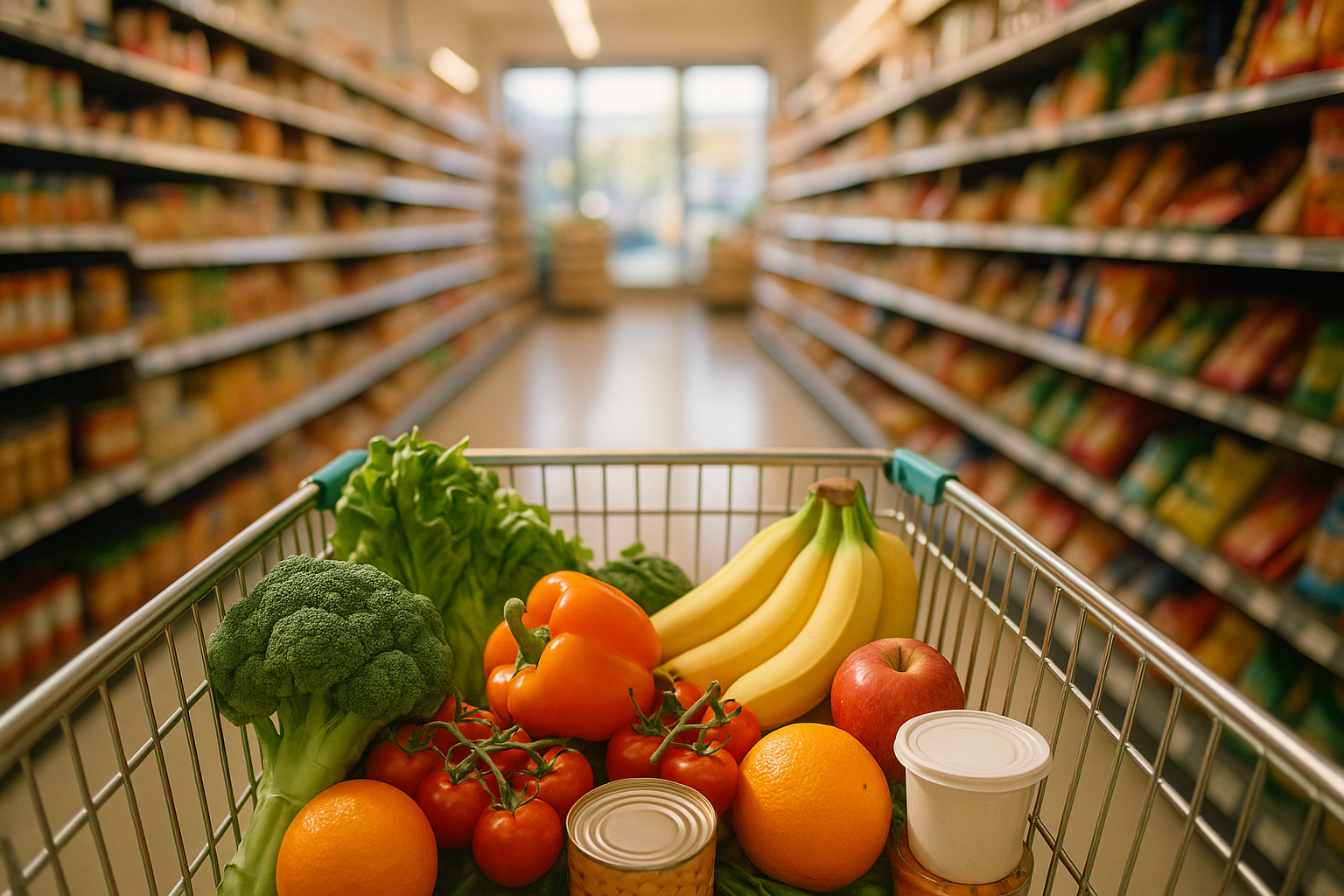
A trolley with fresh produce and healthy staples in an Australian supermarket

Gold Coast supermarket shopping design trends and layout ideas (that actually make Healthy eating easier)

If you’ve ever walked into the supermarket for “just milk” and walked out with snacks, a “healthy” bar you didn’t even like, and a dinner plan you can’t explain — that’s not a lack of willpower.

Modern supermarket shopping is designed to keep you browsing, nudging you toward quick decisions. On the Gold Coast, where busy schedules and convenience foods can easily take over, understanding the design trends and layout cues helps you shop with more control.

Below are the most common layout ideas used in supermarkets, what they mean for your trolley, and practical ways to shop for real-life goals like gut health, steadier energy, and easier weeknight dinners.

1) The “fresh-first” entrance: why the first 5 minutes matter

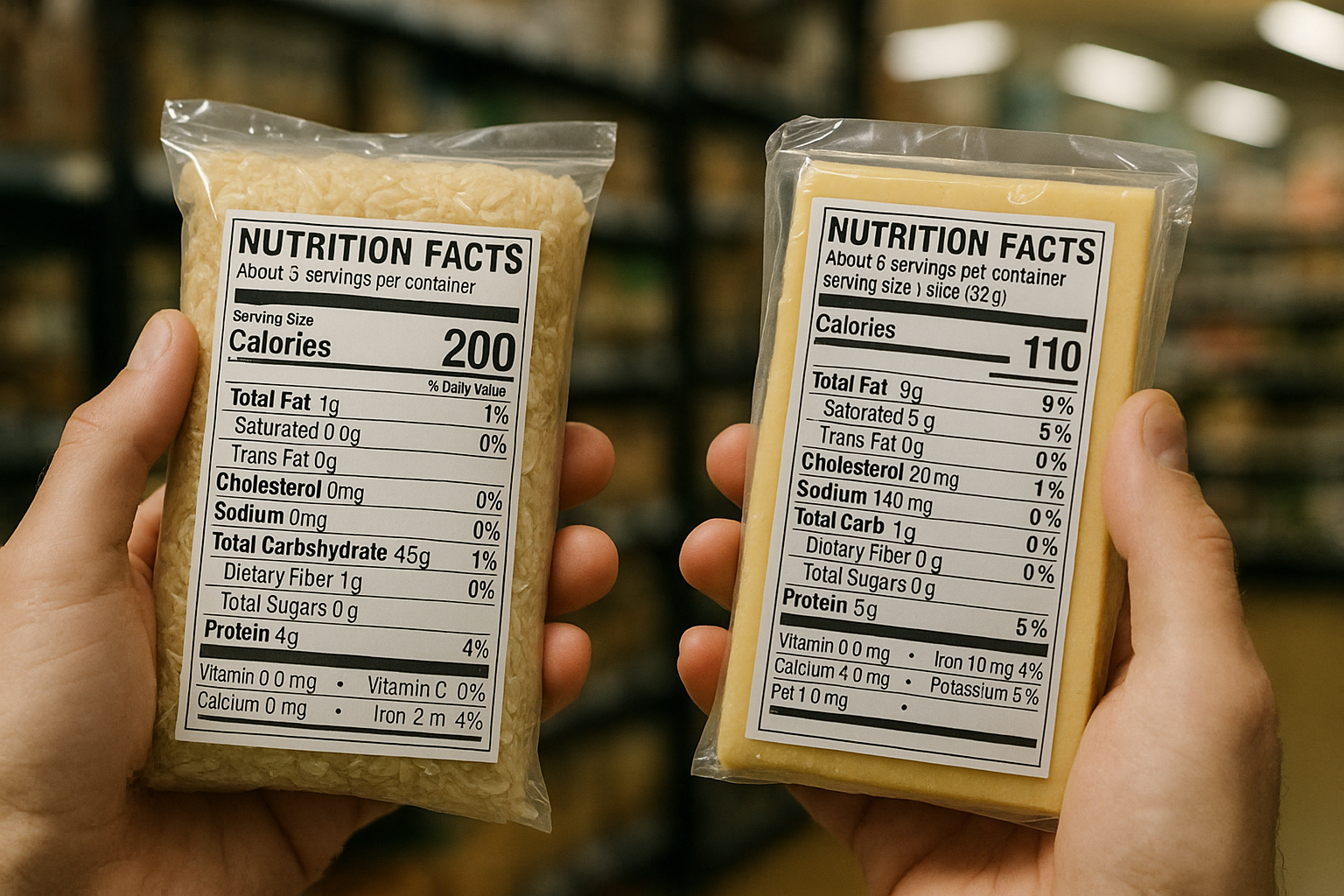
Comparing nutrition labels in the supermarket

Quick label checks help you cut through marketing claims.

A major design trend is starting you in fresh produce or a bright, colourful area. It sets a “healthy tone” — and it also encourages you to relax your guard.

How to use it to your advantage (without getting derailed):

  • Start with a produce plan, not “buy what looks good”. Choose:
    • 2–3 vegetables for dinners (e.g., broccoli, capsicum, zucchini)
    • 1–2 salad items (e.g., leaves, cucumber)
    • 1–2 fruits for snacks
  • Pick one “easy win” produce option for the week: pre-washed leaves, frozen veg, or a stir-fry mix. Convenience can be a health tool when it keeps you cooking.

If you’re working with a gut health dietitian Gold Coast clients often seek out, or a naturopath and nutritionist, this is also where you can make simple gut-friendly choices that don’t require specialty foods.

2) Perimeter shopping: useful rule, not a strict diet

You’ll often hear “shop the perimeter” because that’s where produce, meat, dairy and bakery typically sit.

It’s a helpful starting point — but if you only shop the perimeter, you can miss some of the most budget-friendly staples.

A better approach:

  • Perimeter = fresh building blocks (veg, fruit, proteins, yoghurt)
  • Middle aisles = staples (tinned fish/beans, oats, rice, olive oil, herbs/spices)
  • Freezer = back-up plan (frozen veg, berries, convenient proteins)

This is one of the key “layout ideas” to keep in mind: the store is built like a loop. If you follow the loop without a plan, you’ll see everything.

3) End-caps and “specials”: the impulse hot spots

Those displays at the ends of aisles (end-caps) are prime real estate. They can be a genuine bargain — or a fast track to buying food you didn’t want.

A quick decision rule for end-caps:

Ask:

  1. Was it on my list? If not, it’s a no.
  2. Is it a staple I already buy? If yes and it’s a good price, consider it.
  3. Will I use it in the next 7 days? If not, it’s clutter (and often extra snacks).

For anxiety-driven or stress-driven shopping (very common), these displays are where “just in case” purchases happen. If that’s you, it may help to explore support that ties food choices to stress patterns, such as Beta Me’s approach to naturopathy for anxiety.

4) “Health” aisles and wellness claims: what’s actually helpful

A big trend is expanding wellness ranges: protein snacks, low sugar, gluten free, keto, gut health, “natural”, and supplements.

This is where many Gold Coast shoppers get stuck — because the packaging sounds like it solves a problem.

Use this label-reading shortcut instead:

  • Ingredients first. Shorter and recognisable is often a good sign.
  • Check fibre (especially for snacks and cereals). Higher fibre usually supports steadier appetite.
  • Be cautious with “free from” products if they’re highly processed. Some are useful; many are just expensive swaps.

If you’re already seeing a nutritionist Gold Coast locals recommend, or you’re looking for the best naturopath Gold Coast for your needs, bring 2–3 common “health” products you buy regularly into your consult. A good clinician will help you find better options that fit your body and budget.

5) The ready-to-eat section: convenience without the crash

Supermarkets are leaning hard into convenience: premade meals, salad kits, cooked chickens, heat-and-eat sides.

These can be lifesavers — but they can also be low in vegetables and fibre, or higher in salt and refined carbs.

A practical “better convenience meal” formula:

  • Choose one convenience main (e.g., roast chicken, microwavable grain pouch, soup)
  • Add at least two vegetable sides (bag salad + cherry tomatoes; frozen veg; microwave steam veg)
  • Add a protein boost if needed (extra eggs, tinned tuna/salmon, Greek yoghurt)

This helps keep supermarket shopping realistic, not perfect.

6) Self-serve checkouts and snack lanes: how to avoid last-minute add-ons

The checkout zone is designed for fast-grab items. If you shop when hungry, tired, or stressed, it’s a problem area.

Simple strategies that work:

  • Eat a snack before you shop (even a banana or yoghurt).
  • Keep “checkout snacks” in your bag (nuts, fruit, or a protein snack you actually like).
  • Use click-and-collect selectively when you’re in a vulnerable state (end of day, kids in tow, low bandwidth).

7) Layout idea you can copy at home: a “trolley template” for the week

Healthy pantry staples laid out on a kitchen bench

Middle-aisle staples can be some of the most nutritious buys.

When you have a default plan, the supermarket layout has less power.

Try this trolley template (adjust to your needs):

  • Proteins (2–3): eggs, chicken, tofu, tinned fish, lean mince
  • Vegetables (5–7 items): mix of salad + cookable veg
  • Fruit (2–4): snacks and breakfast
  • Carbs (2): oats + rice/potatoes/pasta (or your preferred option)
  • Fats & flavour (3): olive oil, nuts/seeds, herbs/spices, yoghurt, avocado
  • Fibre staples (2): tinned beans/lentils + wholegrains

If gut symptoms are part of your picture, your “best” template depends on tolerance. That’s where working with a holistic nutritionist Gold Coast clients trust, a gold coast naturopath, or a combined naturopath and nutritionist approach can be useful.

8) Practical examples: shopping routes for common goals

Here are three simple “routes” you can follow, based on what you’re trying to improve.

A) For steadier energy (less snacking)

  • Produce: veg + fruit for snacks
  • Dairy/protein: yoghurt, eggs, lean protein
  • Aisles: oats, nuts, tinned beans
  • Freezer: berries, frozen veg

Aim: each meal has protein + fibre.

B) For gut-friendly meals (without overthinking)

  • Produce: choose vegetables you tolerate well; add herbs for flavour
  • Proteins: simple, minimally processed
  • Aisles: rice/oats, tinned staples you tolerate
  • Skip: “gut health” snacks that rely on lots of additives if they trigger you

If you’re searching for a naturopath gold coast locals recommend, or naturopaths Gold Coast options, look for someone who can turn your symptoms into real food decisions — not just a list of foods to fear.

C) For budget-aware families

  • Frozen veg and frozen fruit are your friends
  • Buy larger packs of staples you actually use (oats, rice, beans)
  • Pick one “premium” item and keep the rest simple

Tip: budget improves when dinners repeat. Two or three rotating meals beats seven new recipes.

When a supermarket tour helps (and who it’s for)

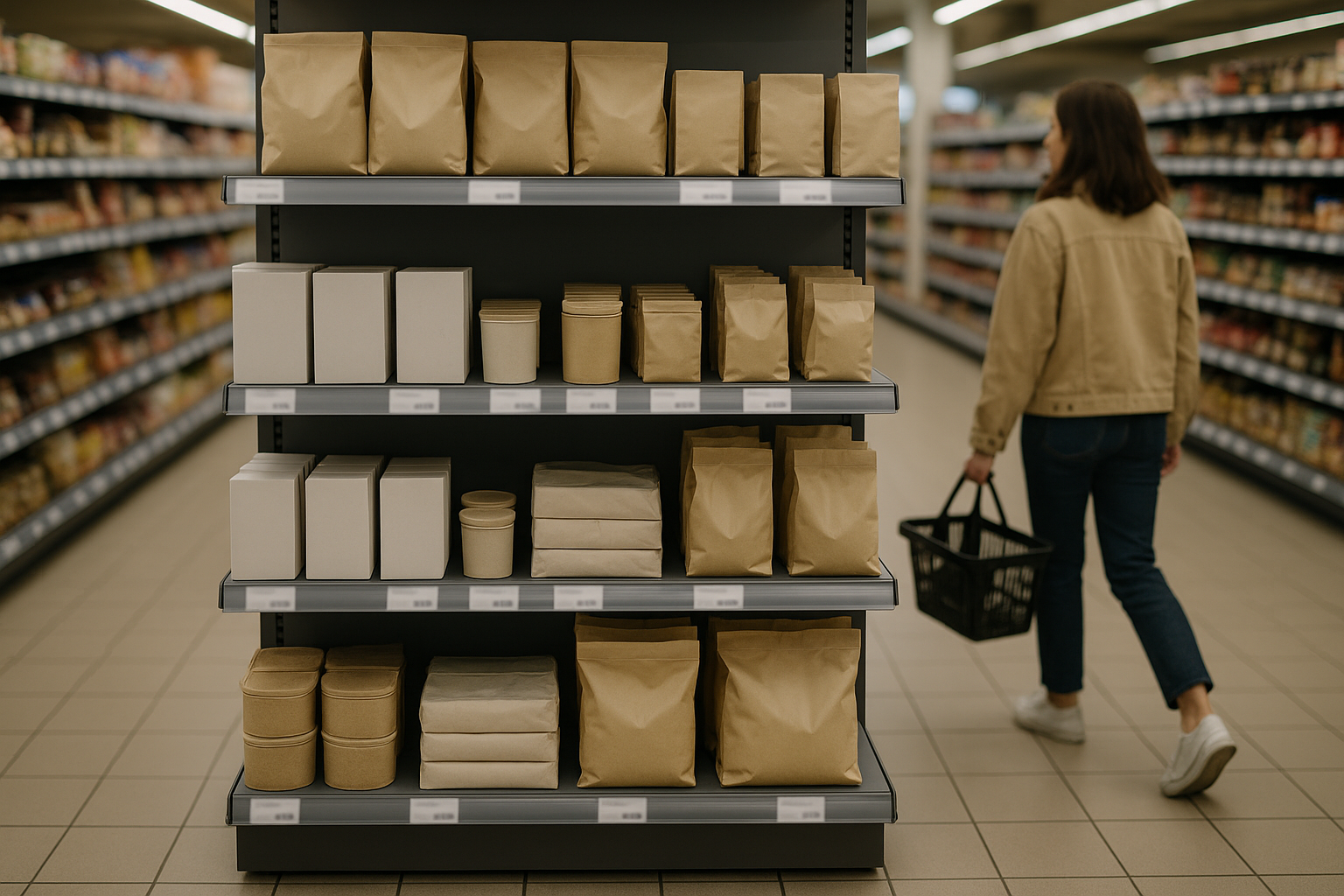
Walking past an end-cap display in a supermarket

End-caps are designed to grab attention—your list keeps you grounded.

Some people just want a list. Others need the confidence that comes from doing it in the aisle, with guidance.

A guided session can help if you:

  • feel overwhelmed by labels and health claims
  • keep buying “healthy products” but don’t feel better
  • need practical support for meal planning and shopping routines
  • are managing gut symptoms and want realistic swaps
  • want help making changes that the whole household can stick with

Beta Me offers supermarket shopping tours designed to make your regular shop easier, faster, and more aligned with your goals. You can learn more via the Supermarket Shopping Guide Gold Coast page.

A clear next step

If you’re on the Gold Coast and want supermarket shopping to feel simpler — with practical, brand-agnostic guidance tailored to your health goals — book a consult with Beta Me.

You can start with:

If you need flexibility, Beta Me also offers appointments that can suit at-home routines and planning support, including options discussed under NDIS Nutritionist Gold Coast services: https://betame.com.au/skype-consultations/


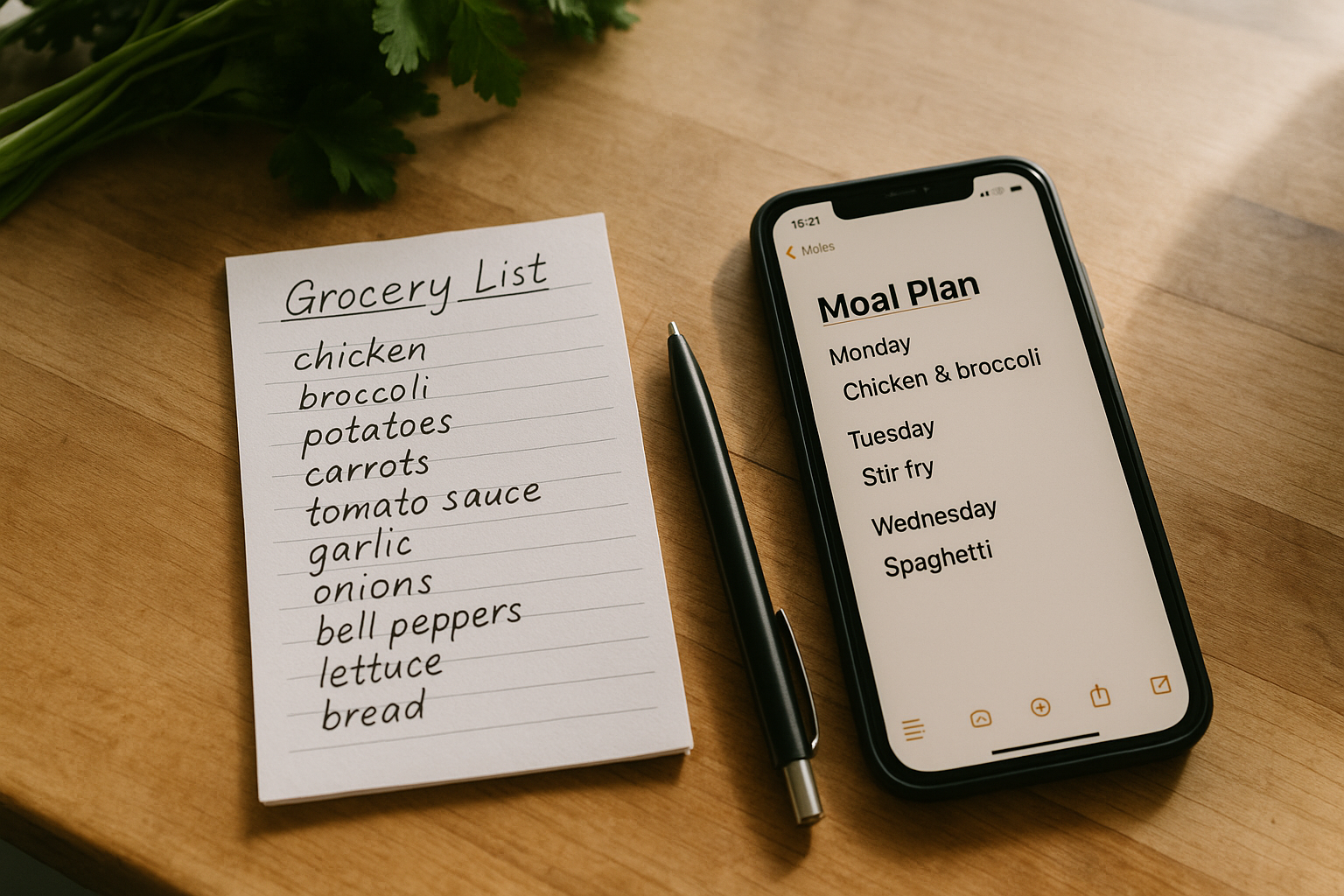
A simple meal plan and grocery list ready for shopping

A short list and a simple route make supermarket shopping quicker and calmer.

FAQ

What are the biggest supermarket layout trends affecting what I buy?

Common trends include stronger perimeter fresh-food zones, more prominent ready-to-eat meals near entrances, bigger end-cap displays (often for promotions), more health-claim packaging, and greater use of convenience sections. These features are designed to speed up decisions and increase impulse buys, so shopping with a short list and a simple route helps you stay in control.

How do I do a healthy supermarket shop fast on a weeknight?

Use a repeatable trolley template: 1–2 proteins (eggs, tinned fish, chicken), 2–3 vegetables, 1 fruit, 1 wholegrain or starchy option (brown rice, oats, potatoes), and 2 flavour builders (olive oil, herbs, yoghurt). Then choose one easy dinner plan (stir-fry, tray bake, tacos) and buy only what supports it.

Is perimeter shopping always the healthiest approach?

Not always. The perimeter is great for fresh produce and proteins, but many nutritious staples live in the middle aisles (tinned beans, oats, brown rice, frozen veg, olive oil, herbs and spices). A better rule is: perimeter for fresh, aisles for staples, and avoid wandering into ‘snack loops’ unless it’s on your list.

What should I look for on labels if I’m working on gut health?

Start with ingredients and fibre. Choose options with minimal additives, higher fibre where appropriate, and fewer sugar alcohols if they trigger symptoms. If you’re working with a gut health dietitian on the Gold Coast or a naturopath and nutritionist, bring your usual products to your next consult so you can get personalised swaps for your tolerance and goals.

Can a nutritionist or naturopath come with me to the supermarket on the Gold Coast?

Yes. Beta Me offers supervised supermarket shopping tours that turn your regular shop into a practical lesson: reading labels, building balanced meals, choosing gut-friendly options, and finding affordable swaps that suit your household.

Do you offer NDIS nutrition support for shopping and meal planning?

Beta Me provides nutrition support and can discuss options that suit your needs, including remote appointments. If you’re looking for an NDIS dietitian on the Gold Coast, book a consult to talk through your goals and what practical support would help (shopping skills, routines, simple meal structures and easy food choices).

Loading...