
Small Kitchen, Big Health: Clever Ideas for Your Gold Coast Home

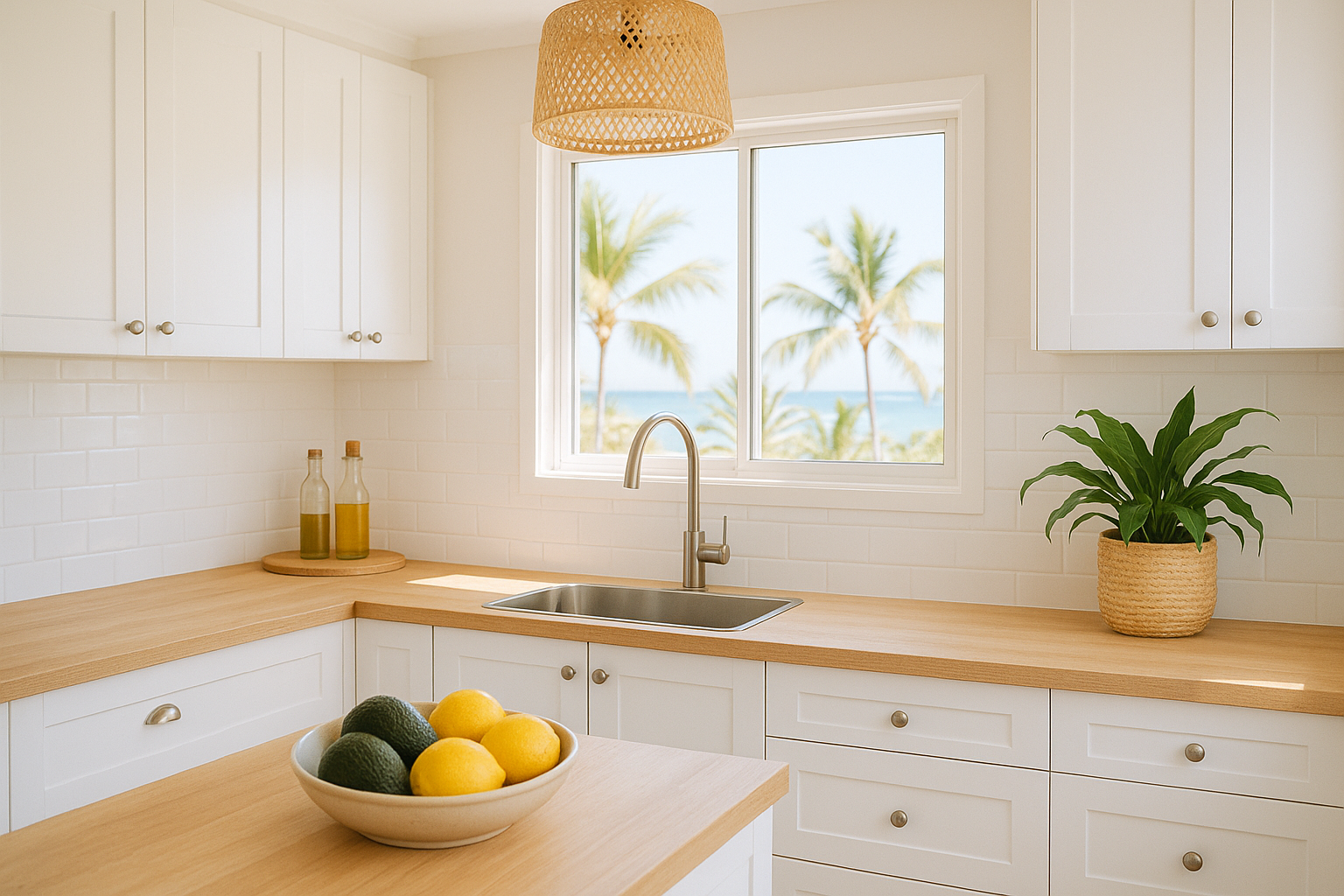
A small, well-organised Gold Coast kitchen optimised for healthy eating.

Small Kitchen, Big Health: Clever Ideas for Your Gold Coast Home

Living on the Gold Coast often means embracing a more streamlined lifestyle, and that can include your kitchen space. From Mermaid Beach apartments to compact townhouses in Robina, a smaller kitchen isn’t a setback—it’s an opportunity to get smart, organised, and focused on your health goals.

A cluttered, chaotic kitchen can make preparing nutritious food feel like a chore. But a well-designed space makes healthy choices feel effortless. As a Naturopath Gold Coast, we know that your environment plays a huge role in your wellness journey. Here are our best practical ideas for turning your small kitchen into a powerhouse of health.

1. Think Vertically: Reclaim Your Bench Space

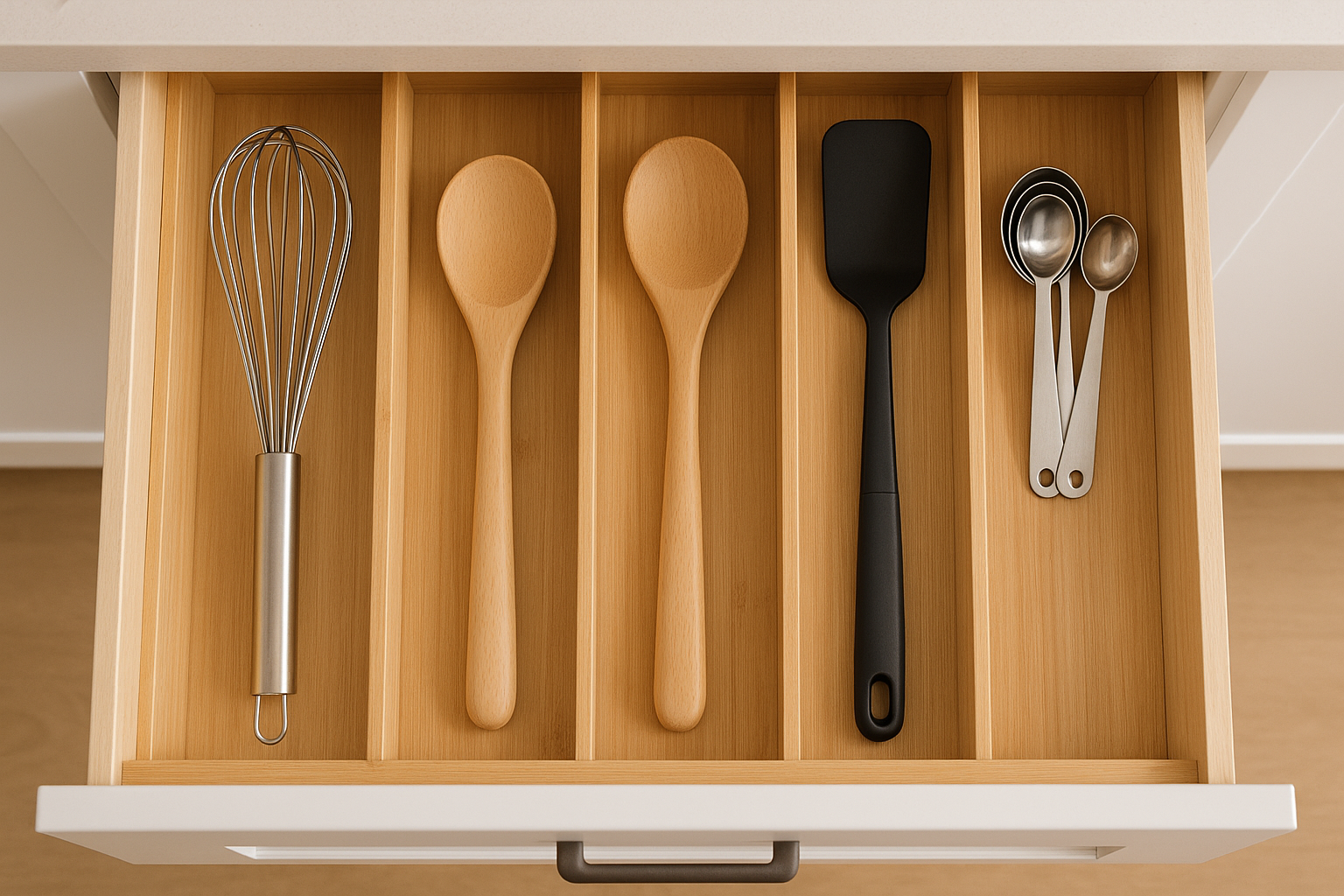
A neatly organised kitchen drawer with essential utensils.

Bench space is prime real estate in a small kitchen. The less clutter you have, the more room you have to chop, prep, and plate. The key is to draw the eye upward.

  • Magnetic Knife Strips: Ditch the clunky knife block. A wall-mounted magnetic strip keeps your knives accessible and your bench clear.
  • Wall Shelves: Install simple floating shelves for frequently used items like spices, oils, or your favourite mugs. This frees up valuable cupboard space for less-used items.
  • Hanging Baskets: Use tiered hanging baskets for fresh produce like onions, garlic, and avocados. It keeps them off the counter and adds a touch of fresh decor.

An organised kitchen is the first step. Having a clear space makes it so much easier to follow the tailored advice from a professional who provides dedicated nutrition services Gold Coast wide.

2. Master the Pantry Edit

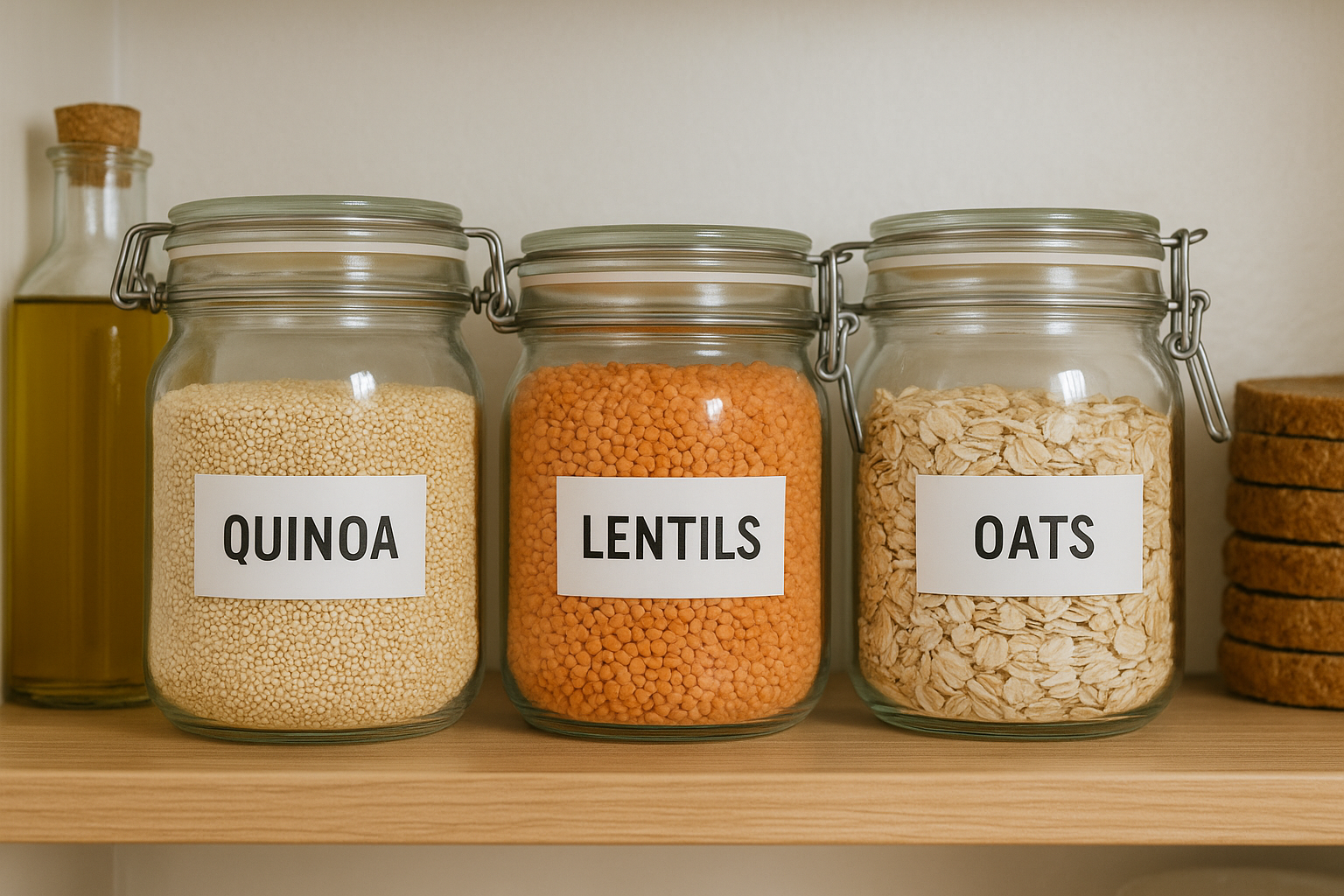
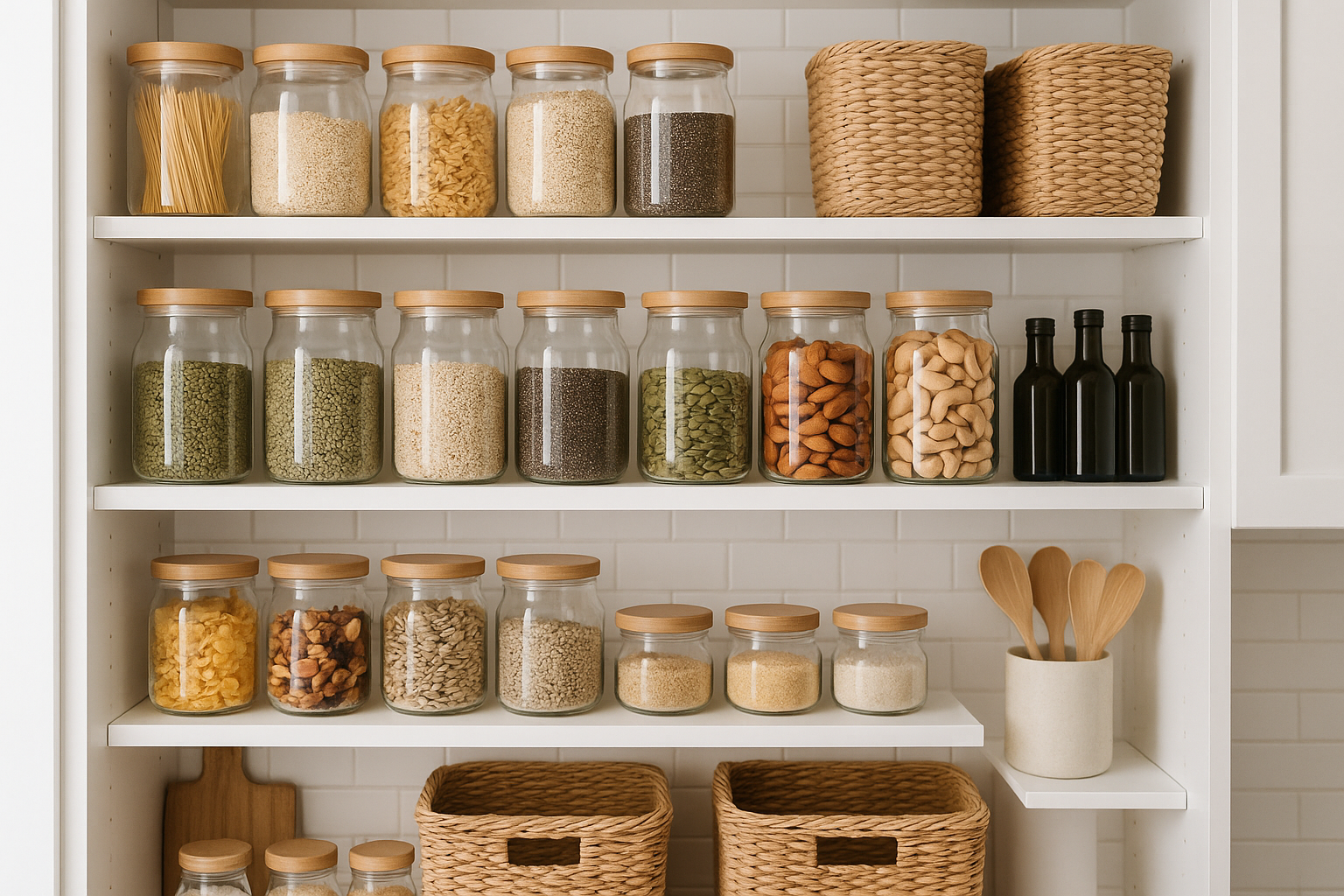
Pantry staples like grains and nuts organised in clear jars.

A disorganised pantry is where good intentions get lost. You can’t eat what you can’t find. A streamlined pantry makes grocery shopping more efficient and cooking much faster.

  • Decant Everything: Remove bulky packaging. Store dry goods like grains, legumes, nuts, and seeds in clear, airtight containers. You’ll see what you have at a glance and keep food fresher for longer.
  • Label Lavishly: Use a simple label maker or chalk pen. Label the container with the contents and even the cooking time (e.g., “Quinoa: 15 mins”).
  • Create Zones: Group like items together. Have a breakfast zone with oats and seeds, a snack zone with nuts and rice crackers, and a section for canned goods. This logic helps you build healthy meals quickly.

If you’re focusing on specific dietary needs, this step is vital. A well-stocked pantry is the foundation for success, whether you’re following advice from a gut health dietitian on the Gold Coast or simply trying to eat more wholefoods.

3. Embrace Minimalist Meal Prep

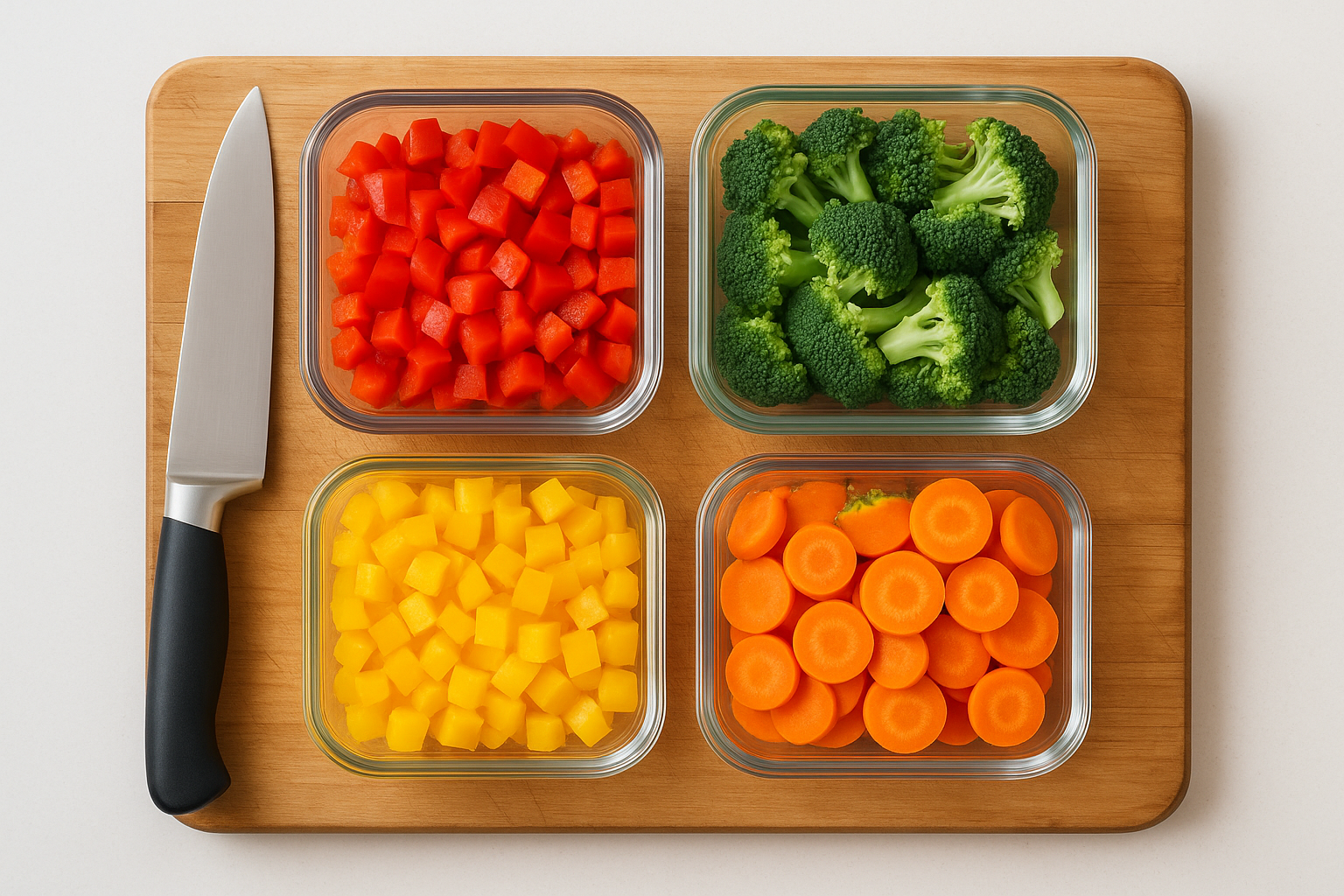
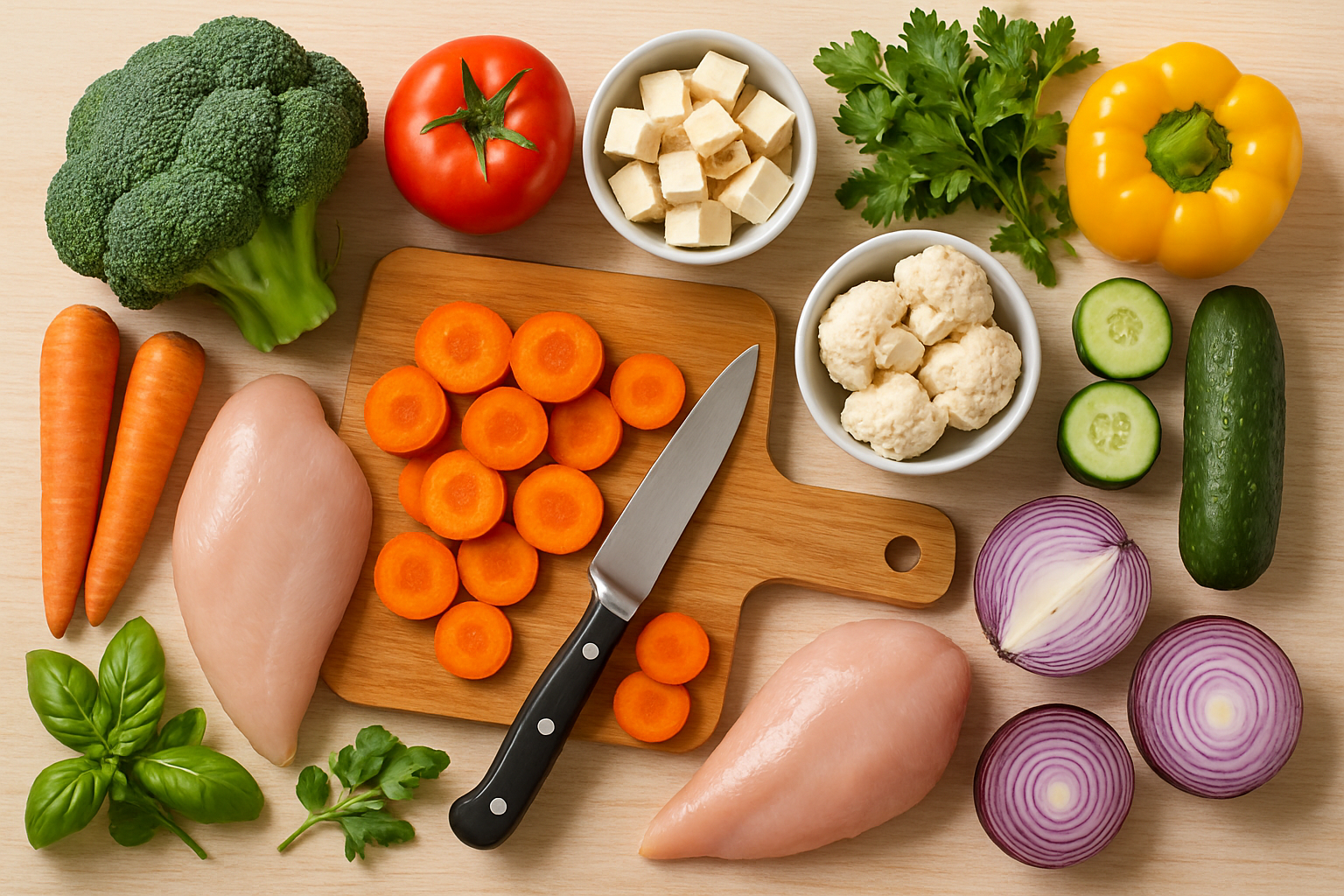
Colourful chopped vegetables prepped for healthy meals.

Meal prepping in a small kitchen doesn’t have to involve a mountain of containers taking over every surface. It’s about being strategic.

  • Component Prep: Instead of full meals, prep ingredients. Cook a batch of brown rice, roast a tray of vegetables, and boil some eggs. You can then assemble different bowls, salads, and wraps throughout the week.
  • One-Pan Wonders: Sheet-pan dinners are a small kitchen hero. Toss your protein and veggies with some olive oil and spices and roast on a single tray. Minimal mess, maximum flavour.
  • Love Your Slow Cooker: A slow cooker or multi-cooker uses minimal bench space and does the work for you, filling your home with delicious aromas while you’re out enjoying the Gold Coast sunshine.

For those with specific requirements, such as clients seeking an NDIS dietitian on the Gold Coast, having a simple and repeatable meal prep system can be life-changing. It builds routine and removes the daily stress of deciding what to eat.

4. Choose Your Tools Wisely

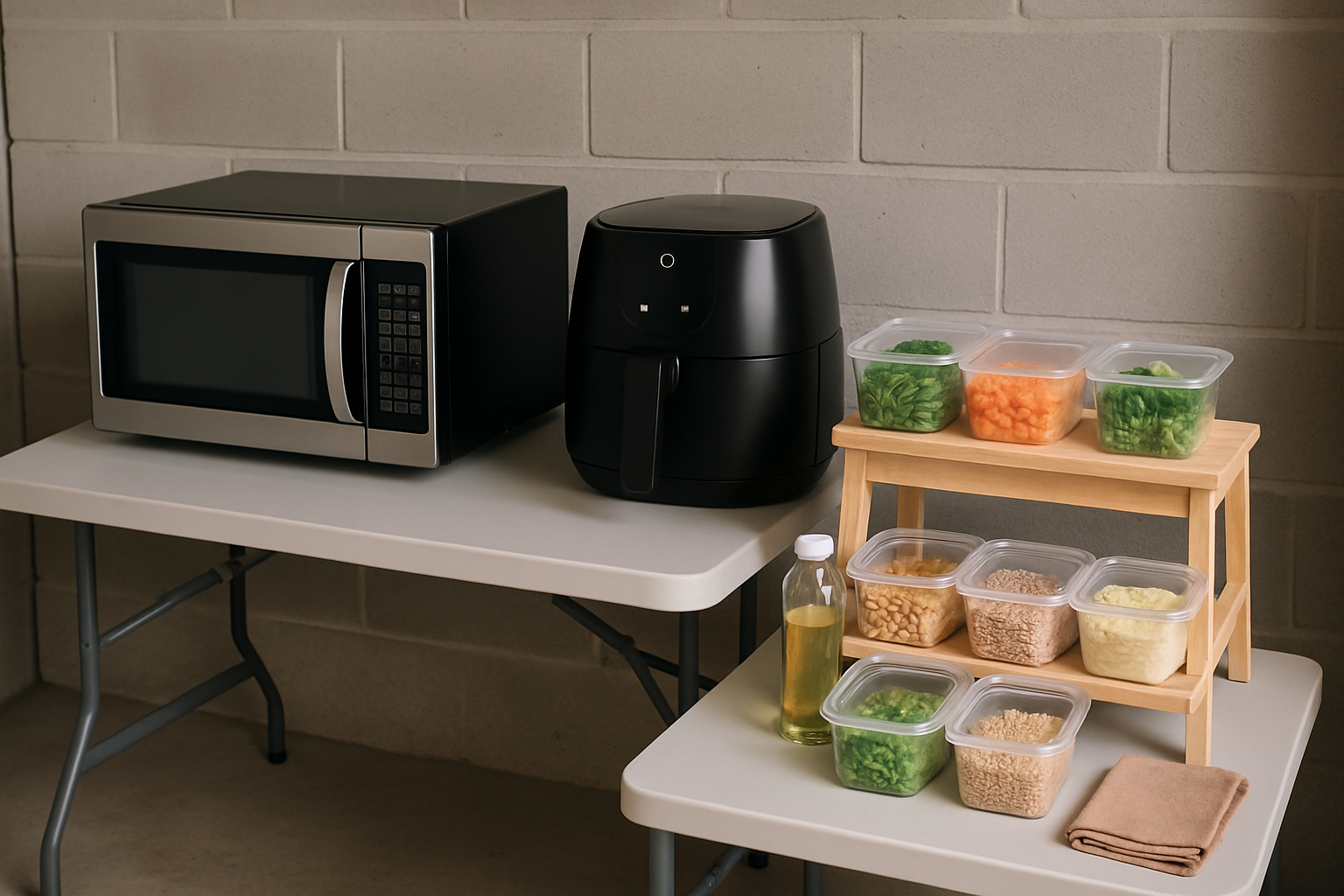
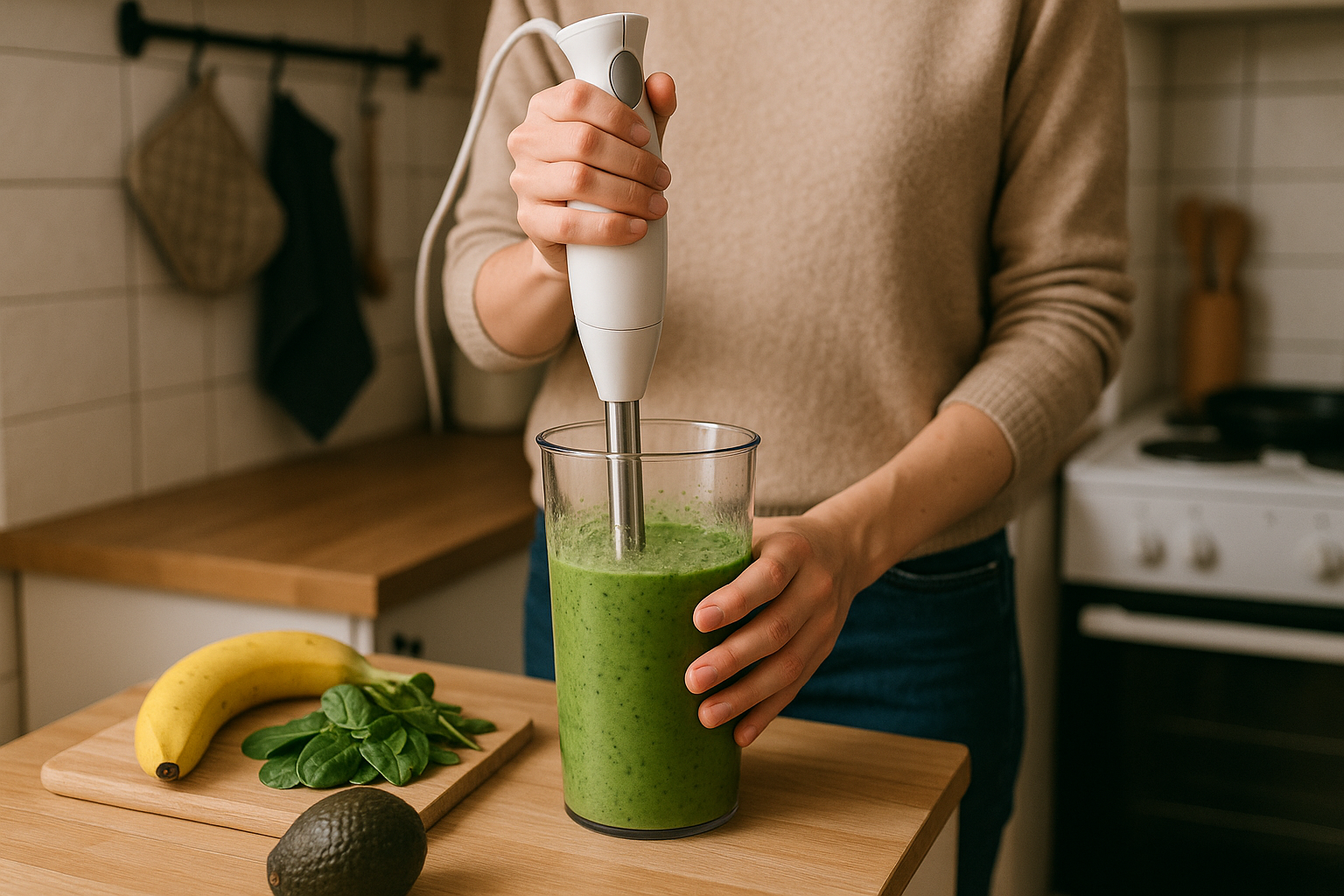
A space-saving stick blender being used in a small kitchen.

Multi-use tools are your best friend in a compact kitchen.

A small kitchen can’t house every trendy gadget. Focus on quality, multi-functional tools that earn their place.

  • The Essentials: A great chef’s knife, a large non-slip chopping board, one good non-stick frying pan, and one quality saucepan or Dutch oven will handle 90% of your cooking needs.
  • Smart Appliances: A stick blender can replace a bulky countertop blender for smoothies and soups. A small air fryer can roast, bake, and reheat, making it more versatile than a toaster oven.

Before you buy a new appliance, ask yourself: “Does this do the job of something I already own, but better?” A holistic nutritionist will always tell you that the simplest tools are often the most effective for creating healthy, uncomplicated food.

Let’s Make Your Kitchen Work for You

Transforming your kitchen from a source of stress into a space that supports your wellbeing is one of the most practical steps you can take for your health. An organised space simplifies healthy eating, reduces food waste, and makes cooking enjoyable again.

If you’re ready to align your diet with your health goals but aren’t sure where to start, we’re here to help. We can help you plan your pantry, learn what to look for at the grocery store, and create a personalised nutrition plan that works for your lifestyle. Our Mobile services and shopping tours are designed to give you practical skills in your own environment.

Book a consultation with our nutritionist today and take the first step towards a healthier, more organised life on the Gold Coast.

Kitchen Overhaul or Supermarket Tweak? Your Best First Step to Better Health

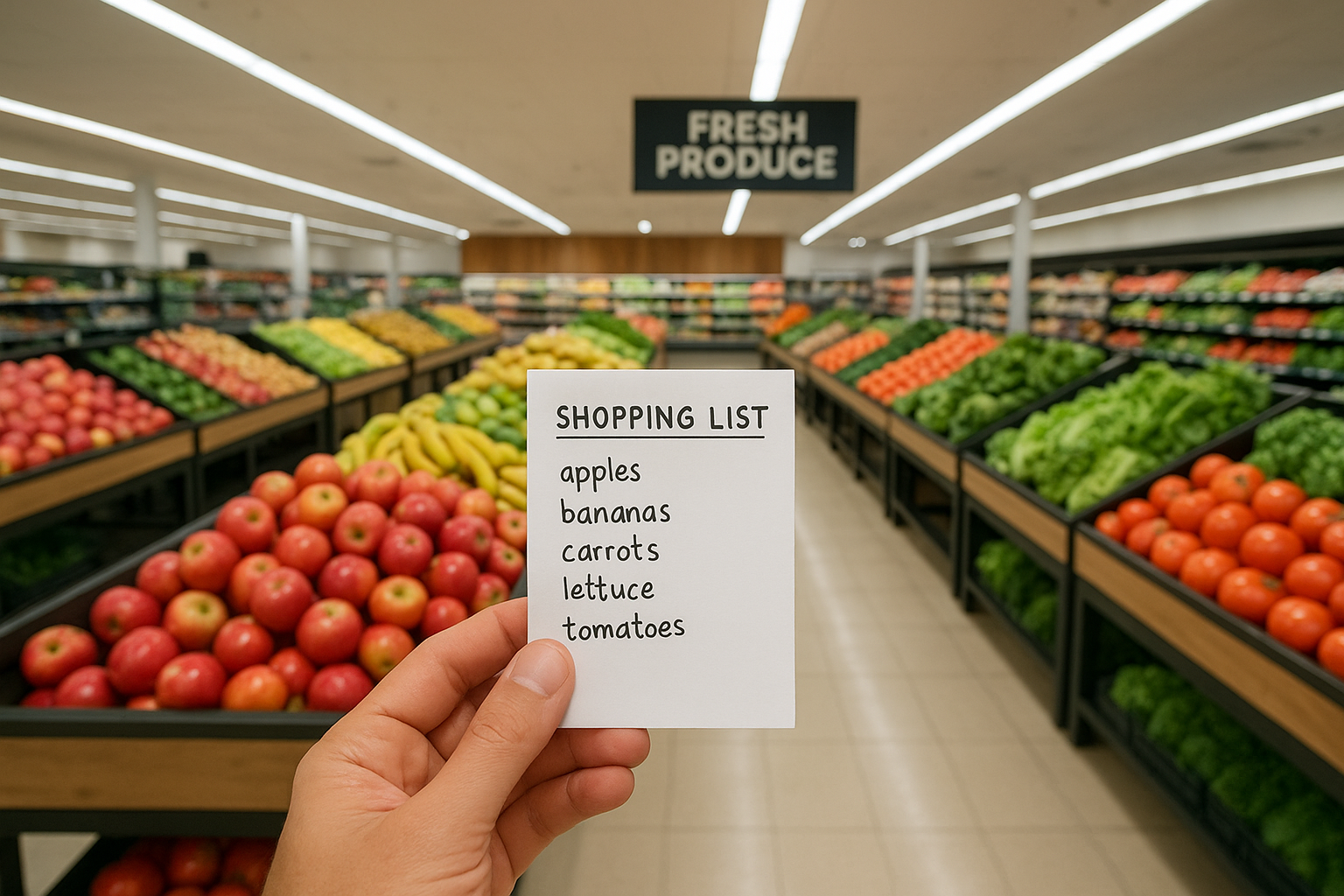
A person's view looking down a bright supermarket aisle towards the fresh fruit and vegetables.

Kitchen Overhaul or Supermarket Tweak? Your Best First Step to Better Health

You know you want to feel better. More energy, clearer thinking, a calmer gut. But when you look at your kitchen, the idea of a complete health transformation feels… huge. It’s easy to get stuck between wanting to change everything at once and ending up doing nothing at all.

This is a common crossroads. Do you need a ‘full remodel’—a top-to-bottom diet and pantry overhaul? Or could a simple ‘supermarket shopping’ tweak be the key to unlocking real, sustainable change?

Let’s break down the difference so you can find the right starting point for you.

The ‘Full Remodel’ Approach

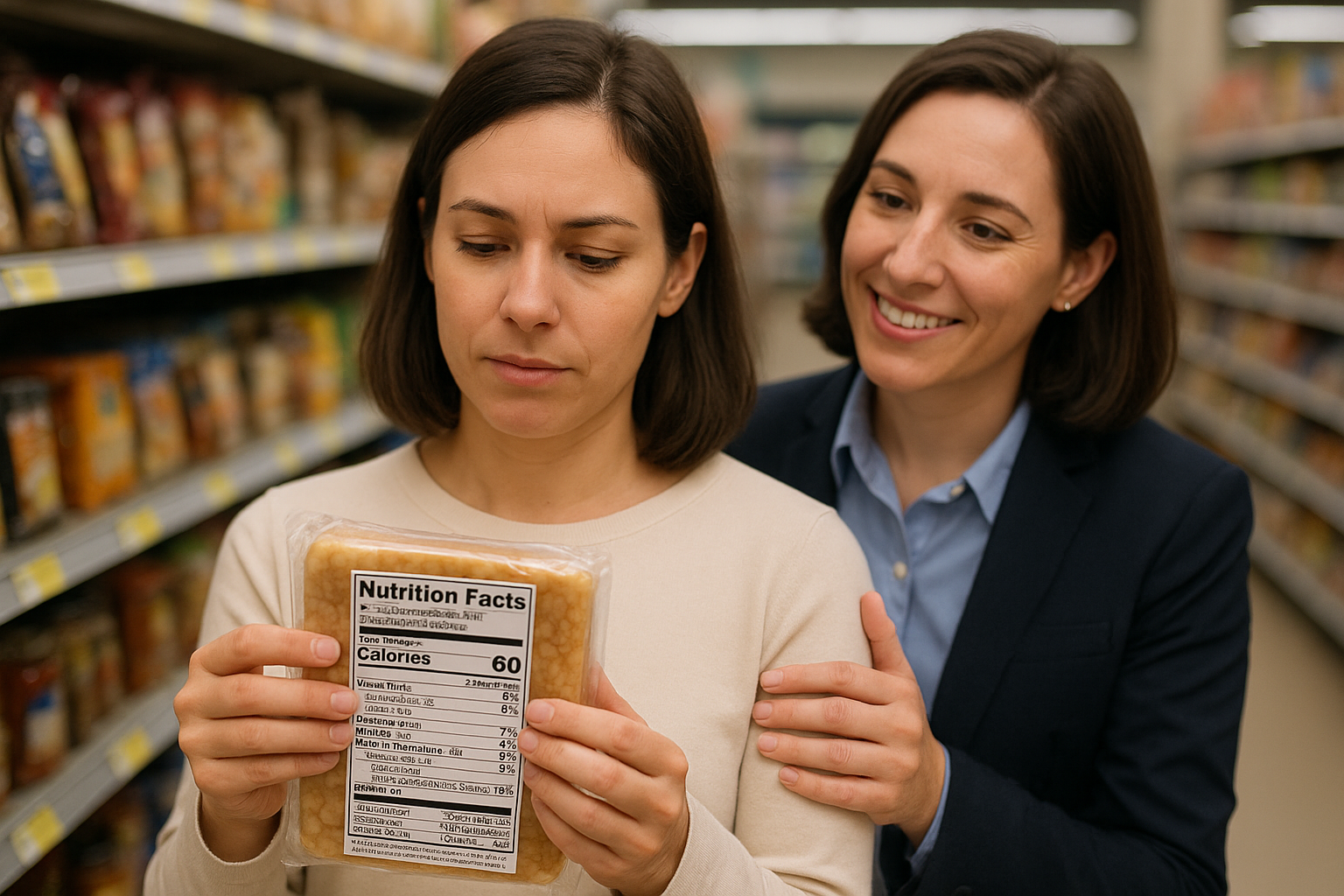
A nutritionist helping a client read and understand a food label in a supermarket aisle.

A full remodel is a comprehensive, deep dive into your nutrition. It’s about more than just swapping biscuits for apples; it’s about fundamentally changing what’s in your fridge, pantry, and on your plate, often to address specific health goals or chronic symptoms.

What it looks like:

  • Structured Plan: This approach is usually guided by a professional, like a qualified nutritionist and naturopath, who creates a personalised plan based on your health history and goals.
  • Pantry Clean-out: It often starts with removing foods that aren’t serving you and restocking with nourishing, wholefood staples.
  • New Habits: The focus is on building entirely new routines around meal planning, preparation, and eating.

Who it’s best for: A full remodel is powerful for individuals who are ready for a significant shift or are managing specific health concerns like digestive issues, hormonal imbalances, or chronic inflammation. It provides structure and a clear path forward when you need big results.

The Power of the ‘Supermarket Shopping’ Tweak

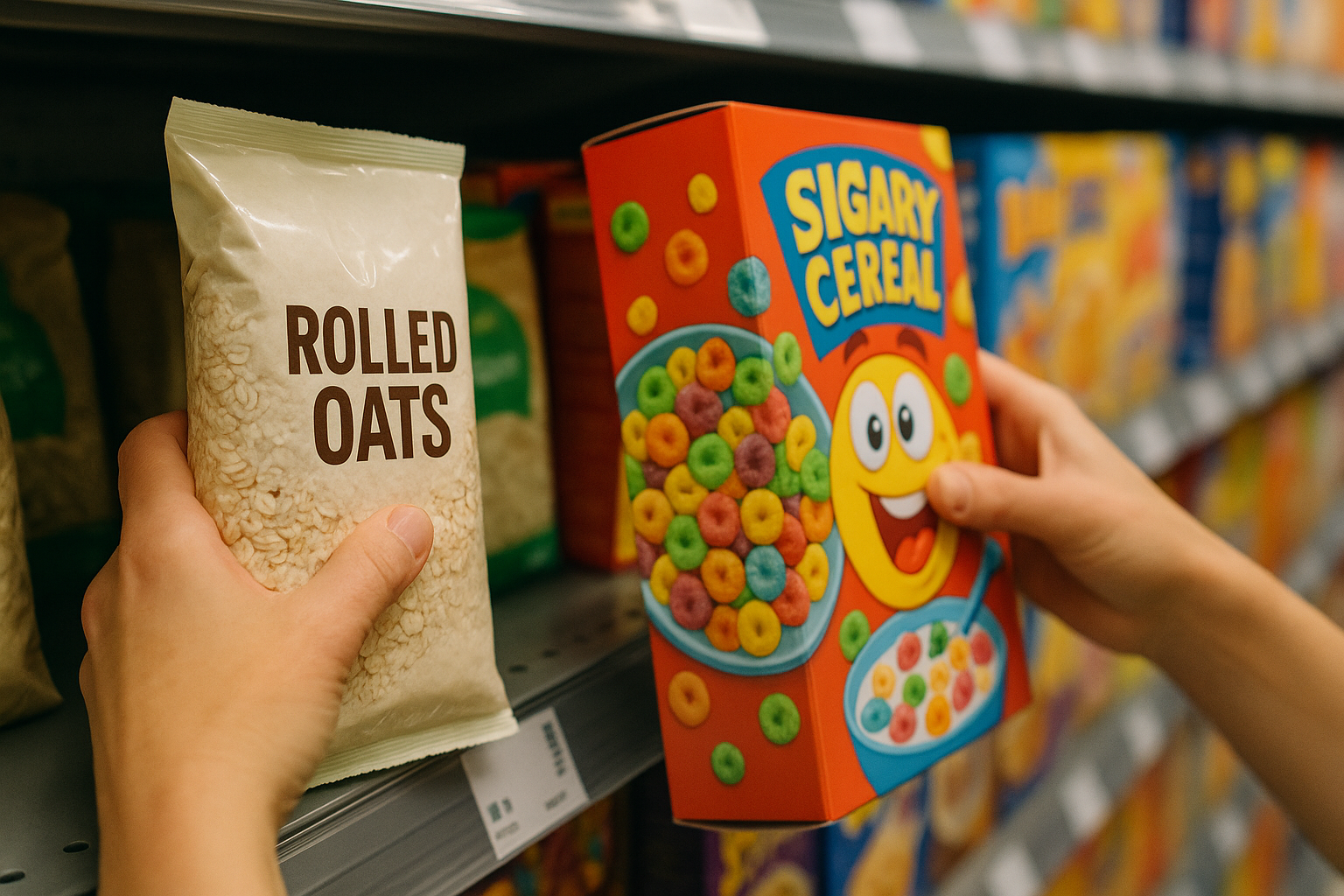
A person swapping a box of sugary cereal for a bag of healthy rolled oats in a supermarket.

If a full remodel sounds overwhelming, you’re not alone. The good news is, you don’t have to change everything overnight. The ‘supermarket shopping’ approach is about making small, intelligent changes one trolley at a time.

This is the art of the upgrade. It’s less about restriction and more about smart substitution.

What it looks like:

  • Focus on Swaps: Instead of a sugary muesli, you learn to pick one with less sugar and more fibre. You swap industrial seed oils for extra virgin olive oil. You learn to read labels to find the best-in-category yoghurt, bread, or crackers.
  • Gradual Change: You introduce one or two new healthy habits per grocery shop. This week, it’s adding more greens. Next week, it’s finding a better snack option.
  • Building Skills: The goal is to build your food literacy. You learn what to look for on a label and how to navigate the aisles with confidence, making it a skill for life.

Who it’s best for: This approach is perfect for anyone feeling overwhelmed, families trying to eat healthier together, or those on a budget. It’s a realistic, less intimidating path to long-term health that builds momentum without the pressure of perfection.

Comparing the Two Paths

A well-organised pantry representing a full kitchen remodel, with healthy wholefoods in jars.

Feature Full Remodel Supermarket Tweak
Pace Fast and intensive Gradual and steady
Commitment High initial effort Low, consistent effort
Feeling Can be overwhelming Empowering and manageable
Best For Addressing specific health goals Building sustainable, lifelong habits

You Don’t Have to Choose Just One

Fresh, colourful ingredients laid out on a kitchen counter ready for meal prep.

Small changes in your trolley lead to big changes on your plate.

Here’s the secret: these two approaches aren’t mutually exclusive. The very best ‘full remodel’ often begins with one expertly guided supermarket shop. And a series of smart ‘supermarket tweaks’ can, over time, lead to a complete transformation of your health.

The key is starting with practical, actionable knowledge. Understanding how to navigate your local supermarket is the foundation of any healthy eating plan. It’s where good intentions become real food that you and your family actually eat.

This is where guidance from an expert like Beta Me founder Danielle Lamb makes all the difference. We believe in meeting you where you are, whether you’re ready for a deep dive or just want to make your next grocery shop a little bit healthier.

Your Best First Step is Waiting in Aisle 3

Feeling empowered to make better choices starts with knowing what those choices are. A guided supermarket shopping tour is the perfect way to bridge the gap between knowing you should eat better and knowing how.

Together, we can walk the aisles of your local Gold Coast supermarket and give you the practical skills to:

  • Decode confusing food labels.
  • Identify hidden sugars, unhealthy fats, and additives.
  • Find healthy, budget-friendly alternatives to your family’s favourites.
  • Build a trolley that truly nourishes you.

Whether you see it as your first step towards a full remodel or simply a way to make better choices next week, this is the most practical starting point. We also offer in-home and online consultations to support you on every step of your journey.

Ready to shop smarter, not harder? Book your Supermarket Shopping Tour today and turn your next grocery run into a confident step towards better health.

Related reading: Gold

My Health Hub: an in-depth guide and key considerations (Australian edition)

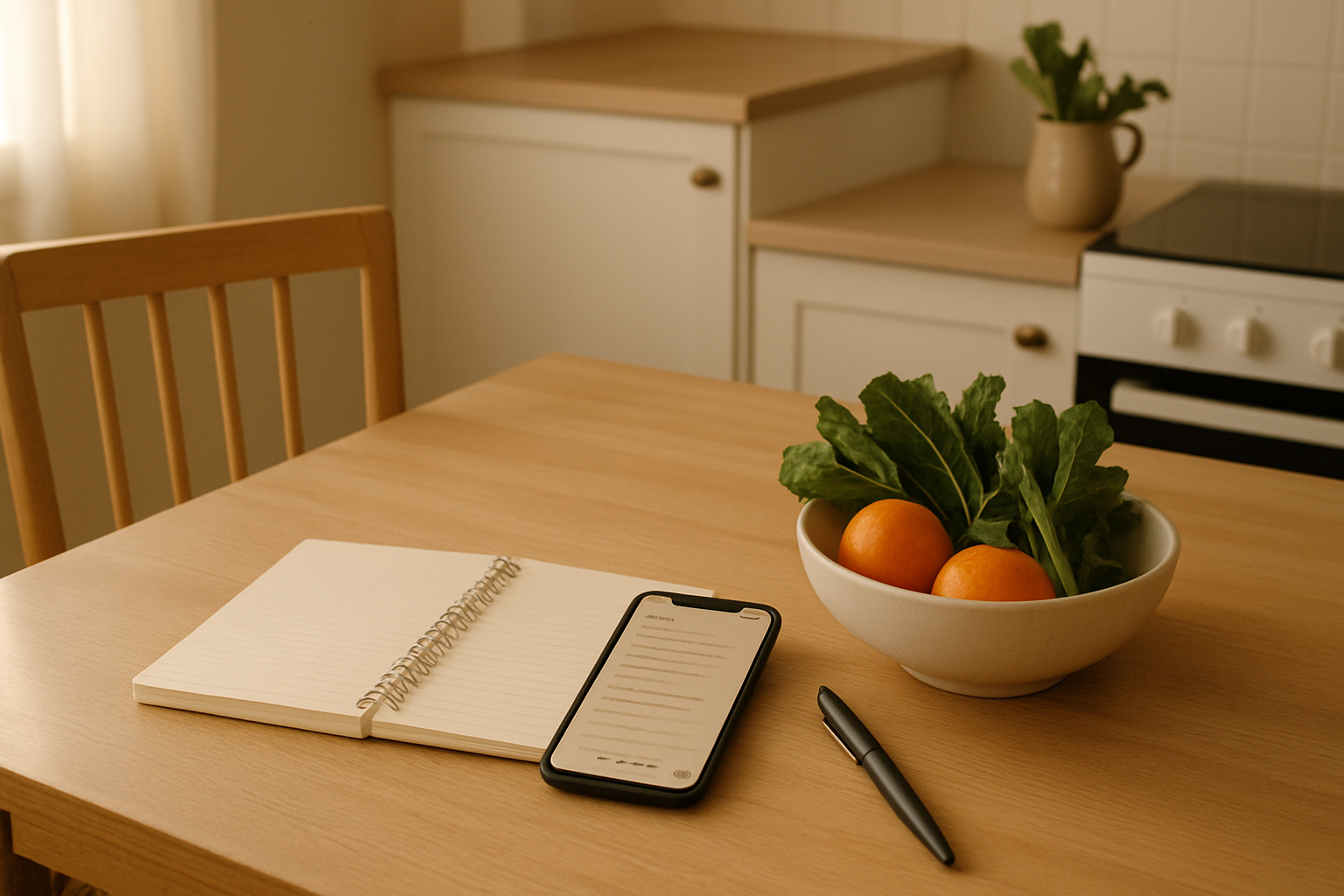
A simple My Health Hub setup with a notebook, phone notes and fresh produce on a kitchen table

My Health Hub: an in-depth guide and key considerations (Australian edition)

If you’ve ever left a health appointment feeling motivated—then two weeks later you can’t find the handout, you’ve forgotten what to track, and dinner has gone back to “whatever’s easiest”—you’re exactly who a My Health Hub is for.

A My Health Hub isn’t about perfection. It’s a simple system that helps you follow through when life is busy.

This my health hub in-depth guide and key considerations article explains how to build a hub that actually gets used in real Australian life. If you’d like printable tools to support your system, start here: My Health Hub downloads and resources.

What a My Health Hub is (and what it isn’t)

Think of your My Health Hub as your personal health operations centre. It might be a folder on your phone, a binder at home, a notes app, or a mix.

It isn’t:

  • A massive spreadsheet you never open
  • A strict rulebook
  • A place to collect guilt

It is:

  • A single place for your key info and tools
  • A way to spot patterns (food, stress, sleep, symptoms)
  • A bridge between consults so you can keep momentum

If you’ve searched for betterhealth tips, followed generic “clean eating” rules, or tried to piece together advice from social media, a hub helps you filter the noise. You keep what’s relevant to you.

Key considerations before you build yours

Keep it frictionless

The best hub is the one you’ll use.

Choose one home base:

  • Phone folder (often the most realistic)
  • Google Drive / iCloud folder
  • A4 folder if paper works best

Make it easy to access at the moments you need it—at the supermarket, when packing lunch, or when symptoms flare.

Set one goal (one goal beats ten)

Write one clear goal for the next 2–4 weeks. Examples:

  • “Reduce afternoon bloating and discomfort most days.”
  • “Eat breakfast 5 days a week to stabilise energy.”
  • “Build a weeknight plan that doesn’t rely on takeaway.”

Your tracking, shopping and meal structure should serve the goal—not the other way around.

Don’t let tracking become another stressor

Some people love data. Others find it triggering.

If you have a history of disordered eating, high anxiety, or you notice tracking makes you hypervigilant, keep it minimal (or skip tracking altogether).

If anxiety is a major driver for you, it can help to address food foundations alongside stress support. See: Naturopathy for anxiety support.

What to include in a My Health Hub (start with the essentials)

You don’t need everything on day one. Start with the pieces that make follow-through easier.

Your one-page health snapshot

This is the “quick context” you can share with a practitioner (or keep for yourself):

  • Main symptoms and how long they’ve been around
  • Current medications and supplements
  • Known allergies/intolerances
  • Relevant medical history (brief)
  • Biggest barriers (time, budget, shift work, cooking skills, sensory preferences)

This is especially useful if you see a naturopath and Nutritionist, or you’re coordinating care across providers.

A short-term symptom and food log (7–14 days)

If your focus is digestion, skin, fatigue, sleep, mood, or recurring cravings, a short log can clarify patterns.

Keep it simple:

  • Meals/snacks (rough is fine)
  • Bowel habits
  • Bloating/discomfort (0–10)
  • Sleep quality
  • Stress level

This is often the missing piece for people searching dietitian gut health support or a gut health dietitian Gold Coast—because it gives you real information to work with, rather than guessing.

Your “default meals” list

Healthy eating becomes easier when you reduce daily decisions.

Create a list of 8–12 go-to options:

  • 3 breakfasts
  • 3 lunches
  • 3 dinners
  • 2 snacks

Aim for meals you can repeat without getting bored. Rotate flavours, not the whole structure.

A realistic supermarket plan (the trolley is where it’s won)

Most goals fail at the trolley.

A supermarket shopping guide helps you:

  • Choose foods that match your gut, energy and stress needs
  • Build a consistent trolley (even when you’re tired)
  • Get faster at label reading

If you want hands-on support, Beta Me offers: Supermarket shopping guide and shopping tours.

A gentle “reset plan” for off weeks

This is your safety net for stressful weeks.

Write a reset plan that doesn’t rely on motivation:

  • Stock 3 emergency meals (eggs + frozen veg, tinned salmon + rice, yoghurt + fruit + oats)
  • One hydration target you can hit
  • One sleep boundary (for example, screens off at a set time)
  • One gentle movement option (walk, stretch, mobility)

Healthy eating for everyday Australians (a practical answer)

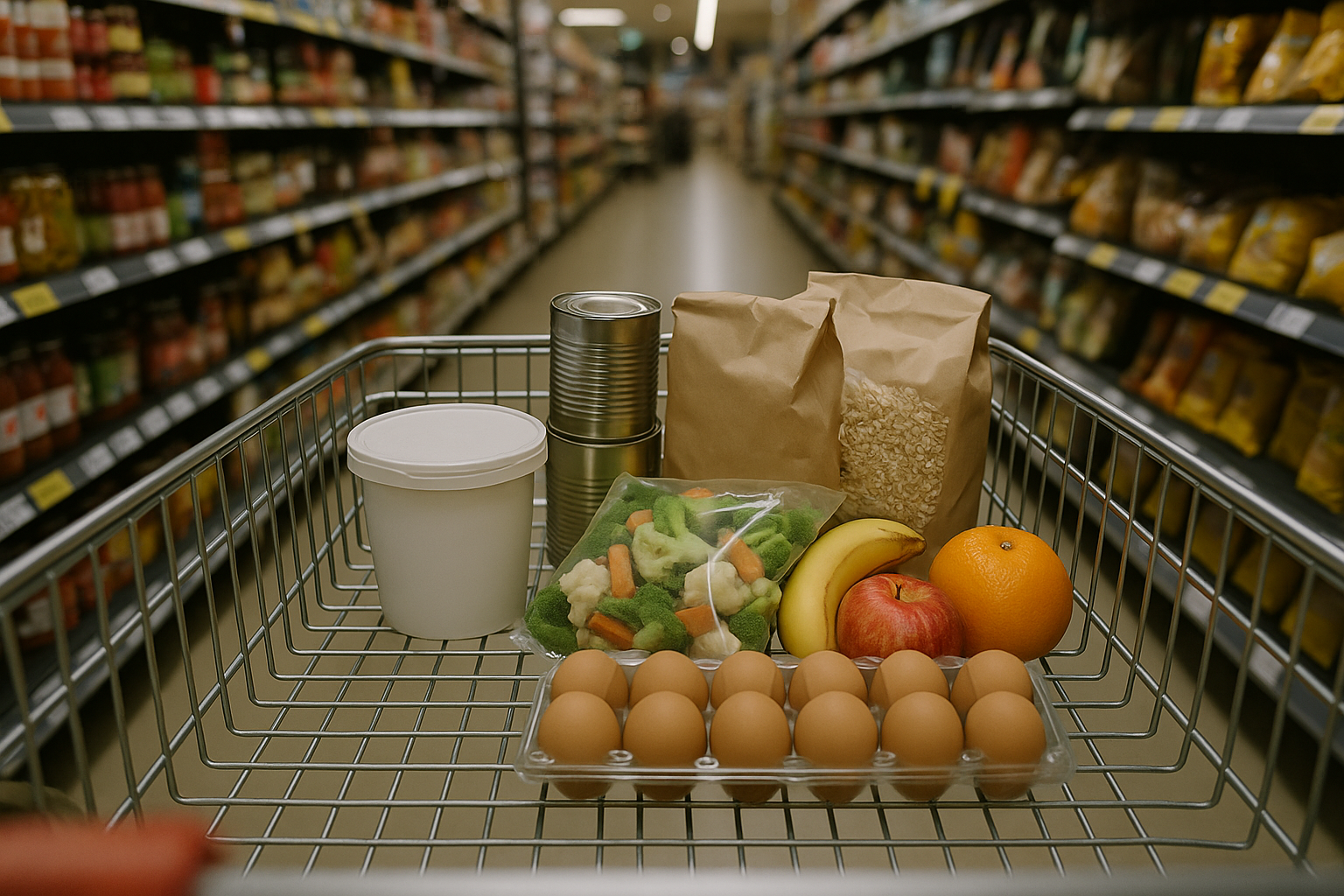
A supermarket trolley with whole food staples for healthy eating

Many people ask: what does healthy eating look like for an average Australian?

The most useful answer is the one you can apply on a Tuesday.

For many Australians, “healthy” looks like:

  • Regular meals with enough protein to keep you satisfied
  • Plenty of vegetables most days (fresh and frozen both count)
  • Fibre from legumes, oats, seeds, wholegrains and vegetables
  • Mostly minimally processed foods, with room for fun foods
  • A plan for busy days (because life doesn’t pause)

If you’re dealing with gut symptoms, the “healthy” option is sometimes the one your gut tolerates right now—while you work out triggers and rebuild tolerance over time.

My Health Hub for gut health: key focus areas

If your hub is mainly for digestion, keep it centred on foundations.

Meal pace, chewing and meal rhythm

Rushed meals can amplify symptoms.

Try:

  • Sit down for 10 minutes
  • Chew more than you think you need
  • Reduce multitasking while eating

Fibre: choose the right type and increase slowly

Going from low fibre to very high fibre overnight can backfire.

A gentler approach:

  • Add one fibre food at a time
  • Increase water alongside fibre
  • Track tolerance (not “good vs bad”)

Identify patterns without fear or food rules

Your hub is for curiosity, not restriction.

Swap harsh rules for observations:

  • “I notice this affects me when I’m stressed.”
  • “This is fine in a small serve, but not two days in a row.”

If you want personalised help, support can save months of trial and error—especially if you’re looking for a dietitian gut health approach or a gut health dietitian Gold Coast style of support. For local care options, see: Naturopath Gold Coast | Nutritionist Gold Coast | Beta Me.

My Health Hub for stress and anxiety: what to add

A calm home setup for simple stress and routine habits

Many people notice a loop: stress affects digestion, digestion affects mood, and both affect sleep.

Consider adding:

  • A short sleep routine checklist
  • A caffeine note (timing often matters)
  • Protein at breakfast to support steadier energy
  • A “calm kit” list: breathing exercise, walk route, music, journalling prompt

If you’re specifically looking into naturopath and anxiety support, the aim is to reduce overall load and strengthen foundations. It’s not about chasing a miracle fix.

How to use Beta Me downloads without collecting “dead PDFs”

Downloads work best when you integrate them into your week.

Try this:

  1. Save key resources from My Health Hub downloads and resources into a folder titled “My Health Hub”.
  2. Pick one tool to use for 7 days.
  3. Set a 10-minute weekly check-in (calendar reminder).
  4. Only then add the next tool.

If you’d like help applying tools at home, with routines, or while shopping, practical support is available via Mobile nutritionist and naturopath services.

Common pitfalls (and what to do instead)

Pitfall: Making it too complicated

Do this instead: One folder, one goal, one tool this week.

Pitfall: Copying someone else’s plan

Do this instead: Build around your schedule, budget, cooking skills and symptoms.

Pitfall: All-or-nothing eating

Do this instead: Create a baseline plan you can follow at 70% capacity.

Pitfall: Trying to fix everything with supplements

Do this instead: Start with food structure, sleep and stress support. Supplements may be part of a plan, but they’re rarely the whole plan.

A simple 30-minute set-up (quick start)

If you want a fast way to begin:

  • Create a folder: “My Health Hub”.
  • Add 3 notes:
    • “My goal (next 2–4 weeks)”
    • “Default meals + snacks”
    • “Health snapshot + current symptoms”
  • Download one resource from https://betame.com.au/downloads/ and save it in the folder.
  • Add a weekly reminder: “Plan groceries + check symptoms”.

That’s enough to start. You can refine as you go.

When personalised support is worth it

Consider booking support if:

  • You’ve had gut symptoms for weeks or months and you’re stuck
  • Anxiety, sleep or fatigue is driving food choices and appetite
  • You’re reacting to lots of foods or cutting foods out and feeling worse
  • You want a plan that fits your life (work, kids, travel, sensory needs)

Beta Me offers flexible nutrition and naturopathy support. Start here: Naturopath Gold Coast | Nutritionist Gold Coast | Beta Me.

If online or in-home help would make it easier to follow through, explore: In-home and online nutrition support (NDIS and beyond).

Next step: build your My Health Hub with the right tools

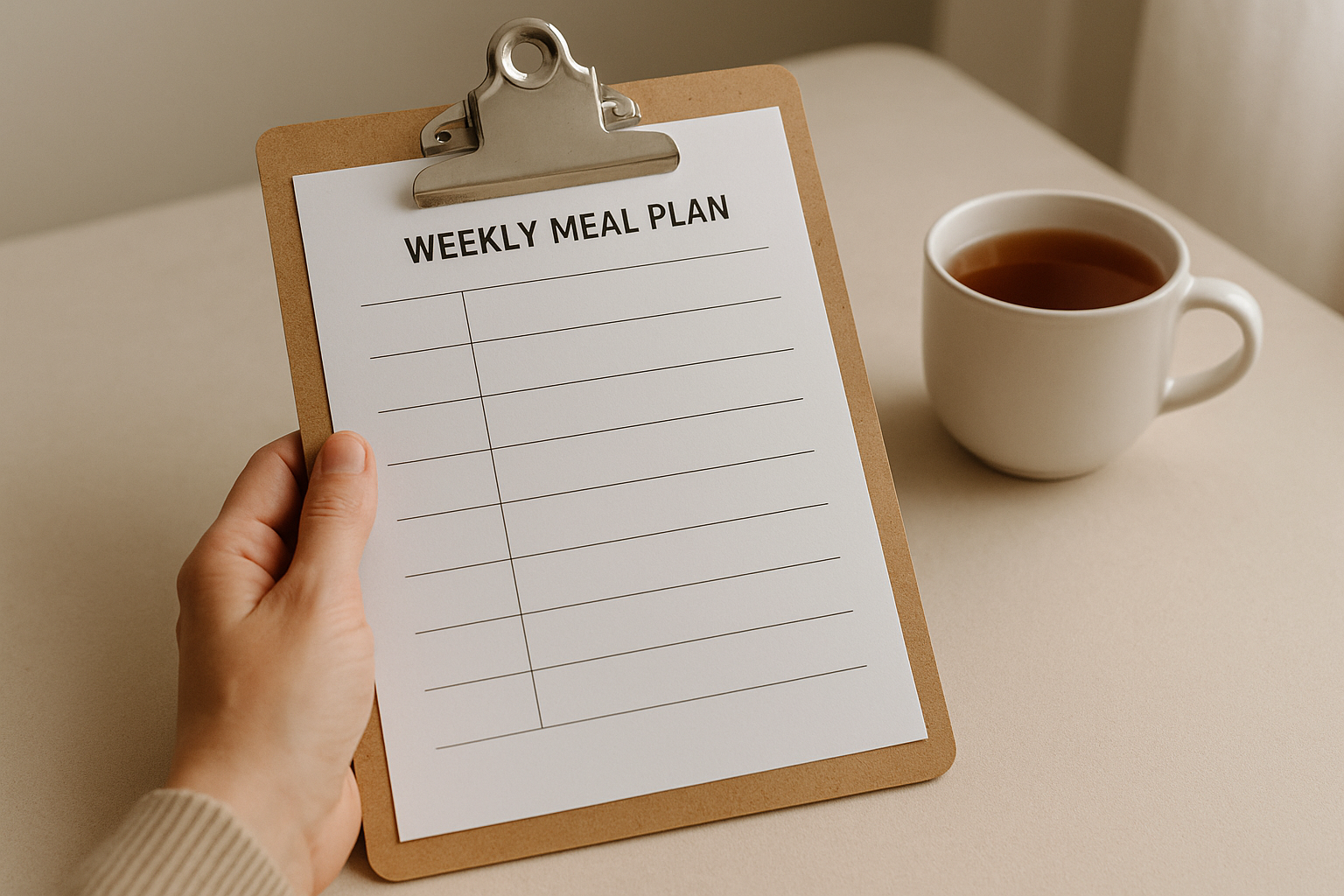
A blank weekly meal plan template ready to fill in

Choose one resource you’ll use this week from the Beta Me downloads page: My Health Hub downloads and resources.

If you’d prefer guidance tailored to your symptoms, routines and food preferences, you can also book a consult with Beta Me. Your goal is a plan you can follow in real life—and a hub you’ll keep using.


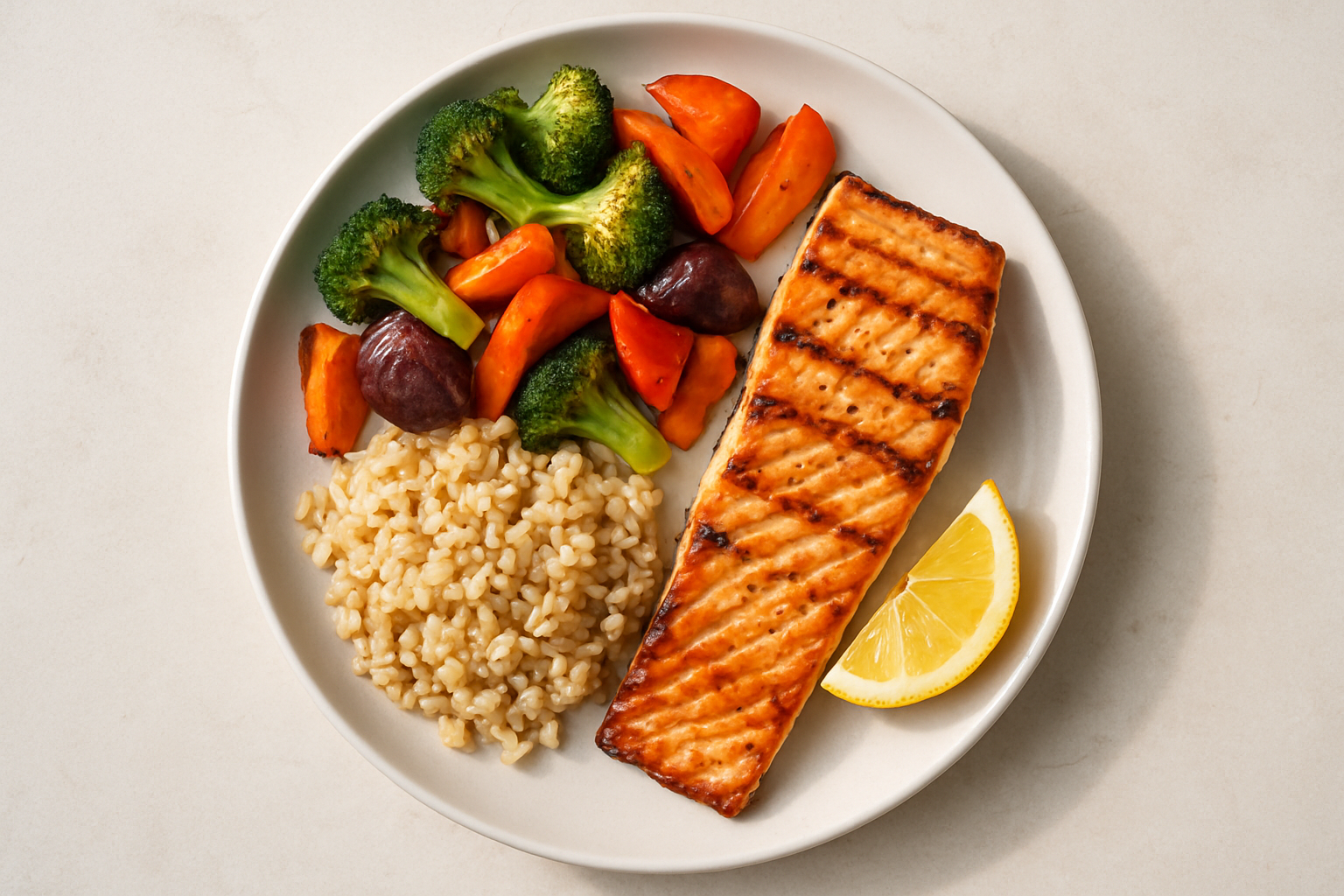
A balanced meal example with protein, vegetables and fibre-rich carbohydrates

FAQs

What is a My Health Hub, and who is it for?

A My Health Hub is a simple system that keeps your health information, tools and routines in one place so you can make consistent decisions. It’s useful for anyone who wants clearer eating patterns, better symptom tracking, or a plan to follow between appointments—especially if you’re working on gut health, stress, energy, or hormone-related concerns.

How do I start a My Health Hub if I feel overwhelmed?

Start with just three things: (1) your main goal for the next 2–4 weeks, (2) a short symptom and food log template (if helpful), and (3) one practical tool you’ll actually use (for example, a supermarket shopping guide or a simple meal framework). Keep everything in one folder or notes app, then add one item per week.

What should I track for gut health without becoming obsessive?

Track only what helps you make decisions: bowel habit changes, abdominal discomfort/bloating, energy, sleep quality, and simple meal notes. Use a quick 0–10 scale and keep it to 7–14 days. If tracking increases anxiety or disordered eating behaviours, pause the log and seek professional support.

Is a supermarket shopping guide actually helpful for healthy eating?

Yes—because most food decisions happen at the supermarket, not at the kitchen bench. A good supermarket shopping guide helps you build a trolley that fits your goals (gut health, blood sugar stability, energy, allergies) and strengthens label-reading skills so you can choose options that work for you, even when you’re busy.

What does healthy eating look like for an average Australian?

For most Australians, healthy eating looks like regular meals built around minimally processed foods: plenty of vegetables, adequate protein, fibre-rich carbs (like legumes, wholegrains and starchy veg), healthy fats and fluids—plus flexibility for real life. It’s not all-or-nothing. It’s repeatable choices you can sustain at work, at home and when eating out.

Should I see a dietitian, a naturopath, or both?

It depends on your needs and preferences. A dietitian gut health consult can be useful for structured nutrition strategies, allergies/intolerances, and food tolerance work. A naturopath and nutritionist approach may add a broader lens, including lifestyle foundations and complementary support options. Many people benefit from a blended approach—especially if symptoms involve digestion, stress and energy together.

Can a naturopath help with anxiety?

A naturopath can support anxiety by addressing foundations such as sleep, blood sugar balance, nutrient status, gut health and stress load, alongside lifestyle strategies. It’s not a replacement for urgent mental health care. If anxiety is severe, escalating, or involves self-harm thoughts, seek immediate medical support.

Where can I access Beta Me resources for building a My Health Hub?

You can access practical resources via the Beta Me downloads page. Many people save the relevant PDFs into a single folder on their phone or computer so they can use them between consults and at the supermarket.

Health Tips to Get You Fed – The Joys of Parenthood and Forgetting to Feed Yourself

Busy Parent Tips

Before parenthood, the concept of ‘forgetting to eat’ is inconceivable to most. Insert children and soon the days of waking up and thinking about what you are going to have for breakfast, sitting down to enjoy that HOT breakfast and shortly after thinking about what, when and where your next meal is going to come from turn into a distant memory. This blog was designed to provide you with some of the health tips and tools I use to ensure I remain nourished and on top of my game when it comes to caring for my son and being a working mum, with a business to run.

Tips for parents

Once your children arrive, sacrifice and selflessness quickly become part of the parental territory. Busy days feeding the baby or taking kids to school and sport, all while trying to maintain the household and your career interrupt your appetite and you soon say goodbye to HOT and seated meals. Your days are now a whirlwind fog.

You are certainly not alone in the neglect of your own needs. Parents and caregivers, mums and dads all over the world experience the same struggles, whether you are a stay-at-home parent or full-time working parent.

To your kids, you are a Superhero. A superhero can only be the kind of super they need if YOU are healthy and happy.

Superhero parent tips
You can only be the superhero they need if you have YOUR OWN health

Your health should be your priority and because everyone else relies on you to keep them healthy, it is also your responsibility to keep yourself healthy.

Why?

Because..

  • you deserve it!
  • your kids need it.
  • children need role models to show them HOW to be healthy, not simply be told.

Some health tips

parent health tips
Get the whole family involved
  • Start and end your day early.
  • Plan out healthy meals and snack wisely.
  • Keep a good supply of healthy grab-and-go one handed snacks in the pantry/fridge (see tops and ideas below).
  • Even if you cannot get a complete meal in, eat several small meals across the day to keep your energy up and prevent crashes.
  • Ensure snacks and meals are high in fibre to sustain you for longer and prevent cravings for sugary/carb rich junk foods.
  • Ask your Nutritionist to help you with a simple meal plan that is achievable.
  • Nurture friendships and extended family who support you and your own need to be healthy.
  • Be a team
      • Get your kids involved in helping to cook meals.
      • Ask your partner to help with meal preparation or other chores, so you can meal prep.
    • Ask a family member or friend to take the kids for a few hours while you prepare meals in advance.
  • Stay active, not only chasing children but walk, run, dance, swim, gym, do whatever you enjoy to stay active, keep your mind clear and maintain energy for planning and preparing healthy meal options and supporting a healthy appetite.
  • Reduce the stress and clutter in your mind, to allow your body to remember to eat (with the above)
  • Set alarms for yourself as reminders to eat regularly.
  • Use healthy ready-meal services (speak with your nutritionist on healthy options available).
  • Have a health plan in place (e.g. a mummy/daddy pamper day, a meal prep day, massage once per month etc.)

Quick Snack Ideas

  • Boiled Eggs (done the night before while the kids are sleeping)
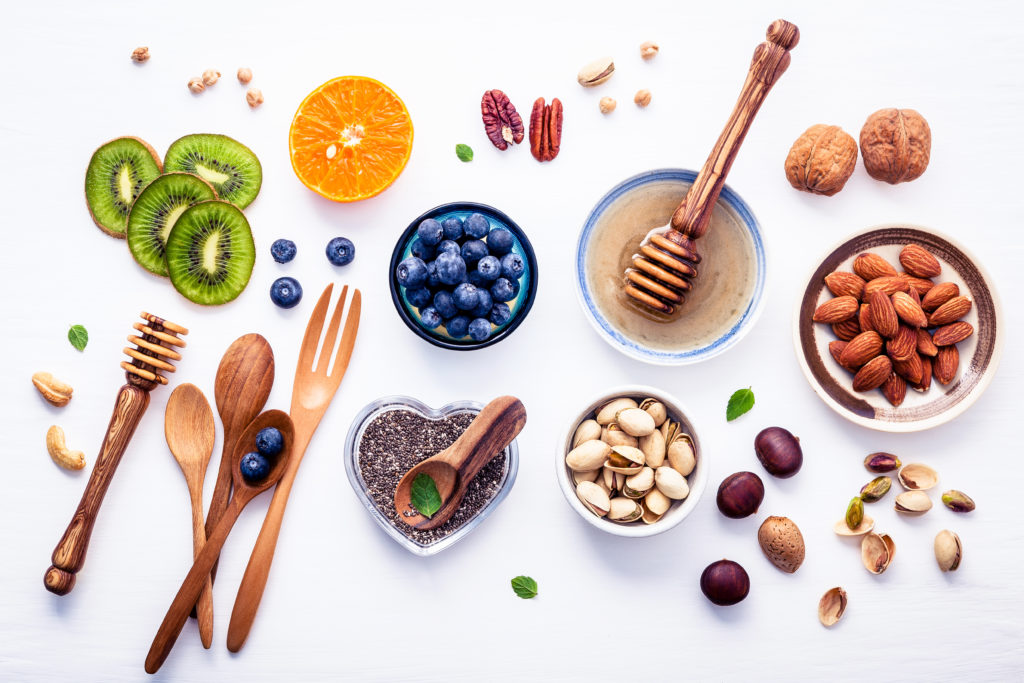
  • Nuts and seeds – almonds, walnuts, Brazil nuts are all great choices, pepitas, sunflower seeds.
  • Fresh fruit – berries, bananas, apples are all quick and easy.
  • Smoothies
  • Chia pots – (done the night before while the kids are sleeping)
  • Yoghurt pouches
  • 70% or more Dark Chocolate (limit to 2 squares)
Healthy Snack Ideas
Healthy Snack Tips
Loading...