
How to Choose a Naturopath: A Practical Checklist (and What to Ask Before You Book)

Checklist-style desk scene representing how to choose a naturopath in Australia

How to choose a naturopath (without wasting time or money)

If you’ve searched “naturopath near me” and ended up with a dozen tabs open, you’re not alone.

The hard part isn’t finding a practitioner. It’s choosing someone who listens, explains things clearly, and gives you a plan you can follow.

This guide explains how to choose a naturopath using a practical checklist. You’ll also find red flags to avoid and copy‑paste questions to ask before you book.

If you’re comparing naturopaths Gold Coast, looking for a Gold Coast naturopath, or narrowing down a best naturopath Gold Coast shortlist, start here.


1) Get clear on what you want help with

A clear goal makes it easier to choose the right practitioner.

Before you book, jot down:

  • Your top 2–3 symptoms (the ones affecting day-to-day life)
  • Your main goal (for example, “sleep through the night” or “steady energy by 3 pm”)
  • Any constraints (budget, travel, shift work, sensory needs, appointment times)
  • What you’ve already tried and how it went

Bring this to your first appointment. It keeps the consult focused and helps you assess whether a practitioner is a good fit.


2) Understand what a naturopath can (and can’t) do in Australia

Researching a naturopath online using a laptop and notebook

A little research upfront helps you choose a practitioner who fits your needs and values.

A naturopath typically supports health with:

  • Nutrition and food-based strategies
  • Lifestyle support (sleep, stress, movement, routines)
  • Herbal medicine
  • Supplements (when appropriate)
  • Thorough case-taking to connect patterns over time

Just as important is knowing scope and safety. A good naturopath should be comfortable:

  • Referring you back to your GP when something needs medical investigation
  • Working alongside allied health practitioners when helpful
  • Explaining recommendations in plain language

If you want a naturopath and nutritionist approach

Many people want food strategy and naturopathic tools.

If you’re looking for a naturopath and nutritionist, ask:

  • “Do you start food-first? Where do supplements fit?”
  • “How do you make the plan realistic for my routine?”

3) Check the approach (not just the marketing)

When people search for a highly recommended naturopath Gold Coast, they’re usually trying to find someone who is safe, thorough, and practical.

As you browse a website (or send a quick enquiry), look for signs of a clear method:

  • Is the approach explained in a way that makes sense?
  • Is it clear who they do (and don’t) work with?
  • Do they communicate in a calm, structured way?
  • Do they provide written plans?
  • Do they offer follow-ups?
  • Do they mention safety, medications, and collaboration?

If you have complex needs (multiple conditions, lots of medications, or significant stress), structure matters.


4) Look for a method — not a miracle

A solid naturopathic process often looks like this:

  1. Comprehensive intake (history, diet, stress, sleep, symptoms, medications)
  2. Prioritisation (the first 1–2 areas to focus on)
  3. Foundations (routine, nutrition basics, nervous system support)
  4. Targeted support (herbs and/or supplements with a clear reason)
  5. Review and adjust (what changed, what didn’t, what’s next)

If a practitioner can’t explain their process, it’s hard to know what you’re paying for.

Red flags to be cautious about

Be wary if someone:

  • Promises guaranteed results
  • Claims they can “fix everything” quickly
  • Pushes a large supplement bundle upfront
  • Can’t explain why a recommendation is relevant to you

5) What to ask before you book (copy/paste list)

Preparing questions and health information before a naturopath appointment

Bring your medication list, key symptoms, and goals to your first appointment.

If you’re comparing a naturopath Gold Coast clinic (or still searching “naturopath near me”), these questions help you choose with confidence.

Questions about fit

  • “Do you work with my main concern (for example, gut symptoms, hormones, fatigue, anxiety)?”
  • “What happens in the first appointment, and how long is it?”
  • “What’s your general approach: food-first, supplements, herbal medicine, or a mix?”

Questions about safety and collaboration

  • “I’m taking medications — how do you check for interactions?”
  • “Do you collaborate with GPs or other practitioners when needed?”

Questions about expectations and budget

  • “What does follow-up usually look like?”
  • “How will we measure progress over the next 4–8 weeks?”
  • “If supplements are recommended, do you stage them?”

A reputable practitioner won’t be offended by these questions. They should welcome them.


6) Choose the right appointment format: in-clinic, mobile or online

Convenience affects consistency.

If your plan is hard to implement, it usually won’t stick (even if it’s a good plan).

Consider what suits you best:

  • In-clinic appointments if you like face-to-face structure
  • Mobile consults if travel is difficult or time is tight
  • Online consults if you want flexibility or live outside the area

If you’re weighing up options with a Gold Coast naturopath, Beta Me offers:


7) What a good first appointment should feel like

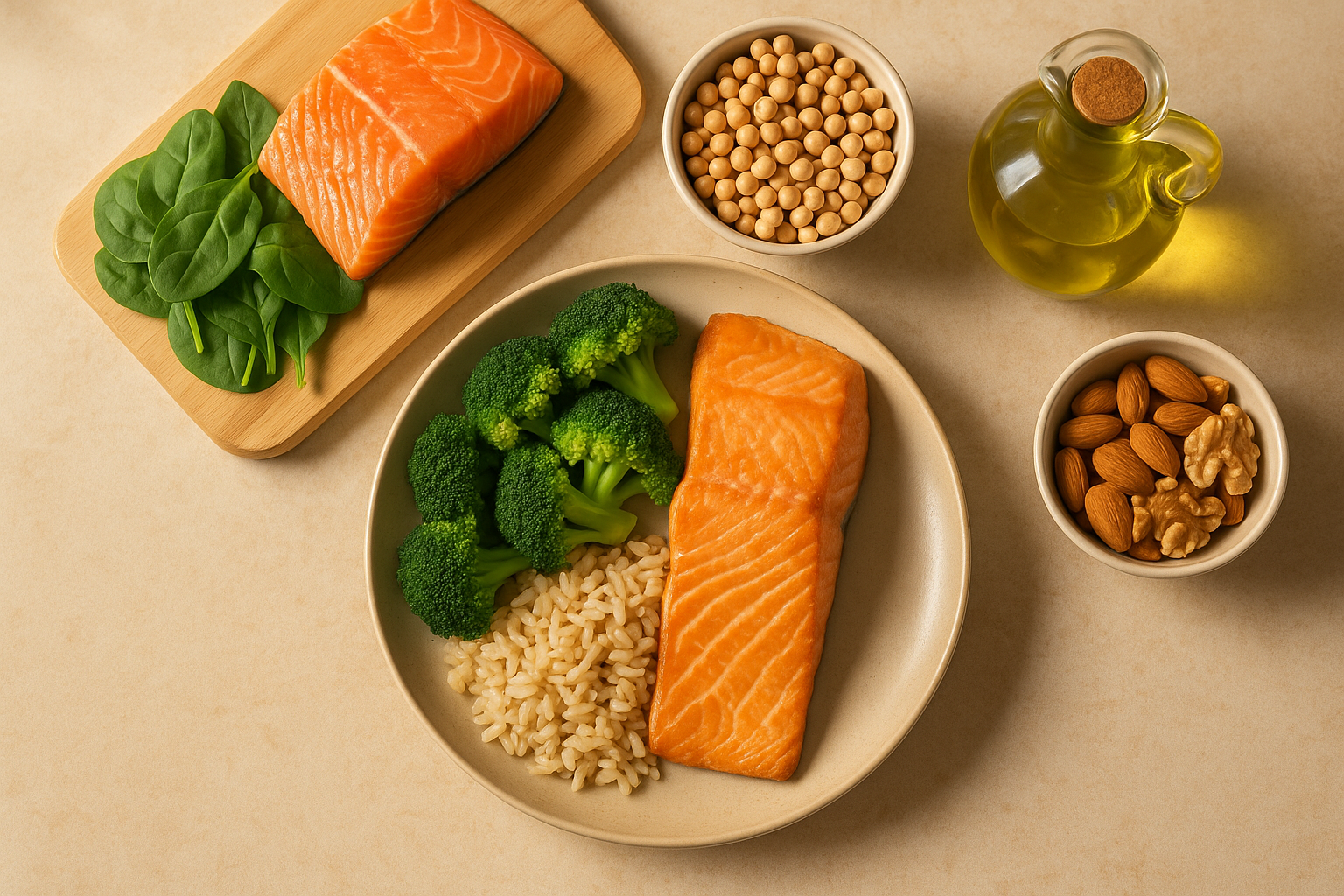
Whole foods on a kitchen bench representing food-first nutrition support

A good plan often starts with practical, food-first changes.

You should leave with:

  • A clear summary of what they think is going on (in plain language)
  • 1–3 priorities (not an overwhelming list)
  • A written plan with steps you can actually do
  • A review timeline and what “progress” looks like
  • Transparency about costs, including any optional products

If you feel pressured, confused, or like you were given a generic protocol, it’s okay to keep looking.


Choosing a naturopath for anxiety: what to look for

If you’re searching for an anxiety naturopath (or typing naturopath anxiety into Google), look for someone who:

  • Asks about sleep, caffeine, alcohol, workload, and stress triggers
  • Checks medications and keeps safety front of mind
  • Supports collaboration with your GP and/or psychologist when appropriate
  • Offers practical routines and skills (not just pills or powders)
  • Tracks change over time (sleep onset, wake-ups, daytime steadiness)

If anxiety is a key concern, read more here: anxiety naturopath support on the Gold Coast.


Quick reality check: “highly recommended” vs “right for you”

Reviews are useful, but they don’t tell the whole story.

A highly recommended naturopath Gold Coast option is often praised for:

  • Clear communication
  • Follow-up and accountability
  • Practical, realistic plans

But the right practitioner for you also matches:

  • Your budget and availability
  • Your preference for food-first vs supplement-heavy support
  • Your comfort level (you should feel heard)
  • Your need for mobile or online options

If you’re trying to find the best naturopath Gold Coast, define “best” as safe, transparent, and suited to your situation.


Looking for a Gold Coast naturopath with a clear, practical plan?

Beta Me provides naturopathy and nutrition support with a grounded, realistic approach.

If you’d like to check fit before booking, you can:

Ready to book (or ask a question first)?

To help us point you in the right direction, include the basics in your message:

  • Your main goal
  • Your top symptoms
  • Any constraints (time, travel, budget)
  • Your medications (if relevant)

Then book or enquire here: Contact Beta Me.


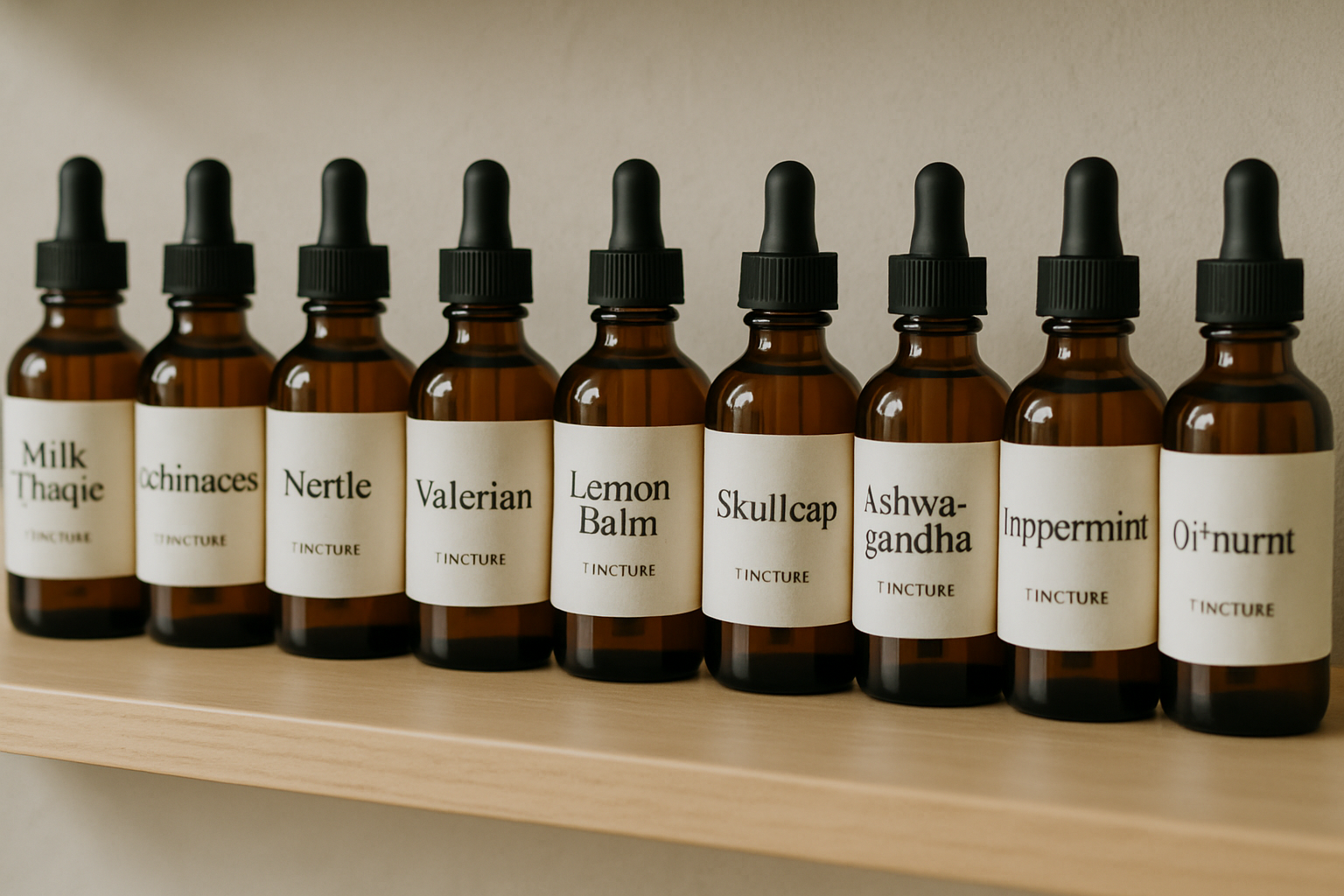
Herbal tea and botanicals representing gentle naturopathic support options

Herbs and nutrients should be chosen carefully to match your health history and medications.

FAQs

What qualifications should a naturopath in Australia have?

Look for formal training, a clearly explained scope of practice, and a practitioner who takes safety seriously. It’s also reasonable to ask how they stay up to date and how they work alongside your GP.

How do I choose a naturopath for anxiety support?

Choose an anxiety naturopath who covers sleep and daily foundations, checks medication interactions, communicates calmly, and is comfortable coordinating care. Avoid anyone promising a cure or pushing a single “magic” solution.

Is it better to see a naturopath and nutritionist, or just one practitioner?

If you want both nutrition strategy and naturopathic tools, it can be efficient to see a practitioner who offers integrated support. The key is a clear plan, realistic priorities, and recommendations that are explained and reviewed.

What should I ask before booking a naturopath appointment?

Ask what happens in the first appointment, how progress will be tracked, what timeframe is realistic, and what follow-up looks like. You can also ask how they decide on supplements and whether they stage recommendations.

Are supplements always necessary with naturopathy?

No. Supplements can be useful, but they should be tailored, explained clearly, and reviewed. Food-first and lifestyle changes are often the base of a sustainable plan.

Can I see a naturopath if I’m on medication?

Yes — provided your naturopath takes a full medication list, considers interactions, and supports appropriate collaboration with your GP. They should never advise stopping medication without medical oversight.

Anxiety & Naturopathy: What an Anxiety Naturopath Can Do (and How to Choose the Right One)

Calm naturopathy consultation space for anxiety support

Anxiety & naturopathy: what an anxiety naturopath can do (and how to choose the right one)

An anxiety naturopath helps you work on the physical and lifestyle factors that can keep your body stuck in “high alert”. You’ll usually get practical steps around food, sleep, gut health and (when needed) supplements.

Anxiety rarely looks like “just anxiety”. It can show up as a racing mind at bedtime, a tight chest on the commute, digestive flare-ups before meetings, or feeling flat and wired at the same time.

This guide explains what naturopathy for anxiety can include, what to expect, and how to choose the right practitioner. It’s relevant whether you want a Gold Coast naturopath, you’re open to online consults, or you’re comparing clinics in different cities.

Want personalised support now? Explore Anxiety naturopathy support at Beta Me or contact Beta Me to ask about appointment options.


What is an anxiety naturopath?

An anxiety naturopath looks for factors that can push your body into a stress response and keep it there. The aim isn’t to blame everything on stress. It’s to reduce the load on your system in a way that’s realistic for your life.

They often focus on:

  • Nervous system load (capacity, not just mindset)
  • Blood sugar stability and meal timing (swings can feel like anxiety)
  • Sleep quality (without relying on willpower)
  • Gut function (bloating, reflux, bowel changes, nausea, appetite shifts)
  • Nutrient status (especially when stress affects appetite and food choices)
  • Stimulants and depressants (caffeine, alcohol, nicotine, pre-workout)
  • Life stage and hormones (where relevant)

A good consult should leave you with a plan that’s specific and doable. It should feel like “here’s what to do this week”, not vague advice like “do more self-care”.


What naturopathy can (and can’t) help with

Balanced meal components to support steady energy and mood

Naturopathy can help when anxiety is being amplified by poor sleep, inconsistent eating, gut symptoms, nutrient shortfalls, burnout patterns, or coping habits that are understandable but no longer working.

It’s also a good fit if you want structure, not general advice. That might include what to eat, when to eat, which habits to start with, and what to track so you can tell if things are improving.

Safety and limits

  • Naturopathy isn’t a replacement for emergency care.
  • If you’re experiencing thoughts of self-harm, feel unsafe, or symptoms are escalating quickly, seek urgent help via emergency services.
  • For diagnosed mental health conditions, naturopathy usually works best alongside your GP and/or psychologist.

The goal is steadier foundations so your body isn’t constantly running on “high alert”. For many people, that means fewer spikes and crashes, better sleep depth, and more predictable energy. It’s not an overnight fix and it shouldn’t be sold as one.


Common drivers under “anxiety” (and what to do about them)

Anxiety symptoms often cluster with a few common patterns. It helps to treat these as hypotheses to test, not assumptions to lock in.

1) Blood sugar swings that mimic anxiety

If you feel shaky, irritable, lightheaded, or suddenly “panicky” when you haven’t eaten, food timing may be a key lever. A common pattern is symptoms easing after eating, or a late-morning crash after a coffee-only start.

Practical starting points:

  • Eat protein at breakfast (or your first meal)
  • Avoid coffee until you’ve eaten (especially on an empty stomach)
  • Build meals around protein + fibre + healthy fats
  • Keep a simple “bridge snack” handy (yoghurt, nuts, boiled egg, cheese and crackers, or a protein smoothie)

Important: If you have a history of disordered eating, diabetes, or you’re using medications that affect appetite or glucose, get individual guidance rather than forcing rigid rules.

If you’re getting true “panic” sensations with sweating, tremor, dizziness, chest pain, or fainting, flag this with your GP to rule out other contributors.

2) Sleep debt and a revved nervous system

When sleep is light, broken, or pushed too late, your nervous system often becomes more reactive. Even if you can function, anxiety symptoms tend to get louder.

Helpful strategies can include:

  • A consistent wake time (often more realistic than a perfect bedtime)
  • A wind-down routine you can repeat (short beats ambitious)
  • Morning light exposure, and lower light at night
  • Reviewing caffeine timing and alcohol patterns

If you snore, wake unrefreshed, or have significant daytime sleepiness, speak with your GP. Sleep disorders are common and can look like “anxiety and fatigue”.

If evenings are your only quiet time, aim for a wind-down that doesn’t feel like another task. Even 10 minutes of the same cue (shower, stretch, book, podcast) can help your body recognise “we’re landing now”.

3) Gut symptoms and food-related flare-ups

Anxiety and gut symptoms often travel together. That doesn’t mean it’s “all in your head”. Your gut and nervous system share messaging pathways, and irritation in one can ramp up the other.

If you have bloating, reflux, nausea, constipation, diarrhoea, or abdominal pain, a naturopath may explore:

  • Meal size, speed, and timing (rushed eating matters)
  • Fibre types and fluid intake
  • Tolerance to specific foods (without unnecessary restriction)
  • Whether further medical investigation is needed

GP-first signs: blood in stool, unexplained weight loss, persistent vomiting, severe pain, or rapidly changing bowel habits.

A key caveat: “cutting everything out” often backfires. If restriction is suggested, it should have a clear purpose, a short time frame, and a reintroduction plan.

4) Under-fuelling or overly restrictive eating

If anxiety has changed your appetite or created fear around food, the body can become more sensitive and stressed. This can show up as insomnia, heart racing, irritability, low mood, or feeling overwhelmed by “small” things.

A supportive plan usually focuses on:

  • Gently rebuilding regular intake
  • Improving nutrient density without overwhelm
  • Keeping changes simple and consistent

A team approach can matter here. Depending on your situation, support from a GP, psychologist, and dietitian may be appropriate alongside naturopathy.

If “eating more” feels impossible, start by making intake more predictable (even if it’s small). That helps your body stop guessing.

5) High stimulant load (including “hidden” stimulants)

Caffeine isn’t just coffee. It also includes pre-workout, energy drinks, strong tea, chocolate, some weight loss products, and certain supplements.

If you’re sensitive, even “normal” amounts can drive heart racing, a tight chest, gut urgency, and insomnia.

A naturopath can help you reduce stimulants without crashing your energy. Usually that means tightening up food timing first, then tapering gradually to reduce headaches and withdrawal fatigue.

A practical tip: if you change caffeine, change it slowly and keep notes on sleep and anxiety. It helps you tell the difference between improvement and withdrawal.


What happens in an anxiety naturopath consult?

You should leave an initial consult feeling understood and clear on next steps. It should be detailed, but not invasive.

What they’ll usually ask

  • Your anxiety pattern (when it happens, triggers, what helps)
  • Sleep, energy, digestion, appetite, cravings
  • Diet patterns (including meal timing and caffeine)
  • Stress load, work demands, family load, movement, downtime
  • Current medications and supplements (including occasional use)
  • Relevant health history

If you’re not sure where to start, it can help to bring:

  • A short list of your main symptoms (and when they’re worst)
  • Any recent blood test results you already have
  • A photo or note of supplements/medications you’re using (including herbal products)

What your plan may include

  • Nutrition changes prioritised for your biggest wins
  • A short list of realistic habits (not a complete life overhaul)
  • Targeted supplements where appropriate and safe
  • Coordination with your GP when needed (for example iron, B12, vitamin D, thyroid markers, glucose — based on symptoms and history)

If you’re looking for a Gold Coast naturopath who supports anxiety with a practical lens, read more about Beta Me Nutrition & Naturopathy (Gold Coast).

Gold Coast note

In-person follow-ups can feel more anchored if leaving the house is doable. For some people, a local clinic also reduces the chance of cancelling when anxiety is up.

If travel, parking, or traffic is a barrier, online consults can still cover a lot.


Do you need a naturopath food sensitivity test?

Not always. Many people search for a naturopath food sensitivity test because they notice anxiety spikes with bloating, brain fog, skin flare-ups, headaches, or fatigue.

The practical truth is that not everyone needs testing, and not all tests are equally useful.

Good first steps (often enough to start)

  • A short-term food + symptom diary (what you ate, when symptoms hit, how strong)
  • Digestion basics (meal timing, fibre, hydration, chewing, avoiding rushed meals)
  • A structured elimination-and-challenge approach when a pattern is obvious

Testing can help in selected cases, but it shouldn’t replace a clear clinical picture. If testing is suggested, ask:

  • What decisions will the results change?
  • What will we do if the test is normal?
  • What’s the plan for reintroducing foods (and how will we avoid unnecessary long-term restriction)?

How to choose a naturopath for anxiety (Gold Coast, Melbourne, or online)

Choose a practitioner based on process and safety, not hype. You’re looking for someone who can explain what they’re doing, prioritise changes, and work alongside your other healthcare team when needed.

If you’re comparing a naturopath Gold Coast list, searching for the best naturopath Gold Coast, or weighing up the best naturopath Melbourne options, use the checks below.

Green flags

  • They take a comprehensive history (not a one-size-fits-all script)
  • They explain the “why” behind each recommendation
  • They discuss safety, interactions, and medication considerations
  • They prioritise changes (you don’t leave with 25 tasks)
  • They track progress and adjust the plan over time
  • They encourage collaboration with your GP or psychologist when needed

Yellow flags

  • Pressure to buy large supplement packs immediately
  • Big promises or guaranteed results
  • A plan that ignores sleep, food, and stress basics
  • Dismissing medical care or discouraging you from seeing your GP

Practical questions to ask before you book

  • Appointment length
  • Follow-up timing
  • Telehealth options
  • How they handle questions between sessions
  • Flexibility around appointment format (clinic, online, mobile)

Questions to ask (save this list)

  1. “What do you look for when anxiety is the main symptom?”
  2. “How do you decide what to prioritise first?”
  3. “How do you choose supplements, and how do you check for interactions?”
  4. “How often do you review the plan, and what does follow-up look like?”
  5. “What would make you refer me back to my GP?”

Practical, low-effort starting steps (while you’re booking support)

Gentle outdoor movement to support stress regulation

If your anxiety is active right now, focus on basics that can reduce the physical “buzz”. Keep it simple and repeatable.

  • Eat within 1–2 hours of waking (include protein)
  • Limit caffeine after late morning (earlier if sleep is fragile)
  • Hydrate early, not just at night
  • Go outside for 5–10 minutes soon after waking (daylight helps set your body clock)
  • Pick one wind-down cue (same time, same short routine)

If you can only manage one change, pick the one most likely to lower physical stress quickly. For many people, that’s regular meals, an earlier caffeine cut-off, or a consistent wake time.

Try not to change everything at once. If you overhaul food, caffeine, exercise and bedtime in the same week, it’s hard to tell what’s helping (and harder to stick with).


Want support from a Gold Coast naturopath who understands anxiety?

Tracking sleep and symptoms as part of an anxiety support plan

Beta Me offers naturopathy and nutrition support for anxiety with clear next steps and follow-up. It can suit Gold Coast locals dealing with early starts, shift work, school runs, and the reality that stress doesn’t pause.

You can also meet Danielle and read about Beta Me.


Reviewing relevant health information to guide naturopathic recommendations

FAQs

What does an anxiety naturopath do?

An anxiety naturopath looks at factors like nutrition, gut health, sleep, lifestyle, and relevant pathology (usually via your GP). The aim is to identify what may be driving your symptoms and build a practical plan you can follow.

Plans often include nutrition strategies, targeted supplements where appropriate, and referral back to your GP or psychologist when needed.

Can a naturopath help with anxiety if I’m already seeing a GP or psychologist?

Yes. Many people use naturopathy alongside medical and psychological care.

A naturopath can support foundations like food, sleep, nutrient status, gut symptoms, and stress load. Tell each practitioner what you’re taking and doing (including supplements and herbal products) so your care stays coordinated.

How do I choose a naturopathic doctor or naturopath for anxiety?

Choose someone who asks detailed questions, explains their reasoning, and offers a plan that fits your budget and capacity. It’s also a good sign if they work with your GP when needed.

Ask about their approach to supplements, how they check medication interactions, and how they measure progress over time.

What should I expect in a first appointment for naturopathy and anxiety?

Expect a detailed history, including symptoms and triggers, sleep, digestion, cycle history where relevant, diet, stress load, and medication/supplement use.

You should leave with a prioritised plan and clear next steps. In some cases, your naturopath may suggest GP-run pathology or discuss optional functional testing depending on your symptoms and history.

Is a naturopath food sensitivity test helpful for anxiety?

It depends. If you have digestive symptoms, headaches, skin issues, or clear food-related flare-ups, investigating triggers can help.

However, not all food sensitivity tests are equally reliable or necessary. Often, a structured food and symptom diary plus a short, guided elimination-and-challenge process is more practical (and less expensive).

If testing is recommended, ask what you’ll do with the results and how you’ll avoid staying stuck in long-term restriction.

How long does it take to notice changes when working with a naturopath for anxiety?

It varies. Some people notice improvements in sleep, energy, and steadiness within a few weeks, especially with consistent routines.

For longer-standing anxiety, gut issues, burnout, or nutrient repletion work, change can be more gradual. A good plan sets realistic milestones, reviews them regularly, and adjusts based on what’s actually happening day to day.

Do naturopaths on the Gold Coast offer online consults?

Many do. Online consults can work well for anxiety support because nutrition and lifestyle care often suits telehealth.

It can also be easier to fit around work, parenting, or times when leaving home feels hard.

What questions should I ask a highly recommended naturopath on the Gold Coast?

Ask how they assess likely drivers, how they prioritise recommendations, and how they manage supplement safety and medication interactions.

Also ask what follow-up looks like, how they track progress (sleep, digestion, mood, cycle, energy, symptom scales), and whether they collaborate with your GP or psychologist.

Gold Coast naturopath cost guide and budget planning (without bill shock)

Weekly budget planner and healthy groceries on a kitchen table

Gold Coast naturopath cost guide and budget planning (without bill shock)

You want a naturopath Gold Coast appointment that feels worth it and stays affordable. The goal is a clear plan, realistic food changes, and no surprise costs after the first visit.

This guide covers what drives the total cost, where people overspend, and how to choose support that fits your goals and budget.

It’s also useful if you’re comparing a Gold Coast naturopath with a holistic nutritionist Gold Coast provider, a combined naturopath and nutritionist approach, or a gut health dietitian Gold Coast option.

What makes up the total cost of seeing a naturopath?

The total cost is rarely just the consult fee. Most people spend across four areas:

  1. Consultations (initial appointment plus follow-ups)
  2. Optional testing (only when it changes decisions)
  3. Supplements or practitioner-only products (sometimes helpful, sometimes overdone)
  4. Groceries (often the hidden budget driver)

Good care makes these costs visible early. You should be able to ask, “What’s essential now?” and get a straight answer.

Gold Coast practical note: travel, parking and telehealth

On the Gold Coast, logistics can change the real price more than people expect.

In-home visits may include travel time between suburbs (for example, Southport to Robina, or out toward Nerang, Currumbin, Burleigh Waters, Helensvale or Coomera). Traffic around school pick-up, the M1, and busy shopping precincts can also affect appointment windows.

Parking can add time and cost too, especially in busy cafe strips, medical hubs, and beachside areas.

If you want predictable scheduling (or you’re outside the immediate area), telehealth can be a simpler option across the wider Gold Coast and SEQ.

What you should be paying for (and what to question)

Telehealth nutrition consultation setup with food journal

You’re paying for clinical thinking, prioritisation, and a plan you can actually follow.

Look for:

  • a clear explanation of why each recommendation is there
  • a plan you can refer back to (not just verbal advice)
  • realistic next steps (not an overwhelming overhaul)
  • clear boundaries on what they can support, and when to loop in a GP or other clinician

Be cautious if you leave with:

  • a long product list with no order, timeline, or “stop/review” point
  • no review date
  • no discussion of budget or likely total cost
  • advice that ignores medications, existing diagnoses, pregnancy/breastfeeding status, or basic safety checks

If you’re unsure, ask for the “minimum effective” starting point and build from there.

The biggest cost drivers (and how to control them)

1) Appointment length and follow-up frequency

Longer initial consults can cost more. They can also save money later by reducing guesswork and trial-and-error.

Follow-ups are where progress is built. That’s where your practitioner adjusts the plan based on what actually happened (sleep, symptoms, food tolerance, stress, roster changes, family demands).

Ask before you book:

  • “For my goal, how many follow-ups are typical?”
  • “How far apart are they?”
  • “What’s included in each follow-up?”
  • “If I can only afford one follow-up, what would you prioritise?”

Follow-up needs vary. They’re often higher when you have multiple symptoms, a complex history, restrictive eating patterns, lots of supplements already, or limited time at home.

2) Testing: valuable sometimes, not always first

Testing can help, but it’s also the fastest way for costs to jump.

A budget-aware approach often looks like this:

  • start with symptom history, diet patterns, sleep, stress, and current meds/supplements
  • run a short, low-risk trial of food and lifestyle changes (with clear tracking)
  • add testing only when the result will meaningfully change the plan

Ask:

  • “What decision will we make based on this test result?”

If the answer is vague (“It might show something”), it may not be the right first step.

Also worth asking:

  • “Is there a lower-cost way to get the same decision?”
  • “Can we do this in stages, starting with the most useful test first?”

For some concerns, your GP may be the best first step to rule out medical causes with standard pathology. A good practitioner should be comfortable saying, “Let’s get this checked properly first.”

3) Supplements and practitioner-only products

Targeted supplements can be useful. Costs usually blow out when too many are started at once and you can’t tell what’s helping.

A cost-controlled approach is staged:

  • What are the top 1–2 priorities for the next 2–4 weeks?
  • What can wait until we review progress?
  • What can be done with food first?

It’s reasonable to ask:

  • “Are there non-practitioner options that would be suitable?”
  • “How long should I take this for before we reassess?”
  • “What would we notice if this is working (and what would mean we stop)?”
  • “Are there any interactions or reasons this wouldn’t suit me?”

If your practitioner welcomes these questions, that’s a good sign.

4) Your grocery shop (the hidden budget driver)

Many health plans fail because they quietly increase your grocery bill.

A practical naturopath and nutritionist approach should fit:

  • your household size
  • your cooking time and skills
  • your supermarket preferences (and what’s actually available locally)
  • your budget (without judgement)

Often, the best results come from foundations, not fancy foods:

  • better breakfast structure
  • steadier protein through the day
  • realistic fibre increases (without going from 0 to 100)
  • basic meal templates you can repeat

You don’t need a trolley full of expensive “health foods” to make progress.

Budget planning: three common pathways

Budget-friendly pantry staples for a nutrition plan

These pathways aren’t quotes. Fees vary between practitioners, appointment types, and whether you’re seen in-clinic, via telehealth, or in-home.

Use these pathways to plan your spend and reduce surprises.

Pathway A: Food-first reset (tight budget, practical changes)

Best for:

  • mild gut discomfort
  • fatigue
  • a general tune-up
  • avoiding over-investing early

Often includes:

  • an initial consult
  • 1–2 follow-ups
  • a clear food plan with flexible options
  • minimal supplements (if any)

Where the value comes from:

  • stopping random supplement buying
  • improving your weekly shop with affordable staples
  • focusing on 2–3 habits until they stick

A simple routine might look like:

  • protein + fibre at breakfast
  • one planned snack to prevent afternoon crashes
  • a basic dinner template a few nights a week

Budget reality check: If your current pattern includes lots of takeaway, convenience snacks, or skipped meals, a food-first plan can shift costs either way. Groceries might rise slightly while takeaway drops.

Pathway B: Targeted gut support (moderate budget, structured steps)

Best for:

  • recurring bloating
  • bowel changes
  • reflux patterns
  • people comparing a naturopath versus a gut health dietitian Gold Coast service

Often includes:

  • an initial consult
  • 3–4 follow-ups across a few months
  • food strategy (triggers, meal timing, fibre progression)
  • supplements used strategically
  • testing only if it changes the plan

Where the value comes from:

  • avoiding overly restrictive diets that backfire (socially, financially, and nutritionally)
  • making the plan work for real shopping and cooking
  • choosing the right next step (instead of doing everything at once)

Budget-friendly gut staples (if suitable for you) may include:

  • oats, chia
  • rice, eggs
  • frozen veg
  • yoghurt (or alternatives)
  • olive oil
  • canned fish
  • tinned legumes (if tolerated)

If your plan falls apart at the shops, hands-on support can help.

Beta Me offers practical options like a shopping tour: Supermarket Shopping Guide Gold Coast | Shopping Tour.

Pathway C: Stress, sleep and anxiety support (steady budget, low overload)

Best for people searching for an anxiety naturopath, or wanting support for sleep, overwhelm and stress-related symptoms.

Often includes:

  • an initial consult
  • follow-ups for accountability and troubleshooting
  • realistic sleep and nervous system routines
  • nutrition foundations (blood sugar stability, caffeine timing, evening meal patterns)
  • supplements only when appropriate and clearly explained

Where the value comes from:

  • less conflicting advice
  • better day-to-day function from small, consistent changes
  • fewer expensive “quick fixes” that don’t fit your life

Important: Anxiety has many drivers. Responsible care includes screening for red flags and encouraging GP and psychological support when needed.

If you’re already under care, ask how your practitioner coordinates with your GP or psychologist (with your consent). Also ask what to do if symptoms worsen between appointments.

If this is your focus, read: Anxiety Naturopath Gold Coast.

How to choose a naturopath on the Gold Coast (without wasting money)

If you’re searching “best naturopath Gold Coast”, “highly recommended naturopath Gold Coast”, or “naturopaths in Gold Coast”, compare on value and fit, not just price.

Instead of asking “Who’s cheapest?”, ask:

  • Do they explain their reasoning?
  • Do you get a plan you can actually follow?
  • Do they talk about total cost (not just the first appointment)?
  • Do their credentials, scope and communication style match your needs?

A useful way to judge “highly recommended” is to look for specifics in reviews and clinic info, not just star ratings. Look for clarity of plan, organisation, and whether you felt listened to.

Gold Coast checklist: questions to ask clinics before booking

Use these questions to compare a Gold Coast naturopath (and other naturopaths Gold Coast options) without guessing.

  1. What’s the consult format? In-clinic, telehealth, or in-home?
  2. If it’s in-home, do you charge for travel time? This can vary by suburb and time of day.
  3. What are your service areas? Ask about boundaries or different fees for northern vs southern suburbs.
  4. What about parking/access? If you’re in a busy area or apartment building, ask what you need to organise.
  5. Will I receive a clear plan in writing? You should leave knowing what to do next.
  6. How is nutrition integrated? Many people want a true naturopath and nutritionist approach, not supplements-only care.
  7. How are supplements handled? Look for staged, minimal, explained recommendations and a review point.
  8. How do you decide when testing is worth it? Ask what the result would change.
  9. Can we talk budget openly? You should be able to say: “I can spend up to X per month.”
  10. What follow-up cadence is typical? No follow-ups often means no refinement.
  11. What’s your approach to safety and scope? Ask about medications, pregnancy/breastfeeding, and GP referral.
  12. How do you track progress? Ask what you’ll measure and how often you’ll review it.

If you’re also deciding between a naturopath, a holistic nutritionist Gold Coast provider, or a dietitian (including searches like gut health dietitian Gold Coast), ask how referrals and collaboration are handled.

If you want a combined approach, explore Beta Me here: Naturopath Gold Coast | Nutritionist Gold Coast.

To learn more about the Beta Me approach before you book, see: About Beta Me.

Simple ways to keep your naturopath budget under control

Supermarket shopping focused on simple whole foods

Set a monthly health spend cap

Decide what’s realistic before your first appointment, then say it plainly:

  • “I can do X appointments over Y months.”
  • “I can spend up to $Z per month on supplements or testing.”

Good care can be scaled. You can also ask for a staged plan upfront (phase 1 now, phase 2 later).

If you’re seeing multiple practitioners (GP, psychologist, physio, etc.), your naturopath plan should acknowledge that. A smaller, clearer plan often works better than competing protocols.

Ask for the minimum viable plan

Ask for the smallest set of actions that will still move the needle.

A useful plan is often:

  • 2–3 core habits
  • a short list of food priorities
  • a timeline for review

If your practitioner can’t explain why each step is there, it may not be the right step yet.

Choose support that improves follow-through

If implementation is the hard part, more information won’t help. The right delivery might.

Options that can improve value:

  • telehealth consults if time and travel are the barrier (useful across the wider Gold Coast and SEQ)
  • mobile consultations if your home set-up is the barrier (pantry review, cooking routines, practical problem-solving)
  • supermarket support if your shop is where plans fall apart

Gold Coast logistics that can matter:

  • traffic peaks can make appointment windows tighter
  • parking in busy pockets can add time and cost
  • in-home visits may be easier for families, carers, or people with limited transport

Explore:

If you’re searching for NDIS dietitian Gold Coast style support, these accessible consult options may be worth discussing.

Avoid stacking too many changes at once

Doing everything at once often leads to:

  • wasted supplement purchases
  • half-finished protocols
  • extra follow-ups to untangle what worked

A staged plan is usually cheaper long-term and easier to stick with.

Quick cost checklist for your first enquiry

Checklist for choosing a naturopath and planning support costs

When you contact a naturopath Gold Coast clinic, ask:

  • What’s included in the initial consult (time + written plan)?
  • What follow-up schedule is typical for my goal?
  • Do you offer telehealth or mobile consults (and how does that affect cost)?
  • If you do in-home visits, is travel time included and are there suburb boundaries?
  • How do you decide when testing is worth it?
  • Can you work within a monthly budget cap?

When it can make sense to invest more (and when it doesn’t)

Consider investing more when

  • you’ve tried multiple approaches without clear direction
  • symptoms disrupt sleep, work, or day-to-day function
  • you need hands-on help implementing changes (shopping, meal structure, routines)
  • you want a structured plan rather than piecemeal advice

Be cautious about spending more when

  • you’re offered many products immediately with no staged rationale
  • there’s no clear review date or tracking
  • testing is recommended without explaining how it changes the plan
  • you’re pressured into long upfront packages without clarity on what’s included

Next step: get a plan that fits your budget

If you want transparent recommendations and realistic budgeting (including telehealth or mobile options), Beta Me can help you map out what’s worth doing first and what can wait.

Start here: Naturopath Gold Coast | Nutritionist Gold Coast

Loading...