

How to Choose the Best Naturopath or Nutritionist on the Gold Coast

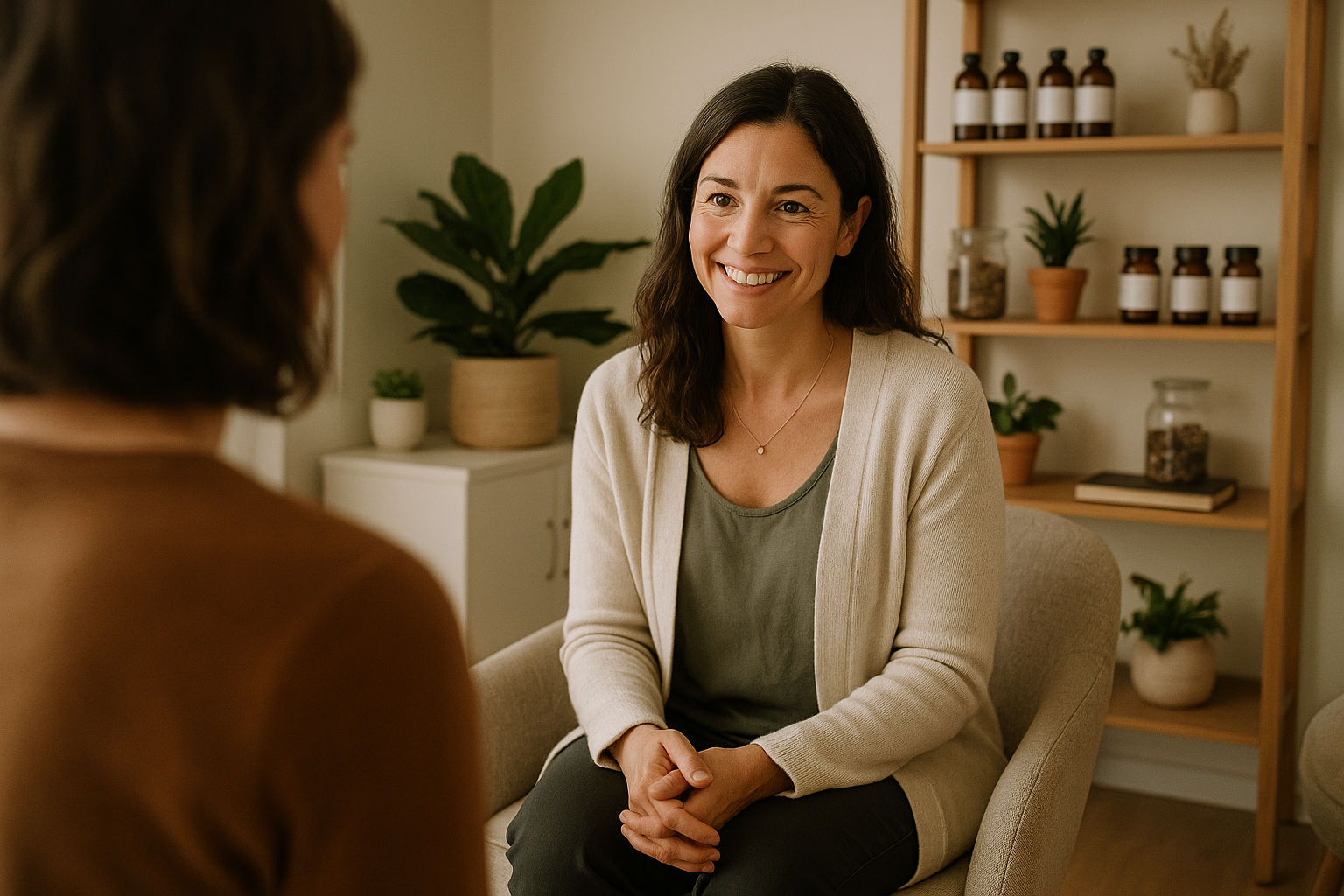
A professional and calming consultation room for a naturopath on the Gold Coast.

How to Choose the Best Naturopath or Nutritionist on the Gold Coast

Deciding to take charge of your health is a powerful first step. But a quick search for a Naturopath or a Nutritionist on the Gold Coast can leave you feeling overwhelmed. How do you find the right person for you?

Choosing a practitioner isn’t just about finding someone with a qualification. It’s about finding a partner for your health journey. This guide cuts through the confusion with a practical checklist to help you find a qualified, experienced specialist who understands your unique goals.

Naturopath vs. Nutritionist vs. Dietitian: What’s the Difference?
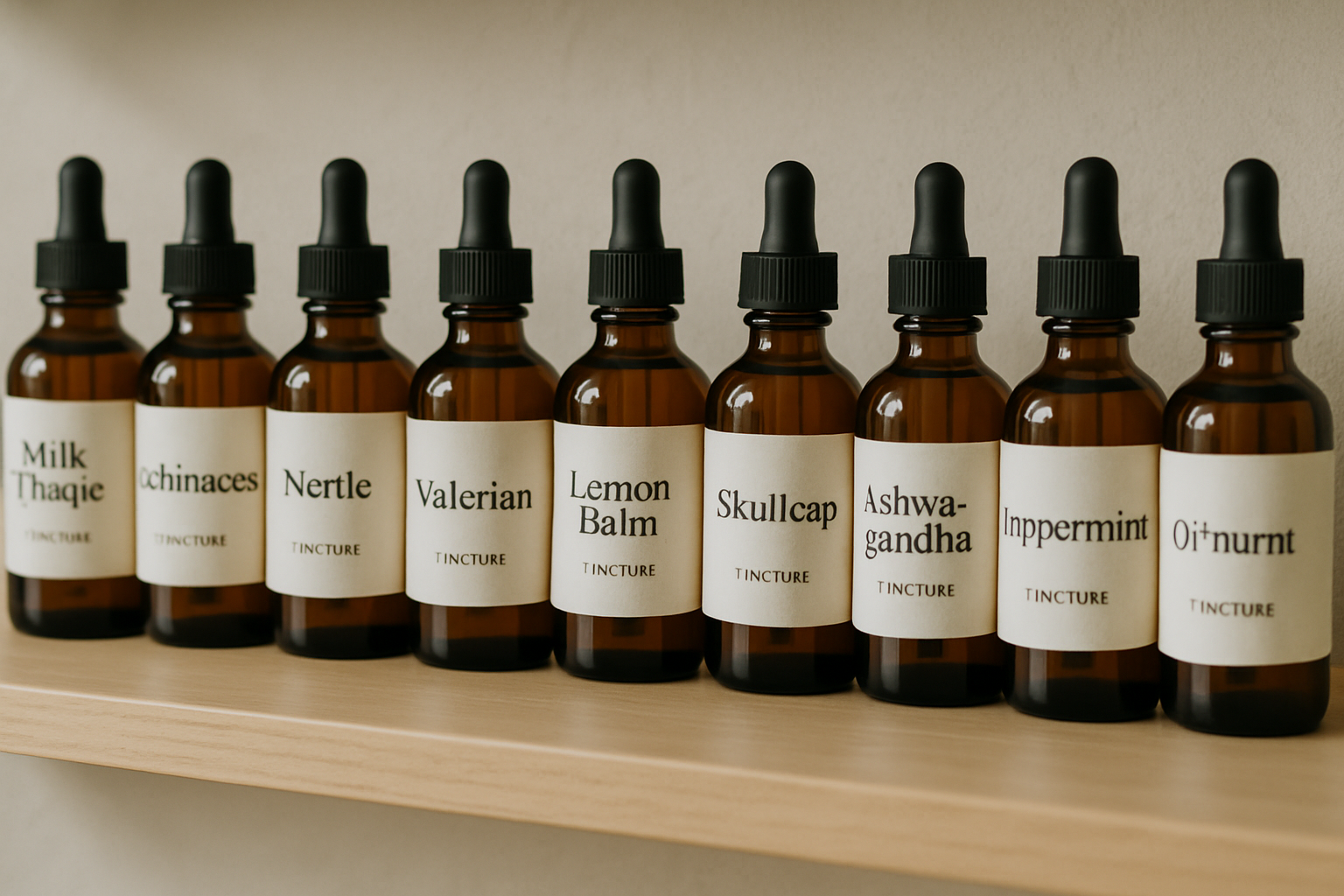
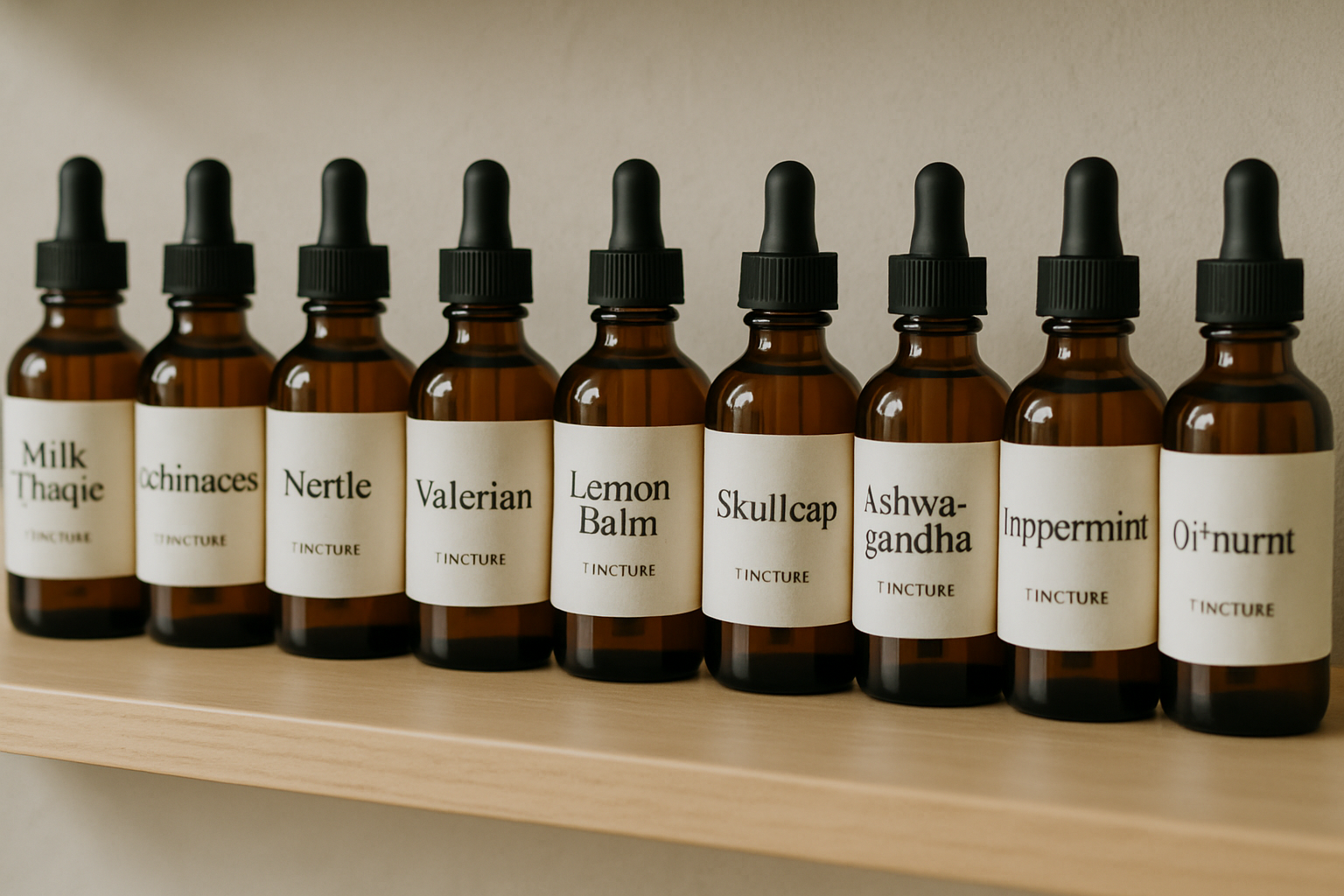
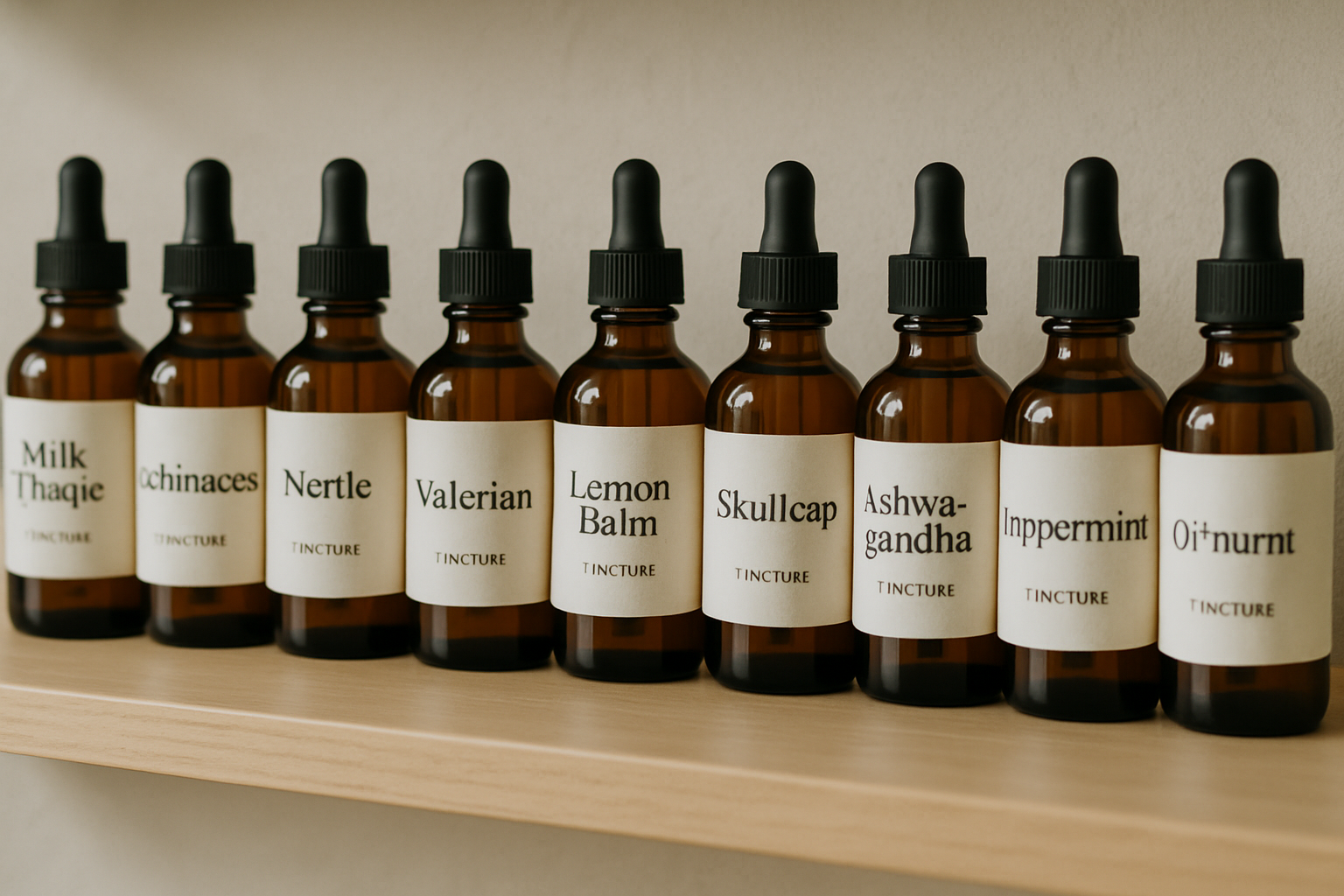
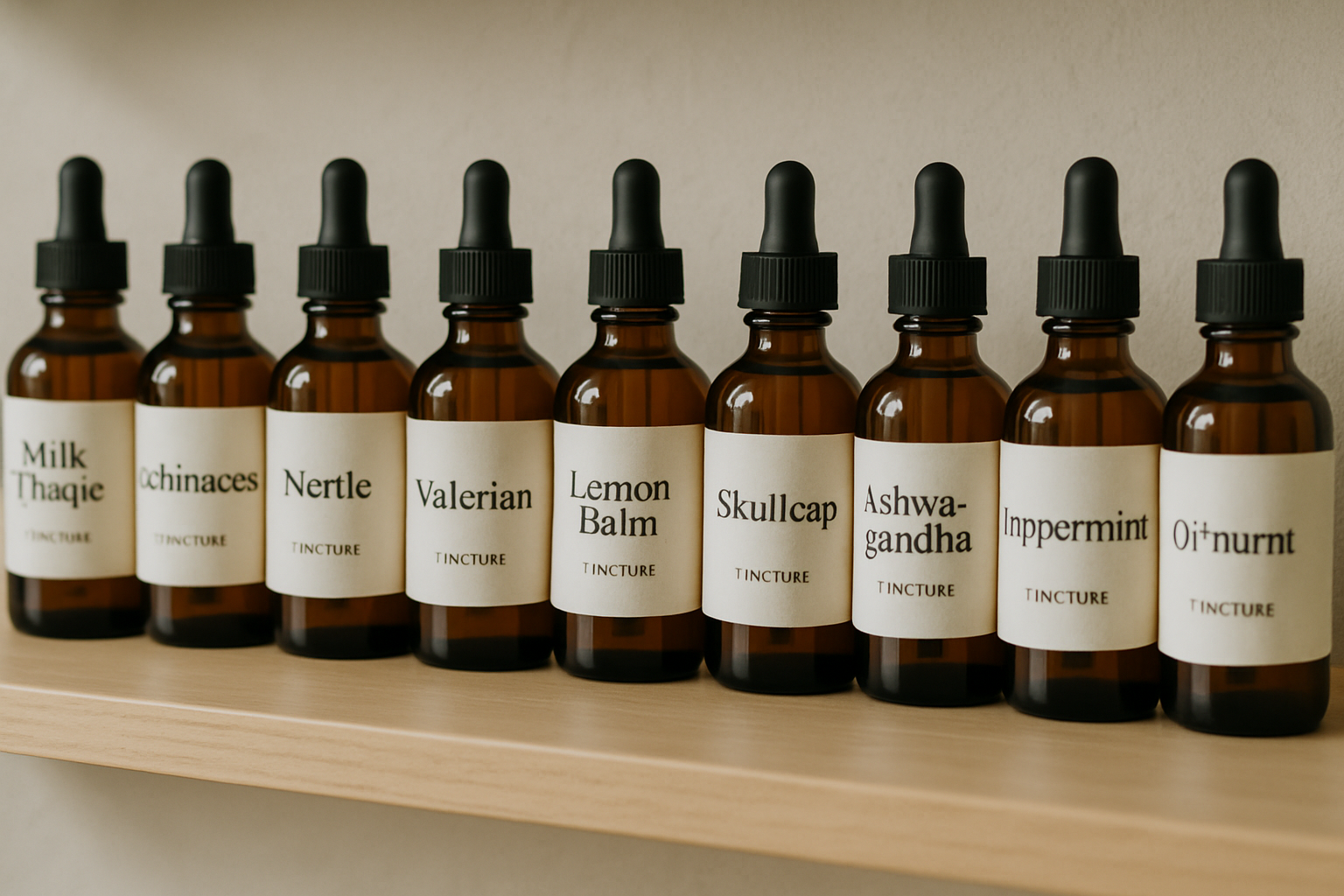
A shelf of herbal medicine tinctures used in naturopathy.

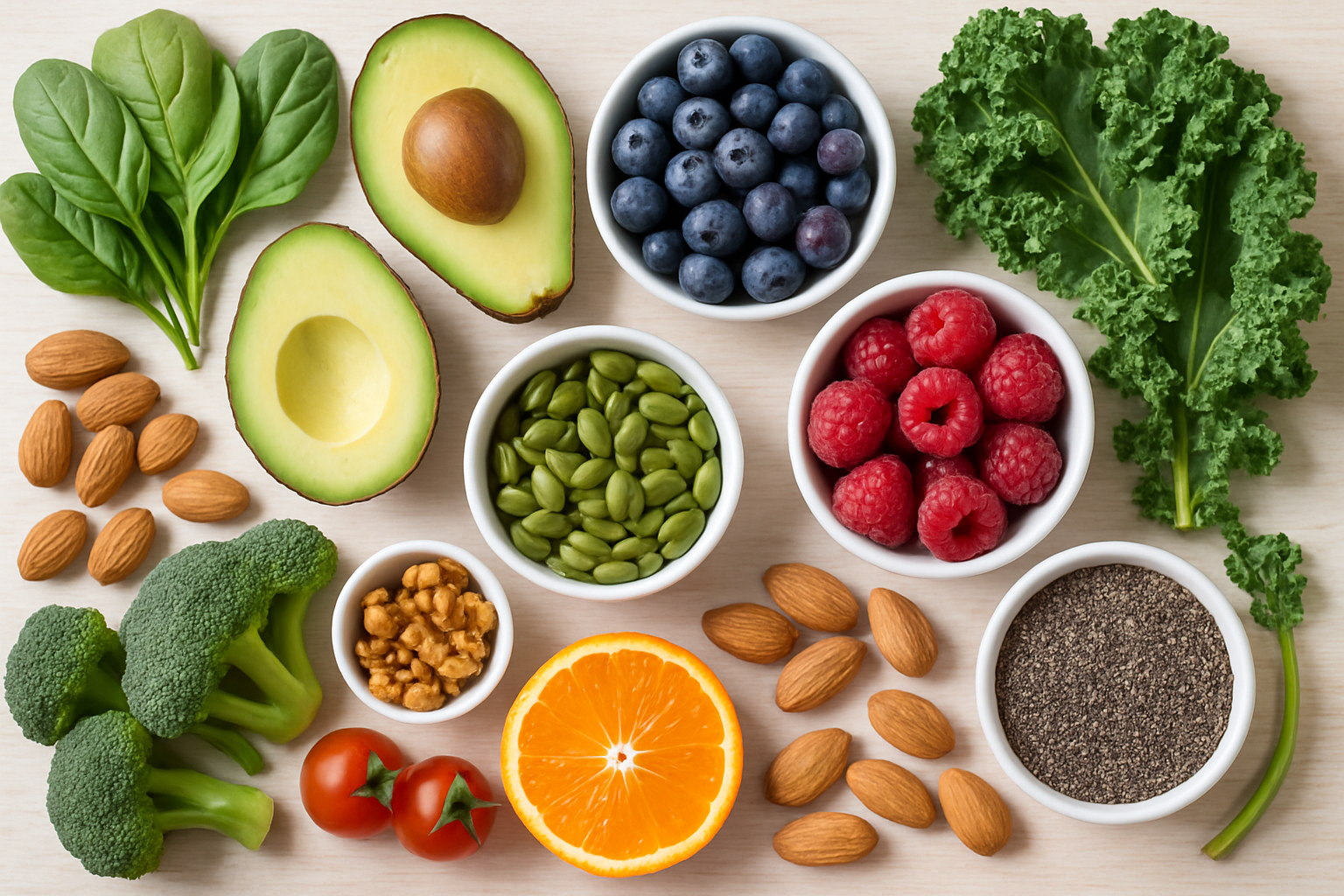
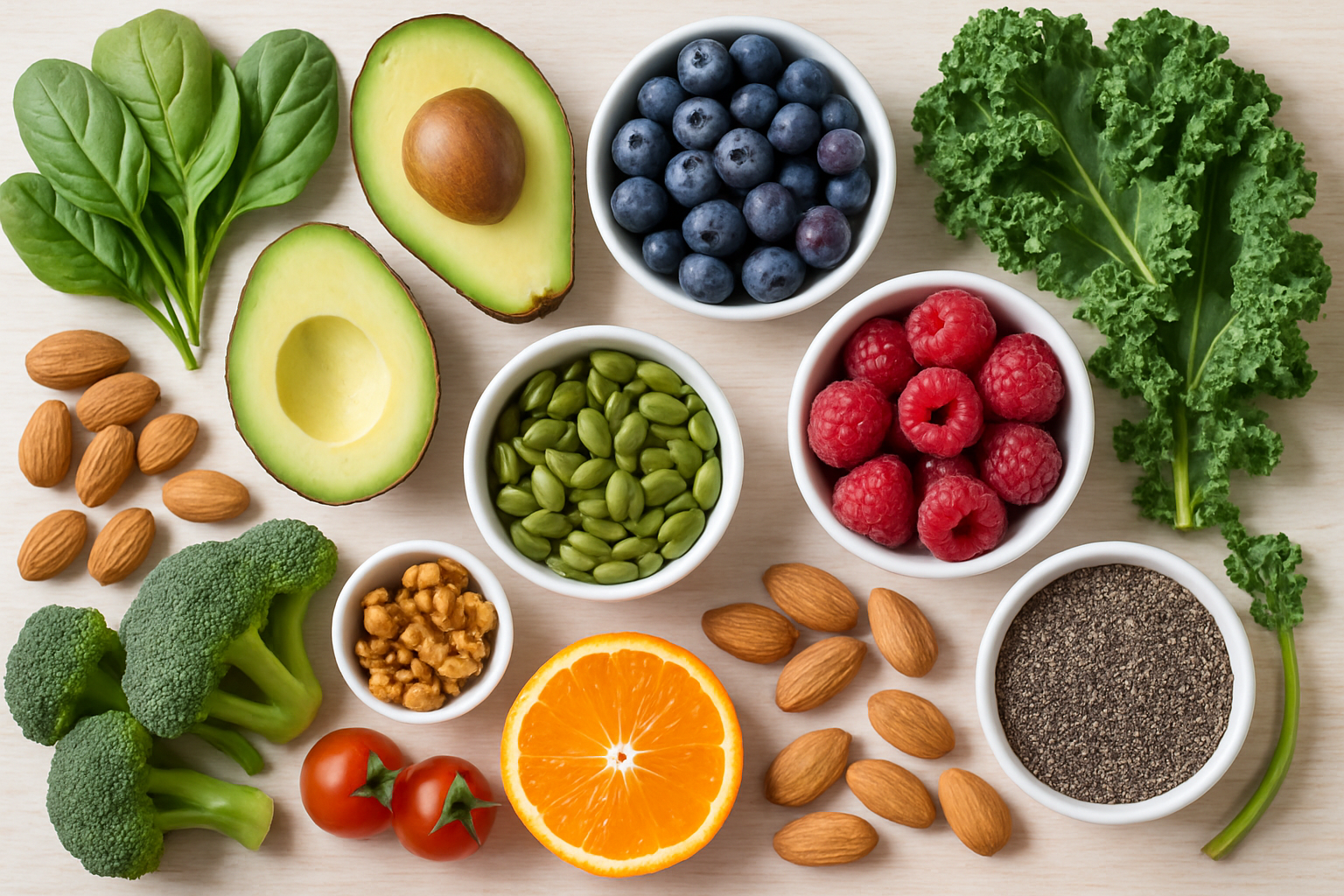
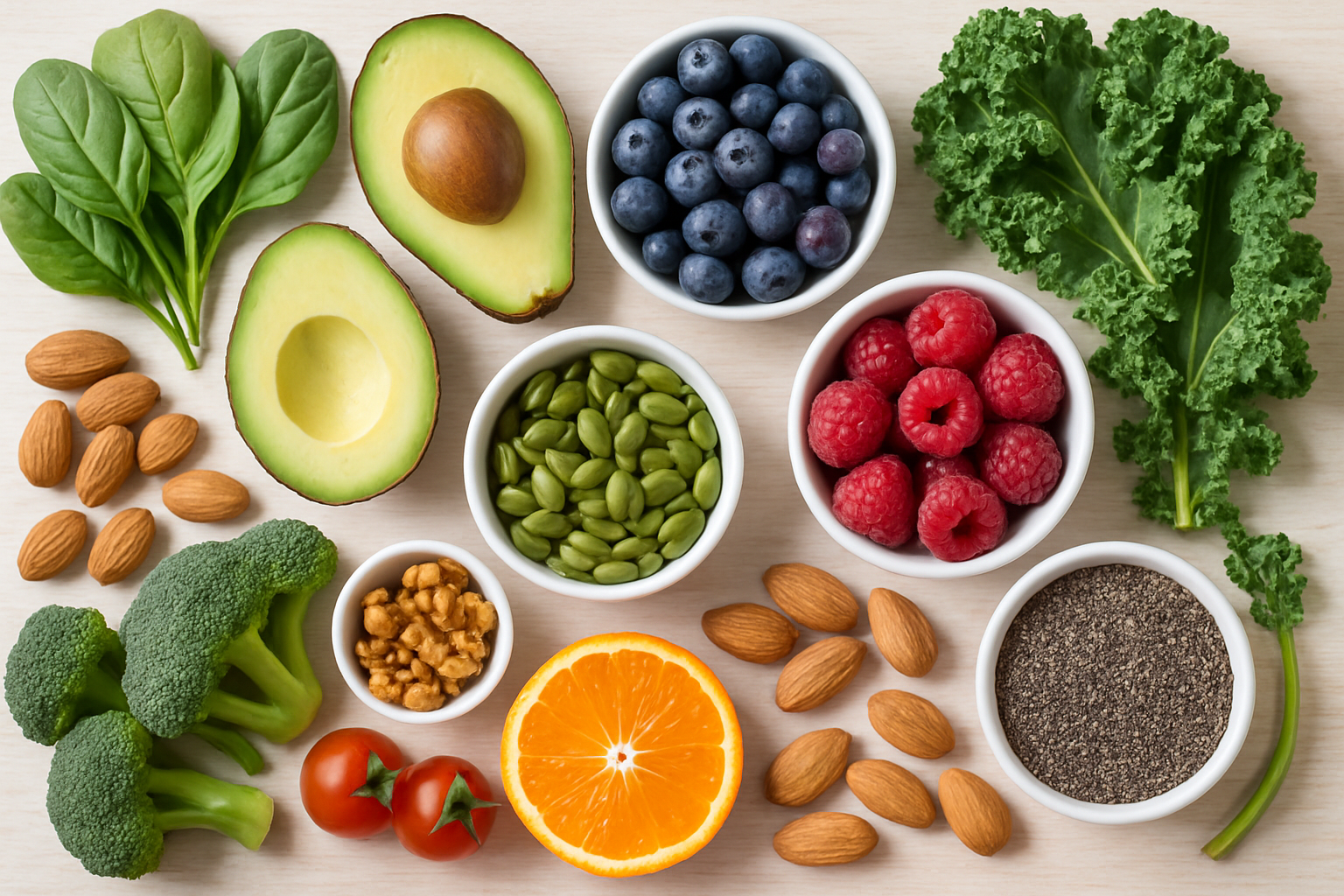
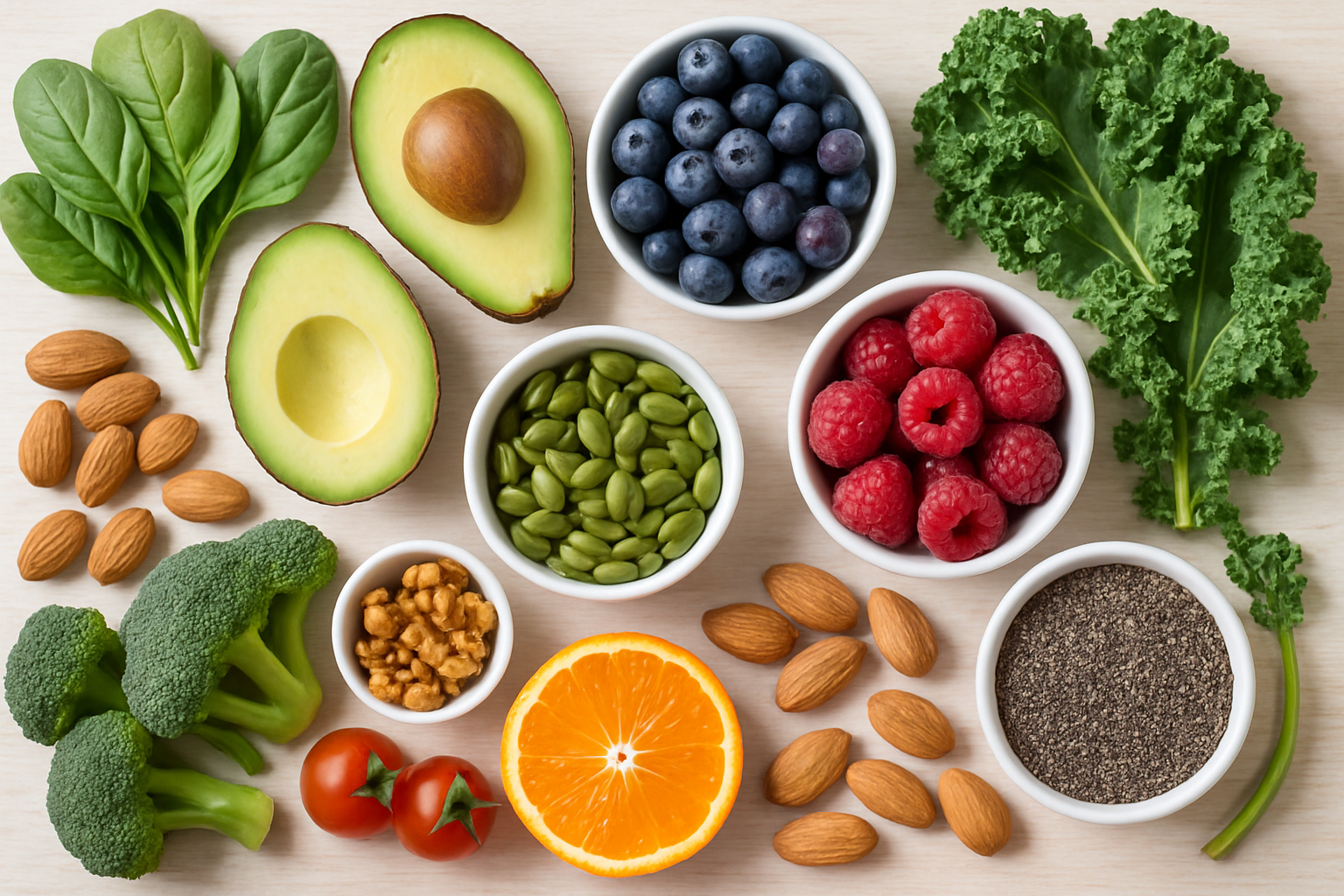
A variety of healthy foods representing the core of nutritional advice.

Nutrition is often the foundation of a holistic health plan.

First, let’s clear up the titles. While they sound similar, their training and approach can vary significantly. Understanding this is key to finding the right support.

  • Naturopath: A naturopath takes a holistic view, aiming to treat the root cause of your health concerns, not just the symptoms. A degree-qualified naturopath uses therapies like clinical nutrition, herbal medicine, and lifestyle coaching.

  • Nutritionist: A nutritionist specialises in the connection between food, diet, and health. In Australia, the term ‘nutritionist’ isn’t regulated, so it’s vital to check they have a Bachelor’s degree qualification.

  • Accredited Practising Dietitian (APD): A university-qualified dietetics expert. APDs often provide medical nutrition therapy for complex conditions and work alongside doctors and other allied health professionals.

At Beta Me, we offer the best of both worlds. Danielle Lamb’s integrated approach combines the scientific rigour of a qualified nutritionist with the holistic, root-cause focus of a naturopath.

Your 5-Step Checklist for Choosing a Gold Coast Practitioner

A practitioner taking detailed notes during a health consultation.

A thorough consultation is key to understanding your unique health needs.

Once you know the type of professional you need, use this checklist to compare your options and find the perfect match.

1. Check Their Qualifications & Memberships

This is the most important step. A reputable practitioner will be proud to display their qualifications.

  • What to look for: The Australian standard is a Bachelor of Health Science (Naturopathy or Nutritional Medicine). You should find this listed clearly on their website’s ‘About’ page.
  • Why it matters: This degree ensures they have a deep understanding of anatomy, physiology, and biochemistry, allowing for safe and effective treatment.
  • Professional Associations: Look for membership with bodies like ANTA (Australian Natural Therapists Association) or ATMS (Australian Traditional-Medicine Society). This confirms they are insured, committed to ongoing training, and follow a strict code of ethics.

2. Find a Specialist in Your Area of Need

Health is not one-size-fits-all. The best naturopath for you will have a genuine interest and experience in the area you need help with. Common specialisations for naturopaths and nutritionists on the Gold Coast include:

  • Gut Health: For issues like bloating, IBS, or food intolerances, look for a practitioner with a focus on digestive wellness, sometimes known as a gut health dietitian.
  • Mental Wellbeing: Many practitioners focus on the gut-brain axis, using naturopathy to support anxiety, stress, and mood.
  • Women’s Health: A highly specialised field covering hormonal balance, PCOS, endometriosis, and fertility.
  • NDIS Support: It’s crucial to find an NDIS nutritionist on the Gold Coast who understands the system and can provide effective, goal-oriented support.

Check their website for services, blogs, and testimonials that align with your health concerns.

3. Ensure Their Approach is a Good Fit

Your relationship with a practitioner is a partnership. Their style needs to resonate with you.

  • Do they listen? Your first consultation should be a thorough deep-dive into your health history. You should feel heard and respected, not rushed.
  • Is their plan personalised? Steer clear of cookie-cutter programs. A great practitioner creates a unique plan tailored to your body, lifestyle, and goals.
  • Do they offer a discovery call? A free 10-15 minute chat is a fantastic way to gauge their communication style and see if you ‘click’ before you commit to a full appointment.

4. Consider Practicality and Access

The best advice is useless if you can’t access it. Think about the logistics.

  • Location: Is the clinic easy to get to on the Gold Coast? Is there convenient parking?
  • Flexibility: Do they offer online or telehealth consultations? This saves travel time and is perfect for those with busy schedules or mobility issues.
  • Mobile Services: Some practitioners offer mobile services like in-home consultations. This can be incredibly helpful for putting your plan into action with practical support like guided supermarket shopping tours.

5. Watch for Red Flags

Trust your intuition. A true professional inspires confidence and clarity.

Be cautious of anyone who:

  • Guarantees a cure: Health is a journey, not a magic fix. Be wary of promises that sound too good to be true.
  • Pushes heavy supplement sales: While supplements can be beneficial, the core focus should always be on sustainable diet and lifestyle changes.
  • Lacks transparency: They should be able to clearly explain their treatment plan, the ‘why’ behind it, and all associated costs upfront.

Ready to Find Your Health Partner on the Gold Coast?

A comfortable home setup for an online naturopath consultation.

Access expert support from the comfort of your home.

Choosing the right naturopath or holistic nutritionist is a personal decision, but it doesn’t have to be a stressful one. By focusing on qualifications, specialisation, and a collaborative approach, you can find a professional who empowers you to achieve your health goals.

If you’re looking for a qualified Gold Coast naturopath and nutritionist who uses a personalised, evidence-based approach, we’re here to help.

Book a complimentary 15-minute chat today to see if we’re the right fit for your health journey.

How to Choose the Best Naturopath or Nutritionist on the Gold Coast

A professional and calming consultation room for a naturopath on the Gold Coast.

How to Choose the Best Naturopath or Nutritionist on the Gold Coast

Deciding to take charge of your health is a powerful first step. But a quick search for a Naturopath or a Nutritionist on the Gold Coast can leave you feeling overwhelmed. How do you find the right person for you?

Choosing a practitioner isn’t just about finding someone with a qualification. It’s about finding a partner for your health journey. This guide cuts through the confusion with a practical checklist to help you find a qualified, experienced specialist who understands your unique goals.

Naturopath vs. Nutritionist vs. Dietitian: What’s the Difference?
A shelf of herbal medicine tinctures used in naturopathy.

A variety of healthy foods representing the core of nutritional advice.

Nutrition is often the foundation of a holistic health plan.

First, let’s clear up the titles. While they sound similar, their training and approach can vary significantly. Understanding this is key to finding the right support.

  • Naturopath: A naturopath takes a holistic view, aiming to treat the root cause of your health concerns, not just the symptoms. A degree-qualified naturopath uses therapies like clinical nutrition, herbal medicine, and lifestyle coaching.

  • Nutritionist: A nutritionist specialises in the connection between food, diet, and health. In Australia, the term ‘nutritionist’ isn’t regulated, so it’s vital to check they have a Bachelor’s degree qualification.

  • Accredited Practising Dietitian (APD): A university-qualified dietetics expert. APDs often provide medical nutrition therapy for complex conditions and work alongside doctors and other allied health professionals.

At Beta Me, we offer the best of both worlds. Danielle Lamb’s integrated approach combines the scientific rigour of a qualified nutritionist with the holistic, root-cause focus of a naturopath.

Your 5-Step Checklist for Choosing a Gold Coast Practitioner

A practitioner taking detailed notes during a health consultation.

A thorough consultation is key to understanding your unique health needs.

Once you know the type of professional you need, use this checklist to compare your options and find the perfect match.

1. Check Their Qualifications & Memberships

This is the most important step. A reputable practitioner will be proud to display their qualifications.

  • What to look for: The Australian standard is a Bachelor of Health Science (Naturopathy or Nutritional Medicine). You should find this listed clearly on their website’s ‘About’ page.
  • Why it matters: This degree ensures they have a deep understanding of anatomy, physiology, and biochemistry, allowing for safe and effective treatment.
  • Professional Associations: Look for membership with bodies like ANTA (Australian Natural Therapists Association) or ATMS (Australian Traditional-Medicine Society). This confirms they are insured, committed to ongoing training, and follow a strict code of ethics.

2. Find a Specialist in Your Area of Need

Health is not one-size-fits-all. The best naturopath for you will have a genuine interest and experience in the area you need help with. Common specialisations for naturopaths and nutritionists on the Gold Coast include:

  • Gut Health: For issues like bloating, IBS, or food intolerances, look for a practitioner with a focus on digestive wellness, sometimes known as a gut health dietitian.
  • Mental Wellbeing: Many practitioners focus on the gut-brain axis, using naturopathy to support anxiety, stress, and mood.
  • Women’s Health: A highly specialised field covering hormonal balance, PCOS, endometriosis, and fertility.
  • NDIS Support: It’s crucial to find an NDIS nutritionist on the Gold Coast who understands the system and can provide effective, goal-oriented support.

Check their website for services, blogs, and testimonials that align with your health concerns.

3. Ensure Their Approach is a Good Fit

Your relationship with a practitioner is a partnership. Their style needs to resonate with you.

  • Do they listen? Your first consultation should be a thorough deep-dive into your health history. You should feel heard and respected, not rushed.
  • Is their plan personalised? Steer clear of cookie-cutter programs. A great practitioner creates a unique plan tailored to your body, lifestyle, and goals.
  • Do they offer a discovery call? A free 10-15 minute chat is a fantastic way to gauge their communication style and see if you ‘click’ before you commit to a full appointment.

4. Consider Practicality and Access

The best advice is useless if you can’t access it. Think about the logistics.

  • Location: Is the clinic easy to get to on the Gold Coast? Is there convenient parking?
  • Flexibility: Do they offer online or telehealth consultations? This saves travel time and is perfect for those with busy schedules or mobility issues.
  • Mobile Services: Some practitioners offer mobile services like in-home consultations. This can be incredibly helpful for putting your plan into action with practical support like guided supermarket shopping tours.

5. Watch for Red Flags

Trust your intuition. A true professional inspires confidence and clarity.

Be cautious of anyone who:

  • Guarantees a cure: Health is a journey, not a magic fix. Be wary of promises that sound too good to be true.
  • Pushes heavy supplement sales: While supplements can be beneficial, the core focus should always be on sustainable diet and lifestyle changes.
  • Lacks transparency: They should be able to clearly explain their treatment plan, the ‘why’ behind it, and all associated costs upfront.

Ready to Find Your Health Partner on the Gold Coast?

A comfortable home setup for an online naturopath consultation.

Access expert support from the comfort of your home.

Choosing the right naturopath or holistic nutritionist is a personal decision, but it doesn’t have to be a stressful one. By focusing on qualifications, specialisation, and a collaborative approach, you can find a professional who empowers you to achieve your health goals.

If you’re looking for a qualified Gold Coast naturopath and nutritionist who uses a personalised, evidence-based approach, we’re here to help.

Book a complimentary 15-minute chat today to see if we’re the right fit for your health journey.
How to Choose the Best Naturopath or Nutritionist on the Gold Coast

A professional and calming consultation room for a naturopath on the Gold Coast.

How to Choose the Best Naturopath or Nutritionist on the Gold Coast

Deciding to take charge of your health is a powerful first step. But a quick search for a Naturopath or a Nutritionist on the Gold Coast can leave you feeling overwhelmed. How do you find the right person for you?

Choosing a practitioner isn’t just about finding someone with a qualification. It’s about finding a partner for your health journey. This guide cuts through the confusion with a practical checklist to help you find a qualified, experienced specialist who understands your unique goals.

Naturopath vs. Nutritionist vs. Dietitian: What’s the Difference?

A shelf of herbal medicine tinctures used in naturopathy.

A variety of healthy foods representing the core of nutritional advice.

Nutrition is often the foundation of a holistic health plan.

First, let’s clear up the titles. While they sound similar, their training and approach can vary significantly. Understanding this is key to finding the right support.

  • Naturopath: A naturopath takes a holistic view, aiming to treat the root cause of your health concerns, not just the symptoms. A degree-qualified naturopath uses therapies like clinical nutrition, herbal medicine, and lifestyle coaching.

  • Nutritionist: A nutritionist specialises in the connection between food, diet, and health. In Australia, the term ‘nutritionist’ isn’t regulated, so it’s vital to check they have a Bachelor’s degree qualification.

  • Accredited Practising Dietitian (APD): A university-qualified dietetics expert. APDs often provide medical nutrition therapy for complex conditions and work alongside doctors and other allied health professionals.

At Beta Me, we offer the best of both worlds. Danielle Lamb’s integrated approach combines the scientific rigour of a qualified nutritionist with the holistic, root-cause focus of a naturopath.

Your 5-Step Checklist for Choosing a Gold Coast Practitioner

A practitioner taking detailed notes during a health consultation.

A thorough consultation is key to understanding your unique health needs.

Once you know the type of professional you need, use this checklist to compare your options and find the perfect match.

1. Check Their Qualifications & Memberships

This is the most important step. A reputable practitioner will be proud to display their qualifications.

  • What to look for: The Australian standard is a Bachelor of Health Science (Naturopathy or Nutritional Medicine). You should find this listed clearly on their website’s ‘About’ page.
  • Why it matters: This degree ensures they have a deep understanding of anatomy, physiology, and biochemistry, allowing for safe and effective treatment.
  • Professional Associations: Look for membership with bodies like ANTA (Australian Natural Therapists Association) or ATMS (Australian Traditional-Medicine Society). This confirms they are insured, committed to ongoing training, and follow a strict code of ethics.

2. Find a Specialist in Your Area of Need

Health is not one-size-fits-all. The best naturopath for you will have a genuine interest and experience in the area you need help with. Common specialisations for naturopaths and nutritionists on the Gold Coast include:

  • Gut Health: For issues like bloating, IBS, or food intolerances, look for a practitioner with a focus on digestive wellness, sometimes known as a gut health dietitian.
  • Mental Wellbeing: Many practitioners focus on the gut-brain axis, using naturopathy to support anxiety, stress, and mood.
  • Women’s Health: A highly specialised field covering hormonal balance, PCOS, endometriosis, and fertility.
  • NDIS Support: It’s crucial to find an NDIS nutritionist on the Gold Coast who understands the system and can provide effective, goal-oriented support.

Check their website for services, blogs, and testimonials that align with your health concerns.

3. Ensure Their Approach is a Good Fit

Your relationship with a practitioner is a partnership. Their style needs to resonate with you.

  • Do they listen? Your first consultation should be a thorough deep-dive into your health history. You should feel heard and respected, not rushed.
  • Is their plan personalised? Steer clear of cookie-cutter programs. A great practitioner creates a unique plan tailored to your body, lifestyle, and goals.
  • Do they offer a discovery call? A free 10-15 minute chat is a fantastic way to gauge their communication style and see if you ‘click’ before you commit to a full appointment.

4. Consider Practicality and Access

The best advice is useless if you can’t access it. Think about the logistics.

  • Location: Is the clinic easy to get to on the Gold Coast? Is there convenient parking?
  • Flexibility: Do they offer online or telehealth consultations? This saves travel time and is perfect for those with busy schedules or mobility issues.
  • Mobile Services: Some practitioners offer mobile services like in-home consultations. This can be incredibly helpful for putting your plan into action with practical support like guided supermarket shopping tours.

5. Watch for Red Flags

Trust your intuition. A true professional inspires confidence and clarity.

Be cautious of anyone who:

  • Guarantees a cure: Health is a journey, not a magic fix. Be wary of promises that sound too good to be true.
  • Pushes heavy supplement sales: While supplements can be beneficial, the core focus should always be on sustainable diet and lifestyle changes.
  • Lacks transparency: They should be able to clearly explain their treatment plan, the ‘why’ behind it, and all associated costs upfront.

Ready to Find Your Health Partner on the Gold Coast?

A comfortable home setup for an online naturopath consultation.

Access expert support from the comfort of your home.

Choosing the right naturopath or holistic nutritionist is a personal decision, but it doesn’t have to be a stressful one. By focusing on qualifications, specialisation, and a collaborative approach, you can find a professional who empowers you to achieve your health goals.

If you’re looking for a qualified Gold Coast naturopath and nutritionist who uses a personalised, evidence-based approach, we’re here to help.

Book a complimentary 15-minute chat today to see if we’re the right fit for your health journey.
How to Choose the Best Naturopath or Nutritionist on the Gold Coast

A professional and calming consultation room for a naturopath on the Gold Coast.

How to Choose the Best Naturopath or Nutritionist on the Gold Coast

Deciding to take charge of your health is a powerful first step. But a quick search for a Naturopath or a Nutritionist on the Gold Coast can leave you feeling overwhelmed. How do you find the right person for you?

Choosing a practitioner isn’t just about finding someone with a qualification. It’s about finding a partner for your health journey. This guide cuts through the confusion with a practical checklist to help you find a qualified, experienced specialist who understands your unique goals.

Naturopath vs. Nutritionist vs. Dietitian: What’s the Difference?

A shelf of herbal medicine tinctures used in naturopathy.

A variety of healthy foods representing the core of nutritional advice.

Nutrition is often the foundation of a holistic health plan.

First, let’s clear up the titles. While they sound similar, their training and approach can vary significantly. Understanding this is key to finding the right support.

  • Naturopath: A naturopath takes a holistic view, aiming to treat the root cause of your health concerns, not just the symptoms. A degree-qualified naturopath uses therapies like clinical nutrition, herbal medicine, and lifestyle coaching.

  • Nutritionist: A nutritionist specialises in the connection between food, diet, and health. In Australia, the term ‘nutritionist’ isn’t regulated, so it’s vital to check they have a Bachelor’s degree qualification.

  • Accredited Practising Dietitian (APD): A university-qualified dietetics expert. APDs often provide medical nutrition therapy for complex conditions and work alongside doctors and other allied health professionals.

At Beta Me, we offer the best of both worlds. Danielle Lamb’s integrated approach combines the scientific rigour of a qualified nutritionist with the holistic, root-cause focus of a naturopath.

Your 5-Step Checklist for Choosing a Gold Coast Practitioner

A practitioner taking detailed notes during a health consultation.

A thorough consultation is key to understanding your unique health needs.

Once you know the type of professional you need, use this checklist to compare your options and find the perfect match.

1. Check Their Qualifications & Memberships

This is the most important step. A reputable practitioner will be proud to display their qualifications.

  • What to look for: The Australian standard is a Bachelor of Health Science (Naturopathy or Nutritional Medicine). You should find this listed clearly on their website’s ‘About’ page.
  • Why it matters: This degree ensures they have a deep understanding of anatomy, physiology, and biochemistry, allowing for safe and effective treatment.
  • Professional Associations: Look for membership with bodies like ANTA (Australian Natural Therapists Association) or ATMS (Australian Traditional-Medicine Society). This confirms they are insured, committed to ongoing training, and follow a strict code of ethics.

2. Find a Specialist in Your Area of Need

Health is not one-size-fits-all. The best naturopath for you will have a genuine interest and experience in the area you need help with. Common specialisations for naturopaths and nutritionists on the Gold Coast include:

  • Gut Health: For issues like bloating, IBS, or food intolerances, look for a practitioner with a focus on digestive wellness, sometimes known as a gut health dietitian.
  • Mental Wellbeing: Many practitioners focus on the gut-brain axis, using naturopathy to support anxiety, stress, and mood.
  • Women’s Health: A highly specialised field covering hormonal balance, PCOS, endometriosis, and fertility.
  • NDIS Support: It’s crucial to find an NDIS nutritionist on the Gold Coast who understands the system and can provide effective, goal-oriented support.

Check their website for services, blogs, and testimonials that align with your health concerns.

3. Ensure Their Approach is a Good Fit

Your relationship with a practitioner is a partnership. Their style needs to resonate with you.

  • Do they listen? Your first consultation should be a thorough deep-dive into your health history. You should feel heard and respected, not rushed.
  • Is their plan personalised? Steer clear of cookie-cutter programs. A great practitioner creates a unique plan tailored to your body, lifestyle, and goals.
  • Do they offer a discovery call? A free 10-15 minute chat is a fantastic way to gauge their communication style and see if you ‘click’ before you commit to a full appointment.

4. Consider Practicality and Access

The best advice is useless if you can’t access it. Think about the logistics.

  • Location: Is the clinic easy to get to on the Gold Coast? Is there convenient parking?
  • Flexibility: Do they offer online or telehealth consultations? This saves travel time and is perfect for those with busy schedules or mobility issues.
  • Mobile Services: Some practitioners offer mobile services like in-home consultations. This can be incredibly helpful for putting your plan into action with practical support like guided supermarket shopping tours.

5. Watch for Red Flags

Trust your intuition. A true professional inspires confidence and clarity.

Be cautious of anyone who:

  • Guarantees a cure: Health is a journey, not a magic fix. Be wary of promises that sound too good to be true.
  • Pushes heavy supplement sales: While supplements can be beneficial, the core focus should always be on sustainable diet and lifestyle changes.
  • Lacks transparency: They should be able to clearly explain their treatment plan, the ‘why’ behind it, and all associated costs upfront.

Ready to Find Your Health Partner on the Gold Coast?

A comfortable home setup for an online naturopath consultation.

Access expert support from the comfort of your home.

Choosing the right naturopath or holistic nutritionist is a personal decision, but it doesn’t have to be a stressful one. By focusing on qualifications, specialisation, and a collaborative approach, you can find a professional who empowers you to achieve your health goals.

If you’re looking for a qualified Gold Coast naturopath and nutritionist who uses a personalised, evidence-based approach, we’re here to help.

Book a complimentary 15-minute chat today to see if we’re the right fit for your health journey.

What is a Holistic Naturopath? Whole Person Health Explained

‘Holistic’ has been a buzz word, floating around medical and wellness industries for several years. But what exactly is a Holistic Naturopath? To explain what a Holistic Naturopath is, I think it is of value to first explain Naturopathic principles, which set the scene for Naturopathic practice and holism.

Naturopathic Principles

  1. Do no harm – utilise strategies, techniques and medicines that have limited side effects. This also encompasses, less as more where the least possible dose to have a therapeutic effect is prioritised. Naturopaths will also consider the best medicine for the person sitting in front of them, not only what works for the majority of similar cases.
  2. The Healing Power of Nature – this is recognising the magical powers of the body to know what it needs to do to heal itself. The Holistic Naturopath is there only to educate, guide, support and enhance this natural ability and remove any obstacles preventing good health and recovery.
  3. Identify and treat the cause – the Holistic Naturopath considers elements beyond the symptoms to understand and target the cause of the ailment or presentation. This ensure longer term success and prevention.
  4. Doctor as teacher – in Latin doctor (docere) literally means “to teach”. The Holistic Naturopath’s role is to educate patients to take control of their own health. This arms patients with the tools they needs to make long term, ongoing lifestyle changes beyond the treatment.
  5. Treat the Whole Person – there are many aspects to good health beyond the disease/ailment in front of you. A Holistic Naturopath will consider the connection between mental/emotional, environmental, genetic, physical and social factors. There is even an interconnectedness between different organs of the body. This is recognising all the aspects that make up the whole person, rather than a diseased part.
  6. Prevention – A significant part of the Holistic Naturopath’s role is assessing illness susceptibility, risk factors and heredity before they become more problematic for the patient.

Holistic Naturopath – Whole Person Explained

Aristotle ~ “The whole is greater than the sum of its parts.” This quote by Aristotle is true for the ‘whole person’ approach to treating holistically. This approach considers the interplay between various parts of a person’s life including:

  • social
  • emotional
  • mental
  • physical
  • environmental;

and the various parts of their body such as:

  • heart
  • lungs
  • gut
  • brain
  • skin
  • liver
  • kidneys
  • nervous system
  • hormones
  • energy systems
  • musculoskeletal etc.

Each of these elements make up a person and can determine whether they present with an ailment, disease or good health. When one factor is not in balance, we often find that multiple aspects are playing into the presentation. When identifying the cause and treating the many factors involved, improved health can be achieved. This is also important when deciding on a treatment.

Because there are many aspects to why a person may be presenting with an ailment, it is important to individualise each treatment. Individualisation is accessing treatments specific to the person sitting in front of the Holistic Practitioner. This is because, while two patients may present with the exact same ailment (e.g. acne or poor gut health), there may be different factors at play for each of those patients, leading them to that ailment. Further, patients may respond differently to treatments. Some may be more sensitive than others or the remedy may work differently in their body.

The treatment plan itself and how it is delivered to the patient is also an important part of Naturopathic care. Where one patient may do well with direct information on what to do, other’s may require more information and guidance to know exactly why and how they should implement their treatments.

Therefore, the ‘Holistic’ aspect of the title Holistic Naturopath is recognising the practitioner treats the person as a ‘whole’ person, rather than their individual parts or symptoms.

Natural Healing Therapies

Natural healing therapies are the combined treatments that Holistic Naturopath’s use to achieve health outcomes.

Common to Naturopathic Holistic care are herbal tinctures. Tinctures are made up of various herbs, specific to a person’s presentation. They aim to address both symptoms and underlying causes of the ailment. Different herbs offer different properties with diverse actions in the body. Many people are unaware that because natural therapies have been used for thousands of years, they have in fact been researched for their effect on health conditions.

Because herbs can be combined in a tincture, the result is a very specific formula. The formula is targeted at addressing each of a patient’s health concerns. Prevention of the further progression of disease states or improving their overall wellbeing is the primary outcome of herbal treatments. These therapies will often be combined with nutritional and lifestyle aspects to treat the mind and body. Using this holistic combination we stimulate the body’s innate ability to heal itself.

Holistic Naturopath

Mind Body Treatment – The Holistic Naturopath Way

When considering the mind-body treatment. A Holistic Naturopath will factor in the role of the emotional and mental wellbeing of the patient. These aspects will connect to the presenting set of symptoms or disease state and/or the underlying cause.

While Holistic Naturopath’s are not psychologists, they can work closely with psychiatric specialists to support patients. Utilising a handy set of evidence-supoorted natural healing remedies and lifestyle exercises to enhance the mind-body connection a more balanced mindset can be achieved.  This again, encompasses the previously mentioned ‘whole person’ health approach adopted by Holistic Naturopaths. Some of these practices may include techniques that compliment dietary, nutritional and herbal therapies such as:

  • guided breath-work
  • meditation and mindfulness prescription
  • stress management

The whole person health approach is something that I value deeply in my treatments as a Holistic Naturopath. It is ingrained into every part of my interactions with patients, and this is because it works.

It is my belief that it is important for patients to feel seen, heard and understood in their journey towards improved health. That can only be achieved when they are considered as a whole person rather than defined by the symptoms they are presenting with.

Take a look at what you might expect in your first Naturopathic appointment here

Small Diet Tweaks vs. a Full Health Overhaul: What’s Best for You?

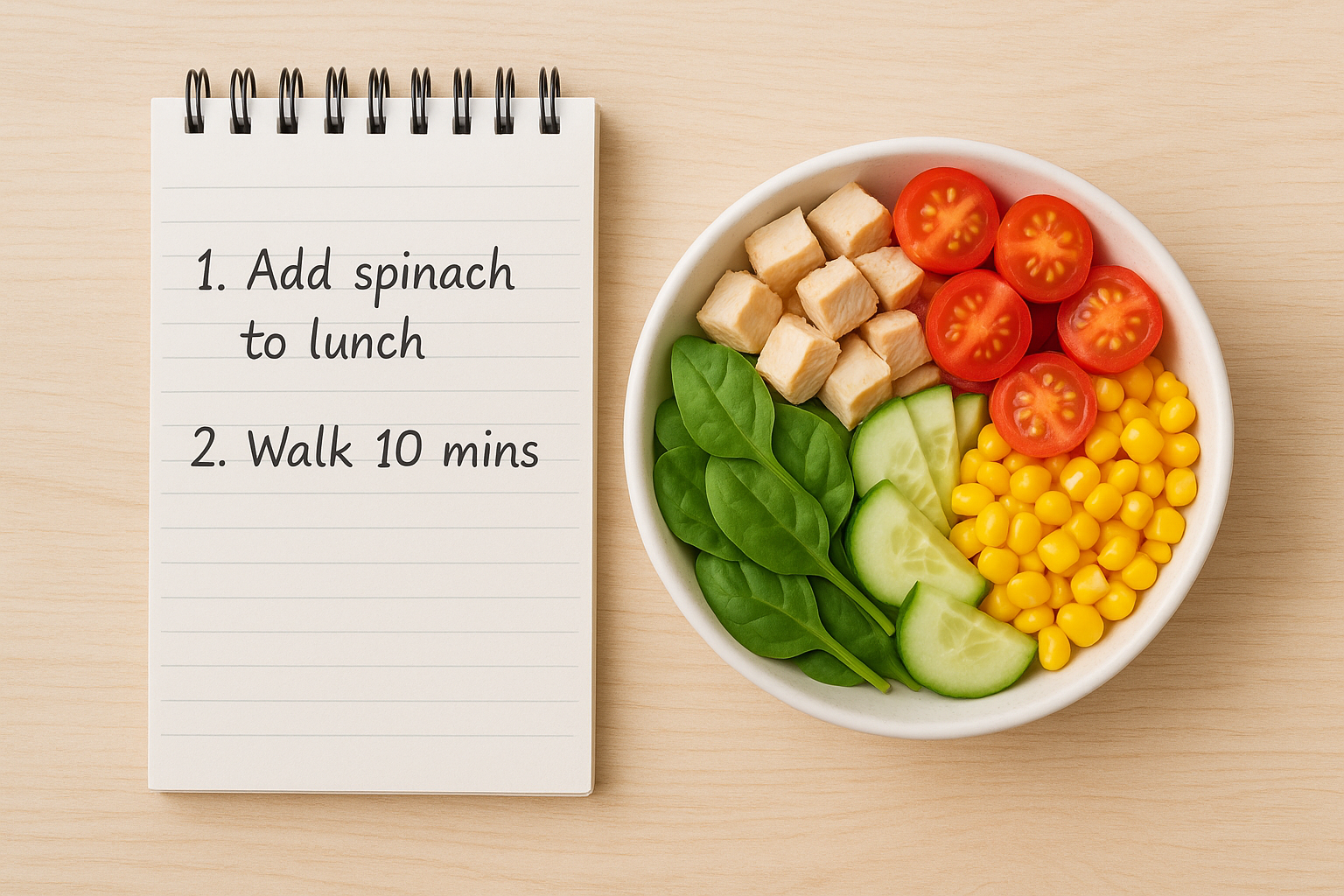
A notepad with small health goals written on it next to a healthy salad.

Small Diet Tweaks vs. a Full Health Overhaul: What’s Best for You?

You’ve decided it’s time to focus on your health. That’s fantastic. But then comes the big question: where on earth do you start? Do you dive in headfirst and change everything at once, or do you dip your toes in with a few small, manageable adjustments?

It’s a common dilemma. One friend might rave About their total lifestyle transformation, while another swears by the slow-and-steady approach. The truth is, there’s no single right answer. The best path for you depends entirely on your personality, your goals, and what’s going on in your life right now.

Let’s break down the difference between making a few recent posts to your daily routine versus a full-scale remodel, so you can figure out what feels right.

The Power of Small Tweaks

A caring naturopath listening to a client in a Gold Coast clinic.

A person reading a nutrition label carefully in a supermarket.

This is the approach of making small, incremental changes. Instead of banning all your favourite foods and committing to a two-hour gym session every day, you focus on one or two simple swaps. It’s less about revolution and more about evolution.

What this looks like in practice:

  • Swapping your second latte for a herbal tea.
  • Adding a handful of spinach to your scrambled eggs.
  • Committing to a 15-minute walk during your lunch break.
  • Switching from white bread to a wholegrain sourdough.
  • Having one extra glass of water each day.

These might seem minor, but their effects compound over time. If you find yourself constantly snacking or reaching for another coffee, focusing on one small change can be a game-changer.

Pros of this approach:

  • Highly Sustainable: It’s easier to stick with a small change than a massive one. It builds confidence and momentum.
  • Less Overwhelming: You avoid the paralysis that can come from a 20-point action plan.
  • Budget-Friendly: You don’t need to buy a whole new pantry’s worth of food at once.

Cons to consider:

  • Slower Visible Results: It might take longer to see significant changes, which can be discouraging for some.
  • May Not Be Enough: For certain chronic health conditions, small tweaks alone might not be sufficient to move the needle.

The Case for a Full Health Remodel

A hand choosing a healthy glass of water over a sugary soft drink.

A full remodel is the ‘rip the band-aid off’ approach. It involves making significant, simultaneous changes to your diet, exercise, and lifestyle habits. This is for when you feel you need a complete system reset to get back on track.

What this looks like in practice:

  • Following a specific, structured dietary plan (like an elimination diet or anti-inflammatory protocol).
  • Removing processed foods, sugar, and alcohol entirely for a set period.
  • Starting a consistent exercise routine.
  • Implementing new stress management techniques like meditation and journaling.

This comprehensive strategy can be incredibly effective, particularly when you need to address foundational health issues and want to feel better, faster.

Pros of this approach:

  • Faster, More Noticeable Results: Changing multiple variables at once can lead to significant improvements in energy, digestion, and mood relatively quickly.
  • Addresses Root Causes: It can be a powerful way to identify food sensitivities and address underlying imbalances.
  • Highly Motivating: For ‘all-or-nothing’ personalities, the clear structure and quick feedback can be very rewarding.

Cons to consider:

  • Risk of Burnout: It requires a huge amount of initial energy, planning, and willpower, which can be difficult to sustain.
  • Can Feel Restrictive: A sudden, strict regimen can feel socially isolating and lead to feelings of deprivation.
  • Requires More Support: Going it alone can be incredibly tough. Professional guidance is often key to success.

So, Which Path Should You Choose?

A shopping trolley packed with a wide array of fresh, healthy food.

Think about these questions:

  1. What’s your personality? Do you love a big challenge, or do you prefer to ease into new things?
  2. What are your goals? Are you looking for a general energy boost, or do you need to manage complex conditions like anxiety or gut issues?
  3. How much time and energy can you commit right now? Be honest with yourself about your current capacity.

Often, the best strategy is a blend of both. You might start with a structured ‘remodel’ for a few weeks to kickstart progress, then transition to embedding those changes as sustainable, long-term ‘tweaks’.

Whether you’re making small swaps or overhauling your pantry, knowing what to look for when navigating the supermarket aisles is a skill that supports any approach.

You Don’t Have to Decide Alone

Trying to figure this out by yourself can be the hardest part. As a naturopath and nutritionist here on the Gold Coast, my job is to help you cut through the confusion and create a plan that actually fits your life.

Our approach at Beta Me is not about handing you a generic meal plan. It’s about understanding your unique health picture, your lifestyle, and your goals to map out a path—whether it’s paved with small, steady steps or a more direct route—that will get you where you want to go.

Ready to find a clear, practical path forward for your health? Let’s chat about what a personalised plan could look like for you.

[Book Your Consultation Today with Beta Me on the Gold Coast]

Loading...