
Goss on Detox – Is it for you?

The Goss on Detox

Fatigue, Bowel Irritation, Bloating, Gas, Food Sensitives, Tummy Cramps

Bad Breath, Allergies, Abdominal Pain, Excess Fluid, Eczema, Dermatitis

Do any of these sound like you?

A detox may be your key to ridding these uncomfortable bodily ailments.

First of all.. what are toxins? 

Toxins are poisonous substances produced by almost everything we come into contact with…

The Importance of Detoxing

Our body has an amazing natural ability to process and eliminate toxins within itself. These toxins can come from a range of environmental sources, such as, breathing in chemicals, pollution, heavy metals, harmful cosmetic products, alcohol, parasites, food and medications. Toxins may also be the result of natural chemical reactions within our body- that is right, we produce our own toxic materials.

When we are exposed excessively to environmental toxins, our body struggles and is unable to keep up with the processing and eliminating. Much like when a machine is over worked, it either stops output altogether or slows down to become inefficient.

What do we do to encourage detoxification?

To counteract this breakdown, we need a steady balance of dietary:

  • antioxidants -specifically zinc, copper, vitamin C, glutathione
  • nutrients – such as amino acids, vitamins B
  • minerals magnesium and iron

These dietary inclusions with help to nurture our detoxifying organs.

The main organs of detoxification being the liver, kidneys, skin and lungs.

*note- everyone’s requirements for the mentions vitamins and minerals vary as each person is unique. If the diet holds variety and nutritional substance, additional intakes of these may not be necessary.

Other non-nutritive detoxing aids may be:

  • Intermittent fasting – fasting allows the digestive system to catch a break and work on waste elimination.
  • Exercise – sweat is not only a strategy to cool our body down but it releases toxins through our skin. Exercise also helps to circulate toxins to the appropriate organs for effective detoxification.

What could the consequences be if we don’t assist our body to detox?

Without these dietary supports we may develop consequential:

  • gastrointestinal problems
  • chronic fatigue
  • aches and pains
  • skin conditions (eczema, psoriasis, dermatitis)
  • weight gain
  • immune breakdown
  • mood disorders (depression, anxiety, irritability, rage)
  • learning and behavioural issues
  • neurodegenerative disorders
  • neurological complaints
  • poor cardiovascular health
  • fatty liver
  • hormonal dysregulation
  • fibromyalgia
  • triggering of autoimmune conditions

How do our organs detox?

Our skin sweats out toxic materials, sheds, causes other eruptions to pushes them out through pimples and acne – ever had a breakout after a big night or wondered why we sweat with fever?

Our kidneys send toxins our through our urine – this is one reason it is vital to drink plenty of water throughout the day.

The liver processes materials and excretes through the urine, skin and faeces. It is our most important organ of detoxification as almost everything we eat, drink, inhale and put on our body is sent through our liver.

Our lungs send out Co2 gases from our blood and lungs.

The digestive tract eliminates toxic foods by promoting vomiting, diarrhoea or normal bowel motions.

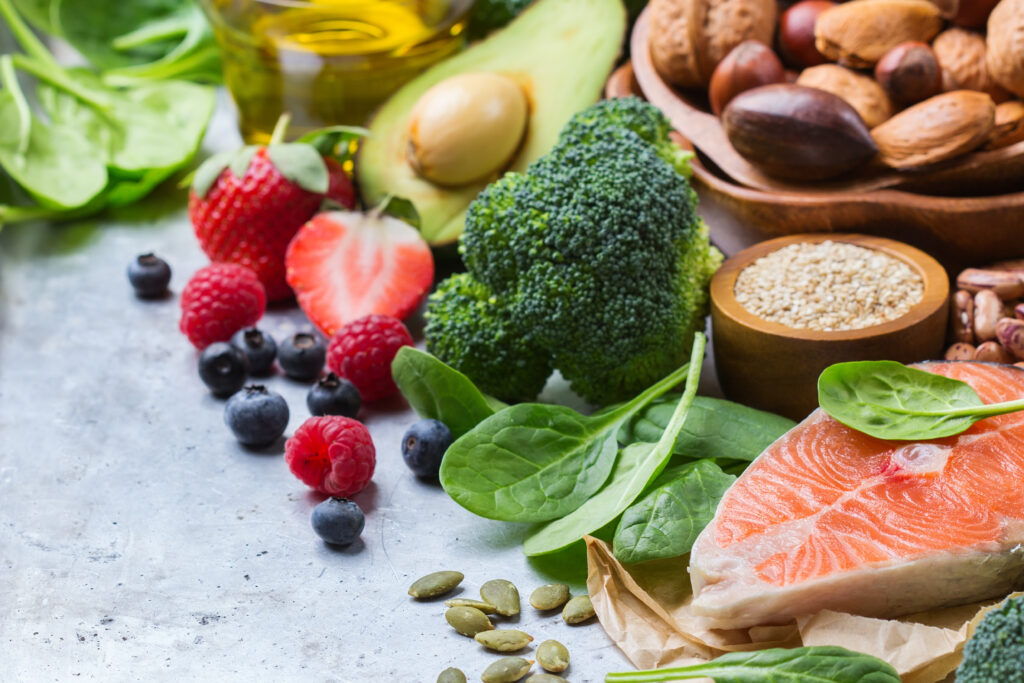
Because our body relies on us to get arm it with the appropriate tools for effective detoxification it is important to ensure we are consuming sufficient amounts of healthy fats, lean proteins, fruits, vegetables and fibre to enhance and optimise its detoxing functions. Some great detoxing and antioxidant foods include:

  • asparagus
  • fresh beetroot
  • granny smith apples
  • ginger
  • turmeric
  • green leafy vegetables
  • lemons, grapefruit
  • garlic
  • green tea
  • capsicum
  • cucumber
  • broccoli sprouts
  • nuts and seeds

Include these into your daily routine and watch the magic happen!

Gut Health: Our Gut and Brain Talk to Each Other

Our Gut and Brain Talk to Each Other

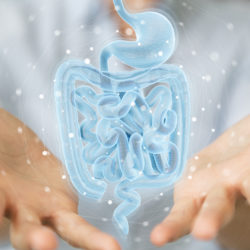
Our gut and brain are more connected than we think

Nutritionists, Naturopaths and Psychologists alike are discovering the power of what is now called the gut-brain axis and the role our gut health plays in mental health.

Did you know we host an entire nervous system in our gut?

Even more fascinating is that this nervous system sends signals to our brain and the brain responds, sending signals and messages back to the gut!

This means, under times of high stress, our gut health can often suffer the consequences, presenting as:

  • IBS, gas, bloating, constipation
  • Weight gain, weight loss
  • increased or decreased appetites
  • blood sugar spikes and dips
  • even vomiting and diarrhoea

Similarly, when we stress our gut by:

  • putting the wrong foods in
  • contract a parasite
  • drink alcohol
  • take excesses of medications
  • cause alterations to our protective healthy gut bacteria

Our gut signals these stress messages to the brain and it responds by sending unpleasant chemical reactions around the body, often resulting in:

  • anxiety, depression, irritability
  • aches and pains
  • sleeplessness
  • hormonal alterations
  • blood sugar dysregulations such as hypoglycaemia (low blood sugar) and hyperglycaemia (high blood sugar)
  • and more.

To protect ourselves from these resulting complications, we require a diet high in:

  • prebiotic fibres
  • balanced protein and low GI carbohydrates
  • minimal saturated fats
  • generous amounts of essential fatty acids (healthy fats)
  • minimising alcoholic beverages and non-prescription medications

These will all greatly reduce gut-brain axis complications from impacting on our quality of life, leaving us to live a healthy happy life!

Fudgy Choc-Banana Brownies (flour free)

Fudgy Flour Free Choc-Banana Brownies

These deliciously easy to make flour free fudgy brownies require just 4 ingredients!

At approximately 100 calories per flour free brownie and a whole lot of goodness including:

  • magnesium
  • antioxidants
  • potassium
  • healthy fats
  • low GI carbohydrates
  • protein

These sweet treats are the perfect 3pm pick-me-up…
Find that spring in your step when the afternoon slump hits!

It is important to snack smart. Foods that support and regulate healthy blood sugar levels will ensure you continue on your way feeling content, headache free and full of the kind of  energy that lives on throughout your busy day.

A good quality snack should not be high in refined carbohydrates and saturated fats but it should contain a healthy balance of quality healthy fats, carbohydrates and proteins.

Simple Fudgy Choc Banana Protein Brownies (flour free) Recipe

3 medium, overripe bananas (the riper they are the sweeter they are)

1/2 cup smooth pure almond butter, or any other pure nut butter (no added salt, sugar or nasties)

2 tablespoons cacao powder

¼ cup Prana Chocolate Protein

How to prepare and cook your brownies

Preheat your oven to 180 degrees Celsius, line and grease a small loaf pan.

In a microwave friendly bowl or small saucepan on the stovetop, melt the almond or other nut butter. In a large glass or metal mixing bowl, add banana, nut butter and cacao powder and mix well with a beater (if you have a kitchen aid use this to mix for a smooth consistency).

Transfer the brownie mixture into the pre-greased pan. Bake in the preheated oven for approximately 20 minutes or until cooked through. Remove the brownie from the oven and allow to cool before slicing into pieces (this will ensure it holds together).

Cut into approximately 12 slices and store in the fridge for later enjoyment.

Why else are these brownies so awesome?

They:

  • contain no added sugars, refined sugar free  (all the sweetness come from the natural sugars in the bananas and the stevia in the protein powder)
  • have no nasty additives
  • contain no added saturated fats (just the healthy fats contained in natural nut butters)
  • are dairy free, meaning they are vegan friendly
  • gluten free, meaning they are perfect for coeliac and gluten intolerant (ensure that you select only products that are labelled gluten free if coeliac)


Garlic & Chive Aioli

aioli

How good is aioli with some delicious oven baked sweetpotato fries!

Try this amazing aioli recipe. Believe it or not, homemade aioli can be healthy..

How you ask? Well the yolks of eggs and olive oil offer some amazing anti-inflammatory benefits and add to your daily healthy fat intake.

Egg yolks themselves provide a sturdy amount of B1, Zinc, Calcium, Iron, B6, Folate, B12 and vitamins A, D, E and K.

Olive oil boasts antioxidants to reduce tissue damage, skin health (keeping us looking fab and with moisturised plump skin), protect heart and cardiovascular health, is anti-inflammatory to reduce pain, inflammation and tissue damage and offers Vitamins E and K.

So get that oven baked chip and dig in!

Garlic & Chive Aioli

1/4 tsp Himalayan/Celtic Salt

1/2 Lemon Juiced

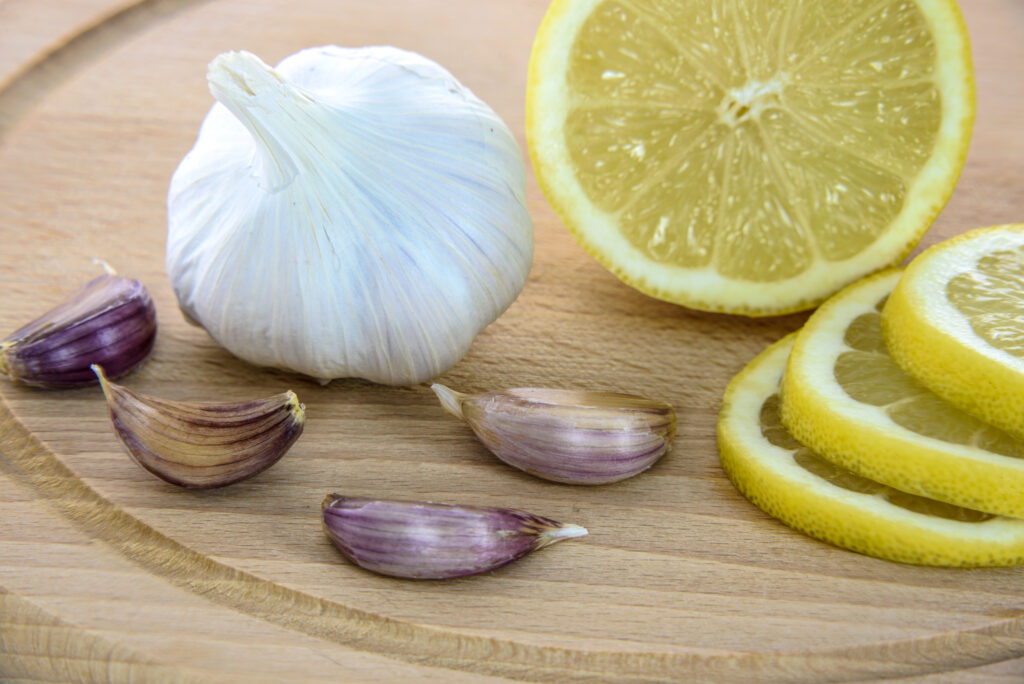
4 Garlic Cloves (hint* roast them and it will taste even better!)

300mL good quality olive oil

bunch chives chopped smallOnline Nutritionist

1 tbsp. Dijon mustard

1 whole egg


Place garlic, mustard, egg and chives in a processor/blend bowl. Process or blend until combined (roughly 10 seconds).

keep the motor running and slowly had the oil over the top until combine (approx. 2 mins) – be careful to add this very slowly.

The mixture should begin to thicken, once thickened stop the machine and add the lemon juice and salt and pulse. If mixture creeps up the side, use a spatula to scrape it down. Pulse a second time until nicely combined, smooth and thick. Leave aside for half and hour before consuming. Place remaining mixture in a glass jar and place in the fridge for up to one week.


March is Endometriosis Awareness Month

Endometriosis

March is

Endometriosis Awareness Month

Endometriosis: It is more common than you think

What is Endometriosis?

Endometriosis is the abnormal growth of endometrial tissue (the tissue normally inside of the uterus) in places outside of the uterus. 

How many women are affected?

This female menstrual condition affects one in ten women worldwide and has no medically recognised cure or prevention.

What are the symptoms?

Symptoms that endometriosis sufferers experience include:

          Painful, cramping periods

          Heavy periods

          Irregular cycles

          Bloating

          Fatigue

          Anxiety/Depression

          Painful sexual intercourse

          Pain and cramping during bowel movements and/or urination

          30-40% of women with Endometriosis have trouble conceiving

          Lower abdominal and lower back pain

          Diarrhoea/constipation

          Low iron levels/anaemia

          Bloody urine during menstruation

An every day struggle

Endometriosis affects the lives of those who suffer dramatically, in all aspects of life. Imagine living day in day out with fatigue, anxiety or depression, anxiety over the anticipation of having painful sexual intercourse with your partner, the stress of infertility or troubled conception, alternating between diarrhoea and constipation and living through the weakening pain.

What supports are available?

Because many of the complaints of endometriosis are linked with hormonal patterns and inflammation, some nutritional treatments may prove effective in treating and lessening symptoms of the warriors who suffer with this debilitating condition.

Endometriosis month was created to generate awareness for the warriors of the condition and strive for more research into its future treatment. Support groups are available to all the strong women living every day with Endometriosis. Fight like a woman ladies!

Keto Buzz: What is it all about?

The Keto Buzz

The buzz word in the diet realm currently seems to ring ‘Keto’. There are so many FAD diets around and so many that have come and gone over the many years that people have been ‘weight’ conscious. Most diets have their pros and cons and it is evident ‘diet’ is not a one size fits all protocol and the ‘Keto diet’ is no exception.

So, what is it?

There are several forms of the ketogenic diet geared towards different people including: Standard ketogenic diet: Very low-carb, moderate-protein and high-fat. Cyclical ketogenic diet: Phases of higher-carb reloads with majority ketogenic days (5:2). Targeted ketogenic diet: Carbs are consumed around workout times. High-protein ketogenic diet: The standard Keto diet with additional protein.

The most common however, is the standard very low-carb, high fat concept, where protein is left at a moderate intake. The diet is time consuming and leaves people open to obsessing over their ‘macros’. Counting total carbohydrate intake is the aim of the game. You can see how this may become problematic for those with eating disorders or addictive behaviours.

The goal is less than 50g of net (total minus fibre) carbs per day. In doing this, you are working towards the primary target of regearing where energy is derived from. Therefore, as glucose is our main energy source on a normal diet, our bodies will begin to utilise or create other energy sources, ‘ketones’ which are produced in the liver from the breakdown of fatty acids, essentially accelerating fat metabolism and weightloss.

Possible Benefits

– Ketosis has beneficial effects on blood sugar and may, benefit ‘some’ of the diabetic community along with other related blood sugar dysregulation conditions.

– It has been shown to benefit some with neurological disorders (epilepsy, Alzheimer’s, Parkinson’s).

– It has shown benefits in sustaining healthy blood lipid levels for cholesterol control (when the correct fats are also consumed)

– Supports happy hormone levels and other hormonal related conditions

– Effective for some who wish to lose weight, if done properly.

On the flipside if poorly executed or with a lack of professional guidance, nutritional deficiencies can arise, hypoglycaemia may present, a temporary energy loss may leave one unable to live a normal life and too much weightloss may present.

What I suggest… Do lots of reading and research before you jump into any diet regime and seek the guidance of an extensively trained professional who can educate, support, guide and monitor your health.

Loading...