
How to Choose the Right Naturopath on the Gold Coast

Best Naturopathic Clinic Gold Coast – What to look for…

When looking for the best Naturopathic Clinic on the Gold Coast, you may set out to Google accredited Naturopaths near me. Though, when looking deeper into each website, it can become overwhelming when deciding who truly fits with you. When you start your Google search, you might start with ‘Best Naturopathic Clinic Gold Coast’. You’ve taken the first steps and are rewarded with a list of results. What comes next?

What to Look for in a Gold Coast Naturopathic Clinic?

One of the most important factors when making your decision on a Gold Coast Naturopathic Clinic is ensuring the clinic has accredited naturopaths. At a minimum, a qualified Naturopath should have a quality higher education bachelor’s degree, and experience in clinical practice. As an accredited Naturopath, I believe qualification, and experience combined with someone who adopts a person-centred approach and, who takes the time to really understand you. You, as an individual, as a whole person rather than a set of symptoms can go a long way to truly grasping what your health needs are.

Naturopathic Experience Matters

While a credible qualification is certainly essential for setting the foundations for ethical and effective health care, nothing beats experience. After 12 years in the industry in varying roles, I take pride in the experience I have obtained. From working with Pharmacists to determine effective prescriptions for patients with a wide range of conditions and economical circumstances, to being part of a research team in the production of Naturopathic products, to engaging in private practice. The experiences I have taken with me along the way have shaped me into the dedicated practitioner I am today.
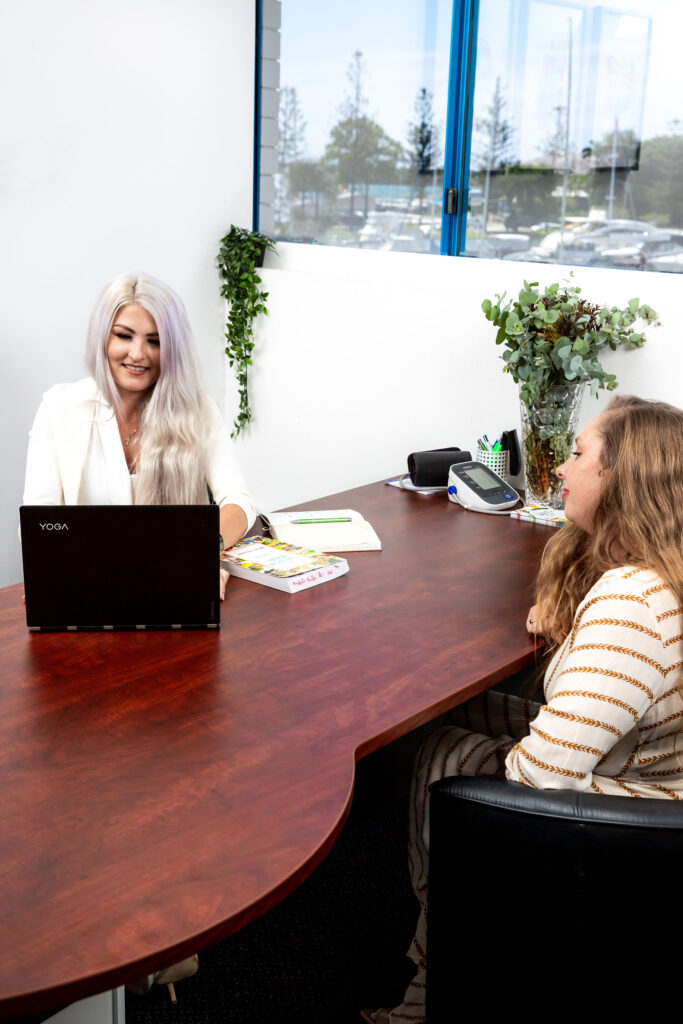
Danielle Lamb at Beta Me naturopathic clinic on the Gold Coast

Special Interests and Clinical Experience

Naturopath’s can support many ailments, however, usually there is a special interest and area of expertise, here are mine:

I have worked extensively in disability, particularly in the areas of neurodiversity including autism spectrum disorders (ASD) and ADHD and their associated health challenges.

What Qualifications should an accredited Naturopath have?

Did you know that anyone can call themselves a Naturopath in Australia? The term is not protected here in Australia, so anyone who has completed a short course, can, call themselves a Naturopath despite having limited scientific and clinical practice training. Why is this a problem? This can be dangerous when we factor in chronic diseases, potential pharmaceutical interactions and ethical practices. Any Naturopath you choose to work with should have a minimum of a bachelor’s degree in naturopathy and be part of a membership body that requires a higher standard of practice.

When I was completing my bachelor’s degree, I was required to undertake 1,280 hours of client facing clinical practice. This provided in depth experience in prescriptions, managing interactions and supporting a wide range of health conditions with people of all ages. This was completed under the supervision of highly experienced Naturopath’s. The depths of my theoretical health science studies, combined with the clinical practice experience gave me the confidence to effectively treat the patients I see today.

Beyond formal qualifications, your chosen Naturopath should engage in Continued Professional Education (CPE). CPE maintains knowledge of the latest scientific evidence with the health industry as a whole, but particularly in the scope of herbal and nutritional prescribing and naturopathic and mainstream treatments of health conditions. Lifelong learning is not only a requirement to be part of an association, it continues to drive a practitioners passion for their work and supporting the people they treat.

What does a Qualified Naturopath do?

A Qualified Naturopath will use evidence-based practice to treat your presentation. The philosophy in treating Naturopathically is to ‘treat the whole person’ and ‘identify and treat the cause’. The body is deeply connected. When one organ or body system is ailing, other parts of the body are likely ailing too. It is my job as a Qualified Naturopath to investigate, identify and support the whole body to bring the ailing parts to an equilibrium. While there is some work on symptom management, ideally, treating the underlying cause is the focus of treatments.

Taking Your Case

From your initial case, you will feel completely heard and understood with a thorough health history taken across 90 minutes. Everything from your nutritional intake, pathology review, your lifestyle, family history to considering how your medications support or play into your presentation. As well as the effectiveness or requirement of any herbs or supplements and their possible interactions with prescribed medications.  

Evidence-Based Prescribing

All food, herbal and nutrient prescriptions are based on evidence-based prescribing combined with clinical experience. Because everyone is different, a qualified naturopath will tweak herbal and nutrient prescriptions to meet your presentation to adjusted to improve effectiveness or adjust down or pivot where improvements are seen.

Less is More

When you are working with a qualified and ethical naturopath, less is more. This means that a good prescription that requires less herbal/nutrient medicine for the most effect. An ethical naturopath’s goal is to aim to have patients on herbal medicines only for the time it takes to support or manage a presenting condition. The ultimate aim is to not need any herbal/nutrient medications at all by the completion of treatment. While this is not always possible for every presentation, it is strived for to allow the body to learn the heal and regulate itself and to conserve finances for the patient.

Why Choose a Local Gold Coast Based Nutritionist?

A Gold Coast local Naturopath has a good knowledge of local allied health practitioners who may compliment your care. With this knowledge, referrals based on their effectiveness and quality of care can be provided in support of treatment outcomes.

A Gold Coast based Naturopathic Clinic can help coordinate several aspects of your health with other care providers to streamline your journey. The Gold Coast is a beautiful place to live. As a local, I love to utilise the strengths of this beautiful coastal city to advantage my local patients in all things health and wellness. It is undeniable that an understanding of access to local foods and prescriptions, the local lifestyle and weather as well as health trends can improve the overall value of your treatment.

Naturopathic Clinic Gold Coast

Complete Transparency

When you commit to working with a Naturopath, you are committing yourself physically, mentally and financially. Having complete transparency in your treatment can relieve some of this burden. Before your consultation, you will be advised via email of expected fees. During your initial consultation, together, we will discuss expected treatment timelines, your own budget constraints and herbal medicine options while ensuring that there will be no expectations or over-prescribing.

Using Functional Testing to Guide Treatments

Along the way, functional testing can help to create benchmarks and guide ongoing treatment as well as advise on effectiveness of nutritional and herbal protocols. Functional testing can support treatments associated with:

  • Gut conditions such as, irritable bowel syndrome (IBS), Inflammatory Bowel Disease (IBD), Ulcerative Colitis, Coeliac Disease, SIBO, Crohn’s, Absorption Issues, Constipation, Diarrhoea, food intolerances, Candida (thrush).
  • Hormonal conditions including, male and female (PCOS, Endo, Low Testosterone, Menopause/Perimenopause)
  • Fatigue, Low Energy and Stress Hormones
  • Metabolic Conditions
  • Inflammatory Conditions
  • Heavy Metal Toxicity
  • Methylation issues

Making Treatment Plans that Suit You

When it comes to treatment plans, in my experience, everyone learns and responds differently to different strategies. Some people thrive off a very detailed and complete treatment plan. This plan type provides strategies they can work towards and tweak as needed across follow up appointments. This allows them to see the bigger picture and tick off goals at their own pace.

Others find it easier to be drip fed information, with just a few goals to focus each week and build on the treatment as time goes on.

There is no right or wrong. I adapt my style to suit your needs, learning and commitment capacity. This ensures you get the most out of your treatments. What I do promise is every treatment plan is practical, individualised to suit preferences and lifestyle and realistic with effectiveness tracking. Together we ensure your treatments are working for YOU, not what should work for MOST people.

What You Should AVOID When Choosing a Naturopath

There are some red flags when it comes to choosing the right Naturopath. No credible qualifications, remember, the minimum should be a bachelor’s degree in health science naturopathy. Guaranteed cures, no one should be claiming to ‘cure’ anything. This is simply unethical. If you are being prescribed any multilevel marketing products or in any chase prescribed excessive amounts of herbals or nutritional supplements.

Preparing Yourself for an Initial Consultation with a Naturopath

Having the tools needed for a smooth initial consultation can help to streamline the time it takes to receive your treatment plan and allow your Naturopath to provide some on the spot pointers. Firstly, ensure your intake forms are complete before entering the consultation. This will include:

  • Patient Intake Form
  • Food diary
  • Consent forms

Paper forms are available; however, I find electronic forms to be a quick and easy way to have everything pre-done. This allows you to concentrate on your consultation when you get to your appointment. Secondly, have any recent pathology ready and available to show your Naturopath. You can also email these prior to your appointment. Next, leave the needs of your work and family at the door for the 90 minutes, switch off your phone and allow the time to be completely about YOU.


Gold Coast Nutritionists Who Understand NDIS

NDIS Nutritionist With Experience

After supporting many NDIS participants over the past 7 years, as a NDIS Nutritionist, I have come to recognise the importance of quality supports and their understanding of the NDIS space. For those utilising their NDIS funding, the value of those supports can be life changing.

Just as NDIS participants are each unique, with their own individual goals and aspirations for improving their quality of life, independence and capacities, the way in which their funding can be used is also unique and requires understanding.

Disabled Young Man in Wheelchair Preparing Food In Kitchen

Why work with a Gold Coast Nutritionist who understands NDIS?

Though the NDIS is a great tool for providing access to valuable supports for NDIS participants, it can be a difficult program to navigate. Not only is it a challenging to navigate, it is regularly changing. This can make coordinating supports difficult. Utilising a Gold Coast Nutritionist who is familiar with the workings of the NDIS and the importance placed on goals and accessing funding to meet those goals is important. At Beta Me Nutrition I can work with your support coordinators or the person managing your plan and funding to align your nutrition services with your NDIS goals. At your representative’s request, I will prepare progress notes and reports required by NDIS and ensure your funding is directed to the best nutritional supports for your needs.

Good nutrition is a foundational requirement in a person’s life. Due to higher need, people living with disability place additional importance on fuelling their body. Nutrition is well recognised for improving everything from mental alertness and cognition, physical capacity, energy levels, disease prevention and symptom reduction. Though accessing and understanding good nutrition does not always come easy to those with disabilities or their supports.

Often individual disabilities present with a snowball of health concerns. This can include medications, fatigue, mobility limitations and sensory sensitivities that NDIS supports and participants are all too familiar with. Poor nutritional input can add to these complications. That’s where a trained Clinical Nutritionist who understands NDIS comes in.

At Beta Me Nutrition, I support Gold Coast NDIS Participants in working towards their goals including capacity building, independent living and improved daily living and health goals.

Understand the Role of An NDIS Nutritionist

NDIS Support & Funded Care allows access to an NDIS Nutritionist with services that align with a participant’s goals. Goals may may include:

NDIS Nutritionist
  • meal planning
  • food education
  • health consultation
  • individual cooking preparation and demonstration sessions in the home
  • coordination, consultation and meetings with primary supports to implement strategies where disability limits participants from doing so themselves, such as 24 hour home care environments.

The primary responsibility of an NDIS Nutritionist is to improve dietary intake and food interest, encourage healthy food relationships, support the management of any health concerns and improve independence within the scope of nutritional science, food and lifestyle strategies.

Understanding the Participant

Just as every person in the world is unique, with different requirements for health and preferences, so too are NDIS participants. A NDIS Nutritionist understands and respects these differences and works with the participant and/or supports to improve nutritional requirements within the realms of these choices and/or support the paced introduction of food variety.

Helping participants to build confidence in their dietary choices, educating them on how their choices support or hider their health goals and helping to build a healthy and happy relationship with food remains a focus throughout the funded health program.

How can an NDIS Nutritionist help you or your participant?

  • Provide personalised meal plans targeted at NDIS approved goals and personal preferences/requirements.
  • Support weight management, where it supports improved daily living, disease prevention and disability management.
  • Provide digestive support, for common issues associated with disability or medications such as constipation, diarrhoea, bloating, reflux or IBS.
  • Implement behavioural or sensory sensitivity strategies such as those experienced in autism spectrum disorder (ASD), ADHD or other feeding aversions.
  • Food Preparation Education including guidance and support in preparing and cooking meals/snacks and safe food storage.
  • Coordinated care with other supports such as health professionals, carers and/or family to ensure quality and consistent care and understanding.

What does an NDIS Nutrition Appointment Look Like?

Appointments vary depending on the need of the participant. However, all participants begin with an Initial Assessment to determine their needs, goals, health requirements and preferences. 

Based on this information, if the participant chooses to engage in Cooking Meal Preparation, Education and Demonstrations, a menu plan will be put together for each session. Recipes are emailed to the participant or their representative who are responsible for purchasing ingredients.

Participants are provided with laminated copies of each recipe at the time of the appointment. These can be filed to prepare at a later date if they feel confident enough and are capable of building on their independence.

During cooking sessions, depending on the participants capacity, I guide them through preparation. This includes hygiene and food handling, safe cutting, grating and cooking skills. Nutritional education points on ingredients are discussed throughout. Safe storage and labelling is demonstrated and implemented with resources if required and kitchen clean-up finalises the session.

Cooking appointments are generally spaced out 2 weeks apart and each session will run for 2 hours. 

Common Disabilities and Associated Conditions Supported by an NDIS Nutritionist:

  • Autism Spectrum Disorder (ASD) and associated presentations.
  • ADHD
  • Intellectual and Developmental disability
  • Constipation
  • Diabetes
  • Chronic pain
  • Fatigue
  • Insomnia and sleeplessness
  • Mobility disabilities
  • Anxiety and depression

How can you or your participant access NDIS Health Funded Programs?

Nutrition services can be NDIS funded under various categories which largely depend on goals and the supports required. The most commonly accessed categories for Nutrition services include:

  • Capacity Building – Health and Wellbeing
  • Improved Daily Living Skills
  • Core Supports

Are you unsure of which category is most suited to your plan? Contact your Support Coordinator and direct them to Danielle at Beta Me Nutrition. We can discuss this and implement the required service agreements.

Why Choose Danielle & Beta Me Nutrition as your NDIS Nutritionist?

  • Gold Coast Nutritionist who understands NDIS. 7 years of experience working with self-managed and plan managed participants across the Gold Coast with Australia (via Telehealth).
  • Coordinated Care. I work with the care support team to ensure consistency of care.
  • Person-centred and Evidence-based practice. Treatments are guided by the most up to date nutritional evidence and focus on the individual needs of the participant.
  • Empathy and compassion. I’m often praised for the level of care and compassion that I show which is always judgment free and understanding.

As a Clinical Nutritionist, I take a person-centred and individualised approach to supporting the people I work with. Our work together focuses not only on diet but also on stress, sleep, medication impact, digestion, energy and daily living routines that may change eating behaviours and choices.

Improve Yours or Your Participants Health & Wellbeing today

You’ve found a compassionate, experienced, knowledgeable and supportive NDIS funded health program with a Nutritionist that understand NDIS and the unique requirements of individual participants, local to the Gold Coast. All there is to do now is start the booking process.

Mindful Eating – Why is it so underrated?

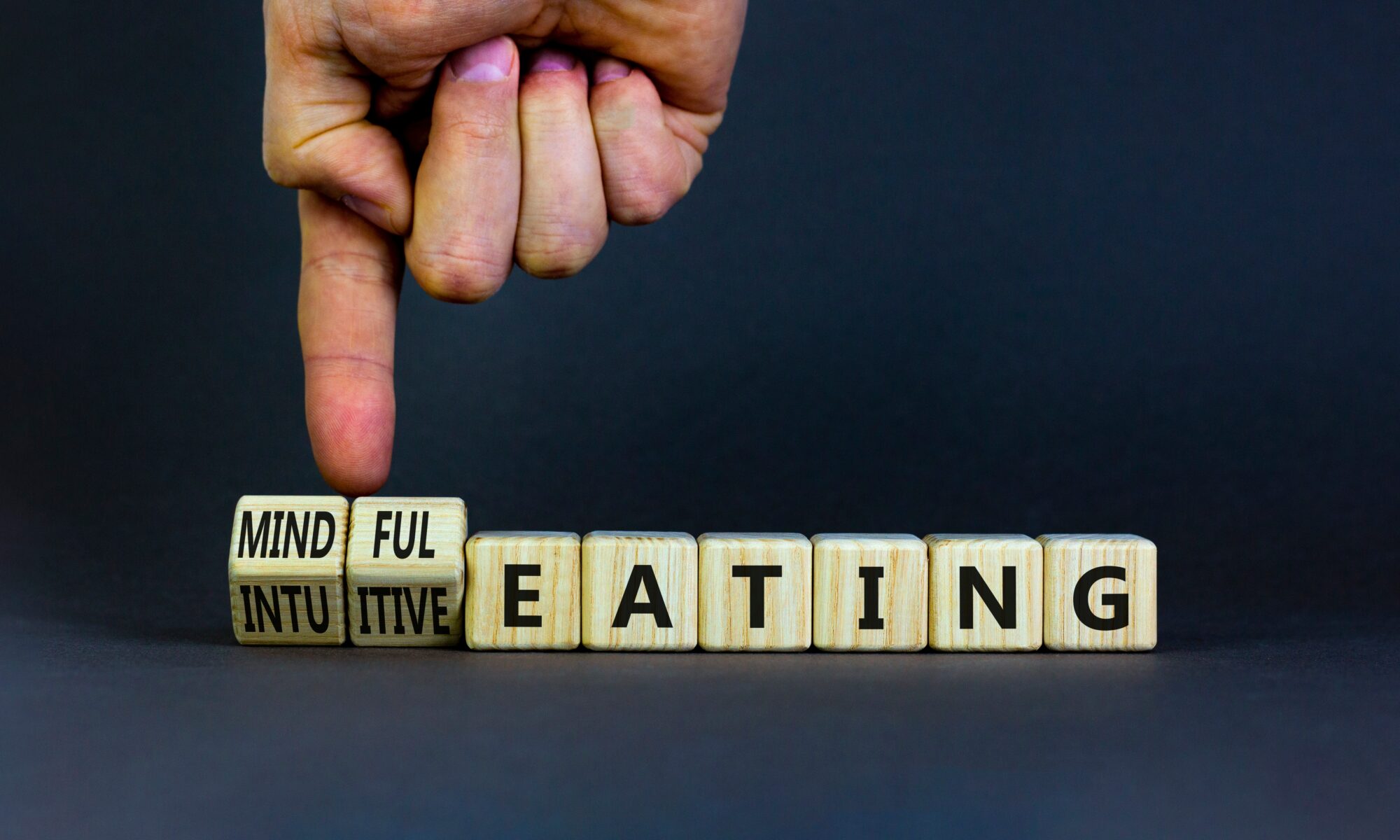
Mindful eating

You only need to look around your office or at your own lunch time habits to see that we are a society that likes to eat at our desk to squeeze every minute of working time out of the day. Kudos to us for being so dedicated to our work, but what about our health?

What is supposed to be an enjoyed task, eating has become much of a chore or inconvenience to us, something we must simply do to survive the day.

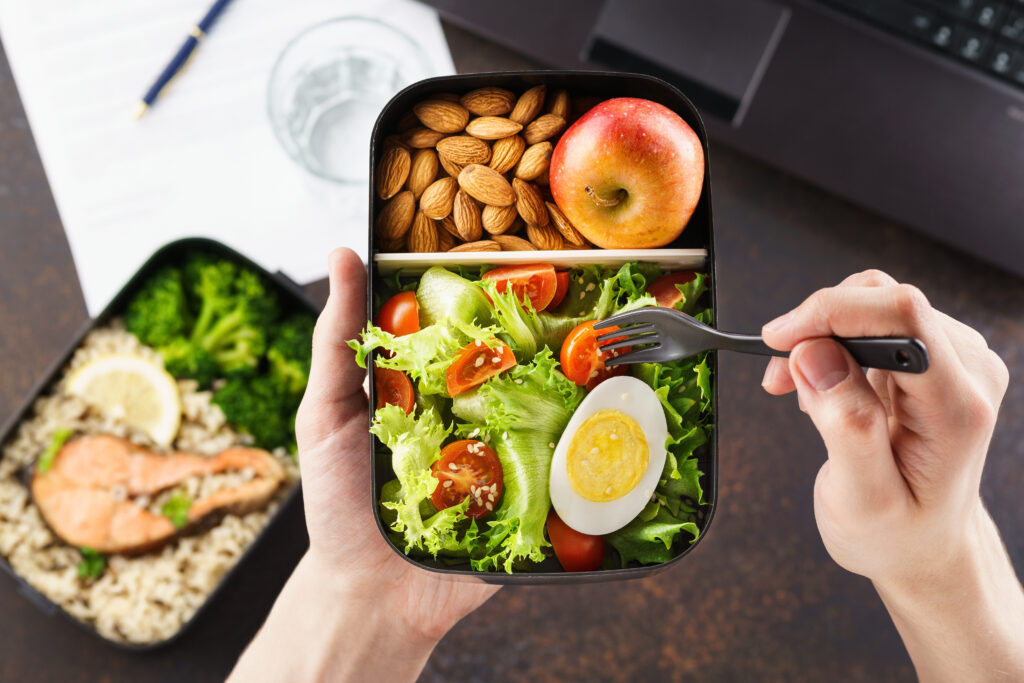
healthy lunch

A look at the nervous system and mindful eating

Our nervous system has different pathways for working and eating that do not operate well together. One is dealing with the stress or activity in front of us and switches off digestion to focus our energies on that pathway. The other is the rest and digest pathway. With digestion switched off, you can easily see how bloating, reflux and constipation may become an issue.

Work is not the only lifestyle factor to blame

Let’s be fair, work is not the only culprit here. I’m sure you can relate to scrolling through social media, sending an SMS or checking emails on your phone at dinner. Maybe you even find yourself with your food on your lap in front of the TV binging your favourite Netflix series. All of these contribute to MindLESS eating.

Do you admire your food and salivate at the sight? This is the beginning of digestion. If you are looking away, busying your mind, you are not effectively starting the digestive process.

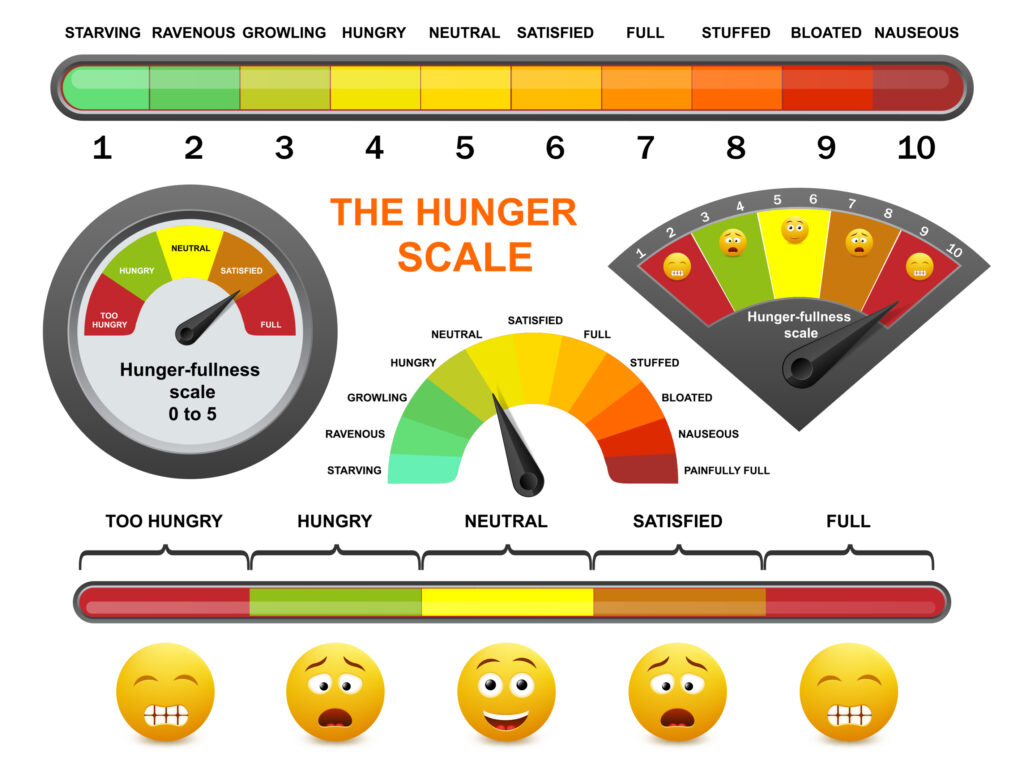
As you continue to shovel food in, do you recognise when you are full before you are ‘overstuffed’? Many of us don’t, we sit there after a meal feeling bloated, full, and uncomfortable.

Hunger Scale

What is MindFUL eating?

MindFUL eating on the other hand is focusing on your hunger and fullness cues. It is being present with your food and the people who are enjoying the food with you. It’s sitting down to admire the aroma, the colours and anticipating every delicious mouthful. It is being thankful that you can fuel your body with something nutritious. It’s focusing on chewing each mouthful slowly and completely.

A healthy relationship with food rewards us with less bloating, better toileting habits, healthy weight and a healthy mind. Eating mindfully puts us in control of our body and how it feels.

Tips to support your MindFUL eating goals

  • Look for signs of emotional or boredom eating.
  • Enjoy the process of preparing food that nourishes your body.
  • Consider what you want to eat and why?
  • Is your body telling you it is hungry? Could it be tired or bored? This will avoid MindLESS snacking.
  • Think about how the food is fuelling your body. Think vitamins and minerals, protein, fibre, healthy fats etc.
  • Thinking of seconds? Allow 20 minutes before deciding on a second course, after the 20 minutes, determine if you are still hungry.
  • Sit at the table to eat meals with the TV off.
  • Take 10-15 minutes, at least, away from your desk to sit and eating your meal.

Food should give us enjoyment, nourishment, and fuel. Eating should be something we put thought into, just as much as our work. Without nourishment, our abilities to accomplish working and family tasks diminishes with our health.

Complete a contact form

Health Tips to Get You Fed – The Joys of Parenthood and Forgetting to Feed Yourself

Busy Parent Tips

Before parenthood, the concept of ‘forgetting to eat’ is inconceivable to most. Insert children and soon the days of waking up and thinking about what you are going to have for breakfast, sitting down to enjoy that HOT breakfast and shortly after thinking about what, when and where your next meal is going to come from turn into a distant memory. This blog was designed to provide you with some of the health tips and tools I use to ensure I remain nourished and on top of my game when it comes to caring for my son and being a working mum, with a business to run.

Tips for parents

Once your children arrive, sacrifice and selflessness quickly become part of the parental territory. Busy days feeding the baby or taking kids to school and sport, all while trying to maintain the household and your career interrupt your appetite and you soon say goodbye to HOT and seated meals. Your days are now a whirlwind fog.

You are certainly not alone in the neglect of your own needs. Parents and caregivers, mums and dads all over the world experience the same struggles, whether you are a stay-at-home parent or full-time working parent.

To your kids, you are a Superhero. A superhero can only be the kind of super they need if YOU are healthy and happy.

Superhero parent tips
You can only be the superhero they need if you have YOUR OWN health

Your health should be your priority and because everyone else relies on you to keep them healthy, it is also your responsibility to keep yourself healthy.

Why?

Because..

  • you deserve it!
  • your kids need it.
  • children need role models to show them HOW to be healthy, not simply be told.

Some health tips

parent health tips
Get the whole family involved
  • Start and end your day early.
  • Plan out healthy meals and snack wisely.
  • Keep a good supply of healthy grab-and-go one handed snacks in the pantry/fridge (see tops and ideas below).
  • Even if you cannot get a complete meal in, eat several small meals across the day to keep your energy up and prevent crashes.
  • Ensure snacks and meals are high in fibre to sustain you for longer and prevent cravings for sugary/carb rich junk foods.
  • Ask your Nutritionist to help you with a simple meal plan that is achievable.
  • Nurture friendships and extended family who support you and your own need to be healthy.
  • Be a team
      • Get your kids involved in helping to cook meals.
      • Ask your partner to help with meal preparation or other chores, so you can meal prep.
    • Ask a family member or friend to take the kids for a few hours while you prepare meals in advance.
  • Stay active, not only chasing children but walk, run, dance, swim, gym, do whatever you enjoy to stay active, keep your mind clear and maintain energy for planning and preparing healthy meal options and supporting a healthy appetite.
  • Reduce the stress and clutter in your mind, to allow your body to remember to eat (with the above)
  • Set alarms for yourself as reminders to eat regularly.
  • Use healthy ready-meal services (speak with your nutritionist on healthy options available).
  • Have a health plan in place (e.g. a mummy/daddy pamper day, a meal prep day, massage once per month etc.)

Quick Snack Ideas

  • Boiled Eggs (done the night before while the kids are sleeping)
  • Nuts and seeds – almonds, walnuts, Brazil nuts are all great choices, pepitas, sunflower seeds.
  • Fresh fruit – berries, bananas, apples are all quick and easy.
  • Smoothies
  • Chia pots – (done the night before while the kids are sleeping)
  • Yoghurt pouches
  • 70% or more Dark Chocolate (limit to 2 squares)
Healthy Snack Ideas
Healthy Snack Tips

Could in-activity or over-activity be affecting your digestive health?

digestive health and exercise

Most of us are well aware of the benefits of exercise and movement for heart, mental, bone and muscle health. There is also no disputing its benefits in maintaining a healthy weight. What most of us are oblivious to, is the impact exercise can have on digestive health, in a positive or negative way. Especially if you suffer from some of the more common digestive health complaints that I see in clinic including, SIBO (small intestinal bacterial overgrowth), IBS or reflux. As well as the ever increasing IBD (Crohn’s and Ulcerative Colitis) and diverticulitis.

What are the BENEFITS of regular exercise for digestion?

  • Your gut microbiome (the healthy guys that live in her gut), rely on good and consistent circulation to the stomach to perform their duties. Duties such as immune support, mood, metabolism, the creation of hormones and to regulate the digestion of food.
  • Exercise also alters the diversity (variety) of our gut friends, to ensure the good ones outnumber and are stronger than the bad ones.
  • Sure, we know about the importance of building the muscles that we can see from the outside. But the gut also has particularly important muscles along the digestive tract. These muscles need to be toned and strengthened by exercise to perform digestive functions.
  • These same muscles are required to twist, churn, and push leftover food and metabolic waste through the digestive tract to be eliminated. Imagine if you did not have those important muscles you use to do number two! Moving makes sure your bowels also keep moving.

It is best to clear it with your doctor to make sure that the level of exercise is safe for you. Whatever you do, just get moving. Walking, jogging, riding, bushwalking, hiking, Pilates, yoga, gym classes are all great options and can be tailored to your fitness and mobility levels.

What about the flip side, how might my digestive health symptoms worsen with exercise?

  • Exercising too quickly after food may increase reflux.
  • Eating heavy foods before exercise may increase flatulence, bloating, reflux and abdominal discomfort. This, due to the body’s ability to switch off digestive function to activate its “fight or flight” response in exercise.
  • While adequate exercise can be effective at reducing inflammation in the long term, over exercising is inflammatory and can stress the body. This causes an increase in a hormone called cortisol, which can lead to digestive complaints and fatigue.  
  • It is important to incorporate recovery days or low impact and gentle exercise into your regime to reduce inflammatory damage and digestive disturbances.
  • High intensity exercise is great for keeping your heart in shape. However, overdoing it can contribute to diarrhea, especially in those susceptible to loose bowel motions (e.g. IBS). Why? When we run, the flow of blood is diverted to the legs and digestive organs are being thrown around creating disorder in the gut and bowels. 

Thinking Holistically

So, while food can absolutely be a major contributing factor to digestive discomfort, other lifestyle factors such as exercise and sleep can also play an important role.

If you are newly taking up exercise, start slow, set small, achievable goals such as a 10 minute walk for the first week and slowly increase from there, but be CONSISTENT.

Or, enlist the support of an Exercise Physiologist or other exercise specialist along with your Nutritionist to build a holistic, supportive and motivating approach to your digestive health goals.

Happy and safe exercising!

Danielle x

[chained-quiz 1]

COLLAGEN – The gut and skin wonder nutrient

Collagen

The collagen market has hit the health and wellness industry by storm. Everyone wants a piece of the beauty pie. Claims of increasing skin elasticity, firming up sagging skin, healing damaged skin and on a less vein level, supporting joints and healing the gut have people scrambling at local health food stores, pharmacies and beauty houses for all things collagen. Now I have suggested here that the vanity side of things might be completely separate from the gut, but in reality, the gut and skin are very closely connected.

We all begin life as just one lonely little cell, in the comfy and warm womb of our mothers. From here, we very rapidly divide into many cells and develop until we become a fully grown baby. As we continue this growth some of our original cells and remain linked together. Our gut, skin and brain are connected closely by our original tissues.

This has led research to identify a clear link between the gut, skin and associated skin conditions.

Did you know the skin is our body’s largest organ?

As a structural organ, the skin plays a very important part in maintaining a healthy body from:

  • UV damage (from the sun)
  • Dietary and environmental factors that cause free radical damage
  • Environmental pollutants
  • Physical stress placed on the skin

Other factors may affect the health of our skin including:

  • Hormone imbalances
  • A poor diet
  • Alcohol
  • Dehydration
  • The dysfunction of other organs such as the liver and gut

So, what about collagen then?

Collagen is found naturally in the structural makeup of our skin. It plays a large role in skin elasticity, ensuring that our skin does not sag and wrinkle, which is why the beauty industry has made a fortune out of topical collagen products. Collagen is also found in the gut lining playing a similar healing and protective role, but on a deeper level that we cannot see. Although, those with gut problems such as leaky gut will soon discover the benefits after taking collagen supplements or increasing collagen naturally with food.

PLUS Vitamin C

Collagen is heavily reliant on the incredibly famous antioxidant known as Vitamin C for production in the body. Including several sources of Vitamin C rich foods in the diet daily can boost your chances of producing enough collagen to achieve that beautiful, firm glow you have been searching for, as well as do some fabulous healing work in the gut. Because both organs are so connected and so vital to overall health, it is important to work on both the skin and gut.

Here are some vitamin C rich food sources:

  • Broccoli, brussels sprouts, cauliflower
  • Capsicums
  • Chillis
  • Leafy greens (spinach, cabbage, kale etc.)
  • Sweet potatoes, pumpkins
  • Kiwi fruit
  • Mango
  • Pineapple
  • Papaya
  • Watermelon
  • All berries
  • Thyme
  • Parsley
  • Lemons, oranges, grapefruit

Sources of Collagen

  • Fish
  • Chicken
  • Turkey
  • Lean beef
  • Citrus fruits
  • Egg white
  • Garlic
  • Berries
  • Cashews
  • Green leafy vegetables
  • Soy products
  • Tomatoes
  • Capsicum

The road to healthy skin

The diet plays a key role in the health of our skin. The skin relies on essential nutrients to preserve its integrity and elasticity. Eating nutrient-rich foods often can ensure we are getting the variety of nutrients require for that all-important glow and youthfulness.

Enjoy Your Fruit & Veggies Plentifully

Fruit and vegetables are a given, we all know it, but we sometimes need to be reminded of this in these times of fast food and time-poor lifestyles. The antioxidants and phytochemicals (plant chemicals and nutrients) found in our fruits and vegetables help to maintain skin elasticity and integrity below the surface of the skin, as well as what we can see in the mirror. Fruit and vegetables also offer the gut the nutrients it requires to produce collagen and stressless hormones.

Eat Seasonally

Eating seasonally increases the nutritional profile of fruits and vegetables meaning you will get the most out of them!

Healthy Fats

Healthy fats are important in helping to build cell membranes and hydrate and plump the skin. Omega-3, omega-6 and monounsaturated fatty acids are the best of the fats.

Sources of healthy fats include:

  • Avocado
  • Nut butters
  • Nuts and seeds
  • Eggs
  • Oily fish (salmon, tuna, cod, sardines)
  • Olive oil
  • Olives
Loading...