
Gold Coast coast naturopath design trends and layout ideas for a calm, practical home

Calm coastal living room with natural light, airflow and low-tox materials

Gold Coast coast naturopath design trends and layout ideas for a calm, practical home

Living on the Gold Coast has plenty going for it. Light, warmth and sea breezes can feel like an instant reset.

But coastal life can also bring humidity, mould risk, busy nights, and sleep that’s lighter than you’d like.

This article shares Gold Coast coast naturopath design trends and layout ideas that make Healthy routines easier to follow. Nothing here requires a perfect renovation. Think simple changes that suit Australian homes and real schedules.

A coast naturopath approach: make healthy habits the easy option

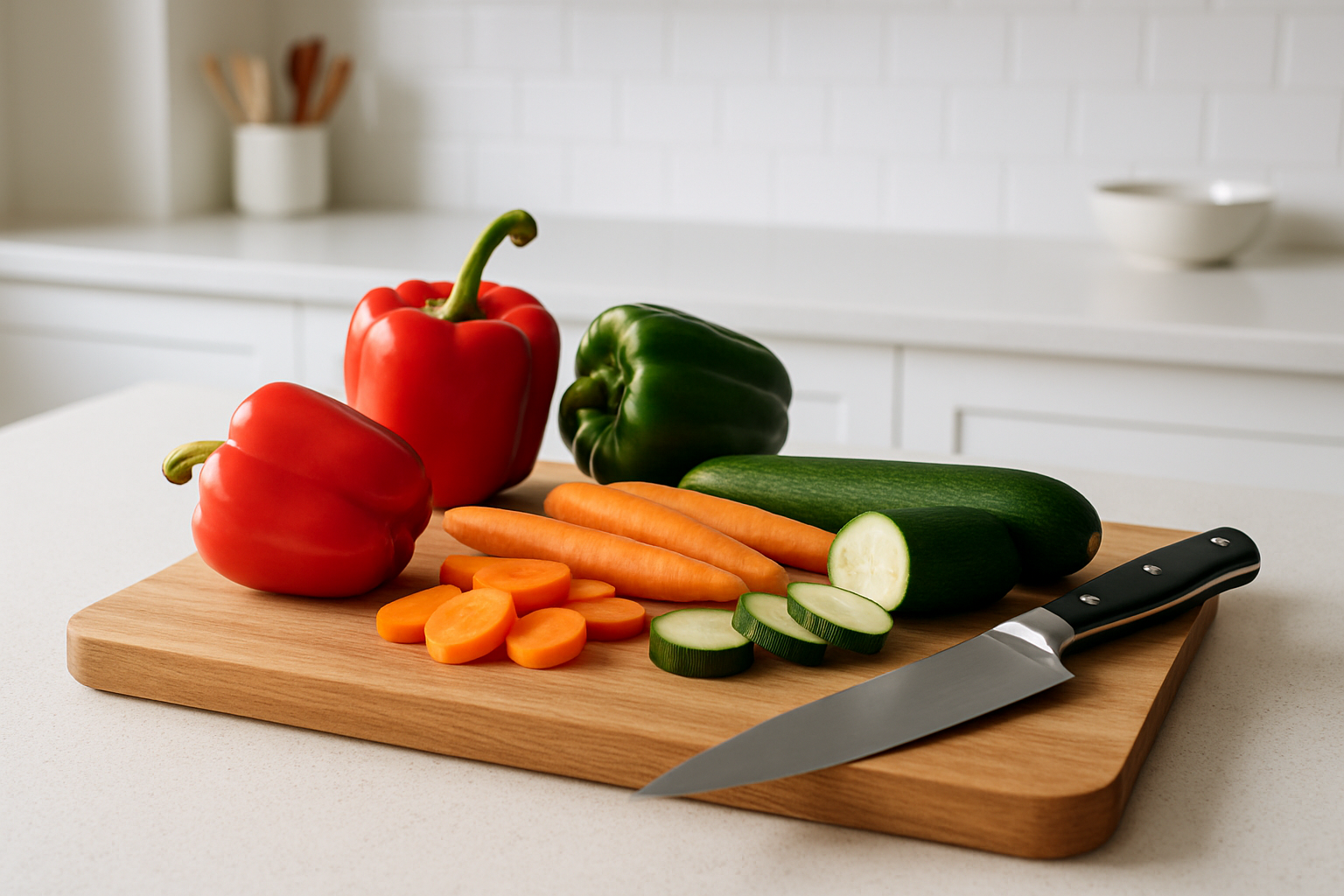
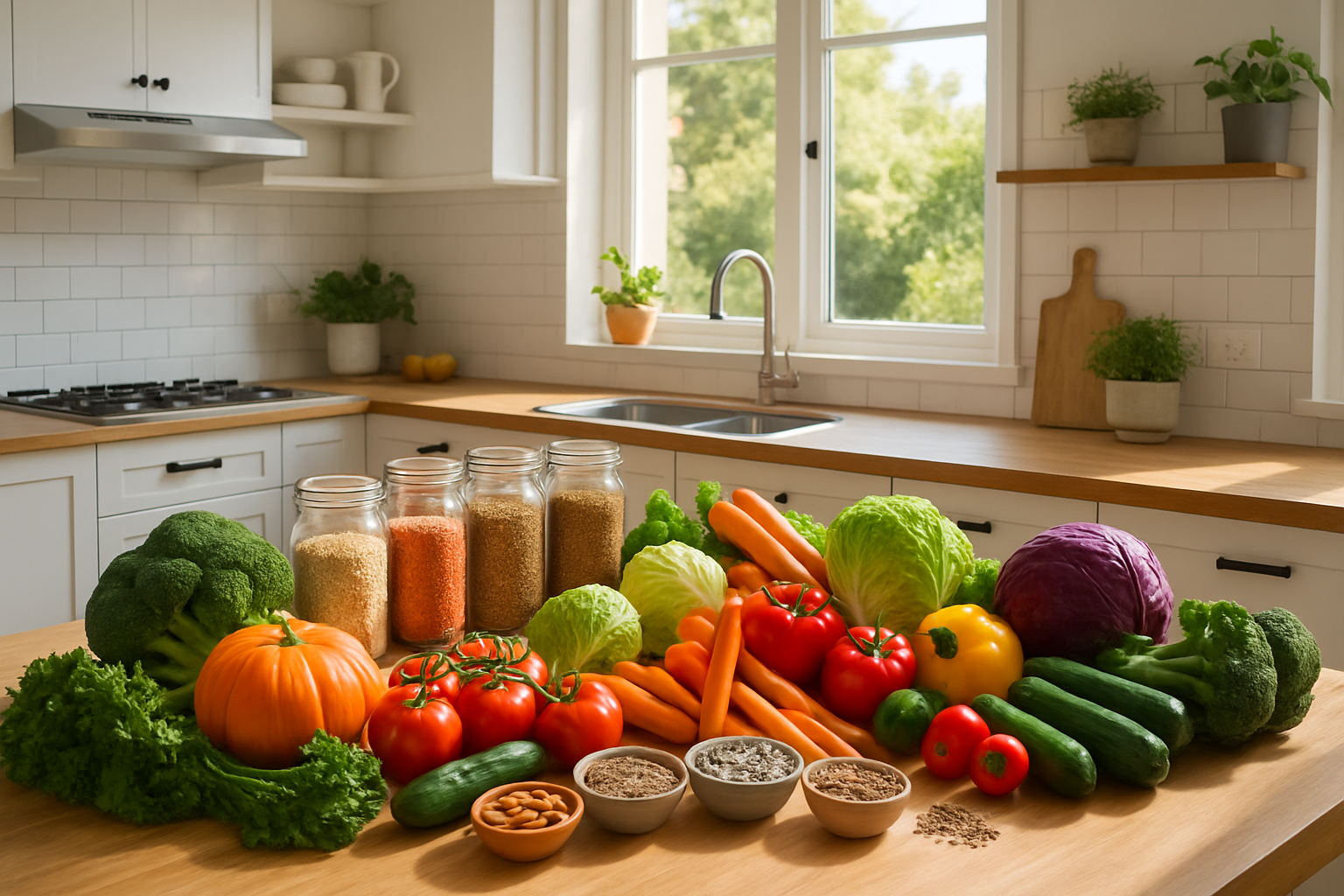
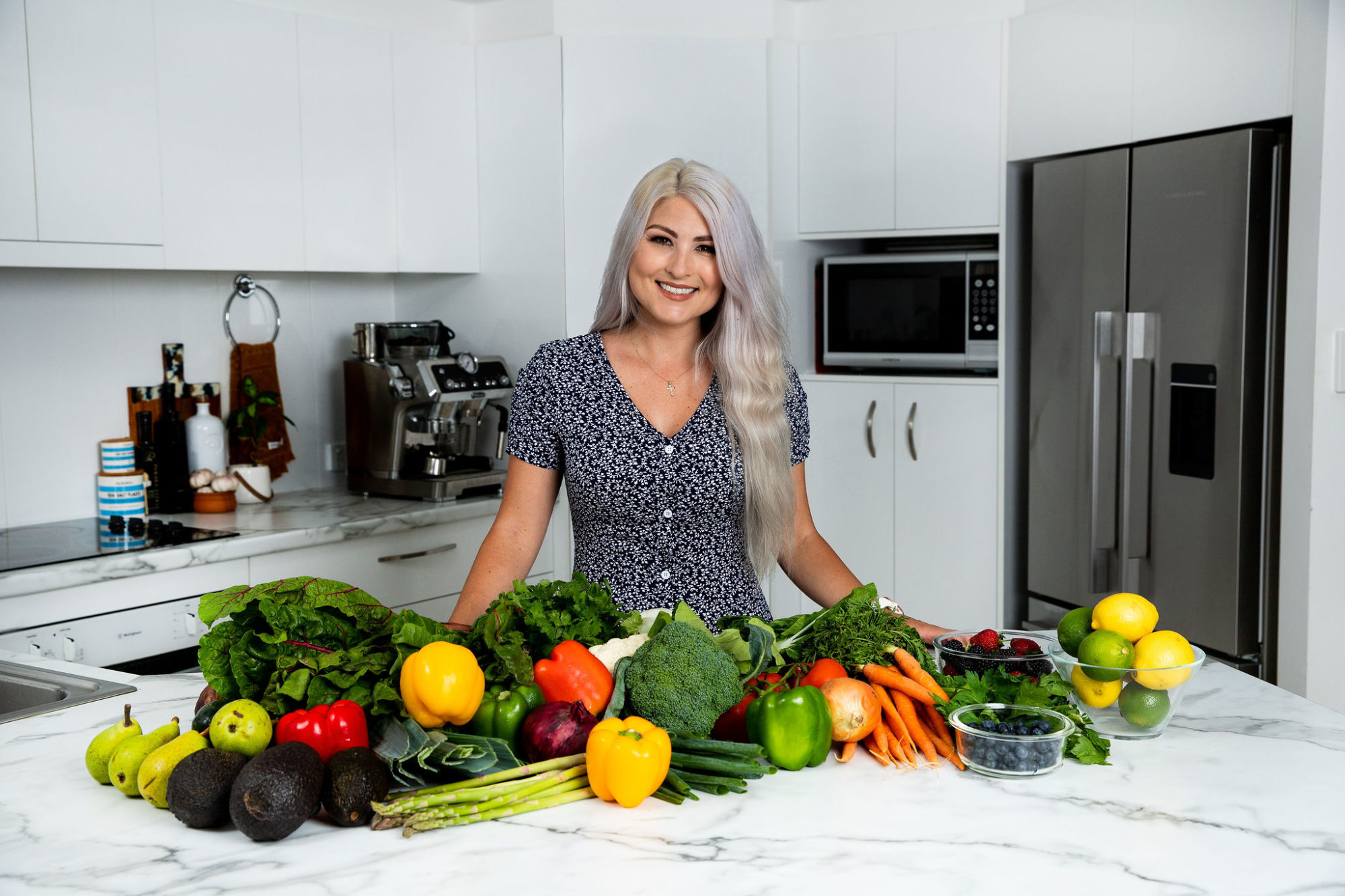
Kitchen bench set up for simple healthy meal prep with vegetables and containers

When people search naturopath Gold Coast or Gold Coast naturopath, they’re often looking for more than products. They want day-to-day habits that actually stick.

Your home can support that.

A wellbeing-focused layout reduces friction. It helps you:

  • air out the home quickly
  • prep food without chaos
  • protect sleep with better light control
  • cut down damp smells and heavy fragrance
  • create a place to downshift after work

If you’re working with a naturopath and Nutritionist, or comparing naturopaths Gold Coast locals see, these basics can make your plan easier to maintain.

Trend 1: Ventilation-first living (a must in humid months)

On the coast, airflow is practical, not just a vibe.

Layout ideas that prioritise airflow

  • Do a quick “morning air-out” (open opposite windows/doors for 10–15 minutes when weather allows).
  • Keep window tracks and flyscreens clean so you’ll actually open them.
  • Don’t block fans, vents or air pathways with bulky furniture.
  • In damp rooms (bathroom/laundry), make extraction easy to use and easy to reach.

Why it matters

Stale air, humidity and persistent damp can affect comfort and sleep. If you’re working on energy, mood, or respiratory comfort, ventilation is a strong starting point.

Trend 2: Low-fragrance, lower-tox swaps (without the overwhelm)

A calm home often smells like… nothing. Neutral is the goal.

Simple swaps that suit everyday life

  • fragrance-free laundry and cleaning basics
  • skip heavy air fresheners (fix odours at the source instead)
  • choose glass or stainless containers for regular-use foods
  • opt for lower-VOC paint when doing touch-ups

A helpful rule of thumb: if it doesn’t clean, moisturise, protect, or nourish, it’s probably optional.

Trend 3: Kitchen flow that supports gut health routines

Many people look for a gut health dietitian Gold Coast or a holistic nutritionist Gold Coast because they’re tired of guessing what to eat.

A kitchen won’t “fix” symptoms on its own. But it can make consistent eating habits far easier.

Weekend-friendly layout ideas

  1. One clear bench

    • Choose one prep zone and keep it clear.
    • Leave a chopping board there for a week.
  2. Healthy at eye level

    • Pantry: everyday staples where you see them first.
    • Fridge: leftovers you’ll actually eat, plus ready-to-use basics.
  3. Default tools together

    • Keep your main prep tools in one drawer or caddy.
    • When you’re tired, “searching” is what stops you.
  4. A smarter snack zone

    • Fruit in a visible bowl.
    • Portion-friendly nuts/crackers in a container.
    • Keep “sometimes foods” less visible (not forbidden).

If you’re comparing the best naturopath Gold Coast options for you, look for someone who can translate a plan into practical kitchen steps.

Trend 4: Nervous-system design—create a downshift space

If you’re searching for an anxiety naturopath, you may also be carrying a big mental load. Screens, notifications and to-do lists follow you home.

A small “downshift zone” creates a buffer between busy and rest.

A simple 3-zone setup

  • Landing zone (entry): keys, bag, shoes, water bottle.
  • Downshift zone (living): warm lamp, comfortable seat, blanket, book.
  • Sleep zone (bedroom): minimal clutter, dim light, no work gear.

For extra support, Beta Me shares more on naturopathy support for anxiety on the Gold Coast: https://betame.com.au/anxiety/

Trend 5: Lighting that respects your body clock

Sleep-supportive bedroom with warm lighting and minimal clutter

Gold Coast homes often have great daylight. The issue is night-time lighting.

Cool, bright overheads can keep your brain in “day mode”.

Practical lighting ideas

  • Use warm lamps after dinner.
  • Keep brighter light for morning and daytime.
  • Reduce overhead lighting at night where possible.
  • Consider block-out or room-darkening options if street lights or early sunrise wake you.

Better sleep supports mood, appetite regulation and resilience.

Trend 6: Coastal clutter control (because visual noise is real)

Clutter isn’t a moral issue. It’s a decision-fatigue issue.

Start with these high-impact spots

  • kitchen bench (especially near kettle/toaster)
  • bedside tables
  • entryway
  • bathroom counter

A realistic method

  • Choose one surface.
  • Remove everything.
  • Put back only what you use daily.
  • Store the rest out of sight for two weeks.

If you don’t miss it, it’s not earning its place.

Trend 7: “Good enough” movement space

You don’t need a home gym. You need fewer barriers.

Easy layout ideas

  • Keep a yoga mat and resistance band visible in a basket.
  • Leave a small clear floor space near the lounge.
  • Store walking shoes near the door.

Movement supports gut motility, stress regulation and sleep quality—topics often discussed with Gold Coast naturopath providers.

Trend 8: Bathroom and laundry tweaks that reduce hidden stress

Low-tox cleaning setup with fragrance-free products stored neatly

These rooms can quietly affect comfort, especially in humid weather.

Small upgrades that help

  • hooks/rails so towels dry properly
  • a lidded basket for damp laundry
  • a shower squeegee to reduce lingering moisture
  • a simple cleaning caddy so the job is quick

A fresher-feeling home is easier to relax in.

How to choose a naturopath (and why your home habits matter)

If you’re searching how to choose a naturopath, focus on practical fit.

Helpful questions to ask

  • Do they ask about sleep, stress, food routine and environment—or only supplements?
  • Can they explain what they’re recommending and why?
  • Will they work alongside other professionals when needed (for example, a dietitian)?
  • Do they offer flexible consult options so you can stay consistent?

People often search for the “best naturopath Gold Coast”. In real life, “best” usually means someone who listens, is realistic, and supports changes you can actually do at home.

You can explore Naturopath Gold Coast and Nutritionist Gold Coast support with Beta Me here: https://betame.com.au/

Where dietitian support fits (including NDIS)

Some people need dietitian-led support, particularly for complex needs or medical nutrition therapy. Others do best with a combined approach.

If you’re looking for NDIS dietitian Gold Coast options or want flexible online appointments, Beta Me shares details on NDIS nutrition support and Skype consultations here: https://betame.com.au/skype-consultations/

Practical examples in real Gold Coast homes

Example 1: Busy household kitchen reset

  • Clear one bench for prep.
  • Store rarely used appliances out of sight.
  • Put fruit and water where you’ll see them.
  • Choose two default weeknight meals and keep ingredients easy to reach.

Example 2: “Wired at night” living room

  • Swap one overhead light for a warm lamp.
  • Create a small reading corner.
  • Move chargers out of the living area after dinner.
  • Keep a notepad for “tomorrow thoughts”.

Example 3: Make the plan easier to shop for

If you’re trying to follow a nutrition plan, the supermarket can be where it falls apart.

Beta Me offers mobile consultations (in-home): https://betame.com.au/mobile-consultations/

And Supermarket shopping tours on the Gold Coast: https://betame.com.au/mobile-consultations/supermarket-shopping-tours/

A simple “coast naturopath home” checklist

If you only do five things, start here:

  • Air out the home daily when practical.
  • Create one clear food-prep bench.
  • Switch to fragrance-free basics.
  • Use warm lighting at night.
  • Build a landing zone near the entry.

Small changes don’t replace healthcare. They do make healthy routines easier to keep.

Ready for support that fits your real routine?

If you’re looking for a naturopath Gold Coast locals trust, with practical nutrition support, Beta Me can help.

Start here: Naturopath Gold Coast and Nutritionist Gold Coast https://betame.com.au/

Prefer flexibility?


Organised entryway drop zone to reduce stress and improve routines

FAQs

What does “coast naturopath” mean in a home design context?

It’s a practical way to describe home choices that support wellbeing in a coastal climate—airflow, moisture control, low-fragrance products, calming light and layouts that make healthy routines easier.

How do I choose a naturopath on the Gold Coast?

Choose someone who asks about your food, sleep, stress and environment (not just supplements), explains recommendations clearly, checks safety, and offers an approach you can stick with.

Should I see a naturopath, a nutritionist, or a dietitian for gut issues?

It depends on your needs. Many people like a naturopath and nutritionist for whole-person support and habits. A dietitian is important for medical nutrition therapy and is often the right fit for complex needs and NDIS-related support.

Can home layout changes help anxiety?

They can support calmer routines by reducing clutter, harsh light and end-of-day chaos. If anxiety is persistent, it’s best to combine environment changes with professional support.

What are the most useful low-tox swaps that don’t require renovating?

Start with ventilation, fragrance-free cleaning and laundry basics, reducing air fresheners, and choosing lower-VOC paint when you do touch-ups. Simple, consistent changes tend to be easiest to maintain.

What’s a simple way to make my kitchen support healthier eating?

Keep one bench clear for prep, store go-to tools together, and make the “everyday” foods visible at eye level. Consistency beats complexity.

Gold Coast supermarket shopping design trends and layout ideas (that actually make healthy eating easier)

A trolley with fresh produce and healthy staples in an Australian supermarket

Gold Coast supermarket shopping design trends and layout ideas (that actually make Healthy eating easier)

If you’ve ever walked into the supermarket for “just milk” and walked out with snacks, a “healthy” bar you didn’t even like, and a dinner plan you can’t explain — that’s not a lack of willpower.

Modern supermarket shopping is designed to keep you browsing, nudging you toward quick decisions. On the Gold Coast, where busy schedules and convenience foods can easily take over, understanding the design trends and layout cues helps you shop with more control.

Below are the most common layout ideas used in supermarkets, what they mean for your trolley, and practical ways to shop for real-life goals like gut health, steadier energy, and easier weeknight dinners.

1) The “fresh-first” entrance: why the first 5 minutes matter

Comparing nutrition labels in the supermarket

Quick label checks help you cut through marketing claims.

A major design trend is starting you in fresh produce or a bright, colourful area. It sets a “healthy tone” — and it also encourages you to relax your guard.

How to use it to your advantage (without getting derailed):

  • Start with a produce plan, not “buy what looks good”. Choose:
    • 2–3 vegetables for dinners (e.g., broccoli, capsicum, zucchini)
    • 1–2 salad items (e.g., leaves, cucumber)
    • 1–2 fruits for snacks
  • Pick one “easy win” produce option for the week: pre-washed leaves, frozen veg, or a stir-fry mix. Convenience can be a health tool when it keeps you cooking.

If you’re working with a gut health dietitian Gold Coast clients often seek out, or a naturopath and nutritionist, this is also where you can make simple gut-friendly choices that don’t require specialty foods.

2) Perimeter shopping: useful rule, not a strict diet

You’ll often hear “shop the perimeter” because that’s where produce, meat, dairy and bakery typically sit.

It’s a helpful starting point — but if you only shop the perimeter, you can miss some of the most budget-friendly staples.

A better approach:

  • Perimeter = fresh building blocks (veg, fruit, proteins, yoghurt)
  • Middle aisles = staples (tinned fish/beans, oats, rice, olive oil, herbs/spices)
  • Freezer = back-up plan (frozen veg, berries, convenient proteins)

This is one of the key “layout ideas” to keep in mind: the store is built like a loop. If you follow the loop without a plan, you’ll see everything.

3) End-caps and “specials”: the impulse hot spots

Those displays at the ends of aisles (end-caps) are prime real estate. They can be a genuine bargain — or a fast track to buying food you didn’t want.

A quick decision rule for end-caps:

Ask:

  1. Was it on my list? If not, it’s a no.
  2. Is it a staple I already buy? If yes and it’s a good price, consider it.
  3. Will I use it in the next 7 days? If not, it’s clutter (and often extra snacks).

For anxiety-driven or stress-driven shopping (very common), these displays are where “just in case” purchases happen. If that’s you, it may help to explore support that ties food choices to stress patterns, such as Beta Me’s approach to naturopathy for anxiety.

4) “Health” aisles and wellness claims: what’s actually helpful

A big trend is expanding wellness ranges: protein snacks, low sugar, gluten free, keto, gut health, “natural”, and supplements.

This is where many Gold Coast shoppers get stuck — because the packaging sounds like it solves a problem.

Use this label-reading shortcut instead:

  • Ingredients first. Shorter and recognisable is often a good sign.
  • Check fibre (especially for snacks and cereals). Higher fibre usually supports steadier appetite.
  • Be cautious with “free from” products if they’re highly processed. Some are useful; many are just expensive swaps.

If you’re already seeing a nutritionist Gold Coast locals recommend, or you’re looking for the best naturopath Gold Coast for your needs, bring 2–3 common “health” products you buy regularly into your consult. A good clinician will help you find better options that fit your body and budget.

5) The ready-to-eat section: convenience without the crash

Supermarkets are leaning hard into convenience: premade meals, salad kits, cooked chickens, heat-and-eat sides.

These can be lifesavers — but they can also be low in vegetables and fibre, or higher in salt and refined carbs.

A practical “better convenience meal” formula:

  • Choose one convenience main (e.g., roast chicken, microwavable grain pouch, soup)
  • Add at least two vegetable sides (bag salad + cherry tomatoes; frozen veg; microwave steam veg)
  • Add a protein boost if needed (extra eggs, tinned tuna/salmon, Greek yoghurt)

This helps keep supermarket shopping realistic, not perfect.

6) Self-serve checkouts and snack lanes: how to avoid last-minute add-ons

The checkout zone is designed for fast-grab items. If you shop when hungry, tired, or stressed, it’s a problem area.

Simple strategies that work:

  • Eat a snack before you shop (even a banana or yoghurt).
  • Keep “checkout snacks” in your bag (nuts, fruit, or a protein snack you actually like).
  • Use click-and-collect selectively when you’re in a vulnerable state (end of day, kids in tow, low bandwidth).

7) Layout idea you can copy at home: a “trolley template” for the week

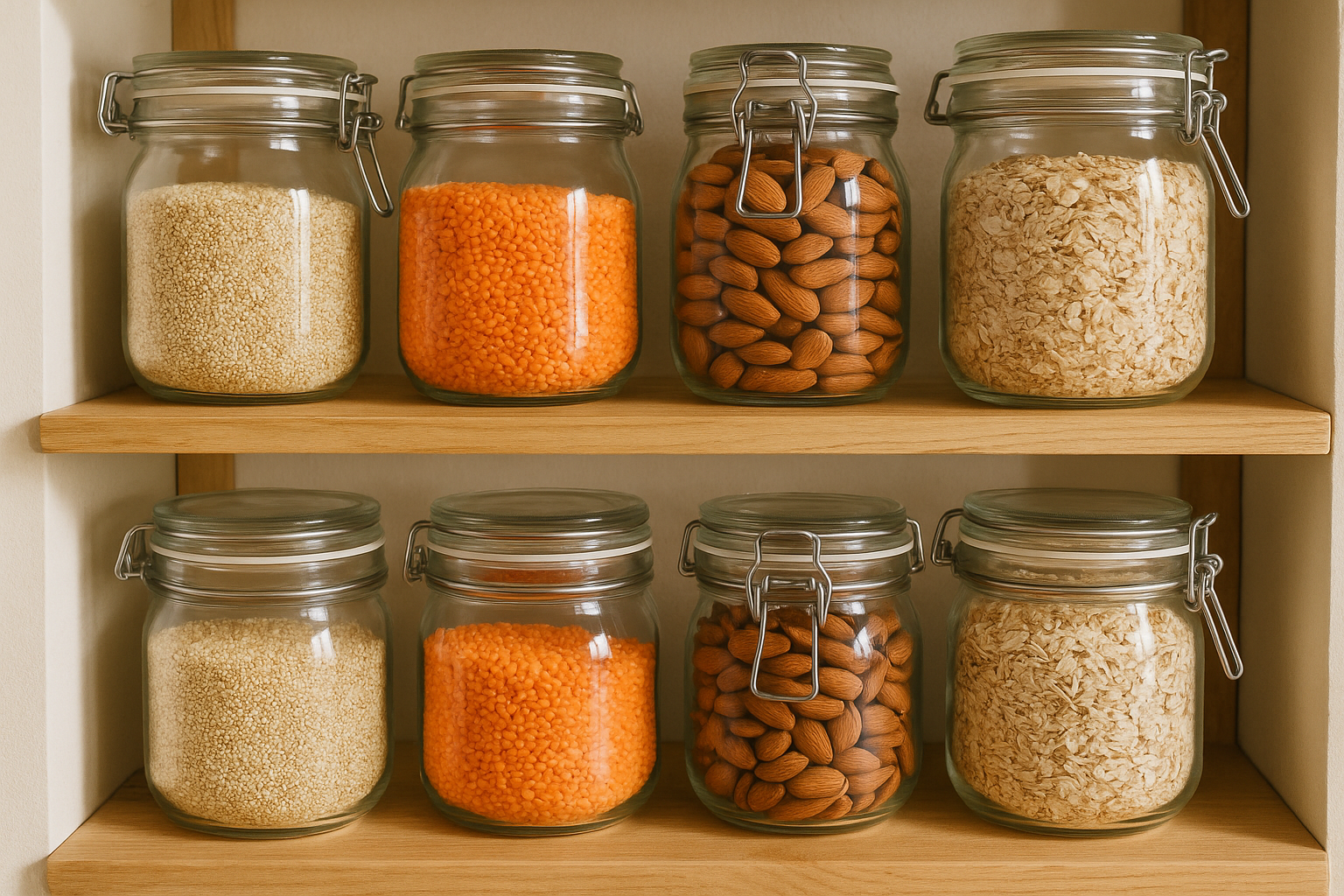
Healthy pantry staples laid out on a kitchen bench

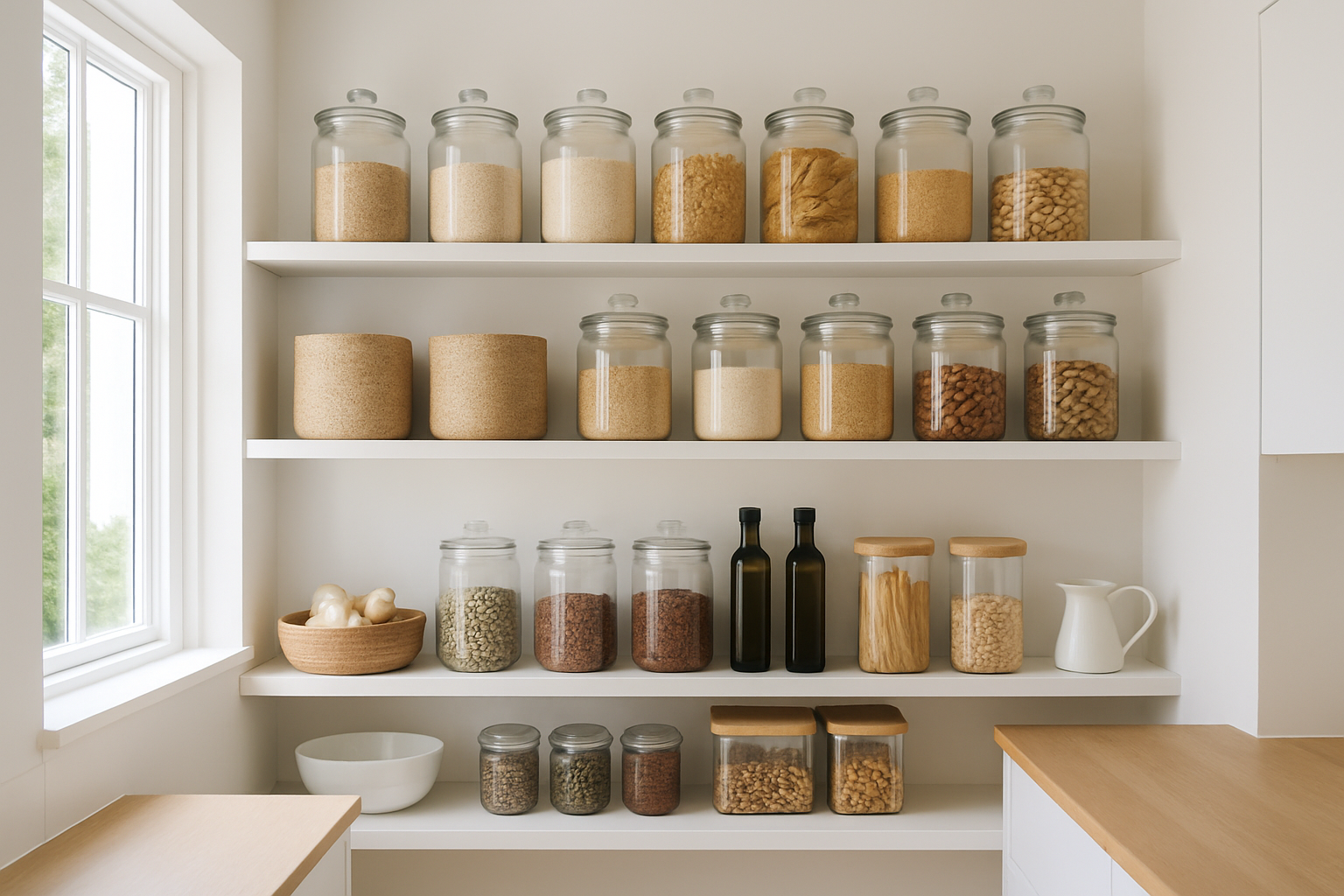
Middle-aisle staples can be some of the most nutritious buys.

When you have a default plan, the supermarket layout has less power.

Try this trolley template (adjust to your needs):

  • Proteins (2–3): eggs, chicken, tofu, tinned fish, lean mince
  • Vegetables (5–7 items): mix of salad + cookable veg
  • Fruit (2–4): snacks and breakfast
  • Carbs (2): oats + rice/potatoes/pasta (or your preferred option)
  • Fats & flavour (3): olive oil, nuts/seeds, herbs/spices, yoghurt, avocado
  • Fibre staples (2): tinned beans/lentils + wholegrains

If gut symptoms are part of your picture, your “best” template depends on tolerance. That’s where working with a holistic nutritionist Gold Coast clients trust, a gold coast naturopath, or a combined naturopath and nutritionist approach can be useful.

8) Practical examples: shopping routes for common goals

Here are three simple “routes” you can follow, based on what you’re trying to improve.

A) For steadier energy (less snacking)

  • Produce: veg + fruit for snacks
  • Dairy/protein: yoghurt, eggs, lean protein
  • Aisles: oats, nuts, tinned beans
  • Freezer: berries, frozen veg

Aim: each meal has protein + fibre.

B) For gut-friendly meals (without overthinking)

  • Produce: choose vegetables you tolerate well; add herbs for flavour
  • Proteins: simple, minimally processed
  • Aisles: rice/oats, tinned staples you tolerate
  • Skip: “gut health” snacks that rely on lots of additives if they trigger you

If you’re searching for a naturopath gold coast locals recommend, or naturopaths Gold Coast options, look for someone who can turn your symptoms into real food decisions — not just a list of foods to fear.

C) For budget-aware families

  • Frozen veg and frozen fruit are your friends
  • Buy larger packs of staples you actually use (oats, rice, beans)
  • Pick one “premium” item and keep the rest simple

Tip: budget improves when dinners repeat. Two or three rotating meals beats seven new recipes.

When a supermarket tour helps (and who it’s for)

Walking past an end-cap display in a supermarket

End-caps are designed to grab attention—your list keeps you grounded.

Some people just want a list. Others need the confidence that comes from doing it in the aisle, with guidance.

A guided session can help if you:

  • feel overwhelmed by labels and health claims
  • keep buying “healthy products” but don’t feel better
  • need practical support for meal planning and shopping routines
  • are managing gut symptoms and want realistic swaps
  • want help making changes that the whole household can stick with

Beta Me offers supermarket shopping tours designed to make your regular shop easier, faster, and more aligned with your goals. You can learn more via the Supermarket Shopping Guide Gold Coast page.

A clear next step

If you’re on the Gold Coast and want supermarket shopping to feel simpler — with practical, brand-agnostic guidance tailored to your health goals — book a consult with Beta Me.

You can start with:

If you need flexibility, Beta Me also offers appointments that can suit at-home routines and planning support, including options discussed under NDIS Nutritionist Gold Coast services: https://betame.com.au/skype-consultations/


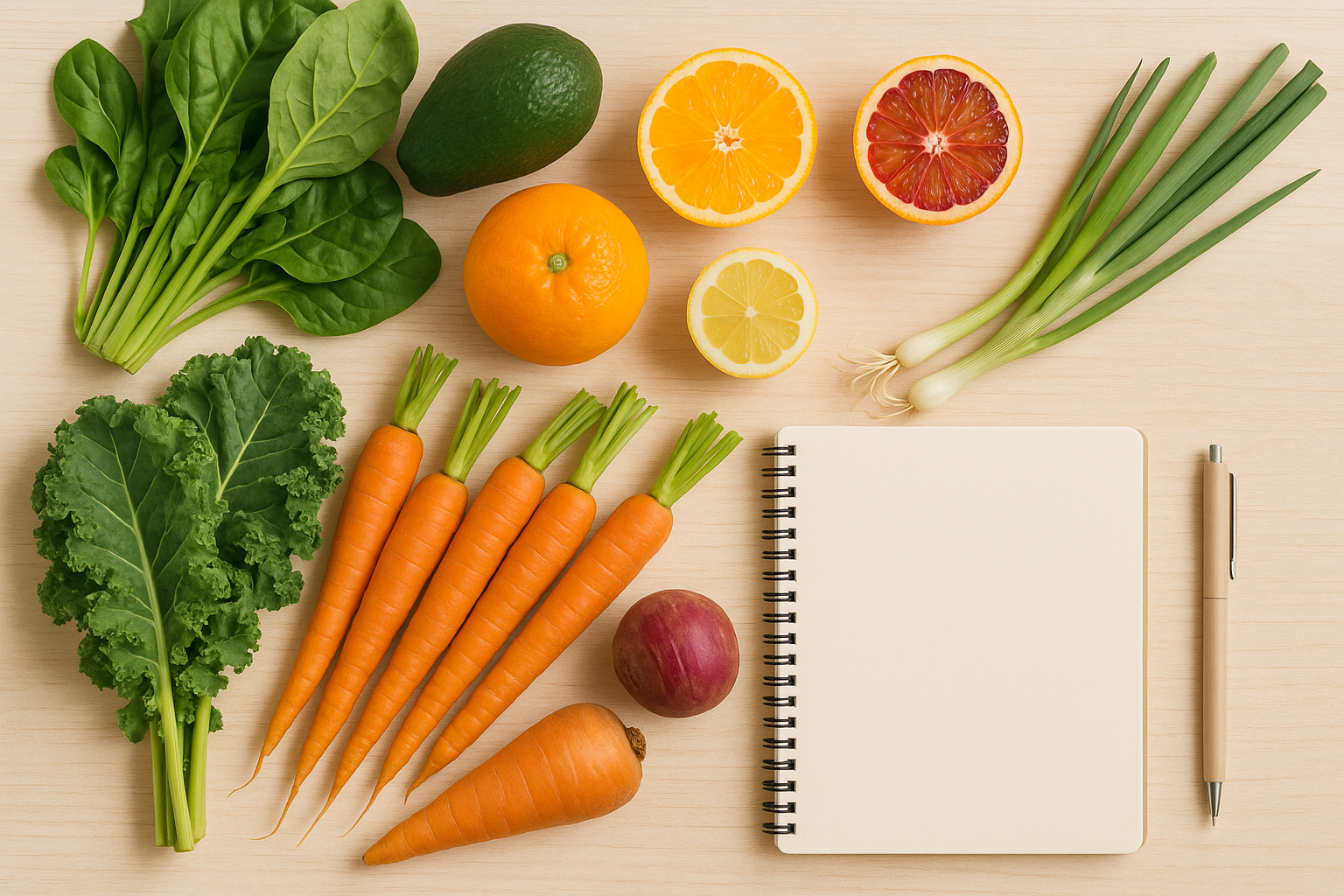
A simple meal plan and grocery list ready for shopping

A short list and a simple route make supermarket shopping quicker and calmer.

FAQ

What are the biggest supermarket layout trends affecting what I buy?

Common trends include stronger perimeter fresh-food zones, more prominent ready-to-eat meals near entrances, bigger end-cap displays (often for promotions), more health-claim packaging, and greater use of convenience sections. These features are designed to speed up decisions and increase impulse buys, so shopping with a short list and a simple route helps you stay in control.

How do I do a healthy supermarket shop fast on a weeknight?

Use a repeatable trolley template: 1–2 proteins (eggs, tinned fish, chicken), 2–3 vegetables, 1 fruit, 1 wholegrain or starchy option (brown rice, oats, potatoes), and 2 flavour builders (olive oil, herbs, yoghurt). Then choose one easy dinner plan (stir-fry, tray bake, tacos) and buy only what supports it.

Is perimeter shopping always the healthiest approach?

Not always. The perimeter is great for fresh produce and proteins, but many nutritious staples live in the middle aisles (tinned beans, oats, brown rice, frozen veg, olive oil, herbs and spices). A better rule is: perimeter for fresh, aisles for staples, and avoid wandering into ‘snack loops’ unless it’s on your list.

What should I look for on labels if I’m working on gut health?

Start with ingredients and fibre. Choose options with minimal additives, higher fibre where appropriate, and fewer sugar alcohols if they trigger symptoms. If you’re working with a gut health dietitian on the Gold Coast or a naturopath and nutritionist, bring your usual products to your next consult so you can get personalised swaps for your tolerance and goals.

Can a nutritionist or naturopath come with me to the supermarket on the Gold Coast?

Yes. Beta Me offers supervised supermarket shopping tours that turn your regular shop into a practical lesson: reading labels, building balanced meals, choosing gut-friendly options, and finding affordable swaps that suit your household.

Do you offer NDIS nutrition support for shopping and meal planning?

Beta Me provides nutrition support and can discuss options that suit your needs, including remote appointments. If you’re looking for an NDIS dietitian on the Gold Coast, book a consult to talk through your goals and what practical support would help (shopping skills, routines, simple meal structures and easy food choices).

Gold Coast design trends and layout ideas for wellness clinics (and why they matter for your appointments)

Calm coastal-style consultation room layout with warm lighting and natural textures

Gold Coast design trends and layout ideas for wellness clinics (and why they matter for your appointments)

On the Gold Coast, a “good space” isn’t only about how it looks. It’s about how you feel the moment you walk in.

For wellness clinics, design and layout affect privacy, comfort, and how easy it is to talk through sensitive health concerns. The same is true if you’re setting up a corner at home for telehealth.

Below are practical Gold Coast gold coast design trends and layout ideas that suit local life (light, airflow, and a relaxed, modern feel) without slipping into themed décor.


1) Coastal calm (without the beach theme)

The most timeless Gold Coast look is simple, warm, and uncluttered.

Skip shells, slogans, and “beach house” props. Aim for a space that feels steady and professional.

Try this:

  • Warm whites and sand tones (softer than bright white)
  • Light timber or timber-look finishes
  • One muted accent colour (eucalyptus, clay, soft ocean blue)
  • Minimal décor with a purpose (clock, mirror, plant, one artwork)

Why it matters: Many people arrive tired, stressed, or overwhelmed. That includes clients booking with a naturopath Gold Coast, a gold coast naturopath, a holistic nutritionist Gold Coast, or a gut health dietitian Gold Coast. A calm palette reduces visual “noise” and helps people settle.


2) Less reception, more privacy

Health care is moving away from big, transactional front desks. People want to feel welcomed, not processed.

Even in a small clinic, privacy can feel intentional.

Layout ideas that work well:

  • A small waiting nook rather than a large counter
  • Seating that doesn’t face other clients directly
  • Discreet check-in (for example, a QR code on a side table)
  • A clear separation between entry and consult spaces

Privacy is also a quality cue. It matters when someone is trying to find the best naturopath Gold Coast or a highly recommended naturopath Gold Coast.


3) Consult-room flow: set up for conversation

In a naturopath and nutritionist consult, the room should support discussion. Large desks can feel like a barrier.

A client-friendly consult room layout:

  • Two chairs at a slight angle (more natural than face-to-face)
  • A small side table for water, tissues, and a notebook
  • A screen positioned so it helps, without becoming a “wall”
  • One clear bench surface for paperwork or resources (without clutter)

At-home telehealth tip

If you’re meeting a nutritionist Gold Coast practitioner online, sit slightly off-centre from the camera. It often feels less intense and more conversational.


4) Acoustic comfort (the trend clients don’t always name)

Open-plan spaces can look great. But echo and noise reduce privacy fast.

If people can hear the next appointment, they tend to hold back. If you can hear the hallway, it’s harder to focus.

Simple acoustic upgrades (clinic or home):

  • Layered curtains (sheers + blockout)
  • A rug (even low-pile)
  • Fabric seating rather than all hard surfaces
  • Acoustic wall panels that double as décor
  • Door seals (often overlooked, very effective)

This is especially relevant for appointments around stress and anxiety. See: naturopathy support for anxiety.


5) Gold Coast lighting: warm, layered, glare-free

Minimal waiting area design with water station and comfortable seating

Harsh downlights can make a space feel clinical. A modern approach uses lighting in layers.

Aim for:

  • Warm globes (comfortable and flattering)
  • A mix of overhead + lamp lighting
  • Task lighting where you need it (desk, storage)
  • Less screen glare for telehealth and note-taking

If you’re setting up for video calls, place light in front of you (or slightly to the side), not only overhead.


6) “Visual quiet”: storage that makes a room feel calmer

Simple telehealth consult setup with soft light and tidy background

A room can be clean and still feel chaotic. Visual calm often comes from what you can’t see.

Design for visual quiet:

  • Closed storage for supplies and equipment
  • One clear “client zone” surface
  • Cables hidden and chargers tucked away
  • A dedicated spot for bags and shoes

This helps in education-heavy appointments, including planning and habit building with a gut health dietitian Gold Coast, NDIS dietitian Gold Coast, or NDIS nutritionist Gold Coast.


7) Telehealth-ready spaces are now standard

Telehealth suits busy households, shift workers, and anyone who prefers to stay at home.

Telehealth setup checklist:

  • Stable internet and a quiet room
  • Neutral background (less visual distraction)
  • Camera at eye height
  • Notes and resources ready to share
  • Headphones for privacy

If you’re exploring NDIS support, telehealth may be part of your options. See: NDIS nutritionist support options (including telehealth).


8) Mobile consults: when your home becomes the “clinic”

Tidy clinic storage that reduces clutter and supports smooth consults

Mobile appointments change the design challenge. Instead of travelling to a clinic, you create a calm, workable space at home.

A simple in-home setup for mobile support:

  • Clear a small table or bench
  • Comfortable seating for two people
  • Have relevant supplements/medications nearby (if applicable)
  • Reduce distractions (TV off, pets settled if possible)
  • Fresh air where you can

Learn more: mobile nutritionist and mobile naturopath consultations.


9) The “education layout”: make room for food skills

A lot of wellness care is practical. It involves food choices, routines, and plans you can keep.

Education-friendly layout ideas:

  • A small whiteboard or notepad spot for meal planning
  • Space to review pantry staples or labels
  • A simple system for shopping lists and swaps

If you want guided support in a real supermarket environment, consider: Supermarket shopping tours.


10) Choosing a practitioner? Use design as a quality cue (without judging style)

Design isn’t everything. But it can signal how thoughtfully a service runs.

Helpful “green flags” to look for:

  • Clear privacy boundaries (sound and sight)
  • Calm, uncluttered consult rooms
  • Comfortable seating, water available, tissues nearby
  • Options for telehealth or flexible support

This applies whether you’re looking for a naturopath Gold Coast, gold coast naturopath, a nutritionist Gold Coast, a holistic nutritionist Gold Coast, or NDIS supports such as an NDIS dietitian Gold Coast.


Quick layout examples you can copy at home

Example A: A telehealth corner in a living area

  • Small desk facing a plain wall
  • Side lamp + daylight from a window
  • Basket storage underneath (headphones, notebook, papers)

Example B: A “food planning” spot for families

  • One dedicated bench section with a notepad
  • One drawer for lunchbox staples
  • A simple weekly plan you can see at a glance

Example C: A calmer bedroom setup for sleep support

  • Warm bedside lighting (avoid harsh downlights)
  • Cables out of sight
  • Fresh air and uncluttered surfaces

Where Beta Me fits

Beta Me provides naturopathy and nutrition support for locals, with options that suit real schedules.

If you’ve been searching for a naturopath Gold Coast, nutritionist Gold Coast, NDIS dietitian Gold Coast, or NDIS nutritionist Gold Coast, a useful next step is to get clear on:

  • what you want to improve (gut health, energy, anxiety, food habits)
  • what appointments you can realistically commit to
  • whether mobile or online support would make it easier

Explore: Naturopath Gold Coast and Nutritionist Gold Coast.

To learn more about the approach, see: About Beta Me. For allied health context, you can also read: allied health nutritionist information.


Ready for support? Choose the most practical option for you

If you want help choosing between in-clinic, mobile, or online appointments, the simplest next step is to reach out.

Share:

  • what you’re struggling with right now
  • what your week actually looks like
  • whether you need support at home, via telehealth, or both

From there, you can be guided to a next step that fits your routine—whether you’re comparing a naturopath Gold Coast, looking for a naturopath and nutritionist approach, or you want nutrition support such as a gut health dietitian Gold Coast.

Enquire here: Contact Beta Me.


Supermarket produce section suitable for guided shopping tour education

FAQs

What are the most practical Gold Coast design trends for a naturopath or nutritionist space?

Coastal calm colours, warm layered lighting, better acoustics, and closed storage are the most practical. They make the room feel private, comfortable, and easy to focus in.

How many rooms do you need for a small wellness practice?

At minimum, one private consult room. A second flexible area helps with admin, telehealth, and education. If privacy or scheduling is tight, that’s often the first upgrade.

What layout helps clients feel comfortable discussing anxiety or gut issues?

A door that closes, softer acoustics, angled seating, water and tissues within reach, and minimal barriers like large desks. Calm and privacy matter.

What should a telehealth setup include?

A quiet room, stable internet, neutral background, camera at eye height, and soft front lighting. Headphones help keep conversations private.

What’s different with mobile consults or supermarket shopping tours?

Mobile consults use your home layout, so a clear table and fewer distractions help. Shopping tours are education-focused and work best with a simple plan for label reading and easy swaps.

How do I keep a clinic feeling coastal without being themed?

Use restrained natural colours, timber textures, soft lighting, and breathing space. Keep décor minimal and functional. Think “coastal calm”, not beach props.

About Beta Me: section headings and on-page structure ideas for a clear, helpful About page

Consult desk setup for a nutrition and naturopathy appointment

About Beta Me: section headings and on-page structure ideas

If you’ve landed on Beta Me (or searched betame, beta-me, beta.me, beta mee or even me beta), you’re usually trying to answer one question fast:

Is this the right place for me, and what happens next?

A strong About page should make that obvious in under a minute. This guide shares practical about beta me section headings and on-page structure ideas you can lift for a nutrition and naturopathy business.

If you want to see the existing “About Beta Me” story page for context, it’s here: About Beta Me (Danielle Lamb).


Quick table of contents (copy-ready)


What your About page needs to do (in under 60 seconds)

Checklist for planning an About page structure

Most people skim. Your structure needs to do the heavy lifting.

A clear About page should:

  • Confirm what you do (for example, naturopath and nutritionist support)
  • Explain who you help, in everyday language
  • Describe your approach without jargon
  • Show what a consult looks like
  • Give people an obvious next step (contact, book, or explore a relevant service)

A bonus: it should reduce uncertainty. People don’t just want your background. They want to know what it’s like to work with you.


Recommended About Beta Me structure (with headings you can use)

Below is a clean, client-friendly layout that suits a business like Beta Me. Use it for a new page or to refresh an existing one.

H1: About Beta Me

Keep the H1 simple. Match how people search.

Optional one-line subheading:

Naturopathy and nutrition support with practical, down-to-earth guidance.


Above the fold: “Who I am” + “Who I help” (with a clear next step)

This top block is the most important part of the page.

Include:

  • A warm 1–2 sentence introduction (first person works well)
  • One clear line naming your role (e.g., “I’m a naturopath and nutritionist”)
  • A short list that helps the reader self-identify
  • A button-style CTA (Contact or Book)

Example “you might be here because…” bullets:

  • You want food guidance that feels realistic
  • You’re overwhelmed by conflicting nutrition advice
  • Stress is affecting your appetite, digestion or sleep
  • You want a plan you can actually follow

CTA idea: Link straight to Contact Beta Me for enquiries.


H2: What “Beta Me” means (and what it stands for)

This section builds connection without becoming a long biography.

Keep it focused on the reader:

  • What the name represents (progress, learning, “better me” energy)
  • What clients can expect from the tone of care (practical, supportive, clear)

You can also acknowledge a couple of search variations once, naturally:

Some people find us by searching beta nutrition or typing beta health terms. Others land here via beta.me or beta-me. Whatever brought you in, the goal is the same: supportive nutrition and naturopathy that meets you where you are.


H2: Meet Danielle (credentials + why this work)

Keep this grounded and client-first.

What to include:

  • Who you are (Danielle Lamb at Beta Me)
  • Your professional identity and scope
  • A short “why” that links back to what clients need

Tip: Aim for 120–180 words, then link out for the full story.

Add a clear internal link: About Beta Me (Danielle Lamb).


H2: How I work (naturopathy + nutrition, side-by-side)

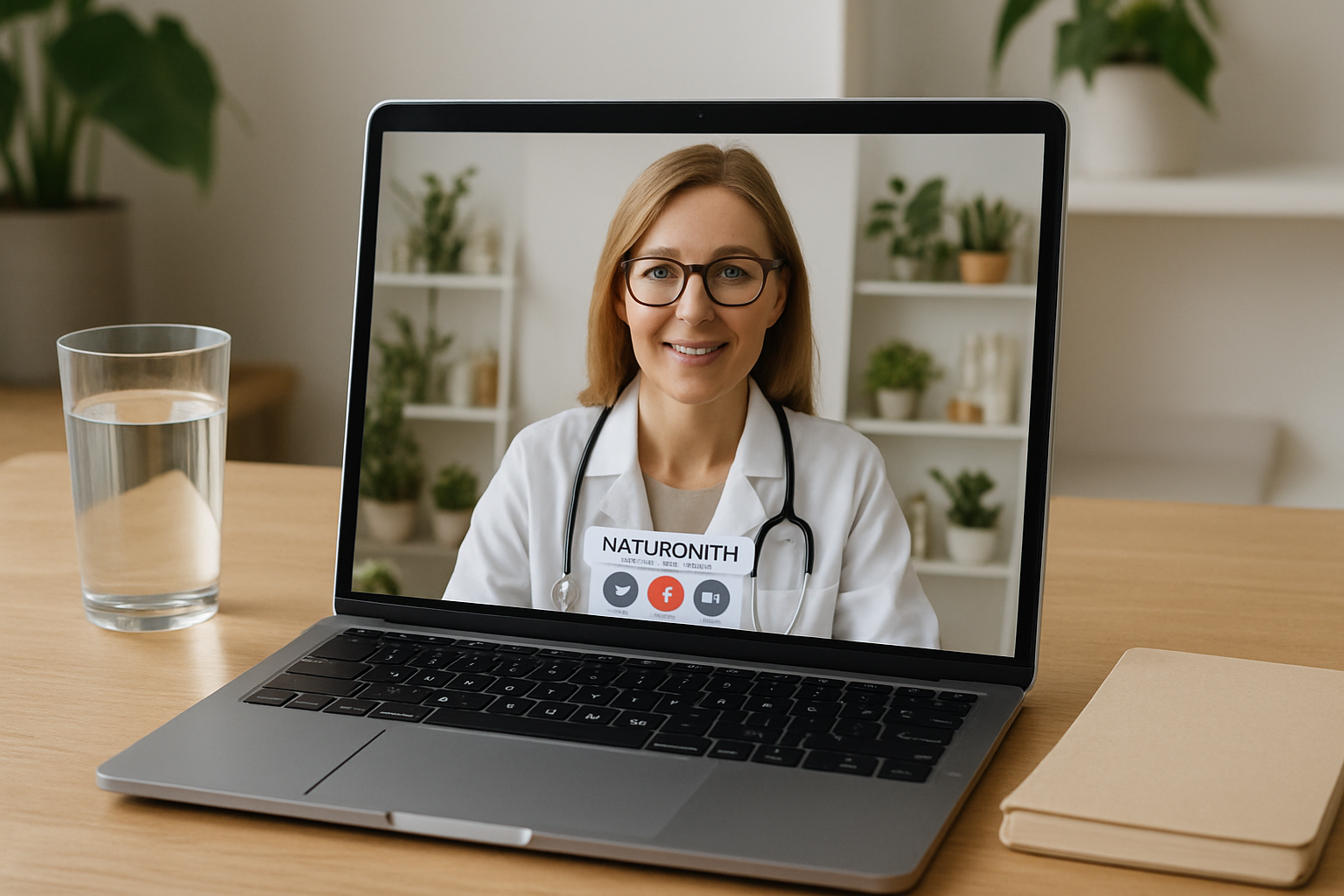
Telehealth consult setup for nutrition support

This section reduces confusion fast. It also helps readers understand what they are (and aren’t) booking.

Nutrition support may include

  • Food patterns that suit preferences, budget and capacity
  • Meal structure and simple planning
  • Label reading and realistic swaps
  • Building consistency (not perfection)

Naturopathy may include

  • Whole-person case-taking (stress, sleep, digestion and more)
  • Lifestyle strategies that match your real routine
  • Evidence-informed natural medicine options, where appropriate
  • Collaboration with your GP or other allied health professionals when needed

If you want a single line that supports brand positioning, keep it simple:

The focus is long-term habits: small, repeatable steps that add up.

Mid-page CTA (soft): If you’re unsure which service fits, point people to Beta Me Nutrition & Naturopathy (About) or Contact Beta Me.


H2: What a consultation looks like (so people can picture it)

Specifics build trust.

A clean structure to use:

  1. Before we meet: an intake process so you don’t have to remember everything on the spot.
  2. In session: we map your goals, routines, symptoms and barriers.
  3. Afterwards: you receive clear next steps (food, lifestyle, and any agreed supports).
  4. Follow-up: we refine the plan based on what works in real life.

Keep language simple. Avoid overpromising outcomes. Focus on clarity and support.


H2: Who I help (common starting points)

This section helps people feel seen. It also stops them bouncing back to Google.

Write these as starting points, not medical claims.

Examples:

If you want to lightly capture related searches like “naturopath and anxiety”, do it here in a supportive way, and link to the dedicated page.


H2: What you won’t get here (boundaries that build trust)

Kind boundaries are persuasive.

Consider including:

  • No shame-based nutrition
  • No one-size-fits-all protocols
  • No miracle promises

Example copy:

You won’t be pushed into perfection. The aim is practical change that fits your life, with clear education so you can make confident decisions.


H2: Working with other professionals

This is useful for clients and referrers.

Include a short note on:

  • Collaboration with GPs and allied health
  • How referrals work

Add the internal link: Allied health and professional referrals.


H2: Ready to take the next step?

Make the CTA easy for someone who is interested, but not fully ready.

Choose one primary action:

  • Enquire via the contact form
  • Ask a quick question before booking

Suggested CTA copy (final block):

If you’d like support from a naturopath and nutritionist who keeps things practical, the next step is to get in touch. Share what you’re working on (food routines, energy, digestion, stress), and we’ll help you choose the right appointment type.


On-page SEO notes (to support readability and rankings)

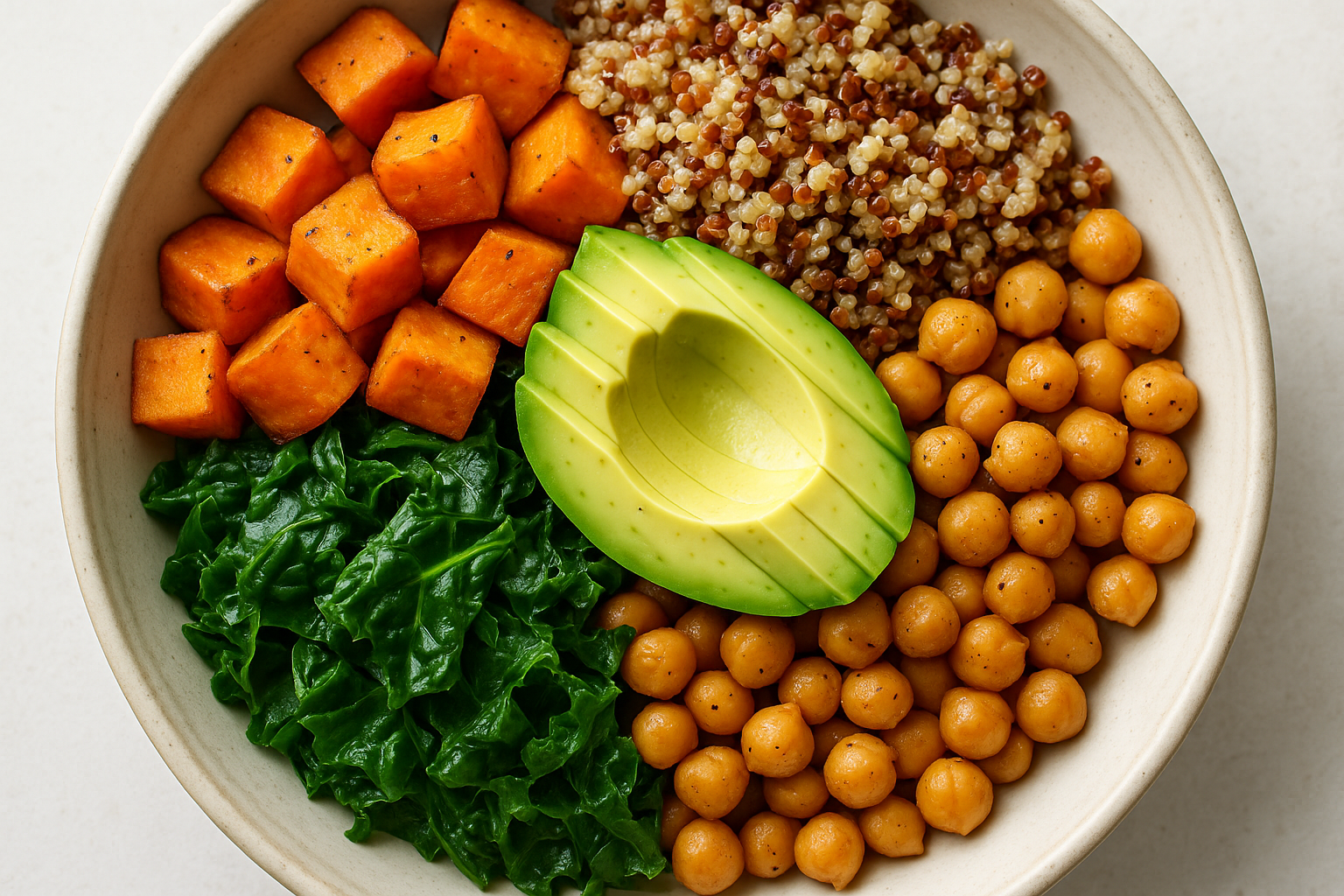
Wholefood pantry items for practical nutrition support

Use these checks to improve scan-ability and keep the page aligned to search intent.

  • One H1 only: “About Beta Me”.
  • Benefit-led H2s: avoid repeating “About Beta Me” in every heading.
  • Short paragraphs: keep most to 1–3 lines.
  • Use bullets for lists: especially above the fold and in “How I work”.
  • Internal links where they help: anxiety, consult options, shopping tours, referrals.
  • Brand variations sparingly: Beta Me is primary. Mention betame, beta.me, beta-me, beta mee once each at most, only where natural.

Supermarket setting for a guided shopping tour service

FAQs for an About page

What should an About Beta Me page include to help people decide?

Keep it clear and skimmable: who you are, what you do (naturopathy and nutrition), who you help, your approach, what a consult looks like, and the next step to contact or book.

How do I write about naturopathy and nutrition without sounding vague?

Use plain language and practical examples. Explain your process (history, goals, current food and lifestyle), what support can include, and what clients receive afterwards (clear next steps and follow-up).

Should I use “naturopath and nutritionist” on my About page?

Yes, if it accurately describes your scope. Use it near the top for clarity, then explain what it means in your “How I work” section.

How can I address anxiety support on the About page without making medical claims?

Frame it around support and collaboration. Keep it client-centred and link to a dedicated page for details: Naturopathy for anxiety support.

What’s the best way to handle brand name variations like beta.me or beta-me?

Keep “Beta Me” as the consistent brand. Mention common variations once in body copy if it helps searchers recognise they’re in the right place.


Next steps

If you’re refining your About page, pair this structure with supporting pages so people can keep exploring:

Loading...