

Gold Coast Naturopath: How to Choose the Right Practitioner (and What to Expect)

Calm clinic consultation setting with notepad and whole foods, representing Gold Coast naturopath guidance

Gold Coast naturopath: how to choose the right practitioner (and what to expect)

If you’re searching for a Gold Coast naturopath, a naturopath Gold Coast clinic, or even “naturopath near me”, you’re usually trying to solve a real problem.

It might be bloating, fatigue, skin flare-ups, stubborn weight changes, hormonal symptoms, or simply feeling “out of sync”.

This guide explains how to choose a naturopath, what a high-quality appointment often includes, and how to set yourself up for better results.

If you’d like to explore support that combines naturopathy with strong nutrition foundations, visit Naturopath Gold Coast | Nutritionist Gold Coast | Beta Me.


When a Gold Coast naturopath can be a good fit

Writing a practical nutrition plan during a naturopath appointment

A good plan is clear, practical, and built around your real routine.

Naturopathy can suit you if you want support that’s:

  • Food-first, with supplements used only when appropriate
  • Whole-person, connecting digestion, sleep, stress, mood and energy
  • Practical, based on your real routines, budget and capacity
  • Built for follow-through, with a plan that gets reviewed and refined

Many people also want a combined naturopath and nutritionist style of care. You might see this phrased as a holistic nutritionist Gold Coast search.

If nutrition is central to your goals, choose a practitioner who can give specific food guidance (not just general healthy eating advice).


What “best naturopath Gold Coast” really means

“Best” is different for everyone.

In practice, most people are looking for three things:

  1. Fit: you feel listened to and not rushed
  2. Clarity: you understand the “why” behind the plan
  3. Support: there’s a clear review process, not a one-off handout

A good plan is rarely the most complicated one. It’s the one you can do consistently.


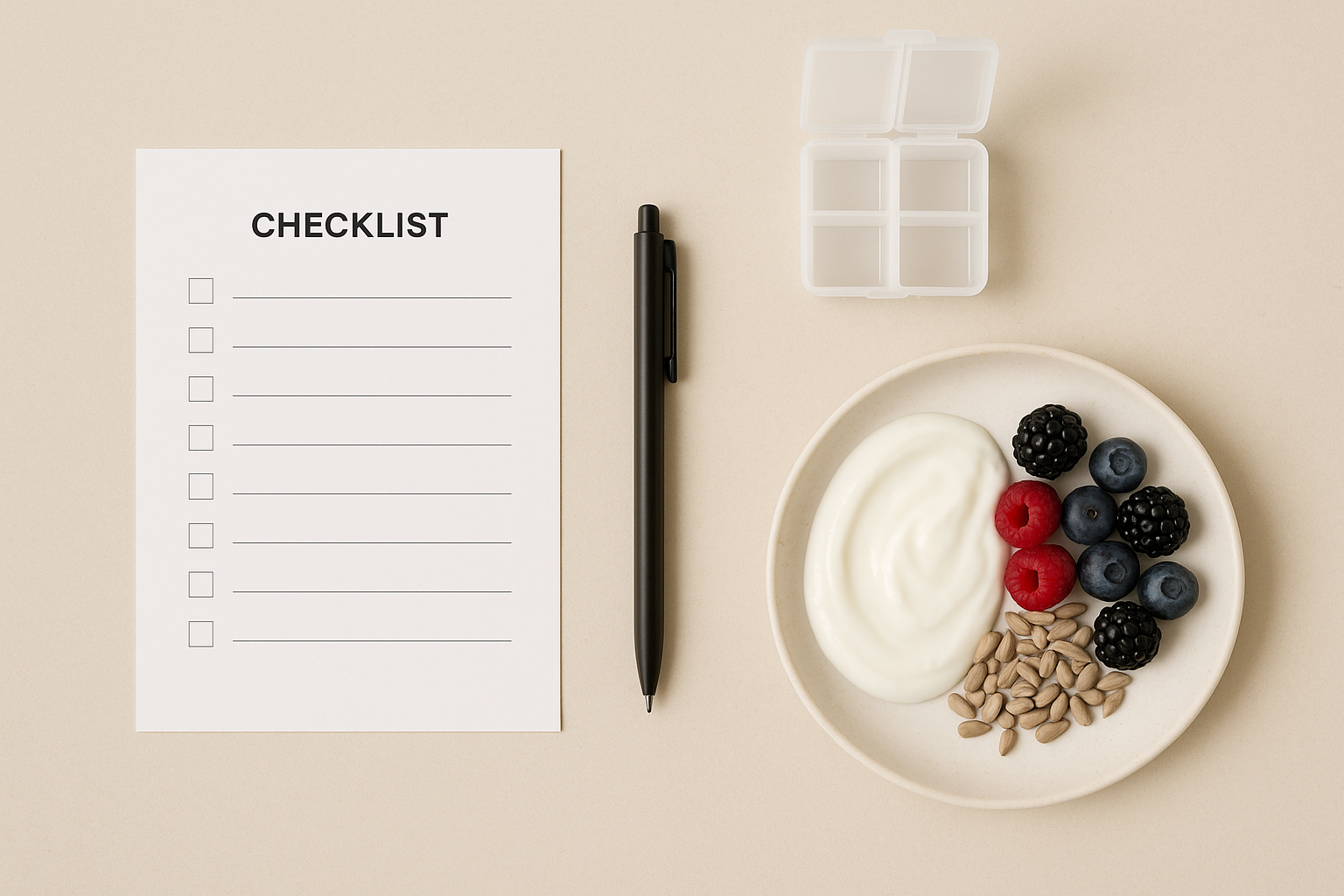
How to choose a naturopath on the Gold Coast (simple checklist)

Use this checklist to compare providers, read bios, and feel confident about who you book with.

1) Look for a thorough case history

A quality consult should cover more than your main symptom.

You should be asked about:

  • when symptoms started (and what improves or worsens them)
  • relevant medical history and diagnoses
  • medications and supplements
  • sleep, stress, energy and routines
  • digestion (bloating, reflux, bowel habits, food tolerance)
  • hormones and cycle patterns (if relevant)
  • your usual eating pattern (and what gets in the way)

If you feel rushed or pushed into a one-size-fits-all protocol, it’s okay to pause and reassess.

2) They can explain the plan in plain language

A good gold coast naturopath should be able to explain:

  • what may be contributing to your symptoms
  • why each recommendation matters
  • what you should track to measure progress

You should feel informed and supported. Not pressured.

3) Expectations are clear before you commit

Before you book, make sure you understand:

  • what the initial consult includes
  • what follow-ups are for
  • how and when progress is reviewed
  • whether testing or supplements are optional or recommended

Be cautious of guaranteed results or unrealistic timelines.

4) They’re comfortable collaborating with your GP and allied health team

Many people want natural support and appropriate medical oversight.

Collaboration matters even more if you have:

  • significant mental health symptoms
  • complex medical conditions
  • unexplained or rapidly changing symptoms
  • multiple medications

If you’re looking for someone used to working alongside other health professionals, see Allied Health Nutritionist.


What to expect in a naturopath appointment

A good appointment should leave you with a plan that feels:

  • specific (not generic)
  • realistic (it fits your life)
  • measurable (you know what to track)

A typical consult may include:

  • detailed history and symptom mapping
  • clear goals (what matters most right now)
  • a nutrition strategy you can start this week
  • lifestyle steps for sleep, stress, movement and routine
  • discussion of supplements where appropriate (including how to take them)
  • a follow-up plan so changes don’t stall

If gut symptoms are part of the picture, your practitioner may suggest coordinating with your GP for relevant investigations.


Quick shortlist: choosing a naturopath near you

If you’re comparing a few options, this can help you narrow the list.

Shortlisting checklist

  • Do they provide nutrition support, not just supplements?
  • Is there a clear structure (initial consult → plan → follow-up review)?
  • Can they explain recommendations without jargon?
  • Will they collaborate with your GP or psychologist if needed?
  • Do they offer the format you need (clinic, mobile, or online)?
  • Will they tailor the plan to your household, budget and capacity?

Questions to ask before you book

  • “How do you approach gut symptoms and food intolerance?”
  • “Do you provide meal guidance, or refer out?”
  • “How often do you review and adjust the plan?”
  • “Do you offer mobile or online appointments?”

Match the practitioner to your main goal

Different goals can require different strengths. If you’re clear on your main issue, it’s easier to choose well.

If your main issue is digestion

People searching for a gut health dietitian Gold Coast service are often dealing with bloating, reflux, irregular bowels, discomfort, or food-trigger symptoms.

Whether you see a dietitian, a nutritionist, or a naturopath, look for someone who:

  • builds a simple, repeatable meal structure
  • avoids overly restrictive eating unless clearly indicated
  • uses symptom tracking to guide changes

A useful question to ask is:

“Can you give me two or three breakfast options that suit my symptoms and my mornings?”

If stress or anxiety is front and centre

An anxiety naturopath approach should be grounded and practical.

Support often starts with basics, such as:

  • steady meal timing and blood-sugar-friendly choices
  • sleep routines that fit your schedule
  • nervous system downshifts (breathing, light exposure, realistic breaks)
  • thoughtful nutrient or herbal options where appropriate

If anxiety is your focus, see Anxiety Naturopath Gold Coast | Naturopathy for Anxiety.

If “naturopath near me” really means hands-on help

Sometimes you don’t just want advice. You want support that makes change easier.

In-home sessions can help with:

  • pantry and fridge reviews
  • meal structure for your household
  • shopping lists and realistic swaps

Explore Mobile Nutritionist Gold Coast | Mobile Naturopath Services.

If you want practical label reading and planning support, consider a Supermarket Shopping Guide Gold Coast | Shopping Tour.

If you need NDIS-aligned nutrition support

If you’re searching NDIS nutritionist Gold Coast or NDIS dietitian Gold Coast, confirm the basics upfront:

  • consult format (in-home, online, or phone)
  • what support looks like between appointments
  • how goals and progress are documented

Beta Me outlines consultation options here: NDIS Nutritionist Gold Coast | In-Home Nutrition Support.


Access options on the Gold Coast (clinic, mobile and online)

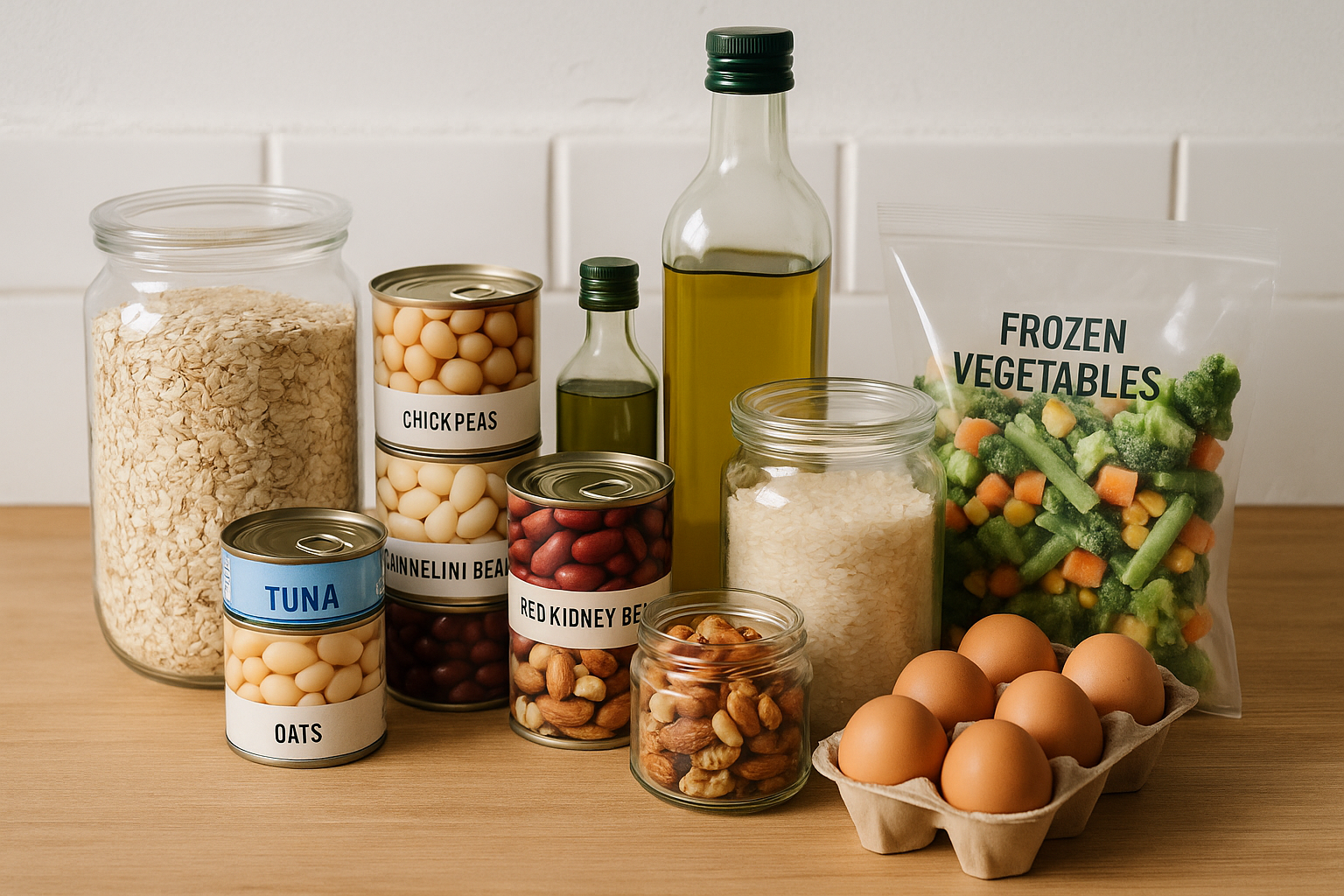
Everyday pantry staples for a simple gut-friendly routine

Small pantry upgrades can make the biggest difference to consistency.

Local searches like “naturopath near me” often mean you want care that’s easy to access and easier to stick with.

If you’re juggling shift work, parenting, travel, or you live outside the immediate area, online or mobile consults can make follow-through more achievable.

You can also learn more about the approach and who you’ll be working with:


How to get better results from your plan

Scheduling follow-up support and planning next steps

Follow-ups are where plans get refined and results become repeatable.

The difference between “good advice” and real progress is what happens after the appointment.

These habits help most people:

  • start with 1–3 changes for the first 7–14 days
  • track a few simple signals (for example: afternoon energy, bloating after dinner, sleep onset time)
  • create a “minimum viable” option for busy days (a back-up breakfast and lunch)
  • book your follow-up early so your plan gets refined, not abandoned

Ready for personalised support?

If you want practical guidance from a Gold Coast naturopath with strong nutrition foundations, Beta Me can help you build a plan that fits your symptoms and your real life.

Start here to see if the approach matches what you’re looking for:

If anxiety support is a key goal, you can also read more here:

To make your first consult more useful, be ready to share:

  • your main goal (digestion, anxiety support, energy, hormones, etc.)
  • your top 2–3 symptoms
  • any access needs (mobile, online, in-home support)

Whole-food grocery basket for practical nutrition changes

If you want hands-on help, a guided supermarket shop can remove the guesswork.

FAQs

What does a Gold Coast naturopath actually do?

A naturopath takes a detailed history and builds a personalised plan. This may include nutrition changes, lifestyle strategies, and targeted supplements or herbal support where appropriate. Naturopathy can also sit alongside GP and specialist care.

How do I choose the best naturopath on the Gold Coast for me?

Choose someone who takes a thorough history, explains the “why”, sets realistic expectations, and gives you a plan you can implement. Fit and follow-up usually matter more than buzzwords.

Is a naturopath the same as a nutritionist or dietitian?

They’re different roles. A naturopath and nutritionist approach often combines food guidance with natural therapies. A nutritionist focuses on food patterns and behaviour change. A dietitian provides medical nutrition therapy and may support NDIS participants depending on provider arrangements and scope.

What should I bring to my first appointment?

Bring relevant test results (if you have them), a list of medications and supplements, key diagnoses, and a snapshot of your usual eating, sleep, and stress patterns.

Can a naturopath help with anxiety?

Anxiety support may include nutrition foundations, sleep and routine work, and targeted nutrients or herbs where appropriate. For significant symptoms, it’s best alongside GP and/or psychologist support. More information is here: Anxiety Naturopath Gold Coast | Naturopathy for Anxiety.

How long does it take to see results?

It depends on what’s driving your symptoms and how consistent you can be with the plan. Some people notice changes within weeks. Others need a longer timeline with reviews and adjustments.


Gold Coast naturopath cost guide and budget planning (without bill shock)

Weekly budget planner and healthy groceries on a kitchen table

Gold Coast naturopath cost guide and budget planning (without bill shock)

You want a naturopath Gold Coast appointment that feels worth it and stays affordable. The goal is a clear plan, realistic food changes, and no surprise costs after the first visit.

This guide covers what drives the total cost, where people overspend, and how to choose support that fits your goals and budget.

It’s also useful if you’re comparing a Gold Coast naturopath with a holistic nutritionist Gold Coast provider, a combined naturopath and nutritionist approach, or a gut health dietitian Gold Coast option.

What makes up the total cost of seeing a naturopath?

The total cost is rarely just the consult fee. Most people spend across four areas:

  1. Consultations (initial appointment plus follow-ups)
  2. Optional testing (only when it changes decisions)
  3. Supplements or practitioner-only products (sometimes helpful, sometimes overdone)
  4. Groceries (often the hidden budget driver)

Good care makes these costs visible early. You should be able to ask, “What’s essential now?” and get a straight answer.

Gold Coast practical note: travel, parking and telehealth

On the Gold Coast, logistics can change the real price more than people expect.

In-home visits may include travel time between suburbs (for example, Southport to Robina, or out toward Nerang, Currumbin, Burleigh Waters, Helensvale or Coomera). Traffic around school pick-up, the M1, and busy shopping precincts can also affect appointment windows.

Parking can add time and cost too, especially in busy cafe strips, medical hubs, and beachside areas.

If you want predictable scheduling (or you’re outside the immediate area), telehealth can be a simpler option across the wider Gold Coast and SEQ.

What you should be paying for (and what to question)

Telehealth nutrition consultation setup with food journal

You’re paying for clinical thinking, prioritisation, and a plan you can actually follow.

Look for:

  • a clear explanation of why each recommendation is there
  • a plan you can refer back to (not just verbal advice)
  • realistic next steps (not an overwhelming overhaul)
  • clear boundaries on what they can support, and when to loop in a GP or other clinician

Be cautious if you leave with:

  • a long product list with no order, timeline, or “stop/review” point
  • no review date
  • no discussion of budget or likely total cost
  • advice that ignores medications, existing diagnoses, pregnancy/breastfeeding status, or basic safety checks

If you’re unsure, ask for the “minimum effective” starting point and build from there.

The biggest cost drivers (and how to control them)

1) Appointment length and follow-up frequency

Longer initial consults can cost more. They can also save money later by reducing guesswork and trial-and-error.

Follow-ups are where progress is built. That’s where your practitioner adjusts the plan based on what actually happened (sleep, symptoms, food tolerance, stress, roster changes, family demands).

Ask before you book:

  • “For my goal, how many follow-ups are typical?”
  • “How far apart are they?”
  • “What’s included in each follow-up?”
  • “If I can only afford one follow-up, what would you prioritise?”

Follow-up needs vary. They’re often higher when you have multiple symptoms, a complex history, restrictive eating patterns, lots of supplements already, or limited time at home.

2) Testing: valuable sometimes, not always first

Testing can help, but it’s also the fastest way for costs to jump.

A budget-aware approach often looks like this:

  • start with symptom history, diet patterns, sleep, stress, and current meds/supplements
  • run a short, low-risk trial of food and lifestyle changes (with clear tracking)
  • add testing only when the result will meaningfully change the plan

Ask:

  • “What decision will we make based on this test result?”

If the answer is vague (“It might show something”), it may not be the right first step.

Also worth asking:

  • “Is there a lower-cost way to get the same decision?”
  • “Can we do this in stages, starting with the most useful test first?”

For some concerns, your GP may be the best first step to rule out medical causes with standard pathology. A good practitioner should be comfortable saying, “Let’s get this checked properly first.”

3) Supplements and practitioner-only products

Targeted supplements can be useful. Costs usually blow out when too many are started at once and you can’t tell what’s helping.

A cost-controlled approach is staged:

  • What are the top 1–2 priorities for the next 2–4 weeks?
  • What can wait until we review progress?
  • What can be done with food first?

It’s reasonable to ask:

  • “Are there non-practitioner options that would be suitable?”
  • “How long should I take this for before we reassess?”
  • “What would we notice if this is working (and what would mean we stop)?”
  • “Are there any interactions or reasons this wouldn’t suit me?”

If your practitioner welcomes these questions, that’s a good sign.

4) Your grocery shop (the hidden budget driver)

Many health plans fail because they quietly increase your grocery bill.

A practical naturopath and nutritionist approach should fit:

  • your household size
  • your cooking time and skills
  • your supermarket preferences (and what’s actually available locally)
  • your budget (without judgement)

Often, the best results come from foundations, not fancy foods:

  • better breakfast structure
  • steadier protein through the day
  • realistic fibre increases (without going from 0 to 100)
  • basic meal templates you can repeat

You don’t need a trolley full of expensive “health foods” to make progress.

Budget planning: three common pathways

Budget-friendly pantry staples for a nutrition plan

These pathways aren’t quotes. Fees vary between practitioners, appointment types, and whether you’re seen in-clinic, via telehealth, or in-home.

Use these pathways to plan your spend and reduce surprises.

Pathway A: Food-first reset (tight budget, practical changes)

Best for:

  • mild gut discomfort
  • fatigue
  • a general tune-up
  • avoiding over-investing early

Often includes:

  • an initial consult
  • 1–2 follow-ups
  • a clear food plan with flexible options
  • minimal supplements (if any)

Where the value comes from:

  • stopping random supplement buying
  • improving your weekly shop with affordable staples
  • focusing on 2–3 habits until they stick

A simple routine might look like:

  • protein + fibre at breakfast
  • one planned snack to prevent afternoon crashes
  • a basic dinner template a few nights a week

Budget reality check: If your current pattern includes lots of takeaway, convenience snacks, or skipped meals, a food-first plan can shift costs either way. Groceries might rise slightly while takeaway drops.

Pathway B: Targeted gut support (moderate budget, structured steps)

Best for:

  • recurring bloating
  • bowel changes
  • reflux patterns
  • people comparing a naturopath versus a gut health dietitian Gold Coast service

Often includes:

  • an initial consult
  • 3–4 follow-ups across a few months
  • food strategy (triggers, meal timing, fibre progression)
  • supplements used strategically
  • testing only if it changes the plan

Where the value comes from:

  • avoiding overly restrictive diets that backfire (socially, financially, and nutritionally)
  • making the plan work for real shopping and cooking
  • choosing the right next step (instead of doing everything at once)

Budget-friendly gut staples (if suitable for you) may include:

  • oats, chia
  • rice, eggs
  • frozen veg
  • yoghurt (or alternatives)
  • olive oil
  • canned fish
  • tinned legumes (if tolerated)

If your plan falls apart at the shops, hands-on support can help.

Beta Me offers practical options like a shopping tour: Supermarket Shopping Guide Gold Coast | Shopping Tour.

Pathway C: Stress, sleep and anxiety support (steady budget, low overload)

Best for people searching for an anxiety naturopath, or wanting support for sleep, overwhelm and stress-related symptoms.

Often includes:

  • an initial consult
  • follow-ups for accountability and troubleshooting
  • realistic sleep and nervous system routines
  • nutrition foundations (blood sugar stability, caffeine timing, evening meal patterns)
  • supplements only when appropriate and clearly explained

Where the value comes from:

  • less conflicting advice
  • better day-to-day function from small, consistent changes
  • fewer expensive “quick fixes” that don’t fit your life

Important: Anxiety has many drivers. Responsible care includes screening for red flags and encouraging GP and psychological support when needed.

If you’re already under care, ask how your practitioner coordinates with your GP or psychologist (with your consent). Also ask what to do if symptoms worsen between appointments.

If this is your focus, read: Anxiety Naturopath Gold Coast.

How to choose a naturopath on the Gold Coast (without wasting money)

If you’re searching “best naturopath Gold Coast”, “highly recommended naturopath Gold Coast”, or “naturopaths in Gold Coast”, compare on value and fit, not just price.

Instead of asking “Who’s cheapest?”, ask:

  • Do they explain their reasoning?
  • Do you get a plan you can actually follow?
  • Do they talk about total cost (not just the first appointment)?
  • Do their credentials, scope and communication style match your needs?

A useful way to judge “highly recommended” is to look for specifics in reviews and clinic info, not just star ratings. Look for clarity of plan, organisation, and whether you felt listened to.

Gold Coast checklist: questions to ask clinics before booking

Use these questions to compare a Gold Coast naturopath (and other naturopaths Gold Coast options) without guessing.

  1. What’s the consult format? In-clinic, telehealth, or in-home?
  2. If it’s in-home, do you charge for travel time? This can vary by suburb and time of day.
  3. What are your service areas? Ask about boundaries or different fees for northern vs southern suburbs.
  4. What about parking/access? If you’re in a busy area or apartment building, ask what you need to organise.
  5. Will I receive a clear plan in writing? You should leave knowing what to do next.
  6. How is nutrition integrated? Many people want a true naturopath and nutritionist approach, not supplements-only care.
  7. How are supplements handled? Look for staged, minimal, explained recommendations and a review point.
  8. How do you decide when testing is worth it? Ask what the result would change.
  9. Can we talk budget openly? You should be able to say: “I can spend up to X per month.”
  10. What follow-up cadence is typical? No follow-ups often means no refinement.
  11. What’s your approach to safety and scope? Ask about medications, pregnancy/breastfeeding, and GP referral.
  12. How do you track progress? Ask what you’ll measure and how often you’ll review it.

If you’re also deciding between a naturopath, a holistic nutritionist Gold Coast provider, or a dietitian (including searches like gut health dietitian Gold Coast), ask how referrals and collaboration are handled.

If you want a combined approach, explore Beta Me here: Naturopath Gold Coast | Nutritionist Gold Coast.

To learn more about the Beta Me approach before you book, see: About Beta Me.

Simple ways to keep your naturopath budget under control

Supermarket shopping focused on simple whole foods

Set a monthly health spend cap

Decide what’s realistic before your first appointment, then say it plainly:

  • “I can do X appointments over Y months.”
  • “I can spend up to $Z per month on supplements or testing.”

Good care can be scaled. You can also ask for a staged plan upfront (phase 1 now, phase 2 later).

If you’re seeing multiple practitioners (GP, psychologist, physio, etc.), your naturopath plan should acknowledge that. A smaller, clearer plan often works better than competing protocols.

Ask for the minimum viable plan

Ask for the smallest set of actions that will still move the needle.

A useful plan is often:

  • 2–3 core habits
  • a short list of food priorities
  • a timeline for review

If your practitioner can’t explain why each step is there, it may not be the right step yet.

Choose support that improves follow-through

If implementation is the hard part, more information won’t help. The right delivery might.

Options that can improve value:

  • telehealth consults if time and travel are the barrier (useful across the wider Gold Coast and SEQ)
  • mobile consultations if your home set-up is the barrier (pantry review, cooking routines, practical problem-solving)
  • supermarket support if your shop is where plans fall apart

Gold Coast logistics that can matter:

  • traffic peaks can make appointment windows tighter
  • parking in busy pockets can add time and cost
  • in-home visits may be easier for families, carers, or people with limited transport

Explore:

If you’re searching for NDIS dietitian Gold Coast style support, these accessible consult options may be worth discussing.

Avoid stacking too many changes at once

Doing everything at once often leads to:

  • wasted supplement purchases
  • half-finished protocols
  • extra follow-ups to untangle what worked

A staged plan is usually cheaper long-term and easier to stick with.

Quick cost checklist for your first enquiry

Checklist for choosing a naturopath and planning support costs

When you contact a naturopath Gold Coast clinic, ask:

  • What’s included in the initial consult (time + written plan)?
  • What follow-up schedule is typical for my goal?
  • Do you offer telehealth or mobile consults (and how does that affect cost)?
  • If you do in-home visits, is travel time included and are there suburb boundaries?
  • How do you decide when testing is worth it?
  • Can you work within a monthly budget cap?

When it can make sense to invest more (and when it doesn’t)

Consider investing more when

  • you’ve tried multiple approaches without clear direction
  • symptoms disrupt sleep, work, or day-to-day function
  • you need hands-on help implementing changes (shopping, meal structure, routines)
  • you want a structured plan rather than piecemeal advice

Be cautious about spending more when

  • you’re offered many products immediately with no staged rationale
  • there’s no clear review date or tracking
  • testing is recommended without explaining how it changes the plan
  • you’re pressured into long upfront packages without clarity on what’s included

Next step: get a plan that fits your budget

If you want transparent recommendations and realistic budgeting (including telehealth or mobile options), Beta Me can help you map out what’s worth doing first and what can wait.

Start here: Naturopath Gold Coast | Nutritionist Gold Coast

Loading...