

Did you know you can reduce inflammation with food? There are many foods that target inflammation and are recognised as ‘anti-inflammatory. We will jump into an inflammatory and anti-inflammatory foods list shortly but first let’s look at why inflammation exists and what its role is within your body. It’s an important one!
The Role of Inflammation in the Body
Experiencing inflammation can be a nuisance as it is often accompanied by pain. Pain is restrictive and often debilitating. Though, it is important to know inflammation is a protective measure directed by the body. Inflammation is the body’s first line of defence. It works to clear damaged cells, increases blood flow to the injury or damaged tissue for repair and can create a physical barrier from damaging invaders like infections. It is also a signal to tell us that there is something wrong and we need to address and support the body. So, although inflammation can be debilitating, it is also a necessary evil.
Why then, do we try to reduce or stop inflammation?
Chronic, long-term inflammation can be damaging to tissues and cause stress on the body overall if it continues to send inflammatory cells, long after the initial threat has passed or the damage has healed.
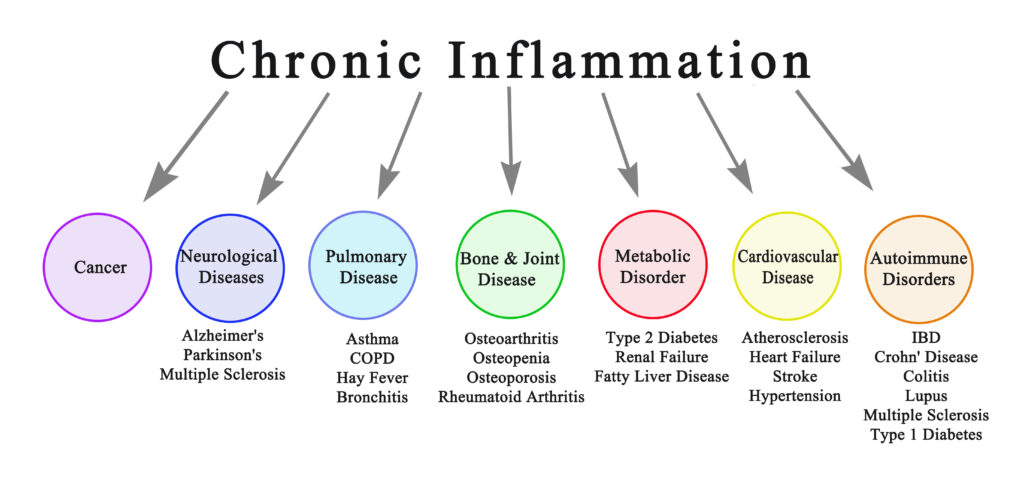
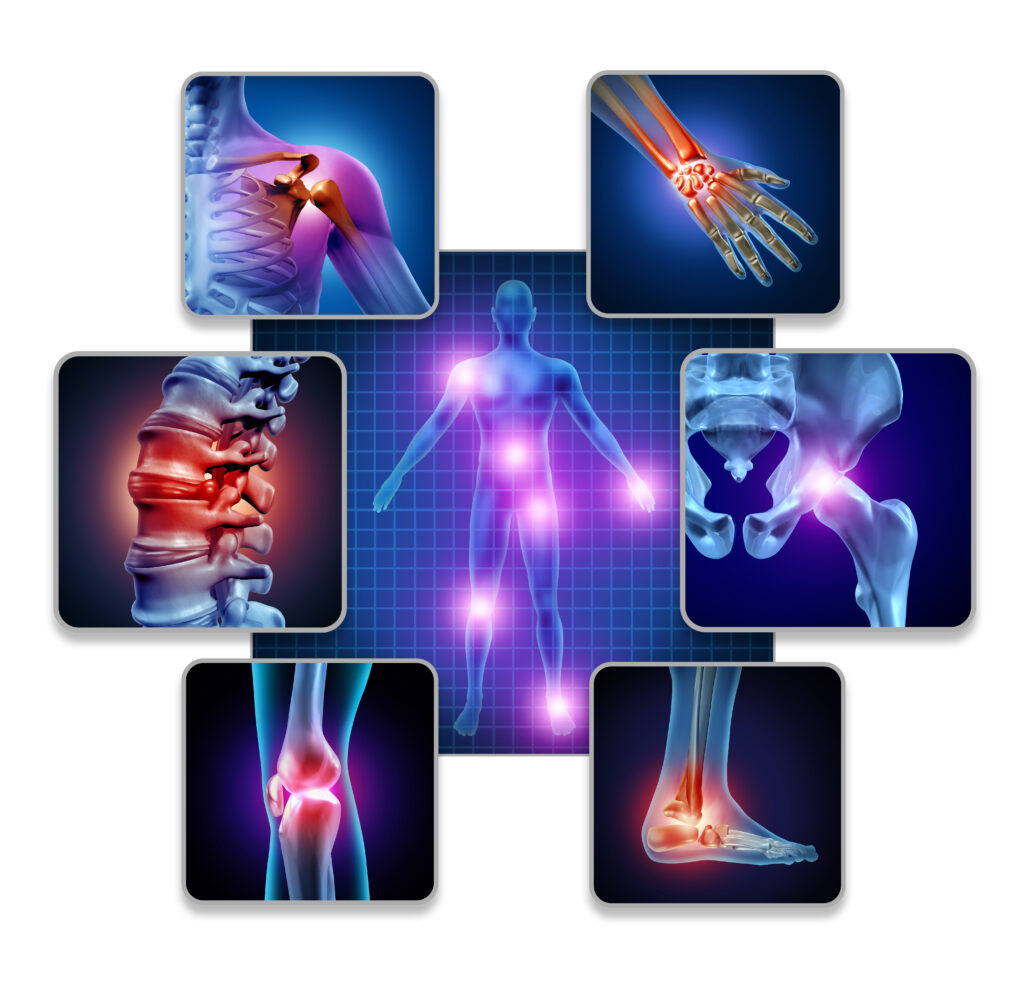
What we start to see in chronic inflammation, is the breakdown and damage of healthy tissues. If this continues, it can begin to contribute to chronic diseases such as osteoarthritis, autoimmune disorders, metabolic disorders and cardiovascular disease. Ongoing pain and inflammation can go on to affect the nervous system where anxiety, fatigue and poor sleep are common.
This is where the need to reduce inflammation with food comes into play.
Reduce Inflammation with Food
Ever heard the term, ‘Let food be thy medicine’? In an ideal world, the diet would provide everything that is needed to assist the body to build, repair and maintain good health balance. Unfortunately, with the introduction of fast food, processed food and the western diet consisting largely of fried foods, nutritionally void foods like white breads, pastas with little fruit and vegetables or vegetables that are from nutrient poor soils and heavily sprayed, we see inflammation a regular and chronic occurrence in people’s lives.
Inflammatory Food List
Let’s delve deeper into those inflammatory foods and identify more of the foods that may be contributing to or worsening inflammation. Although some of these foods are appealing to the tastebuds, they are not serving the body and could be causing damage.
- Fast foods – highly processed, high in sugar and saturated fat.
- Refined carbohydrates – such as white breads, pastas, rice, pastries, biscuits, cake, chocolate, cereals.
- Packaged snack foods – chips, crackers, some popcorns.
- Soft drinks energy drinks and juices with added sugar
- Lollies, ice-cream
- High sugar flavoured yoghurts with added sugar
- Sauces and dressings with hidden added sugar
- Seed oils (found in MANY foods) – canola oil, soy bean oil, corn oil, sunflower oil, deep fried foods.
- Processed meats – ham, salami, processed turkey and chicken, Frankfurt’s, bacon etc.
- Transfats – margarine, commercial baked foods, fried foods.
- Alcohol
- Artificial sweeteners – aspartame, saccharin, sucralose, acesulfame potassium
- Nightshades (for some people) – tomatoes, eggplant, capsicum, white potato, chilli.
What makes them inflammatory?
Many of these foods result in rapid blood glucose spikes, causing an influx of insulin leading to low-grade inflammation and oxidative stress. Further, excess sugar intake results in inflammatory cytokines (chemical messengers) and worsen insulin resistance. Other foods on this list result in an increase in inflammatory Omega-6 fatty acids throwing the balance of anti-inflammatory Omega-3 fatty acids, swinging the pendulum towards inflammation with increased inflammatory signalling. Packaged and processed foods are not only high in sugar, saturated fats and inflammatory seed oils, but they also contain preservatives, additives and emulsifiers that throw off the balance of good bacteria in the gut, resulting in poor microbiome balance and reduce anti-inflammatory capacity. Processed meats contain nitrates/nitrites which have been recognised by the World Health Organization as Group 1 carcinogens and are linked with inflammation. Alcohol is highly inflammatory. It is linked to increased gut permeability, systemic inflammation and liver stress.
Anti-inflammatory Food List
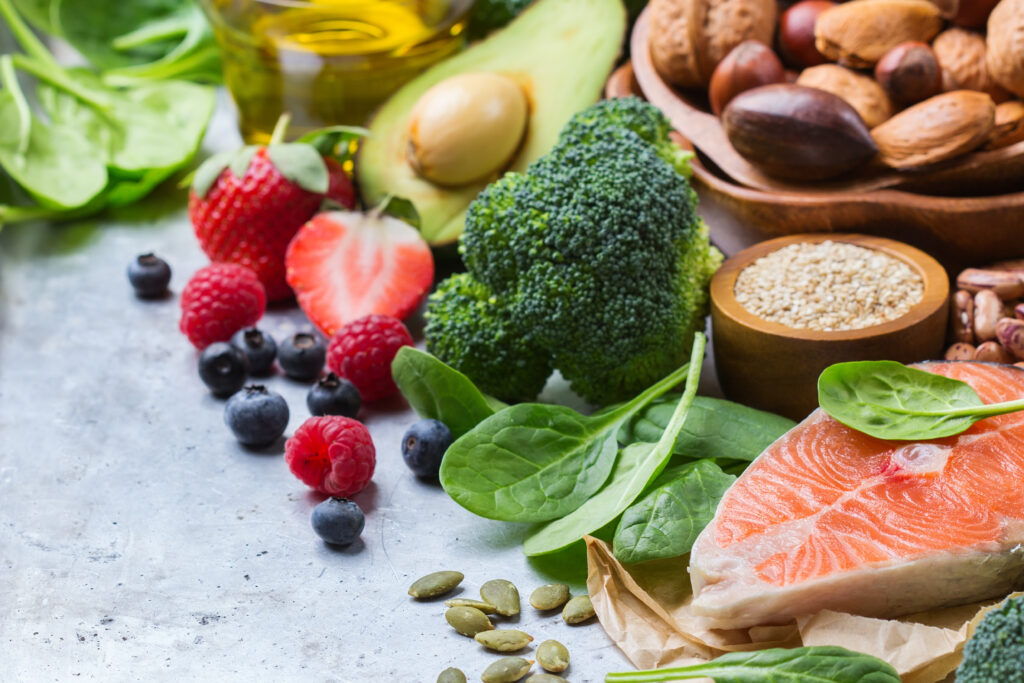
Now we’ve looked at some of the foods that contribute to inflammation, let’s look at how we can reduce inflammation with food. Although it seems like we have taken all of the fun out of eating, there is a long list of foods that are considered anti-inflammatory that you can enjoy on a regular basis.
- Vegetables – particularly leafy greens, cruciferous vegetables (broccoli, cauliflower, brussels sprouts), beetroot, carrot, cucumber, zucchini, herbs.
- Fruits – berries, apples, pears, citrus
- Fish – Salmon, cod, tuna, mackerel, sardines
- Seeds – Walnuts, chia, flax, pepitas, almonds
- Fats & Oils – Extra virgin olive oil, avocado
- Quality proteins – Eggs, turkey, extra lean beef, legumes, lentils, tempeh
- Seeds & Grains – Quiona, brown rice, oats, sweet potato
- Herbs & Spices
- Herbal teas
The basis of the anti-inflammatory foods is supporting blood glucose balance reducing spikes that drive inflammation, improved gut health for inflammatory control by the microbiome and effective waste elimination, antioxidants to reduce oxidative stress and healthy fats to support the balance of inflammatory messengers and cell membrane integrity.
Why Not Simply Take Anti-Inflammatory Medication?
There is no doubt anti-inflammatory medications do a great job of reducing the pain and inflammation. However, they are often a band aid, addressing the symptom and not the primary issue. Further, anti-inflammatory medications, when taken long-term can have side effects and cause damage to the gut lining and liver. While anti-inflammatory medications are helpful short term, a long term approach such as reducing pro-inflammatory foods and including anti-inflammatory foods will have a more beneficial impact on overall health.
Gut Health Diet, Supporting Anti-Inflammatory Efforts
Naturopaths and Nutritionists commonly centre their treatments around the wellbeing of the gut, with the philosophy that the gut is the gatekeeper to the rest of the body. The gut protects the body from harmful invaders via its intestinal barrier. It is also an immune hub with up to 80% of the body’s immune cells residing in the gut. Further, it has a multi-organ axis, meaning it is directly and deeply connected to other body organs, such as the brain (gut-brain axis), skin (gut-integumentary axis) and the liver (gut-liver axis). The microbiome has its own role to play in each of these protective tasks, as well as supporting waste elimination, which, itself is an important measure to manage inflammation. It is evident that a gut health diet is a key measure in improving chronic inflammation and preventing further, ongoing inflammation.
When to see a Nutritionist for Inflammation
Although inflammation is a protective mechanism of the body, it is now evident that its protective role is limited to acute events and injury. It does not serve us beyond the acute situation. Chronic inflammation can be well managed when we reduce the inflammation with food that is known to be anti-inflammatory and avoid/limit foods that are known to be pro-inflammatory.
How do you know when to seek support from a Nutritionist?
Although you have a good start on the food list above, you may need some additional support to pinpoint specific foods that may be contributing to your inflammation or targeted quantities of anti-inflammatory foods. This is where the professional guidance of a Nutritionist comes in to help you navigate the what, when, where and why. Other factor that you may not have considered to be contributing to your inflammation but require support include:
- Ongoing, persistent digestive issues – bloating, gas, irregular bowel habits, food sensitivities, reflux, diverticulitis.
- Fatigue or brain fog
- Joint pain, stiffness, muscle aches
- Poor recovery from exercise
- Skin conditions – eczema, psoriasis, acne, rashes
- Difficulty losing weight
- Diagnosed inflammatory conditions – autoimmune conditions, coeliac disease, arthritis, Hashimoto’s, inflammatory bowel conditions.
- Elevated inflammatory blood markers
A Nutritionist can help to identify triggers, improve gut function, assist with healthy blood glucose control and reduce overall inflammatory burden. Get in touch with a Nutritionist.
-
 E-Book: The Ultimate Guide to Gut Health$49.99
 -
 Microba Microbiome Explorer Comprehensive Testing + Consultation$709.00
 -
 Hair Mineral Analysis (HMAT) for Heavy Metals and Minerals + Consultation$375.00
 -
 GI Map Test + Interpretation Consultation$590.00
 -
 Personalised Basic Meal Planning$99.00
 -
 Gut Luv’n Meal Plan | Downloadable$59.00
 -
 De-flam Meal Plan | Downloadable$59.00