

Anxiety and other mental health conditions are an ever-increasing concern in modern day society. With the pressures of the fast-paced lives we now live, is it any wonder our nervous systems are in overdrive?

With what feels like fewer hours in the day and long periods sitting at our computers, running kids to school, sports and extracurricular activities, work meetings and endless housework, a healthy diet often gets put to the wayside and is replaced by convenience and comfort foods.
Unfortunately, while these foods may feel good in the moment, they provide little support and may even be detrimental to improved mental health outcomes.
Foods that lower anxiety and contain calming nutrients are pivotal in maintaining and improving overall mental health.
Mental Health Nutrition Tips
Food that lowers anxiety
From a general perspective, a wholesome, balanced diet that leaves no room in daily energy intake for high sugar, fatty and fried foods will go a long way towards improving mental wellbeing, enhancing energy and motivation.
However, there are specific micro and macronutrients that are well-known to reduce anxiety, regulate and create supportive neurotransmitters and manage dysregulation of the nervous system.
Lean Protein Rich Foods for Anxiety
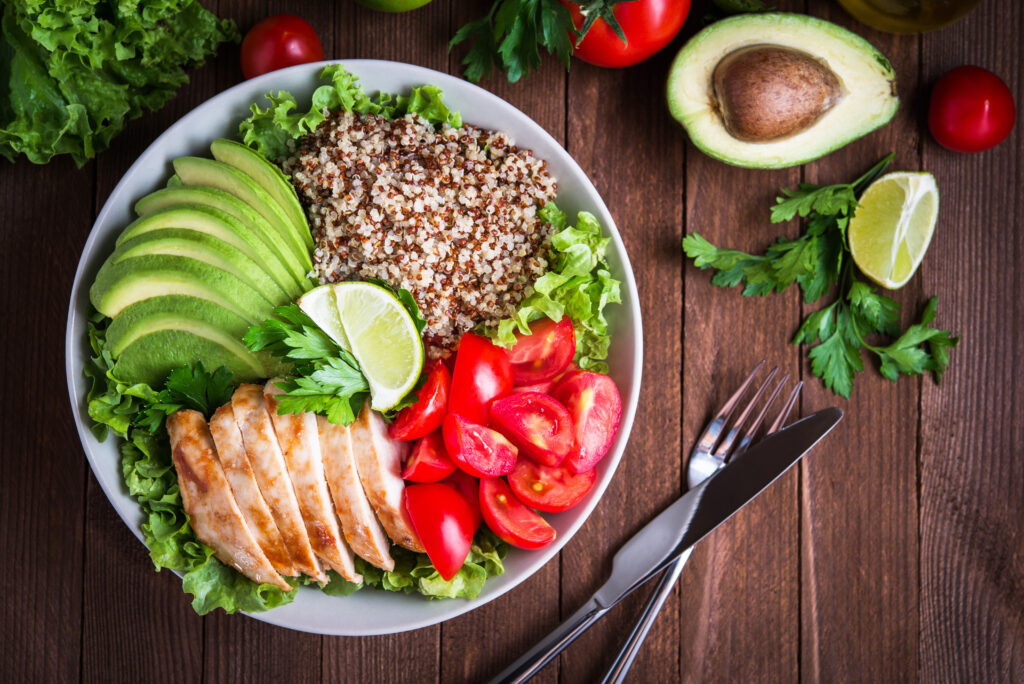
Adequate and variety lean proteins are an essential part of the picture when targeting anxiety. The various protein sources contain a assortment of amino acids. These are the parts of the whole proteins that are broken down into individual proteins (amino acids), each with their own role to play in production and managing neurotransmitters. These neurotransmitters are chemical messengers that operate in the nervous system and have effects on nerve cells or glands.
These lean proteins should be a mix of plant and animal proteins if possible. If you are vegan or vegetarian, effective protein combining is even more important, as plants lack the complexity of amino acids compared to animal proteins.
A healthy combination of the following:
- Red meats (lean)
- Poultry (lean)
- Seafood
And/or (if vegan/vegetarian) plant proteins:
- Legumes
- Grains
- Seeds
- Soy
- Nuts
- Vegetables
Essential Fatty Acids for Anxiety
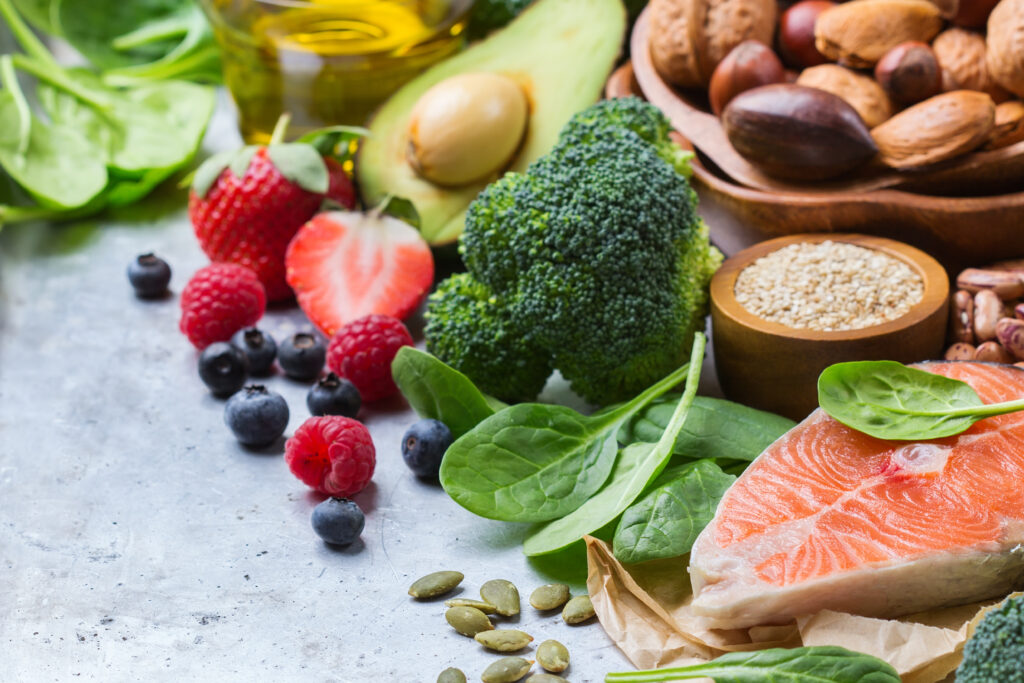
Healthy fats are anti-inflammatory to the nervous system, make up important tissues and cells and play a role in the production and function of neurotransmitters. Essential fatty acids are ‘Essential’ because they can not be produced naturally in the body and must therefore be obtained through the diet.
Saturated fats form the majority of the Western diet. These unhealthy fats are responsible for many health problems, including, obesity, metabolic dysfunction, high cholesterol and heart disease. They also create inflammation in the nervous system.
Reducing these saturated fats from foods such as processed, packaged, take-away and fried foods and replacing them with the following healthy fats can greatly improve anxiety symptoms and prevalence.
Healthy Fats and Essential Fatty Acids – Food to Lower Anxiety:
- Fatty fish (e.g. cod, salmon, sardines, tuna)
- Nuts
- Seeds
- Avocado
- Unheated olive oil
- Quinoa
It is important to remember that all forms of fat (healthy or unhealthy) are higher in energy (calories/kilojoules) and should therefore be balanced with the remainder of the diet.
Balanced Carbohydrates for Anxiety

The western diet is laden with sugar. It is in almost every packaged food for flavour or preservation. Unfortunately, high sugar diets are notorious for mood dysregulation and anxiety due to resulting increases in inflammation, poor management of blood glucose levels (dramatic dips and spikes), sleep disruption and links to obesity.
Except for fibrous carbohydrates, all carbs convert to sugar once broken down by the digestive system. The influx of sugar overwhelms all aspects of body function and can result in low mood.
Eliminating high sugar, processed foods as well as high carbohydrate foods such as white bread, pasta and rice will only support your goals aimed at improving your mental health.
Instead, replace these high sugar and carbohydrate dense foods with:
- Higher fibre wholemeal bread
- Wholemeal pasta
- Brown rice
- Oats (can be a flour alternative)
- Quinoa (rice alternative)
- High protein snacks
- Fruit and vegetable snacks
Micronutrient Food to Lower Anxiety
There is ample evidence around supportive the effects of various micronutrients in managing anxiety. All of these nutrients can be found in the diet. Though modern day diets are often either completely void or are limit of these micronutrients.
What are the primary calming nutrients?
Magnesium
Magnesium plays a role in over 300 bodily functions. Because magnesium deserves a dedicated post all on it’s own, you can read more about this all important calming nutrient here:
Calcium
Calcium both a messenger and modulator of the nervous system. It helps to support the release of neurotransmitters as well as regulating signaling. Deficiency can contribute to overstimulation of the nervous system including anxiety.
B Vitamins
There are several different types of B vitamins, all of which with together (synergistically). These vitamins are most frequently deficient in people on polypharmacy (many medications), heavy drinkers/alcoholics, coeliacs and vegetarians/vegans. Other people have issues converting B vitamins into their active form, resulting in similar deficiency symptoms. B Vitamins are considered ‘co-enzymes’ which help to produce energy, make neurotransmitters and protect the nerves themselves.
Zinc
Zinc is found in high concentrations in the brain. It is responsible for the creation of neurons and neurotransmitter activity. Zinc is often required in high amounts in men, coeliacs and those with IBD, vegans/vegetarians, pregnant and lactating women and heavy drinkers/alcoholics.
Vitamin D
Vitamin D is neuroprotective, meaning it protects nerve tissue and neurotransmitter activity. Deficiency is common in office workers, people with darker skin and the elderly.
Ensuring a healthy balance of these key calming nutrients through the diet may improve anxiety presentation. If symptoms keep affecting daily life, anxiety naturopath support can help connect food, nutrients, lifestyle, and nervous system factors into a practical plan.
If you are requiring further support or are unsure how to balance these nutrients specific to your individual requirements, you can book an appointment with practitioner Danielle Lamb here.