

Are you suffering from sinus issues?

sinus

Sinusitis or inflamed sinuses are often the result of a recent cold, flu or allergy. We regularly see sinus issues increasing in winter and the months surrounding winter as a repercussion of the cold and flu season. I’m here to tell you that you do not need to suffer through and pump your very delicate body with medication after medication. Let’s do this thing with the tools provided to us by nature. But first…

What are the symptoms of Sinusitis?

Symptoms may vary from person to person and some may not release that inflamed sinus are the cause of their grief. Let’s look at the many uncomfortable and life interrupting symptoms that sinus inflammation may cause.

  • Painful headaches predominately behind or above the eyes. You can normally confirm sinus involvement by pushing your fingertips onto the eyebrows and top of the cheekbones. This will produce pain in a sinus infection or congestion.
  • Bending forward and experiencing a feeling of pressure and pain at the front of the head and face
  • Puffiness or swelling under the eyes – no, they are not old age, lack of sleep or dehydration puffy bags but INFLAMMED SINUSES.
  • Nasal congestion – this may be a nose that runs like a tap, mucus you just can’t seem to expel or a blocked sense of smell.
  • Bad breath – all that nasty, yuck bacteria is getting suck in the nasogastric tube and is starting to go rotten!
  • Sore throat
  • Fatigue – how tiring is it when you are trying to get rid of a cold or flu let alone constantly having to blow your nose or breathe only through your mouth!
  • Loss of smell and or taste – ever blocked your nose so you don’t have to taste something you some like? If your sinuses are blocked from mucus or inflammation you may find you struggle to taste your food, including yummy food, oh no!
  • Post-nasal drip (sometimes presents as a nuisance mild cough)
  • Eye straining or eye pain often accompanied by headaches.

Causes of sinusitis

  • Deviated septum (a mechanical issue often corrected with surgery)
  • Common head cold
  • Polyps of the nasal passage that blocks drainage
  • Being born with a naturally narrow nasal passage
  • Allergies

Dietary supports

Let’s look at the foods that help us to feel better, reduce inflammation and arm our immune system with the weapons it needs to fight off bacteria and thick mucus.

Garlic and onions

I am a garlic feen!  I will have oodles of garlic on almost everything! I also love the sweet taste of onion. But, they offer much more than potent flavour, they are considered natural antibacterial, mucolytic (breakdown mucus) and anti-inflammatories that improve circulation to the area and improve the functions of the immune system. Onions also contain beneficial levels of the enzyme quercetin, which is known as a natural antihistamine.

Spicy Spices

Horseradish, ginger, chilli, wasabi assist with the reduction of inflammation and fluidity of mucus to allow effective clearance.

And more Spicy

Spicy curries and soups are nutritious and contain spices that reduce swelling and enhance the free movement of mucus.

Be a designated driver

Reduce alcohol, alcohol contributes to inflammation, swelling and lowering of the functionality of the immune system.

Reduce mucus producers

Skip the dairy and sugar until the sinus infection/inflammation clears to reduce mucus production and inflammation.

Allergies and Intolerances

Identify any food sensitivities or allergies that may be contributing to inflammation and mucus production.

Admire the C

Increase vitamin C foods in the diet. Vitamin C acts on the immune system, enhancing its function and reducing histamine production. Foods such as kiwi fruit, papaya, pineapple, strawberries, citrus, broccoli, cauliflower, capsicum.

Dose up on H20

Keep well hydrated with water and herbal teas such as thyme and ginger.

Other sinus supports

  • Good ol’ trusty Vicks inhalation and a hot steamy shower.
  • Avoid or identify environmental allergens – dust, pollen, chemicals, mould.
  • Sinus massage – run your fingers firmly (thumb and pointer) from between the eyes on both sides of the nose, just under the centre of the browns, down the edge of the nose and follow out as the cheek bone begins, all the way out to the outside of the eyes. Repeat 5-10 times.
  • Acupuncture
  • Eucalyptus and peppermint inhalation – 2 drops into a bowl of water and inhale steam deeply through the nose.
  • Allow your body to rest and recover when in active infection.

As always take care. Get out in nature, eat well, exercise regularly, avoid the nasties and rest up!

Xx Danielle Catherine (Nutritionist)
Let’s Talk Tummy Troubles – IBS

IBS

Did you know up to 30% of Australians may experience symptoms of irritable bowel syndrome (IBS) at some point in their life?

IBS is extremely common, so don’t feel like you are suffering alone.

What is IBS?

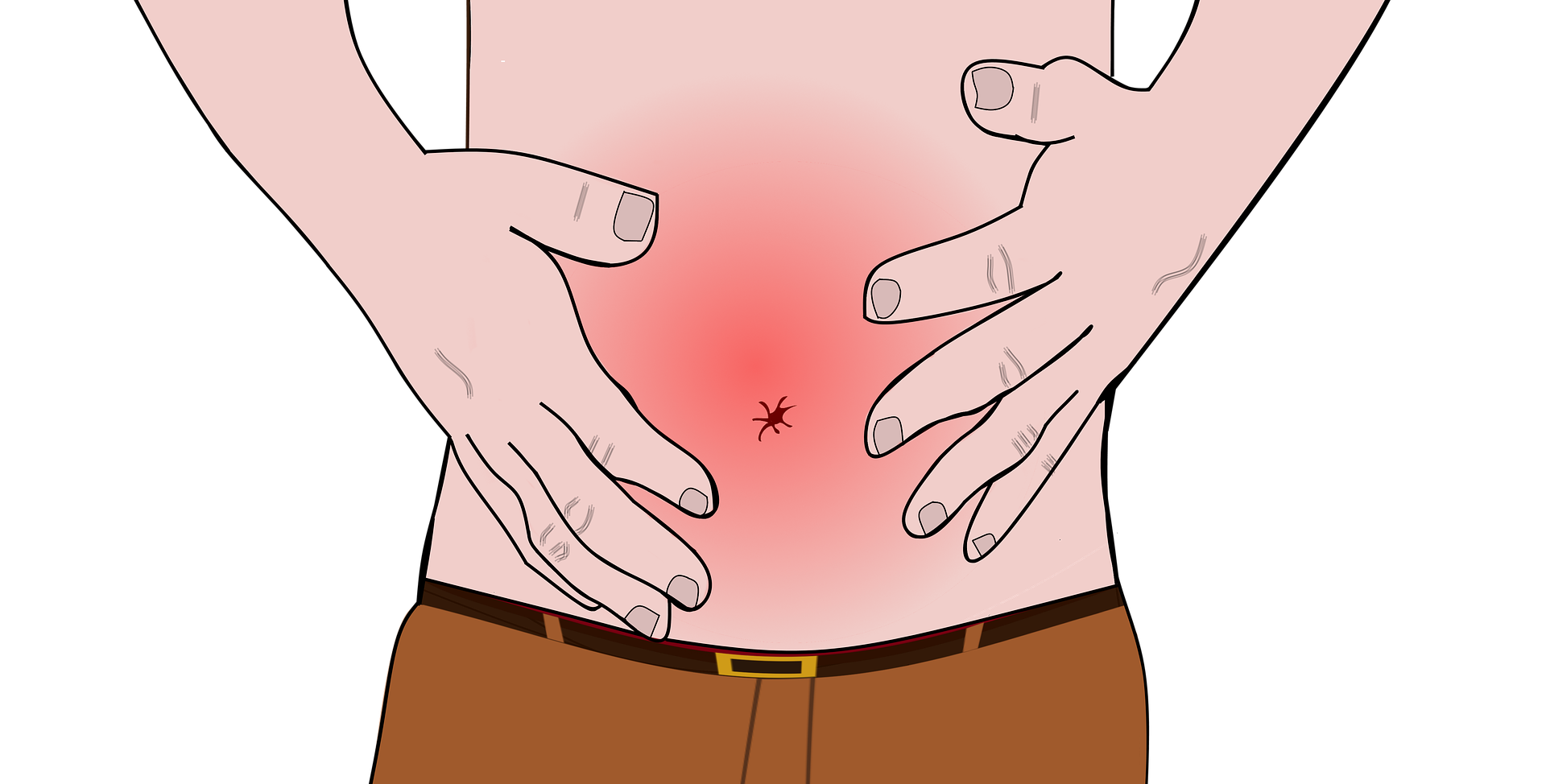
IBS is characterised by lower abdominal pain more frequently presenting on the left side of the abdomen. It may be worse in the morning and improves after evacuating the bowels or releasing flatulence.

There may be urgency to reach a toilet to evacuate bowels, but the evacuation may feel incomplete. Some experience incontinence, where poor muscular function of the gastrointestinal tract prevents the ability to hold on until access to a toilet is available. Many complain of bloating, gas, abdominal pain and distension which may become worse again towards the end of the day.

For some suffers IBS can become self-limiting and socially embarrassing. Fear of not being able to access a toilet quick enough may prevent people from leaving their home, or fear of un-welcome flatulence may limit conversations and leave people feeling isolated.

Those who suffer with IBS may feel as though everything they eat triggers their symptoms, so they refuse to or avoid eating outside of home.

Poor muscular function and urgency may reduce the suffers confidence in engaging in exercise, only to weaken muscles further.

Symptoms include:

  • Abdominal pain
  • Fluctuations between diarrhoea and constipation
  • Bloating and abdominal distension
  • Gas/flatulence
  • Urgency to pass bowel motions
  • Undigested foods or mucus in the stools
  • Fatigue
  • Anxiety

What causes IBS?

  1. Stress and anxiety

Just as IBS can cause stress and anxiety, stress and anxiety can contribute to IBS symptoms. The gut-brain axis is being recognised as a very real event by medical researchers. Our body has many messenger paths connected to our nervous systems that interact closely. When the brain is not happy, it disrupts the messages and functionality of the digestive system, contributing to symptoms such as nervous diarrhoea.

2. Intolerances

Food sensitivities and intolerances are becoming more common. These intolerances create inflammation and gaps in the gut wall (leaky gut) which aggravate the digestive system and the healthy bacterial colonies that reside in the intestines, leading to gas, bloating and constipation or diarrhoea.

3. Previous disruptions to the gastrointestinal tract

Travellers diarrhoea and attacks of gastroenteritis have been linked to increased cases and symptom presentation of IBS. The toxins that are released during an active infection disrupt intestinal wall and nerves that line the gastrointestinal tract. This damage lingers long after the infection has been effectively cleared.

4. Medication

A long history of medication use and polypharmacy (many medications at once) can damage and inflame the gastrointestinal tract and may aggravate or contribute to leaky gut.

Did you know women may experience a worsening of symptoms during their menstrual cycle?

What are some of the dietary and lifestyle factors that may aggravate your symptoms?

  • Drinking alcohol
  • Drinking large amounts of caffeine
  • Eating high amounts of sugars
  • Medications that may contribute to constipation (iron, pain medications, NSAIDS, sedatives, blood pressure medication, antidepressants, OCP).
  • Medications that contribute to diarrhoea (antacids, laxatives, blood pressure medications, antibiotics)
  • Fatty, fried foods
  • Food sensitivities
  • Stress
  • Environmental toxins
  • A history of traveller’s diarrhoea infection

What are dietary treatments and management options?

Nutrition professionals will often suggest a FODMAP dietary protocol for those with IBS.

FODMAPS (Fermentable, Oligosaccharide, Disaccharide, Monosaccharide and Polyols) are fermentable sugars found in many common foods, some of which are foods that would normally be considered healthy in a normal healthy person. In someone with IBS, some FODMAP foods may cause the bacteria in the gut to ferment these sugars leading to IBS symptoms.

The program is a strict, drawn out protocol with a step by step process, which requires a great deal of commitment and compliance, though, the results are often very pleasing for IBS sufferers. It can improve symptoms and move someone from feeling as though every single food creates symptoms, to identifying exactly which foods are causing aggravations while enjoying others first thought to cause problems. It is recommended that the protocol be undertaken while under the support and guidance of your nutrition professional.

Overall Guidelines for improve digestion

  • Reduce portion sizes and frequency – allow your body to efficiently digest foods
  • Eat a healthy, varied diet
  • Drink adequate amounts of fluids – particularly water and herbal teas
  • Chew your food thoroughly to assist in the digestive process
  • Identify actual intolerances – do not exclude food groups long term ‘thinking’ they may be causing symptoms to become aggravated
  • Ensure dinner is eaten as early as possible to avoid going to bed on a full stomach
  • Keep track of what you are eating and notice the symptoms – not all symptoms will present immediately – take these to a nutrition professional for assessment
  • Stay active – this will improve digestion, reduce stress and enhance circulation
  • Reduce stress and anxiety
  • Fibre is important but find your balance
  • Avoid alcohol as much as possible
  • Avoid caffeinated beverages – soft drinks, coffee and black tea
  • Protect and enhance your healthy gut bacteria because they will return the favour!

Have you considered Copper as an important dietary nutrient?

Almonds

We have been taught to be afraid of toxic levels of the metal copper.

Ever considered Copper as an important dietary nutrient?

But were you aware that copper is extremely important to our health in many vital ways?

Deficiencies can present a variety of health complaints that we may not attribute to a lack of copper unless functionally tested.

First, copper assists in the development of several enzymes within our body that assist in:

  • the production of energy
  • how we metabolise iron
  • the elastically of our skin
  • how our immune cell functions
  • prevention of neurological damage
  • it is a component of antioxidant activity.

Our bones, tissues and liver harbour our body’s copper stores and these storage locations are affected greatly when excesses or deficiencies occur.

Suffering from low energy?

My guess is that copper deficiency has never crossed your mind as a potential cause. Our energy system operates via the transport of various nutrients through a cycle called the citric acid cycle and an electron transport chain. Copper facilitates energy production at the electron transport chain as a cofactor to enzymes.

Are your bones prone to breaking or osteoporosis? Or is your skin easily broken or sagging?

Calcium and Vitamin D are one a small piece of the puzzle. Copper is essential to making cross-links in collagen for bones and elasticity of skin to prevent fractures and maintain healthy skin. Your blood vessels are also made up of connective tissue and require copper to maintain their elasticity for blood flow, preventing arterial complications and haemorrhage.

Are you metabolising iron effectively?

Most people’s first thought for low energy recovery is iron. Although iron may be the culprit, copper may also be required. Copper is necessary for iron transportation and linking iron to its transport protein to be sent to cells for healthy blood development. A lack of copper may just be contributing to iron deficiency.

Food sources of copper

Food should always be considered as medicine before vitamin supplements are factored in to your regime. You can ensure you are receiving enough dietary copper by eating a variety of the following foods:

  • Organ meats (liver, kidneys etc.)
  • Spirulina
  • Oysters
  • Shiitake mushrooms
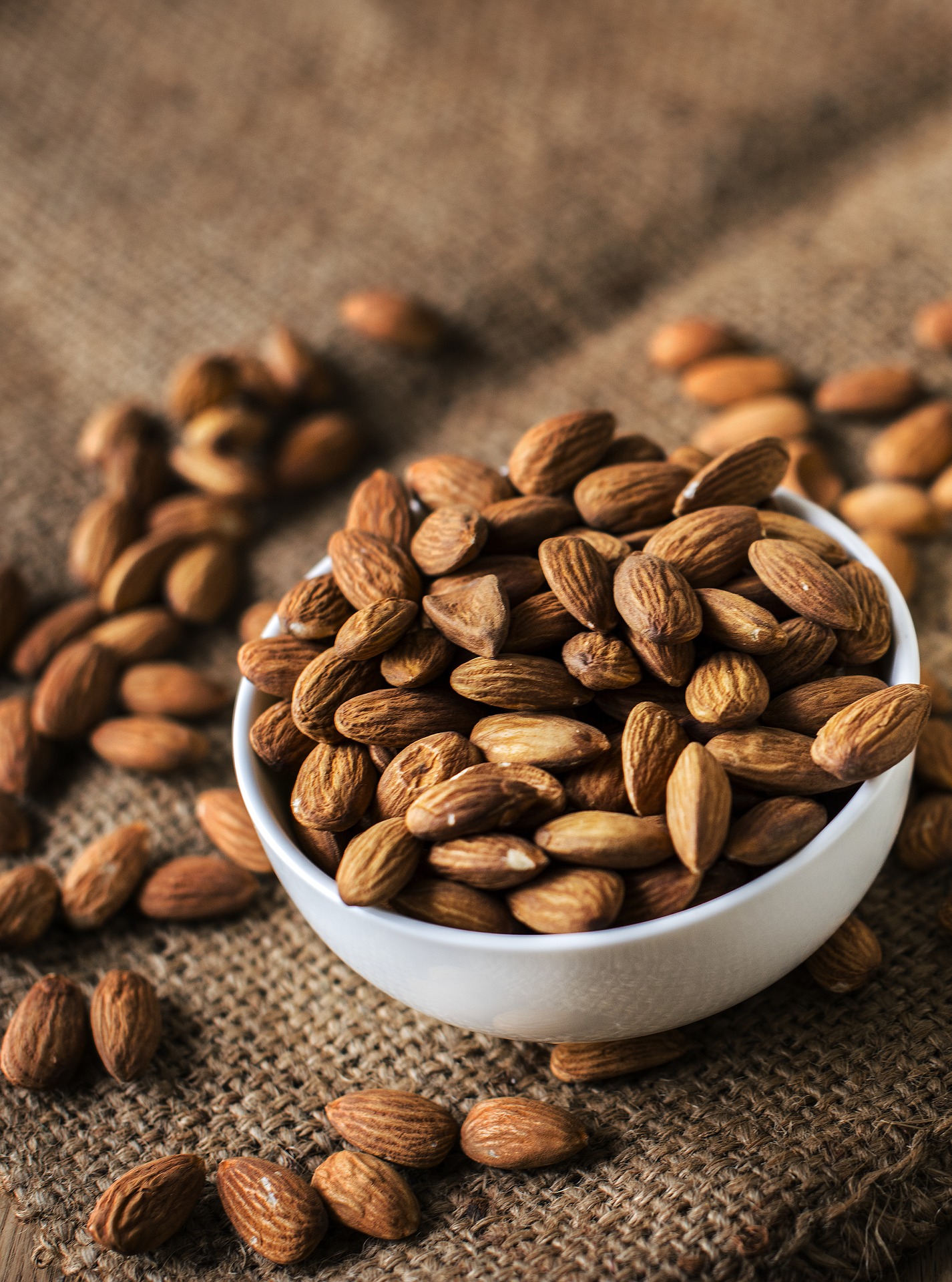
  • Almonds or Cashews
  • Leafy greens (spinach, kale, chard)
  • Dark Chocolate (>70%)
  • Sesame seeds
  • Chickpeas
  • Avocado
  • Goat cheese
  • Tempeh

Out with Gout!

Gout

Anyone who has suffered from gout or knows someone who does, understands the often painful, debilitating effects of the condition. Gout is a form of arthritis which is marked by significant inflammation, redness, swelling and pain. Gout has been recognised as the condition of ‘over-indulgence’. This agonising condition is caused by higher than normal uric acid levels in the blood and body tissues.

Uric acid is a by-product of the breakdown of purines in the body often derived from diets high in:

  • meat products
  • oily seafood
  • alcohol
  • caffeine

Other medical conditions can become risk factors for gout and high uric acid levels including:

  • hypertension
  • heart disease
  • diabetes
  • obesity
  • some medications
  • kidney disease
  • recent medical surgery
  • family history of gout
  • male >40 year

What are the current medical treatment options for gout?

  • Medications that inhibit uric acid production
  • Anti-inflammatories
  • Corticosteroids
  • Medications that increase the excretion of uric acid

Unfortunately, these medications are not without risks and side effects. When prescribed gout medications, be sure to request information sheets from your GP on the possible side effects.

Going Natural

Celery seed and sour cherry have demonstrated efficacy in reducing uric acid and gout symptoms with few side effects and are generally well tolerated.

Celery

Celery has presented some great results in inflammatory cases such as joint pain and rheumatism. Celery consists of several natural chemical compounds that act as anti-inflammatory agents and antioxidants that crusade in the reduction of oxidative damage that harms joints and tissues.

Sour Cherry

Tart cherry juice has long been used by natural enthusiasts in the fight against attacks of gout when used regularly over several months. Like celery, sour cherry can reduce the pain associated with attacks and reduce characteristic inflammation and oxidative damage due to its high antioxidant content.

If you or someone you know suffer from attacks of gout, speak with a medical professional or a natural medicine practitioner about the benefits of celery and sour cherry in its reduction of gout symptoms and incidences.

It should be noted that diet and lifestyle play are significant role in the presentation of gout and other inflammatory conditions and addressing the imbalances in these factors can greatly reduce the likelihood of gout interfering in one’s life. Remember, prevention is better than a cure!

Saffron: A Herbal Treasure

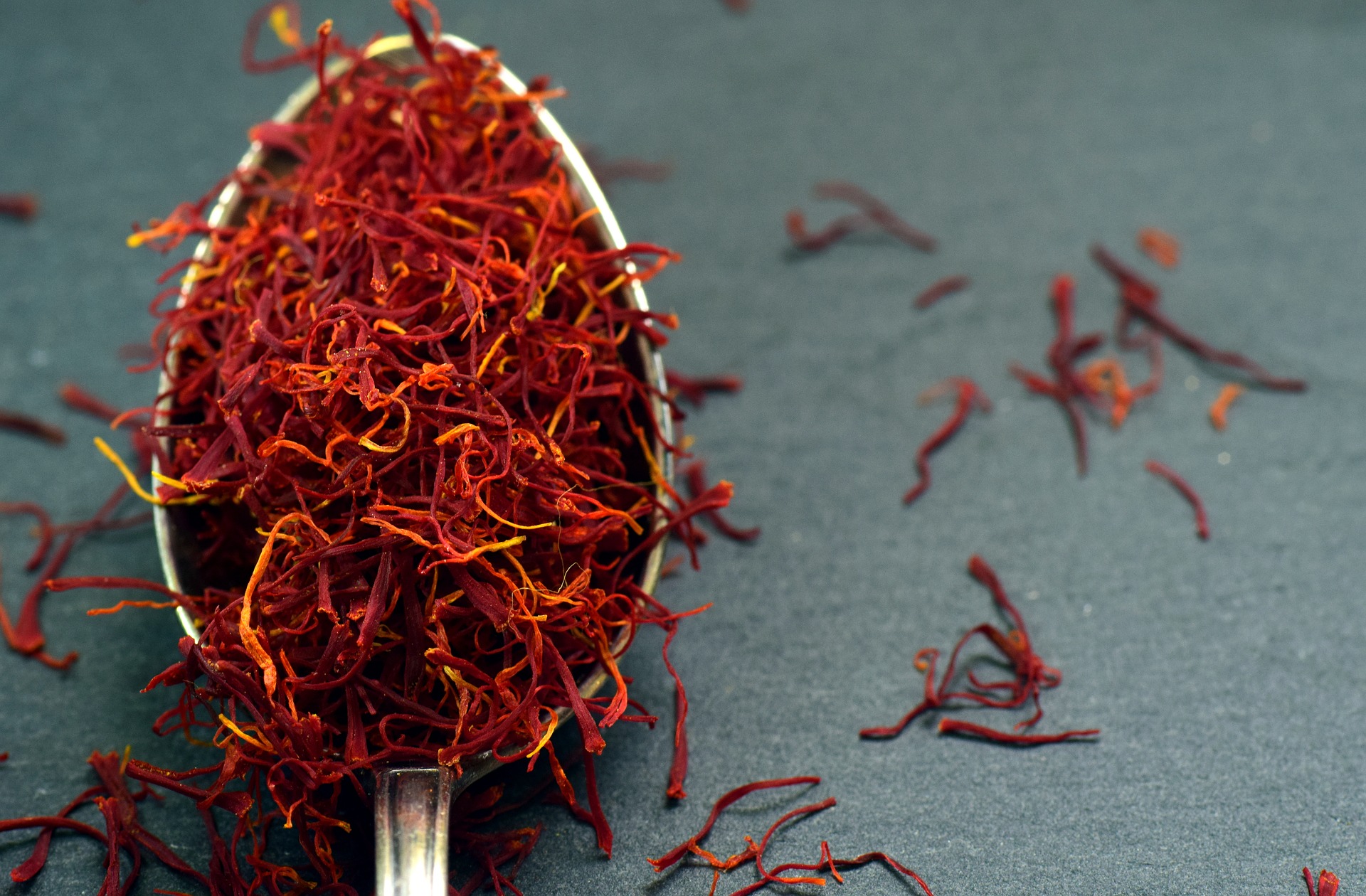
A spoonful of saffron threads on a dark surface, with some threads scattered around.

Saffron has ancient status in herbal medicine, recently it has become a more mainstream herbal remedy, popping up in my healthfood stores and pharmacies across several well-known brands. This is thanks to more research that has been conducted into Saffron’s therapeutic uses with fantastic results.

Historically, Saffron was used for ailments such as skin, digestive, respiratory, urinary tract, mood disorders and eye health.  With links to traditional uses all over the world including much of Europe and the Middle East, China and India, saffron is a world recognised herb with a variety of health benefits.

Modern day research has backed many of the traditional uses of saffron which include:

          Antidepressant

          Neurodegenerative reduction

          Respiratory complaints

          Cardioprotective

ANTIDEPRESSANT

One of the most recognised and useful functions of Saffron is as an antidepressant or mood stabiliser. The herb contains anti-inflammatory, antioxidant and neuroprotective properties, all indicated in depression and mood disorders. Research has demonstrated positive effects in the reduction of anxiety, stress, sleep quality and mood enhancement. For ongoing symptoms, naturopathic anxiety support can help connect herbal, nutrition, and lifestyle options into a structured plan. Better yet, there are little side effects to the use of Saffron.

NEURODEGENERATIVE REDUCTION

Inflammation and oxidation have a large role to play in neurodegenerative diseases. As previously mentioned, Saffron boasts a substantial amount of antioxidant and anti-inflammatory properties making it beneficial in the potential prevention and management of diseases such as Alzheimer’s. 

RESPIRATORY COMPLAINTS

A lesser known action of Saffron is its role as a bronchodilator. Asthmatics experience moderate to severe levels of bronchoconstriction, causing difficulty in breathing. Saffron has demonstrated potential in opening airways and enhancing circulation to the lungs. This may help to reducing the wheezing and shortness of breath that accompanies asthma. 

CARDIOPROTECTIVE

Saffron has shown promise in reducing atherosclerotic risk by reducing the oxidation of LDL (bad) cholesterol, lipid (fat) absorption and plaque adhesion to arteries, preventing blockages and therefore, cardiovascular events.

Saffron, a herb that rarely enters our pantry cupboard due to its high price tag, yet lives up to its value with exceptional health benefits is often overlooked for other herbs, supplements and medications.

Super Soaker! Baths can improve your health

stress relief

Nutrition is one aspect of good health. But health is multifaceted and includes lifestyle balance. Small, infrequent but challenging stressors, exercise and relaxation play into wellness outcomes. A simple bath can go a long way in ticking off the relaxation element of lifestyle balance. Bathing help in the reduction of stress, pain, depression, tension, anxiety and fatigue.

JUST 15 MINUTES A DAY IS ALL IT TAKES

There are both physical and emotional benefits to obtain from baths. Approximately 15 minutes per day in a warm bath can release muscle tension causes by every day stressors and wash away emotional dilemmas.

INDULGE A LITTLE MORE

Light some lavender scented candles, add a cup or two of Epsom salts to your bath, hit play on some relaxing meditation music and grab yourself a nice book and feel the tension escape your body.

Leave the bath feeling cleansed and relaxed. Rug yourself up with a comfy dressing gown and enjoy an uplifting cup of green tea or, if you are off to bed, try a chamomile tea to transport you into complete ZEN land.

This can become a fantastic routine for people who hold a lot of stress tension or who struggle to get a restful night sleep.

Loading...