

Step up your digestive game with these simple steps

sauerkraut

1. Make fermented foods a staple in your diet.

Fermented foods may help support microbial diversity and can be easier for some people to digest. Fermented foods themselves are easier to digest.

Fermented foods include:

  • Kefir
  • Sauerkraut
  • Kim chi
  • Organic natural yoghurt
  • Kombucha
  • Tempeh
  • Miso

Probiotic supplements can also increase the healthy colonies of bacteria that reside in your digestive system.

2. Increase dietary fibre

Soluble and insoluble fibres are essential to a healthy gastrointestinal system and reduce constipation. It is important to keep hydrated any time fibre is increased. Additionally, Fibre supports healthy bowel motions by adding bulk and helping move stool through the digestive tract.

Psyllium husk is an easily accessible supplementary form of fibre that can be added to
water, juice or cereal.

3. Embrace the power of Apple Cider Vinegar

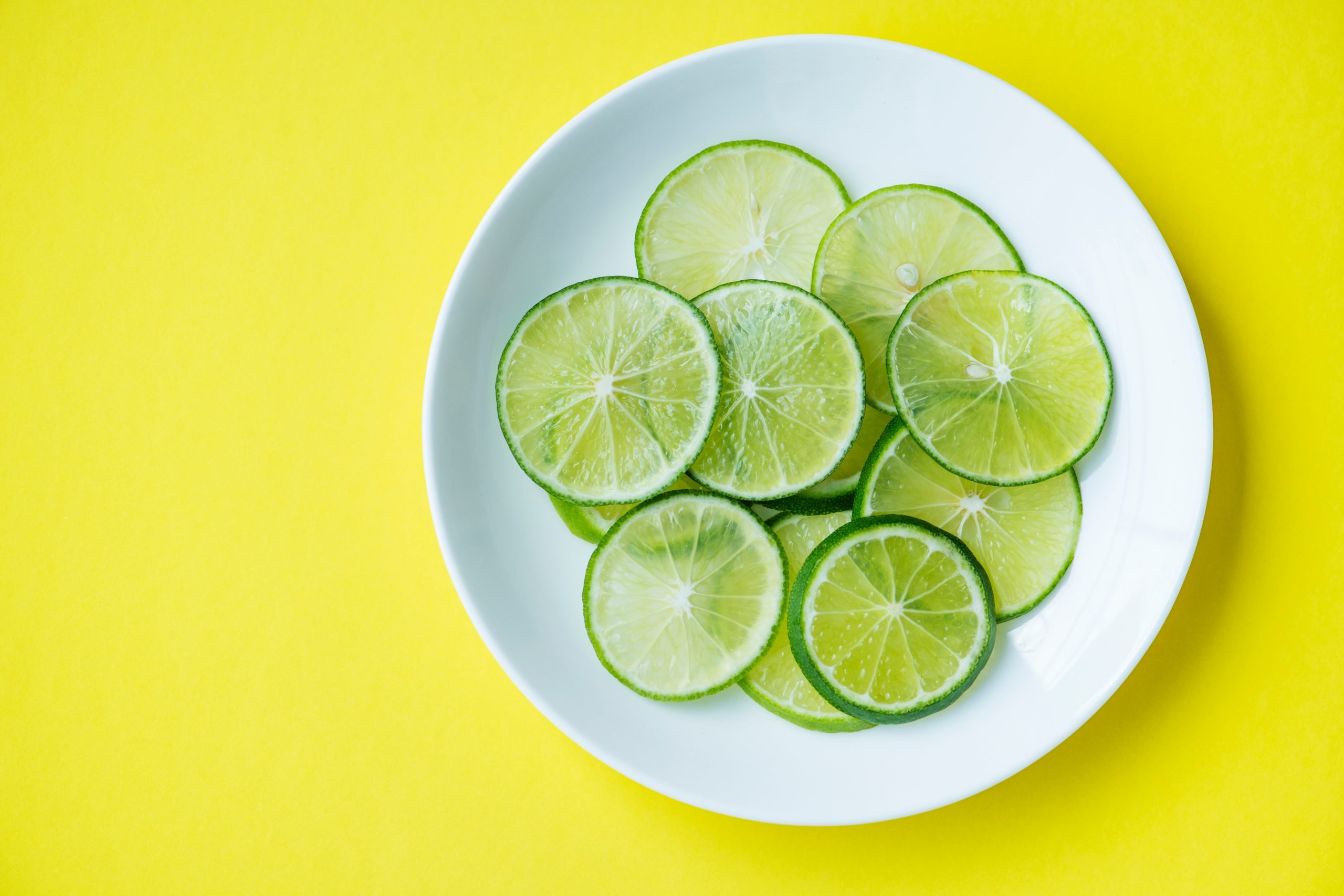
Combat indigestion, reflux, bloating, gas by adding 1-2 tsp ACV and a squeeze of fresh lime juice to warm water prior to each meal.

4. Drink Enough Water

Water that is…

Hard stools are never fun and being dehydrated is a significant factor in hard stools, straining and constipation. Many adults need around 2 litres of fluid daily, but needs vary with body size, activity, climate, medications, and health conditions.

5. With pro come pre-biotics

Prebiotics are indigestible carbohydrates that are fermented by the healthy bacteria (probiotics) in the digestive tract. The fermentation process provides food or fuel for probiotics to enhance growth and functionality in digestive processes.

Prebiotic foods include:

  • Artichokes
  • Leek
  • Onions
  • Garlic
  • Beans
  • Asparagus
  • Slippery elm
  • Psyllium

6. Consider Digestive Enzymes Only When Needed

No matter how perfect your diet may be, a lack of digestive enzymes will hinder your digestive capabilities. Supplementation with digestive enzymes prior to meals can assist in reducing the uncomfortable symptoms associated with poor digestion. You can obtain certain enzymes from foods such as, papaya, kiwi fruit and pineapple.

7. Herbal teas not cawfees

Coffee has stimulative and irritative effects on the gut, which can contribute to digestive discomfort, inflammation and diarrhoea. Herbal teas are soothing and nourishing to the gut and increase hydration. Certain teas such as ginger, peppermint, turmeric, chamomile and liquorice tea can reduce flatulence, decrease inflammation and bloating.

8. Move After Meals

Remaining active increases circulation and stimulates peristaltic muscle movements that push food around and through the digestive tract. Even short gentle exercise after meals can go a long way in the fight for a healthy digestive system.

9. Stress less

Stress is a significant driver in poor digestion. It seems strange and totally unconnected but, the energy that would normally be used in digesting foods is diverted to the brain and muscles to manage stressresponses.

Manage stress with:

  • Deep breathing
  • Meditation
  • Epsom salts baths
  • Adequate sleep
  • Engaging in arts and crafts or any down-time hobbies

If digestive symptoms such as bloating, reflux, constipation, diarrhoea, or food reactions keep coming back, it may be time to look deeper. A nutrition consultation can help connect your symptoms, food intake, stress, hydration, and routine into a practical plan.

Personalised digestive health support can help identify food triggers, gut patterns, stress factors, and nutrient needs so you can build a plan that suits your body.

Boost your immune system this winter with these simple tips

Vitamin C

Winter can place extra pressure on your immune system, especially when sleep, stress, movement, nutrition, and vitamin D levels are not well supported. These simple tips can help support immune function through everyday habits. If you are getting sick often, feeling run down, or taking a long time to recover, it may also be worth speaking with a nutritionist or naturopath.

Prioritise Sleep and Recovery

Sleep is a time for the body to rest and recover. It is a time for cell and muscle rejuvenation and allows the body to focus on killing off any nasties you may have come across throughout the day. Sleep has also been shown to improve the memory of the immune system to fight off previously met viruses or bacterial invaders. This means that our body has the power it needs to respond promptly to attacks from foreign materials that may be out to make you sick.

If you are struggling to get a peaceful night’s sleep, talk to your nutrition professional about the benefits of magnesium and other nutrients that support sleep and recovery. You may also like to try sipping on a comforting, warming cup of chamomile tea before bed to relax.

Stay active

Physical activity supports circulation, which helps immune cells move through the body and respond to harmful invaders such as bacteria and viruses. Being active also produces sweat through our skin. The skin is one of the major detoxing organs, forcing out unwelcome sicknesses.

Even low intensity exercise plays a role in stimulating healthy circulation and immune responses. Just move as much as you can safely.

Eat more antioxidants

Consuming foods high in antioxidants enhance the activity of the immune system and reduces toxic materials such as bacteria and viruses from taking hold in the body. Foods with bright rich colours posses the greatest amounts of antioxidants. For example, capsicum, berries, tomatoes, beetroot, leafy greens etc.

Get your daily dose of D

Safe sun exposure can improve immune function and reduce the duration and frequency of cold and flu. Even in winter the sun can still burn so short amounts of time spent in the sun is advised.

Take a bath with double the benefits

Epsom salts have been shown to reduce toxins in the body. There is nothing better than taking a warm relaxing bath in Winter. The relaxation that Epsom salts offers is a bonus to the immune system, allowing it to rejuvenate, because we all know the impact stress has on our health!

Bend it like Beckham

Yoga is an effective circulatory stimulant, digestive activator and endocrine system booster. All of these systems work together to form part of a high-quality immune system. Yoga’s ability to stimulate circulation, reduce stress and support relaxation makes it a powerful immune fighting tool to add to your daily routine.

Step away from the desk

A sedentary lifestyle, common in todays white collar, technology dominated world, can reduce the rate of circulation around our body. This means toxins are unable to be identified readily by our immune system. Getting up and moving and … even better, moving outdoors, for even a brief 15 minutes a few times a day can greatly improve your circulation and get you away from the recirculating bugs that float around in the office air-conditioning.

Be sure to breathe deeply

The simple action of breathing increases the free flowing of oxygen and carbon dioxide in and out of the lungs and blood stream. With these breaths nasty foreign materials are also exhaled. The oxygen that is breathed in supports immune cell health, improving the force of the all-important warrior we call our immune system. Further, taking deep breaths has been shown to reduce stress and enhance relaxation.

Indulge in a Massage

Massages that focus on the lymphatic system, help to circulate and drain the body of toxic blockages that may be backing up and contributing to frequent illnesses. Relax in style and allow your body and mind to sink away while feeling the undeniable benefits of a massage.

Dance, jump and shout and let it all out!

Dancing and jumping around forcefully pushes toxins out through sweat and all other eliminatory organs such as the kidneys, liver and digestive system. Why not have some fun while working on your immune system.

Don’t sweat the small stuff

Being angry and frustrated certainly takes its toll on your stress levels and your immune system. The simple act of being angry impacts greatly on hormones and gut which play a large role in immunity.

If you are getting sick often, feeling constantly run down, or struggling to recover after winter bugs, personalised nutrition or naturopathic support can help identify what your body may be missing. This may include reviewing sleep, stress, gut health, vitamin D, iron, zinc, and other nutrients that support immune resilience.

Xx Danielle Lamb

Magnesium: The Natural Mood Stabiliser and Stress Reliever

Magnesium

If stress, low mood, or poor sleep keeps returning, mental health nutrition support can help identify nutrient and lifestyle factors that may be contributing.

Magnesium is a mineral that is found in each and every cell (the most important and basic structural, functional, and biological unit of all known living organisms) of the body.

Magnesium is involved in over 300 internal reactions that help us to function at our best. This is one heck of a mineral! It supports the nervous system and brain functioning by regulating hormones known as neurotransmitters (messengers AKA our happy hormones). But as you will soon read, there are many other important roles that magnesium plays in the body.

A Depleted Society

Australian Health Surveys have found that many Aussies consume below the recommended daily intake of magnesium in their diet. This can be attributed to more than just poor dietary intake. The foods that we consume which, in their most pure form should be high in magnesium, are often stripped of their mineral content in processing. For example, grains should contain an abundance of magnesium, however, in the milling process of white rice, pastas and breads this magnesium is removed, along with fibre and other minerals. Therefore, without the inclusion of wholegrain foods in the diet we are depriving ourselves of important nutrients.

Other dietary and lifestyle factors can reduce our absorption and deplete our body’s magnesium levels. High levels of calcium, sodium or salt, caffeine (black tea, coffee, energy drinks and pre-workout/caffeine supplements), alcohol and loss of minerals through sweating can all impact how much magnesium our body obtains.

Did You Know?

Stress that lasts for long periods of time or frequent stressors, can also play a role in the depletion of magnesium. Stress accelerates the release of our fight-or-flight hormones cortisol, adrenalin and noradrenaline. This process alone can lead to rapid magnesium depletion, with the result being increased transportation of intracellular magnesium out of the cell to be removed from the body.

Glutamate Is Not Your Mate

Another neurotransmitter glutamate is known to be excitatory. Magnesium plays a role in reducing the release of glutamate, therefore reducing hyperexcitability of neurons (the basic working unit of the brain that transmit information to other nerve cells, muscle, or gland cells) allowing us to relax and remain calm. When our friend magnesium is introduced, it enhances the conversion of glutamate to GABA. GABA is an inhibitory neurotransmitter which works to calm a hypersensitive nervous system, such as anxiety presentation.

When we experience magnesium deficiency, the above mentioned processes can not take place and there becomes no reprieve for the excitation leaving us exhausted.

Depression & Magnesium

It is thought that magnesium may help improve depression severity by the reduction of excitatory and fight or flight hormones cortisol and adrenocorticotropic hormone. This incredible mineral has even demonstrated the ability to act on the blood brain barrier (the barrier that protects our brain) and reduce stress hormones from accessing the brain.

Other benefits of magnesium

Magnesium has shown promise in:

  • regulating blood glucose 
  • protein synthesis
  • enhanced muscle and nerve function and recovery
  • increasing energy production
  • maintaining electrolyte balance
  • reducing oxidative damage
  • prevention of osteoporosis
  • regulating blood pressure
  • and more…

What are the symptoms of magnesium deficiency?

  • Headaches/Migraines
  • Body fatigue
  • PMS/Menopausal symptoms
  • Poor sleep
  • Anxiety/ Inability to cope with stress/ Depression
  • Brain fog/confusion
  • Irritability
  • Cramping/Muscle twitches
  • Restlessness
  • Osteoporosis

Speak with your Nutritionist or Health Practitioner to see if magnesium may benefit you. Contact Danielle at Beta Me Nutrition

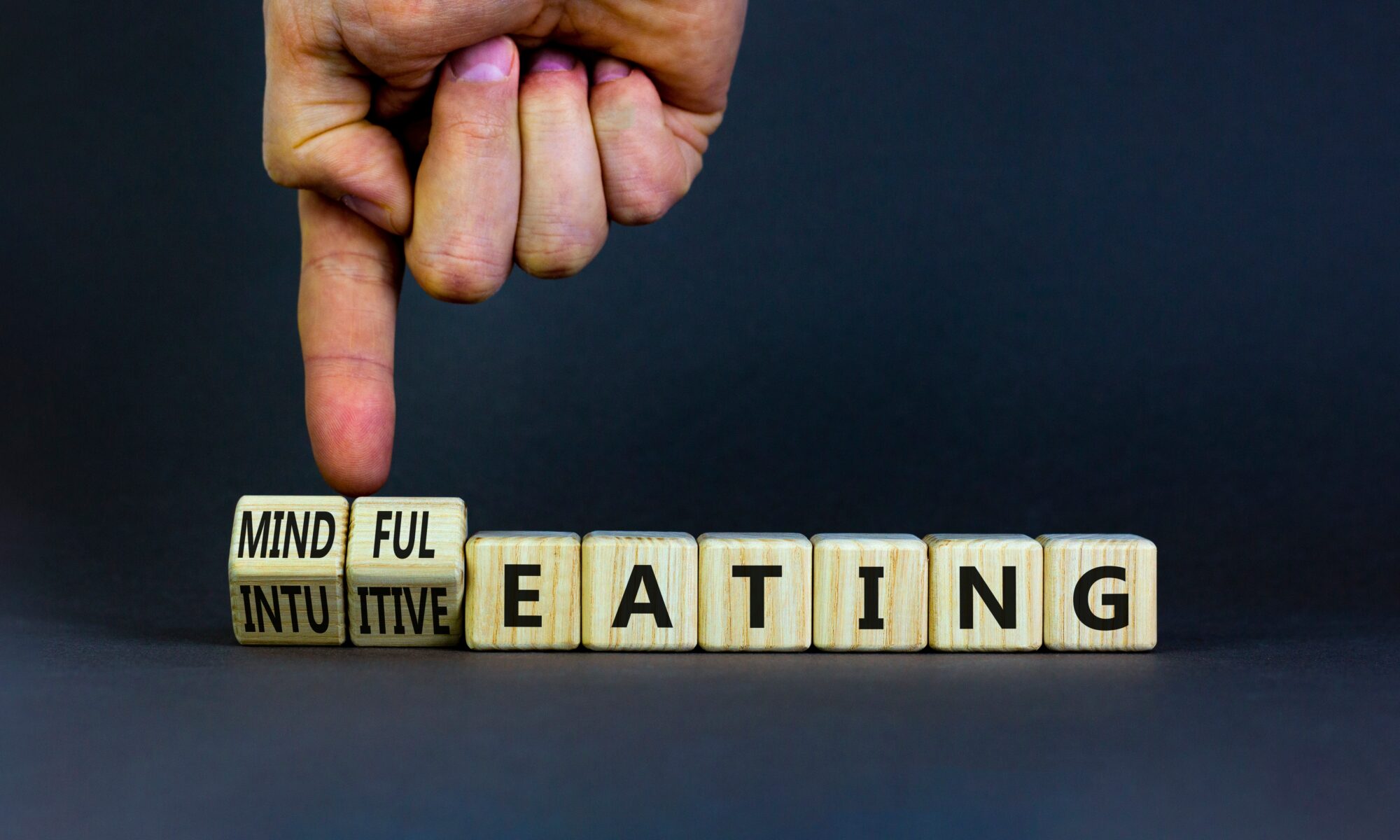
Mindful Eating – Why is it so underrated?

Mindful eating

You only need to look around your office or at your own lunch time habits to see that we are a society that likes to eat at our desk to squeeze every minute of working time out of the day. Kudos to us for being so dedicated to our work, but what about our health?

What is supposed to be an enjoyed task, eating has become much of a chore or inconvenience to us, something we must simply do to survive the day.

healthy lunch

A look at the nervous system and mindful eating

Our nervous system has different pathways for working and eating that do not operate well together. One is dealing with the stress or activity in front of us and switches off digestion to focus our energies on that pathway. The other is the rest and digest pathway. With digestion switched off, you can easily see how bloating, reflux and constipation may become an issue.

Work is not the only lifestyle factor to blame

Let’s be fair, work is not the only culprit here. I’m sure you can relate to scrolling through social media, sending an SMS or checking emails on your phone at dinner. Maybe you even find yourself with your food on your lap in front of the TV binging your favourite Netflix series. All of these contribute to MindLESS eating.

Do you admire your food and salivate at the sight? This is the beginning of digestion. If you are looking away, busying your mind, you are not effectively starting the digestive process.

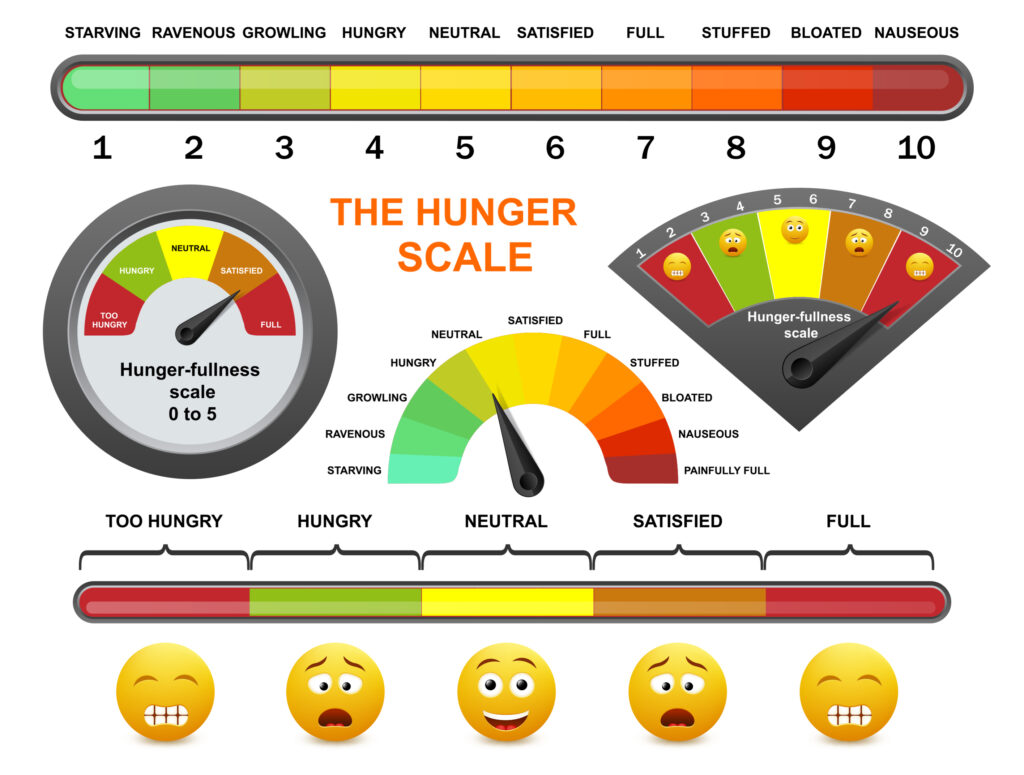
As you continue to shovel food in, do you recognise when you are full before you are ‘overstuffed’? Many of us don’t, we sit there after a meal feeling bloated, full, and uncomfortable.

Hunger Scale

What is MindFUL eating?

MindFUL eating on the other hand is focusing on your hunger and fullness cues. It is being present with your food and the people who are enjoying the food with you. It’s sitting down to admire the aroma, the colours and anticipating every delicious mouthful. It is being thankful that you can fuel your body with something nutritious. It’s focusing on chewing each mouthful slowly and completely.

A healthy relationship with food rewards us with less bloating, better toileting habits, healthy weight and a healthy mind. Eating mindfully puts us in control of our body and how it feels.

Tips to support your MindFUL eating goals

  • Look for signs of emotional or boredom eating.
  • Enjoy the process of preparing food that nourishes your body.
  • Consider what you want to eat and why?
  • Is your body telling you it is hungry? Could it be tired or bored? This will avoid MindLESS snacking.
  • Think about how the food is fuelling your body. Think vitamins and minerals, protein, fibre, healthy fats etc.
  • Thinking of seconds? Allow 20 minutes before deciding on a second course, after the 20 minutes, determine if you are still hungry.
  • Sit at the table to eat meals with the TV off.
  • Take 10-15 minutes, at least, away from your desk to sit and eating your meal.

Food should give us enjoyment, nourishment, and fuel. Eating should be something we put thought into, just as much as our work. Without nourishment, our abilities to accomplish working and family tasks diminishes with our health.

Complete a contact form

Health Tips to Get You Fed – The Joys of Parenthood and Forgetting to Feed Yourself

Busy Parent Tips

Before parenthood, the concept of ‘forgetting to eat’ is inconceivable to most. Insert children and soon the days of waking up and thinking about what you are going to have for breakfast, sitting down to enjoy that HOT breakfast and shortly after thinking about what, when and where your next meal is going to come from turn into a distant memory. This blog was designed to provide you with some of the health tips and tools I use to ensure I remain nourished and on top of my game when it comes to caring for my son and being a working mum, with a business to run.

Tips for parents

Once your children arrive, sacrifice and selflessness quickly become part of the parental territory. Busy days feeding the baby or taking kids to school and sport, all while trying to maintain the household and your career interrupt your appetite and you soon say goodbye to HOT and seated meals. Your days are now a whirlwind fog.

You are certainly not alone in the neglect of your own needs. Parents and caregivers, mums and dads all over the world experience the same struggles, whether you are a stay-at-home parent or full-time working parent.

To your kids, you are a Superhero. A superhero can only be the kind of super they need if YOU are healthy and happy.

Superhero parent tips
You can only be the superhero they need if you have YOUR OWN health

Your health should be your priority and because everyone else relies on you to keep them healthy, it is also your responsibility to keep yourself healthy.

Why?

Because..

  • you deserve it!
  • your kids need it.
  • children need role models to show them HOW to be healthy, not simply be told.

Some health tips

parent health tips
Get the whole family involved
  • Start and end your day early.
  • Plan out healthy meals and snack wisely.
  • Keep a good supply of healthy grab-and-go one handed snacks in the pantry/fridge (see tops and ideas below).
  • Even if you cannot get a complete meal in, eat several small meals across the day to keep your energy up and prevent crashes.
  • Ensure snacks and meals are high in fibre to sustain you for longer and prevent cravings for sugary/carb rich junk foods.
  • Ask your Nutritionist to help you with a simple meal plan that is achievable.
  • Nurture friendships and extended family who support you and your own need to be healthy.
  • Be a team
      • Get your kids involved in helping to cook meals.
      • Ask your partner to help with meal preparation or other chores, so you can meal prep.
    • Ask a family member or friend to take the kids for a few hours while you prepare meals in advance.
  • Stay active, not only chasing children but walk, run, dance, swim, gym, do whatever you enjoy to stay active, keep your mind clear and maintain energy for planning and preparing healthy meal options and supporting a healthy appetite.
  • Reduce the stress and clutter in your mind, to allow your body to remember to eat (with the above)
  • Set alarms for yourself as reminders to eat regularly.
  • Use healthy ready-meal services (speak with your nutritionist on healthy options available).
  • Have a health plan in place (e.g. a mummy/daddy pamper day, a meal prep day, massage once per month etc.)

Quick Snack Ideas

  • Boiled Eggs (done the night before while the kids are sleeping)
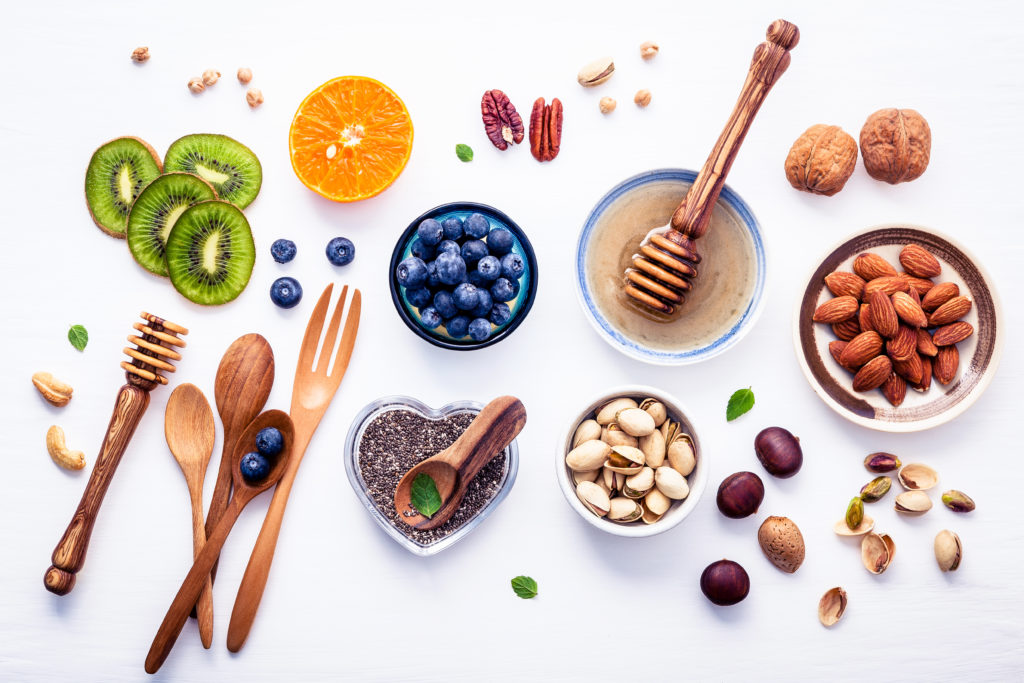
  • Nuts and seeds – almonds, walnuts, Brazil nuts are all great choices, pepitas, sunflower seeds.
  • Fresh fruit – berries, bananas, apples are all quick and easy.
  • Smoothies
  • Chia pots – (done the night before while the kids are sleeping)
  • Yoghurt pouches
  • 70% or more Dark Chocolate (limit to 2 squares)
Healthy Snack Ideas
Healthy Snack Tips

Could in-activity or over-activity be affecting your digestive health?

digestive health and exercise

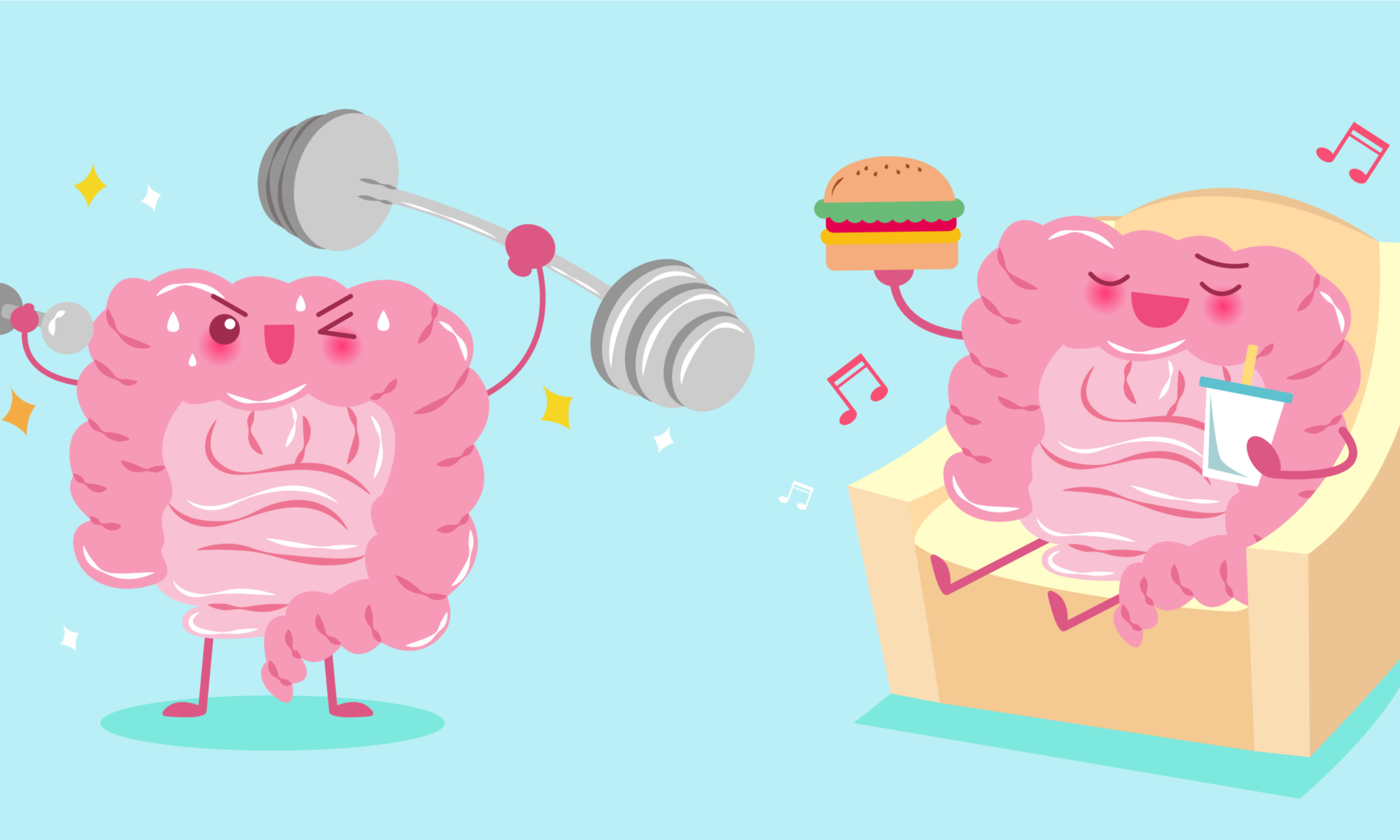
Most of us are well aware of the benefits of exercise and movement for heart, mental, bone and muscle health. There is also no disputing its benefits in maintaining a healthy weight. What most of us are oblivious to, is the impact exercise can have on digestive health, in a positive or negative way. Especially if you suffer from some of the more common digestive health complaints that I see in clinic including, SIBO (small intestinal bacterial overgrowth), IBS or reflux. As well as the ever increasing IBD (Crohn’s and Ulcerative Colitis) and diverticulitis.

What are the BENEFITS of regular exercise for digestion?

  • Your gut microbiome (the healthy guys that live in her gut), rely on good and consistent circulation to the stomach to perform their duties. Duties such as immune support, mood, metabolism, the creation of hormones and to regulate the digestion of food.
  • Exercise also alters the diversity (variety) of our gut friends, to ensure the good ones outnumber and are stronger than the bad ones.
  • Sure, we know about the importance of building the muscles that we can see from the outside. But the gut also has particularly important muscles along the digestive tract. These muscles need to be toned and strengthened by exercise to perform digestive functions.
  • These same muscles are required to twist, churn, and push leftover food and metabolic waste through the digestive tract to be eliminated. Imagine if you did not have those important muscles you use to do number two! Moving makes sure your bowels also keep moving.

It is best to clear it with your doctor to make sure that the level of exercise is safe for you. Whatever you do, just get moving. Walking, jogging, riding, bushwalking, hiking, Pilates, yoga, gym classes are all great options and can be tailored to your fitness and mobility levels.

What about the flip side, how might my digestive health symptoms worsen with exercise?

  • Exercising too quickly after food may increase reflux.
  • Eating heavy foods before exercise may increase flatulence, bloating, reflux and abdominal discomfort. This, due to the body’s ability to switch off digestive function to activate its “fight or flight” response in exercise.
  • While adequate exercise can be effective at reducing inflammation in the long term, over exercising is inflammatory and can stress the body. This causes an increase in a hormone called cortisol, which can lead to digestive complaints and fatigue.  
  • It is important to incorporate recovery days or low impact and gentle exercise into your regime to reduce inflammatory damage and digestive disturbances.
  • High intensity exercise is great for keeping your heart in shape. However, overdoing it can contribute to diarrhea, especially in those susceptible to loose bowel motions (e.g. IBS). Why? When we run, the flow of blood is diverted to the legs and digestive organs are being thrown around creating disorder in the gut and bowels. 

Thinking Holistically

So, while food can absolutely be a major contributing factor to digestive discomfort, other lifestyle factors such as exercise and sleep can also play an important role.

If you are newly taking up exercise, start slow, set small, achievable goals such as a 10 minute walk for the first week and slowly increase from there, but be CONSISTENT.

Or, enlist the support of an Exercise Physiologist or other exercise specialist along with your Nutritionist to build a holistic, supportive and motivating approach to your digestive health goals.

Happy and safe exercising!

Danielle x

[chained-quiz 1]

Loading...