
Nutrition support for women can be as essential as the air we breathe when it comes to supporting hormones.
If you are a woman, at some point in your life, you have likely felt the effects that hormones can have on your overall health. From pre-puberty, pregnancy, right through to post-menopause, our hormones are continuously changing. Balancing hormones in the 21st century can be challenging. Every day, we are exposed to external hormone disrupting products including chemicals, medications, household items such as plastic containers and cleaning products, food and the chemicals in and on food.
Not only this, but we are also challenged with genetics and the seemingly never-ending stressors that surround us, sending our hormones into a constant state of turmoil. In clinic, I regularly see women seeking out nutrition support for the many different symptoms of hormone imbalance, particularly during perimenopause and menopause.

Adequate nutrition support holds great value in the management of perimenopausal symptoms. Nourishing the body with the correct and specific foods and nutrients that support perimenopause fuels the mechanisms that regulate symptoms. Symptoms that can be managed by good nutrition support for women with perimenopause include:
- Healthy mood regulation (anxiety, irritability)
- Blood glucose balance
- Weight management
- Managing irregular periods
- Insomnia
- Night sweats and hot flashes
- Headaches
- Brain fog
- Vaginal dryness
- Changes to skin/hair
- Joint/muscle aches and pains
- Libido changes
Nutrition Support for Women – Perimenopause Foods
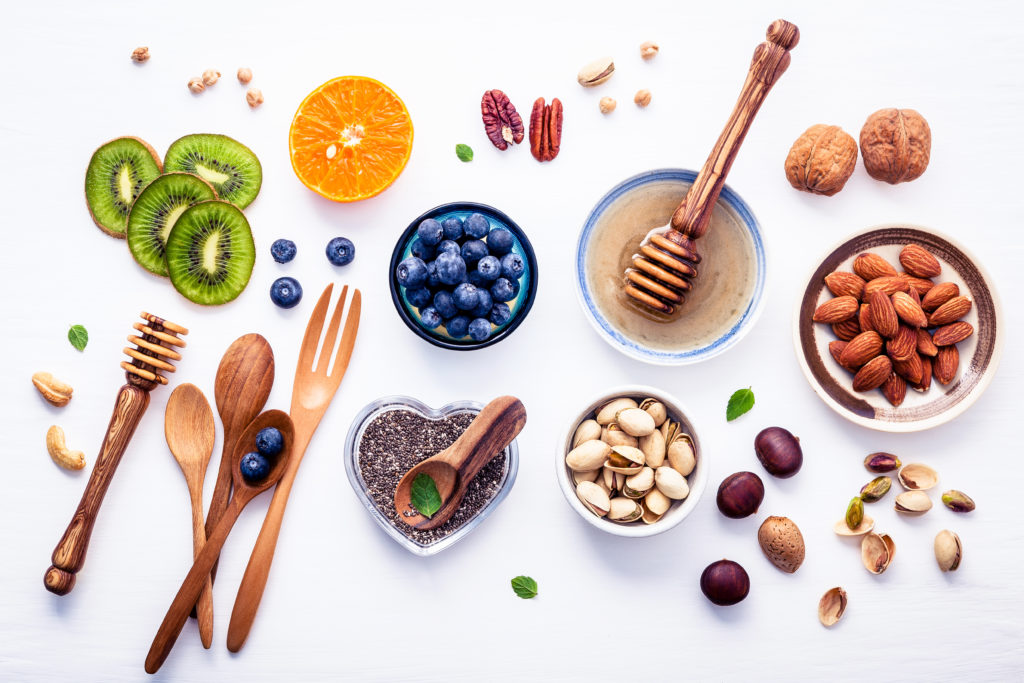
Nutritional balance that is suited to the individual is the primary goal of nutrition support in perimenopause. However, specific natural plan compounds known as phytoestrogens can play an important role in balancing hormones more closely. The careful introduction of phytoestrogenic foods can interact with the body’s oestrogen receptors. This interaction helps to balance hormones, notably oestrogen in a natural way rather than introducing overwhelming amounts of artificial hormones. The result is fewer side effects with improved overall symptoms.
The Highs and Lows of Perimenopause
Perimenopause is a tricky time for your hormones. At times, oestrogen is low, and this is where phytoestrogens gently stimulate those receptors to reduce symptoms such as vaginal dryness, mood and poor sleep. At other times, oestrogen can be too high. Phytoestrogens are clever here, as they adapt and compete with natural body oestrogen to reduce overstimulation. Symptoms reduced during this time include breast tenderness, heavy menstruation and uncomfortable bloating.

More Phytoestrogen Food Magic for Perimenopause
Possibly one of the most common symptoms of perimenopause and menopause is the ghastly hot flash that often spills over to night sweats. This is a vasomotor response that affects thermoregulation due to the drop in oestrogen. Over time, phytoestrogens can help to naturally regulate this response to make life that much more comfortable.
Perhaps a more intimate symptom of menopause is vaginal dryness. Perimenopause foods help to hydrate tissues that often dry and become thin when oestrogen is low. This can put you at risk of recurrent urinary tract infections (UTI) and irritation.
Perimenopause foods including phytoestrogen help those happy hormones thrive. Oestrogen helps the production and function of happy hormones serotonin, dopamine and acetylcholine. Using phytoestrogens and other neurotransmitter supporting nutrients, moods can be better managed, improving overall quality of life.
It doesn’t stop there, oestrogen plays a role in regulating cholesterol, particularly LDL cholesterol. This is why, many women of perimenopausal and menopausal age often see changes to their cardiovascular health. Perimenopause foods can help to reduce LDL cholesterol while also balancing blood glucose levels, blood pressure and body weight.
There are More to Perimenopause Foods than Phytoestrogens
Phytoestrogens might be the golden compound supporting Perimenopausal symptoms, however, there are several other nutrients that are essential when supporting hormonal transitions.
Reductions in oestrogen can alter bone density and muscle mass. This can place women at risk of osteoporosis if not supported nutritionally. Carefully balanced calcium, vitamin D and other bone mineralising nutrients are vital to maintaining bone health as you age.
Protein becomes more important through this transitionary stage to reduce muscle wastage (known as sarcopenia) which, when paired with reduced bone density, can put perimenopausal women at risk of falls and fractures and metabolic disorders. Protein is a building block to many functions of the body including neurotransmitter production and function. Adequate protein with the right balance of amino acids can go a long way to improving mood and supporting sleep.
Omega 3 fatty acids are essential fats that protect the body from oxidative damage that is natural to the aging process. They are also responsible for reducing inflammation, support healthy brain function and reduce LDL (bad) cholesterol.
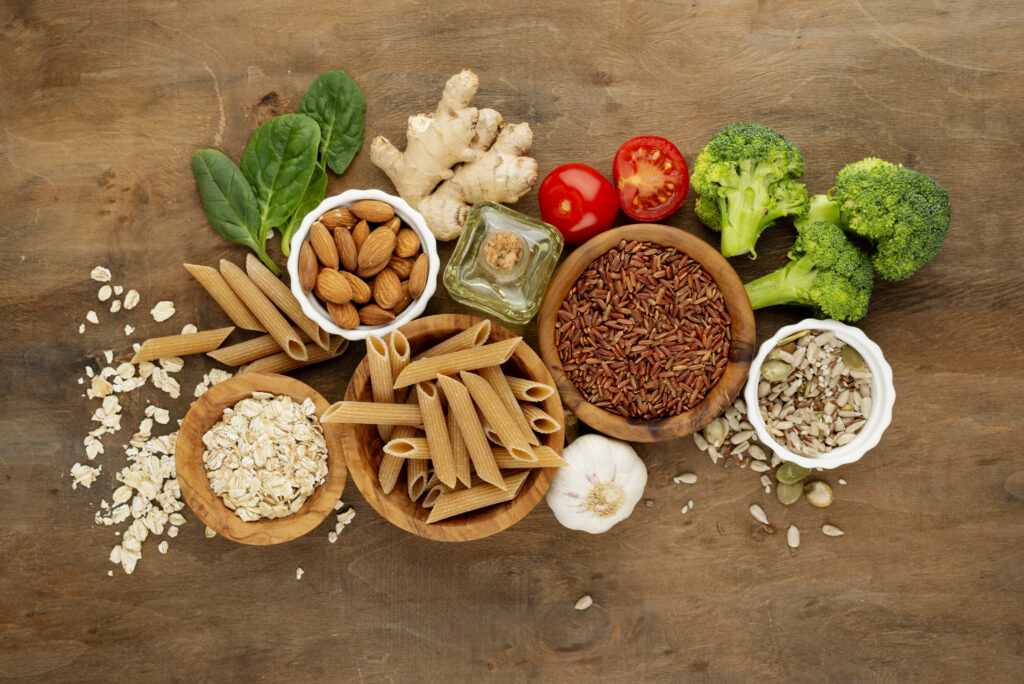
Fibre is often thought of as reducing constipation and not much more. However, fibre offers so much more to our health than a good bowel motion. The microbiome rely on fibre for energy and to carry out many of their functions such as making hormones, breaking down foods for nutrients and hormones into more manageable forms. Fibre also supports the metabolic system by managing blood glucose levels for weight management and hunger reduction.
It’s a Balancing Act
To effectively manage weight and overall cardiovascular health as well as support all of the above symptoms, perimenopausal food prescription should be individualised to each person and their unique set of symptoms, health history, lifestyle factors and body types. Just as not enough of a good thing can be detrimental, so too can too much of a good thing. This is where a qualified nutritionist comes in. Together, we work to balancing out foods that are supportive of your body and life changes.
Focusing on the Gut
During perimenopause, changes to hormones also affect the health of the gut. You may have heard of the gut-brain axis, but did you know there is also a gut-hormone axis. This interconnected system is impacted by and impacts in itself the diversity of the microbiome, bowel frequency and the metabolism of oestrogen by the microbiome. Many peri-menopausal when that I see present with gut symptoms in one form or another. This can include bloating, constipation or diarrhoea, reflux and food intolerances among other symptoms. Treating the gut often results in improvements in peri-menopausal symptoms. This isn’t as simple as including a probiotic. Gut treatments vary and can include specific prebiotic fibres, specific strain probiotics, anti-inflammatory perimenopause foods, microbiome testing, dietary eliminations and re-challenges and more.
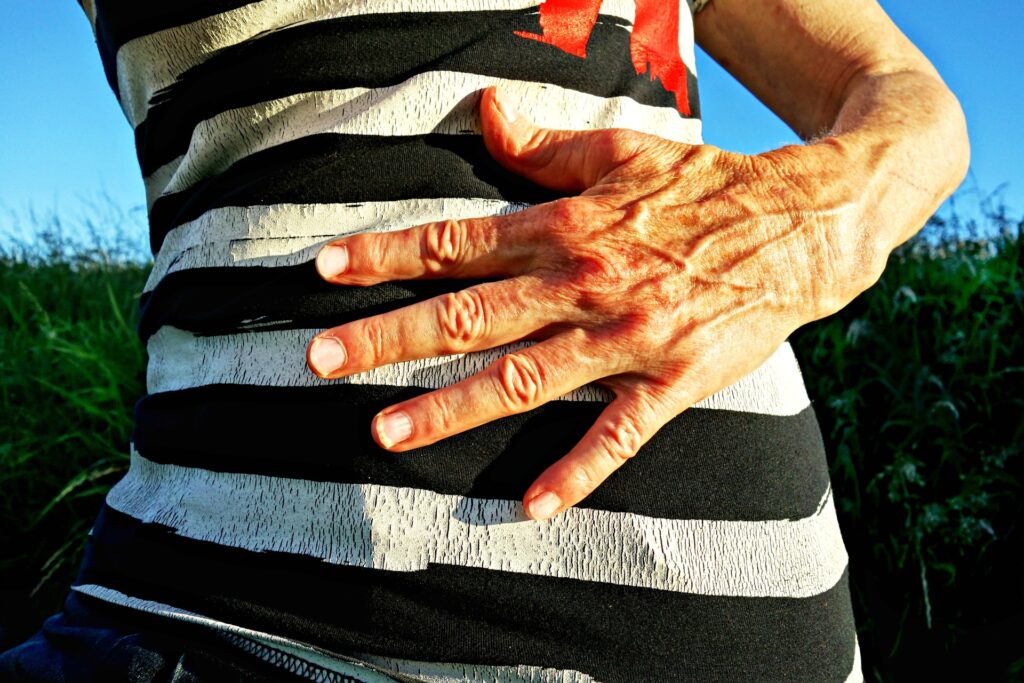
The change of life can be overwhelming for many women. It is no wonder, with the various physiological happenings going on in the body during this notable time in your life. It takes a great understanding of the body, supportive but balanced nutrients and food as well as care and empathy for you as an individual to nurture and support you through this transitionary phase.