Fit out your trolley with these fit and healthy must haves
Think real food and plants!
Hair, skin, nails, the immune system, our joints, our guts, literally everything to do with our body can benefit from a diet that is largely plant based. This is scientifically proven!
The detoxifying effects of the antioxidants and water in plants sets us up for the perfect summer of not only looking great but feeling energetic. This doesn’t mean rushing out and purchasing the newest, most expensive discoveries in superfoods. Some common house-hold food items will do the trick without breaking the bank. Boosting the nutritional value of common food items lays within its preparation. Prep techniques can either make or break a superfood. The goal of eating should be, to boost nutritional content including vitamins, minerals, fiber and antioxidants. Each one of these vital components of food is deeply impacted by processing. Processing may include applying heat, adding stabilizing or preserving ingredients such as sugar, sodium, acids or artificial preservatives. Each of which extend the shelf life and taste appeal of the food item but reduce its nutritional content.
I am excited to throw you some little life hacks in this blog to really get you going on a nutritional boosting path.
Have you ever thought of putting your mushrooms in the sunlight? Why on earth would you bother doing that! You ask. Well, the sun enhances the vitamin D status of the mushrooms. Mushrooms are in Vitamin D2 form, not active D3. They do need to undergo conversion for use by the body. None the less, a boost in D2 will do some spectacular things for your health. 1-2 hours is a good sun baking timeframe for our meaty friends.
CITRUS HEAVEN
Citrus foods boast a whole lot more than just the vitamin C they are commonly recognized for. The spray you in the face juiciness of citrus contain an array of free radical scavenging antioxidants which have been shown to guard you from a range of disease states such as cancers, age related brain diseases such as dementia and Alzheimer’s, heart disease, diabetes and help you to have beautiful skin.
Rich colored citrus such as ruby red grapefruit and blood orange offer even greater antioxidant content.
Don’t throw away the good parts!
Closer to the outer edges (around the skin and between each segment) of citrus fruits contain some great benefits and is where most of the nutrients lay. Eating the pith can greatly increase your nutritional benefit and boost the antioxidant profile.
Make them crispy
You can enhance some of the benefits of citrus fruits by drying them in an oven. How?
Preheat oven to 100C, slice oranges, place on an oven tray and bake for 1.5 hours on one side and another 1.5 hours on the other. Keep checking on them to see if they have already gone crispy, you don’t want them to burn! This process brings out some of those lovely antioxidants.
AN APPLE A DAY KEEPS THE DOCTOR AWAY
An old saying but it remains strong in the world of health. For such an accessible food the health benefits of apples are HUGE! Apples are fantastic appetite controls. They help to regulate blood glucose levels, reduce cholesterol, support intestinal health and reduce the risk of diabetes. Green apples (Granny Smith) are lower in sugar and contain the prebiotic fiber, known as pectin, which helps to support healthy gut bacteria function and development.
DON’T throw away the skin! Like all fruit and vegetables, the most nutritious parts of the apple can be found within or just under the skin. Cutting away the skin could mean losing so many wonderful nutritional benefits such as fiber, antioxidants, vitamin A and C.
Wash them
Be sure to wash your store-bought apples. Supermarkets love to have beautiful, enticing fruit and vegetables, but this often means placing sprays and waxes on them to make them shine and keep them looking beautiful for longer.
SPICE UP YOUR SALADS
As a rule, dark, richer coloured leafy greens pack the greatest nutritional punch in a salad bowl. Rocket adds a digestive component to your salad, with its peppery, slightly bitter taste it kicks your digestive juices into action. Baby spinach oozes with antioxidants, iron, vitamin C, vitamin A, K and folic acid, giving you the protective power you need to fight off free radicals and flood you with a boost of energy. These nutrients are also extremely nourishing to the cardiovascular system. Kale is another salad green that rivals rocket and spinach on nutritional punch. Skip the old school iceberg lettuce which carries little more than water and include these superheroes of the salad world. They also make for a far prettier and more interesting salad. As mentioned in the paragraph on mushrooms, vegetables obtain and develop much of their antioxidant properties from sunlight. Salad leaves that are open to the sun such as kale, baby spinach and rocket are given the opportunity to enhance their nutritional profile, more so than tighter more enclosed varieties.
Did you know that the vitamin C found in lemon juice can enhance the absorption of the iron content in spinach? This is great news for vegans and vegetarians as non-heme (non-animal) sources of iron are less easily taken up by the body than their heme counterparts. Adding vitamin C to non-heme sources increases its chances of absorption.
TATOMO TOMATO
Although, greatly recognized for their high lycopene content often related to prostate health, tomatoes have so much more to offer. The carotene that lurks within the beautifully red tomato supports healthy cardiovascular function and prevents skin from sun damage, no wonder they are a mainstay in the Mediterranean diet. Its collagen boosting properties are shown help to repair the skin and slow the ageing process. Once again, the skin is where the money is (nutritional benefits).
Cook them up!
The cooking process increases and activates the tomatoes lycopene potential. Home made spaghetti sauces and baked beans using chopped up tomatoes are a great way to boost the nutrient value of your food.
Keep them out of the fridge
We need those perfect antioxidants to continue to develop long after they have been picked. Refrigerating tomatoes can holt this process and reduce the antioxidant potential of the tomato.
BERRY BONANZA
We all know berries are good for us. They have long been included in the list of superfoods. Why? Berries contain high levels of antioxidants and collagen boosting vitamin C. These, superb inclusions for skin health. But, in a less vein sense, berries are fantastic supports for cardiovascular health.
Look for rich reds and purples. The richer the colour, the greater the nutritional benefit. Some research has shown that the proteins found in milk products reduce the absorption of vitamin C so try to skip the addition of milk. Instead, opt for a non-dairy based milk such as coconut, almond, oat to combine with your smoothie or choose yoghurt varieties utilizing these milk bases.
DIGESTIVE PREPARATION
Brassica vegetables such as broccoli or cauliflower should be rich in colour and slightly steamed, not eaten raw. Research suggests that brassica vegetables can inhibit thyroid function. It is also difficult for some to effectively digest raw brassica vegetables. When prepared properly, brassica vegetables support liver function, contain significant calcium and vitamin K levels and can become a versatile addition to most meals such as cauliflower rice, pizza bases, vegan cheeses, vegetable bakes and much more.
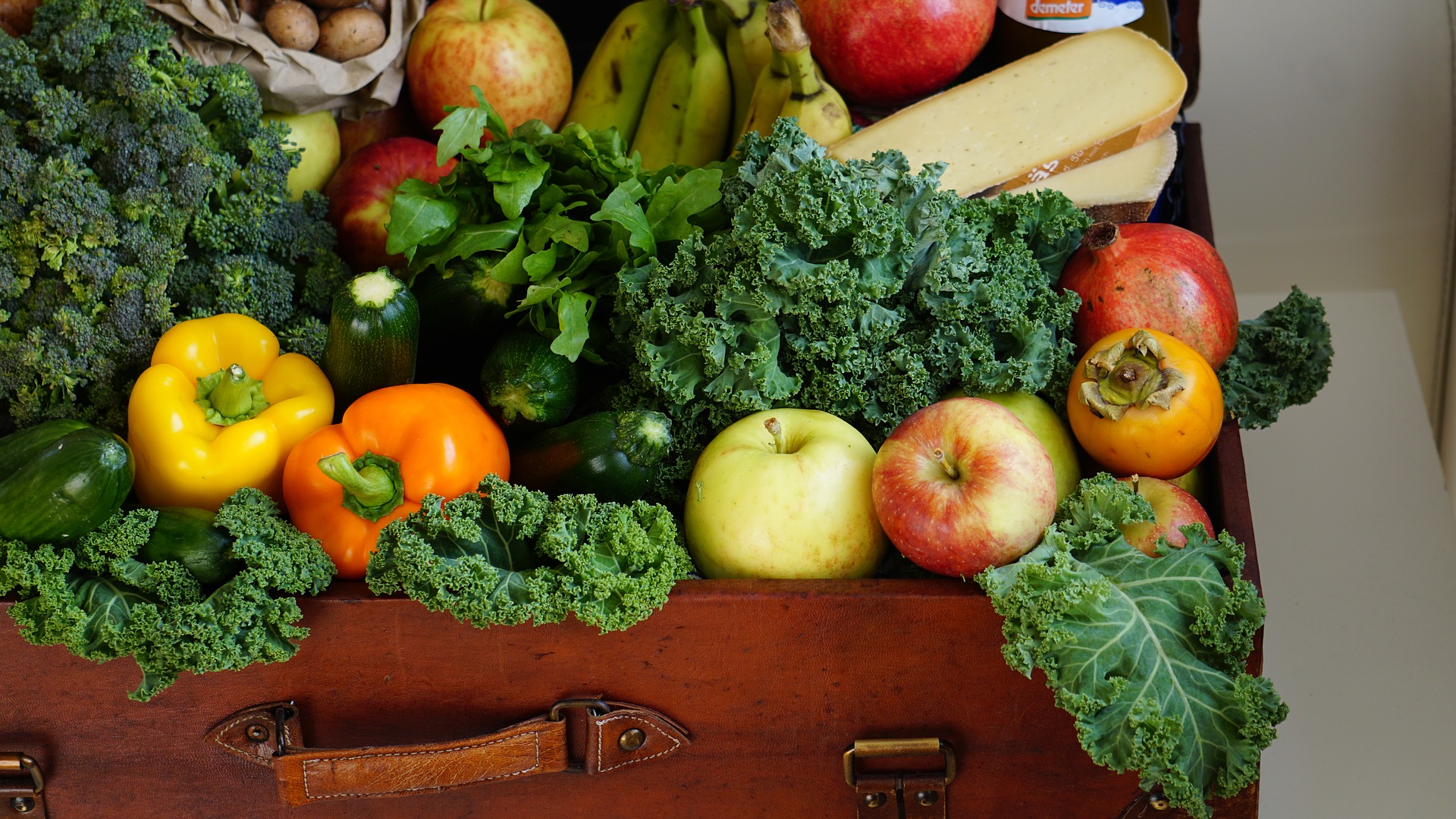
As you can see, boosting the nutritional content of your shopping trolley is easier than ever and can be achieved with common, every day superfoods. Colour and proper preparation is the key to enhancing these nutritional benefits. Happy shopping!