

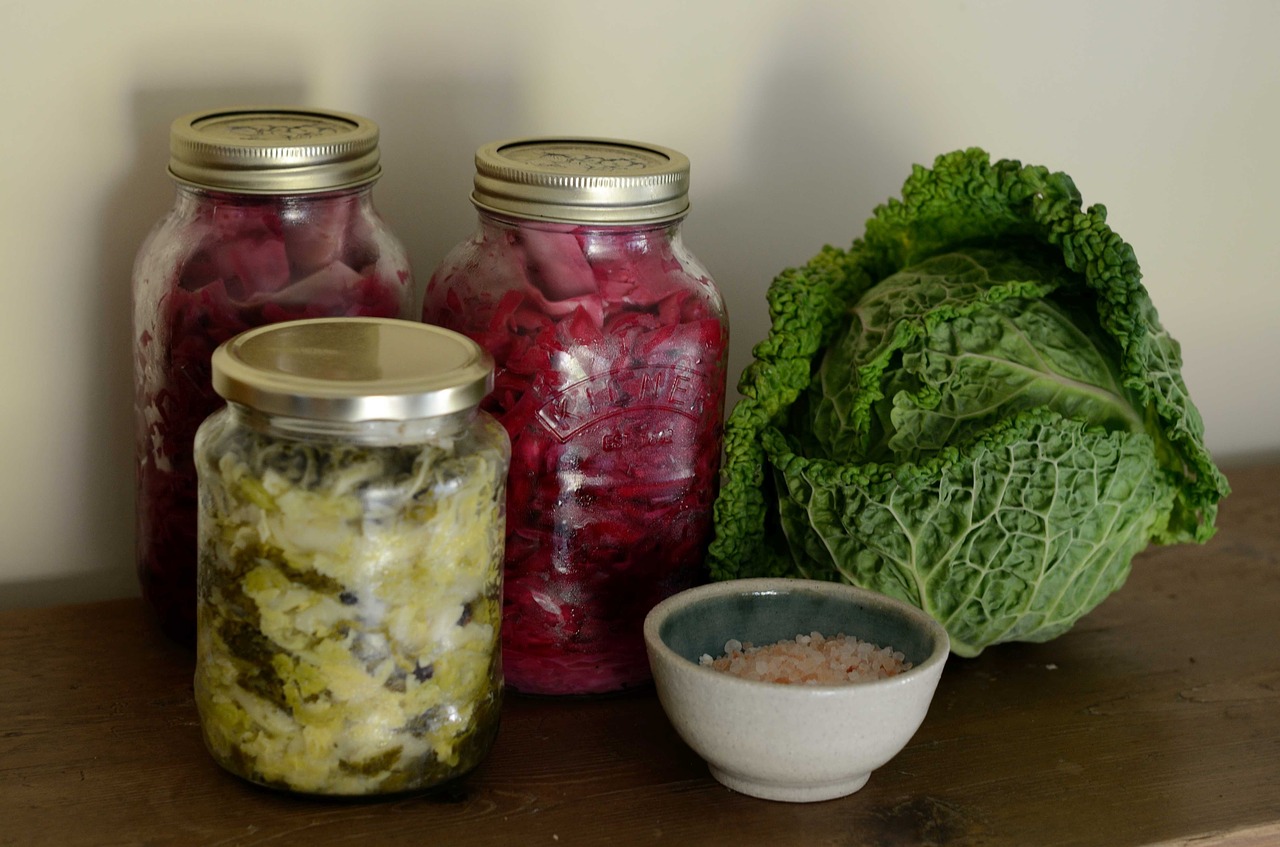
1. Make fermented foods a staple in your diet.
Fermented foods may help support microbial diversity and can be easier for some people to digest. Fermented foods themselves are easier to digest.
Fermented foods include:
- Kefir
- Sauerkraut
- Kim chi
- Organic natural yoghurt
- Kombucha
- Tempeh
- Miso
Probiotic supplements can also increase the healthy colonies of bacteria that reside in your digestive system.
2. Increase dietary fibre
Soluble and insoluble fibres are essential to a healthy gastrointestinal system and reduce constipation. It is important to keep hydrated any time fibre is increased. Additionally, Fibre supports healthy bowel motions by adding bulk and helping move stool through the digestive tract.
Psyllium husk is an easily accessible supplementary form of fibre that can be added to
water, juice or cereal.
3. Embrace the power of Apple Cider Vinegar
Combat indigestion, reflux, bloating, gas by adding 1-2 tsp ACV and a squeeze of fresh lime juice to warm water prior to each meal.
4. Drink Enough Water
Water that is…
Hard stools are never fun and being dehydrated is a significant factor in hard stools, straining and constipation. Many adults need around 2 litres of fluid daily, but needs vary with body size, activity, climate, medications, and health conditions.
5. With pro come pre-biotics
Prebiotics are indigestible carbohydrates that are fermented by the healthy bacteria (probiotics) in the digestive tract. The fermentation process provides food or fuel for probiotics to enhance growth and functionality in digestive processes.
Prebiotic foods include:
- Artichokes
- Leek
- Onions
- Garlic
- Beans
- Asparagus
- Slippery elm
- Psyllium
6. Consider Digestive Enzymes Only When Needed
No matter how perfect your diet may be, a lack of digestive enzymes will hinder your digestive capabilities. Supplementation with digestive enzymes prior to meals can assist in reducing the uncomfortable symptoms associated with poor digestion. You can obtain certain enzymes from foods such as, papaya, kiwi fruit and pineapple.
7. Herbal teas not cawfees
Coffee has stimulative and irritative effects on the gut, which can contribute to digestive discomfort, inflammation and diarrhoea. Herbal teas are soothing and nourishing to the gut and increase hydration. Certain teas such as ginger, peppermint, turmeric, chamomile and liquorice tea can reduce flatulence, decrease inflammation and bloating.
8. Move After Meals
Remaining active increases circulation and stimulates peristaltic muscle movements that push food around and through the digestive tract. Even short gentle exercise after meals can go a long way in the fight for a healthy digestive system.
9. Stress less
Stress is a significant driver in poor digestion. It seems strange and totally unconnected but, the energy that would normally be used in digesting foods is diverted to the brain and muscles to manage stressresponses.
Manage stress with:
- Deep breathing
- Meditation
- Epsom salts baths
- Adequate sleep
- Engaging in arts and crafts or any down-time hobbies
If digestive symptoms such as bloating, reflux, constipation, diarrhoea, or food reactions keep coming back, it may be time to look deeper. A nutrition consultation can help connect your symptoms, food intake, stress, hydration, and routine into a practical plan.
Personalised digestive health support can help identify food triggers, gut patterns, stress factors, and nutrient needs so you can build a plan that suits your body.